


Albania, officially the Republic of Albania, is a country in Southeastern Europe. It is located on the Adriatic and Ionian Seas within the Mediterranean Sea and shares land borders with Montenegro to the northwest, Kosovo to the northeast, North Macedonia to the east and Greece to the south. Tirana is its capital and largest city with a population of 425,000. Population of the entire country is 2.9 million. The official language is Albanian with Greek, Aromanian and Macedonian as recognized minority languages. 59% of its citizens follow Islam and 17% Christianity. Its landmass is 11,100 square miles. Albania, politically, is a unitary parliamentary constitutional republic and is a developing country with an upper middle economy dominated by the service sector, followed by manufacturing and is a market based economy. The country provides universal health care and free primary and secondary education and is a candidate for membership in the European Union.
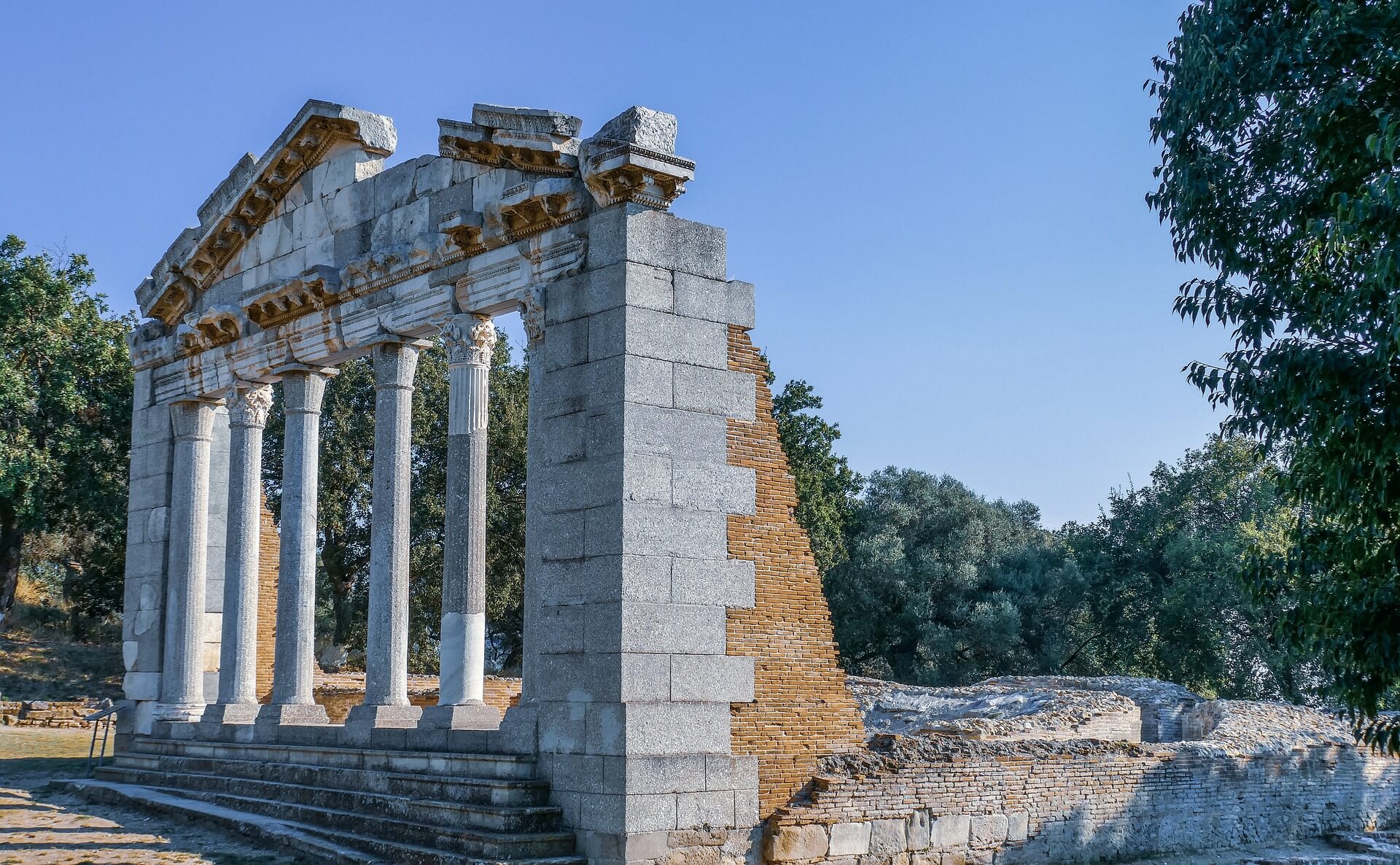
The first evidence of Neanderthal occupation dates back to the middle and upper Paleolithic Periods. Multiple artifacts from the Iron and Bronze Ages lead Archeologists to believe these regions were inhabited from the middle of the third millennium BCE by Indo-Europeans who spoke a Proto-Greek language. A part of this population later moved to Mycenae around 1600 BCE and established the Mycenaean civilization. Albania has been inhabited by different civilizations over time, including the Illyrians, Thracians, Greeks, Romans, Byzantines, Venetians and Ottomans. The Albanians established the autonomous Principality of Arber in the 12th century A.D. The Kingdom of Albania and Principality of Albania were formed in the 13th and 14th centuries. Prior to the Ottoman conquest of Albania in the 15th century, the Albanian resistance to Ottoman expansion into Europe won them acclaim. Between the 18th and 19th centuries, cultural developments widely attributed to Albanians having gathered both spiritual and intellectual strength, and led to the Albanian Renaissance. After the defeat of the Ottomans in the Balkan Wars, the modern state of Albania was declared in 1912. In the 20th century, the Kingdom of Albania was invaded by Italy which formed greater Albania before becoming a protectorate of Nazi Germany. Enver Hoxha formed the People’s Republic of Albania after World War II which was a communist state. The revolutions of 1991 ended communism, Hoxha’s dictatorship and led to the establishment of the current Republic of Albania.
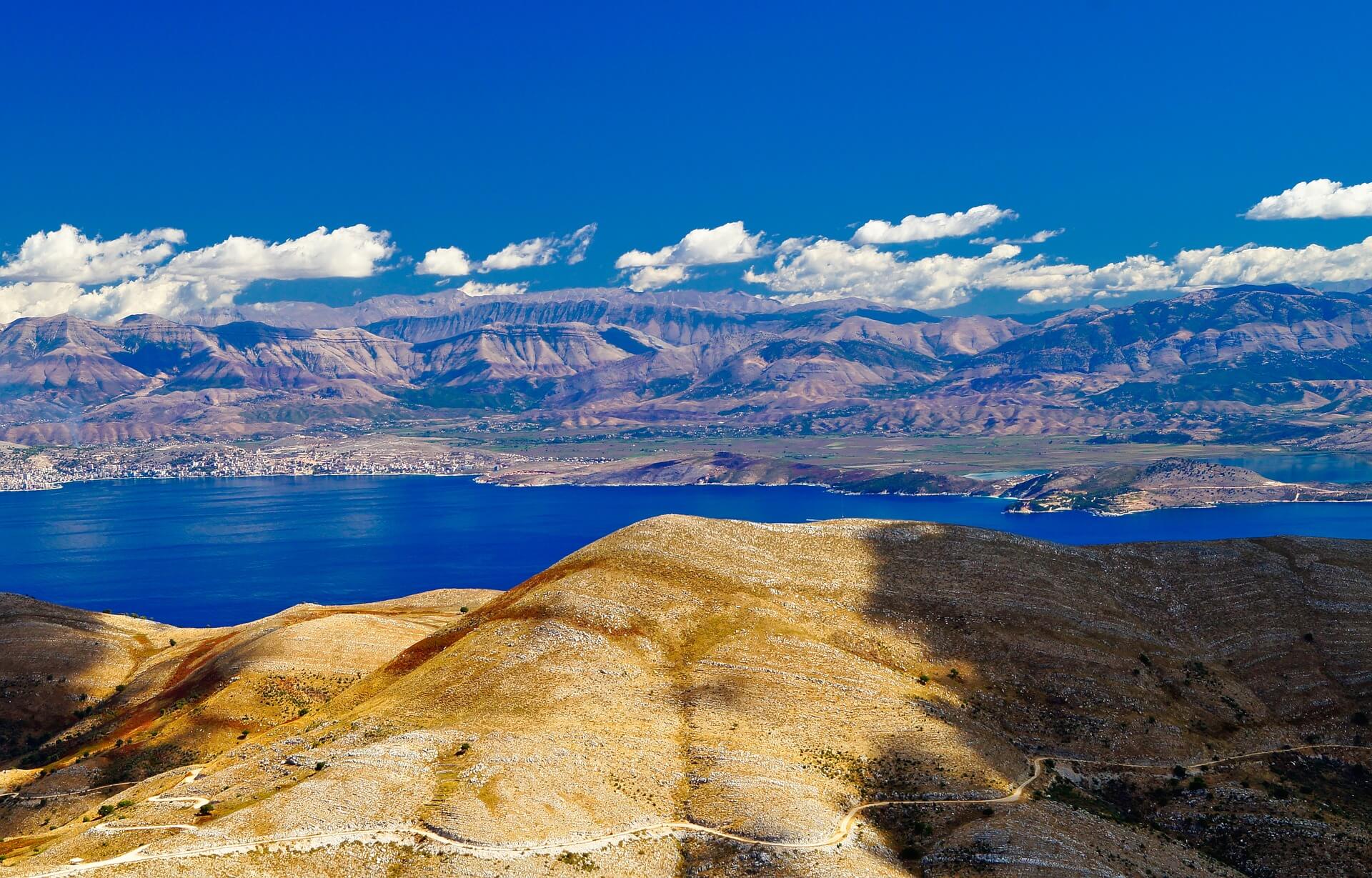
Much of Albania rises into the mountains with the tallest peak at 9200 feet above sea level and the lowest point being the Mediterranean Sea. Distances east to west are 92 miles and north to south 211 miles. The most important geographic feature in the country is the numerous lakes. The Lake of Shkoder is the largest lake in southern Europe and located in the northwest, and in the southeast rises the Lake of Ohrid, one of the oldest continuous lakes in the world. The Vjose is one of the last remaining intact large river systems in Europe. The climate of Albania is extremely diverse owing to its latitude, longitude and altitude. The country has a predominantly Mediterranean and Continental climate with four distinct seasons. The warmest areas of the country are near the Adriatic and Ionian Sea coasts. The coldest areas are in the northern and eastern highlands. The Albanian Alps in the north has a subarctic climate with glaciers.
Albania is a biodiversity hotspot on account of its geographical location at the center of the Mediterranean Sea and the great diversity in its climatic, geological and hydrological conditions. Because of its remoteness, the mountains and hills of Albania are endowed with forests, trees and grasses that are essential to a wide variety of animals including the lynx, brown bear, wildcat, gray wolf, red fox, golden jackal, Egyptian vulture and golden eagle which is the national bird of the country. The estuaries, lakes and wetlands are important for the greater flamingo, pygmy cormorant, and the dalmatian pelican. In coastal waters and near the shore can be found loggerhead and green sea turtles and the Mediterranean monk seal. Approximately 3500 species of plants inhabit Albania and have Mediterranean and Eurasian characters and include cherry trees, verb scum, and Albanian cloves. Trees are predominantly fir, oak, beach and pine.
Albania has been shaped by the geography and history of the country. It grew from the ancient Illyrians with their pagan beliefs and specific way of life in the wooded areas of far southern Europe. Albanians are separated into two cultural and linguistic groups, the northern Ghegs and the southern Tosks. Home to Muslims, Christian and Jews, religious tolerance is one of the most important virtues of the tradition of the Albanian people. Despite being a small country Albania has three UNESCO World Heritage Sites. The ancient code of behavior known as the Kanun that is still practiced by Ghegs was codified in the Middle Ages. Scholars believe the code may have derived from Illyrian tribal laws. “Besa” to keep the promise is among the highest and most important concepts with a moral and ethical importance. The term connotes honoring the given word or keeping of a promise or obligation as a guaranteed agreement among honorable men. Besa means taking care of those in need and being hospitable to every single person. The Albanians saved 2000 Jews from the Nazis by taking them into their families as Albanians.
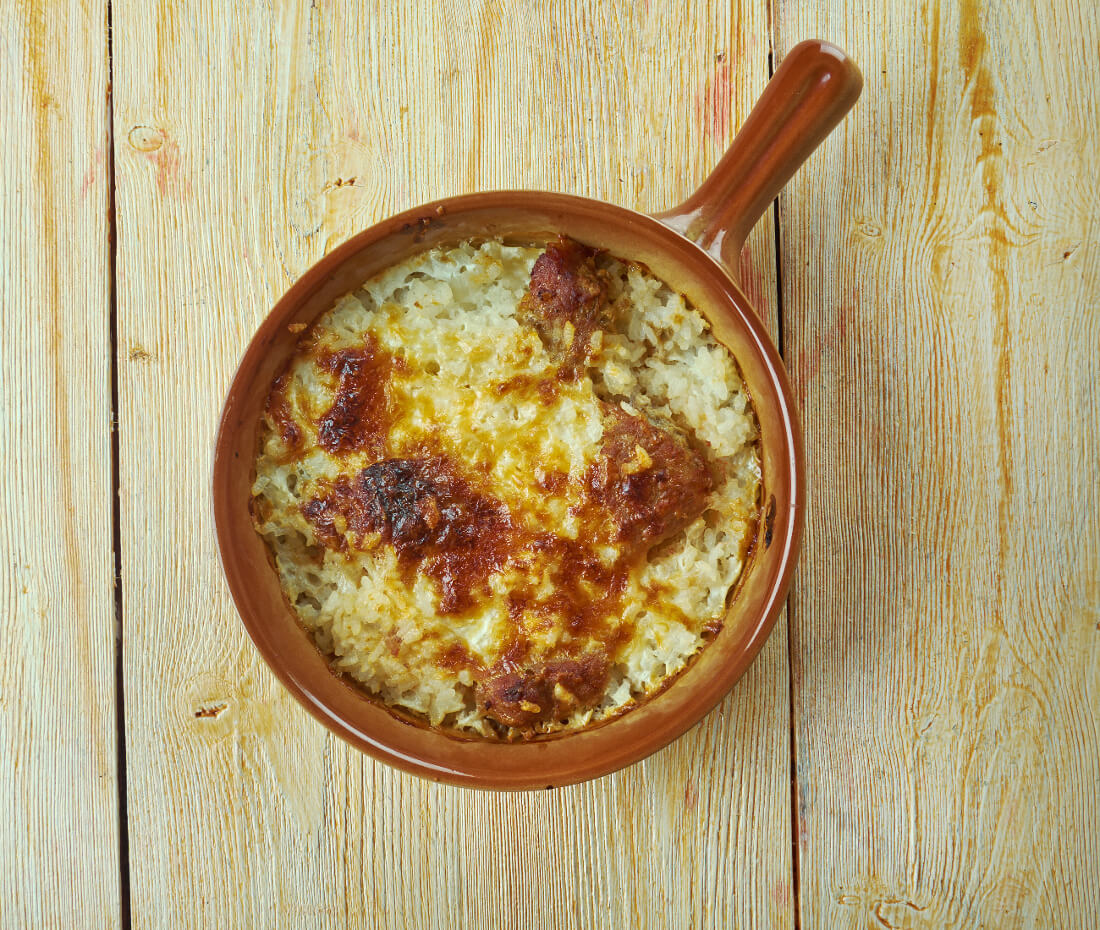
Tave Kosi, the national dish of Albania is lamb and rice baked with yogurt and eggs
Fergese is a dish served with either peppers or liver
Speca me Glize stuffed peppers and meat cooked with cottage cheese
Qofte Albanian version of meatballs
Fileto Pule Me Pana Dhekerpudha grilled chicken breast with mushrooms and cream sauce
Qifqi vegetarian risotto balls
Flija a crepe like dish served with sour cream
Petulla fried dough
Perime ne Zgara grilled vegetables
Various Fish and Seafood
Jani me Fasule white bean soup
Shendetlie honey nut cake
Kabuni fried rice dessert with raisins, sugar, cloves and cinnamon
Raki alcoholic drink
Mix of grilled meat with lamb
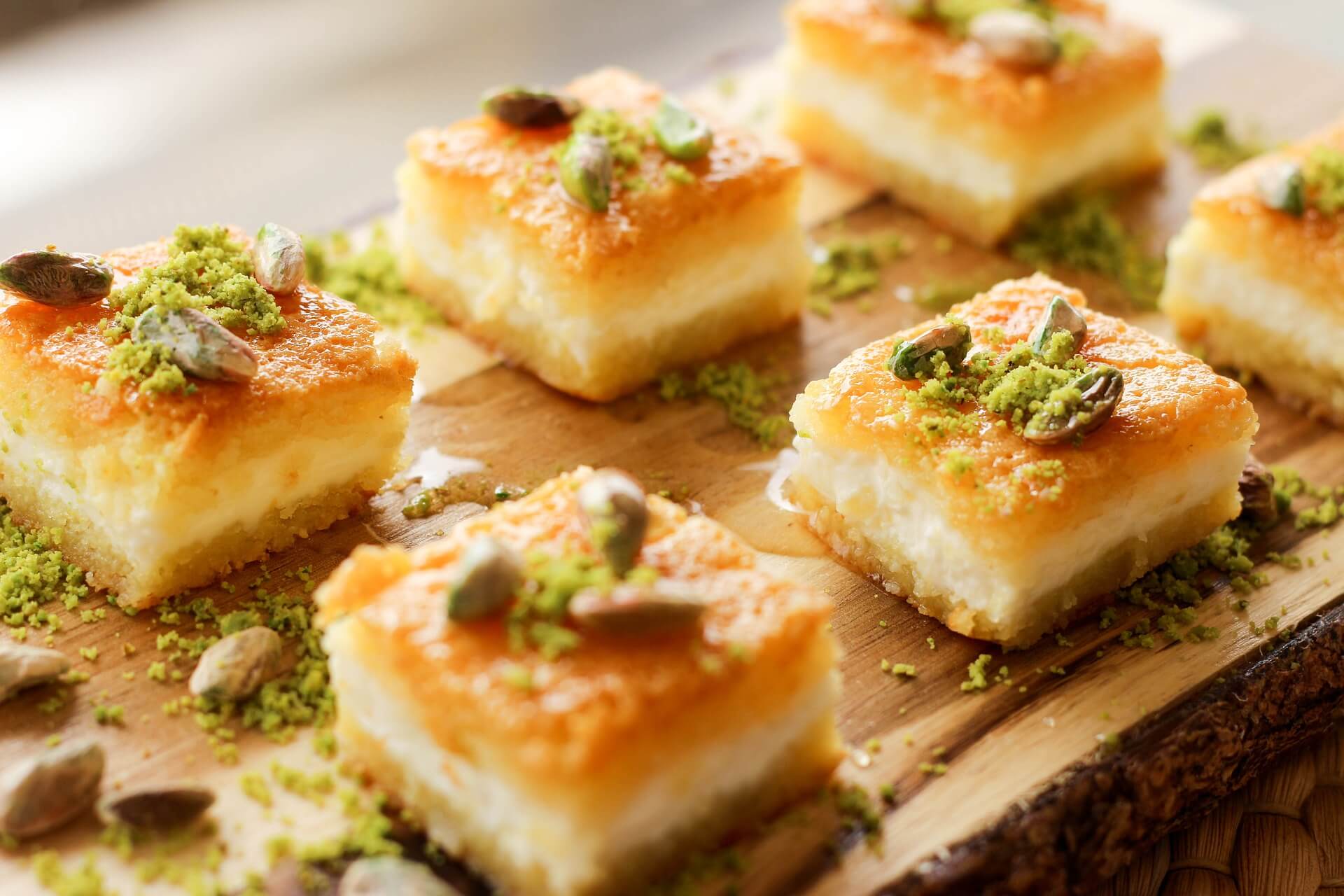
Baklava
Tirana is the capital and largest city. This vibrant city has public buildings mixing architecture of different eras to up to date and authentic restaurants, pubs, cafes and posh nightclubs. Sheshi Skenderbej is Tirana’s main square and gathering place. It is a vast pedestrian agora surrounded by architectural cultural monuments such as the National Museum of History and the 115 foot high old Clock Tower similar to structures in Venetia. In central Tirana are the imposing Opera House with an extended horizontal shape braked by numerous steep columns, The National Bank of Albania and other institutional buildings. Visit the Tiran BunkArt, a majestic coveted bunker built by Hoxha. After the communists were overthrown, Tirana developed and expanded, turning into a polycentric urban area from its buzzing streets to the charming hills and eastern mountain range.
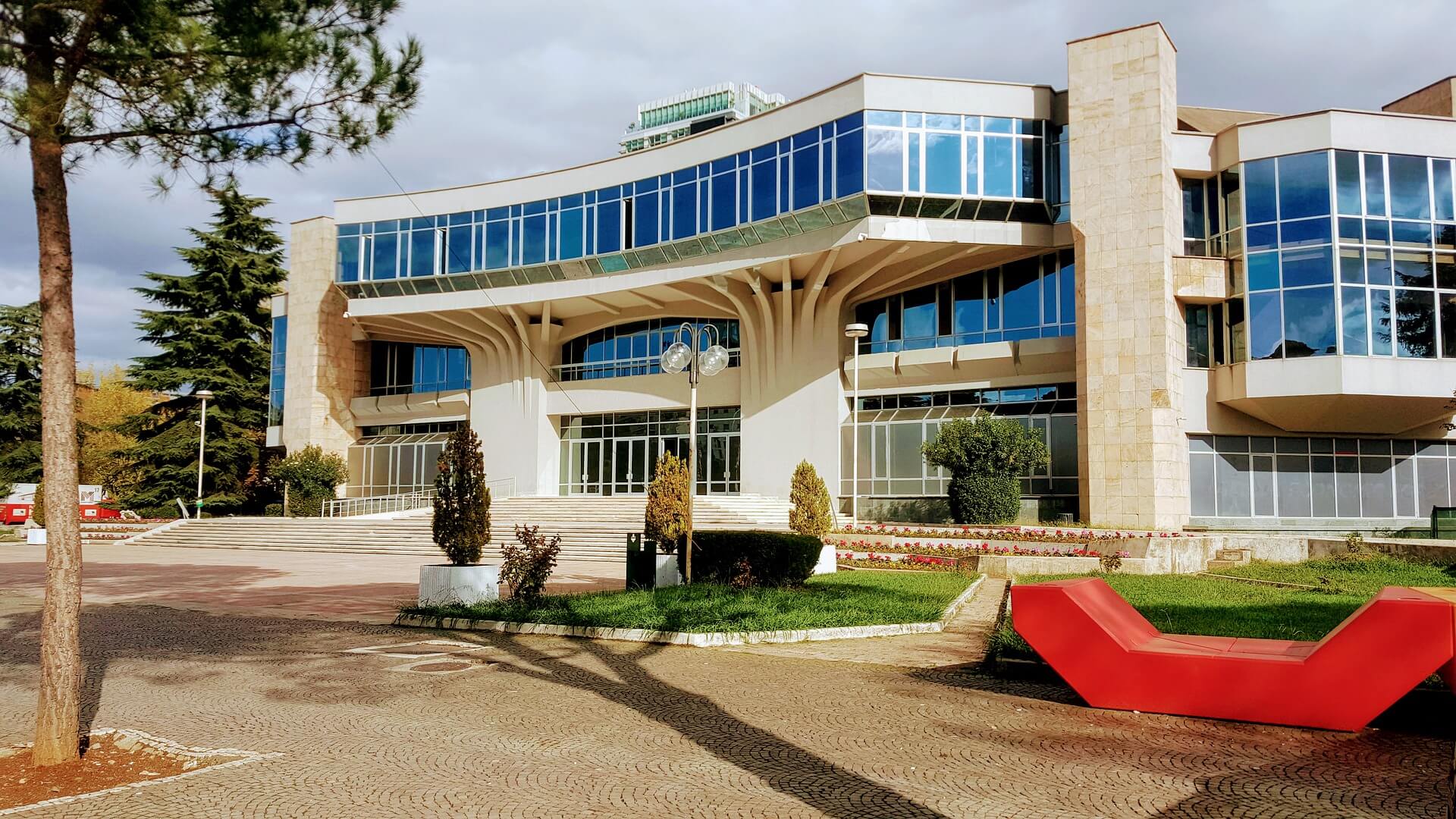
Shkodra is the largest and most important city in northern Albania. It holds a unique position at the confluence of three rivers and near the shores of Lake Shkodra, the largest lake in the Balkans. Shkodra is one of the oldest cities in Albania dating back 2400 years. The imposing hill rising above the city acts as a natural acropolis. Each era, Illyrian, Byzantine, Venetian, Medieval, and Ottoman all blended together in one authentic complex. There is a large castle with a beautiful view of the city and its surrounding hills, plains and mountains. Visit the Marubi National Museum of Photography, Teater Migjeni, and the long pedestrian boulevard with low tier houses, bars, coffee shops, taverns and museums. Shkodra is also the gateway to the Albanian Alps.
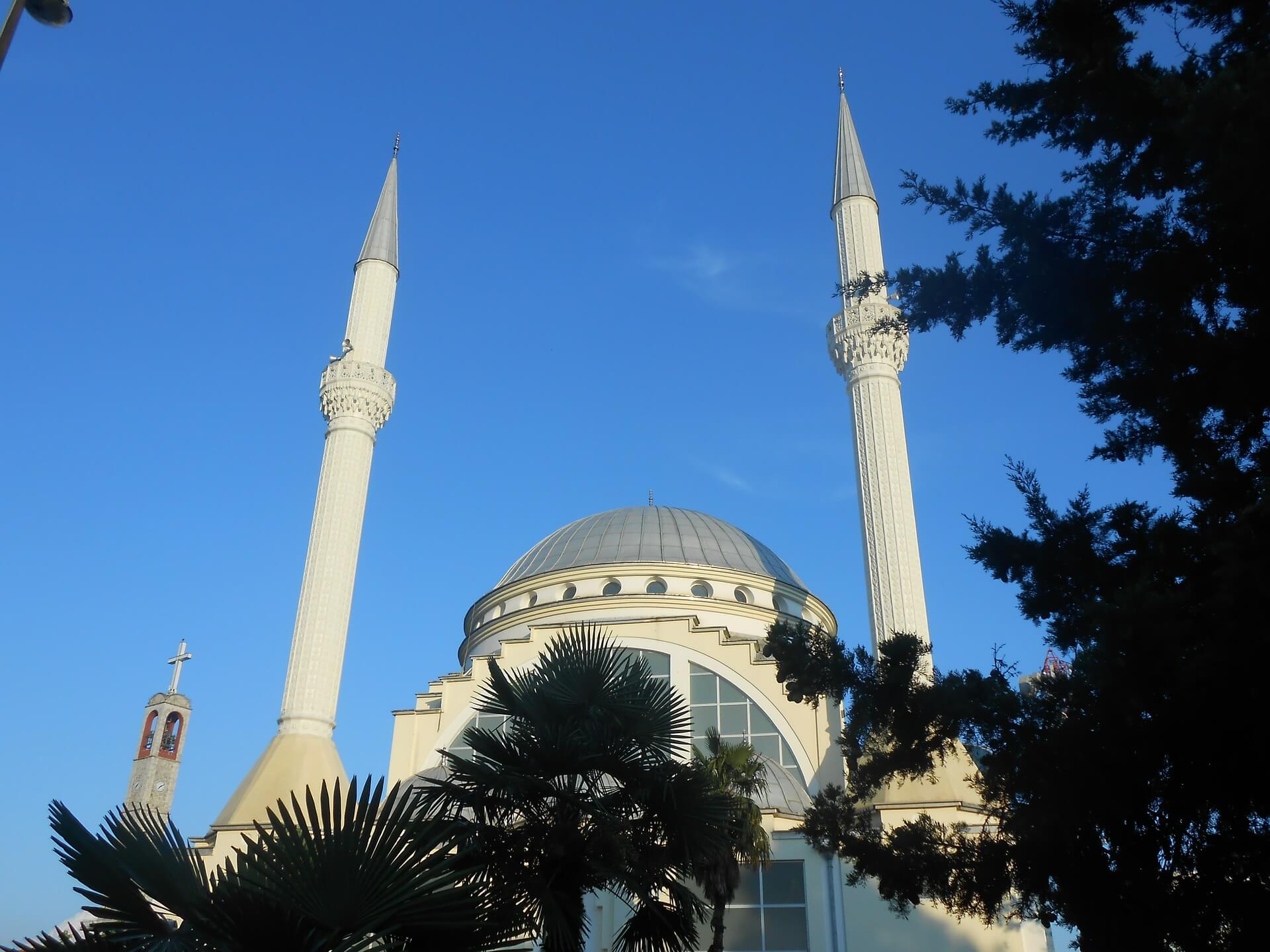
Vlora is the meeting point between the Adriatic and the Ionian Seas and is called the southern Albanian Riviera. This seaside city gets a big summer tourist crowd with its beaches, boulevards, streets and seafront promenades. Visit the National Museum of Independence, the Llogara Mountain Range and the monastery of Zvernec.
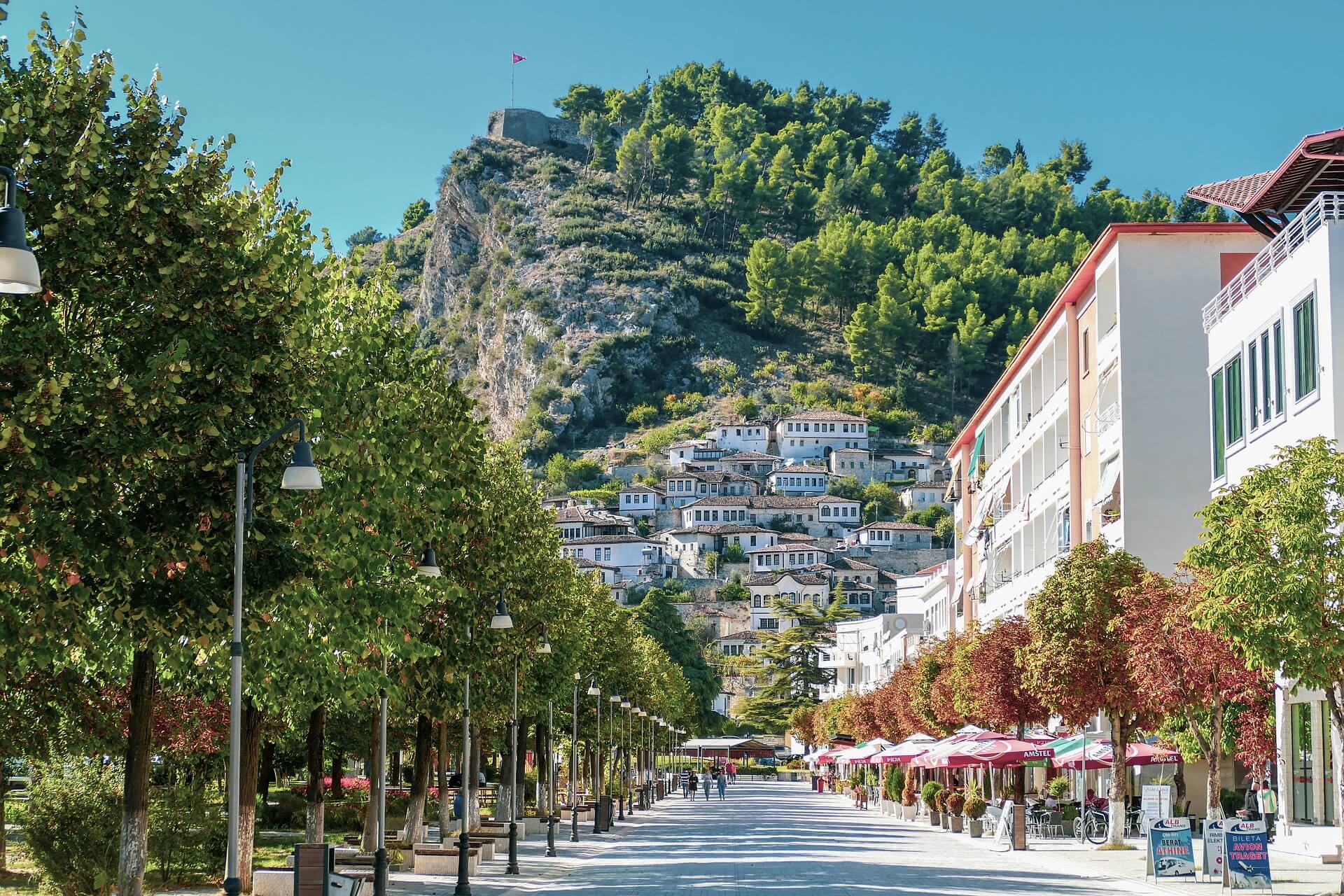
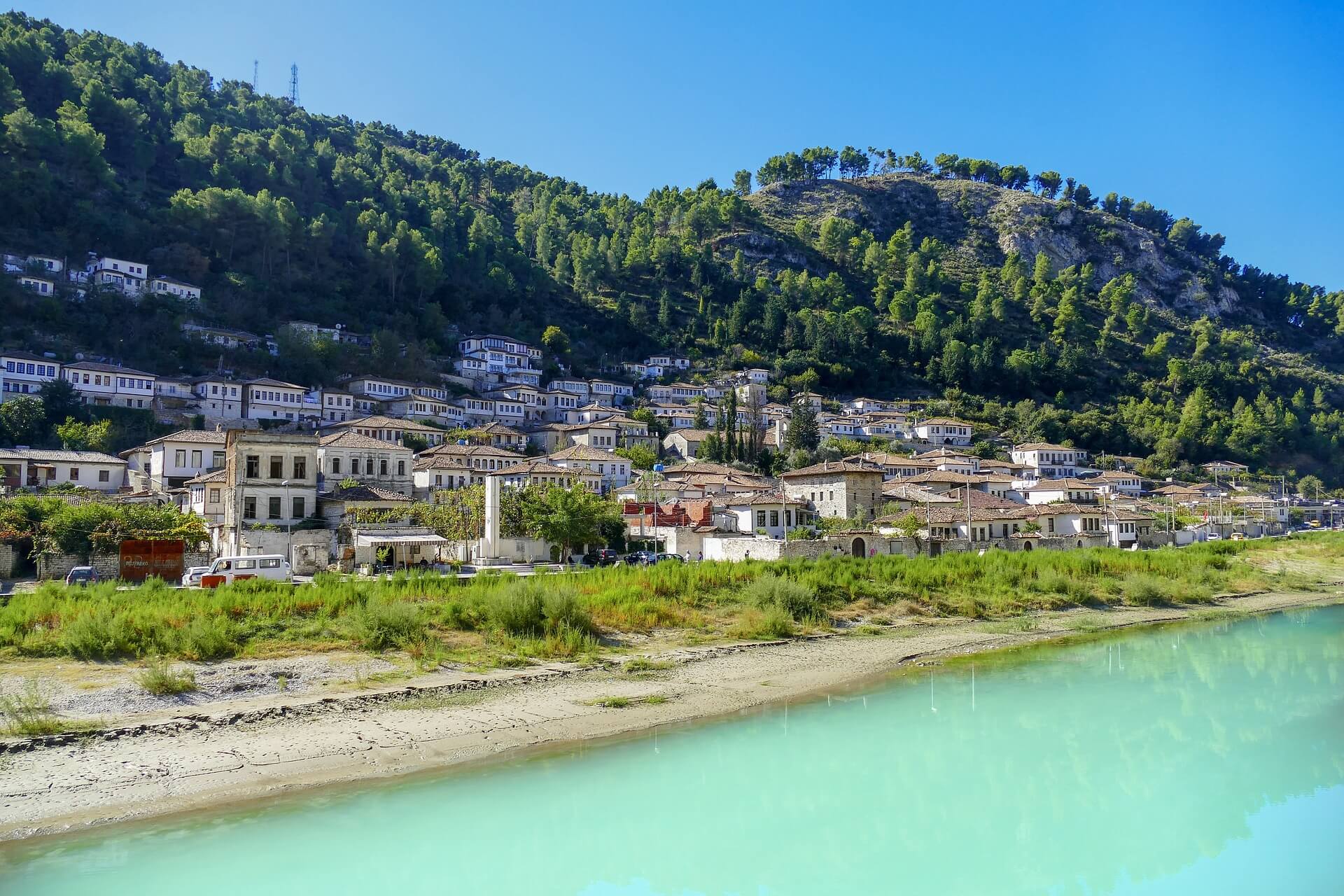
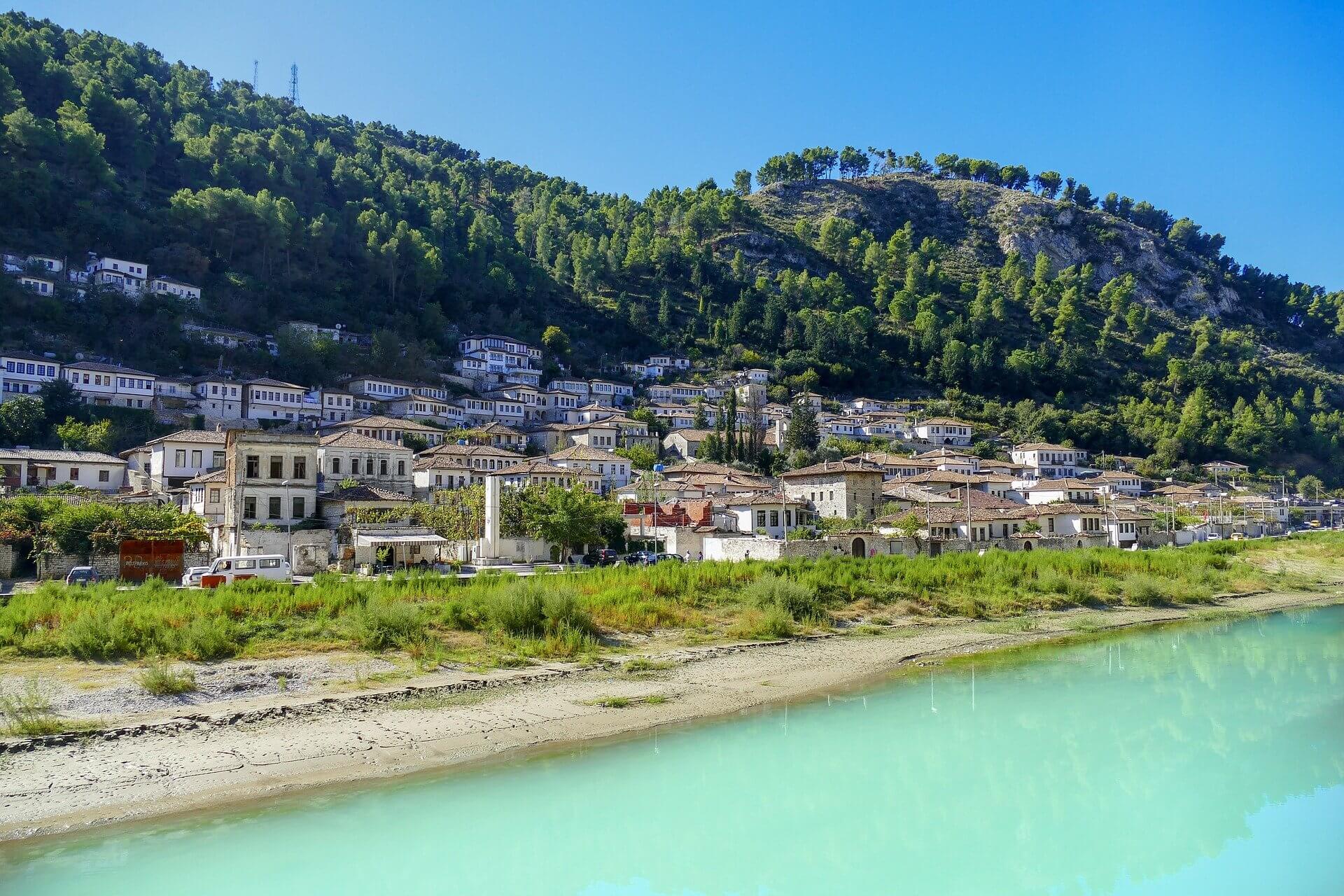
Berat is the nation’s symbol of religious and cultural harmony. The authentic architecture and layout has earned it a designation as a UNESCO World Heritage Site. Beautiful houses with white walls, tiered reddish roofs and multiple windows rise up the green hills along narrow iconic alleys and terraces. The Osum River meanders below Berat.
Other Tourist Attractions
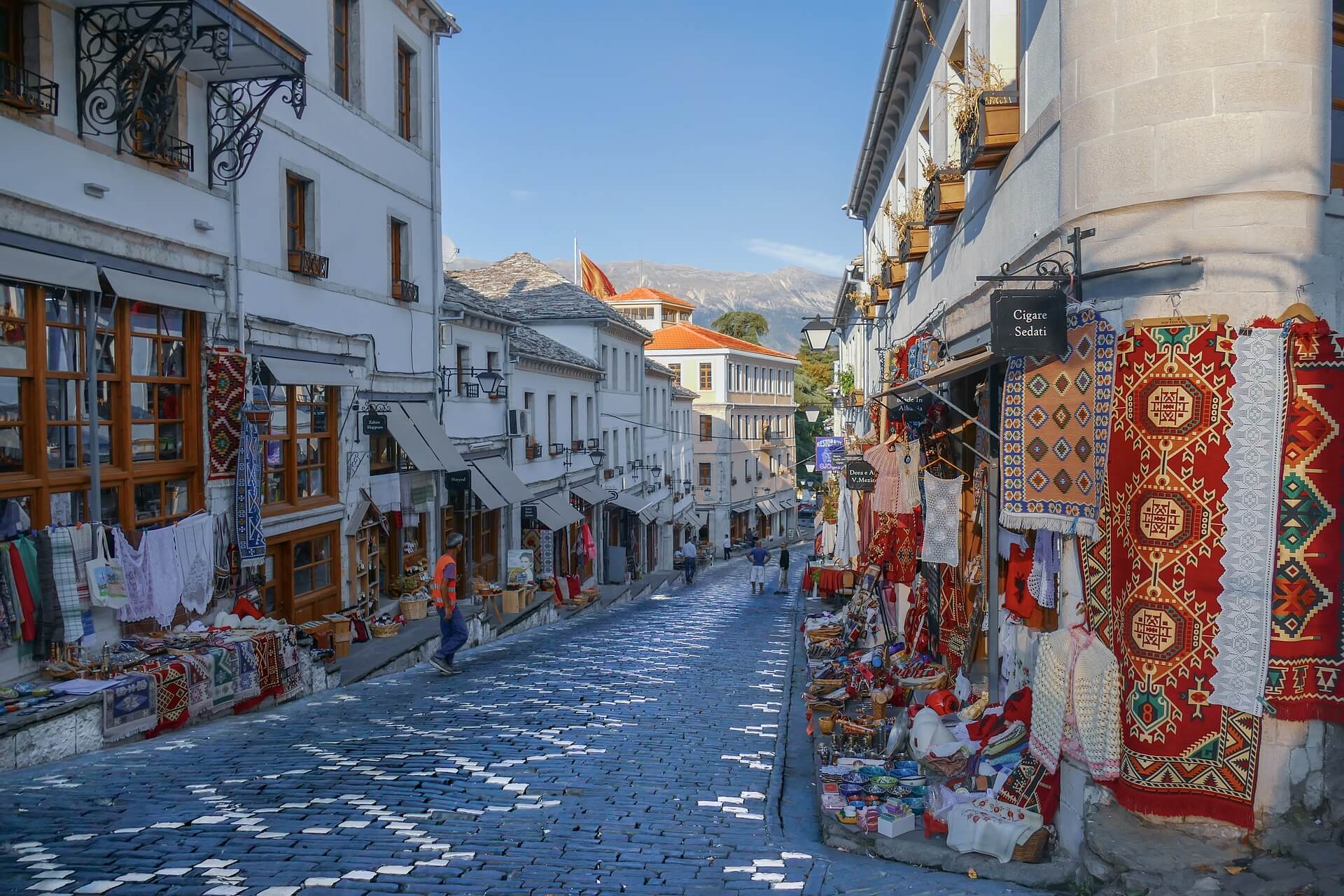
Gjirokaster is a city with a unique Ottoman architecture throughout it and the city has been named a UNESCO Heritage Site. It is also home to one of the most beautiful castles in the country.
The Old City of Kruja Visit the National Ethnographic Museum located inside an old castle with a stunning view of the Adriatic. Also visit the old bazaar.
Porto Palermo Castle outside the coastal town of Himara
Saranda has gorgeous beaches and nightlife.
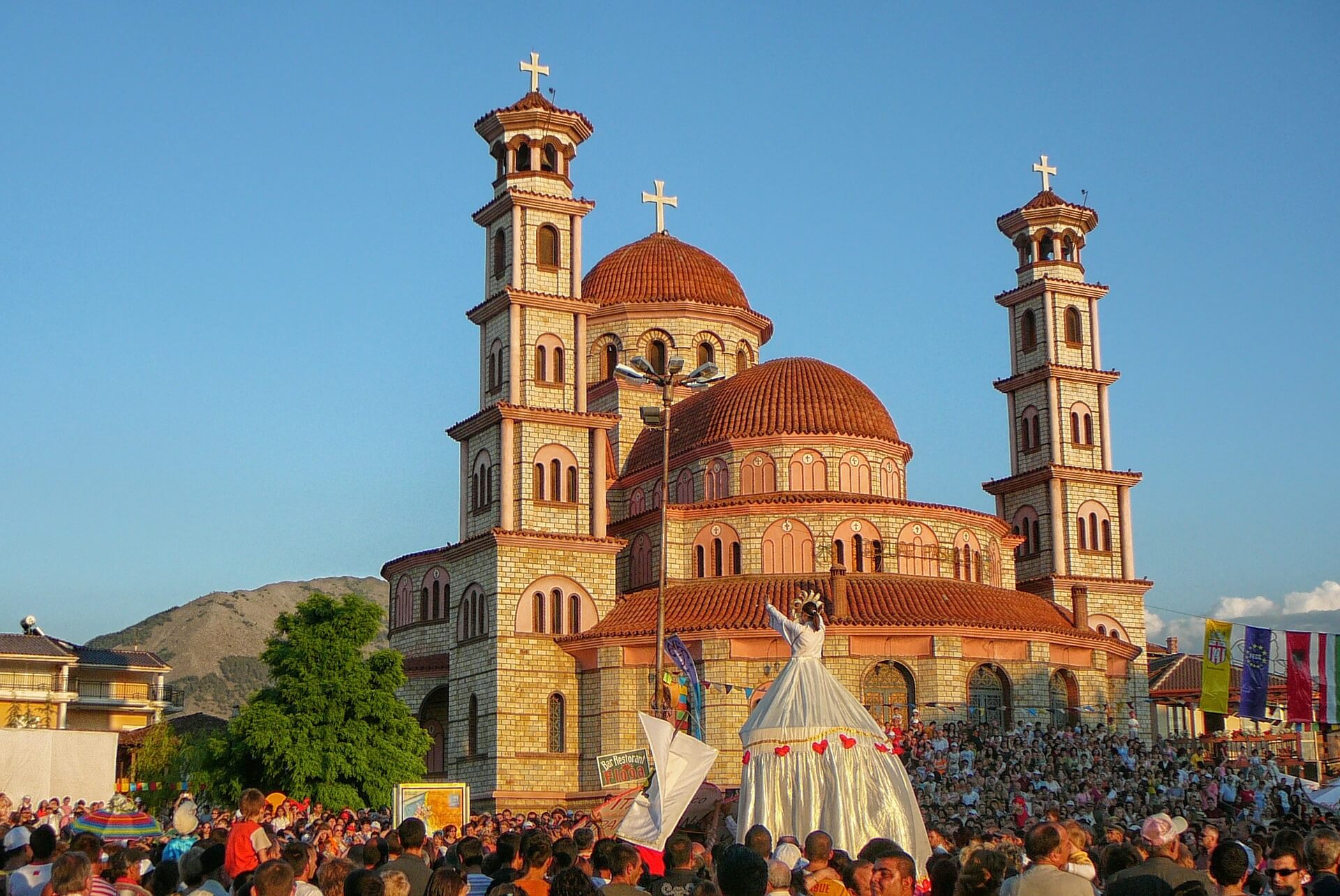
City of Korra has an old bazaar and the largest Orthodox Church in country, ancient villas, local songs and serenades.
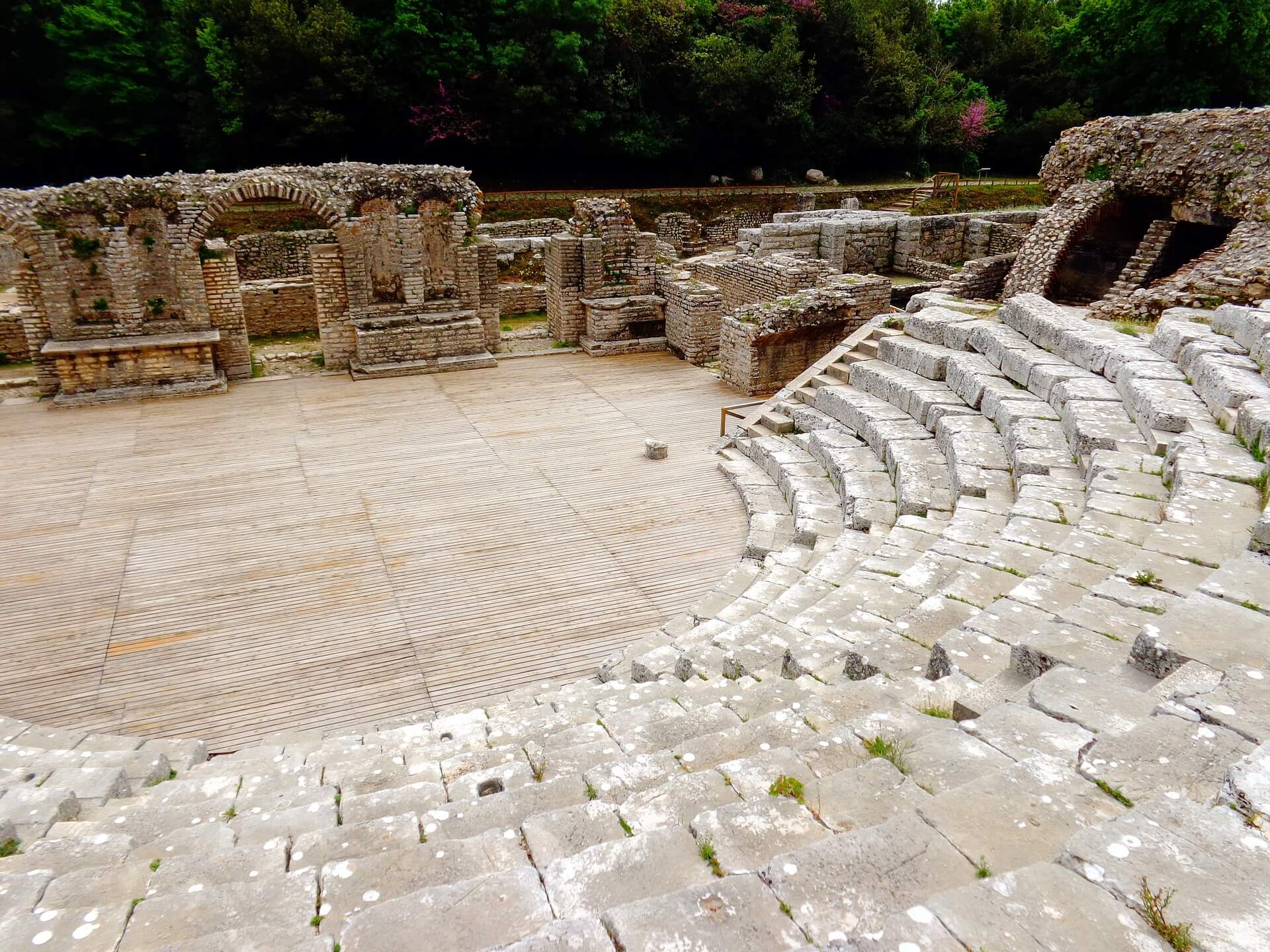
Butrint Archeological Park was once both a Greek and Roman Colony and is now a UNESCO World Heritage Site.
No Tour Found