


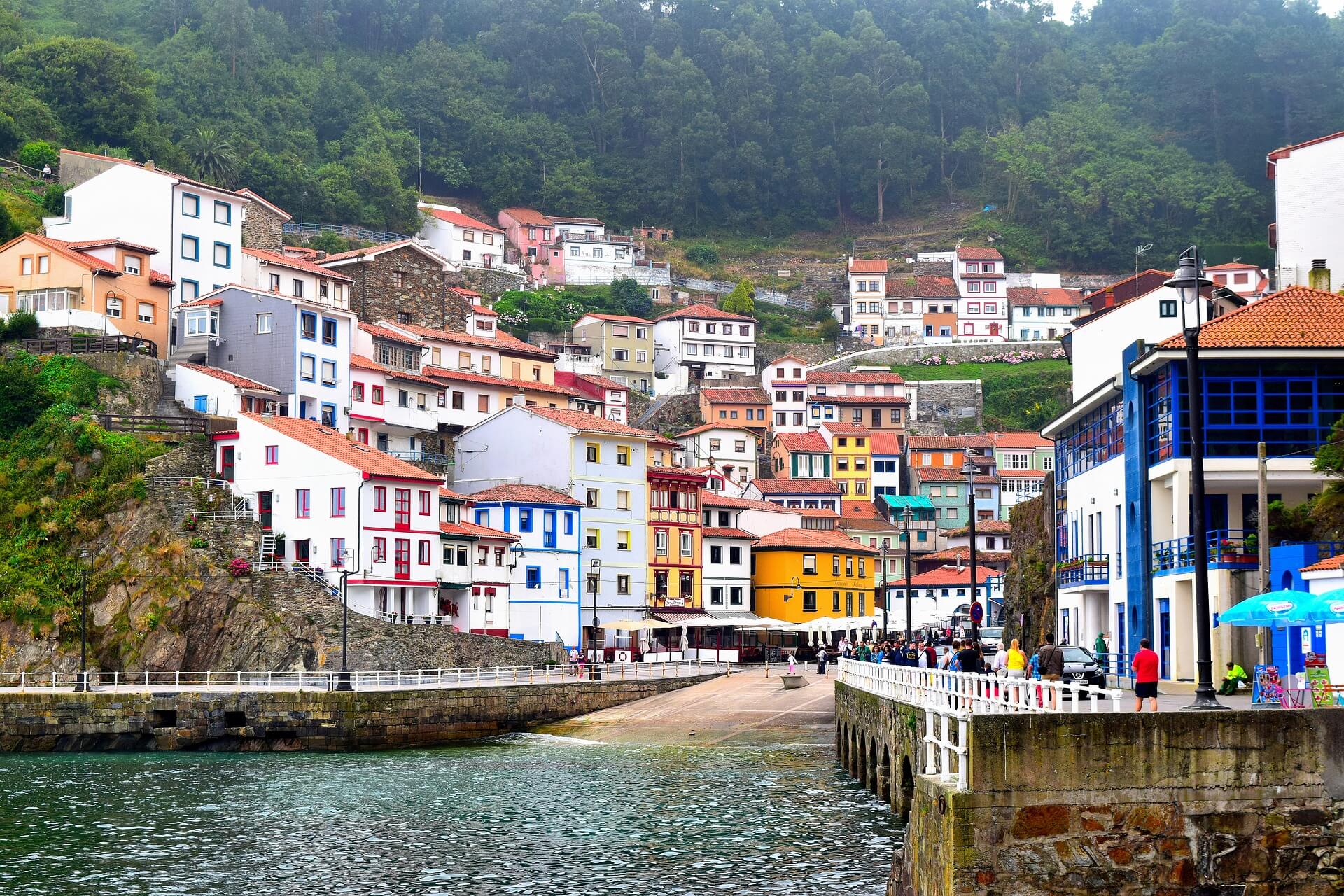
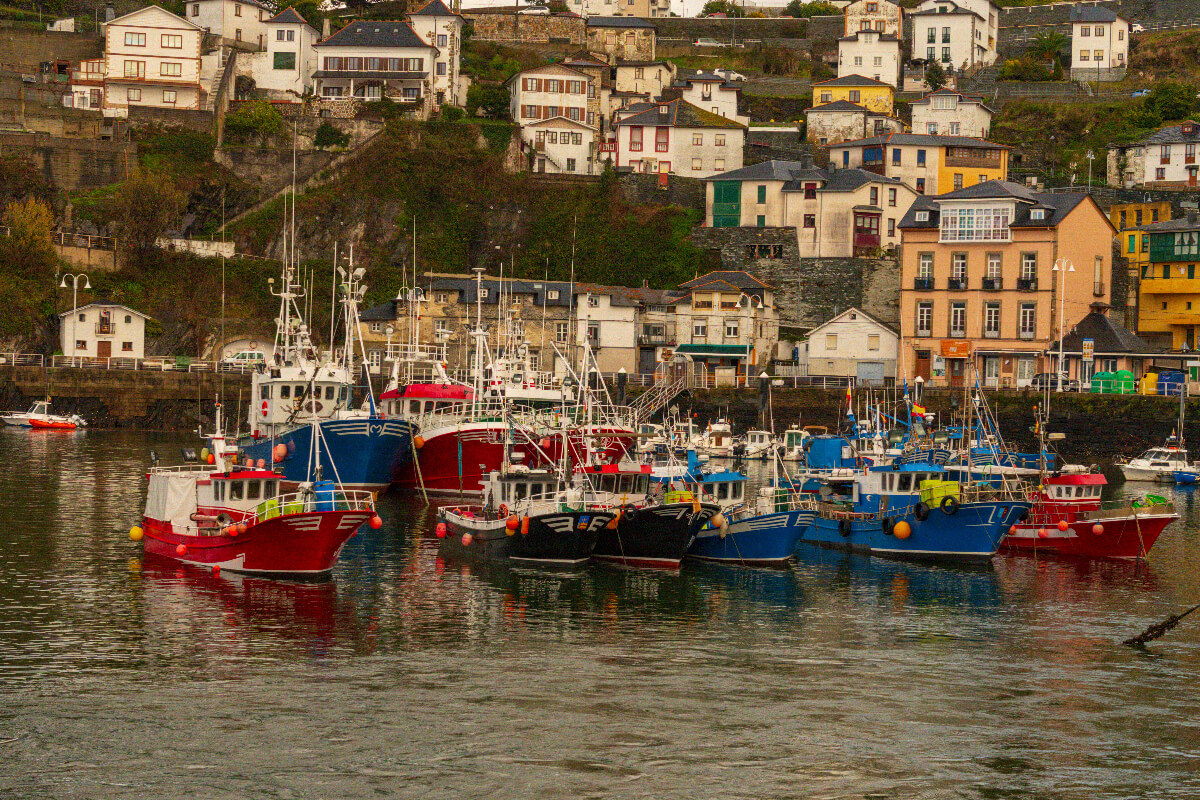
Along the rugged Atlantic coast, between the Bay of Biscay in the North and the Cantabrian Mountains in the South lies the Province of Asturias. Inland are hills, valleys and mountains with green landscapes and along the coast not far from the high mountain peaks are quaint fishing villages and beaches. Moderate temperatures are pleasant all year around and rain is part of the oceanic climate. Agriculture is rather poor but coalfields, mining and metallurgical industry have created a rich economy.
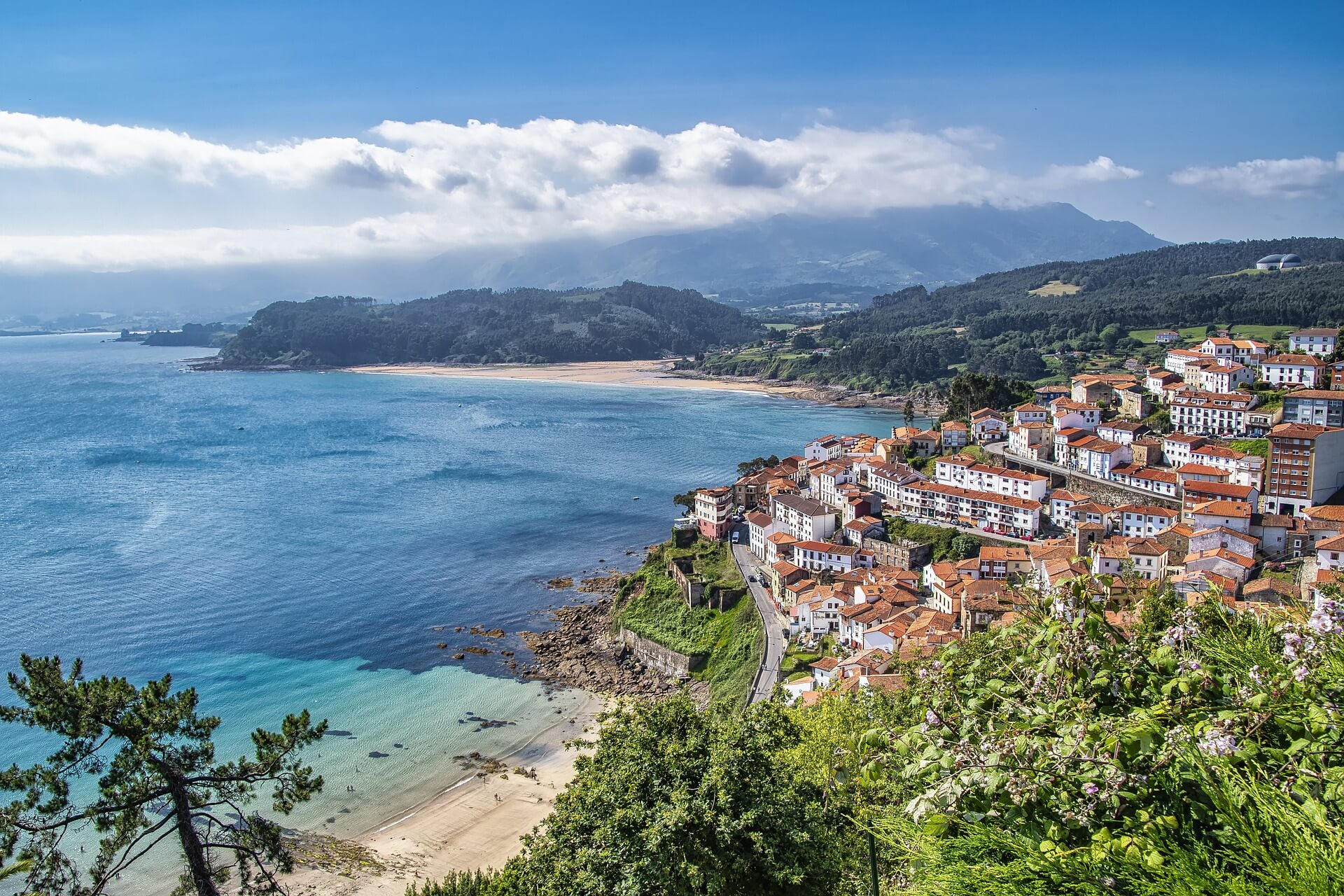
The original kingdom of Asturias was much larger under the Visigoths up to the 10th century. In 910 A.D. it was split into 3 separate kingdoms: Leon, Galicia and Asturias but they were reunited later on under the crown of Leon.
The kingdom of Asturias was founded by the Visigothic nobleman Pelagius after he started to reconquer the land occupied by the Umayyad at the time of the Arab invasions. It is the reason why Asturias is considered to be the cradle of the Reconquista
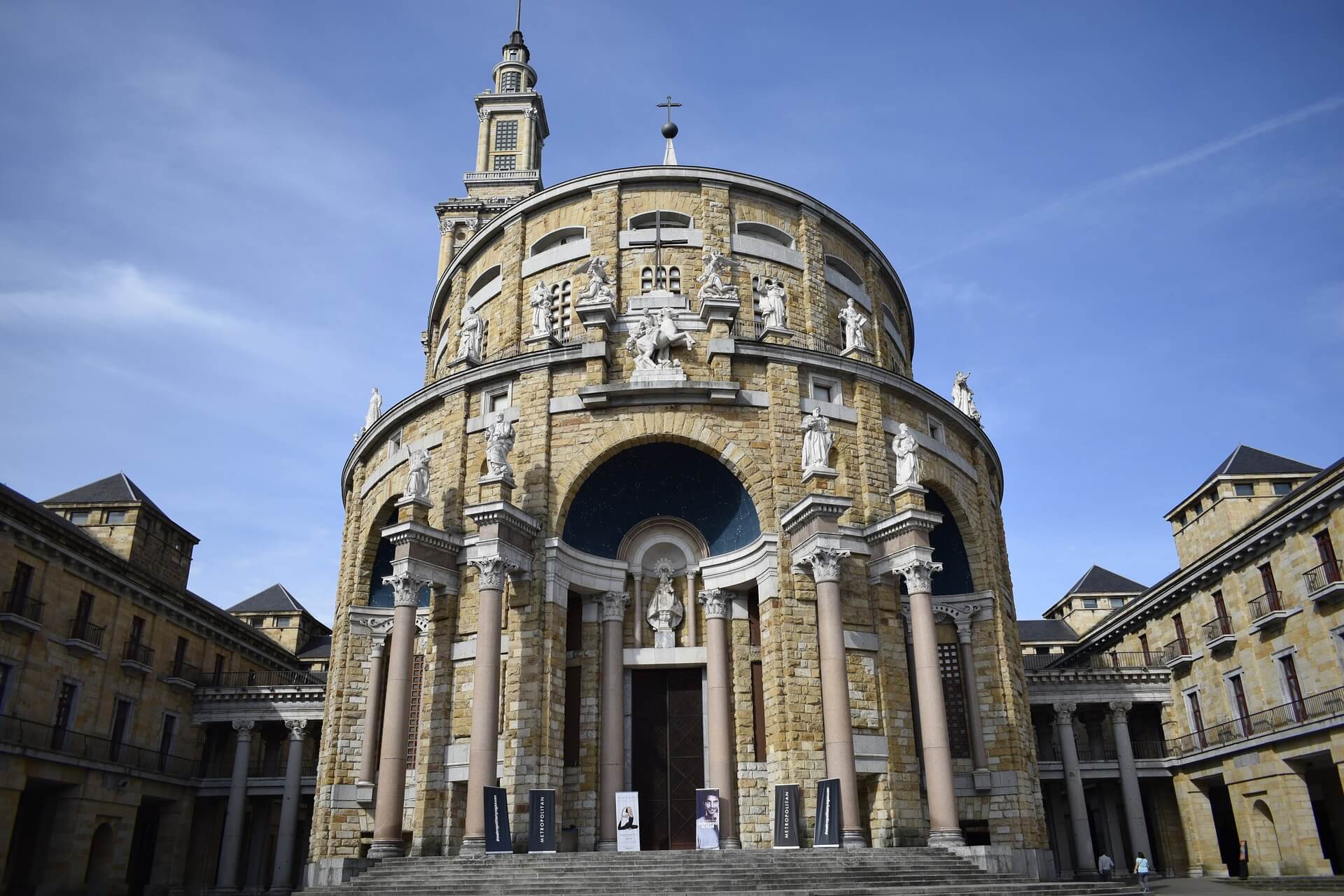
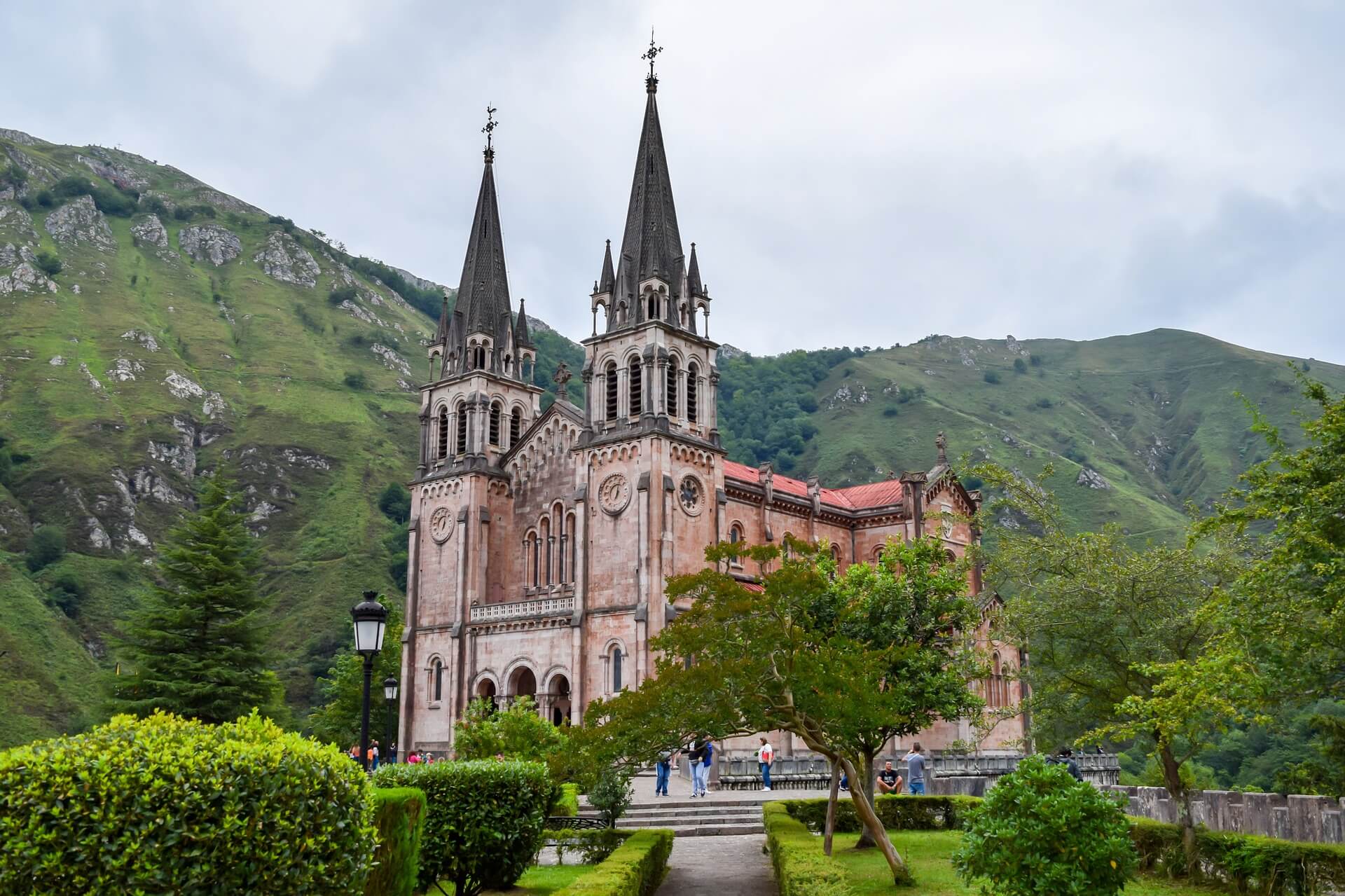
Asturian culture and history has its roots in ancient footprints, dwellings and rupestrian art that go back to the Paleolithic era. Other architectural treasures are from the pre-Romanesque period. In the mountains, the cave and the Basilica of Covadonga is a very important pilgrimage site for Asturian to honor the Virgin who appeared before King Pelayo and encouraged him to begin the Reconquista.
The famous “Way to Saint James” follows different routes through Spain in order to reach Santiago de Compostela. Two of these roads cross Asturias from East to West. “El Camino Primitivo” was the first original way followed by the first pilgrims. The second one is the Northern Coastal road.
The Asturian language is still spoken in Asturias. It is an Iberian Romance language with its distinct grammar and vocabulary.
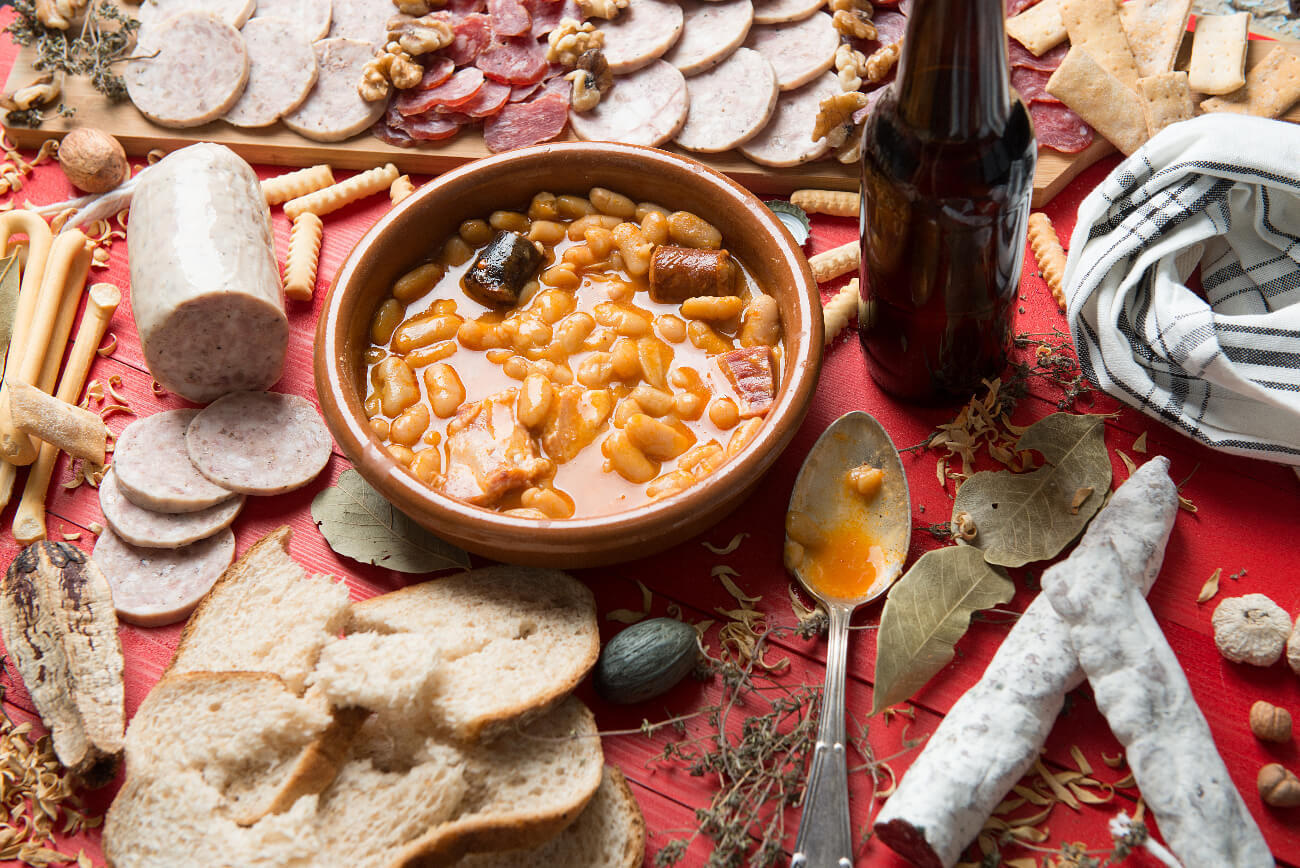
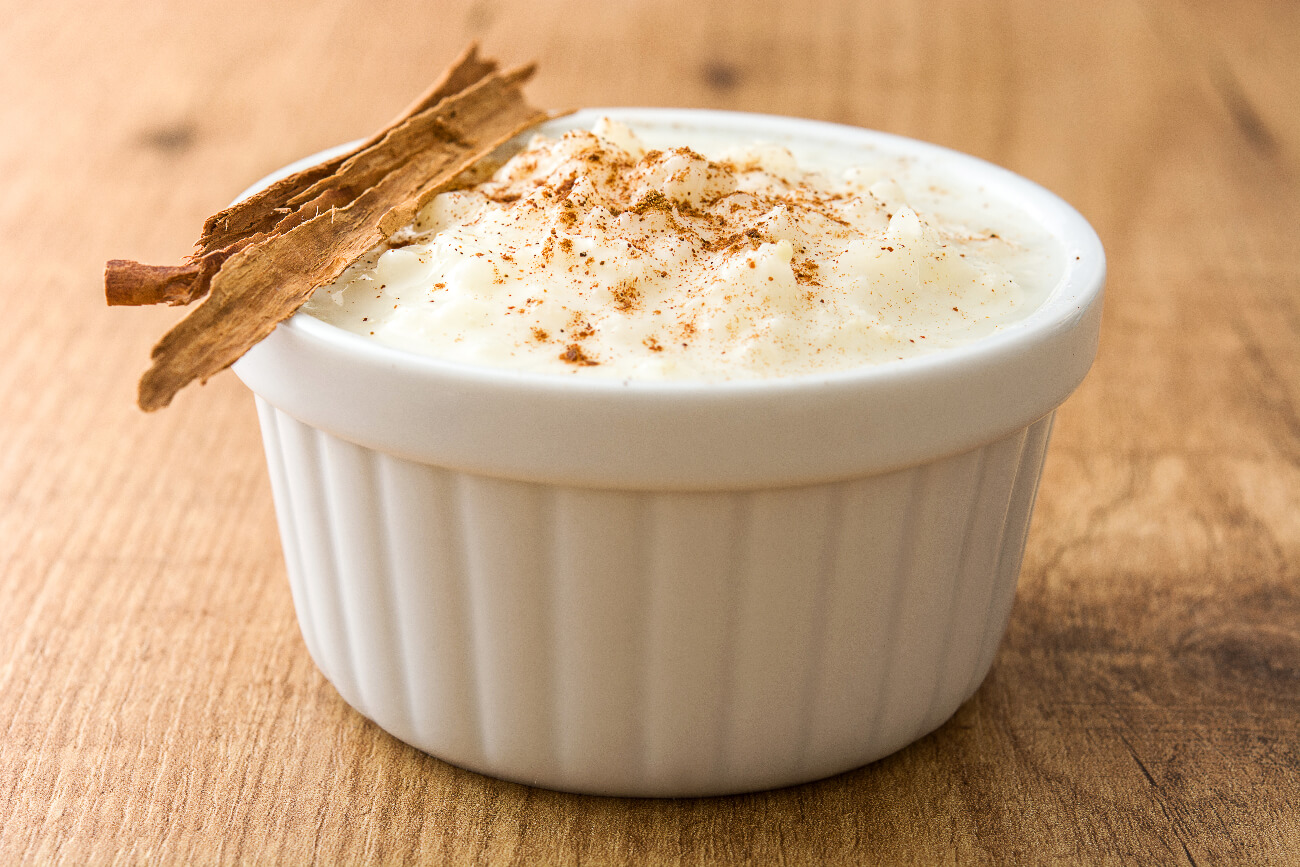
Asturias has its own traditional cuisine. The most famous Asturian dish is the “fabada”, a bean stew cooked with pork shoulder (llacón), morcilla, chorizo, and saffron (azafrán). The beans are the typical local large white beans (fabes de la Granja). It is served with cider which is the most common and appreciated local beverage. Other major dishes include beans with clams (fabes con almejas). Seafood and fish come fresh and abundant from the Atlantic. For dessert choices include Arroz con leche (creamy rice pudding), casadielles (nut pastries) or frixuelos (crêpes).
Asturias is also known in Spain for making good cheese. It’s nicknamed ‘El Pais de Queso’ meaning ‘The Land of Cheese’. Artisanal cheeses are made from sheep’s milk, goat’s milk and cow’s milk; they come in dozens of varieties.
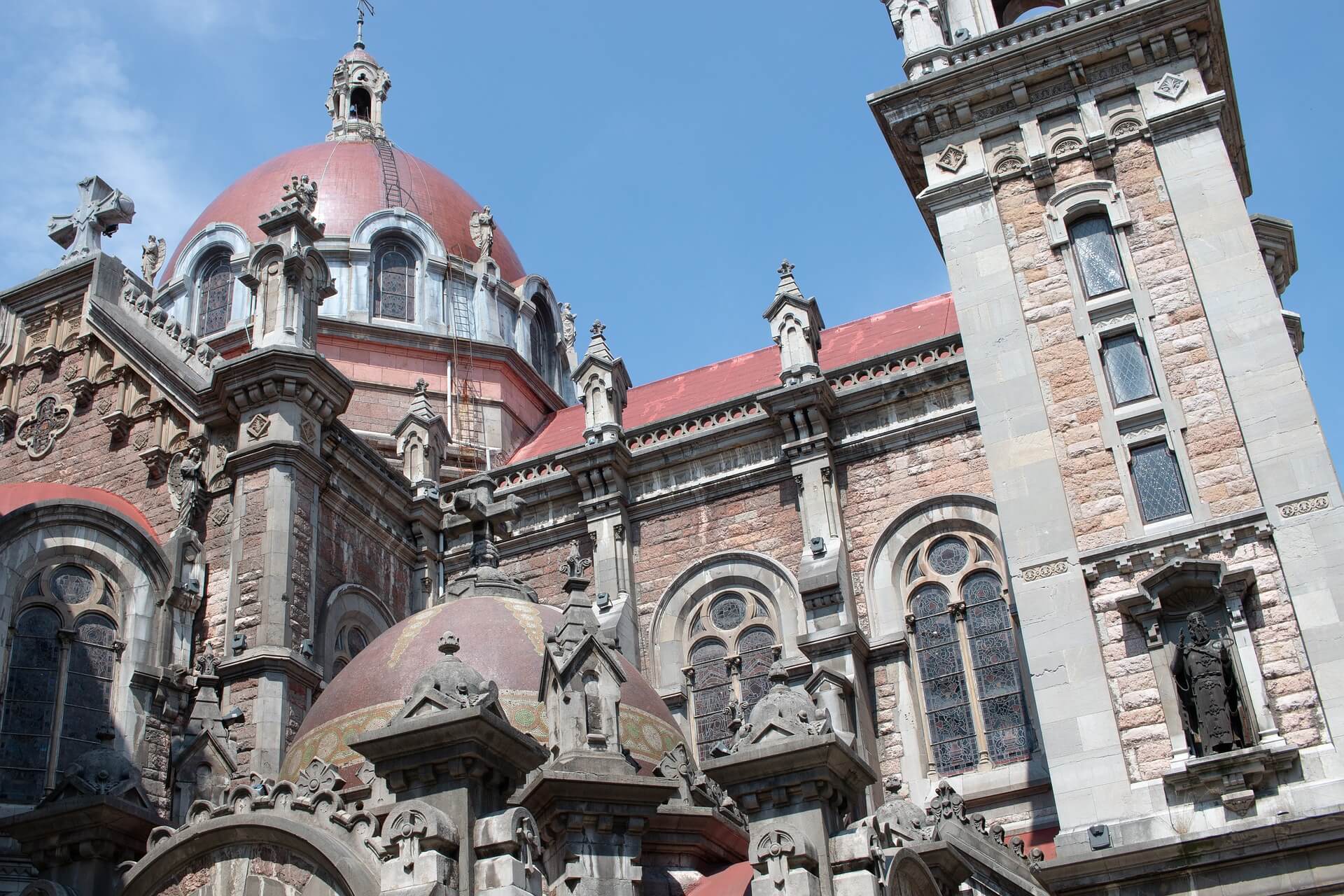
The capital of the Asturias is quite worth a visit especially for its pre-romanesque architecture from the 9th century. In the center of the old town is the Cathedral San Salvador built in 1388 over a previous building dating from the 8th century. Attached is the “Camara Santa” dating from 802 with its many treasures, a Unesco World Heritage site.
Besides the Cathedral you can visit the nearby Archeological Museum and the Fine Arts Museum.
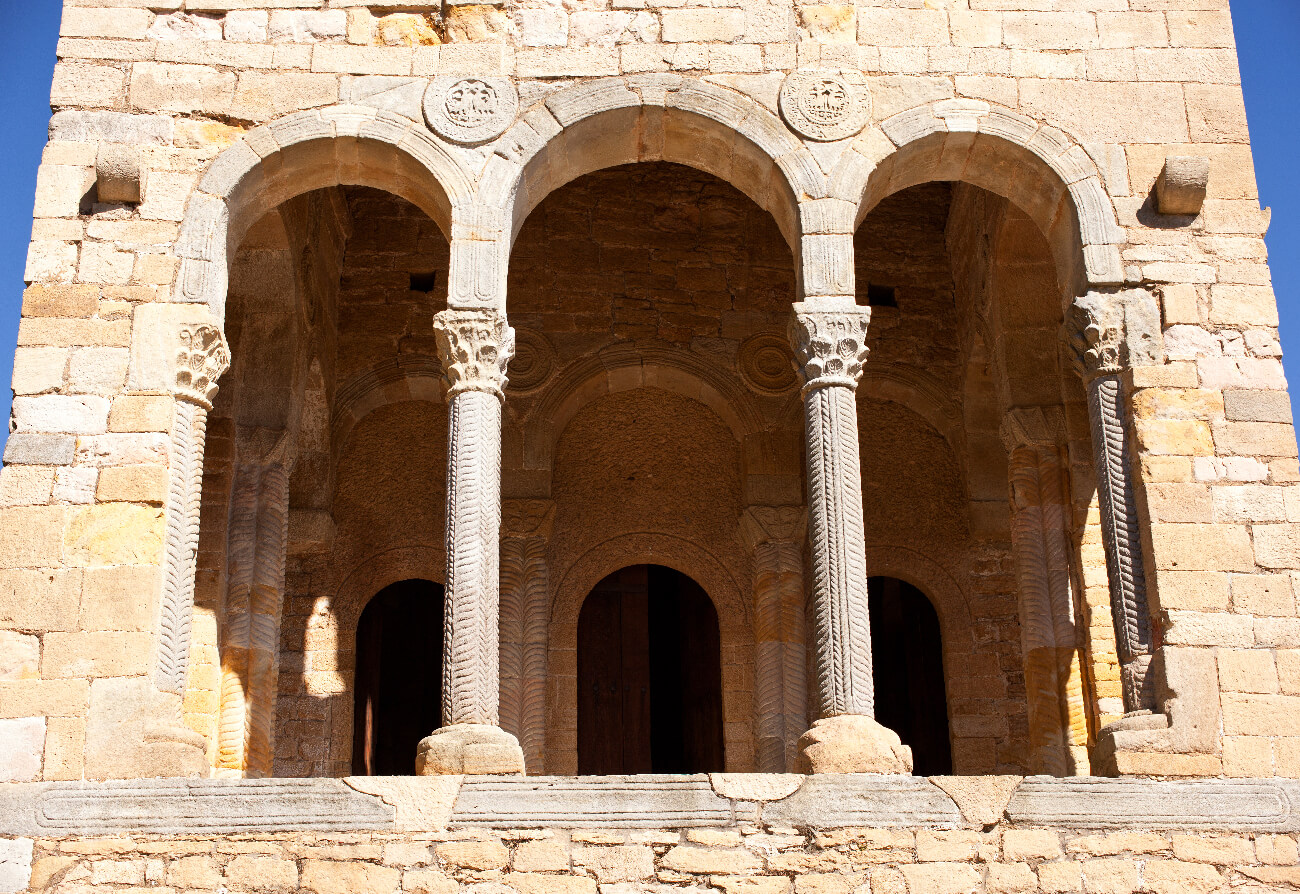
A couple of miles outside the city , on the slopes of Mount Naranco, is Santa Maria del Naranco, a royal palace complex built in 842 for KIng Ramiro I and a small church from the same period, San Miguel de Lillo. It was declared a World Heritage site by Unesco in 1985
The city has style and is considered to be rather elegant. The annual Feria, September 13 to 21, has taken place since the mid 1400s. Celebrations on Cathedral Square are held with daily free concerts, fireworks, barbecues and shows. Attendees are dressed in Asturian costumes.
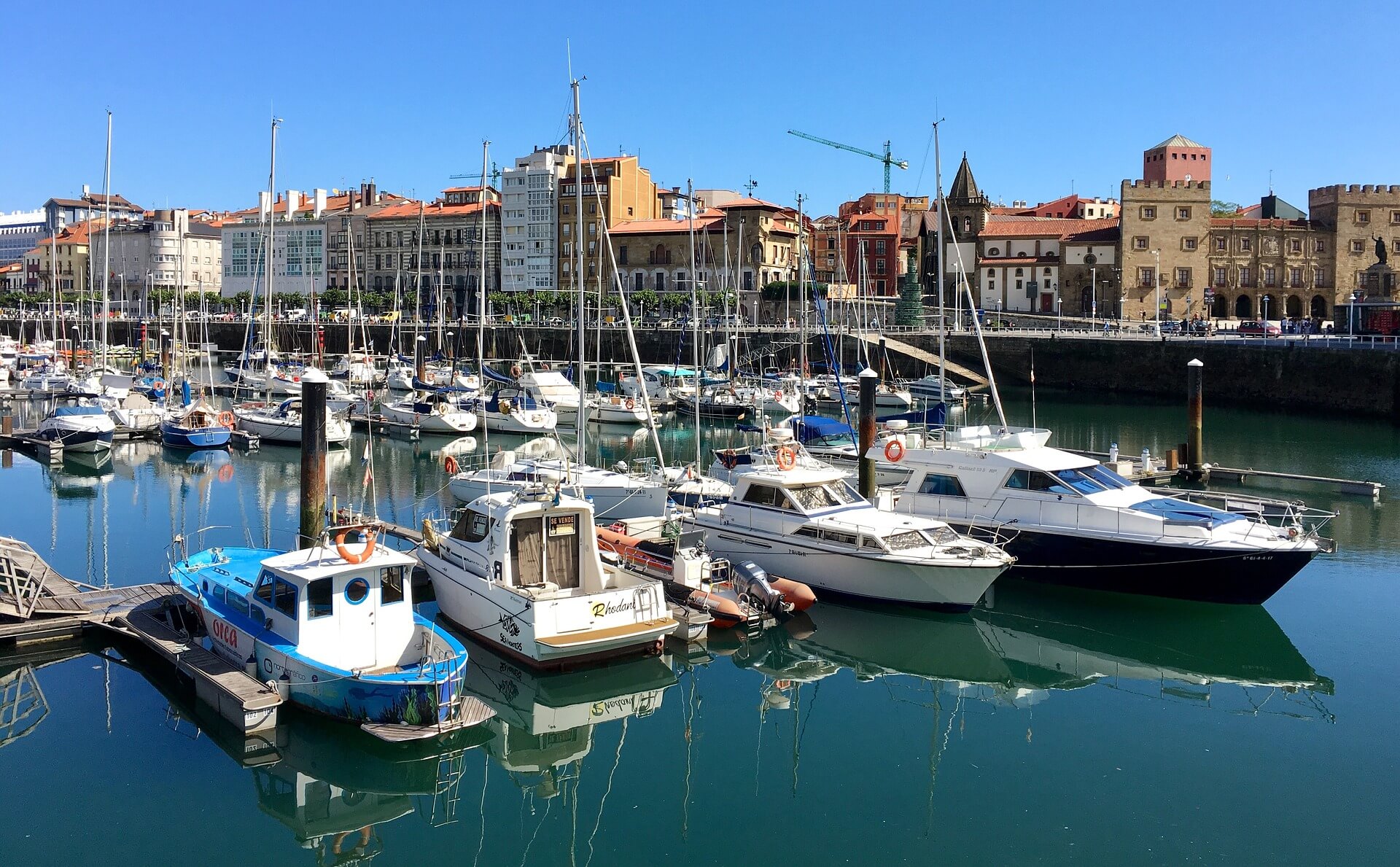
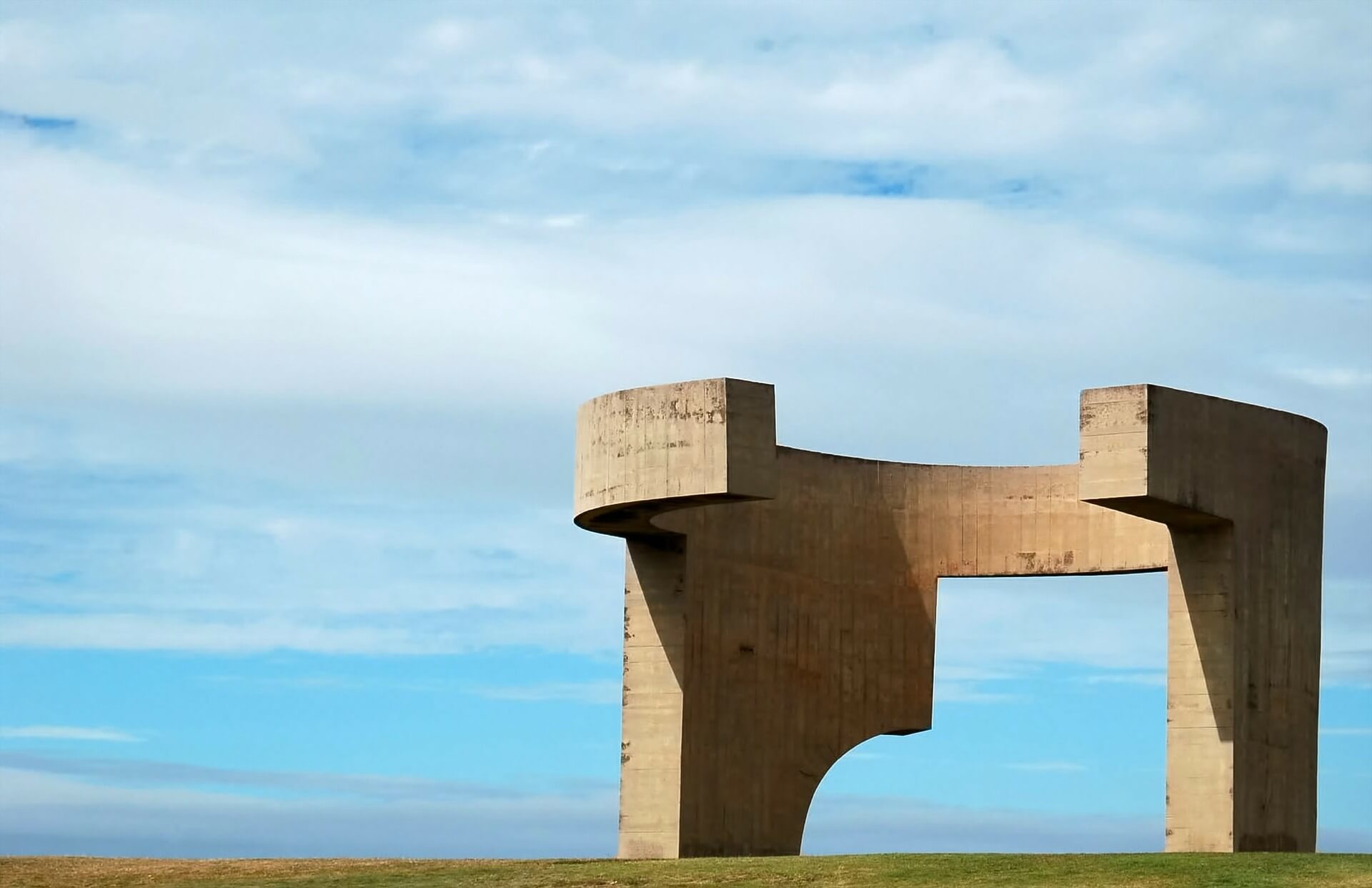
Fifteen miles north-east of the Capital Oviedo is Gijon, the largest city in Asturias with a population slightly under 300,000 inhabitants. Considering the metropolitan area it has a population of about 850 000 and it is the 7th largest metropolis in Spain.
Built along the coast it has a long history as a maritime center. Cimadevilla is the old fisherman’s quarter. In spite of its decline the steel industry is still active as well as others, such as metallurgy, fisheries and tourism.
Enjoy beautiful panoramic seascape walking along the coast on the boardwalk. Discover the medieval plazas of the old town. Visit the art center at the 18th century Revillagigedo Palace. See the church of San Juan Bautista which is now a concert hall. And if you like swimming or sunbathing, Playa de San Lorenzo is one of the most beautiful beaches in northern Spain, with soft and golden sand stretching for nearly one mile.
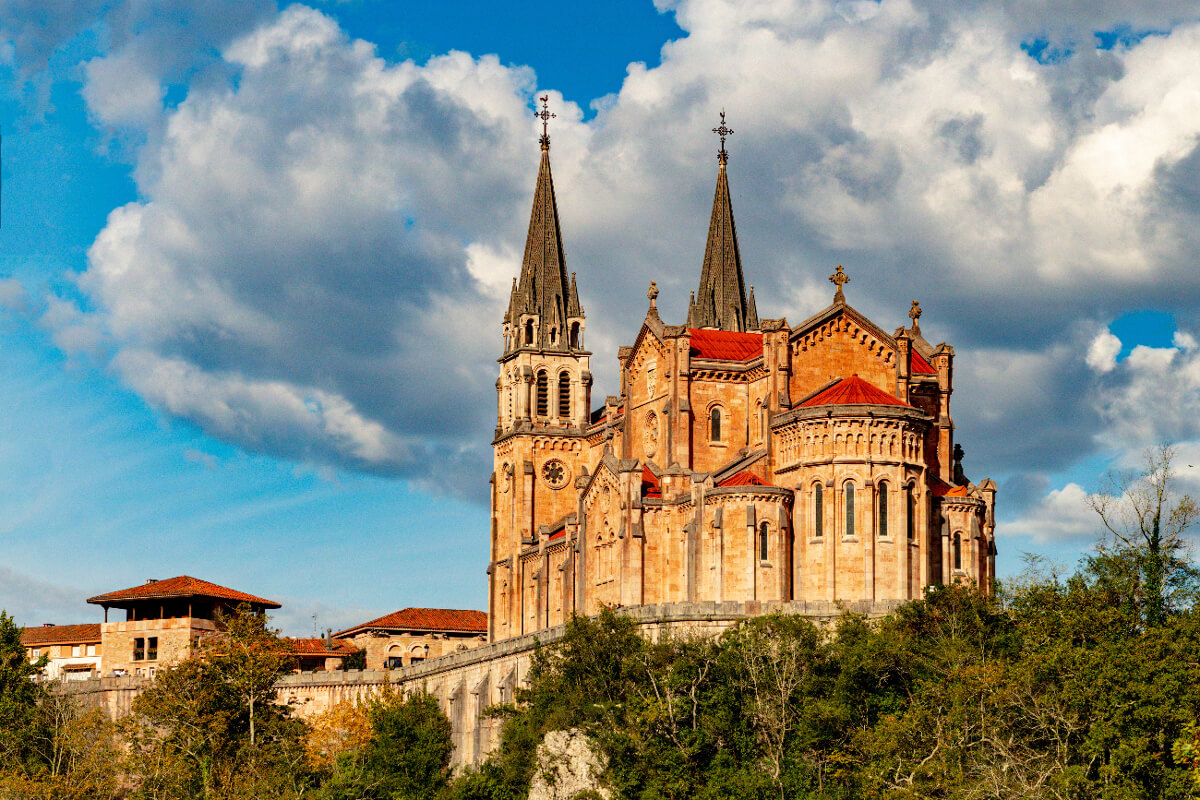
Covadonga is a village which earned its reputation when the Moors and the army of the Caliphate Umayyad were defeated circa 720 at the battle of Covadonga, by Pelayo, first Visigoth king of Asturia. This famous battle marks the beginning of the “Reconquista”. The king, his wife and his sister are buried in a cave nearby; the little chapel of Our Lady of la Batallas nearby has been destroyed and rebuilt several times throughout history. Still today pilgrims are visiting the shrine.
Southeast of the shrine is the Covadonga Mountains National Park covered with woods where birds and wild animals are protected, mostly Chamois, deers, bears and wildcats.
No Tour Found
No Tour Found