


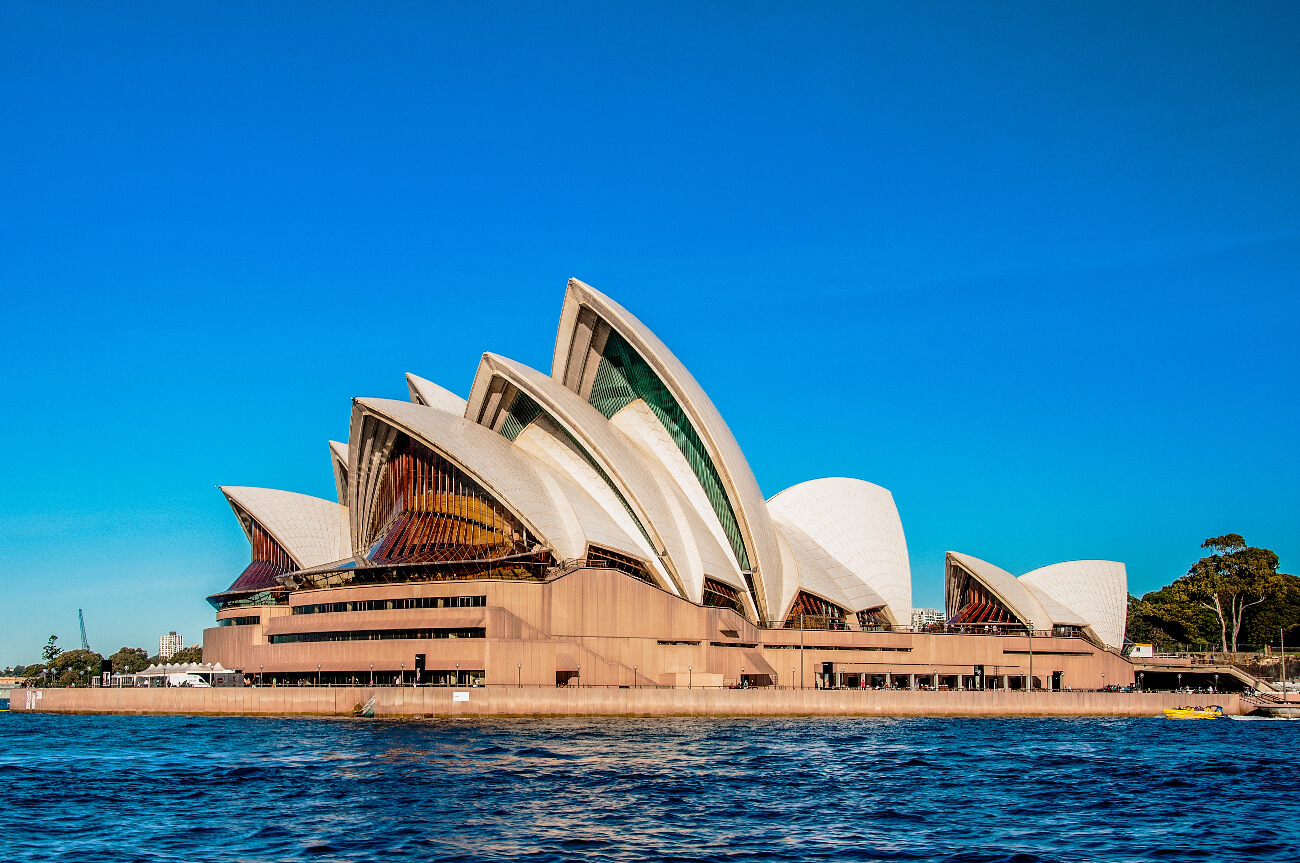
Overview
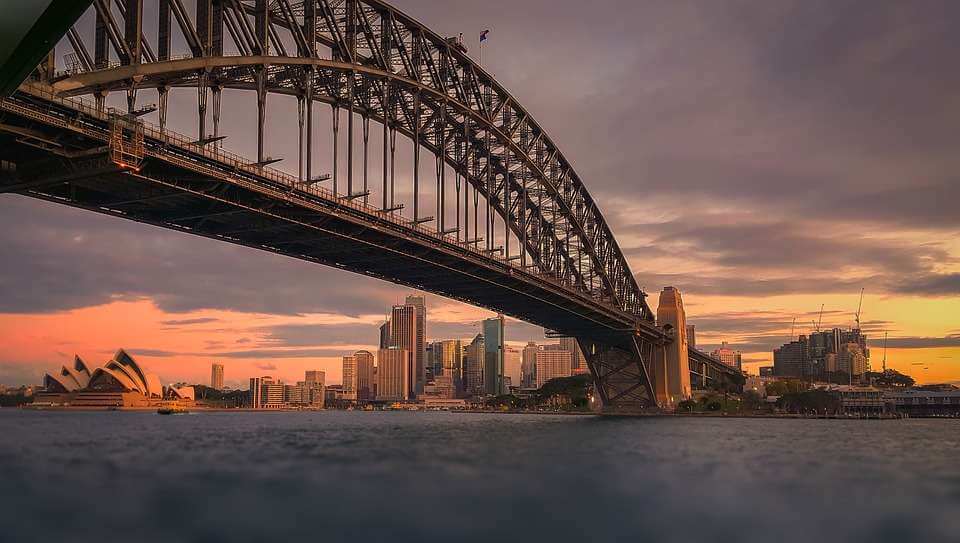
Australia is in the Southern Hemisphere. Officially, the Commonwealth of Australia is a sovereign country comprising the mainland of the Australian continent, the island of Tasmania and numerous smaller islands. It is the sixth largest country in the world with 2,941,000 square miles and a population of 26 million. Australia is highly urbanised and heavily concentrated on the eastern seaboard. Canberra (462,000 people) is the nation’s capital, while Sydney (5,300,000 people) is the largest city. Other major metropolitan areas are Melbourne (5,000,000), Brisbane (2,500,000), Perth (2,100,000) and Adelaide (1,350,000). Indigenous people inhabited Australia for about 65,000 years prior to the arrival of the first Dutch settler in the early 17th century, who named it New Holland. Great Britain began settling the country with prison inmates on January 26, 1788, a date which became Australia’s National Day. On January 1, 1901, six existing British colonies federated, forming the Commonwealth of Australia. Australia maintains a stable liberal democracy that functions as a federal parliamentary constitutional monarchy, comprising six states and ten territories. Australia is the oldest, flattest and driest inhabited continent with the least fertile soil. It has deserts, tropical rain forests, and mountain ranges. Its isolation has allowed it to have unique, endemic species such as platypus, echidna, kangaroo, koala, watties and birds including emu and kookaburra.
Culture
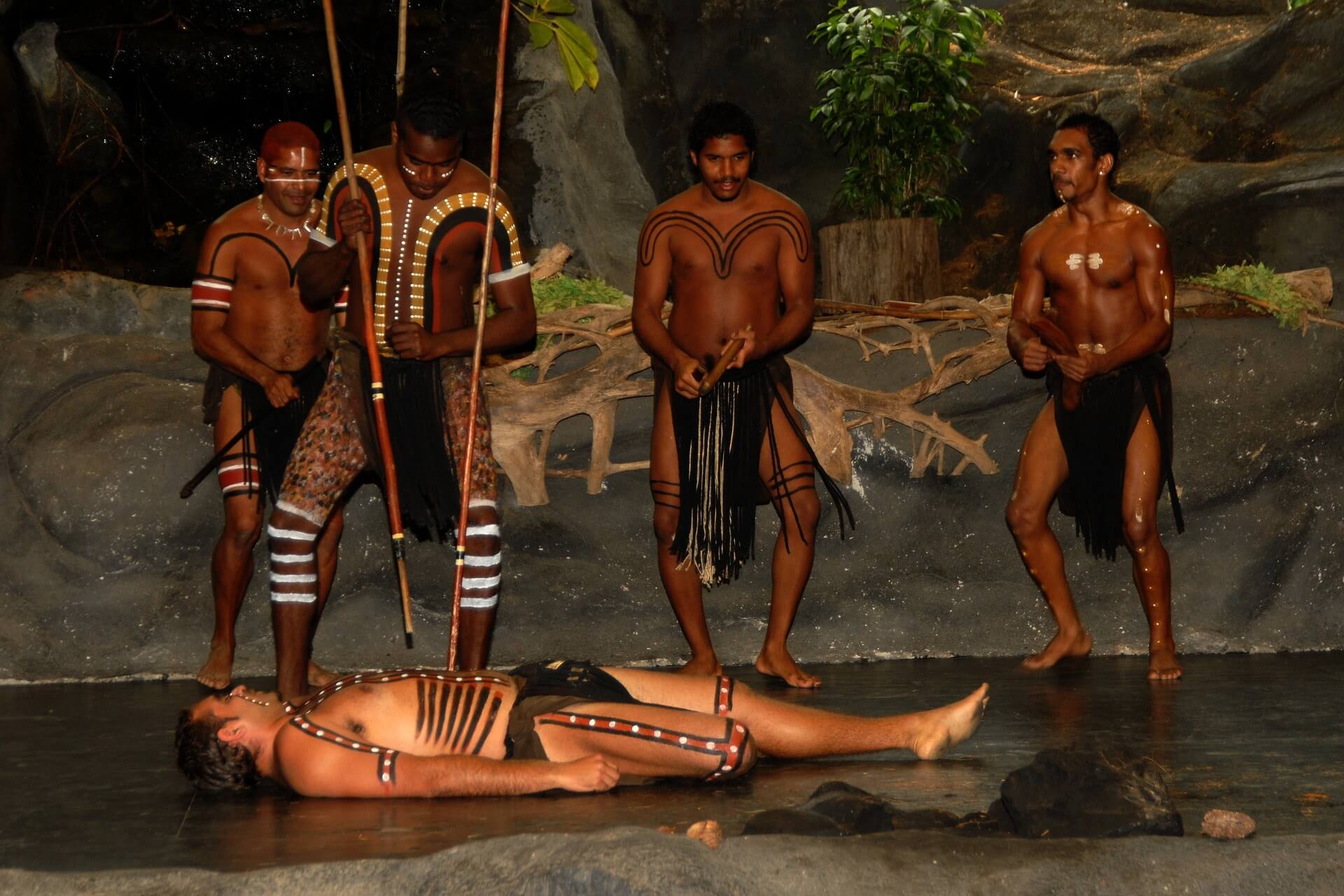
Since 1788, the primary cultural influence has been Anglo-Celtic Western with indigenous influences such as over 100,000 aboriginal rock art sites and native dance, songs and myths.
Cuisine
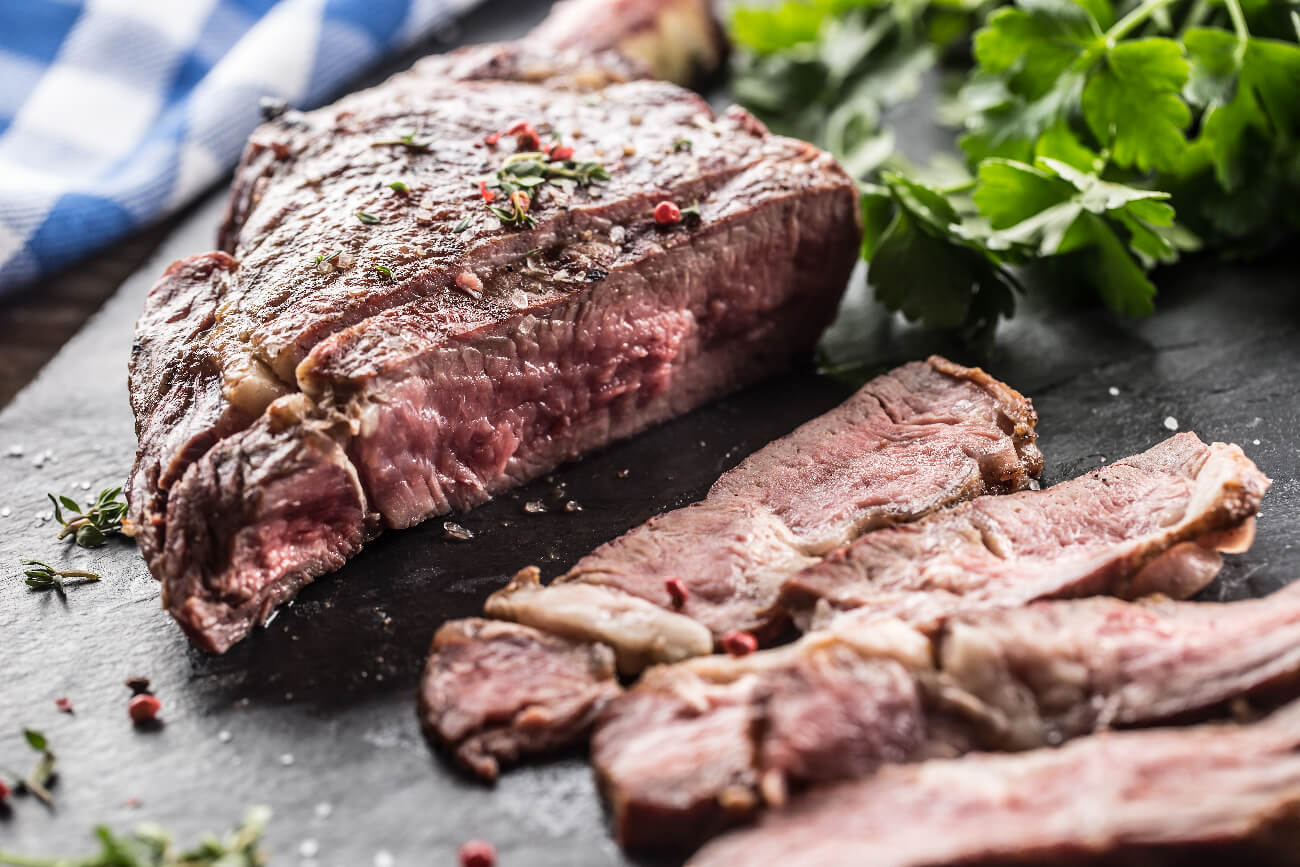
The indigenous people subsisted on a simple hunter-gatherer diet of fauna and flora called “busher tuck”. British food was introduced with the immigration and constitutes what is now ‘Australian food” such as Sunday Roast. Since World War II there has been a substantial developed Asian cuisine. Australia has world class wines and coffee with many cafes and coffee shops.
Geography
Australia is literally on the other side of the world but long flights may be reduced by stop-over visits en route to fascinating other Pacific islands such as Tahiti, Fiji, New Caledonia, or even Hawaii, depending on your flexibility and the airline you will travel with.
As with the U.S.A., the main challenge to planning a trip to Australia is the vast size and diversity of the country. It is in fact a continent with about the same landmass as the U.S.A. It is divided into 6 states and 2 territories, each one of them having its own unique attractions and climate. So your choice of itinerary will vary with the season and your personal interests.
So many activities are available in such a vast country that you should select what would be best for you depending on your own specific interests and preferences.
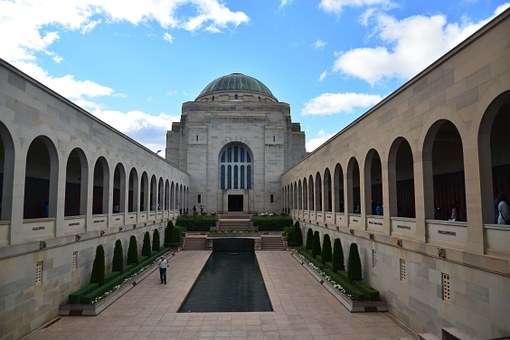
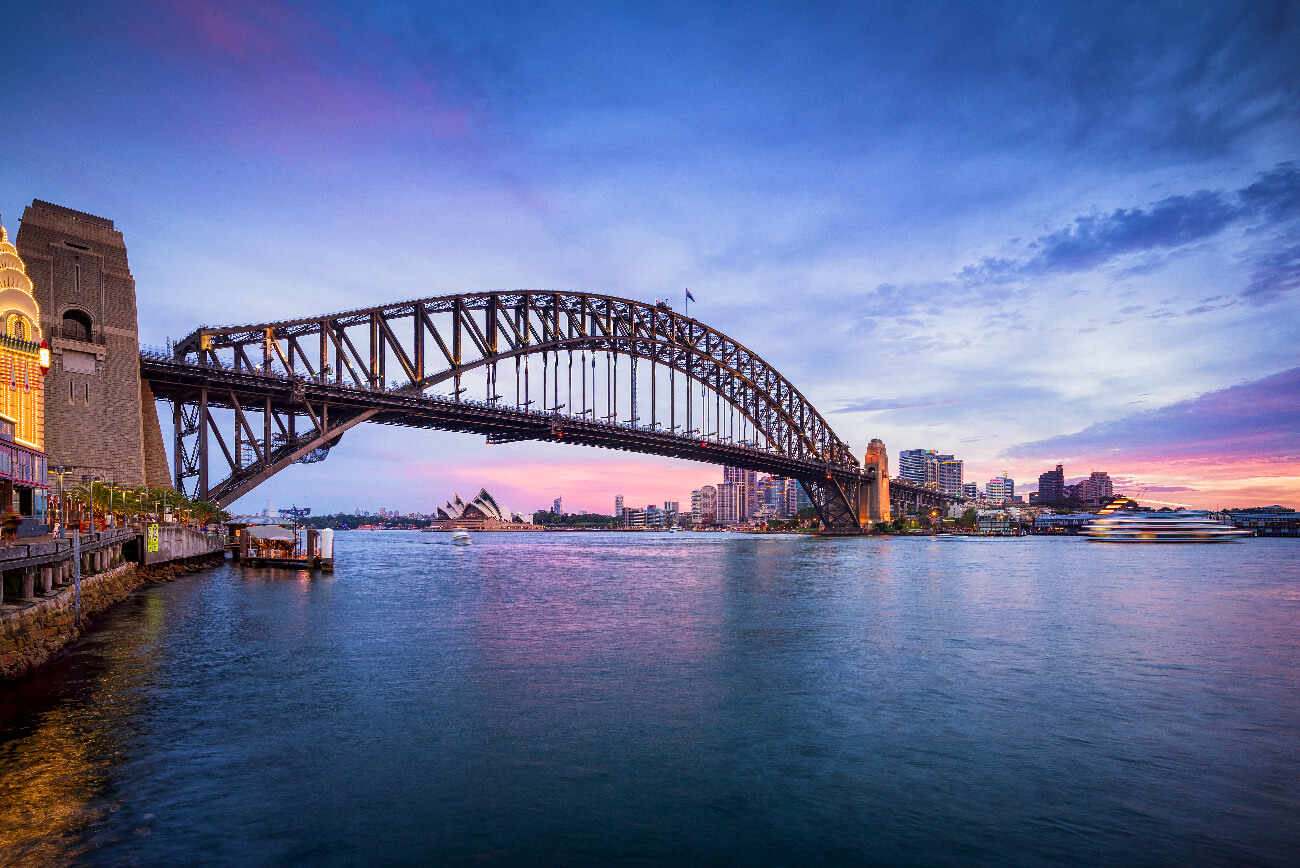
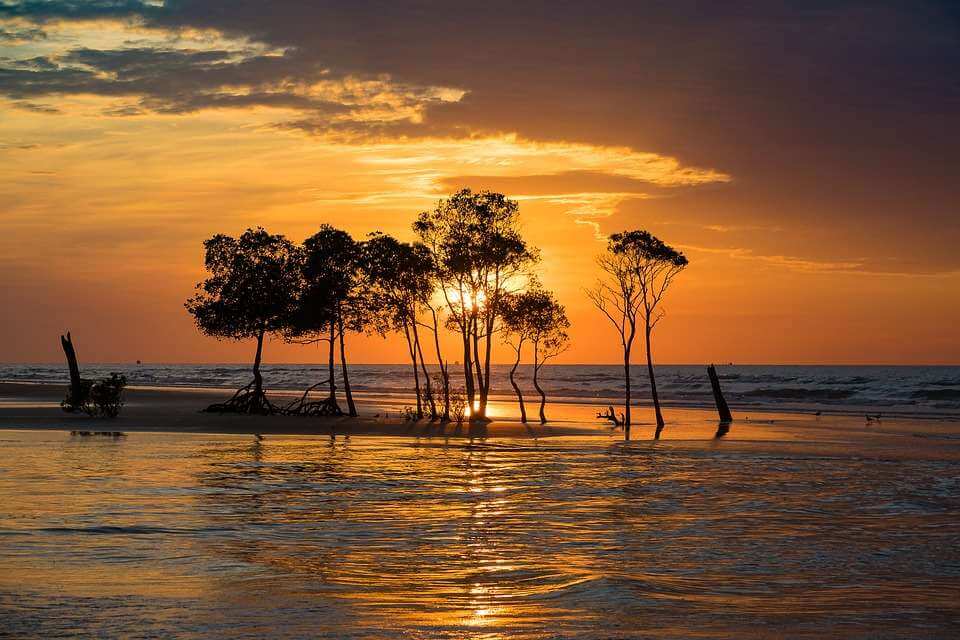
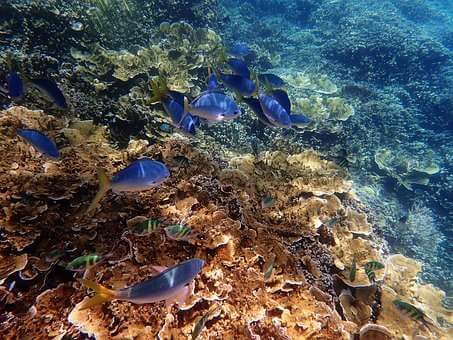
Queensland extends along the North East coast of Australia for nearly 4,400 miles. The offshore Great Barrier Reef itself extends for about 1500 miles and contains more than 900 islands. It shelters miles of coral reefs and thousands of marine species. The best access point to visit the reef is from Cairns, and it requires a full day trip to truly experience the beauty of the reef. Brisbane is the capital of the state and the third largest Australian city: a very pleasant city to live in. It anchors the north end of the Gold Coast, with its long white sand beaches, theme parks and exceptional surf, making it an international paradise for surfers
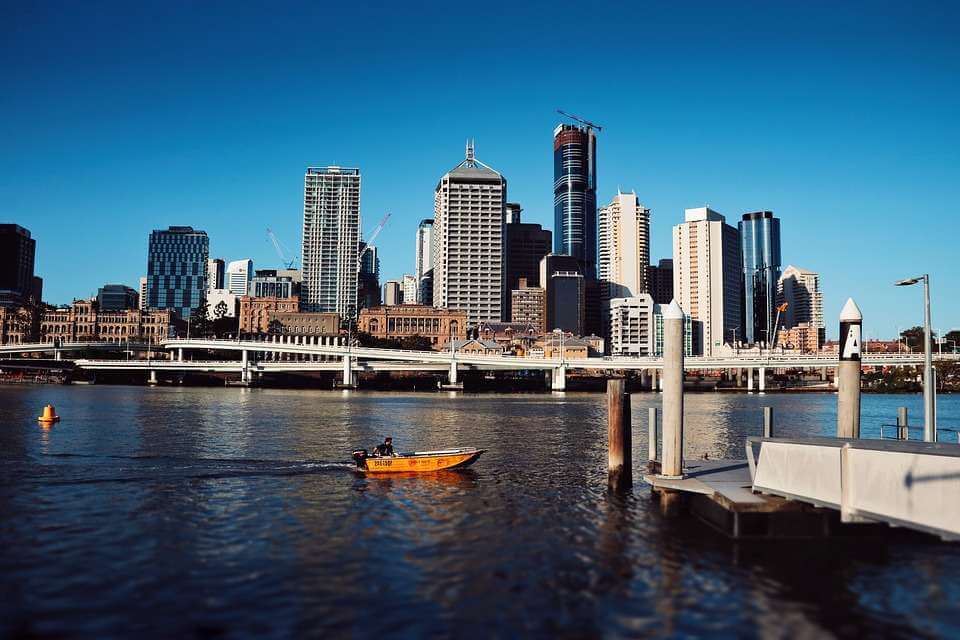
South Australia and its capital Adelaide is a major attraction for wine lovers, and it also has great beaches in the Fleurieu Peninsula. The wineries of the Barossa Valleys are famous nationally and well worth a visit. The Murray River is a fruit growing area and offers beautiful scenery with its multitude of orchards. North of the state is the unique little desert town of Coober Pedy, a place like nowhere else in the world, where you may strike it rich overnight if you decide to move in and start mining. It is known as the Opal Capital of the World, and half of its 3500 inhabitants live partially underground because of the blistering summer heat.
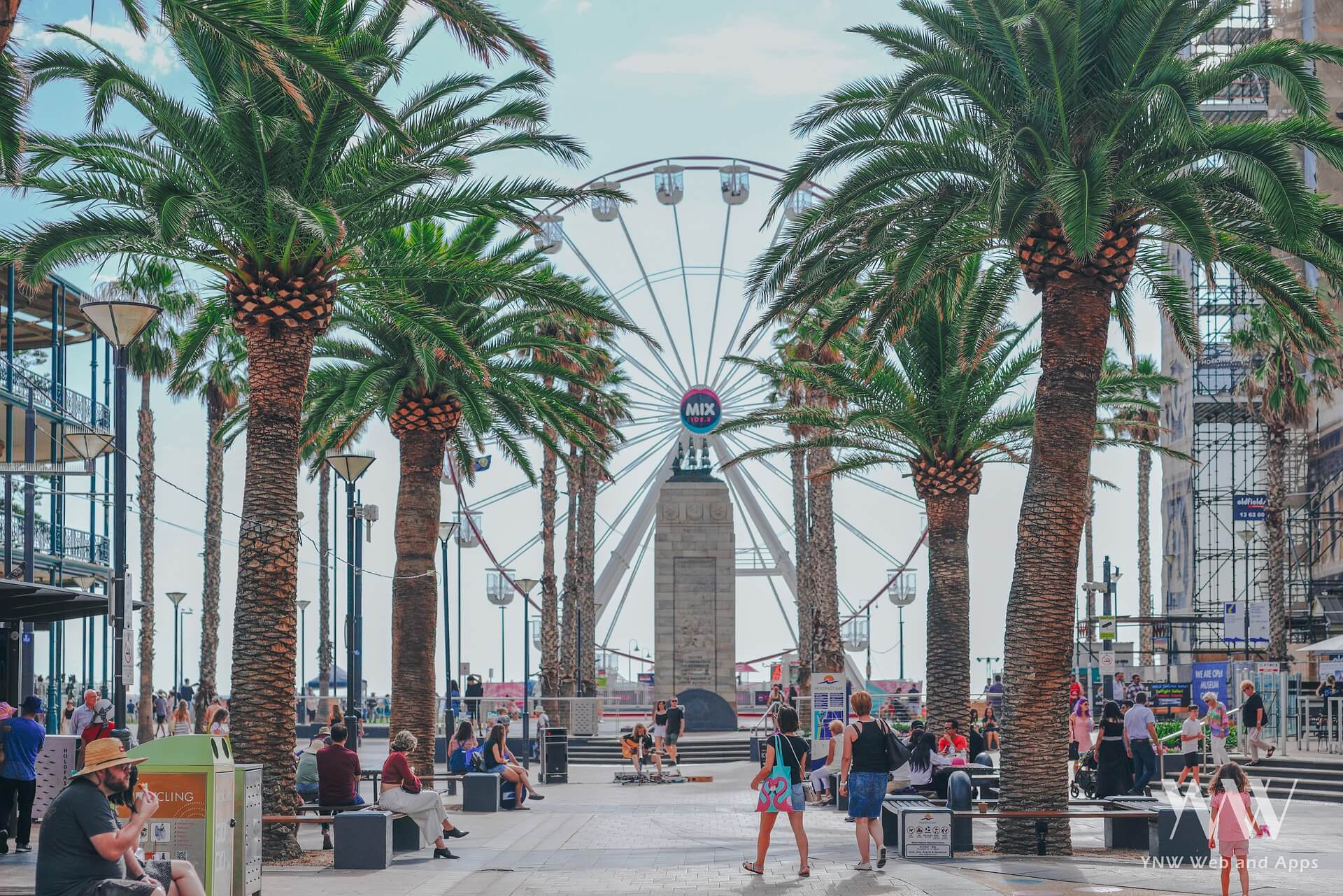
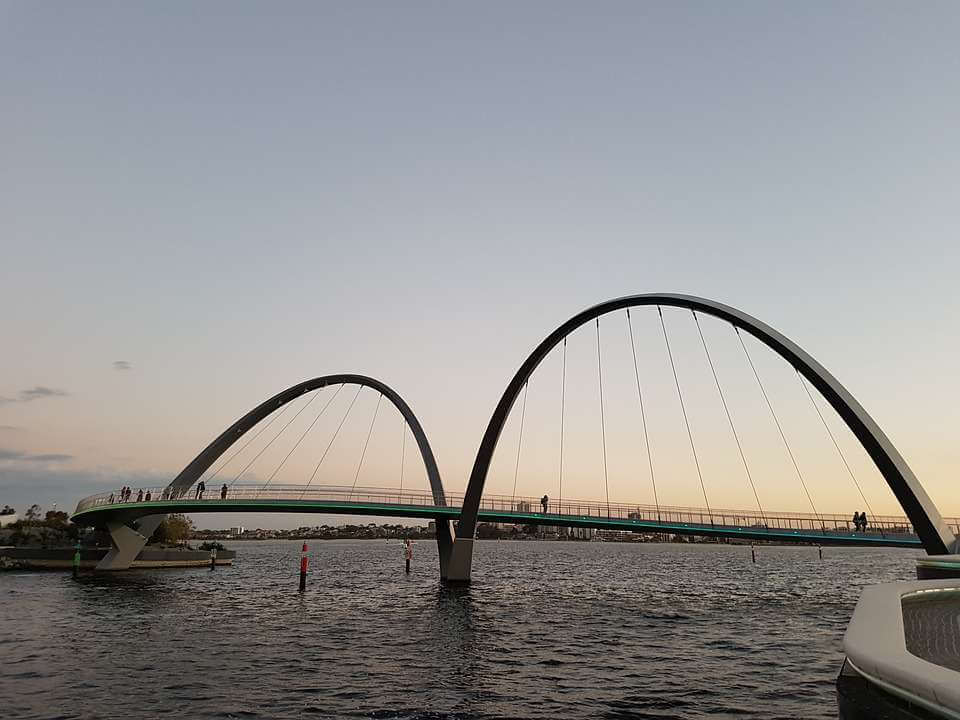
The main attraction of Western Australia is the scenic city of Perth, built on the Swan River and famous for Kings Park, a beautiful area that includes a variety of memorials and statues, as well as the Botanical Garden which is worth a visit. Fremantle Goal is a World Heritage Site, where convicts, the first settlers in Australia, used to be jailed as far back as 1855. Most of the rest of the state is an outback dominated by the Simpson Desert.
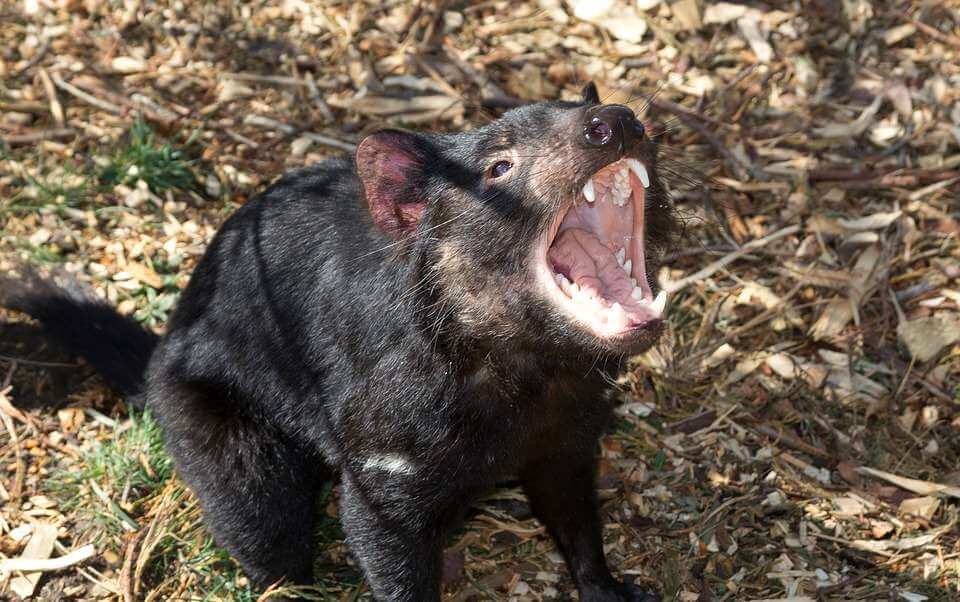
This island is south of the Australian continent and best known for its hiking, climbing, and cycling in and around its numerous parks and mountains. The climate has colder winters and cooler summers. Hobart is the capital where the Salamanca market is a real treat not to be missed on a Saturday. Lucky you if you ever meet a Tasmanian Devil!
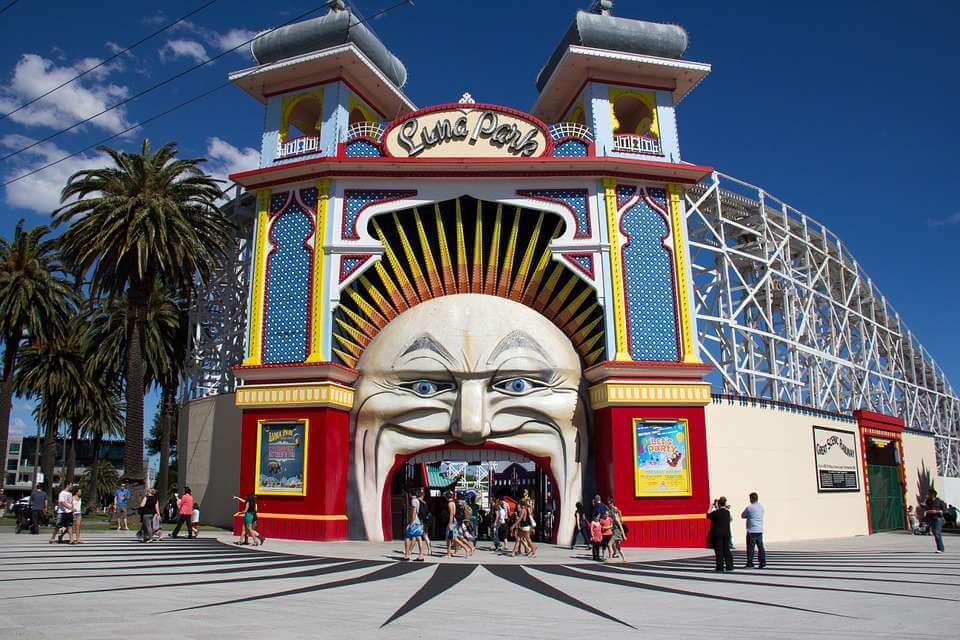
Victoria is the most densely populated, the second largest inhabited, and also the smallest State of Australia. Melbourne is the capital and the locals take great pride in besting Sydney as the cultural center of the country. Very few of its natives would leave it for another place. Gardens, parks, tree lined avenues mixed with numerous restaurants, bars and cafes make Melbourne one of the most liveable cities in the world. Nearby you can go and swim with dolphins and seals in Port Phillip Bay. Or you can drive to Phillip Island in less than two hours and witness the incredible Penguin Parade, a daily natural show of little penguins returning at sunset to their burrows.
No Tour Found
No Tour Found