


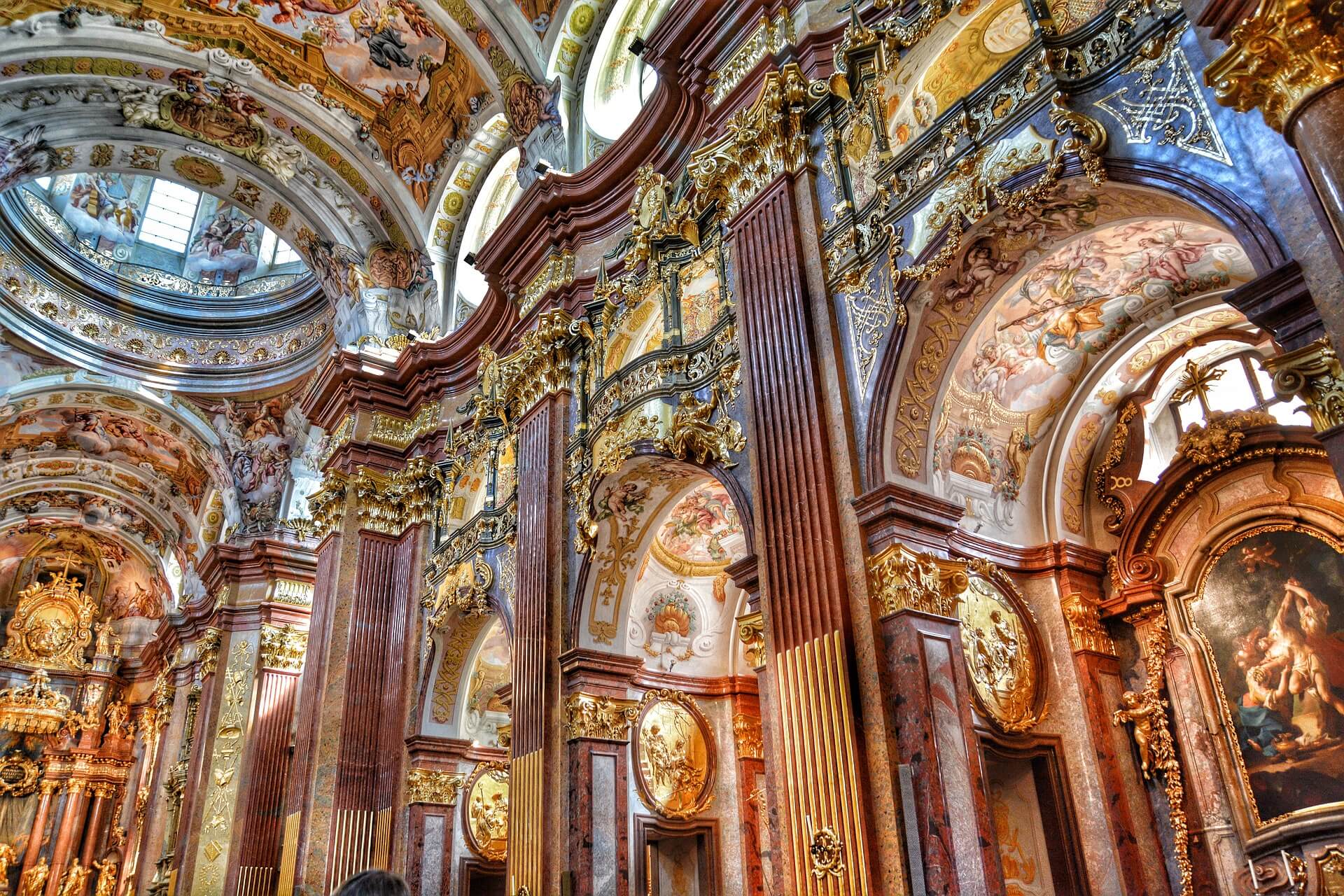
Austria. Officially the Republic of Austria, is a landlocked country in the southern part of Central Europe, located in the Eastern Alps. It is composed of nine federated states, one of which is Vienna, Austria’s capital and largest city with 2 million residents. Austria is bordered by Germany to the northwest, the Czech Republic to the north, Slovakia to the northeast, Hungary to the east, Slovenia and Italy to the south and Switzerland and Liechtenstein to the west. Austria occupies 32,386 square miles and has a population of 9 million. While Austrian German is the country’s official language, many Austrians speak a variety of Bavarian dialects. Austria came into existence in 976 AD and developed into a duchy and archduchy. In the 16th century, Austria started to serve as the heart of the Habsburg Monarchy and the junior branch of the House of Hapsburg-one of the most influential dynasties in European history. As an archduchy, it was a major component and administrative center of the Holy Roman Empire. Early in the 19th century, Austria established its own empire, which became a great power and the leading force of the German Confederation, but pursued its own course independently of the other German states after its defeat in the Austro-Prussian War in 1866. In 1867 the Austria-Hungary Dual Monarchy was established. Austria was involved in World War I under Emperor Franz Joseph following the assassination of Archduke Ferdinand. After the defeat and dissolution of the monarchy, the republic of German-Austria was proclaimed with the intent of union with Germany, but the Allied powers did not support the new state and it remained unrecognized. In 1938, Nazi Germany invaded Austria in the Anschluss and annexed the country. After the defeat of Nazi Germany, Austria was occupied by the allied powers and it re-emerged as a sovereign and self-governing democratic nation known as the Second Republic. Austria is a parliamentary democracy with a directly elected federal president as head of state and a chancellor as head of government. Major areas of Austria include Vienna, Graz, Linz, Salzburg and Innsbruck. Ethnic groups are Austrian 81%, 6.3% ex-Yugoslavs, 2.7% German and 2.2% Turks, 57% of the population is Roman Catholic and 9% Orthodox Christian.
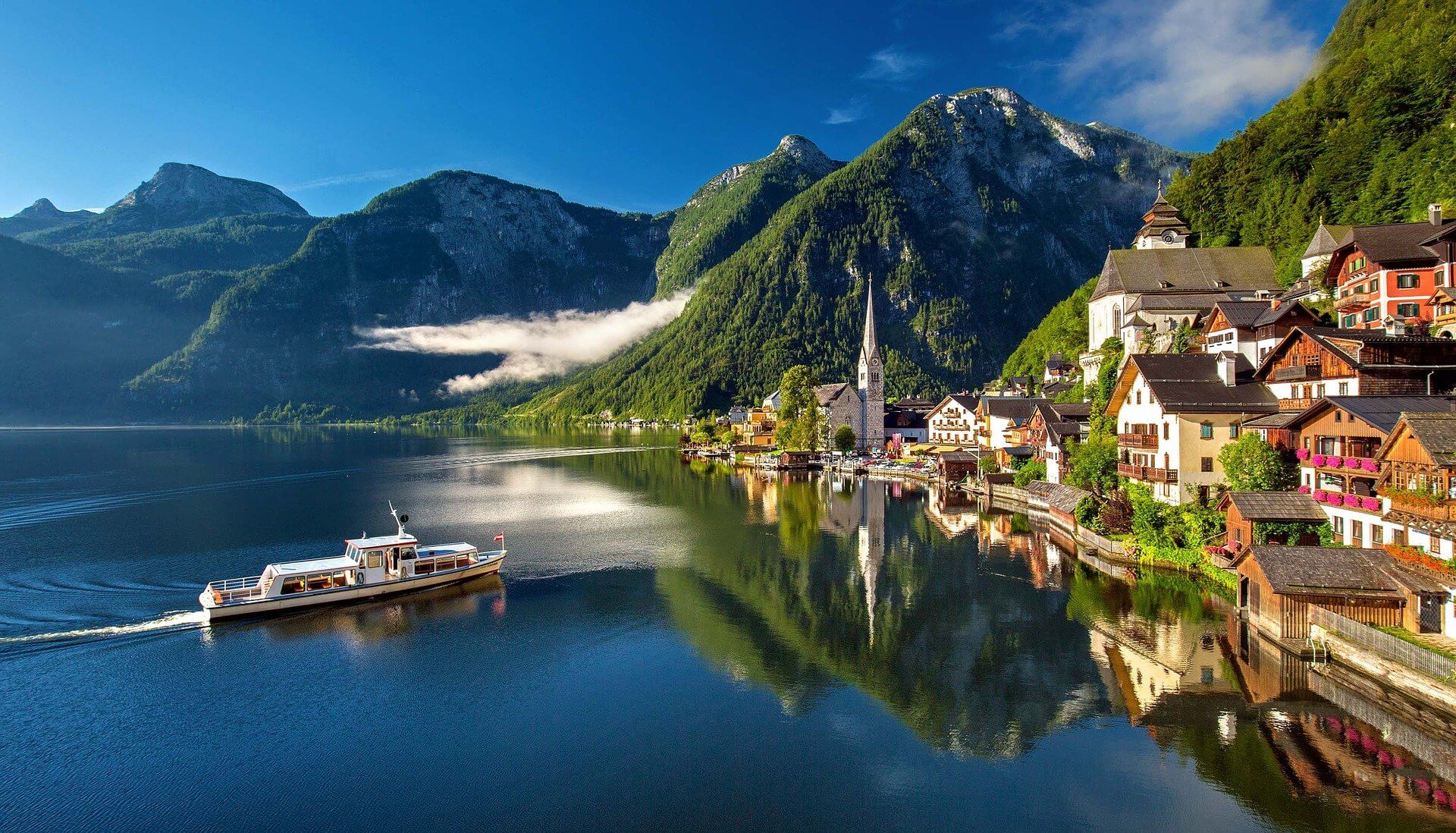 Austria is a largely mountainous country because of its location in the Alps. The Central, Northern Limestone and Southern Limestone Alps are all partly in Austria. Only 25% of the country can be considered low lying and only 35% is below 1640 feet above sea level. The Alps of western Austria give way to lowlands and plains in the eastern part of the country. The country can be divided into five areas; the biggest being the Eastern Alps which represents 62% of the nation’s total area. The Austrian foothills and Carpathians account for 12% and the foothills to the east amount to 12%. The greater part of Austria lies in the cool/temperate climate zone, where humid westerly winds predominate. The Alpine climate is the dominant weather force.
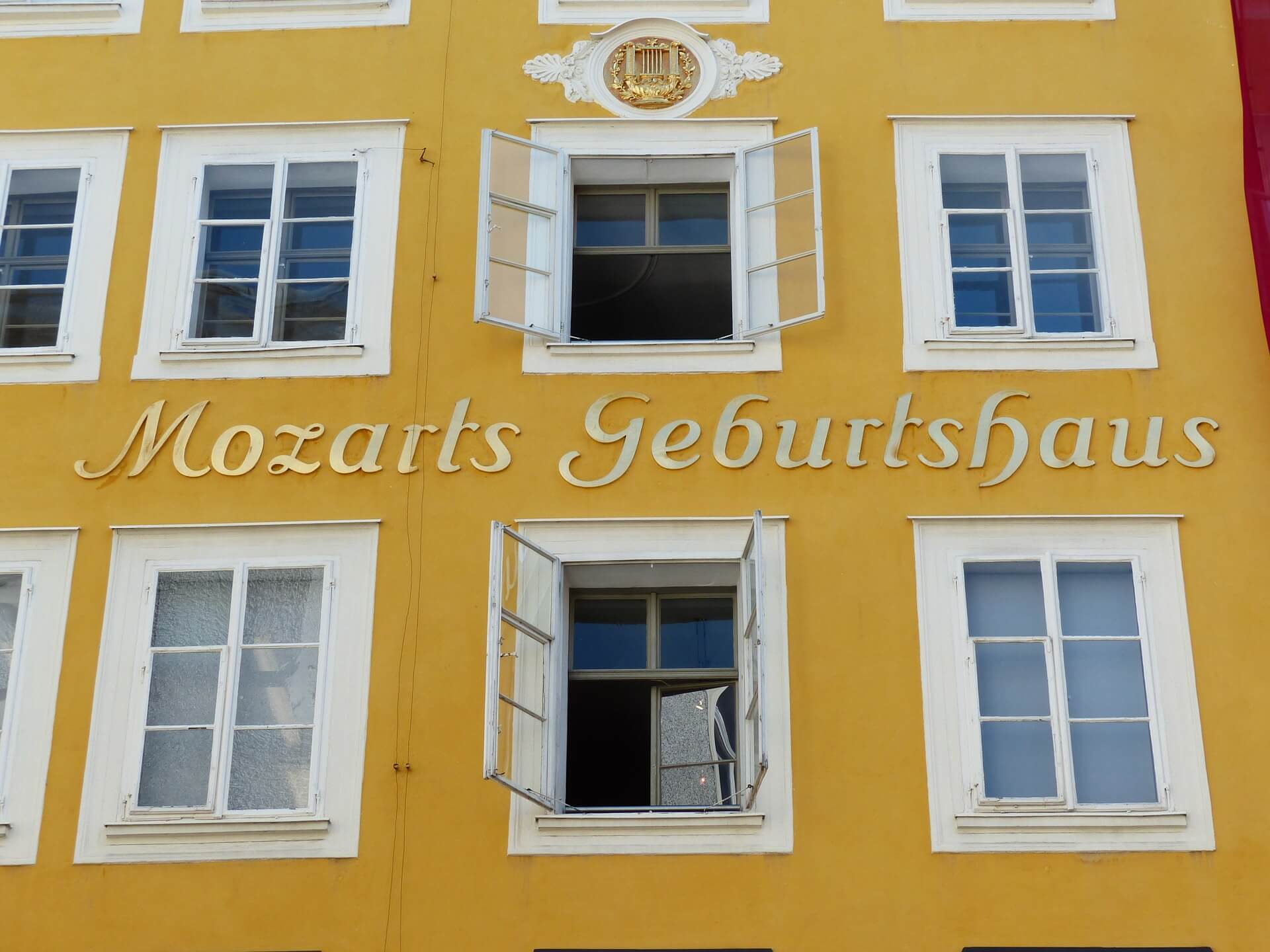
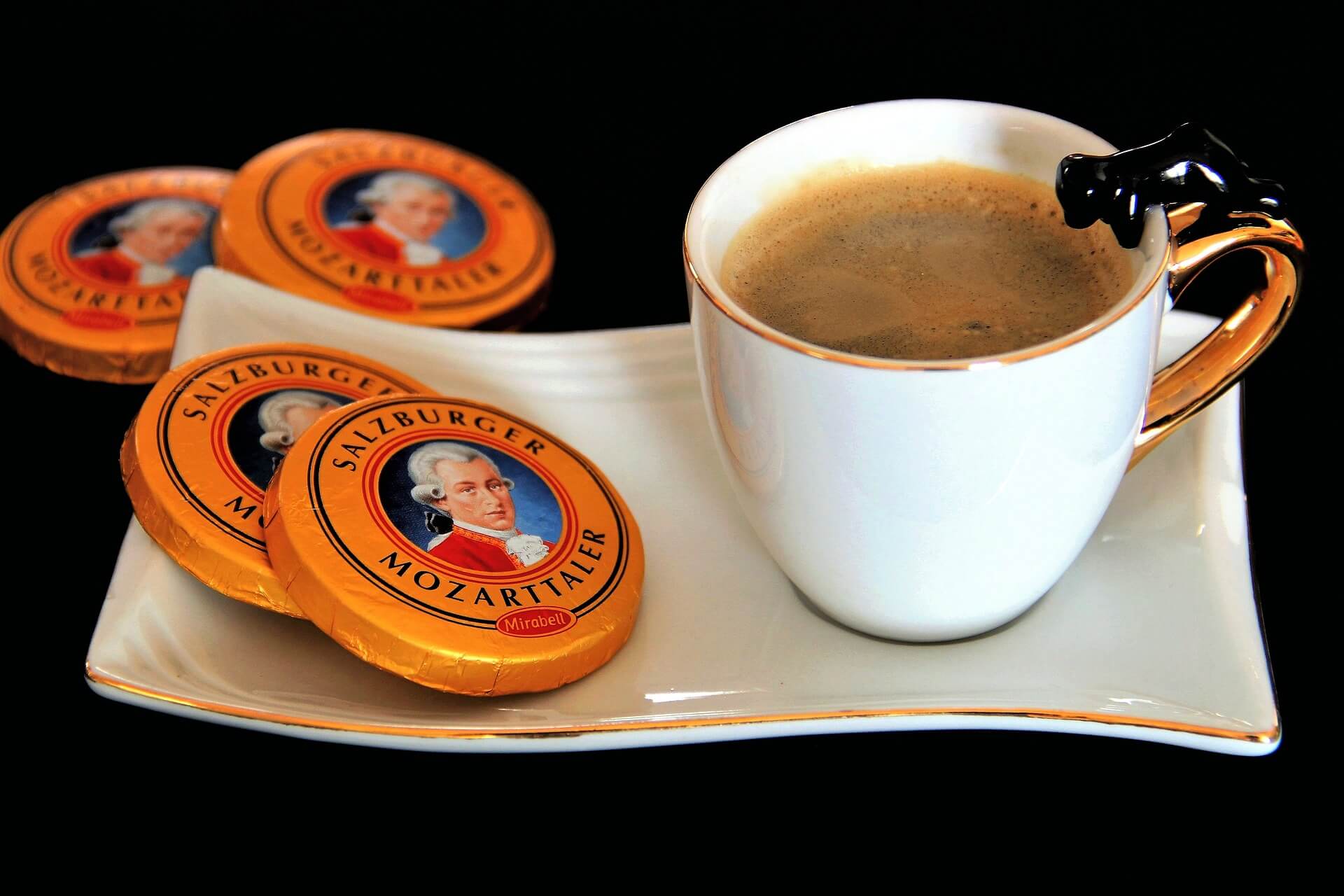
Most Austrians today see themselves as a separate culture from Germany. Austria’s past as a European great power and its cultural environment generated a broad contribution to various forms of art, most notably among them music. Austria was the birthplace of many famous composers such as Haydn, Liszt, Schubert, Bruckner and Strauss. Mozart was born in Salzburg and much of his career was spent in Vienna as was Beethoven’s. Vienna was for a long time an important center of music innovation, 18th and 19th century composers were drawn to the city due to the patronage of the Hapsburgs which made Vienna the European capital of classical music. During the Baroque period, Slavic and Hungarian folk forms influenced Austrian music. Austria has always been the home for artists and scientists and also poets, writers and novelists.
Wiener Schnitzel
Knodel Dumplings
Tafelspitz Boiled beef
Tiroler Grostl Pan fried dish of potato , meat and onion
Kasespatzle Macaroni and cheese
Buchteln Baked dessert with creamy fillings
Brettljause Bread, meat, pickled vegetables and spread
Sacher Torte A chocolate cake, from a famous Viennese hotel
Kardinalschnitte Dessert
Fiakergulasch A variation of the traditional Viennese goulash
Martinigans Stuffed goose
Mondseer Austrian cheese
Spargel Green and white asparagus
Belegte Brote Open faced sandwiches
Powidltascherl Plum jam turnovers
Topfentascherl Curd pastry
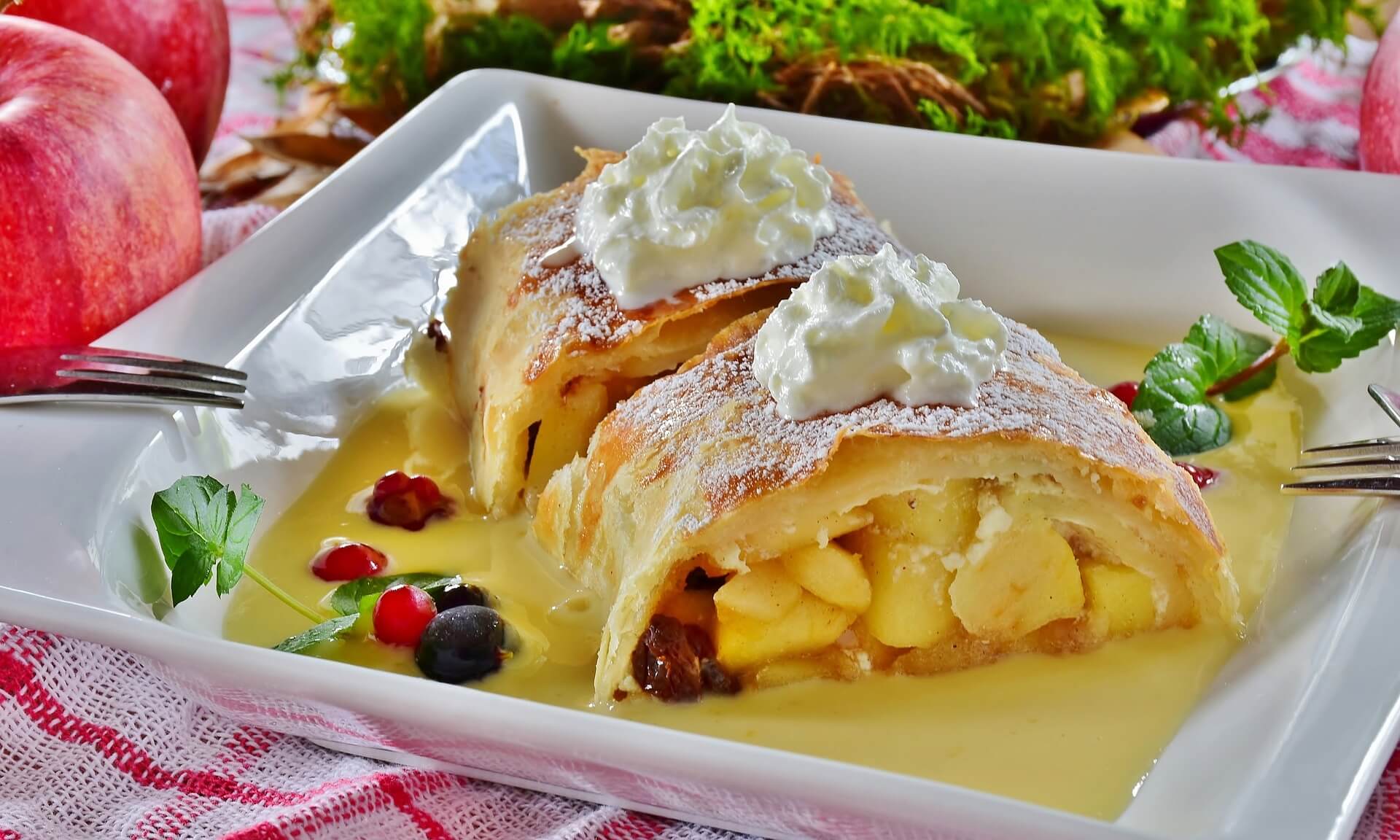
Viennese Apfelstrudel Austria’s national dish, a flaky pastry with apple filling
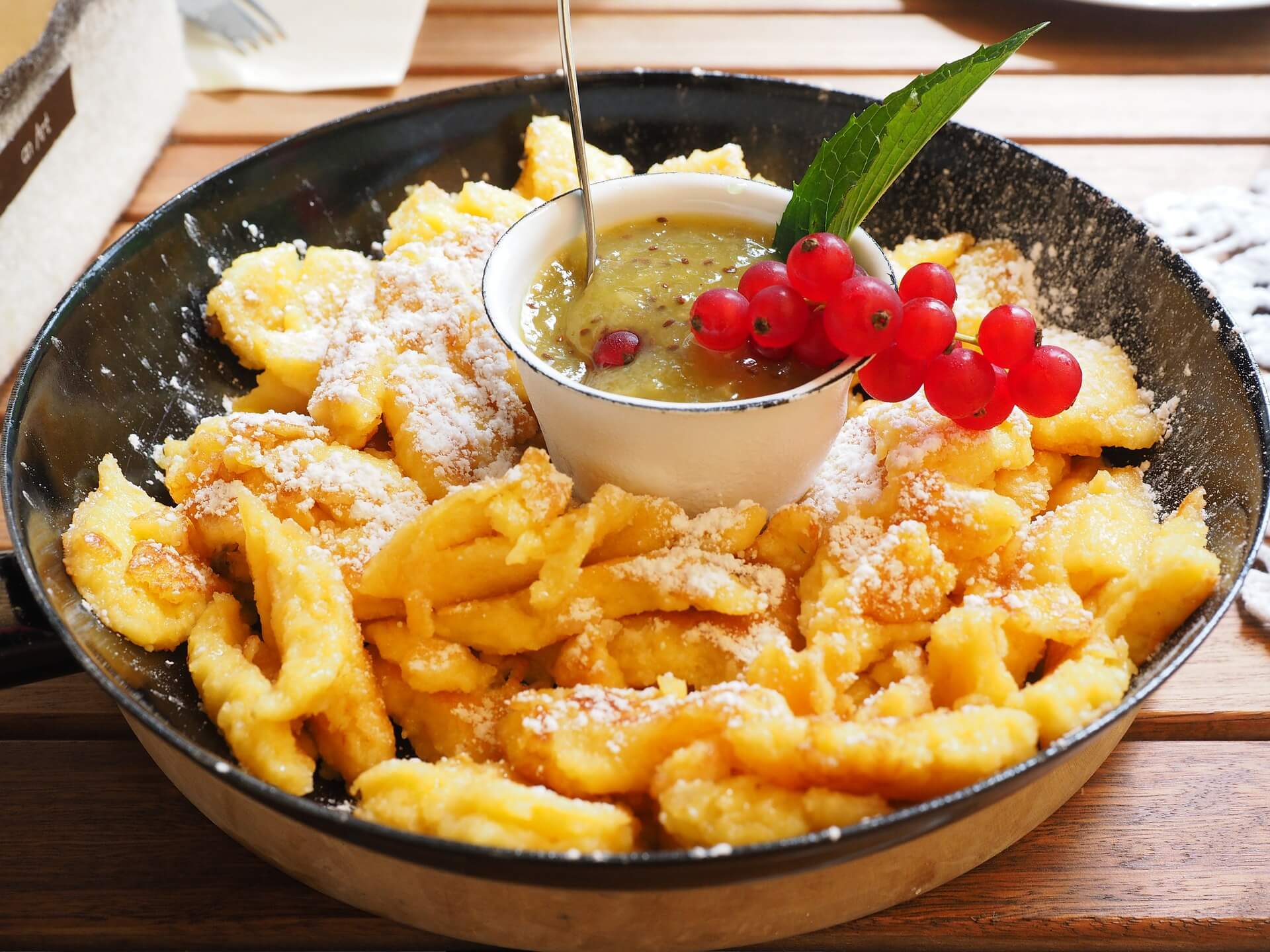
Kaiserschmarrn Fluffy shredded pancakes
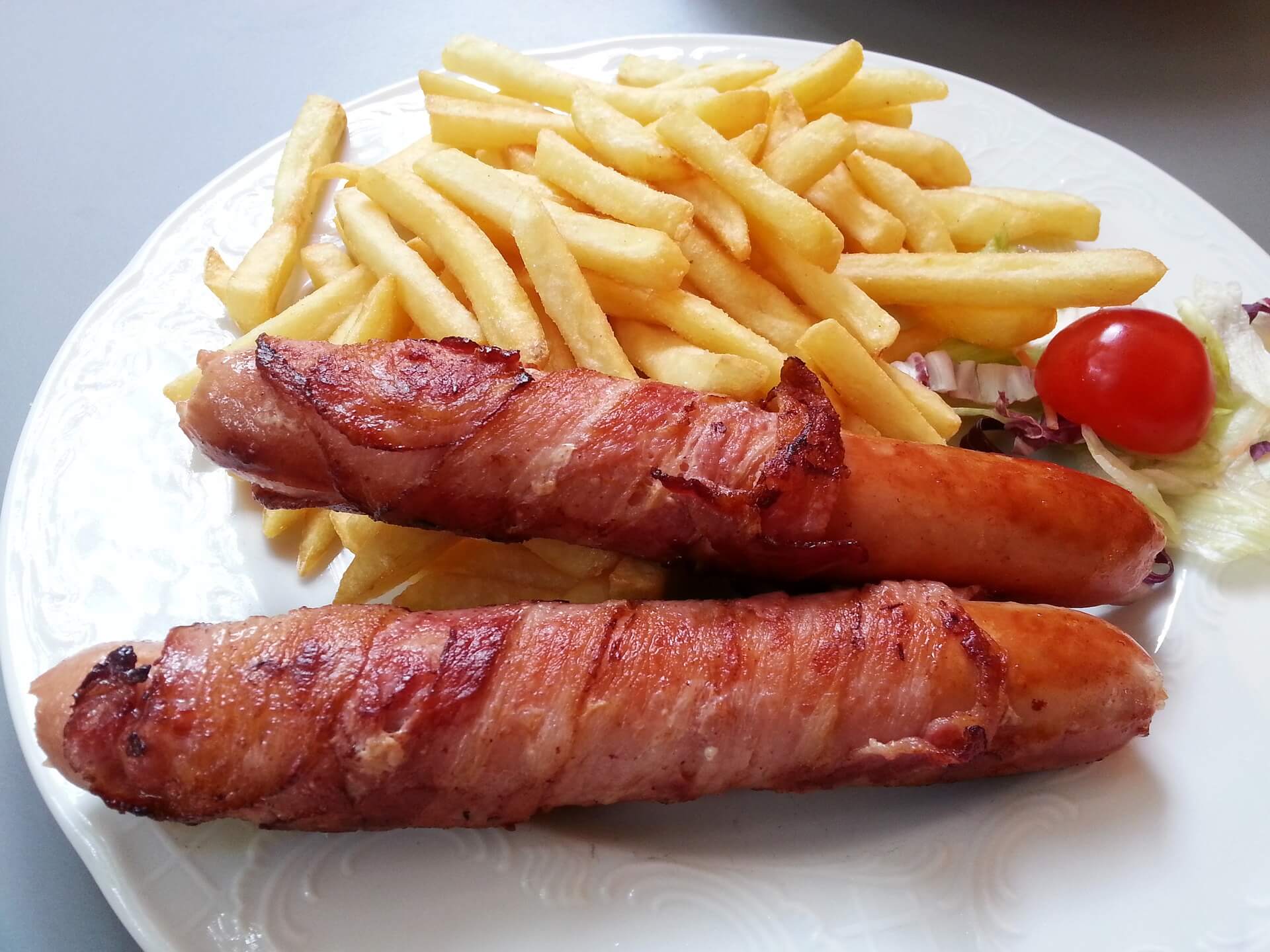
Vienna Sausage
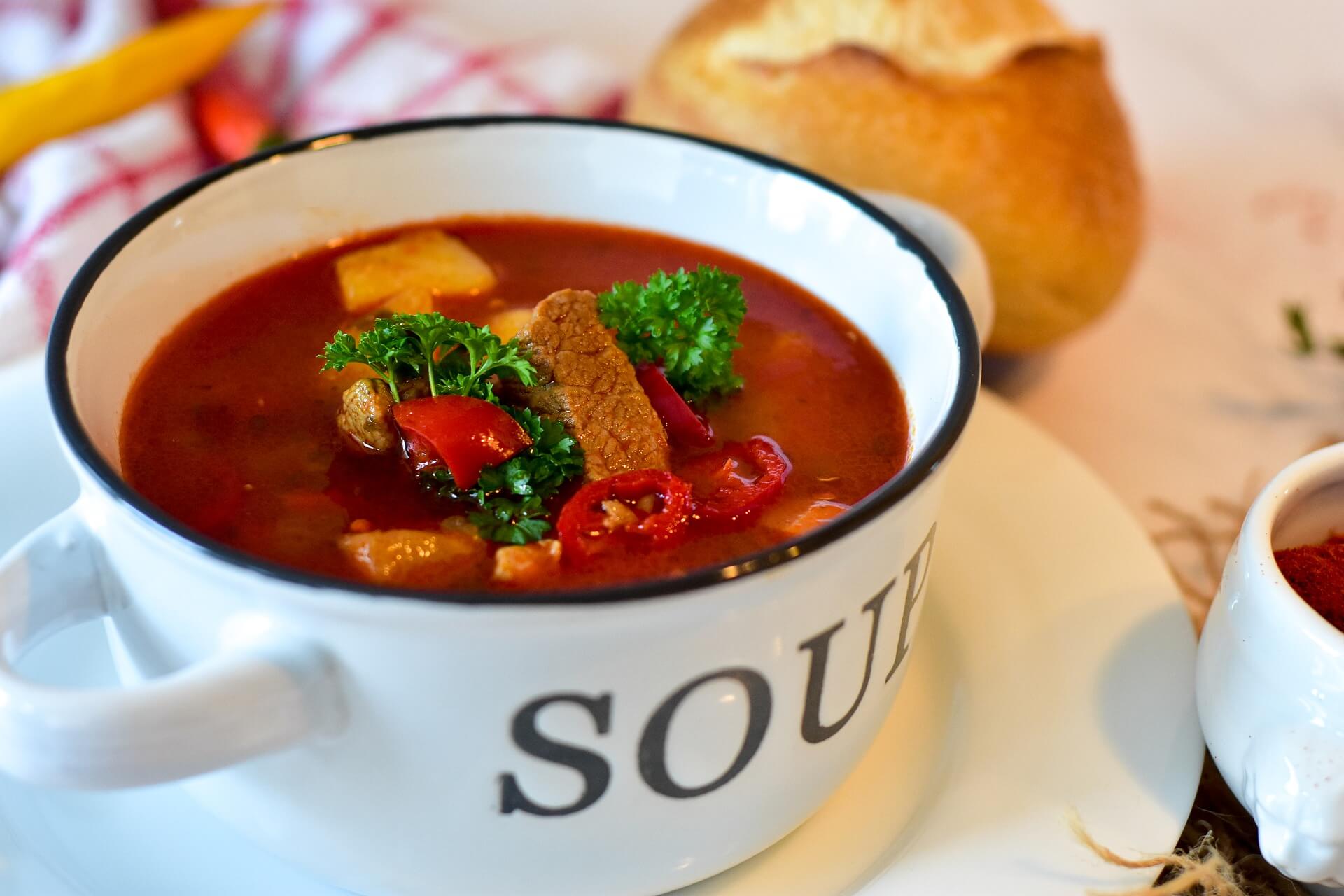
Potato Goulash Soupy stew
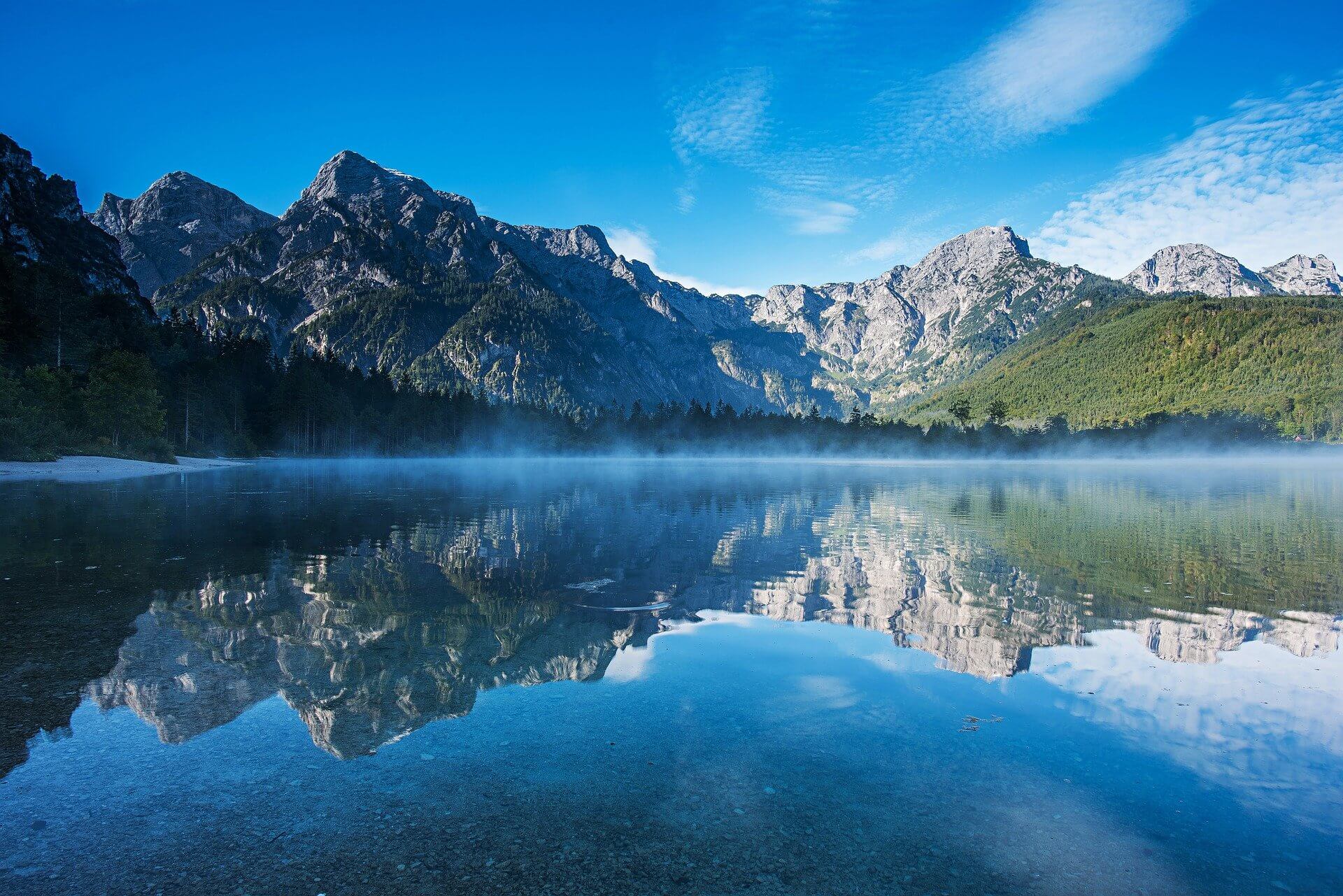
Austria has an exceptionally diverse landscape. It has 900 glaciers and the northern part is dominated by the low mountain range of the Bohemian mastiff. Herr, long stretches of woodland alternate with small structured areas of arable land with dense networks of field margins and hedgerows. Lake Neusiedl has salt marshes and is one of Europe’s most important birding areas. Austria has 3000 indigenous vascular plant species, 8000 lower plants i.e. algae, and lichens, 10,000 fungi and 46,000 animal species. Most animals are insects, beetles and snails and the larger animals include deer, stag, rabbit, pheasant, fox, badger, marten, partridge, chamois, groundhog, and mountain jackdew. Birds include eagles, heron, spoonbill, scooper, and wild goose. Alpine flora includes edelweiss, gentian, alpine carnation, arnica, alpine rose and heather.
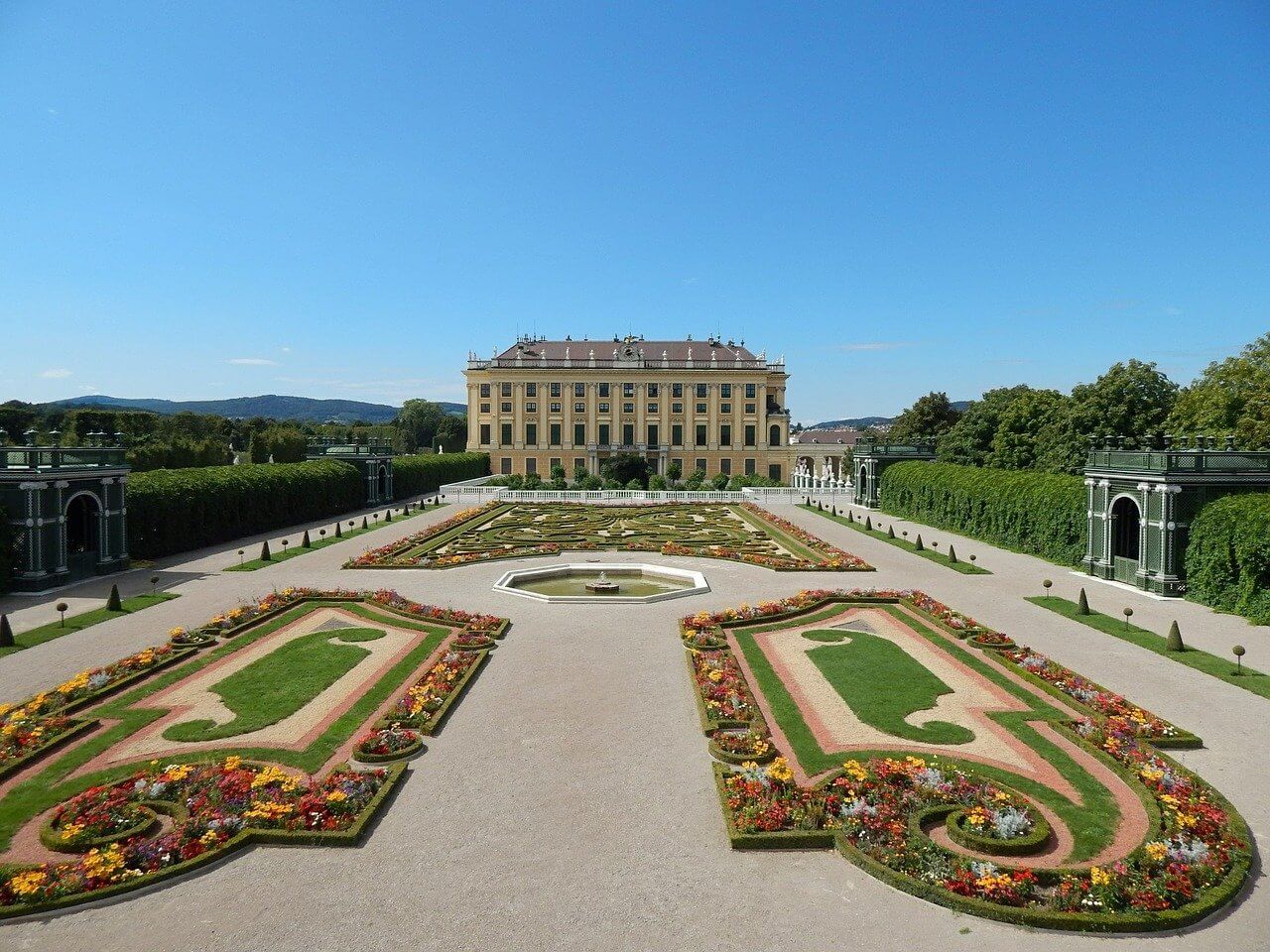
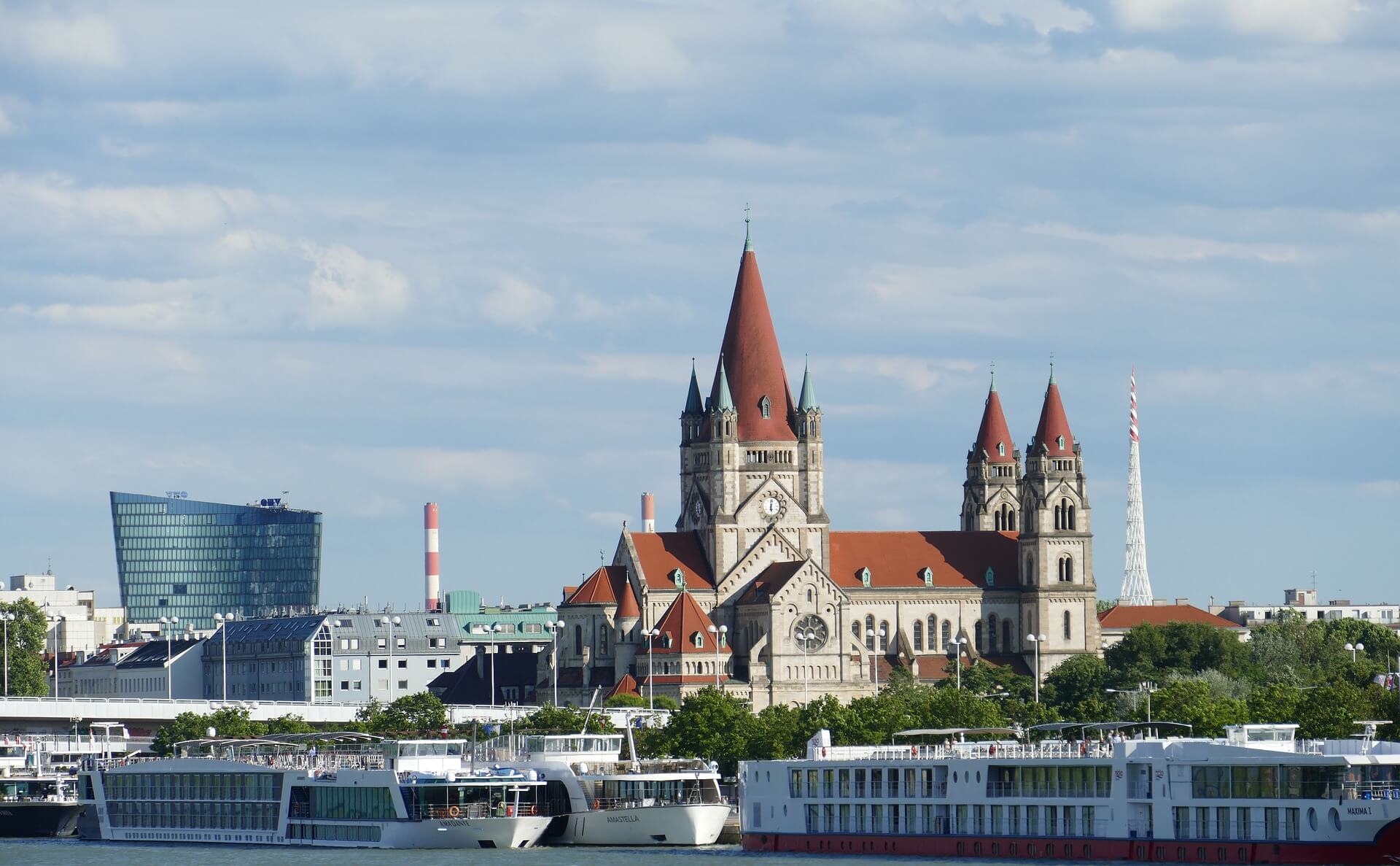
Vienna is the national capital and largest city in Austria with about 2.6 million inhabitants in its metropolitan area, which is nearly 1/3 of the country’s population. Vienna is the cultural, economic and political center of the country and is the 6th largest city by population in the European Union. Vienna is host to many international organizations. The city is located in the eastern part of Austria, and is close to the borders with the Czech Republic, Slovakia and Hungary. It sits on the banks of the Danube River which was the gateway between eastern and western Europe. In 2001, the city center was designated as a UNESCO World Heritage Site. Vienna is known as the “City of Music” due to its musical legacy as many classical musicians such as Beethoven and Mozart called Vienna home. Vienna is also said to be “The City of Dreams” because of it being home to Sigmund Freud. Vienna’s ancestral roots lie in the early Celtic and Roman settlements that transformed into a Medieval and Baroque city. It is well known for having played a pivotal role as a leading European music center from the age of Viennese Classicism through the early part of the 20th century. The historic center is rich in architectural ensembles, including Baroque palaces and gardens, and the late 19th century Ringstrafle is lined with grand buildings, monuments and parks. Vienna is known for its high quality of life and has been ranked as one of the three most livable cities and attracts nearly 7 million tourists a year.
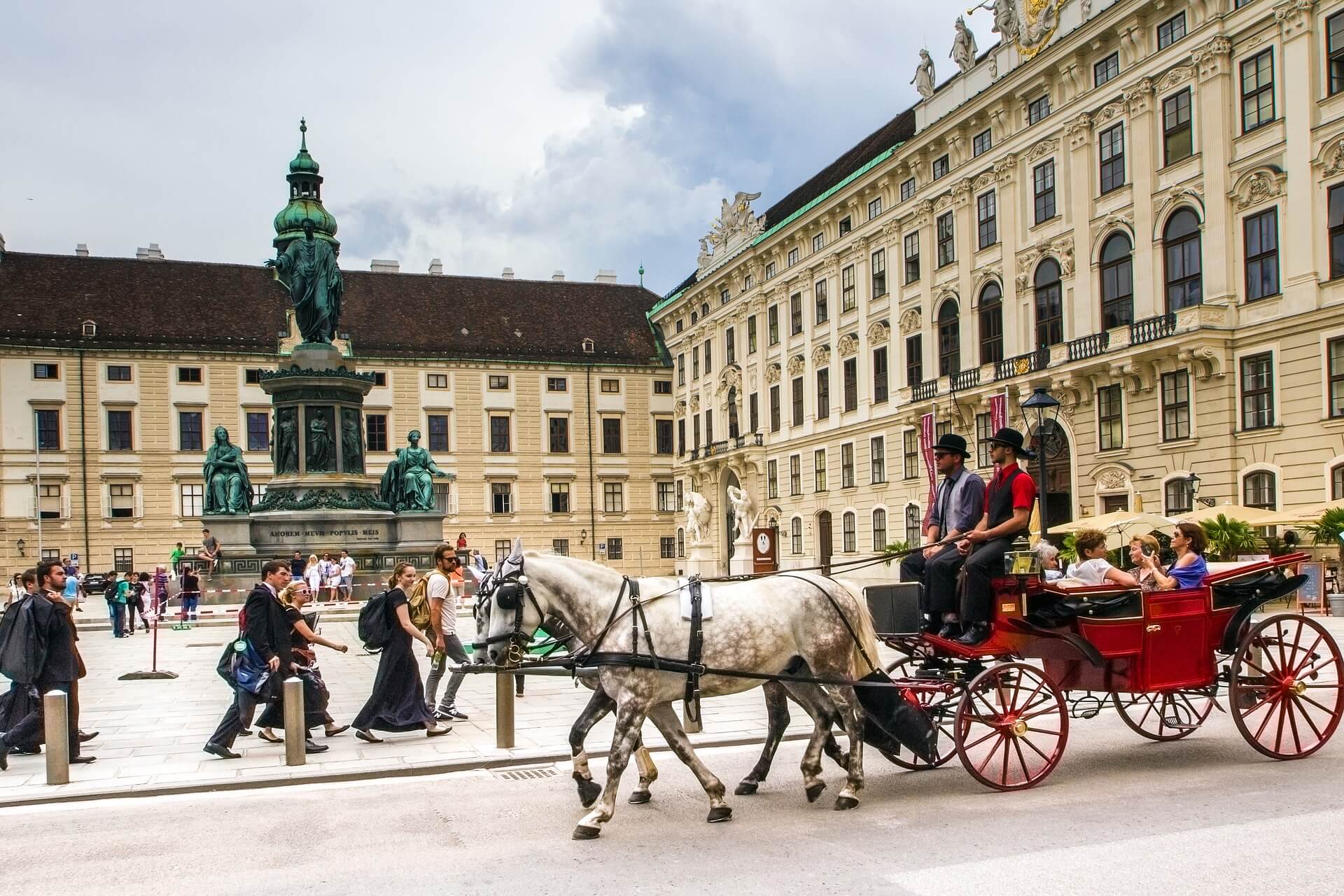
For our Academic tours, note that Celestial Voyagers has special arrangements to provide Opera tickets for students at a very good discounted price; we can also organize special visits and lectures at the Freud Museum.
Tourist Attractions:
Hofburg and Imperial Apartments since 1275 official residence of every Austrian ruler
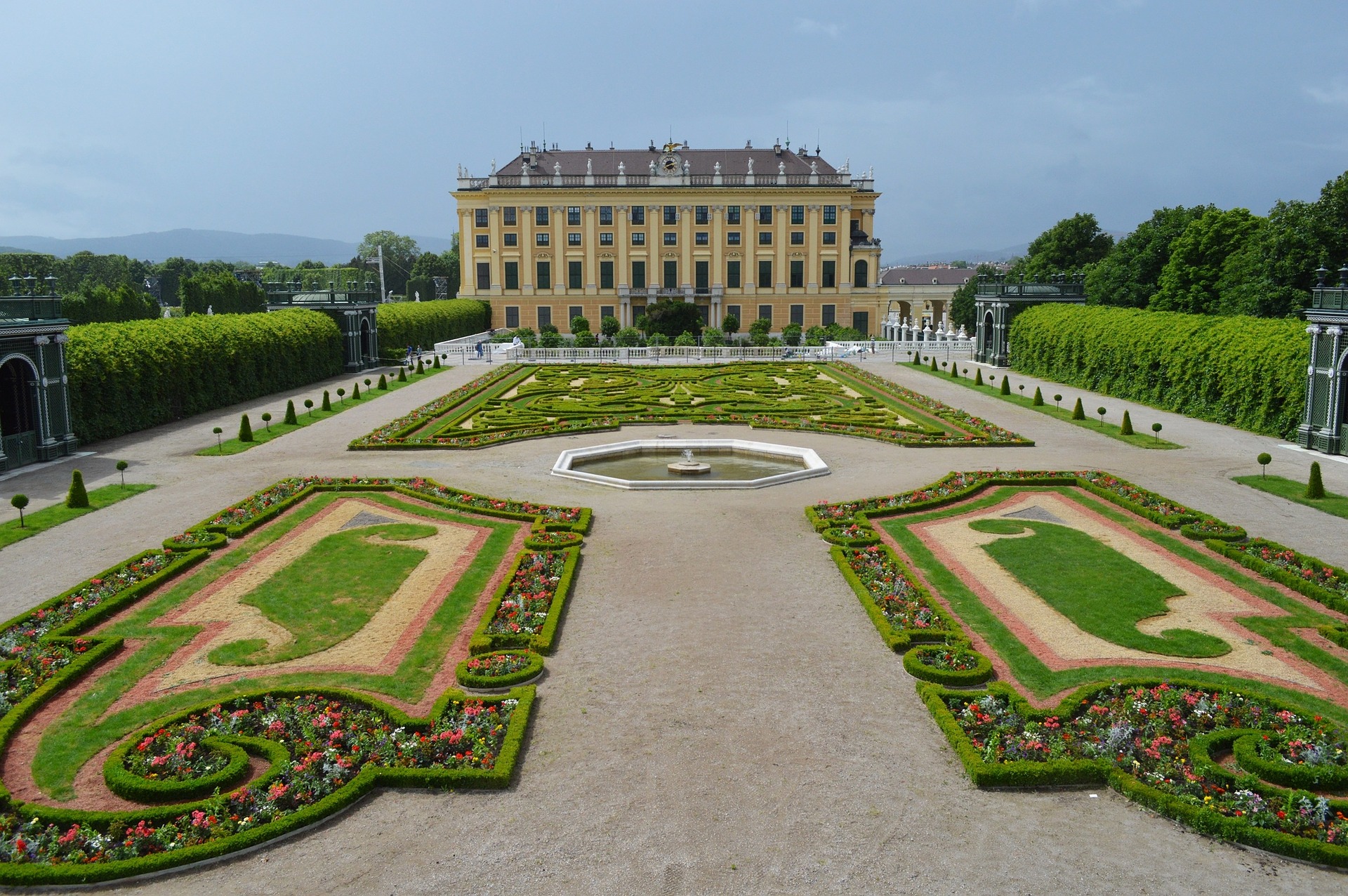
Imperial Schonbrunn Palace and Garden
St. Stephen’s Cathedral construction began in the 13th century
Spanish Riding School
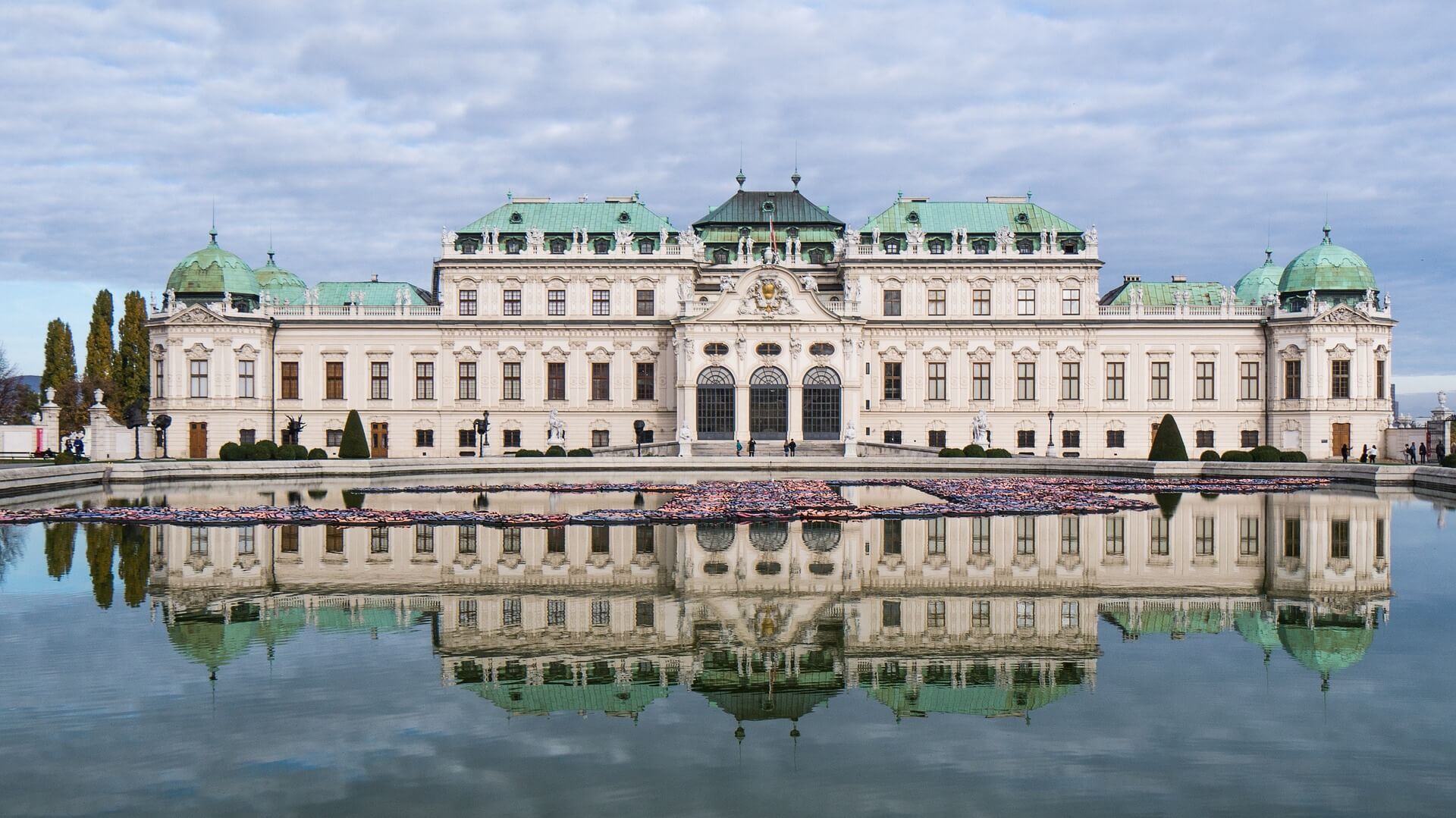
Belvedere Castle
Vienna Zoo
Vienna State Opera House
Kunsthistorisches Museum
Museum of Applied Arts
Vienna City Hall
St. Charles Church
Albertina Museum
Museum of Natural History
Colorful Homes of Hundertwasserhaus
The Imperial Crypt and Capuchin Church
Vienna’s Museum Quarter
St. Peter’s Catholic Church
Danube Tower
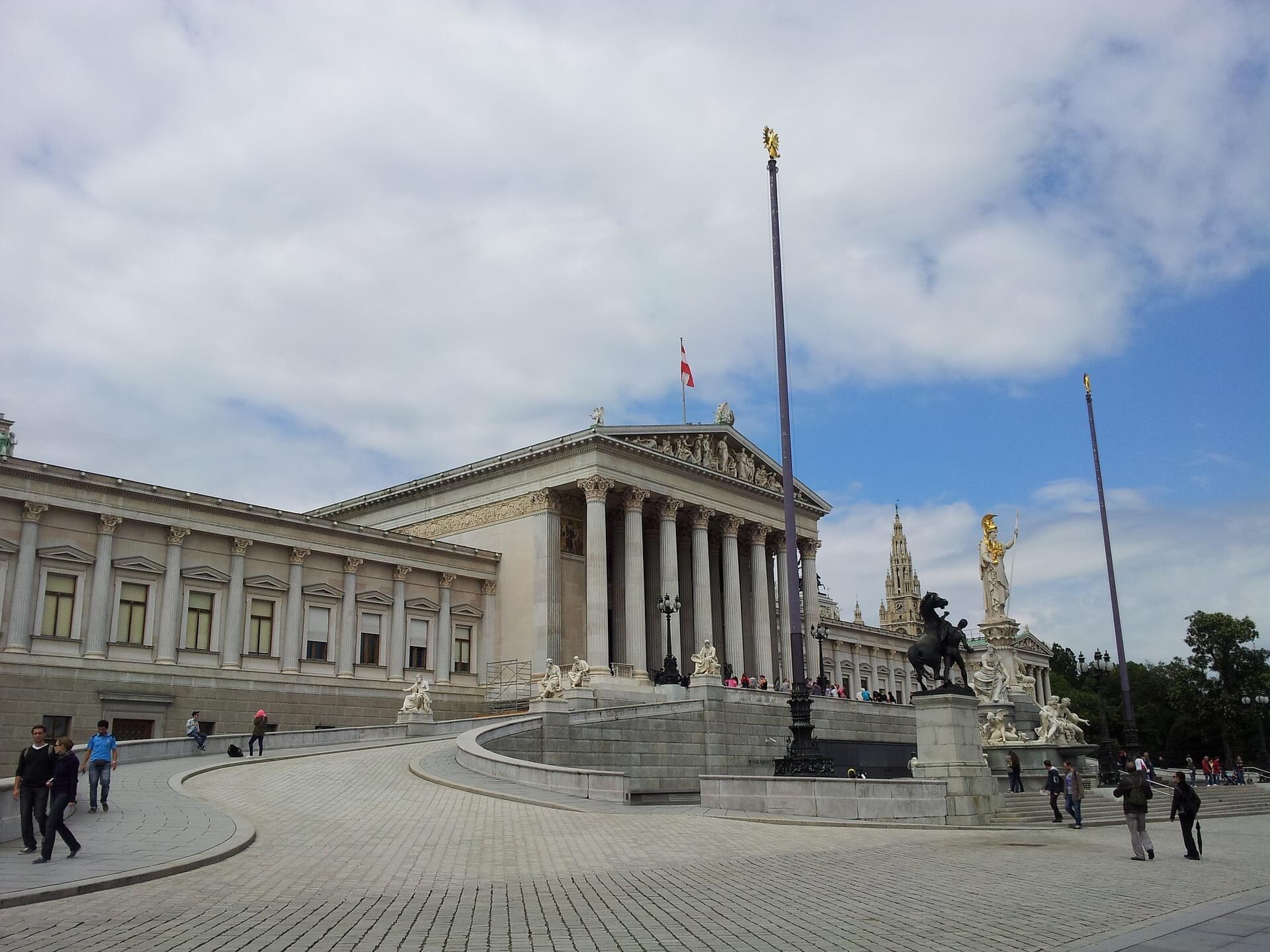
Austrian Parliament Building
Museum of Military History
Austria’s National Theater
Jewish Museum Judenplantz Holocaust Memorial
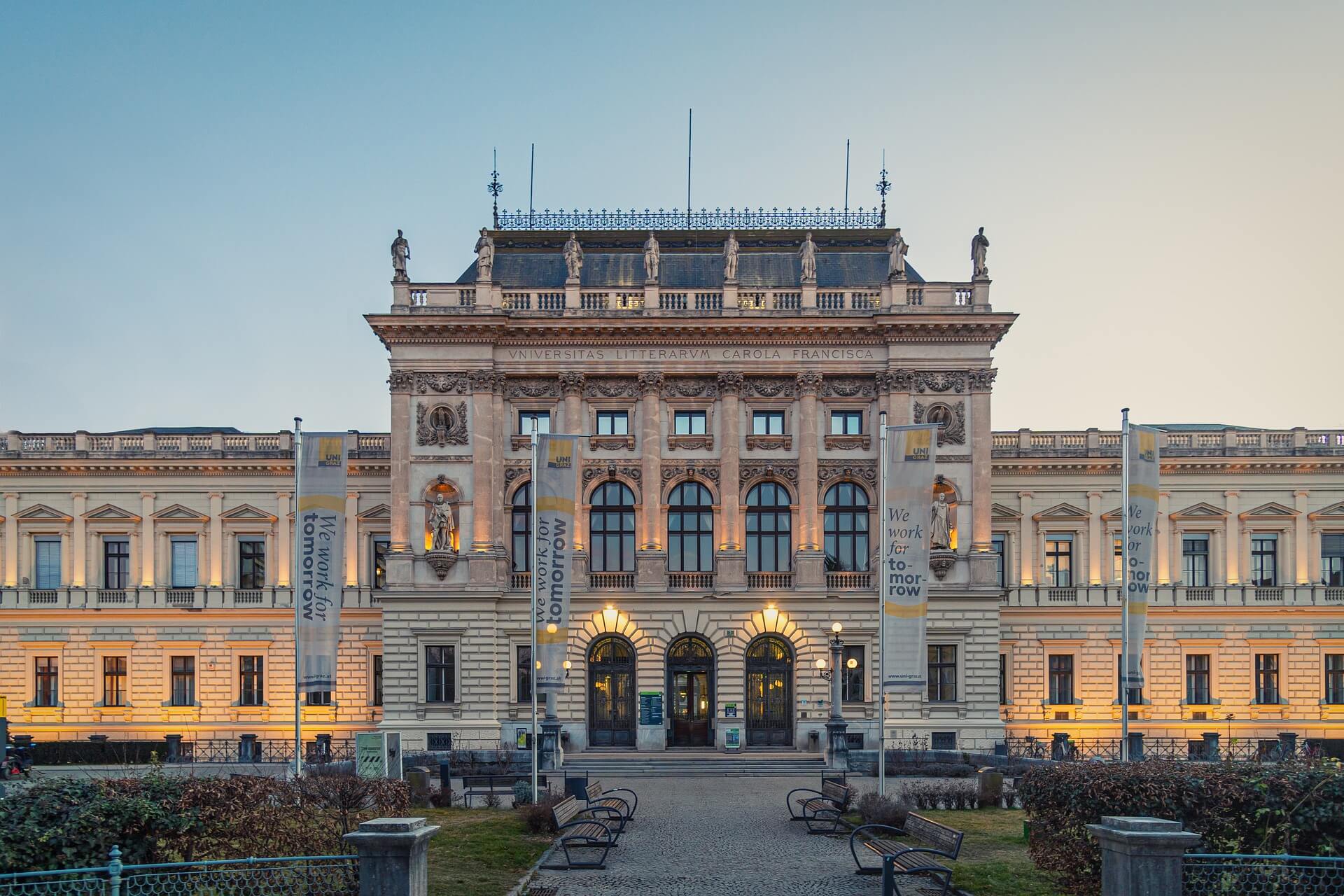
Graz, is a university city with four universities and four colleges and has a population of 290,000 with 60,000 students. It is in the state of Styria. Its historic center is one of the best preserved in Central Europe. Graz was designated “Cultural Capital of Europe” in 2003 and “City of Culinary Delight” in 2008.
Tourist Attractions:
Clock Tower
Kunsthaus Graz Architecture
Island in the Mur
Eggenberg Palace
Armoury
Glockenspiel
Landhaus Courtyard
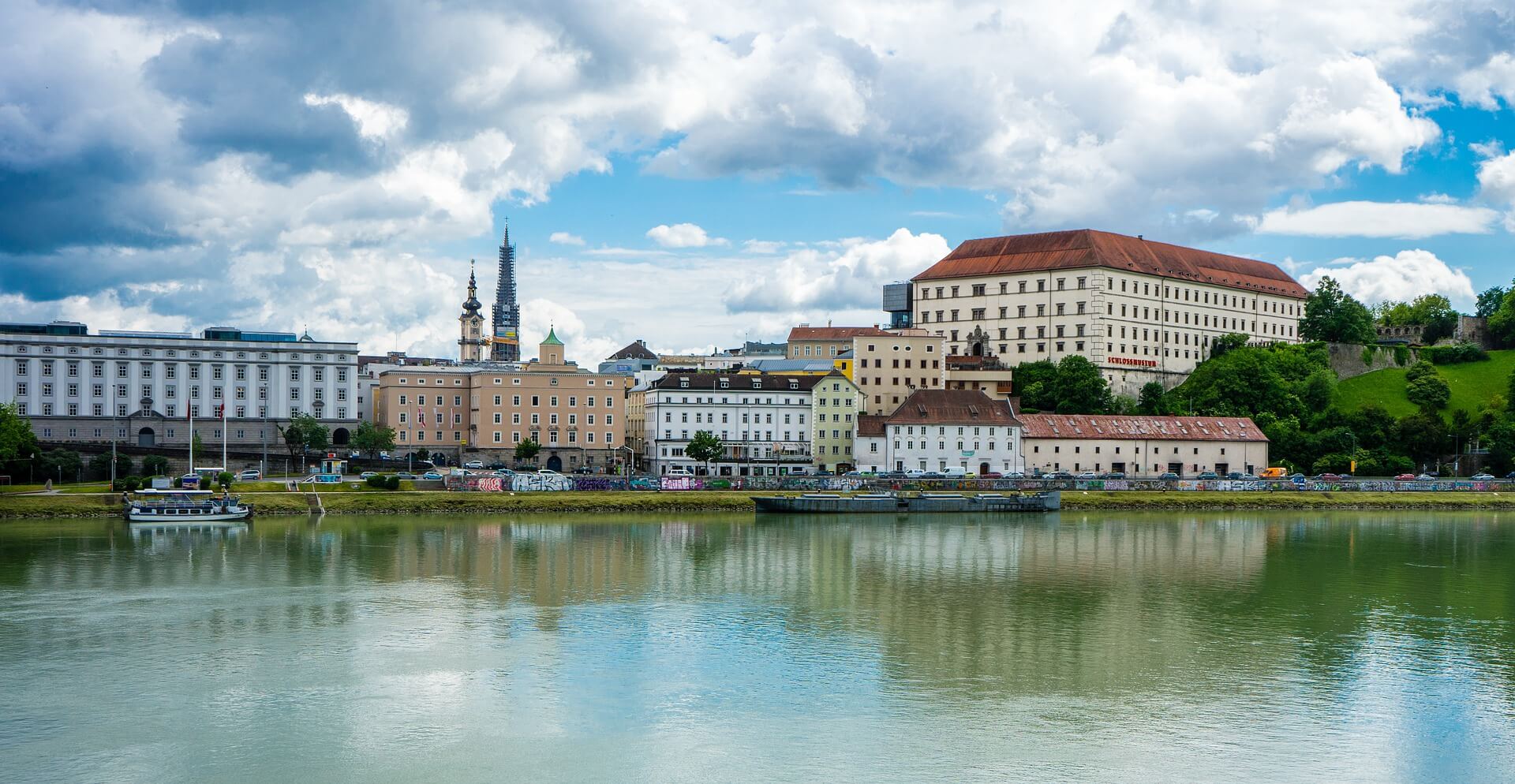
Linz, population 205,000, is the capital of Upper Austria in the northern part of the country on the banks of the Danube River and is 19 miles from the Czech Republic.
Tourist Attractions:
Main Square built in 1230 and is one of the largest converted spaces in Europe. It has a monument in it that is a remembrance to the people who died in the plague. To the west of the square are historically interesting and relevant architecture. In the area sits the old quarter with century’s old buildings and houses.
Saint Martin’s Church is the oldest Austrian Church
St. Mary’s Cathedral is the tallest church in Austria
Mozarthaus built in the 16th century is where Mozart wrote the Linz Symphony
Postlingbergbahn is the steepest mountain rail in the world built in 1898.
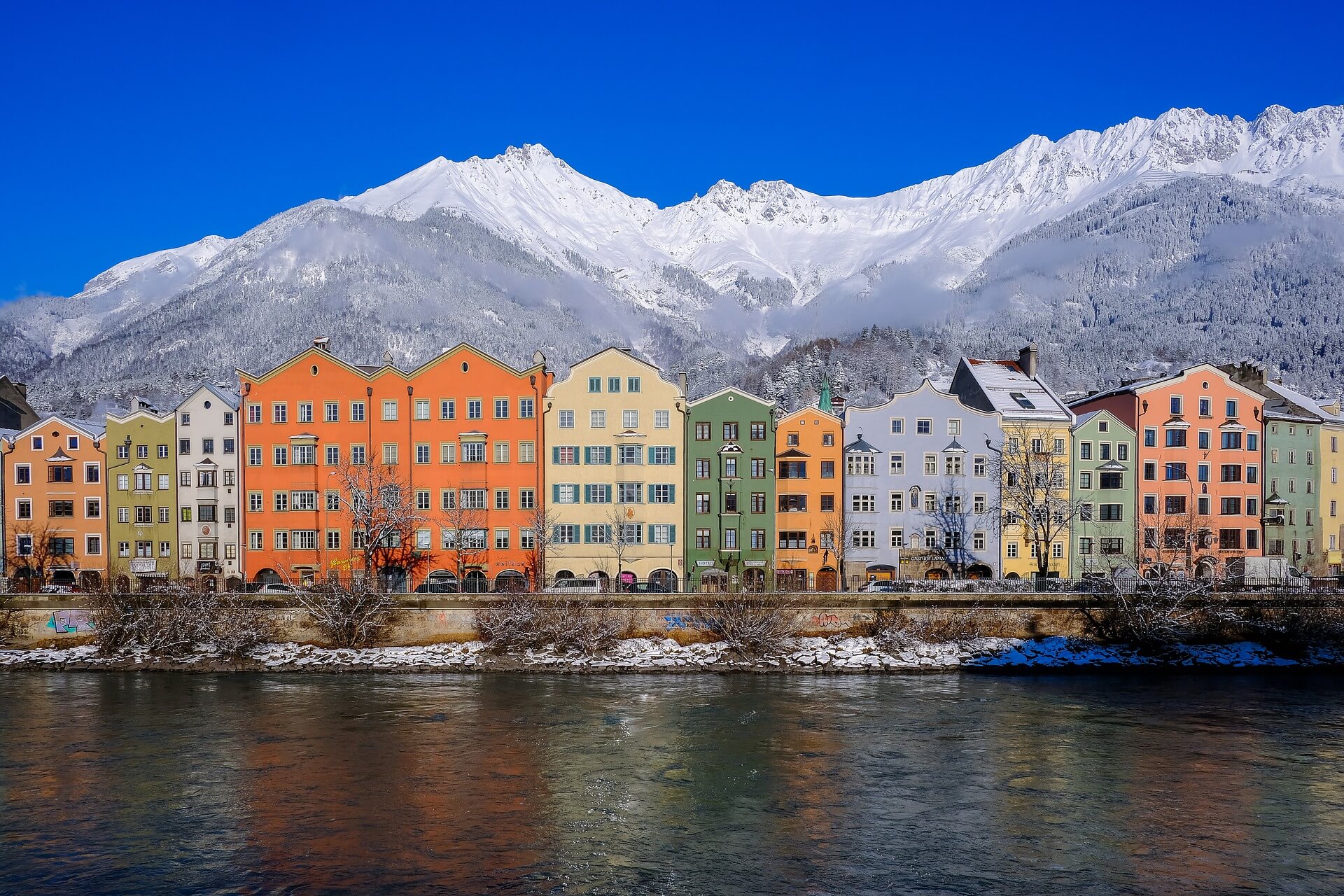
Innsbruck, population 135,000, is the capital of Tyrol and is on the River Inn at its junction with Wipp Valley which provided access to the Brenner Pass which is 18 miles to the south. The city is an internationally renowned sports winter center and hosted the 1974 and 1986 winter Olympics.
Tourist Attractions
Ambras Castle
Armoury
City Tower
Helblinghaus
Maximilian’s Cenotaph
Old Town
Tyrolean State Museum
Old Churches
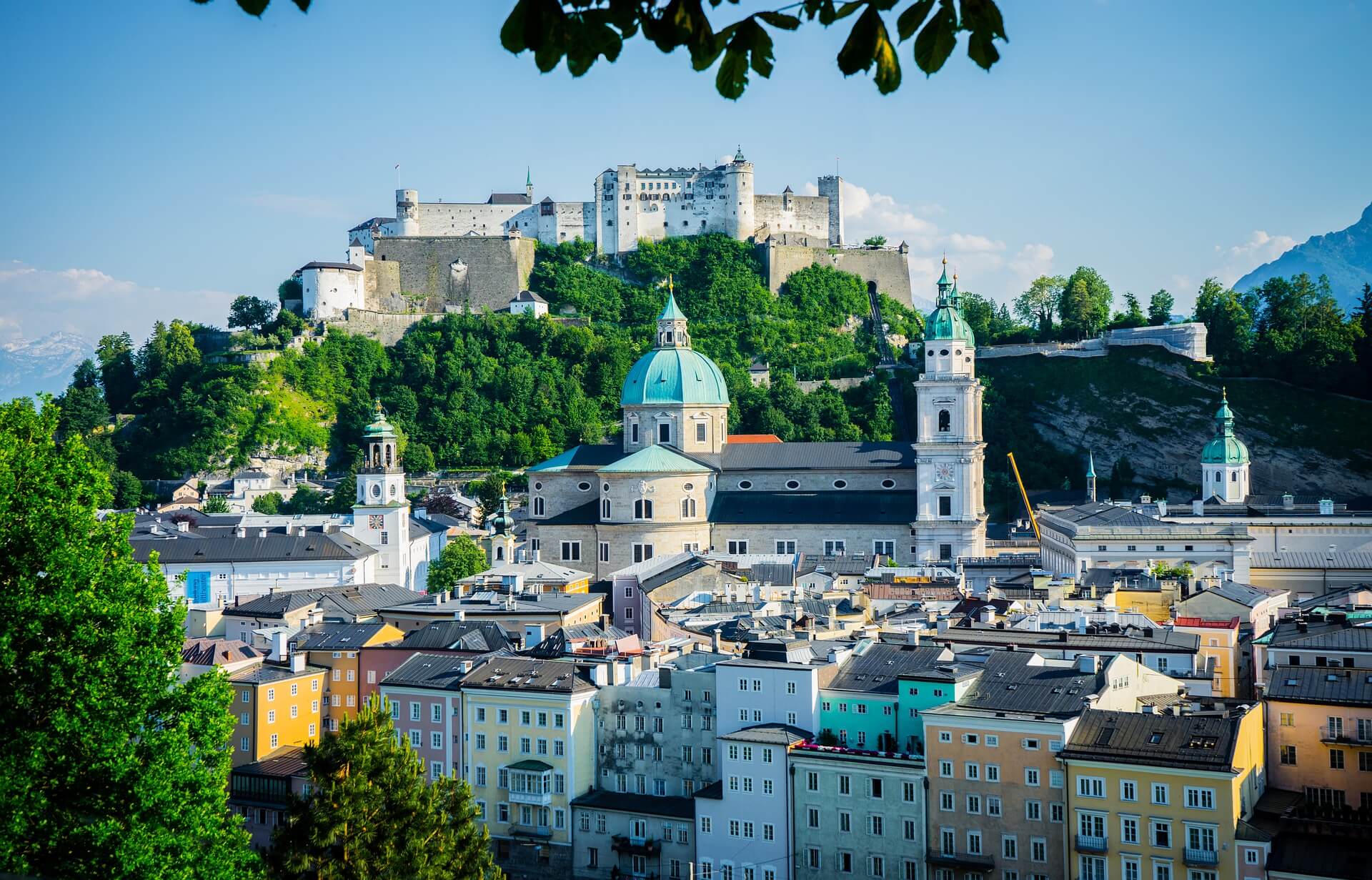
Salzburg, with a population of 155,000, is a town on the site of the Roman settlement of Luvavum. The city was founded in 696 and became the seat of the archbishop in 798. The fortress of Salzburg is one of the largest medieval fortresses in Europe. Salzburg’s historic center is renowned for its Baroque architecture and is one of the best preserved city centers north of the Alps. The historic center was listed as a UNESCO World Heritage Site in 1996.
Tourist Attractions:
Old Town has many buildings with historic architecture
Marionettentheater presenting mostly Mozart’s Operas
Heilbrunn parks and castles
Hangar-7 Museum
Berghof Hitler’s Retreat
Winter Skiing
No Tour Found