


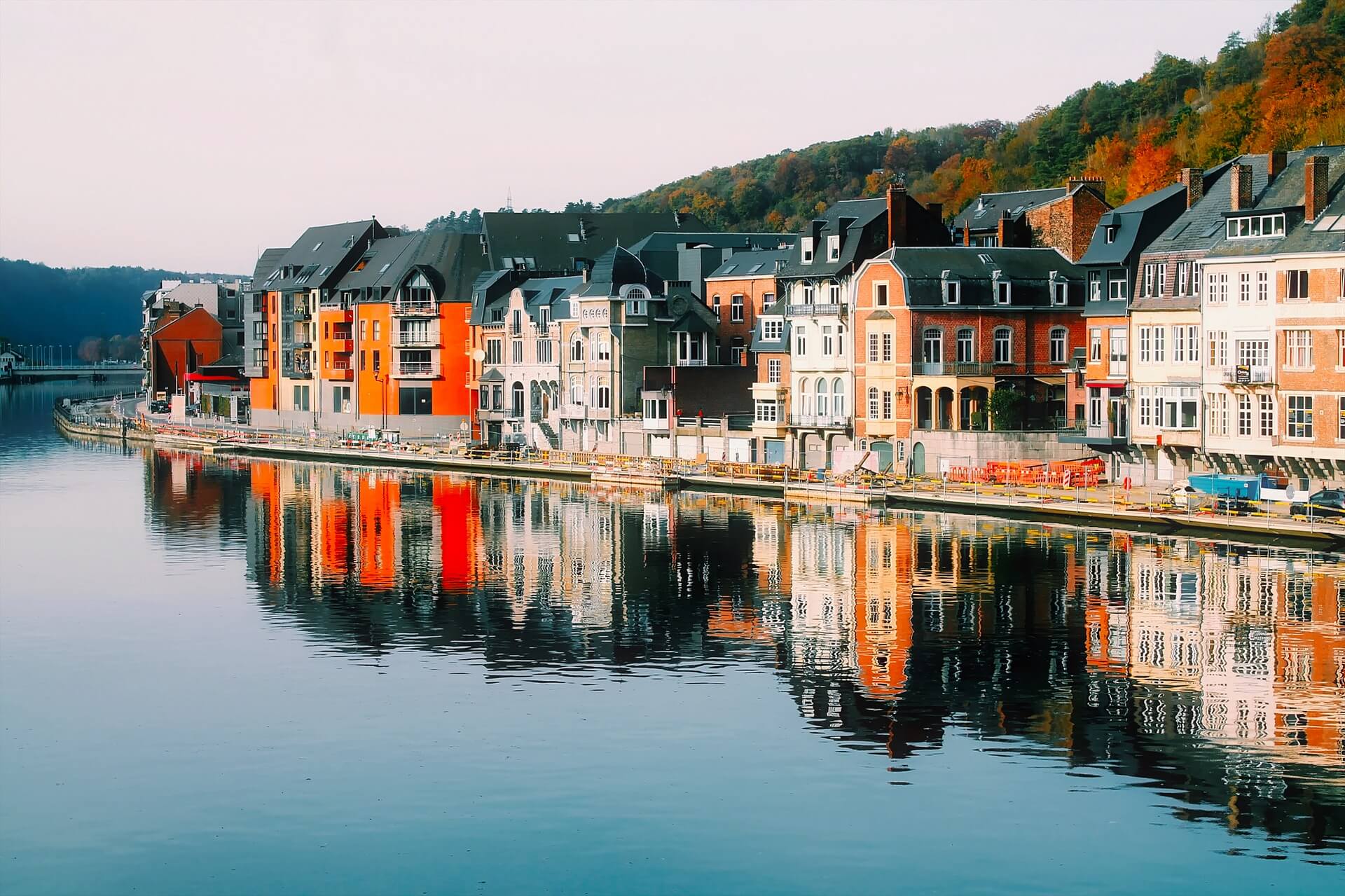
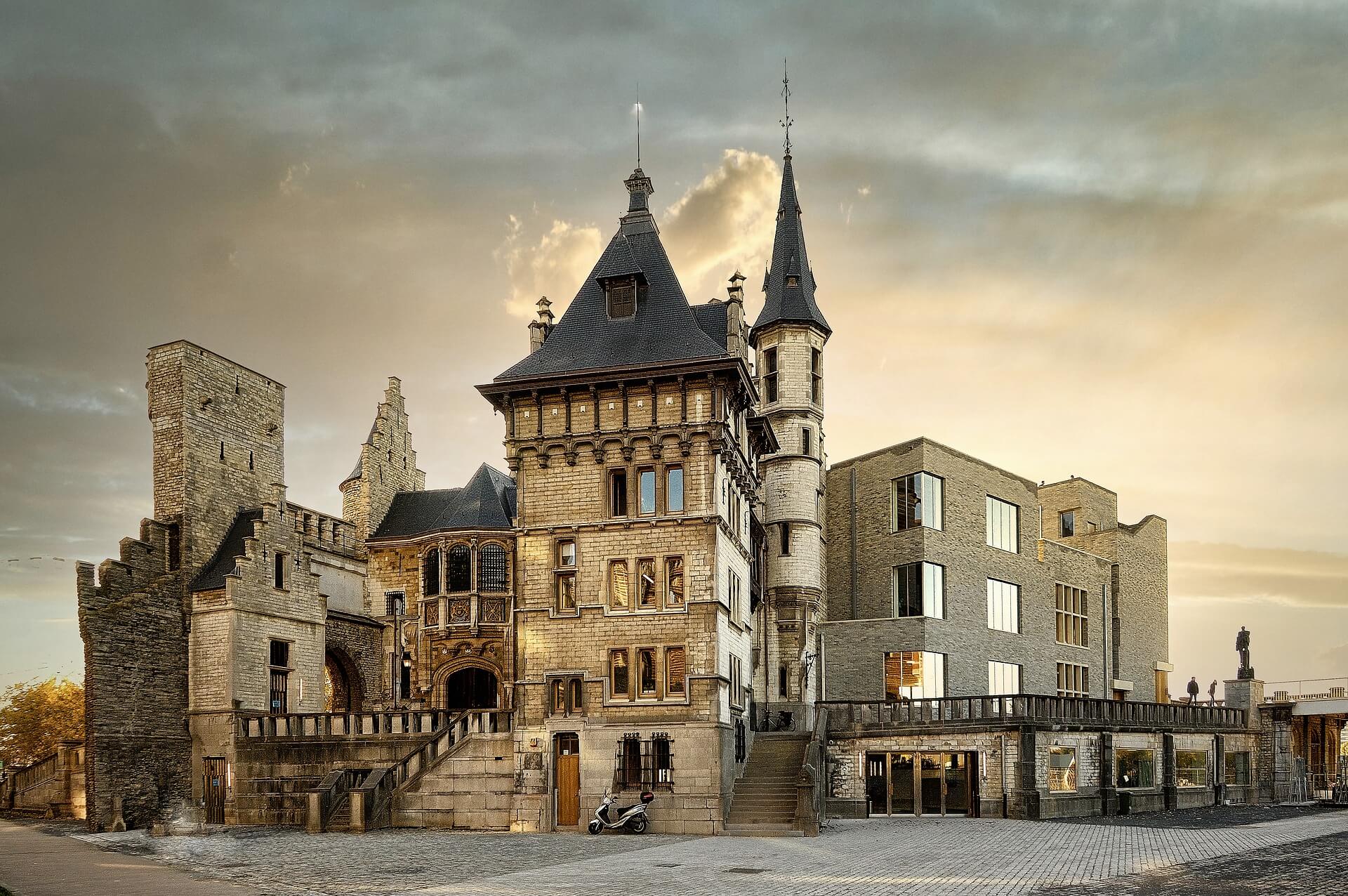
Belgium, officially the Kingdom of Belgium, is a country in Western Europe bordered by the Netherlands to the north, Germany to the east, Luxembourg to the southeast, France to the southwest, and the North Sea to the northwest. It has a landmass area of 11,849 square miles and a population of 11.5 million. The capital and largest city is Brussels; other major cities are Antwerp, Ghent, and Charleroi. Belgium is a sovereign state and a federal constitutional monarchy with a parliamentary system. It is divided into three highly autonomous regions. The Flemish Region (Flanders) in the north, the Walloon Region (Wallonia) in the south and the Brussels-Capital region in the center. Brussels is the smallest and most densely populated region. Belgium is home to two main linguistic communities, the Dutch speaking Fleshing Community which constitutes 60% of the population and the French-speaking Community which constitutes 40%. The Brussels-Capital region is officially bi-lingual in French and Dutch, although French is the dominant language. The country, as it exists today, was established following the 1830 Belgian Revolution, when it seceded from the Netherlands, which itself had only existed since 1815. The name chosen for the new country is derived from the Latin word Belgium, used in Julius Caesar’s “Gallic Wars” to describe the nearby region in the period around 55 BCE. Belgium is part of a European area known as the “Low Countries”. Since the Middle Ages, its central location near several major rivers has meant that the area has been relatively prosperous, connected commercially and politically to its bigger neighbors. Belgium has also been the battleground of European powers, earning the moniker of the “Battlefield of Europe”; a reputation strengthened by both world wars. During the Industrial revolution, Belgium acquired a number of colonies in Africa. Between 1888 and 1908, King Leopold II, was the largest individual landholder in the world. He owned the Congo Free State and allowed the massacre of millions of its people for the sake of rubber and ivory exports. Belgium is one of the six founding members of the European Union and its capital hosts the official seats of the European Commission. It is a developed country with an advanced high-income economy.
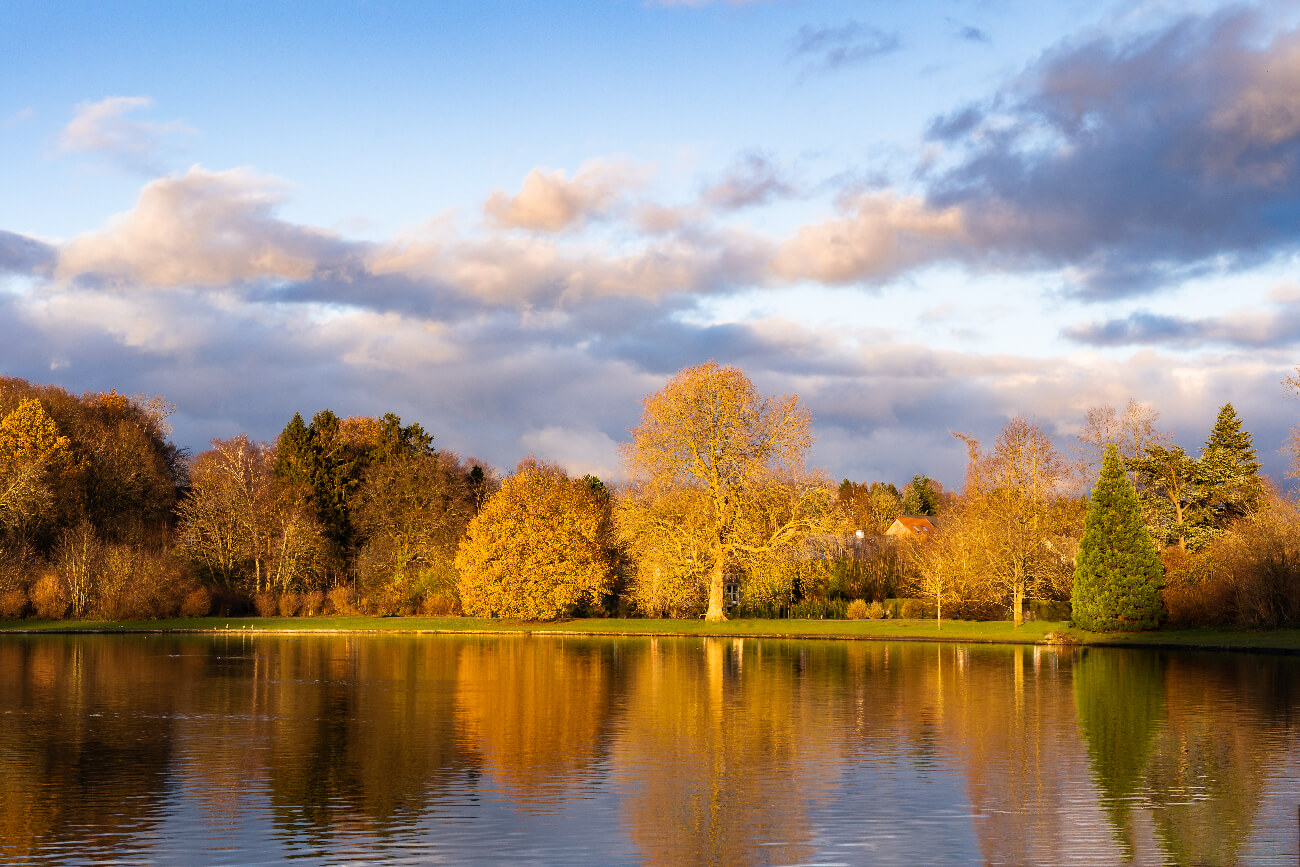
Belgium has three main geographical regions; the coastal plain in the northwest, the Central Plain and the Ardennes Uplands in the southeast. The Coastal Plain consists mostly of sand dunes and polders. Further inland has a smooth, slowly rising landscape irrigated by numerous waterways with fertile valleys and the northeastern sandy plain of the Campine. The thickly forested hills and plateaus of the Ardennes are more rugged with caves and small gorges and extend westward into France. The climate is maritime temperate with significant precipitation in all seasons like most of northwest Europe. Belgium has 1765 protected areas that compromise 14.5% of its land and 37% of its marine waters. There are 2500 species of animal and 500 species of wild birds. Plant life includes the Dwarf Red Ixora, the Blue Iris, Pink Orchid, Bleeding Heart, Periwinkle, Lily of the Valley, and Hyacinth. The major species of trees are Beach and Oak. Water species include Pike, Carp, Trout, Eel, Perch, Sole, Mussels, Crayfish and Shrimp. Mammals are Boar, Fox, Badger, Squirrel, Weasel, Marten, and Hedgehog.
Moules-Frites Mussels in white wine sauce with fries
Waterzooi creamy, soupy stew which dates back to the Middle Ages
Belgian Frites
Toast and Cannibale Similar to Steak Tartare
Croquettes aux Crevettes Grises Tiny grey shrimp
Stoemp Mashed potatoes with mashed vegetables
Anguilles au Vert Eel in thick green sauce
Sole Meuniere
Sirop de Liege Fruit syrup with a sweet taste
Belgium Meatballs
Chicon au Gratin Belgium endive, ham and cheese with mashed potatoes
Tomatoes aux crevettes Shrimp with mayonnaise stuffed in tomatoes
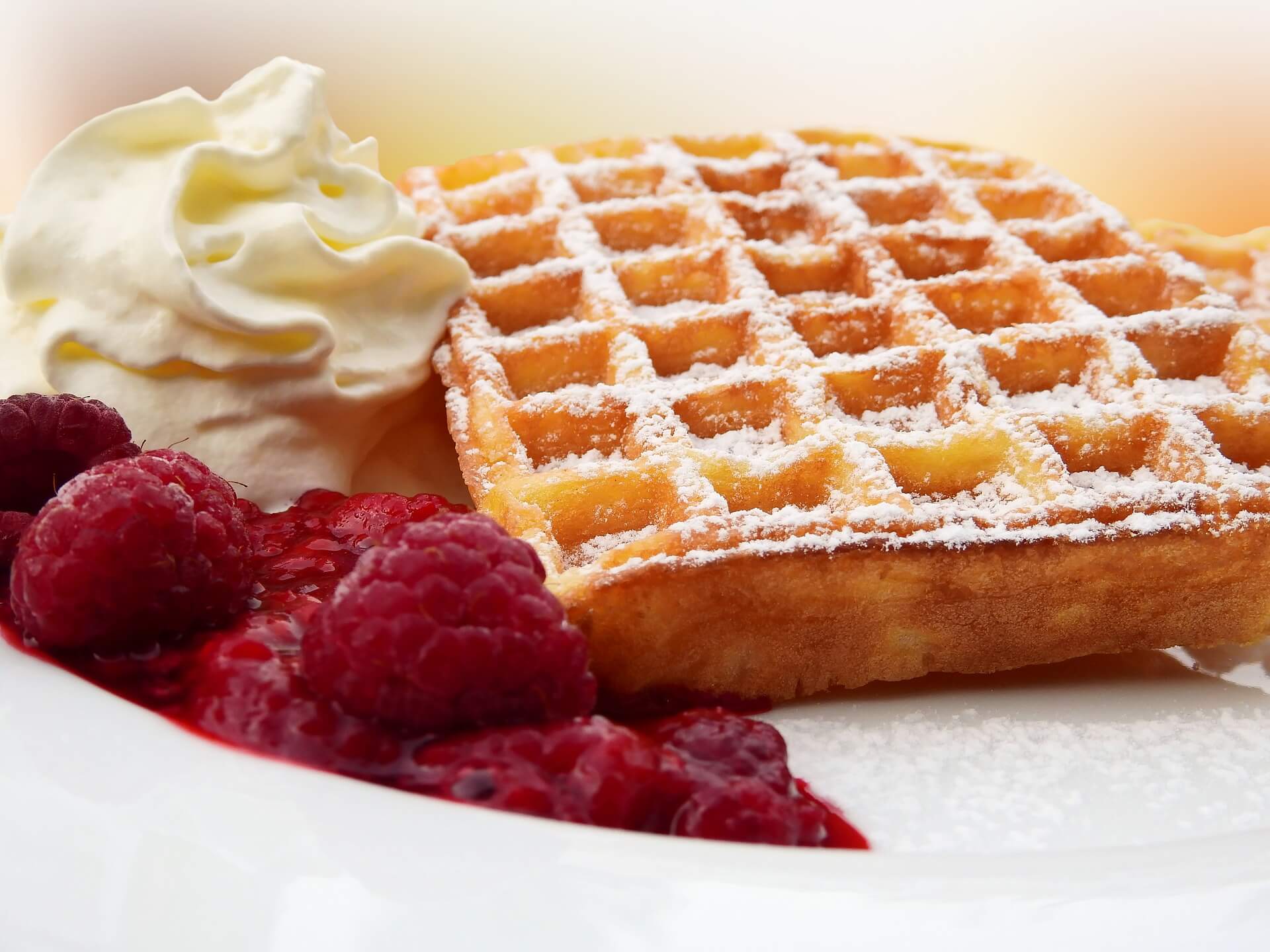
Belgian Waffles
Tourist Attractions
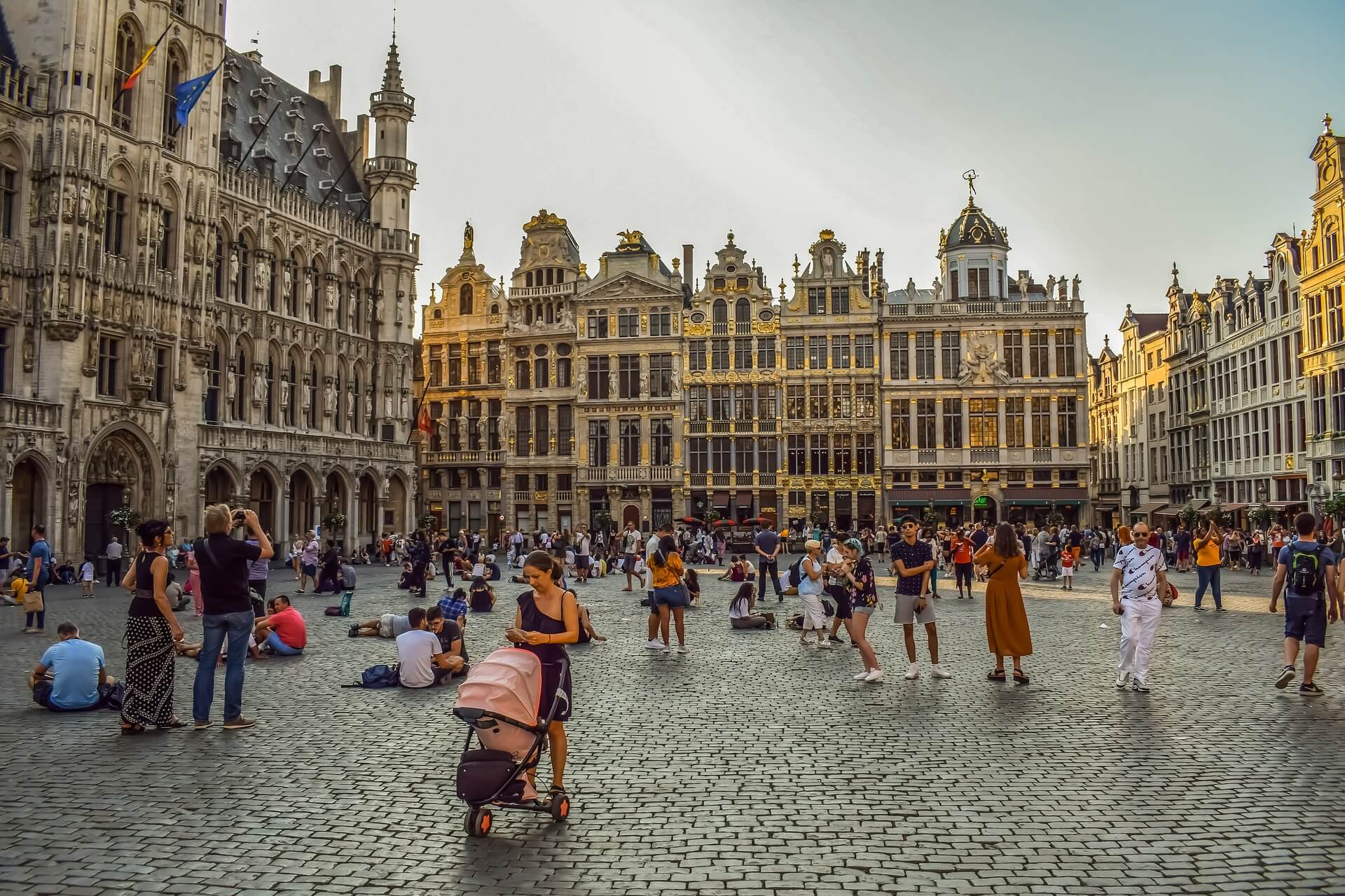
Grand Place Town Square built over centuries
Peeing Boy Statue: the Mankenpiss
Flanders Great War Memorial
Palais de Justice
La Monnaie Opera HouMusée des Beaux Arts
Musée Constantin Meunier
Train World Museum
Luxemburg Square
Park Malou
Ixelles Cemetery
Saint Michel Cathedral begun in 1225
Belgium Comic Book Center
Basilique Nationale du Sacre Coeur 5th largest church in the world
Abbaye de la Cambre Beautiful gardens and buildings
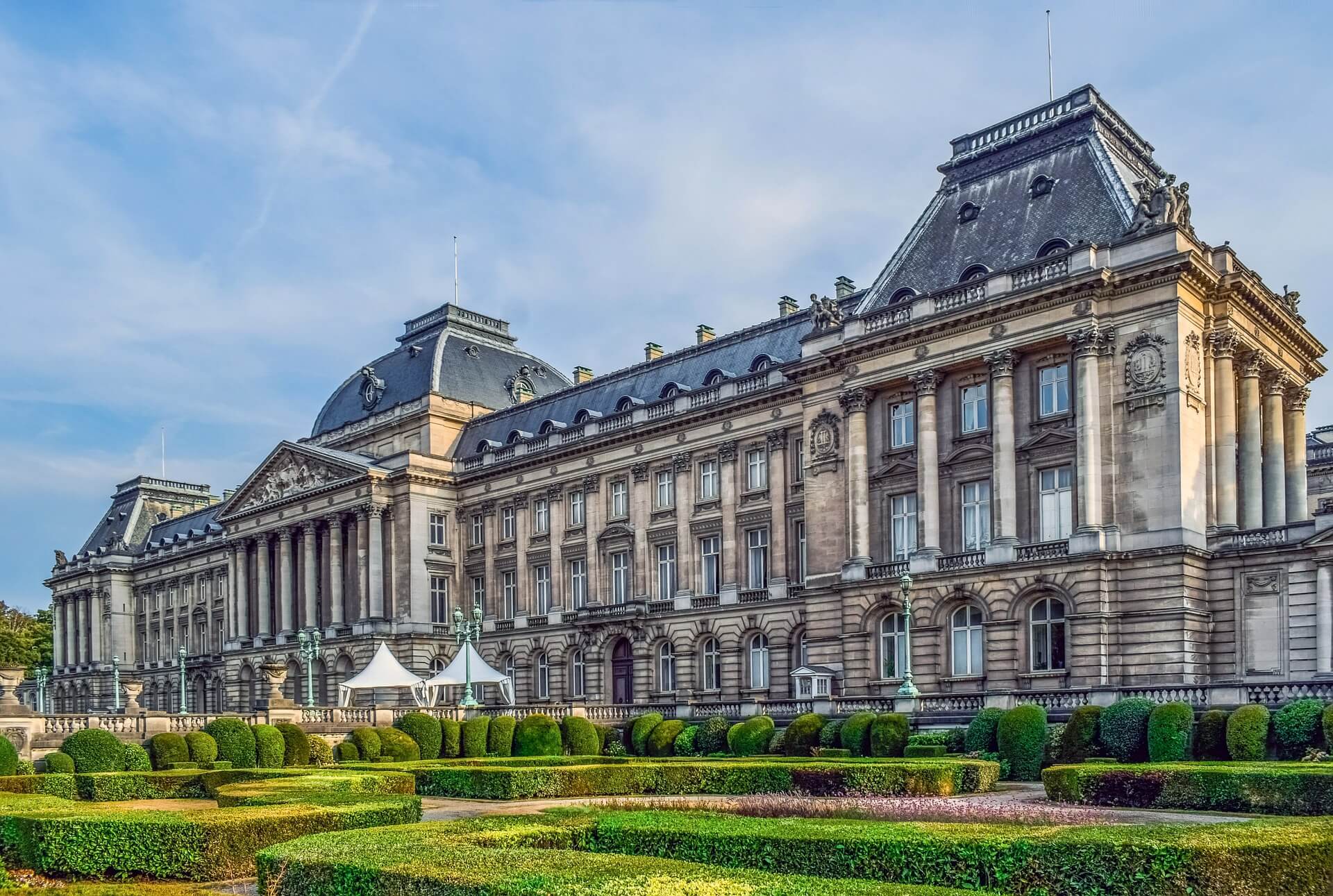
Palace Royale
Notre Dame du Sablon Church
The Atomium
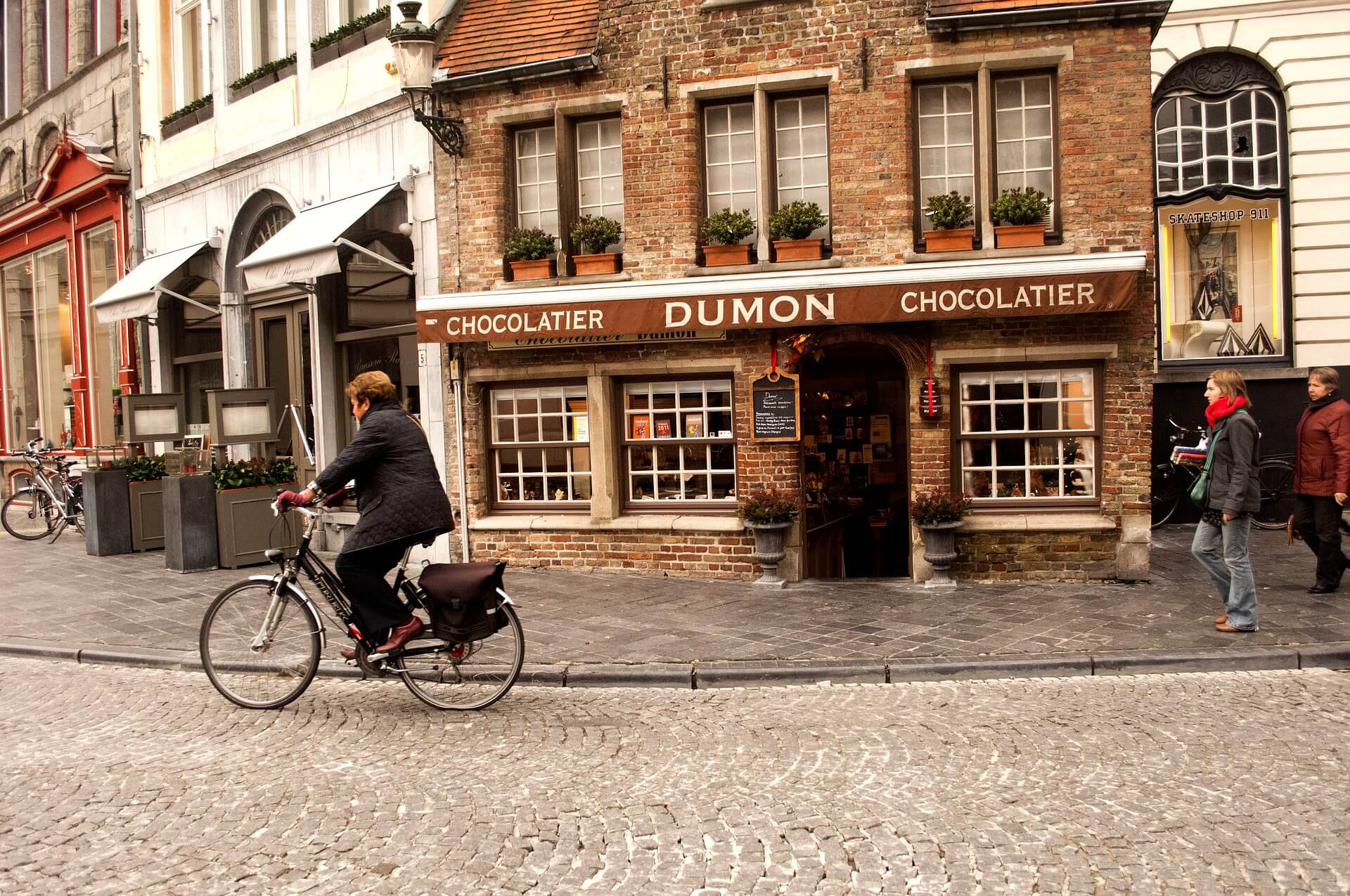
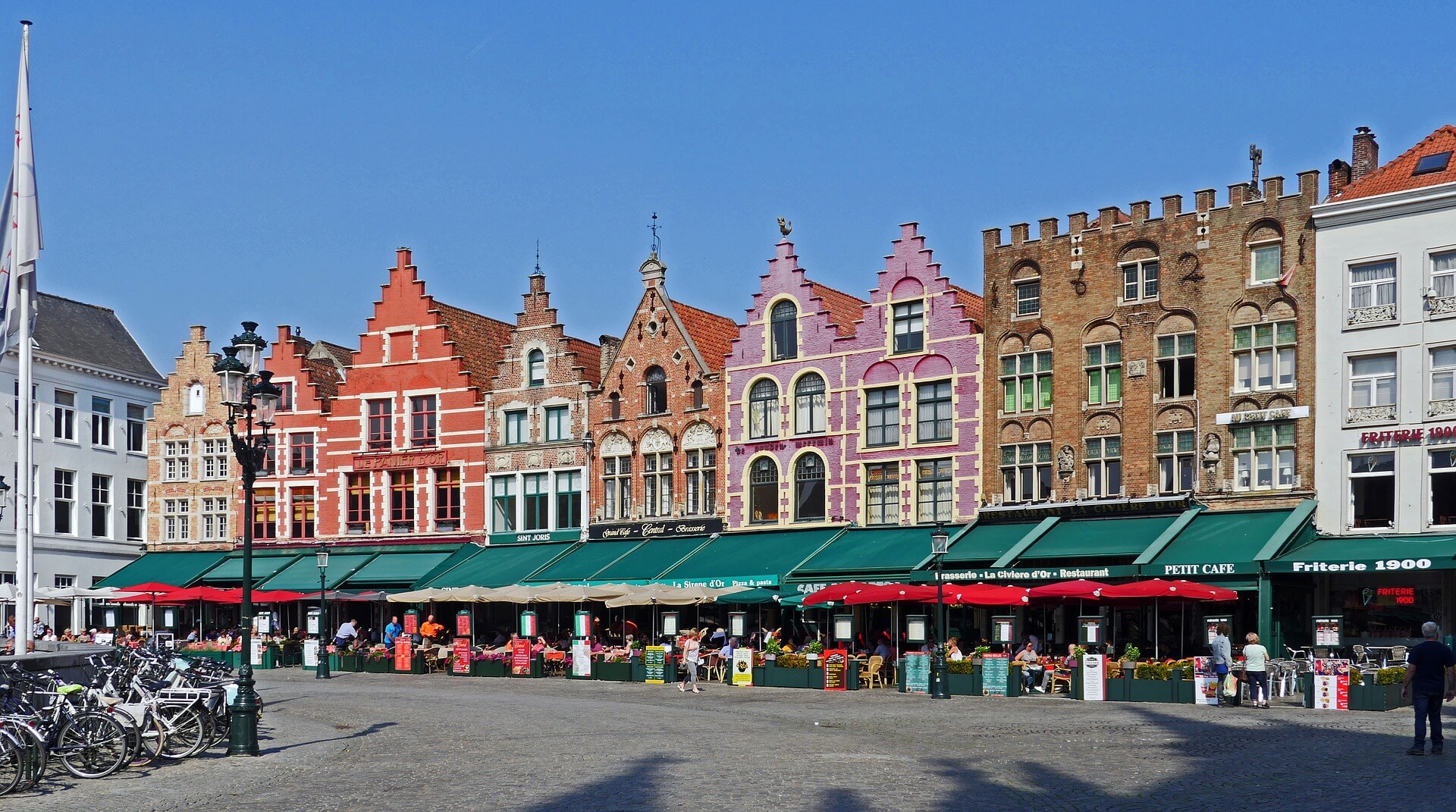
Bruges has Medieval streets and cobbled streets which give way to cafes, lovely town squares and meandering canals surrounded by ancient church spires. It is one of the most scenic cities in Europe.
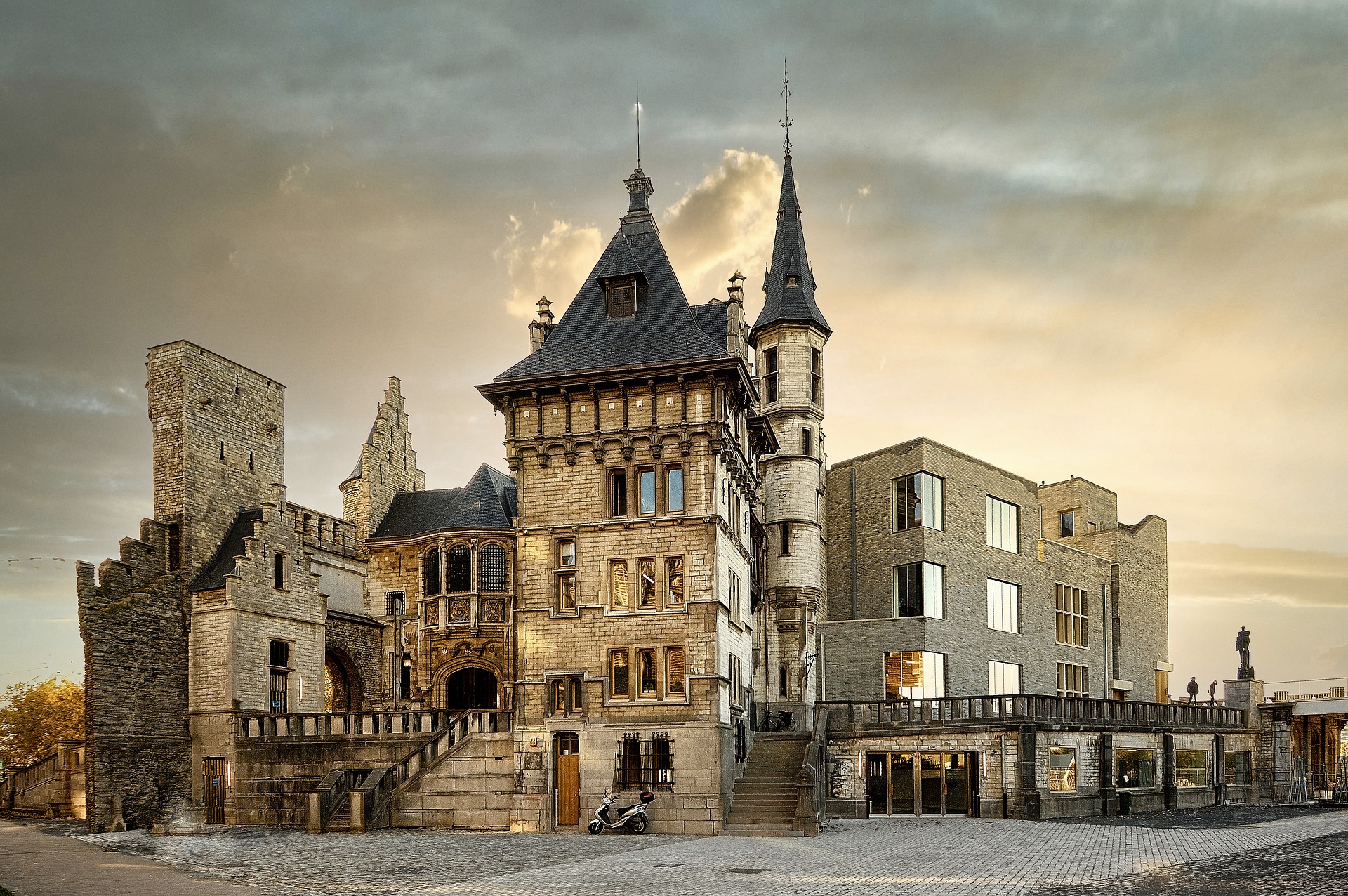
Antwerp is a port city and is cool, hip and trendy with upmarket boutiques, diamond shops and art outlets. It has a historic center, cobbled streets and lovely architectural buildings. Its central train station is one of the most beautiful in Europe.
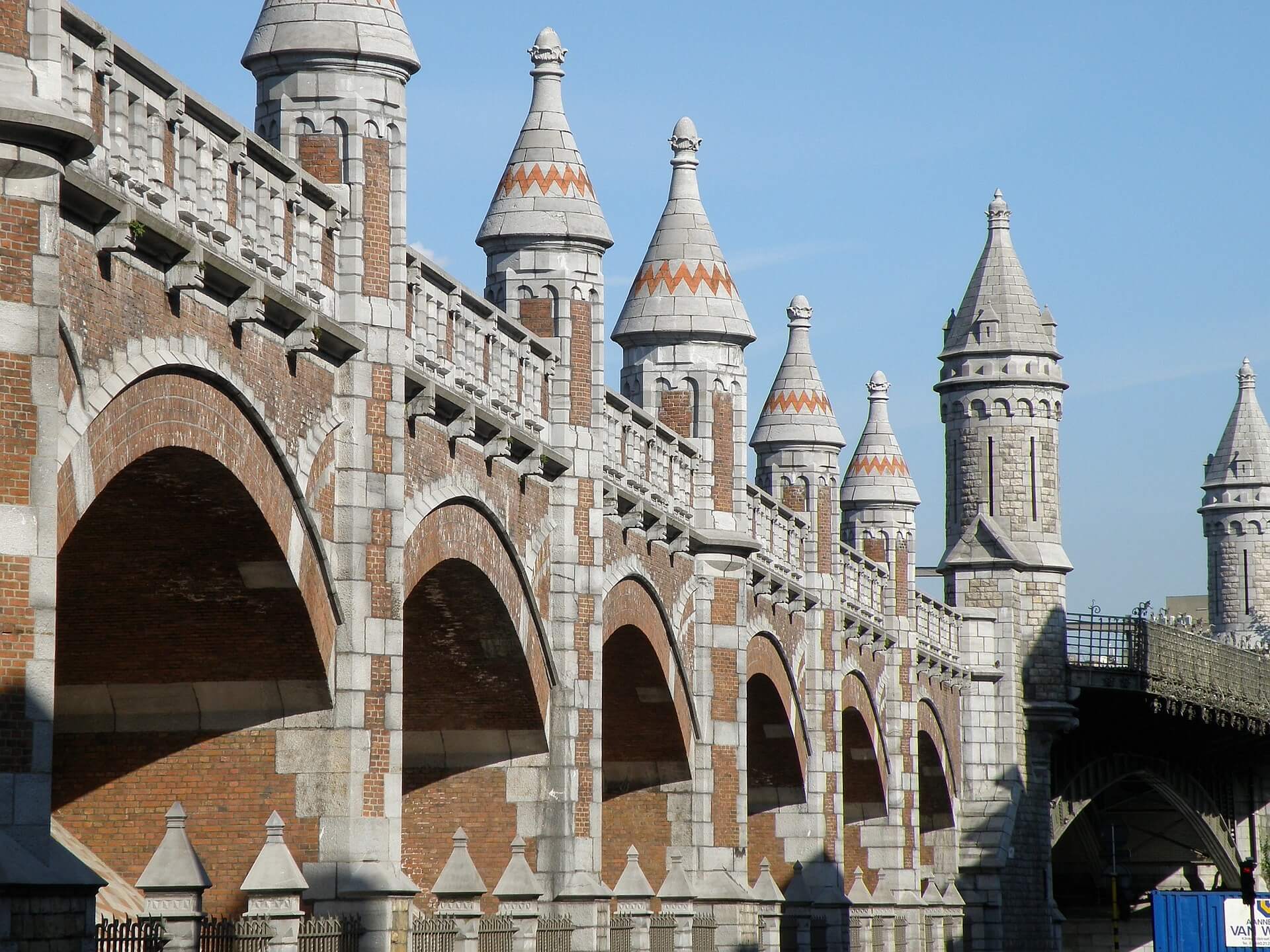
Mons earned the title of “the European Capital of Culture” in 2015.
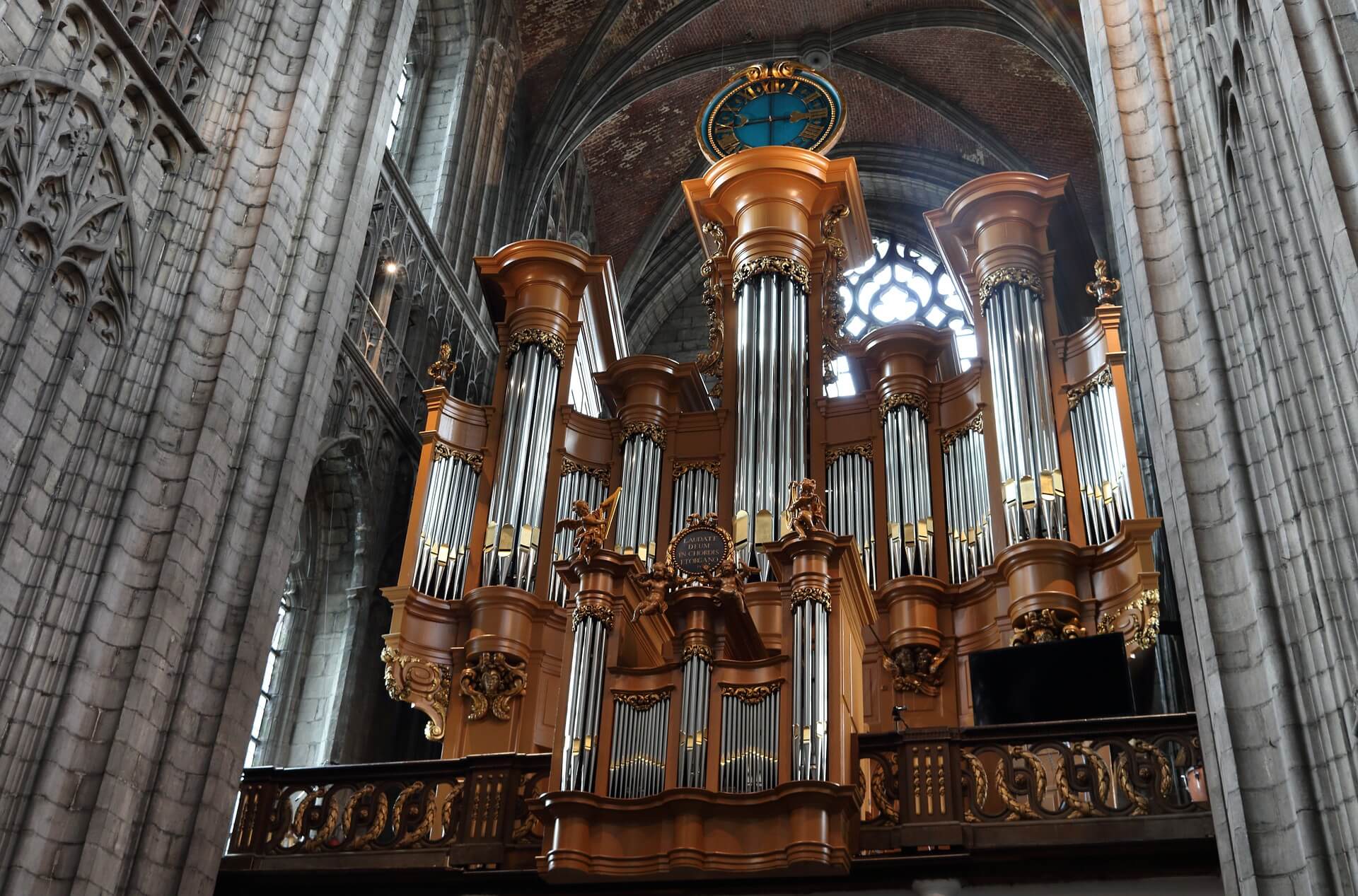
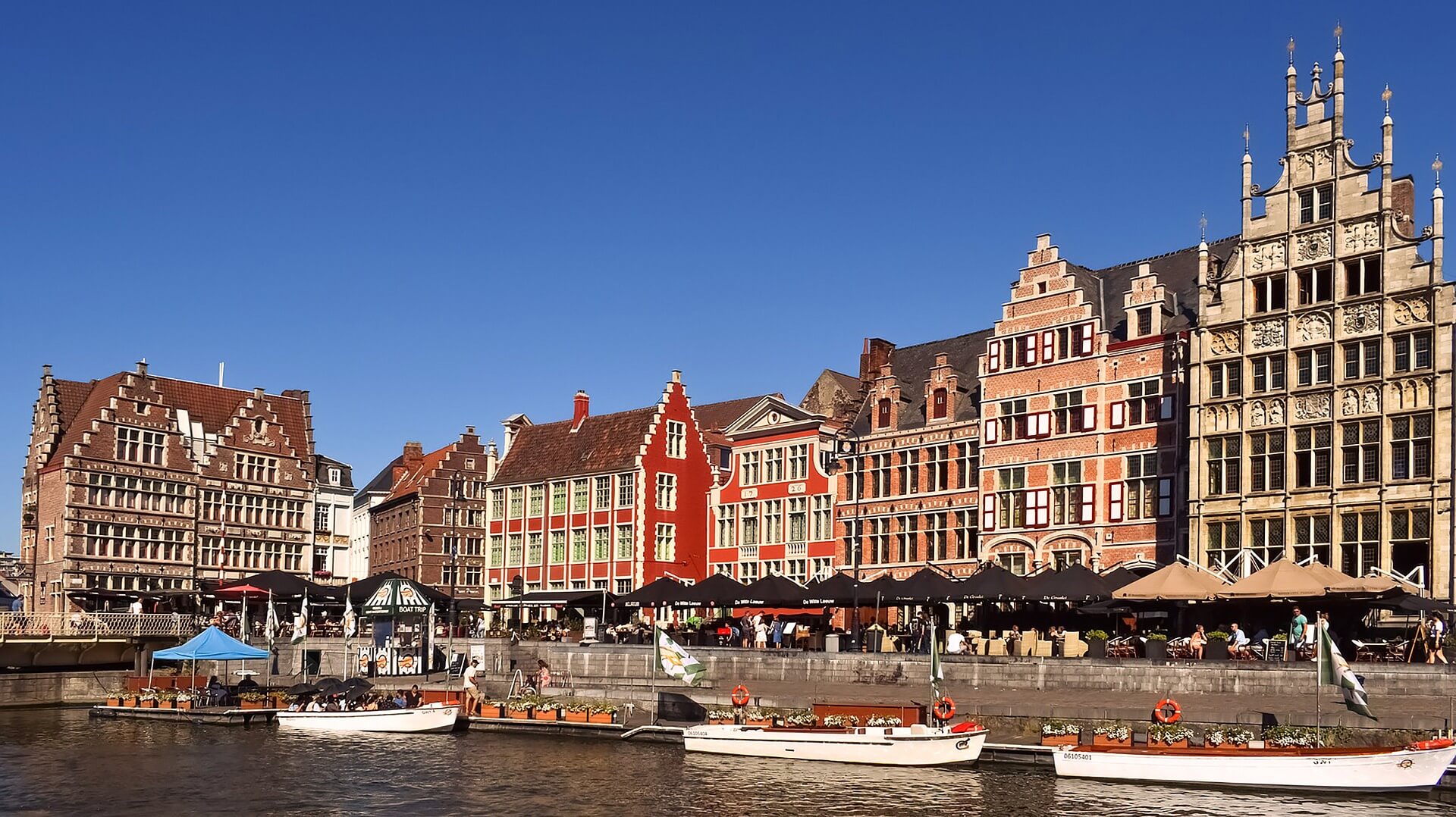
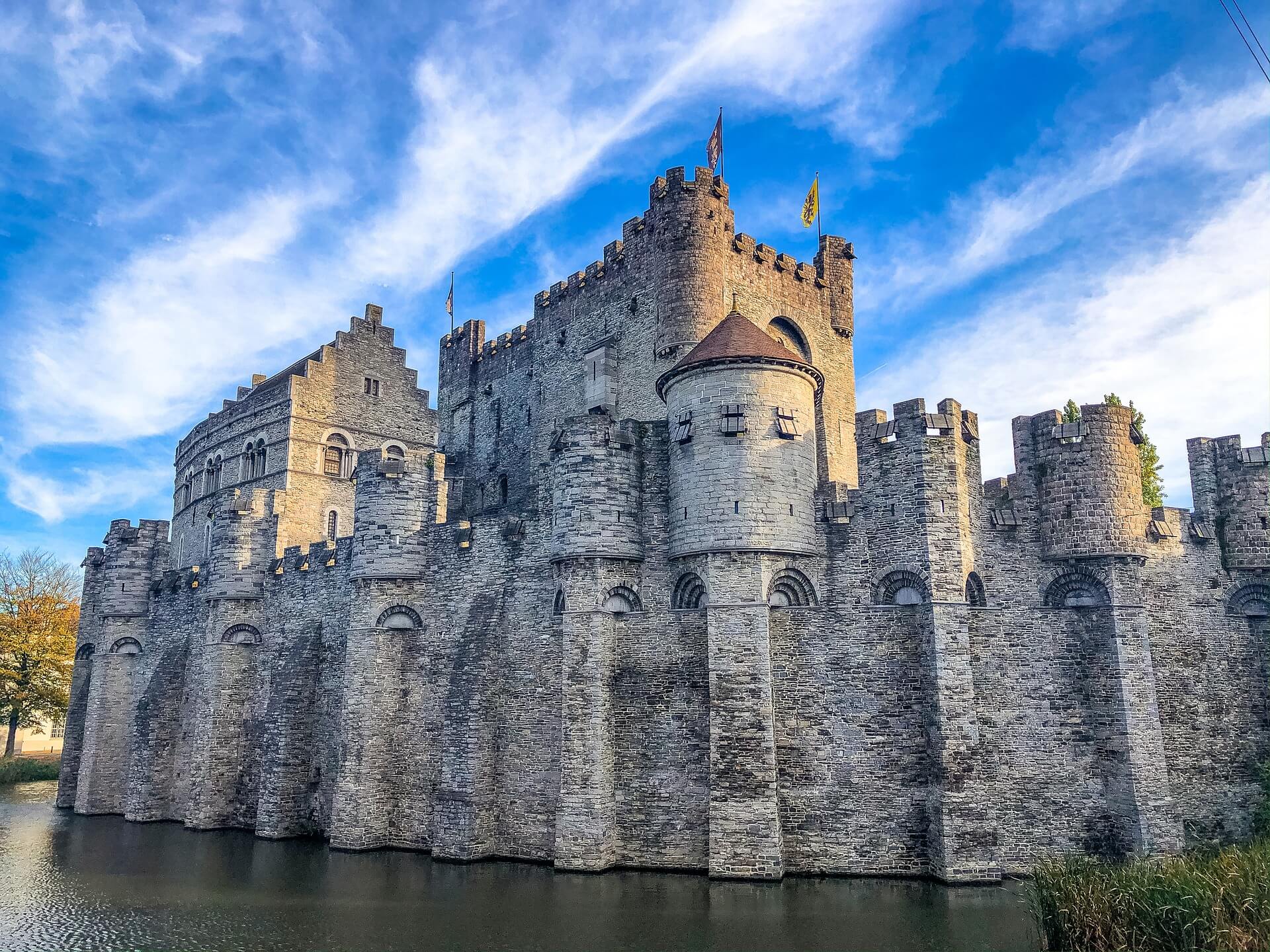
Ghent has a stunning medieval center and the canal side is picturesque. It has great museums and old castles. See Gravensteen Moated Fort.
Leuvem is a 30 minute train ride from Brussels and has universities and colleges with a large student population. It has a beautiful historic center and the ancient Groot Begijnhof has cobbled streets.
Other Tourist Attractions
Battlefield of Flanders The Great War
Meuse Valley in the south of Belgium. Ride through its rural heartland
Semois Valley, a collection of beautiful villages.
No Tour Found