


Bolivia, officially the Plurinational State of Bolivia, is a landlocked country located in western-central South America. The constitutional capital is Sucre, while the seat of government and executive capital is La Paz. The largest city and principal industrial center is Santa Cruz de la Sierra, located on the tropical lowlands, a mostly flat region in the east of the country. Bolivia is a constitutionally unitary state, divided into nine departments (states). Its geography varies from the peaks of the Andes Mountains in the west, to the Eastern lowlands situated within the Amazon basin. It is bordered to the north and east by Brazil, to the southeast by Paraguay, to the south by Argentina, to the southwest by Chile, and to the northwest by Peru. One third of the country is located in the Andean mountain range. It has 424,164 square miles, is the fifth largest country in South America and has a population of 11 million with 80% Roman Catholic. Bolivia has 36 official languages with Spanish, Quechua, Aymara and Guarani being the most spoken. The population is multi-ethnic, and is primarily descended from Amerindians, Mestizos, Europeans, Asians, and Africans. The Andean region of Bolivia was part of the Inca Empire before the Spanish colonization, while the northern and eastern lowlands were inhabited by independent tribes. Spanish conquistadors took control of the region in the 16th century. Spain built its empire in large part from the silver that was extracted from Bolivia’s mines. After the first rebellions for independence from Spain in 1809, 16 years of war were necessary before the establishment of the Republic named after Simon Bolivar. Bolivia, during the 19th and 20th centuries, lost territory to several countries with the main loss being its coastline to Chile in 1879. Bolivia is a developing country with a high ranking Human Development Index. Its main economic activities are agriculture, forestry, fishing, mining, and manufacturing of goods such as textiles, clothing, refined metals, and refined petroleum. Bolivia is rich in minerals including tin, silver, lithium and copper.
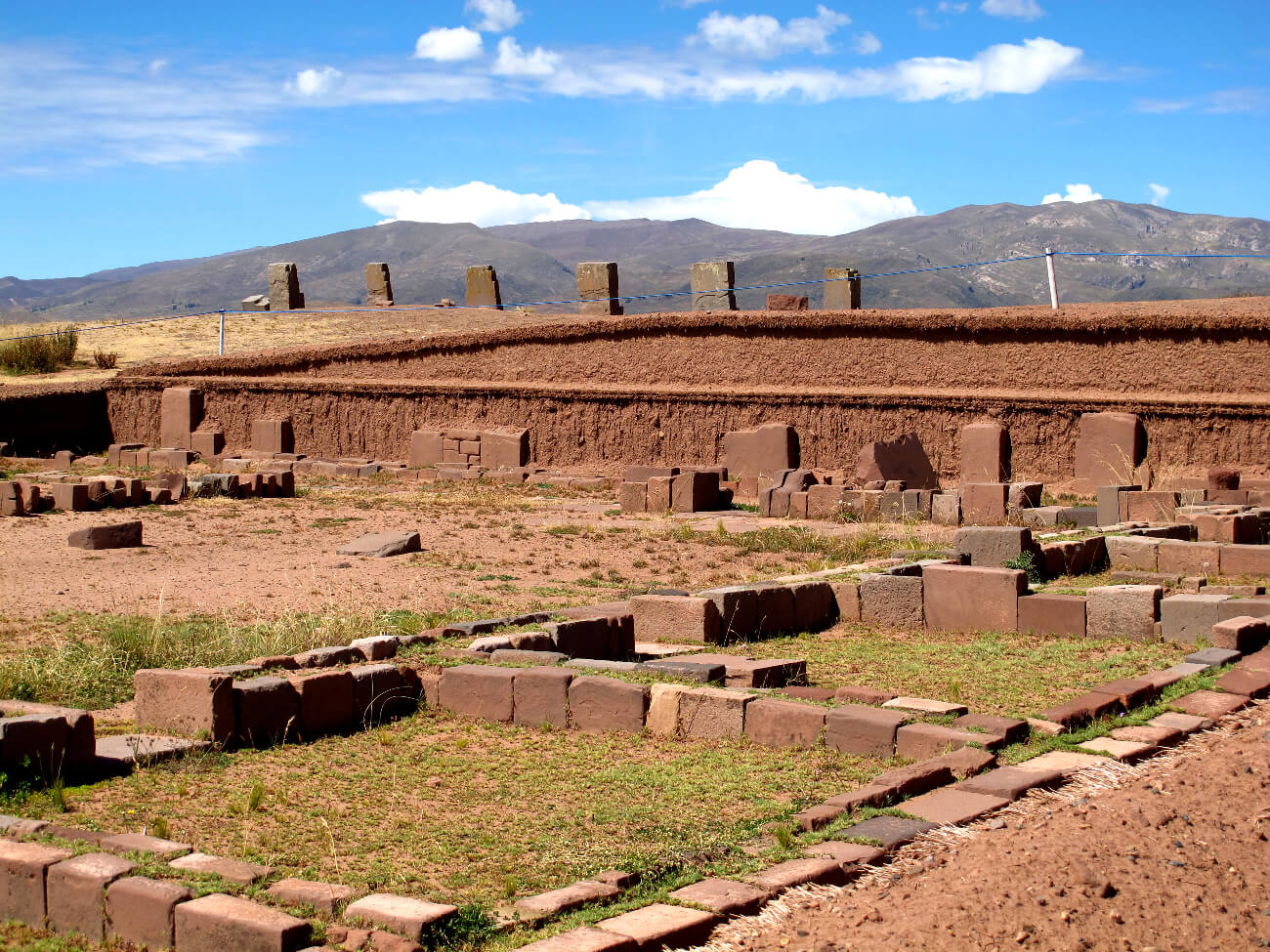 The region now known as Bolivia has been occupied for over 2,500 years with the arrival of the Aymara. The capital city of the Tiwanaku Empire, Tiwanaku, was built in western Bolivia and was founded in 1500 BCE. Around 400 AD the empire went from a passive agricultural community to a predatory state expanding its control and culture into portions of present day Peru, Bolivia and Chile. The Tiwanaku Empire absorbed numerous cultures over hundreds of years rather than eradicating them. Around 950 AD a dramatic change in climate occurred with a significant drop in precipitation and food production was shattered and the last vestige of the empire, the area around Lake Titicaca basin, was deserted around 1000 AD. Between 1438 and 1527, the Inca Empire expanded and gained control over much of what is now Andean Bolivia and extended its control to the fringes of the Amazon basin. The Spanish conquest of the Inca Empire began in 1524 and was mostly completed by 1533. Spanish local government was in La Plata-now modern Sucre-founded in 1545 as a mining town. It soon produced fabulous wealth becoming the largest city in the New World with a population exceeding 150,000. As Spanish royal authority weakened during the Napoleonic wars, sentiment against colonial rule grew and independence was gained in 1825.
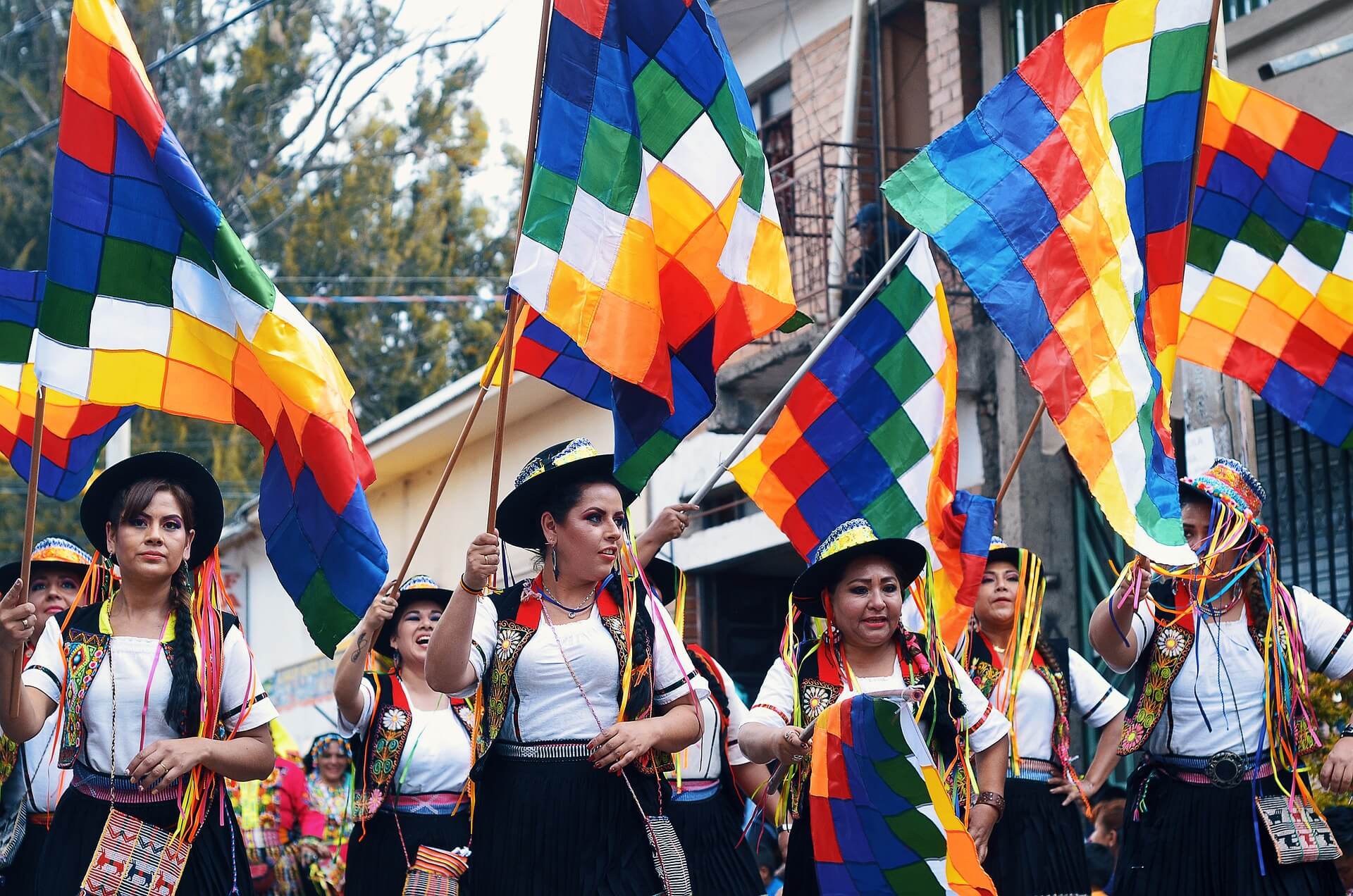
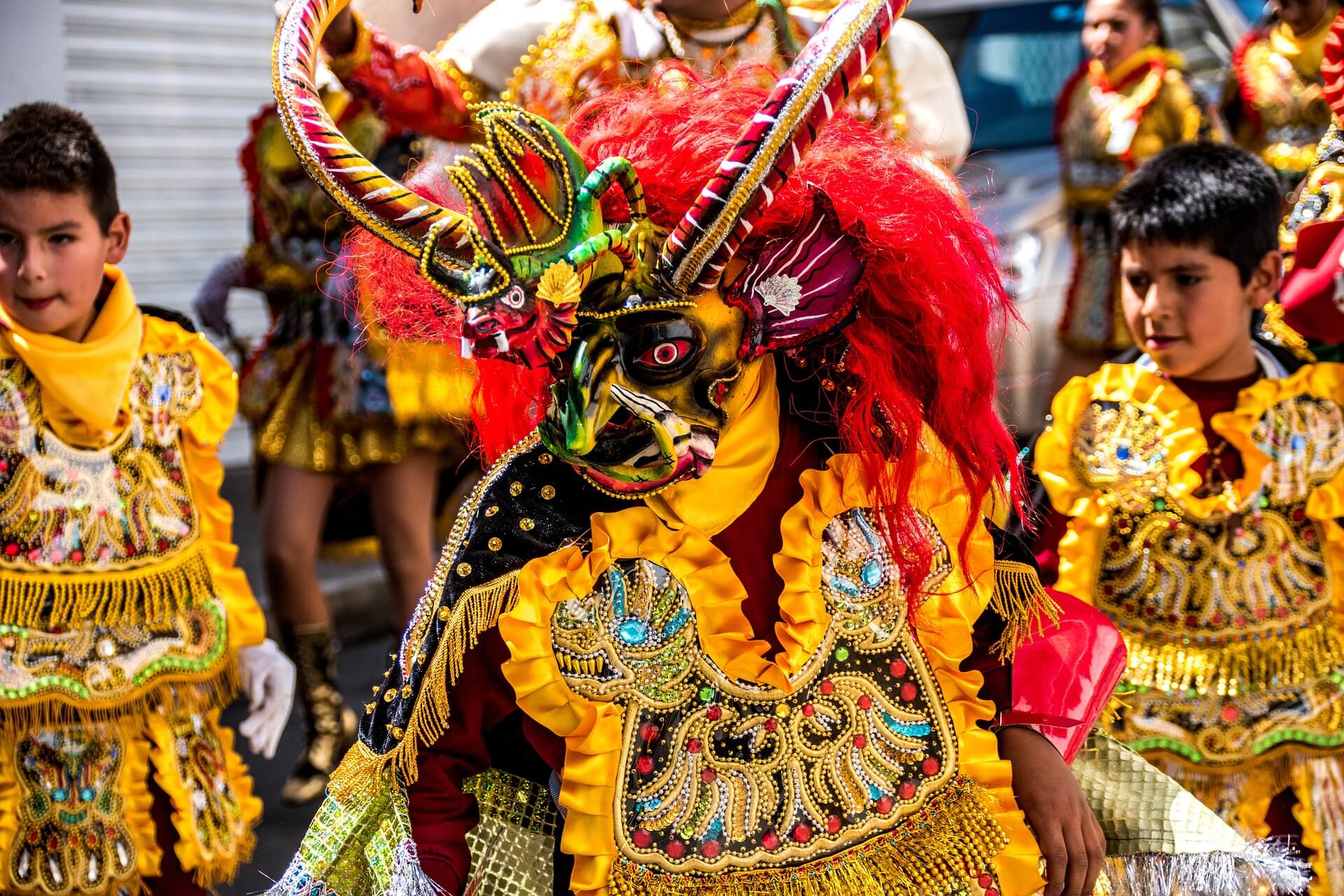
Bolivia has a very mixed and ethnocentric culture because neither the Incas nor the Spanish conquered all the area and more than 30 indigenous tribes survived with culture, food, dance, music, religions and festivals of their own. Each region is unique.
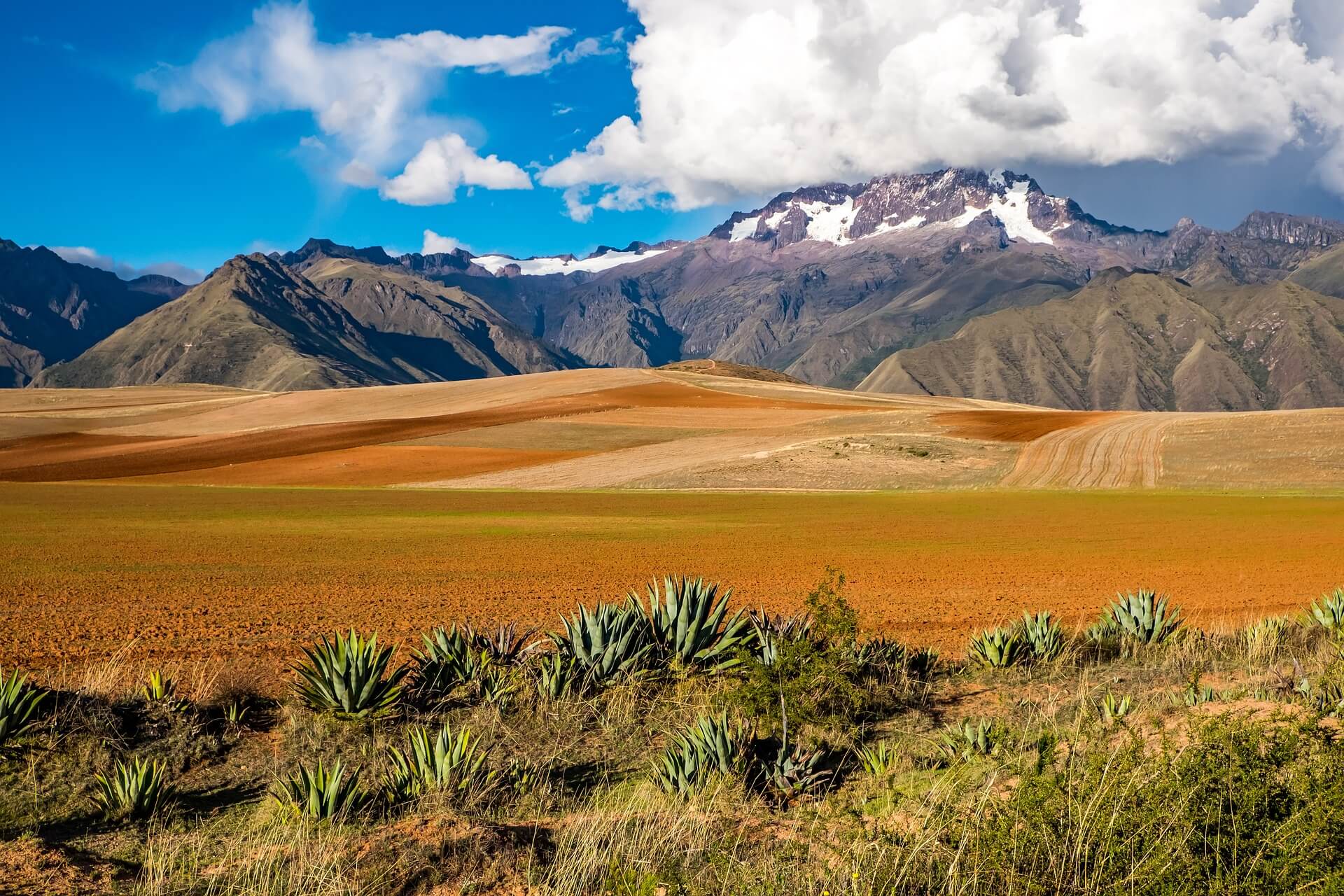
The geography of the country exhibits a great variety of terrain and climates. Bolivia has a high level of biodiversity which is considered one of the greatest in the world and also has several eco-regions with ecological sub-units such as tropical rainforests, (including Amazon rainforests), dry valleys, and tropical savanna. These areas feature enormous variations in altitude from an elevation of 21,643 feet above sea level to 230 feet along the Paraguay River. Bolivia can be divided into three physiographic regions: The Andean region in the southwest spans 28% of the country with almost 120,000 square miles, part of which is in the Central Range which includes Lake Titicaca, the highest commercially navigable lake in the world and the largest one in South America. Also in the region is the largest salt flat in the world and an important source of lithium. The Sub-Andean region is in the center and south of the country and comprises 13% of the landmass of the country (55,141 square miles). It is distinguished by its farming activities and its temperate climate. The Llanos region in the northeast comprises 59% or 250,257 square miles and is located to the north of the Central region and extends from the Andean foothills to the Paraguay River. It is a region of flat land and small plateaus, all covered by extensive rain forests at a low altitude (below 1300 feet) with enormous biodiversity.
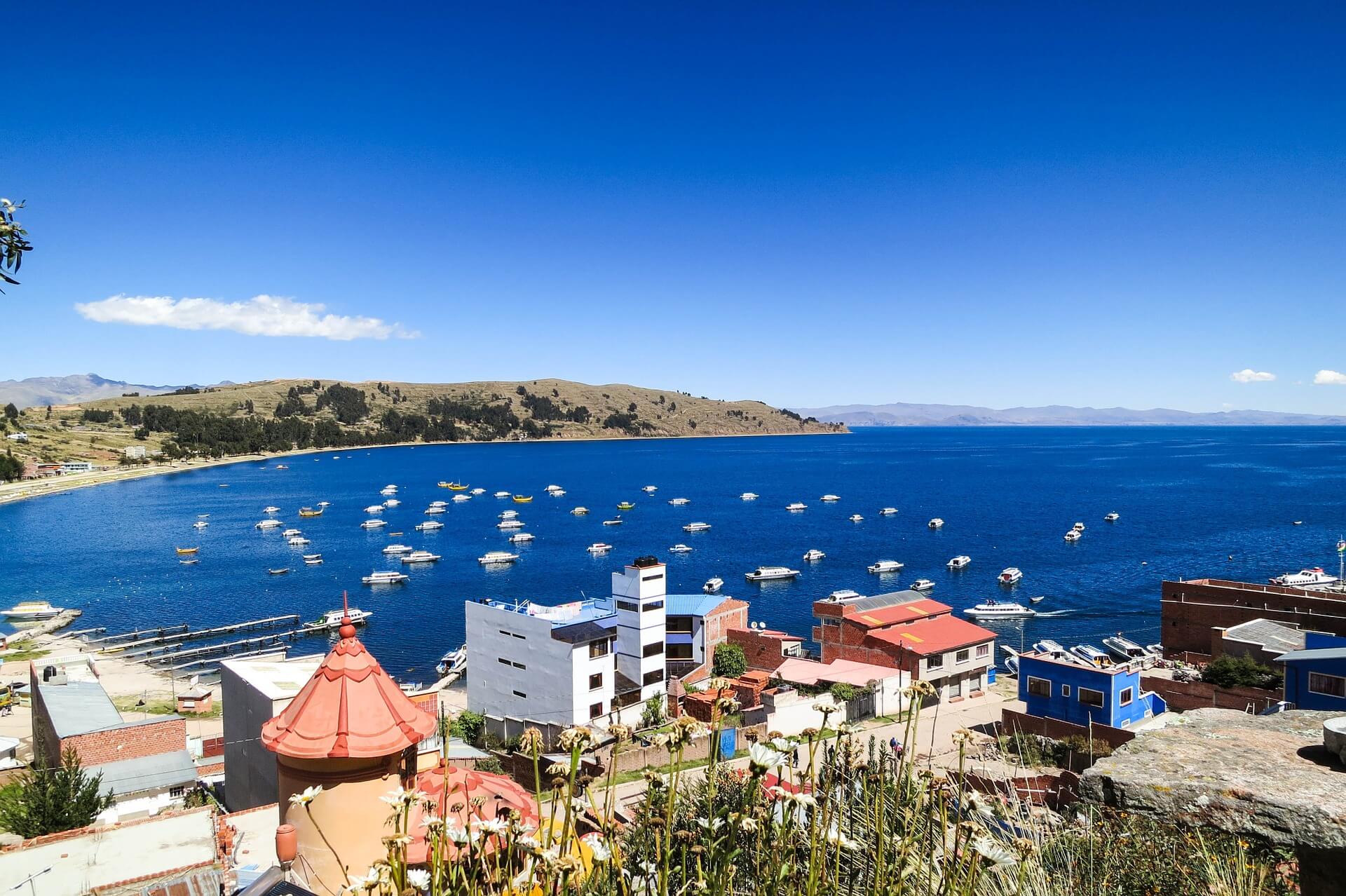
Bolivia is one of the “Like-Minded Megadiverse Countries”. It has four types of biomes, 32 ecological regions and 199 eco-systems. Bolivia has over 17,000 species of seed plants including at least 1200 species of ferns, 1500 species of moss, and over 1800 species of fungus. In addition, there are more than 3000 species of medicinal plants. It is the place of origin for peppers and chili peppers, peanuts, the common beans, yucca, several species of palm and 4000 kinds of potato. Bolivia has more than 2900 animal species including 400 mammals, over 1400 birds, 204 amphibians, 277 reptiles, 635 freshwater fish species and 3000 types of butterflies. Climate drastically varies from one ecoregion to the other; from the tropics in the eastern Llanos to a polar climate in the western Andes. The summers are warm and humid in the east and dry in the west. Winters are very cold in the west, and it snows in the mountain ranges. The autumn is dry in the non-tropical regions.
Anticucho (skewered beef or chicken hearts)
Cunape (white cheese, eggs, milk and yucca flower made into bread balls)
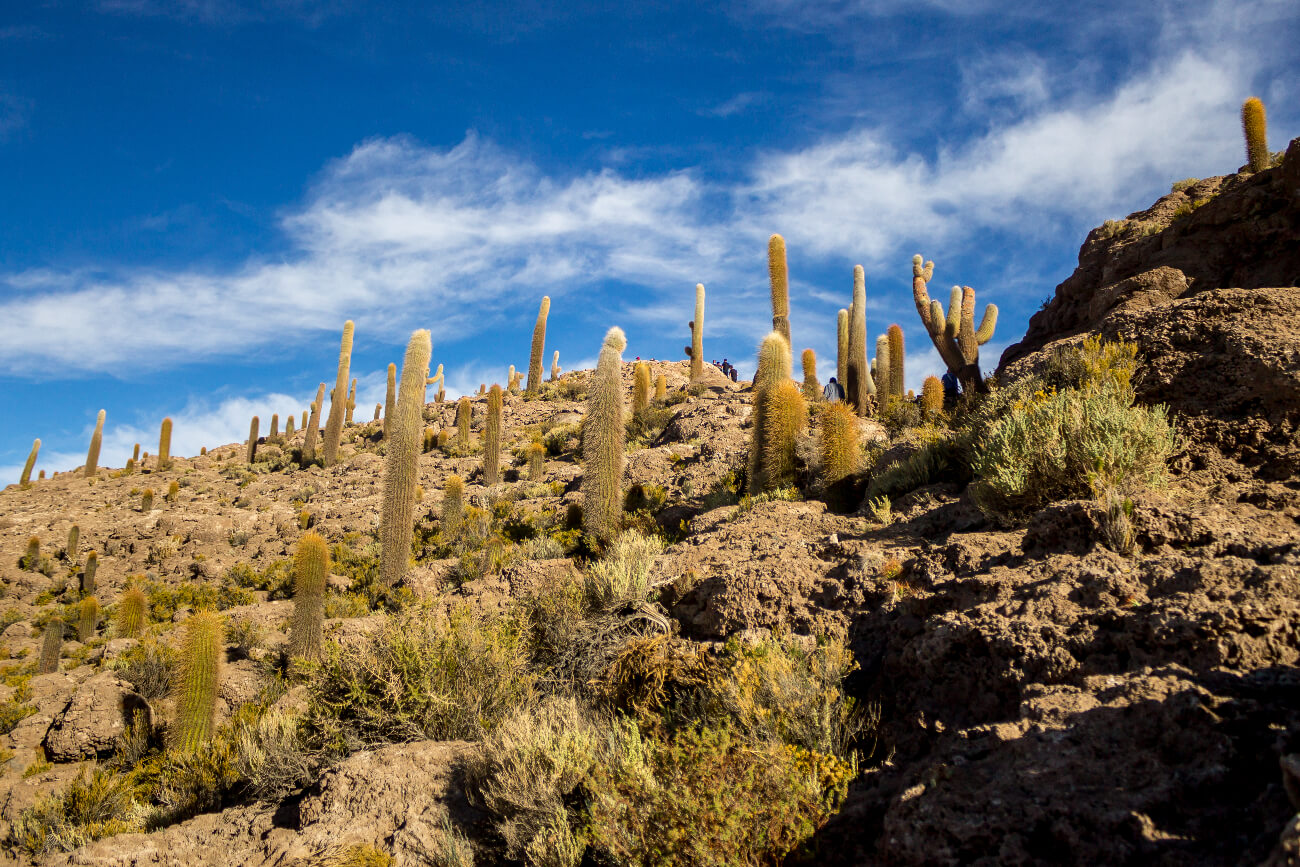
Empanadas de Queso (dough baked or fried filled with cheesy center
Quesa Homacha (thick, creamy soup with cheese and vegetables)
Salta de Pollo (chicken with potato , tomato, rice and peanuts)
Saltenas (dough filled beef or chicken with sweet sauces)
Silpancho (meat thinly pounded, rice and tomato)
Tucumanas (pastry filled with potato and vegetables)
Yuca Frita (yucca fries)
Zonzo (pancake with cheese and yucca on a grilled stick)
Alfajores (cookies)

Santa Cruz
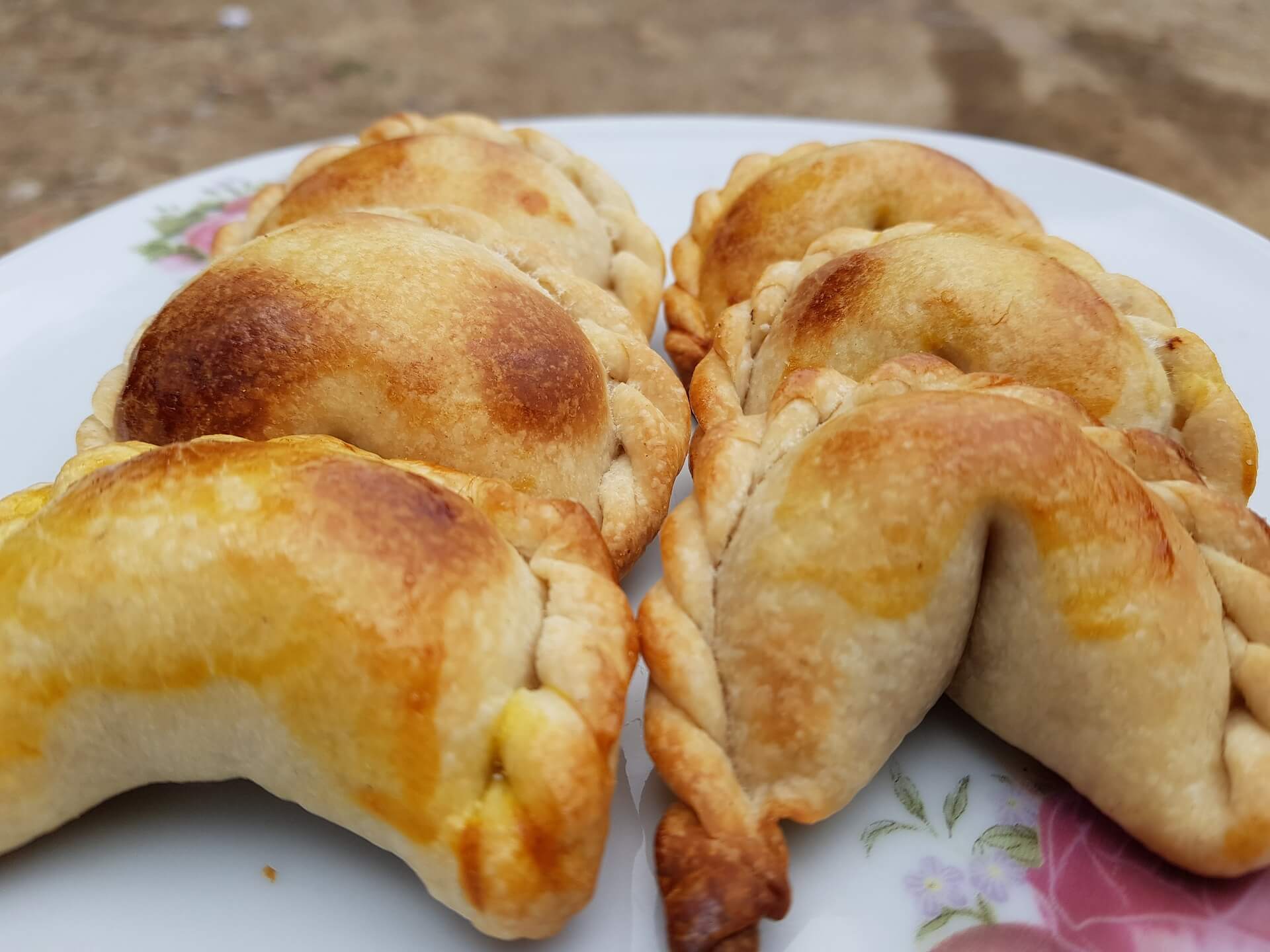
Santa Cruz, Founded in 1561 is the largest city in Bolivia with a population of 1,850,000. It has a low elevation and its climate is tropical. It has an average temperature of 77 degrees and is one of the fastest growing cities in the world. It has an exciting nightlife and is a good base for tourist sites and travel. It is a safe but unkempt.
Tourist attractions include:
La Rinconada Ecopark
Yuga Guazo (Nature Park)
San Miguelito Jaguar Conservation Reserve
Plaza 24 de Septiembre
Cathedral Museum of Sacred Art
Noel Kempff Mercado
Natural History Museum
Museum of Art and Archaeology
Art Gallery Axioma
La Paz
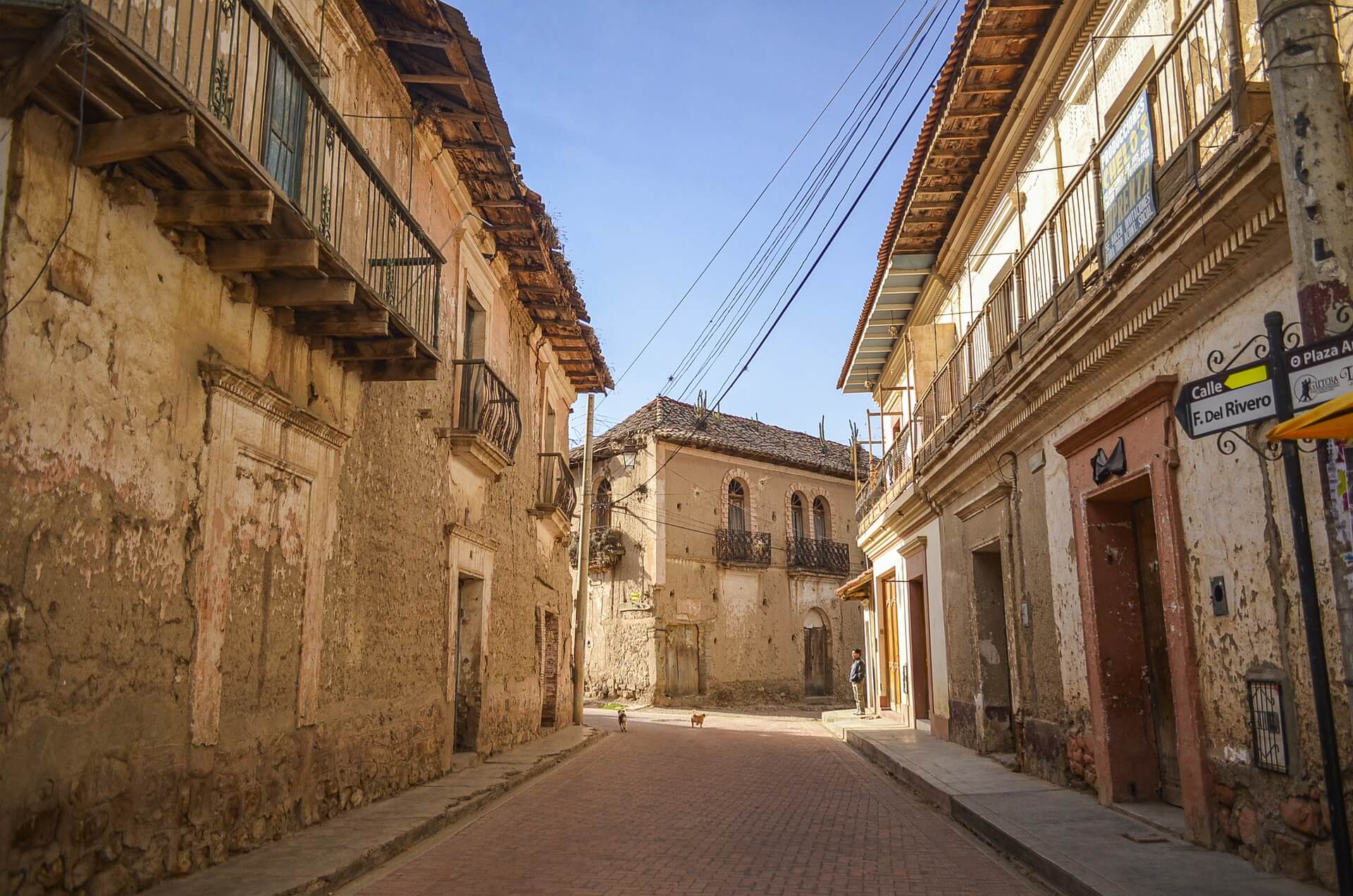
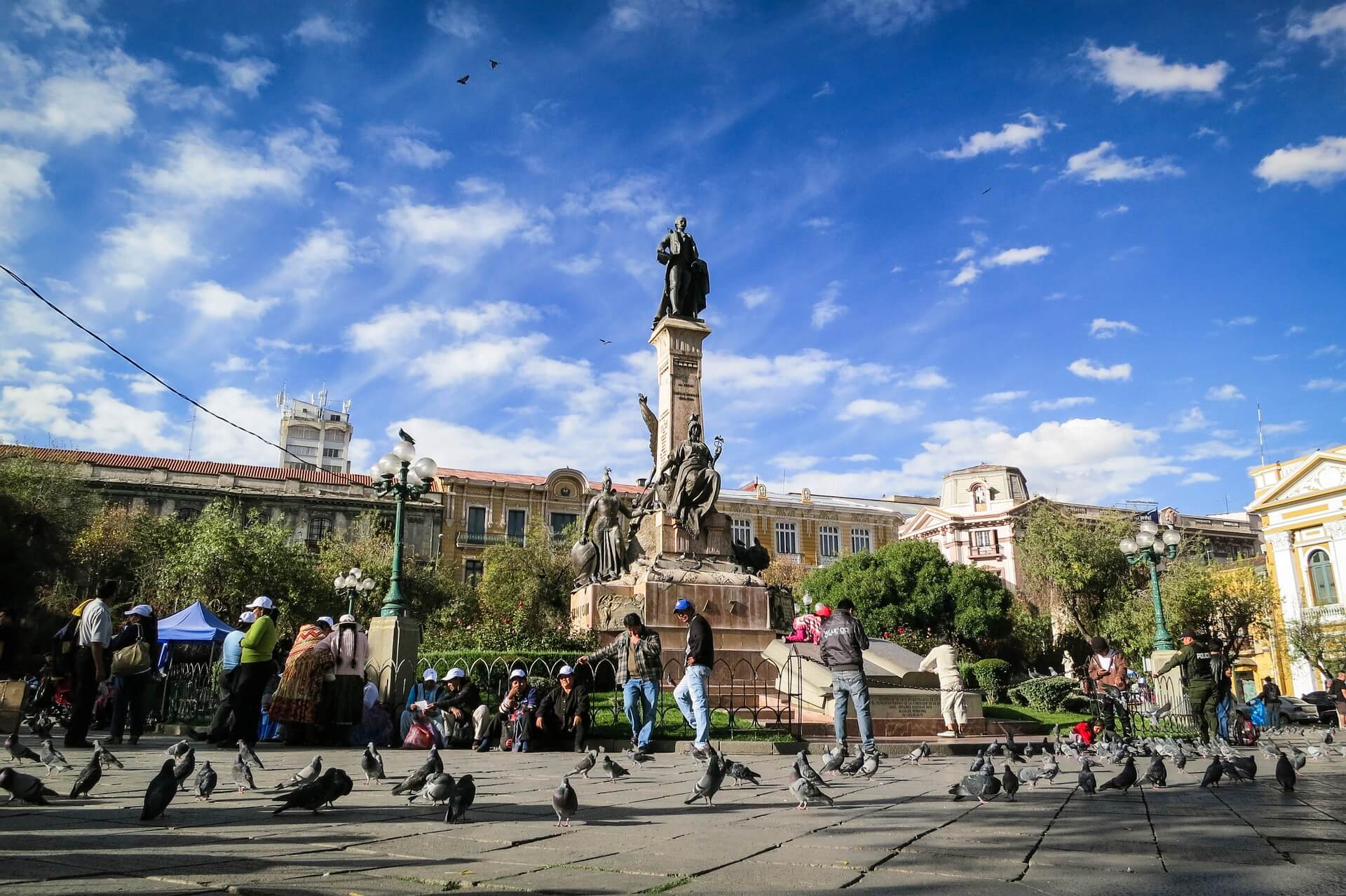
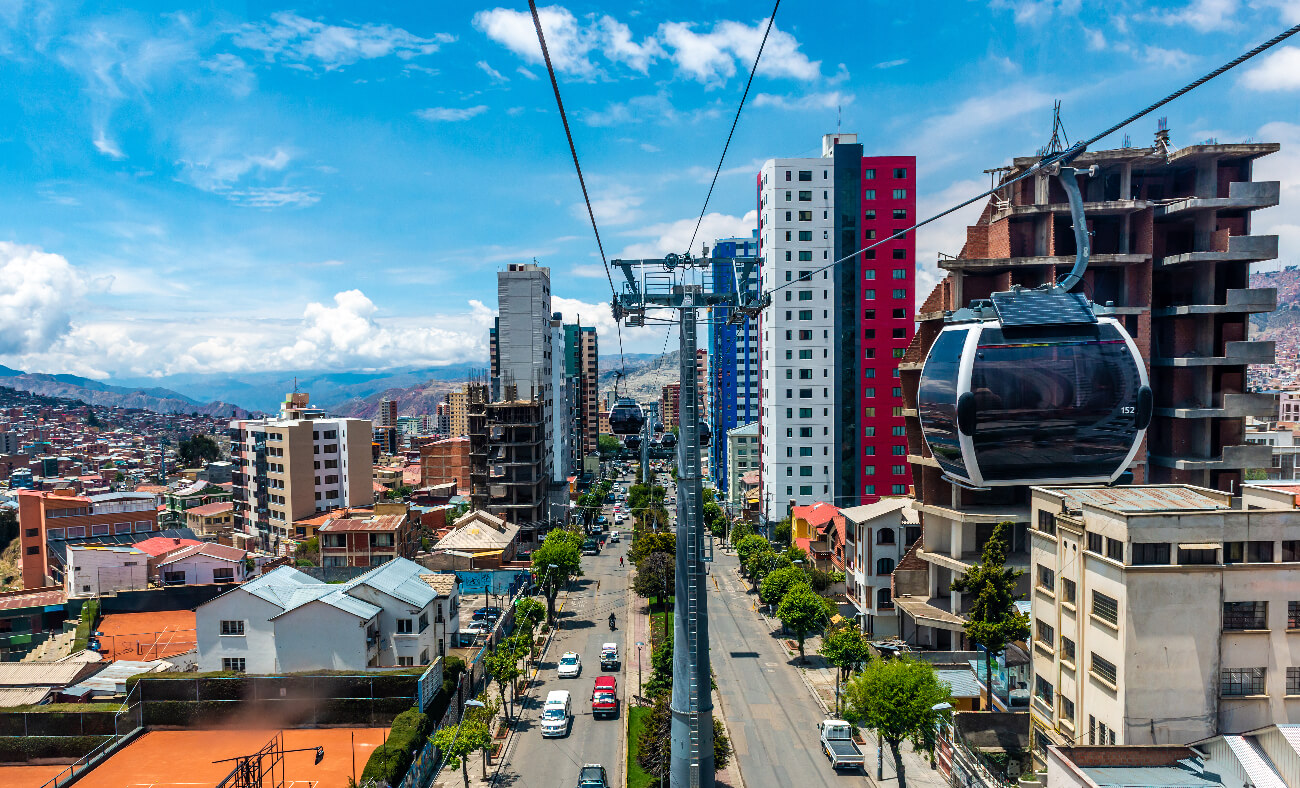
La Paz, founded by the Spanish in 1548, and its sister suburb city, are located in the west central part of the country and 42 miles southeast of Lake Titicaca. It sits in a canyon formed by the Choqueyapu River and is surrounded by snow covered mountains. It lies 11,975 feet above sea level and is the highest capital city in the world with a sub-tropical climate with rainy summers and dry winters.
Tourist attractions:
Mi Teleferico (largest cable system in the world)
WMPR Yungas Road (biking-Death Road)
Valley of the Moon
Mirador Killi Killi (Hill overlooking city)
Iglesia de San Francisco Mercado de Las Brujas (marketplace)
Natural Museum Ethnographic and Folklore
Plaza Murillo
Museum of Musical Instruments
Museo de Coca
Catedral Basílica Menor de Nuestro Senora de La Paz
Other Tourist Attractions in Bolivia
Lake Titicaca
Tiahuanaco (Spanish pyramids and temples)
Imperial Village
Isla del Sol
Potosi
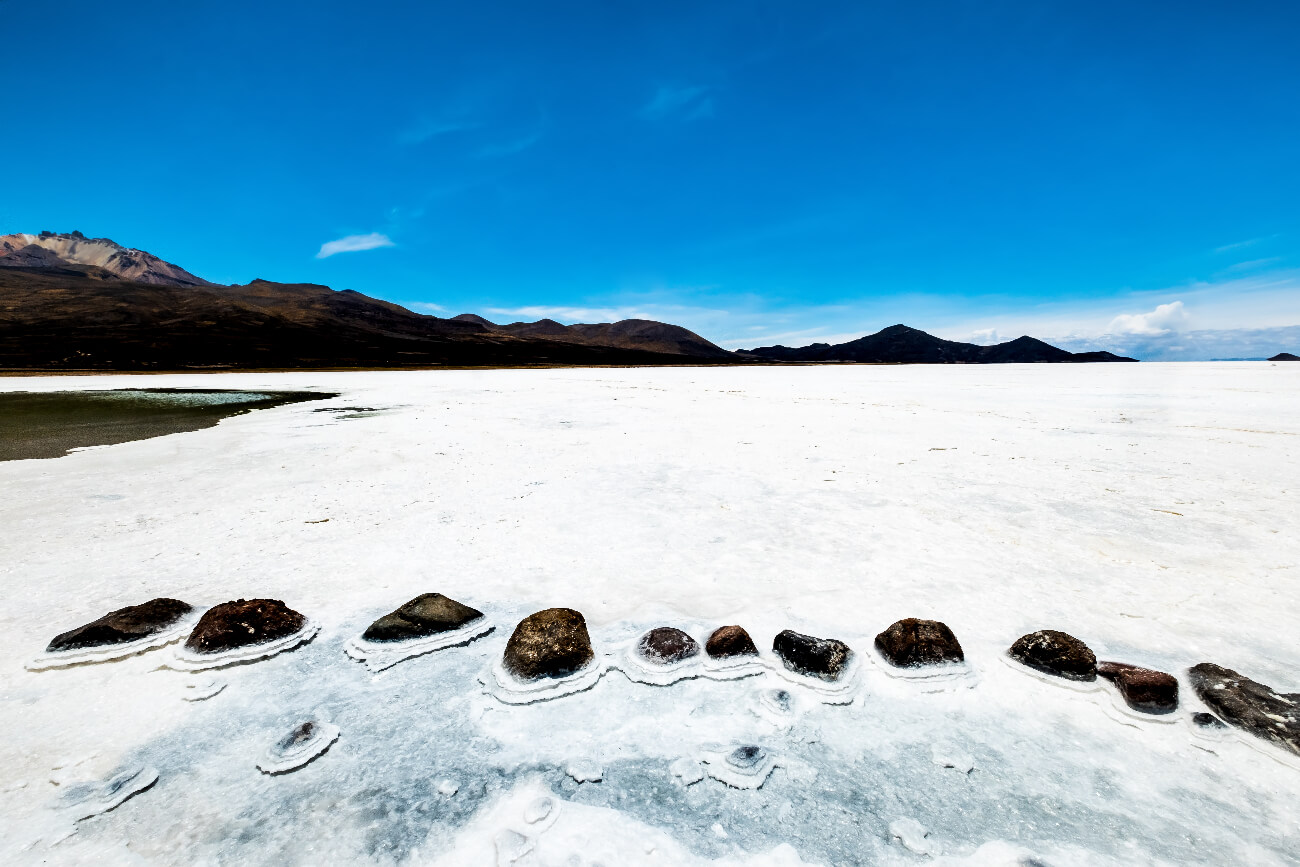
Uyuni Salt Flats
No Tour Found
No Tour Found