


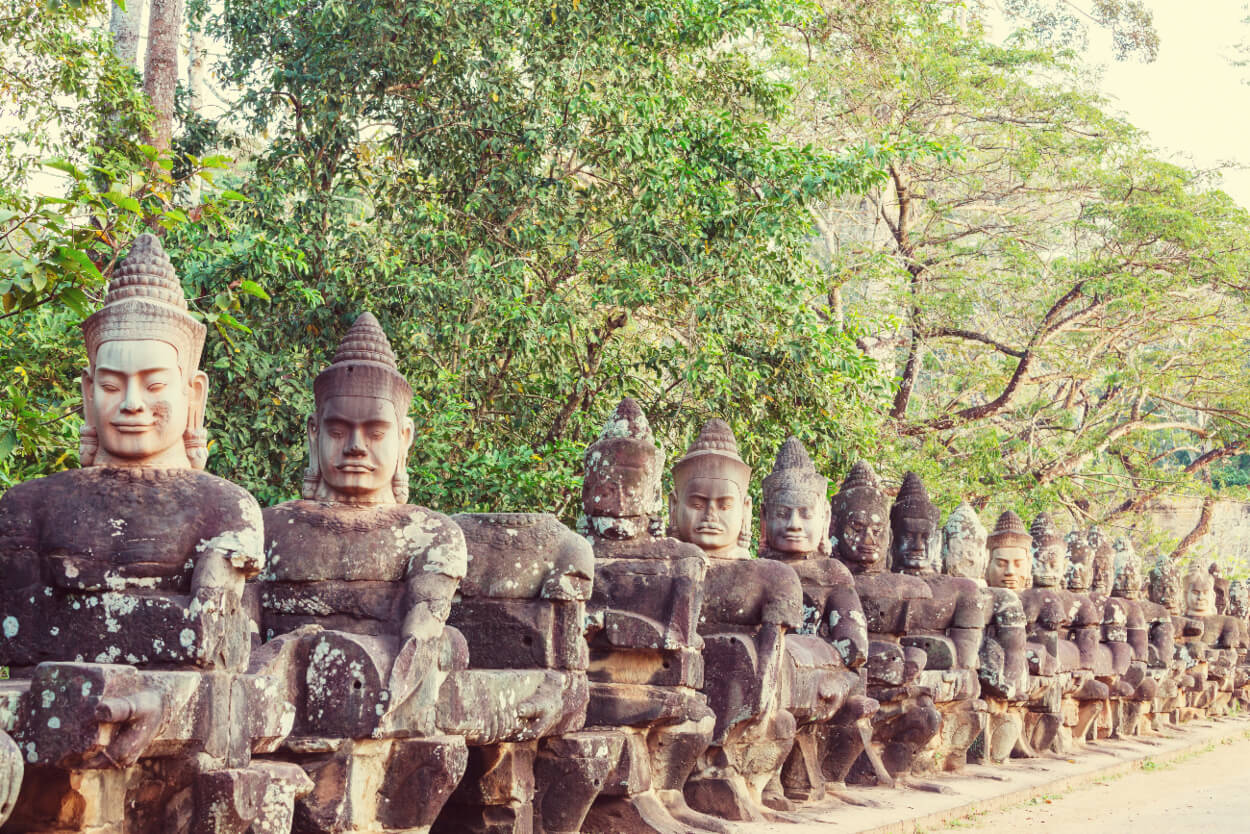
Cambodia, also known as Kampuchea, is officially the Kingdom of Cambodia. It is a country located in the southern portion of the Indochinese Peninsula in Southeast Asia. Its area is 70,000 square miles and is bordered by Thailand to the northwest, Laos to the north, Vietnam to the east and the Gulf of Thailand to the southwest. Phnom Penh is the nation’s capital and largest city. Cambodia has a population of 15 million and its official state religion is Buddhism and practiced by 97% of the population. The kingdom is an elective constitutional monarchy and Khmer is the official language although diplomatically and for commerce English is replacing French.
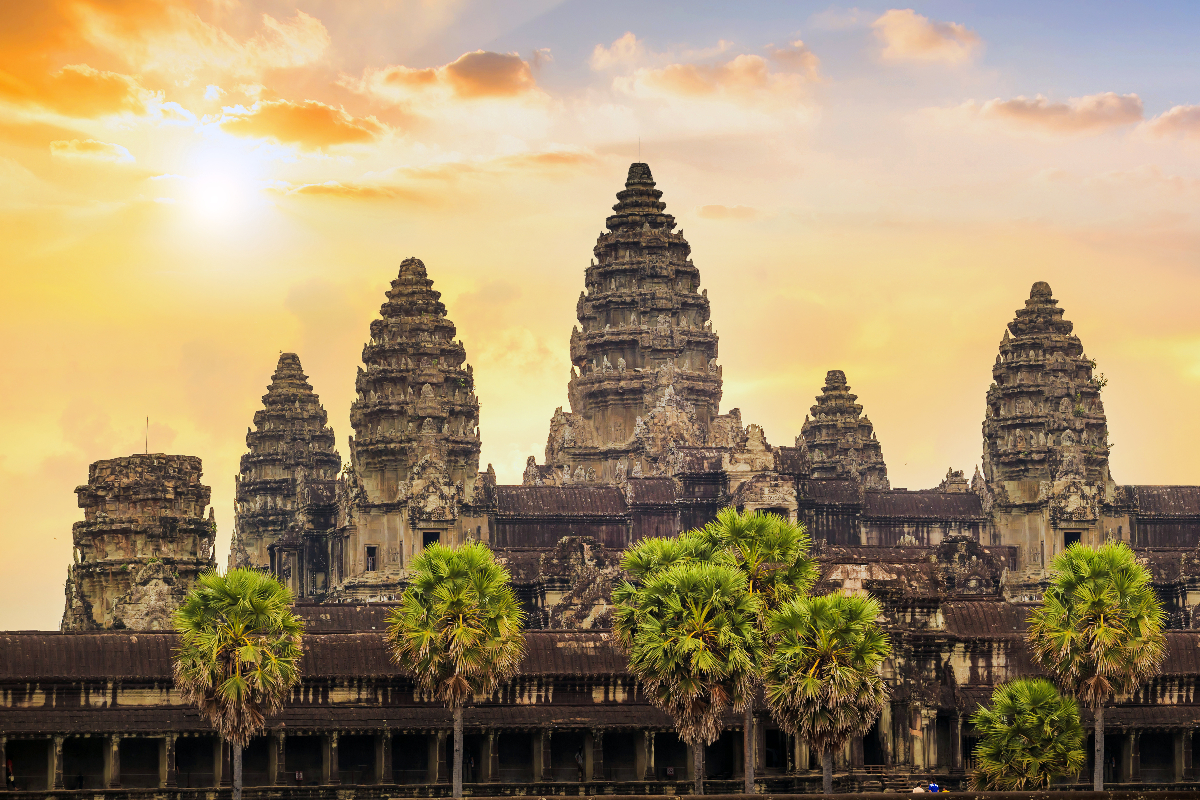
The ancient Khmer Empire was founded in 802 AD and lasted over 600 years. The kingdom facilitated the spread of Hinduism first and then Buddhism through much of Southeast Asia. The Khmer Empire was the great power of Southeast Asia by the 12th century. Many religious structures, temples and cities were built with the most famous and beautiful being Angkor Wat which is designated as a World Heritage Site. In 1863, Cambodia became a French Protectorate and was later incorporated into French Indochina. The country was under the control of the Japanese during World War II after which the French once again regained control. Cambodia gained independence from France in 1953 led by King Norodom Sihaunok. During the Vietnam War the country became a battle site and eventually was ruled by the Khmer Rouge from 1975-1979 who unleashed years of atrocities and genocide and murdered several million Cambodians. In 1979, Vietnam attacked the country and ousted the Khmer Rouge. In 1991, the United Nations governed the country and were replaced in 1997 by Prime Minister Hun Sen and the Cambodian People’s Party which remain in power today. Although it has a multi-party democratic system, since 2018, it is effectively ruled by one party. Agriculture, especially rice, is its main industry followed by textiles and tourism.
Cambodia lies entirely within the tropics and is characterized by a low-lying central plain that is surrounded by uplands and low mountains and the upper reaches of the Mekong Delta. Cambodia’s climate, like much of Southeast Asia, is dominated by Monsoon rains. Temperatures range from the low 70’s to the mid-90’s. The country has two distinct weather seasons. The rainy season runs from May to October and the dry season from January to February.
Cuisine
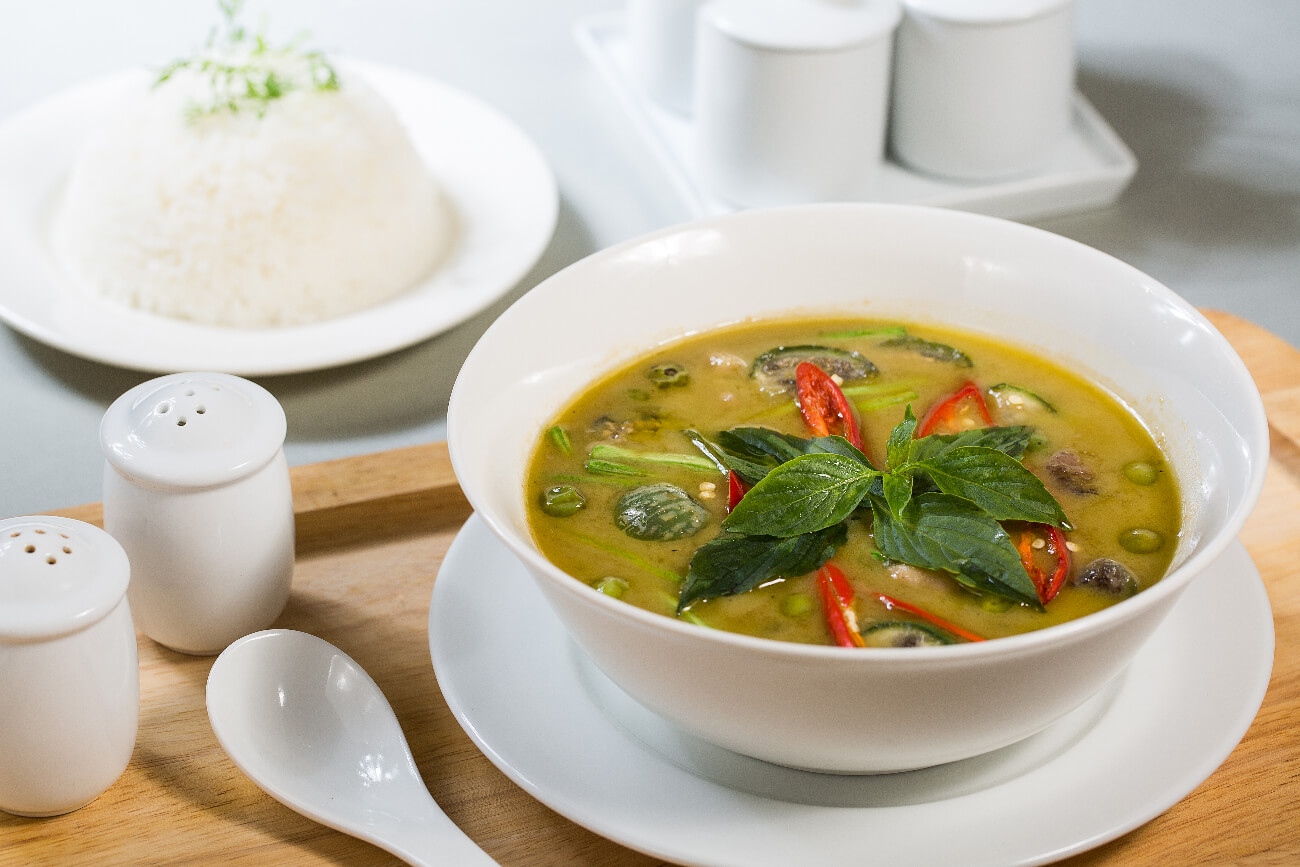
Cambodians drink a lot of tea. The krolap is a strong tea and national favorite. The country is developing a microbrewery industry as well as producing and drinking large quantities of rice wine. Traditional Cambodian food is beautiful to look at and intriguing and delicious to eat. National dishes include:
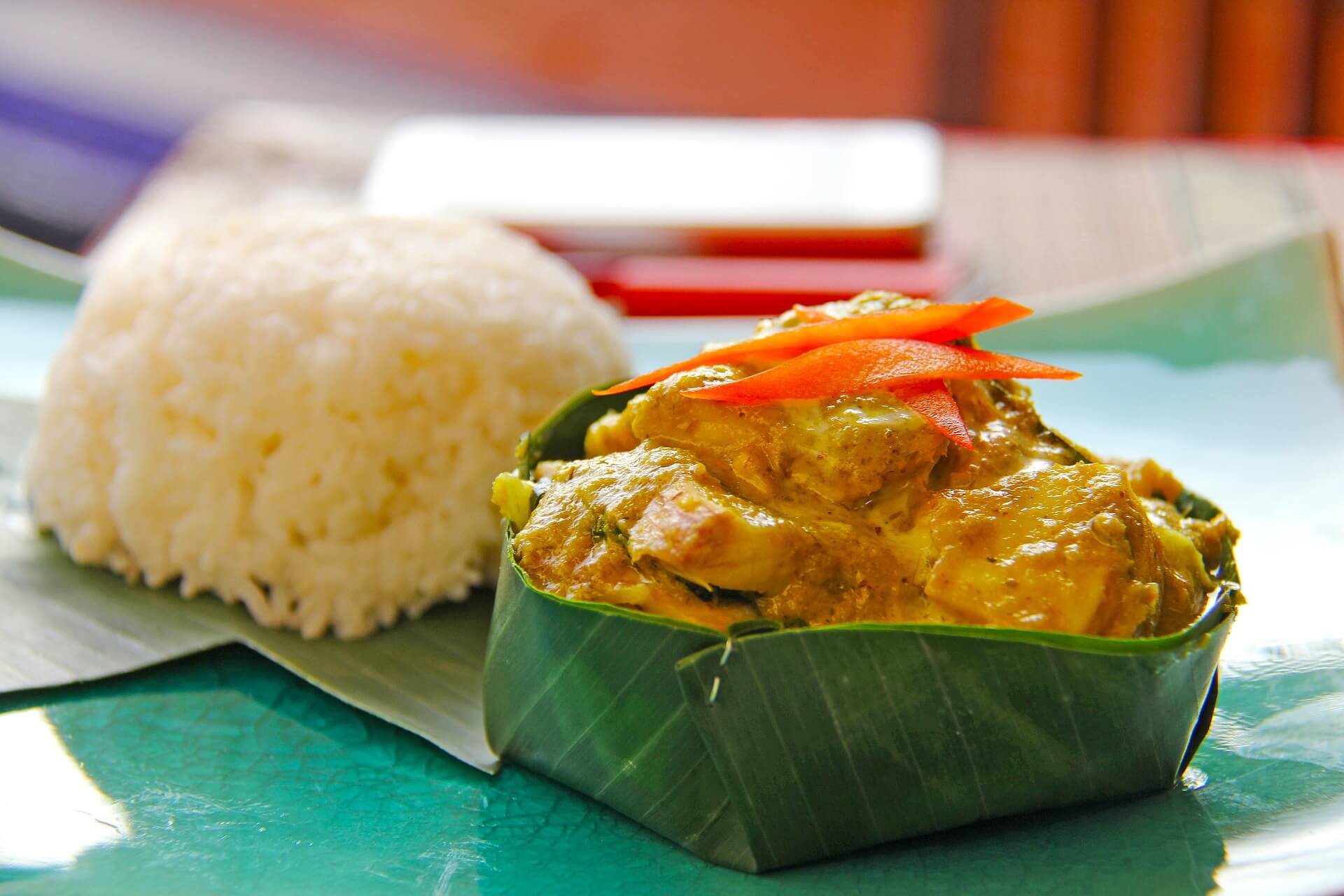
Fish Amok made of diced fillets of freshwater fish smothered in coconut milk, eggs, fish sauce and palm sugar. It is steamed in a banana leaf shaped bowl.
Kuy teav Noodle soup
Chicken and Banana Salad
Beef Loc Lac is Stir fried strips of beef served atop lettuce, tomato, cucumbers and circles of sliced onion.
Crab and Pepper
Khmer Curry
Nom Banh Chok is thin rice noodles, shredded banana leaves, bean sprouts, cucumber, mint and basil.
Green Mango Salad
Pumpkin Custard Dessert
Tourist Places to Visit
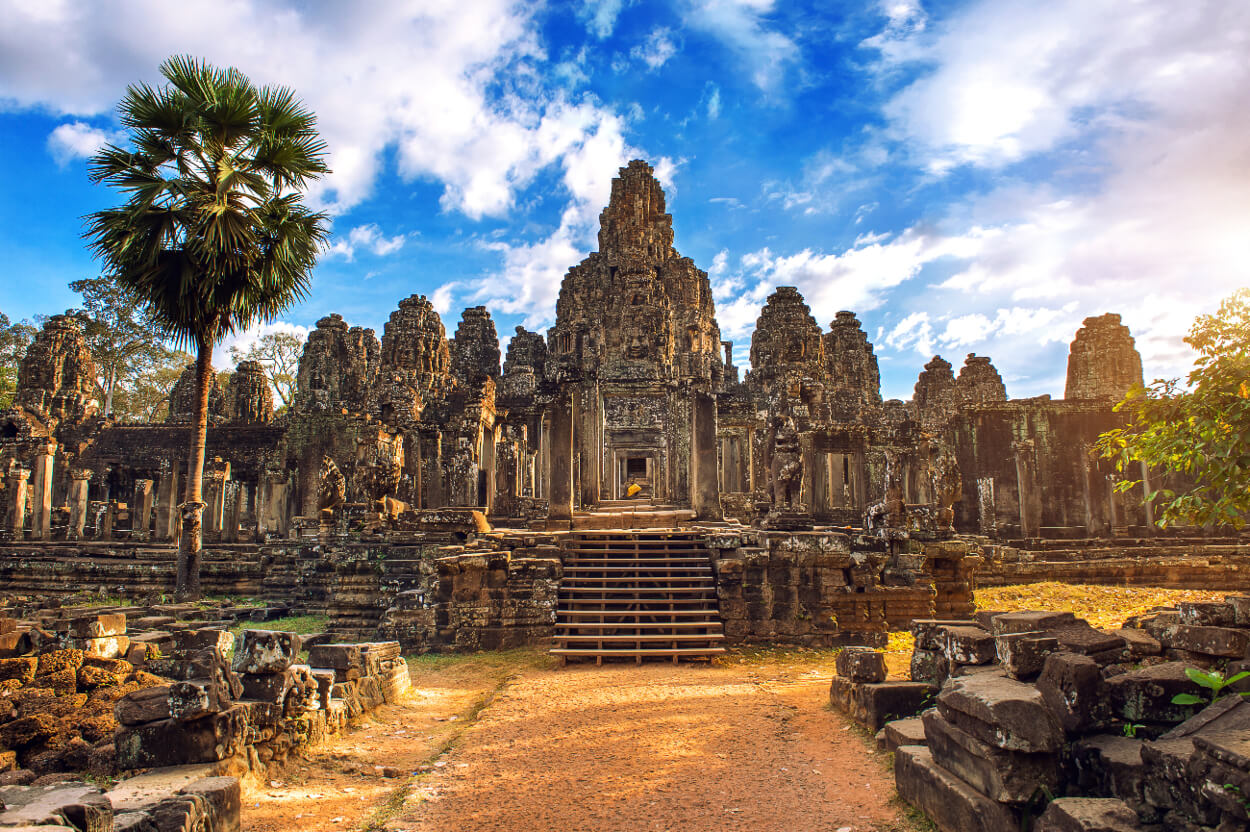
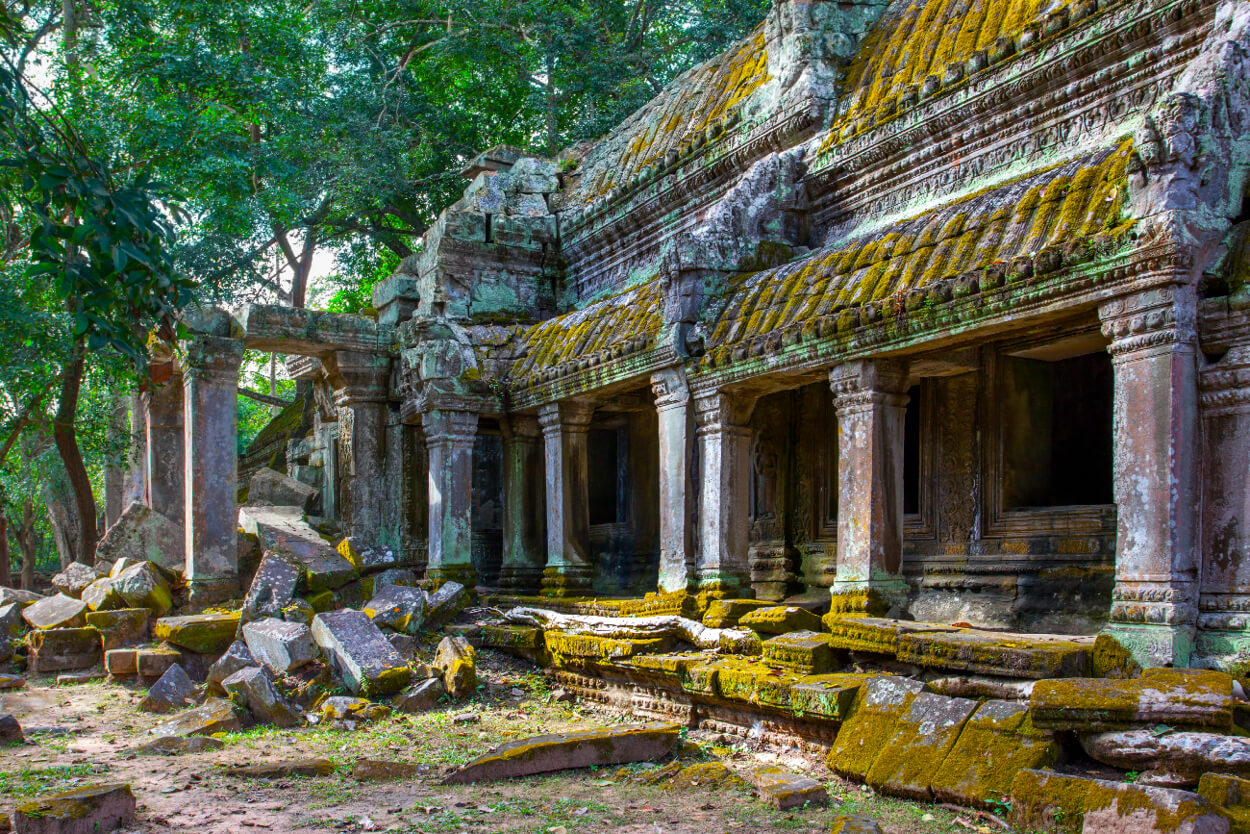
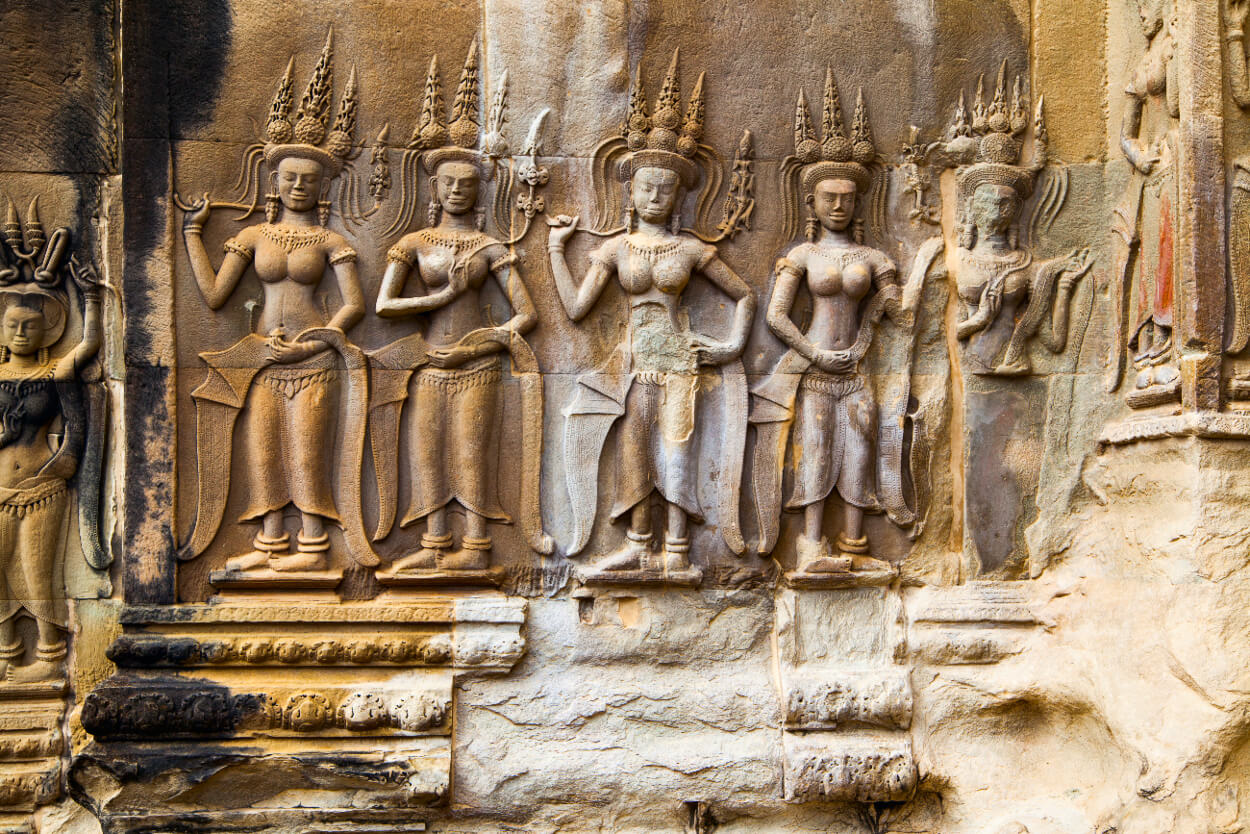
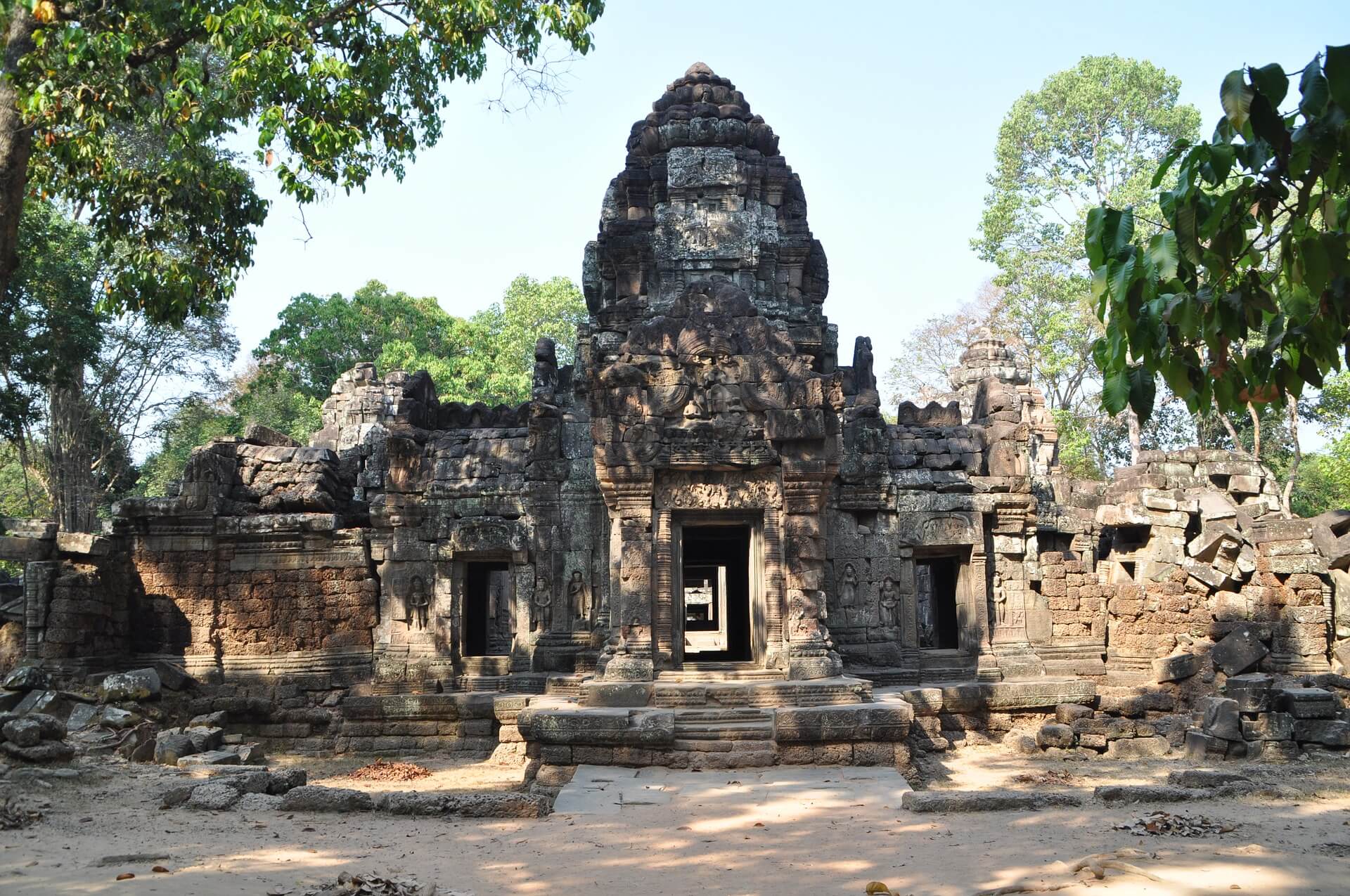
Angker A Khmer Empire City and one of its capitals has over 1,000 temples built between the 9th and 15th centuries. The magnificent Angkor Wat Temple is 669 feet high and the world’s largest religious monument. It is a UNESCO World Heritage Site.
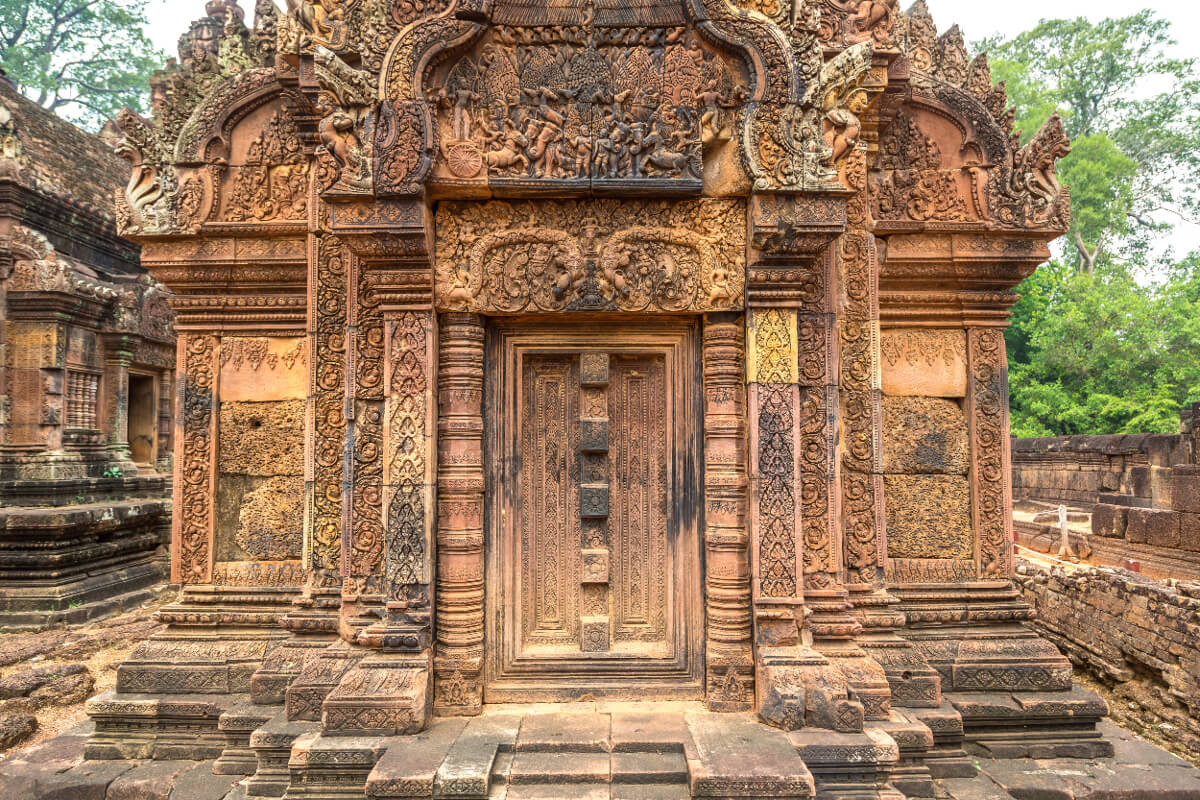
Banteay Srei is a 10th century Hindu temple dedicated to Shiva. The temple is cut from stone with a pinkish hue and includes some of the finest stone carving in the world. Many of its carvings are three dimensional.
Koh Ker in northern Cambodia served as the capital of the Khmer Empire. In the city is a 98 foot pyramid.
Kratie is a former French colonial market town in eastern Cambodia on the banks of the Mekong River and is home to the Irrawaddy Dolphins.
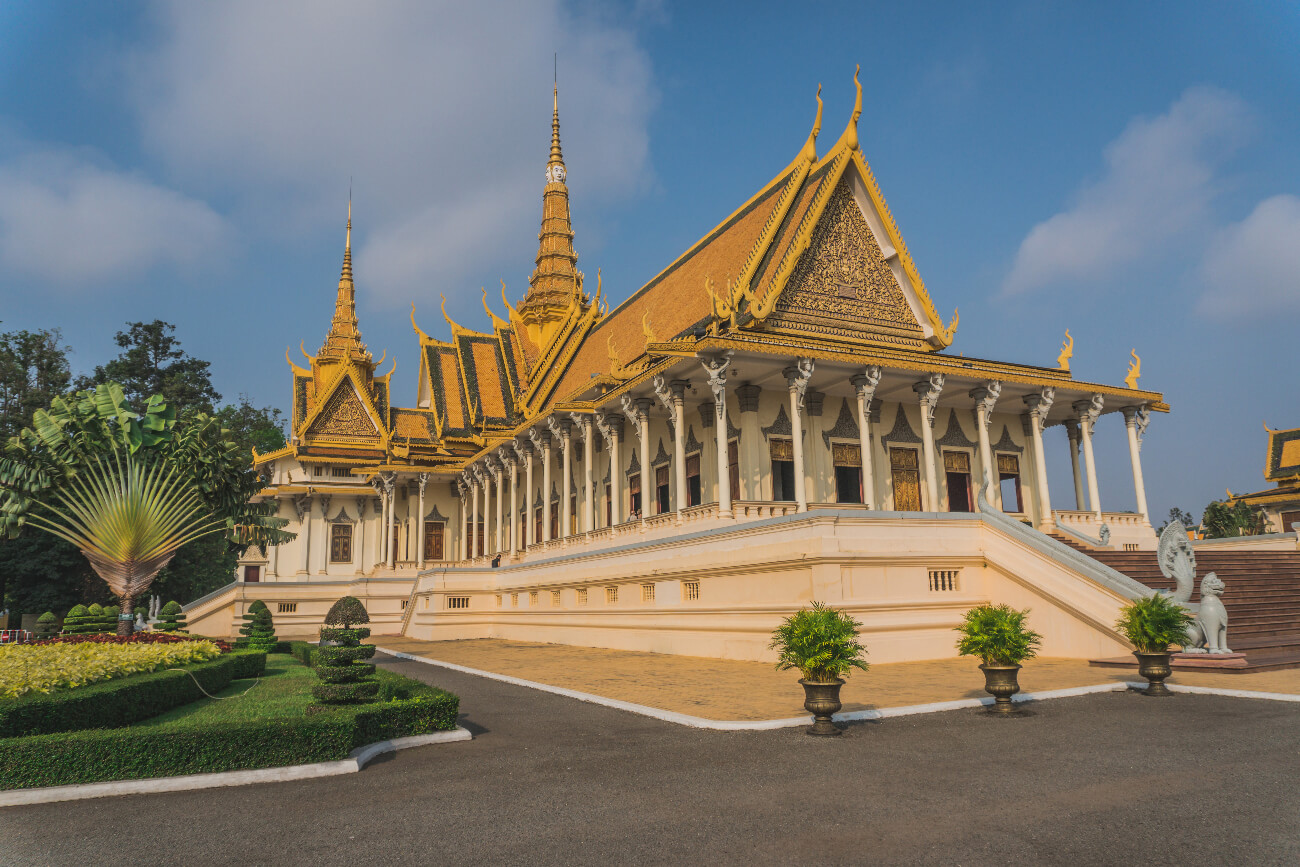
The Silver Pagoda stands within the grounds of the Royal Palace in the heart of Phnom Penh. It takes its name from the 5000 silver tiles covering its floor. It houses two important statues of Buddha. The 17th century Crystal Buddha and a life sized Maitreya Buddha encrusted with 9584 diamonds. The interior walls of the courtyards are decorated with a mural of the Ramayana Myth.
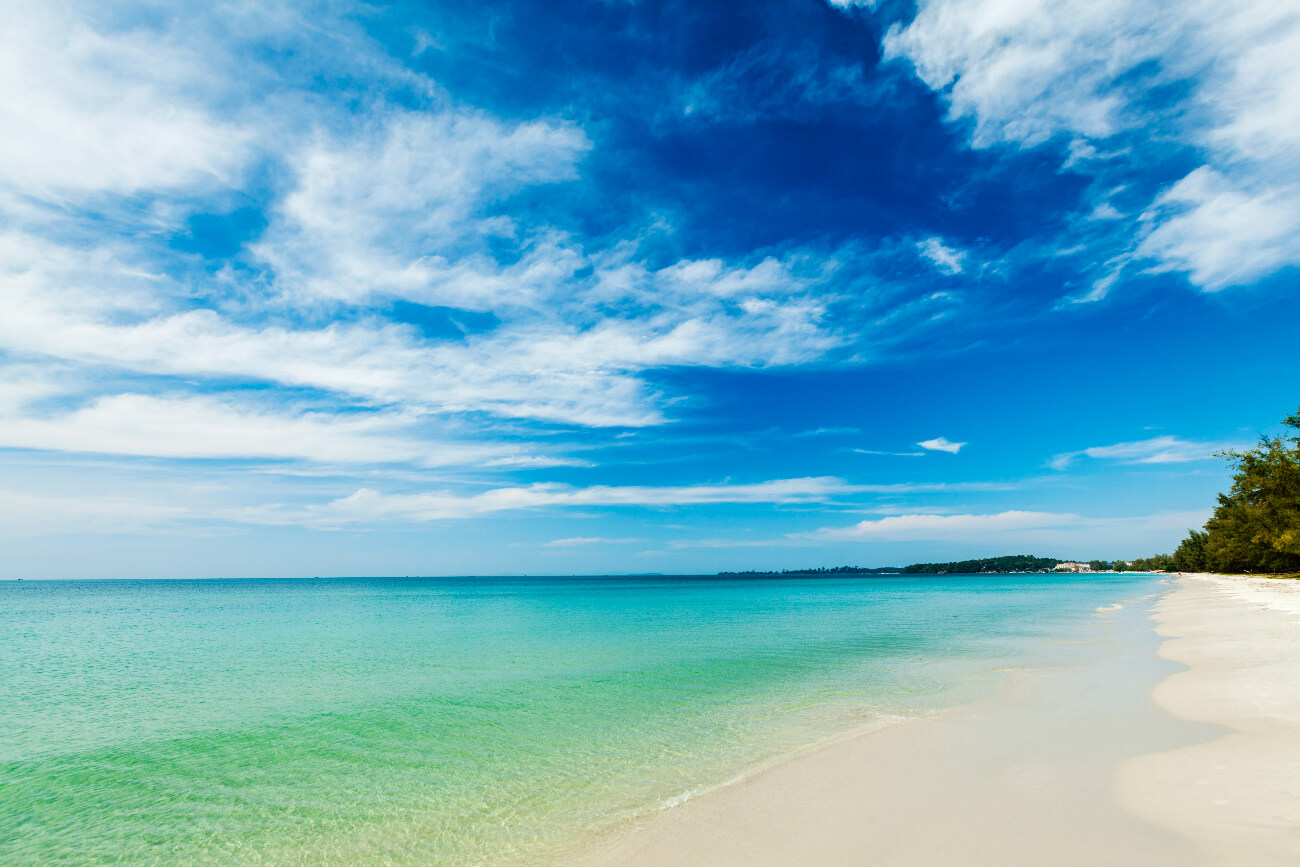
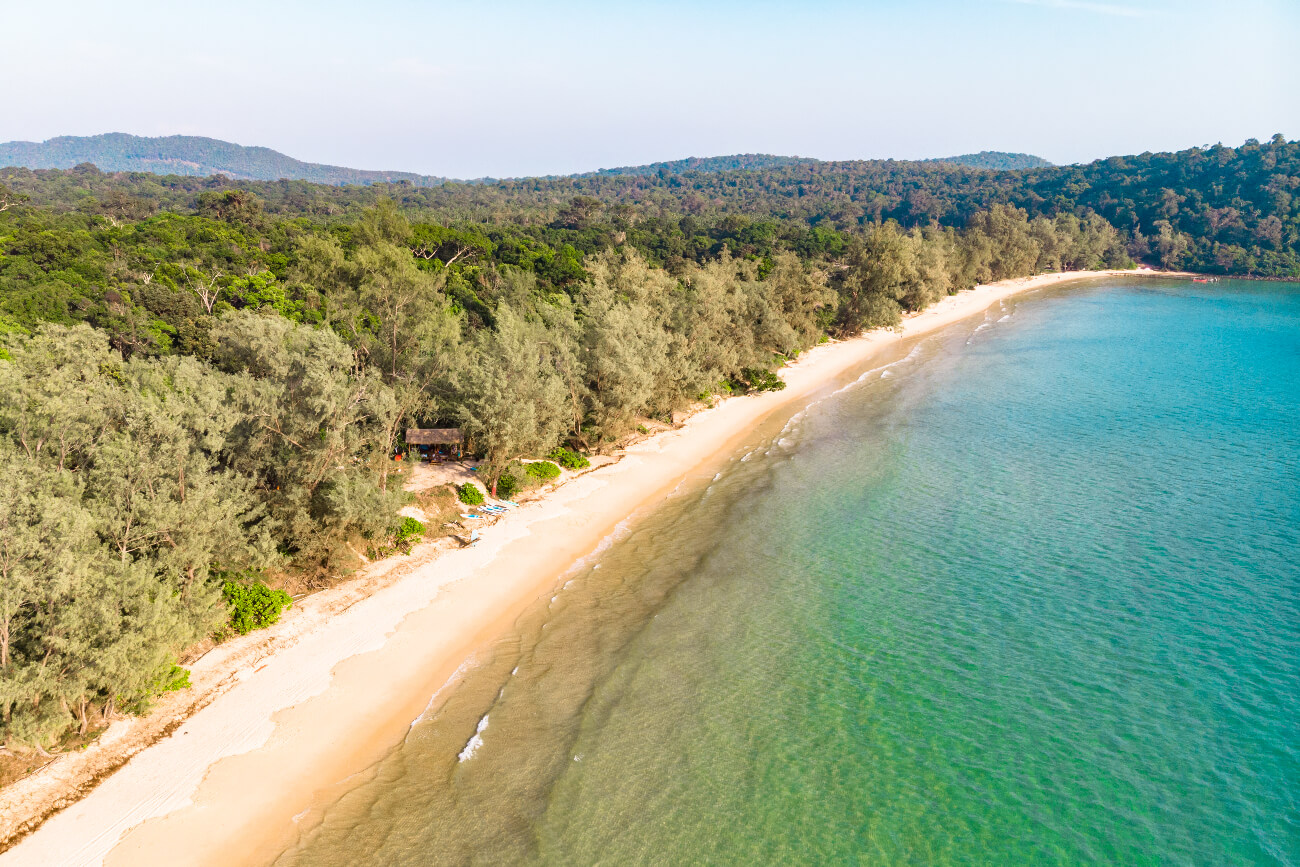
Siharu kvilli is the country’s number one beach resort.
Preah Vihear is a Khmer temple on a 1722 foot cliff in the Dangrek Mountains offering a spectacular view of the countryside and is a World Heritage Site.
Siem Reap is the capital city of Siem Reap Province and serves as a gateway to Angkor Wat and includes the Angkor National Museum and the Cambodian Landmine Museum. It also has a cultural village, a silk factory and handicraft shops.
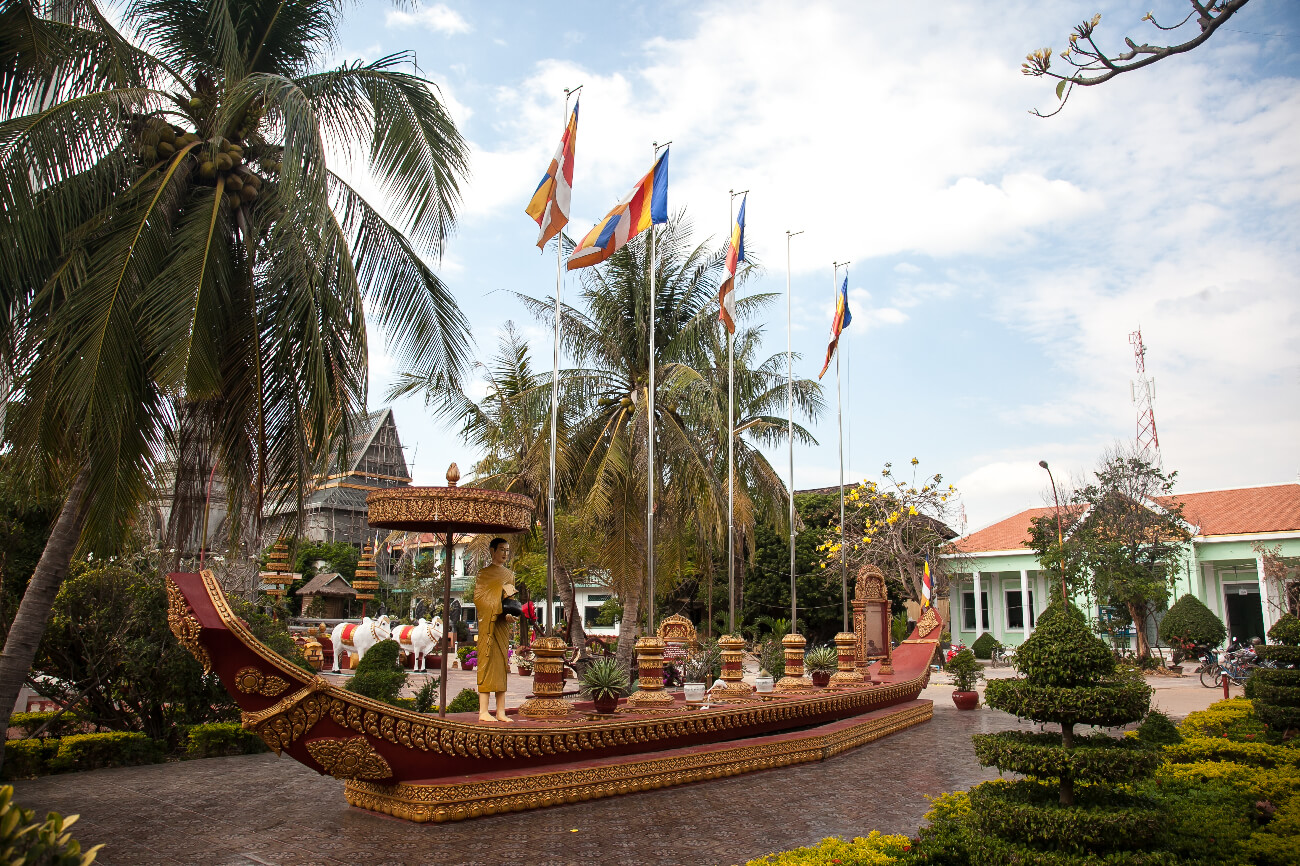
Cities to Visit:
The City of Phnom Penh
Tvol Sleng Genocide Museum
The Royal Palace
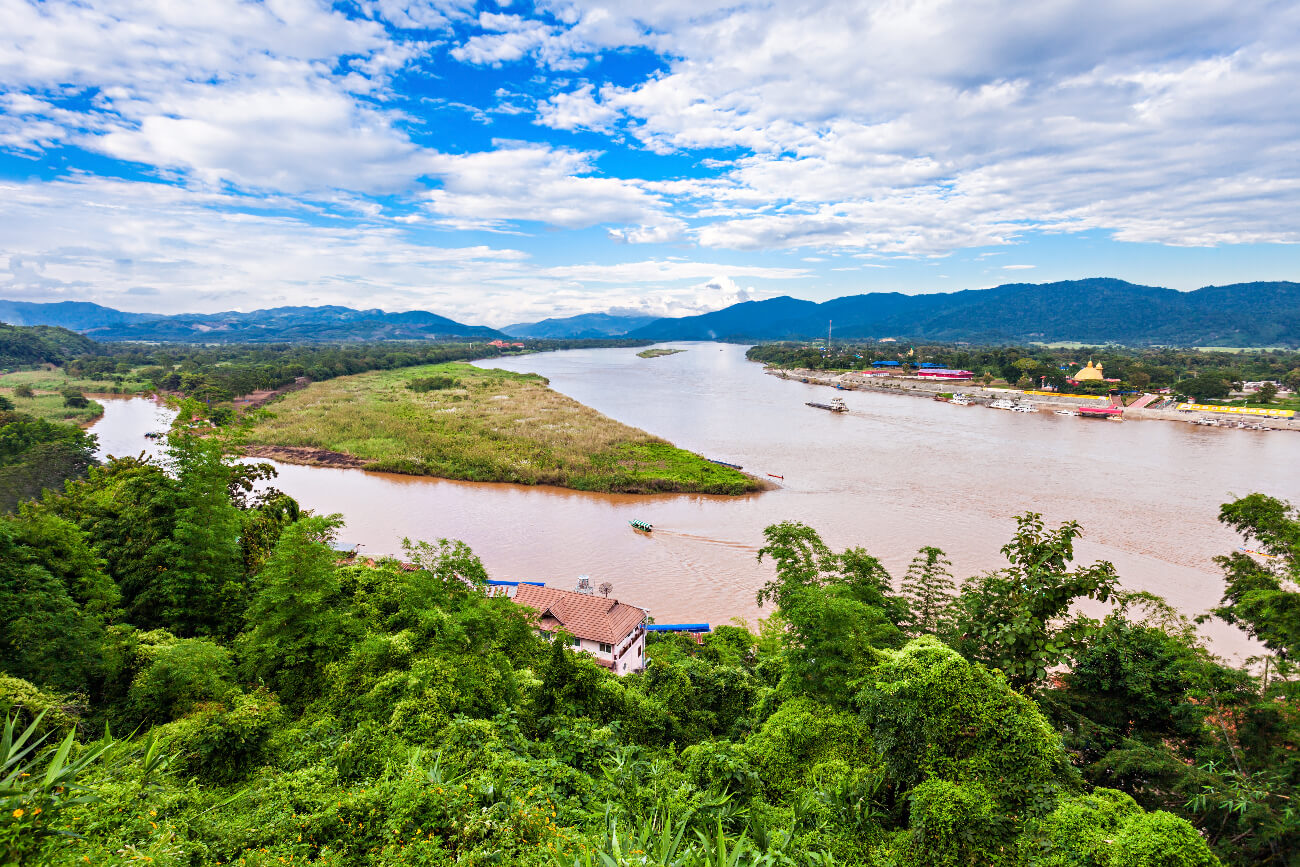
Mekong River
Silver Pagoda
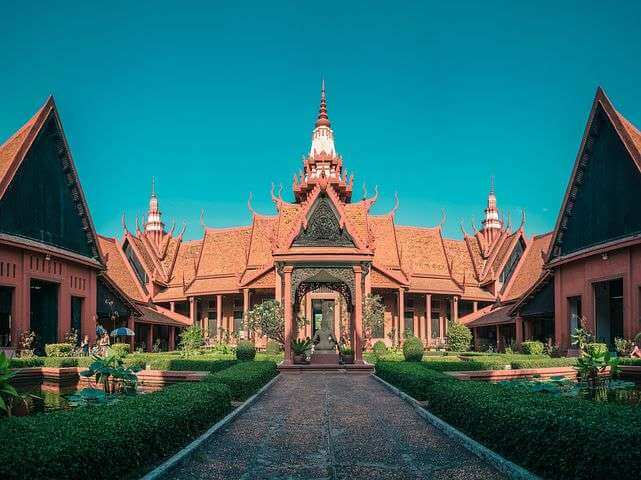
National Museum
Central Market
Sisowath Quay A vast embankment at the meeting of two rivers.
The City of Siem Reap:
Angkor Wat
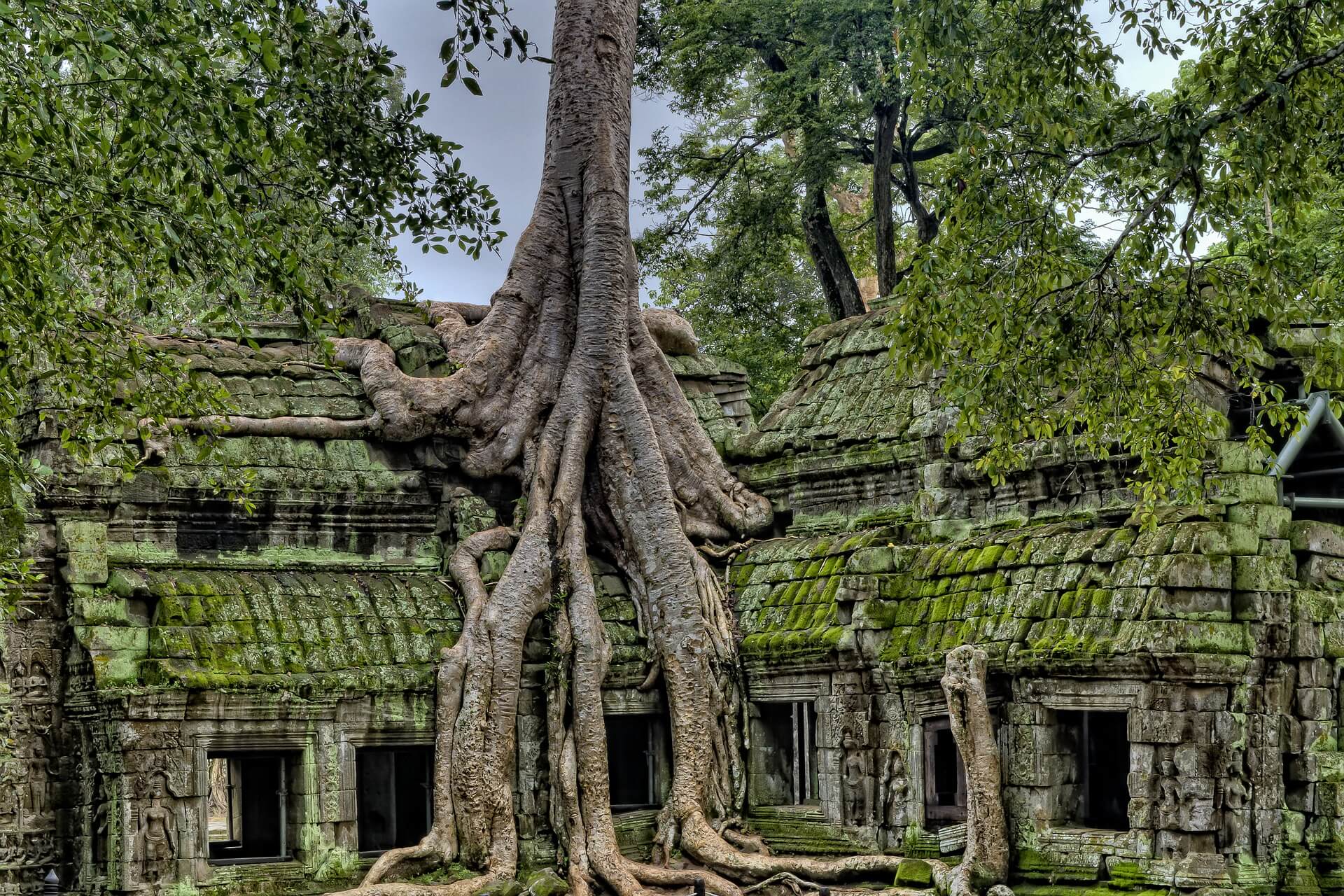
Ta Prohm is an elaborately decorated temple overtaken by the jungle.
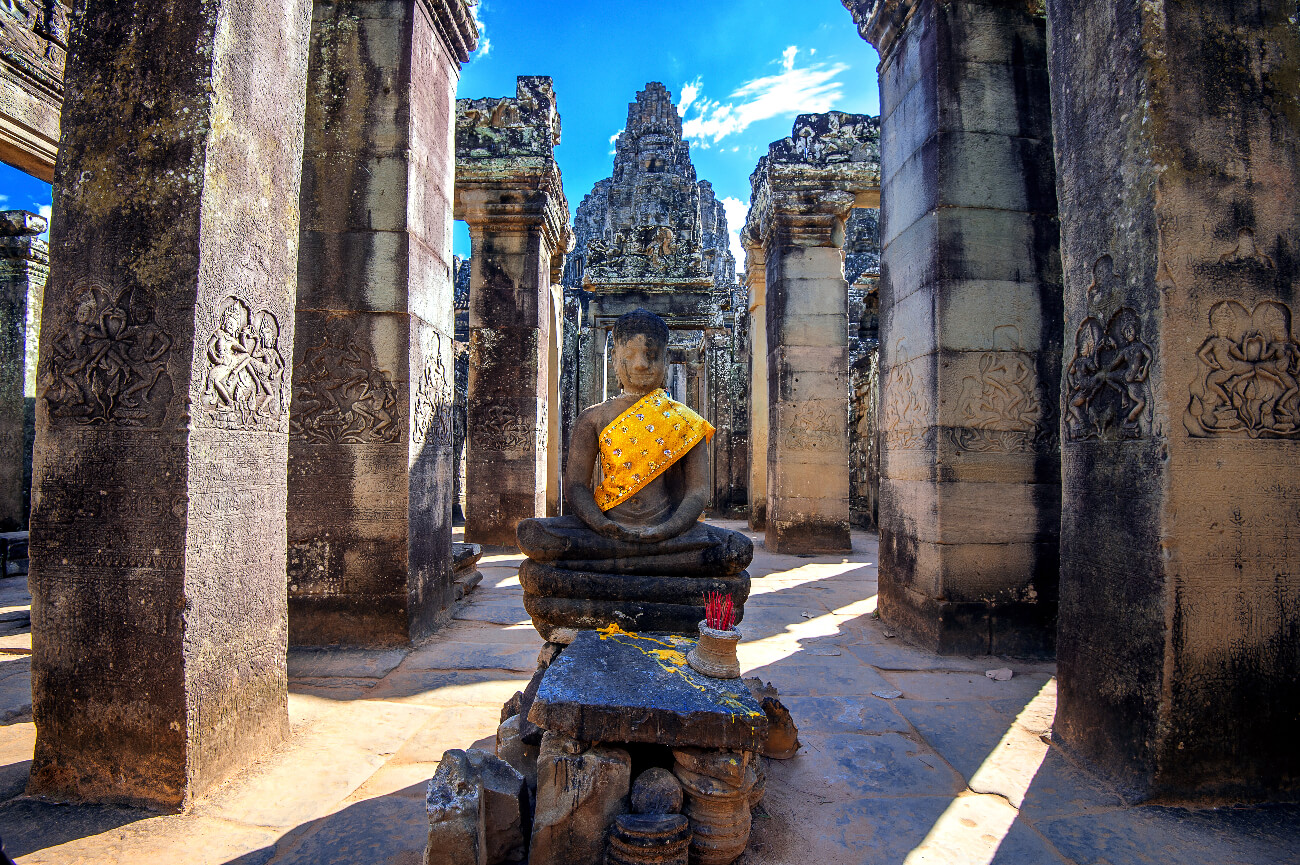
Bayu Temple is a part of an ancient city that may have had a population of hundreds of thousands.
Angkor Thom This walled city once had a population of 1 million.
Angkor Archeological Park is one of the world’s largest religious sites.
Pub Place If you are not there you are square.
The War Museum of Cambodia
The City of Battambang:
Battembang Bat Caves
Wat Banan Temple
Watek Phnom Temple
The White Elephant Pagoda
The City of Sihanoukville:
Otres Beach
Kbal Chhay Waterfall
Watley Temple
Ream National Park
Otres Market
Wat Krom Temple
No Tour Found