


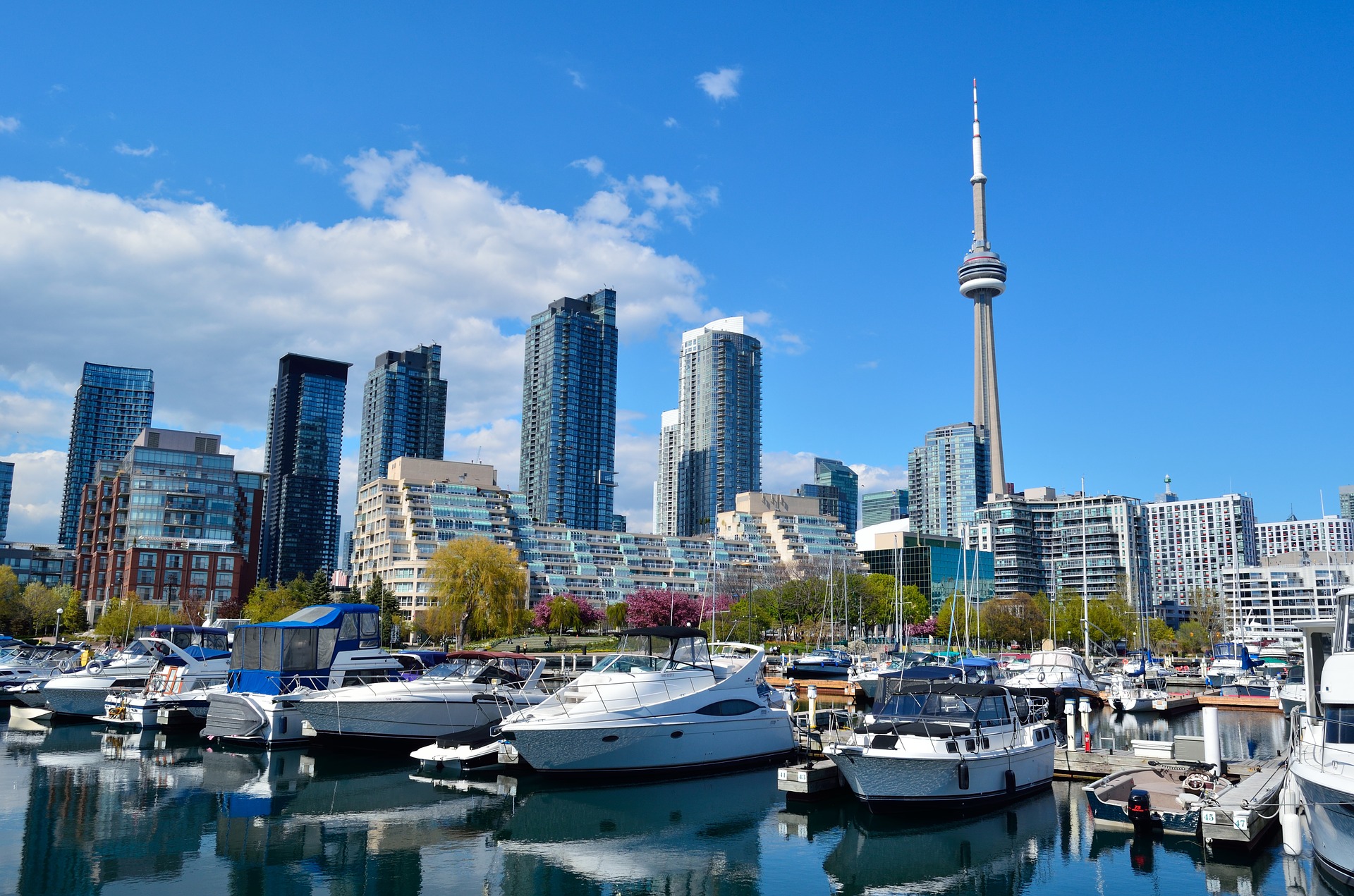
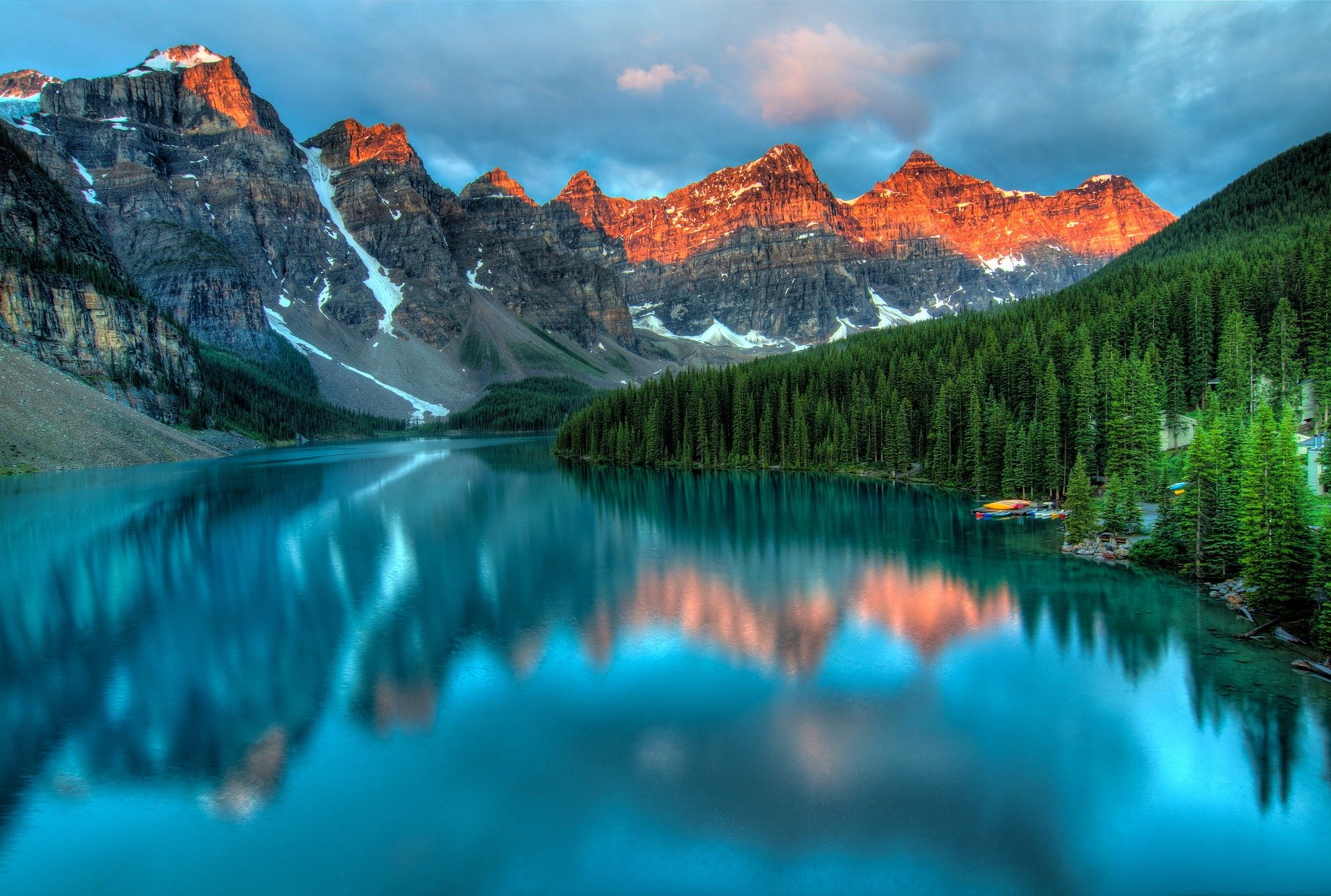
Canada is a country in North America. It is north of the United States and reaches from the Atlantic Ocean in the east to the Pacific Ocean in the west and the Arctic Ocean to the north. Canada has an area of 3.85 million square millions making it the second largest country in the world by total area but the fourth largest country by land mass. It has the world’s longest coastline which touches three oceans. Canada has ten provinces and three territories. Most parts of the country have a cold or severely cold winter climate, but areas in the south are warm in the summer. Much of the land is forest or tundra, with the Rocky Mountains to the west. About4/5th of Canada’s 38 million people, live in urban areas near the southern border with the USA, which is the longest between any two countries in the world. The national capital is Ottawa, and the largest city is Toronto. Other large cities include Montreal, Vancouver, Calgary, Edmonton, Quebec City, Winnipeg and Hamilton. The name Canada probably comes from the Huron-Iroquois word “kanata” meaning “village” or “settlement”. In 1535, two Aboriginal youths told French explorer Jacques Cartier about the route to Kanata; they were actually referring to the village of Stadacona, the site of present day City of Quebec. Aboriginal people lived in the places that are now Canada for a long time. In 1537 the French started a colony and the British Empire soon followed. The two empires fought several wars and in the late 18th century, only British North America remained with what is more or less Canada today. The country was formed with the British North America Act in 1867. Over time, more provinces and territories became part of Canada. In 1931, Canada achieved nearly independence with the Statute of Westminster 10931, and became completely independent when the Canada Act removed the last remaining ties of legal dependence on the Parliament of the United Kingdom. Canada is a federal parliamentary democracy and a constitutional monarchy, with Queen Elizabeth II of the United Kingdom as head of state. The country is officially bilingual at the federal level. Immigration has made Canada one of the most ethnically diverse and multicultural countries in the world. Its economy is the 11th largest in the world and relies mainly on natural resources and well-developed international trade networks. Canada’s relation with its neighbor and biggest trading partner has a big impact on its economy and culture. Canada is a developed country.
Geography:
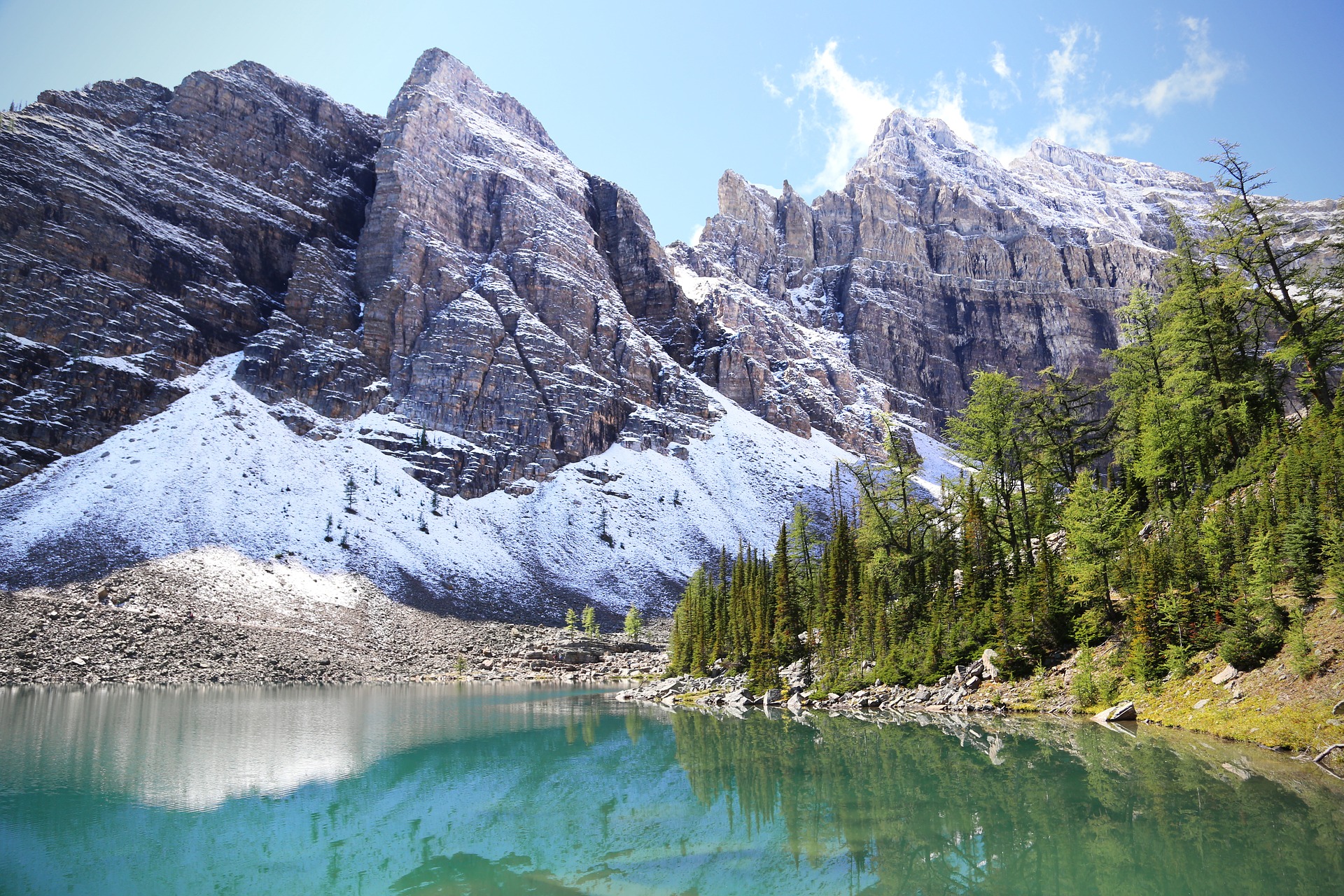
By total area including its waters Canada is the second largest country. Canada’s provinces are between the 45th and 60th parallel of latitude. Canada extends from the west coast, across the prairies and central Canada, to the Atlantic Provinces. In the north, there are three territories, between Alaska and Greenland: the Yukon in the west, the Northwest Territories, and Nunavut. Four of the five Great Lakes (Superior, Huron, Erie and Ontario) are shared between Canada and the USA and they make up 16% of the earth’s fresh water. The Saint Lawrence Seaway joins the Great Lakes to the Atlantic Ocean, allowing ocean going vessels to travel as far inland as Thunder Bay in Ontario. The geography is very different place to place from high Alpine areas in the west, flat grasslands and prairies in the center, and ancient shield rocks in the east. Canada has some of the very last untouched boreal forest in the world. The Canadian Shield is a vast area of ancient Pre-Cambrian rocks lying in an arc around Hudson Bay, covering more than 1/3 of Canada’s land area. This is a unique land of lakes, bogs, swamps, trees and rocks. It is a terrain that is very dangerous and difficult to traverse cross country. Canada has 60% of the world’s lakes.
Climate:
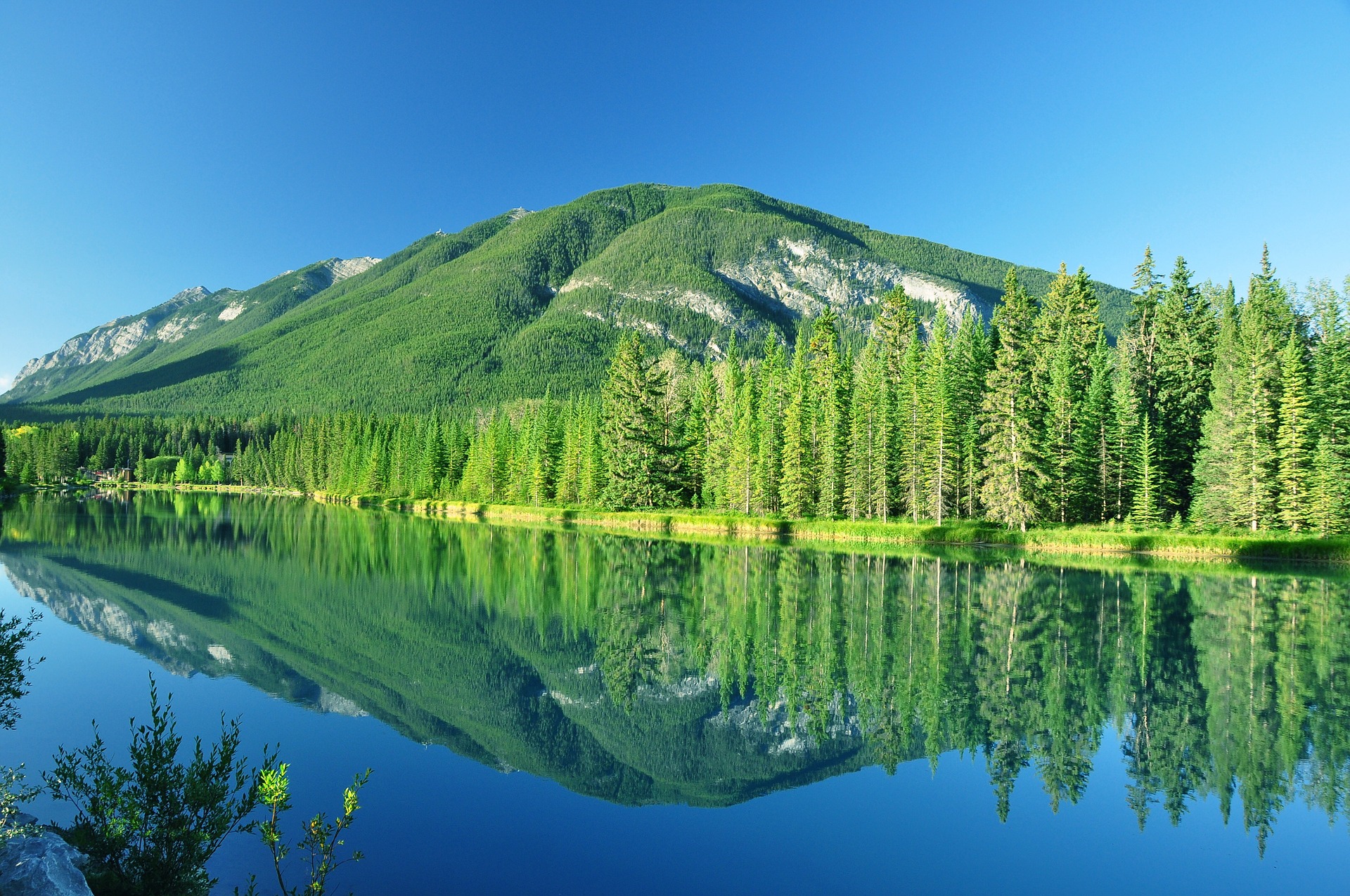
West Coast British Columbia’s coast is fortunate to have the most temperate climate in Canada. Warm air streams from the Pacific Ocean and keeps the vegetation growing and the populace happy. It rarely snows in low lying regions. The Prairies extend east from the Rocky Mountains to the Great Lakes. Farming is strong in these regions. Cold winters and humid, hot summers are the norm, with a tolerable amount of snow and rain. Spring showers and temperate autumn weather make the prairies one of the top grain=growing areas in the world. The Great Lakes-St.Lawrence Region Over half the population of Canada lives near the Great Lakes or along the St. Lawrence River. Winter is very snowy and wind-chilled, while summers are humid and longer than elsewhere in Canada. Rainfall is sufficient to sustain very good farming areas.
Atlantic Canada features one of the most rugged and variable climates anywhere in the country. In winter, temperatures can vary wildly as Arctic air is replaced by maritime air from passing storms. Snowfall is relatively heavy, and fog is often present in spring and at the onset of summer.
The North North of the Prairies and the populated Great Lakes–St. Lawrence Region is a vast boreal forest. This area is covered with snow most of the year and summer lasts about two months. Above the tree line is the Arctic. Here, temperatures rise above freezing only a few weeks a year, and the ground remains permanently frozen.
Biodiversity Despite its northerly position, Canada is rich in diversity because of its size, freshwater and marine waters, varied environments, topographies and climates. Ecosystems include temperate rainforest, treetop canopies, prairies, tundra, soil types, rivers, tide pools, kelp forests, thick sea ice and deep-sea hydrothermal vents. There are 71,000 species named and an estimated 69,000 unnamed or classified. About 51% are terrestrial, and 23% freshwater and 26% in marine waters.. If we look at the higher groupings like phyla, 66% occur on land, 71% in freshwater and 84% in marine waters. The finer twigs of the tree of life are land-dwelling, while the major branches are marine.
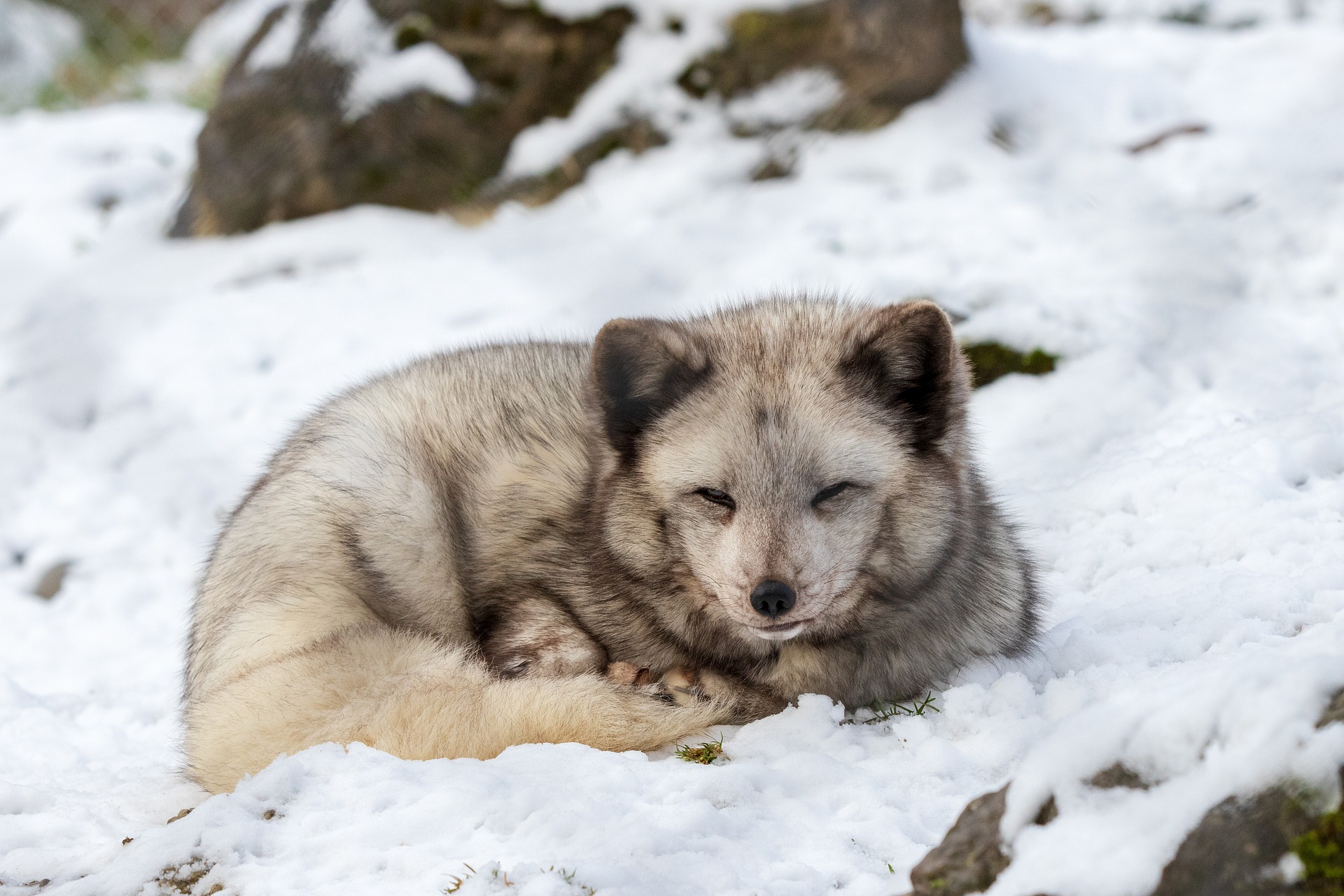
Fauna There are 200 mammal species, 460 native birds, 43 amphibians, 43 reptiles, 1200 fish, 55,000 insects and 11,000 mite and spider species. Mammals native to Canada include the grey wolf, brown bear, polar fox, caribou herds, moose, wolverine, muskoxen herds, Canadian Lynx and North American beaver. Native Birds include Canada goose, snowy owl, common raven, and whooping crane. Native Reptiles include turtles, lizards, and snakes. Only crocodiles are not present. There are 25 species of snake which include garter snake, pit viper, western rattlesnake, boa and rubber boa. Amphibians include frogs, toads and salamanders. Native Fish include salmon, rainbow trout, Arctic char, brook trout, Atlantic cod, halibut and haddock.
Flora wild rose, pacific dogwood, prairie crocus, purple violet, purple pitcher plant, mountain avens, mayflower, purple saxifrage, white trillium, lady’s slipper, blue flag iris, western red lily, fireweed. Tamarack, baby birch, dogwood, chestnut, elder, hazel, plum, cedar, pine, bald-cypress , maple, oak, willow.
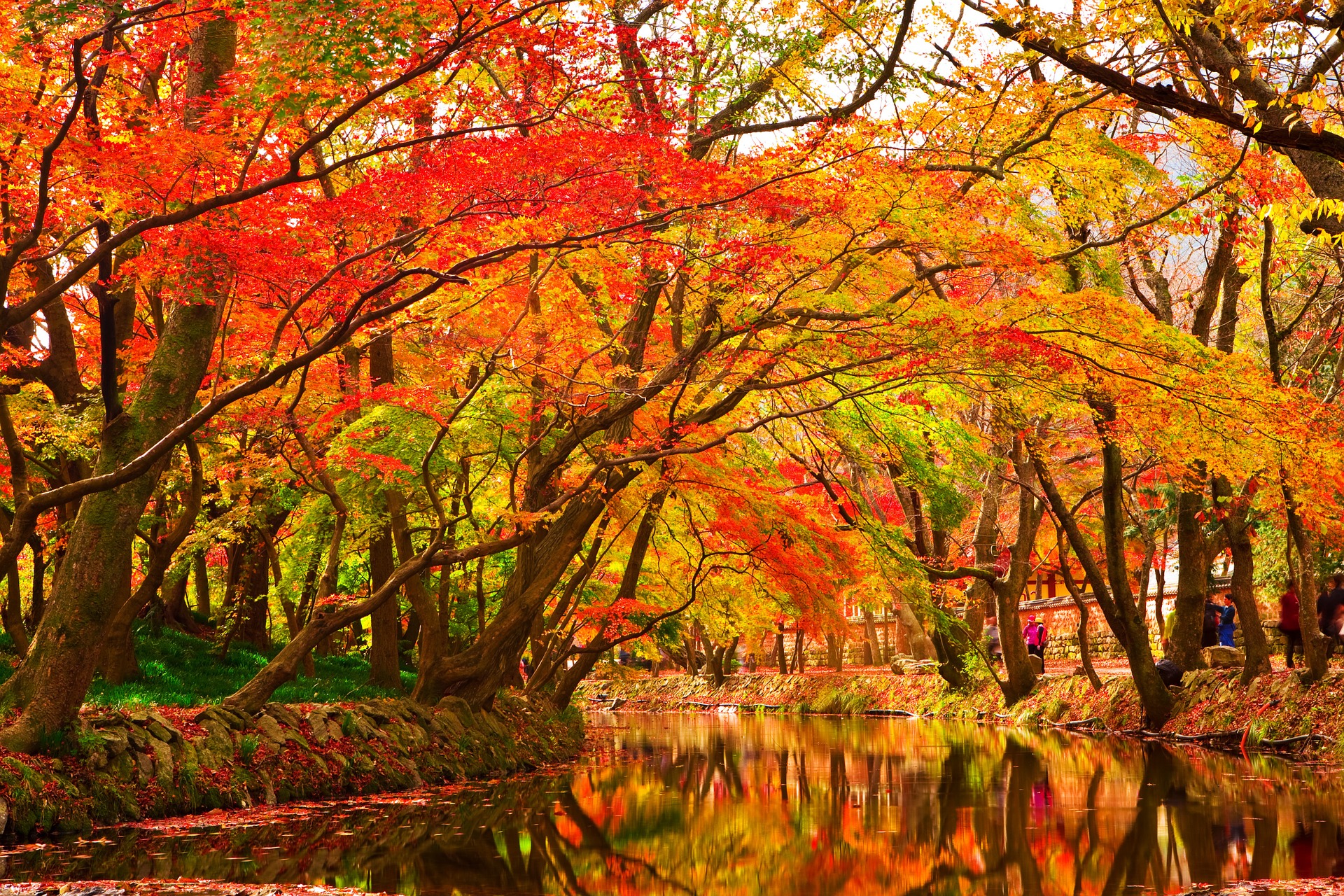
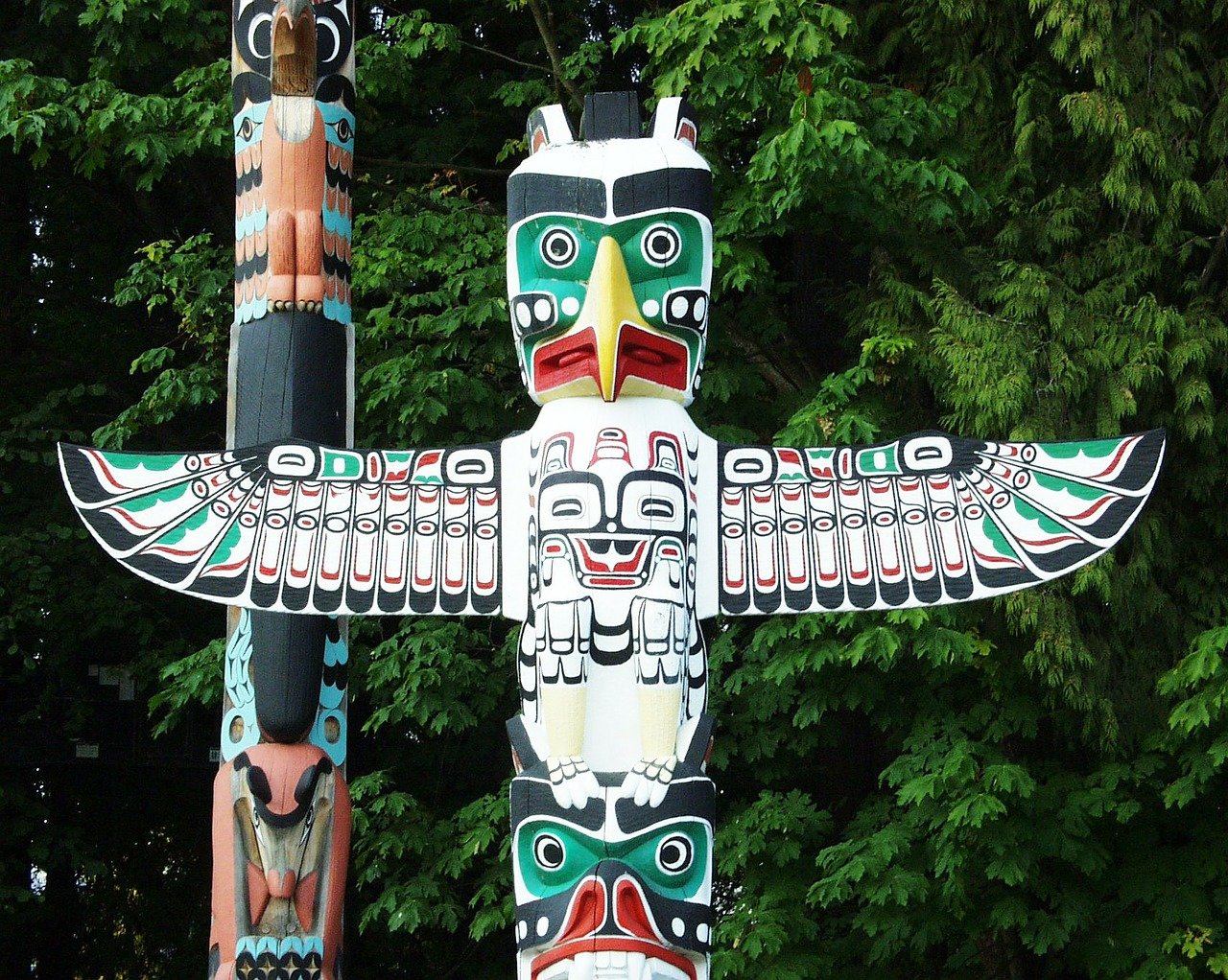
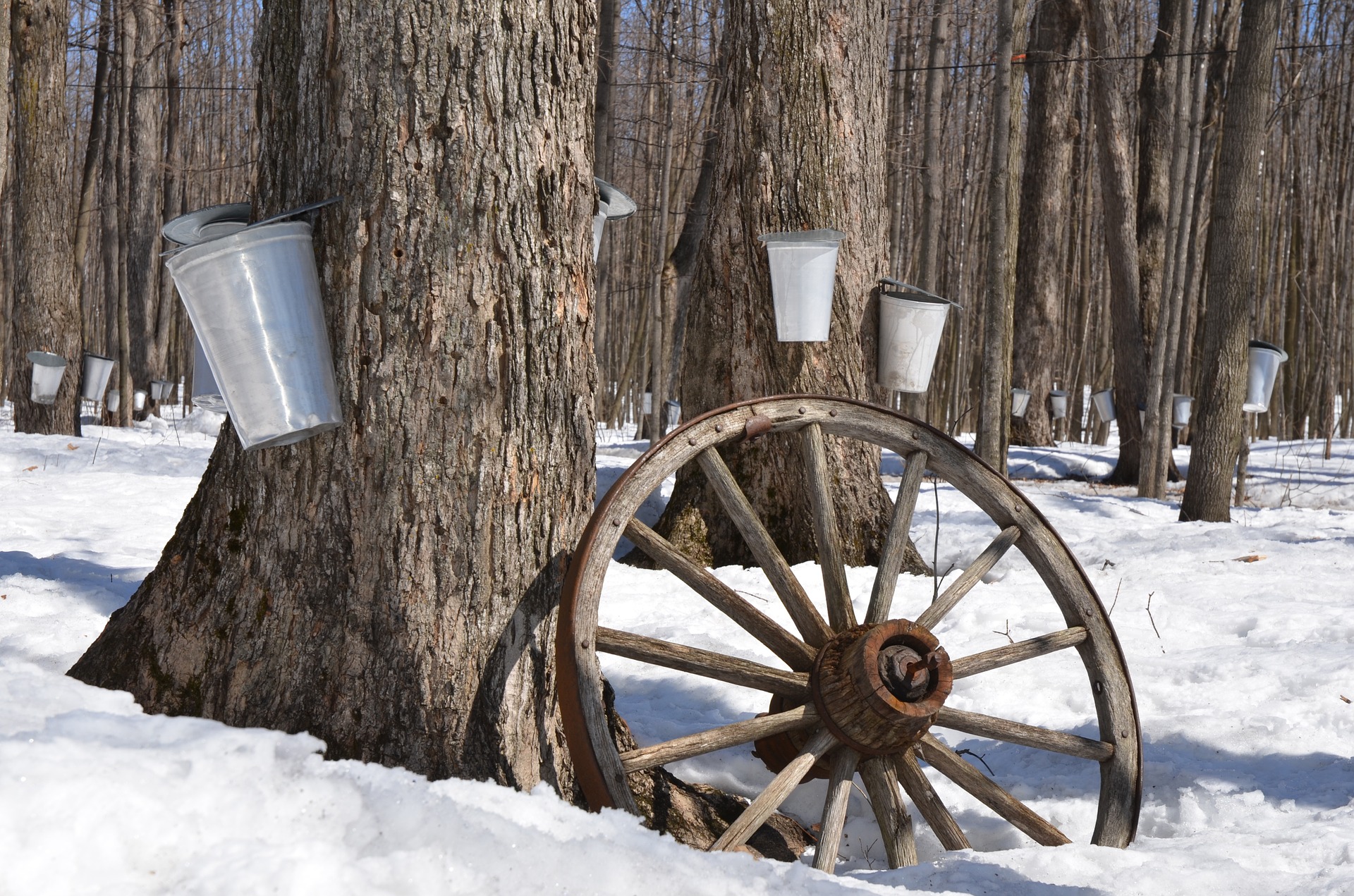
Culture freezing weather, large landscapes and maple trees have shaped and continue to impact the remarkable Canadian culture, lifestyles and traditions. Influenced by the indigenous peoples and the first European immigration, Canada has soaked up both worlds. Impeccable urban architecture attests to the sophisticated tastes and styles engraved in Canada since its early days. Sometimes, you think you are in Europe. The expansive landscapes and mountains keep Canadians in touch with nature. They remind Canadians of the indigenous culture with its pride and shame. Nature, weather, wildlife, urban lifestyles have all impacted the country’s culture. Canada is known for cold weather, but Canadians make it a winter wonderland. Polar bears and wildlife, Winnie-the –Pooh, Canadian Rockies, maple syrup, Northern lights, Hockey, the maple leaf, and Canadian cottage culture are to be enjoyed. Canadians take seriously birth announcements, graduation ceremonies, weddings and funerals, dating in the proper manner and marriage. Presents are given with restraint and flower presents are very popular, superstitions abound with 13 an unlucky number; don’t open an umbrella in the house, don’t walk under a ladder, don’t kill a ladybug or walk in front of a black cat.
Butter Tarts
Nova Scotia Lobster Rolls
Montreal Style Bagels
Saskatoon Berry Pie
Montreal Style Smoked Meat
Peameal Bacon
Split Pea Soup
Maple Taffy
Game Meat
Ketchup Chips
Nanaimo Bars
Caesar Cocktail
Beaver Tails fried dough with toppings
Pounding Chomuer cake batter topped with hot syrup.
Tourtiere Meat Pie
Poutine fries, cheese, gravy

Maple Syrup
Bannock Bread
The City of Toronto
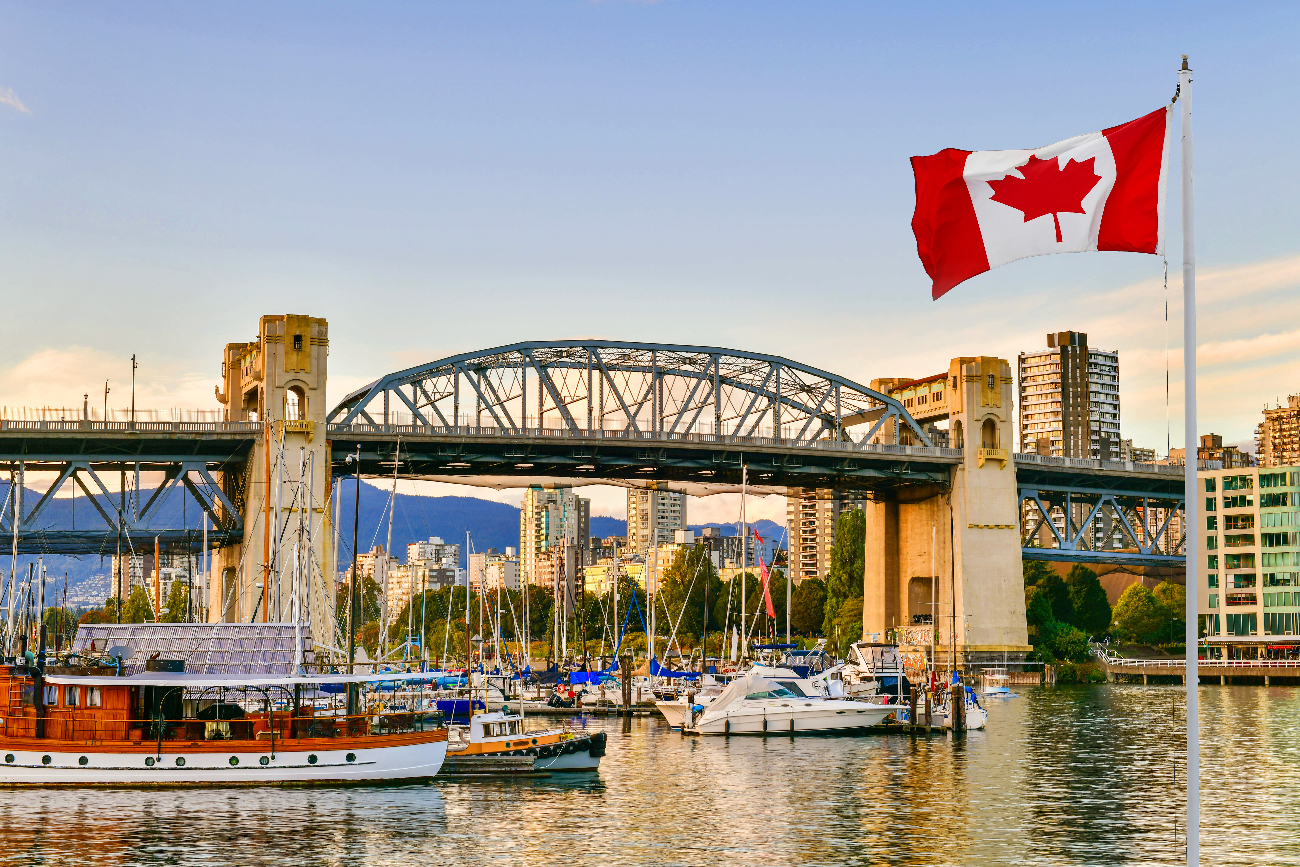
Toronto is the capital city of the Canadian province of Ontario. It has a population of 2.8 million and is the most populous city in Canada. The city is the anchor of the Golden Horseshoe, an urban agglomeration of 9.3 million people surrounding the western end of Lake Ontario. The Greater Toronto area has a population of 6.5 million and is an international center of business, culture, finance and arts, and is recognized as one of the most cosmopolitan cities in the world. Indigenous people have traveled through and inhabited the Toronto area for more than 10,000 years. In 1793, the British established the town of York and later designated it as the capital of Upper Canada. During the War of 1812, the town was the site of the Battle of York and suffered heavy damage by the American troops. York was renamed and incorporated in 1834 as the city of Toronto. It was designated as the capital of the province of Ontario in 1867 during the Canadian Confederation. The city proper has expanded past its original limits through both annexation and amalgamation. The diverse population of the city reflects its current and historical role as an important destination for immigrants to Canada. More than 50% belong to a visible minority population group. Toronto is a prominent center for music, theater, motion picture production and is home to Canada’s major broadcast channels. Its varied cultural institutions include museums, galleries and festivals, and national historic sites which attract over 43 million visitors a year. Toronto is known for its skyscrapers and high-rise buildings.
Tourist Attractions
Royal Ontario Museum
Art Gallery of Ontario
The Entertainment District
Toronto Zoo
City Hall and Nathan Philips Square
Kensington Market
Toronto International Film Festival
Distillery District
Aga Khan Museum
High Park
Toronto Islands
Ontario Science Center
Hockey Hall of Fame
Graffiti Alley
CN Tower
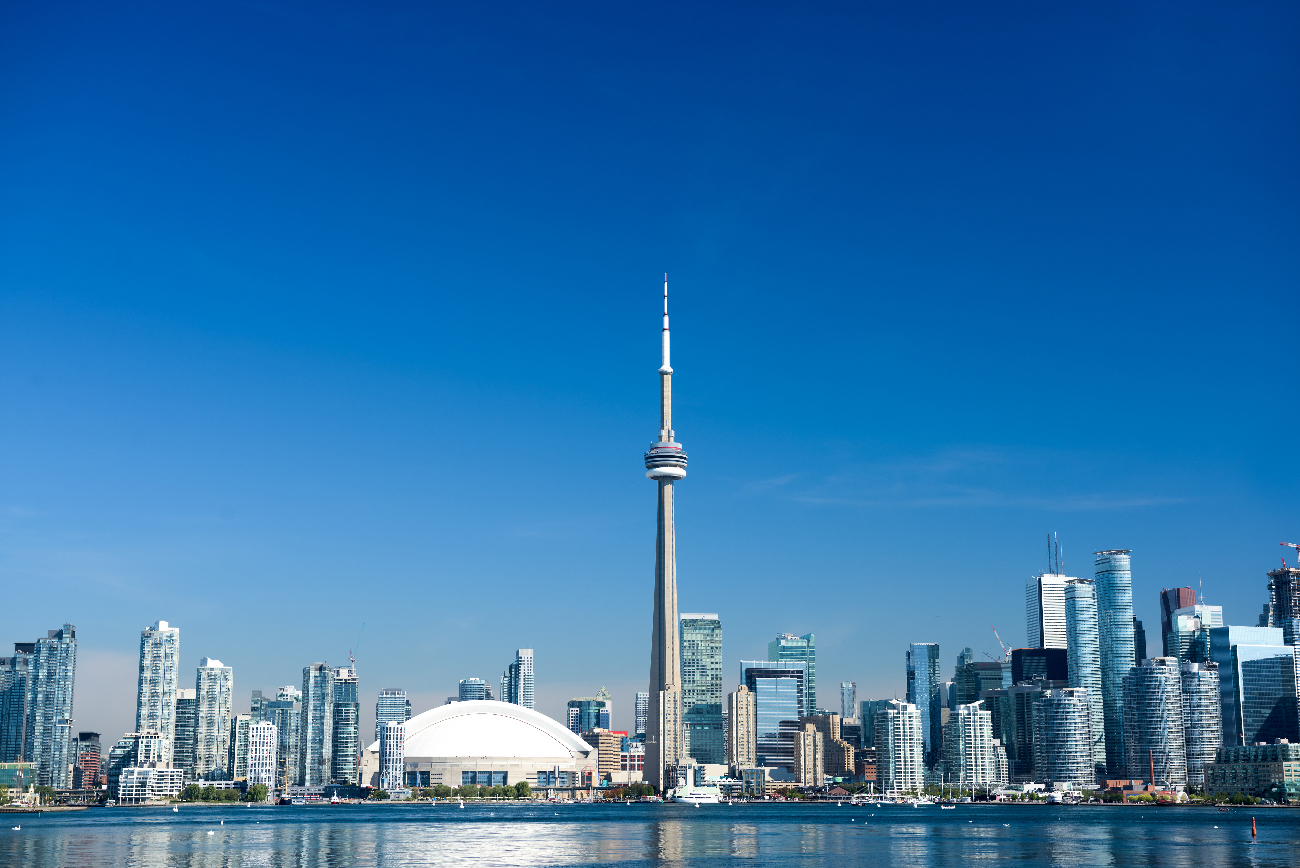
Casa Loma
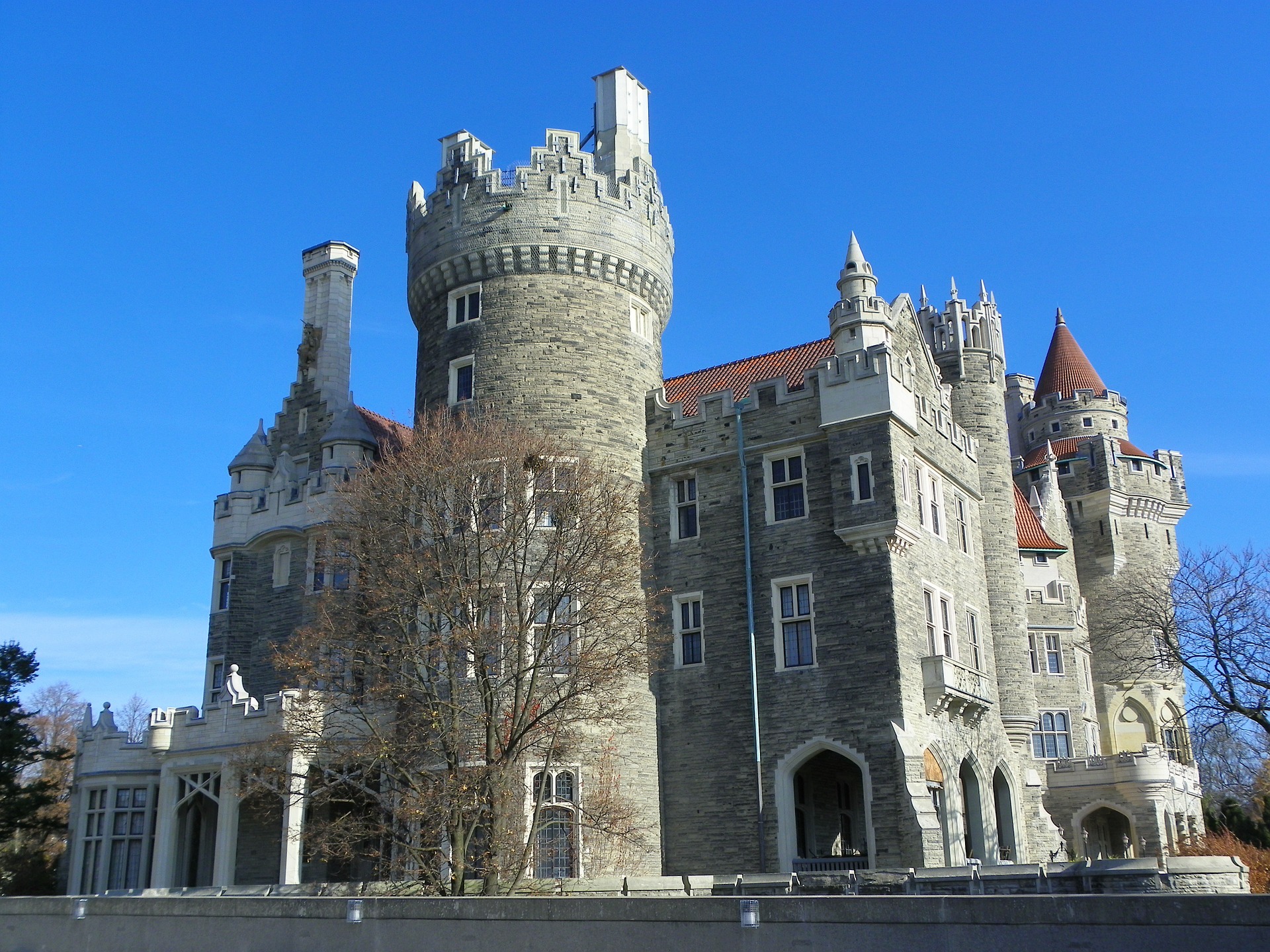
The City of Montreal
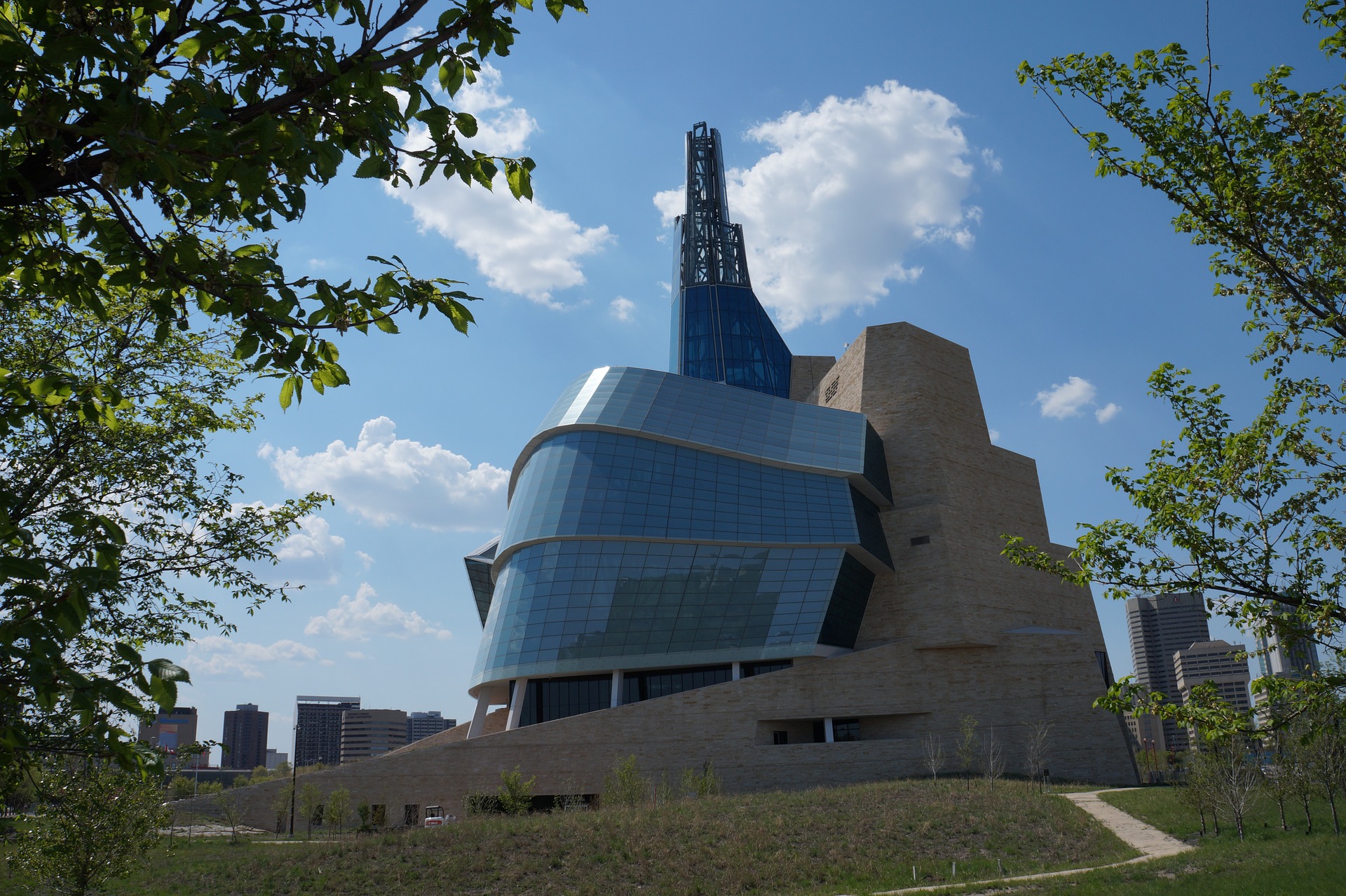
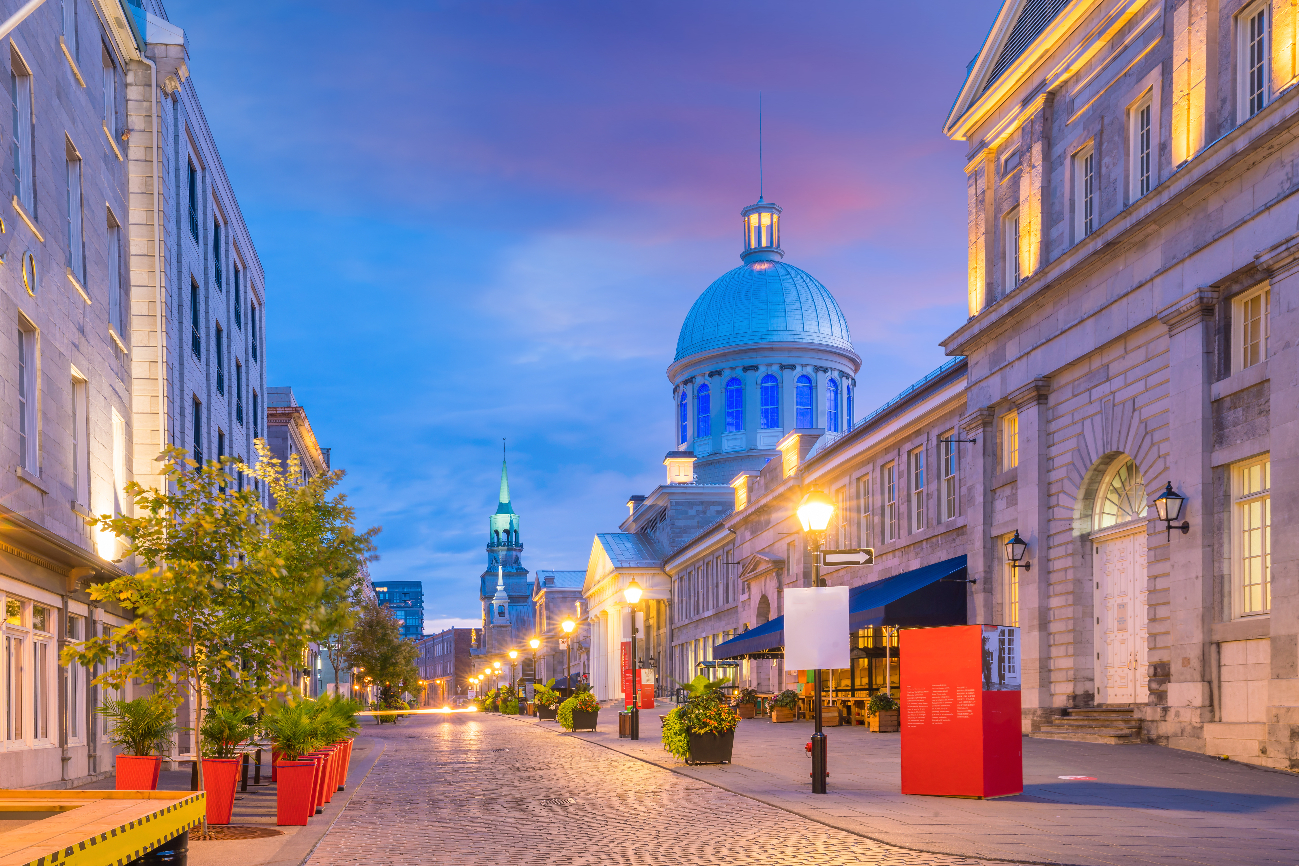
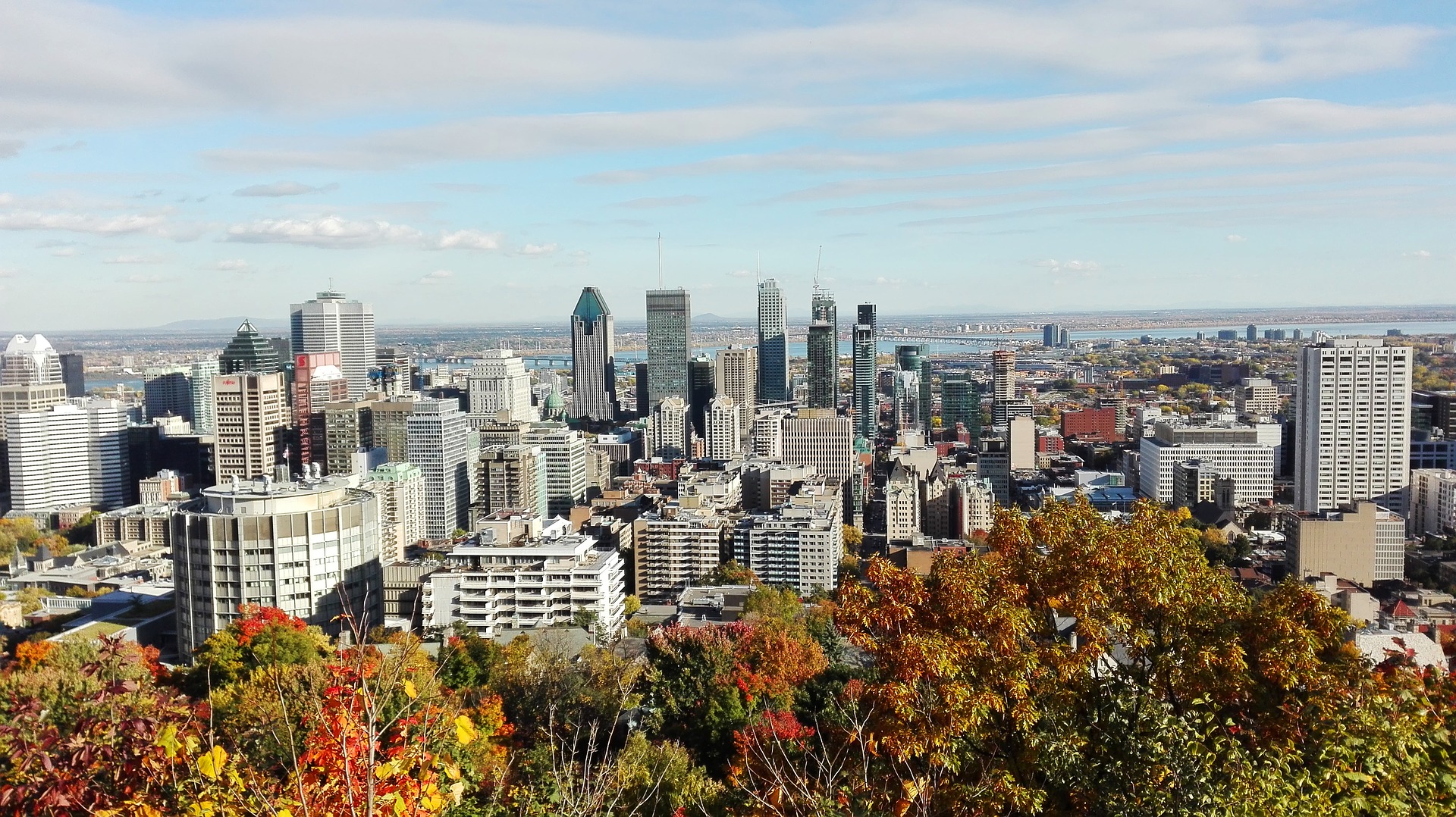
Montreal is the second most populous city in Canada and most populous city in the Canadian province of Quebec. Founded in 1642 as Ville-Marie it is named after Mount Royal, the triple peaked hill in the heart of the city. The city is centered on the Island of Montreal, which obtained its name from the same origin as the city. The city is 122 miles east of Ottawa and 160 miles southwest of the provincial capital, Quebec City. The city has a population of 1.75 million. The broader metropolitan area has 4.1 million. French is the city’s official language. 54% speak French and 18% English. In the larger Montreal Census Metropolitan Area 71% spoke French and 19 % English. 58% of the population can speak both languages. Historically the commercial capital of Canada it was surpassed by Toronto in the 1970’s but remains an important center of commerce, aerospace, transport, finance, pharmaceuticals, technology, design, education, art, culture, tourism, food and fashion. Montreal was named a UNESCO City of Design in 2006. In 2018, Montreal was ranked as a global city.
Tourist Attractions
Old Port
Jardin Botanique Botanical Garden
Notre-Dame Basilica
St. Joseph’s Church
Parc Jean Drape au Museum
Fine Arts Museum
Pointe a Calliere Underground Streets
Place des Arts
St. Mary Queen of the World Cathedral
McCord Museum
Square Saint-Louis and Rue Denis
Old Montreal
Mont-Royal
The City of Vancouver
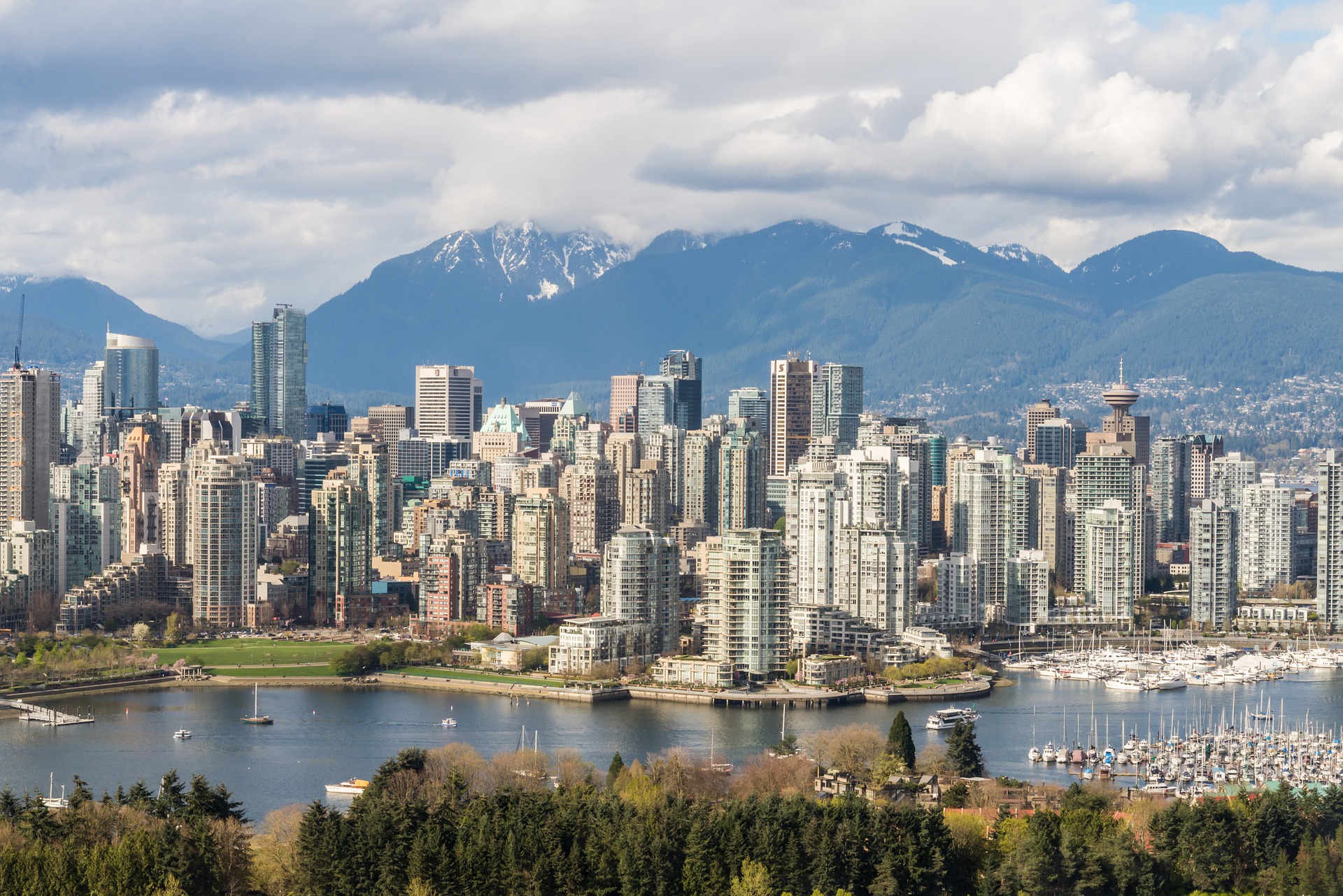
Photo credit: Luke Lawreszuk – Sprayedout.com (https://www.sprayedout.com/
Vancouver is a major city in western Canada, located in the Lower Mainland Region of British Columbia. As the most populous city in the province, the city has 650,000 people. The Greater Vancouver area has 2.5 million, making it the third largest populated area in Canada. Vancouver is one of the most ethnically and linguistically diverse cities in Canada with 52% not native English speakers and 51% belonging to visible minority groups. Vancouver is consistently named as one of the five top worldwide cities for livability and quality of life. Indigenous settlement of the Vancouver area began an estimated 8,000 to 10,000 years ago. The beginnings of the modern city, which was originally named Gastown, grew around the site of a makeshift tavern in 1867. The city was renamed Vancouver in 1886 through a deal with the Canadian Pacific Railway where the railway was extended to the city by 1887. The city’s large natural seaport on the Pacific Ocean became a vital link in the trade between Asia-Pacific, East Asia, Europe and Eastern Canada.
Tourist Attractions
Stanley Park
Granville Island
Grouse Mountain
Museum of Anthropology
Kitsilano Beach
Gastown
Chinatown
English Bay
Robson Street
Museum of Vancouver
Queen Elizabeth Park
Whale Watching
Van Dosen Botanical Gardens
Vancouver Seawall
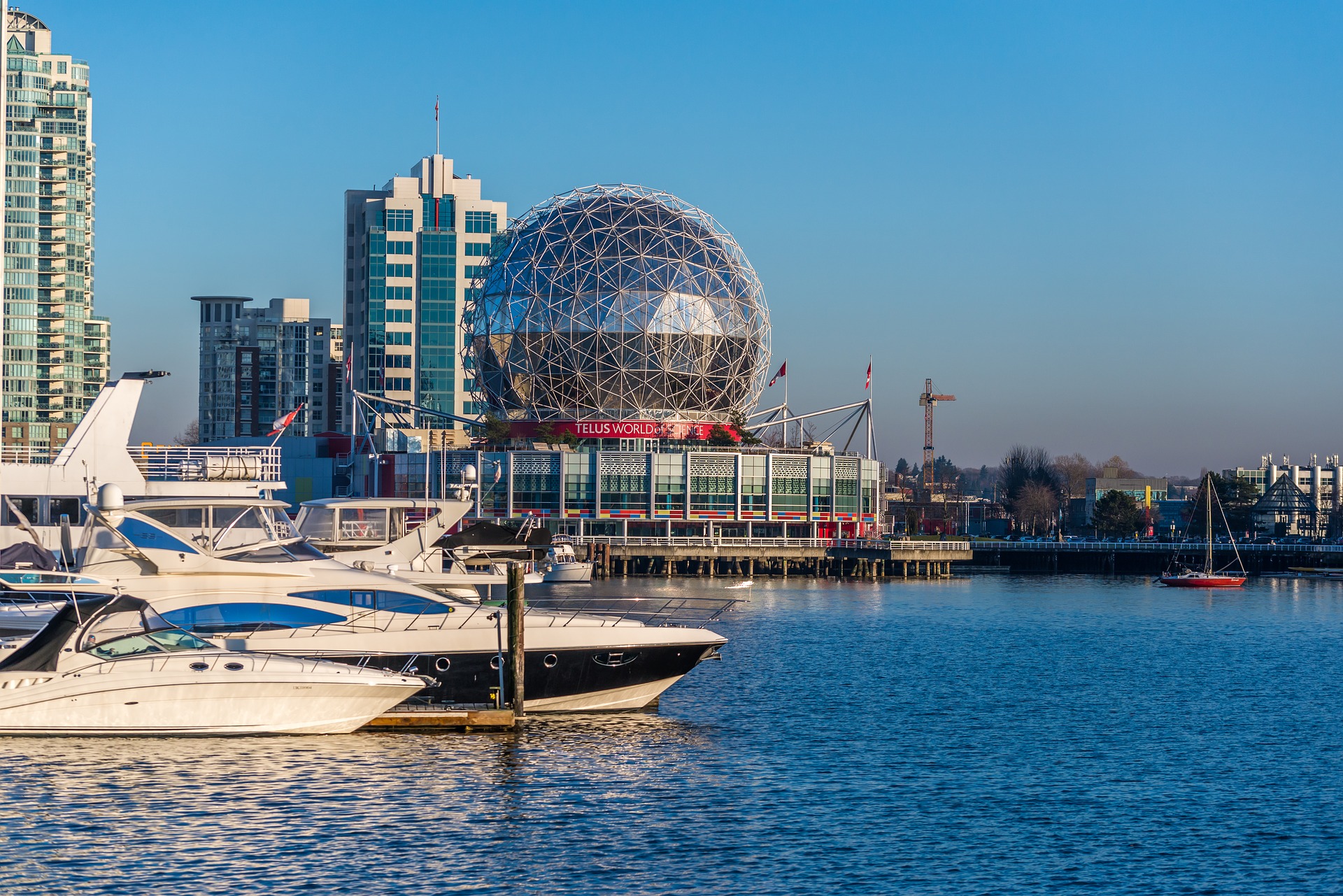
Science World
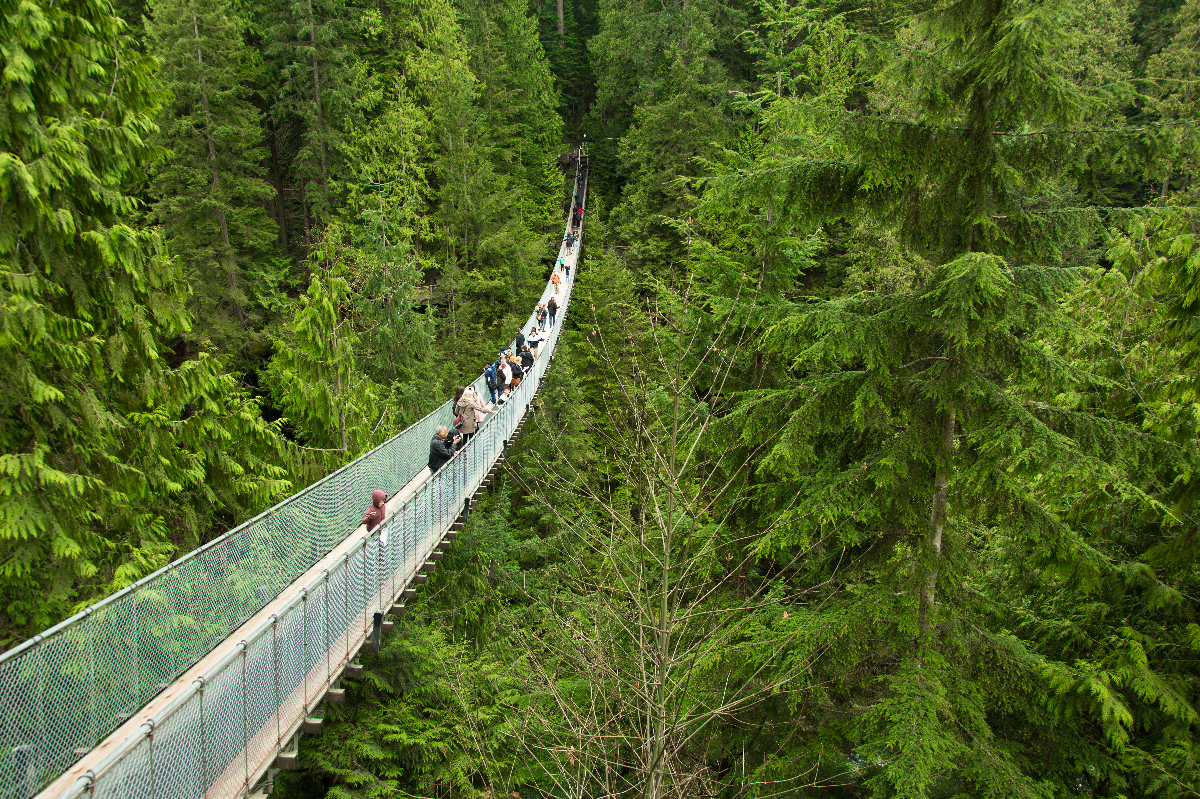
Capilano Suspension Bridge
The City of Calgary
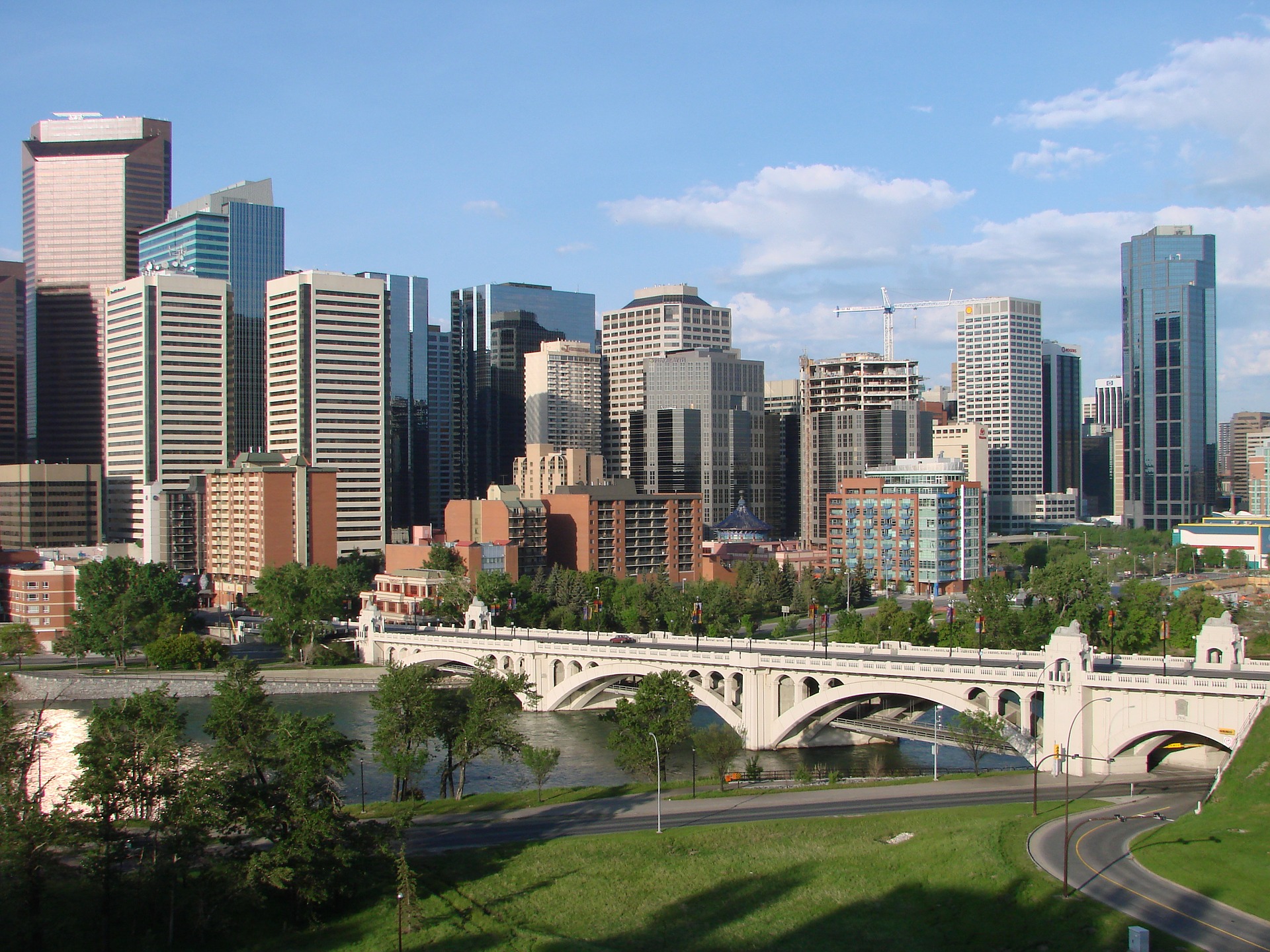
Calgary is a city in the western Canadian province of Alberta. It has a population of 1.3 million. Calgary is the most populous city in Alberta and the third most populous city in Canada after Toronto and Montreal. The Calgary Metropolitan Region is the second largest population center after Greater Vancouver. Calgary is situated at the confluence of the Bow River and the Elbow River in the south of the province, in the transitional area between the Rocky Mountain foothills and the Canadian Prairies, about 50 miles east of the front ranges of the Rockies, roughly 186 miles south of the provincial capital of Edmonton and 150 miles north of the Canada-United States border. Calgary’s economy includes activity in energy, financial services, film and television, transportation and logistics, technology, manufacturing, aerospace and tourism sectors. The city has been ranked as the most livable city in North America.
Tourist Attractions
Calgary Stampede
Day Trip To Banff and Lake Louise
Calgary Zoo
Heritage Park
Canadian Olympic Park
Prince’s Island Park
Rocky Mountain Rail Journey
Glenbow Museum
National Music Center
Fish Creek Provincial Park
Bowness Park
Fort Calgary
The Military Museums
Spruce Meadows Equestrian Facility
Calgary Tower
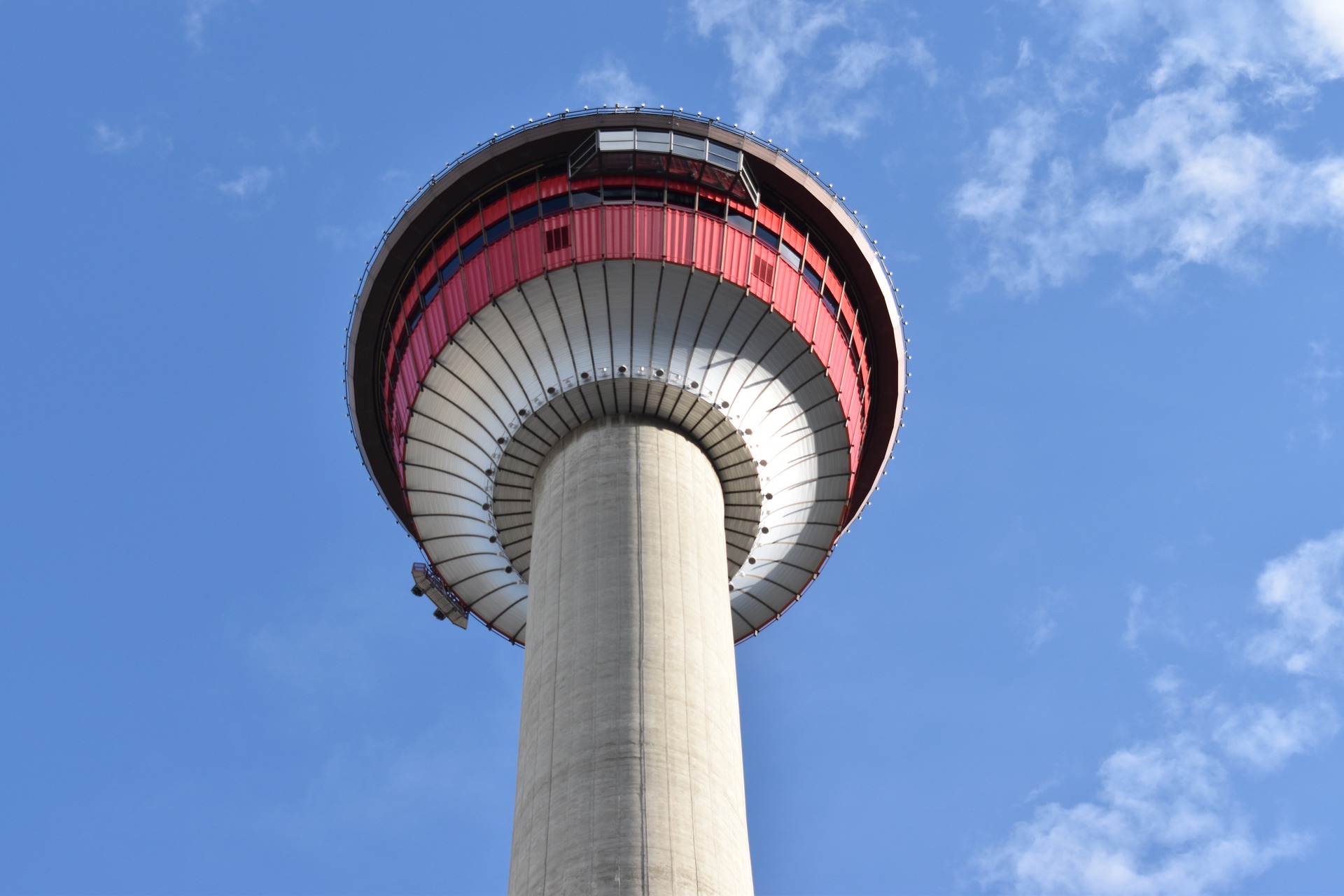
The City of Niagara Falls
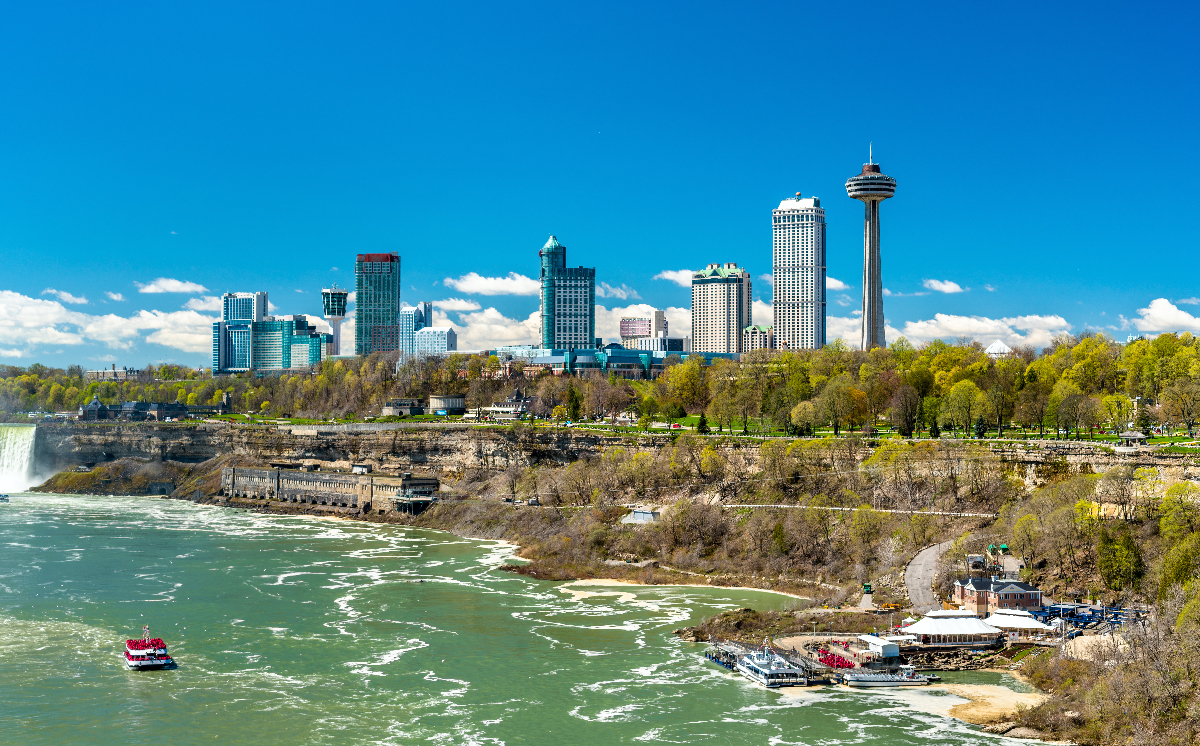
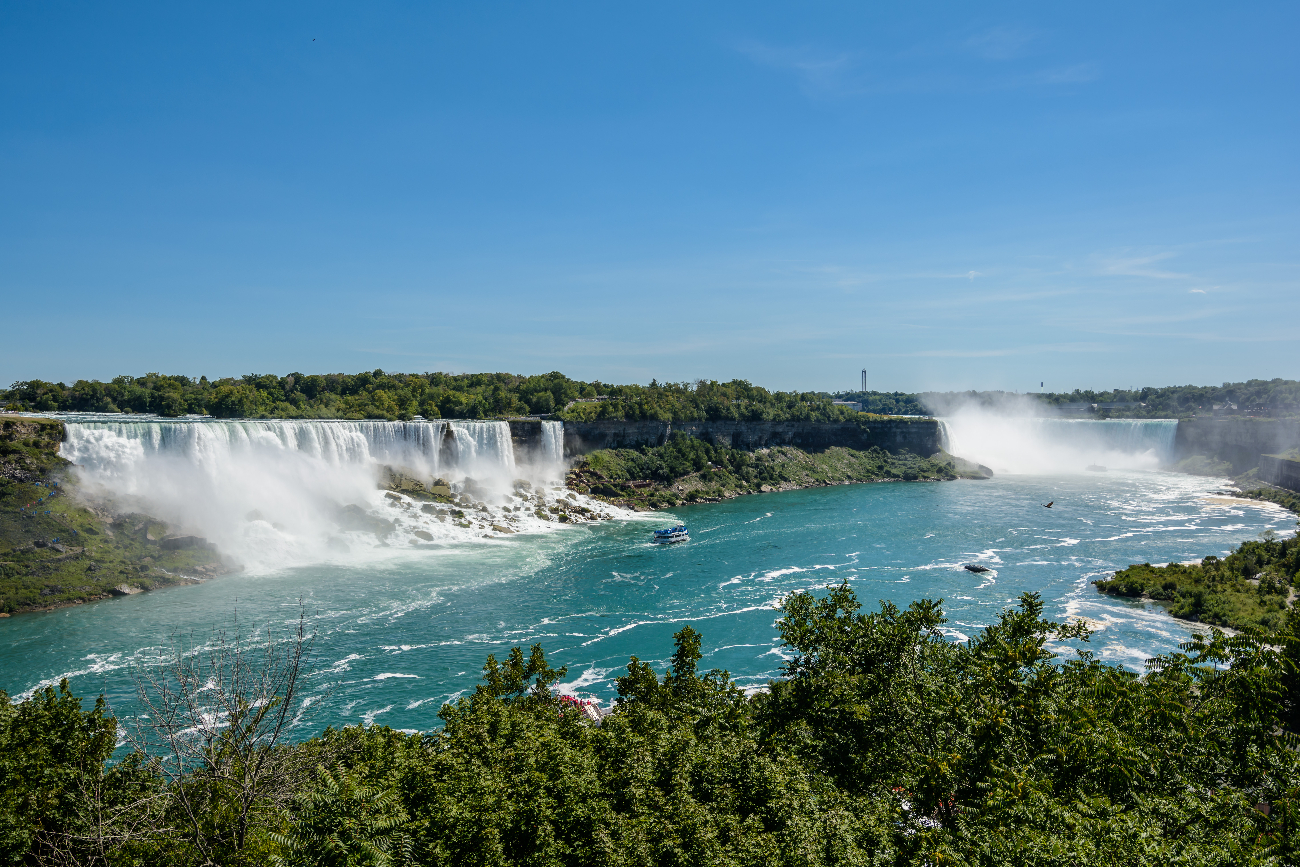
Niagara Falls is a group of three waterfalls at the southern end of Niagara Gorge, spanning the border between the province of Ontario in Canada and the state of New York in the United States. The largest of the three is Horseshoe Falls, also known as Canadian Falls, straddles the international border of the two countries. The smaller American Falls and Bridal Veil Falls lie within the United States. Formed by the Niagara River, which drains Lake Erie into Lake Ontario, the combined falls have the highest flow rate of any waterfall in North America. Niagara Falls is famed for its beauty and is a valuable source of hydroelectric power. Balancing recreational, commercial, and industrial uses has been a challenge for the stewards of the falls since the 19th century. Niagara Falls is located 17 miles northwest of Buffalo, New York and 75 miles south-southeast of Toronto, between the twin cities of Niagara Falls, Ontario and Niagara Falls, New York. The city is a fun, touristy city with nice hotels and restaurants and fun for people of all ages.
Tourist Attractions
Niagara Falls
Horseshoe Falls
Journey Behind the Falls
Skylon Tower
Niagara Skywheel
Whirlpool Aero Car
Clifton Hall Street of Fun Downtown
Niagara Parkway
Butterfly Conservatory
Bird Kingdom
Niagara-on-the Lake
Whitewater Walk
Other Tourist Attractions
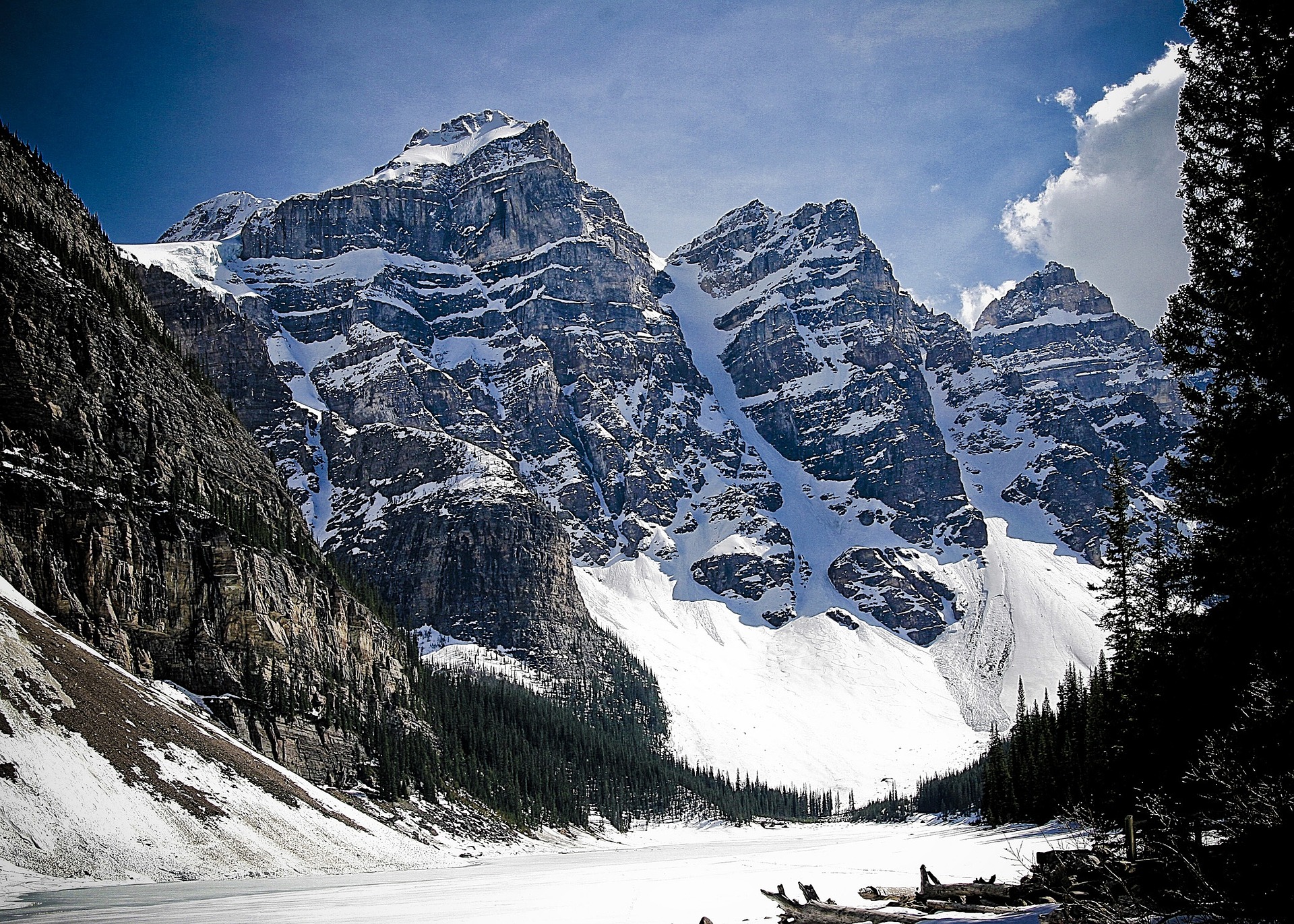
The Canadian Rockies: When visiting the Canadian Rockies you will travel through the provinces of British Columbia and Alberta. By road or bay train the scenery is breathtaking with its snow-capped peaks such as Mount Robson. Lakes, waterfalls and National Parks are a great attraction to all tourists. Banff and Lake Louise are the main resorts to visit this part of Canada.
Whistle Ski Resort 2 hours from Vancouver
St. John’s Signal Hill Natural History Site
Polar Bear Migration Manitoba
Vancouver Island
Bay of Fundy
Newfoundland
Nova Scotia
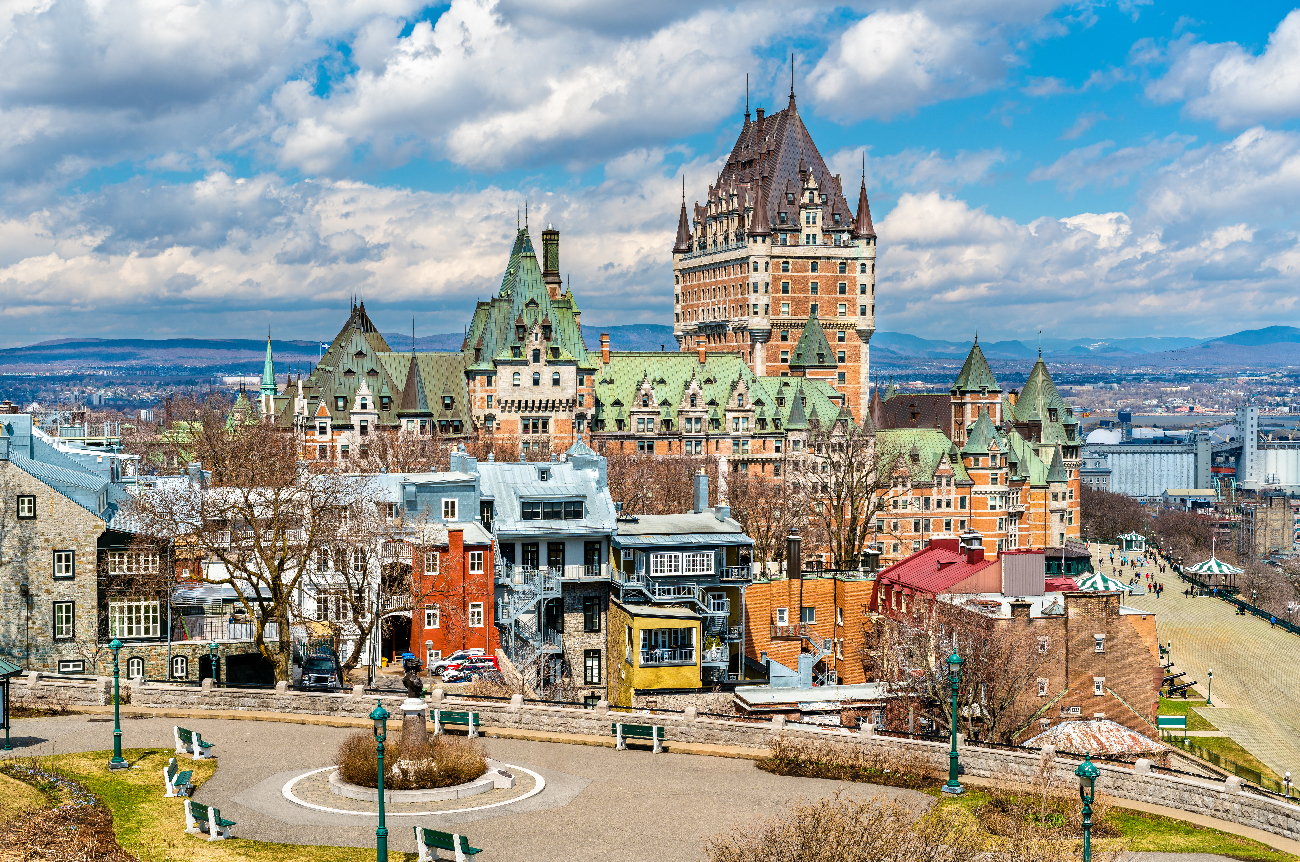
Old Quebec UNESCO Heritage Site
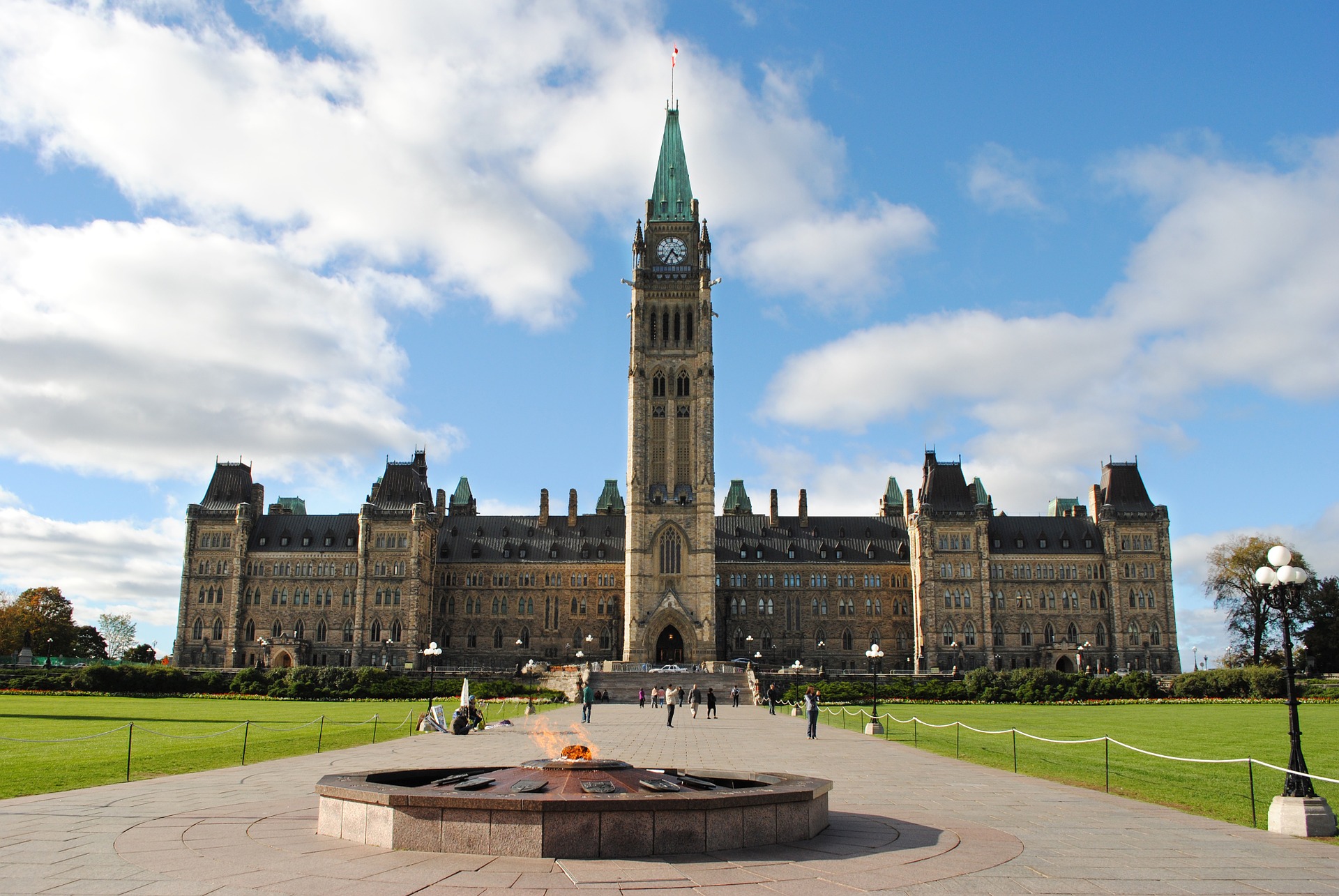
Ottawa’s Parliament Hill
No Tour Found
No Tour Found