


A long and lively past is making Cataluña very unique and its recent battle for independence has attracted the world’s attention.
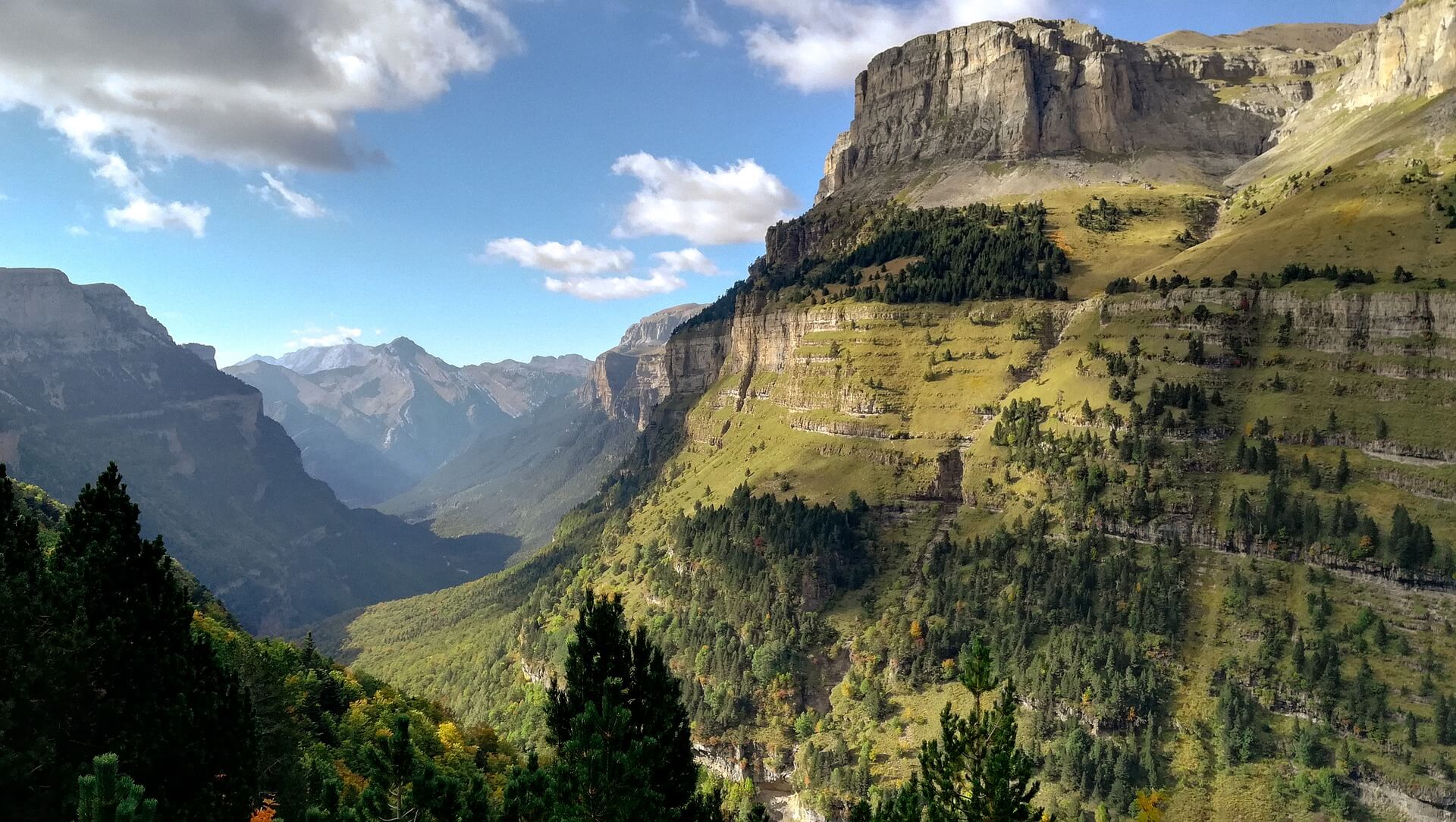
Catalonia, in the NE corner of Spain, is surrounded by the Pyrenees, Aragon and the Mediterranean sea. The Ebro and its affluent waters keep the region green and well irrigated. The rocky Coast in the North traverses bays and inlets along the Costa Brava but leaves space for long sandy golden beaches in the south along the Costa Dorada. Close to the coat, the dry and sunny Mediterranean climate is quite enjoyable. More inland, in the Catalan sierras the winters are harsh. Catalonia is overall an industrial region centered on Barcelona, which is Spain’s major port.
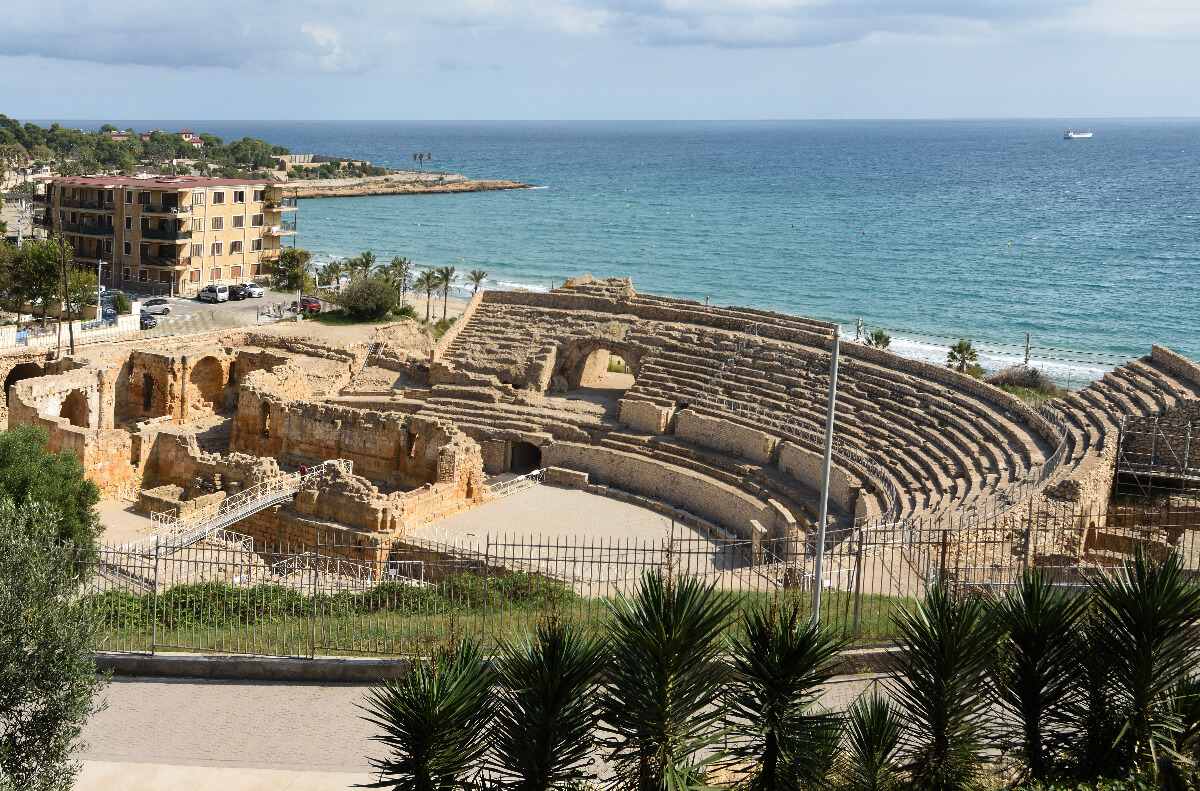
Due to its position, Cataluña has had a succession of invaders from Greece, Carthage and Rome. The Roman made Tarragona their capital. Moors followed but were repulsed with the help of Charlemagne. Then thanks to trading, Cataluña became rich and powerful and often fought for its autonomy. During the civil war the Catalans were mostly republicans and separatists. The region became a vast battlefield and by 1939 the nationalist won and provincial autonomy was abolished. Under the rule of Franco, Catalan radio and newspapers were abolished. People were forbidden to speak their language. However in 1977 the new provincial autonomy was reinstated.
Catalan is derived from the old French “langue d’Oc” ; it is also spoken in French Catalonia across the Pyrenees. It is a rich language with a living literature; the actual Spanish Constitution recognizes it as the official language of the Province.
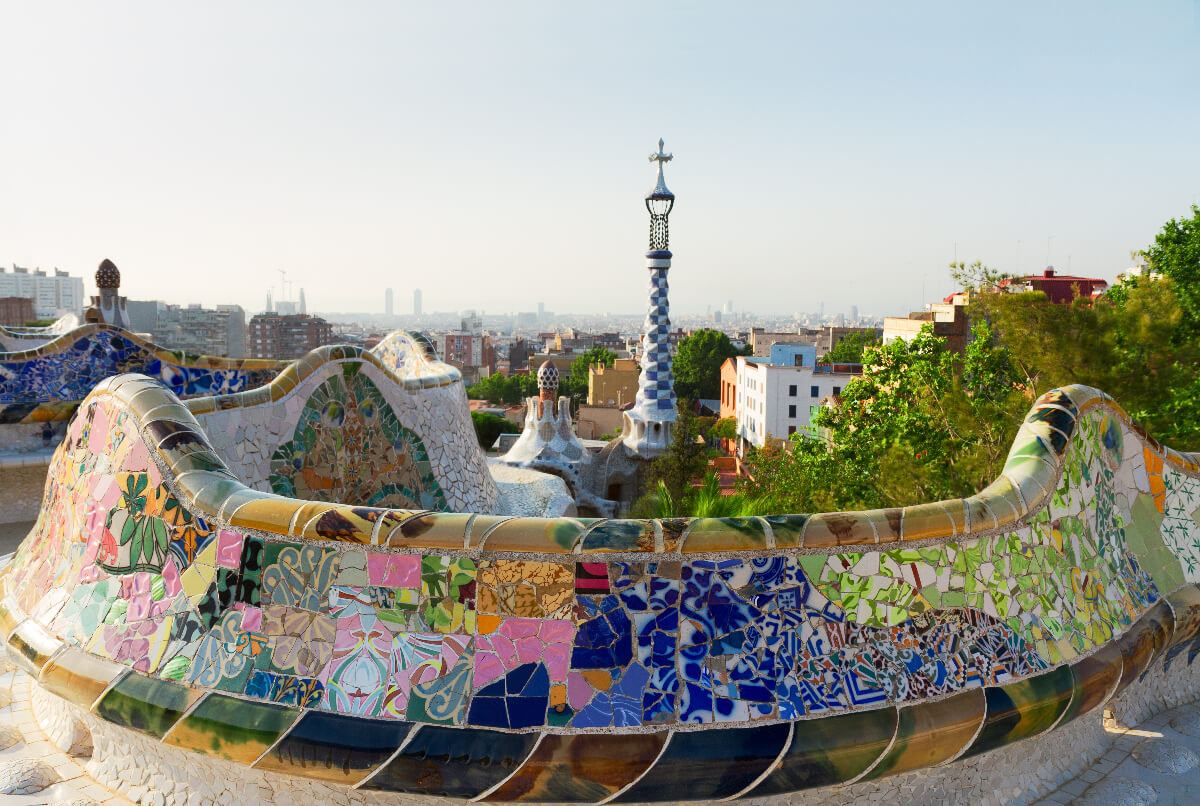
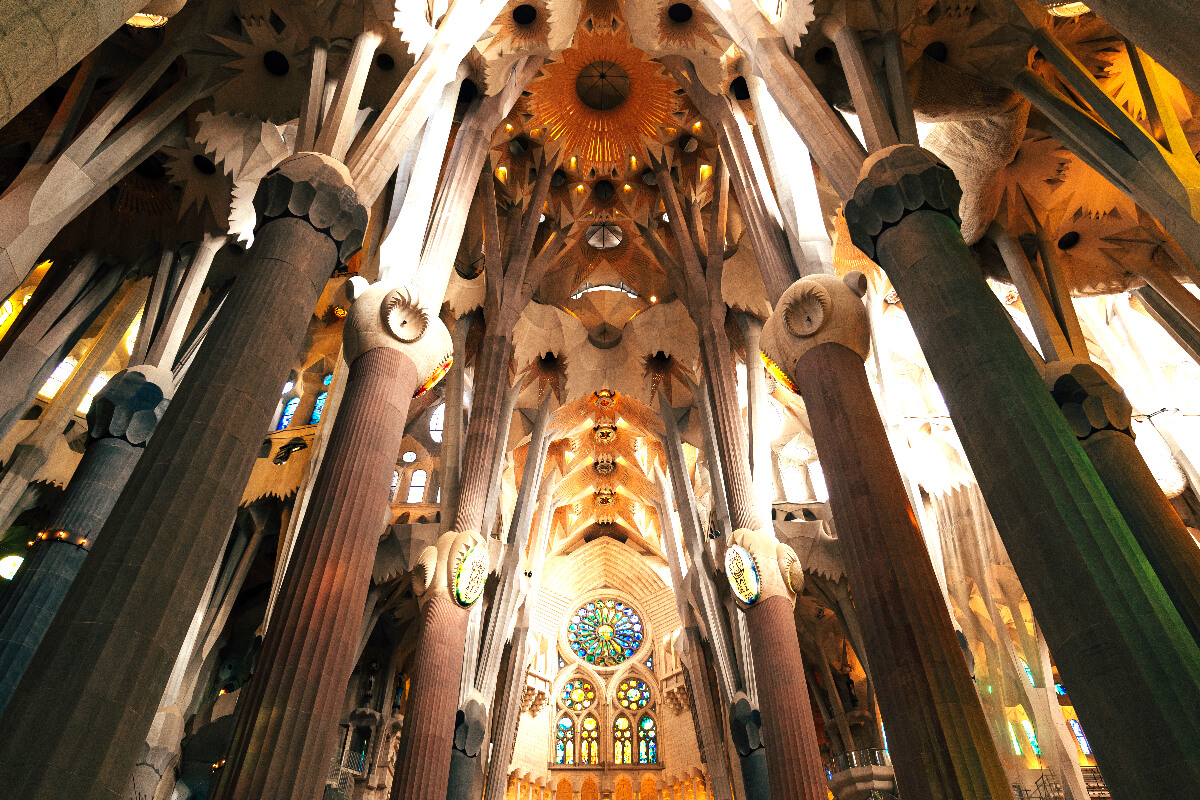
Romanesque Catalan Art is found in every Pyrenean valley and Gothic followed keeping an ideal of simplicity. The architect Gaudi became a symbol of Catalan Art. His masterpiece, the Sagrada Familia is an unfinished church, like none other. Local artists from the early 20th century, such as Picasso, Miro,and Dali, used to meet in Barcelona and got their world fame later in other parts of the world. The “Sardana” accompanied by flute and drums is danced in circles, on most Sunday mornings, in front of Barcelona Cathedrals and anyone can join and learn. In Sitges, processions walk on carpets of flower petals during the festival of Corpus Christi. Valls the Xiquets takes place in festivals, it is a human pyramid, up to 6 levels, which needs year round training.
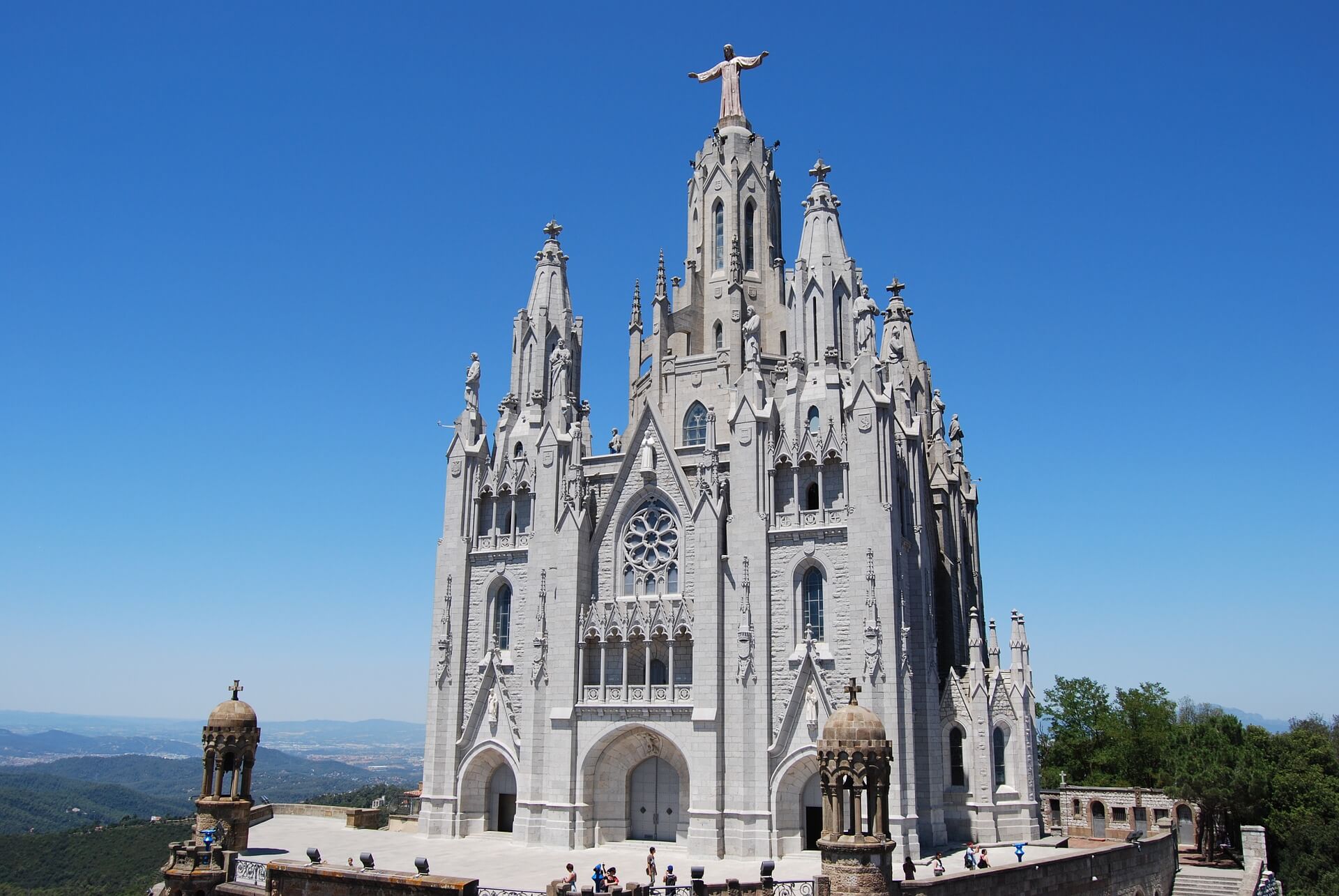
Barcelona is the Capital of the province, the 2nd largest city in Spain and one of the largest ports in the Mediterranean. Industrial, commercial, and touristic, Barcelona offers so much to the visitor that a whole week may be necessary to appreciate all it offers to the curious traveler. A circle of hills, including Mont Juic and the Tibidabo have not limited the expansion of the metropolis which was founded in the 3rd century, BCE by Carthaginiens who gave the city the name of Barcino.
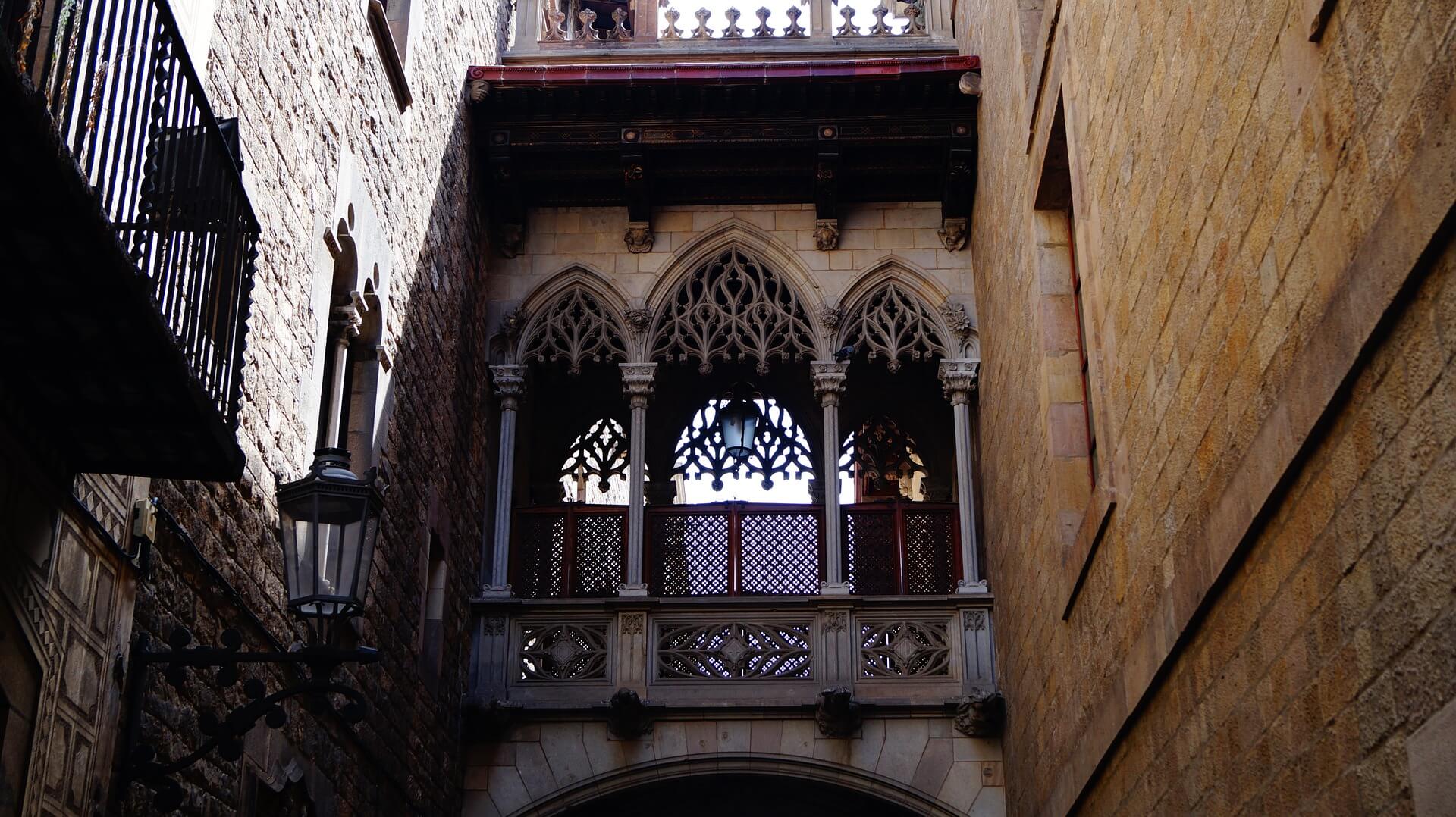
The Barrio Gotico, or Gothic quarter, keeps remains dating from the Romans but developed mostly between the 13th and 15th century. The Cathedral is from this period and is worth an inside visit. Other buildings from the same time are now used as museums or public service offices such as the Provincial Council or Palau de Generalitat. While in the Barrio Gotico it is time for a visit to the Picasso Museum. The Artist moved to Barcelona when he was around 9, went to Art school there and left for Paris when he was 19.
A castle was built on the hill of Montjuic and the castle terraces still offer an extended view over the city and the harbor. Several s Museumsare found on Mont Juic. The Museum of Catalonian Art with a splendid collection of Romanesque and gothic art coming from many small churches of the province. The Archeological Museum is remarkable for its exhibit of Spanish megalithic civilization. The Spanish Village gives samples of all the various Spanish architecture; as you walk along the streets and squares you will find regional craftsmen at work and souvenirs related to each region. The Joan Miro’s foundation.
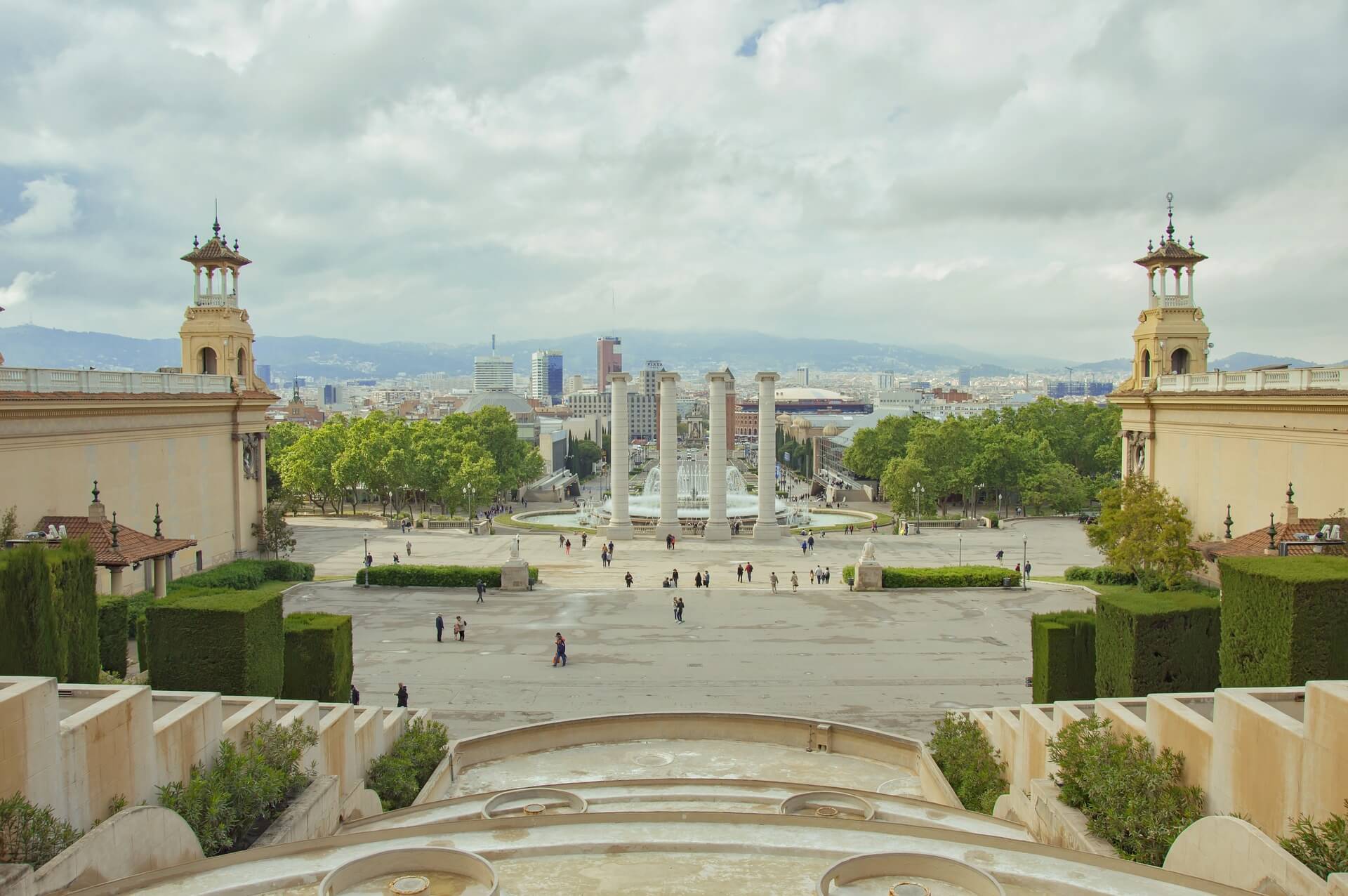
Returning at night to see the illuminated fountains of MontJuic there is a great evening promenade. The free show takes place Thursdays, Saturdays and Sundays, 9:00 PM to midnight in the summer and 8 PM to 11 PM in the winter. (schedule subject to change).
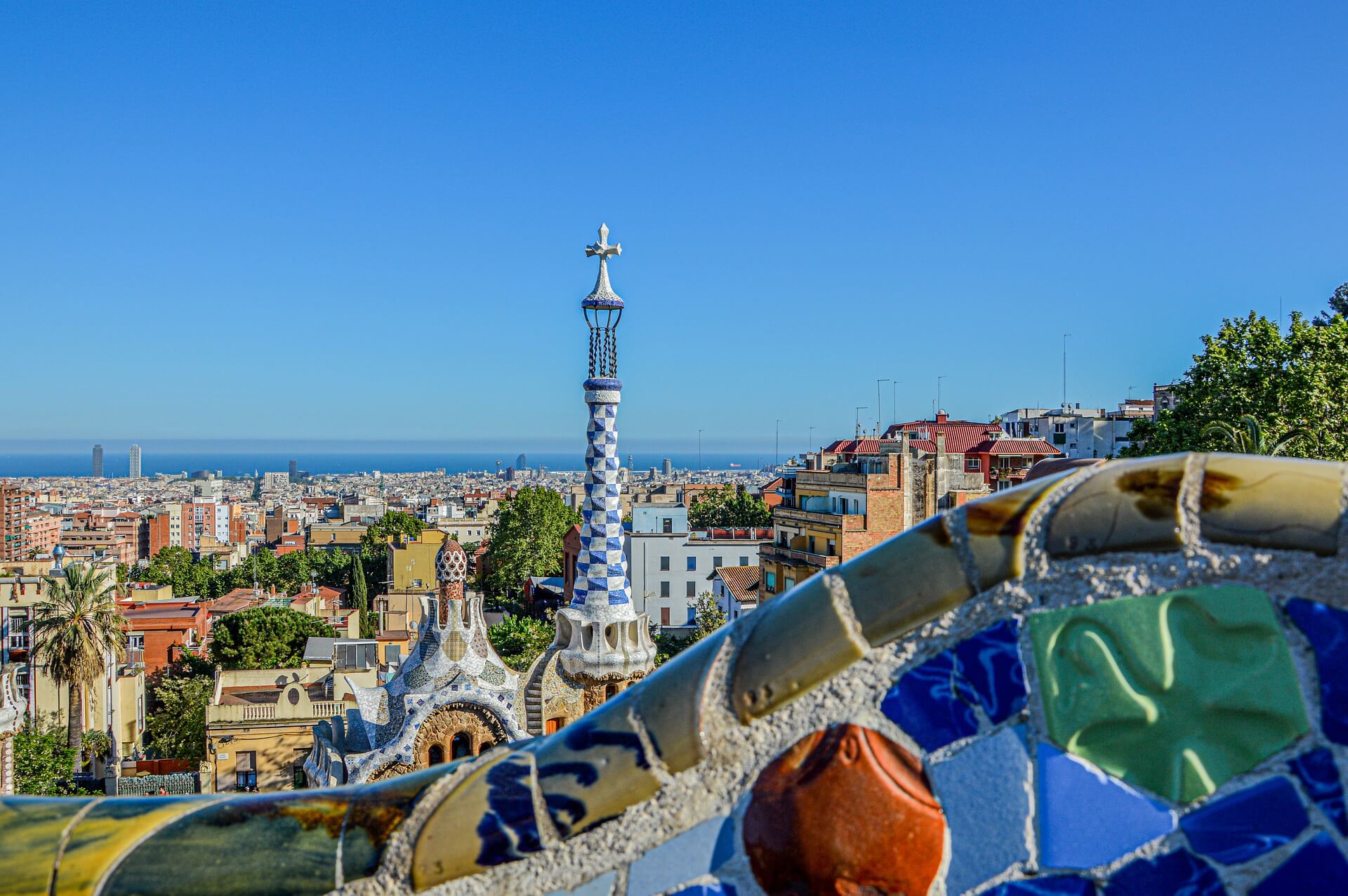
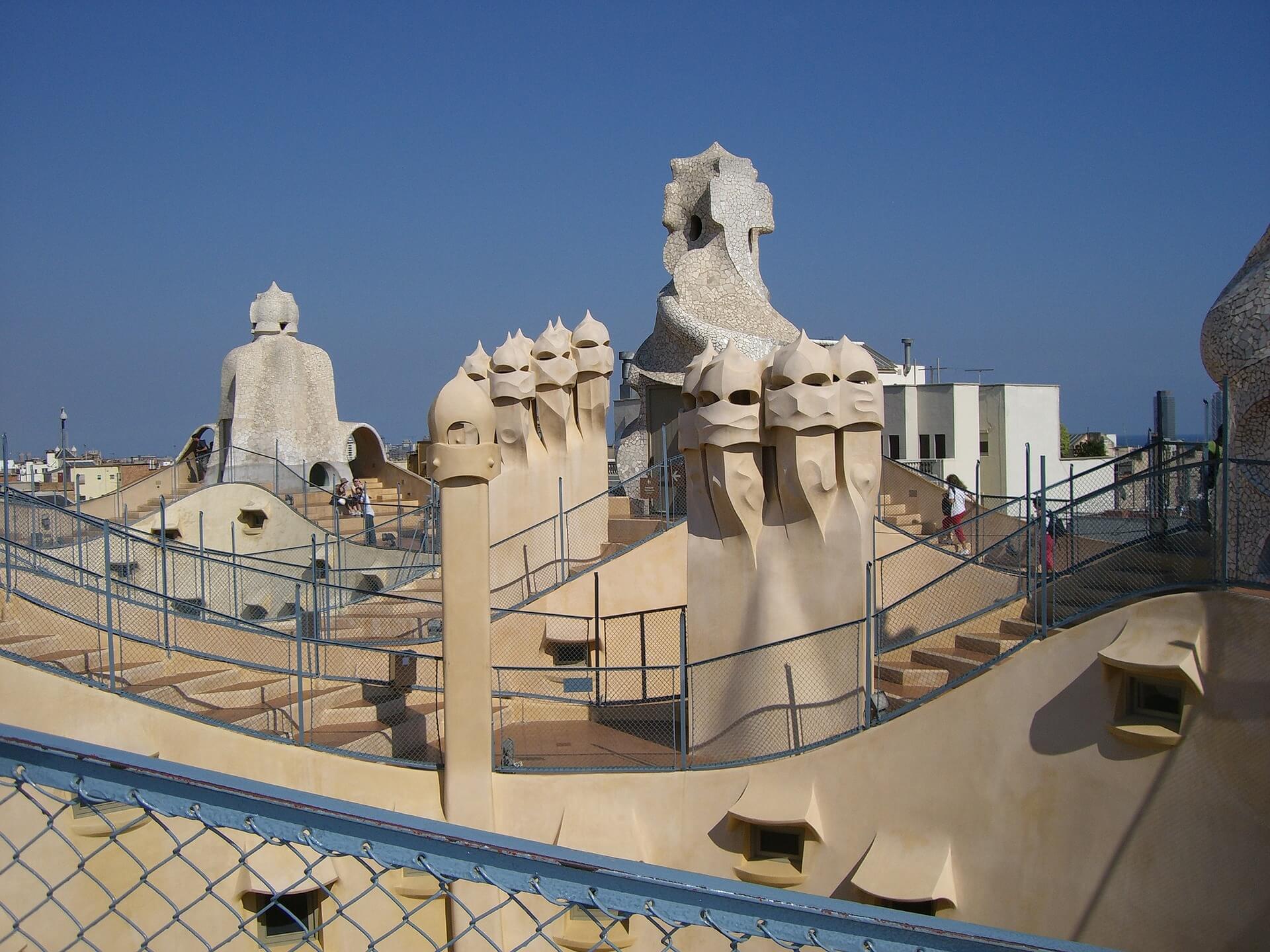
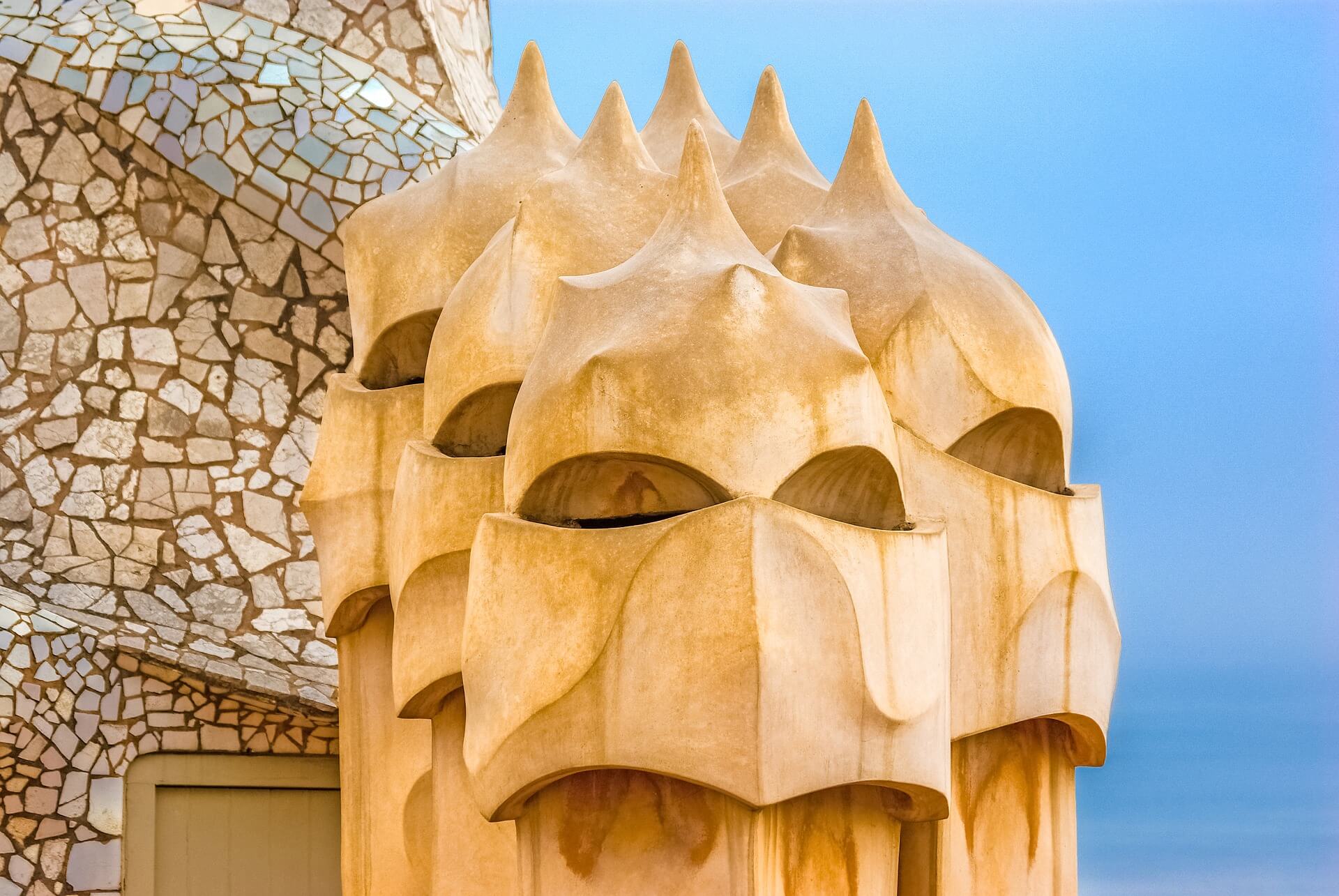
It will take a full day and you may need a private guide to know and understand better the surrealistic imagination of Antonio Gaudi. You could start with “Parque Guell”, which originally was intended to be a planned city of 60 buildings but the sudden death of the architect ended the project and only 2 houses were finished. Then you can see either Casa Batlo or Casa Mila, also named La Pedraza. These two apartment buildings from 1906 are very good examples of Gaudi’s very unique style. We recommend you book tickets in advance to avoid the long lines at the entrance of the Sagrada Familia. The Church is the masterpiece of Gaudi who was a very religious man. The ongoing construction is continuing and intends to be finished for the 100 anniversary of his death.
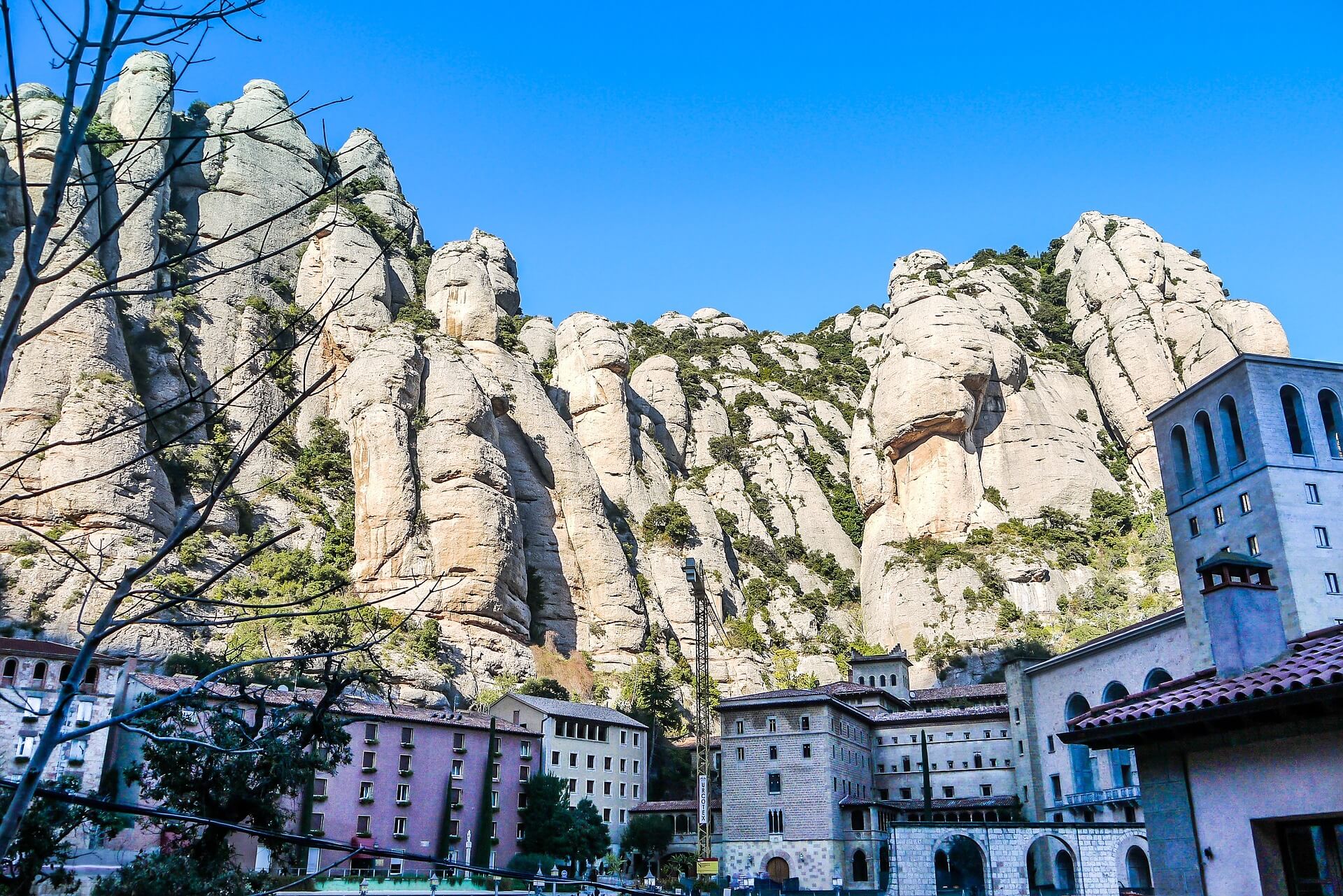
The Sierra de Montserrat is a mountain where everyone will sense a very high energy level. The setting of these mountains inspired Wagner when he composed his opera, “Percival”. The erosion has formed a scenic panorama of boulders, steep cliffs and weird pinnacles, which produce a spectacular scenery where a day excursion will be no disappointment, especially on a sunny day when the light is vibrant.
The Benedictine monks came here in the 9th century. and as the monastery developed, the community grew and became richer until it was sacked by the French in 1812.
From the 12th century, the Black Madonna, patron of Cataluña attracts thousands of pilgrims and the boy choir, one of the oldest in Europe, dating from the 13th century can be heard in the basilica every day at 12 noon.
A picnic in the mountains, after a hike along the trails, will be a wonderful experience after an easy train ride leaving from Plaza de Cataluña.
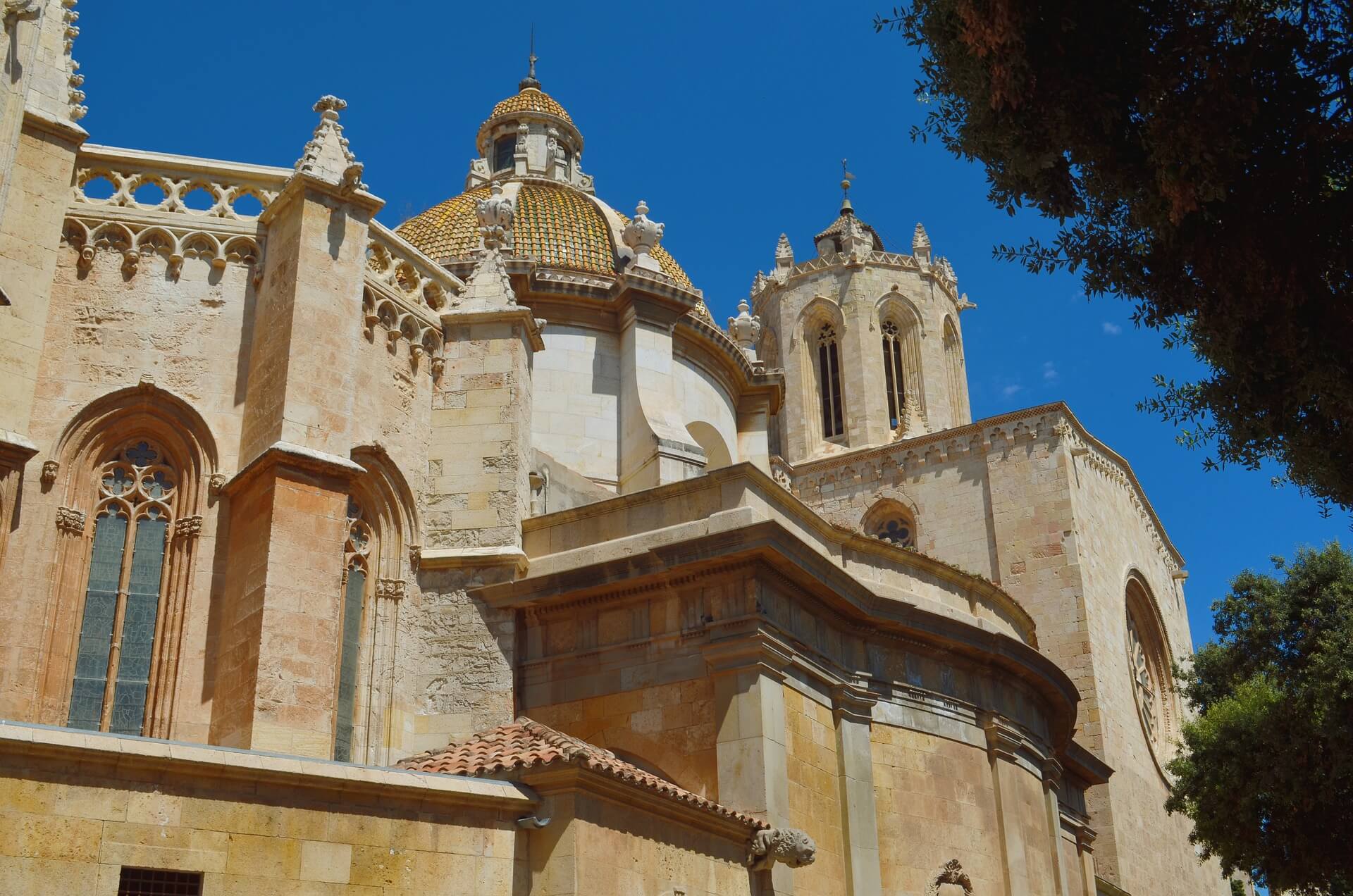
Tarragona is a city of great interest with multiple reminders from the Antiquity and the Middle Ages. The sea front is very attractive as it partially follows the cliff’s side, then a pleasant promenade which circles the old city, the Palace of Augustus and the cathedral.
Roman Tarragona followed a millennium old Eastern Mediterranean civilization, which built the first ramparts made of enormous cyclopean blocks of stone.
As a major city of the Roman Empire it equaled Rome but it enjoyed the same privileges as an imperial city where Augustus and Hadrian came and lived.
In the 12th century., the Cathedral was erected over the site of the Temple of Jupiter and the altarpiece of St. Thecia, dedicated to the patron of Tarragona reminds us the conversion of the Saint, by Saint Paul. Adjacent is in the cloister from the 12th and 13th centuries.
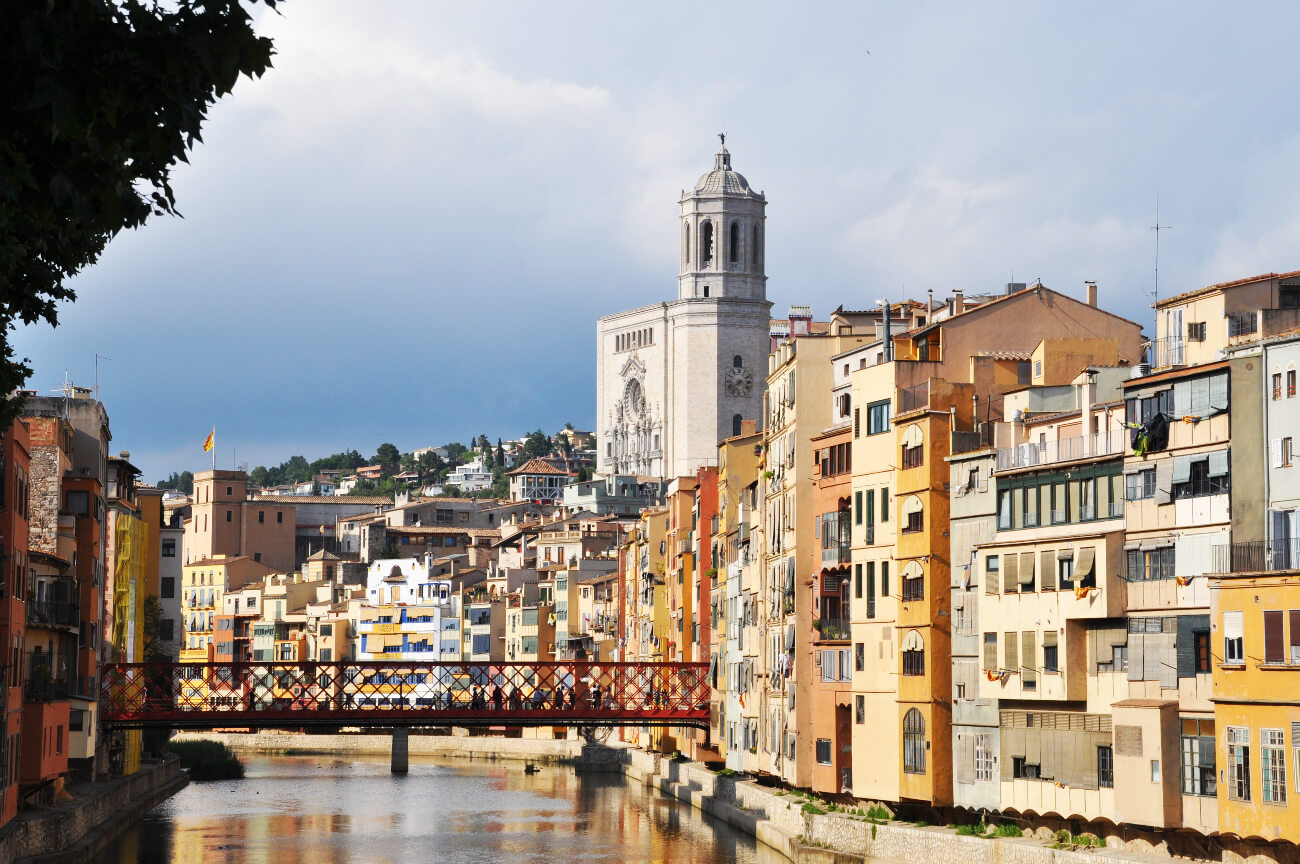
As a strategic point between the Pyrenees and Barcelona, Girona is known as the “city of a thousand sieges.” The ramparts were built and rebuilt again and again by the Iberians, the Romans and all through the middle ages. In 1809 it resisted for over seven months against the armies of Napoleon. When visiting Girona, as you stroll along the Alleys and winding narrow streets, you will see the cathedral, the treasury, the “Gate of Sobreportes “, the Collegial Church of St. Feliu, and the Arab Bath.
24 miles north of Girona is the little border town of Figueres where the famous surrealist Catalan artist, Salvador Dali, was born in 1904. The Dali Museum was installed in the former theater. It is a museum that art lovers should not miss.
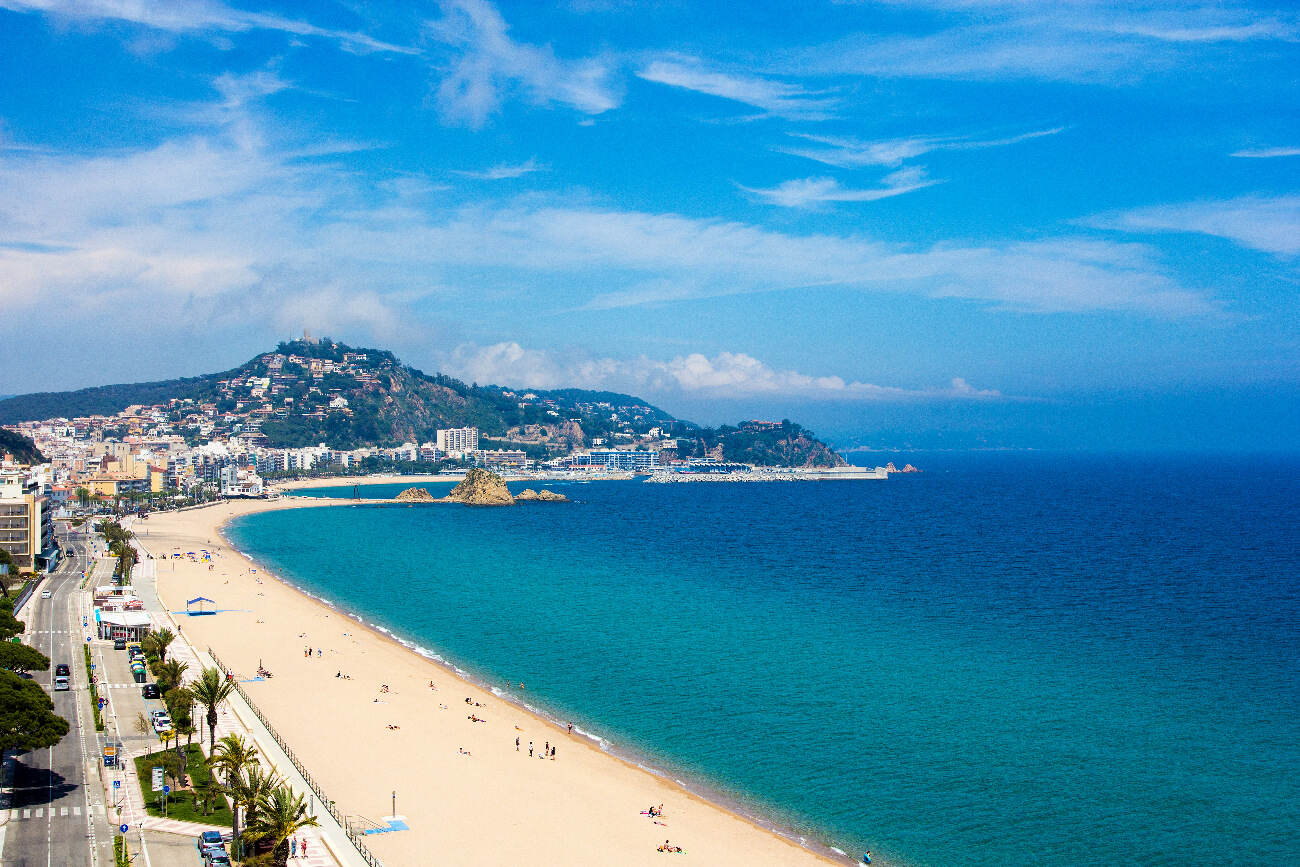
The Spanish name Costa Brava means the Wild Coastline. All along are twisting roads, cliffs and rocks following the coast of the Province of Girona. The fishing villages of this coastal area have become tourist resorts, where a multitude of hotels have been built for winter and summer tourists, such as Rosas, San Feliu de Guixols, Lloret de Mar, Tossa de Mar or Blanes
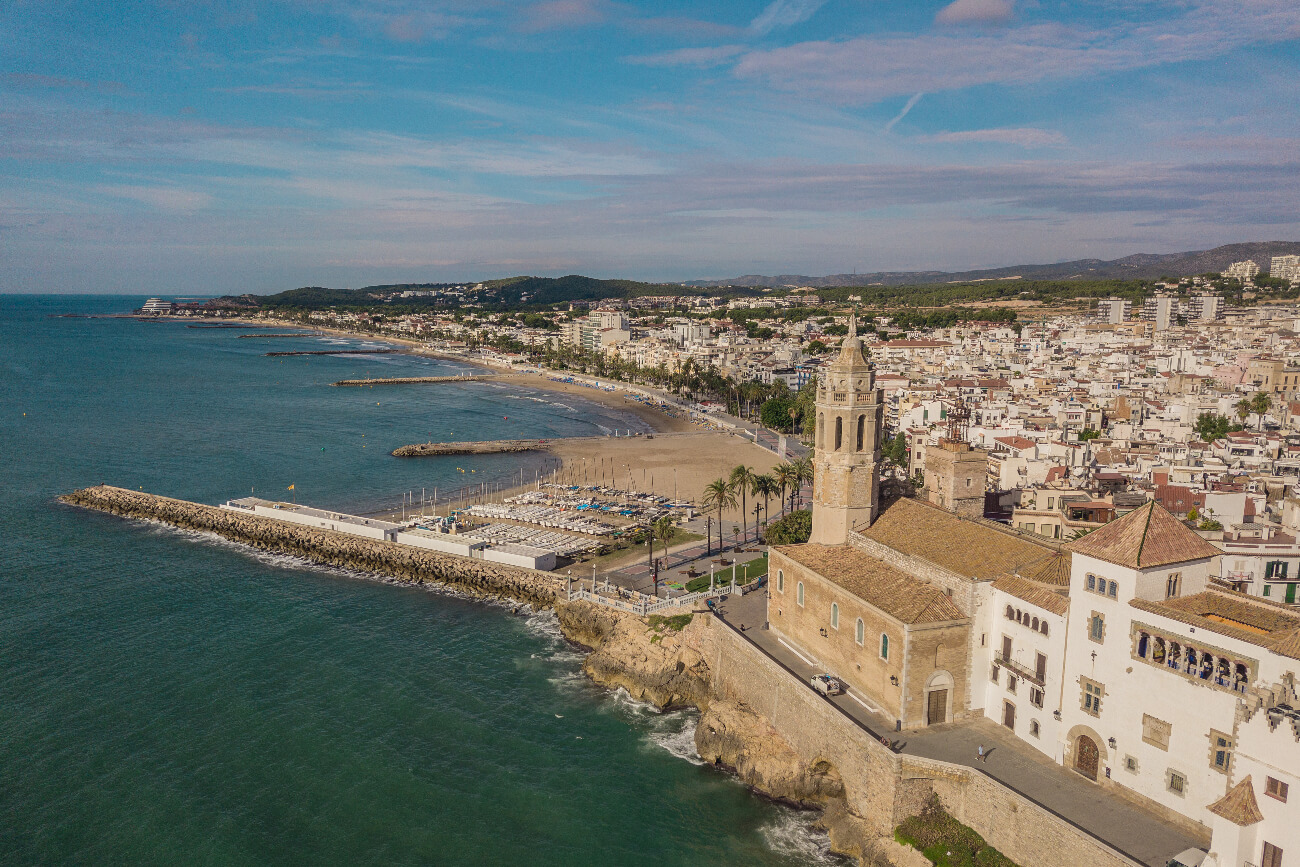
Sitges, in the province of Barcelona, is a picturesque little town with a long sand beach where wealthy Catalan families have built elegant week-end houses in the outskirts of the fishing village where the white houses aligned along the streets are brilliantly decorated with balconies and blooming flowers. Sitges is known for its flowers and the national carnation show held each year, end of May, beginning of June.
No Tour Found