


Chile, is officially the Republic of Chile, and is located in western South America. It occupies a long, narrow strip of land between the Andes Mountains to the east and the Pacific Ocean to the west. Chile covers an area of 291,930 square miles with a population of 17.5 million. It stretches north to south 2,670 miles but, at its widest, is only 217 miles wide. Chile is the southernmost country in the world, the closest to Antarctica, and borders Peru to the north, Bolivia to the northeast, Argentina to the east, and the Drake Passage in the far south. Chile also controls several islands in the Pacific Ocean including Easter Island. The country claims 480,000 square miles in Antarctica under the Chilean Antarctic Territory. Chile’s capital and largest city is Santiago with a population, in its metropolis area, of 5,400,000 and the country’s national language is Spanish.
First human habitation appears about 33,000 years ago and was composed of various tribes of Amerindian populations settling around the Andes Mountains and the Pacific Coast. From 7000 to 1500 BCE the Chinchorro inhabited northern Chile and southern Peru. They were expert fishermen using advanced fishing technology. They used sophisticated scientific techniques to produce and preserve mummies which were thousands of years older than the early Egyptian mummies.
The Incas conquered the area in the 15th century AD. Ferdinand Magellan discovered the Chile region in 1520 and Spain sent an army in 1540 to conquer the area and built the city of Santiago In 1541. Spain conquered and colonized the region in the mid-16th century, replacing Inca rule, but failed to conquer the independent Mapuche who inhabited what is now south-central Chile. The Mapuche and other native groups began a rebellion against Spain in 1553 which continued sporadically until 1683. When Napoleon appointed his brother as King of Spain in 1808 a revolt broke out among the Chilean/Spanish aristocracy and there was armed conflict until 1817. Chile declared its independence in 1818. Chile had a stable authoritarian government and ended the Mapuche resistance in the 1880’s. It fought the War of the Pacific between 1879 and 1883 with Peru and Bolivia and gained its northern territory. Today, Chile is a high-income economy and ranks very high in the Human Development Index. Its population is 90% white or Mestizo and 10% indigenous with 45% of the population Roman Catholic and 15% Protestant. The government is a Unitary Presidential Constitutional Republic.
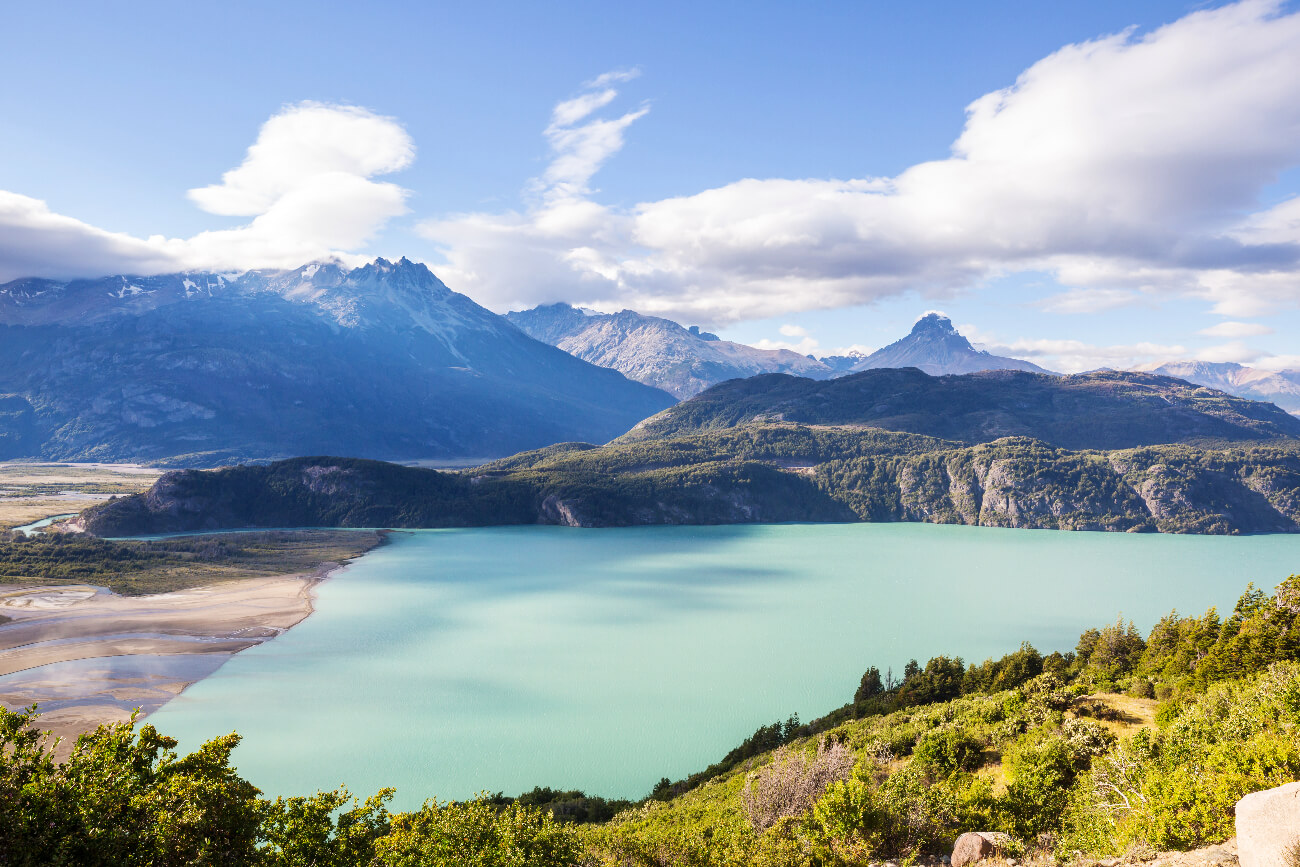
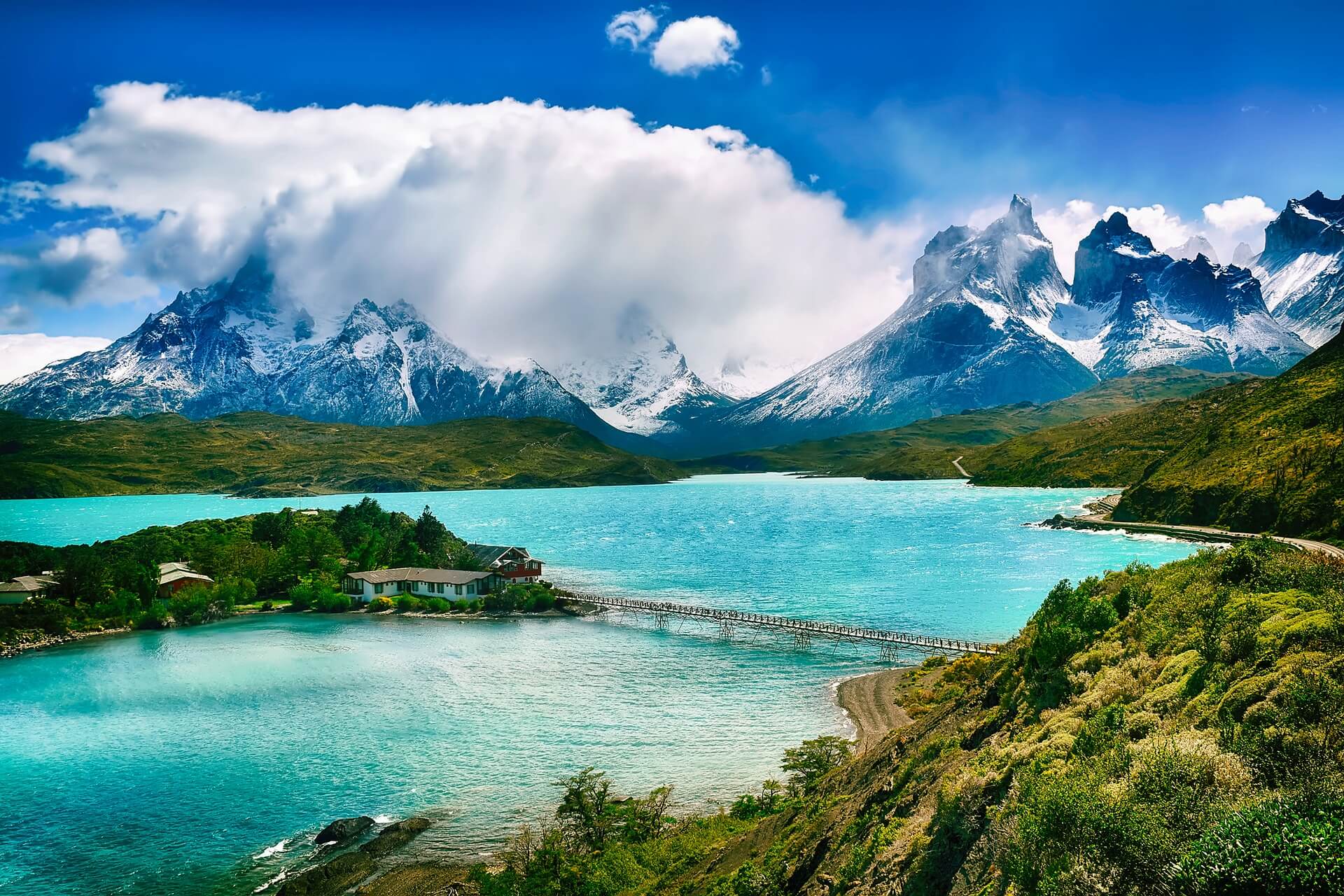
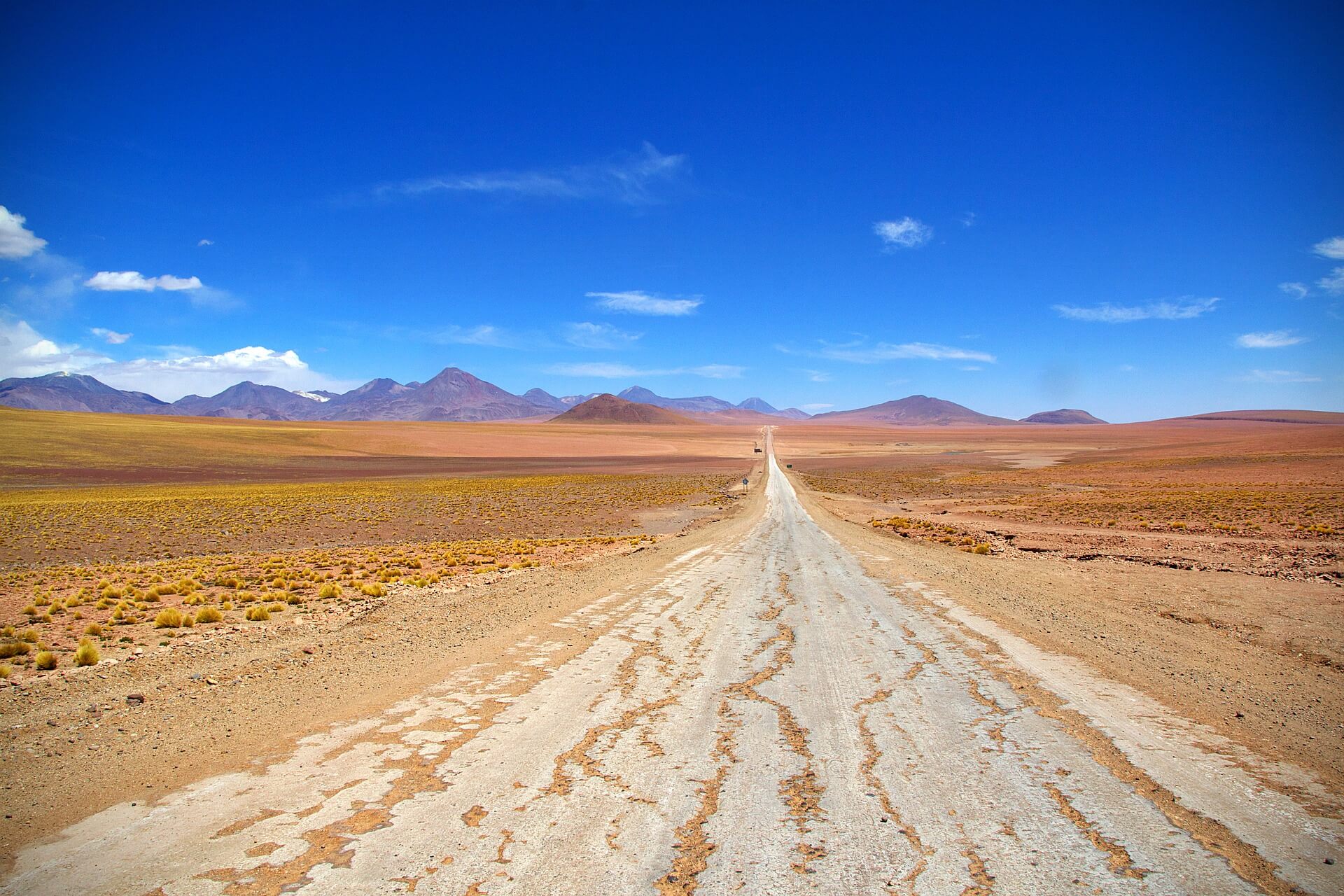
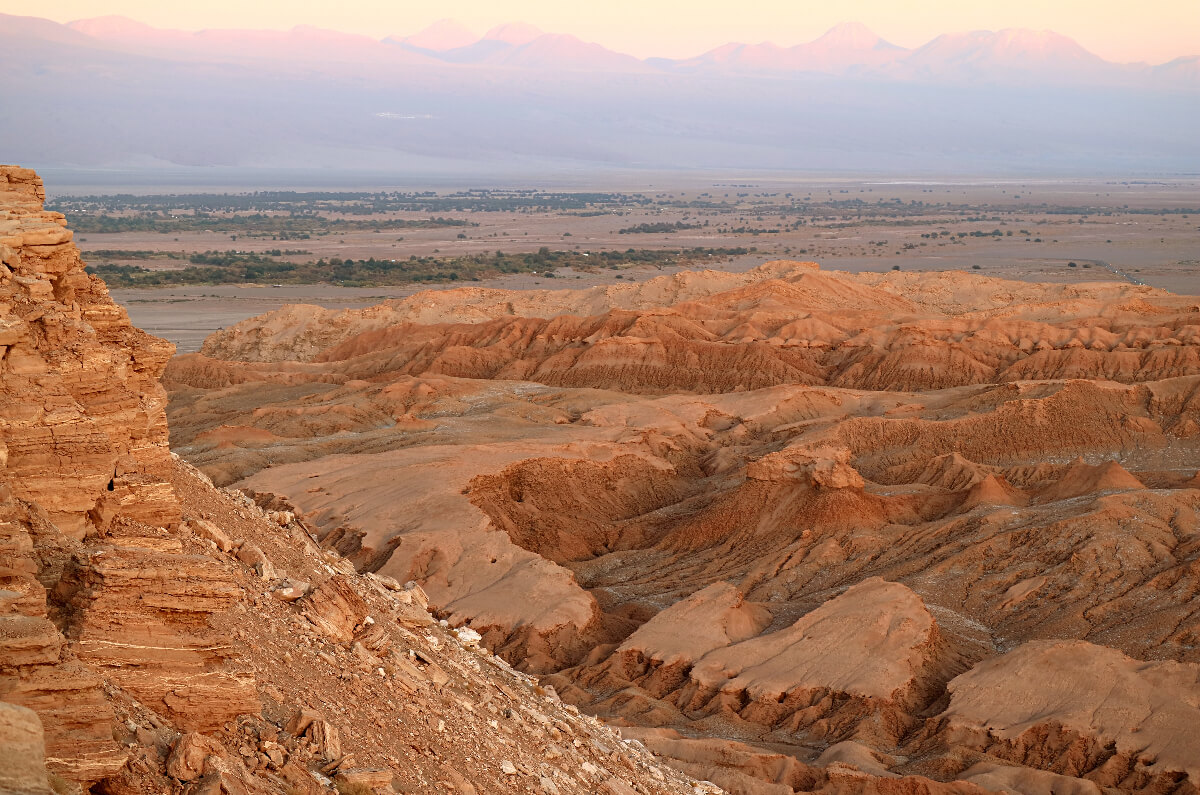
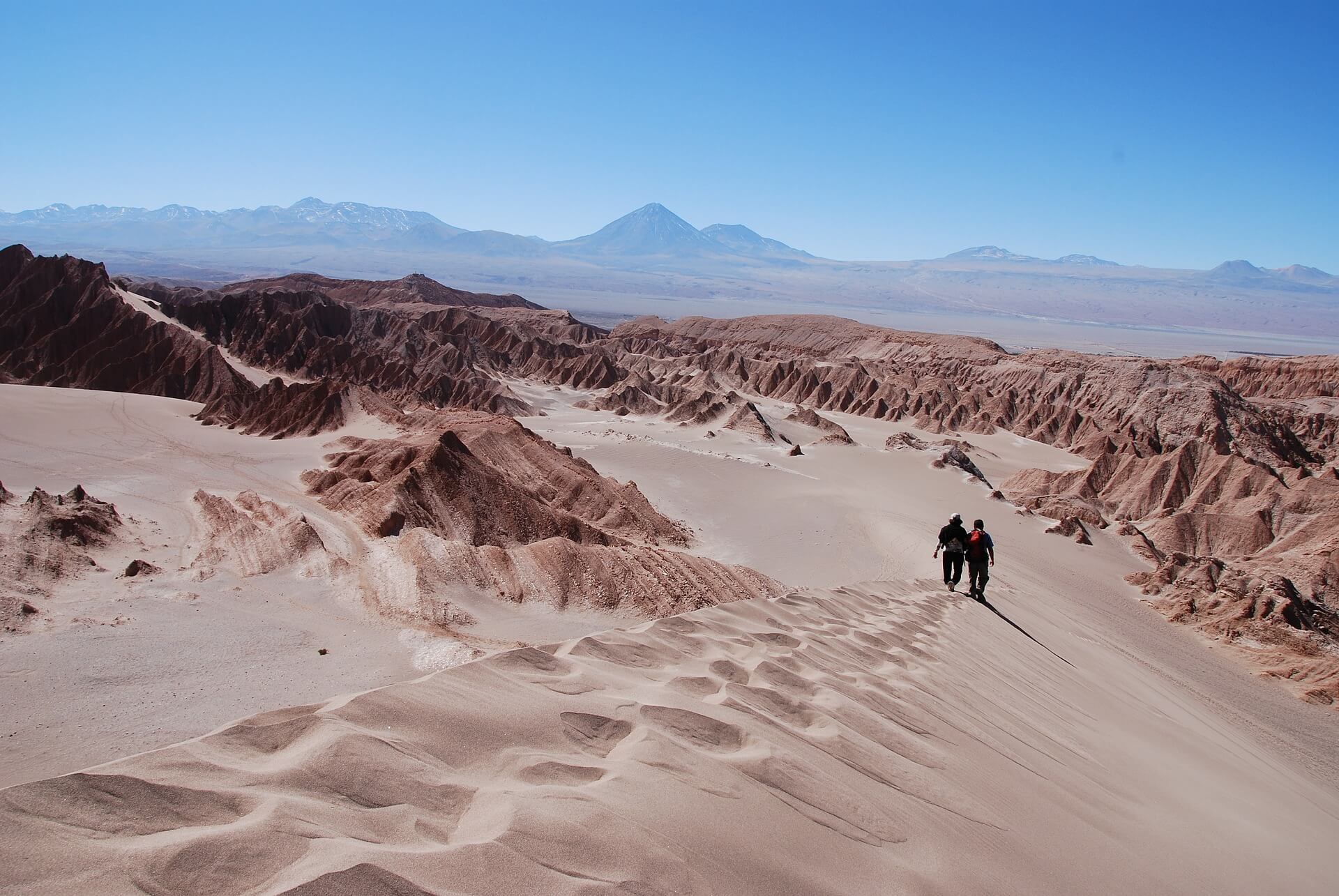
The northern Atacama Desert, which is the driest desert in the world, contains great mineral wealth including copper and nitrates. The relatively small Central Valley includes Santiago and much of the county’s agriculture. Southern Chile is rich in forests, grasslands and has a string of volcanoes and lakes. The southern coast is a labyrinth of fjords, canals, peninsulas, and islands. The Andes Mountain Chain is on the eastern border.
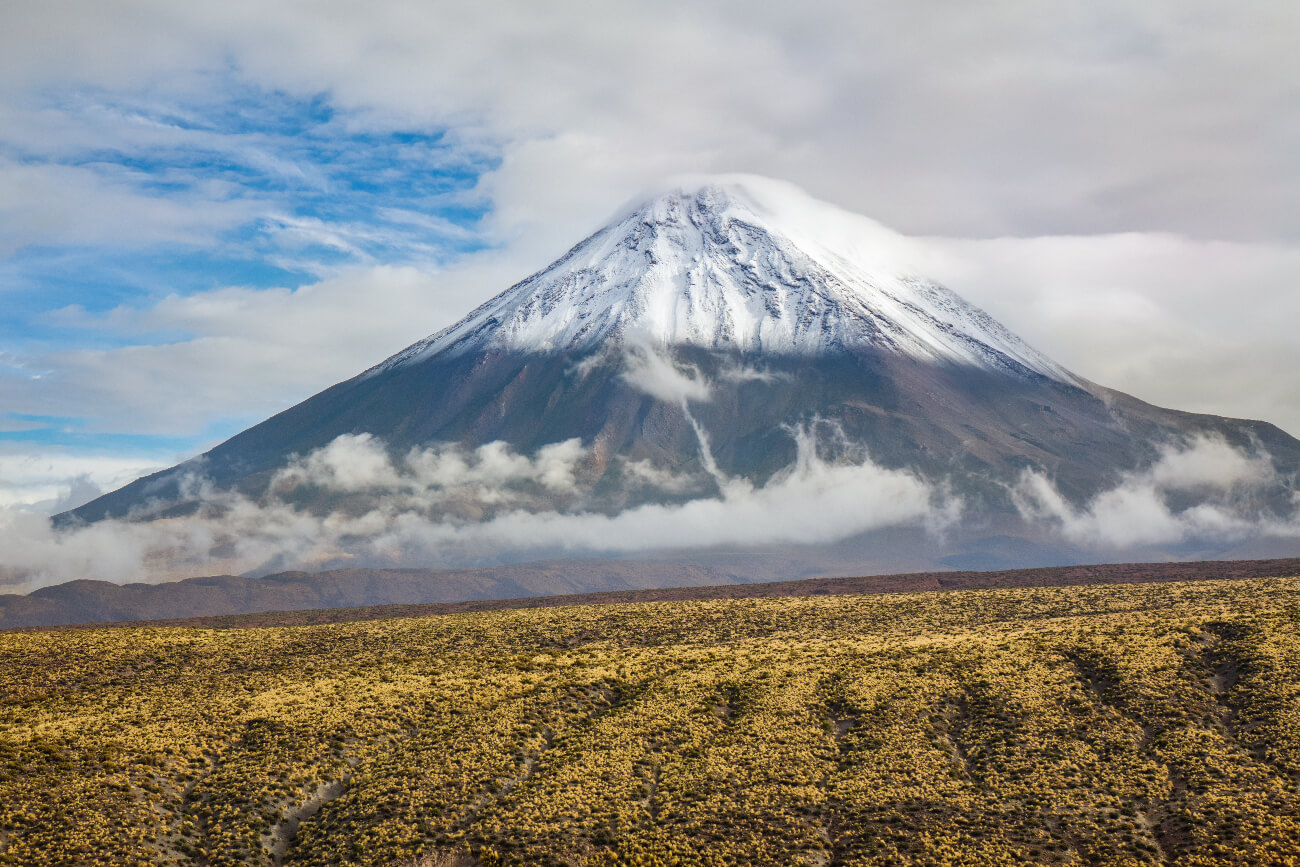
The climate varies greatly with Mediterranean climate in the center and an oceanic climate including Alpine tundra and glaciers in the south and east. The fauna and flora represent a high degree of endemism because they were isolated and contained by the Atacama Desert and the Andes Mountains. Some of the flora originated in the Antarctic when it was attached to South America by a land bridge. Because of the enclosure by the mountains, desert and ocean Chile has fewer species than it s neighbors.
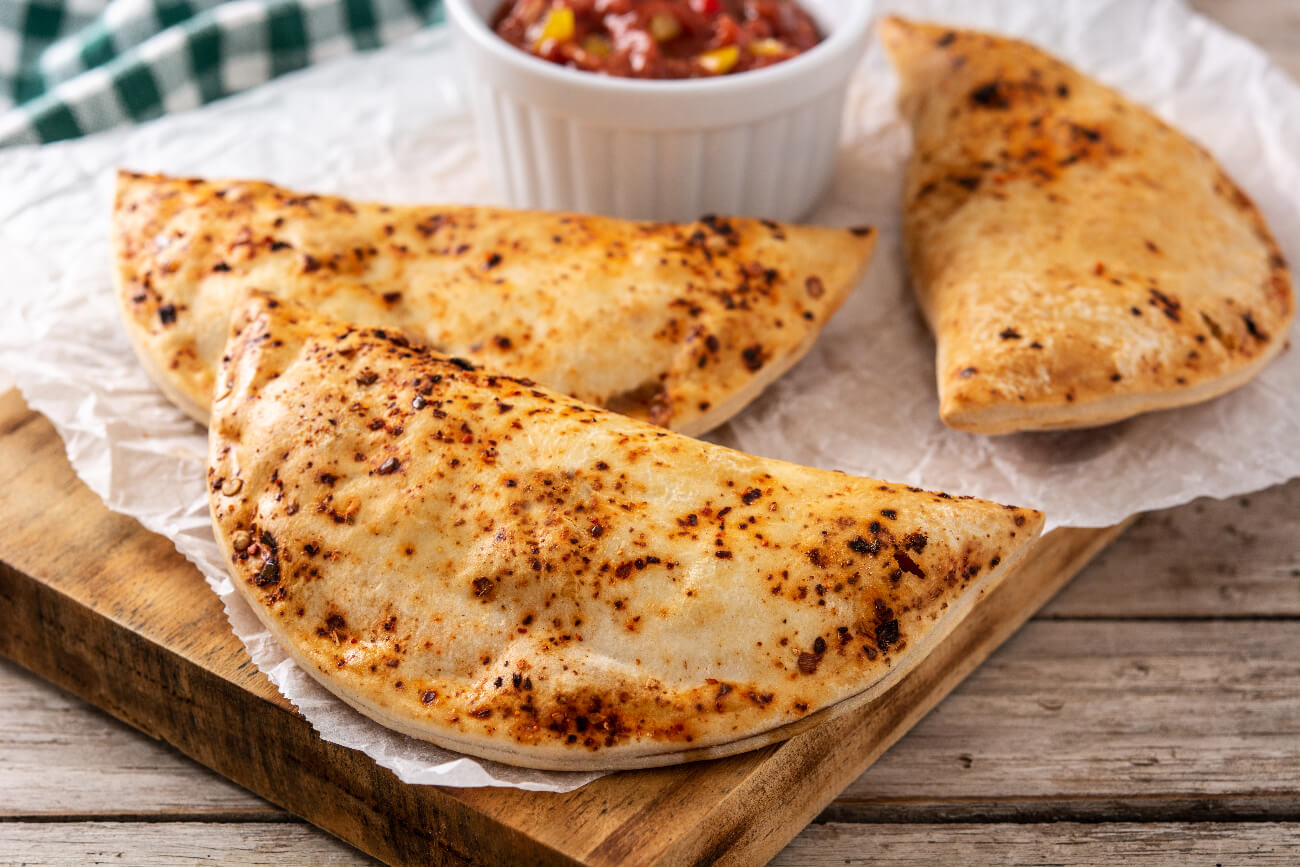
Empanadas Fried or baked dough pastries with filling
Ceviche
Cazuela broth with chicken or meat with potatoes and vegetables
Choripan Grilled sausage
Humitas A pre-hispanic dish similar to a sweet tamale
Mote Con Huesillos A drink with the principal ingredients peach nectar and wheat
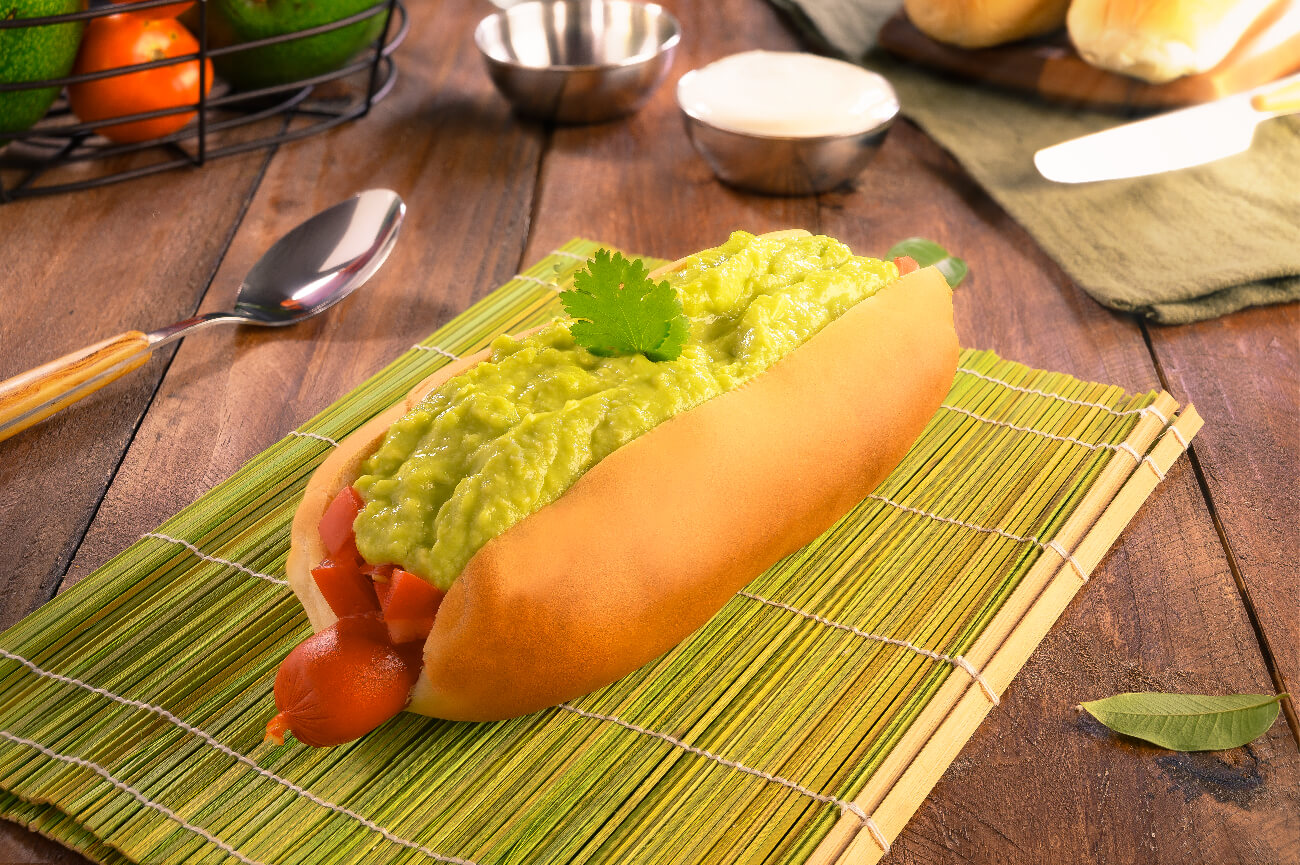
Completo A “loaded hot dog”
Curanto cooked in a pit in the ground on hot stones consisting of meat, potatoes, shellfish, vegetables and dumplings.
Sopapilla Pumpkin flatbread
Pastel de Choclo Corn pudding
Chile is a traditional country where honesty and respect are demanded. Bargaining is frowned upon. Religion and extended family are very important and intertwined. Class structures are strong and financial driven. Catholicism is an important part of Chile culture featuring holidays, colorful festivals and parades. Both native and Spanish/European cultures intermingle in the everyday life of the country.
Santiago
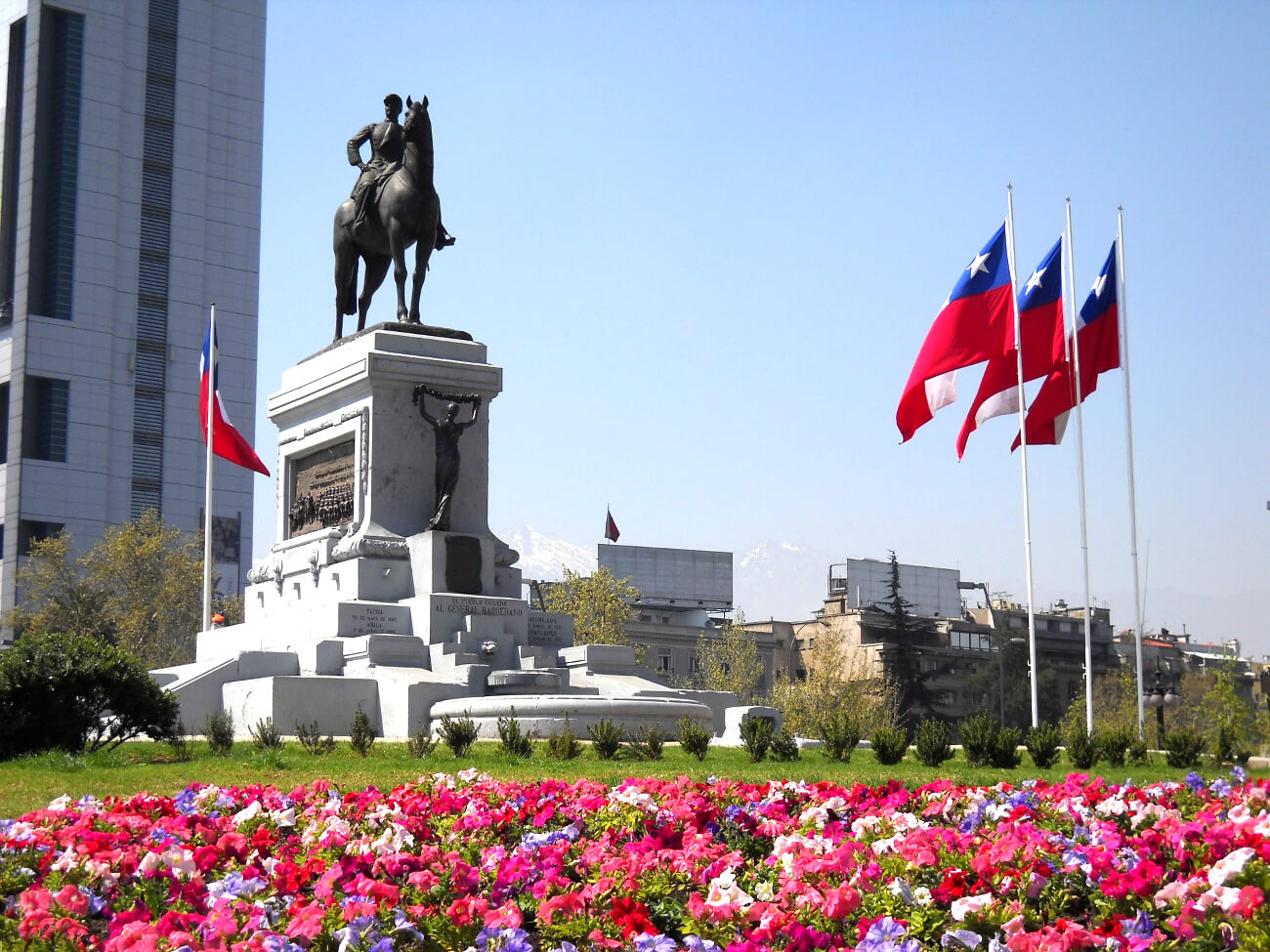
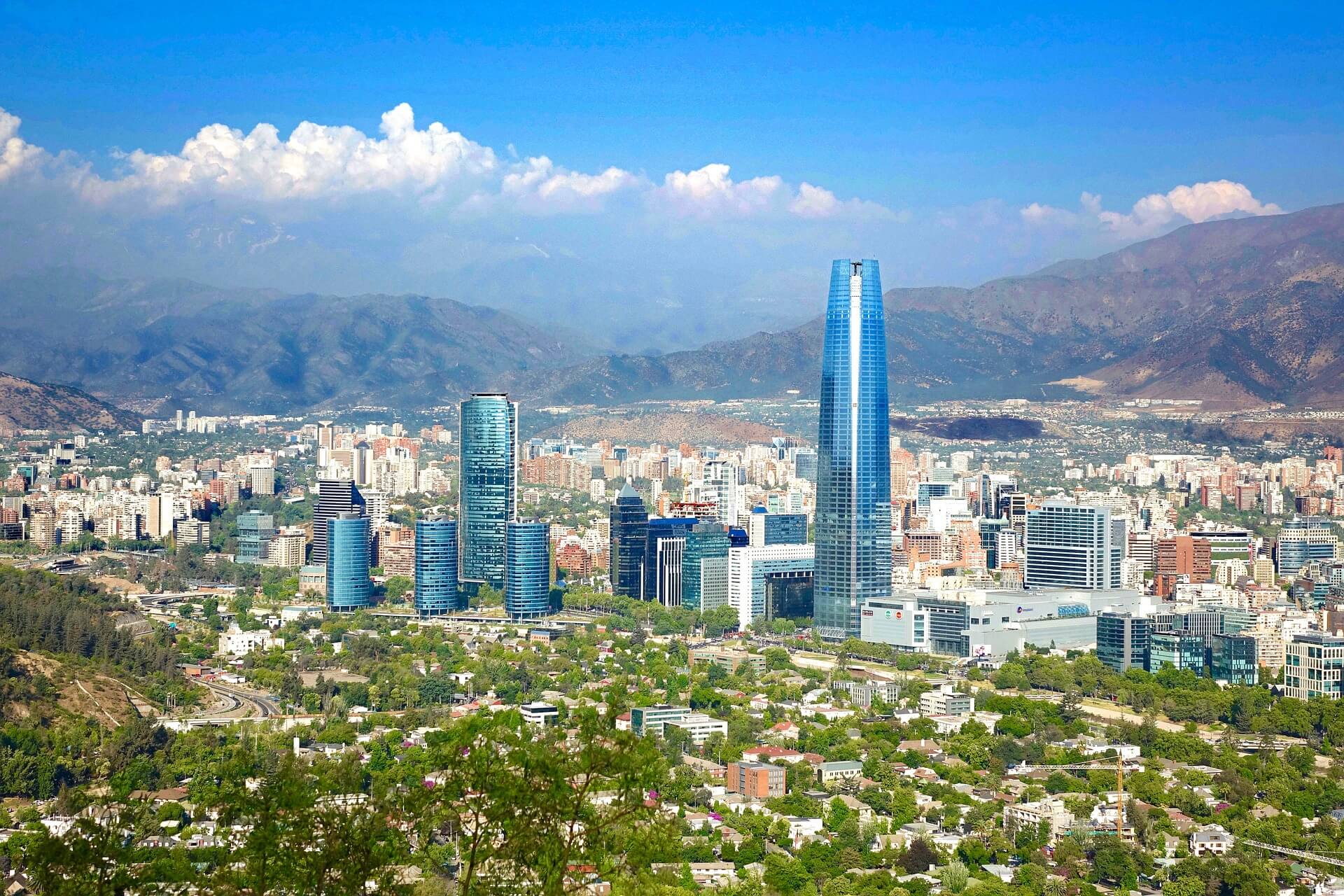
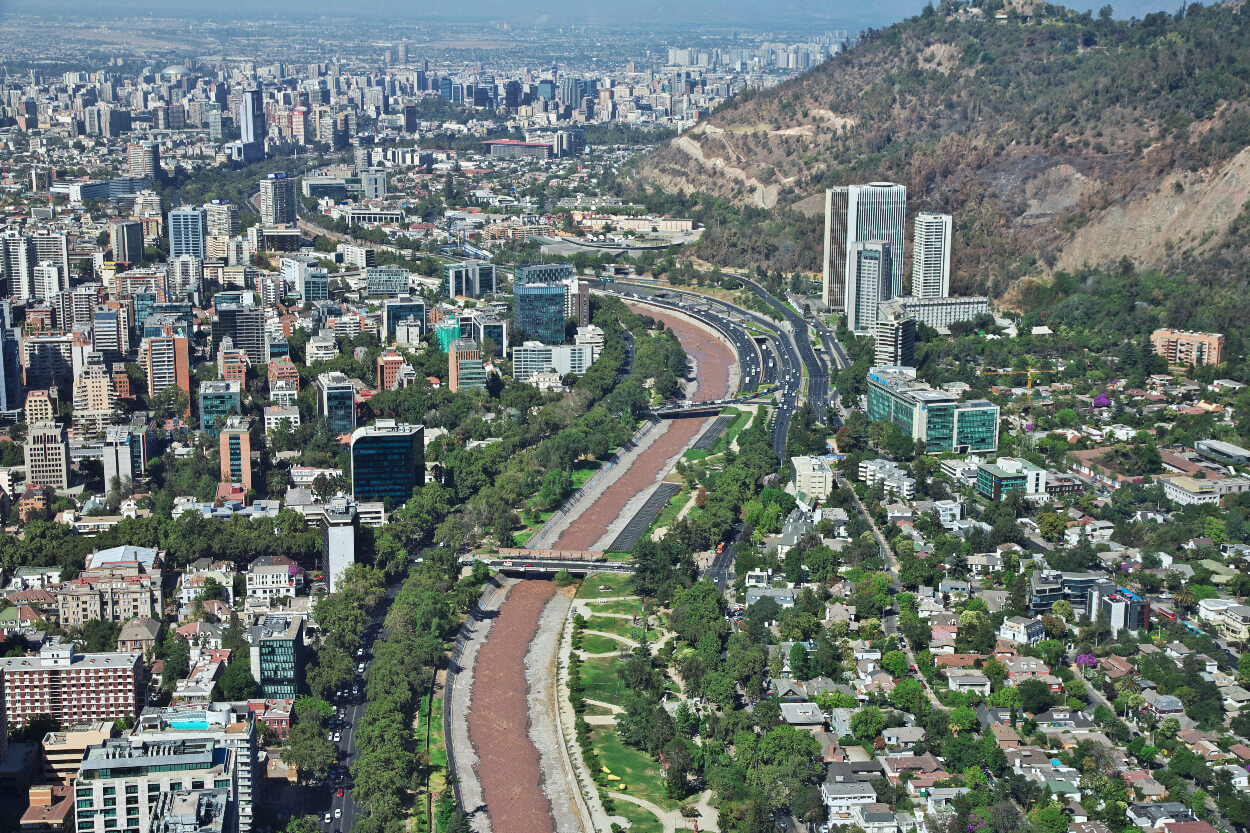
Santiago de Chile is one of the largest cities in South America. It is the center of the Santiago Metropolitan Region whose total population is 8 million of which more than 6 million live in the city’s continuous urban area. It is located in the Central Valley Region. It has been the capital since colonial times. The downtown core is filled with neoclassical architecture with winding streets and alleys dotted by art-deco, neo-gothic and other styles. The cityscape features several stand alone hills and the fast flowing Mapocho River. The city is lined by parks and a view of the Andes Mountains. The city outskirts are surrounded by Vineyards, and the Andes Mountains and Pacific Ocean are only an hour away. It is the financial, cultural and political center of Chile.
Tourist Attractions
Cerro San Cristobal Large green space on hill overlooking the city
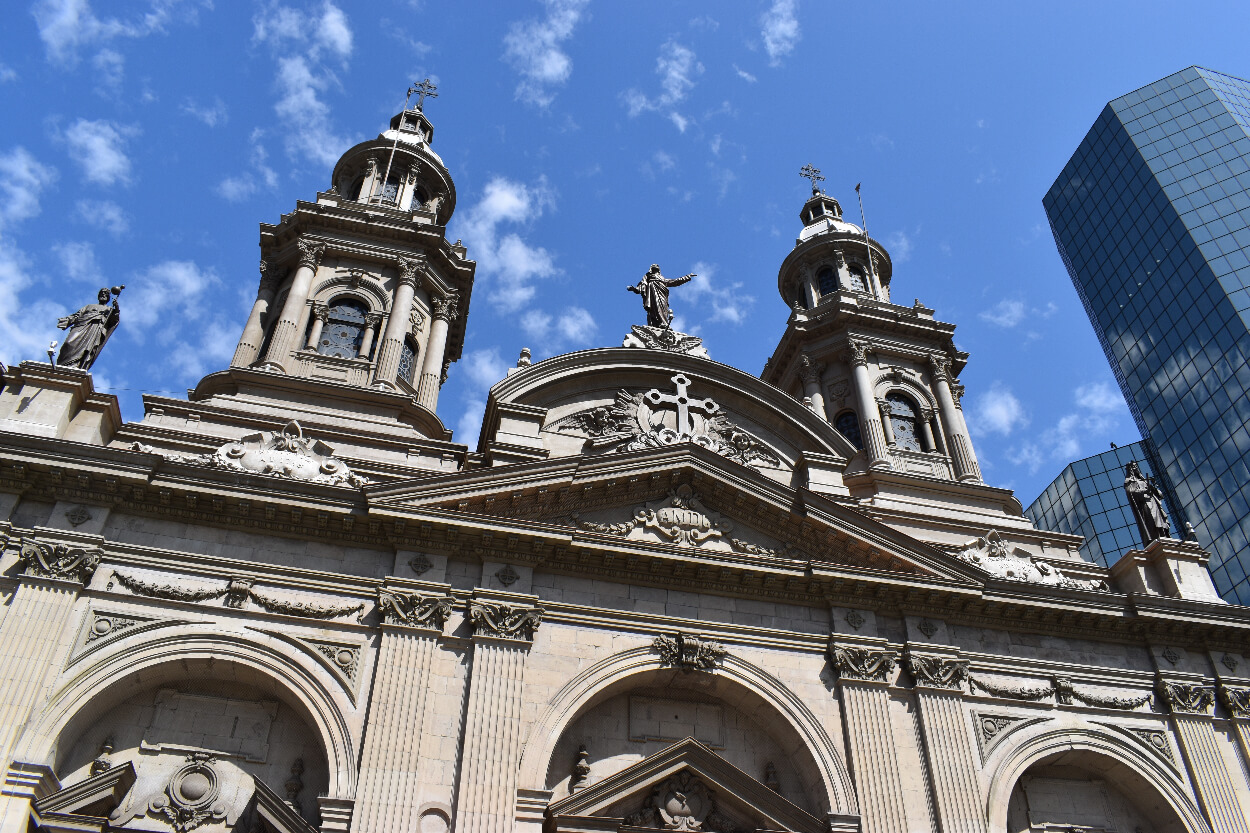
Santiago Metropolitan Cathedral
Barrio Lastarria A renovated part of the old city
Museo Chileno de Arte PreColombino Exhibits as old as 10,000 years
Gran Torre Santiago 64 stories, highest building in Latin America with an observatory tower.
Museum of Memory and Human Rights
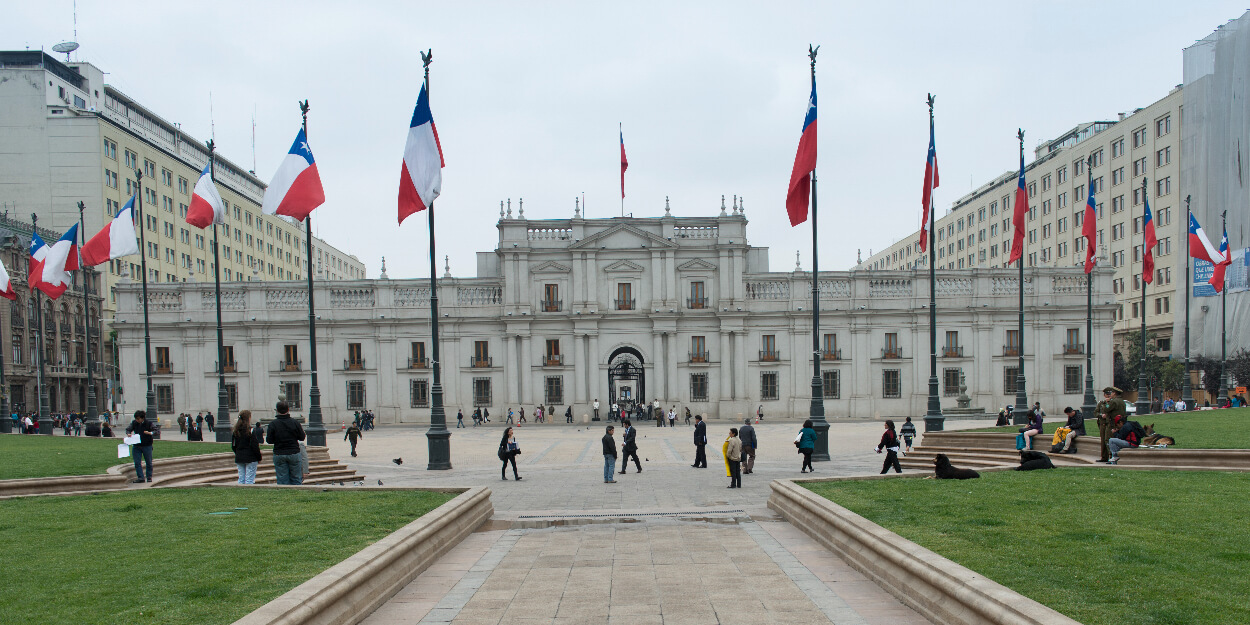
La Moneda Coin Palace
Cerro Santa Lucia The historic part of the city.
Vina Cousino Macul Wineries and Vineyards
Tourist Attractions Outside of Santiago
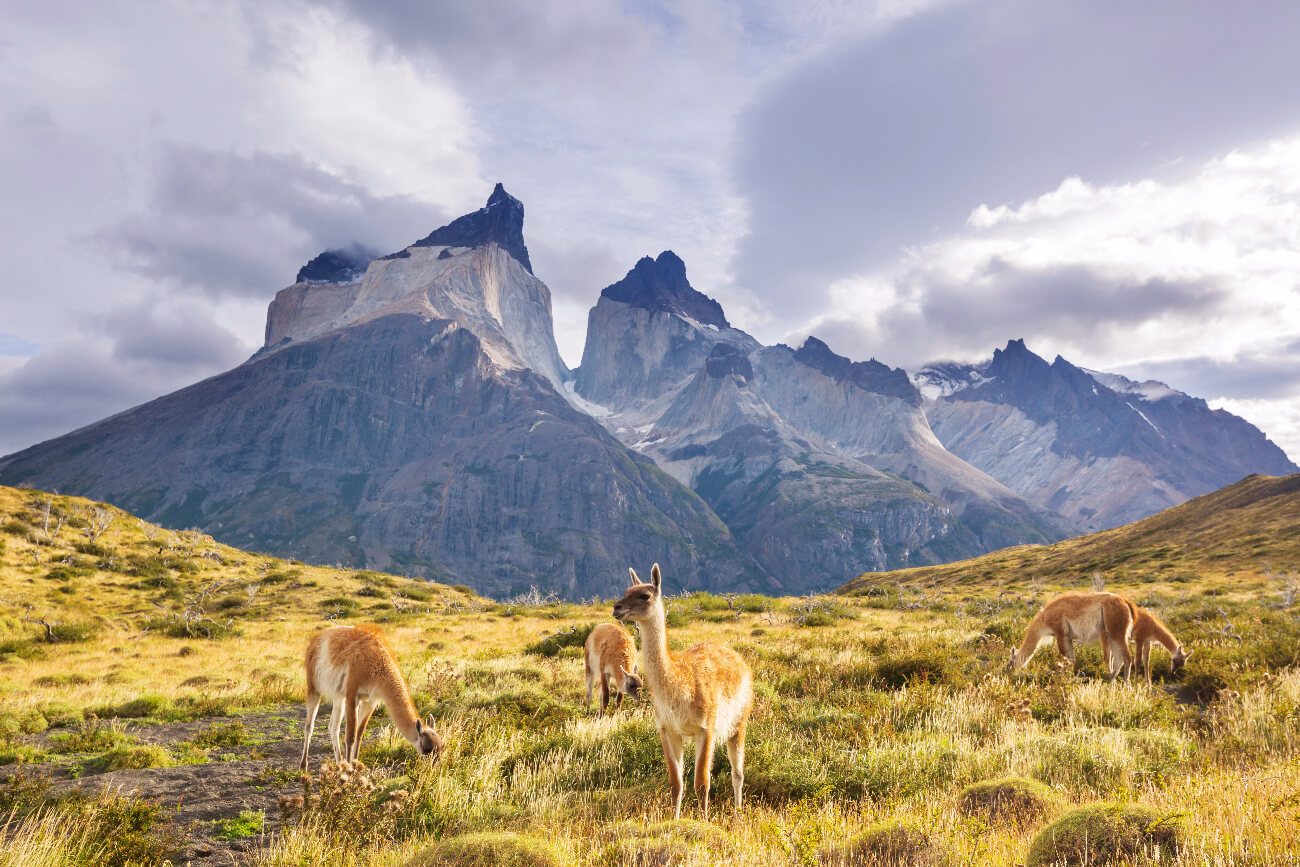
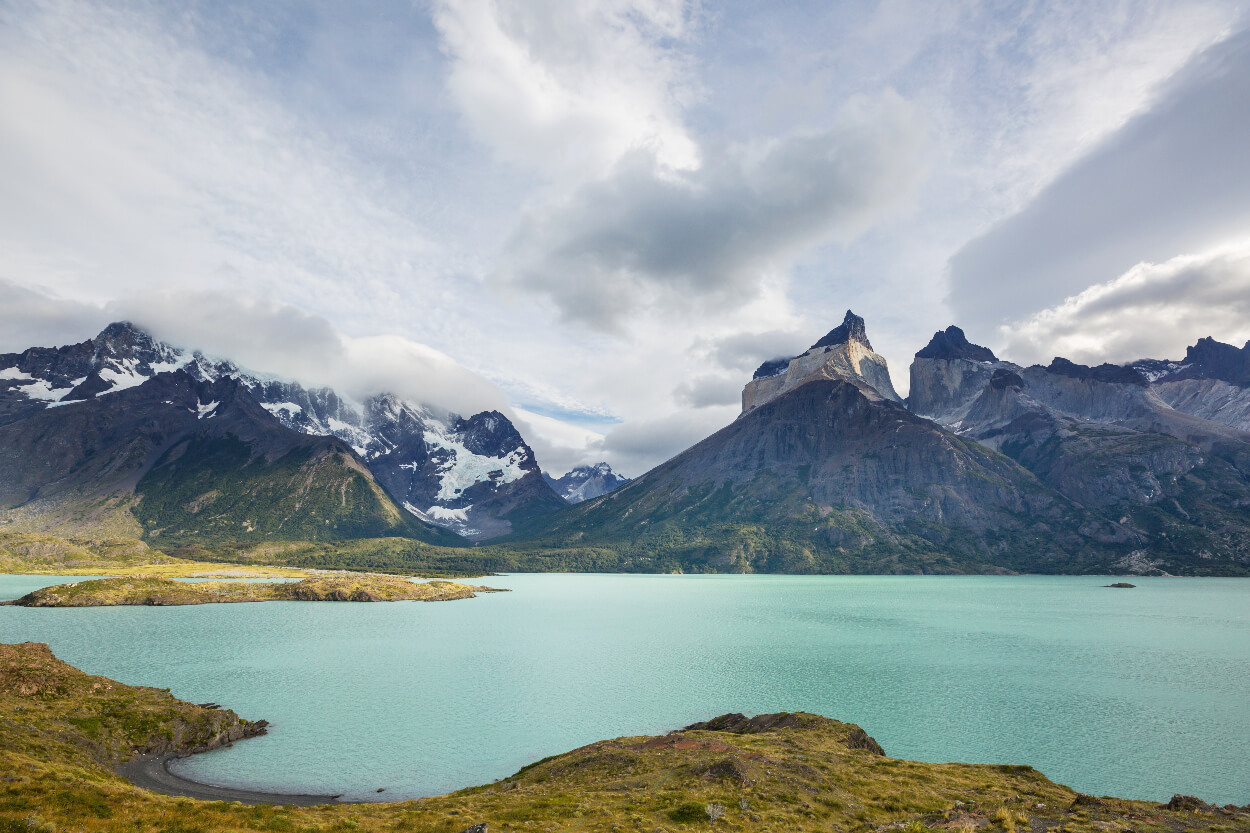
Torres del Paine National Park located in Southern Patagonia
Valle de La Luna Located in Atacama Desert.
Chilean Lake District
City of Valparaise 70 miles from Santiago featuring beaches and an old city center
Lauca National Park in the far north of the country.
Pumalin Park Nature Reserve
No Tour Found
No Tour Found