


The Republic of Costa Rica is bordered by Nicaragua on the north, the Caribbean Sea to the northeast, Panama to the southeast, the Pacific Ocean to the southwest and Ecuador to the south. Costa Rica has a population of 5 million and a land mass of 19,714 square miles. 340,000 live in the capital and largest city- San Jose and the San Jose Metropolitan area has 2 million inhabitants. Costa Rica is a sovereign state with a Unitary Presidential Constitutional Republic and a highly educated workforce most of whom speak English. The land was sparsely populated by indigenous people until the commencement of Spanish rule in the 16th century. Costa Rica remained a peripheral colony of the empire until it achieved some independence as part of the First Mexican Empire in 1821 which was followed by membership in the Federal Republic of Central America in 1823 from which it declared independence in 1838 and was recognized by Spain as an independent country in 1850. In 1949, after a civil war, it abolished its army and is now one of the few sovereign countries with no standing armed forces. Its people are 84% white or mestizos, 8% mulatto, 3% Indigenous and 1% black. 73% are Christian with 48% Roman Catholic and 22% Protestant. Evidence of hunter-gatherer populations go as far back as the period 10,000-7000 BCE and in the period before Columbus the people were part of the Isthmo-Colombian Group. Agriculture was evident some 5000 years ago and the earliest use of pottery was in 2000 to 3000 BCE. The impact of indigenous culture was limited as the indigenous tribes were absorbed by the Spanish through marriage. Costa Rica’s lack of precious metals, distance from the population centers of the Spanish Empire, and relatively few indigenous people caused Spain to basically leave the territory alone to develop by itself. In the early 19th century coffee became an important product of Costa Rica as were tobacco, sugar and cocoa. The tallest peak is 12,530 feet above sea level and there are 14 volcanoes in the country of which seven are active.
Costa Rica has a tropical climate with two seasons: a dry one and a wet one. The summer is dry (December –April) and the winter is wet (May through November). There is a rich variety of plants and Costa Rican wildlife. One National Park, the Corcovado National Park, is internationally known for its biodiversity (including big cats and tapirs) and visitors can see an abundance of wildlife. Corcovado is the only park in the country where all four Costa Rican Monkey species can be seen. Costa Rica is the only country to have stopped and reversed its deforestation. Costa Rica is the most visited nation in Central America.
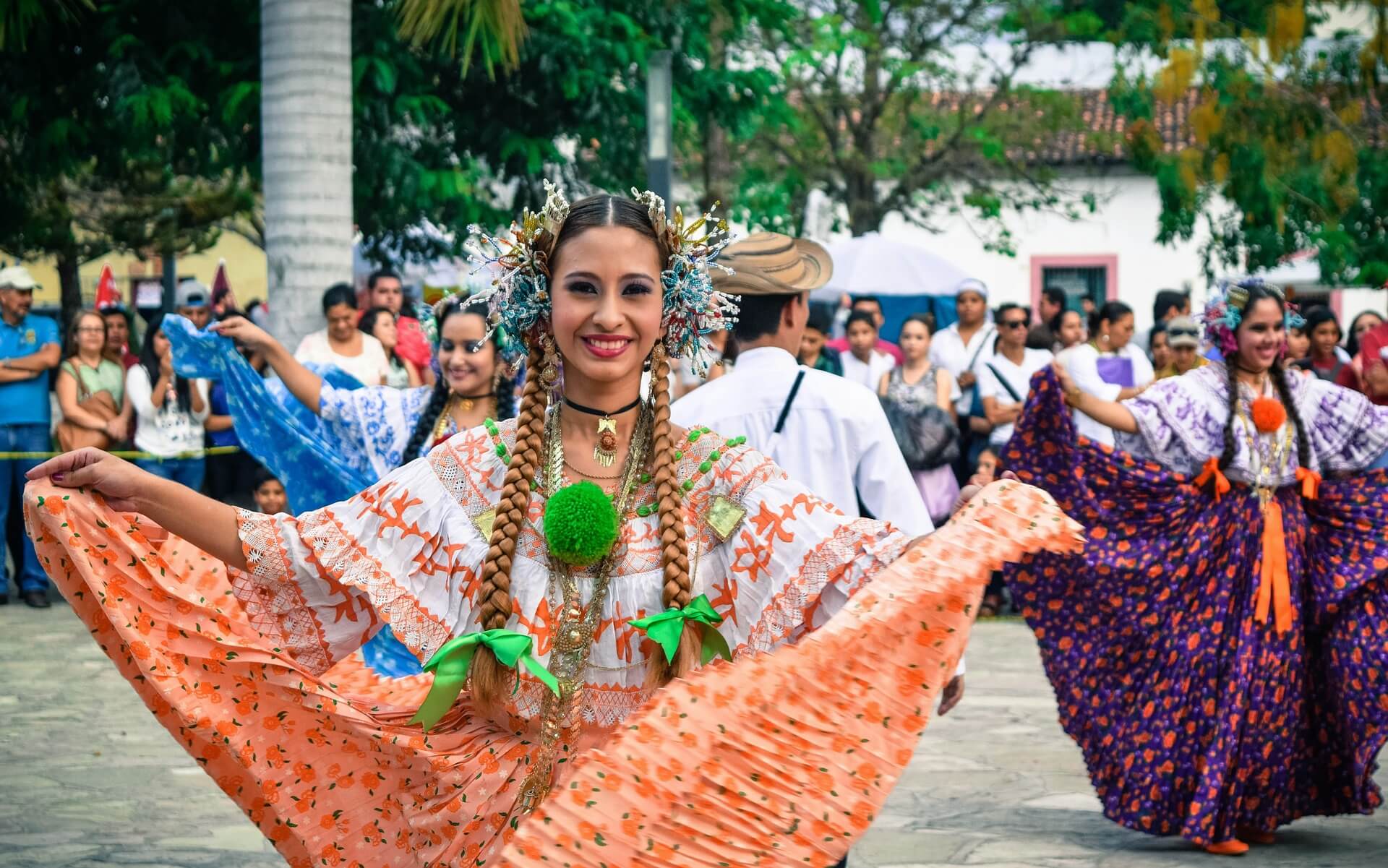
Costa Rica is the point where the Mesoamerican and South American cultures met. Today, Costa Rica is known as the happiest country in the world. The people are welcoming and friendly, yet sophisticated and proud. The country is progressive socially and advanced in its environmental policies. Education and healthcare are funded by the government and Costa Rica is a model for eco-stewardship with more than 25% of its territory preserved from development allowing it to conserve and augment its incredible biodiversity for generations to come. The Costa Rican people refer to themselves as “Ticos’ ‘ meaning small or cute. The Costa Ricans don’t take historic culture too seriously, which is the foundation of their peaceful and kind nature. Costa Rica is a cultural melting pot which highlights both its indigenous origins and Spanish colonial influences. The official language is Spanish but there are language pockets of BriBri, Creole, on the Caribbean Coast, and English. The inhabitants are proud of their long standing democracy. In the countryside the people often wear traditional colorful, interesting, and exotic clothing and native dress. The streets are always filled with music and seemingly every village has its own variation of what is native Costa Rican music. The music is often accompanied by flamboyant dances. The term, “Pura Vida” (The Good Life) has evolved to be a national symbol of Costa Rican values. It is used both as a greeting and farewell, as a cheer, and as a description and an emphatic statement.

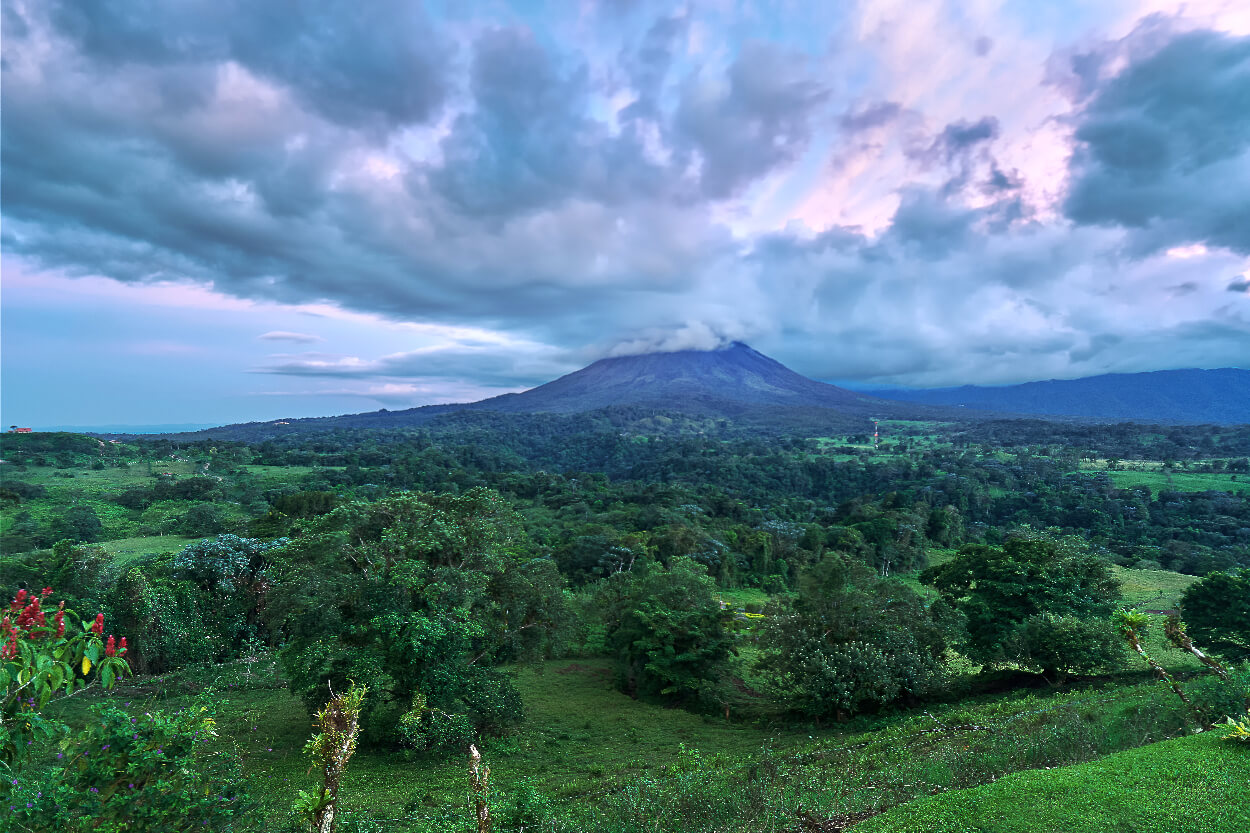
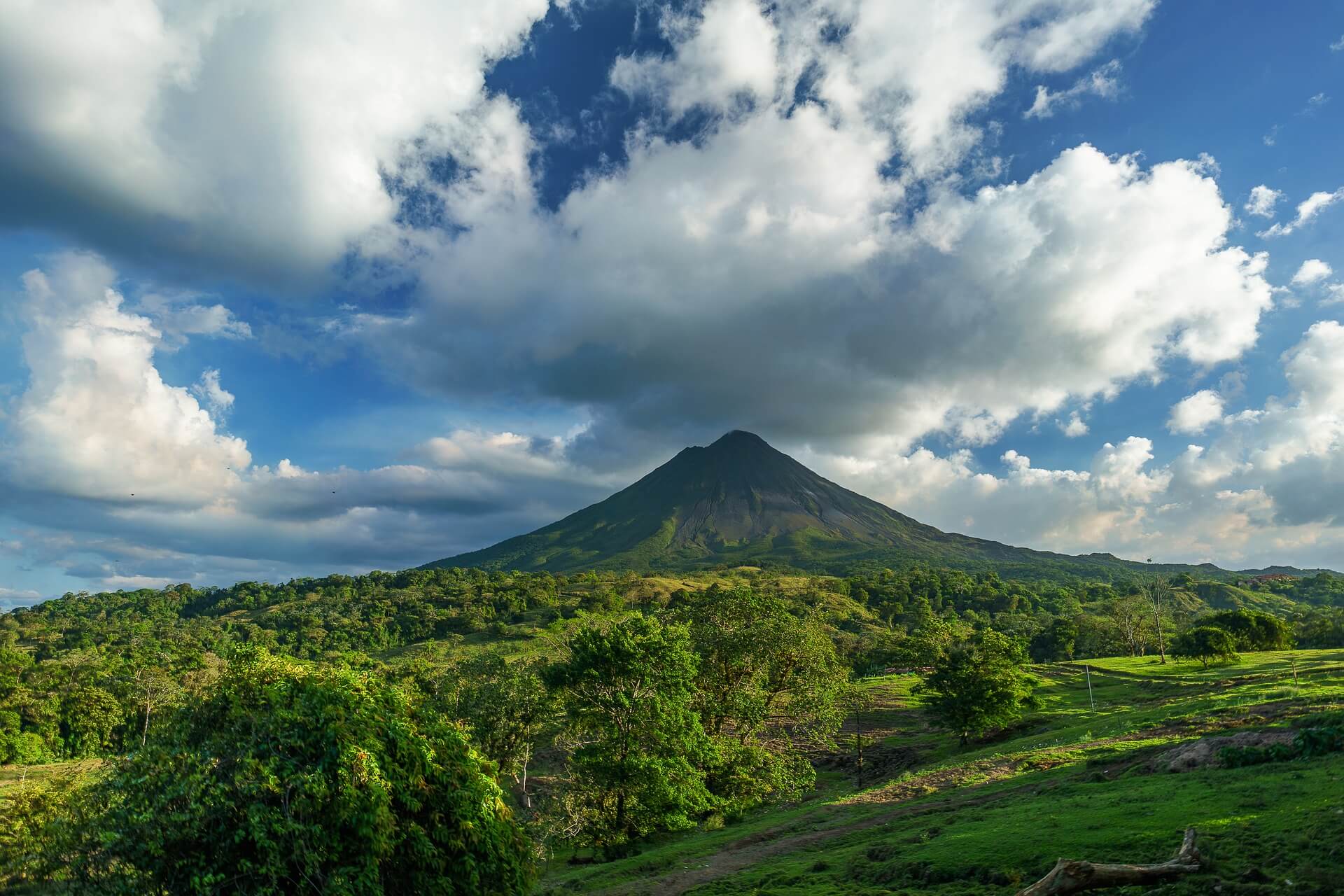
The Arenal Volcano and Arenal National Park is one of the top recommended destinations and one of the most visited places in Costa Rica. The Arenal Volcano is located in the northwestern part of the country, towering beautifully over the town of La Fortuna. The active volcano is surrounded by the Arenal Volcano National Park and Lake Arenal. The volcano is considered active but has not had an eruption since 2010. It is three hours from San Jose and there is lava to walk on. The Arenal National Park spans 30,000 acres of rainforest and has excellent hiking trails. In the park you may see monkeys, tapirs, snakes, parrots, and plants including orchids, higuerones and ferns. The Arenal National Park also has the La Fortuna Waterfall, a 200 foot waterfall where, at the bottom, you can swim, take pictures, and horseback ride. There are Hanging Bridges, 16 different hot spring pools, canopy tours, white water rafting, and Lake Arenal which is the largest man- made lake in Costa Rica.
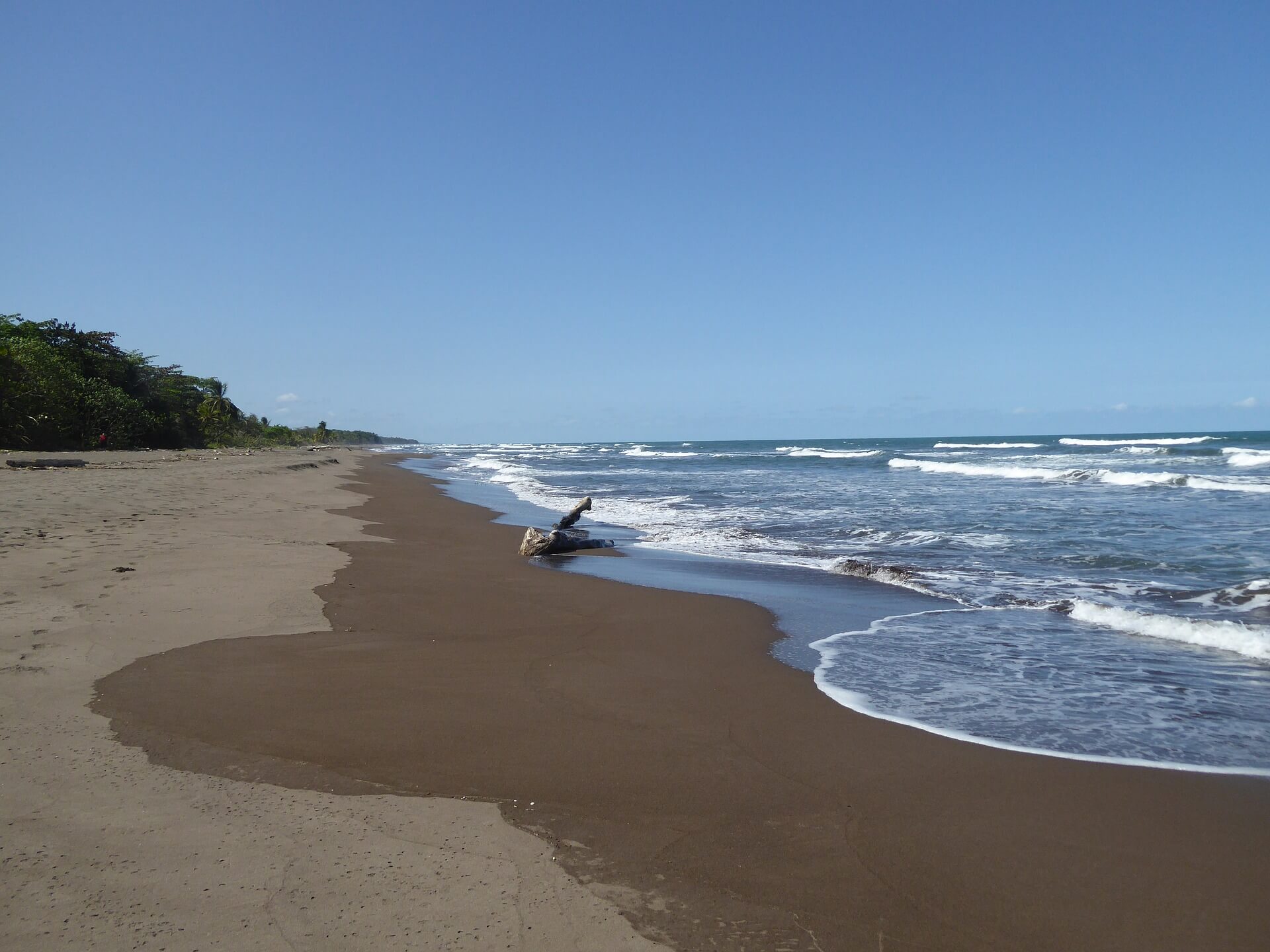
Tortuguero and the Turtle Migrations (Region of Turtles) is a beach where under a clear, dark sky at night, turtles come out of the water, dig nests in the sand and work tirelessly to lay and then bury up to 100 eggs each and then crawl back into the ocean. This scene plays out time and time again by endangered green sea turtles on the beaches of Tortuguero on the northeastern Caribbean coast of Costa Rica. The 22 miles of beaches are part of the Tortuguero National Park which is one of the most important nesting areas in the western hemisphere for green turtles. During the nesting season up to 150,000 tourists visit the beaches to watch the nesting ritual.
San Jose, The Capital
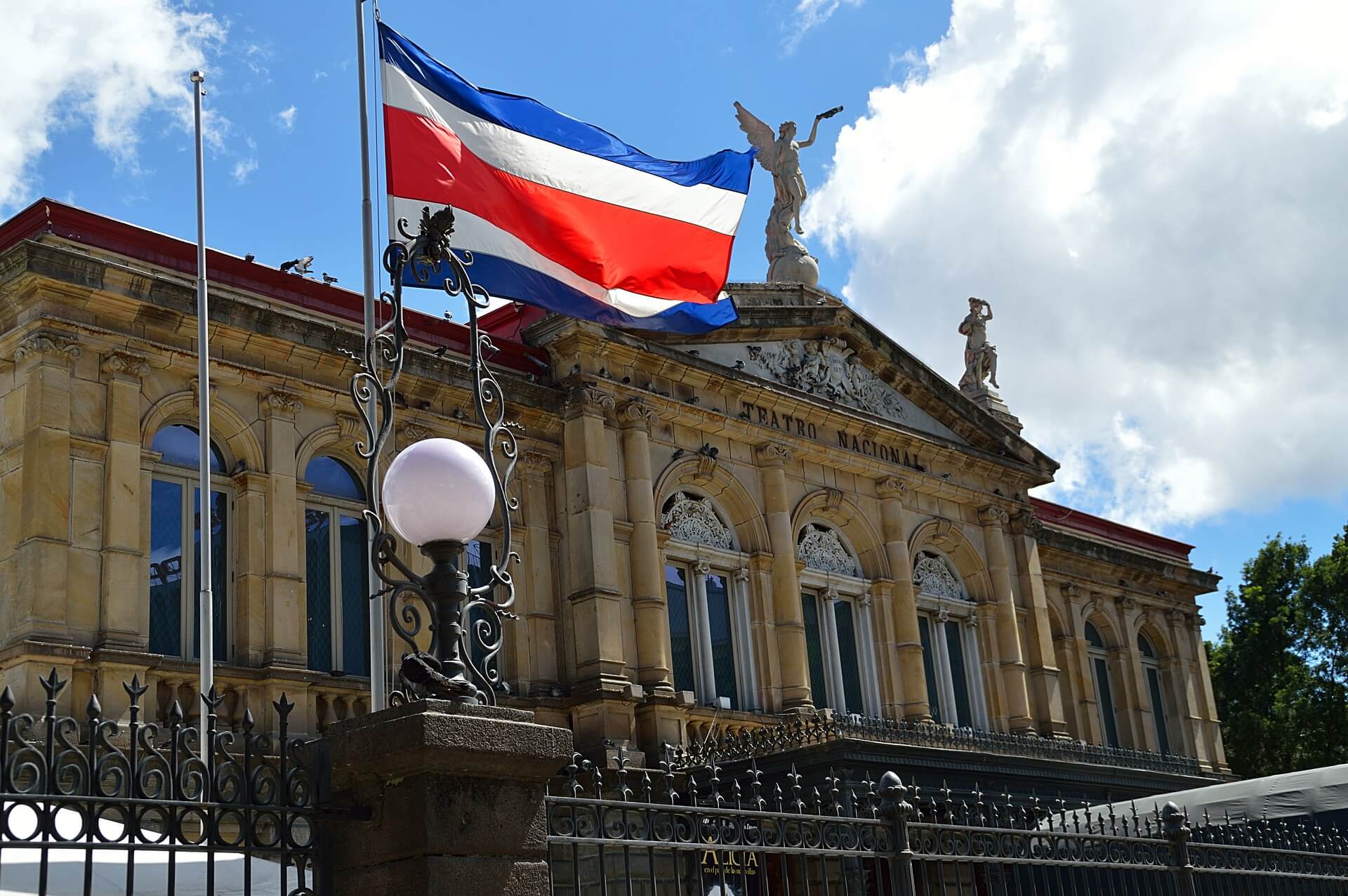
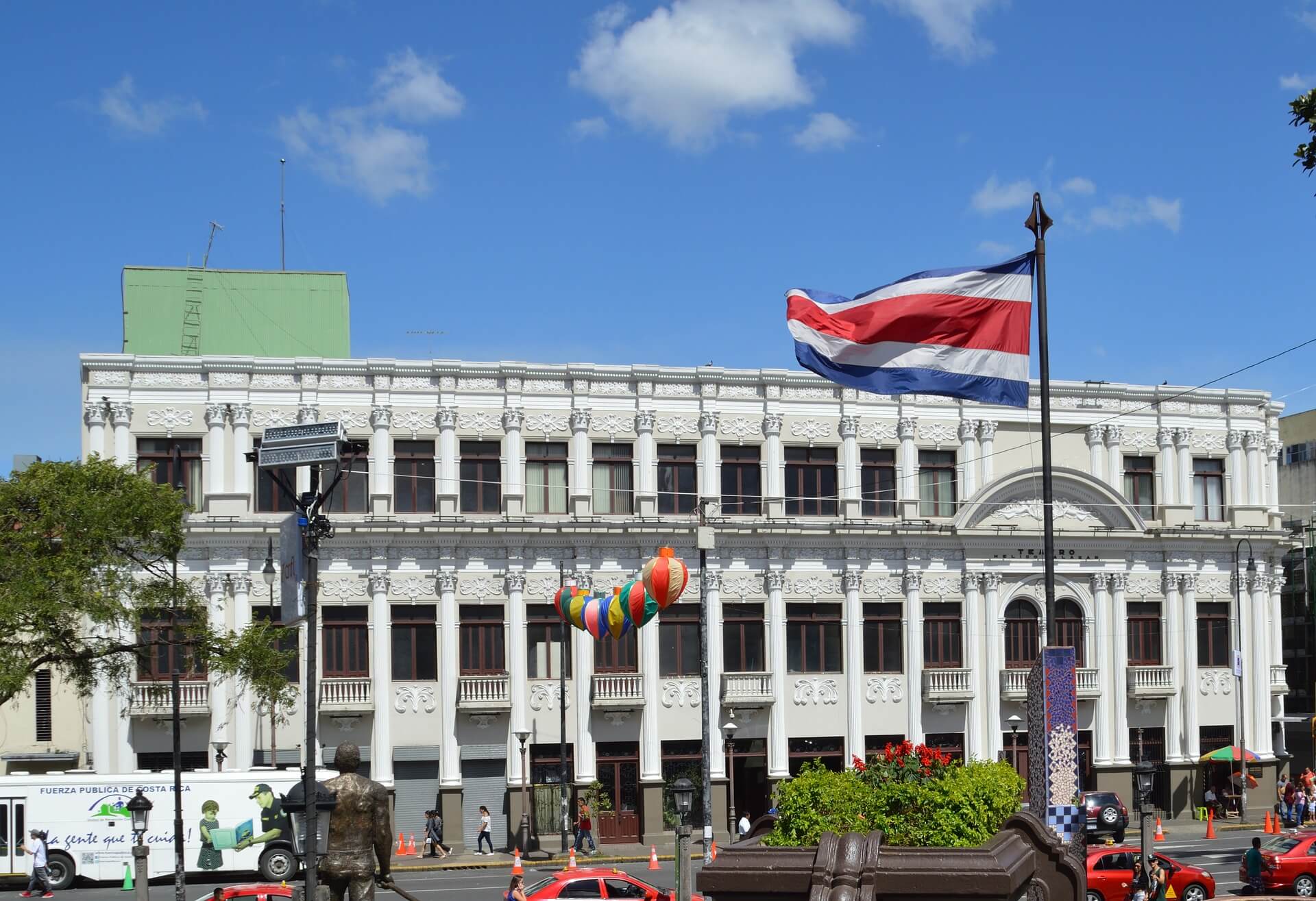
San Jose, the capital city, is located in the Central Valley. It has world class hotels, museums, parks, theatres and historic buildings. It is on an extensive plain, guarded by majestic volcanoes and green hills which honor the natural richness that exists in the region. Founded in the first half of the 18th century, San Jose, nowadays, is a city where visitors of the entire world converge. It is a metropolis of interesting places, faces and colors reflecting the history of its population. In the north sector of the city can be found refined samples of urban development of the early last century. There are many houses and buildings of European design built with a Costa Rica sense of style.
San Jose Tourist Attractions
Teatro Nacional Costa Rica
Pre-Columbian Gold Museum
Jade Museum
Museo Nacional de Costa Rica
Parque Nacional Braulio Carrillo
Mercado Central
Parque la Sabana
Museo de Arte Costarricense
Monteverde Sky Tram and Hanging Bridges Cloud Forest
Waterfalls Gardens
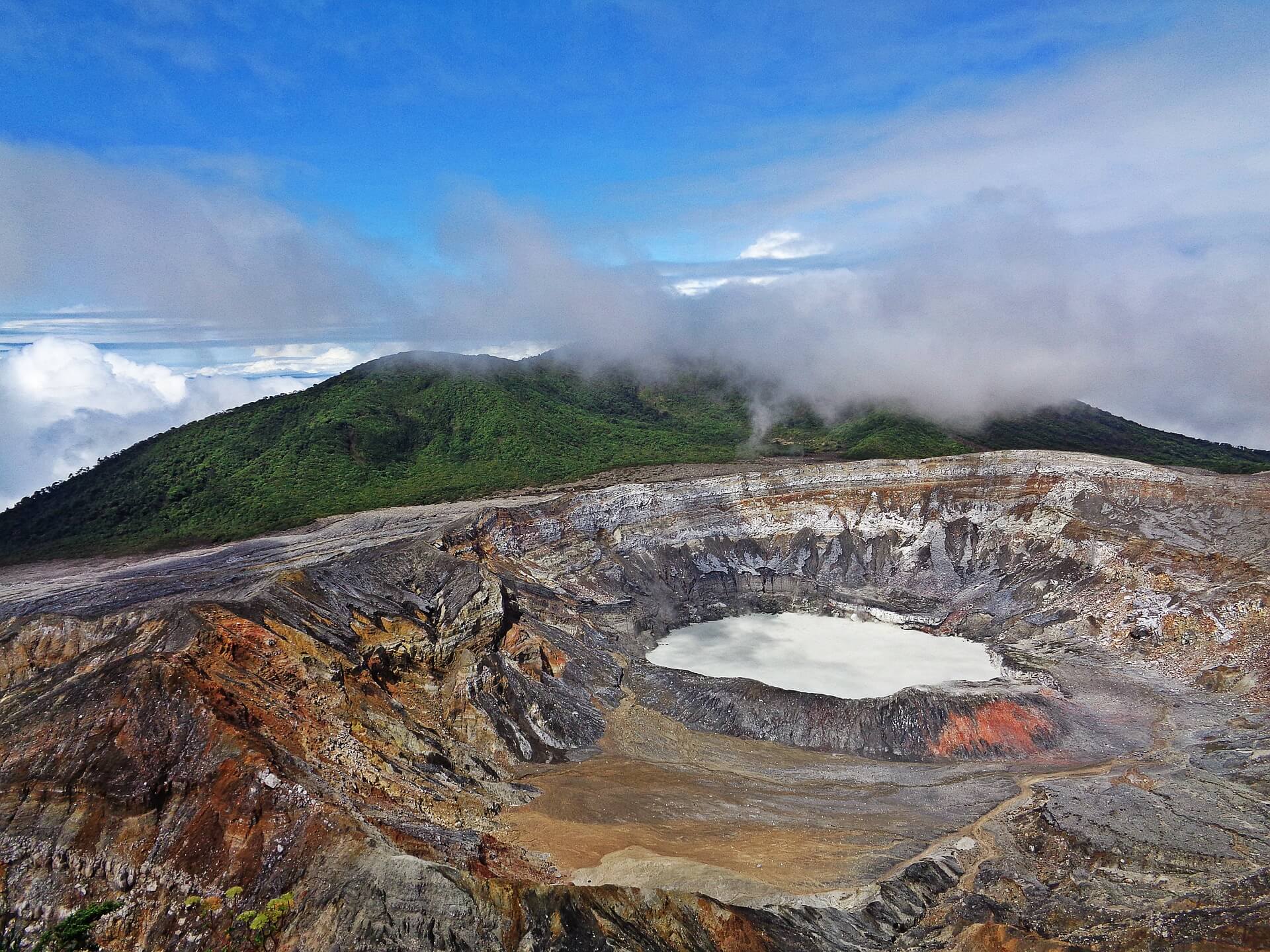
Poas Volcano
Other Cities and Towns to Visit
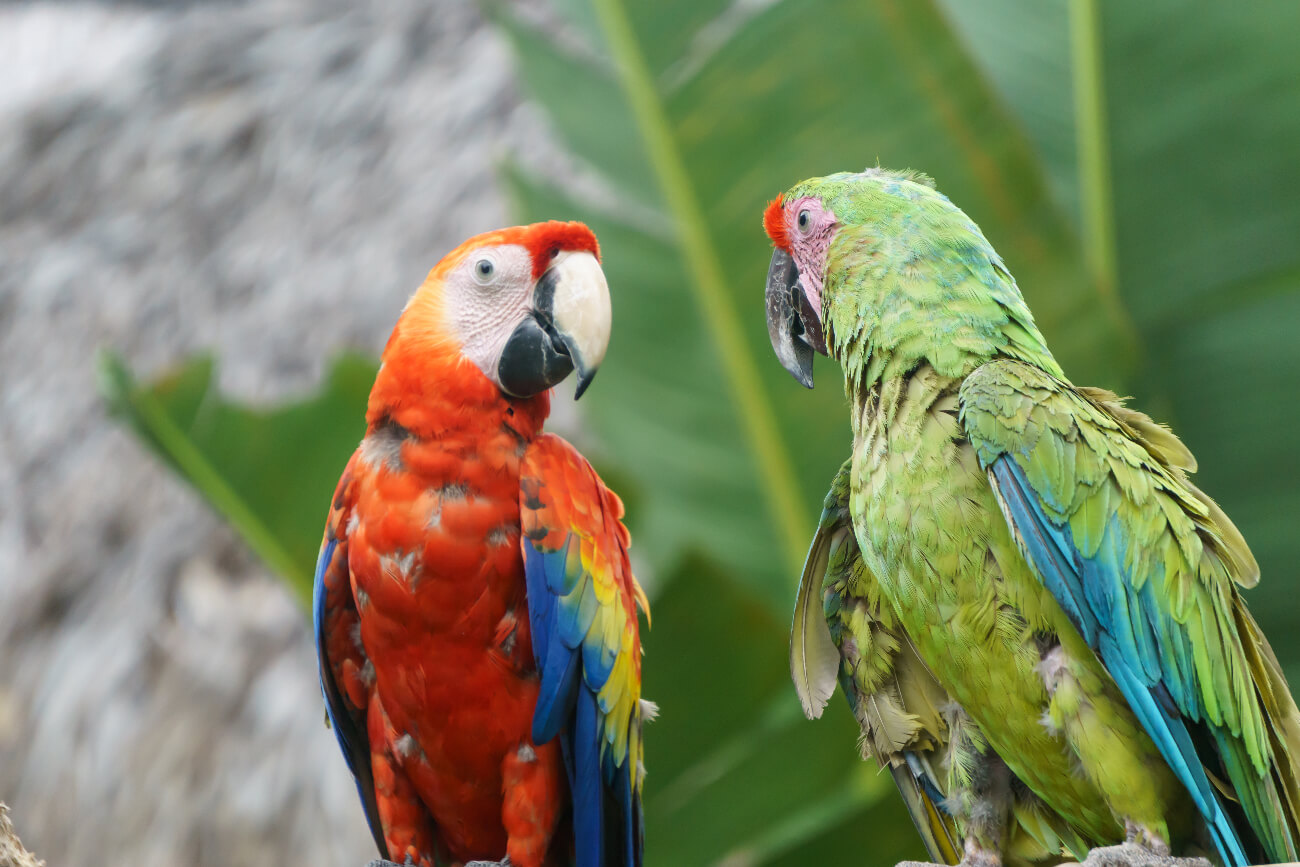
Golfe Dolce and Golfito is located in the Southernmost part of the country, close to Panama. It is a good place to whale watch and do watersports and to also hike the tropical rainforest with its monkeys, scarlet macaws, toucans, ocelots and many big cats, as well as anteaters and sloths.
Montezuma is in the southern Nicoya Peninsula and possesses two gems; Mal Pais/Santa Teresa, and the town of Montezuma. It has waterfalls, rivers and beautiful beaches.
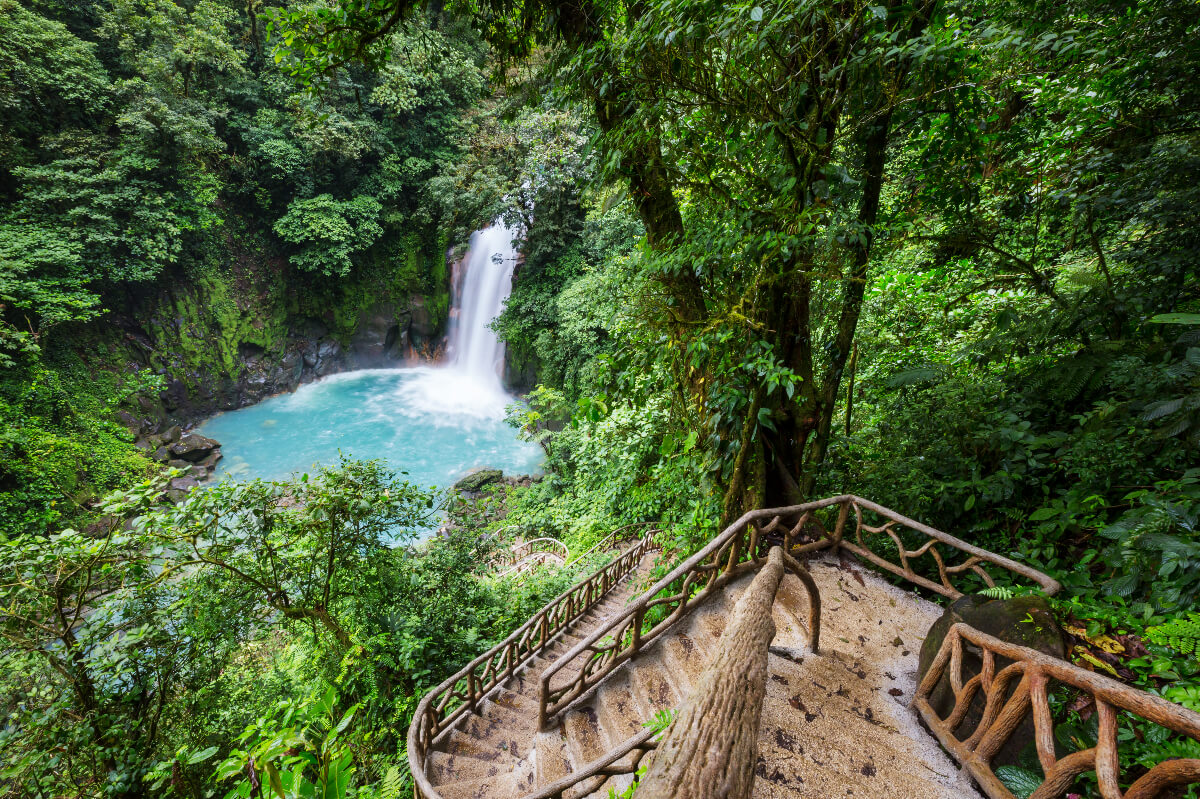
San Isidro is an ideal place to start to venture into the stunning Talamanca Mountain Range. Several national parks are located nearby.
Puerto Jiminez embodies the relaxed atmosphere particular to this region of Costa Rica. The main beach is tranquil and ideal for watersports.
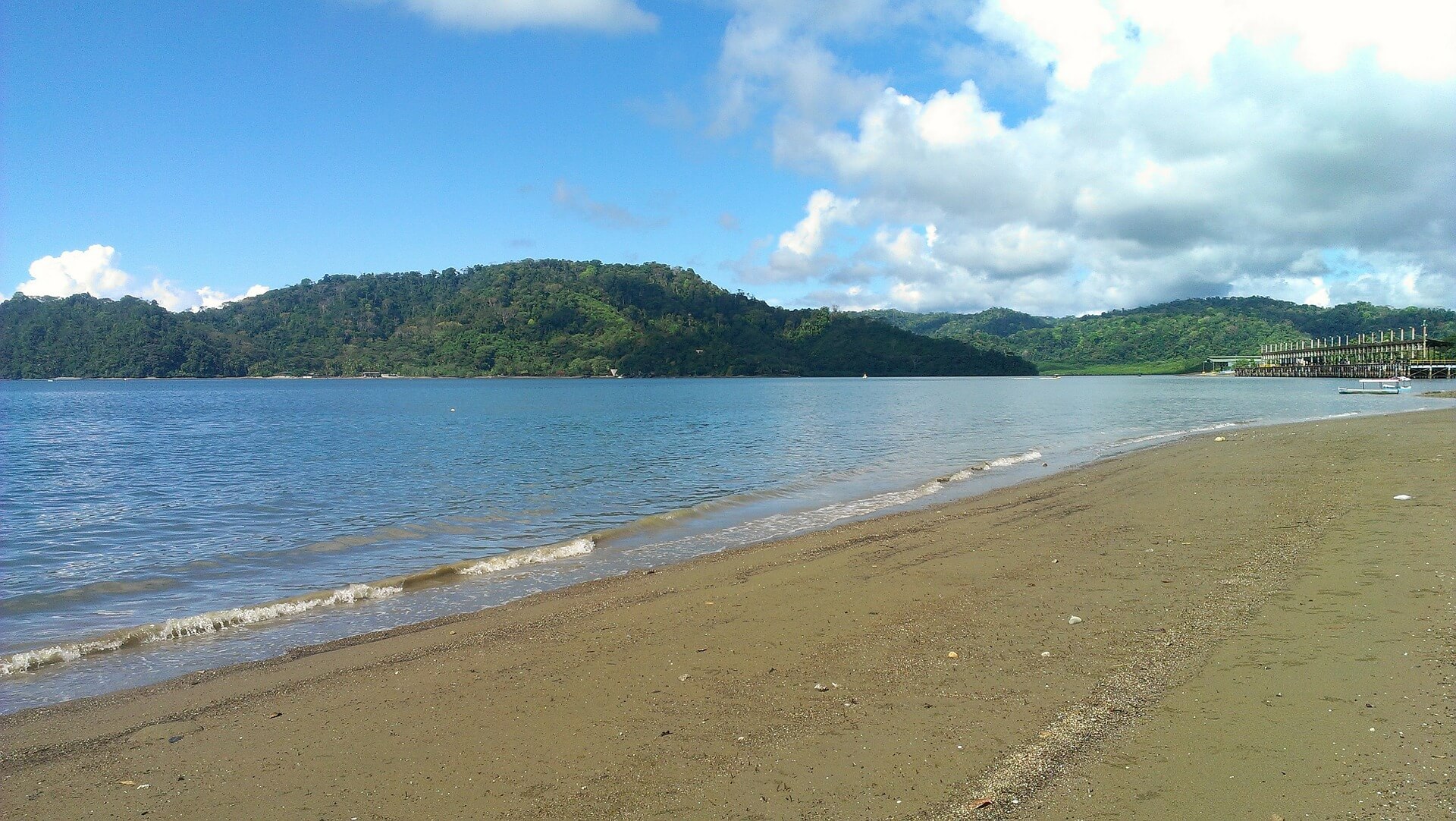
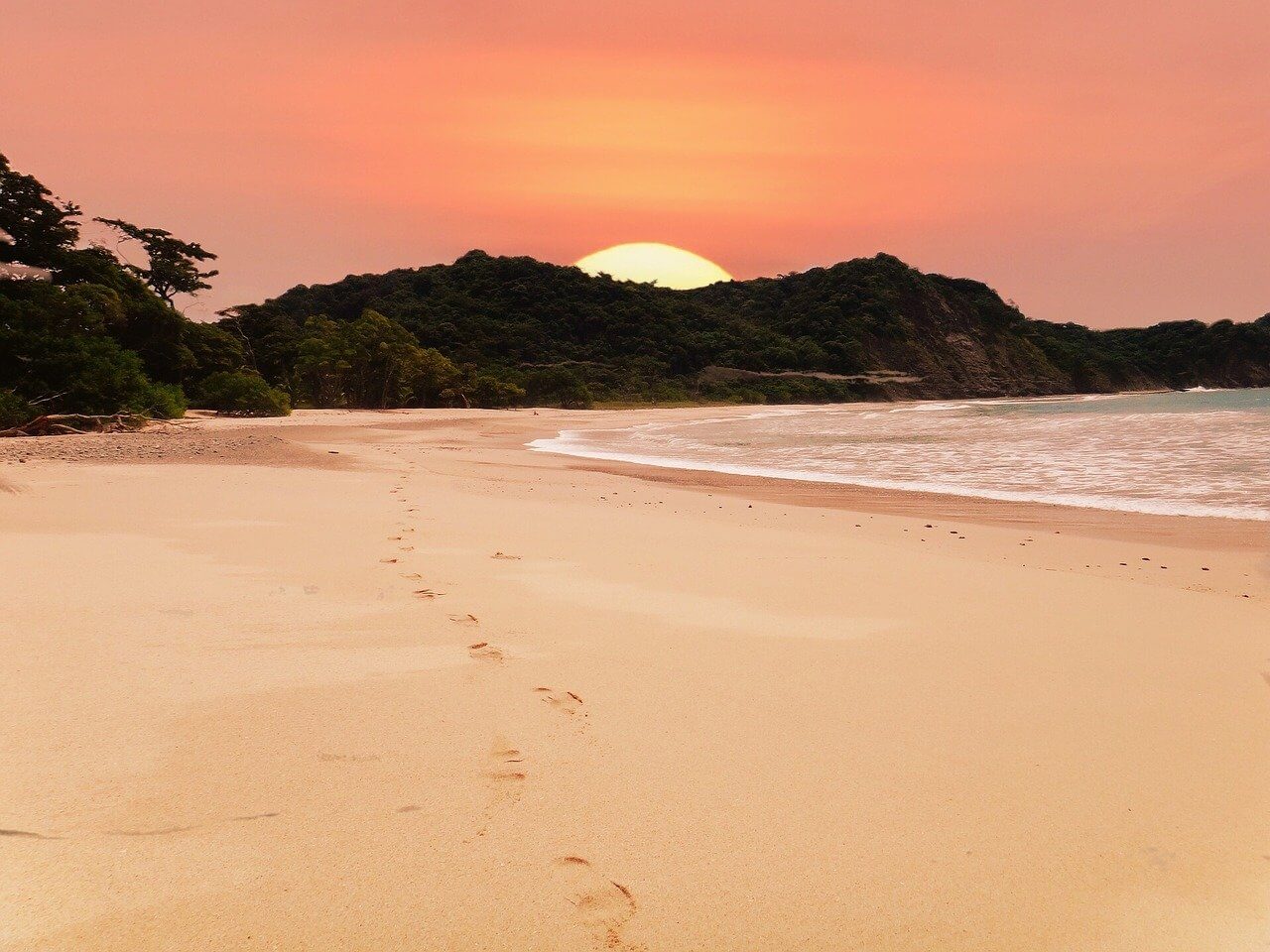
Beaches
Tamarindo Beach has seashells, surfing and good restaurants.
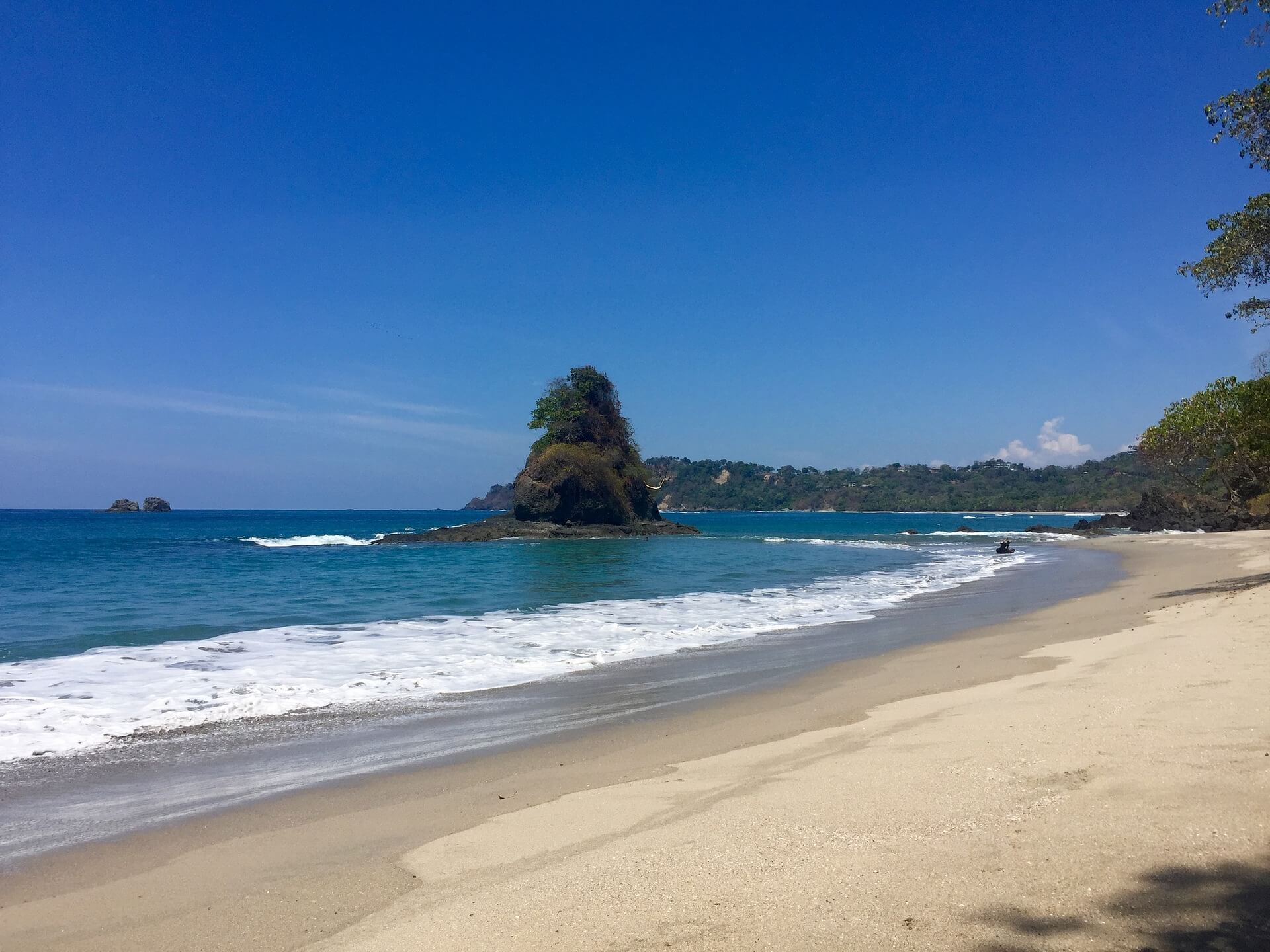
Playamanuel Antonio has calm waters, beautiful views, and monkeys.
Parque Nacional Marino Ballena has tide pools with octopus, star fish, and lobsters.
No Tour Found