


The Czech Republic also known by its short-form name, Czechia, and formerly known as Bohemia, is a landlocked country in Central Europe. It is bordered by Austria to the south, Germany to the west, Poland to the northeast and Slovakia to the east. The Czech Republic has a hilly landscape that covers an area of 30,452 square miles, with a mostly temperate continental and oceanic climate. The Duchy of Bohemia was founded in the late 9th century AD under Great Morovia. It was formally recognized as an Imperial State of the Holy Roman Empire in 1002 and became a kingdom in 1198. Following the Battle of Mohacs in 1526, the whole Crown of Bohemia was gradually integrated into the Habsburg Monarchy. The Protestant Bohemian Revolt led to the Thirty Year War when the Hapsburgs consolidated their rule. With the 1806 dissolution of the Holy Empire; the Crown Lands became a part of the Austrian Empire. In the 19th century, the Czech lands became more industrialized, and, after the Great War, in 1918, most of it became part of the First Czechoslovak Republic following the collapse of Austria-Hungary. It was the only country in Central and Eastern Europe to remain a parliamentary democracy during the entirety of the interwar period. After the Munich Agreement in 1938 Nazi Germany took control. In 1945 the country was restored and became a communist country in the Soviet Bloc in 1948. The country revolted against the Soviets in 1968 during the Prague Spring which led to an invasion of Russian troops. In November 1989, the Velvet Revolution ended communist rule in the country, and on January 1, 1993, Czechoslovakia was dissolved with its constituent states becoming the independent states of the Czech Republic and Slovakia. The Czech Republic is a unitary parliamentary constitutional republic and a developed country with an advanced, high income social market economy. It is a welfare state with a European social model, universal health care and tuition free university education. The capital city is Prague and its three top official languages are Czech, Belarusian and German. The country is 64% Czechs and 5% Moravian. 34.5% of the population list no religion, 10.4% are Catholic. It has 11 million residents. The country has been traditionally divided into three lands, namely Bohemia in the west, Moravia in the east and Czech Silesia in the northeast. It has been known as the lands of the Bohemian Crown since the 14th century. In 1918, when the country regained its independence the new name of Czechoslovakia was coined to reflect the union of Czech and Slovak nations within one country.
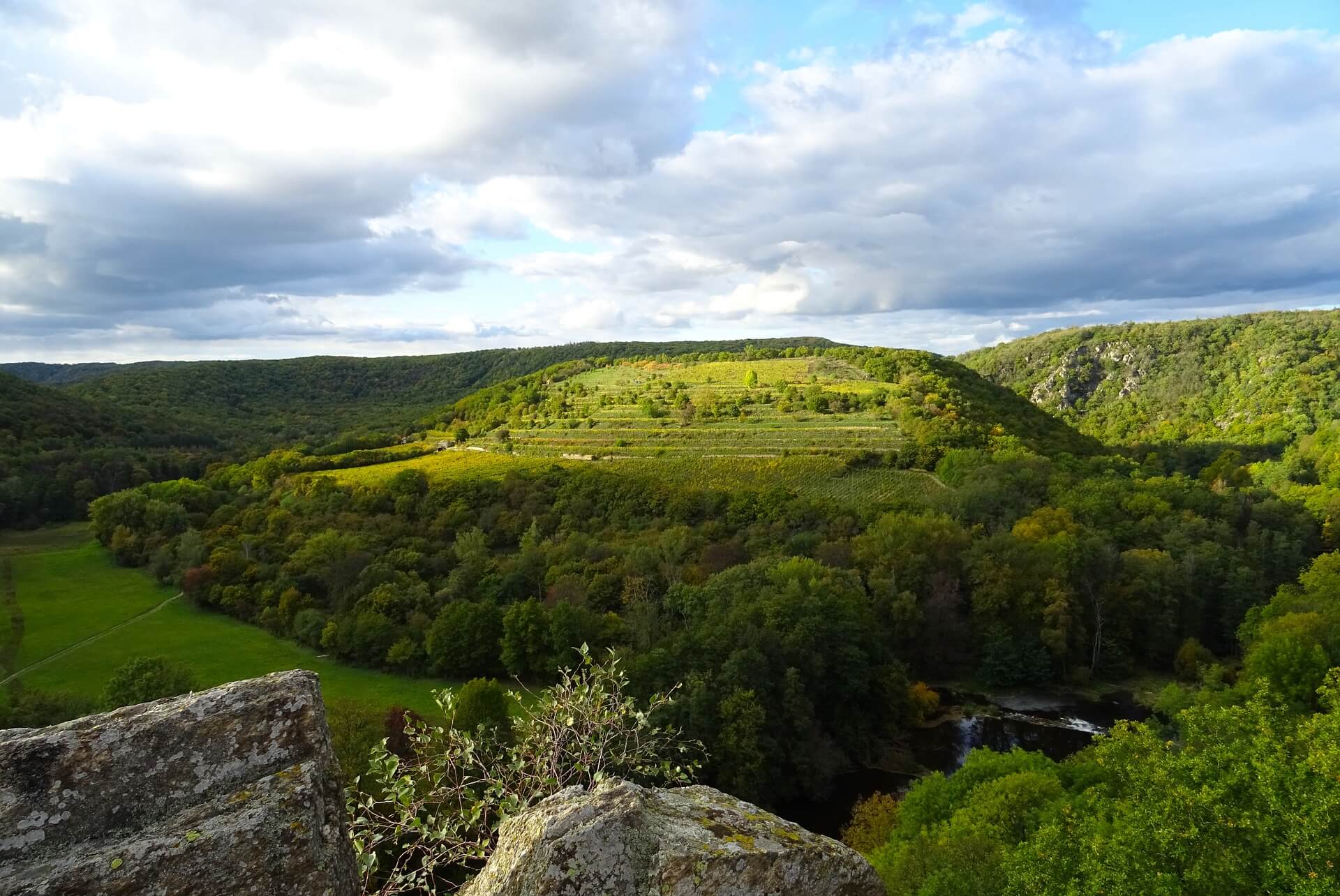
Bohemia to the west consists of a basin drained by the Elbe and Vitava Rivers. The highest peak in the country is 5,259 feet above sea level. Moravia, the eastern part of the country, is also hilly. It is drained by the Morava River. Water, from the Czech Republic, flows to three different seas, the North Sea, Baltic Sea and Black Sea. There are four national parks, the oldest is Krkonose National Park and the others are Sumava, Podyji Parks and Bohemian Switzerland. Climate is temperate as the country is situated in the transition zone between the oceanic and continental climate types, with warm summers and cold, cloudy and snowy winters due to its landlocked geographical position. Temperatures vary according to elevation.
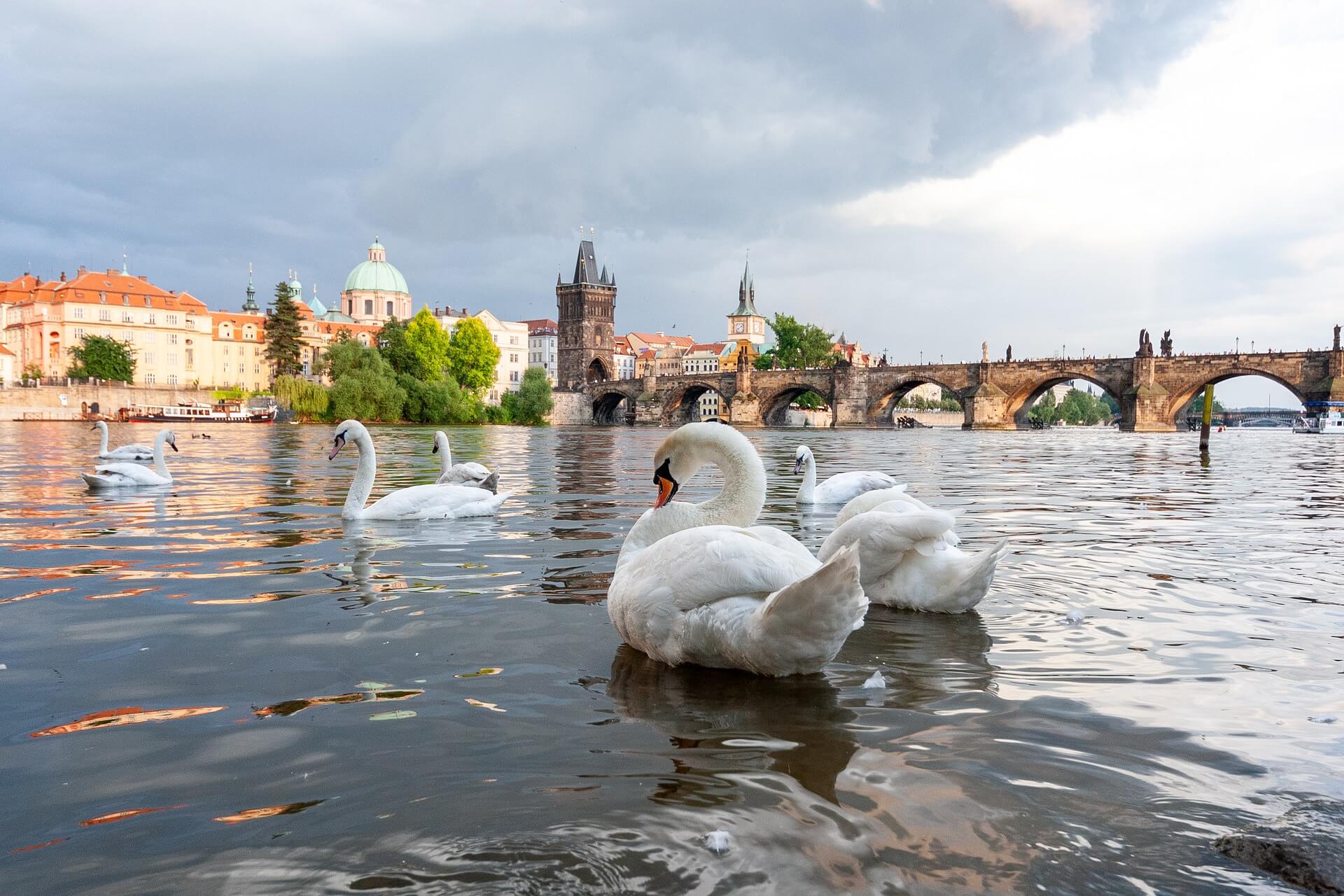
The Czech Republic has a relatively wide range of animal and plant species and habitats, formed by them. Nearly 80,000 species have been recorded and in some areas the numbers of species populations are increasing. Around 2500 out of 3500 vascular plants species are native or archaeophytes introduced until the 15th century. 886 species of bryophytes, 1,500 of lichens and up to 40,000 species of fungi have been recorded. Over 24,000 species of insects and 8,000 species of other invertebrates and 711 species of vertebrates have been documented. The main species of trees are the oak, fir and spruce trees. The national symbolic tree is the Linden. Fauna includes hares, otters, martens, pheasants, partridges, wild boars, red deer, wolves and brown bears. Birds and waterfowl include eagles, heron, Snow goose, duck, teal and swan. Lizards and snakes include the sand lizard, common wall lizard, grass snake, dice snake and smooth snake. Fish and water species include catfish, eel, pike, shrimp, and seahorse.
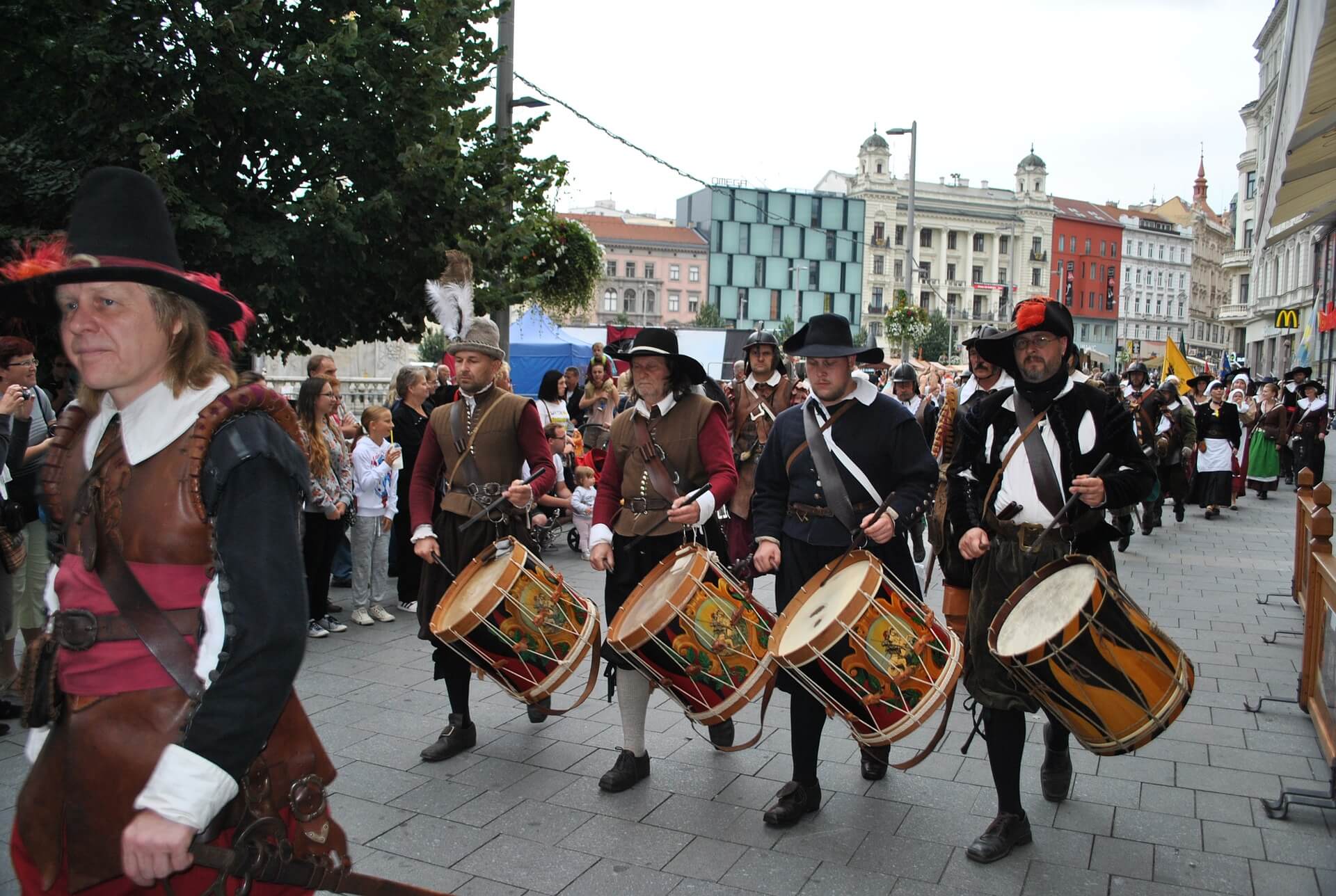
Czech culture has been heavily influenced by The German and Slav cultures. Visually, however, the main influence has been Italian, with Renaissance and Baroque architecture, while music, the visual arts, and popular cultures are indebted to a variety of influences. Czech traditions are marked by a strong sense of national identity. When you engage in conversation say “good day” and when you leave say “goodbye”. On meeting a new person, shake hands, and make eye contact. Attending the opera, symphony, or even the cinema, calls for a more formal dress. Dinner is the main meal of the day and 70% o f the people watch television while eating. European dress and fashions are used by most men and women. Friends visit each other frequently for small talk and coffee. The country’s favorite sport is soccer. There are seven public holidays as well as the celebrations of Christmas and Easter. Literature and writing began in 863 by the Byzantine Emperor who sent a mission to Czechoslovakia. The beginning of modern theatrical tradition began in 1881 with the Prague National Theater, and during the years that followed, opera and symphonic music were very popular as they are today.
Bohemia crystal is definitely one of the most sought after souvenirs you can bring back from Czechia. It has a very long history and it is appreciated for its unique brilliance; its quality is considered one of the world’s best.
Knedliky Dumplings
Vepřo Knedlo Zelo Pork roast with dumplings & sauerkraut
Svickova na smetane Sirloin with cream
Krupicova Kase Semolina milk pudding
Zemlouka Sliced rolls filled with fruits
Fazolova Bean soup
Cockova Polevka Lentil soup
Vanocka Brioche bread
Smazeny Syr Coated chunk of Edam cheese
Karbanaty Patty filled with vegetables and meat
Zelnacka Soup
Livance Pancakes
Cesnecka Soup
Bramboraky Potato pancake

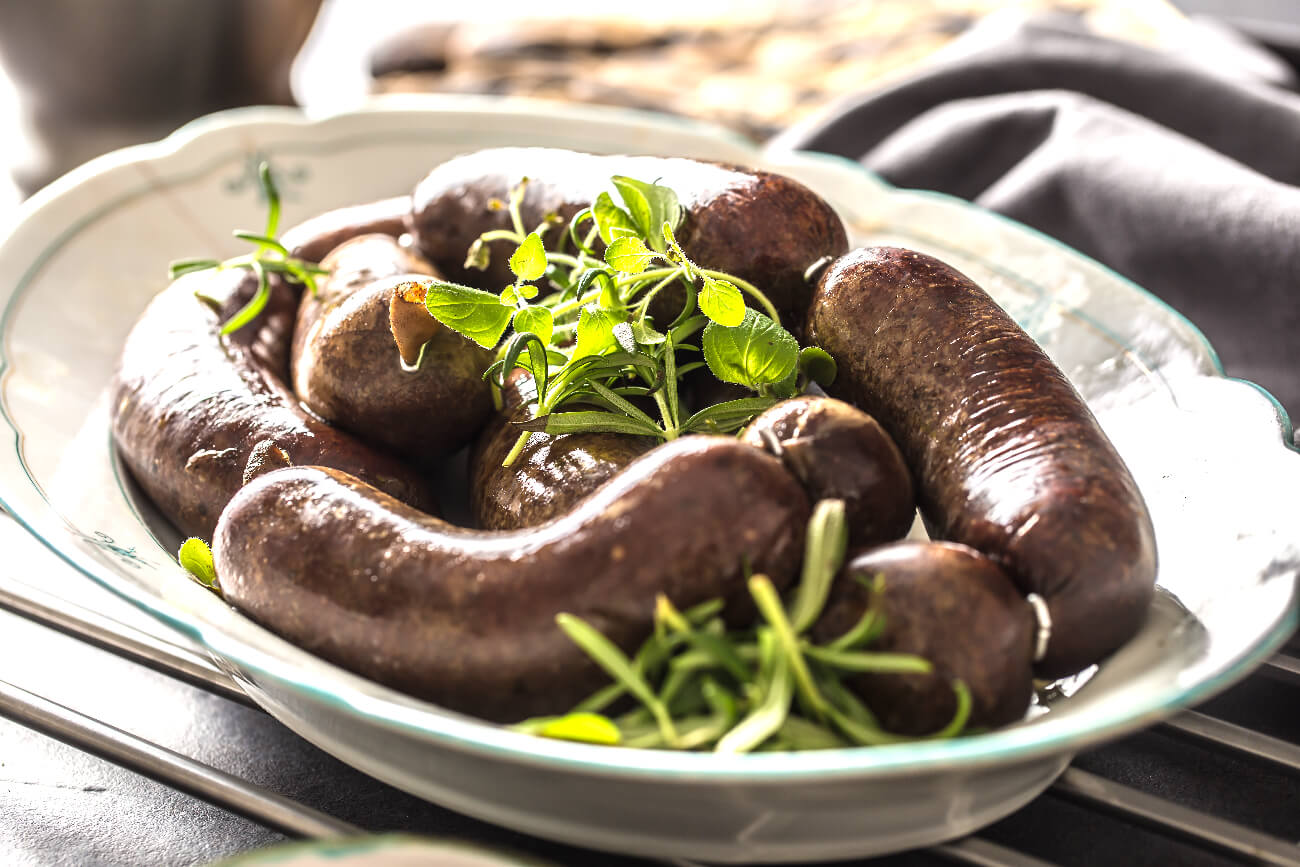
Jitrnice Sausage
Prague-The Capital
History
4000 BCE-Before the arrival of the Slavs the city of Prague was inhabited by Celtic and Germanic tribes. The name Bohemia comes from the Celtic Tribe called Boli which is still used today for the western part of the Czech Republic.
6th Century AD- Slav Tribes inhabited both sides of the Vlatva River and wooden fortresses were constructed.
9th-13th Centuries- Prague was part of the short lived Great Moravian Empire until the Czechs broke from it. In the 870’s King Borivoj built the Prague Castle and in 1085 the Prague area had its first Czech king.
15th Century saw religious wars between the Roman Catholic Church and the Hussites.
16th Century In 1526, the Habsburg Dynasty began its reign and rule.
17th Century was the “Dark Ages’ ‘. In 1620, at the Battle of the White Mountain, the Protestants were defeated which led to the loss of Prague’s independence to the Swedes and Saxons.
18th Century Prague was divided into four independent urban areas; Old Town, Lesser Town, Hradbary, and New Town.
19th Century Prague was engulfed by the Industrial Revolution
20th Century Prague became the capital of independent Czechoslovakia after the defeat of the Austria Hungarian Empire in the Great War. After World War II it became part of the Soviet Bloc as the capital of Czechoslovakia. On November 17, 1989 the Velvet Revolution started in Prague which ended communism in the country and Prague became the capital of the democratic nation of Czechoslovakia. In 1993 the country was divided between the Czech Republic and Slovakia and Prague remained the capital of the Czech Republic.
Prague has a population of 2.2 million. Prague is the cultural center of the country and is one of the great cultural centers of Europe and its history spans over a thousand years.
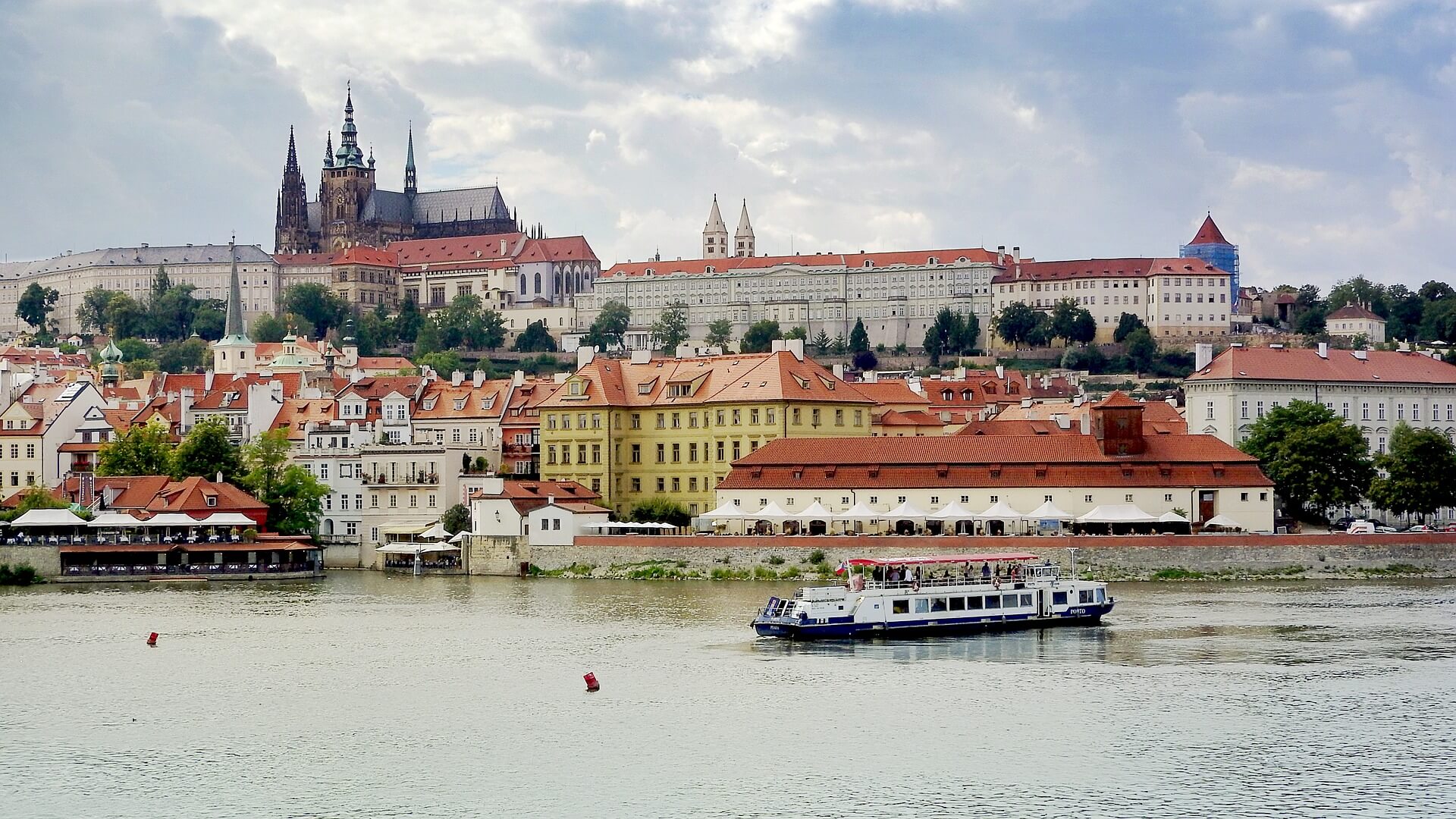
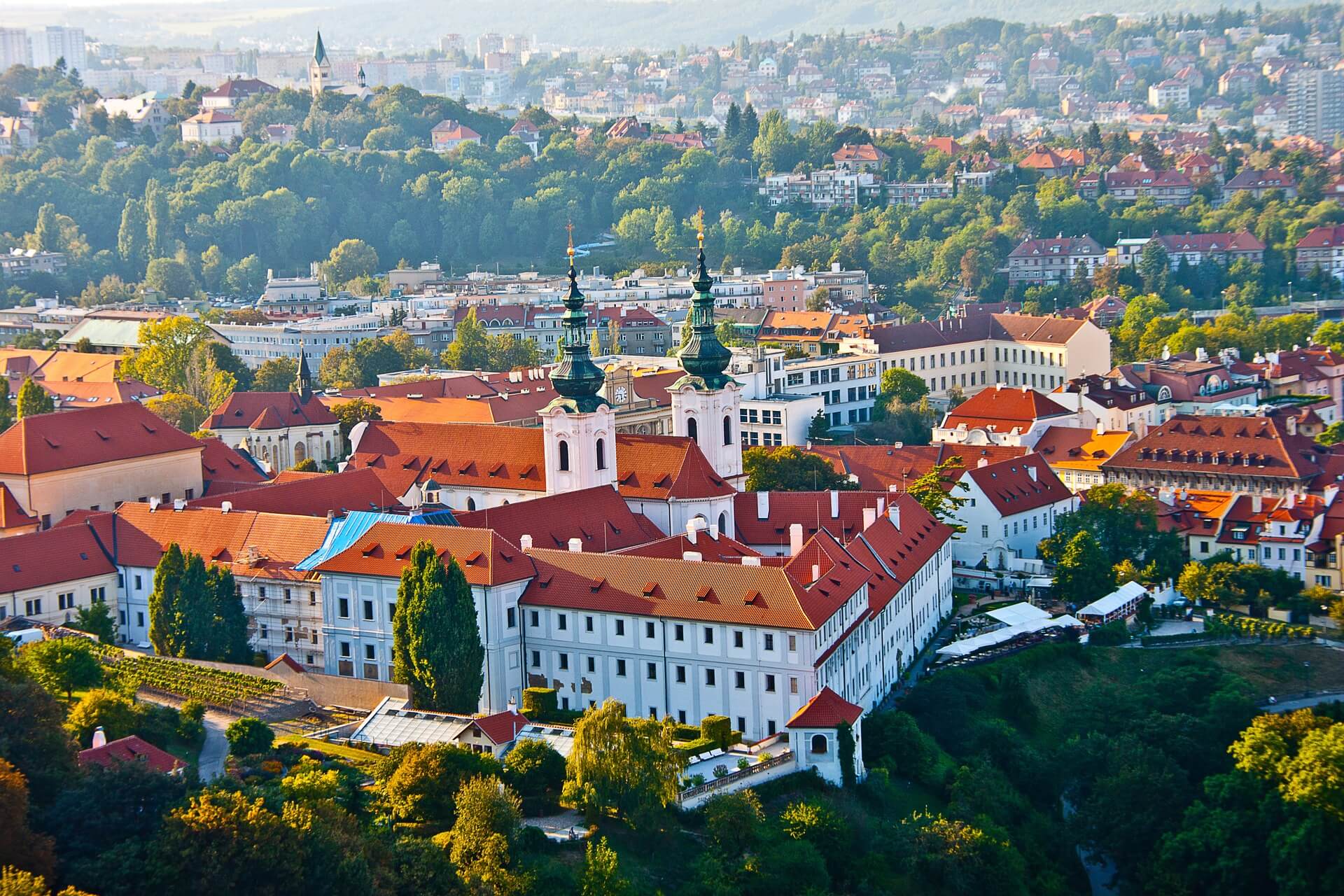
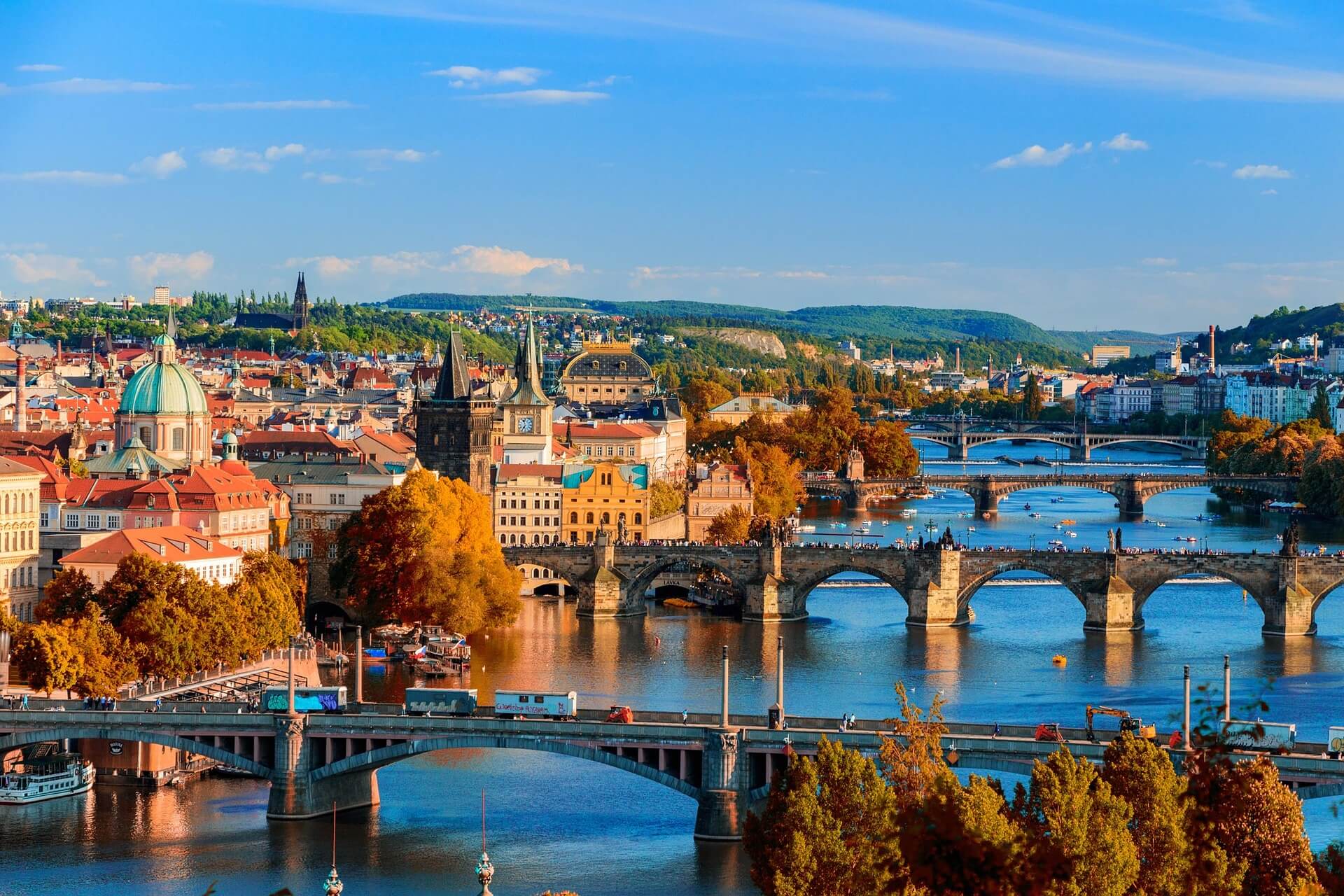
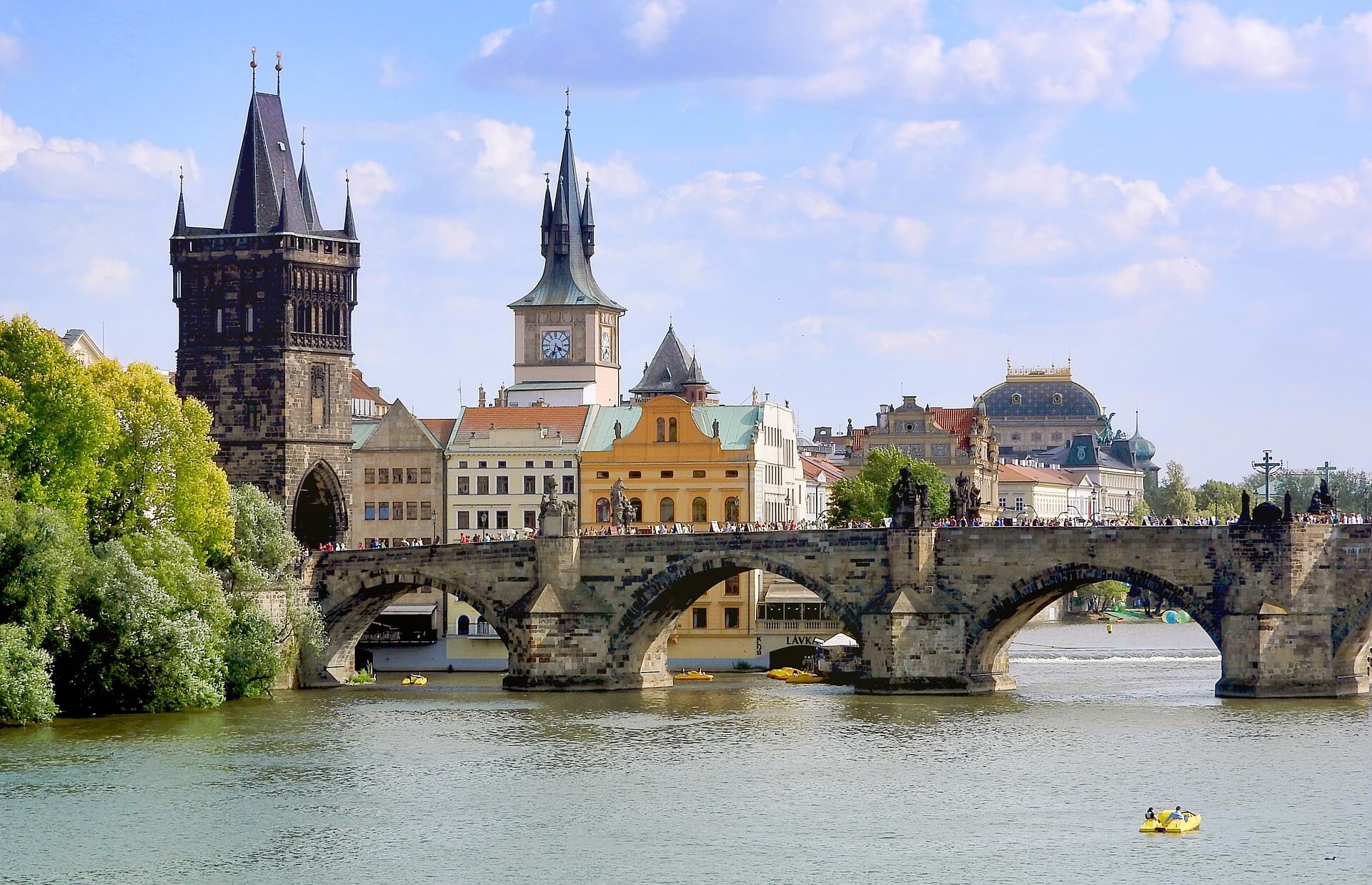
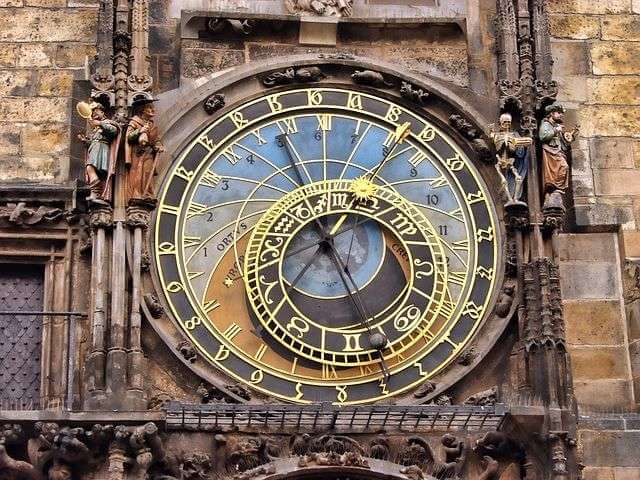
Prague is known as the city of a hundred Spires, a UNESCO Monument, and one of the most beautiful cities in Europe. Start at Old Town Hall with the famous Prague Astronomical Clock and stroll the winding streets of the Jewish Quarter, which you know from the novels of Franz Kafka, steeped in the legend of the Golem. Cafes entice you to come and have a seat, visit boutiques and take sight-seeing cruises on the Vltava River. The Gothic Charles Bridge and the Church of St. Nicholas, in the Lesser Town, is the most beautiful baroque church in Prague. The Palace Gardens are set away from the bustle of the city. Petrin has a lookout tower reminiscent of a small Eiffel Tower and Prague Castle Each of Prague’s districts, has its own characteristic atmosphere and unique charm. Prague presents itself to you as a changeable city, which likes its alternate styles: it is romantic and successful, ancient and modern, but above all it is a city that is cosmopolitan through and through, and is used to welcoming visitors.
Tourist Attractions
Prague Castle
Lesser Town
Old Town Square
Dancing House
The National Gallery
The National Theatre
The National Museum
Prague Jewish Town
Municipal House
The Charles Bridge
[The Astronomical Clock on Old Town Square
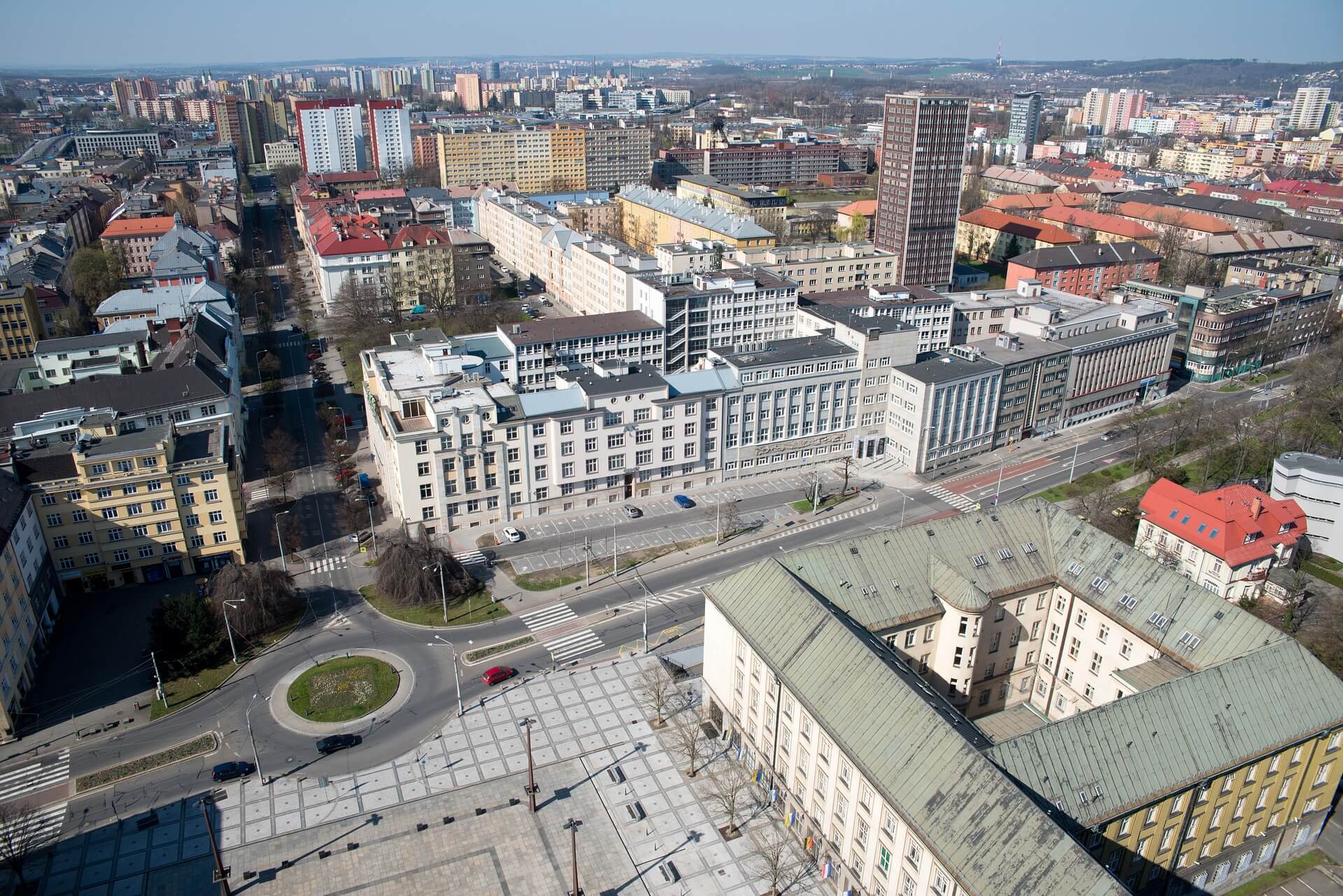
The City of Ostrava
Ostrava is the second largest city in the Czech Republic with a population of 1.2 million. Ostrava is the capital of the Moravian-Silesian region of the country. The first documented mention of the city comes from a 1229 document from Pope Gregory IX that mentions the town. Ostrava is situated in the Moravian Gate, a broad river basin and is located where the Lucina, Odra, Opava and Ostravice Rivers meet.
Tourist Attractions
Dolni Vitkovice Mining Museum
Zoo Ostrava
Landek Park Mining Museum
New City Hall Viewing Tower
Ostravice River
Studulni Street in city center with pubs, restaurants, nightclubs
The City of Brno
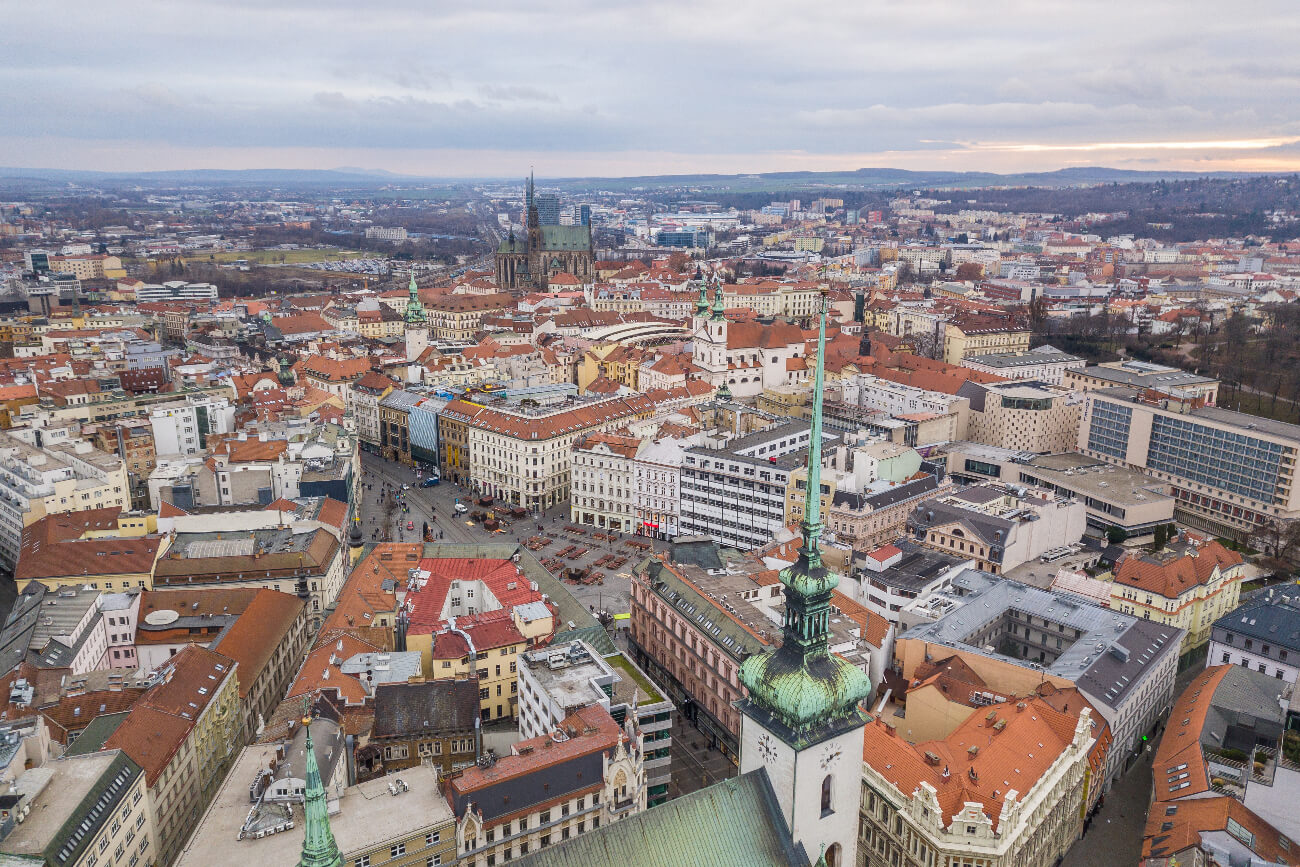
Brno has a population of 810,000 and is the capital of the South Moravian Region. It was officially recognized as a town by the King of Bohemia around 930 AD. Brno also served as the capital of the Margraviate of Moravia from 1641 to 1918. Brno is in the southeastern part of the country and is located where the Svitava and Svratka Rivers converge, and is surrounded by a hilly forest. It is near Brno that in 1805 Napoleon won gloriously the Battle of Austerlitz also known as the Battle of the three emperors: France, Austria and Russia.
Tourist Attractions
Spilberk Castle 13th century
Veveri Castle 13th century
The Church of St. Peter and Paul St. Thomas’s Abbey Where Gregor Mendel established genetics with work on pea plants
Brno Ossuary second largest in Europe
AZ Tower Tallest building in the country.
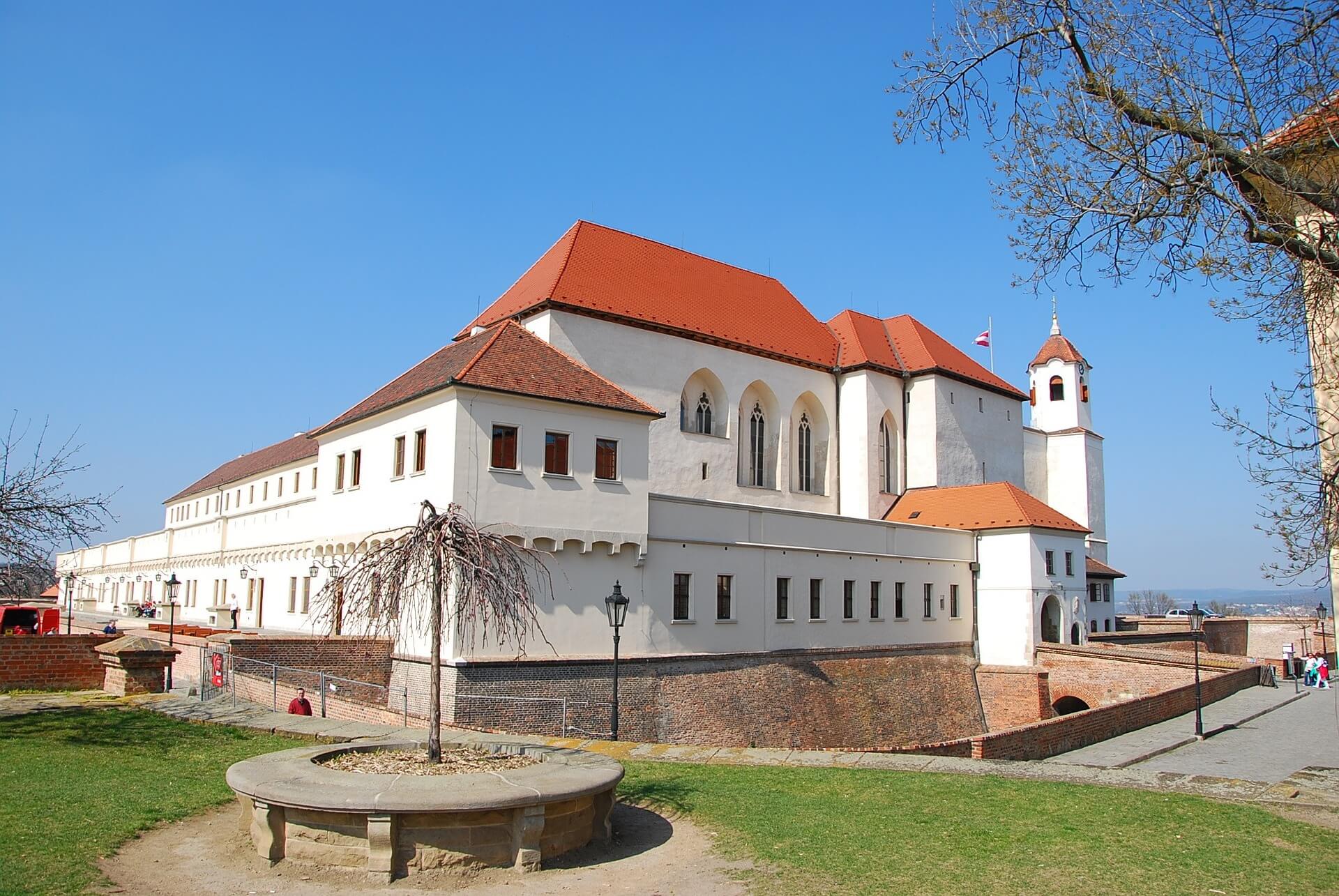
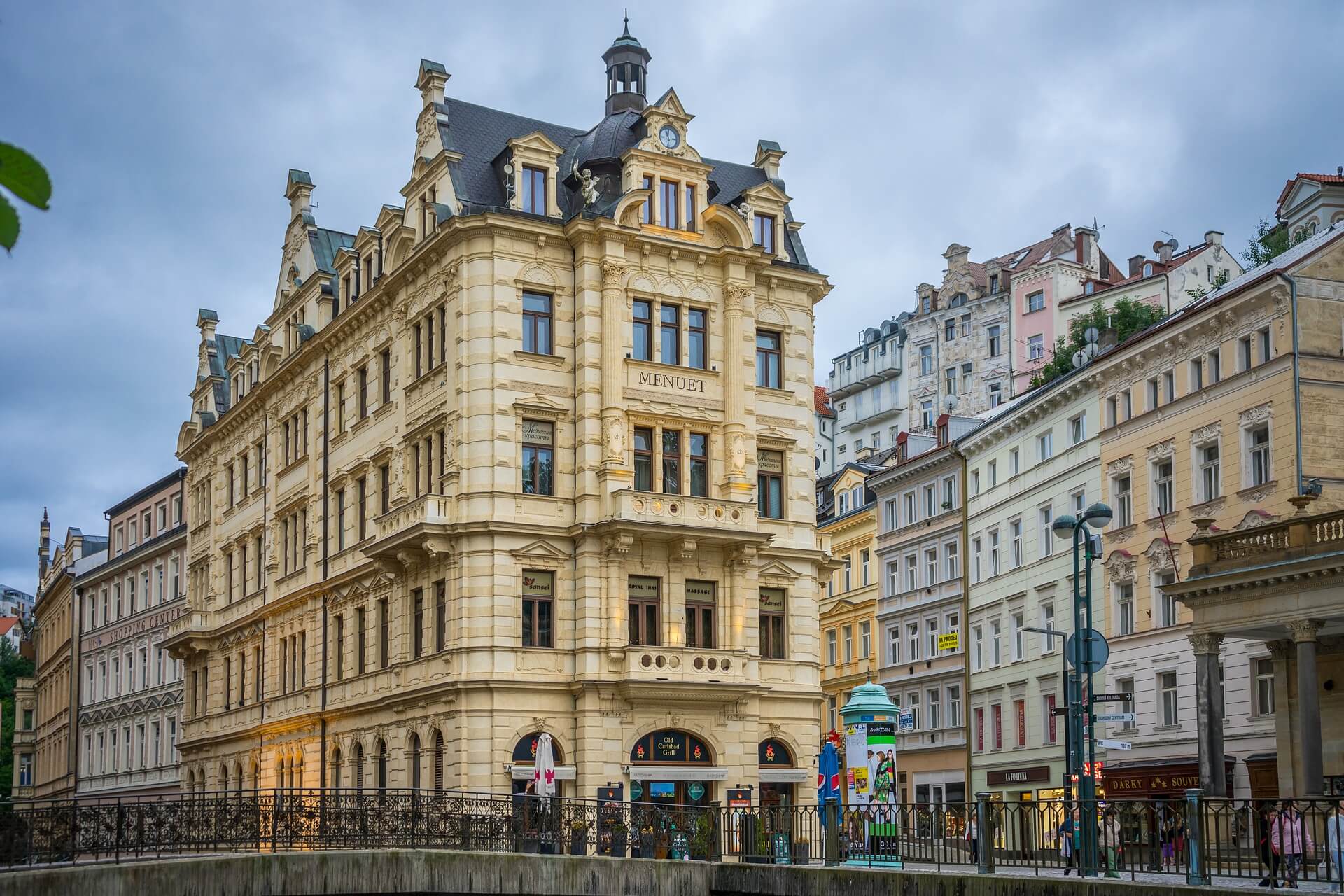
The city of Karlovy Vary
Karlovy Vary is also known as Carlsbad. Its fame comes from its popularity as a spa. At the end of the 14th century there were about 200 spa houses; in the 19th century rich and noble people used to come and meet to take the waters especially good to cure medical gastric conditions. The city is full of parks and gardens and is particularly attractive during the Spring when cherry trees blossom; Baroque and Art Nouveau buildings are very attractive. Besides the still active aqua therapy Karlovy Vary is also attracting many visitors during its film festival
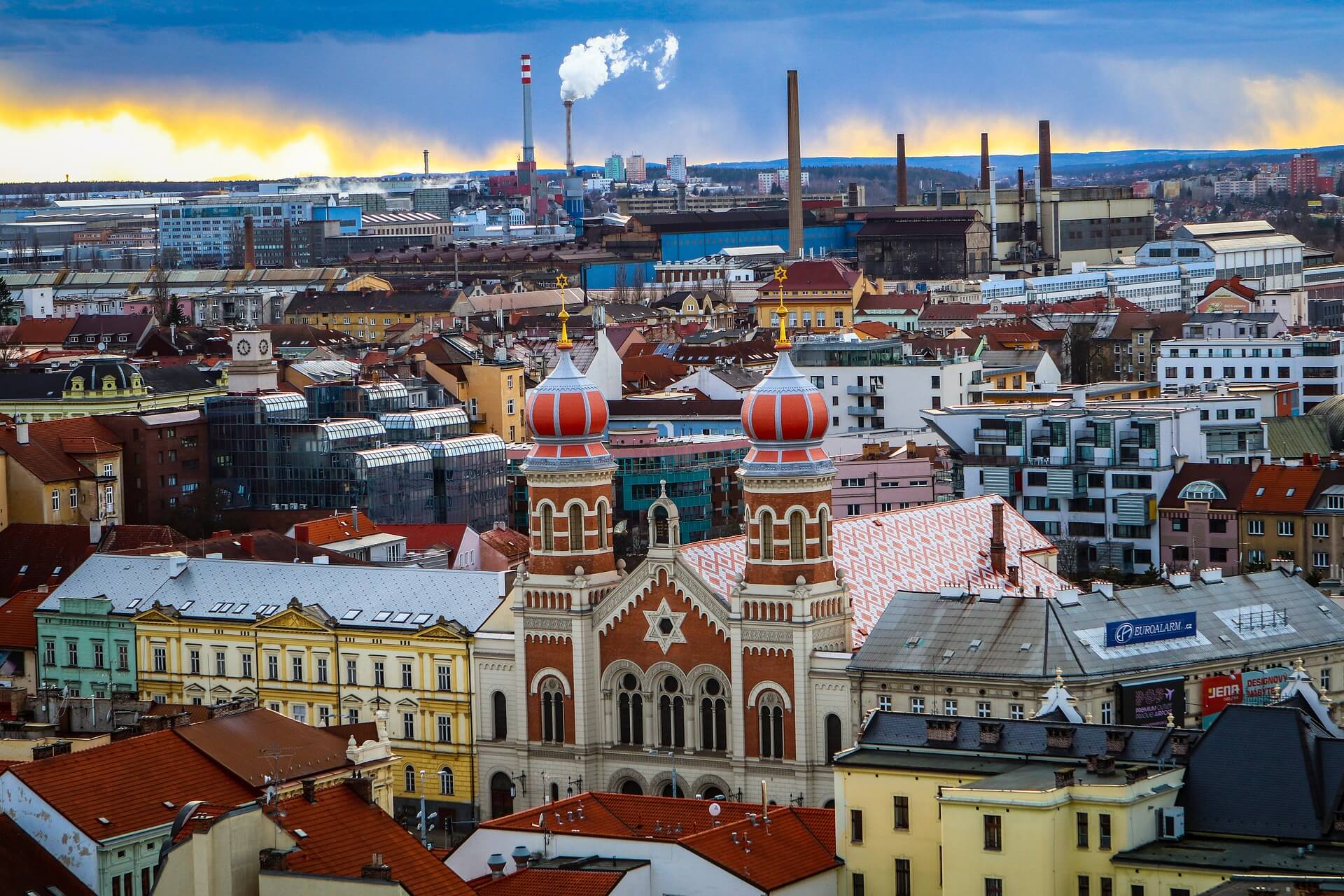
The City of Pizen
Pizen is mentioned in 976 as a castle during a battle involving the Holy Roman Emperor Otto II. In 1295 Pizen became a town and was granted a civic charter. The city is located in the Pizen Basin which is where the Berounka River is formed from the confluence of the Mze, Radbuza, Uhlava and Uslava Rivers. The city is the main hub for culture, business and academia for the western area of the Czech Republic. The city center has been declared a cultural heritage preservation site since 1989 and in 2015 was named as one of the two cities to be the European Capital of Culture. It has a population of 750,000 and is the fourth most populous city in the country.
Tourist Attractions
St. Bartholomew’s Cathedral built in 1295 and it has the highest tower in the country. Moorish Revival Great Synagogue Second Largest Synagogue in all of Europe
Dobrow Monastery the oldest operating brewery in the world since 1375.
Pilsner Beer has been brewed in the city since 1842.
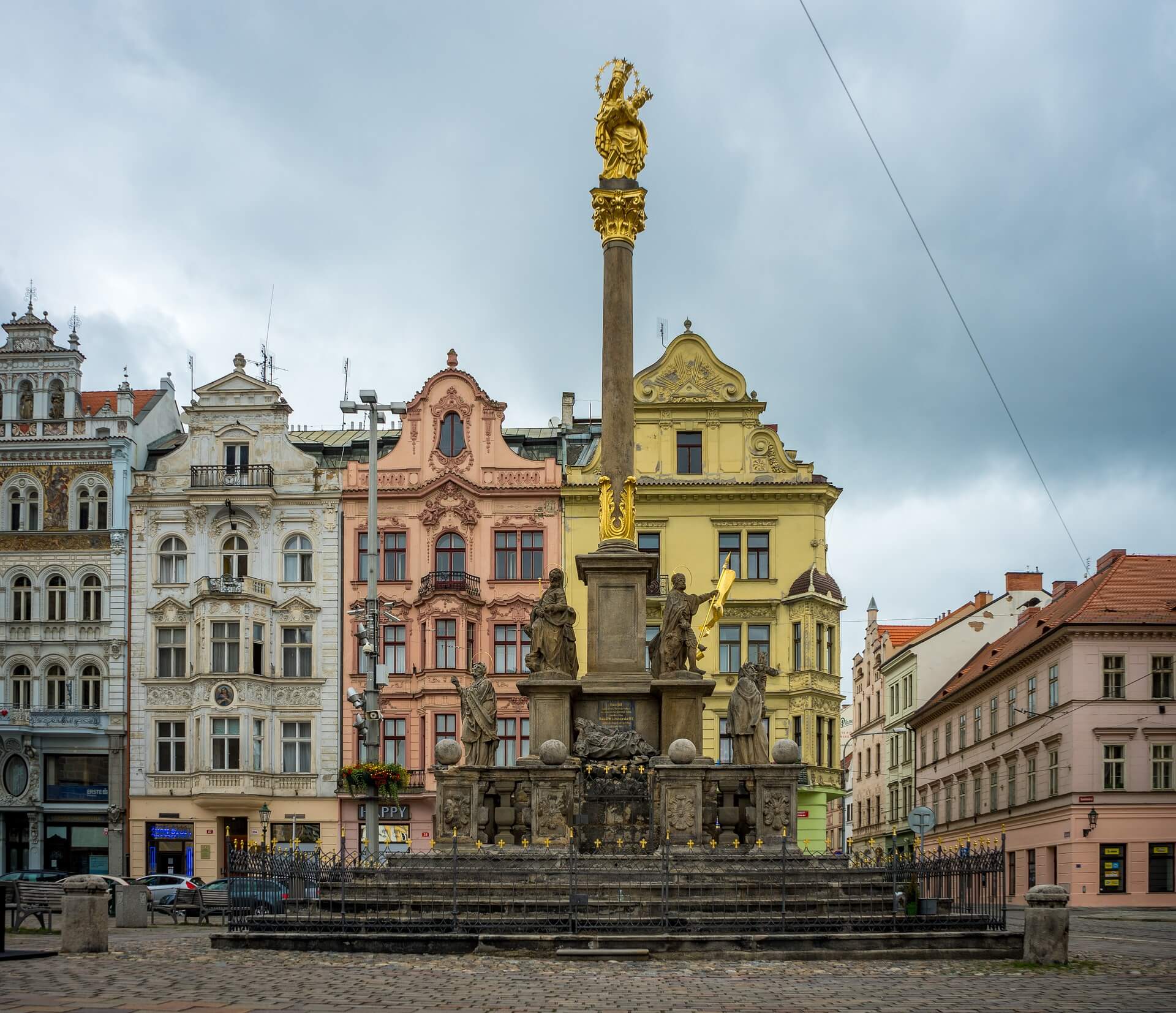
Other Tourist Attractions:
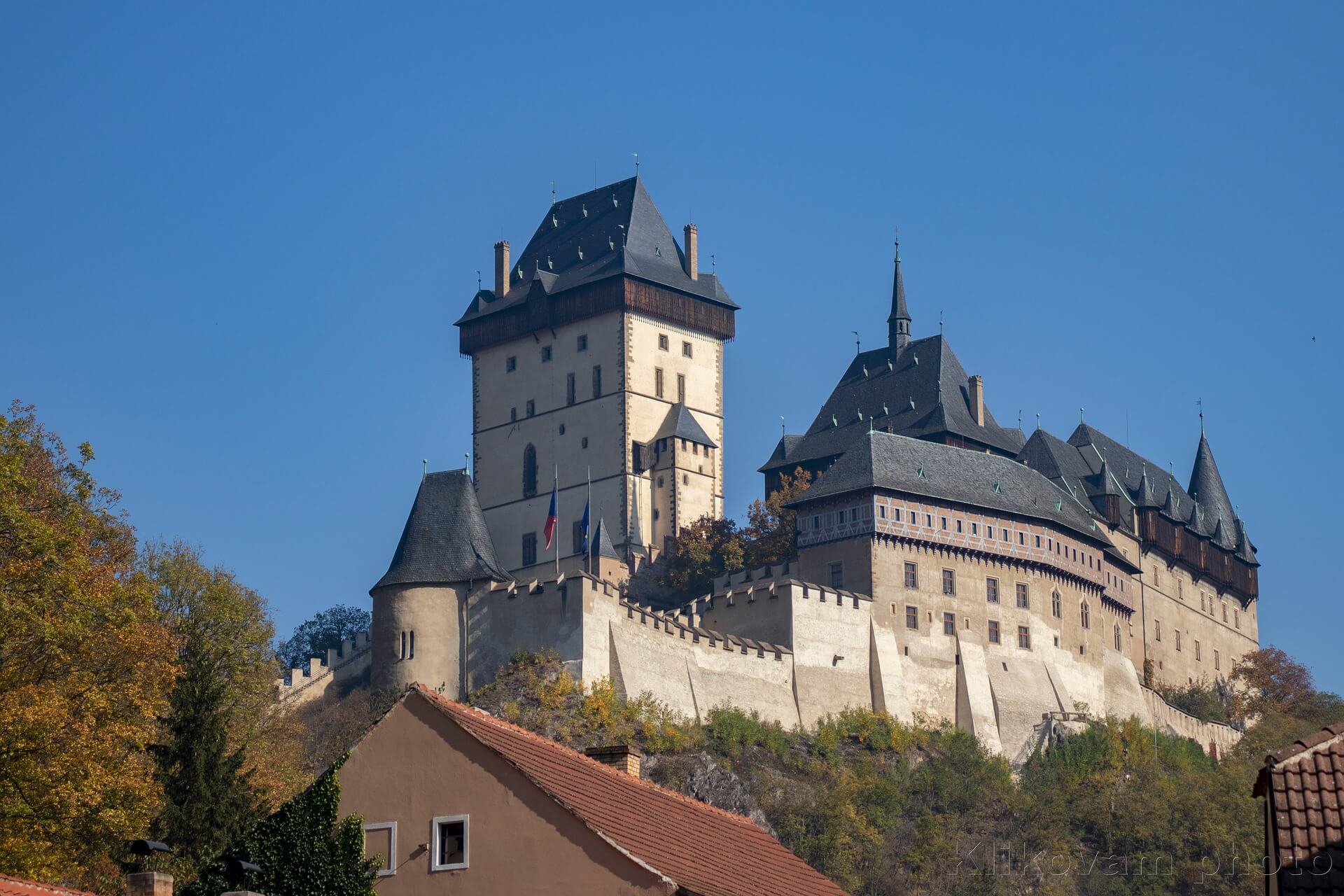
Karlstejn Castle 40 minutes by train from Prague
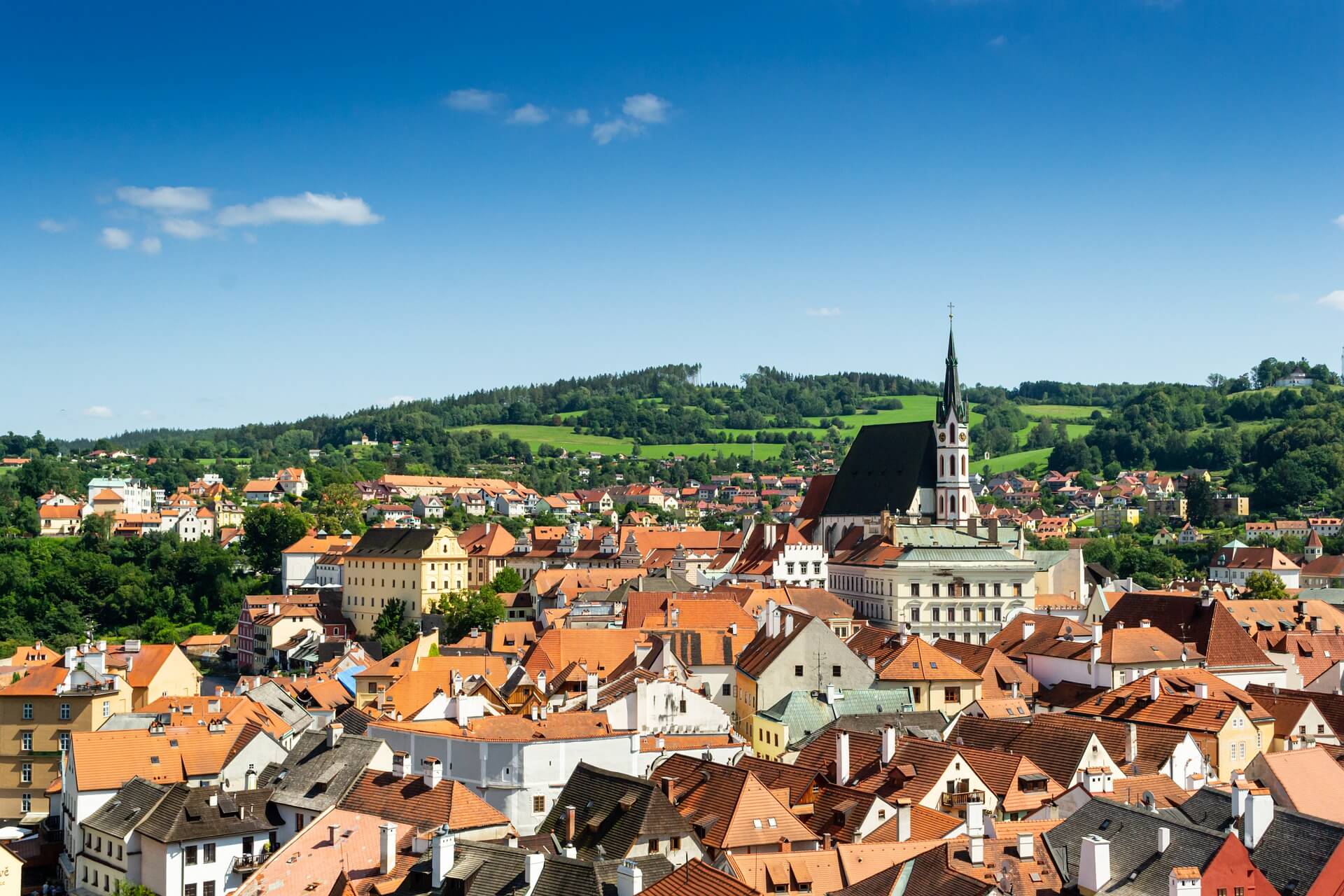
Cesky Krumlov A picturesque town in South Bohemia.
Kutna Hora UNESCO location is called the “city of silver” for its historic mining industry.
Telc A small fairy tale looking town.
Hluboka Castle Perhaps the most beautiful castle in the nation built in the14th century.
No Tour Found
No Tour Found