


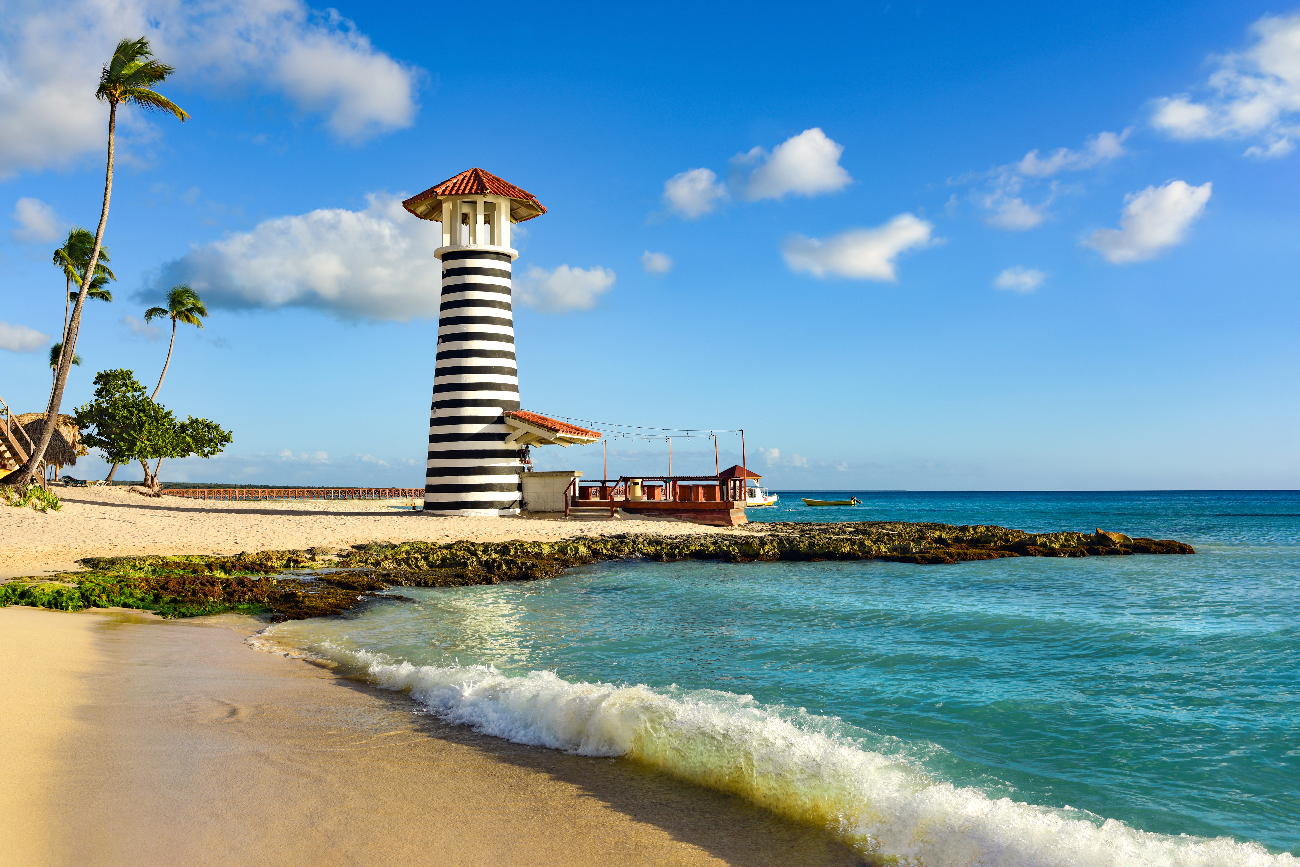

The Dominican Republic is a country located on the island of Hispaniola in the Greater Antilles Archipelago of the Caribbean region. The country occupies the eastern 5/8th of the island, which it shares with Haiti making Hispaniola only one of two Caribbean Islands shared by two sovereign states; the other being Saint Martin. The Dominican Republic is the second largest nation in the Antilles by area after Cuba at 18,792 square miles and third by population at 10.8 million. Approximately 3.3 million live in the metropolitan area of the capital, Santo Domingo. The official language of the country is Spanish. The native Taino people had inhabited Hispaniola prior to the arrival of Europeans and divided the island into five chiefdoms. They had constructed an advanced farming and hunting society and were in the process of becoming an organized civilization. Columbus landed on the island on his first voyage in 1492. The colony of Santo Domingo became the site of the first permanent European settlement in the Americas and the first seat of Spanish colonial rule in the New World. The Tainos were decimated by disease, wars with the Spaniards and general mistreatment. In 1697, Spain recognized French dominion over the western part of the island, which became the independent country of Haiti in 1804. The Dominican people declared independence in 1821 but were forcibly annexed by Haiti in 1822 and only became independent in 1844 after the Dominican War of Independence. Over the next 72 years the Dominican Republic experienced many civil wars, including several failed invasions of Haiti and a brief return to Spanish rule, before permanently ousting the Spanish during the Dominic War of Restoration of 1863-1865. The USA occupied the Dominican Republic between 1916 and 1924 due to its threats of defaulting on foreign debt. A civil war was ended by American military occupation in 1966. Since 1978, the country has moved toward a representative democracy.
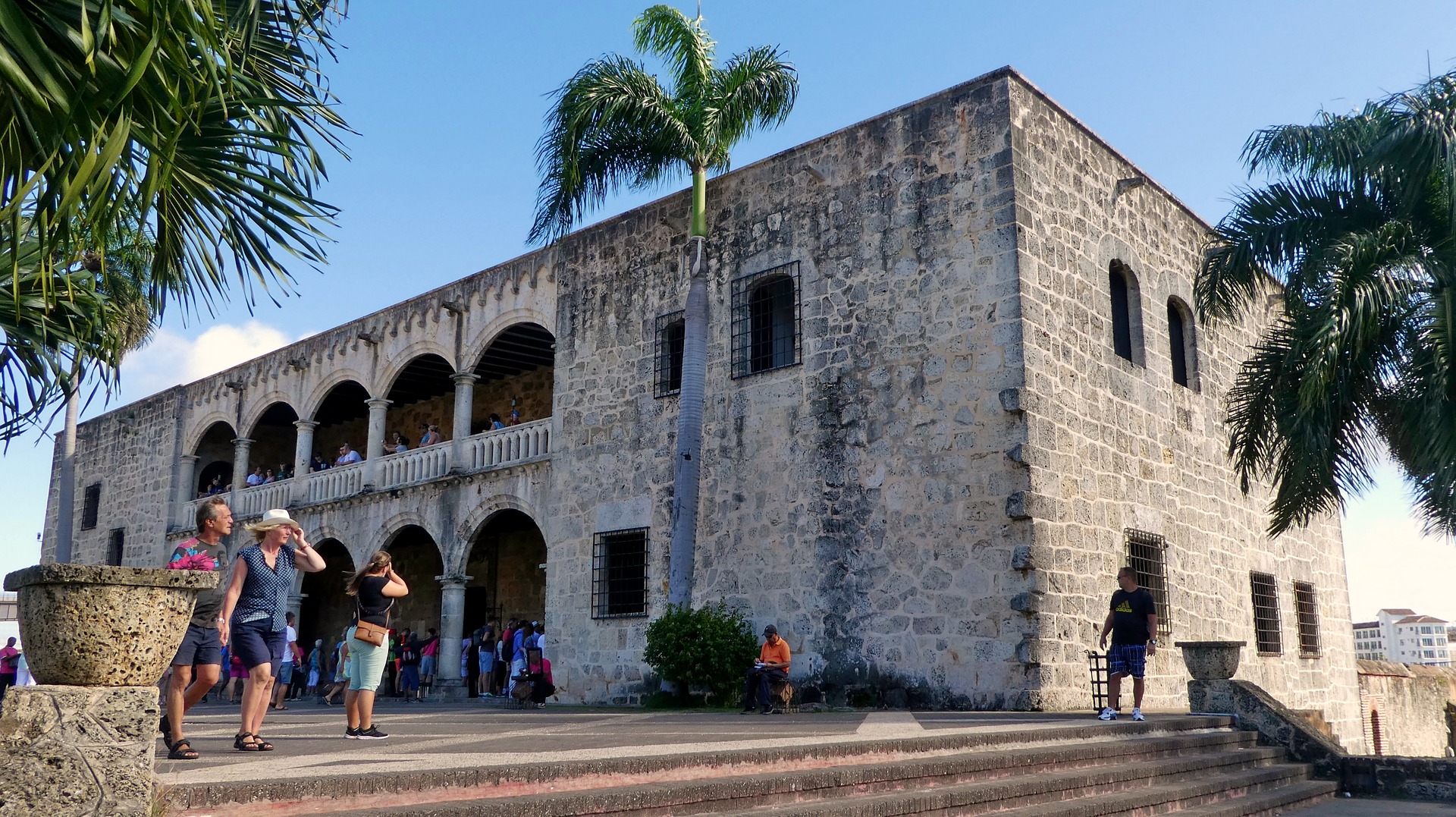
Alcazar de Colon One of the oldest colonial residences.
The Dominican Republic has the largest economy in the Caribbean and Central American regions and is the seventh largest economy in Latin America. It is the most visited tourist destination in the Caribbean with year round golf courses and upscale resorts. It has the Caribbean’s highest peak, its largest lake and lowest point. The country is also the site of the first cathedral, castle, monastery, and fortress built in the Americas, all located in Santo Domingo’s Colonial Zone which is a UNESCO World Heritage Site. Baseball is the de facto national sport.
The City of Santo Domingo
Santa Domingo has a population of 3 million and was founded in 1496 by Spain on the east bank of the Ozama River and when destroyed by a hurricane moved to the west bank in 1502. It had the first slave rebellion in the New World in 1522. It is the cultural, political, commercial, financial and industrial center of the country and has a large and busy port. It has a tropical monsoon climate which is mitigated by the trade winds.
Tourist Attractions
Zona Colonial Is a UNESCO World Heritage Site and filled with old cobblestone streets and colorful stone wall historic buildings.
Calle Las Damas A historic walking area filled with houses and quaint streets and containing the oldest house and street in the Americas.
National Botanical Garden Parque Colon A park surrounded by historically important buildings and is in the Zona Colonial.
Museo De Las Casas Reales Built in the 16th century and once the site of the Royal Court.
Mountain Zipline
Amber World Museum
Catedral Primada de America First cathedral in the Americas built in 1548.
Panteon Nacional A beautiful 18th century church converted to the national mausoleum.
Monasterio de San Francisco First monastery in the Americas
Calle el Conde best block for Restaurants
Convento de Las Dominicos built in 1510 as a convent.
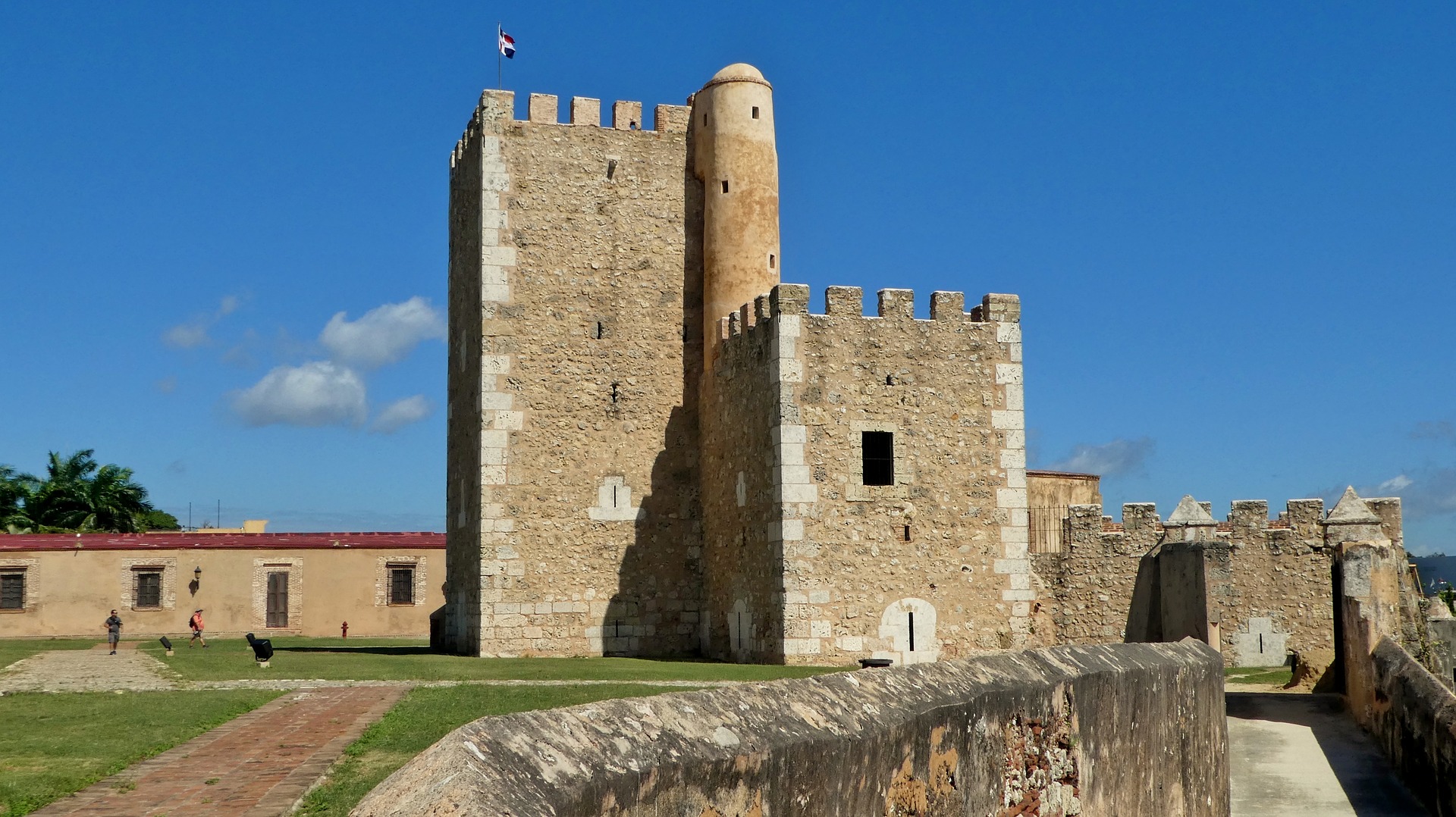
Fortaleza Ozona the first fort built in the Americas.
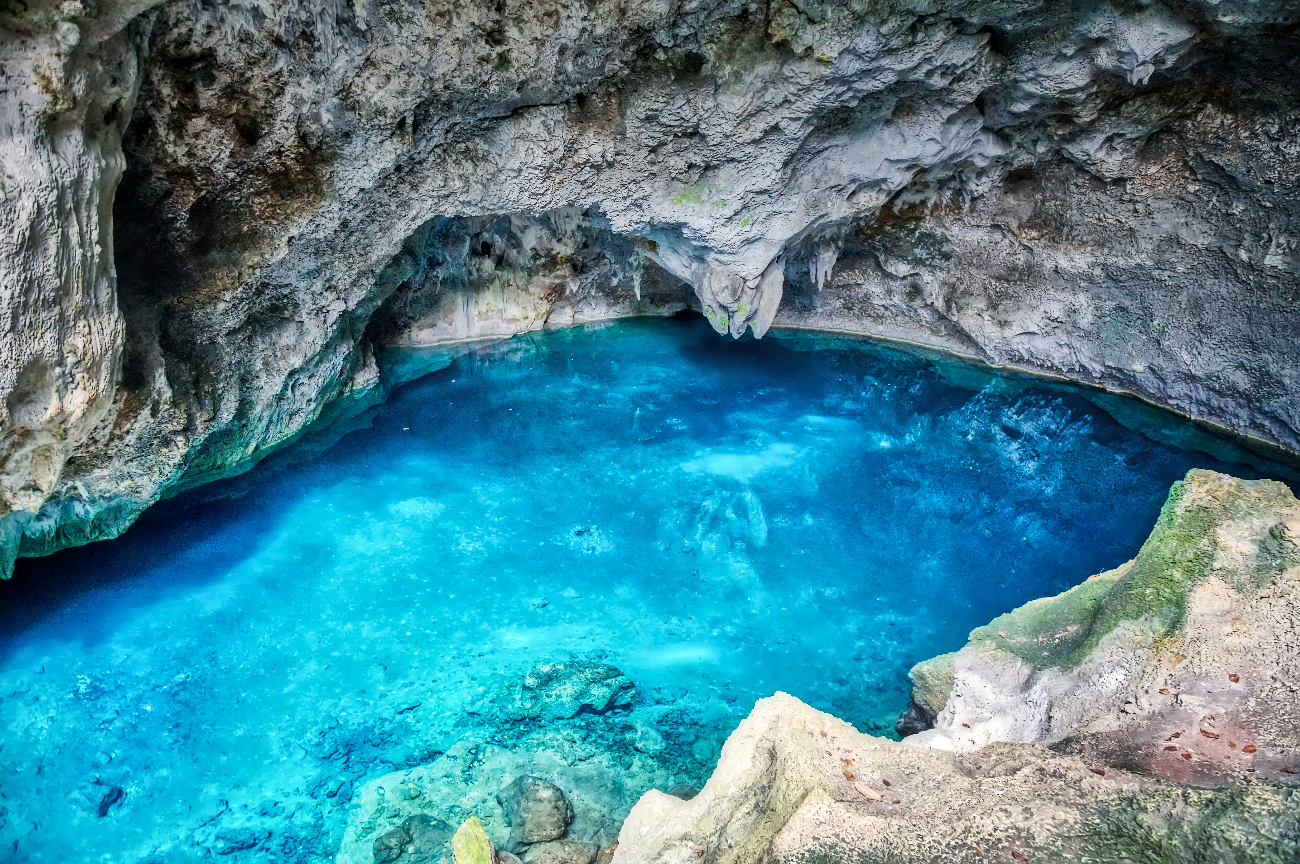
 The 3 Eyes National Park Natural caves and three pools
The City of Punta Cana
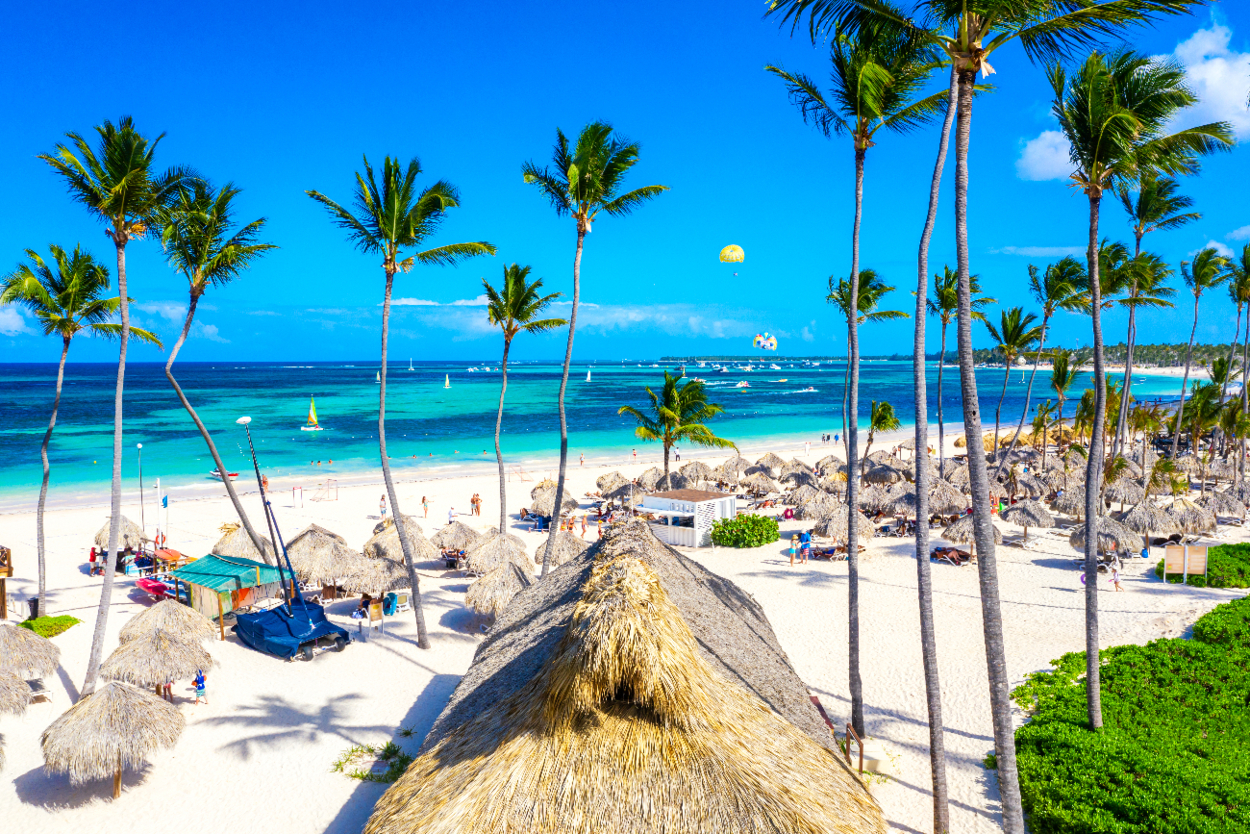
Punta Cana is a resort built by private funds and opened in the 1970’s. It lies on the northeastern coast of the island and is famous for its white sand beaches and blue turquoise waters. It has a hot climate and has a population of 100,000, mostly Haitian, who work in the tourist industry. Most popular sites are:
Bavaro Beach
Macao Beach
Dolphin Island
Juanillo Beach
Hoy Azul
Reserva Ecológica Ojos Indígenas
Arena Gorda Beach
Altos de Chavón
Saona Island
Scape Park at Cap Cana
Manati Park
Punta Espada Golf Course
The City of Higuey
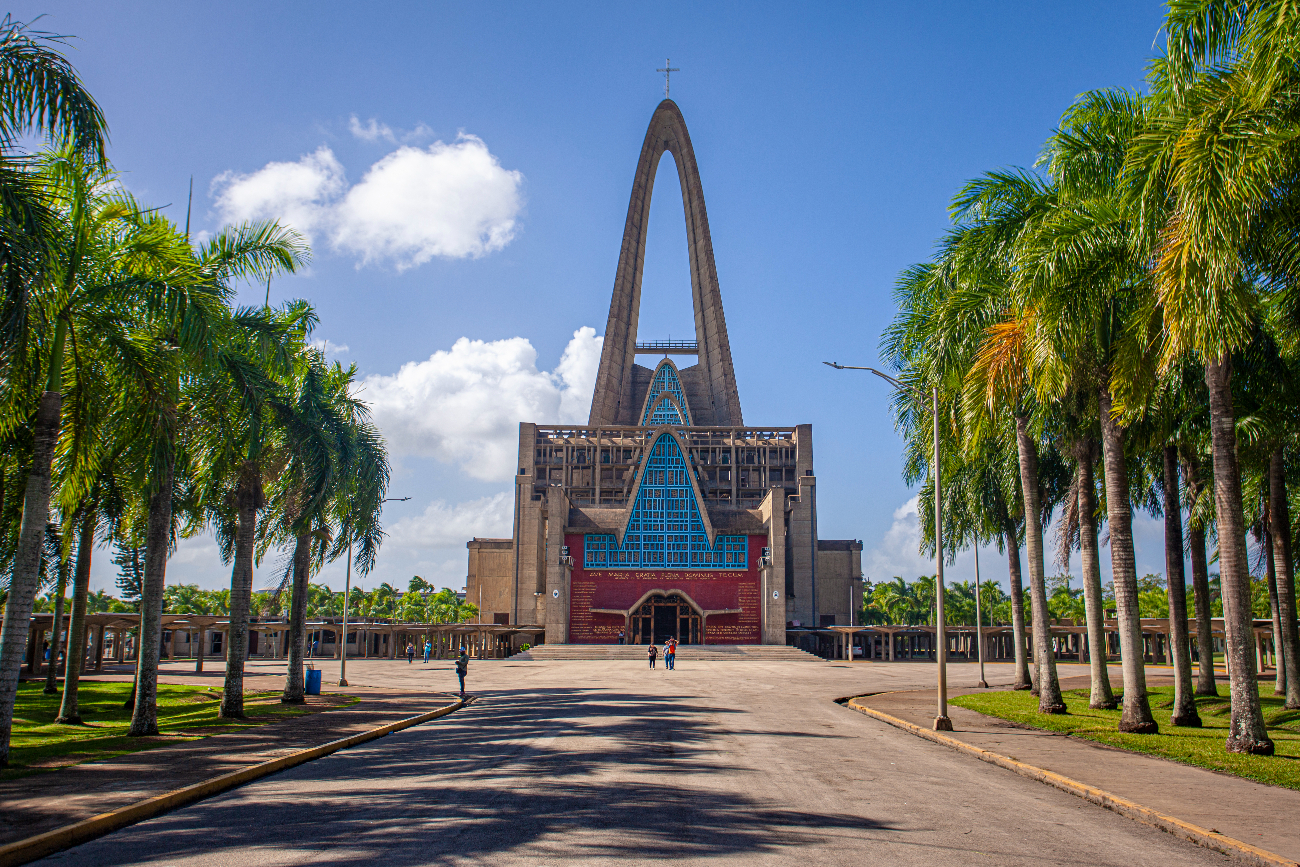
Higuey is less than one hour drive from Punta Cana. It is the 8th largest city in the Dominican Republic. Founded in 1502 by Spanish explorer Juan Ponce de León it has been long known for its pilgrimage centre and the Basicilca of the Virgin Mary, which houses a magnificent altar. The city is a commercial as well as a religious and administrative centre. Each year, thousands of pilgrims from all over the world are visiting the shrine on January 21.
The City of Santiago de Los Caballeros
Santiago has a population of 1,200,000 and is the capital of Santiago Province. It was founded in 1495 and is 100 miles northwest of Santo Domingo. It is one of the main cultural, political, financial and industrial centers of the Dominican Republic second only to the capital. It has a strong agricultural sector and is known for its beautiful Victorian era architecture. Tourist attractions are:
La Aurora Cigar Factory
Monumento a los Héroes de La Restauración
Centro Leon Museum
Catedral de Santiago Apóstol Old churches
Centro de Recreo Victorian architecture building
Fortaleza San Luis Historical museums
Duarte Park
Imbert Park
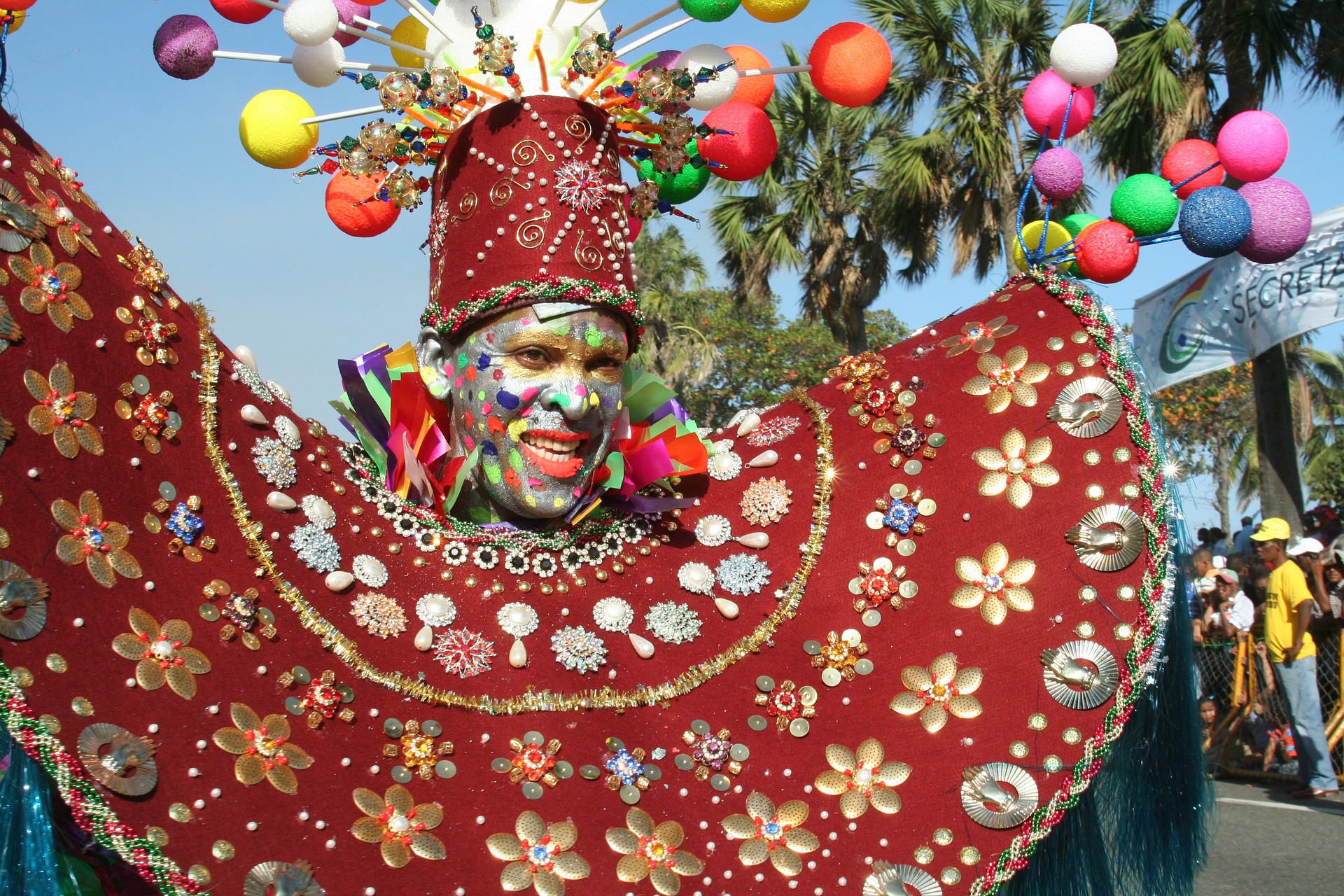
Oral culture is strong and consists of a rich collection in the form of folklore, legends, fairy tales, and hero epics. Native villages make elaborate and beautiful masks, hammocks, bags, baskets and pottery. Since the Spanish arrived, the country’s culture and literature has been heavily influenced by Spain and Europe but also heavily involved is African and Taino cultural elements. The Dominican Republic’s people invented and promoted the dance and musical theories of Meringue, Bachata and Salsa music. The official language is Spanish and the population is 95% Mulatto (people of mixed heritages) and 70% Roman Catholic.
Cuisine is dominated by Spanish heritage but influenced by African and Taino delicacies as well as Mid-Eastern dishes such as the Lebanese “Kibbeh ” that was converted to the Dominican “Quip”. A typical Dominican breakfast consists of mango, sautéed onions, fried eggs, fried salami, fried cheese and avocado. As in Spain, the main meal is lunch called “La Bandera” or “The Flag” which consists of rice, red beans, and meat with an occasional side of salad. Sofrito is a mixture of local herbs used as a wet rub for meats and which are sautéed to bring out flavor. Favorite local foods are:
The Casabe A Creole food substitute for bread.
Restore green banana strips
Chicken Fried and seasoned with Oregano
Yaniqueques cakes made of wheat flour filled with cheese or eggs
Stewed Kid Fish cooked with coconut.
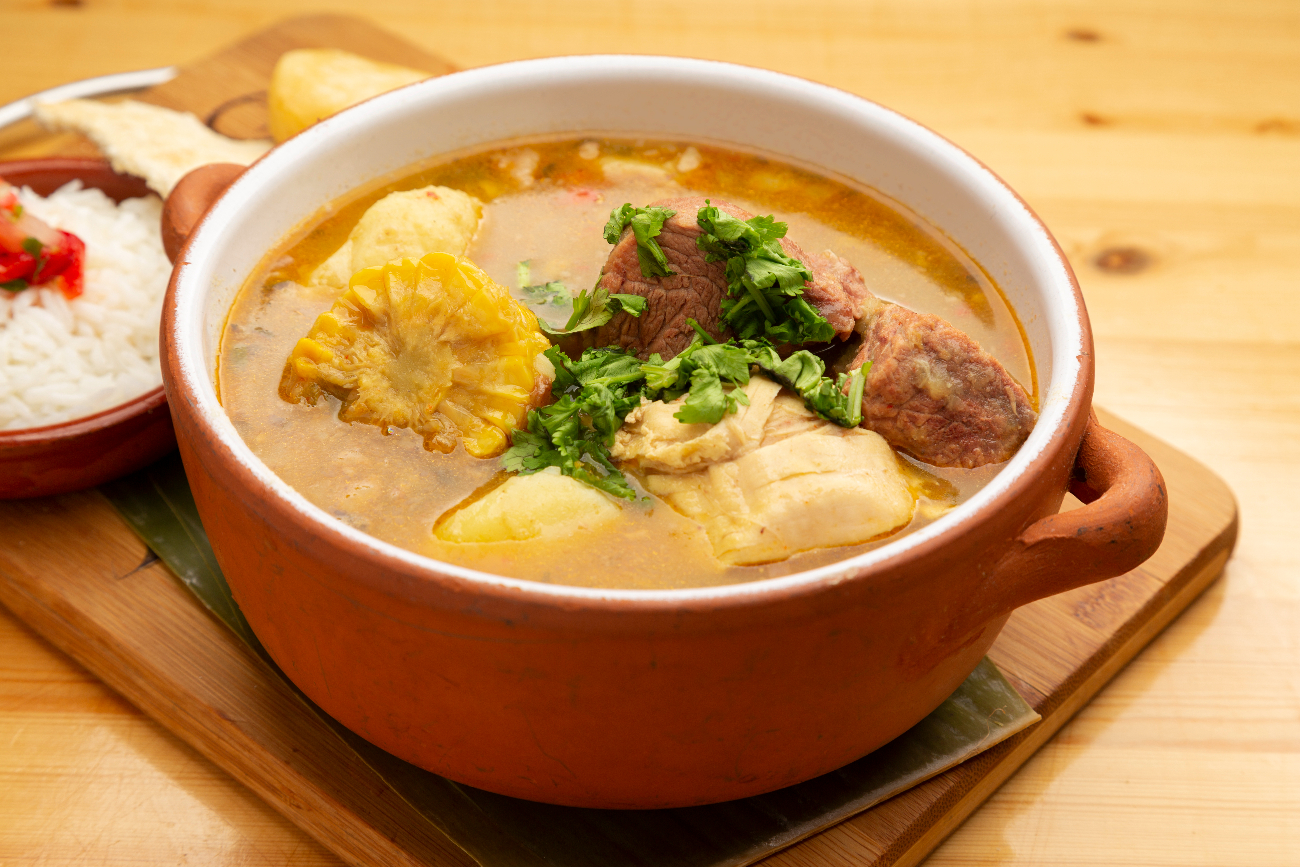
Sancocho A Spanish type stew
Desserts include:
Sweet Beans
Coconut Sweet
Orange with Milk Sweet
Majareted (light cream with corn, vanilla, sugar and cinnamon)
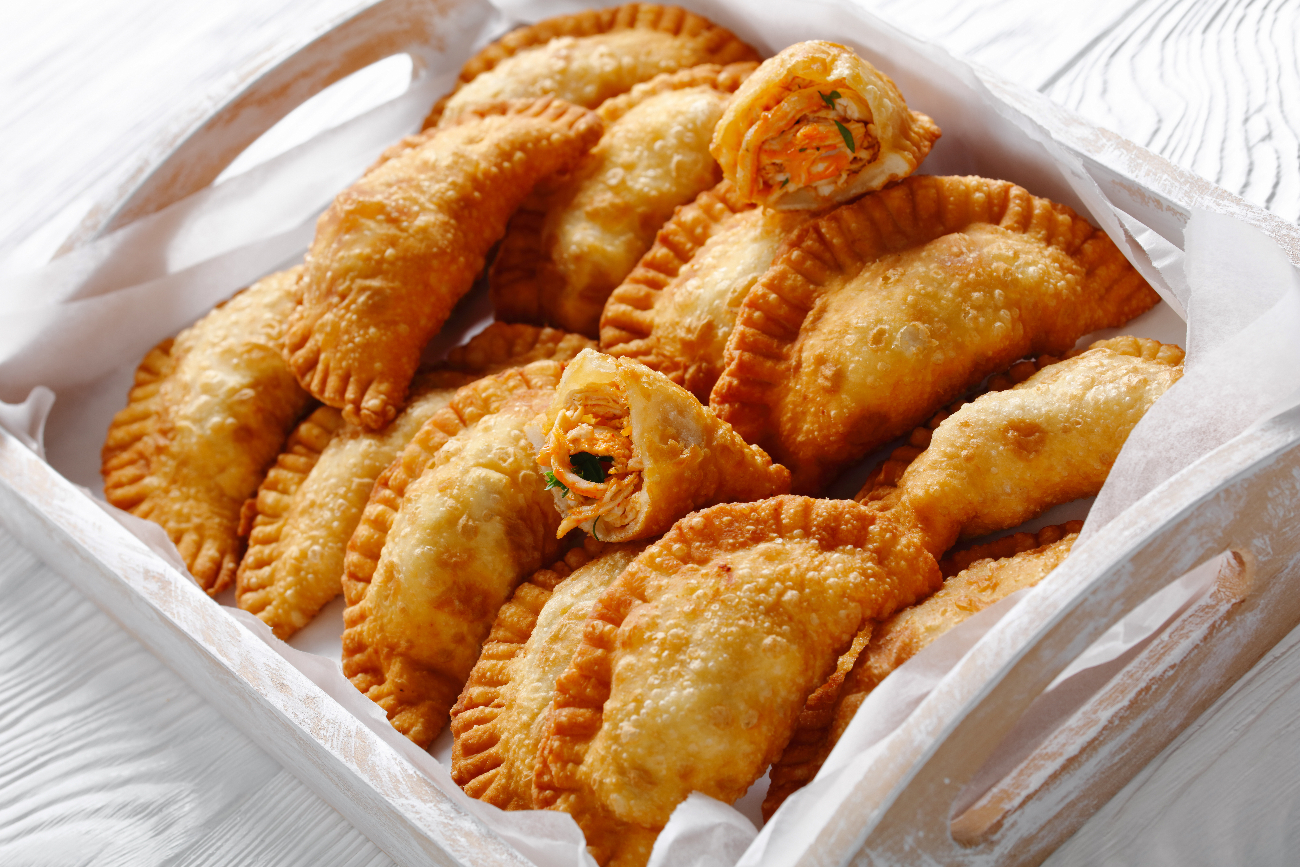
Other favorites are: Chicarron, Yuca, Casable, Yam, Sugar Cane, Flan, Empanadas, Batata, Tostones and Fried Frio.
No Tour Found
No Tour Found