


England is a country that is part of the United Kingdom. It shares borders with Wales to its west and Scotland to the north. The Irish Sea lies northwest of England and the Celtic Sea to the southwest. England is separated from continental Europe by the North Sea to the east and the English Channel to the south. The country covers 5/8th of the island of Great Britain, which lies in the North Atlantic, and includes over 100 smaller islands such as the Isles of Scilly and the Isle of Wight. The area now called England was first inhabited by modern humans during the Upper Paleolithic period, but takes its name from the Angles, A Germanic tribe deriving its name from the Anglia Peninsula, who settled during the 5th and 6th centuries. England became a unified state in the 10th century and has had a significant cultural and legal impact on the wider world since the Age of Discovery, which began during the 15th century. The English language, the Anglican Church, and English law-the basis for the common law legal system for many countries around the world –developed in England, and the country’s parliamentary system of government has been widely adopted by other nations. The Industrial Revolution began in the 18th century transforming England’s society into the world’s first industrialized nation. The capital is London, which has the largest metropolitan area in the United Kingdom. England’s population of 56.3 million comprises 84% of the population of the United Kingdom largely centered around London, the South East, and conurbations in the Midlands, the North West, the North East and Yorkshire, which each developed as major industrial regions during the 19th century. The Kingdom of England,-which after 1535 included Wales, ceased being a sovereign state in 1707 when it entered into a political union with the Kingdom of Scotland to create the Kingdom of Great Britain. In 1801 it was united with the Kingdom of Ireland to become the United Kingdom of Great Britain and Ireland. In 1922 the Free State of Ireland seceded from the union leading to the renaming to the United Kingdom of Great Britain and Northern Ireland. The population is 80% white and the Church of England is the official religion. English is the official language and the government is a constitutional monarchy with direct government exercised by the United Kingdom. Parliament consists of the House of Commons and the House of Lords.
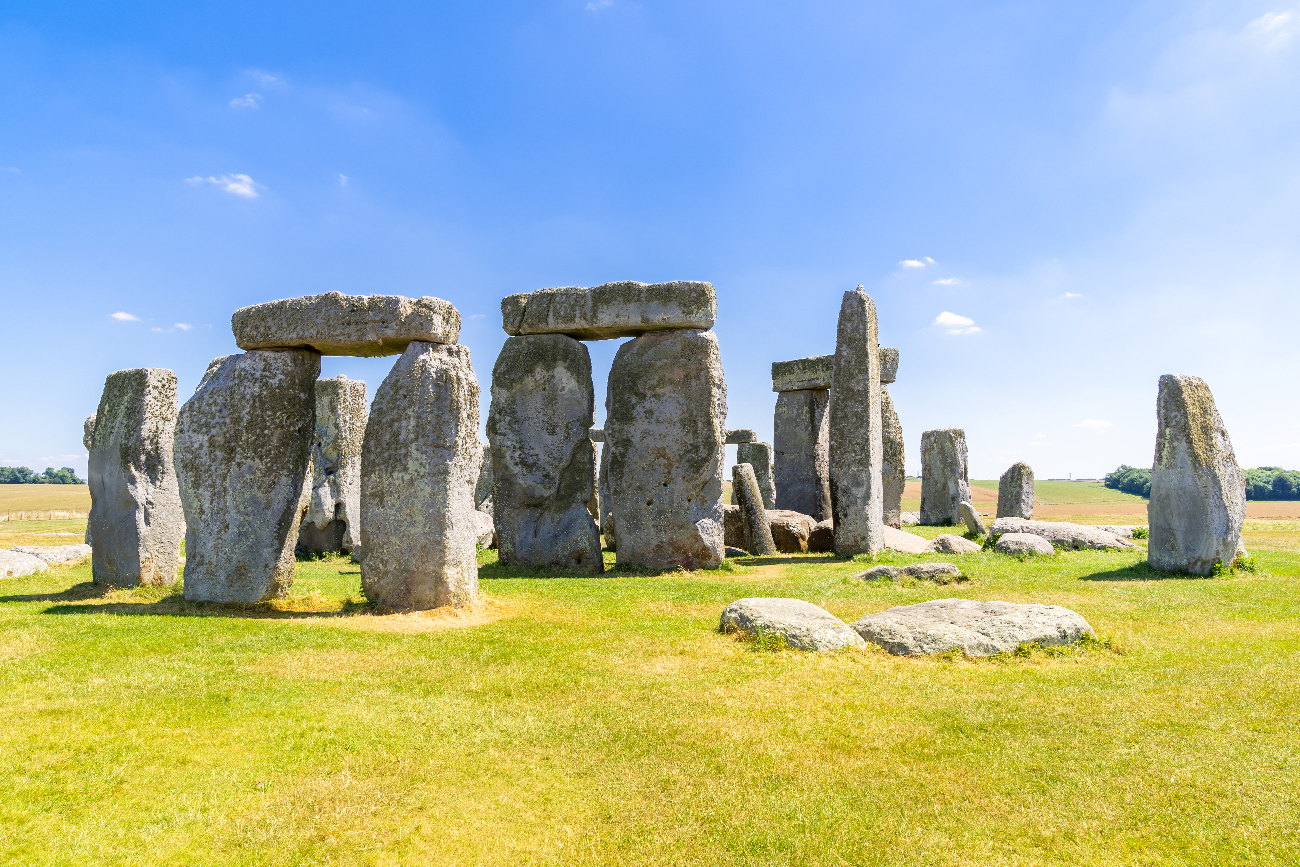
The earliest know presence of Homo antecessor in England was 780,000 years ago. Modern humans are known to have inhabited the area during the Upper Paleolithic period, though permanent settlements were only established within the last 6000 years. Humans came from the northern part of the Iberian Peninsula. The sea level was lower than now and Britain was connected by land bridge to Ireland and Eurasia. As the seas rose it was separated from Ireland 10,000 years ago and from Eurasia two millennia later. The Beaker culture arrived around 2500 BCE, introducing drinking and food vessels constructed from clay as well as vessels used as reduction pots to smelt copper ores. It was during this time that Stonehenge was built. The Beaker culture could make bronze and later iron from iron rods. Iron smelting allowed the production of better ploughs, advancing agriculture and more effective weapons. During the Iron Age, Celtic culture arrived from Central Europe. The society was tribal and there were about 20 tribes inhabiting the land. Julius Caesar invaded twice and in 55 BCE managed to set up a client king from a local tribe. The Romans invaded Britain in 42 AD and conquered much of Britain. Roman law, culture, architecture, aqueducts, sewers and many agricultural products and silk were used and made available. Christianity was introduced by the 4th century and after the Romans left Celtic Christian monasteries and missionaries and movements flourished and were much influenced by Celtic culture in practice and theology.
Middle Ages Roman military withdrawal left Britain open to invasion by north-western continental Europe; chiefly Saxons, Angles, Jutes and Frisians and they began to settle in the country in the 5th and 6th centuries. Anglo Saxon settlement was strong in the south and east but the Celtic language was still spoken. There were roughly a dozen kingdoms until the 9th century when a unified kingdom was established under Eadred in 953. In the 10th century the Vikings attacked and controlled territory in England. There was the Norman Conquest in 1066 which led to a total disbanding of the English speaking elite who were replaced with French speaking lords. They reigned for three centuries which saw the Magna Carta signed and Catholic monasticism lead to advances in philosophy, university founding and a flourishing economy. The Black Death epidemic hit England in 1348 and killed half the population. The War of Roses led to victory by the Welsh nobility; the Tudors.
Early Modern The Renaissance reached England and at the same time the English began to dramatically improve their sailing knowledge and navy and exploration to the west increased dramatically. In 1534, Henry VIII separated from the Roman Catholic Church to head the Church of England. Competing with Spain, the first English colony was founded in 1585 by Walter Raleigh in Virginia.
Late Modern and Contemporary Under the newly formed Kingdom of Great Britain, output from the Royal Society and other English initiatives, combined with the Scottish Enlightenment created innovations in science and engineering. The enormous growth in British overseas trade and colonies, protected by the Royal Navy, paved the way for the establishment of the British Empire. Domestically, it drove the Industrial Revolution. The opening of Northwest England’s Bridgewater Canal, in 1761, ushered in the Canal Age in Britain. In 1825, the world’s first permanent steam locomotive-hauled passenger railroad; The Stockton and Darlington Railroad-opened to the public. Many workers moved from the countryside to work in the factories and the cities grew rapidly. The Napoleonic Wars fostered a sense of Britishness and nationalism and created a national British people which involved the English, Scots and Welsh. London became the most populous city in the world during the Victorian Era. Hundreds of thousands of English soldiers died during World War I and World War II. Following WWII England saw a rapid decolonization of its overseas empire. Since the 20th century there has been a significant movement of people from the old colonies to England, particularly from the Indian sub-continent.
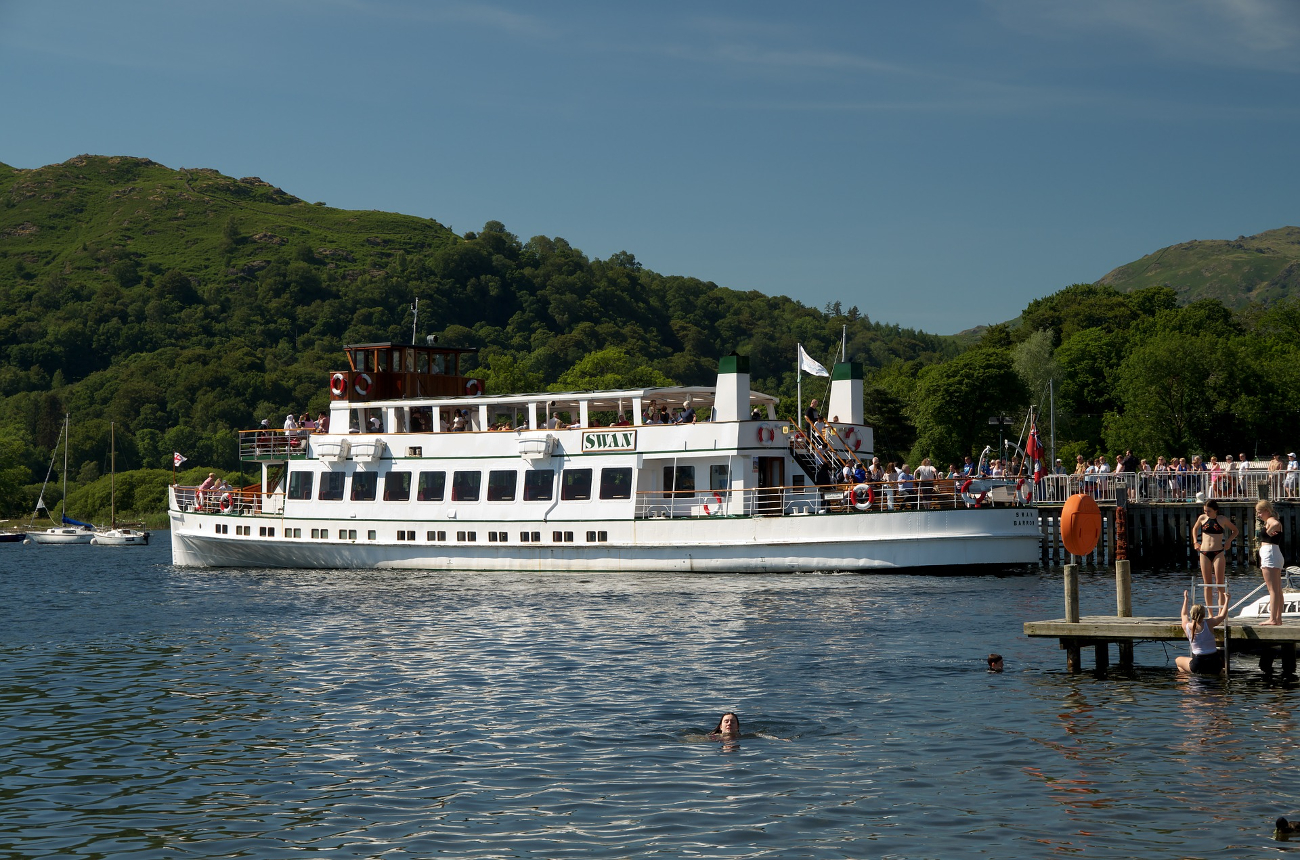
Geographically, England includes the central and southern 2/3rds of Great Britain plus offshore islands. The ports of London, Liverpool, and Newcastle lie on the tidal rivers Thames, Mersey, and Tyne respectively. At 220 miles, the Severn is the longest river flowing through England. There are many lakes. The largest, Windermere, lies within the aptly named Lake District. England’s terrain is chiefly low hills and plains, especially in central and southern England. However, there is upland and mountainous terrain in the north and in the west of the country. The northern uplands include the Pennines, a chain of uplands dividing east and west, the Lake District Mountains in Cumbria, and the Cheviot Hills straddling the border between England and Scotland. The highest point in England is 3209 feet at Scafell Pike in the Lake District. In geological terms, the Pennines, known as the “backbone of England ” are the oldest mountain range originating about 300 million years ago. They contain two national parks, The Yorkshire Dales and the Peak District. The English Lowlands are in the central and southern regions of the country, consisting of green rolling hills where they meet the sea and form white rock exposures such as the cliffs of Dover. There are also relatively flat plains. England has a temperate maritime climate; it is mild with temperatures rarely falling below freezing or not much higher than 90 degrees. The weather is frequently damp and changeable. Important influences on the climate of England are its proximity to the Atlantic Ocean, its northern latitude, and the warming of the sea by the Gulf Stream.
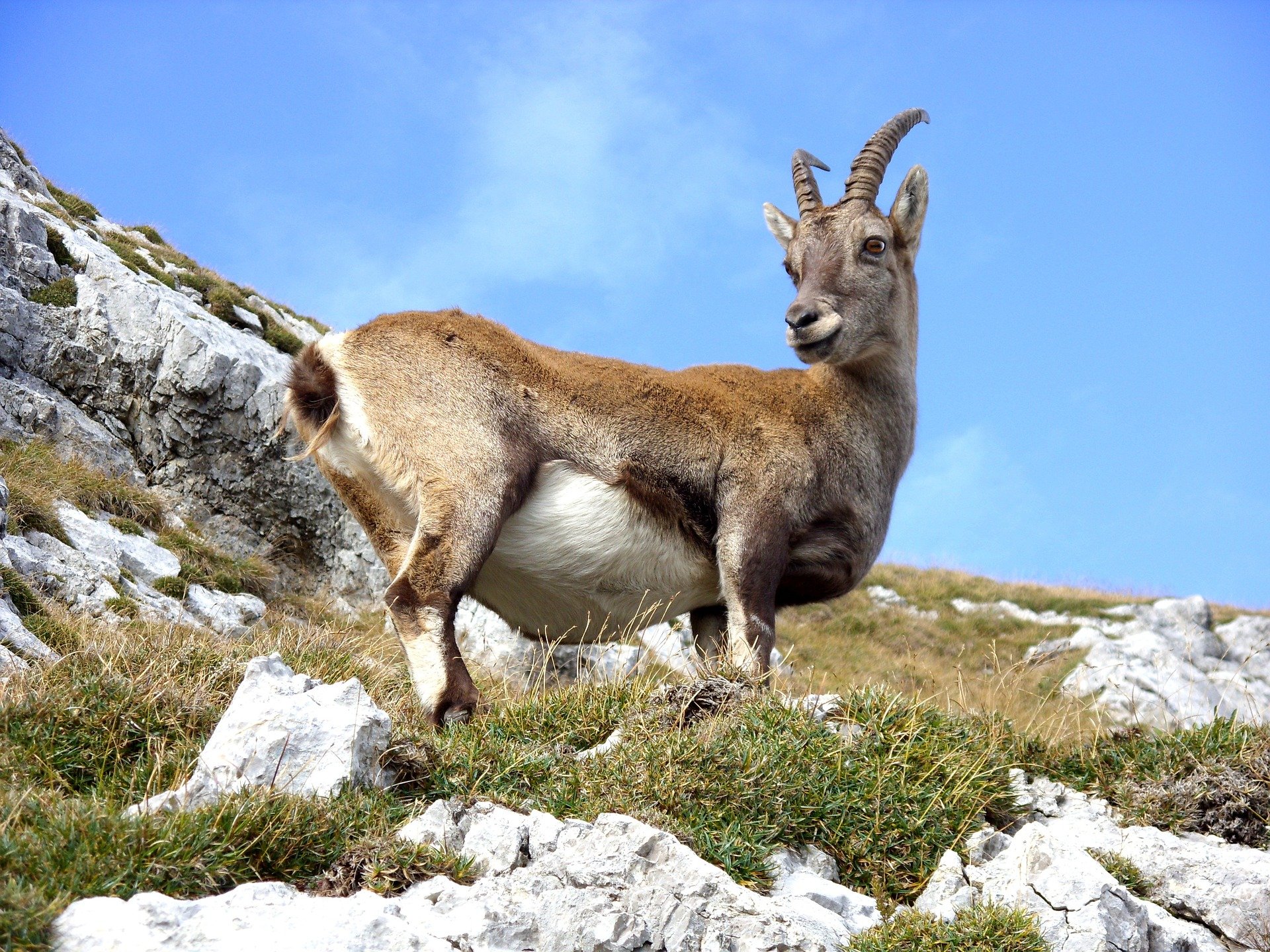
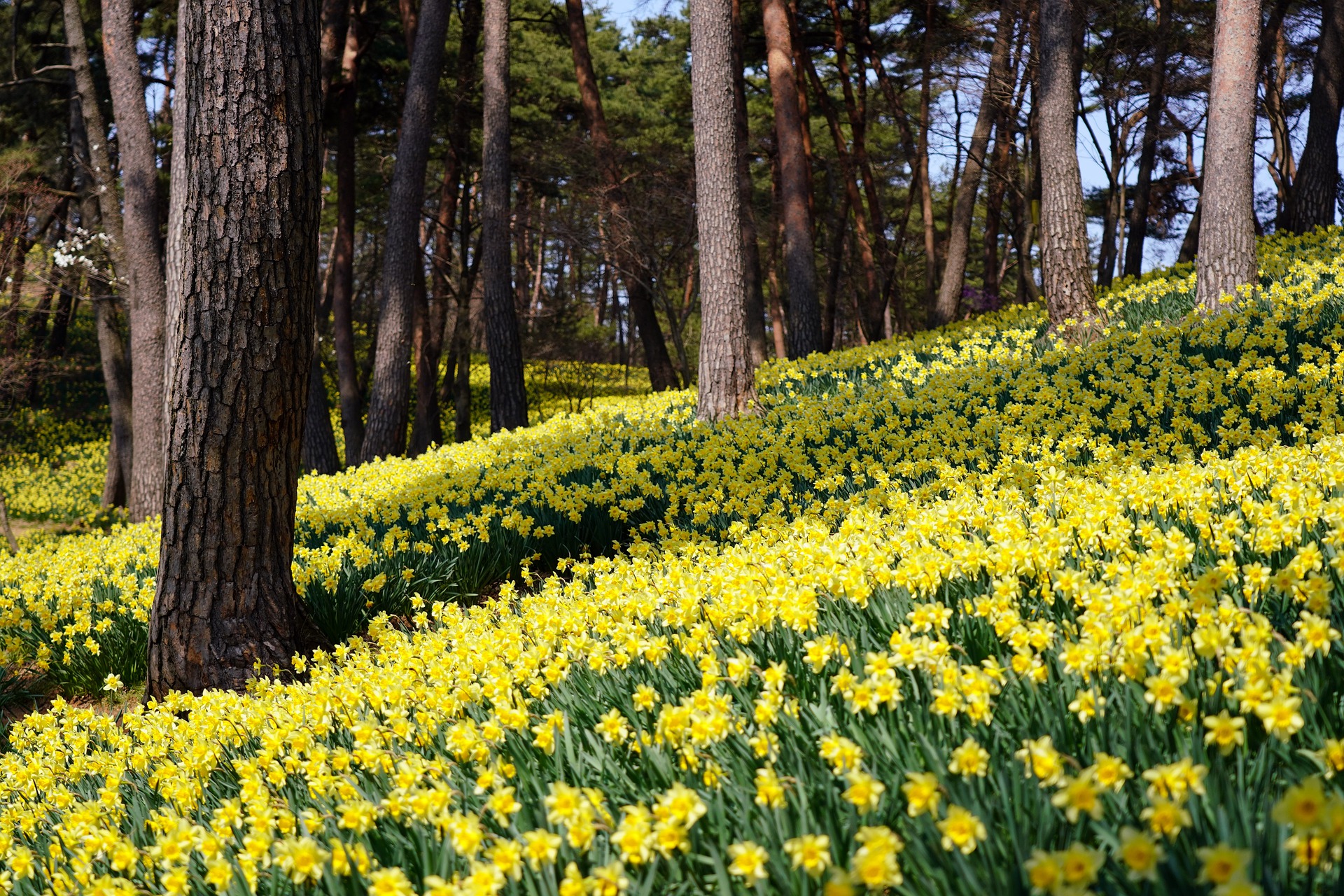
The fauna of England is similar to that of other areas in the British Isles with a wide range of vertebrate and invertebrate life in diverse habitats. National nature reserves in England are key places for wildlife and natural features in England. Toward the north of England the climate becomes colder and most of England’s mountains and high hills are located here and have a major impact on the climate and thus the local fauna. Deciduous woodlands are common across all of England and provide a great habitat for much of England’s wildlife, but these give way in northern and upland areas of England to coniferous forests (mainly plantations) which also benefit certain forms of wildlife. Some species have adapted to the expanded urban environment, particularly the red fox, which is the most successful urban mammal after the brown rat and other animals such as the common wood pigeon. Fauna in England include red fox, grey squirrel, otter, hedgehog, Orkney vole, wood mouse, common shrew, little owl, Scottish wildcat, lady butterfly, badgers, beaver, snake, Alpine goat, bats, many varieties of domestic dog. 29 species of whale, dolphin and porpoise have been recorded in English waters including grey seal, and fin whale. The adder is the only venomous snake. Flora includes Bee orchid, summer snowflake, maltese, cross pasqueflower, cuckooflower, Jacob’s ladder, primrose, rose, common poppy, wild daffodil, mistletoe, and water-violet.
Yorkshire Pudding
English Pancakes
Shepherd’s Pie
Trifle
Full English Breakfast
Toad in the Hole
Steak and Kidney Pie
Scotch Egg
Beans on Toast
Beef Wellington
Black Peas
Faggots
Kippers
Liver and Onions
Fish and Chips

Black Pudding

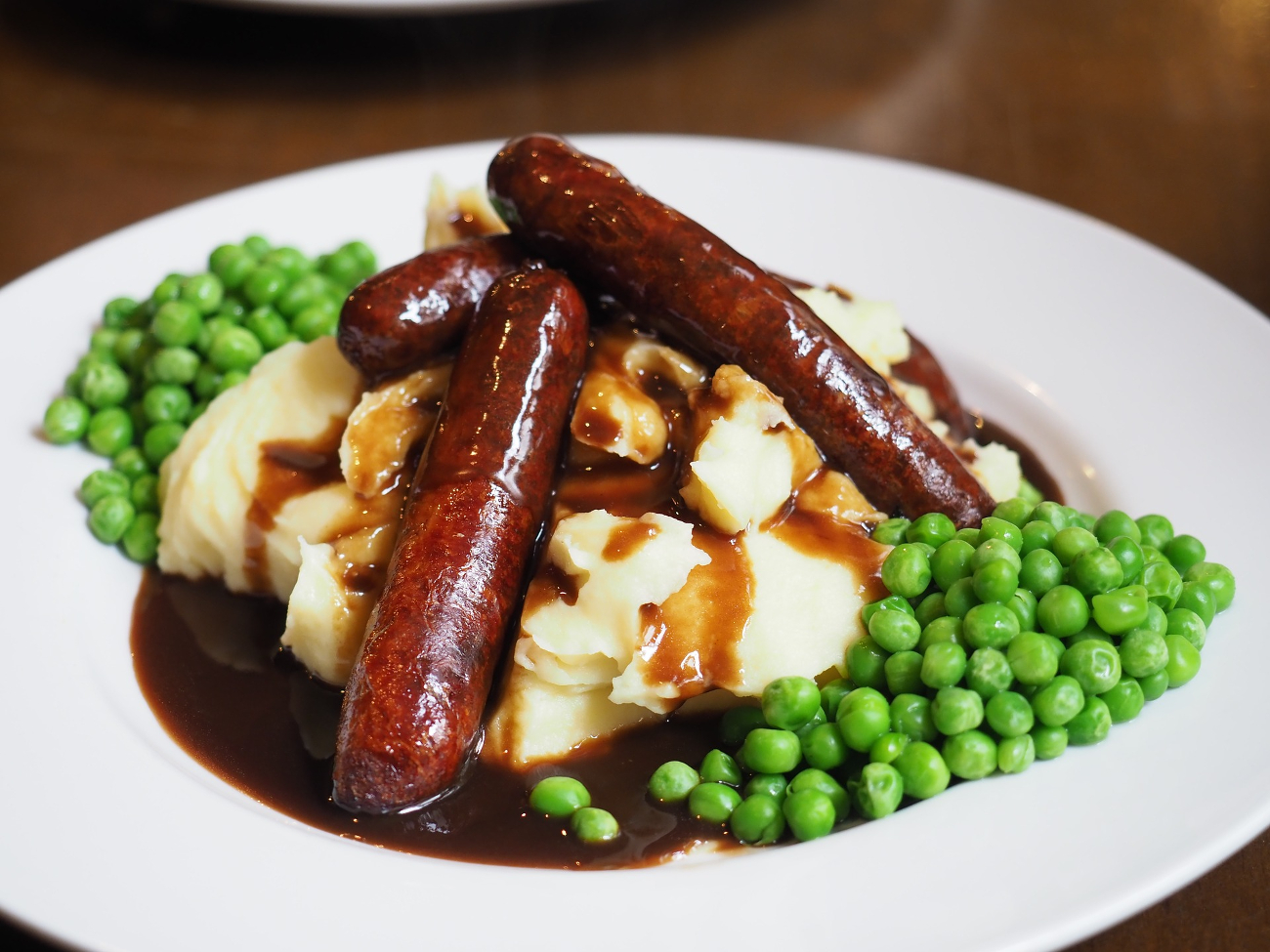
Bangers and Mash
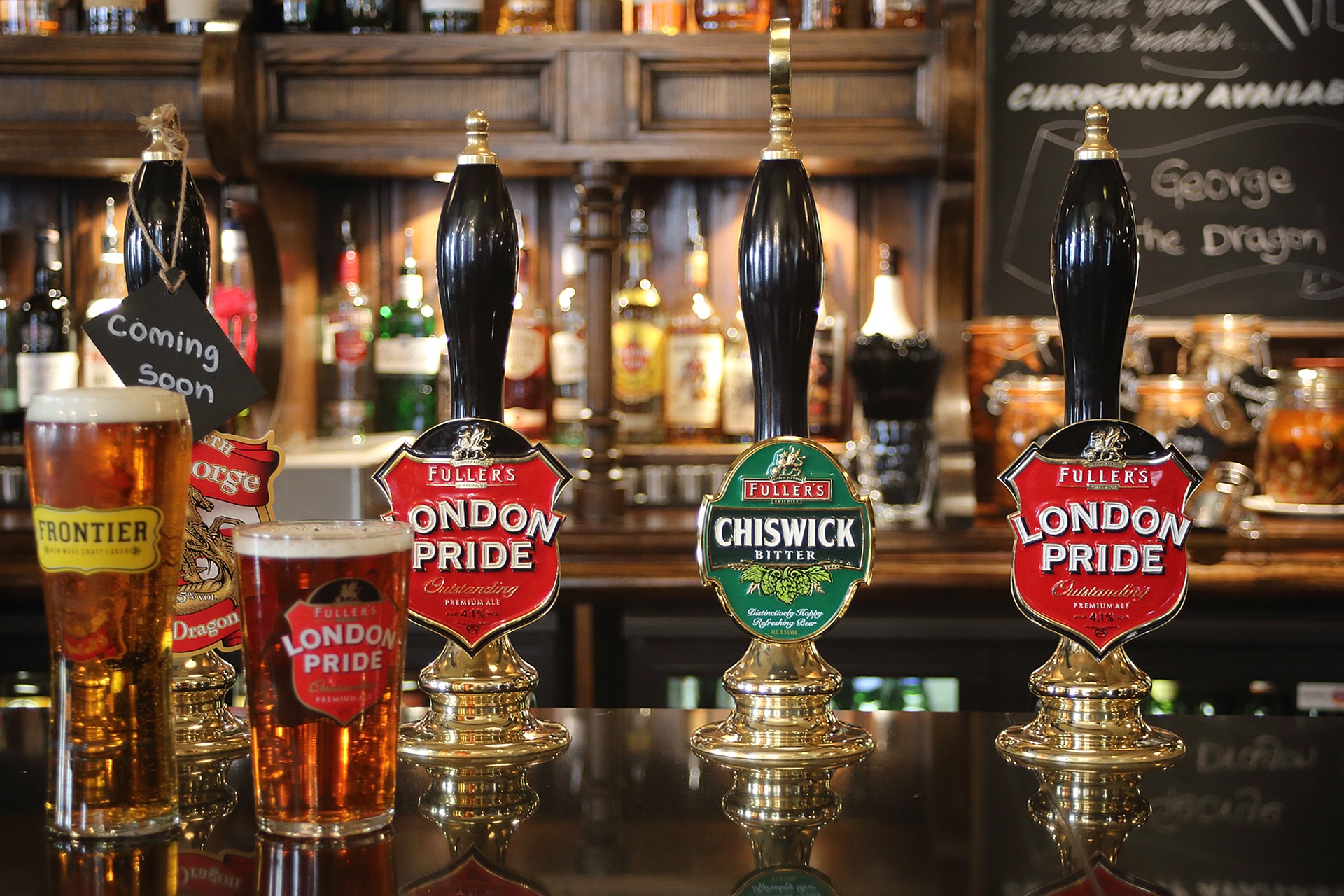
England is a multi cultured, multi ethnic land of diversity and contrast. Greetings can be awkward as there is no national convention as in Europe; it can be a smile, handshake or nod of the head. Tea and biscuits are referred to as a ”cuppa”. It is a major social norm and dunking the biscuit into the tea is a way of life. Accepted social interactions also include going to the pub, paying for drinks in rounds, excess apologizing and saying sorry too much. Also interesting is Identifying the accent to see what part of the UK people are from, what social class was attained and smiling at upper class accents, and excess sunbathing. English architecture covers many cultures in time periods including Celt, Roman, Norman, Gothic, and modern. Literature and art have, for centuries, featured world famous authors and artists. English society rules of conduct are influenced by Romans, Celts, Anglo Saxon and now multiple cultures from the British Commonwealth. English clothing has evolved through centuries starting with Celtic tunics, and from the 1600’s to the 1800’s upper class men’s clothes consisted of breeches, jacket, knee length coats, and upper class women wore elaborate gowns, petticoats, and chamois. During the Victorian era men wore top hats, vests, French coats and carried walking sticks. Modern is western business suits and in the last few years more business casual. England has many festivals and celebrations of its history.
The City of London
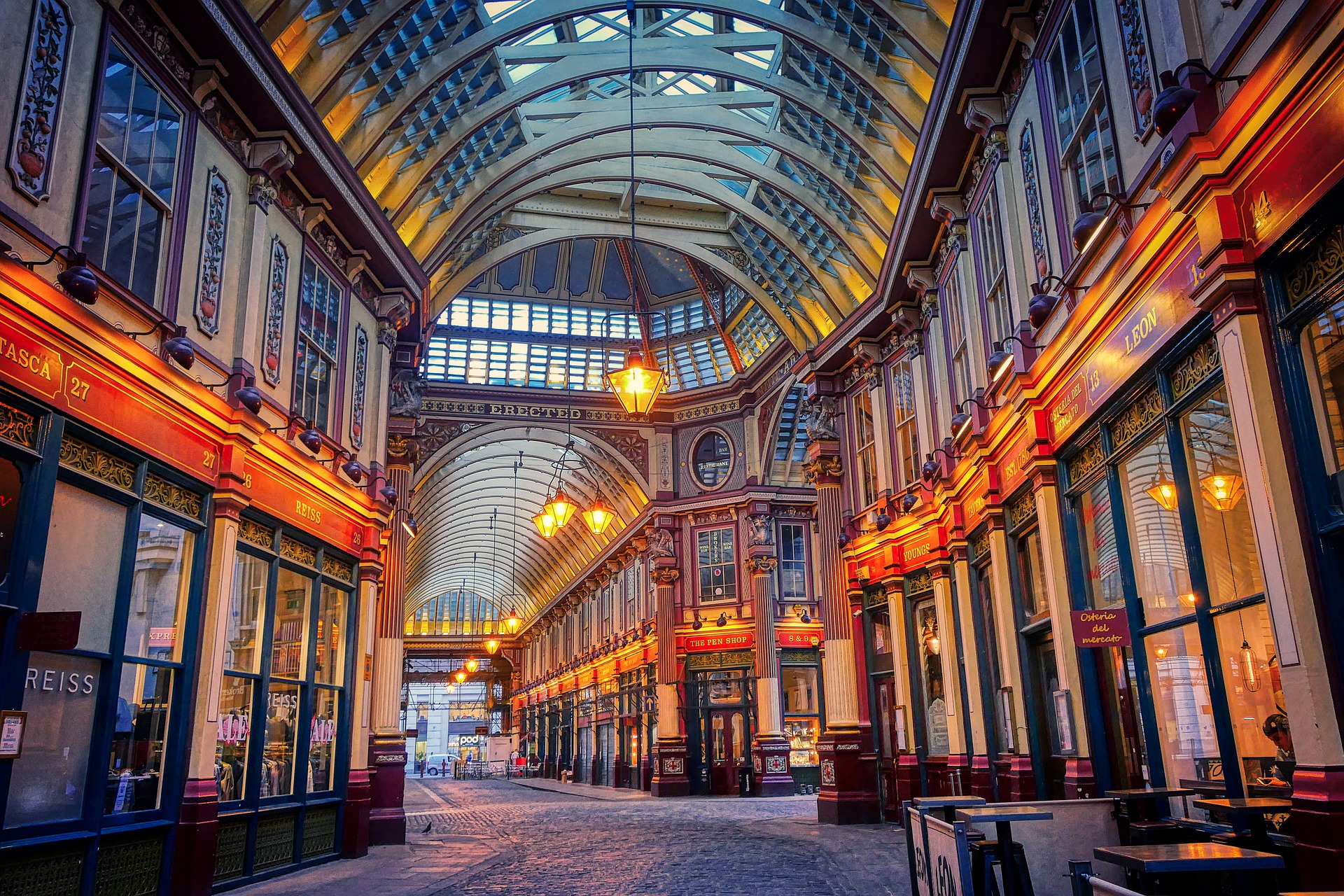
London is the capital and largest city of England and the United Kingdom. It stands on the River Thames in south-east England at the head of a 50 mile estuary down to the North Sea, and has been a major settlement for 2000 years. The City of London, its ancient core and financial center, was founded by the Romans as Londinium and retains boundaries close to its medieval ones. Since the 19th century, London has also referred to the metropolis around its core historically split between the counties of Middlesex, Essex, Surrey, Kent and Hertfordshire, which largely make up greater London. The region is governed by the Greater London Authority. The City of Westminster, to the west of the city, has for centuries held the national government and parliament. London, as one of the world’s global cities, exerts a strong world influence by its arts, commerce, education, fashion, finance, healthcare, tourism and communications. It is the biggest urban economy in Europe and one of the major financial centers in the world. The city is home to the most 5-star hotels of any city in the world. London’s diverse cultures mean over 300 languages are spoken. The population of Greater London is 9 million making it Europe’s third most populous city. It accounts for 13% of the UK population. The London metropolitan area has 14 million inhabitants. London has 4 UNESCO World Heritage Sites, numerous museums, galleries, libraries and sporting venues, and its famous theater district. The London Underground is the world’s oldest rapid transit system.
Cultural Attractions
Four UNESCO World Heritage Sites:
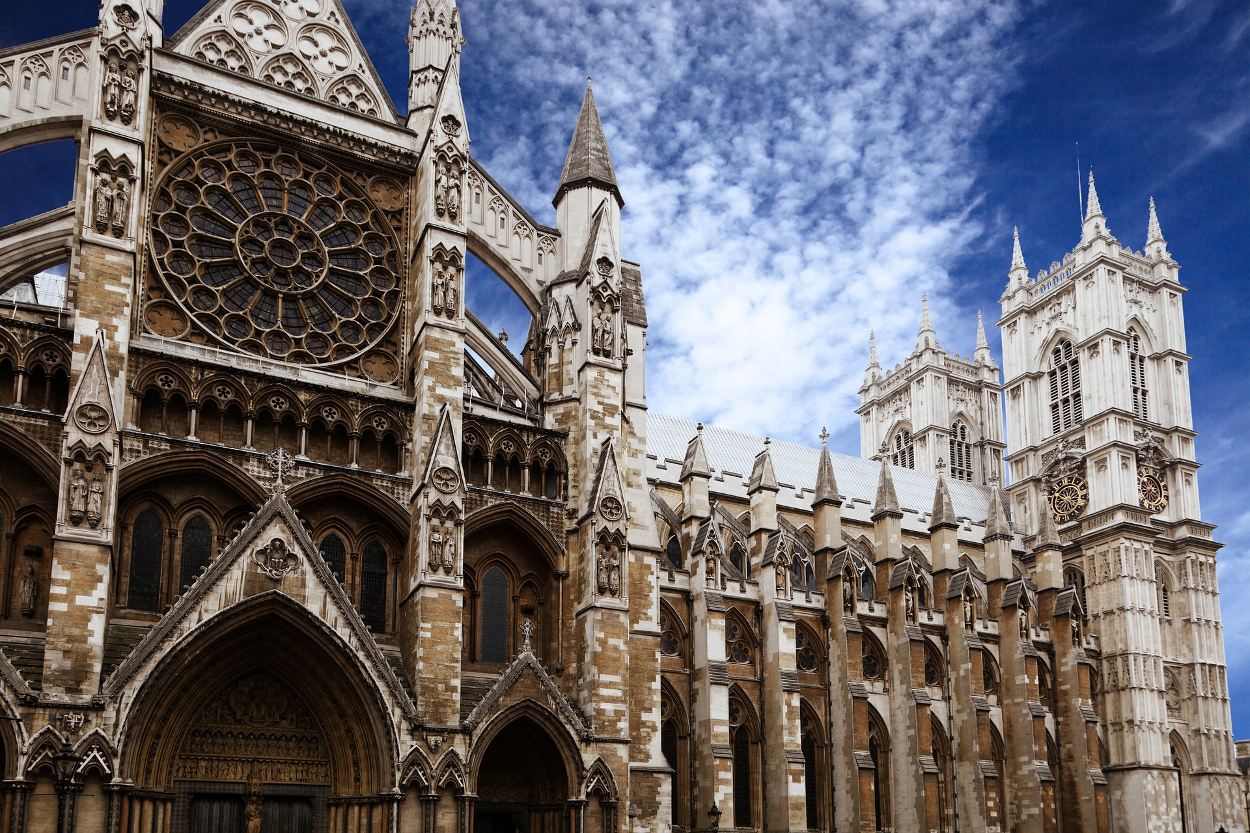
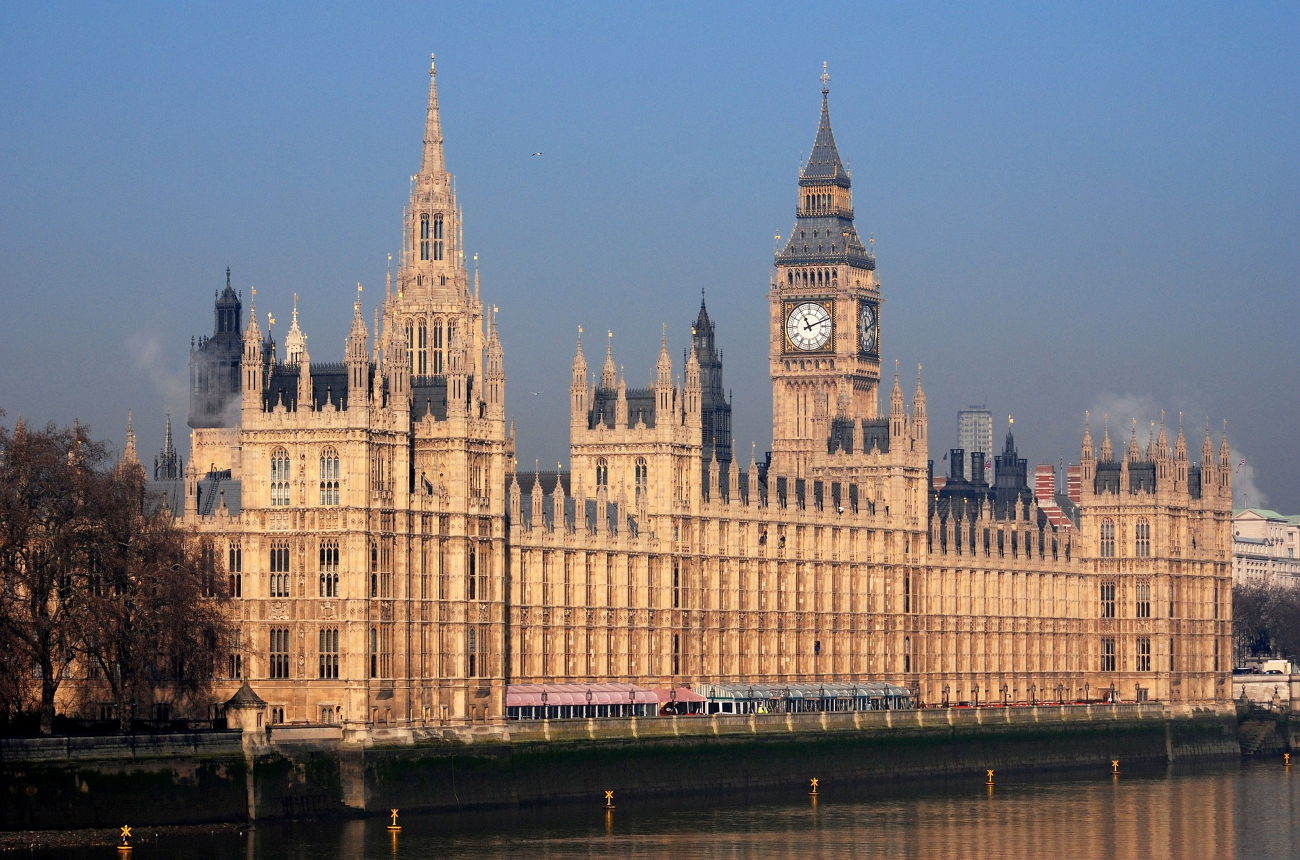
The Tower of London, Kew Gardens, The Palace of Westminster, along with Westminster Abbey and St. Margaret’s Church, and the historic settlement in Greenwich, where the Royal Observatory, Greenwich defines the Prime Meridian and Greenwich Mean Time.
Other Attractions:
St. Paul’s Cathedral
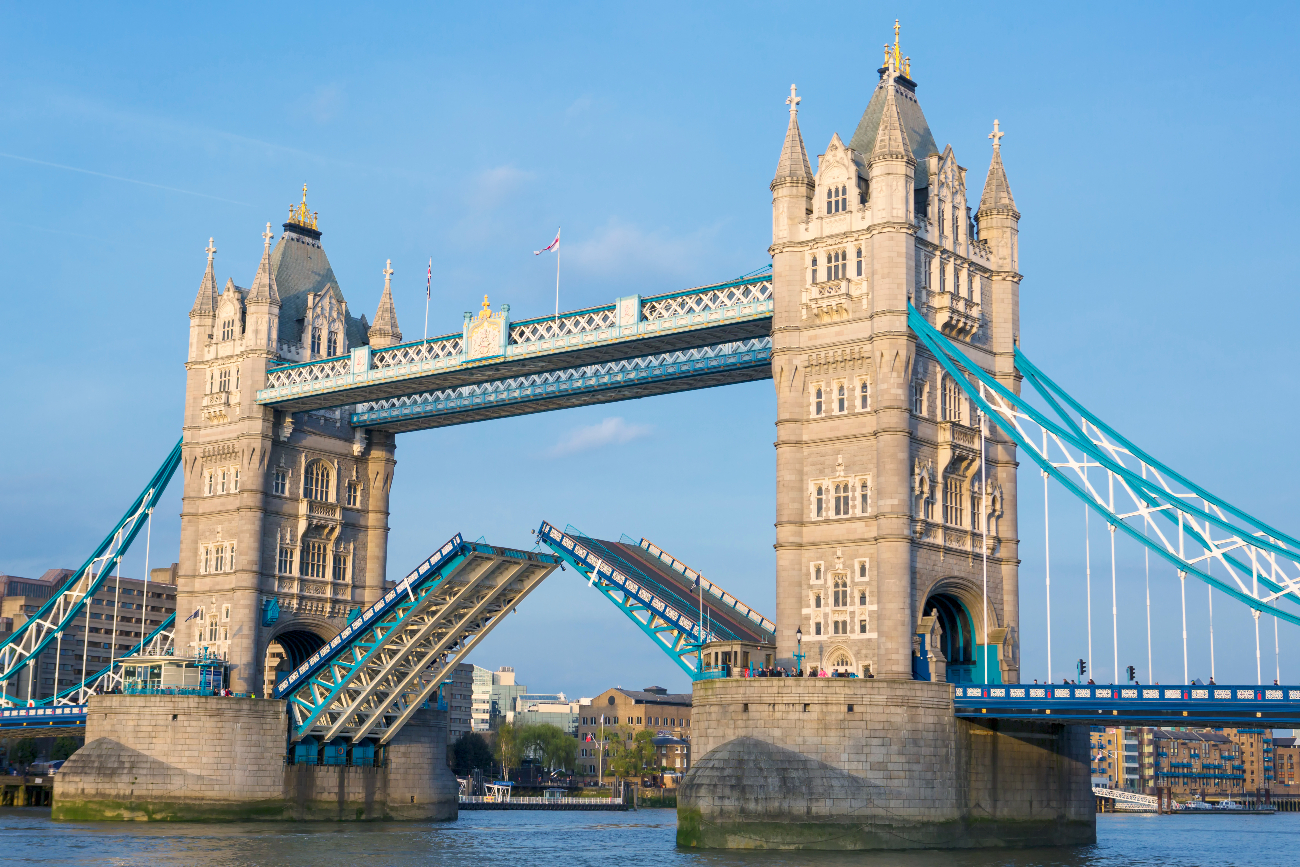
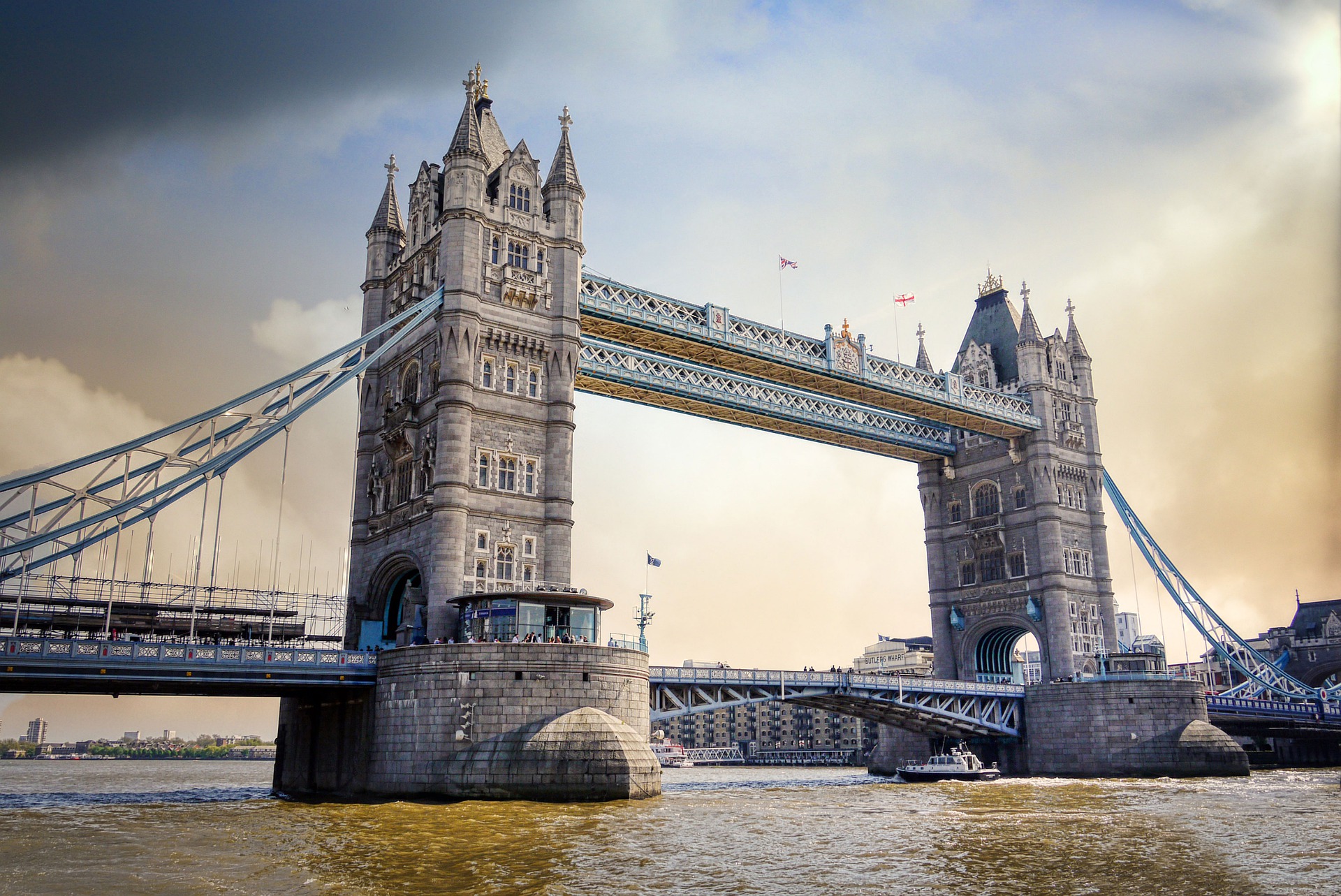
Tower Bridge
Trafalgar Square
The British Museum
National Gallery
Natural History Museum
British Library
West End Theater
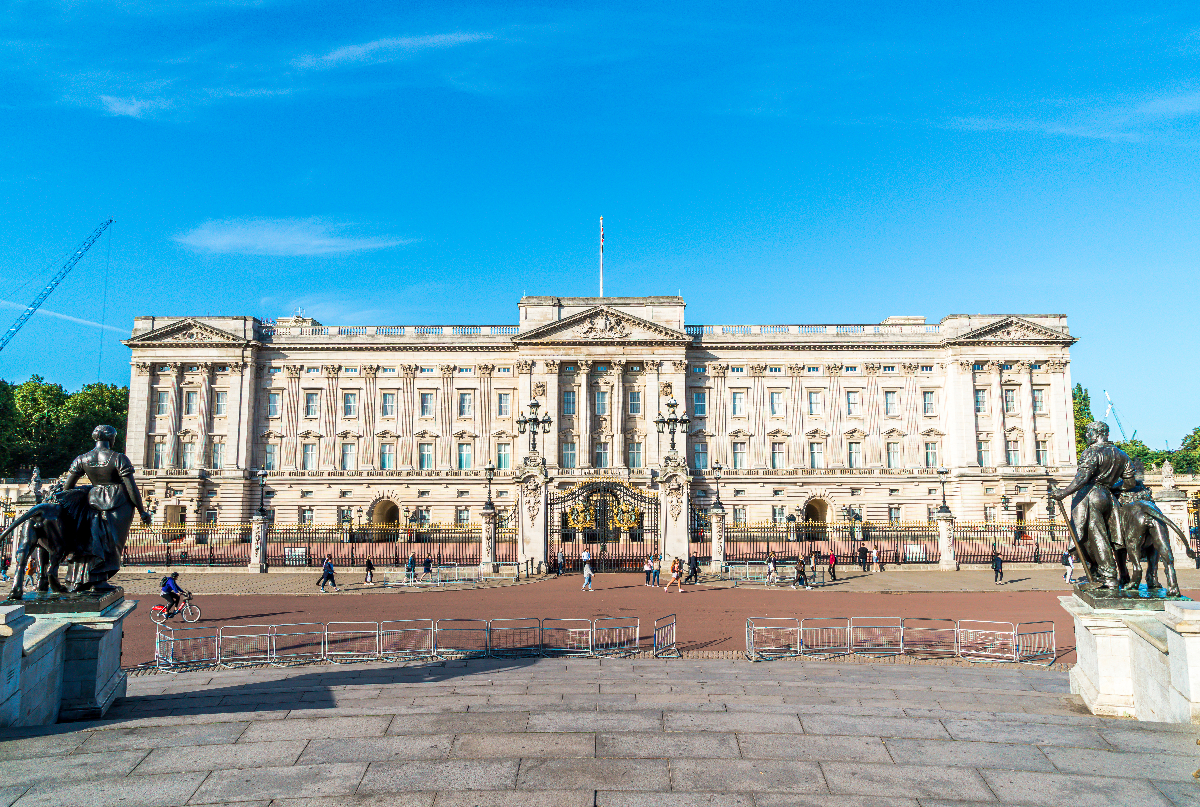
Buckingham Palace
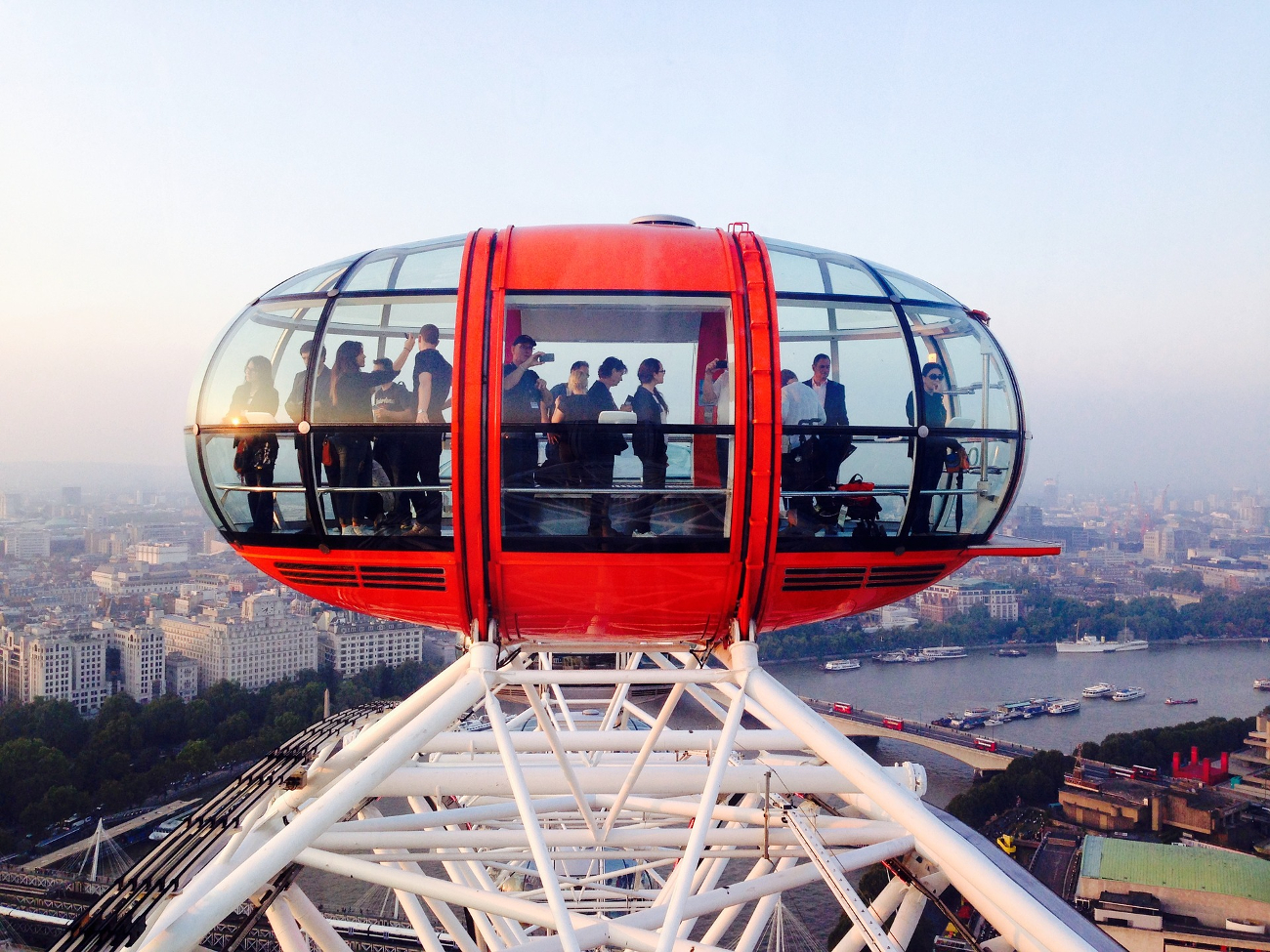
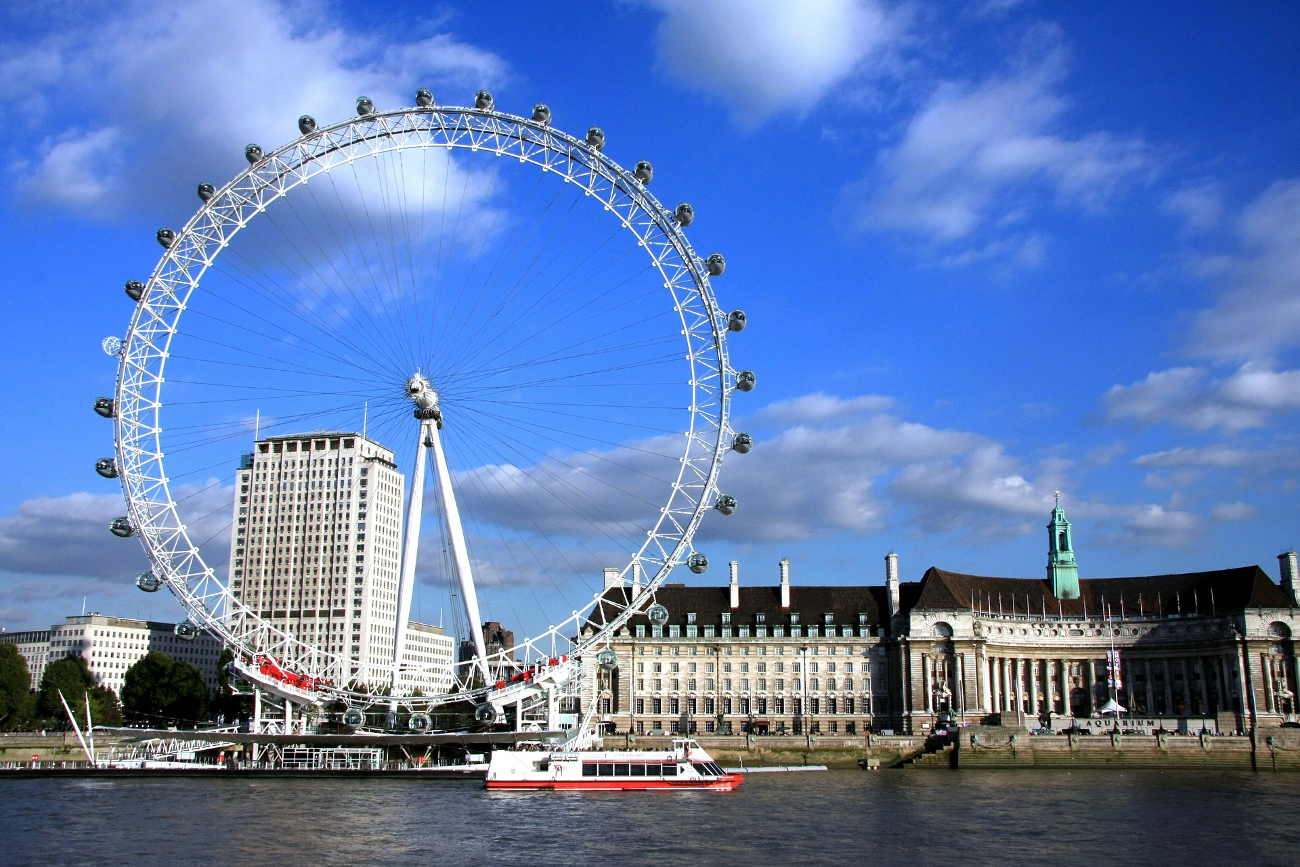
The London Eye
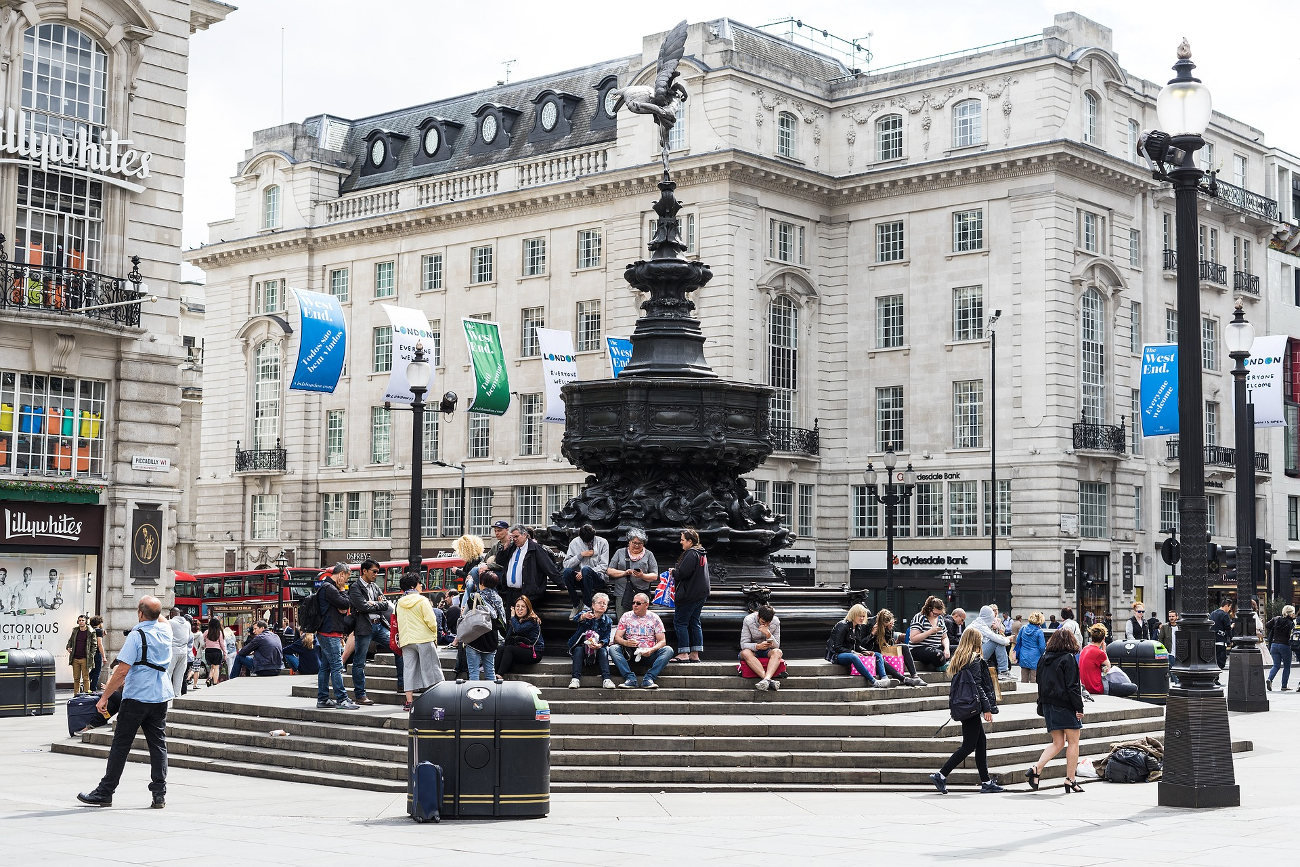
Piccadilly Circus
The City of Manchester
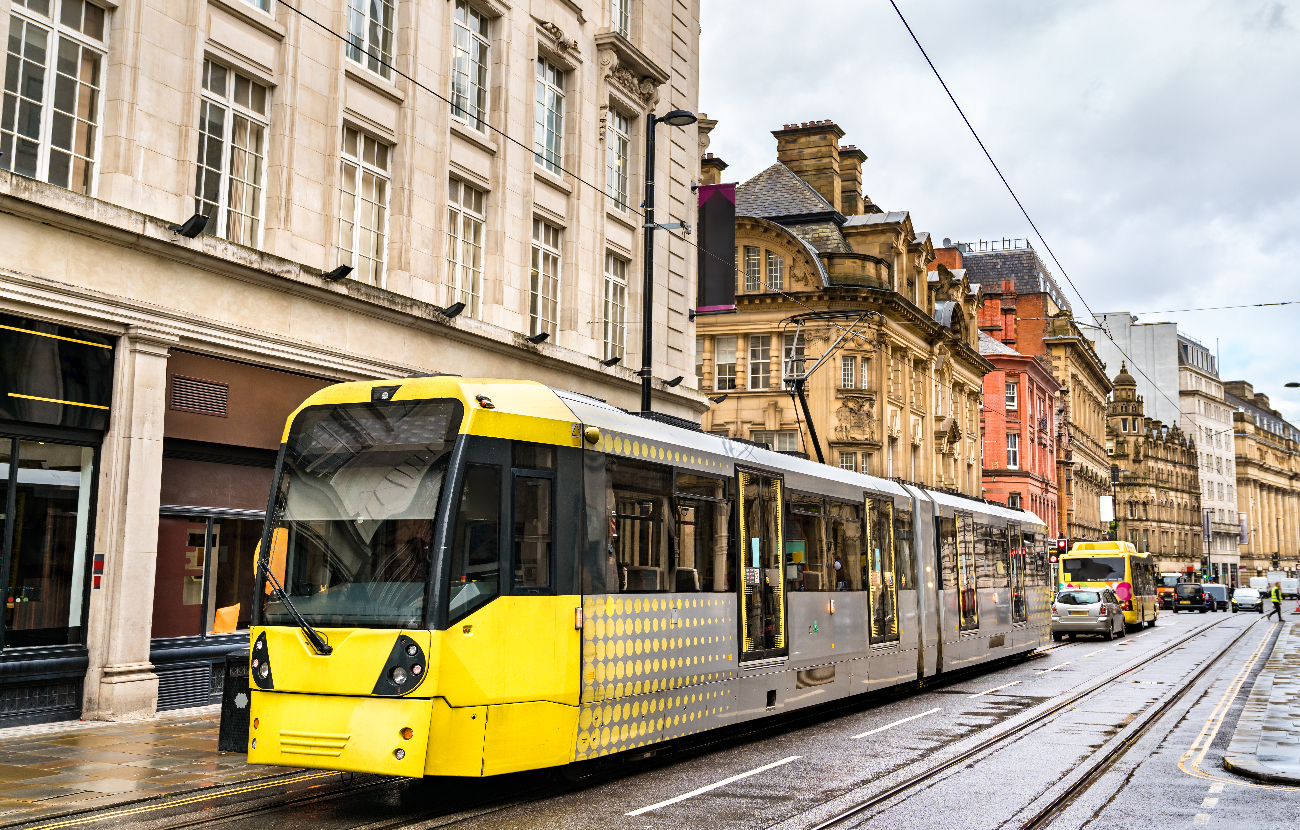
Manchester is a city and metropolitan borough in Greater Manchester, England. The city has the country’s fifth largest population (550,000) and lies within the United Kingdom’s second most populous urban area with a population of 2.7 million. It is fringed by the Cheshire Plain to the south, the Pennines to the north and east and an arc of towns with which it forms a continuous conurbation. The recorded history of Manchester began with the civilian settlement associated with the Roman fort of Mamucium which was established in 79 AD. Throughout the Middle Ages Manchester remained a manorial township, but began to expand at an astonishing rate around the turn of the 19th century, with the boom of the Industrial Revolution. Manchester became the first industrial city in the world. It achieved city status in 1853 and the Manchester Ship Canal opened in1894 creating the Port of Manchester and directly linking the city to the Irish Sea 36 miles to the west. The city is notable for its architecture, culture, musical exports, media links, scientific and engineering output, and transport connections.
Tourist Attractions
Castlefield Core of Town
Science and Industry Museum
Imperial War Museum North
St. Mary’s Church
Platt Hall: Gallery of Costume
National Football Museum
Fletcher Moss Botanical Gardens
Greater Manchester Police Museum
The City of Manchester Distillery
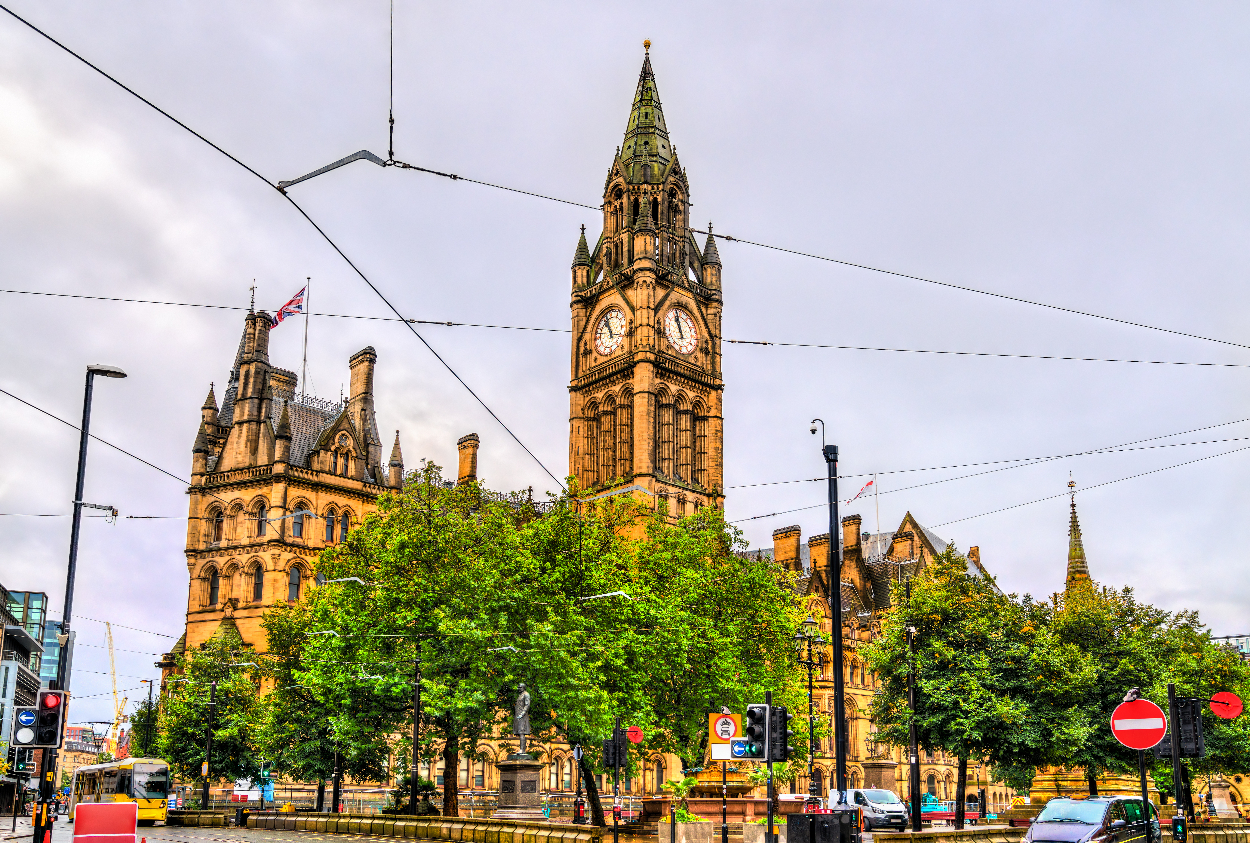
Manchester Town Hall
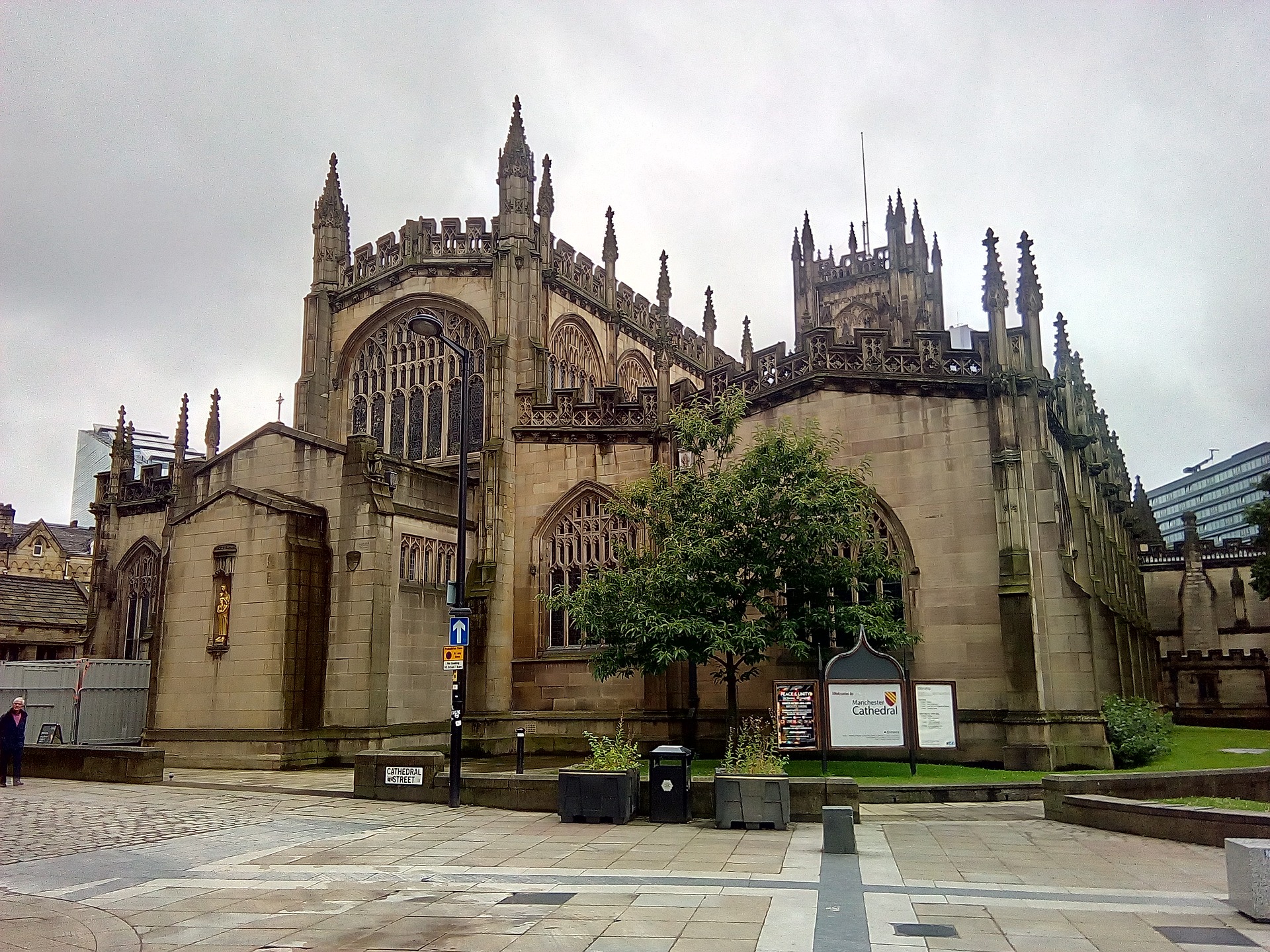
Manchester Cathedral
The City of West Yorkshire
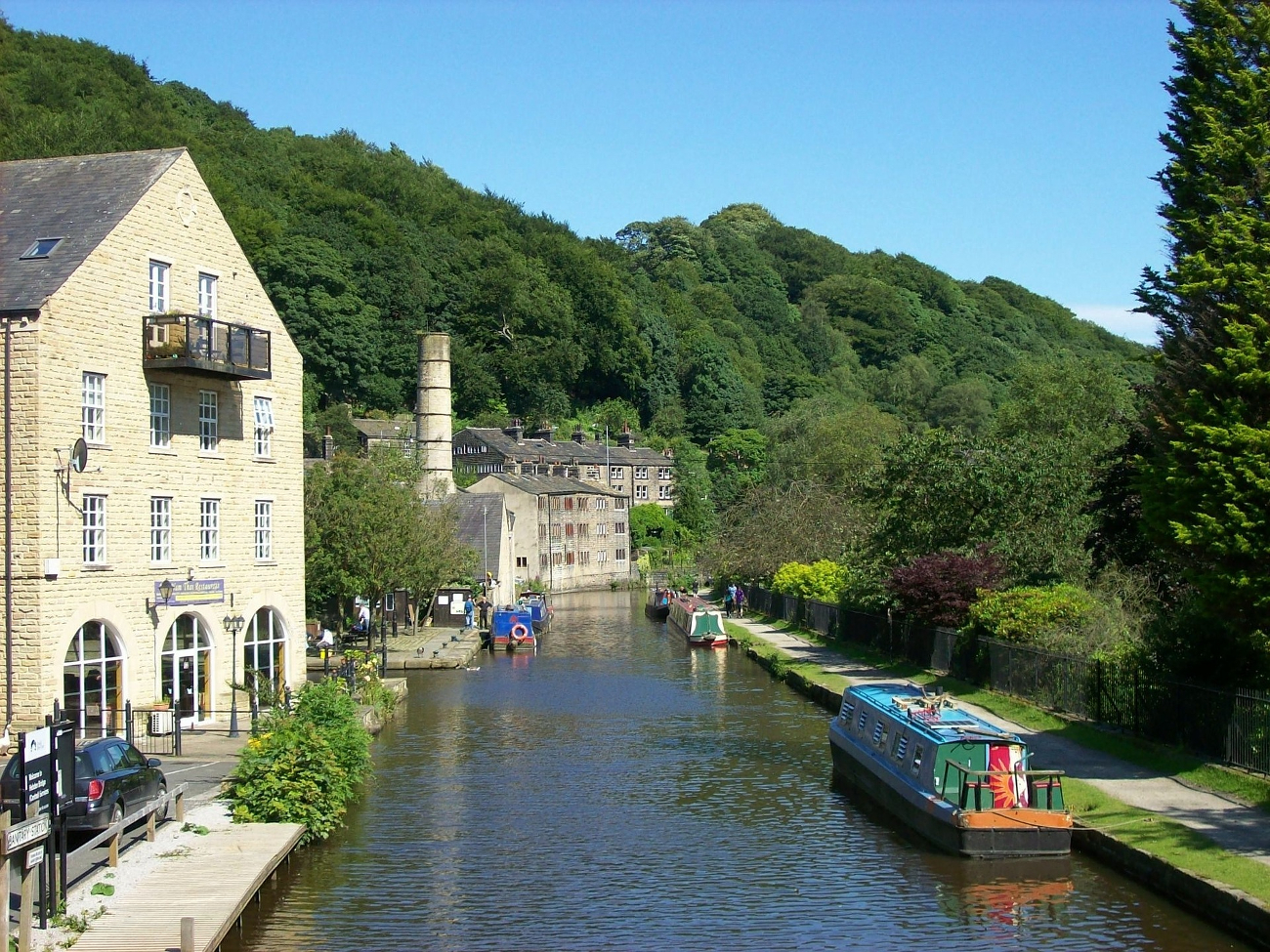
West Yorkshire is a metropolitan and ceremonial county in England. It is an inland and upland county having eastward-draining valleys, while taking in the moors of the Pennines. West Yorkshire came into existence as a metropolitan County in 1974 and has a population of 2.3 million. It consists of five metropolitan boroughs and is bordered by the counties of Derbyshire to the south, Greater Manchester to the south-west, Lancashire to the west and north-west, North Yorkshire to the north and east, and South Yorkshire to the south and south-east.
Tourist Attractions
Royal Armouries Museum
Roundhay Park
Shibden Hall
Whistlehop Valley
Yorkshire Sculpture Park
National Science and Media Museum
Bradford Industrial Museum
Beaumont Hall
The Piece Hall
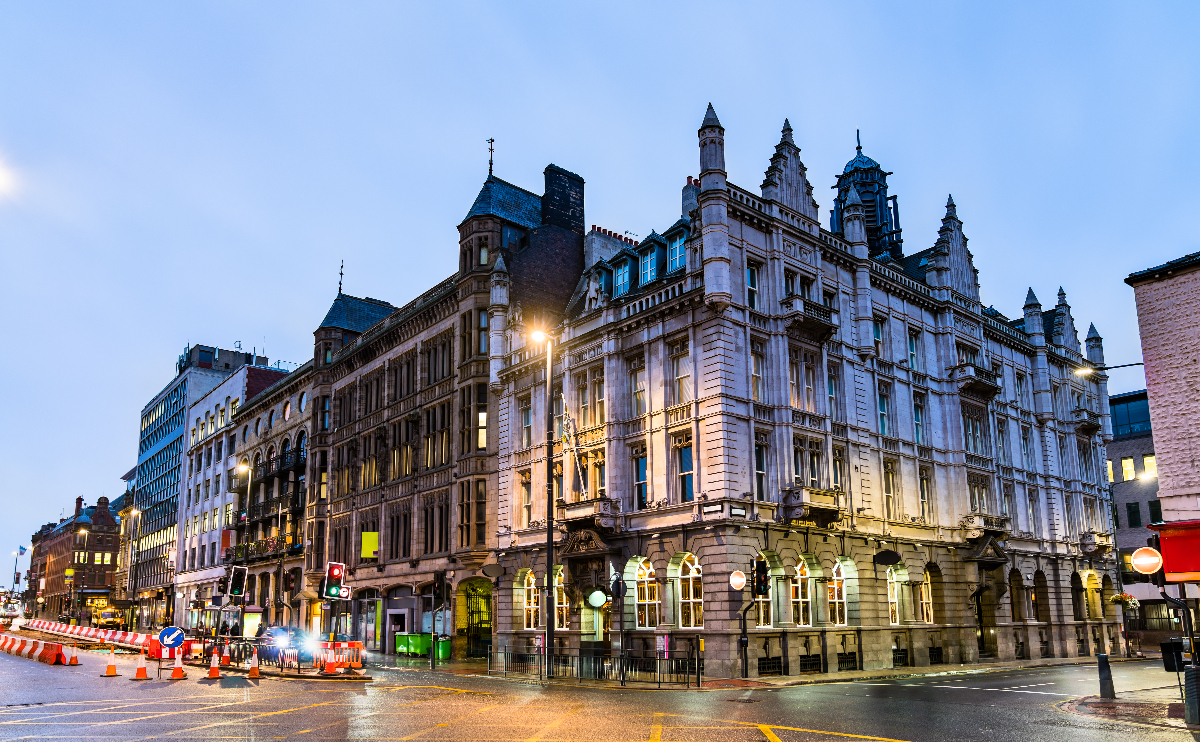
The City of Liverpool
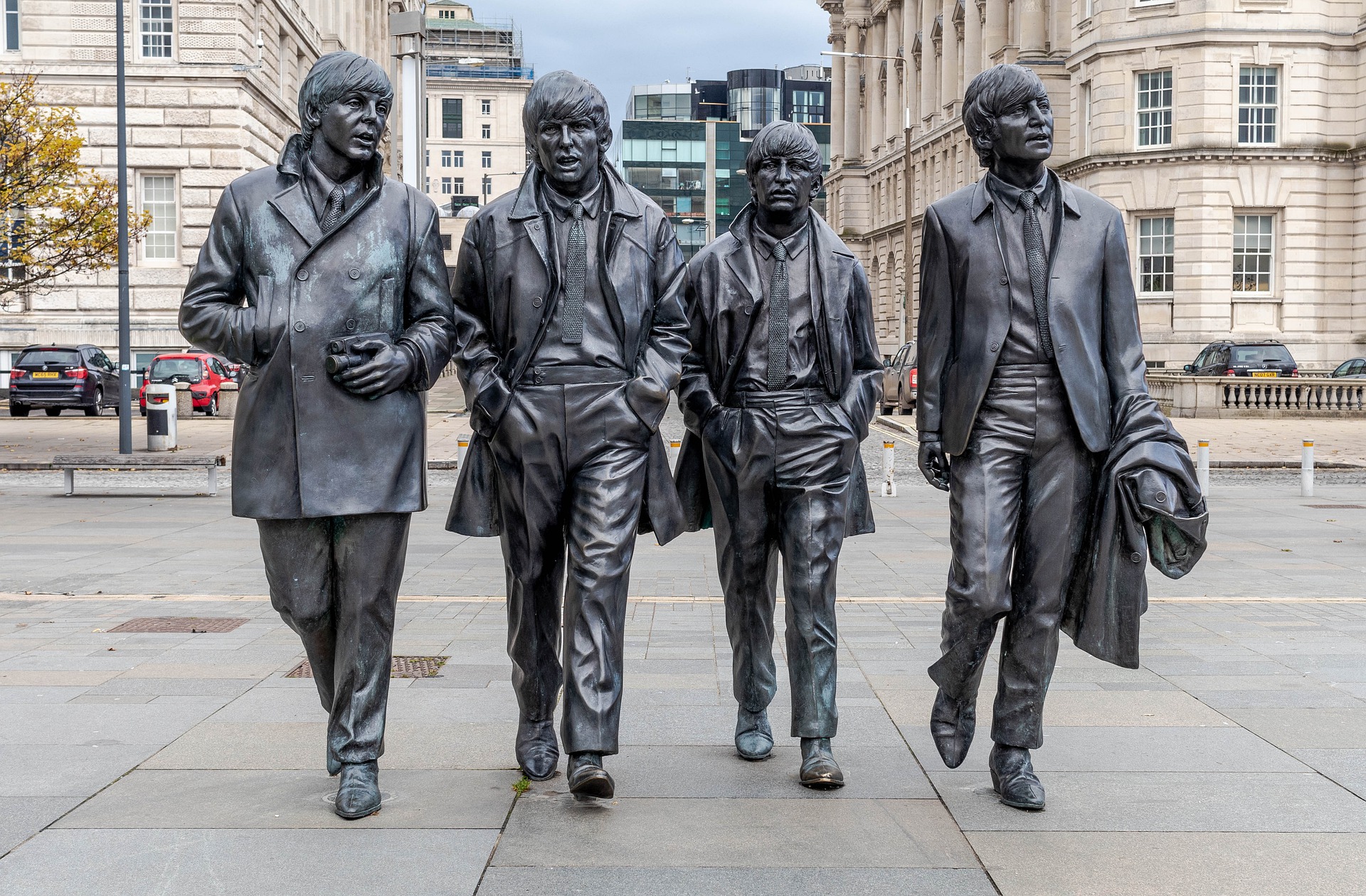
Liverpool is a city and metropolitan borough in Merseyside, England. The population is 500,000 and its metropolitan area is the fifth largest in the United Kingdom with 2.25 million. Situated on the eastern side of the Mersey Estuary, Liverpool became a borough in 1207 and a city in 1880. Its growth as a major port was paralleled by the growth of the city through the Industrial Revolution. In the 19th century it was a major port of departure for English and Irish emigrants to North America. It was also home to both Cunard and White Star Lines and was the port of registry of the ocean liners Titanic, Lusitania, Queen Mary, and Olympic. In 2019, Liverpool was the 5th most visited UK city. It is noted for its culture, architecture and transport links. The city is closely associated with music through the popularity of the Beatles. Liverpool has the second highest number of art galleries, national museums, listed buildings and listed parks in the UK; only London has more.
Tourist Attractions:
World Museum
Sefton Park
The Beatles Story
Maritime Museum
The Royal Albert Dock
Museum of Liverpool
Mersey Ferries
Mersey Tunnel Tours
Liverpool Cathedral
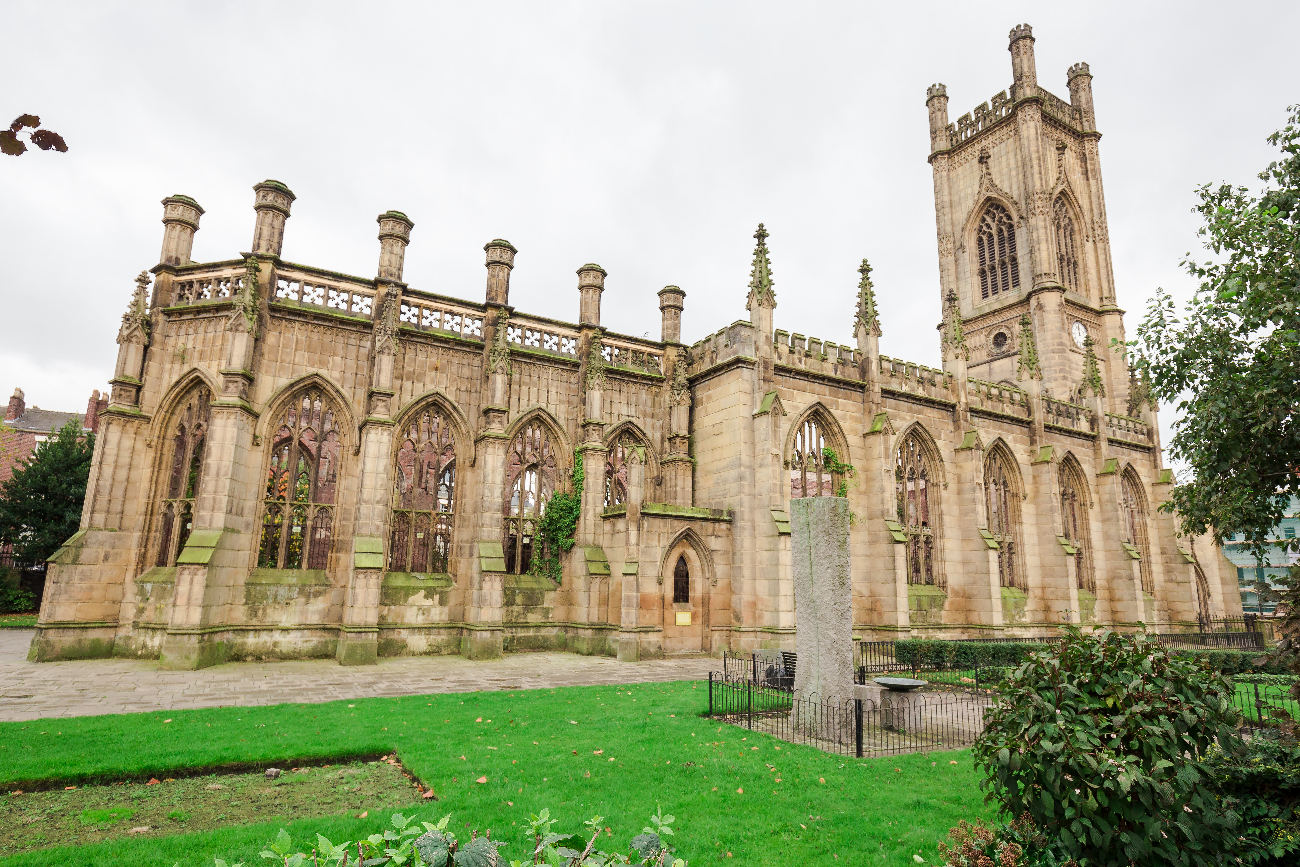
Other Tourist Attractions:
Churchill War Rooms
The Roman Baths
Shakespeare’s Birthplace
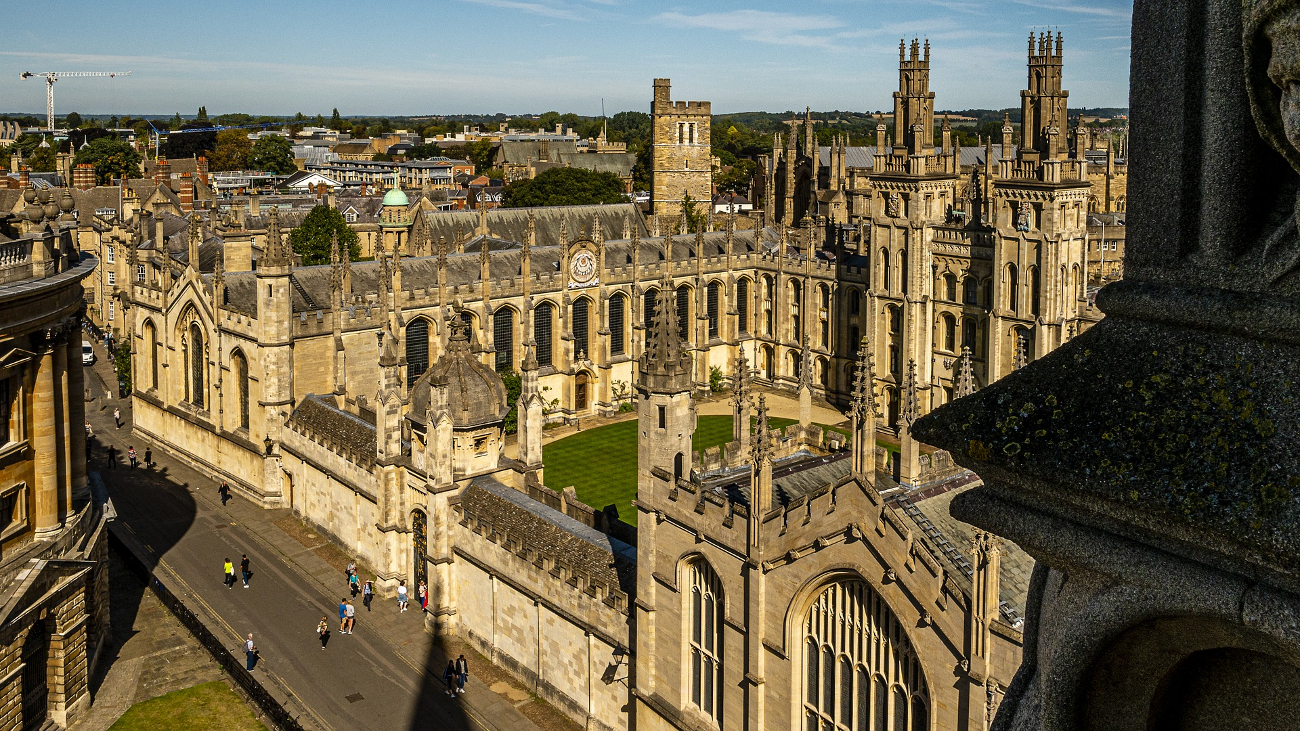
Oxford University
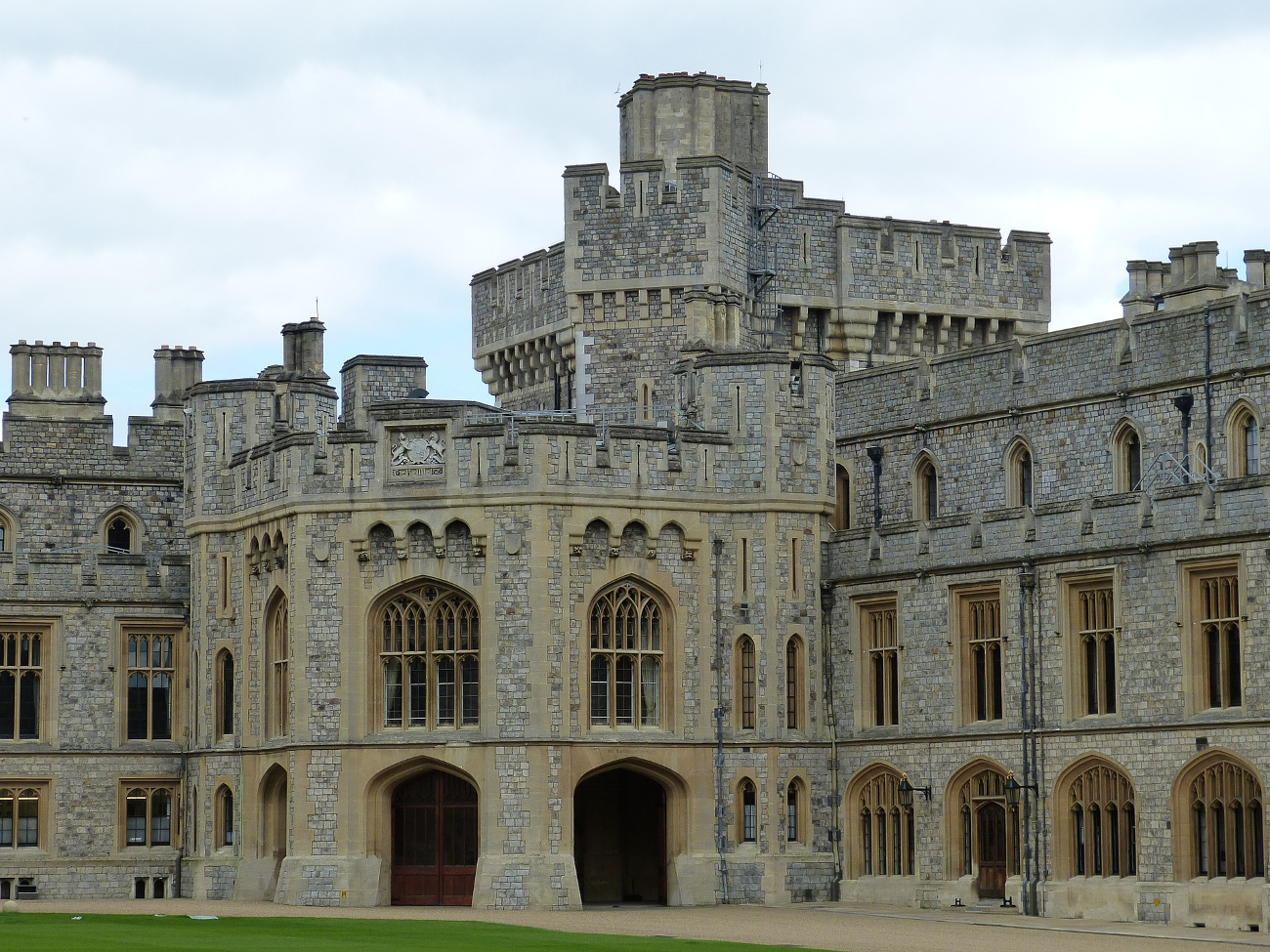
Windsor Castle
No Tour Found
No Tour Found