


Finland is officially the Republic of Finland. It is a Nordic country and one of the most northern countries in the world and its capital, Helsinki, Is the most northern capital except for Reykjavik. The country shares land borders with Sweden to the west, Russia to the east, and Norway to the north and is defined by the Gulf of Bothnia to the east and the Gulf of Finland of the Baltic Sea across Estonia to the south. Finland covers an area of 130.678 square miles with a population of 5.5million. Helsinki is the country’s capital and largest city. Finnish is the native language. The climate varies relative to latitude from the southern humid continental climate to the northern boreal. The land cover is primarily boreal forest biome with over 168,000 lakes and 179,000 islands. Much of the geography of the country is a result of the Ice Age. Finland was first inhabited around 9000 BCE after the last glacial period. The Bronze and Iron Ager saw contact with other cultures in the Baltic Region. From the late 13th century AD, Finland gradually became part of Sweden as a consequence of the Northern Crusades. In 1809, as a result of the Finnish War, Finland was annexed by Russia as the autonomous Grand Duchy of Finland, during which time Finnish art flourished and the idea of independence began to take hold. In 1906, Finland became the first European state to grant universal suffrage, and the first in the world to give all adult citizens the right to run for public office. After the 1917 Russian Revolution, Finland declared its independence. In 1918, the state was divided by the Finnish Civil War. During World War II, Finland fought the Soviet Union in the Winter War and the Continuation War, and Nazi Germany in the Lapland War. Finland lost part of its territory, including the culturally important and historically significant town of Vyborg, but maintained its independence. Finland largely remained an agricultural country but industrialized after World War II and developed an advanced economy while building an extensive welfare state based on the Nordic model, resulting in widespread prosperity and a high per capita income. Finland is officially a neutral country and in 2015 was ranked first in “World Human Capital” and also first on the “World Happiness Report” for 2018-2021 for its quality of life. In its earliest historical records, from the 12th and 13th centuries the term Finland referred to the coastal region from around Turku to Unsikaupunki. This region later became known as Finland Proper. The devastation of Finland during the Great Northern War (1714-1721) and the Russo-Swedish War (1741-1743) caused Sweden to begin efforts to defend its eastern half from Russia; this created a shared destiny that when put in conjunction with the unique Finnish language, led to the adoption of an expanded concept of Finland. The first people who inhabited Finland were Neanderthals approximately 130,000 years ago. Homo sapiens settled the area around 8500 BCE during the Stone Age after the last glacial period. The people were hunter-gatherers who used stone tools. The first pottery appeared in 5200 BCE when the Comb Ceramic Culture was introduced and the Corded Ware Culture arrived around 3000 BCE. In the Bronze Age all year agriculture and husbandry grew but the bitter cold slowed progress. Commercial contacts spread from Estonia to Scandinavia, and domestic manufacture of bronze artifacts began in 1300 BCE with bronze axes. The main exports were furs, slaves and falcons to European courts and imports included silk, other fabrics and jewelry. The dialects from which modern day Finnish emerged were developed in the Iron Age and although distantly related the Sami retained their hunter-gatherer lifestyle and their cultural identity and the Sami language has survived in Lapland, the northernmost province. As a result of the Crusades and constant wars, Finland became gradually part of the kingdom of Sweden and in the sphere of influence of the Catholic Church. In Swedish contemporary text, Finns were portrayed as primitive and their language inferior. Helsinki was founded in the16th century by Gustav I of Sweden. In 1866-1868 Finland endured the great Finnish famine where 15% of its population perished.
Biodiversity, Climate, Tourism, Language
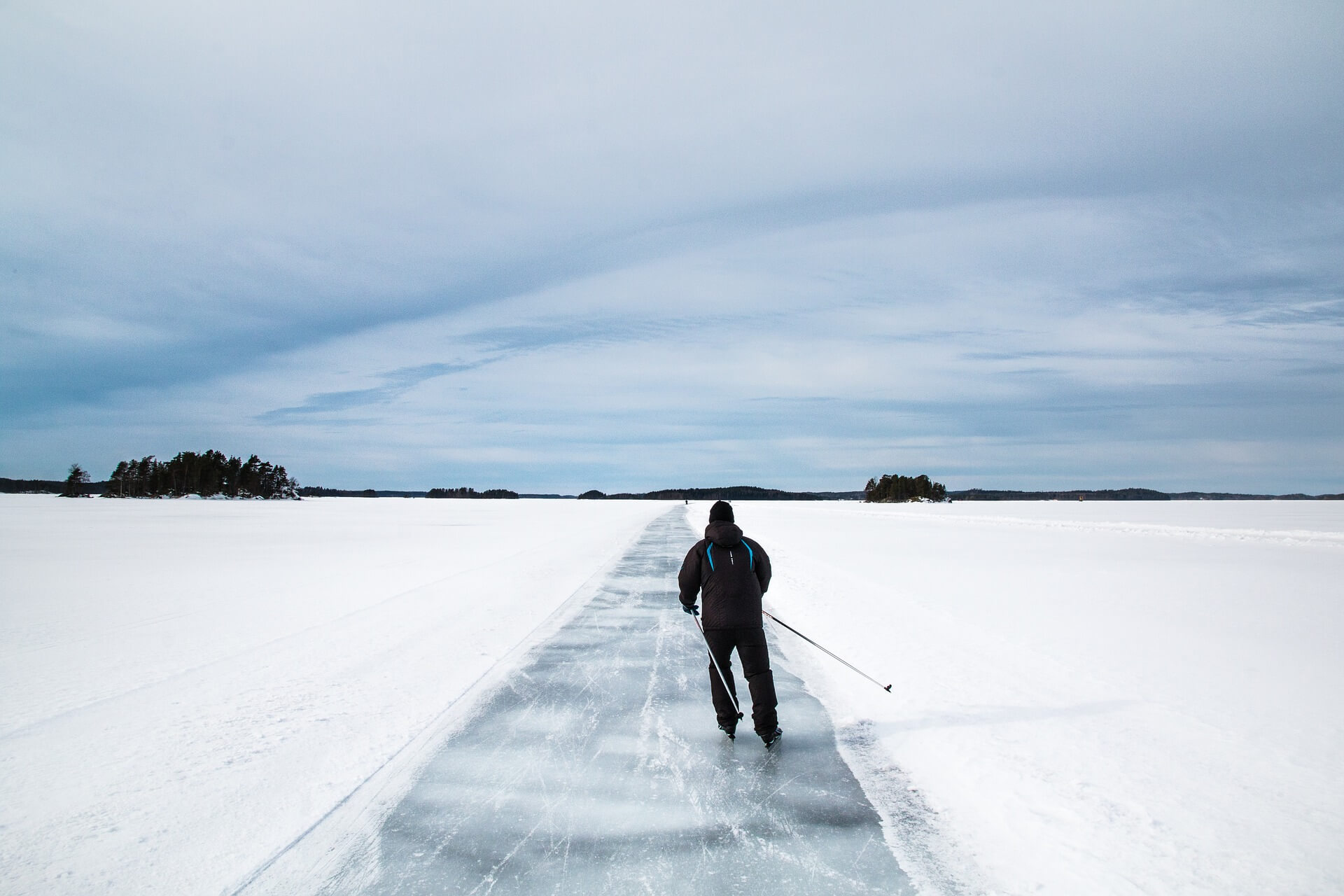
The territory of Finland can be divided into three ecoregions: The Scandinavian and Russian taiga, Sarmatic mixed forests and Scandinavian Montane Birch Forests and grasslands. Similarly, Finland has a diverse and extensive range of fauna and animals including 60 native mammal species, 248 bird species, over 70 fish species and brown bears, wolf, wolverine, and elk. The brown bear is the country’s national animal. The climate is characterized by very cold winters and warm summers. Finland is near enough to the Atlantic Ocean to be warmed by the Gulf Stream. Temperatures differ widely from the north to the south of the country. In Lapland, in northern Finland, the winters are long and cold while the summers are short. Temperatures can drop to – 45degrees. While Russia remains the largest market for foreign tourists, the biggest growth has come from Chinese tourists. By passenger count the port of Helsinki is the busiest port for passengers after the Port of Dover in England. Lapland is a key tourist region because of its Northern Lights and many months of polar night and it’s midnight endless summer sun. Tourist attractions also include the forests and natural landscapes. Finland has 40 national parks and outdoor activities range from skiing, golf, fishing yachting, lake cruises, hiking and kayaking. Finnish and Swedish are the two official languages. Finnish predominates nationwide (87%) while Swedish (5%) is spoken in some coastal areas in the west and south. Swedish is taught in schools and 47% of the country can speak Swedish. English is taught in school from the first grade and as a result English understanding has grown significantly. With almost 4 million members, the Lutheran Church of Finland is one of the largest Lutheran communities in the world. Life expectancy is 79 years for men and 84 for women.
Culture, Literature, Arts and Design
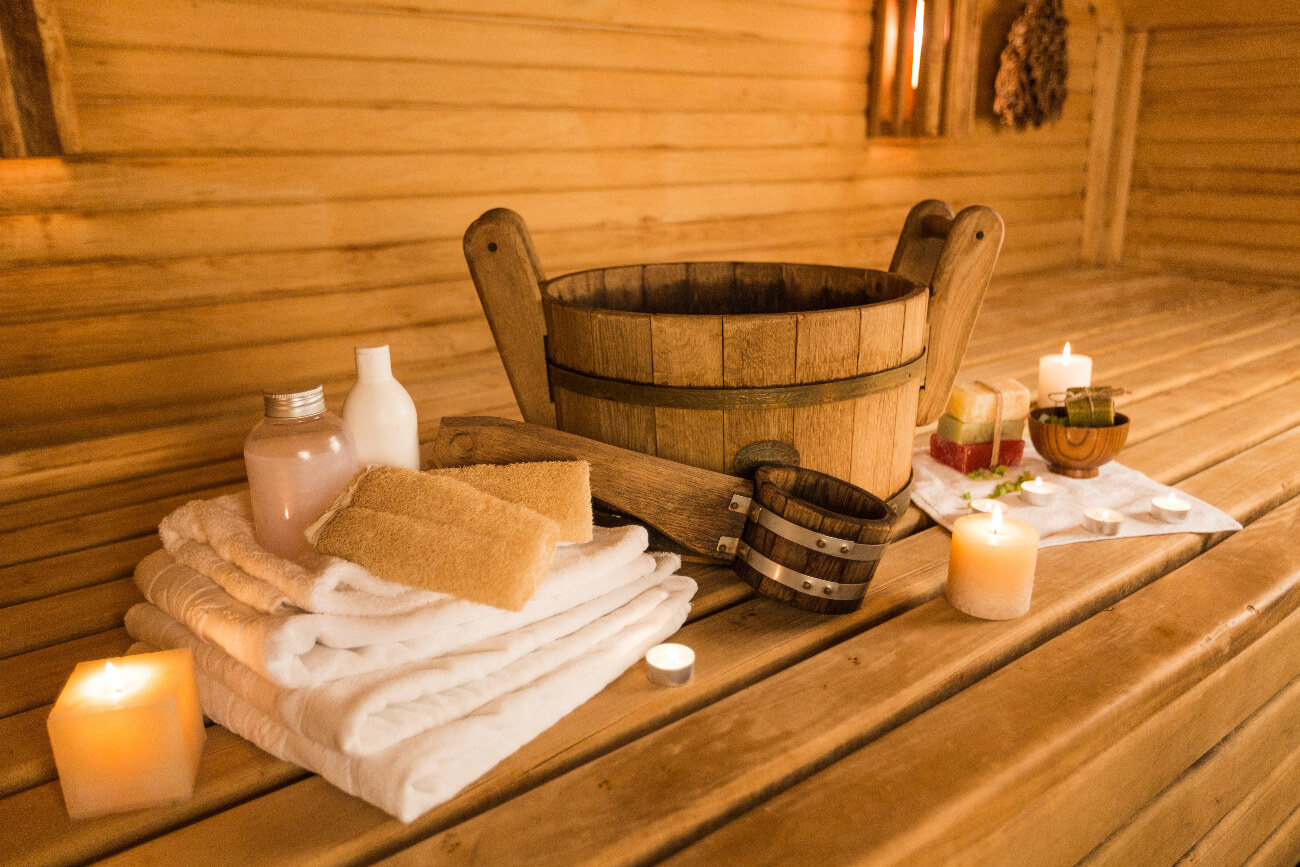
The Finns love for saunas is generally associated with Finnish culture around the world. A popular Finnish saying is “If sauna, tar and booze don’t help you, then a disease is deadly”. Written Finnish has existed since the New Testament was translated into Finnish during the Protestant Reformation. In the 19th century, the Finnish National Romantic Movement started where Finnish folk poetry was arranged and published as the Kalevala, the Finnish national epic. Also, in the 19th century, visual arts started to form. Finns have made contributions to sculpture but more notably handicrafts and industrial design. Finnish architecture is famous around the world and has contributed significantly to several styles including Art Nouveau, Nordic Classicism and Functionalism. Much of Finland’s classical music is influenced by traditional Karelian melodies and lyrics. Karelian culture is perceived as the purest expression of Finn myths and beliefs. In the late 19th century, Jean Sibelius became famous for his symphony. Kullervo, and in1899 he composed “Finlandia” which was the nationalist song for Finnish independence.
The City of Helsinki
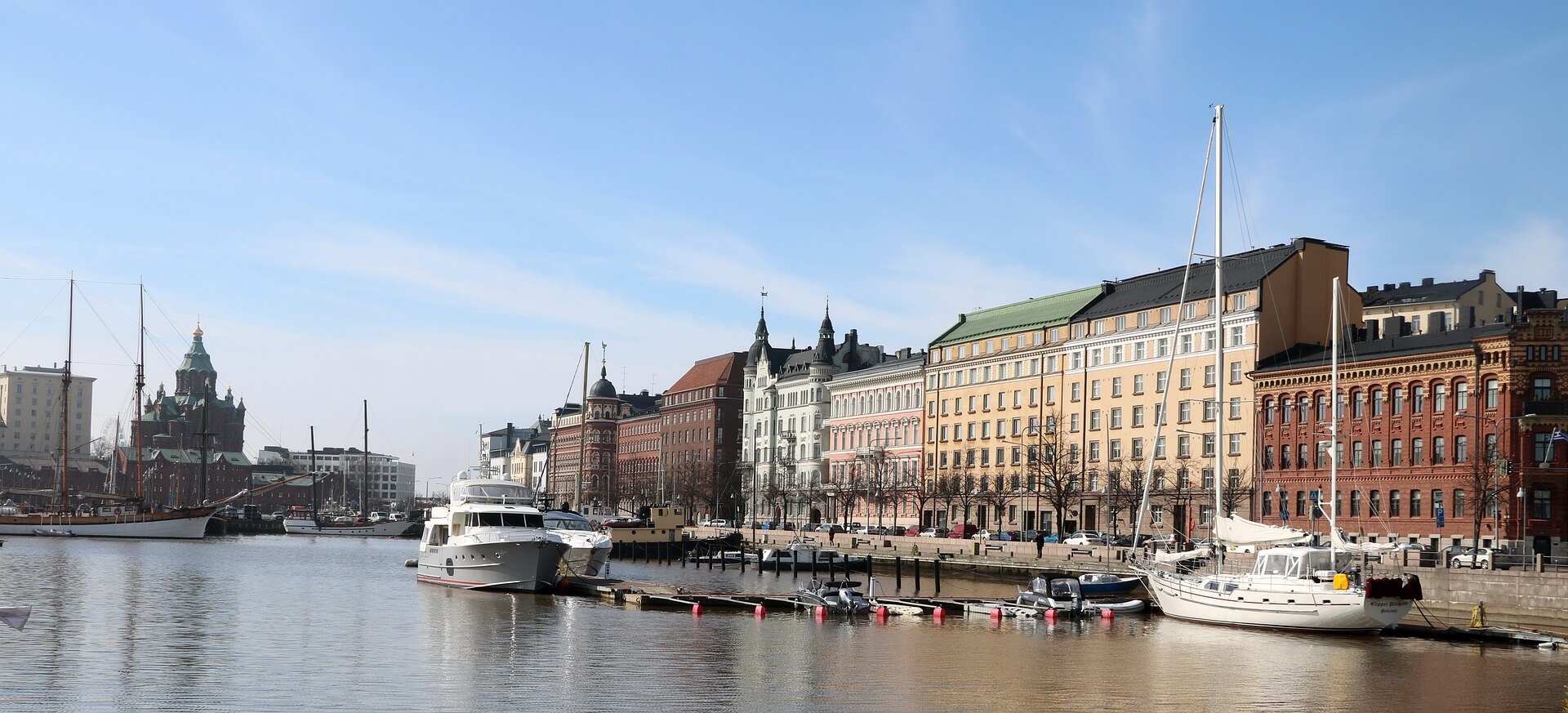
Helsinki, the capital of Finland, is located on the shore of the Gulf of Finland. It has a population of 1,250,000 and is the country’s most important center for politics, education, finance, culture and research. Helsinki is 50 miles north of Tallinn, Estonia, 250 miles from Stockholm and 190 miles west of Saint Petersburg. In 2011 it was rated as the world’s most liveable city. Things to see in Helsinki:
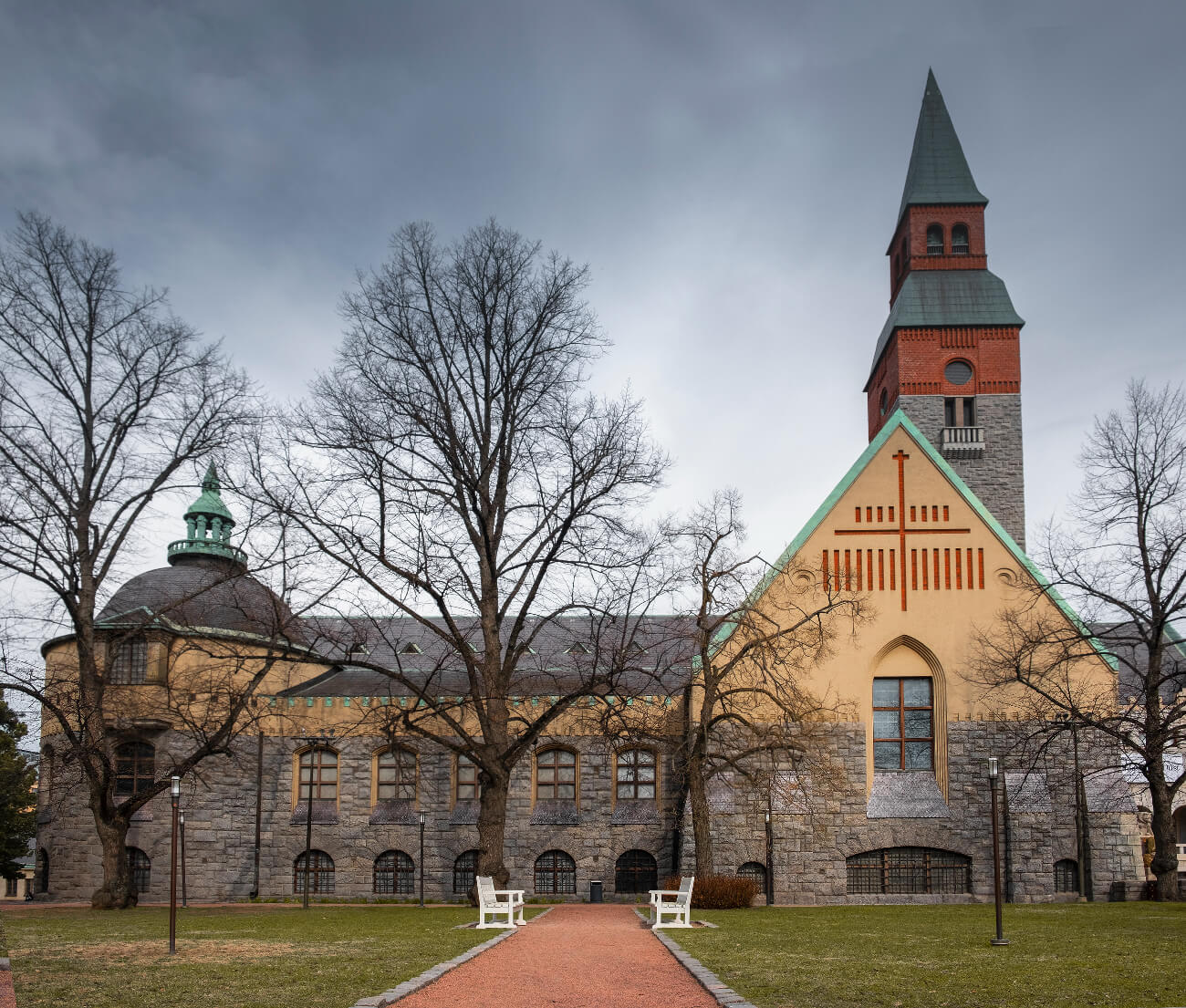
The National Museum of Finland, The Finland Museum of Natural History, The Finland National Gallery, The Helsinki Art Museum and The Design Museum.
Tourist Attractions in Finland:
The Northern Lights in Lapland, The Snow Castle of Kerii, Aland Island, Old Rorvou and Old Rauma towns built in the 1300’s. Skiing and other winter sports, Urho Kekkonon National Park, Suomenlinna Fortress Swedish built covering six islands. Sami culture in Inari, Lapland. Turku Castle 13th century castle alongside Turku Cathedral also built in the 13th century.
Olavinlinna Castle has an annual opera festival.
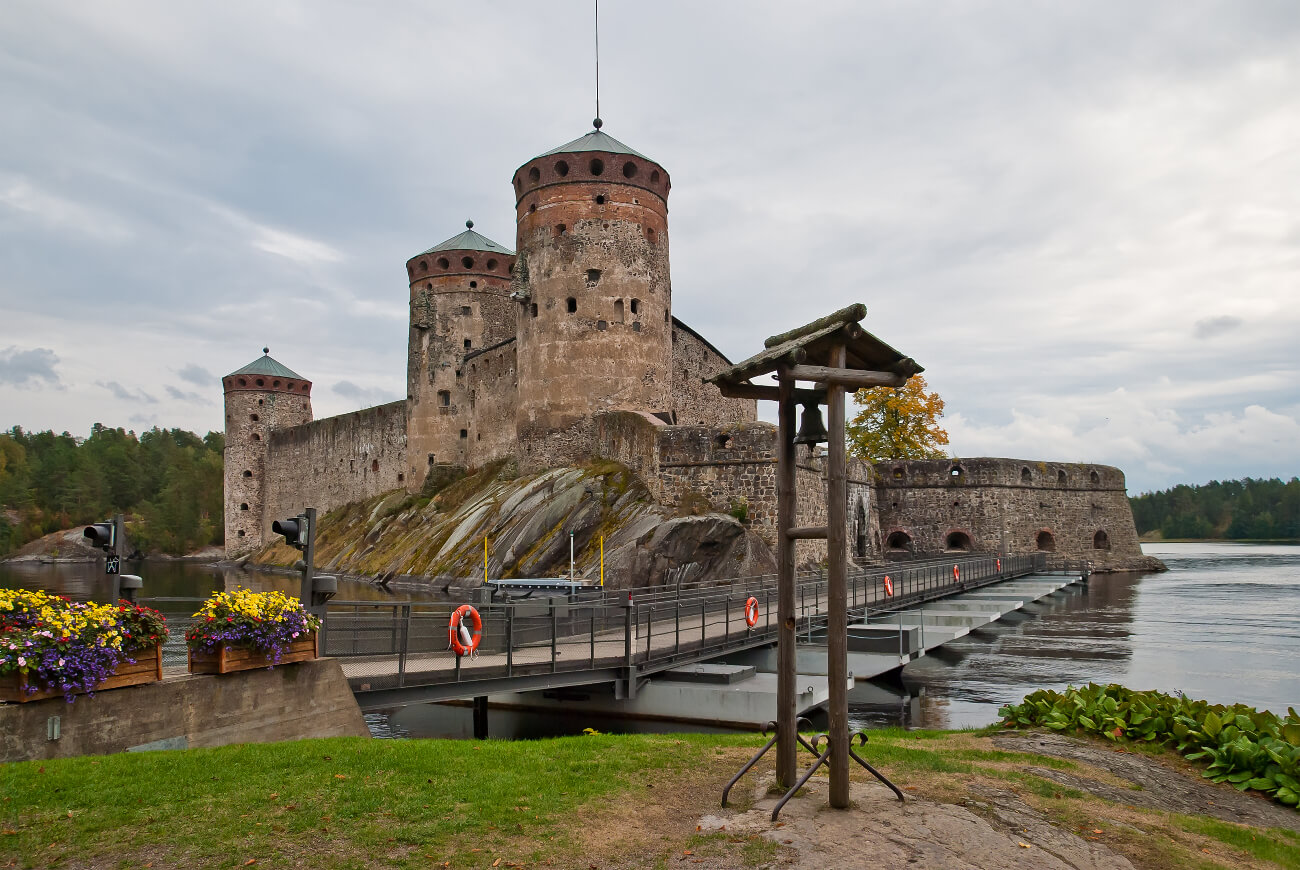
Lake Sainaa is the largest lake, populated with over 10,000 islands.
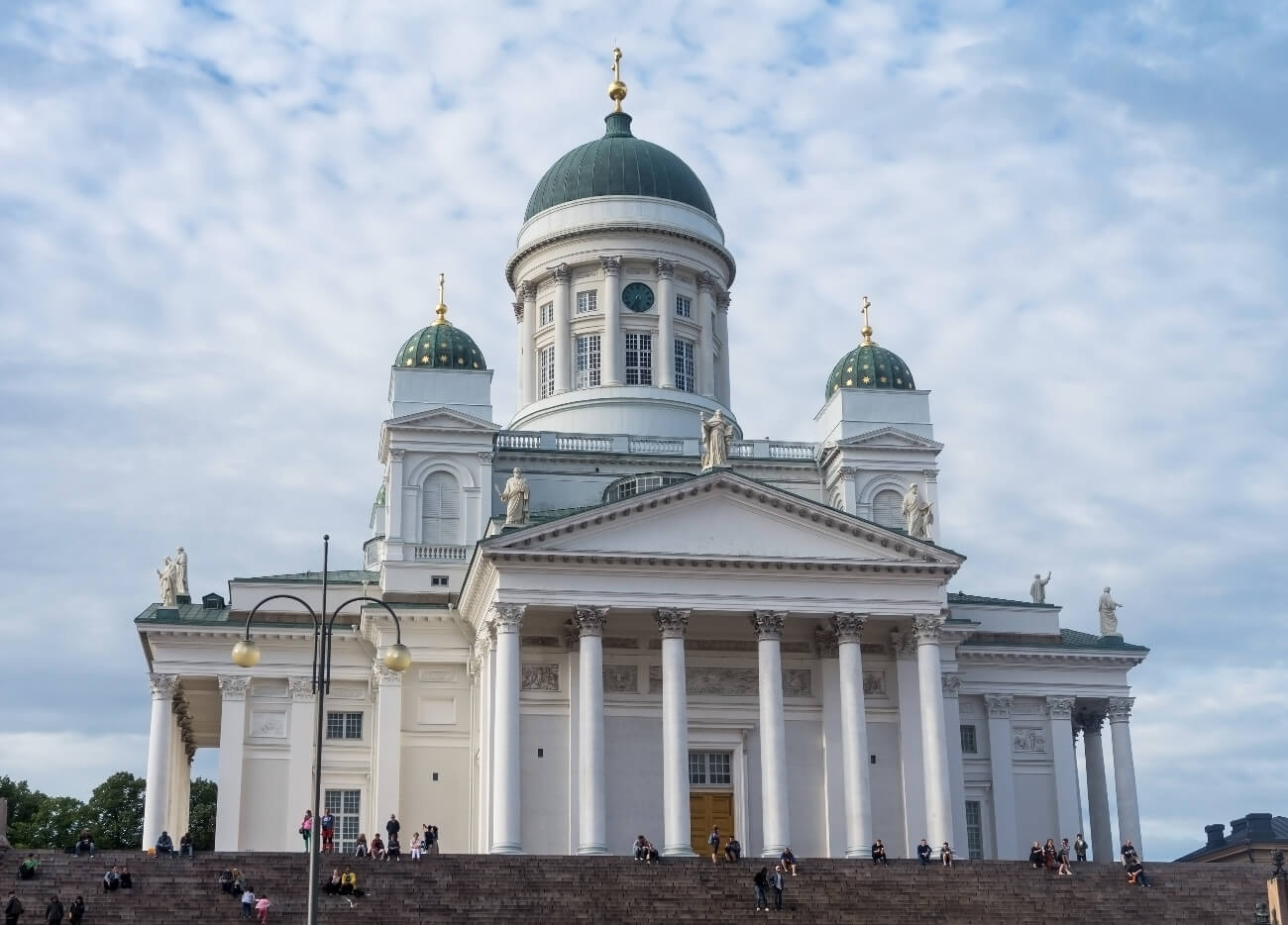
Helsinki Cathedral
No Tour Found
No Tour Found