


Martinique is an overseas department/region and single territorial collectivity of France. The island is an integral part of the French Republic. Martinique is located in the Lesser Antilles of the West Indies in the eastern Caribbean Sea. Its land mass is 436 square miles and the island has a population of 360,000. Martinique is one of the Windward Islands and is directly north of Saint Lucia, northwest of Barbados and south of Dominica. Its official language is French and the inhabitants speak both French and Martinican Creole. The island was first settled by the Arawak in the first century AD and then overrun by the Caribs in the 11th century. Columbus landed in 1502.
In 1635 the French Governor of St. Kitts landed in the harbor of St. Pierre with 150 French settlers. In 1636 the Caribs attacked the French seeking to throw them off the island but were defeated. The Caribs retreated to the eastern end of the island but in 1658 they once again attacked the French with many Caribs killed and the survivors forced off the island.
In 1667the British attacked and destroyed the French Fleet which was stationed off the coast of Martinique. By 1668, the Huguenots (Protestants) who were living on the island were forced off by the Catholics which halted the development progress of the island. After 1688, Martinique served as a haven for French pirates and in the late 17th and 18th centuries was attacked and conquered several times by the British. The island was traded back to France by Britain after the Napoleonic Wars.
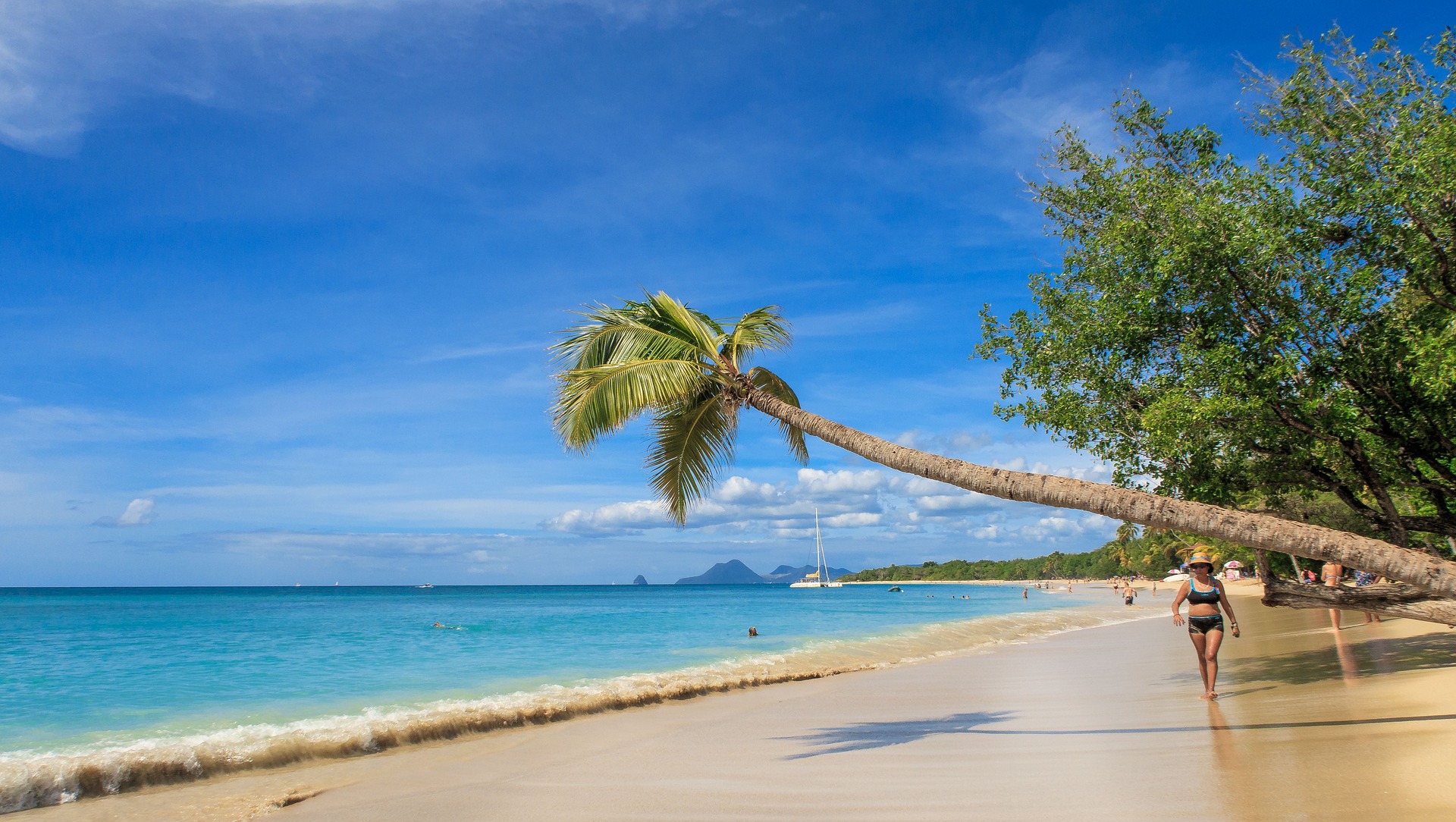
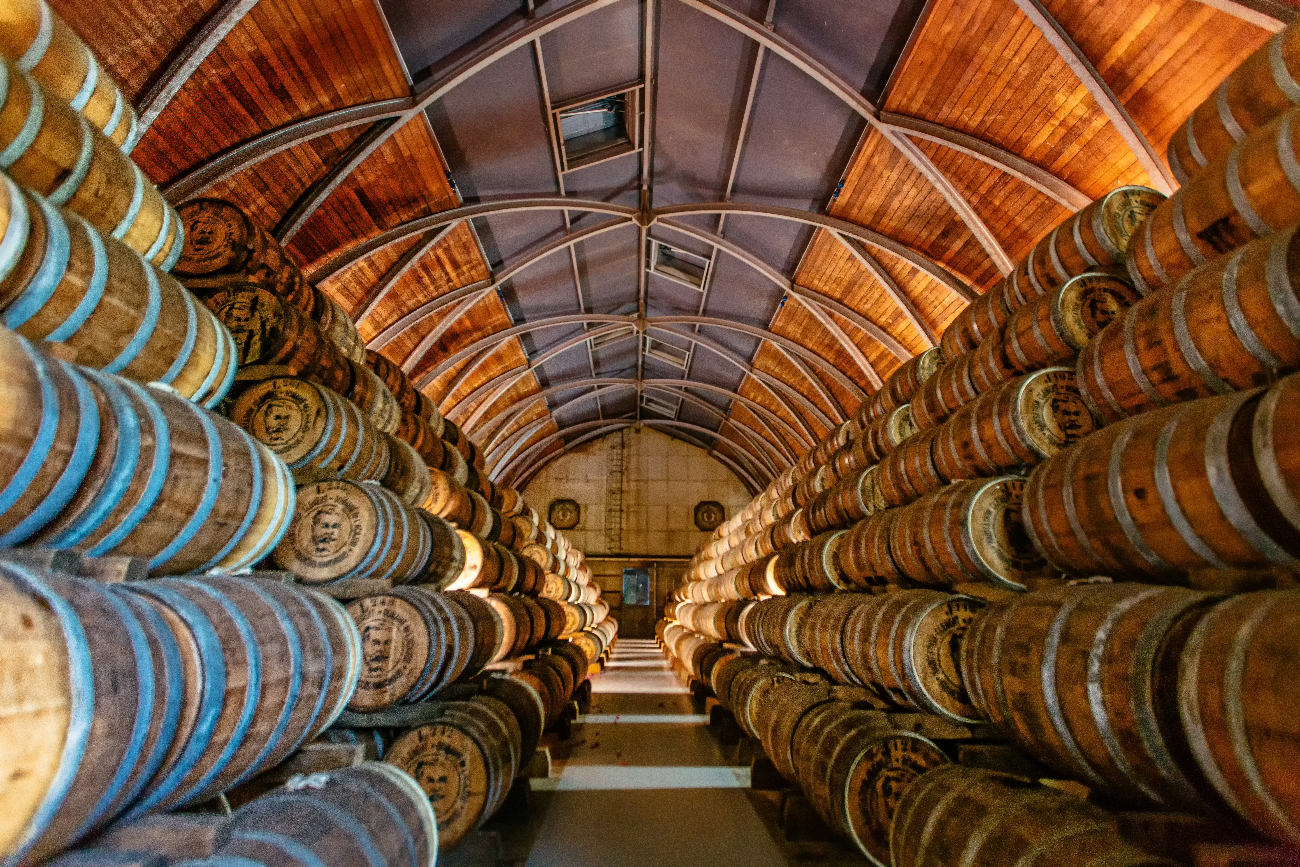
In 1902, Mount Pelee erupted on Martinique killing 30,000 people and destroying the capital city of St. Pierre. The capital was then moved to Fort de France where it is now. The north of the island is mountainous and volcanic and the south is more level but still hilly and easier to travel and receives most of the tourists. The north receives a lot of rain and is heavily forested with bamboo, mahogany, rosebud and locust trees. The south has savanna-like brush including cacti, balsam and acacia. Martinique has many beaches with those in the south having white sand as compared to the north where the beaches are made from volcanic material and are colored black and gray. Tourism and agriculture are the main industries. Agricultural crops include banana, rum, sugarcane and pineapple. 90% of the population is of Roman Catholic religion with African descent mixed with Carib, European, Tamil, and some middle east representations.
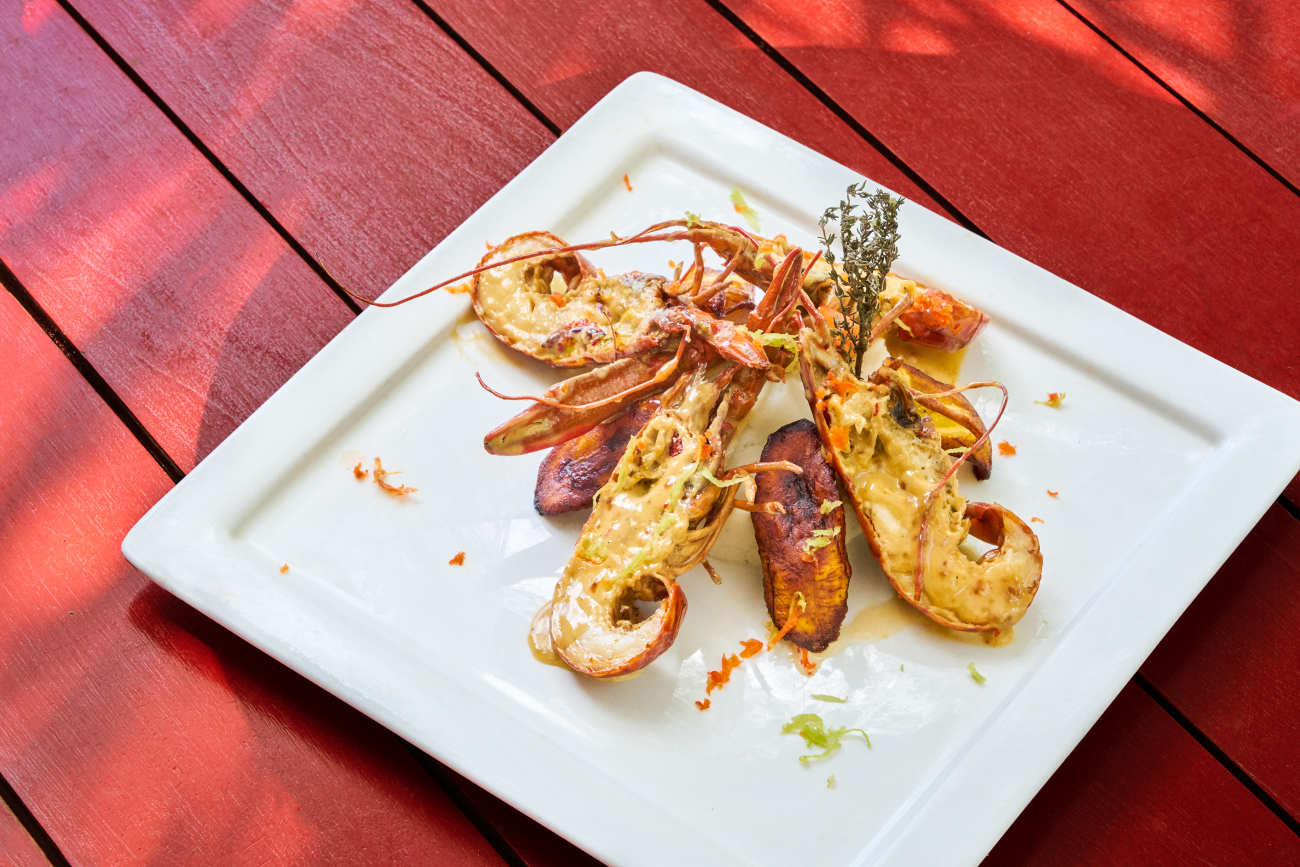
Island culture is a mix of French and Caribbean influences. The cuisine is a hybrid mix of African, French, Carib Amerindian and Indian subcontinent.
Favorite dishes include:
Accra (A Form of Fritte)
Boudin (Sausage)
Chatrou (Small Octopus)
Colombo (Signature Spice of the island used in many dishes including lamb
Ti Punch (Cane Juice Rum)
Lambis (Sea Snail)
Le Feroce d’ Avocat (Hot, Salt Fish Appetizer
Dorade Grillee (A Fish)
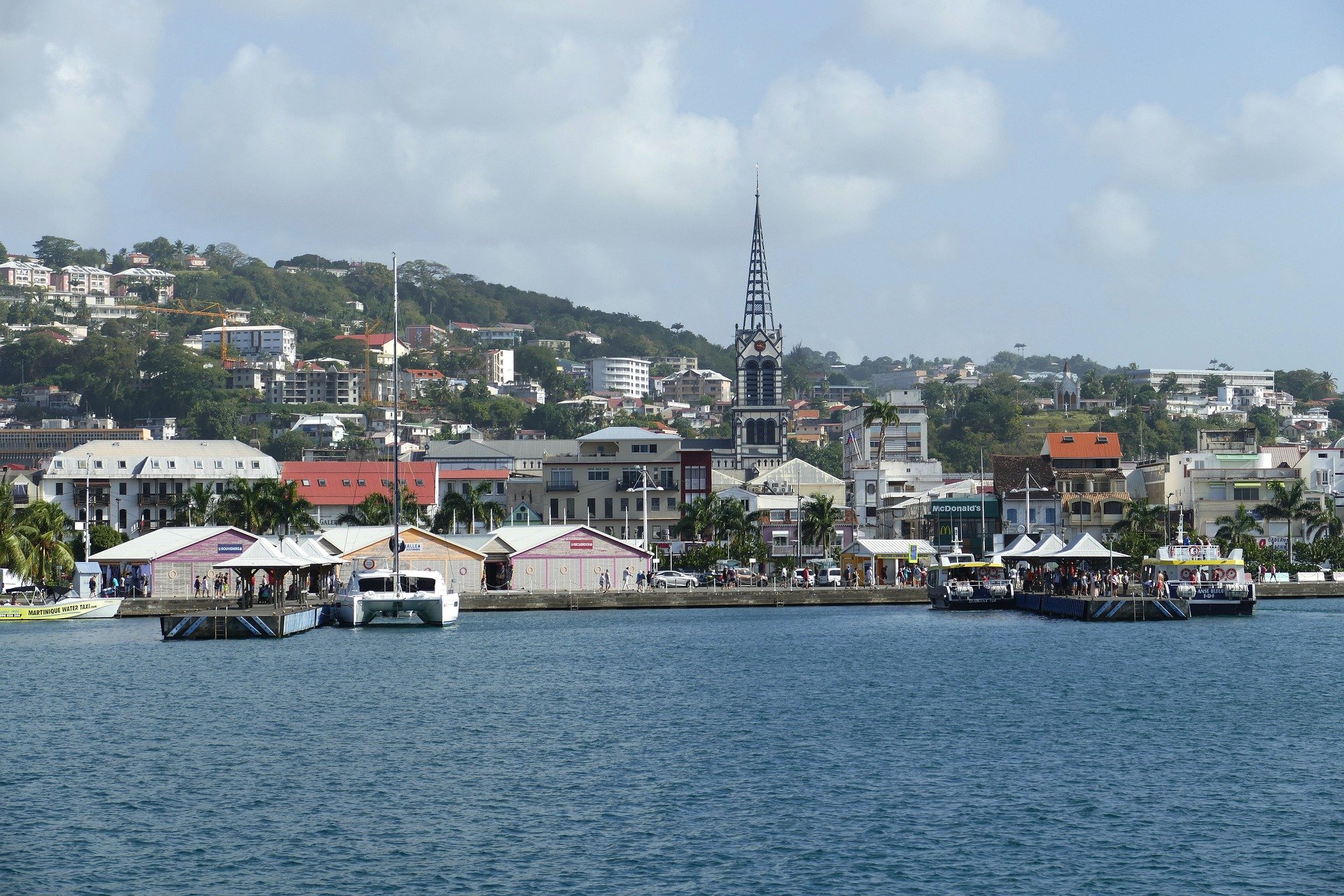
Fort de France – Capital City
Things to See:
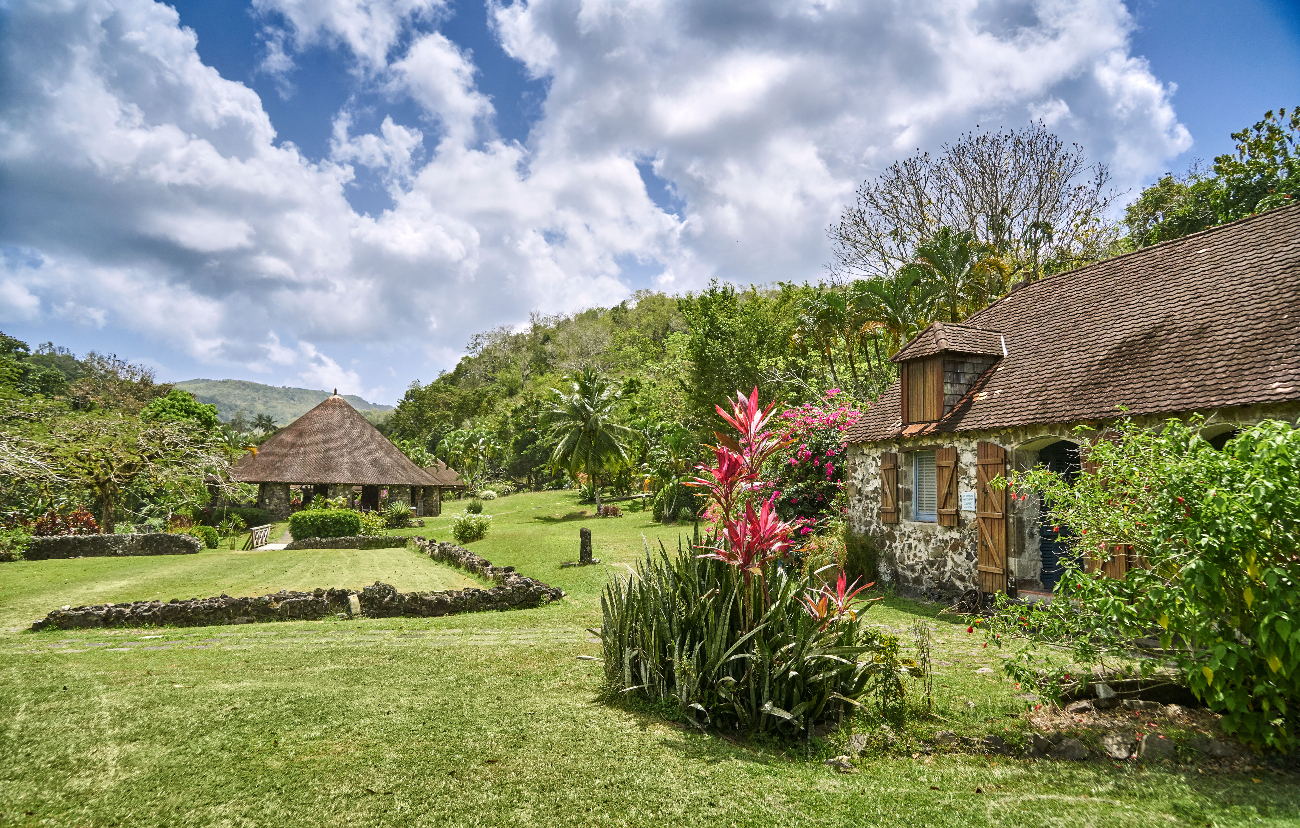
Jardin de Balata Gardens and Restaurant
Fontaine Didier Waterfalls
Schoelcher Library
Parc Naturel Regional de la Martinique National Park
St. Louis Cathedral
Musée Départemental de la Martinique History Museum
Caribbean Sea Beaches on the Southern Part of the Islan
Les Salines
Point du Marin
Pointe des Salines
Anse Meuniere
Anse Dutour
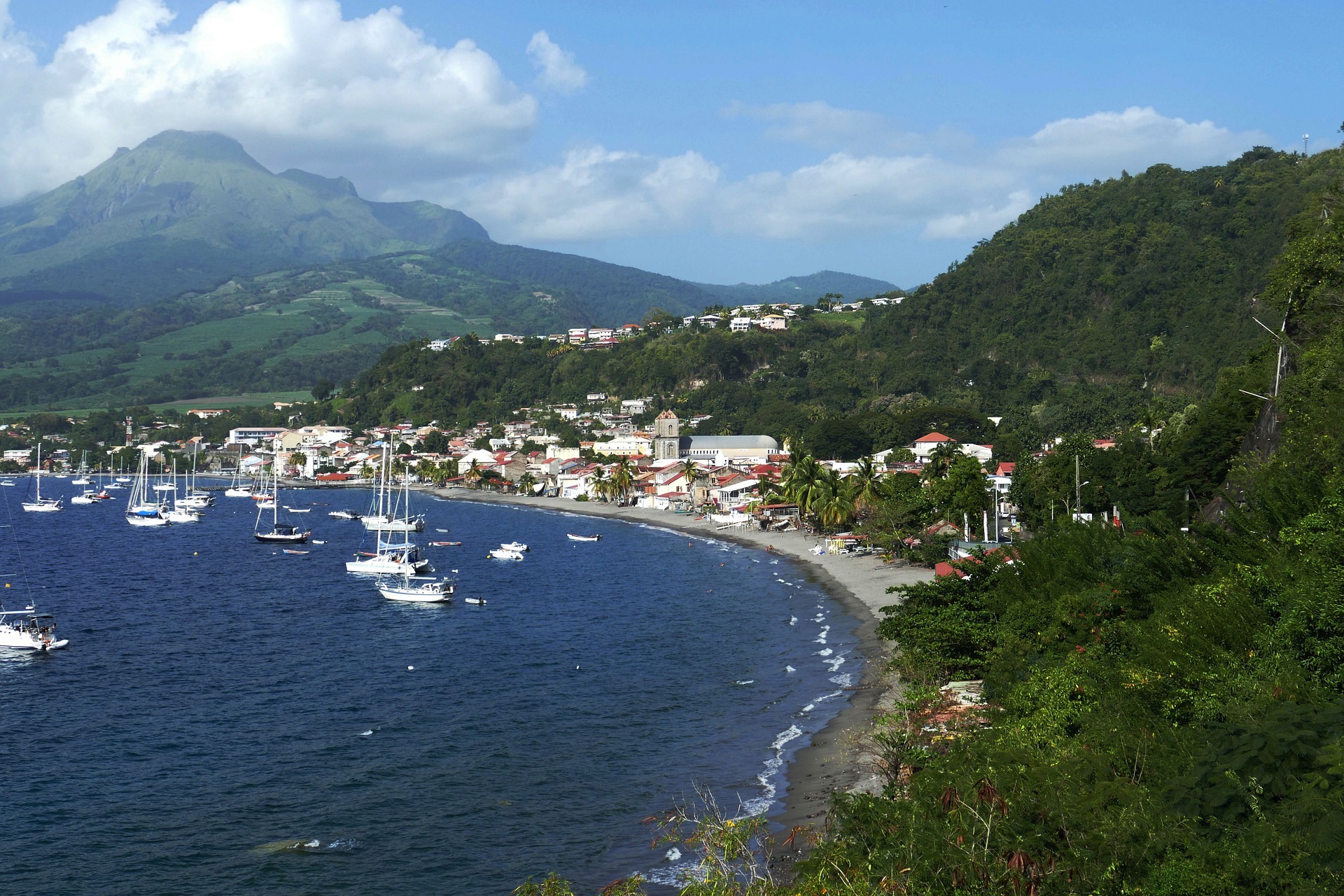
The North of the island is quite mountainous and is very humid and rainy. Ashes from the semi active volcano Mount Pelee have created gray and black sand beaches. The eruption of Mount Pelee in 1902 was catastrophic and completely destroyed Saint Pierre, the former capital which, after this sad event, was moved to Fort de France. At the Maison de la Nature you will find instructions for the hiking trails which take you through scenic villages and luxuriant forests, as well as orchard fields of mangos, bananas, guavas, avocados and pineapples. When you are not sunbathing on the white beaches of the south, you can drive around and visit the sumptuous “Jardin de Balata” or other wonderful sights such as the canyon of la Falaise, the peninsula of La Caravelle, the Chateau Dubuc, a ruin from the 18th century, or the “Savane des Petrifications”.
Before the 1902 catastrophe, Saint Pierre used to be the capital. At that time Saint Pierre was called the Little Paris of the Caribbean. You can see what is left of the remains of the theatre, the church, and the “cachot de Cyparis” where one of the few survivors of the eruption was sheltered. Objects of daily use are exhibited at the volcanological museum. Also, divers have plenty to explore among the wrecked ships in the bay.
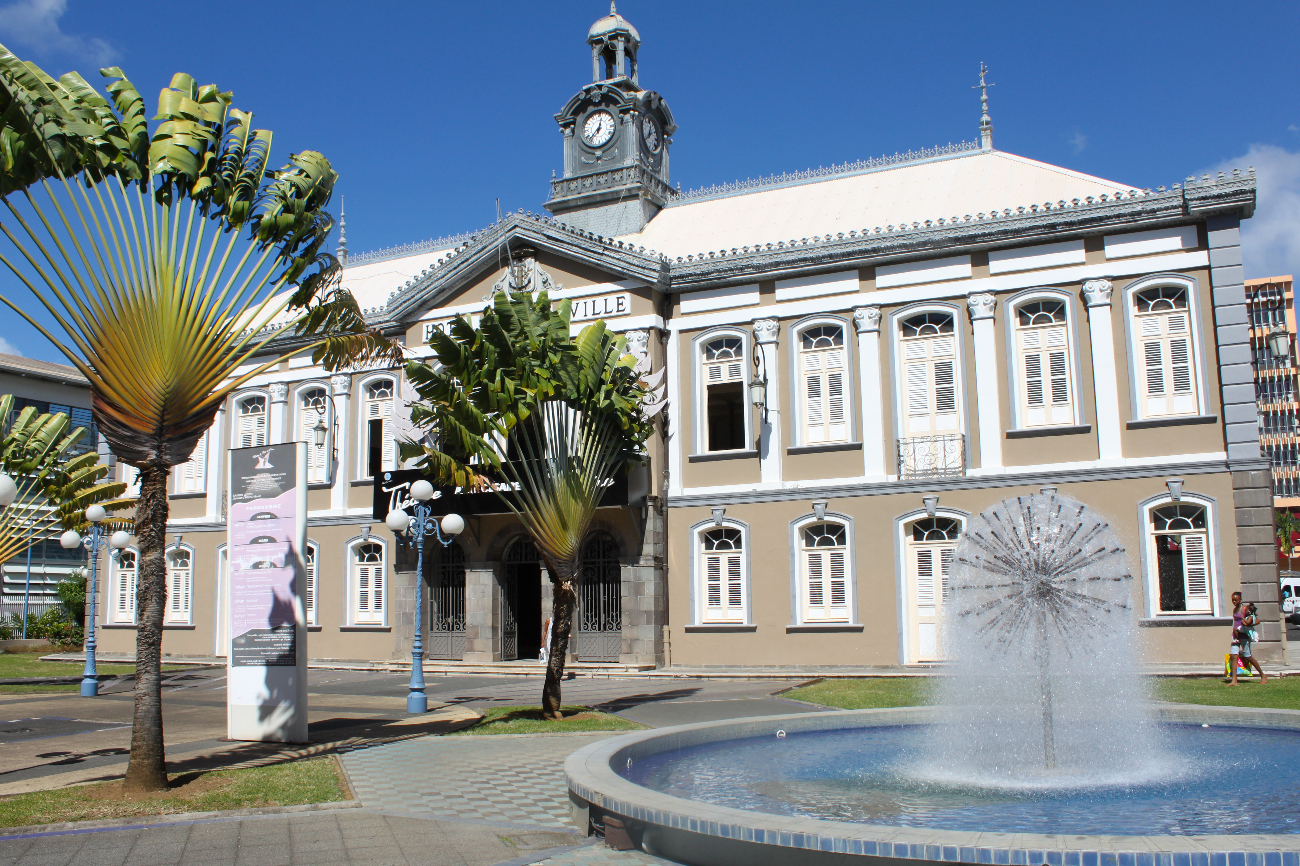
In Fort de France, the present capital, one can find the Saint Louis Cathedral, Schoelcher Library, 17th century Fort Saint Louis, Post Office, Palace of Justice, and many old houses scattered around. Do not forget your camera as you need it when you visit the markets, either the covered grand market or the flower and fish markets. Should you have enough of the beach, a couple of museums are most interesting: the History and Ethnography Museum and the Archeology and Prehistoric Museum. In the harbor ferry boats leave frequently for Guadeloupe, Dominica and other islands.
Martinique Aime Cesaire, international airport, is named after a poet and politician who was the founder of the Negritude Francophone literary movement. Josephine de Beauharnais was a creole from Martinique who actually ended up marrying Napoleon! The cottage where she was born is now the lovely little Museum of La Pagerie. The painter Paul Gauguin, who was also a world traveler, spent a few months in Martinique. His stay is commemorated in the Gauguin Interpretation Center.
Many types of caribbean music, usually played to the fast beat of carnival themes, will call dancers to the floor of the many local clubs. Sounds such as Kanbans or Compas, zouk, love-zouk, and calypsos all abound.
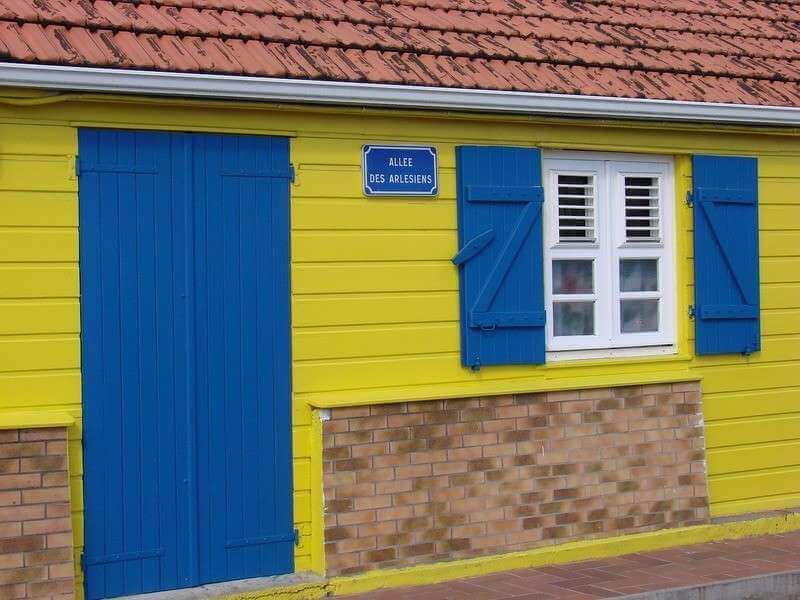
Local jams made of coco, bananas and guava are delicious. A magnificent variety of Martinique punches abound for your pleasure, but the locals say the punch made only of mixed fruit juice will make you sad. Jewelry, clothes made of colorful “madras”, and pottery from the village of Trois-Ilets are the main artifacts.
There is no doubt Martinique has a lot to offer, and you will cherish your visit.
No Tour Found