


Occitanie is now the region which combines the previous provinces of Languedoc – Roussillon with Midi-Pyrenees after the restructuring of France in 2016. In olden days, Occtania was the part of Europe where people spoke the “ Oc Language”, a Romance language spoken in Southern France, Monaco, Italy’s Occitan Valleys, as well as Spain’s Val d’Aran. It is also considered that Catalan and Provencal also have strong ties.
Today’s Occitanie covers more or less the 12th and 13th century territory ruled by the Counts of Toulouse. It is now the second largest region of France after Nouvelle Aquitaine. It is larger than Ireland and it includes 13 different French departments. No other region of France has so many sites registered by UNESCO and so many villages labeled « most beautiful villages of France ». It is a vast area of strong character and mixed culture related to the history of Limousin, Languedoc, Pays Gascon and Provence.
Occitanie extends along the Pyrenees Mountains, the Mediterranean Coast and the right bank of the Rhone Valley. Tourists can enjoy a large variety of activities such as skiing, cycling, hiking, sunbathing on the beach or golfing. Culture, art, history and gastronomy are extremely diverse as you explore the old various roman or medieval cities, villages, markets and monuments.
MEDITERRANEAN OCCITANIE
This part of Occitanie extends over 130 miles of coastline from the Spanish border to the Rhone delta. It’s unique maritime seafront includes fine sandy beaches, paradisiac diving spots, wild areas of grassland and marshes, fishing ports, fancy resorts, cool old villages, and picturesque colorful markets.
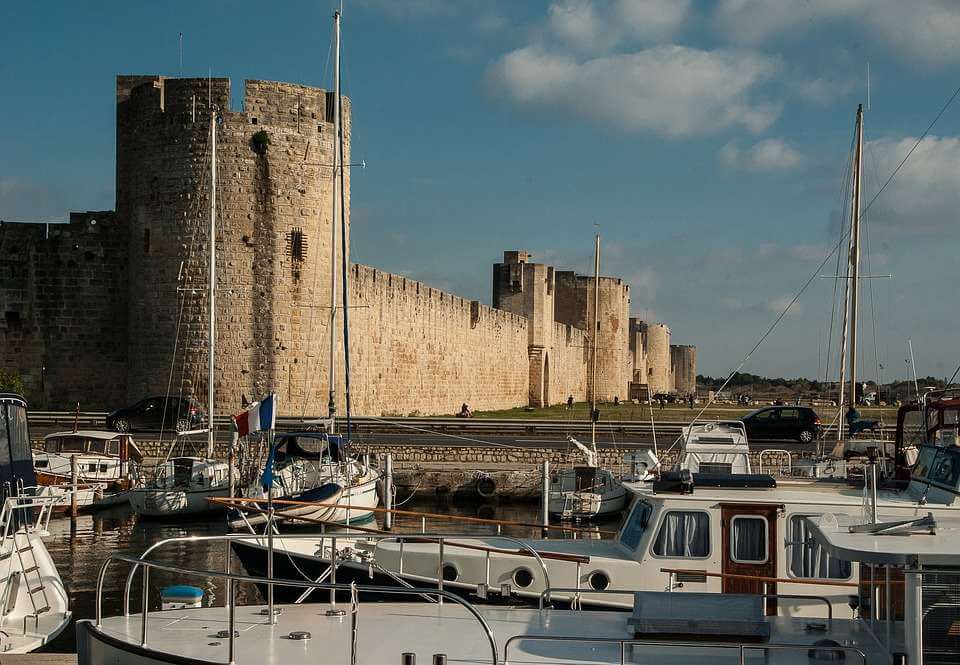
La Petite Camargue is a land of bulls and horses with their “guardians”, who ride the vast wild plain among marshes, lakes, dunes and reed beds, and where wild herons, flamingos,and other birds take refuge. Like the pilgrims going to Santiago de Compostela, you may want to overnight at Saint Gilles, a quiet little town with a large Abbey Church built over the tomb of Saint Gilles. Festivities in Camargue to select the best bulls run from April to October, with a peak in August. If you do not quite appreciate the ambiance of the arena you may prefer to visit the impressive town of Aigues-Mortes, sheltered behind its ramparts in a landscape of marshland, lakes and salt-pans. Preparing to leave for a crusade, Louis IX built the first French fortified coastal harbor on the Mediterranean coast here in 1240, but the silting-up of the port through the centuries has pushed Aigues-Mortes a few miles inland.
La Côte Vermeille starts with the village of Cerbere, just at the Spanish border and extends to the towns of Collioure, Port-Vendres and Banuys-sur-Mer. They can be considered as an extension of Catalonia as many of the locals still speak Catalan. Stretching from Argelès-sur-Mer to the border village of Cerbère, the towns of Collioure, Port-Vendres and Banyuls-sur-Mer are nestled along a 20 km stretch of beaches, small bays, creeks and coves. In the early 20th century., fauvist artists such as Matisse and Derain came to this area and developed a new painting school using luminous bright colors. No more than 20 miles in the mountains, is the small town of Ceret, considered to be the cradle of Cubism as Picasso and many of his friends from Montmartre, like Braque, Juan Gris, Raoul Dufy among many others, start coming around 1910 and created a community of artist. The Museum of Ceret is well worth a detour for Art amateurs.
Following the Cote Vermeille, comes the Catalan Coast, a.k.a. Côte d’Améthyste which covers most of the coastal line of the “Golf du Lion”. It has been structured and developed thanks to a large project which started in 1963. All the sea resorts Port-Camargue, la Grande-Motte, Palavas-les-Flots, Le Cap d’Agde, Gruissan, Port Leucate, Port Barcarès et Saint Cyprien were built to attract tourists from all over Europe during the summer months.
MOUNTAINOUS OCCITANIE
A multitude of regional and national parks are available for nature lovers such as Parc National des Pyrénées, Parc National des Cévennes, Parc des Pyrénées Ariégeoises, Parc Naturel Régional des Causses du Quercy, Parc Naturel Régional des Pyrénées Catalanes, and Parc Régional Naturel de la Narbonnaise. They all offer the traveler a variety of landscape and biodiversity with moors of heather, dark forests, lakes, green valleys, warm waters and natural springs, marshes, lagoons, shrublands, and also exceptional vineyards.
Val d’Azun is a protected area which hosts threatened species of birds, especially great birds of prey such as vultures and eagles which are now recovering from near extinction.
L’Aubrac covers parts of three departments that are among the least economically developed in France: Aveyron, Cantal and Lozere. It is a land of transhumance trails following plateaus and valleys that extend for more than 1,250 miles. Shepherds live in huts and care for the herds. Signposted paths available are for hiking enthusiasts and there also the Aubrac breed of cows known for their gentle eyes.
Les Causses & Les Cevennes
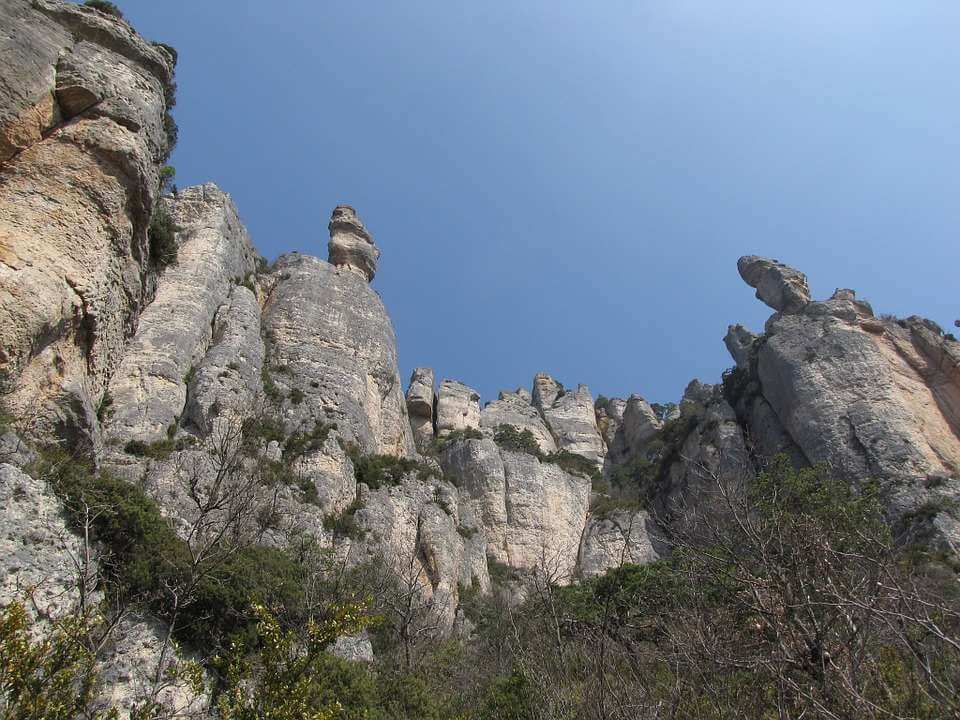
Along the Southern edge of the French Massif Central stretches a vast and severe tableland known as “Les Grands Causses”. Corniche roads offer unforgettable views over deep canyons and gorges hollowed by the Tarn river and its tributaries. the Tarn Gorge and the Jonte Gorge are both spectacular and great tourist attractions with exceptional scenery. The Tarn has eroded a splendid canyon with rocks and walls that are more than 1600 feet high. On the banks of the river picturesque small villages such as Ispagnac, Sainte Enimie, or la Malene invite you to stop and explore further. Underground is a paradise for speleology with numerous caves showing weird forms produced by dissolution and deposition.
 .
. 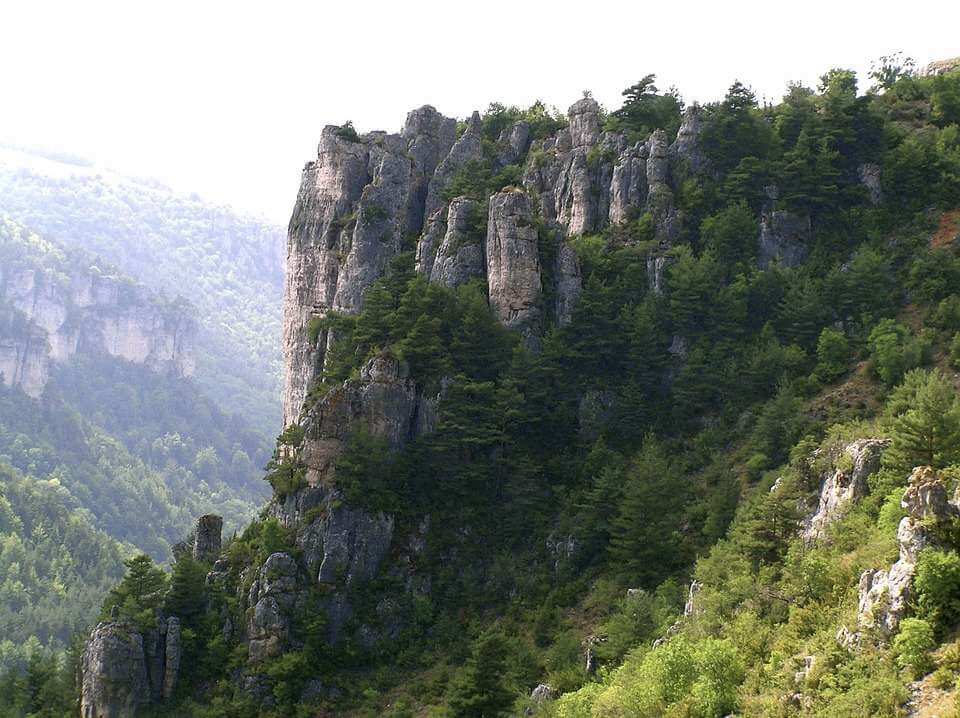
The Cevennes Range and its national park consist mostly of granite summits overlooking deep and narrow valleys. The highest peak is the Mount Lozere, 5500 ft. high. Today Les Causses & Les Cevennes are the least populated part of France but archeologists have found remains which suggest that human activities by Magdalenian people were taking place as far back as 17,000-12,000 BCE. The actual major activity of agro-pastoral economy started in the neolithic period around 12,000 BCE.
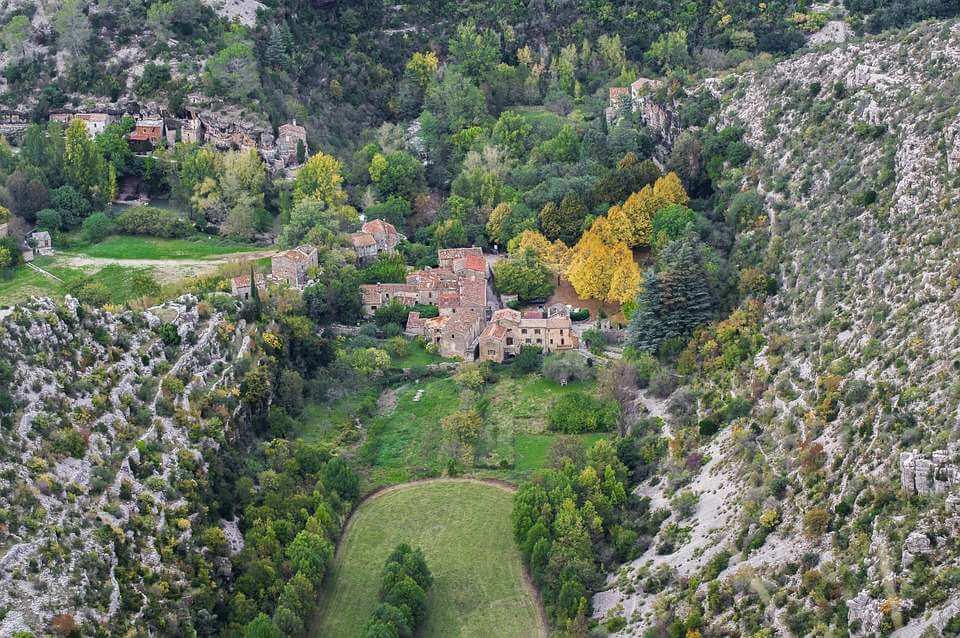
OCCITANIE : A LEADING REGION FOR ITS NUMBER OF SITES CLASSIFIED AS WORLD HERITAGE OF HUMANITY SITES.
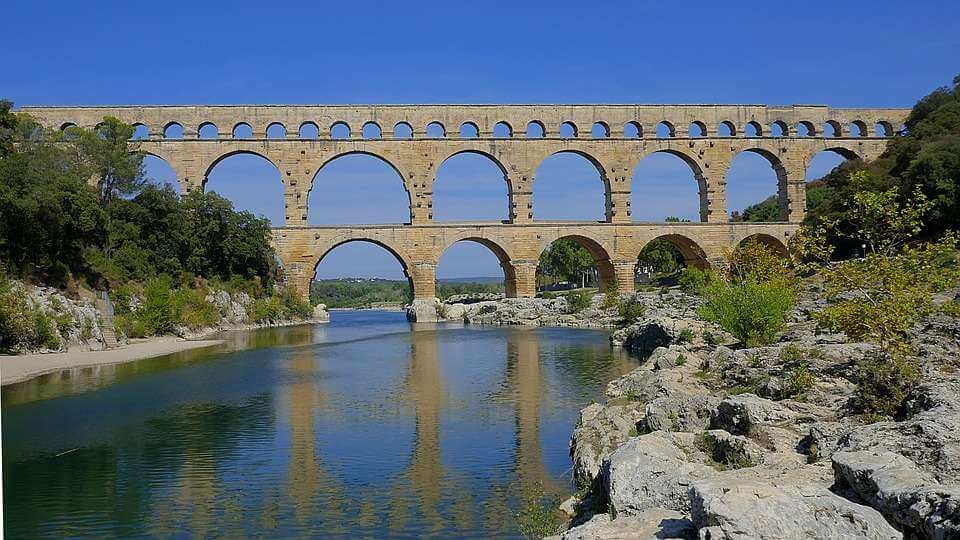
The “Pont du Gard” is the antique monument most visited in France. It was built by the Romans 2,000 years ago to bring fresh water to Nimes, which is more than 30 miles away. You could just make a photo stop or spend a day visiting the museum and the vicinity but it should not be missed. Nearby is Uzes , the first dukedom of France, with its tower, castle, monuments, and the central “place aux Herbes”.
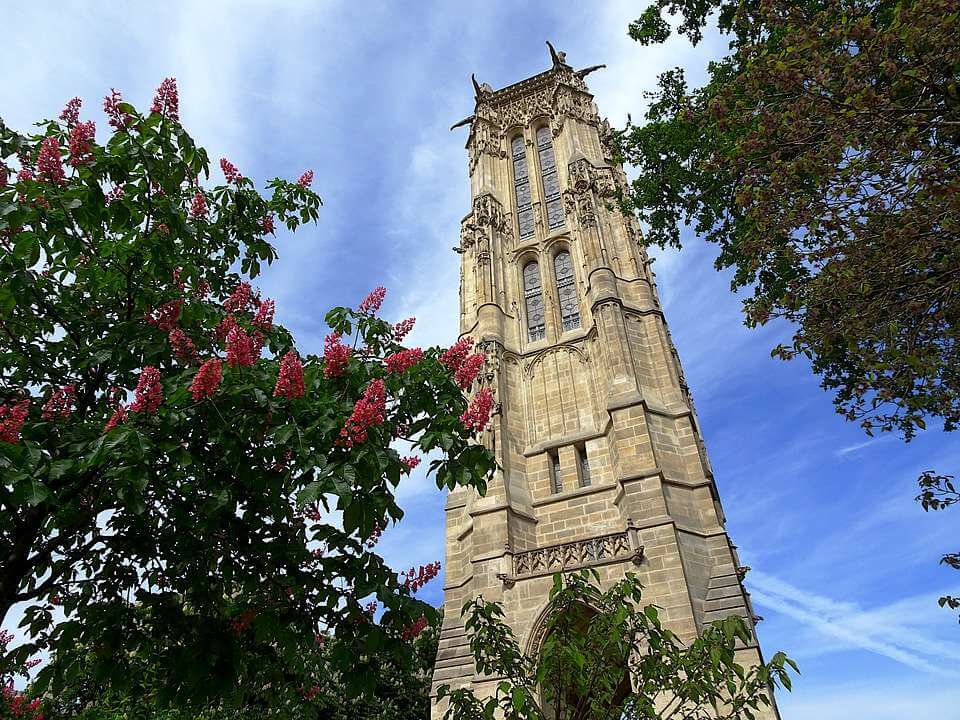
The famous “Camino de Santiago” is the route that pilgrims have followed since the Middle Ages, starting from Saint Jacques Tower in Paris all the way to Galicia in order to pray at the Tomb of Saint Jacques in Santiago de Compostela. Various routes transverse across France and the Pyrenees mountains, and two of them cross Occitanie. The most southerly is the Via Tolosa, or Voie d’Arles, situated between Toulouse and the Somport pass.
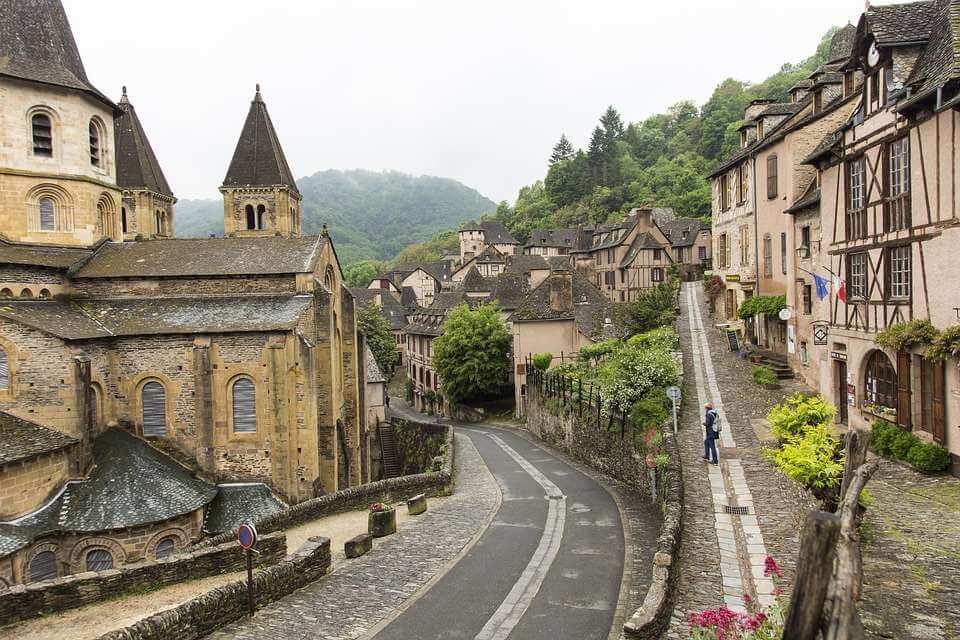
Vauban fortifications were built by Louis XIV’s military architects. They were impregnable citadels in the mountains intended to protect the borders from Spanish invasions. Mount Louis is the highest stronghold citadel in France and it is a lively place full of charm. Conques was built on a hillside among steep slopes and austere forests. This very picturesque village has kept intact most of its medieval architecture. The 11th century Abbey Church of Sainte Foix is a popular stop for the pilgrims going to Santiago.
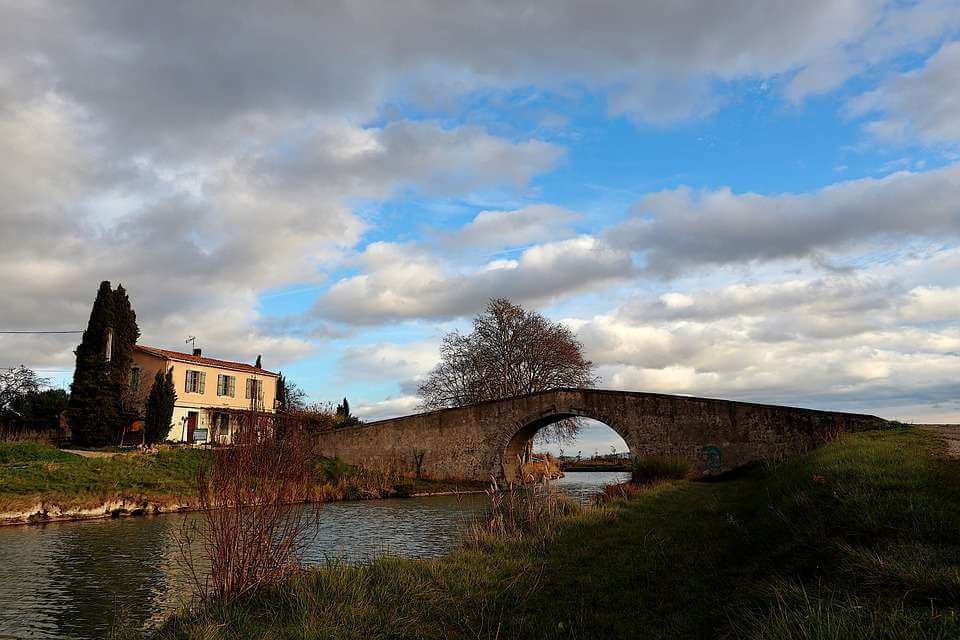
The Canal du Midi was constructed to link Toulouse to Sete on the Mediterranean. Built in 1666 when Sete was a new city with a new harbor, the canal celebrated its 350 year anniversary in 2016. It is 150 miles long and passes by the fortified city of Carcassonne, and nowadays it is mostly used as a waterway for river cruises with self-drive small boats or luxury barges.
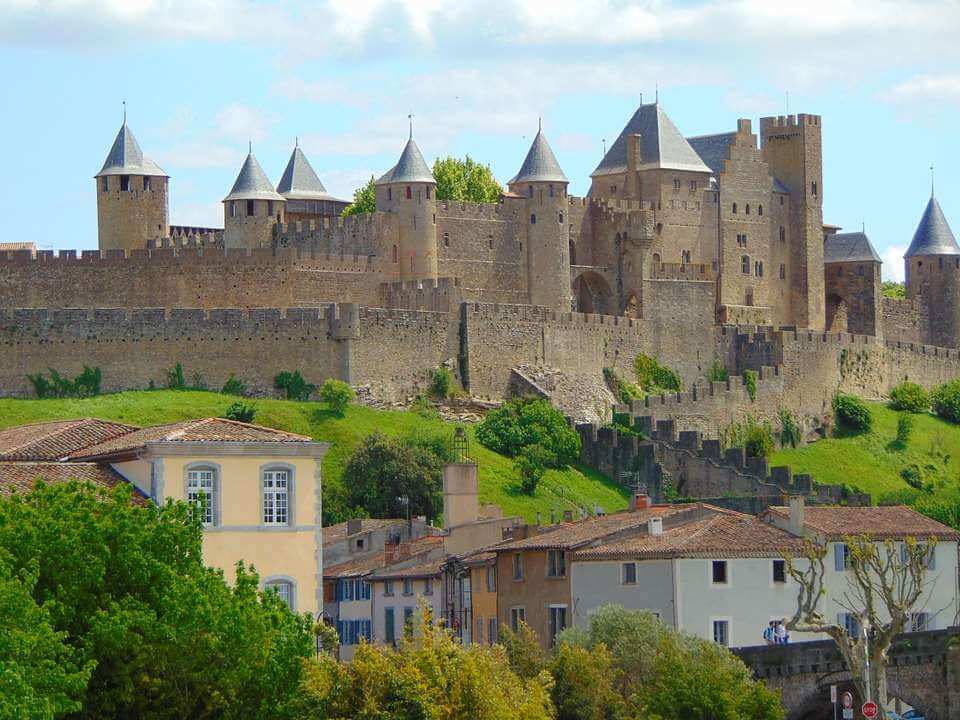
Carcassonne started as a Gallo-Roman settlement. Remains of the Ducal Castle date from the 4th century. After the Visigoth and the Sarasin invasions, ramparts with 52 towers were built to surround and protect the city. The town was completely burned and pillaged in 1355 during the 100 year war, then rebuilt once again. In the 19th century it was completely renovated by Viollet le Duc.
Rocamadour is a famous stop on the way to Santiago where pilgrims have come to pray for more than nine centuries. The town, which is dedicated to the cult of the Virgin Mary, clings over the cliffs of the Causses in the Parc Naturel des Causses of Quercy. Two hundred sixteen steps bring the pilgrims to the esplanade of the sanctuary where seven chapels, a basilica, a crypt and the statue of the Balck Virgin are all part of the UNESCO site. The book of miracles attributed to the Virgin the virtues of curing people, liberating prisoners and saving sailors.
Saint-Cirq-Lapopie is part of the scenic Valley of the Lot River. It is considered to be one of the most beautiful villages in France. Attached to a cliff 300 feet over the River Lot it extends below an old fort. Its feudal atmosphere and the old stone houses with flat tiles have attracted artists, craftsmen, and tourists alike.
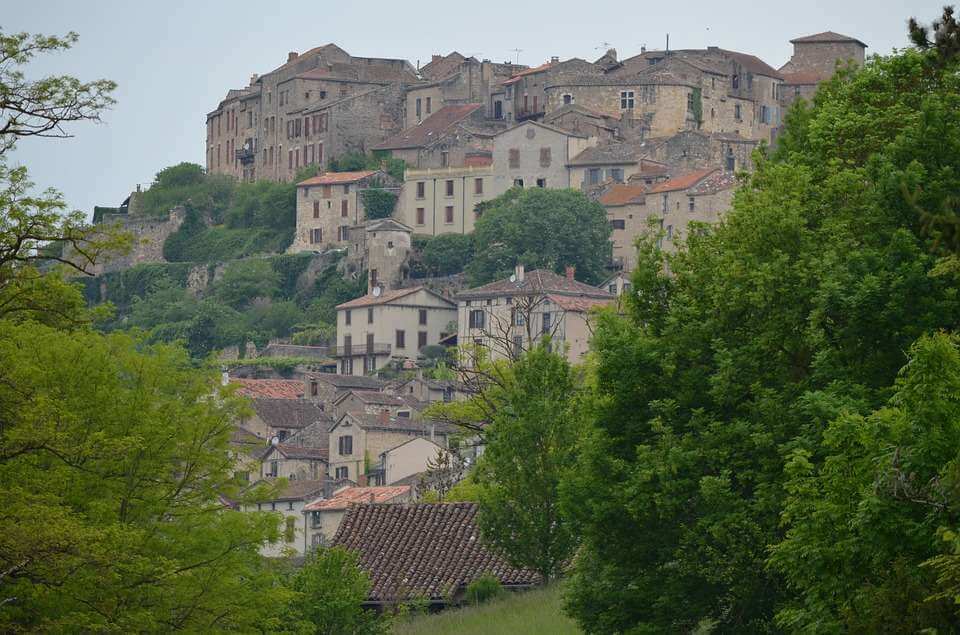
Cordes-sur-Ciel is another fairy tale-like village notable for its craftsmen and artists. Built in 1222, it is the oldest bastide in the area, and decorations of dragons, birds of prey, and lions adorn the dwellings. The surrounding landscape is also exceptional. It’s gothic palace was built by rich merchants. It is also known as a legendary city turned towards the stars.
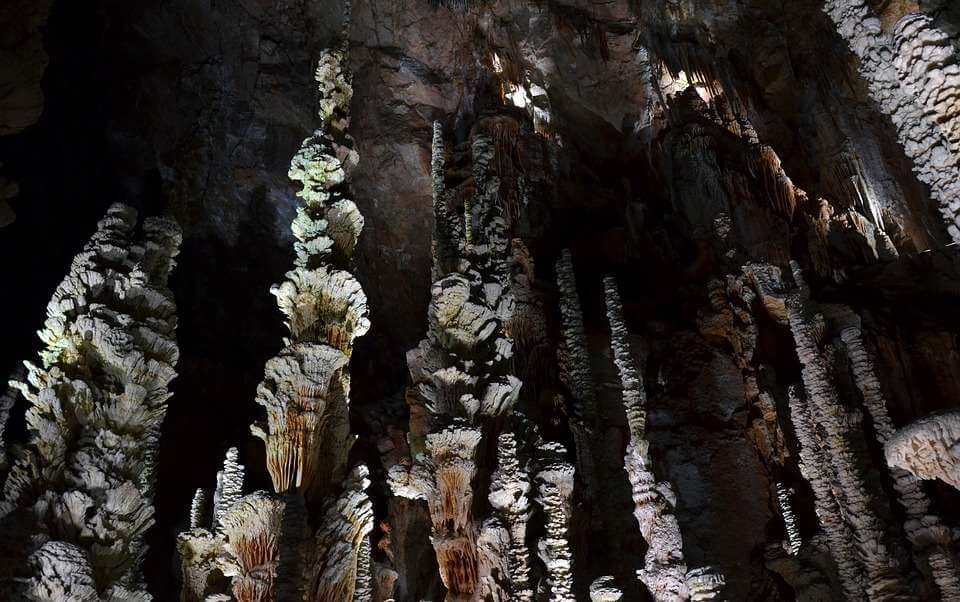
Caves: The region has a subsoil similar to gruyere cheese, with a vast network of caves, chasm and avens (sinkholes). Cave art, paintings, engravings, and drawings go back to the Paleolithic Age. This underground world is a paradise for speleologues. Aven Armand, Grottes de Lacave, and Grottes de la Salamandre are a few of the forty of them that can be visited.
OCCITANIE MAIN CITIES
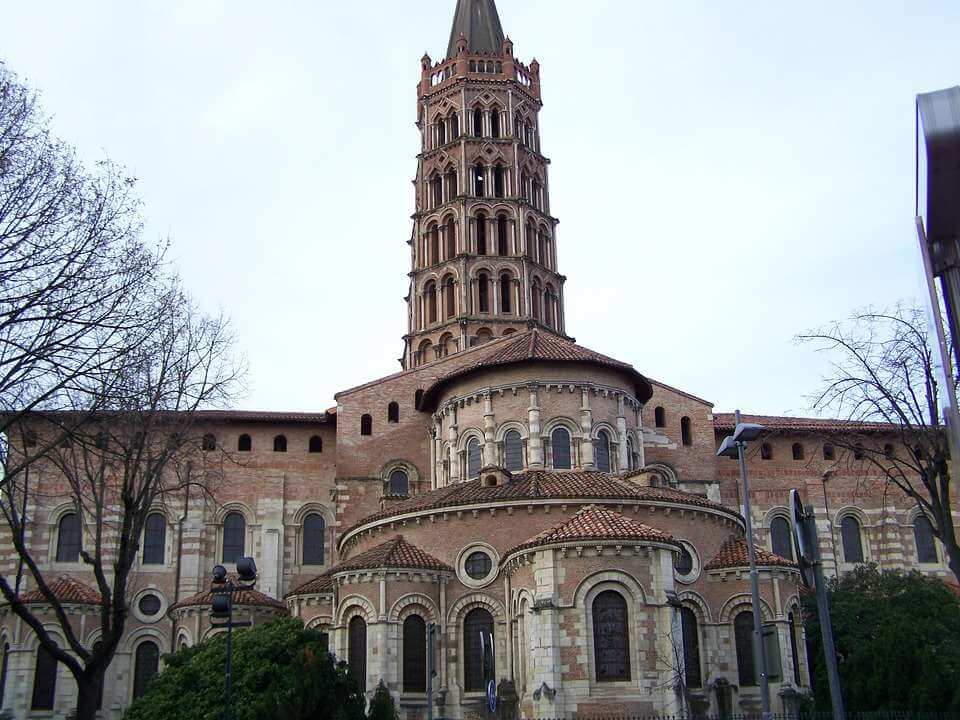
Toulouse is the capital of the region Languedoc Roussillon and Midi Pyrénées. It is built in Roman bricks, which has led to its name as the “Pink City”, or la “Ville Rose”. It used to be ruled by the Capitous, who were rich merchants in charge of the administration and the exercise of Justice. The city centre is the vast Place du Capitole. Its religious heritage is represented mostly by the Basilica Saint Sernin with its octagonal bell tower and the 13th century Church des Jacobins. From the beginnings of the industry in 1927, Toulouse and was a pioneer in this sector. As of 1970, Toulouse has seen the development of AIRBUS in its vicinity at Blagnac where you can visit the Airbus factories and the aeroscopia Museum.
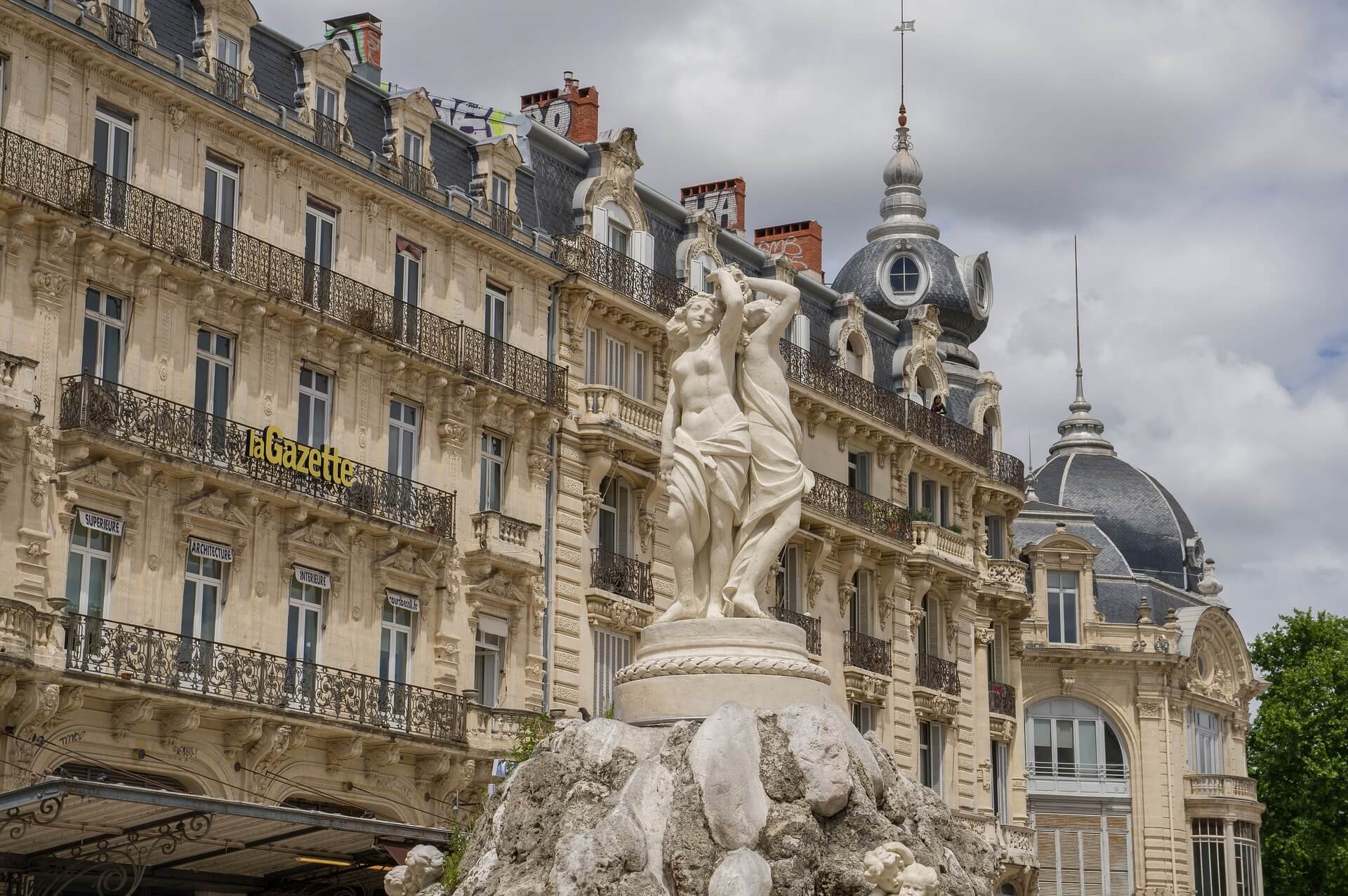
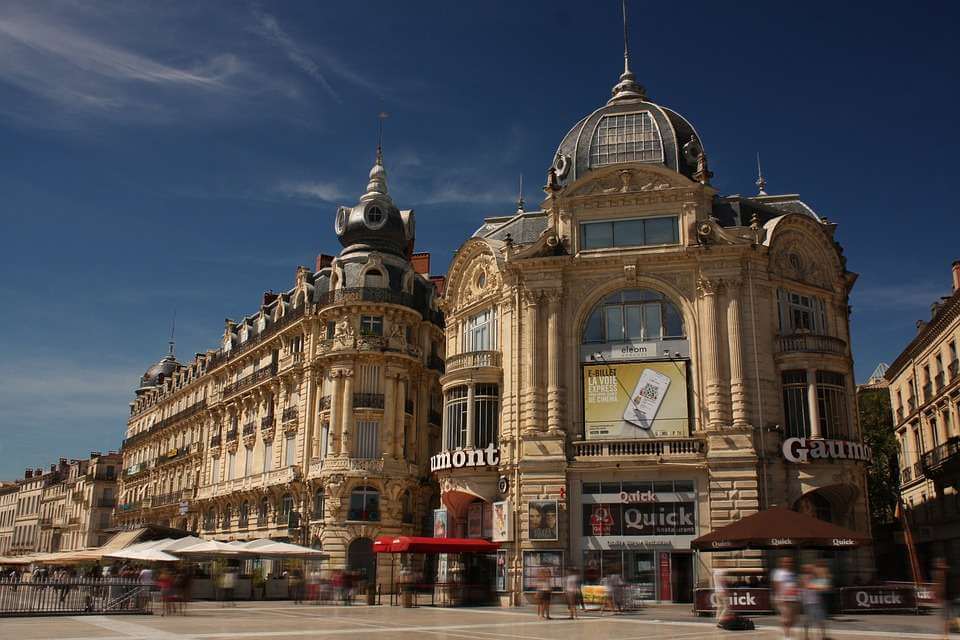
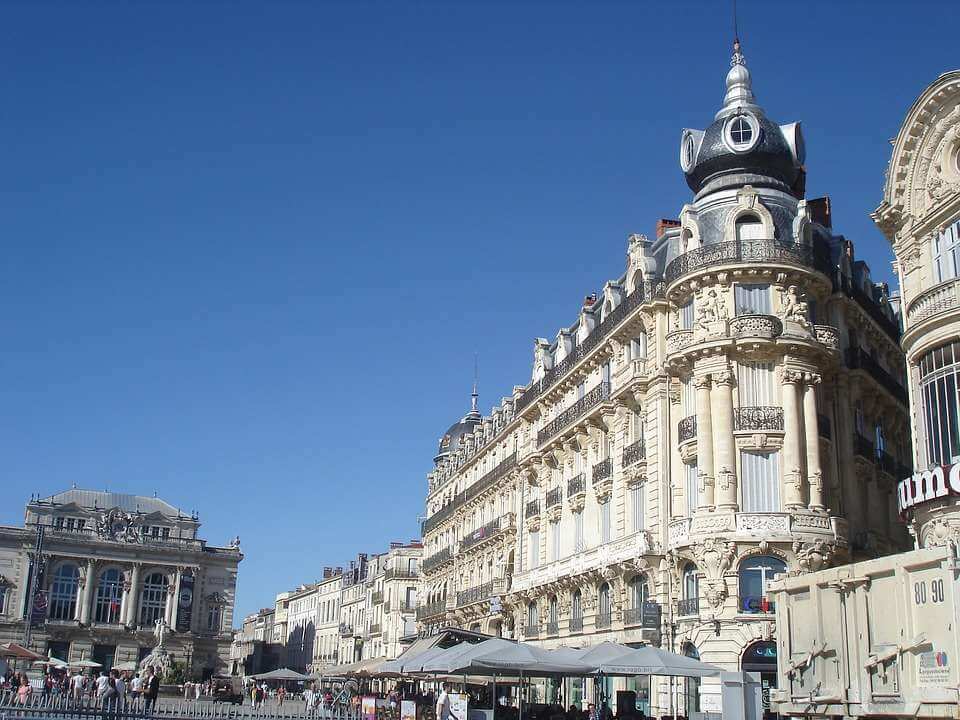
Montpellier enjoys at least 300 days of sunshine each year. It is a very dynamic city with a medieval ambiance. Many squares like the Place de la Comedie, Place Sainte Anne, or Place Canourgue are full of charm. The Cathedral Saint Pierre is next to the Faculty of Medicine, where students contribute to the lively, intellectual atmosphere of the city. Less than 7 miles away is the Mediterranean coastline, and a little train links Montpellier to the beach resort of Palavas. In recent decades Montpellier has attracted great international architects to come and create grandiose developments such as the Quatier Antigone (1980) by Paul Chametoff, the Town Hall by Jean Nouvel, “Le Nuage” by Phillippe Stark, and many more.
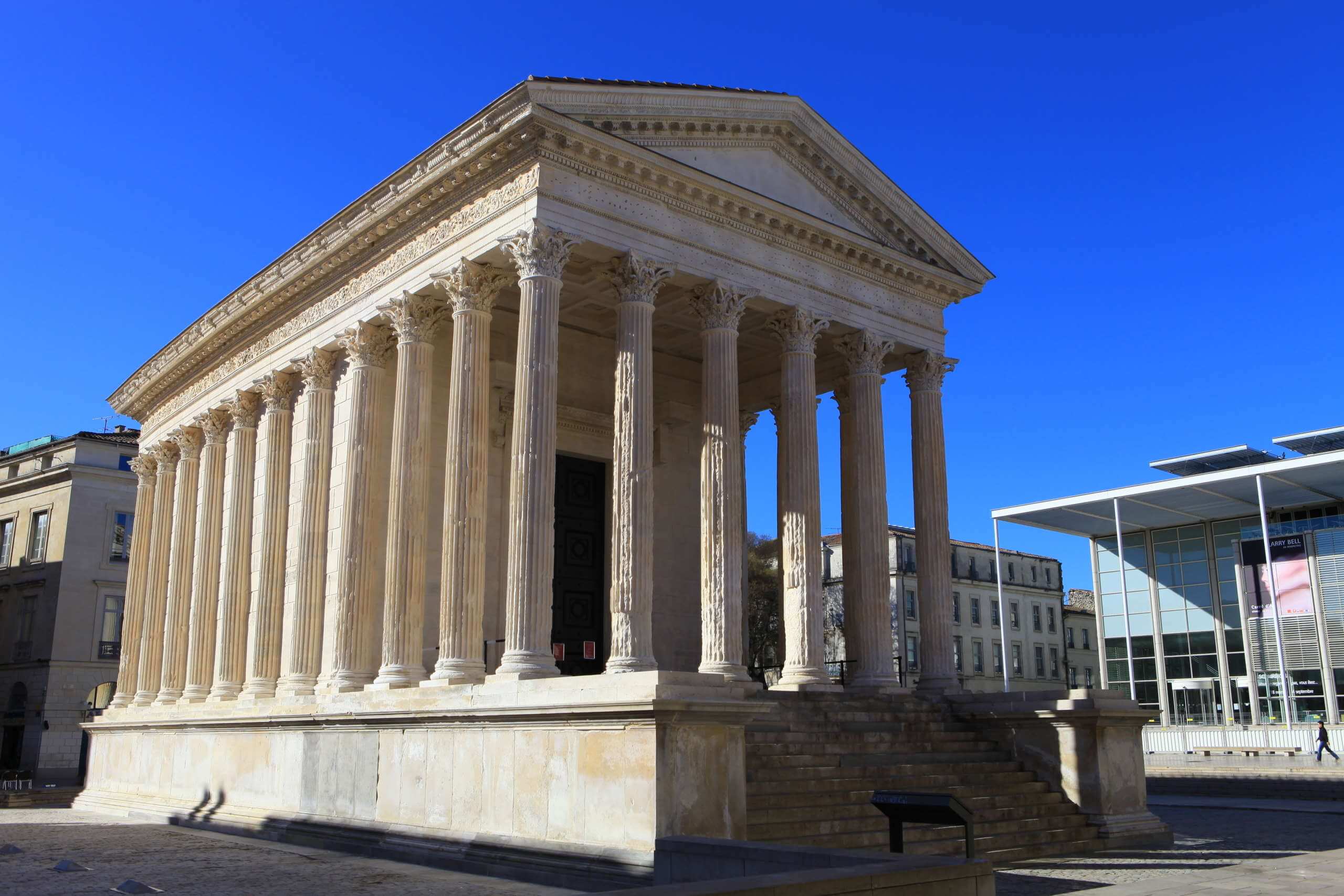
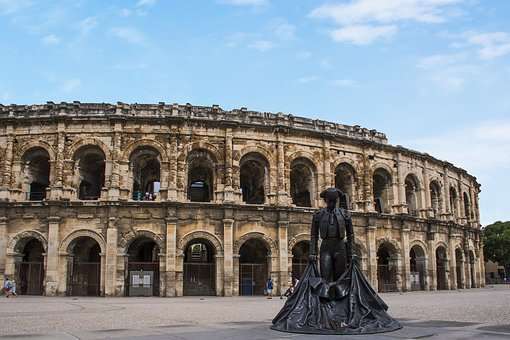
Nimes: The antique monuments built by the Romans have made the reputation of the city. The amphitheatre is one of the most well preserved of the Roman world; the Maison Carree is a temple which dominates the city; the Gate of Augustus, the Temple of Diana, the Tour de Magne have all witnessed the glory of the Romans in the Region. But, today,the Alleys Jean Jaures, the food market, the Nemausus futuristic social housing of Jean Nouvel, the bus-shelter made as a monument by Phillip Stark are proof of the modernity of Nimes. Thomas Jefferson was very interested in architecture. He visited the South of France and Nimes in 1787 and saw the Maison Carree and was strongly impressed by the construction. It was the source of inspiration he brought back with him to the new world and developed the classical style of many American public buildings.
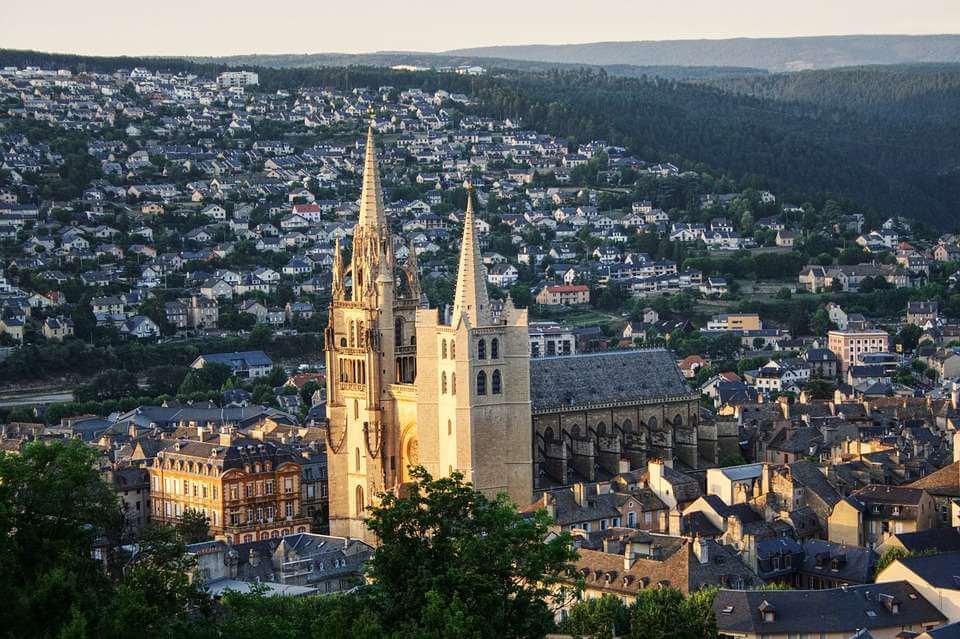
Mende is a small pious city in the heart of the Lozere. The two bell towers of the cathedral Notre Dame, the church of Saint Privat and the grey schist roofs of the houses give the city its character. In the 16th century it was the richest diocese of Languedoc after slowly developing since the 5th century BC. Should you walk the 430 steps of one of the cathedral towers you will enjoy a magnificent panoramic view over the city.
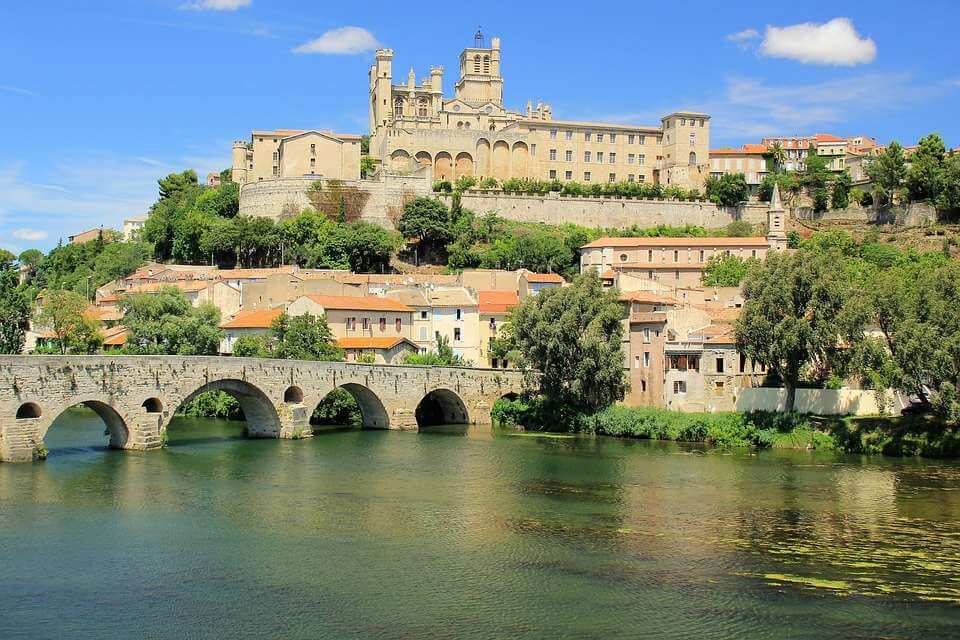
Beziers was built between the 13th and 15th century and its towers, fortified buttresses, and machicoulis give it the appearance of an immense fortress. The Cathedral of Saint Nazaire and Saint Celse also has the appearance of a fortress. The Medieval Quarter has maintained many buildings of the time in the maze of its narrow streets. The Allees Paul Riquet is bordered by elegant buildings of the 19th century built by rich wine merchants. A few Roman vestiges are still present, and the bullring which showcases the local passion for bullfights, is also known for its excellent acoustics and hosts concerts with performances from the Paris Opera and the Scala de Milan.
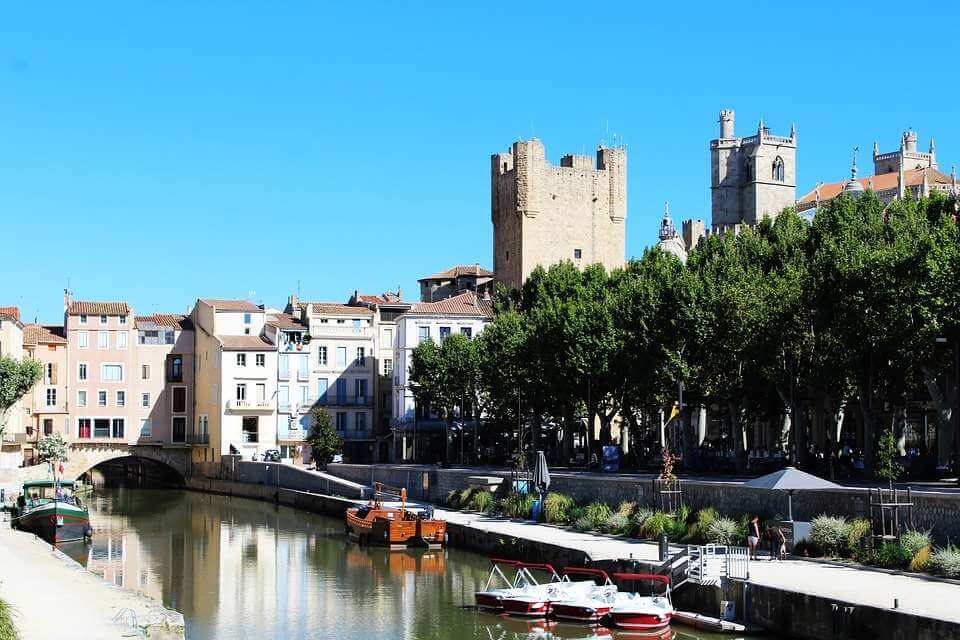
Narbonne is the oldest Roman colony after Aix-en-Provence. It became the capital of the region in the Middle Ages and has the largest collection of archiepiscopal buildings in Gothic and Romanesque style with the Palace of the Archbishop at the back of the Cathedral of Saint-Just. The Cours Mirabeau, the central food market, the walkways along the Canal de La Robine, and the Promenade des Barques are all pleasant places where Narbonese like to stroll.
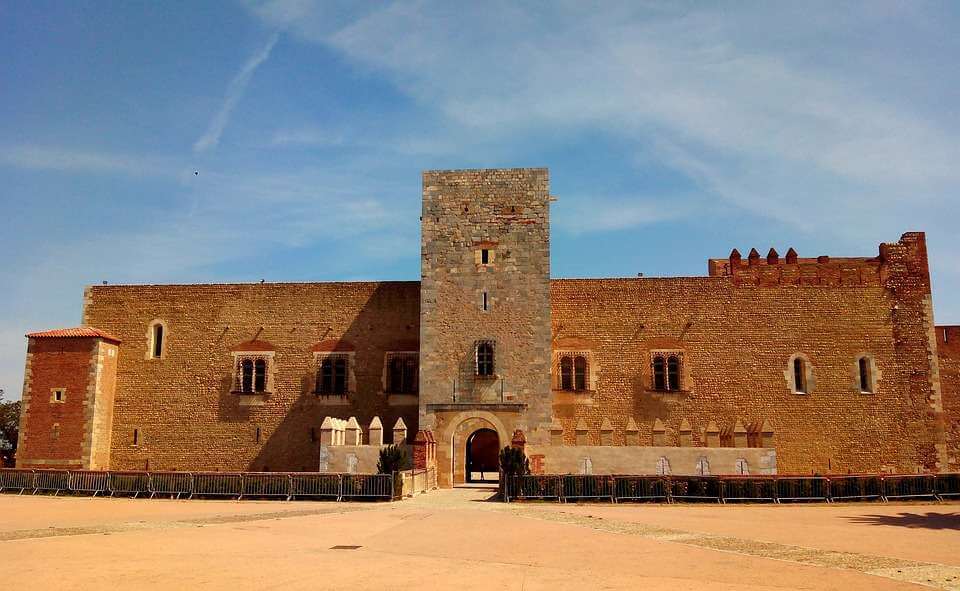
Perpignan is purely a medieval town with a tormented history between the kingdoms of France, Aragon and Mallorca; developed by merchants Perpignan has kept a definite Catalan flavor showing the atmosphere, the colors and the light of it Spanish neighbor. Formerly ringed by ramparts, the old town shelters many historical buildings like the Castillet, the Loge de Mer, the Cathedral Saint Jean and the Palace of the Kings of Mallorca.
Rodez is now the prefecture of the Aveyron department and it was formerly the capital of the Province of Rouergue. Its history goes back to 2,000 years to a Gaulois village named Rutanae. Ruled simultaneously by the clergy and the nobility for several centuries, the two communities lived side by side and contributed to its wealth and development. The Bishop City developed around the massive Cathedral Notre Dame and the Episcopal Palace, while nearby private dwellings and bourgeois residences were built by wealthy local merchants. The Musee Fenaille in Rodez has interesting paleolithic collections with 130 lifestyle statues-cum-menhirs found in the Rouergue, Aveyron, and Tarn regions, plus thousands of pieces covering the history of the local inhabitants living 5,000 years ago.
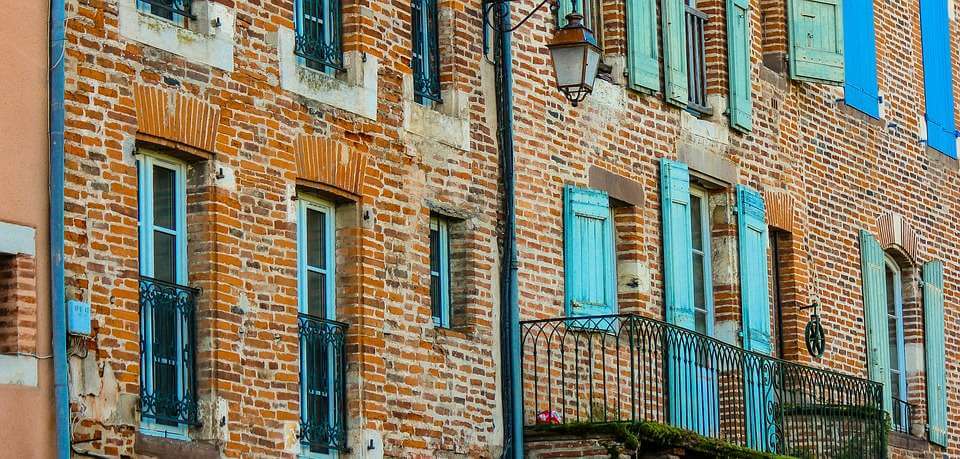
Albi offers the visitor a unique ambiance because of the color of the terracotta bricks and tiles made from the clay of the banks of the Tarn river. Depending on the time of the day the reflection of the light moves over the squares, alleys and buildings, playing with the shade and the sun. The Palais de la Berbie houses a museum dedicated to Toulouse Lautrec, which with the Cathedral Sainte Cecile, the half-timbered houses, and the Renaissance dwellings, are the main attractions of Albi.
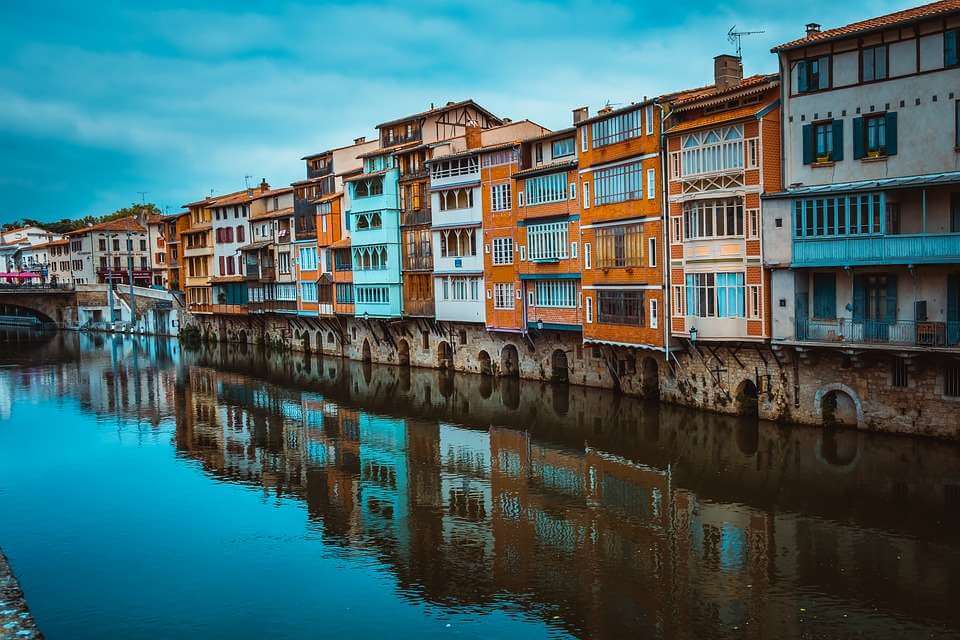
Gaillac stretches on both banks of the Tarn River downstream from Albi. The abbey-church of Saint Michel is mixed Romanesque and Gothic, the church of Saint Pierrewith its majestic colonnaded portal, place du Griffoul with its fountain resting on vaulted arches, Palmata Tower, the residence of the Gaillac family, the quarter of the Hortalisse, a walk along the Tran river are all of great interest. Gaillac is also the main village in the AOC Gaillac vineyards of the area.
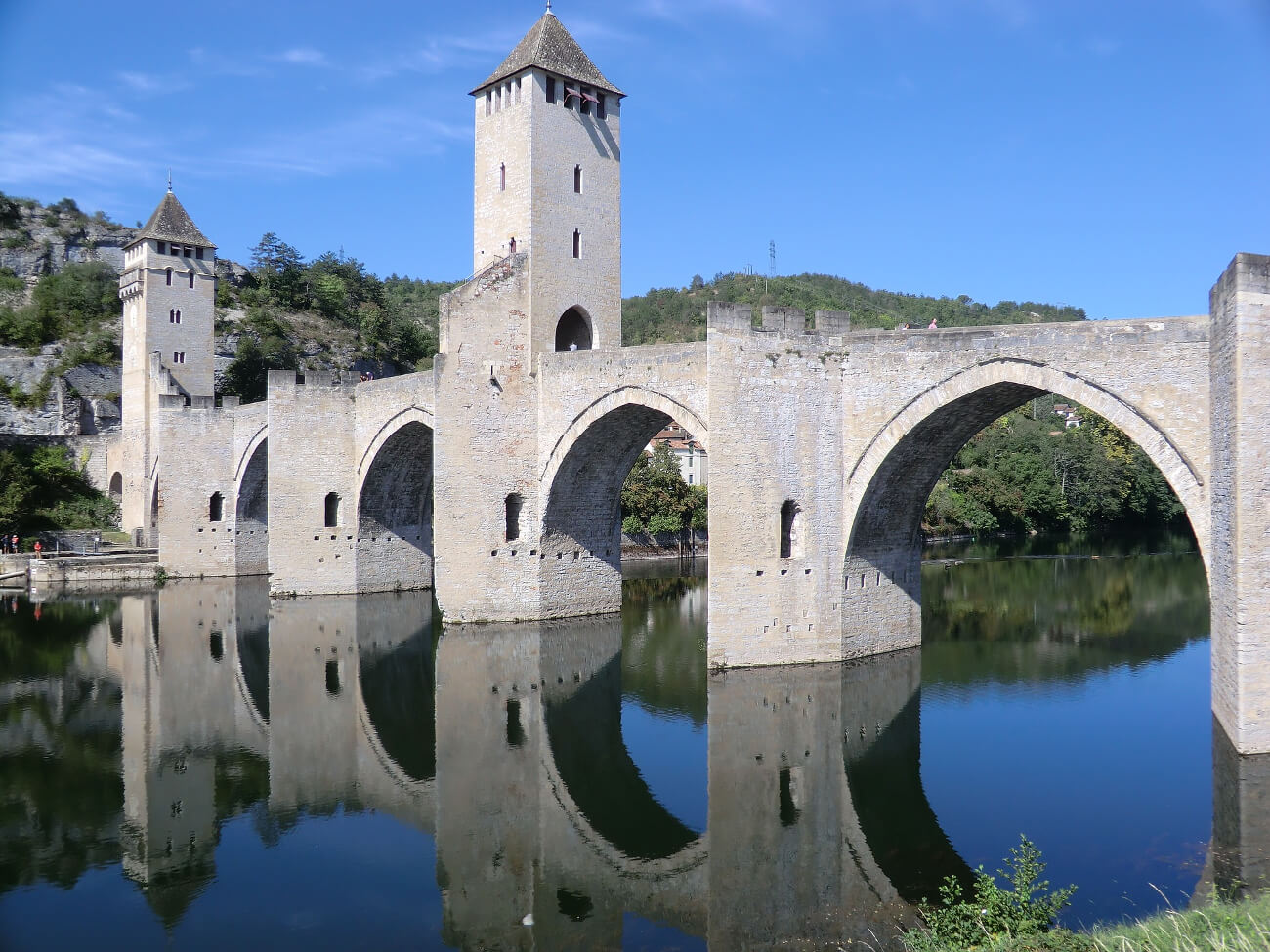
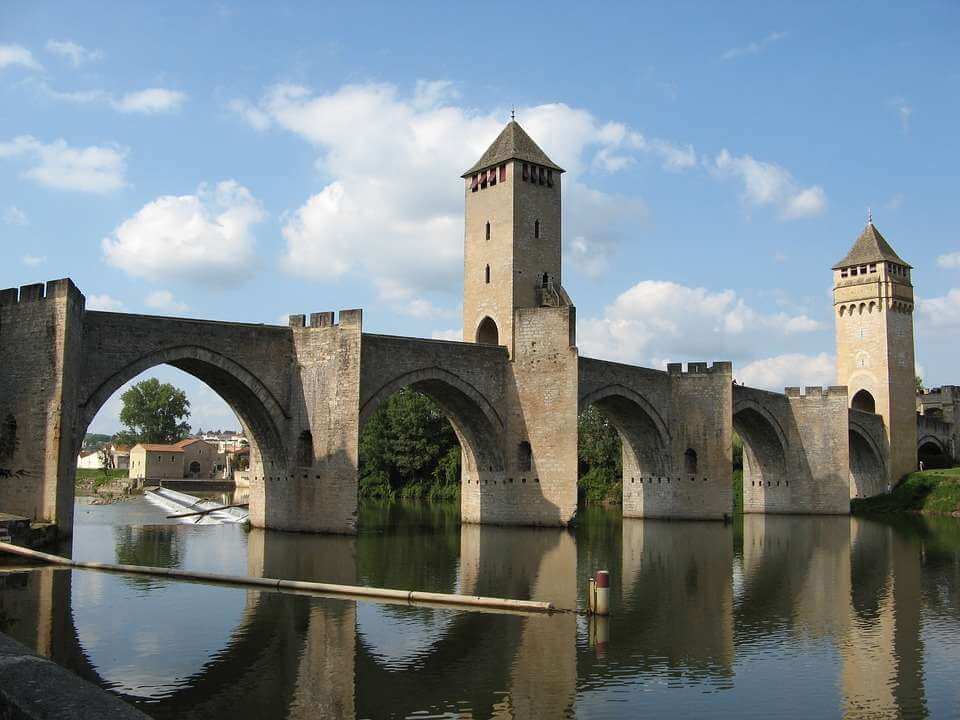
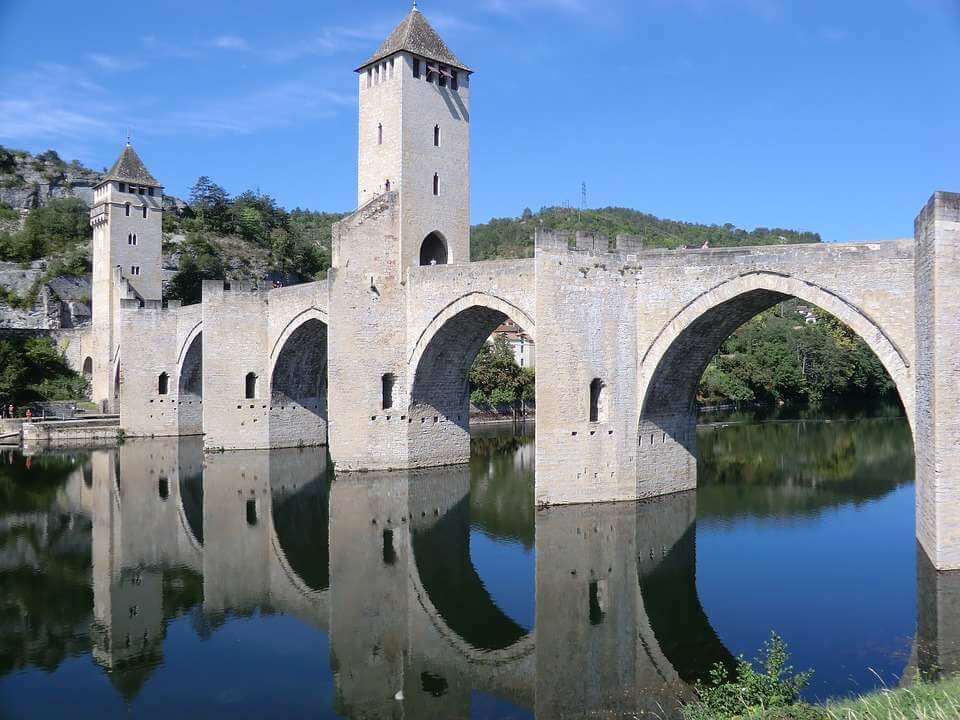
Cahors: You will find 2,000 years of history in the loop of the Lot River, where Cahors has developed since Gallo Roman times. Famous for its unique fortified bridge with three towers named Pont Valentre, Cahors is by nature a peaceful town. The quarter of Badernes takes us back to medieval times through the narrow streets and old houses with fine vaults and corbelled facades. The imposing Cathedral Saint Etienne goes back to the 12th to 14th century. Very close by, every Wednesday and Saturday an open-air market attracts large crowds interested in the quality and variety of the local products. Cahors first saw vineyards planted by the Romans around 50 BC, and since then they became renowned for producing a famous wine that the English loved, called the “black wine”. It adorned all the tables of aristocratic Europe between the 14th and 18th centuries. It is also the birthplace of the Malbec vines, which were later exported to Argentina. Ruined by the crisis of the phylloxera, a new era has returned with modern new vineyards.
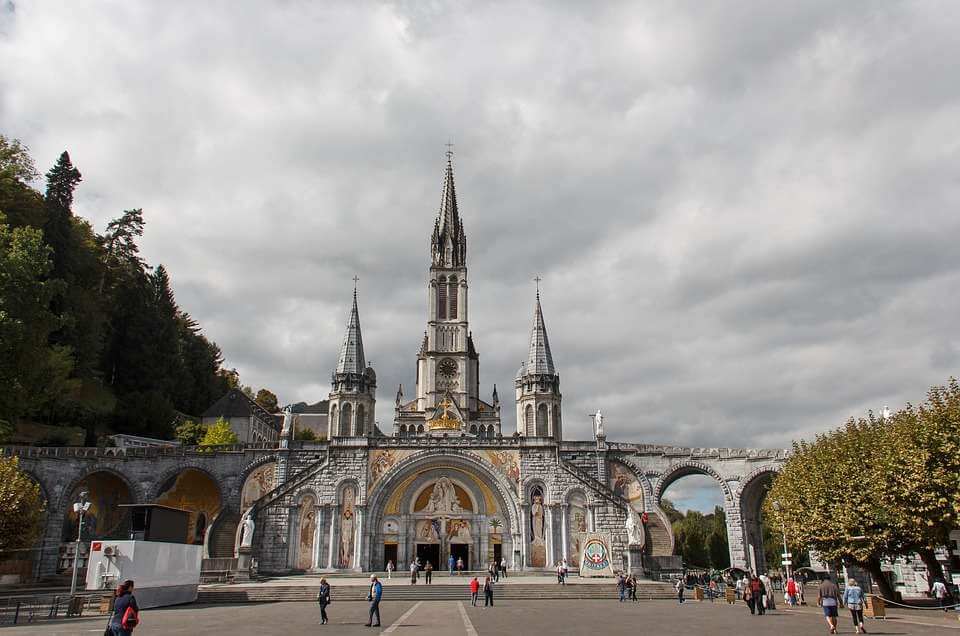
Lourdes is a very spiritual place which attracts millions of pilgrims from all over the world. Known for its sanctuary and the miraculous grotto where the Virgin Mary appeared to Sainte Bernadette. The apparitions took place in 1853 and pilgrims started to come in 1873. Since then, 3 basilicas have been built. Mostly catholic pilgrims come to pray or to be cured but it is also a place of fraternity and very deep spirituality when each night a candlelight procession takes place with thousands of people.
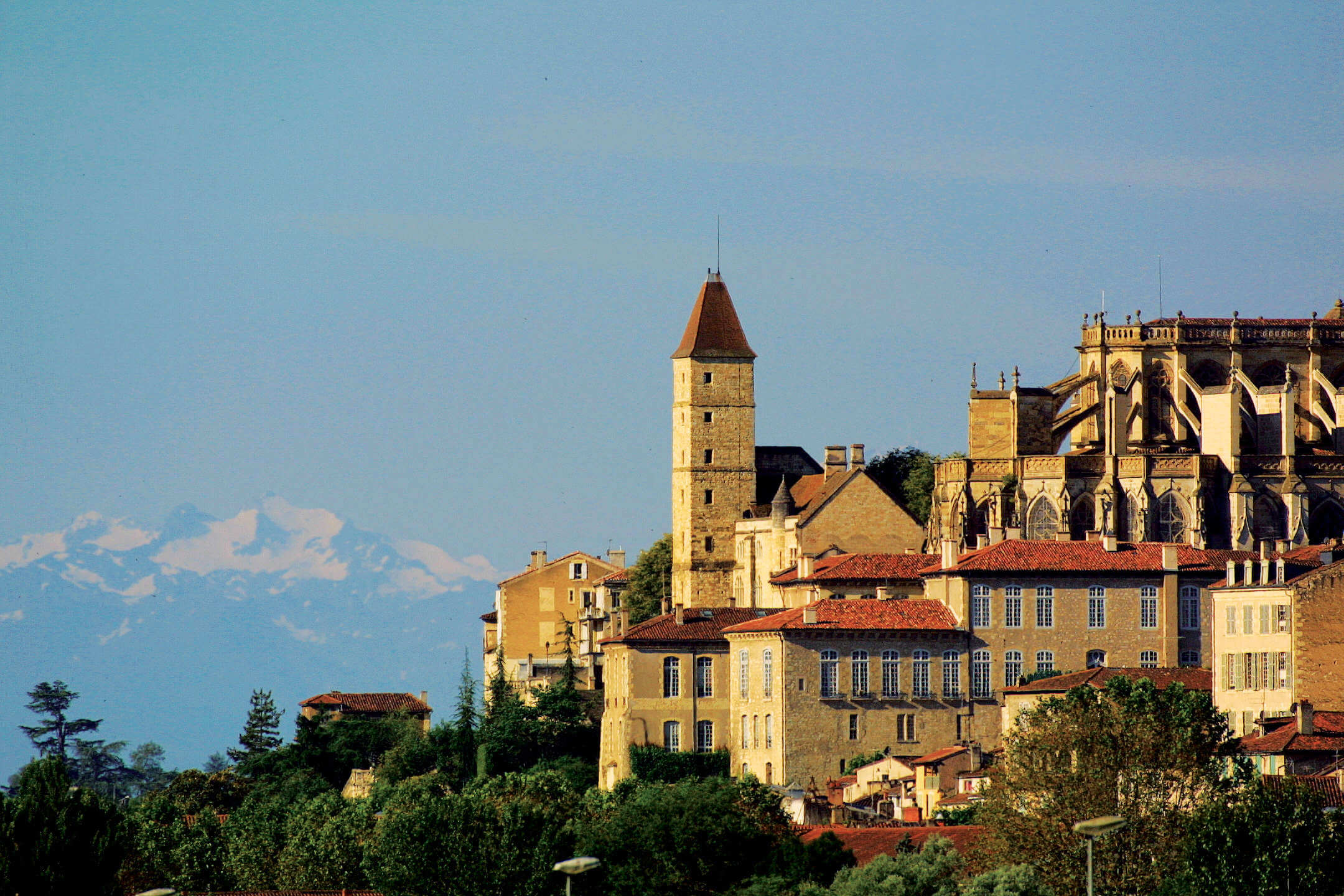
Auch is the Capital of Gascony. It is also a Unesco World Heritage site on the route to Santiago de Compostela. The Cathedral Sainte Marie is built on the site of an old Roman fortification. The tower of Armagnac is a former prison. Installed in the Old Jacobin Monastery the “Musee des Jacobins’ ‘ contains a magnificent collection of Pre-Colombian Art with thousands of objects and stone masks coming from Teotihuacan. Alexandre Dumas made popular the famous hero of Gascony in his novel “The Three Musketeers”. D’Artagnan, the valiant captain of the Musketeers, really existed and he was born nearby. The statue of this iconic Gascon character , hand on hip, poses on the landing of the monumental staircase which joins the upper and lower part of the town.
ART OF LIVING
Gastronomy
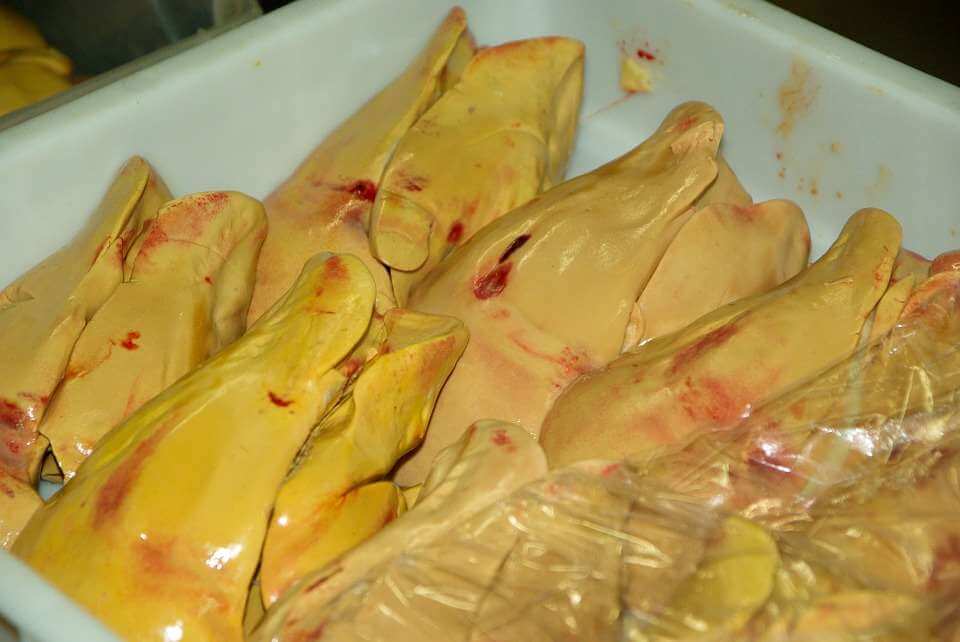
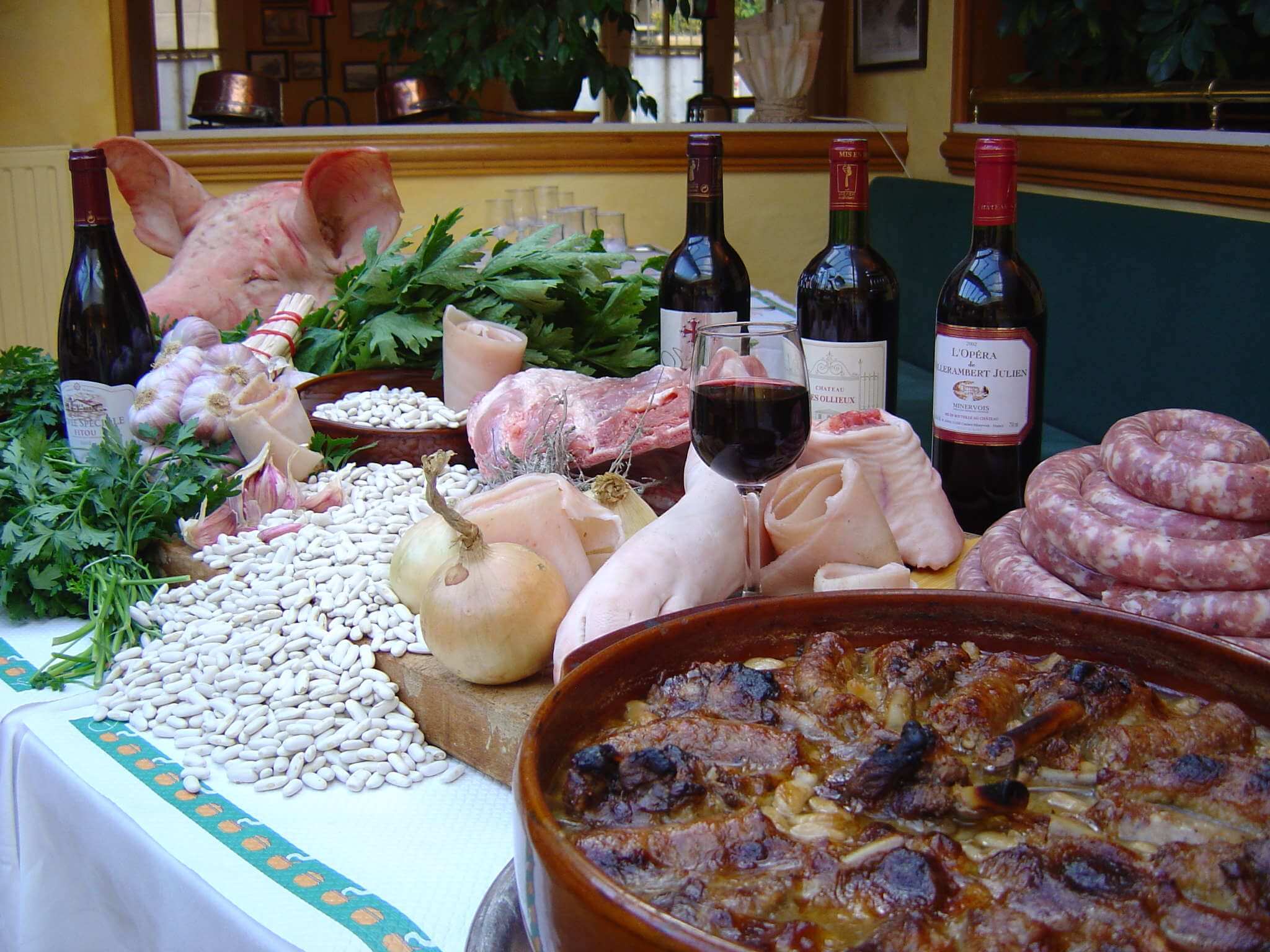
Traveling and eating your way through Occitanie will expose you daily to unique quality products. Fertile lands, rich agriculture, eating well, and living well in French style, all come together for the pleasure of true gourmets. Truffles from Quercy, green beans from Tarbes, foie Gras from Gers, apples from Tarn, Garonne and the Cevennes, apricots from Roussillons, Chasselas table grapes of Moissac, pink garlic from Lautrec, cheese from Roquefort, and chickpeas from Carlencas, all arel top quality products you will find in local markets or on the tables of the restaurants. In Languedoc-Roussillon and in Midi-Pyrenees, from sea to mountains you will find a multitude of specialties that unfortunately are too many to mention here. But just to name a few you should not miss: the oysters of Bouzigue, la Tielle de Sete which is an octopus pie, the anchovies of Collioure, and the brandade of Cod in Nimes. Unique livestock are raised in the region such as the Pyrenean lamb and the black pig of Bigorre. Ducks and geese are specially raised to be prepared in the delicious “Confit d’Oie” or “Confit de Canard”, as well as for foie gras. The “Cassoulet” is an experience you cannot miss. It will vary depending if it is made in Toulouse, Carcassonne, or Castelnaudary, but it will always be cooked slowly with broad beans and either pork, duck, or sausages. Aligot is a specialty of Lozere and Aveyron. It is made of potatoes and fresh tomme cheese, and you must forget about the calories and just enjoy!
Wines
Forty Four Appellations d’Origine Controllees (AOC), and more than 280,000 hectares of vine cover the territories of Languedoc Roussillon and Midi Pyrénées. It represents the largest group of vineyards in the world. Numerous varieties of grapes are used such as malbec, syrah, cabernet-franc, mourvedre, mauzac, negrette, carignan, etc. Natural sweet wines such as Muscat de Frontignan have become a southern specialty. Effervescent sparkling wines such as the Blanquette de Limoux, Gailliac or Frontignan can be as festive as Champagne. Armagnac is a Gascon specialty obtained by distilling white wine in a still, then aged in an oak cask. It is an exceptional product made in small quantity by wine growers and craftsmen blenders.
Sports
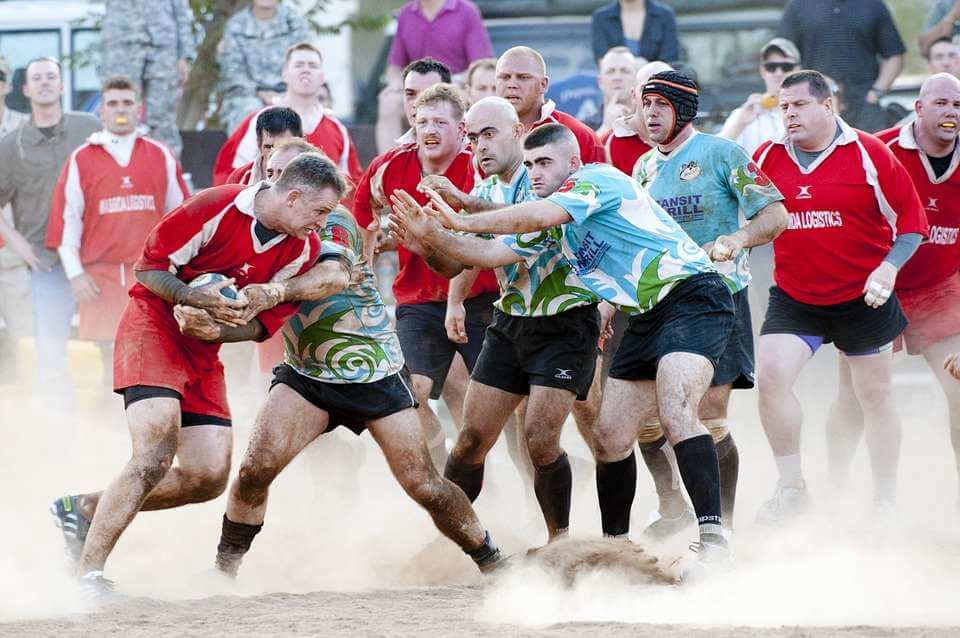
Rugby: The Southwest of France, between the Rhone and the Garonne rivers, is the land of rugby. There, rugby takes over from football (soccer). This ball game is played with an oval ball by two teams of 15 players (in rugby union play) or 13 players (in rugby league play). Each town, each village has its team. Jousting is a game practiced on sea water, between two men standing on the platform of two fishing boats, wielding lances to push their adversary in the water. Tournaments take place between fishing villages and seaside towns.
Great Museums
These are among the most prominent museums of the region:
● Toulouse Lautrec in Albi
● Musée des Augustins in Toulouse
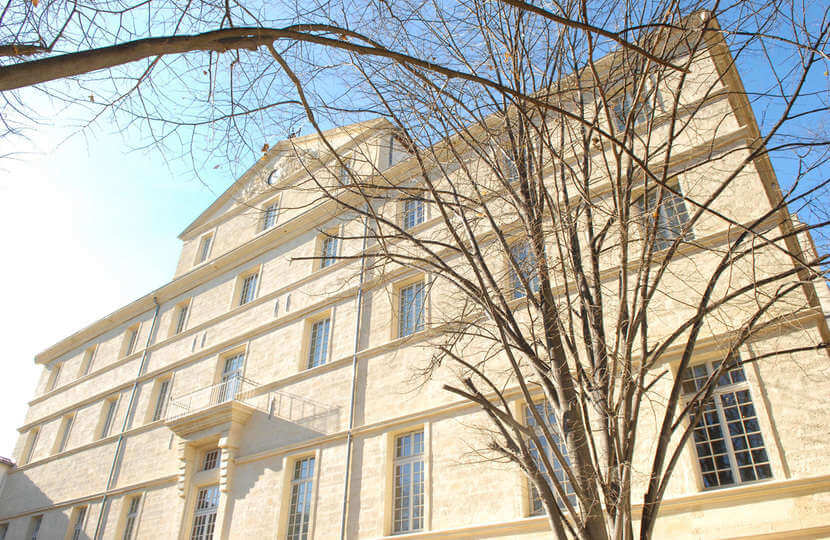
● Musée Fabre in Montpellier
● Musée d’Art Moderne in Ceret
● Musée Soulage in Rodez
No Tour Found