


Georgia is located at the intersection of Eastern Europe and Western Asia. It is part of the Caucasus Region and shares borders with the Black Sea to the west, Russia to the north and east, Turkey and Armenia to the south, and Azerbaijan to the southeast. Its area is 26,911 square miles and it has a population of 4million with approximately 1.3 million residing in the capital city of Tbilisi. Georgia adopted Christianity, as its national religion in 337, which greatly contributed to the spiritual and political unification of the entire Georgian state. Its Jewish community is one of the oldest in the world. 88% of the population speaks Georgian, the official language, a type of Kartvelian, and 83% are Christian Georgian Orthodox. The Middle Ages, from the 12th century to the early 13th century, is considered Georgia’s “Golden Age” under King David The Builder. The kingdom disintegrated under the rule of various powers including the Mongols, Ottoman Empire, and Persia. The Russian Empire annexed the territory of modern Georgia in the 19th century. After the Russian Revolution in 1917, Georgia emerged as an independent Republic under German protection. After World War I it was forcibly conquered by the Soviet Union and in 1922 was made one of the fifteen Soviet Republics. During the dismantling of the Soviet Union in 1991, Georgia declared its independence in June of that year. It has had civil wars with the now independent regions of Abkhazia and South Ossetia and had a short war with Russia. In 2003 it shifted to a pro-western orientation. Today, Georgia is a representative democracy governed by a unitary parliamentary republic. It is a mountainous country with the Likhi Range dividing the country into eastern and western halves. The Greater Caucasus Mountain Range forms the northern border of the country and the Lesser Caucasus Mountain Range defines the southern border. Climate is very diverse for a small country. There are two main climate zones. The Greater Caucasus Mountain Range which moderates the climate and protects the country from cold air masses coming in from the north, and The Lesser Caucasus Mountain Range which protects the region from the influence of dry and hot air masses approaching from the south. Georgia has a wide variety of animal life and fauna because of its lowlands, highlands and forests. There are 5,600 species of vertebrates, many of which are endemic. There are large carnivores living in the forests including Brown Bears, wolves, lynx, and Caucasus Leopards. The Common Pheasant is endemic and has been transplanted all over the world. There are 501 species and many fungi of which many species have not yet been explored and discovered. Flora is represented by 1,700 species. There is evidence of Homo erectus existence in the Paleolithic Era and Proto-Georgian tribes came into existence in the 12th century BCE. The first wine was produced in Georgia 8000 years ago and there was an early political state in the 7th century BCE that had advanced metallurgical and goldsmith abilities.
Georgia had over 9 million foreign visitors in 2019. Main attractions throughout the country are 2000 mineral springs and 12,000 historic and cultural monuments. Four locations are on the UNESCO World Heritage Site List.
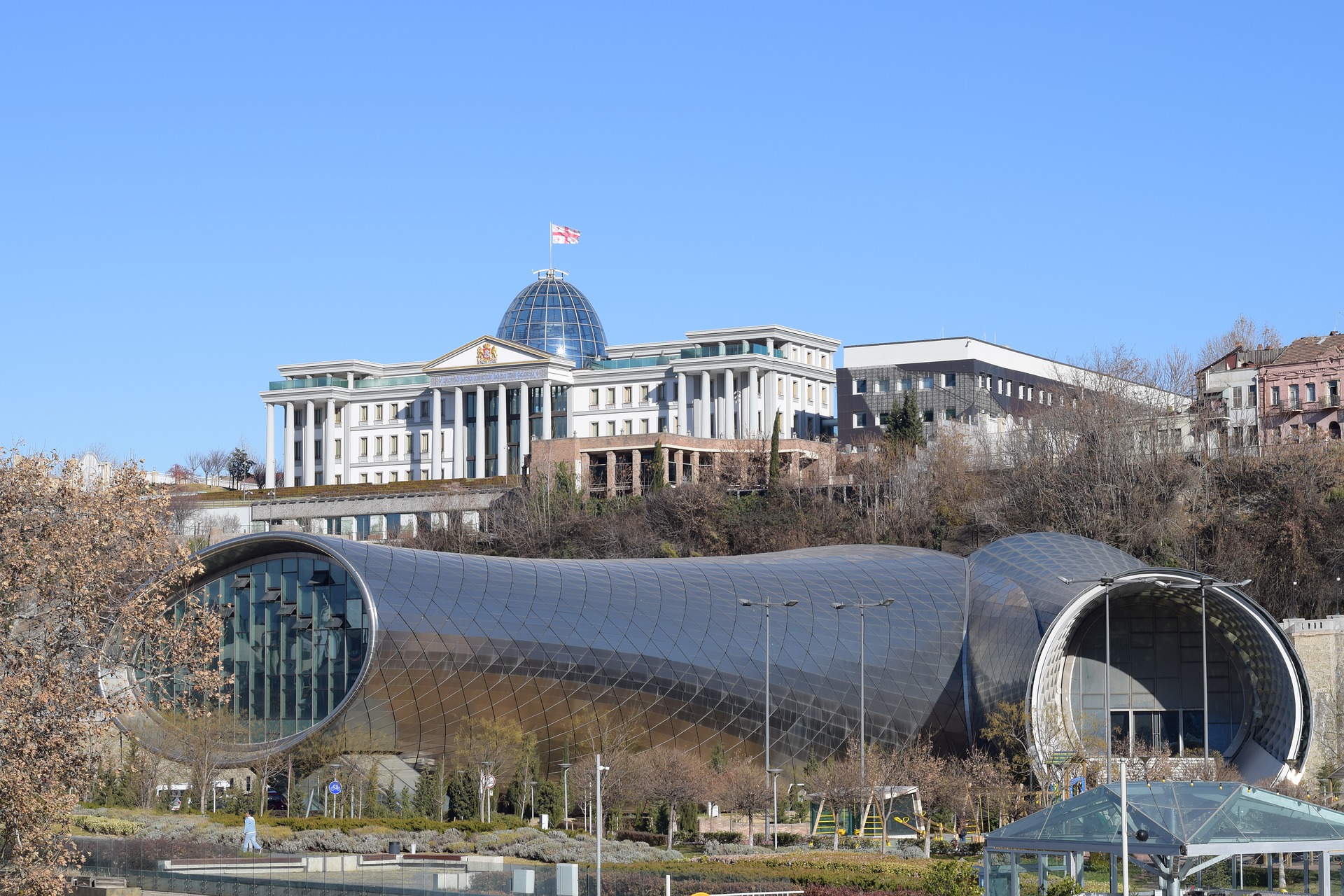
Parliament Building Kutaisi
Borjomi Resort town
Sameba Cathedral Tbilisi
Stepantsminda and Mount Kazbegi 14th century church 4 hours from the capital.
The city of Batumi on Black Sea coast
Town of Kazbegi Gergeti Trinity Church is 3 hours from the capital
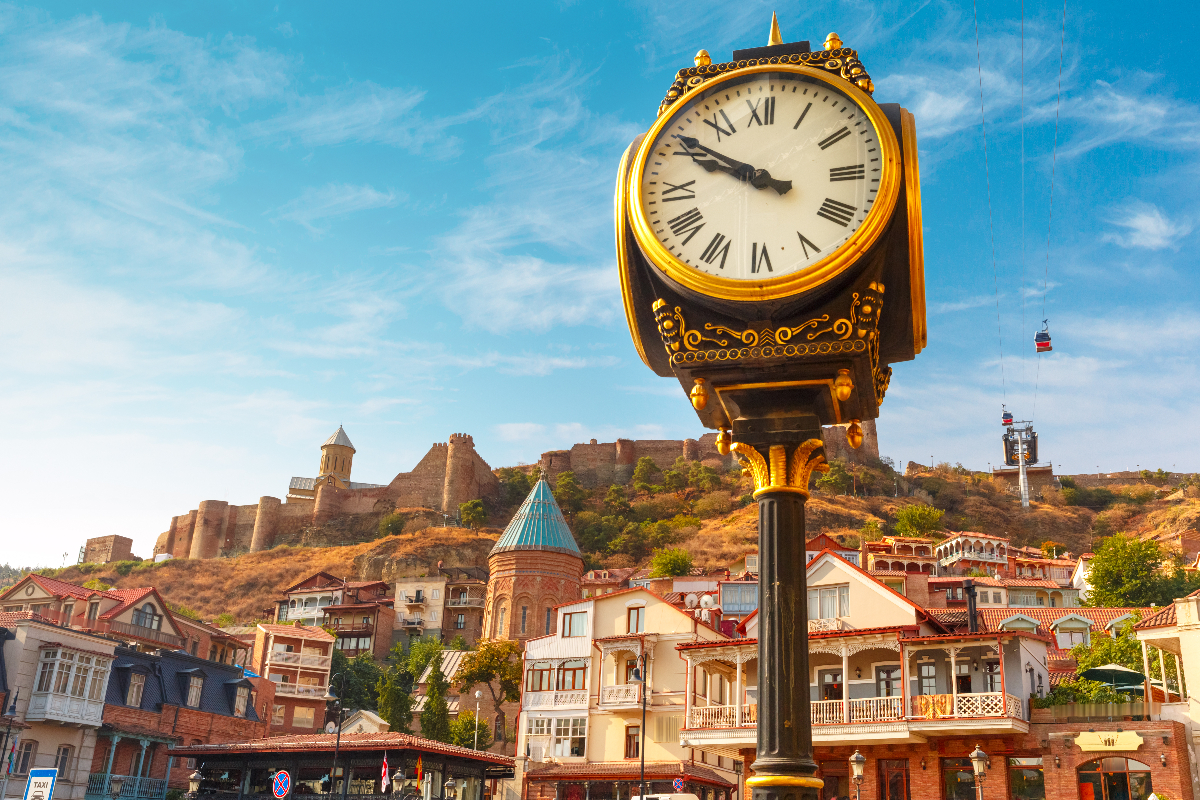
Tbilisi the city
Narikala Fortress Tbilisi
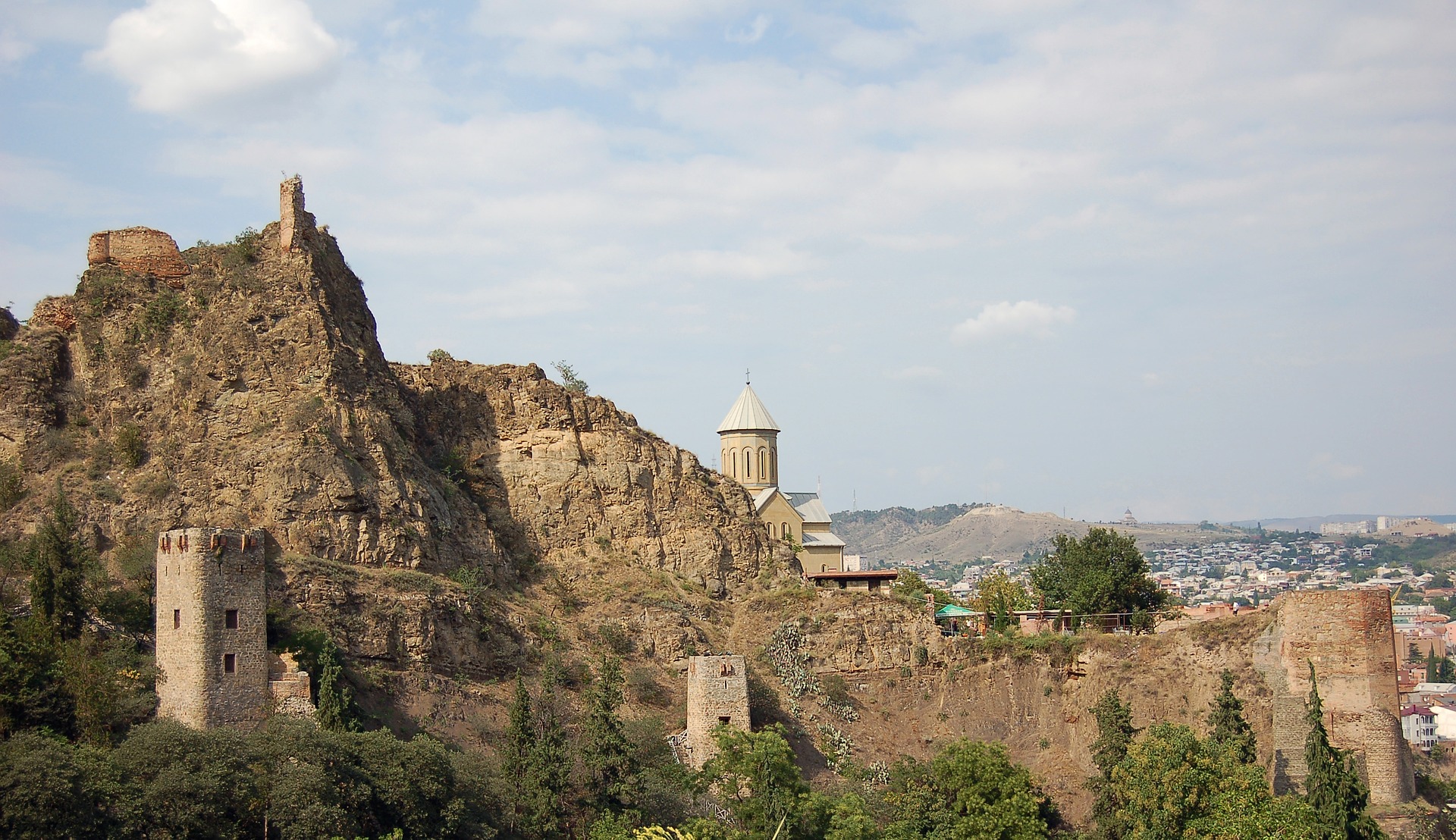
Davit Gareja Monastery is a massive monastery 2 hours from the capital.
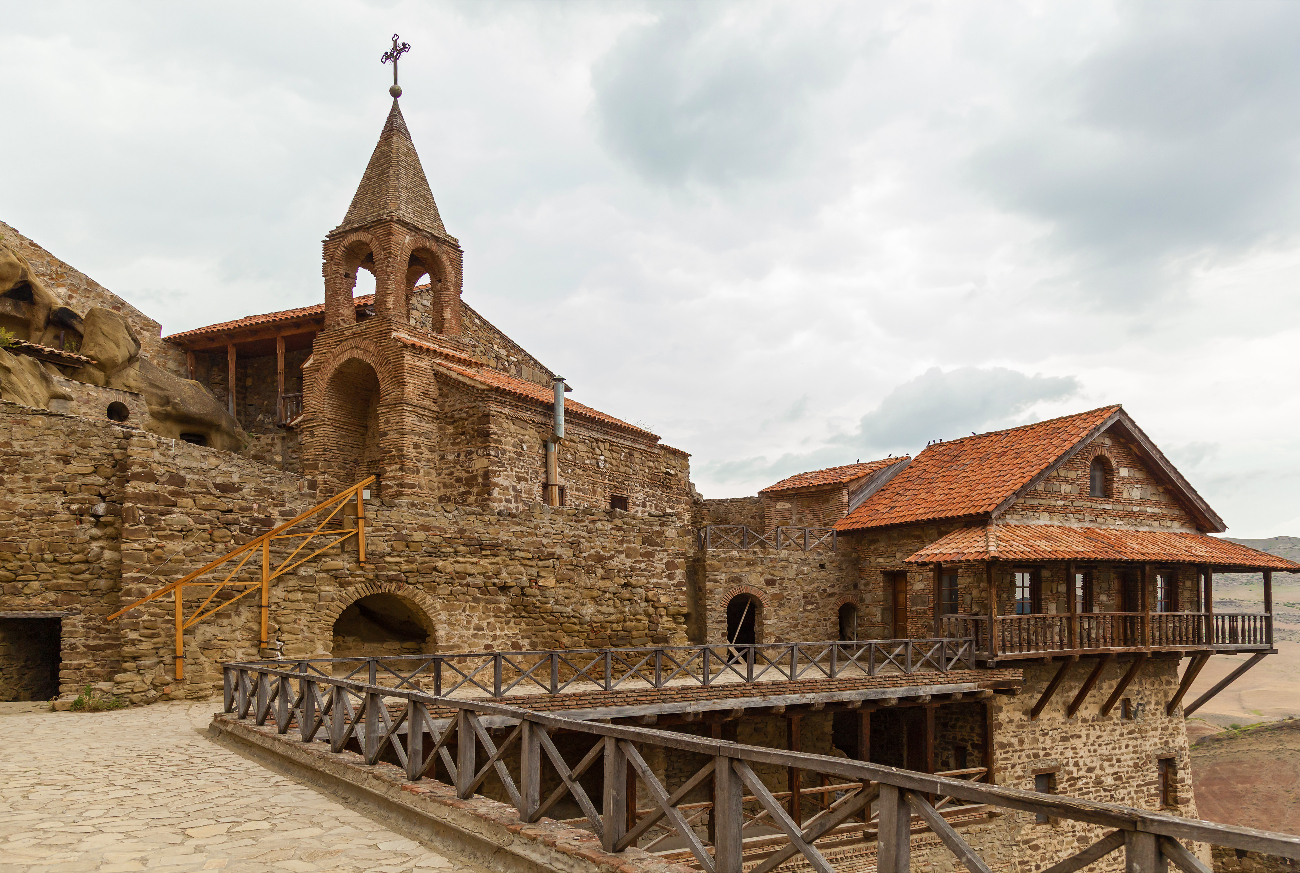
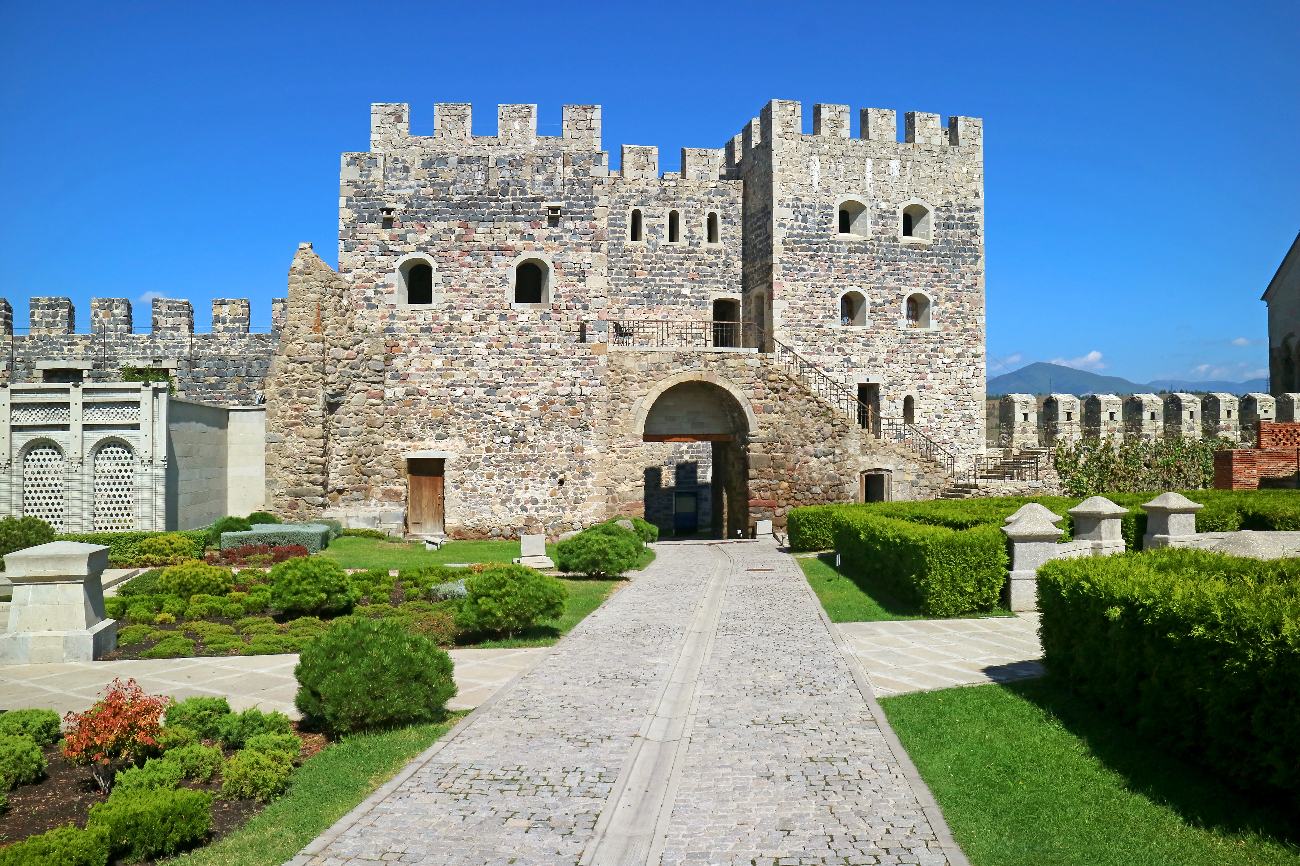
Rabati Fortress in Akhaltsikhe
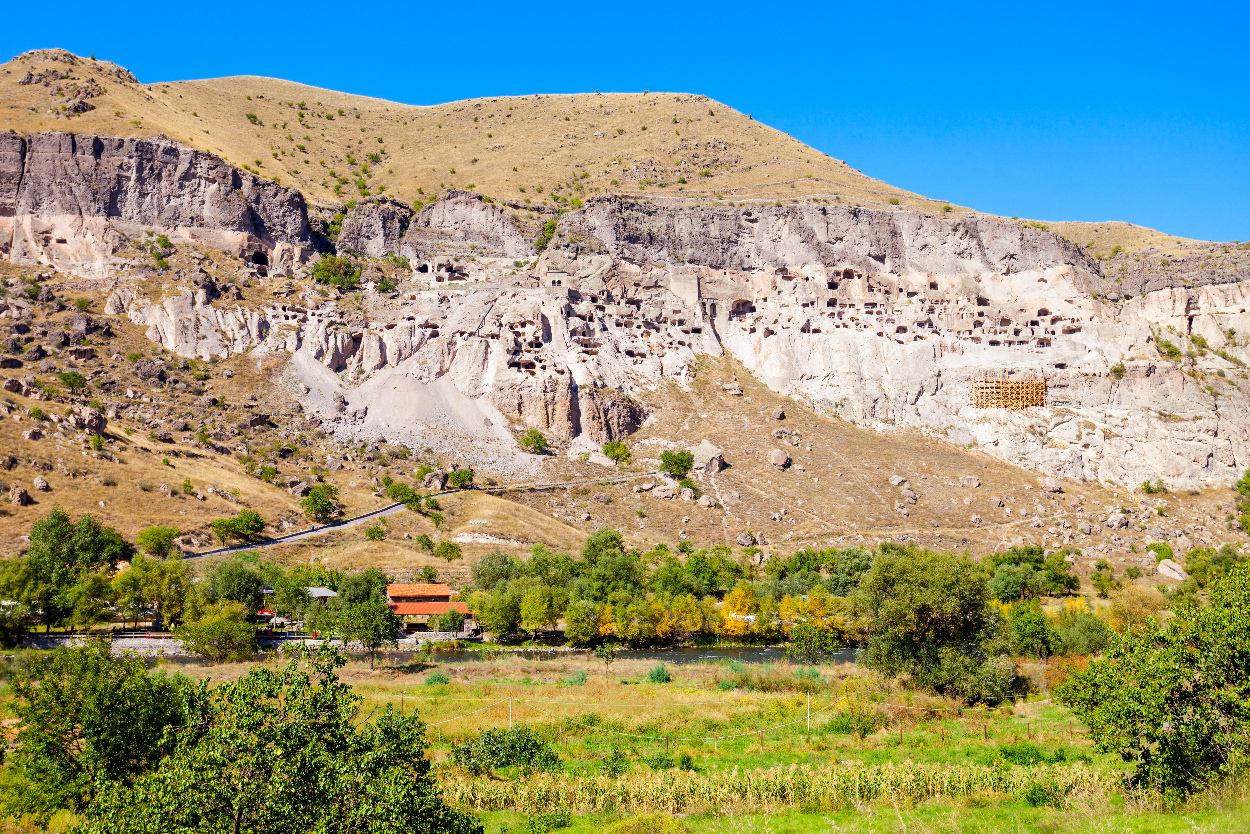
Vardzia a huge cave monastery built in 12th century in southern Georgia.
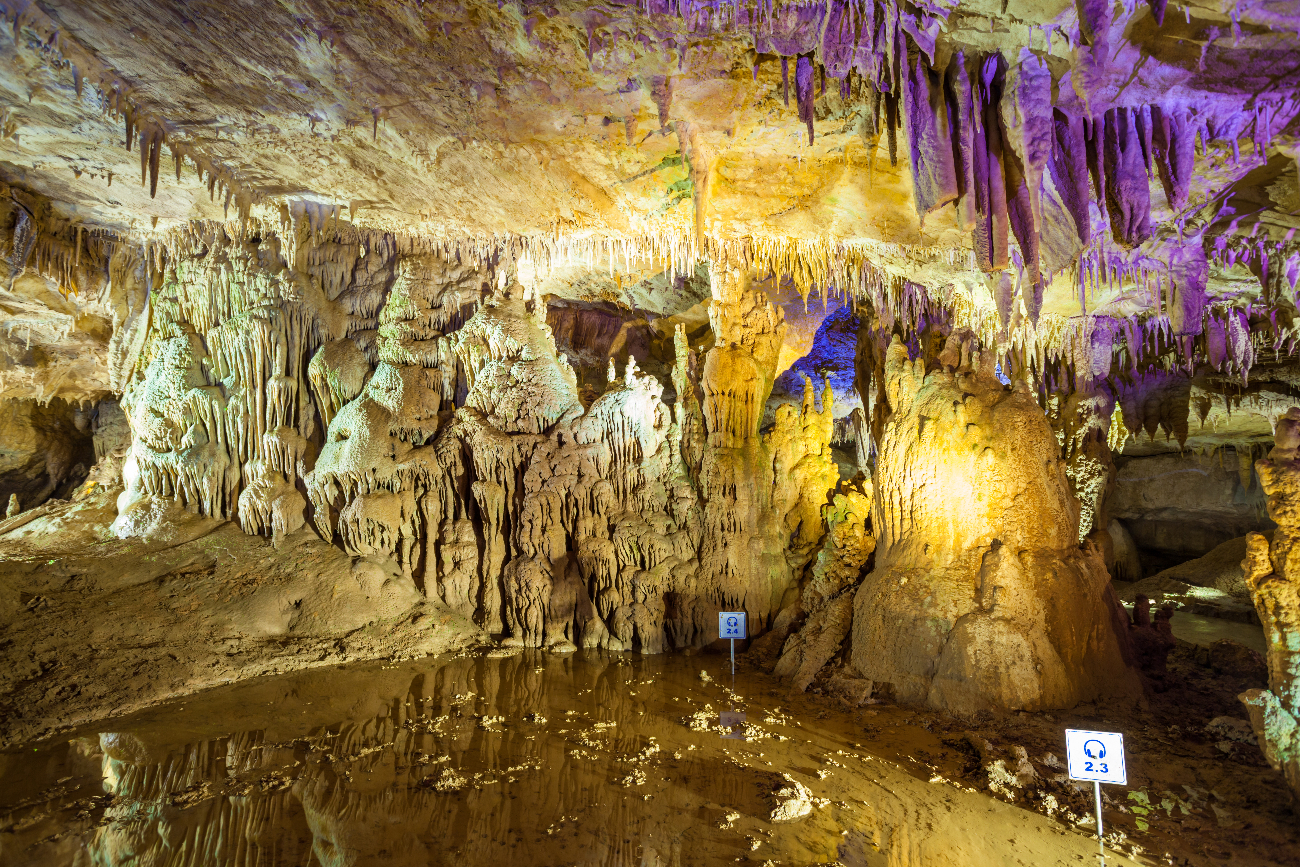
Prometheus Cave Kutaisi
Georgian Culture evolved over thousands of years from its foundation in the Iberian and Colchion civilizations. Georgia enjoyed a renaissance and golden age of classical literature, arts, philosophy and science in the 11th- and 12th century AD. Its culture has been influenced by Classical Greece, the Roman Empire, the Byzantine Empire and the various Persian Empires. Georgia is known for its folklore, traditional music, dances, theatre and art. The country’s architecture has been influenced by several architectural styles for its castles, towers , fortifications and churches. Georgia’s ancient musical tradition is primarily known for its early development of polyphony.
Georgian cuisine and wine have evolved through the centuries adopting traditions in each era. One of the most unusual traditions Is that of “Supra” or “Georgia Table ” and is a method of socializing with friends and family. The Supra conducts the social event and makes philosophical toasts and makes sure everyone has a good time. Georgia is one of the oldest wine producing countries in the world. Traditions associated with wine are entwined in its national identity and have been classified by UNESCO as part of the World’s Intangible Cultural Heritage. Georgian wine cultivation is somewhat unique. Its soil is enriched by the Baltic Sea and the grape vines grow up fruit trees in a process called Magliari.
Khachapuri in adjarian – traditional georgian cuisine

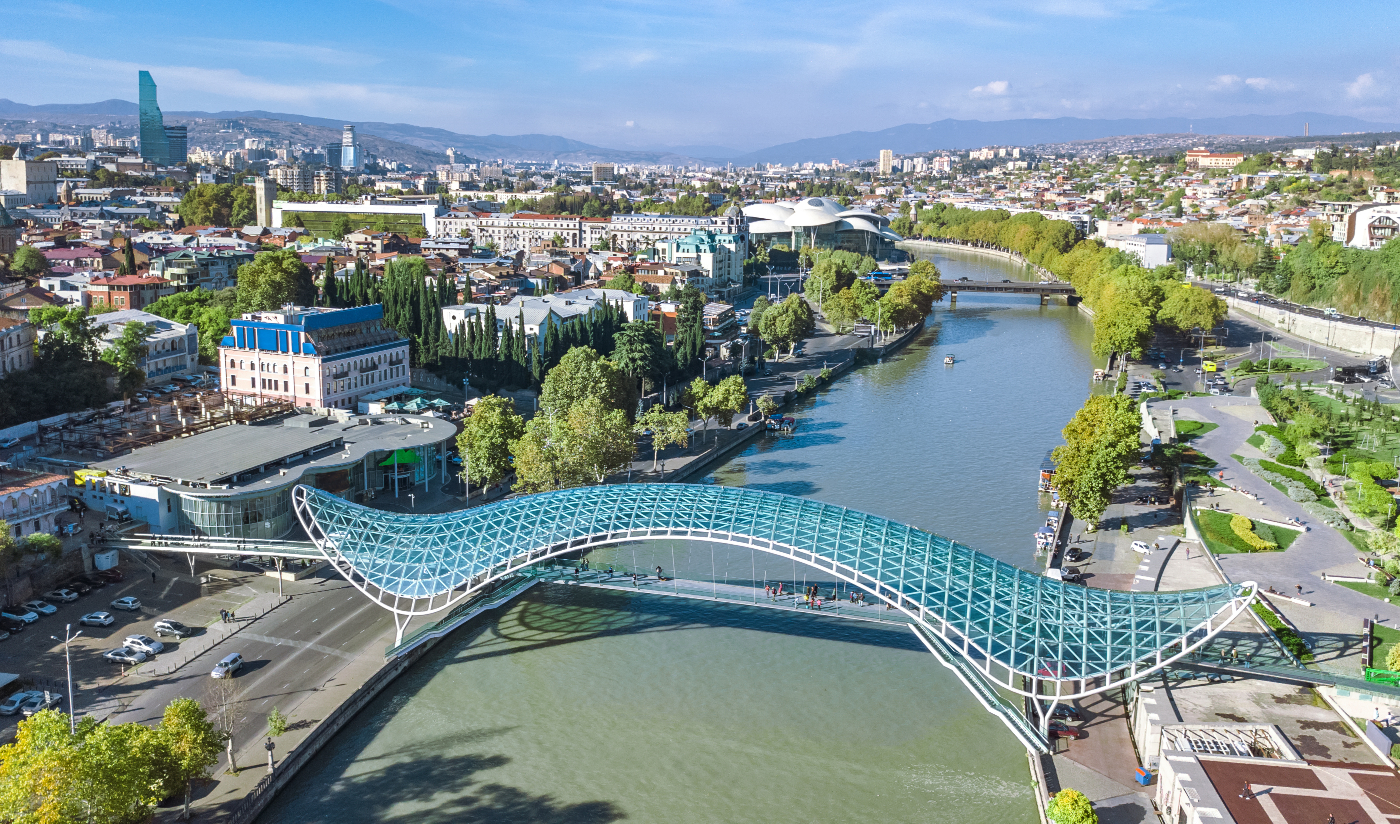
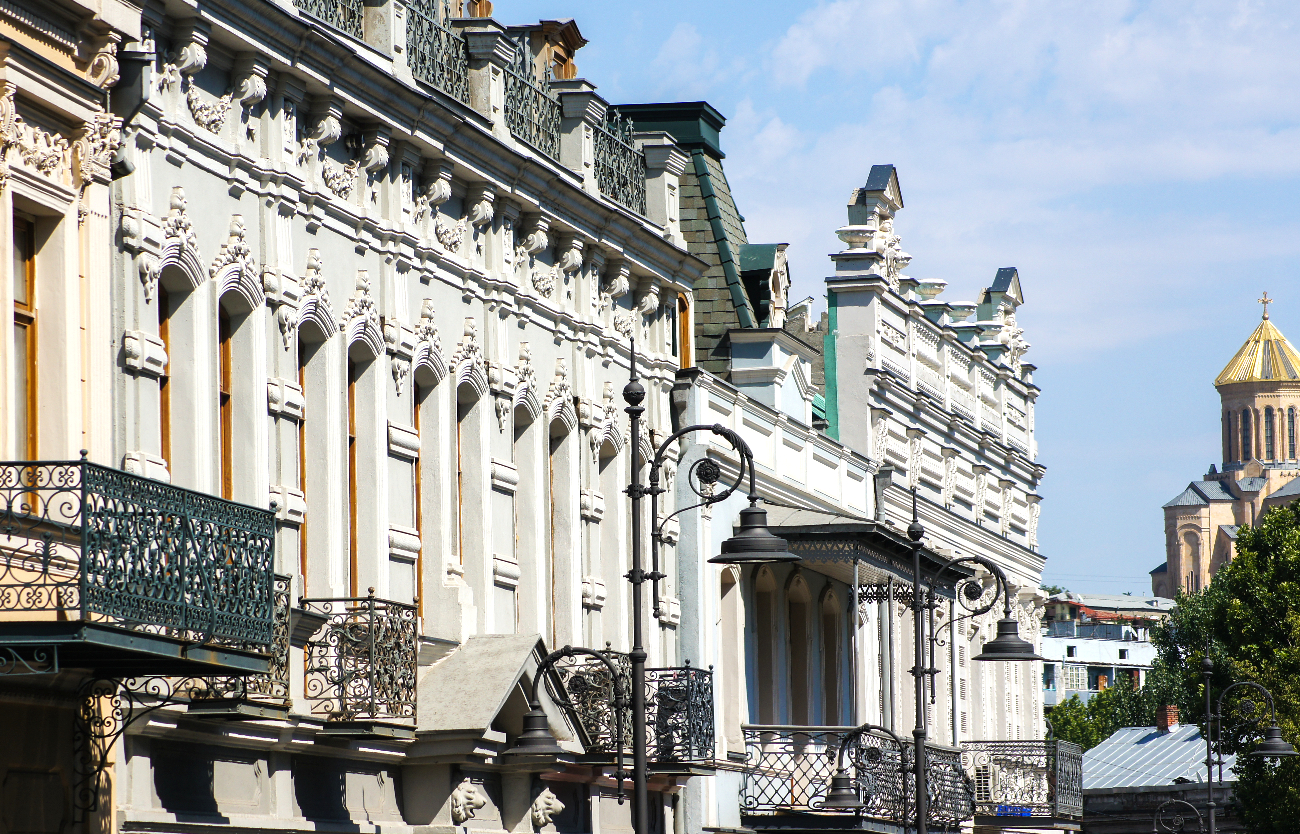
The City of Tbilisi
Tbilisi has a population of 1.3 million and was established in the 5th century by the Kingdom of Iberia, and has been the capital of several Georgian kingdoms and republics. It has a diverse cultural, ethnic and religious history but is dominated by the Greek Orthodox Church. Its architecture is a mix of medieval, classical and modern styles. It used to be the Silk Road capital where caravans stopped and rested for days. The Old Town, also known as Kala, presents traditional pastel houses and wooden balconies. Museums and theaters housed in the impressive neoclassical buildings are found along Rustaveli Avenue. A week-end may be sufficient to visit Tbilisi but the rich cultural events and the appeal of all the bars and restaurants could be attractive for a longer stay.
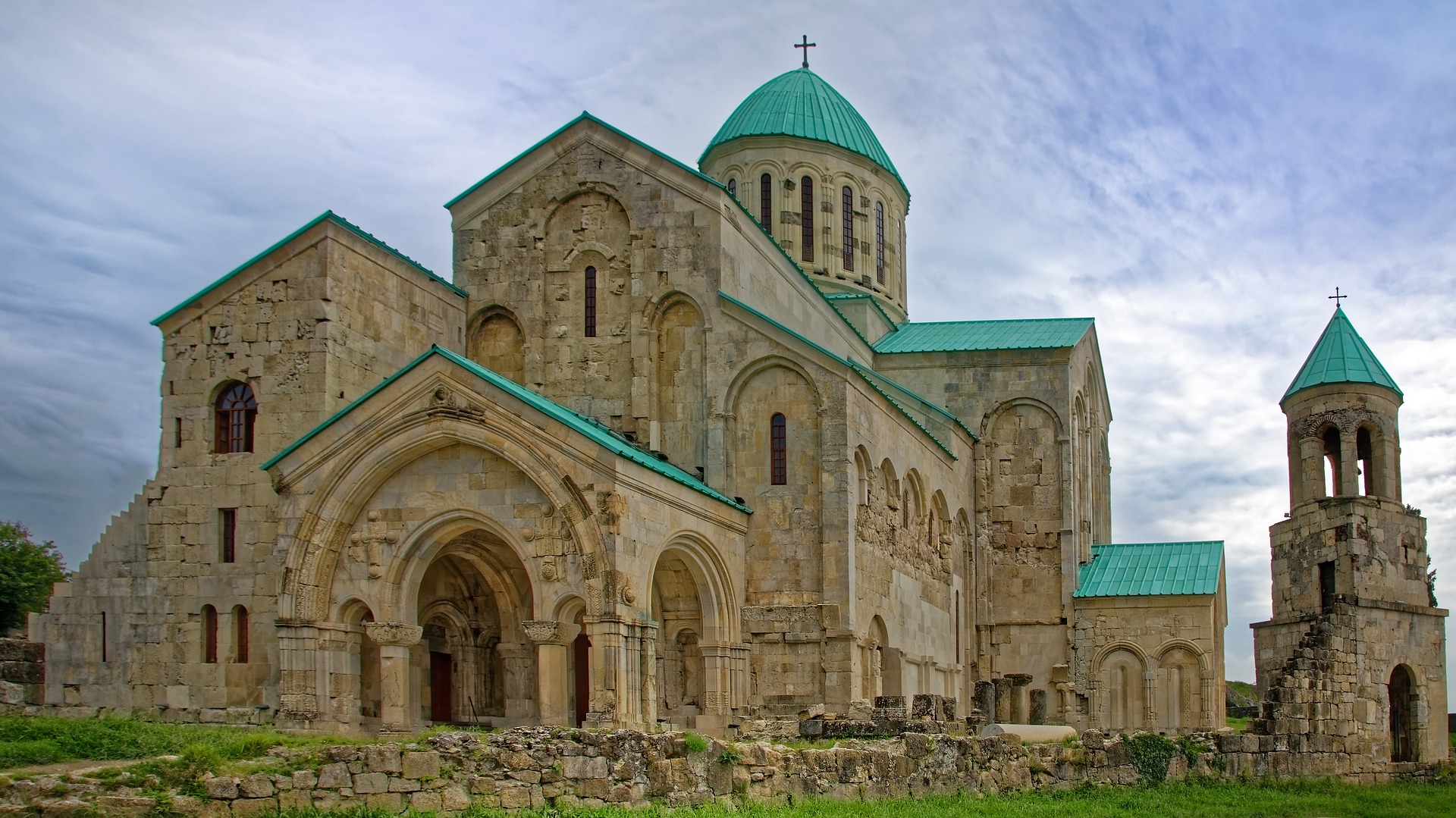
The City of Kutaisi
Kutaisi has a population of 200,000 and is located on the bank of the Rioni River to the east of Tbilisi. It is surrounded by deciduous forests and experiences a humid, subtropical climate. It was the 6th century AD capital of Colchis and also the capital of several other kingdoms.
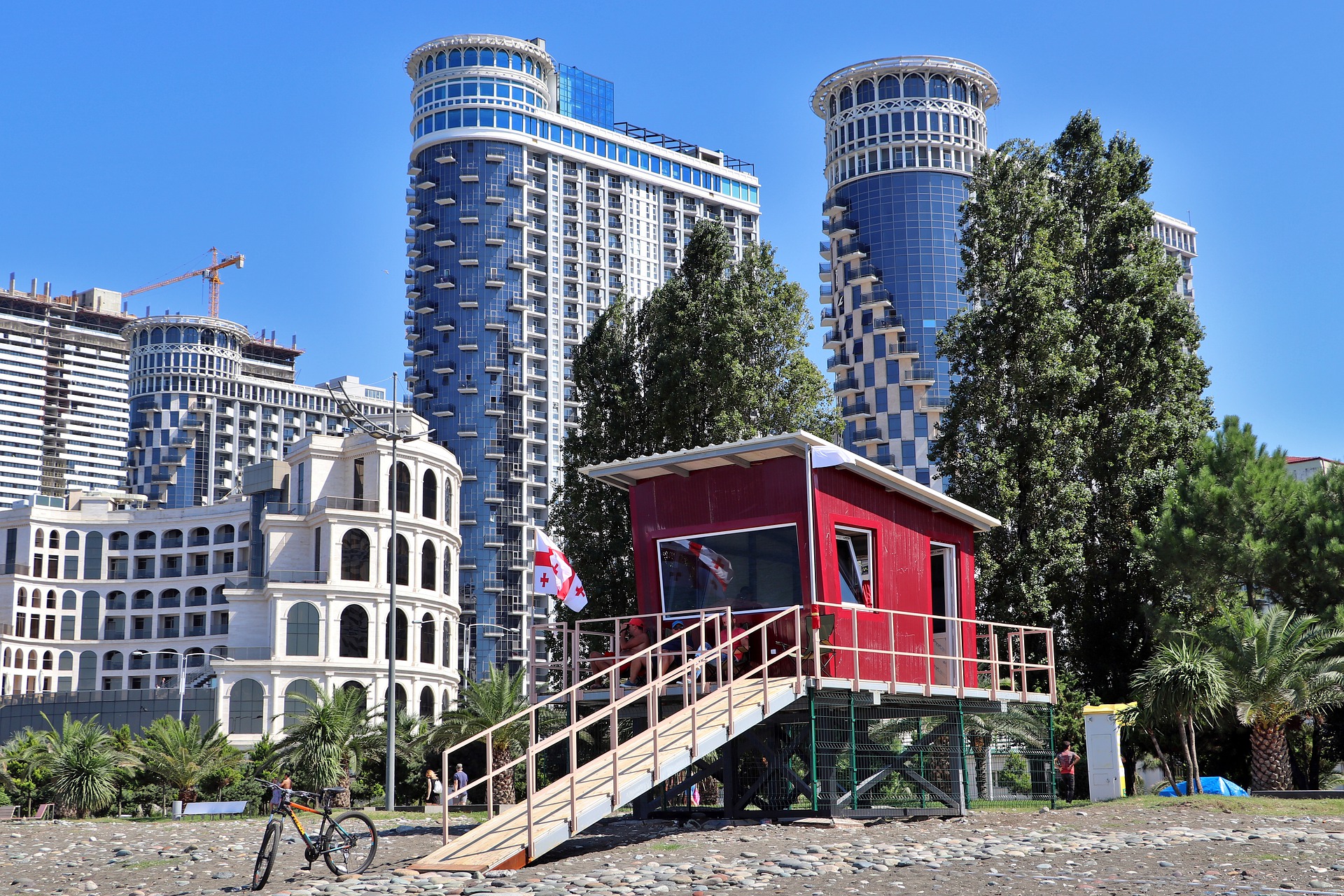
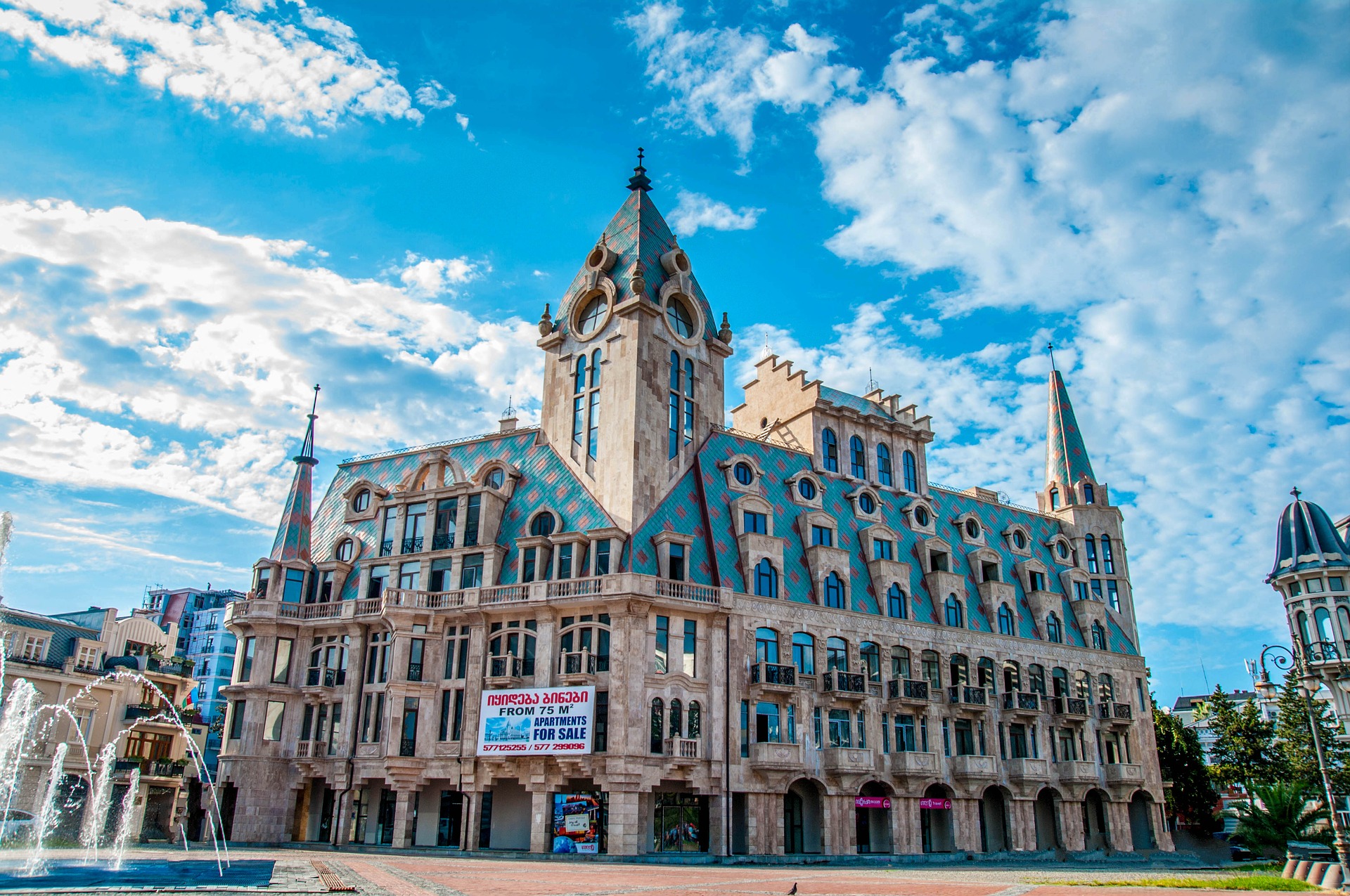
The City of Batumi
Batumi has a population of 166,000 and is on the coast of the Black Sea near the foothills of the Lesser Caucasus Mountains. Its subtropical climate makes it an excellent tourist area with very mild winters and rather cool summers. It’s fame started when the elite of the Imperial Russian Empire visited the resort for vacation. Tourism and gambling became its biggest industries followed by ship building and food processing. Its architecture is modern skyscrapers and restoration of its 19th century buildings.
No Tour Found
No Tour Found