


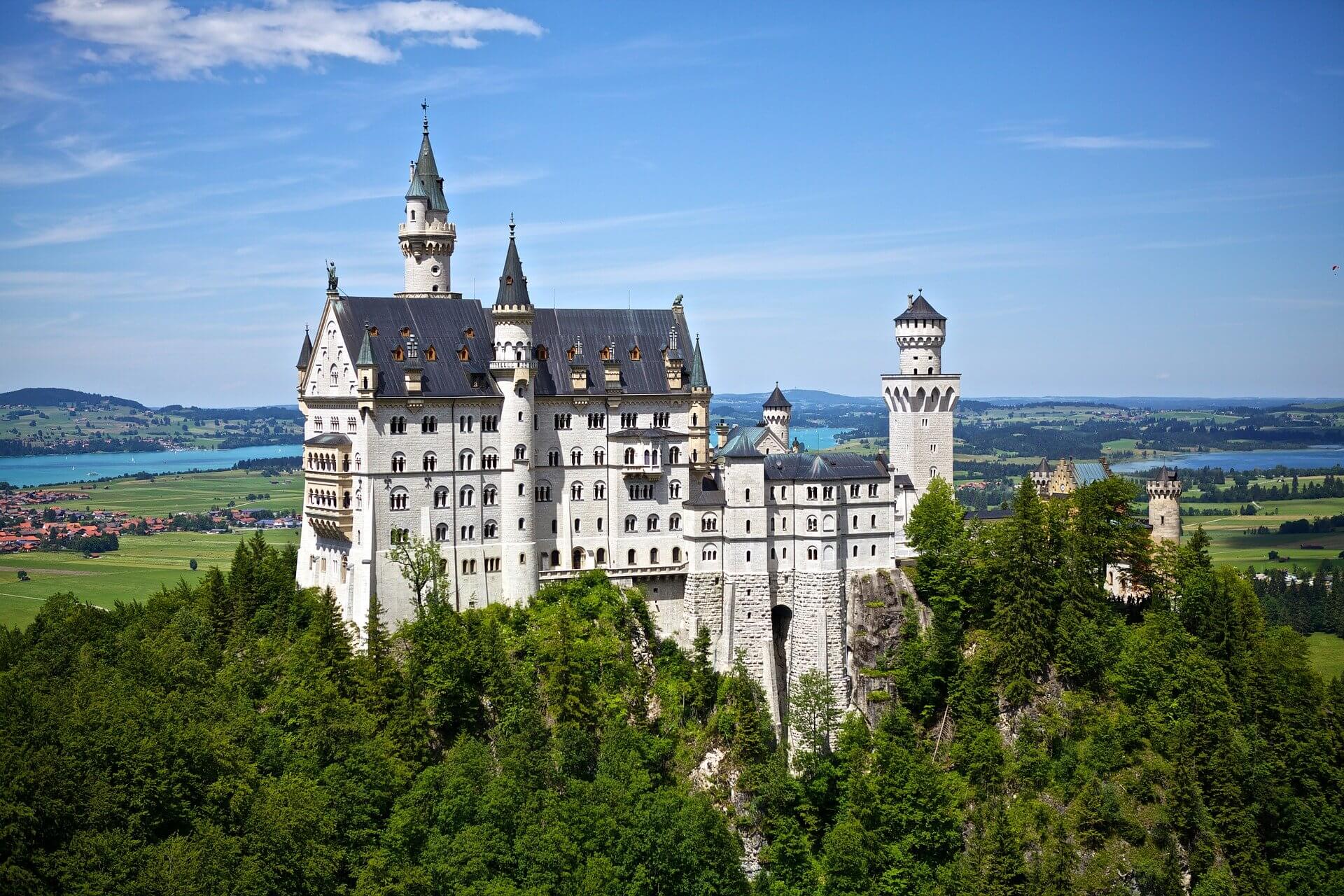
Germany, officially the Federal Republic of Germany or German Deutschland or Bundesrepublik Deutschland is a country of northern Europe traversing the continent’s main physical divisions, from the outer ranges of the Alps northward across the varied landscape of the Central German Uplands and then across the North German plain. One of Europe’s largest countries, Germany encompasses a wide variety of landscapes including the tall, sheer mountains of the south, the sandy rolling plains of the north, the forested hills of the urbanized west, and the plains of the agricultural east. The spiritual heart of the country is the east-central city of Berlin which arose from the ashes of World War II and now, after decades of partition, is the capital of the entire country. Along the banks of the Rhine which flows northward from Switzerland, and the banks of its subsidiary rivers stand hundreds of medieval churches and castles, picturesque villages and market towns and centers of learning and culture including Heidelberg, the location of one of Europe’s oldest universities (founded in 1386) and Mainz, historically one of Europe’s most important publishing centers. All are centerpieces of Germany’s thriving tourist industry which brings millions of visitors every year drawn by its culture, natural beauty, history and cuisine including its renowned beer and wines. The name Germany historically did not discuss a certain place but described the Germanic tribes which held sway over large portions of Europe for centuries. Germany in that sense is an ancient entity. It was part of the Holy Roman Empire from 900 AD and that period was called the First Reich. That ended with Napoleon’s conquest in 1806, but only in the 19th century did it become unified as one country when Prussian Prime Minister Bismarck brought together the numerous German speaking principalities, kingdoms, free cities, bishropics and duchies to form the German Empire in 1871. This was called the Second Reich and became Europe’s leading power and acquired colonies in Africa, the Pacific and Asia. That overseas empire was dismantled after its defeat in World War I and the abdication of Kaiser William II.
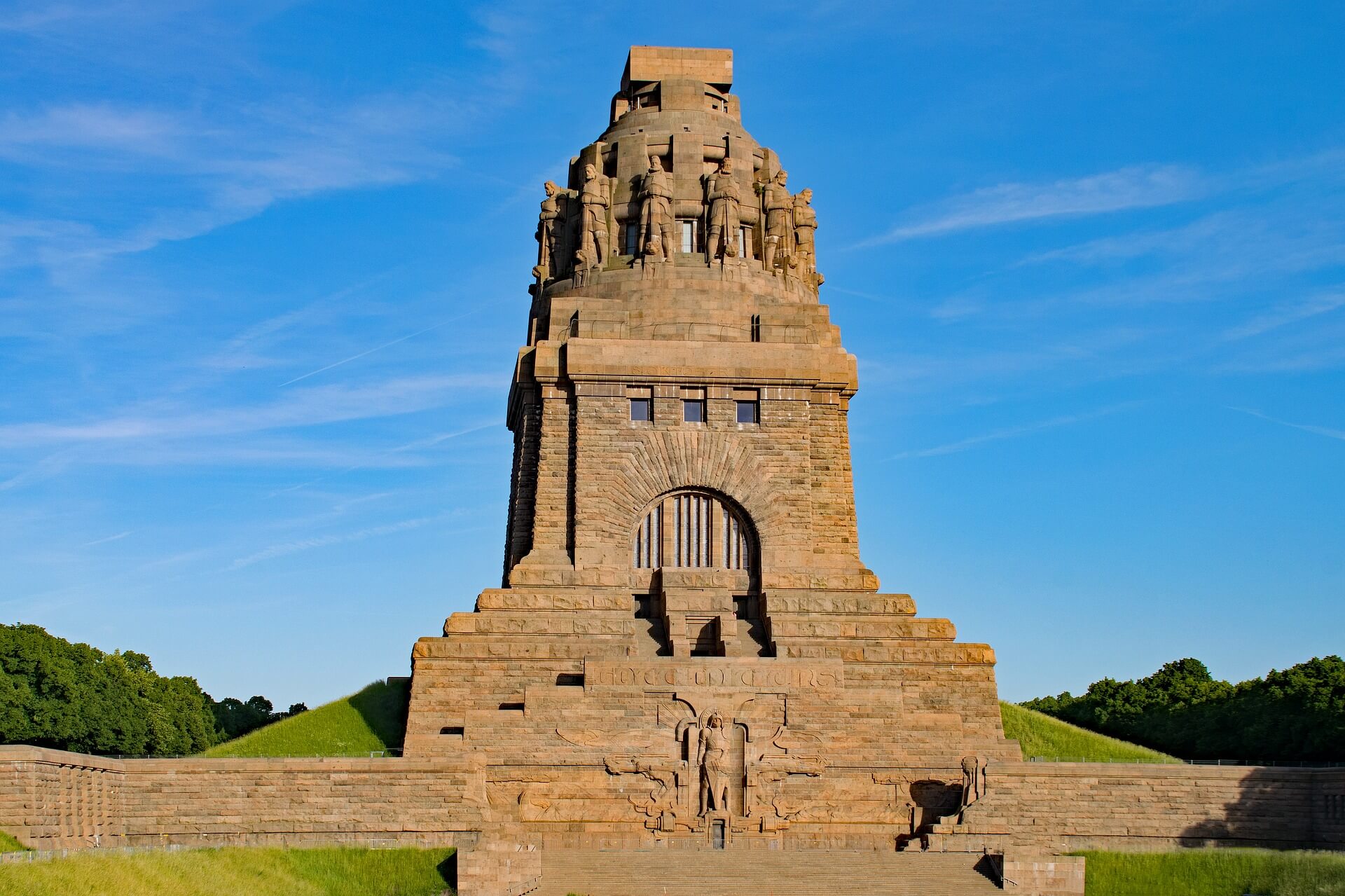
Economic depression, widespread unemployment, devaluation of the currency and political strife that nearly caused civil war, led to the collapse of the progressive Weimar Republic and the rise of the Nazi Party under Hitler. After gaining power in1933, Hitler established the Third Reich and soon thereafter attempted to capture and enslave much of Europe and exterminate Jews and other minorities. The Third Reich collapsed in 1945 with its defeat in World War II and Germany was partitioned into West Germany and Soviet controlled East Germany separated for more than 40 years and finally reunited when the Soviet Union collapsed as did Communist East Germany. Germany has a population of 83 million, 95% of whom speak German, which is the official and national language. 70% are Christian with 29% being Catholic. The landmass is 137,847 square miles. Germany is a Constitutional Federal Parliamentary Republic with a president who has little power; a chancellor who is the chief executive, an upper and lower legislative body (Bundestag) and a judiciary branch.
Germany is bounded at its extreme north on the Jutland Peninsula by Denmark. East and west of the peninsula, the Baltic Sea and North coasts, respectively complete the northern border. To the west, Germany borders the Netherlands, Belgium and Luxembourg; to the southwest it borders France. Germany shares its entire southern border with Switzerland and Austria. In the southeast the border with the Czech Republic corresponds to an earlier boundary of 1918, renewed by treaty in 1945. The easternmost frontier adjoins Poland along the northward course of the Neisse River and subsequently the Oder River to the Baltic Sea, with a westward deviation to the north to exclude the former German port city of Stettin (now Szczecin, Poland). This border adjustment reflects the loss of Germany’s eastern territories to Poland, agreed to at the Yalta Conference (February 1945), and mandated at the Potsdam Conference (July 1945) held among the victorious World War II allies and reaffirmed by subsequent governments.
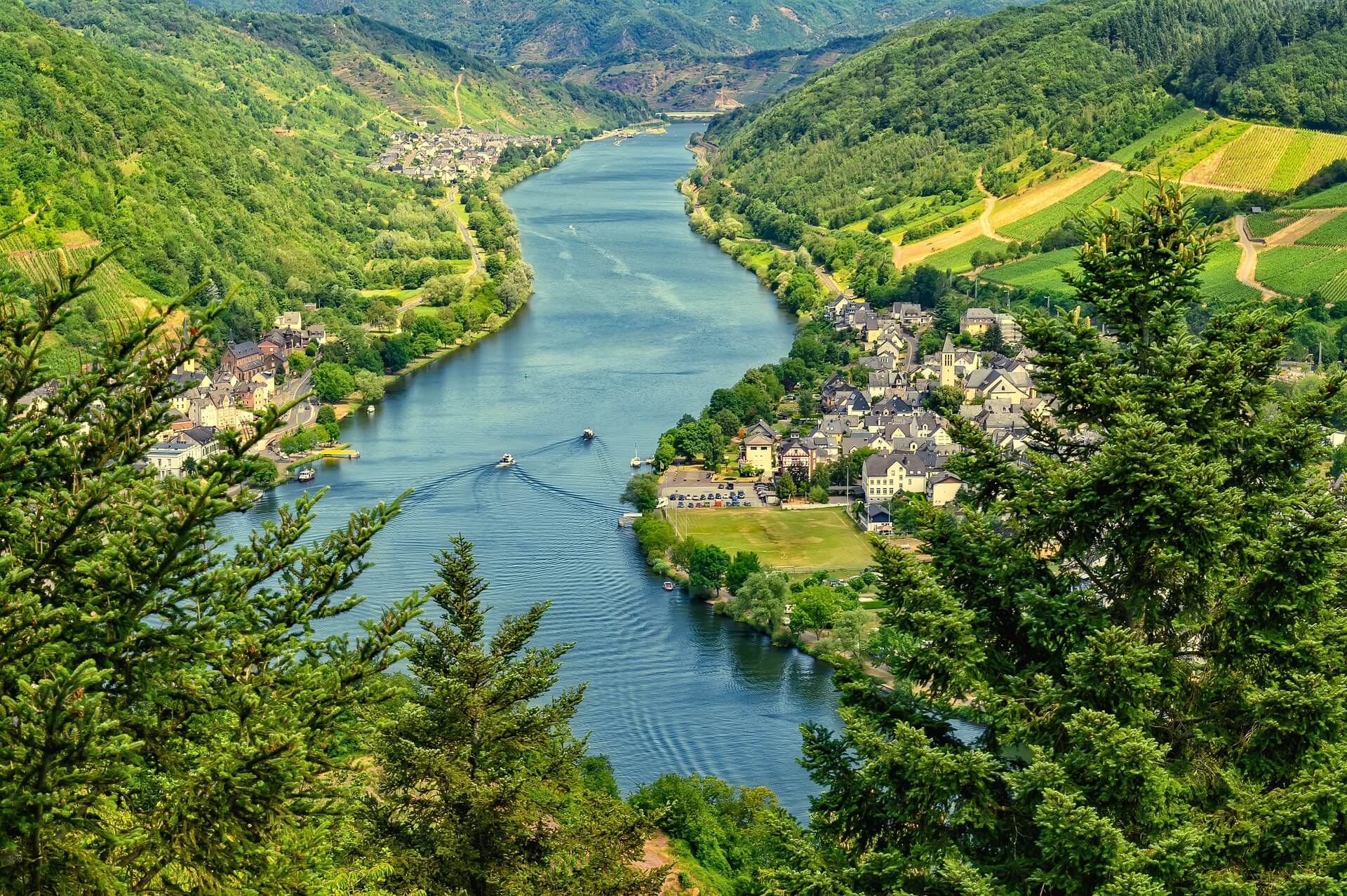
Germany is favored with a generally temperate climate, especially in view of its northerly latitudes and the distance of the larger portions of its territory from the warming influence of the North Atlantic Current. Extremely high temperatures in the summer and deep, prolonged frost in the winter are rare. These conditions, along with a more than abundant and well distributed rainfall, afford ideal conditions for raising crops. Germany’s climate is subject to quick variations when the moderate westerly winds from the Atlantic Ocean collide with the cold air masses moving in from northeastern Europe. Seasonal weather is subject to annual variation. Winters may be unusually cold or prolonged, particularly in the higher elevations in the south, or mild with the temperatures hovering only two or three degrees below freezing. Spring may arrive early and extend through a hot, rainless summer to a warm, dry autumn, with the threat of drought. Elevations range from the mountains of the Alps, 9,718 feet above sea level, in the south, to the shores of the North Sea in the northwest and the Baltic Sea to the northeast. Between them lie the forested uplands of central Germany and the low-lying lands of northern Germany. The lowest point is 11.6 feet above sea level. Germany is traversed by some of Europe’s major rivers such as the Rhine, Danube and Elbe. The northern third of the country lies in the North European Plain, with flat terrain crossed by northward flowing rivers. Wetlands and marshy conditions are found close to the Dutch border. The northeast has many glacier formed lakes. Moving south, central Germany features rough hills and mountainous countryside, The Rhine valley cuts through the western region and the central uplands continue east and north. South of Berlin, the east-central part of the country is more like the low northern areas with sandy soil and river wetlands.
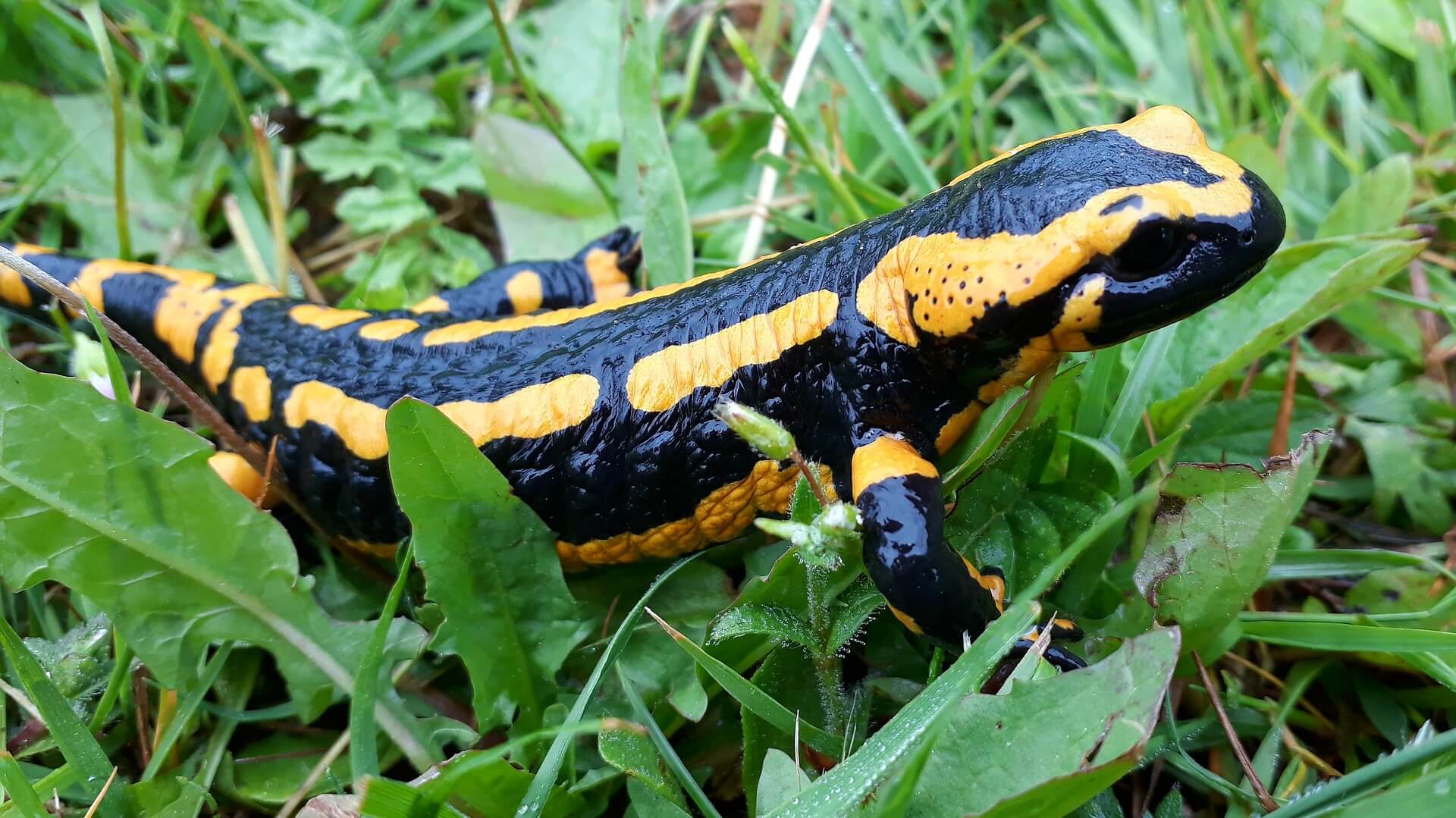
Germany is rich in organic life with various species groups including 28,000 plant and fungi, 3242 flowering plants, 48,000 animals of which there are 33,000 insects, 706 vertebrates but only 91 mammal species. Flora includes Cornflower, Blue Brunonia, Tulip, Rosa Osiria, Chamomile, Silver Birch, German Chamomile, European Spindle, and Common Bugloss. Trees include Maple, Apple, Spruce, Hazel-Nut, Pine, Almond, Olive and Elm. Fauna includes Chamois, Red Fox, Greater Horseshoe Bat, Bi-colored Shrew, European Badger, Wild Boar, European Wildcat, European Pine Marten, Fire Salamander, Alpine Ibex, European Boar, Brown Bear, North Atlantic Right Whale, Beluga, and Dolphin. Birds include Woodpecker, Cuckoo, Owl, Parakeet, Dove, Stork, Crane, Crouse and Sandpiper.
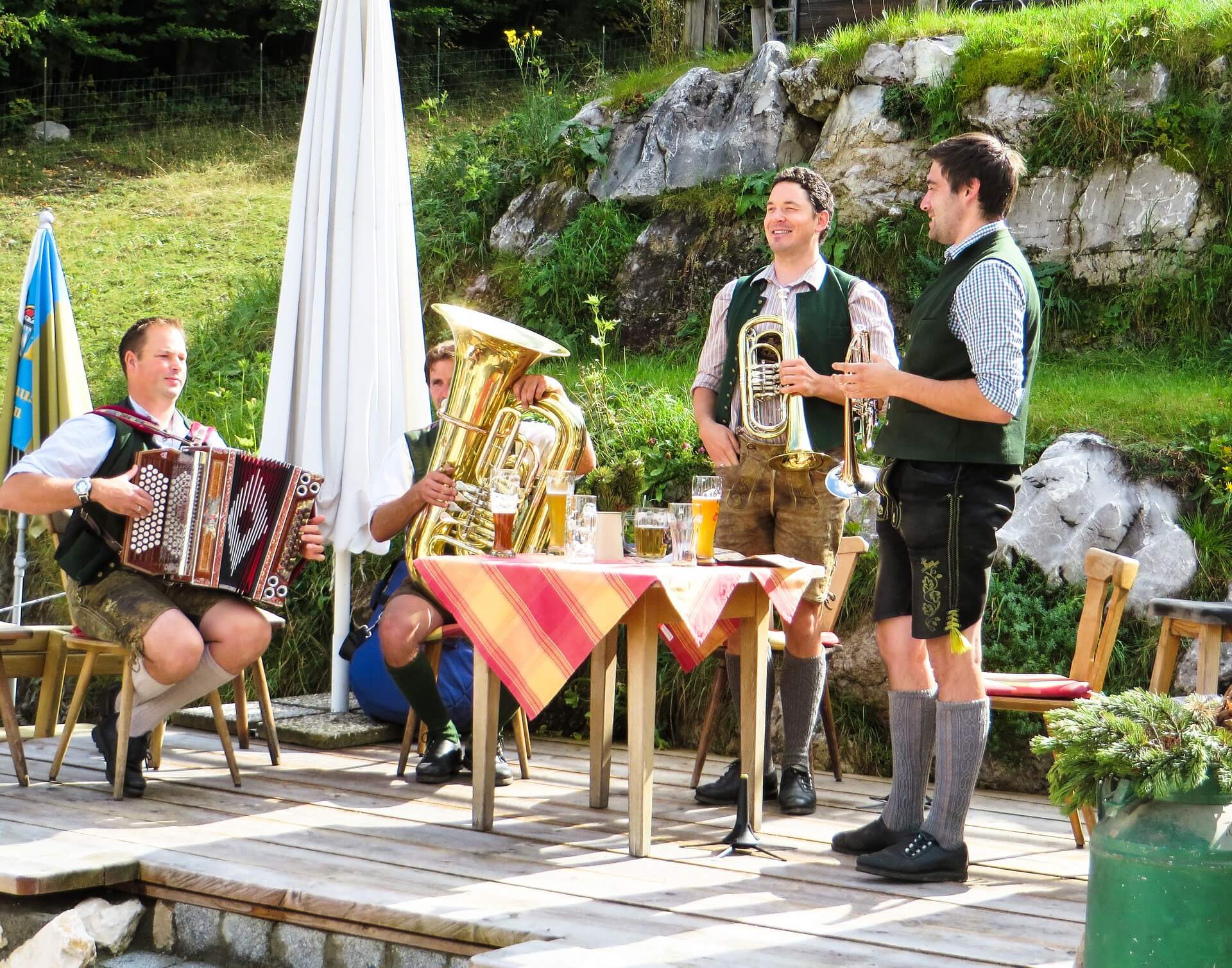
Germany has been a leader in culture for centuries and its artists have profoundly changed the western world in thinking and the arts. Germany is known for its musicians, poets and thinkers. Germany’s cultural history has been shaped by having been a part of the Holy Roman Empire since 900 AD and then by its dramatic birth in the 19th century. Clothing is western style but each region has its traditional historic clothing which is worn at festivals and holidays.
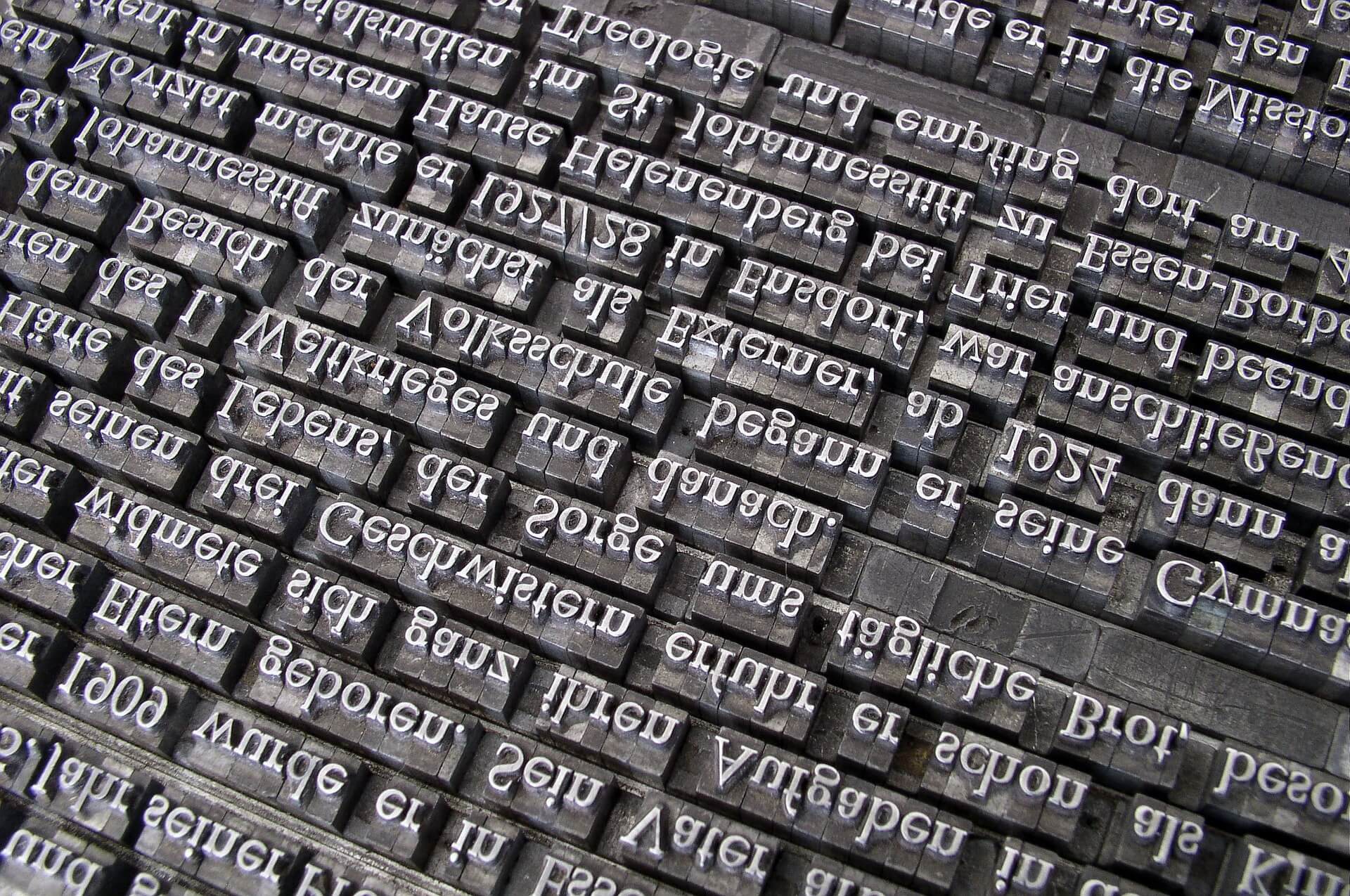
The main symbols of the country are the eagle and Germany’s black, red and gold flag. The country has many important and controversial historic religious and philosophical giants including Luther, Kant, Goethe, Schopenhauer and Nietzsche. Germans are readers and 45% of the adult population read a book a week. The first printed book and first magazine were published in the German language.
Germany is renowned worldwide for its music and brilliant composers who were instrumental in the transition of music between classical and romantic to western classical music. Famous German composers who lived, worked and died in Germany included Bach, Beethoven, Brahms, Schubert and Handel. Germany has gone through a tumultuous history which becomes evident in its rich and diverse architecture. Its palaces, cathedrals, monasteries, monuments and public buildings best tell its story. Amphitheaters, spas and Roman bridges are part of the ancient architecture. Gothic, Renaissance of the 15t h to 17th centuries and the Baroque architecture of the 18th century left a lasting impression on the urban landscape of the country. Paintings and sculpture in Gothic art were wide spread in Europe and Germany. Generations of German artists showed their skills in Baroque and Rococo styles as well as neoclassicism. Romanticism is also a very important part of German Art. One of the best traits of German culture is that people help other people in a benevolent and kind manner.
Kasekuchen Cheesecake
Konigsberger Klopse Meatballs in creamy white sauce with capers
Maultaschen Ravioli like
Labskaus Beef, onions, potato, beetroot mashed into porridge
Sausage 40 varieties
Currywurst Sausage based street food with ketchup and curry powder
Doner Kebab Meat, onions, salad in a sandwich
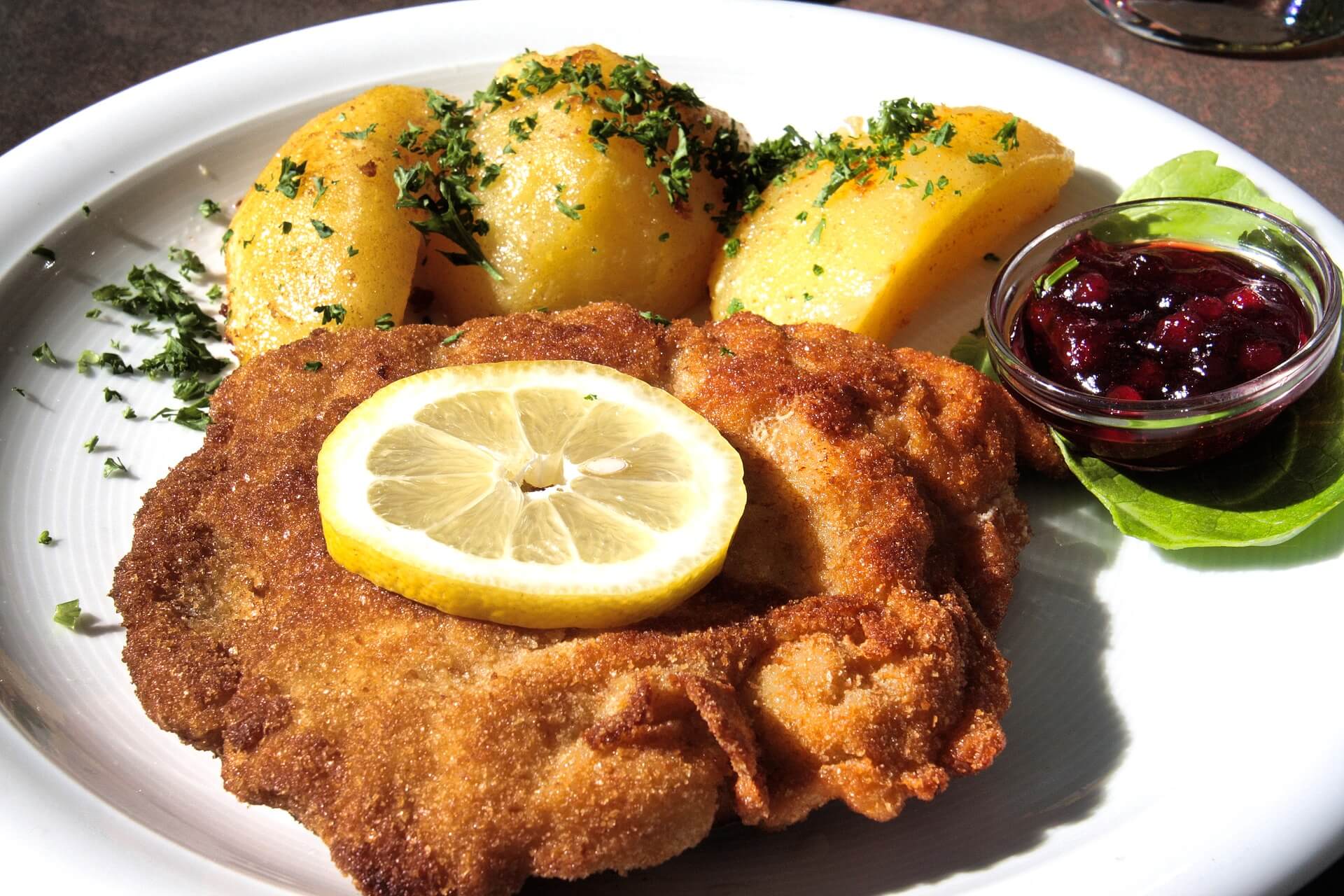
Schnitzel
Kasespatzle Pasta like with dough
Rouladen Bacon, onions, mustard, pickles, wrapped steak slic
Sauerbraten Pot roast-a national dish
Zwibelkuchen and Federweisser wines
Saumagen Pig’s stomach
Pinkel mit Grunkohl Cooked kale and sausage
Spargel White asparagus
Reibekuchen fried potato pancakes
Rollmops Rolled pickled herring fillets
Schwarzwalder Kirschtorte Chocolate cake



The City of Berlin
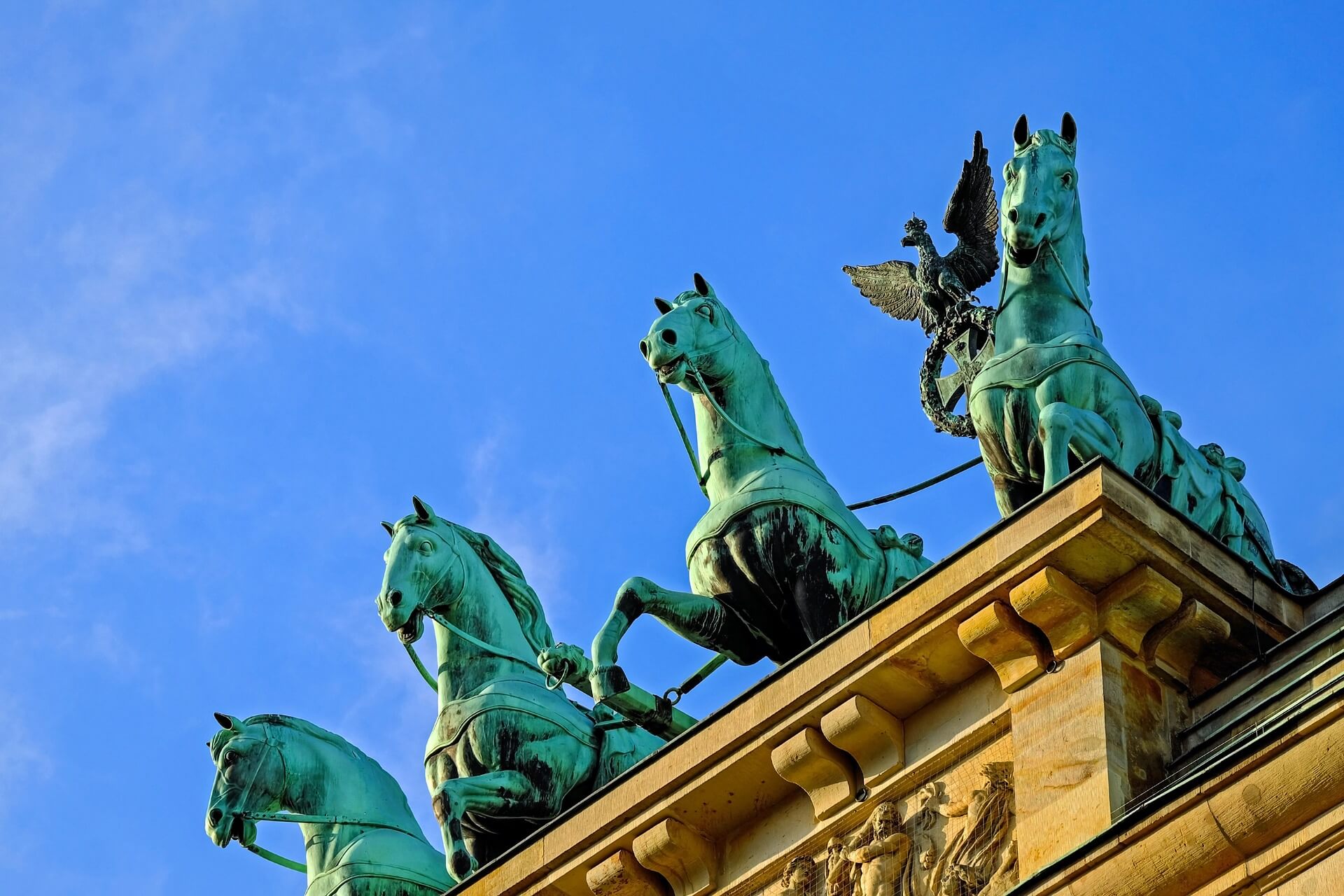
Berlin is the capital and largest city of Germany by both area and population. Its 3.7 million inhabitants make it the European Union’s most populous city, according to population within city limits. One of Germany’s sixteen constituent states, Berlin is surrounded by the State of Brandenburg and is contiguous to the city of Potsdam, Brandenburg’s capital. Berlin’s urban area, which has a population of 4.5 million, is the second most populous urban area in Germany after the Ruhr. The Berlin-Brandenburg capital region has over 6 million inhabitants. Berlin straddles the banks of the Spree, which flows into the Havel (a tributary of the Elbe) in the western borough of Spandau. Among the city’s main topological features are the many lakes the largest of which is Lake Muggelsee. Due to its location in the European Plain, Berlin is influenced by a temperate seasonal climate. About 1/3 of the city’s area is composed of forests, parks, gardens, rivers, canals and lakes. The city lies in the Central German dialect area. First documented in the 13th century and located at the crossing of two important historic trade routes, Berlin became the capital of the Margraviate of Brandenburg (1417-1701), the Kingdom of Prussia (1701-1918), the German Empire (1871-1918), the Weimar Republic (1919-1933), and the Third Reich (1933-1945). Berlin, in the 1920’s was the third largest municipality in the world. After World War II the city was divided; West Berlin became a de facto exclave of West Germany surrounded by the Berlin Wall (1961-1989) and East German territory. East Berlin was declared capital of East Germany, while Bonn became the West German capital. Following German reunification in 1990, Berlin once again became the capital of all of Germany. Berlin is a world city of culture, politics, media and science. Its economy is based on high tech firms and the service sector, encompassing a diverse range of creative industries, research facilities, media corporations and convention venues. Berlin serves as a continental hub for air and rail traffic and has a highly complex public transportation network. Berlin is home to world renowned universities and its Zoological Garden is the most visited zoo in Europe. Berlin contains three UNESCO World Heritage Sites: Museum Island, the Palace and Parks of Potsdam and Berlin and the Berlin Modernism Housing Estates.
Tourist Attractions
Reichstag
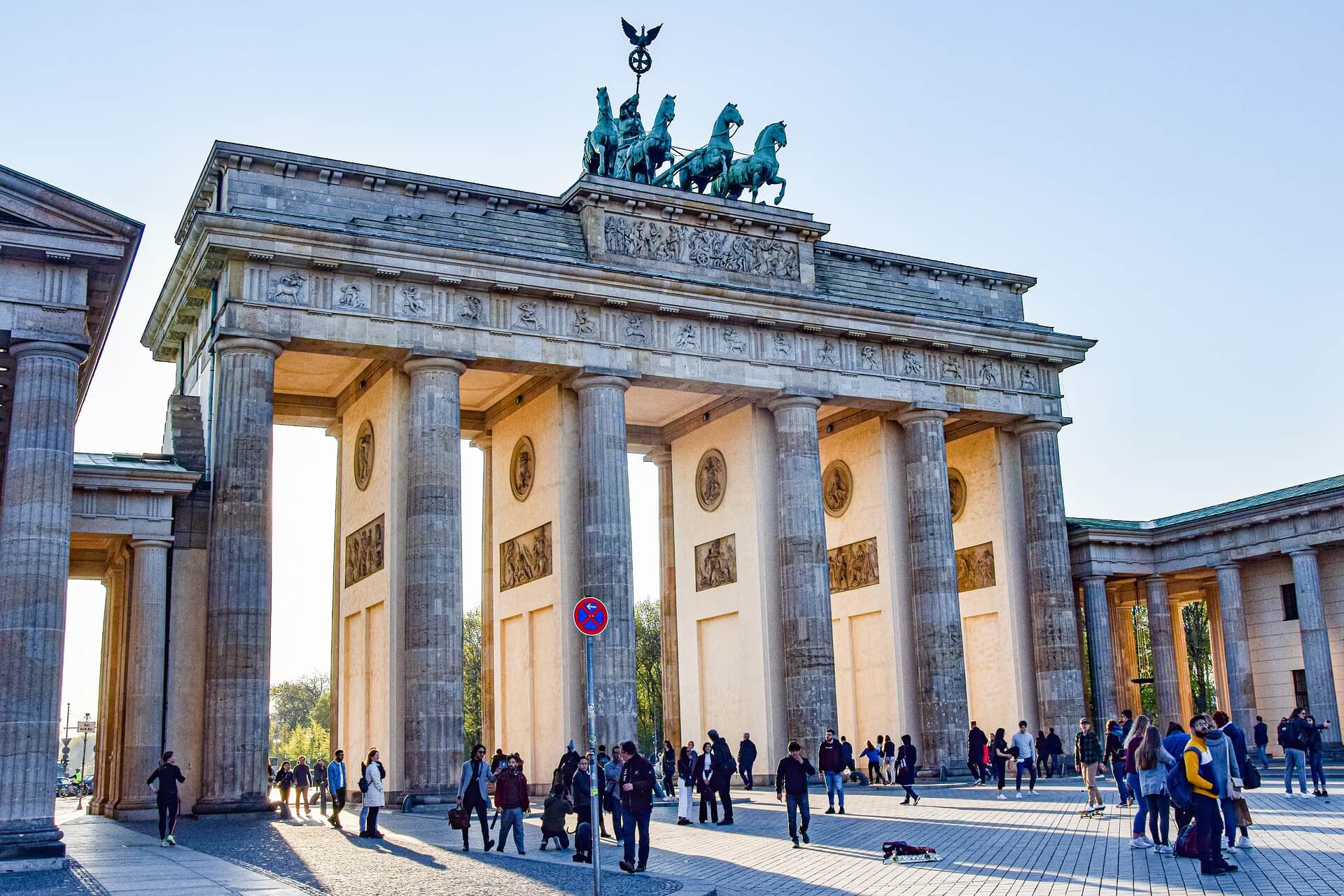
Brandenburg Gate
Checkpoint Charlie
The Holocaust Memorial
Humboldt Forum Forum for art, science and culture
Friedrichhswerder A church
Gendarm Enmarket Beautiful square
Kurfurstendamm upscale shopping
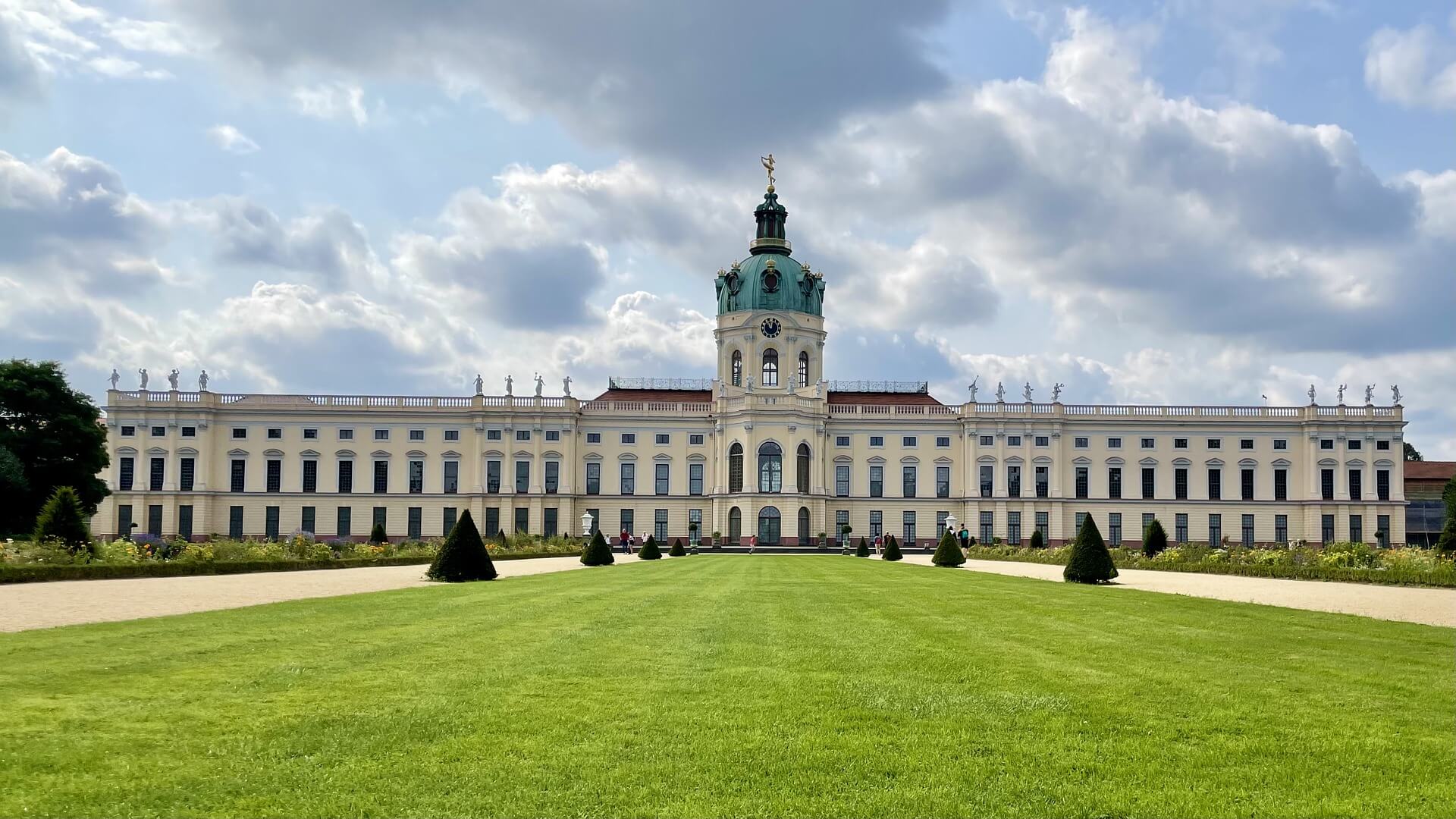
Charlottenburg Palace and Park
Museum Island
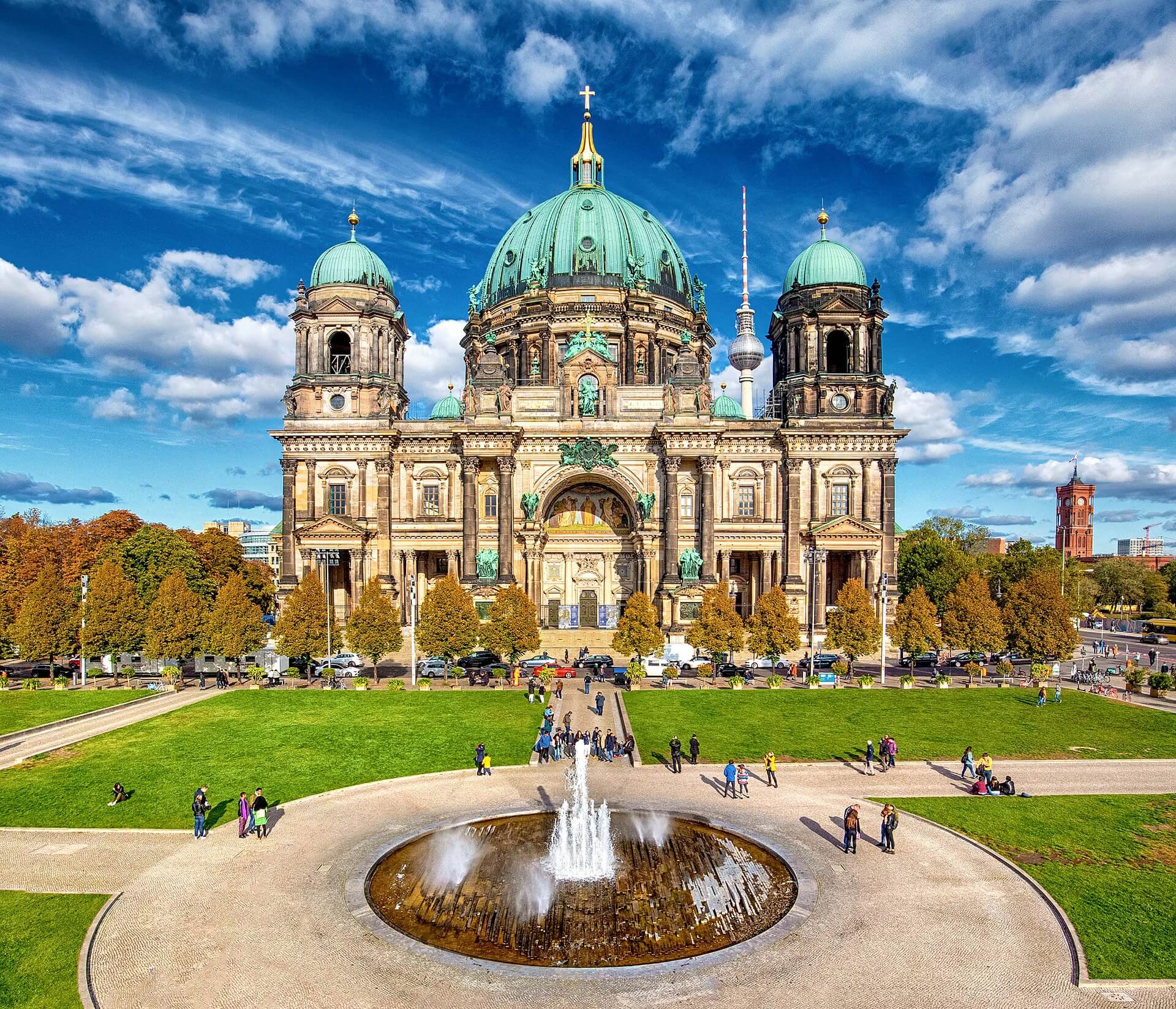
Berlin Cathedral
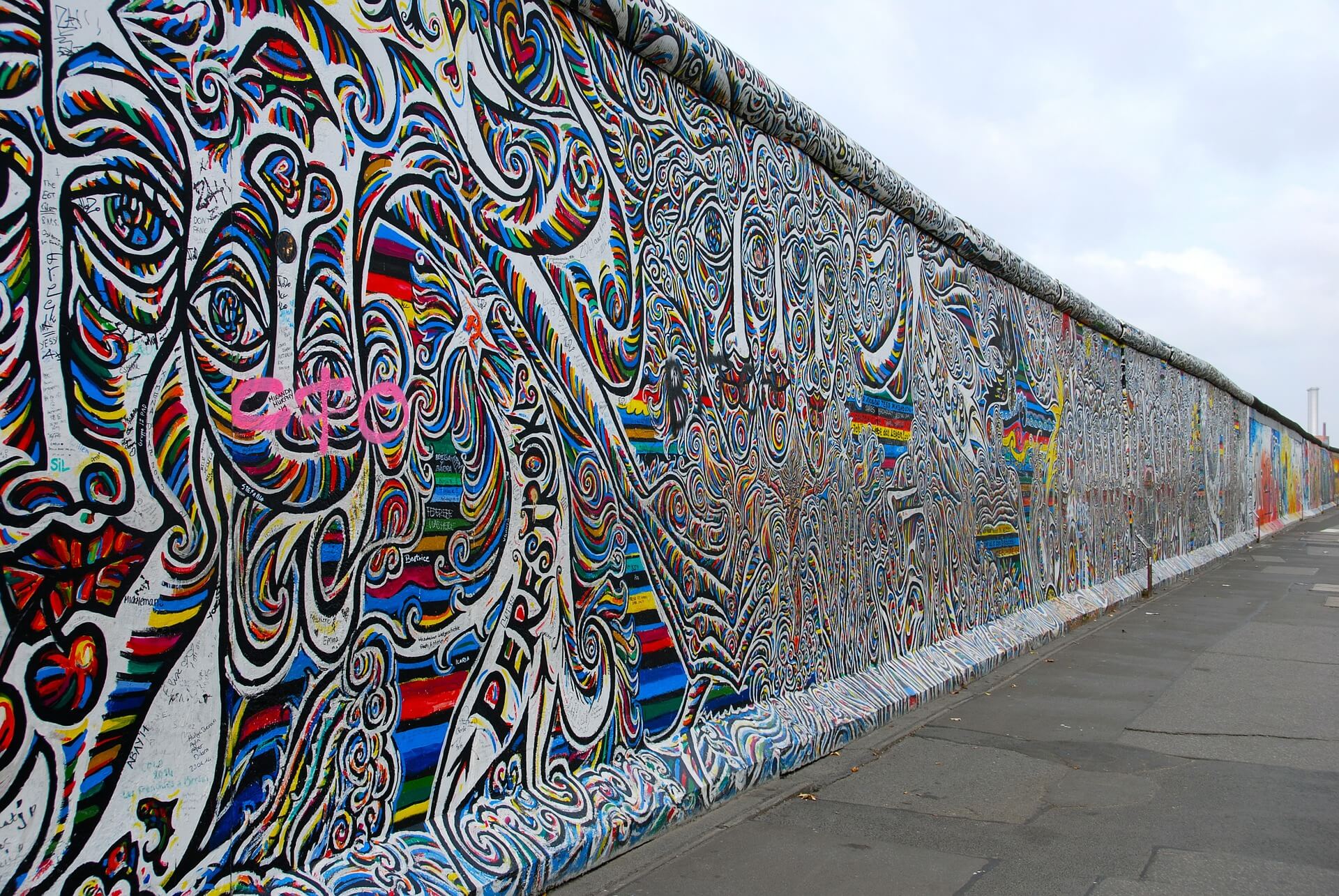
Berlin Wall Memorial
Potsdamer Platz
German Historical Museum
French Cathedral
German Cathedral
Jewish Museum Berlin
German Museum of Technology
Grosser Tiergarten Park
The City of Hamburg
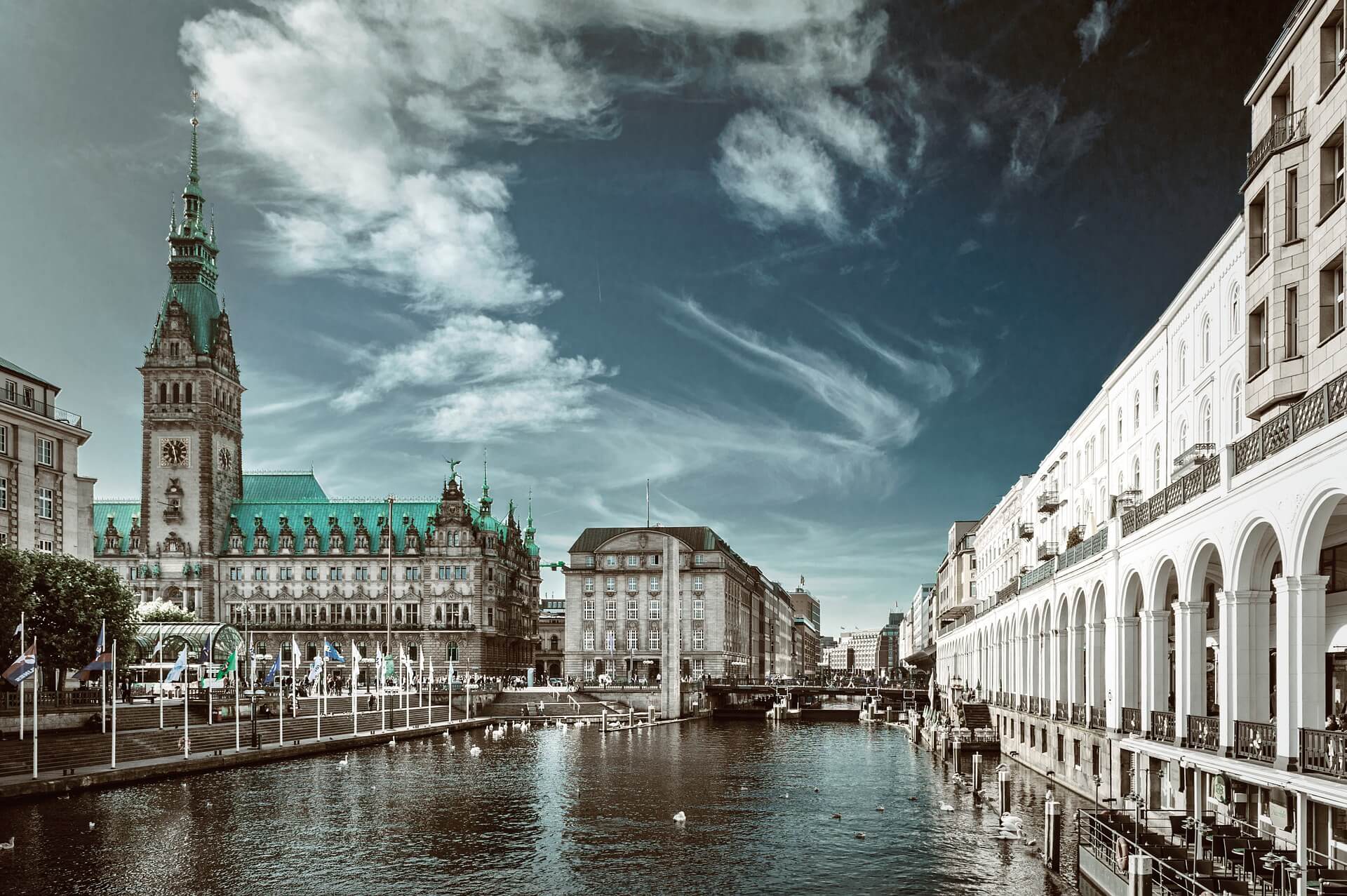
Hamburg officially The Free and Hanseatic City of Hamburg is the second largest city in Germany after Berlin with a population of 1.9 million. The metropolitan area is home to more than 5 million people. The city lies on the River Elbe and two of its subsidiaries. Hamburg was a member of the Medieval Hanseatic League and a free imperial city of the Holy Roman Empire. Before the 1871 reunification of Germany it was a fully sovereign city state. Hamburg, is Europe’s third largest port, and major tourist destination. Speicherstadt and Kontorhausviertel were designated as UNESCO World Heritage Sites in 2015. Hamburg’s rivers and canals are crossed by 2500 bridges making it the city with the largest number of bridges in Europe.
Tourist Attractions
Pedestrian Trail
Miniatur Wunderland World’s largest model railroad
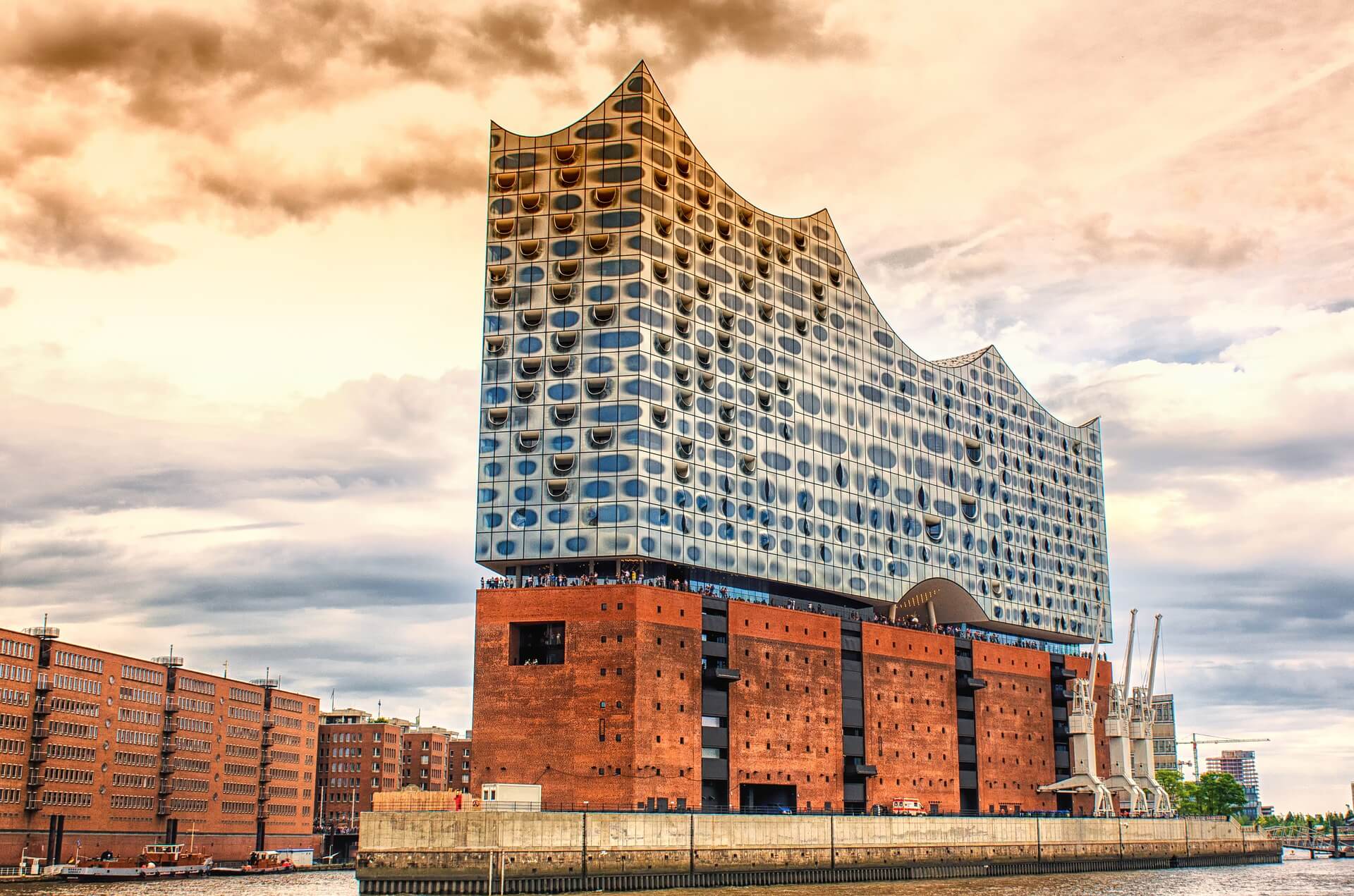
Concert at Elbphilharmonie
Hamburg Kunsthalle Art gallery
Hamburger Rathaus City Hall
St. Michael’s Church Baroque 1750-1762.
Historic Tall Ships
International Maritime Museum
Alster Lakes inner City Lake
Museum of Art and Design
Bismarck Monument
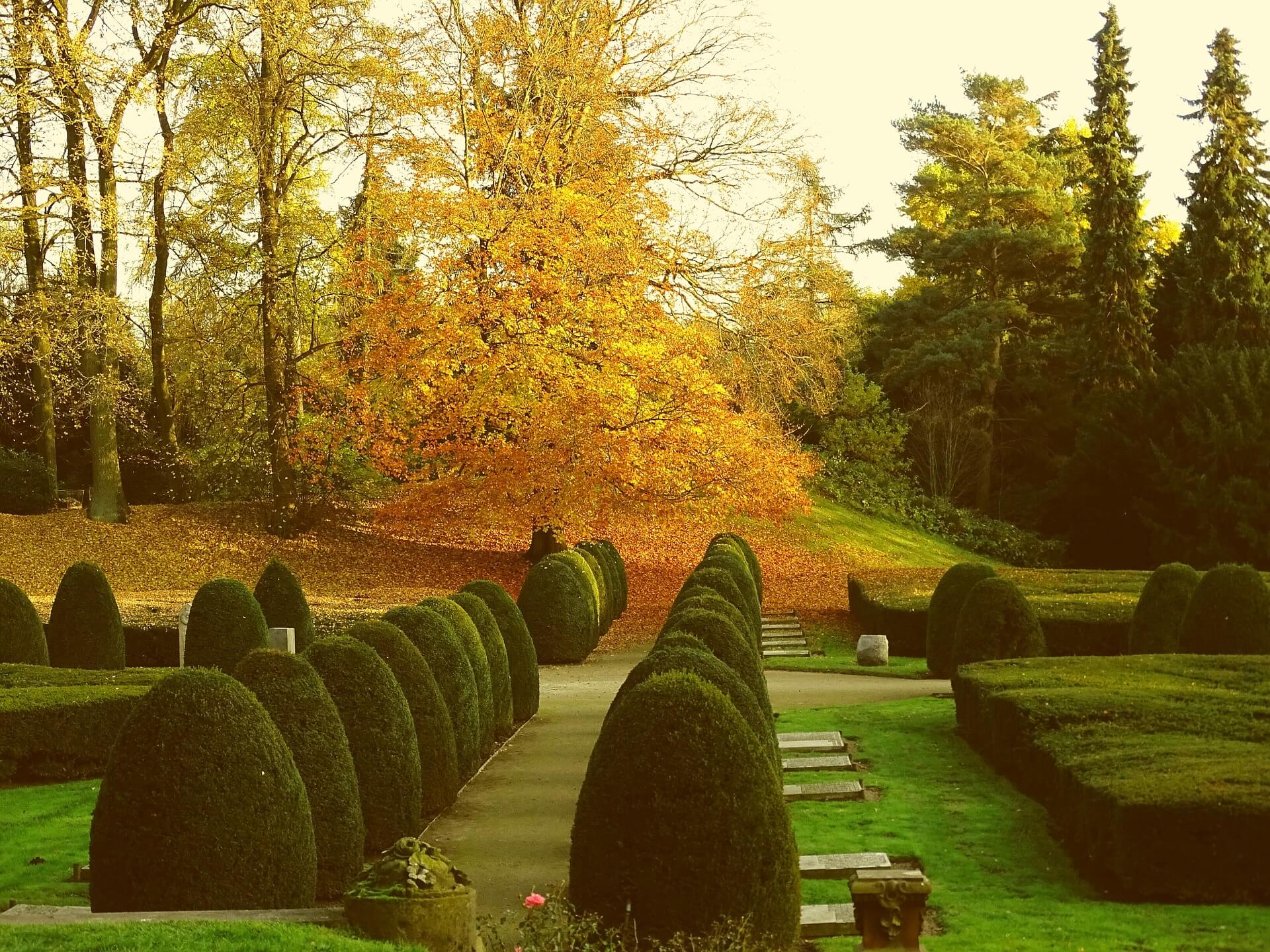
Ohlsdorf Cemetery
The City of Munich
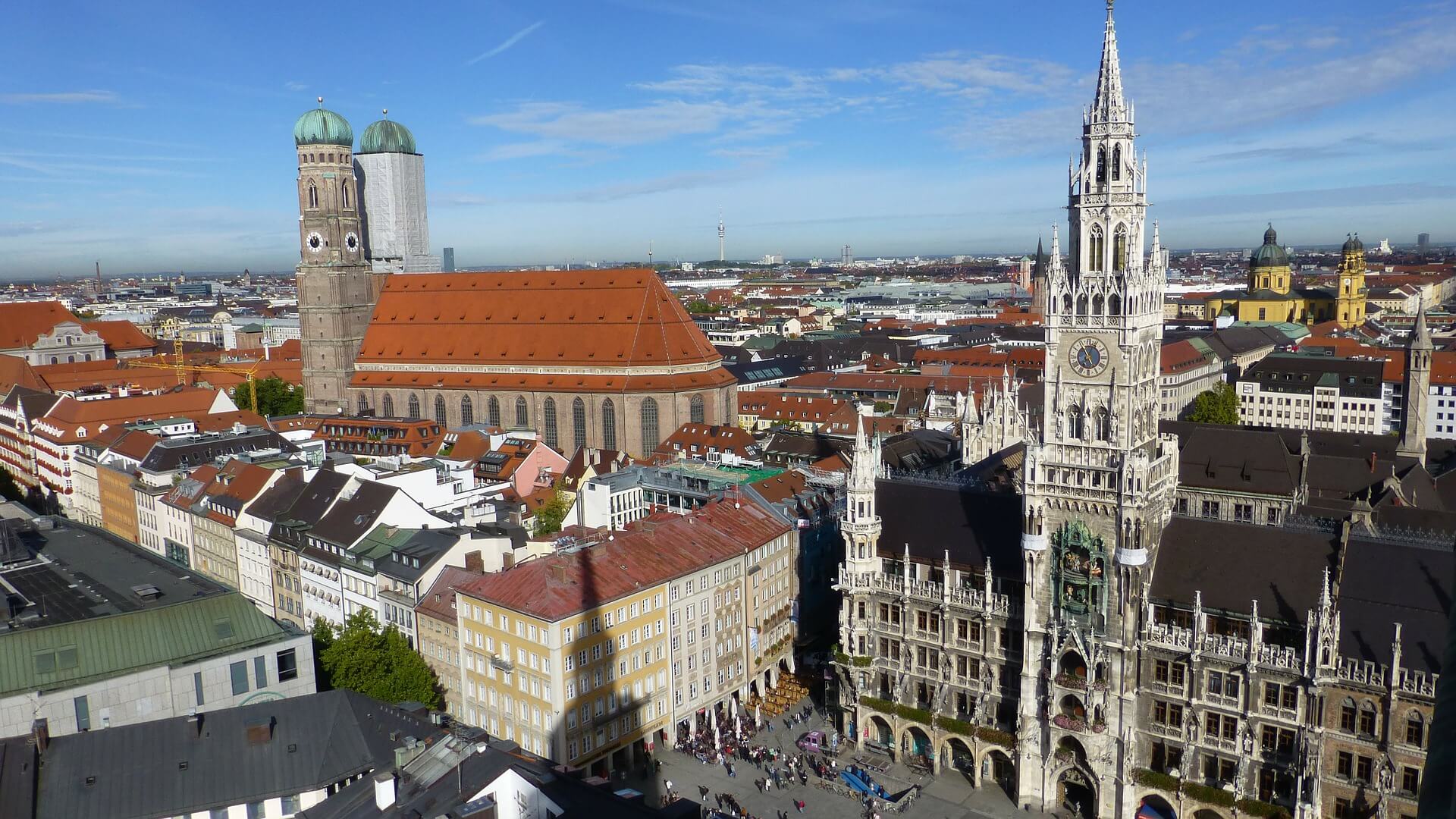
Munich is the capital and most populous city in Bavaria. With a population of 1.6 million it is the third largest city in Germany. Munich straddles the banks of the River Isar, a tributary of the Danube. The city was first mentioned in 1158. Catholic Munich strongly resisted the Reformation. Once Bavaria was established as a sovereign kingdom in 1806, it became a major European center for arts, architecture, sculpture and science. Today Munich is a global center for arts science, technology, commerce, publishing, culture and innovation.
Tourist Attractions
Frauenkirche 15th century Gothic Cathedral
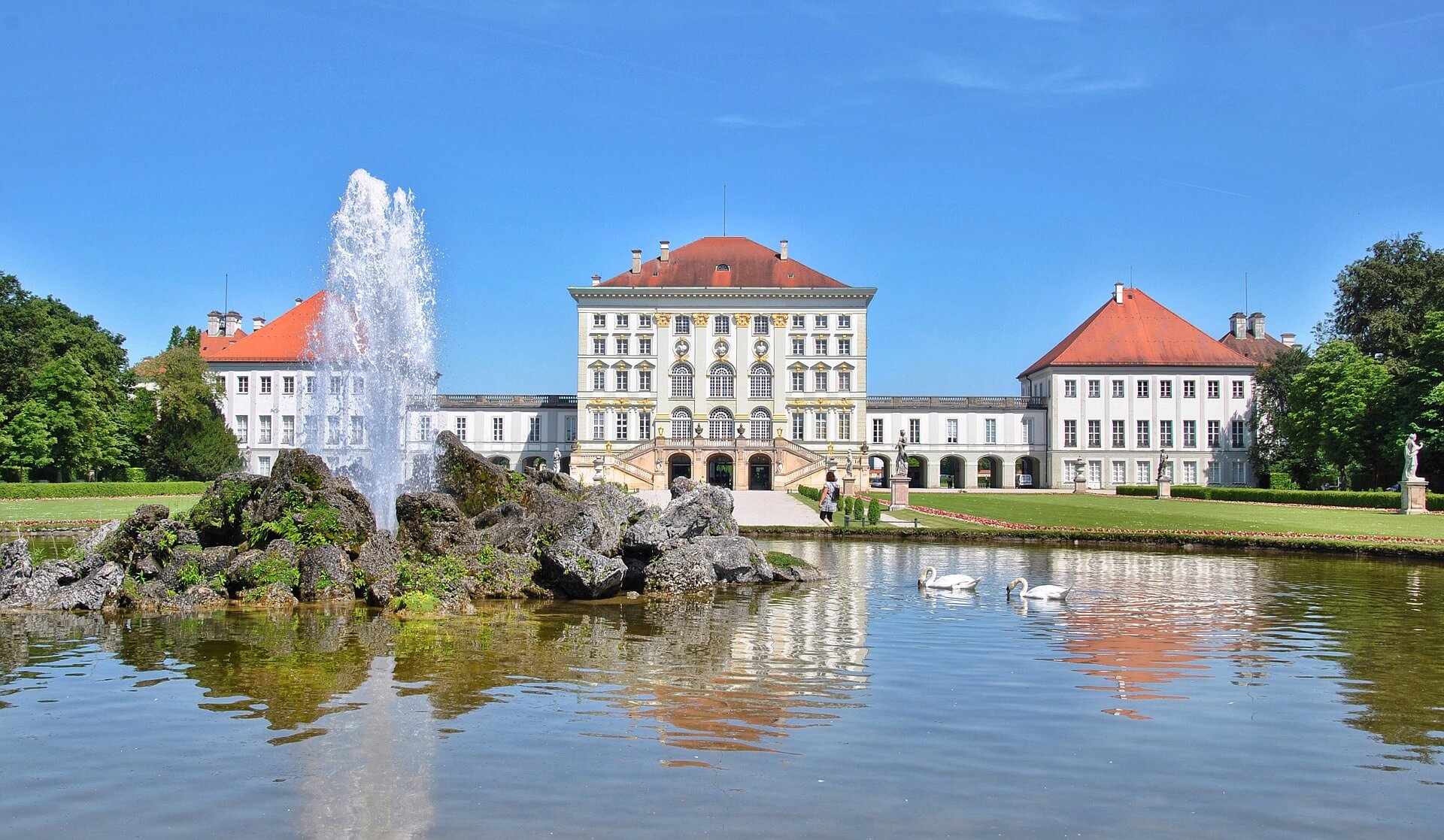
Nymphenburg Palace
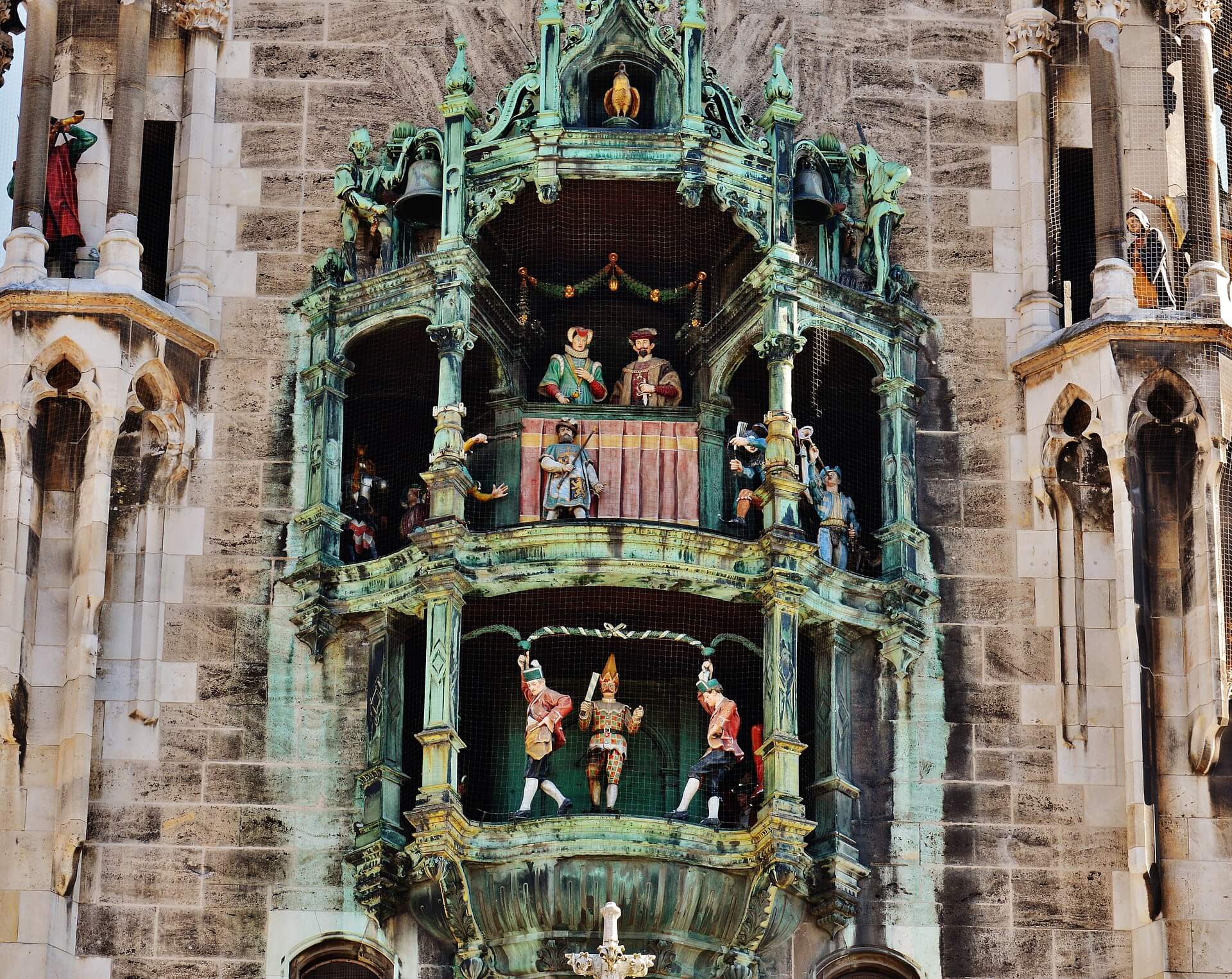
Marienplatz St. Mary’s Square
Karlsplatz (Stachus) Old Town entrance gate
Odeonsplatz Italian style square
Residenz Palace
Deutsches Museum
Olympiapark
BMW Welt
Alte Pinakothek World class art gallery
Tierpark Hellabrunn World’s first geological zoo
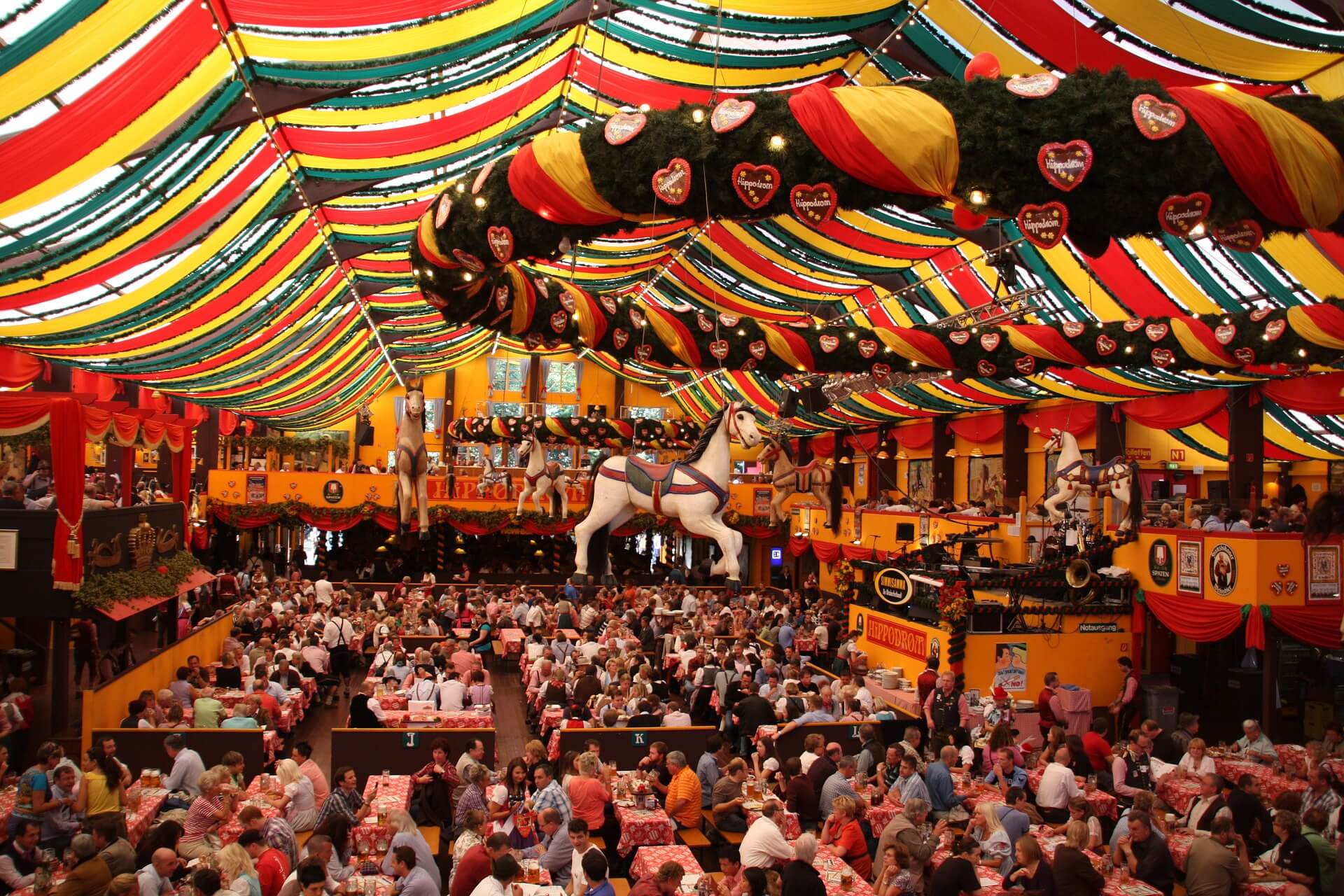
Oktoberfest World’s largest folk festival
Alter Peter Baroque church
The City of Cologne
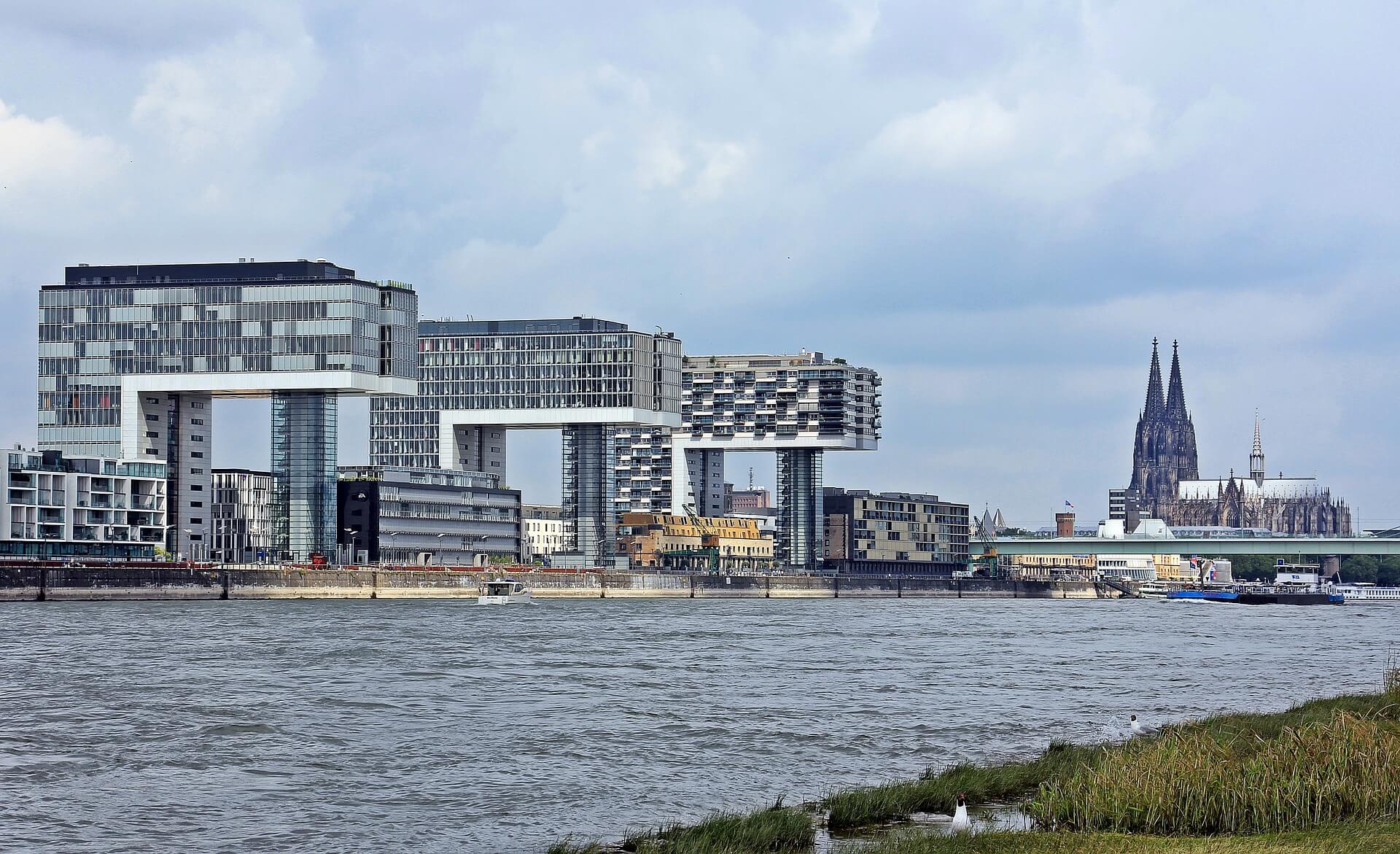
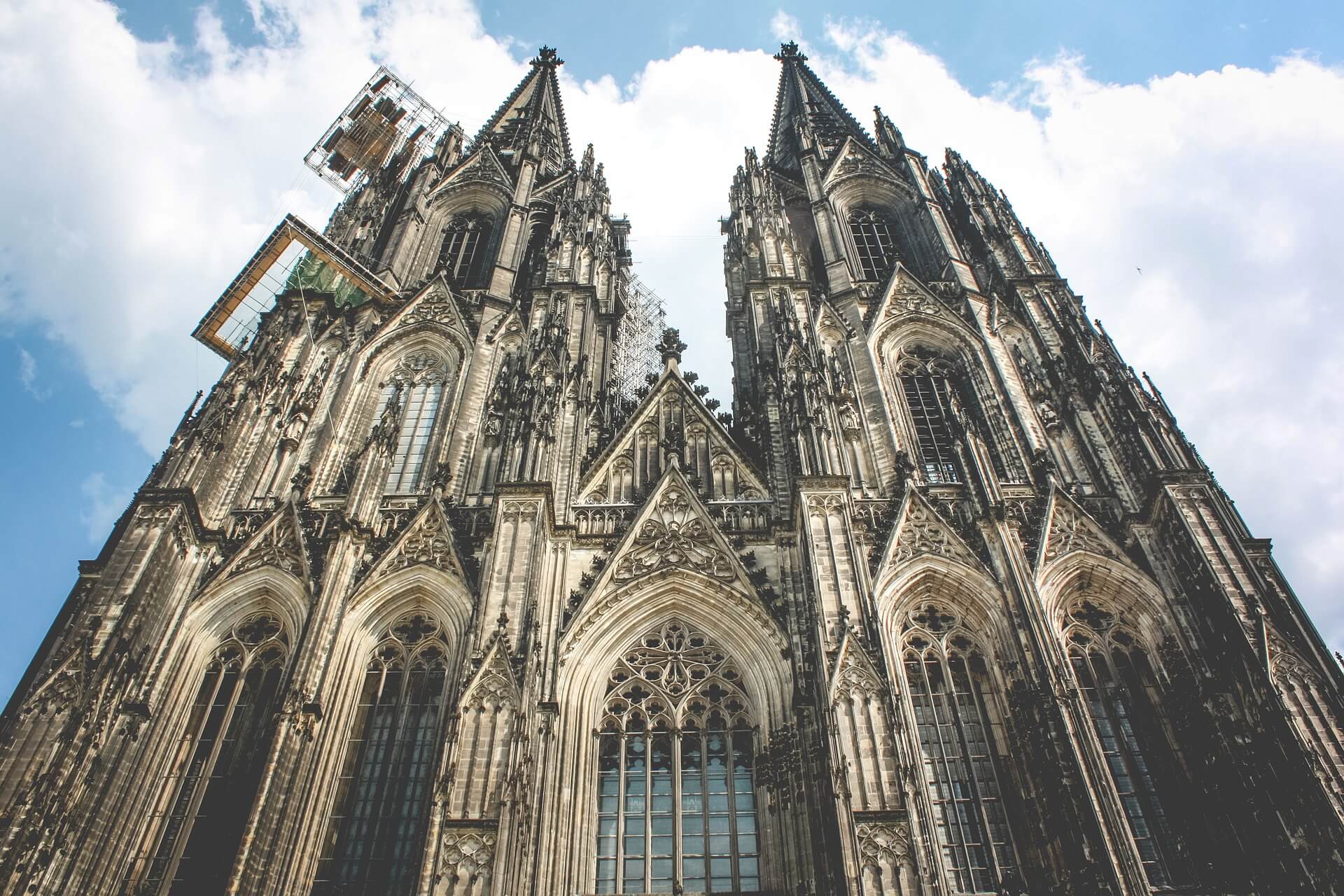
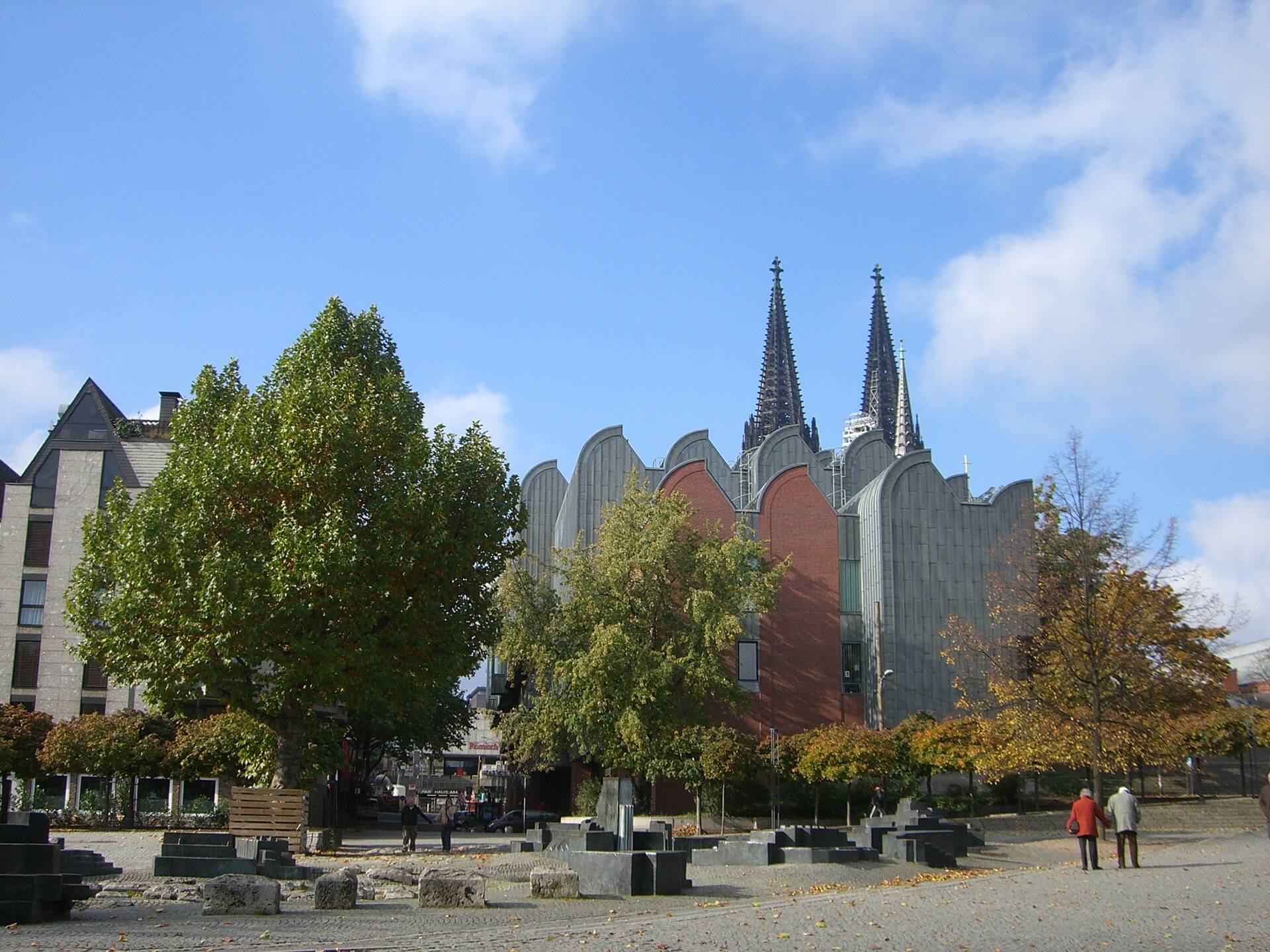
Cologne is the largest city of Germany’s most populous state of North Rhine-Westphalia and one of the oldest cities in Germany. With 3.6 million people in the urban region, and 1.1 million within its city proper, Cologne is the largest city on the Rhine. The city’s medieval Catholic Cologne Cathedral (Kolner Dom) is the third tallest church and tallest cathedral in the world, constructed to house the Shrine of the Three Kings, which is a globally recognized landmark and one of the most visited sights and pilgrimage destinations in Europe. The cityscape is further shaped by the Twelve Romanesque churches of Cologne, and Cologne is also famous for Eau de Cologne, which has been produced in the city since 1709 and “cologne” has since become a generic word. There are many institutions of higher education in the city including the Max Planck Science Institutes. Cologne was founded and established in Germanic Ubii territory in the 1st century AD as the Roman Colonia Agrippina. Cologne functioned as the capital of the Roman Province of Germania Inferior and as the headquarters of the Roman military region until occupied by the Franks in 462. During the Middle Ages, the city flourished because it was on one of the most important trade routes. Cologne was a free imperial city of the Holy Roman Empire and a member of the Hanseatic League. It was one of the largest European cities in Medieval and renaissance times. The city was occupied by the French (1794-1814) and the British (1918-1926) and was part of Prussia beginning in 1815. The city was heavily bombed in World War II.
Tourist Attractions
Cologne Cathedral
Historic Old Town
Rathaus Cologne City Hall
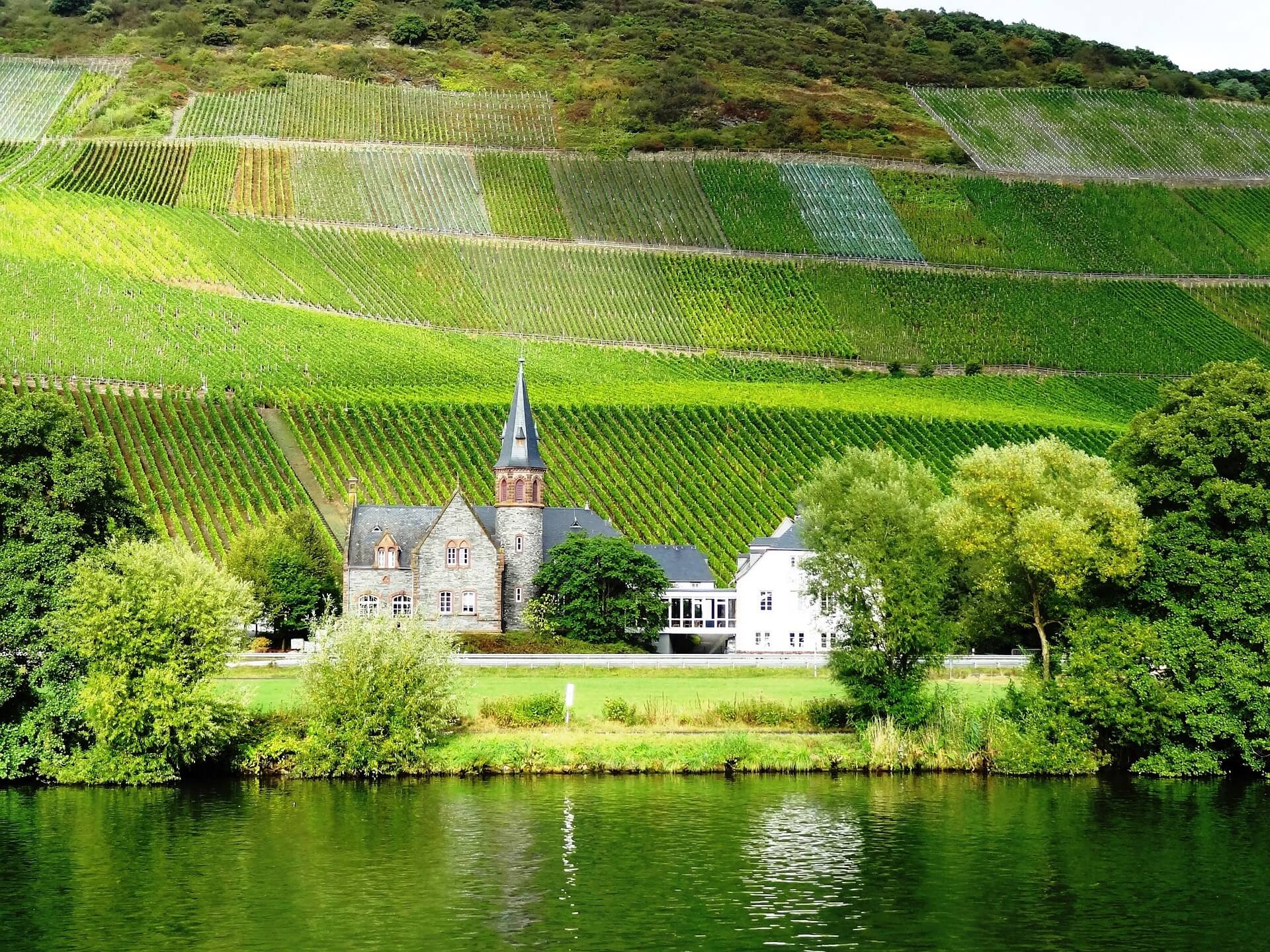
Rhine River Cruise
Ludwig Museum
NS Documentation Center of the City of Cologne Nazi papers
Cologne Zoological Cologne Chocolate Museum Flora and Botanical Gardens
Roman-Germanic Museum
Bruhl: Augustusburg and Falkenlust Palace
St. Gereon’s Basilica
Altenberg Cathedral
The City of Bonn
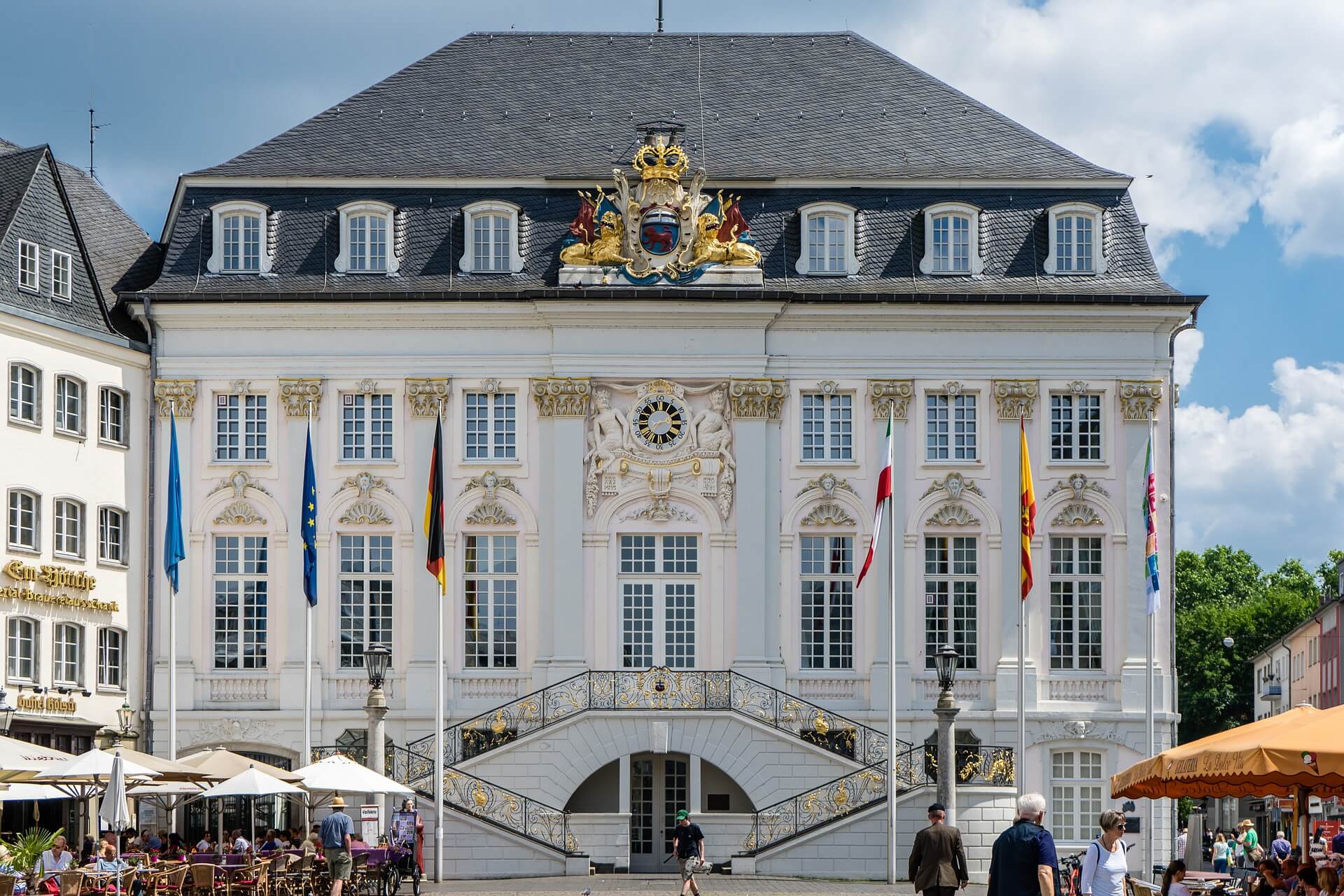
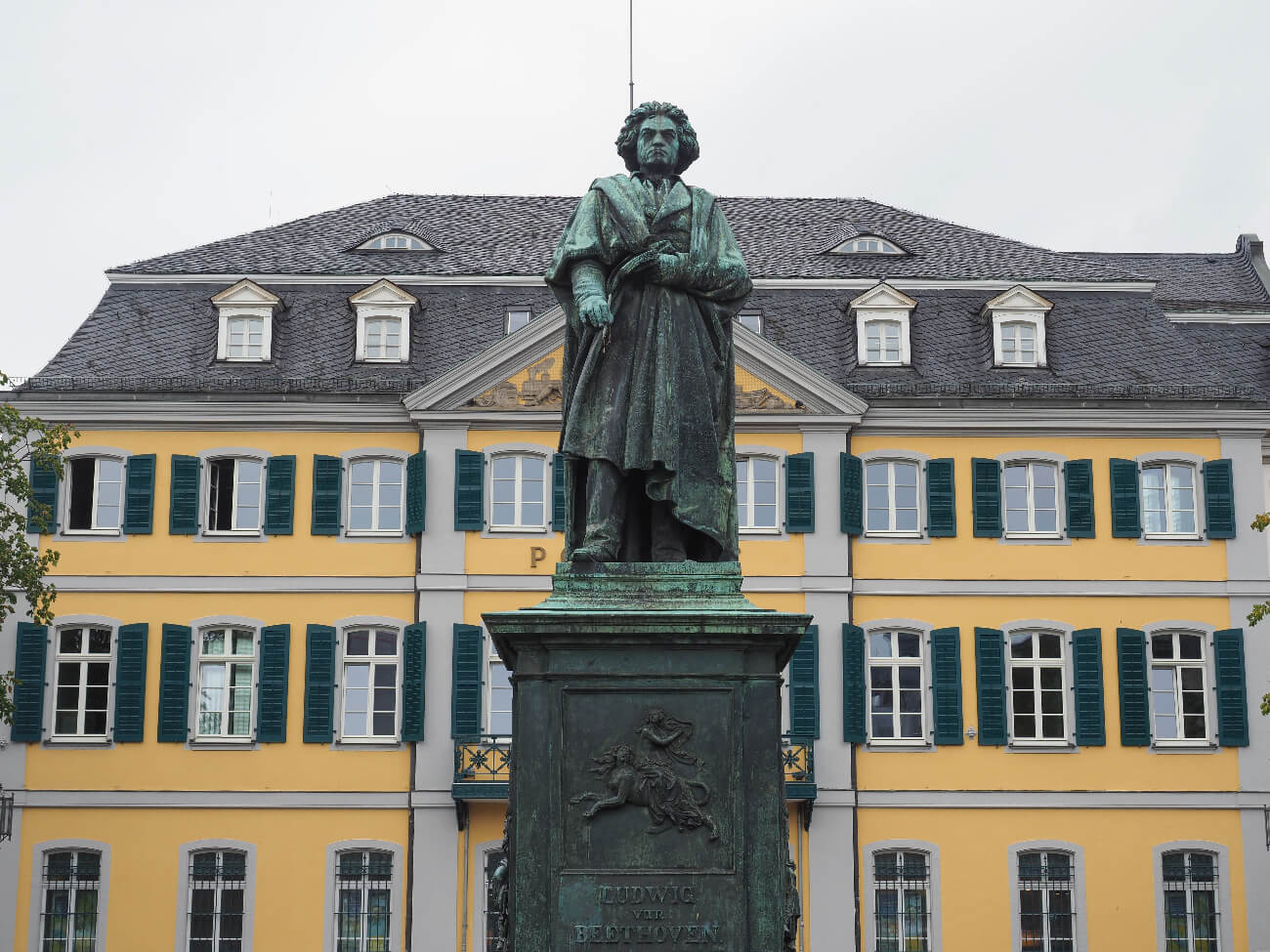
Bonn is a federal city on the banks of the Rhine in the German state of North Rhine – Westphalia. It has a population of over 300,000 and is south, southeast of Cologne. It is a university city and the birthplace of Beethoven. It was the capital city of the Electorate of Cologne (1597-1791) and capital city of West Germany (1949-1990). Bonn was founded in the 1st century BCE as a Roman settlement in the province Germania Interior. Bonn is one of Germany’s oldest cities. The federal government still has a significant presence in the city.
Tourist Attractions
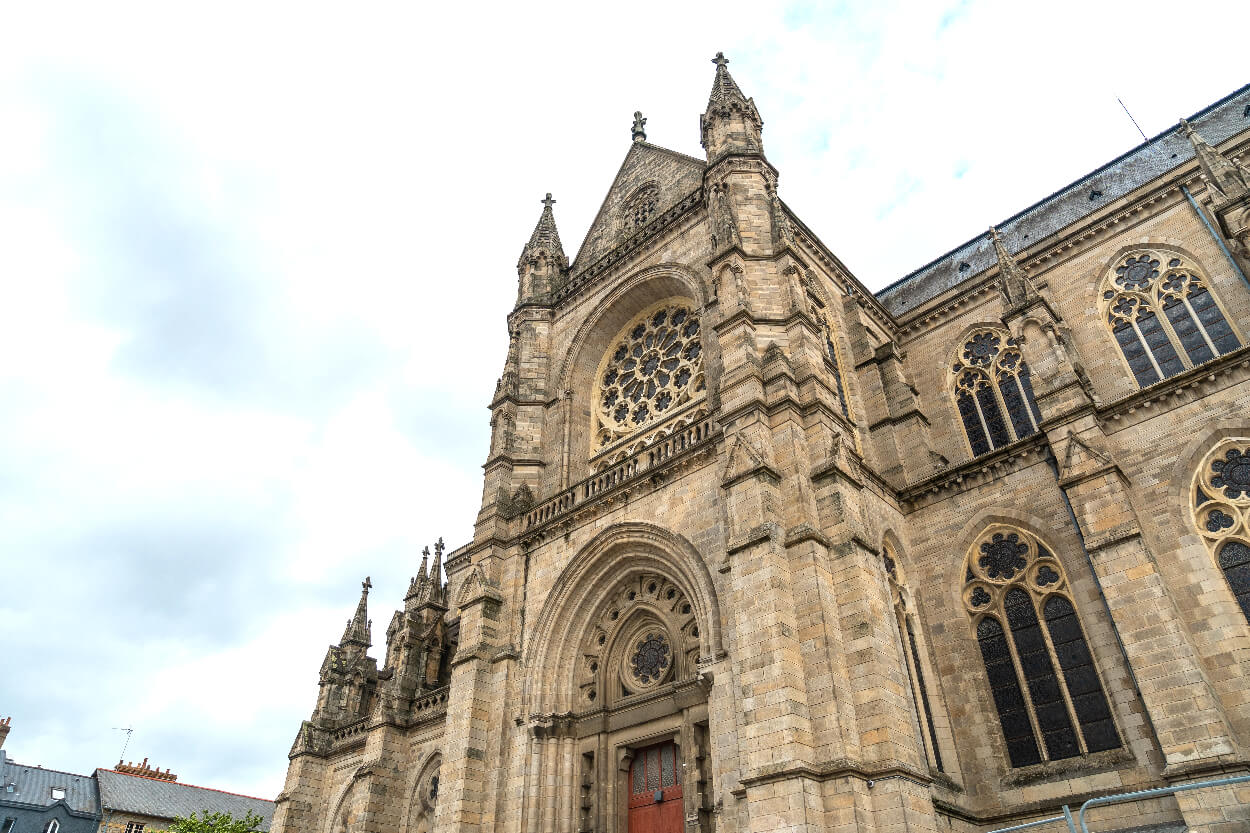
Bonn Minster Romanesque church constructed between 11th and 13th centuries
House of the History of the Federal Republic Germany
Beethoven Haus
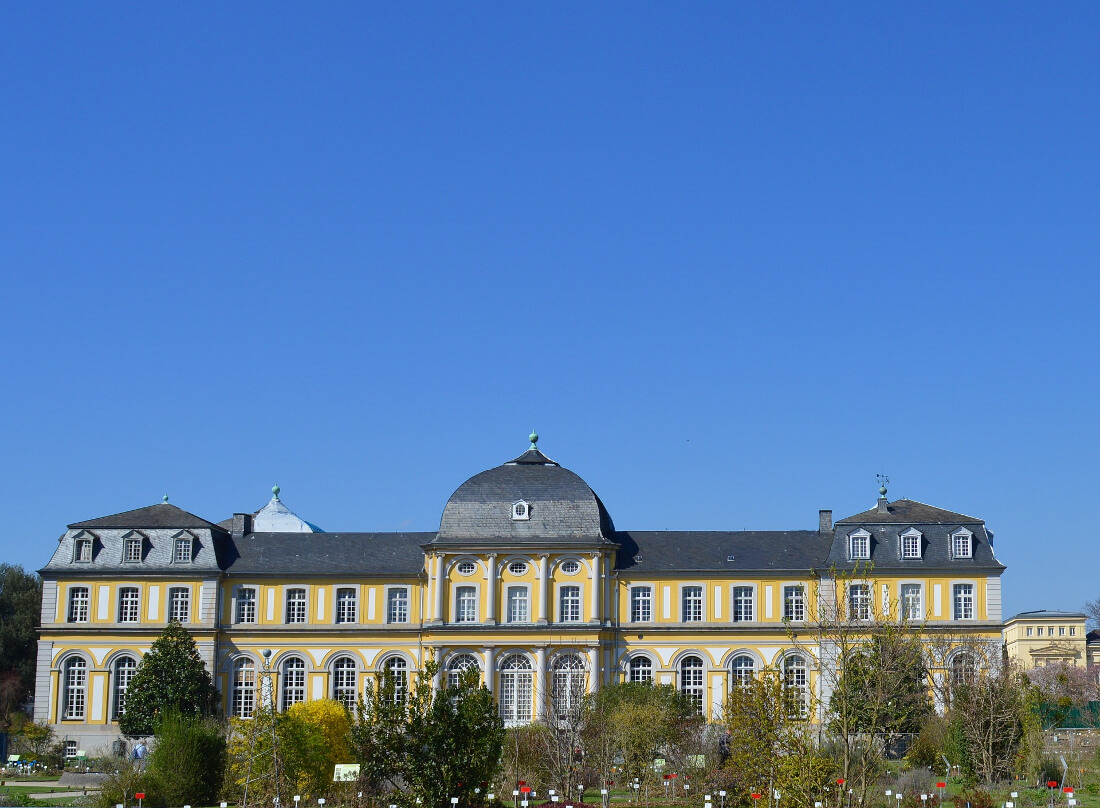
Botanical Garden and Poppelsdorf Palace
Town Hall and Market Square
Museum Koenig
The Art and Exhibition Hall
Bonn Museum of Modern Art
The Rhineland Museum
The Arithmeum A museum of antique calculation machine
The Academic Museum of Antiquities
Other Interesting Cities
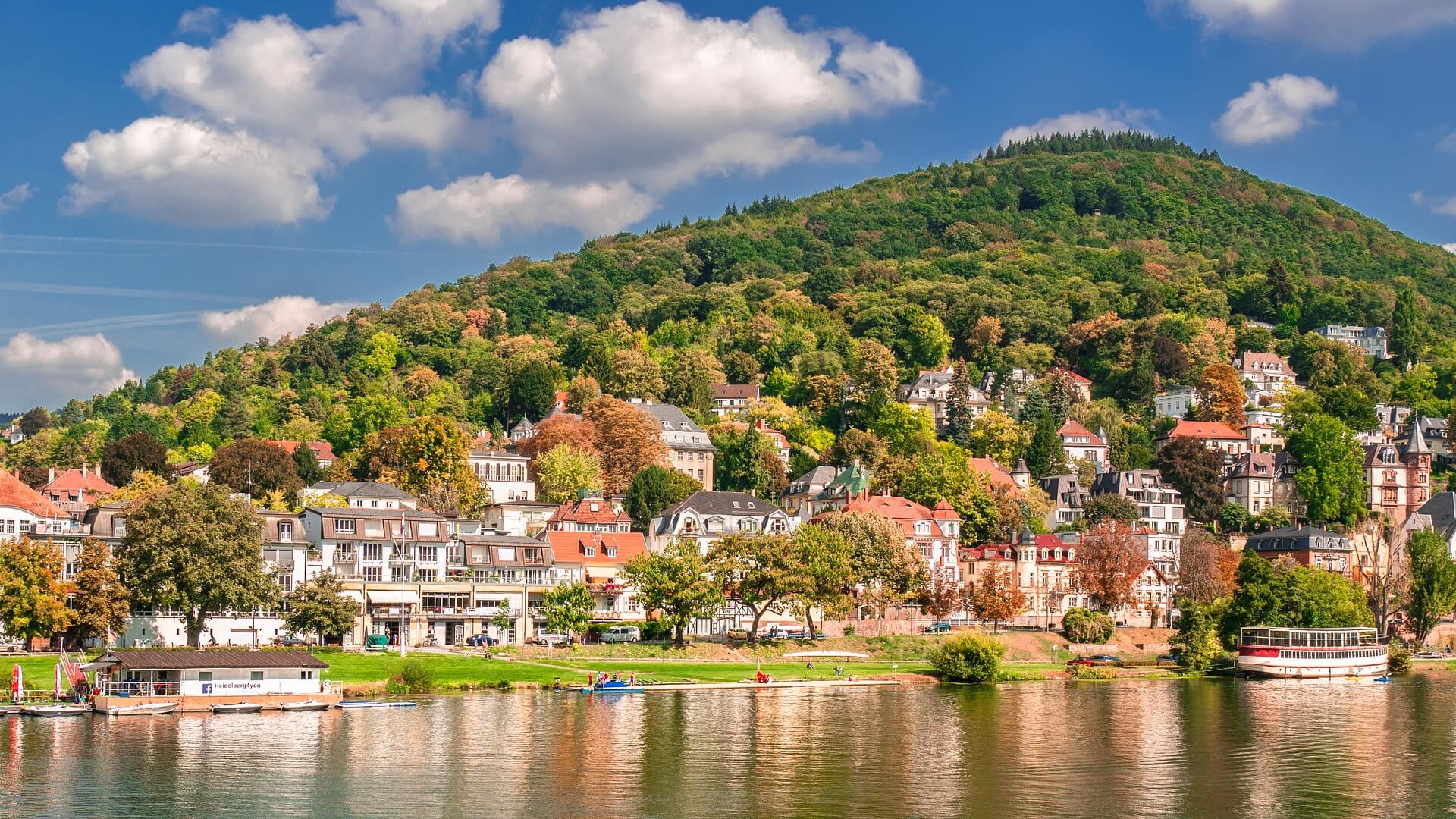
Heidelberg in southwestern Germany is considered to be one of the most magical destinations in Europe. A source of inspiration for poets, painters, philosophers and writers Heidelberg was a center for German Romanticism in the 18th century. Walking around its cobblestones streets inspired Mark Twain where he finished writing the Adventures of Huckleberry Finn.
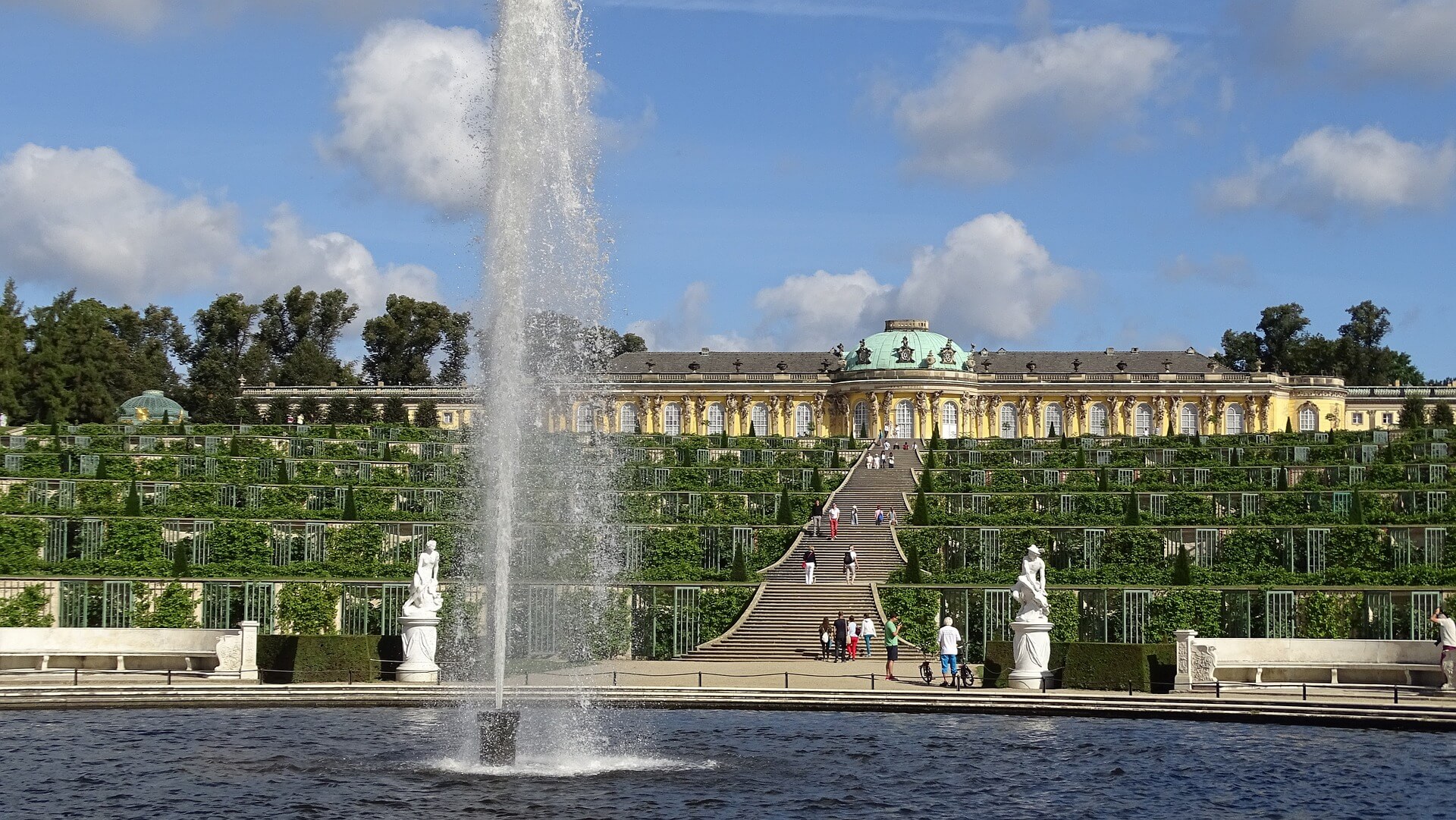
Potsdam is the capital of the state of Brandenburg and is most famous as the historical seat of the Prussian government. The cultural treasures of Potsdam have been recognized as a UNESCO World Heritage Site.
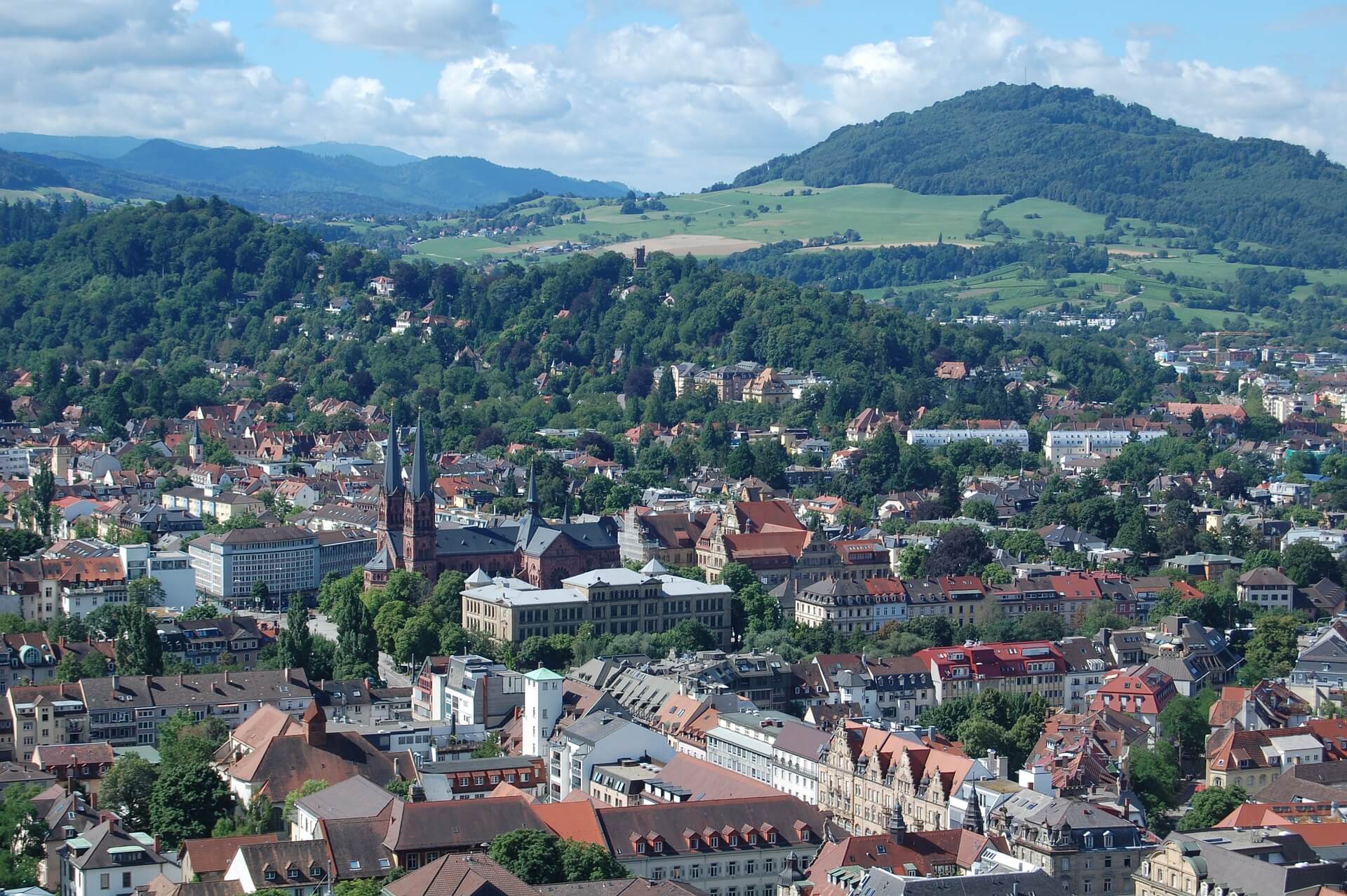
Freiburg is one of the oldest cities in Germany and has a rich culture filled with cafes, breweries and restaurants where you can enjoy traditional cuisine. The city center and historic buildings and churches are remarkable.
No Tour Found