


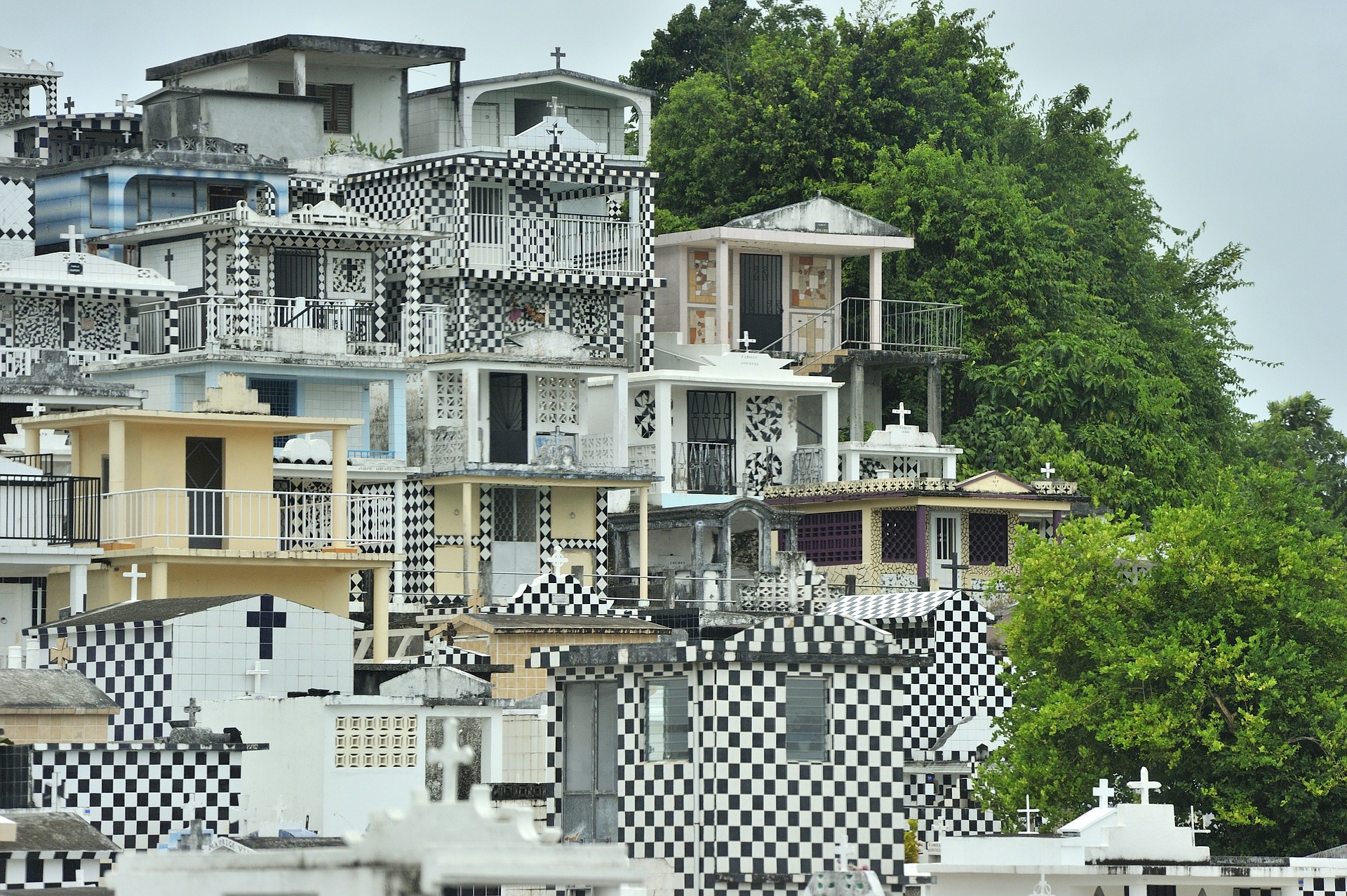
Guadeloupe was first populated by indigenous people 5000 years ago. The Arawak are the first identified group and they were displaced by the Kalina-Carib peoples in 1400 AD. Columbus “discovered” the island in 1493. The Spanish attempted to colonize the island in the16th century but were repulsed by the natives. In 1626, the French expelled the remaining Spanish settlers. In 1636, the Campaign des iles de l’Amerique took control in the name of France and brought in French farmers but went bankrupt in 1640 and sold Guadeloupe to Charles Hovel du Petit Pré who began plantations and brought in African slaves in1650 who revolted and fought for several weeks. The territory was annexed by France in 1674. During the Seven Year War, the British captured the islands and returned them to France under the 1763 treaty of Paris. During the French Revolution, England again invaded Guadaloupe but the French sent a Resistance Force and retook the islands and abolished slavery. More than 1000 French colonists were killed. In 1802, the First French Empire reinstated the pre-revolutionary government and slavery. The slaves rebelled and there was heavy fighting for several weeks. In 1810, Britain once again captured the island and ceded it to Sweden in the 1813 Treaty of Stockholm. In the 1814 Treaty of Paris, Sweden gave Guadeloupe to France. In 1815, the Treaty of Vienna acknowledged French control. Slavery was abolished in 1848. Guadeloupe is a French Overseas Possession administered by France. French is the official language and 80% of the people are Roman Catholic. The island’s population is 402,000 and 70% Creole. The two principal islands are Basse-Terre and Grand-Terre which are separated by the Salee River. Close to the islands are Montserrat to the northwest, Dominica to the south, Martinique, 74 mile south, and Saint Martin, 150 miles to the northwest.
Guadeloupe is part of the outer arc of the Lesser Antilles Volcanic Arc. It was founded by multiple volcanoes. It is part of the Leeward Islands which are downwind of the prevailing winds. Guadeloupe is vulnerable to hurricanes. With fertile volcanic soils, heavy rain falls and warm climate, vegetation on the island is lush. Forests have mahogany, ironwood and chestnut trees, mangrove swamps, large rain forests and dry forests. Forty percent of the land is forest. There were few terrestrial mammals aside from bats and raccoons.
The population is mainly mixed Creole and Africa-Caribbean. Music and dance interact and are heavily influenced by African, French and Indian cultures. A local adaptation is Zouk Music. Colorful native customs are worn on holidays. Guadeloupe’s cuisine is heavily influenced by African, European and Asian traditions. Favorite foods include poyo, bread plantains, Okra, cabbage, pigeon peas, yam and sweet potatoes. Cooking is spicy and seasonal. Fish is an important part of the diet and includes rays, snapper, octopus, lambis and sea urchins. Favorite foods include fish blaff, dombres, bebele, colombo and matete. Appetizers are accras, cassava cakes and bokit. Desserts are blancmange, sorbets and fruit salads.
Tourist Attractions:
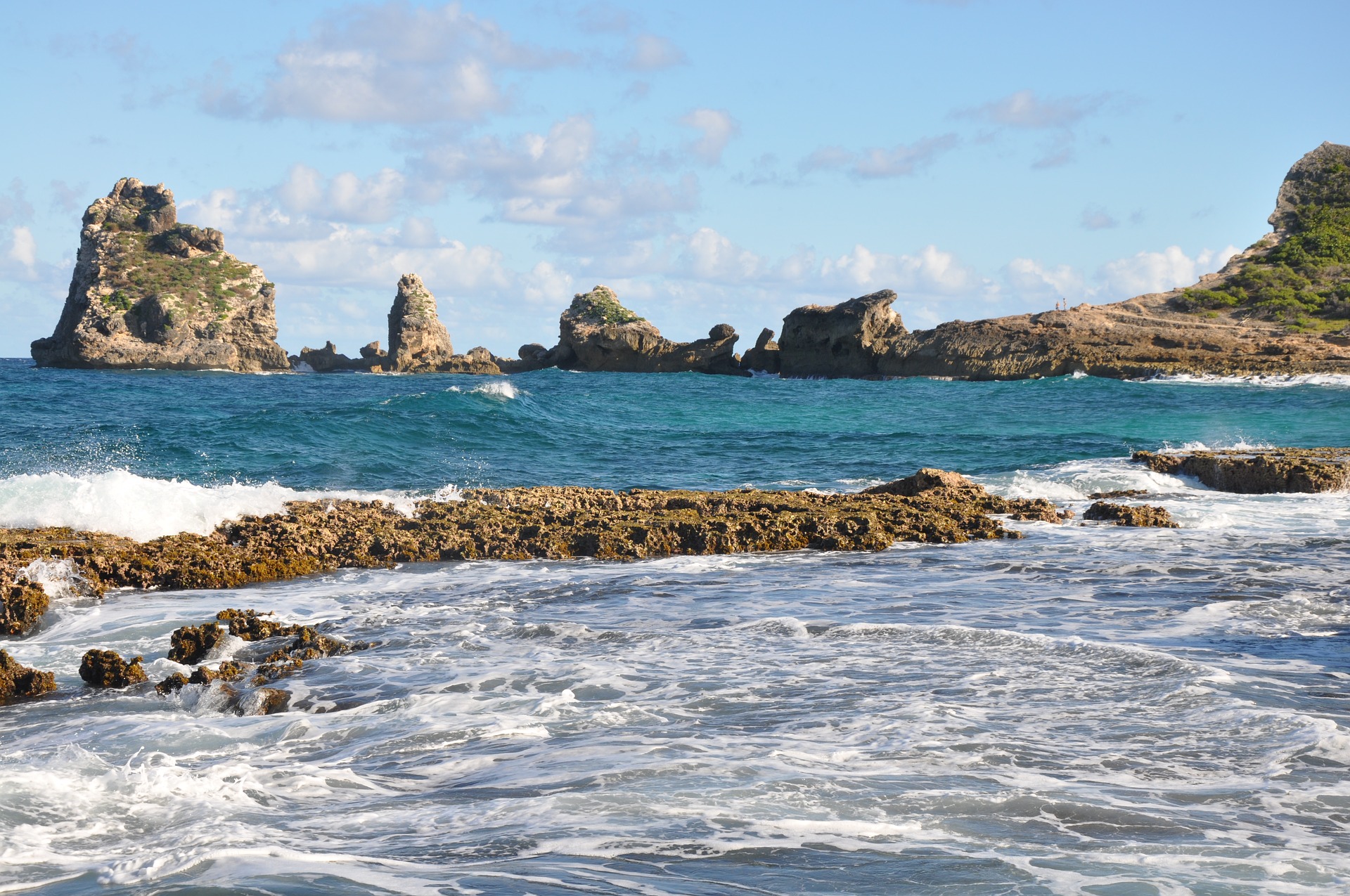
La Pointe des Chateaux scenic and botanical
Jacques Cousteau’s Underwater Reserve
Marie-Galante Island beach.
The Cities
The City of Ponte-a-Pitre
Ponte-a-Pitre is the largest city on Guadeloupe with a population of 18,000. It is located on the island of Grand-Terre. It is the economic center of the country and is where cruise ships dock.
Markets and Shopping Streets
Musee Saint-John Parse
Cathedrale de-St. Pierre et St.-Paul
Aquarium de la Guadaloupe
Memorial Ac Te Basse-Terre History of Guadaloupe and slavery
City of Basse-Terre
The City of Basse-Terre is the capital of the country and second largest city with a population of 12,000. It is set on a volcanic ridge in the heart of a dense rain forest. It is prone to volcanic eruptions.
Cathedrale Notre Dame da la Guadaloupe a 19th century church.
Guadaloupe National Park
Grand Cul-de-Sac Marin Natural Reserve Boat Tour
Carbet Falls (Cascades)
Sainte-Anne Beach Grand-Terre
Plage de Grande Anse beach
Jardin Botanique de Deshales Botanical Gardens
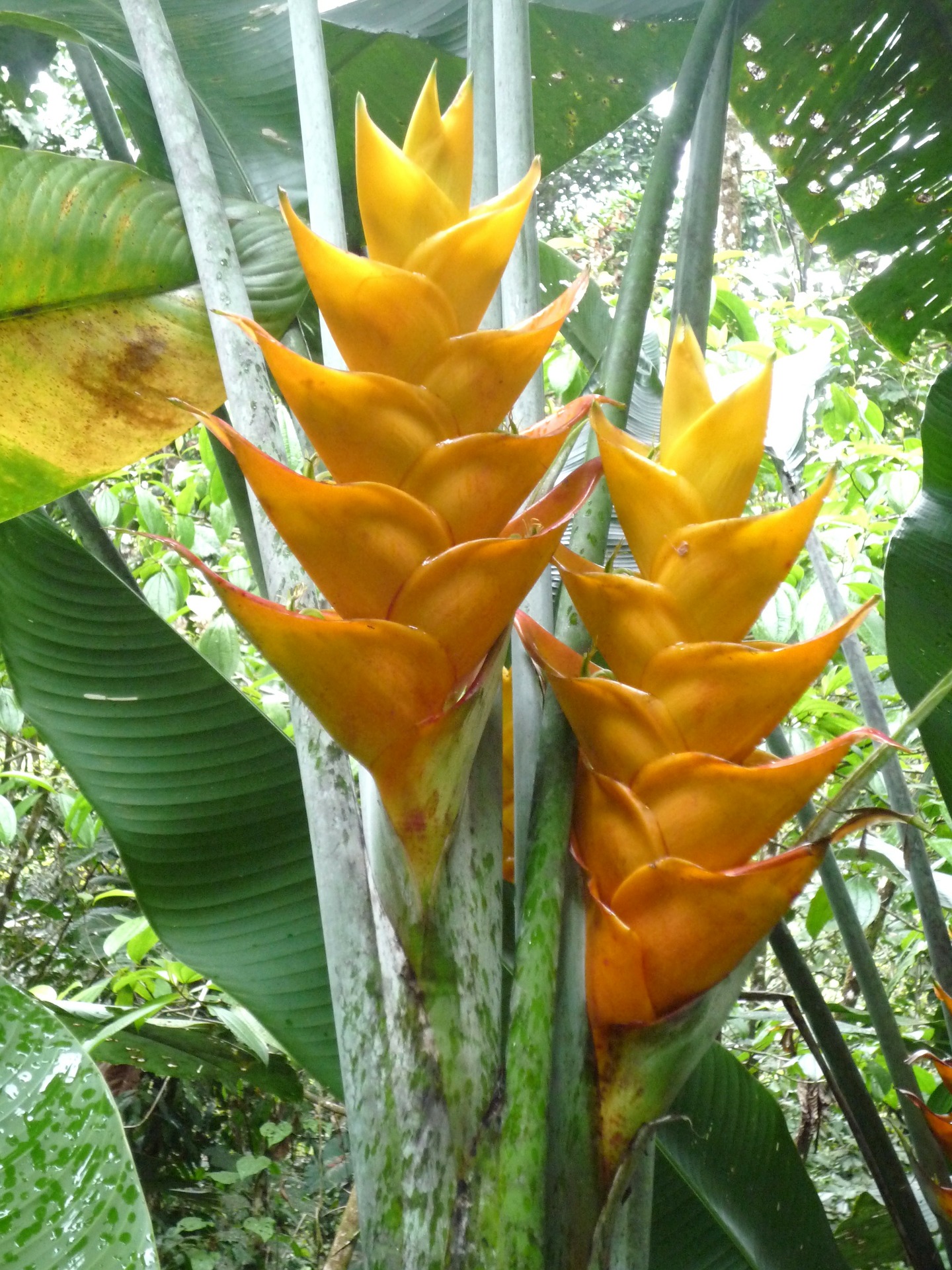
The island is covered almost entirely by a tropical forest and National parks, and visitors will find miles of trails among immense trees, gigantic foliage, tentacular lianes, tree ferns and colorful orchids. The “Parc des Mamelles” and the botanical Gardens stand as great guardians of Mother Nature. Climbing “La Soufriere” through the Chemin des Dames is not so difficult and arriving to the top is like landing on the moon, But you may wish to descend quickly, passing the three Chutes du Carbet, to avoid the rotten egg smell of the sulfurous fumes. Separating both wings of the butterfly is the Natural Reserve of Grand Cul de Sac Marin, where coralian reefs, mangrove, and sea turtles are routinely explored by snorkelers and fishermen alike. All along the high cliffs over the coast there are panoramic views of the white sand beaches lined with coconut trees.
Two main cities developed on Grande Terre, the capital Pointe a Pitre and le Moule, and both are proud of the Creole architecture of their buildings. In the countryside, quaint villages are usually comprised of small houses, called “case”, clustered around the village church. Everywhere le local cuisine smells so good. Fruits and vegetables have strange names, fresh fish and large prawns, les “ouassous” are prepared with spices or smoked in a wood fire. Bananas, coffee, and chocolate, muscade, cinnamon, vanilla grow locally and Rum, made in local distilleries, is the base of the “ti punch” when mixed with sugarcane and lime.
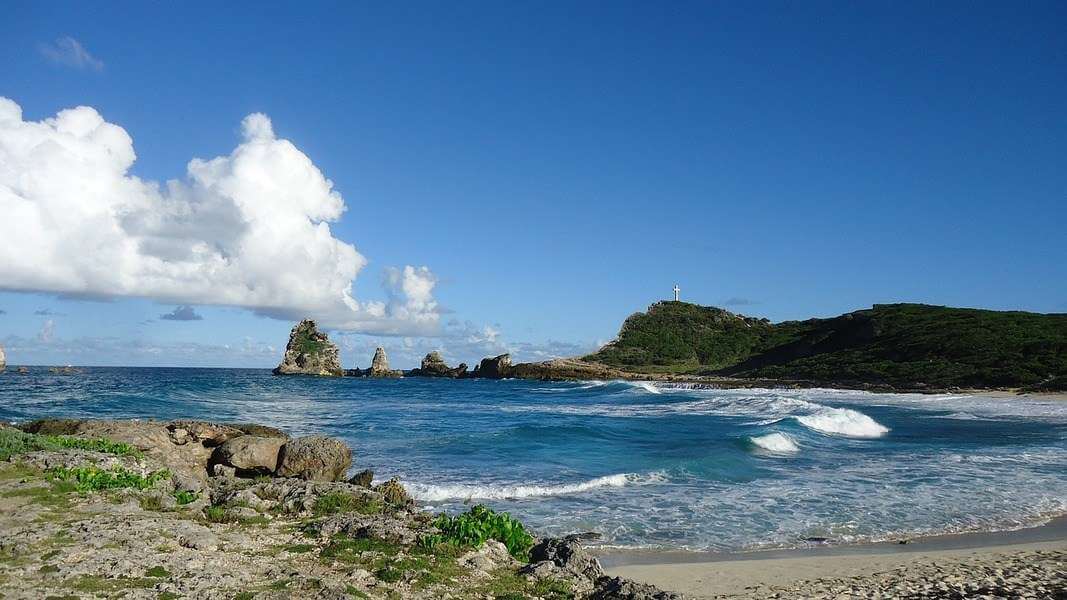
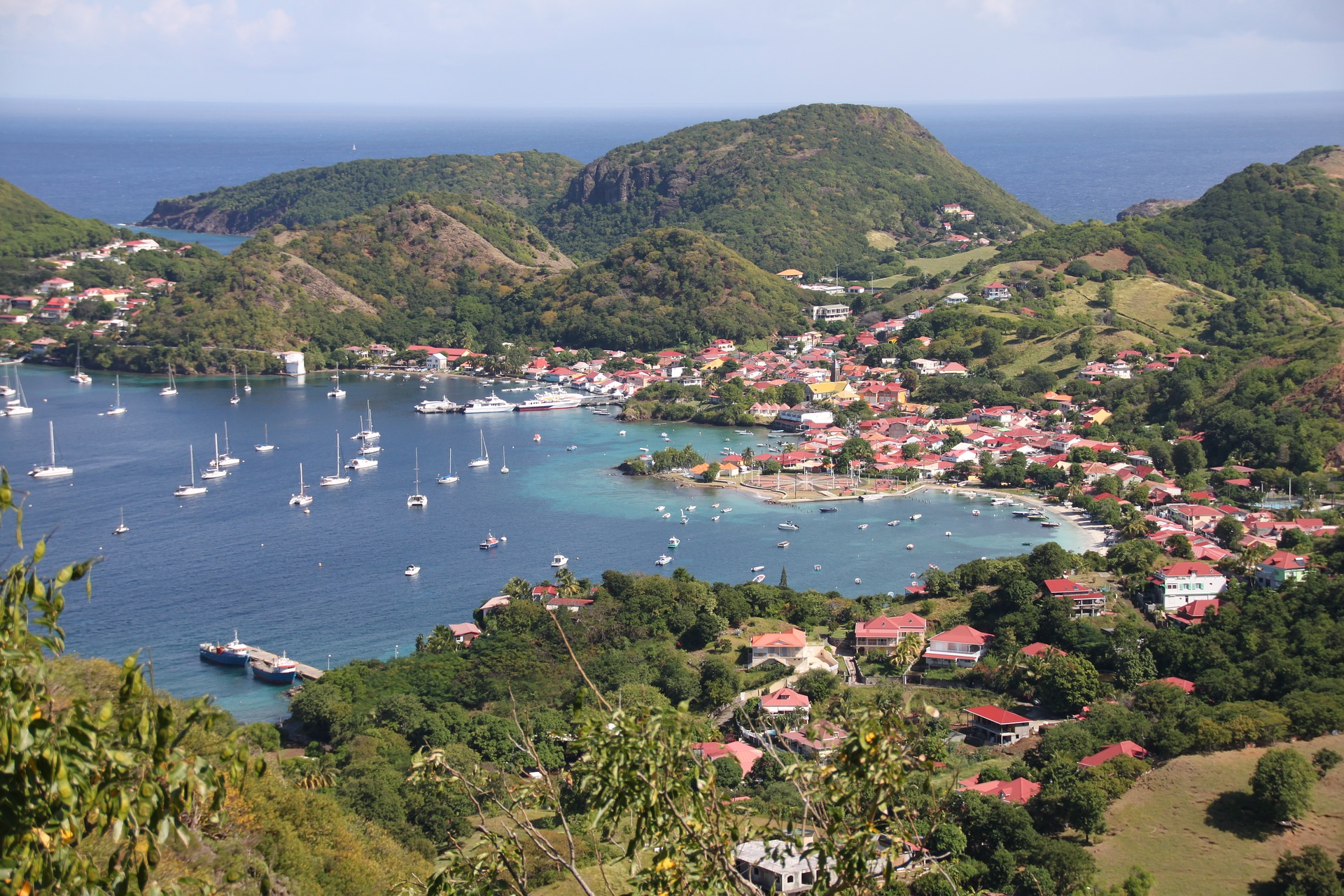
Les Saintes islands are only 10 miles away from Basse Terre. Few slaves came to these small islands and the locals are mostly descendants of Bretons and Normans. Beaches and sceneries are beautiful because of their incredible pastel colors of blue and green, and it is always possible to encounter turtles and iguanas there.
Marie Galante island is about 30 miles away. It is an agriculturally based community, with large fields of sugarcane and several rum distilleries
No Tour Found
No Tour Found