


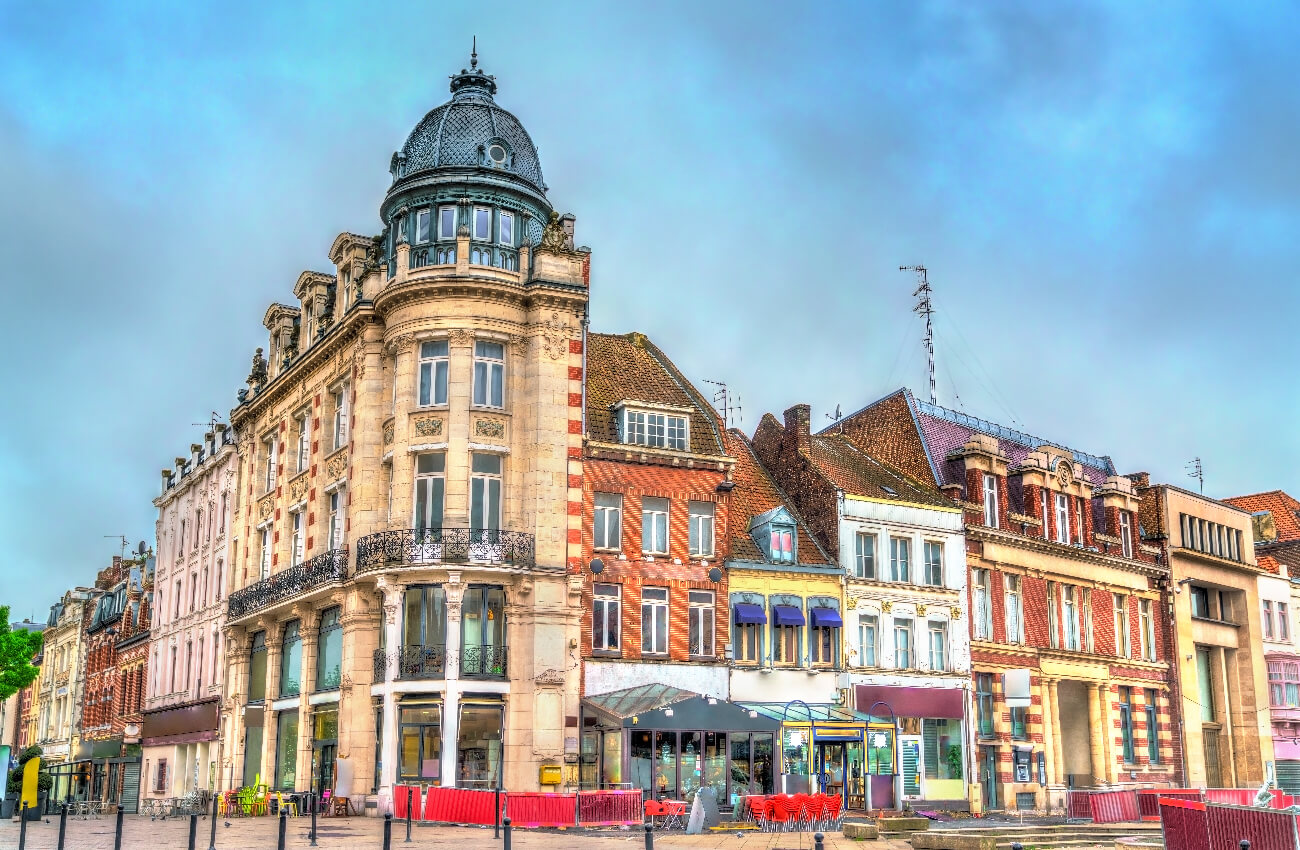
This new administrative region stands in the northernmost part of France, south of the Belgium border. When formed in 2016 it was merging the territories of the “North-Pas-de-Calais” with Picardie and Aisne.
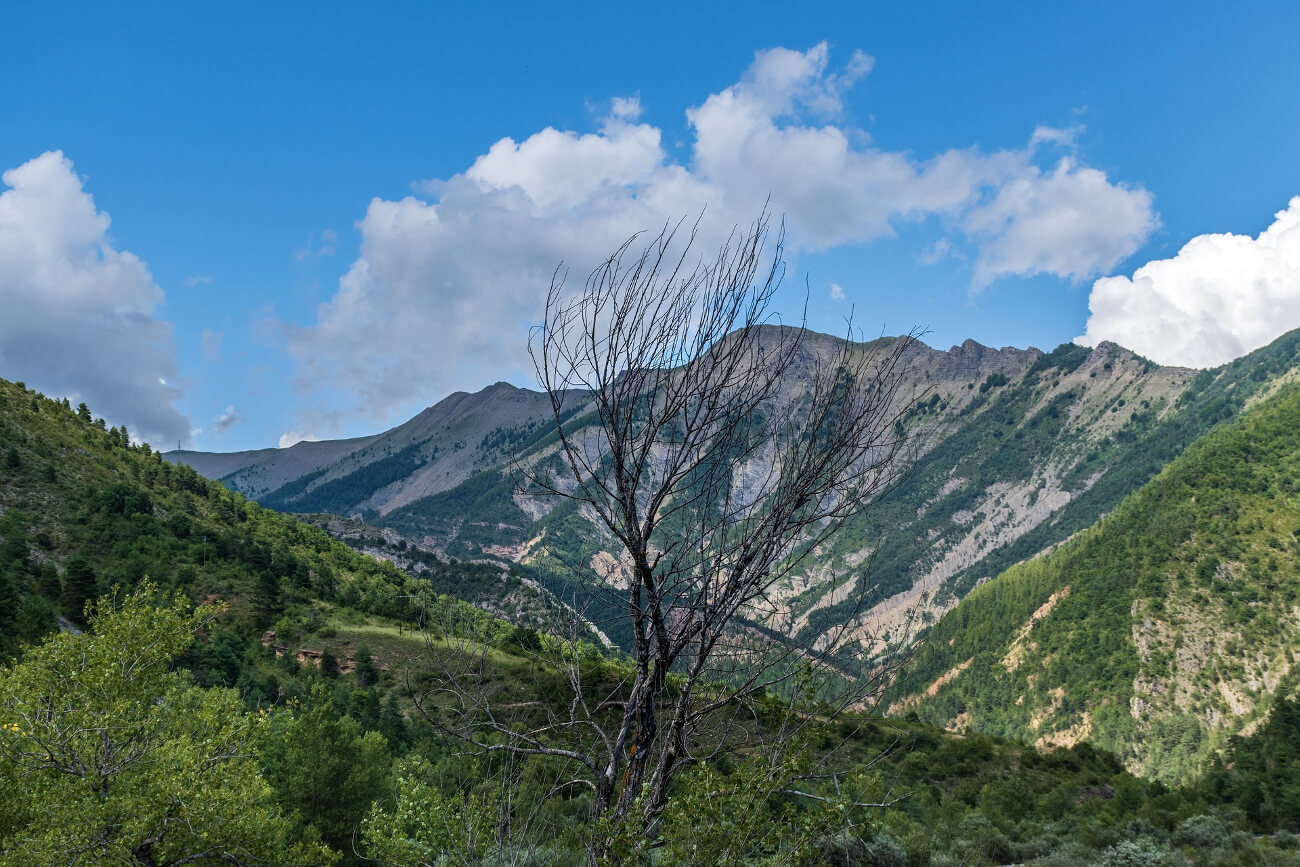
With cold winters, long lasting winter rains; the temperature averages around 68 degrees in the summer and in the high 30’s in the winters.
It was the cradle of the steel and textile industries and by being highly industrialized it is the 2nd most populated area of France. It is also at the crossroads with Europe and has 3 commercial ports: Dunkerque, Calais and Le Treport.
The region, les “Hauts-de-France” is mostly popular to tourists for the battlefields of the first and second world wars.
www.celestialvoyagers.com/history
It also offers a beautiful countryside and a wild coast along the English Channel where small resorts developed with gambling casinos, like in Le Touquet, Boulogne-sur-Mer or Berck-sur-Mer. Cathedrals like the one in Amiens, belfries like the one in Bethune and numerous castles are worth a visit.
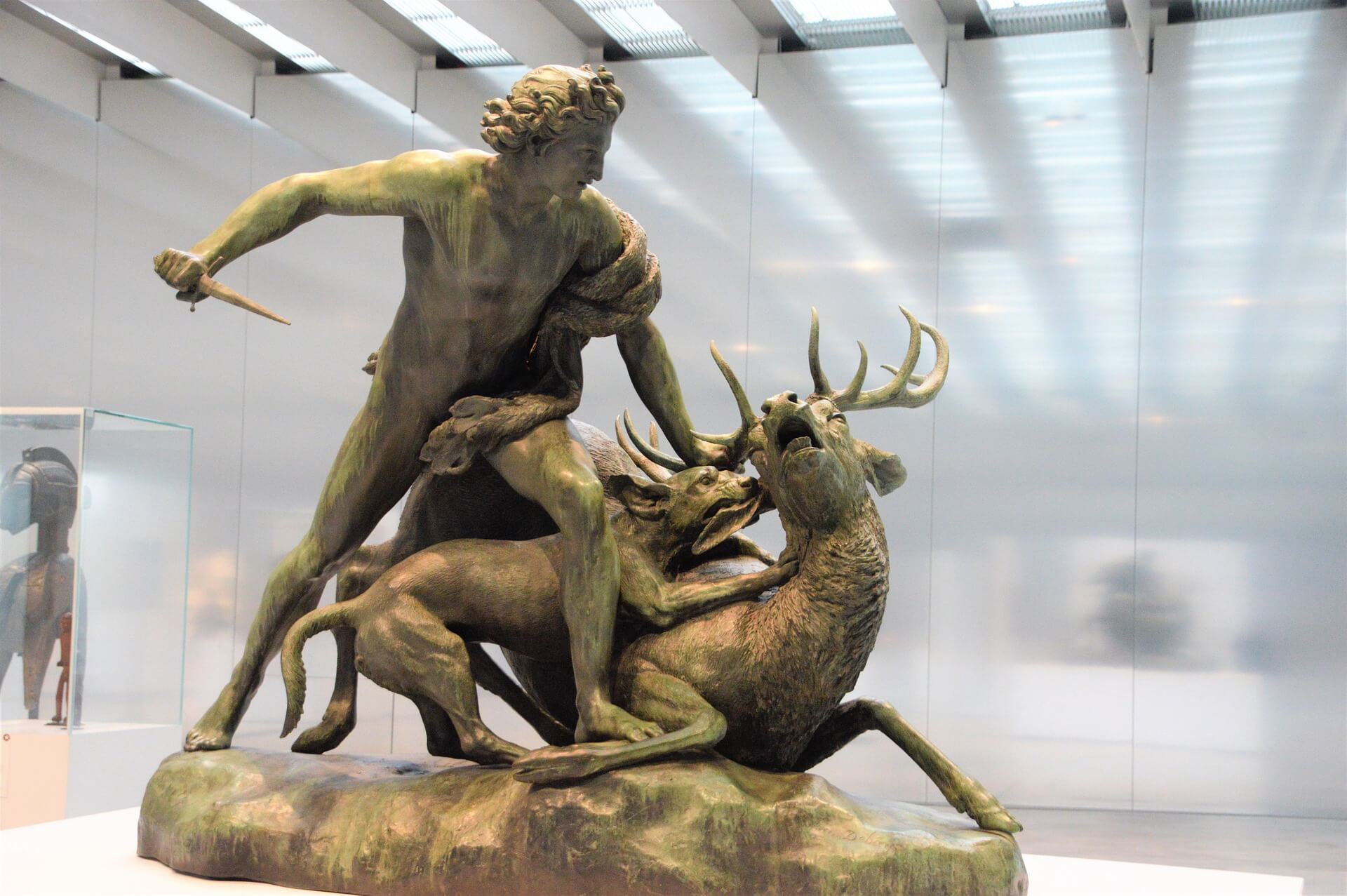
Inaugurated in 2012 the Louvre-Lens Museum was a project inspired by Bilbao and the Guggenheim museum to give hope to the town. Both wars had devastated the mining community. Then several catastrophic mining disasters killed miners tragically. The last mine closed in 1986. On one side it was considered that the Louvre’s national collections should be accessible to everyone. A strategy was put in place for a decentralization outside Paris and it was representing for the community a commitment to revive the region through culture and education.
The proximity of Belgium has a strong influence on the local cuisine. Beer is more popular than wine. The region produces cider, beer and Champagne. There are 26,000 hectares of Champagne vineyards and local beer is brewed in many places.
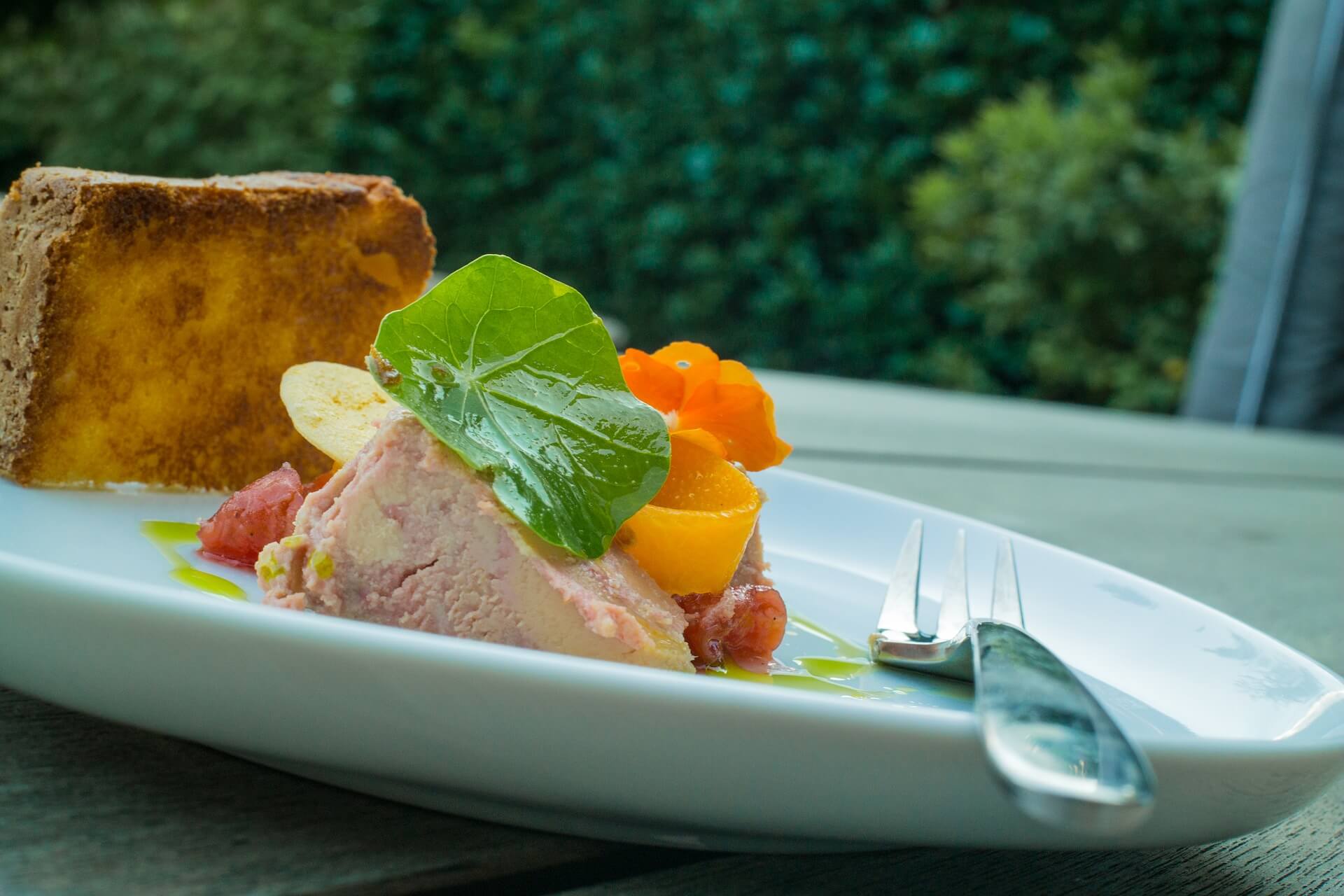
Amiens Duck Pate more commonly called “Pate en Croute” is a specialty from Picardie; it is made with duck, baked in a thick pastry crust with the duck meat often mixed with “foie gras” and pistachios.
Flamiche: It could be compared to the Quiche Lorraine but it originated in Picardie. It is a pastry tart made with puff pastry and filled with leeks and cream
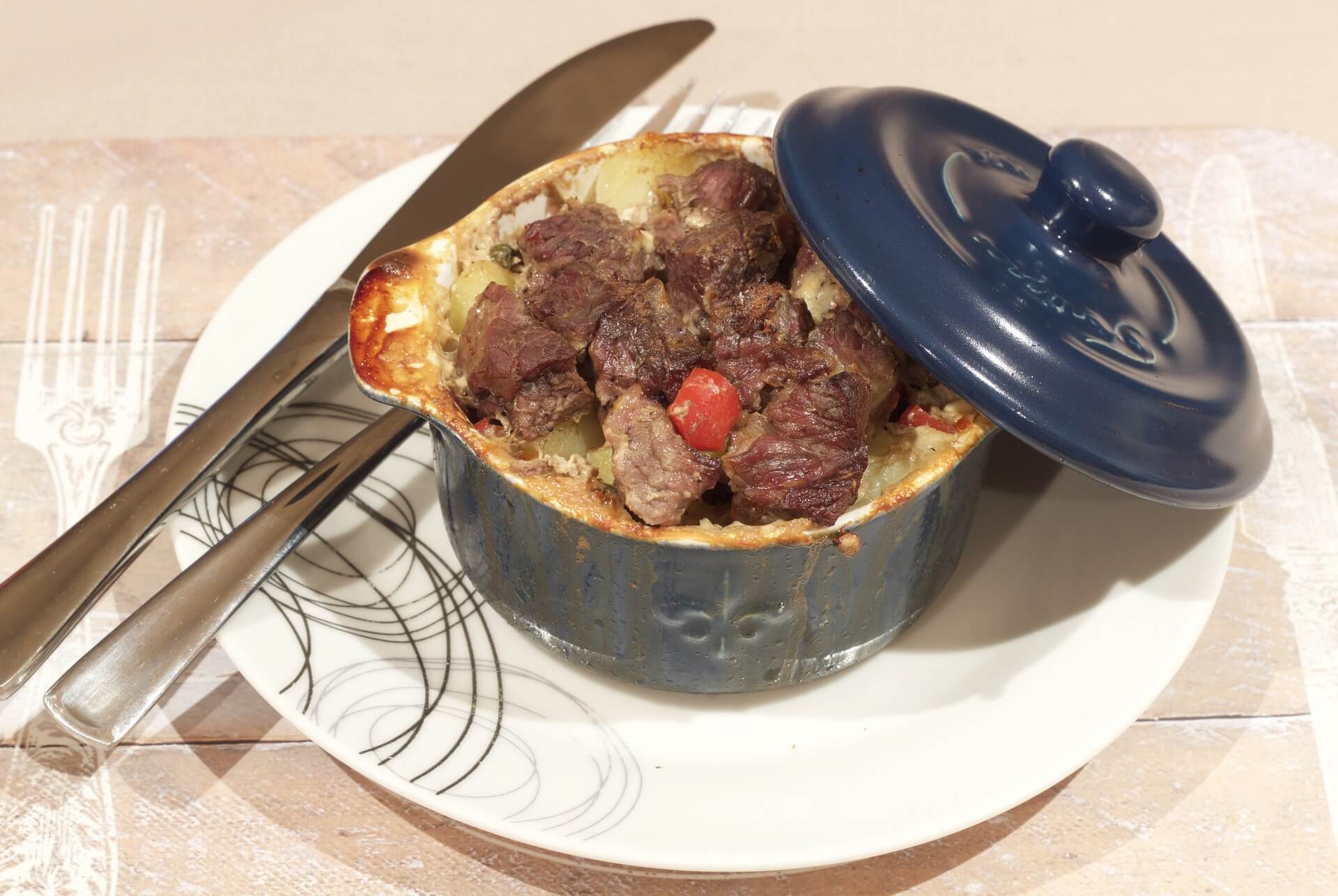
Flemish Carbonnade: this is a beef stew cooked in ale beer with plenty of onions. It taste a little sweet and sour; the sweet flavor comes from the onions and the sour from a touch of mustard and vinegar
Cheese: among the hundreds of French cheeses, the region has some delicious specialties such as the “Gris de Lille” and the famous Maroilles used to make the “Maroille Pie”. It takes its name from the village where it is made and is known for its very strong smell.
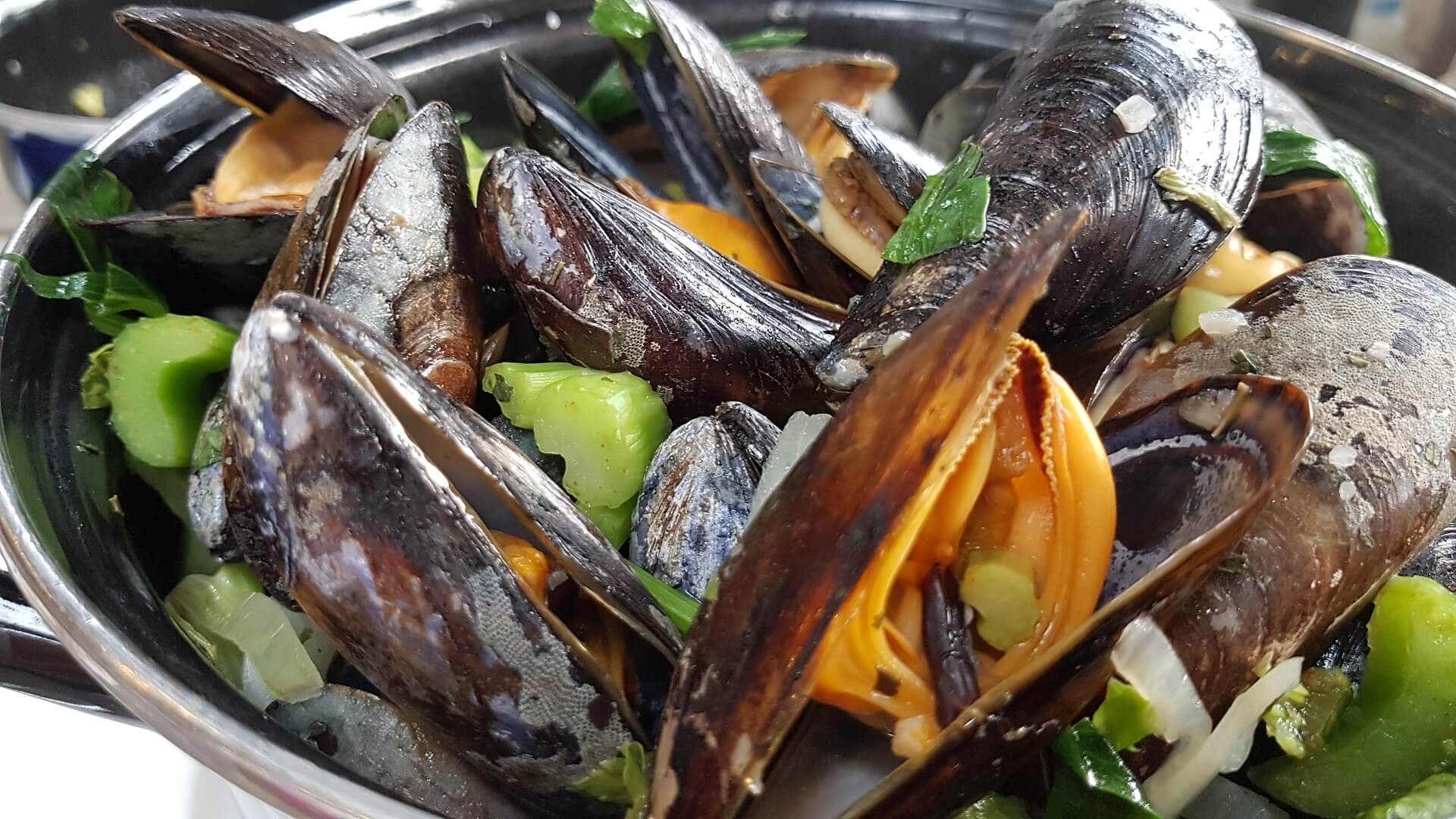
Moules – Frites: Very popular in many countries the dish originated in Belgium but is widely consumed in this part of France. Produced on the Flemish coast, mussels are served with french fries; mussels originally replaced fish when no fish was available in winter. They can be served in many different ways: “moules marinieres” probably are most common with white wine, parsley and shallots, “moules nature” just steamed, “moules a la creme” in a creamy sauce, “moules a la biere” replacing wine with beer, “moules a l’ail” cooked with slices of garlic etc…
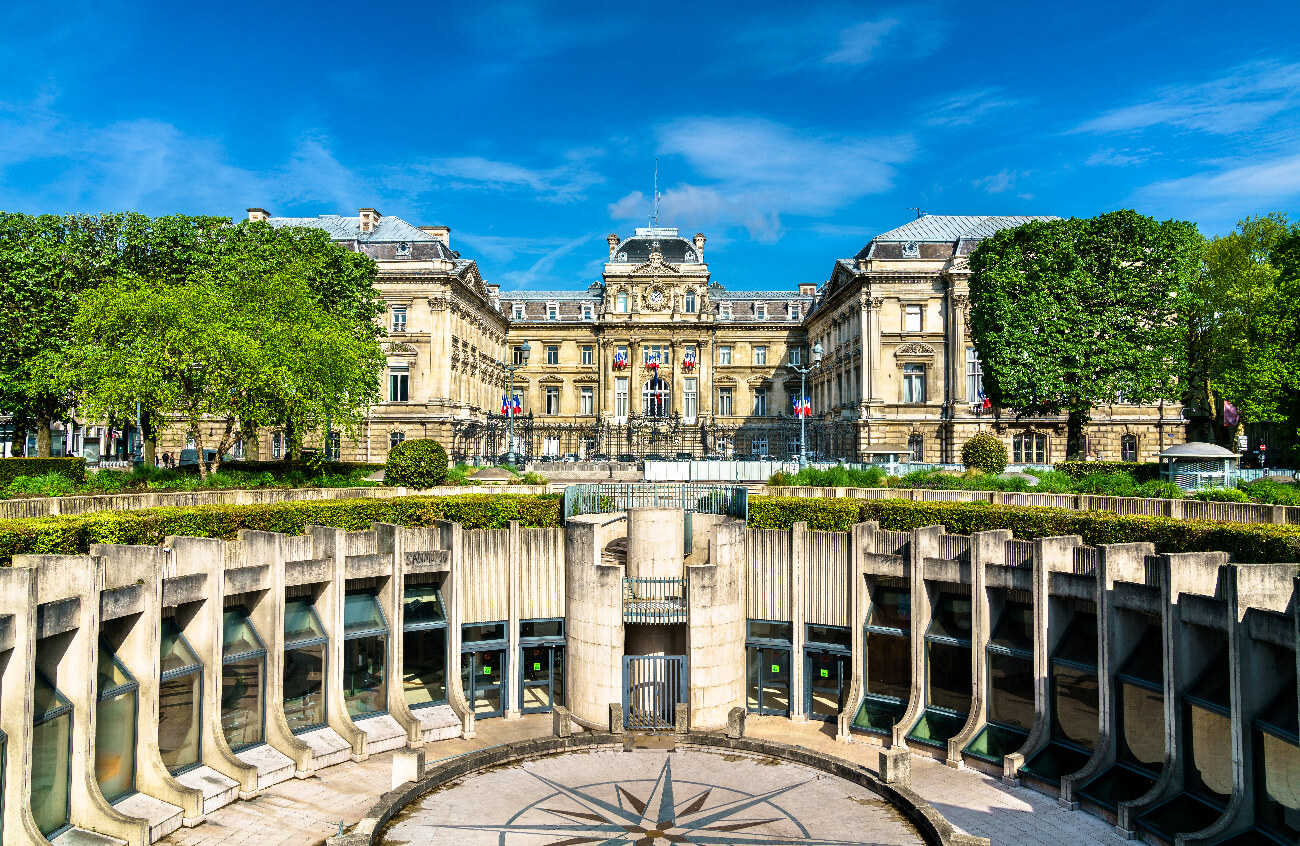
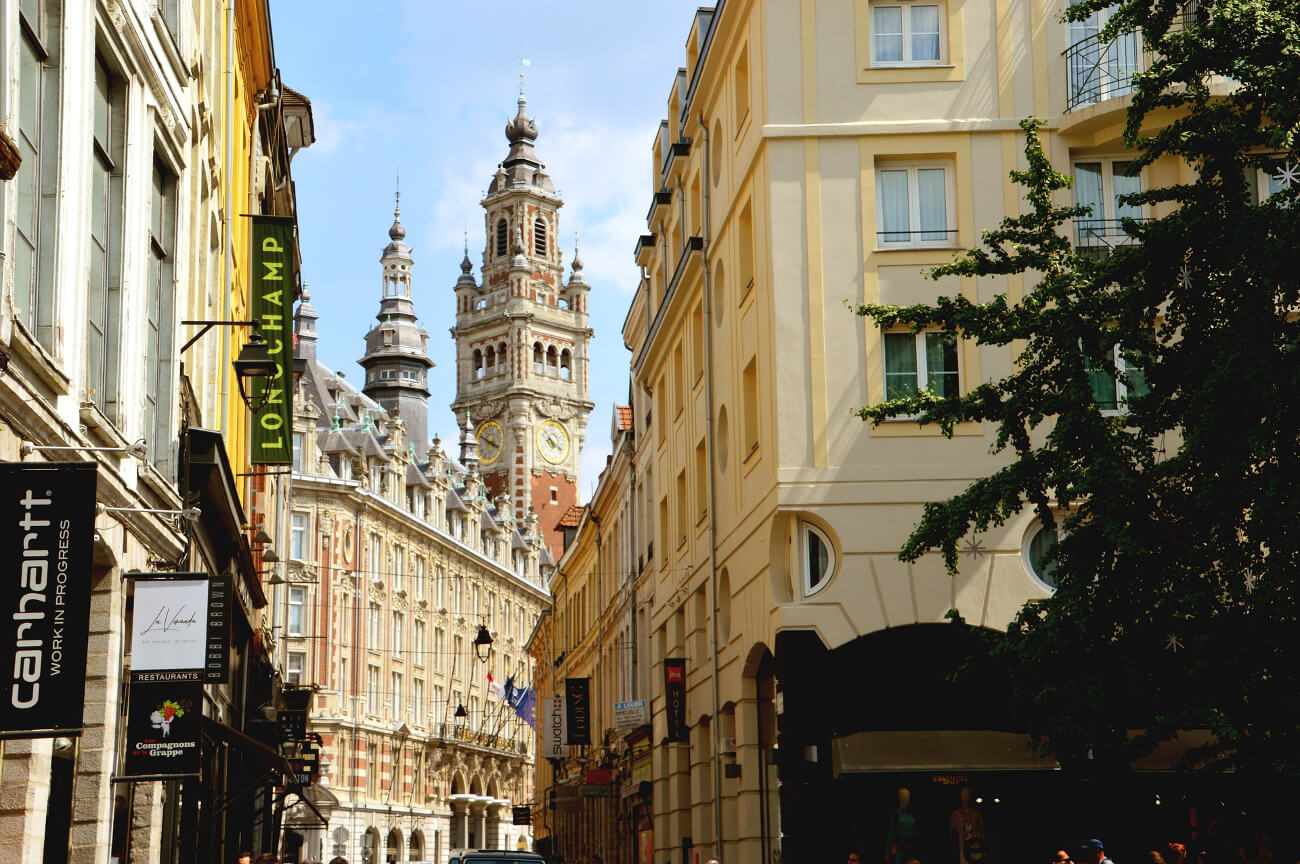
The Capital of the “Hauts de France ” Lille is more known as the Capital of the French Flanders. It has kept its original Flemish character as it grew widely from a merchant city to a manufacturing city, becoming an industrial capital around textiles and mechanical industries.
The Old City dates back to the 17th century with its red brick townhouses and the Grand’ Place where stands the Town Hall and its belfry which is one of the 23 belfries of the region which are all classified Unesco Heritage Sites.
Today Lille is known as the European Metropolis of Lille (MEL) a network of Lille, Roubaix, Tourcoing and other surrounding towns and villages forming the 4th largest metropolis in France with close to 1.2 millions inhabitants.
Lille is the 3rd largest university center after Paris and Lyon with 110, 000 students.
It is also well known for the “Braderie de Lille” an annual event taking place the first Sunday of September since the 12th century. It is a huge flea market attended by more than 10, 000 sellers who are lining their stalls over 62 miles of roads. It goes non-stop for 33 hours; between 2 and 3 million visitors usually take part in this amazing event, coming from all over Europe. The atmosphere is very festive with concerts and chips competitions at which 500 tons of mussels will be eaten.’
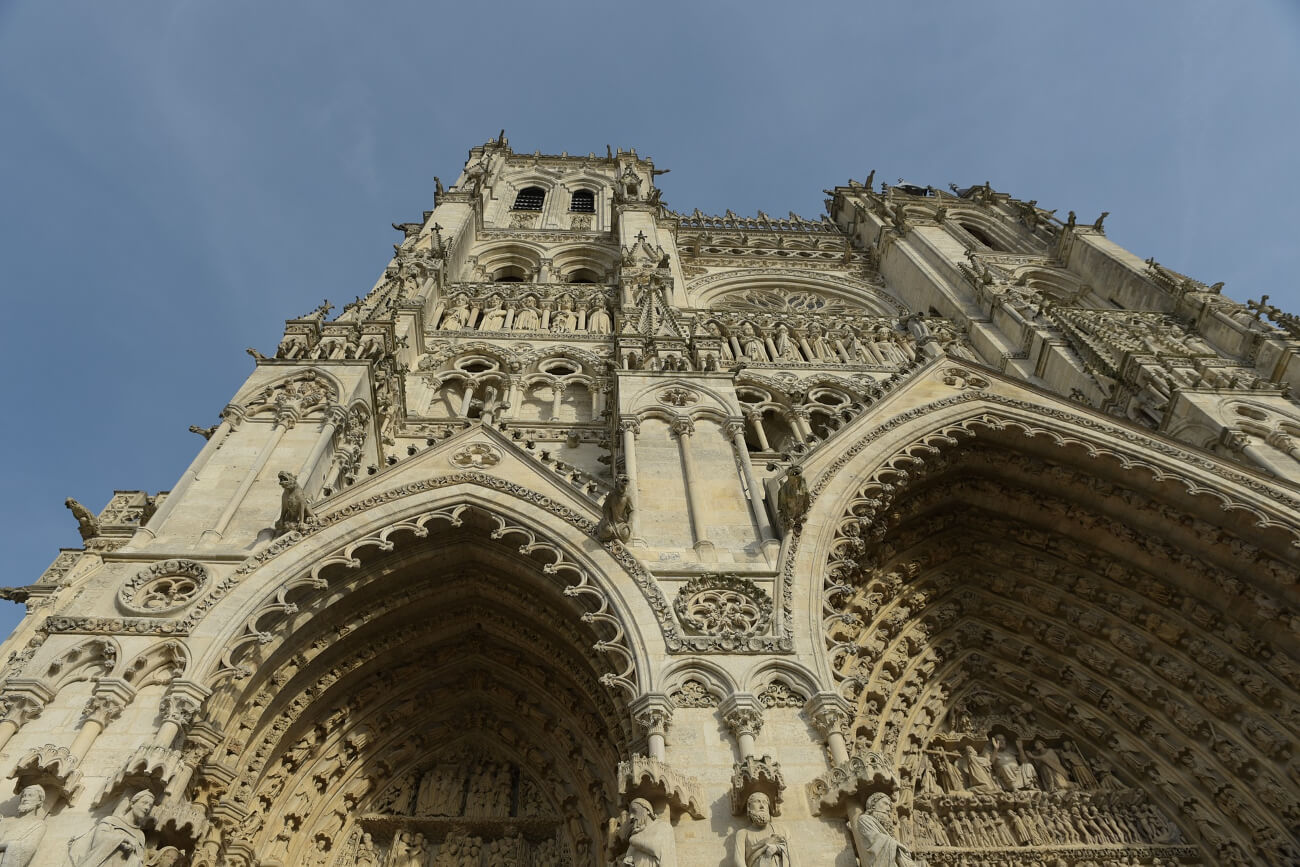
The Somme River crosses the city of Amiens. Fought over during the first and second world war Amiens was badly damaged during the various battles which took place nearby. The main landmark is the Cathedral Notre Dame built almost entirely between 1220 and 1270 giving an unusual unity in its architectural classic example of what is called High Gothic style.
The Picardie Museum has interesting collections of artifacts ranging from Prehistoric times to the 19th century.
Jule Vernes lived and died in Amiens. You can visit the house where he used to live.
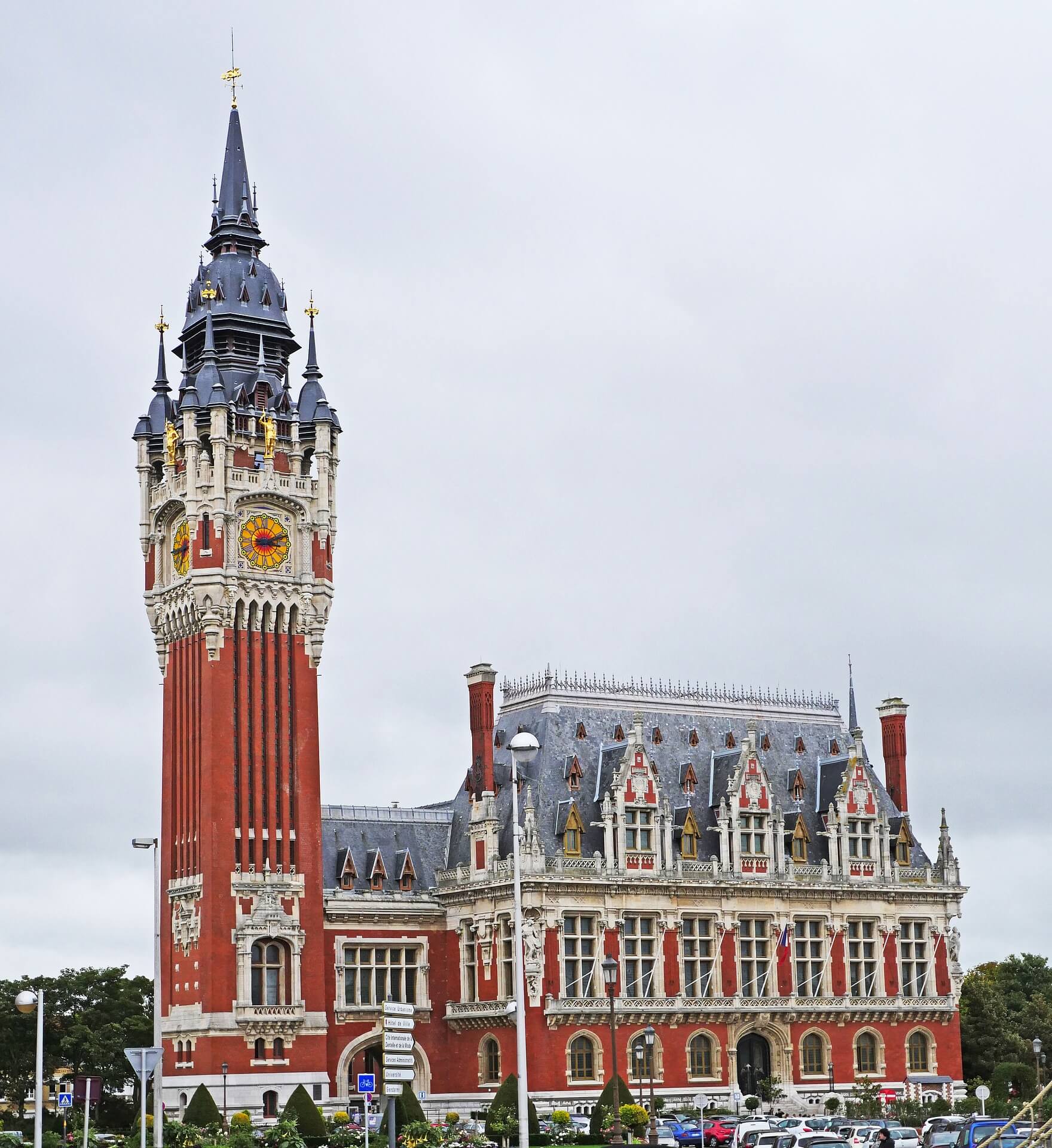
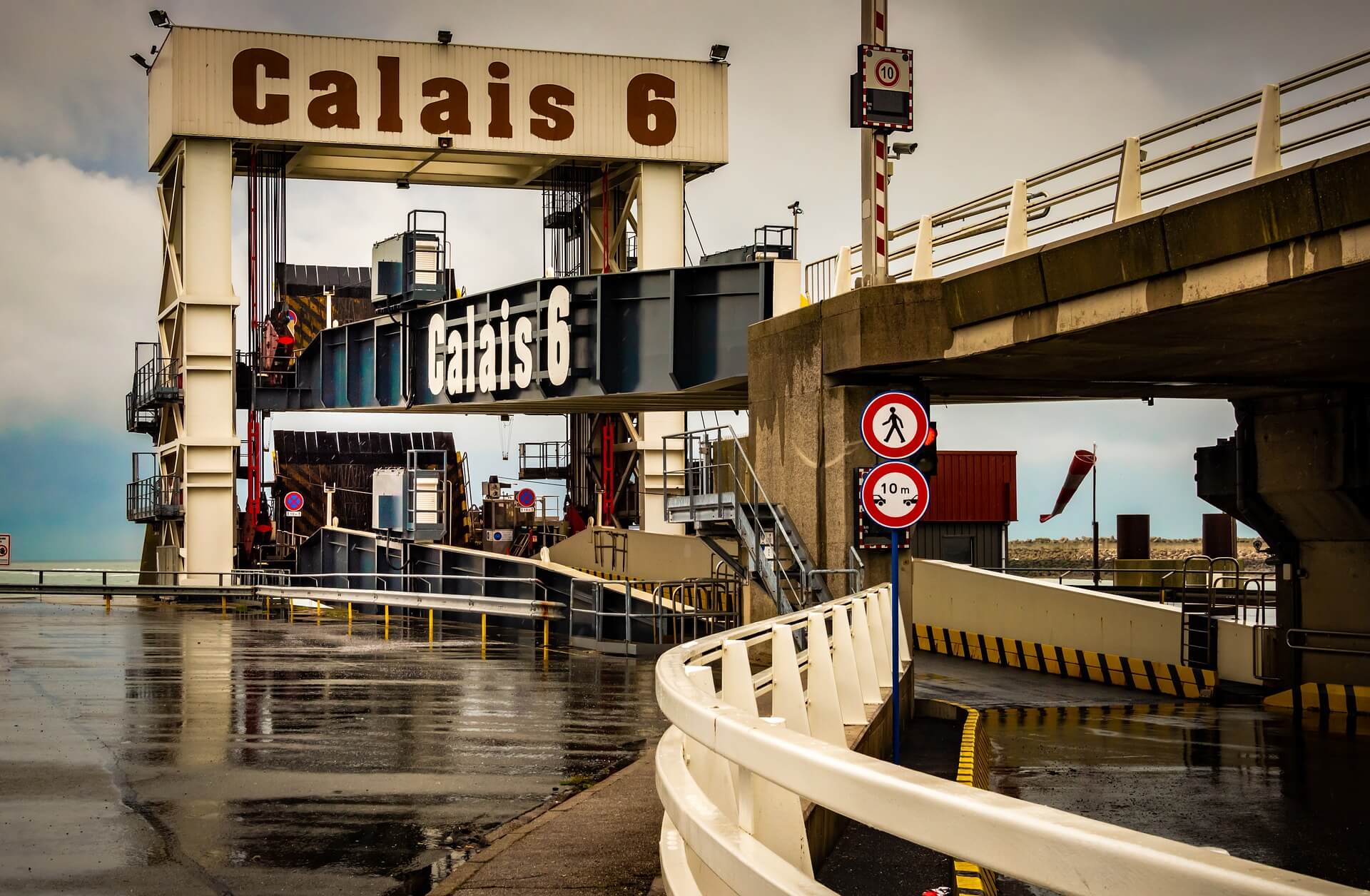
Calais overlooks the strait of Dover, the narrowest point separating France and England; a strait which is only 21 miles wide. It is the French town closest to England and on a clear day you can see the white cliffs of Dover. It is a major commercial port with heavy traffic with England but also a fishing port. Since 1994 the Channel tunnel has been open, to supplement the numerous ferries.
The city belonged to England for more than 200 years, between 1347 and 1558.
It was completely raised to the ground in World War II.
The city is known also as the “City of lace and fashion”.
When visiting Calais you can see the Lace Museum, the City Hall with its beautiful belfry, the lighthouse, the Citadel with the Chateau and you should not miss one of Rodin’s most famous sculptures, the Burghers of Calais commemorating the Hundred Years War event when Calais surrendered to the English after an eleven-month siege.
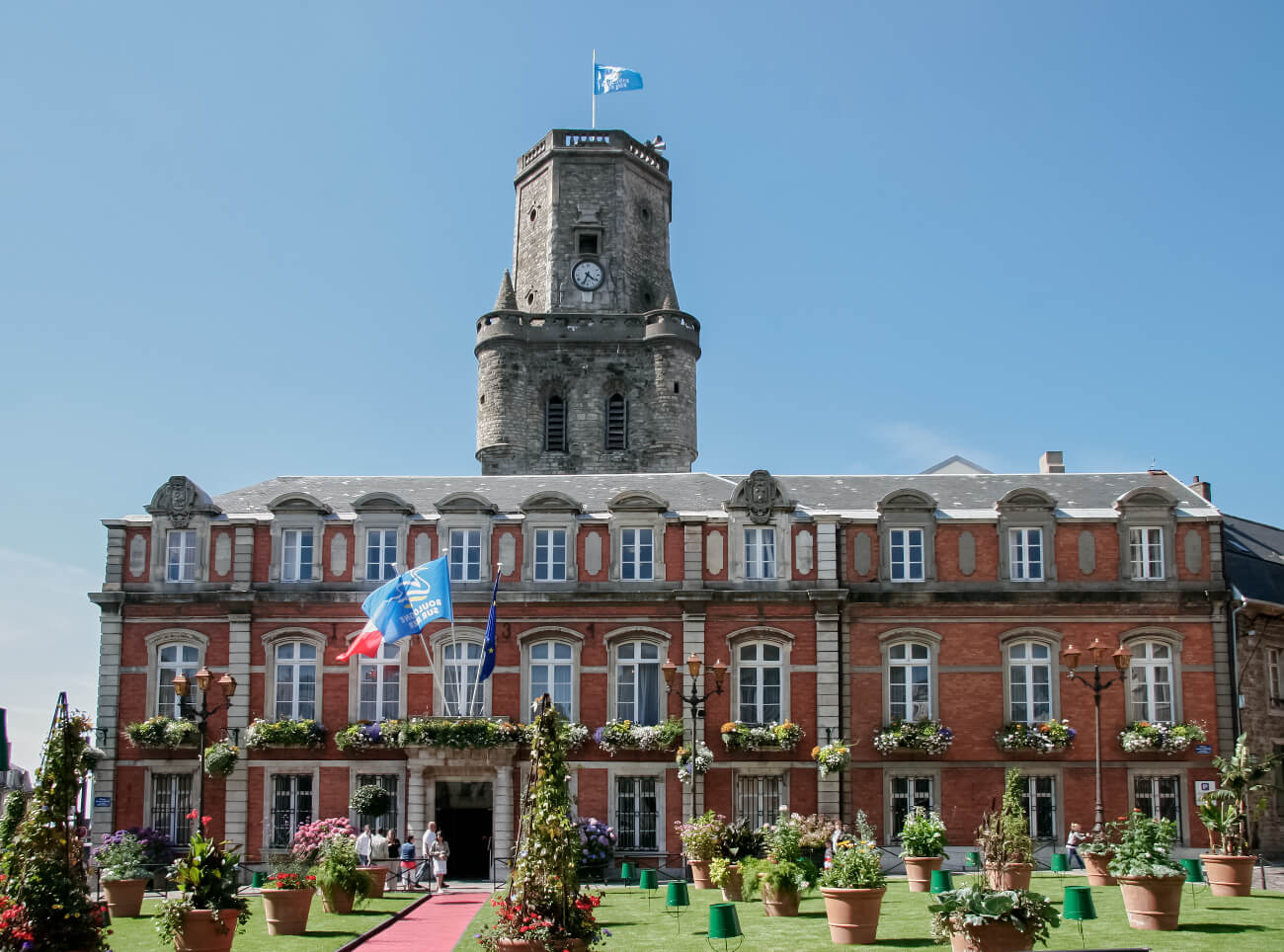
This ancient town used to be a major Roman port trading with the Roman province of Britain.
Now it is France’s largest fishing port, specializing mostly in herrings.
As a resort it is quite pleasant with its nice sandy beaches outside the old town which
is fortified and surrounded with ramparts. Four gateways allow entry. A visit is quite worthwhile. You will see the Basilica of Notre-Dame rebuilt in the 19th century after being destroyed during the Revolution; its dome dominates the skyline.
Enjoy the shops and cafe in the pedestrian Rue de Lille, just outside the cathedral.
The castle is part of the fortifications. The drawbridge and moats seem intact as they have been fully restored.
No Tour Found
No Tour Found