


Iceland is a Nordic country in the North Atlantic Ocean and the most sparsely populated country in Europe with slightly less than 350,000 people. It is closer to continental Europe than to mainland North America, although it is only 180 miles from Greenland, an island of North America. Iceland is the world’s 18th largest island and second largest in Europe after Great Britain. Iceland contains 40,000 square miles with 62% tundra, 14% lakes and glaciers and only 23% has vegetation. Many fjords punctuate its coastline. The country’s interior, the Highlands, is a cold and uninhabitable combination of sand, mountains and lava fields. The capital and largest city is Reykjavik and surrounding areas with satellite towns in the southwest are home to over two thirds of the population. Iceland is the only part of the Mid-Atlantic Ridge that arises above sea level and its central volcanic plateau is erupting almost constantly. Iceland is warmed by the Gulf Stream and has a temperate climate despite being just outside the Arctic Circle. It has lava and sand fields, mountains, glaciers and many glacial rivers. According to the ancient manuscript Landnamabok, Iceland was settled in 874 AD by the Norwegian chieftain Ingolfr. In the centuries that followed other Scandinavians settled bringing with them thrails (slaves or serfs of Gaelic origin) The island was governed as an independent commonwealth under the Althing, one of the world’s oldest functioning legislative assemblies. Iceland accepted Norwegian rule in the 13th century and then came under the Kalmar Union established in 1397 which united the kingdoms of Norway, Denmark and Sweden. Iceland’s struggle for independence culminated in independence in 1918 and the founding of the republic in 1944. Until the 20th century its economy relied on fishing and agriculture. With the aid of the Marshall Plan after World War II Iceland became one of the wealthiest and most developed nations in the world and diversified its economy with finance, biotechnology, and manufacturing. Iceland runs almost completely on renewable energy. Icelandic culture is founded on its Scandinavian heritage. Most Icelanders are descendants of Nordic and Gaelic settlers. Icelandic, a North Germanic language, is descended from Old West Norse. The country’s cultural heritage includes traditional Icelandic cuisine, literature and medieval sagas. Iceland has no standing army and a lightly armed coast guard.
Plant life consists mostly of grassland, which is regularly grazed by livestock. The most common native tree is the northern birch along with aspens, rowans and common junipers and other small trees, mainly willows. The island was extensively forested with 30% of the land covered with trees but has been largely deforested. When humans arrived, the only native animal was the Arctic Fox. Today, the island’s animals include sheep, cattle, chickens, goats, the sturdy Icelandic horse and the sheepdog all imported by Europeans. Many species of fish live in the nearby waters and fishing is a major part of Iceland’s economy. Iceland has only 1300 insects and is free of mosquitoes.
Iceland’s official written and spoken language is Icelandic and has changed less than the other Nordic languages. English and Danish are compulsory subjects in school. English is widely understood and spoken. Icelanders have freedom of religion under the Constitution although the Church of Iceland, a Lutheran Church, is the state church and 67% of the population are members.
Culture
Icelandic culture has its roots in North Germanic traditions. Icelandic literature features sagas and eddas that were written during the Middle Ages. Income equality is high and the Constitution prohibits the enactment of noble privileges, titles and ranks. Equality between the sexes is very high. In 2011, Reykjavik was designated a UNESCO City of Literature. The best known literature is classical works of Icelandic sagas, set in Iceland’s age of settlement over 1000 years ago. The most famous include Njals saga about an epic blood feud and Erika Saga describing the settlements of Greenland and Vinland (modern Newfoundland). The distinctive rendition of the Icelandic landscape by local artists can be linked to nationalism and the movement for home rule and independence, which was very active in the mid-19thcentury. Much Icelandic music is related to Nordic music and includes folk and pop traditions. Traditional music is strongly religious. Hymns both religious and secular are particularly well developed.
Cities
Iceland’s major cities are: Reykjavik, the capital 129,000 population and Kopavogur, a suburb of the capital with 37,000 people.
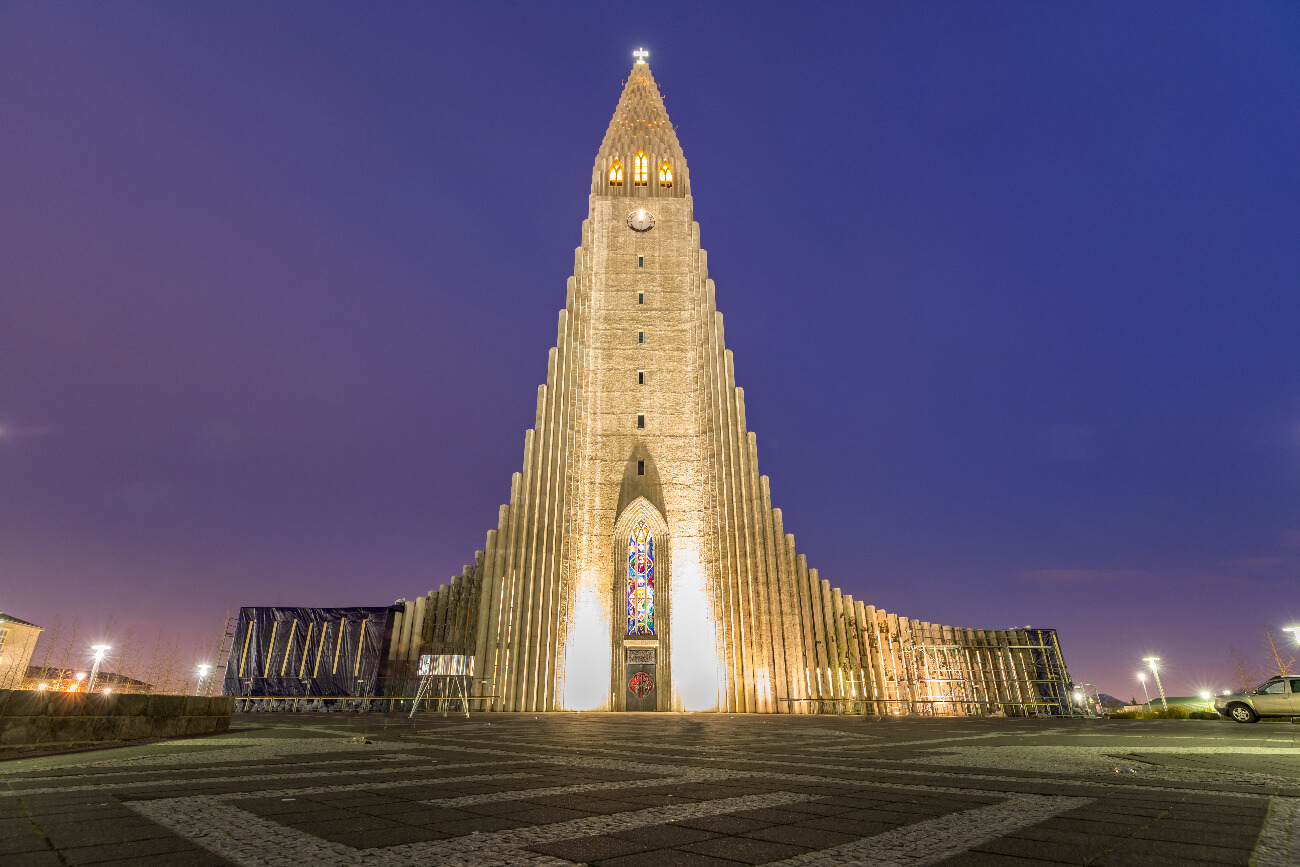
Reykjavik, the Capital and the surrounding capital district have 2/3 of the population of the country. The city has colorful buildings with quirky streets and alleys, swimming pools, the Hallgrimskirkja Church, Harpa Concert Hall and wonderful street art.
Kopavogur in the capital district has a beautiful bay called the “Baby Seal Bay ” with beautiful crystal clear water and the Kopavogur Art Museum.
Hafnarfjordur is a town of lava, elks and Vikings.
Reyjanesbaer-Kefzavik is a town by the international airport near the capital. It has many museums including the Museum of Rock and Roll, the Viking World Museum, the Maritime Museum and the Art Museum.
Tourist Attractions
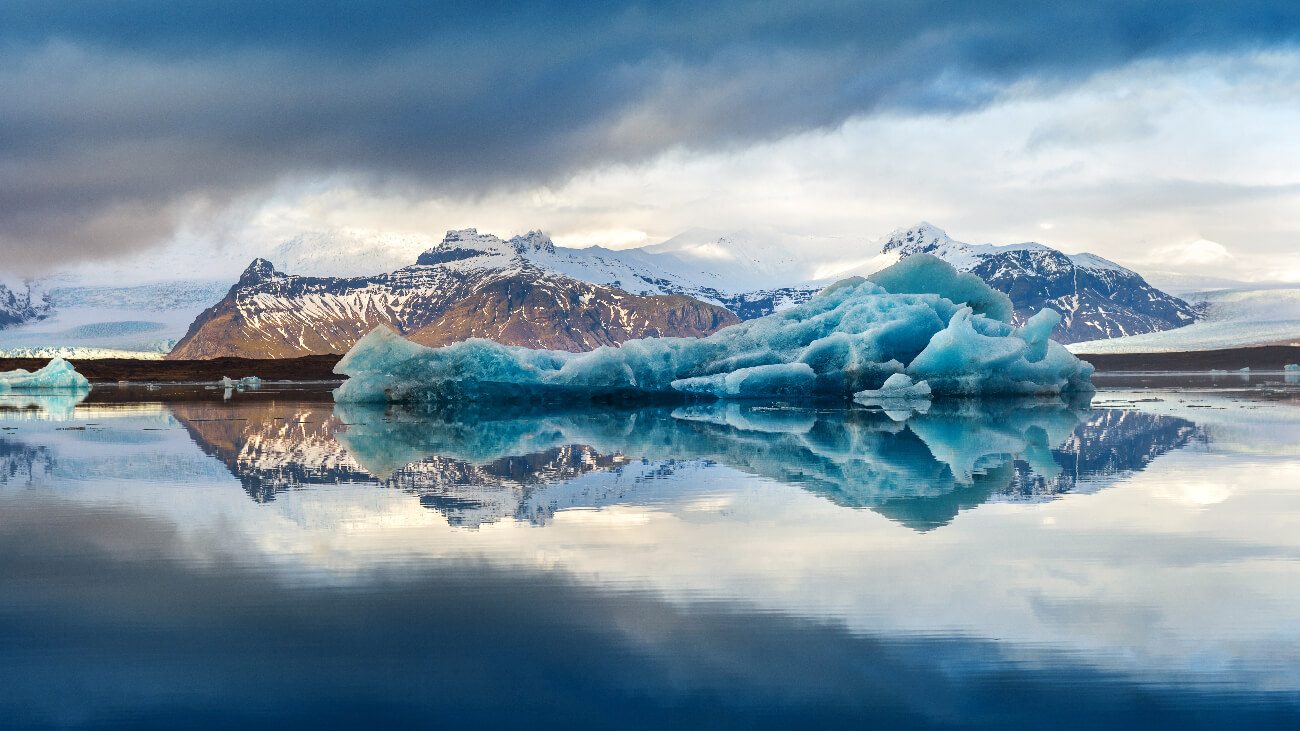
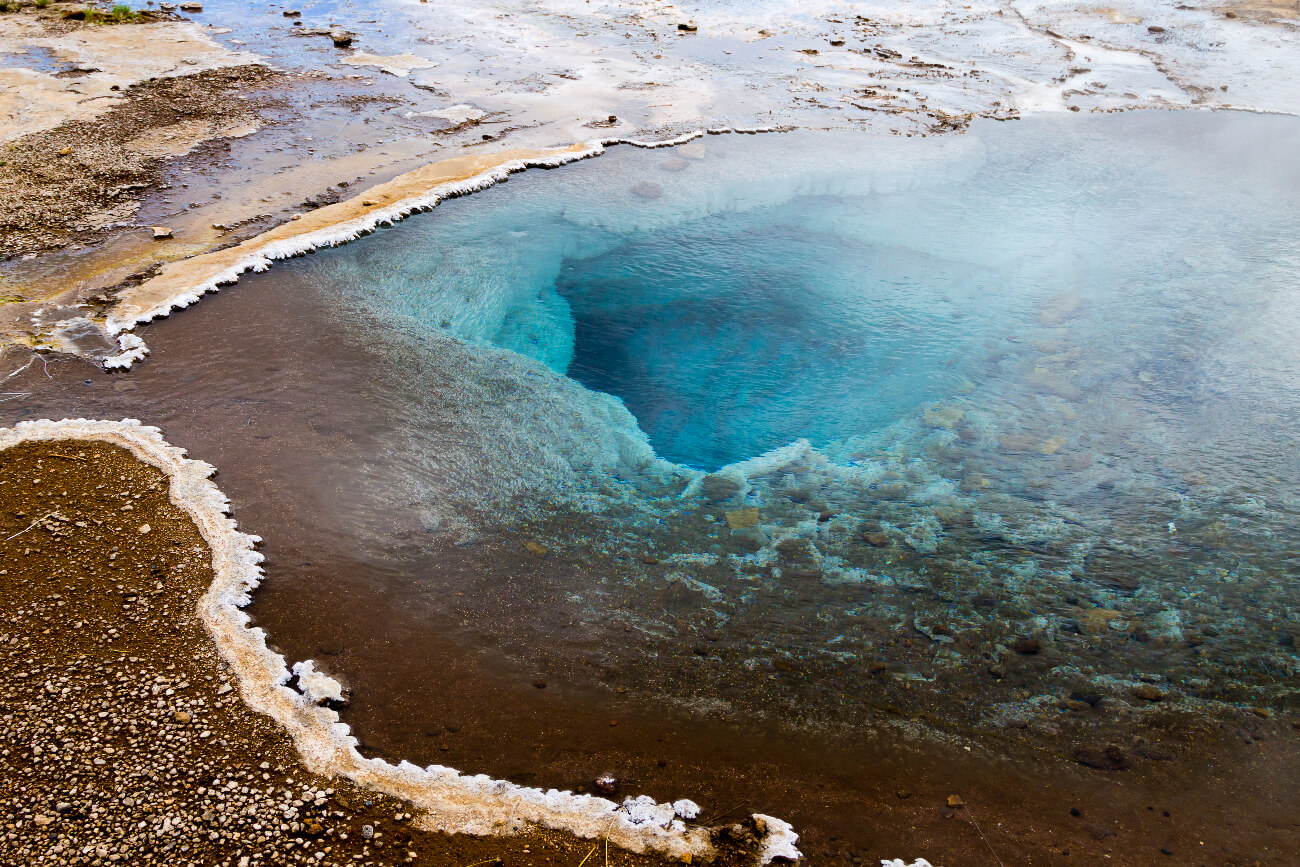
Whale watching Reykjavik, StrokkurGeysir part of the Golden Circle (50 minute drive from Reykjavik). , Landmannalaugar a nature reserve. Maelifell Volcano and Myrdalsio Kull Glacial Park. Skaftafell Ice Cave , Vatnajokull National Park. Askja Caldera and Geothermal Pool. Dettifoss Waterfall-The most powerful waterfall in Europe. Hallgrimskirkja Church A stunningly beautiful church. The Pearl Observatory Planetarium. Glacial Lagoon at Jokulsarlon.
Spectacular Geysers
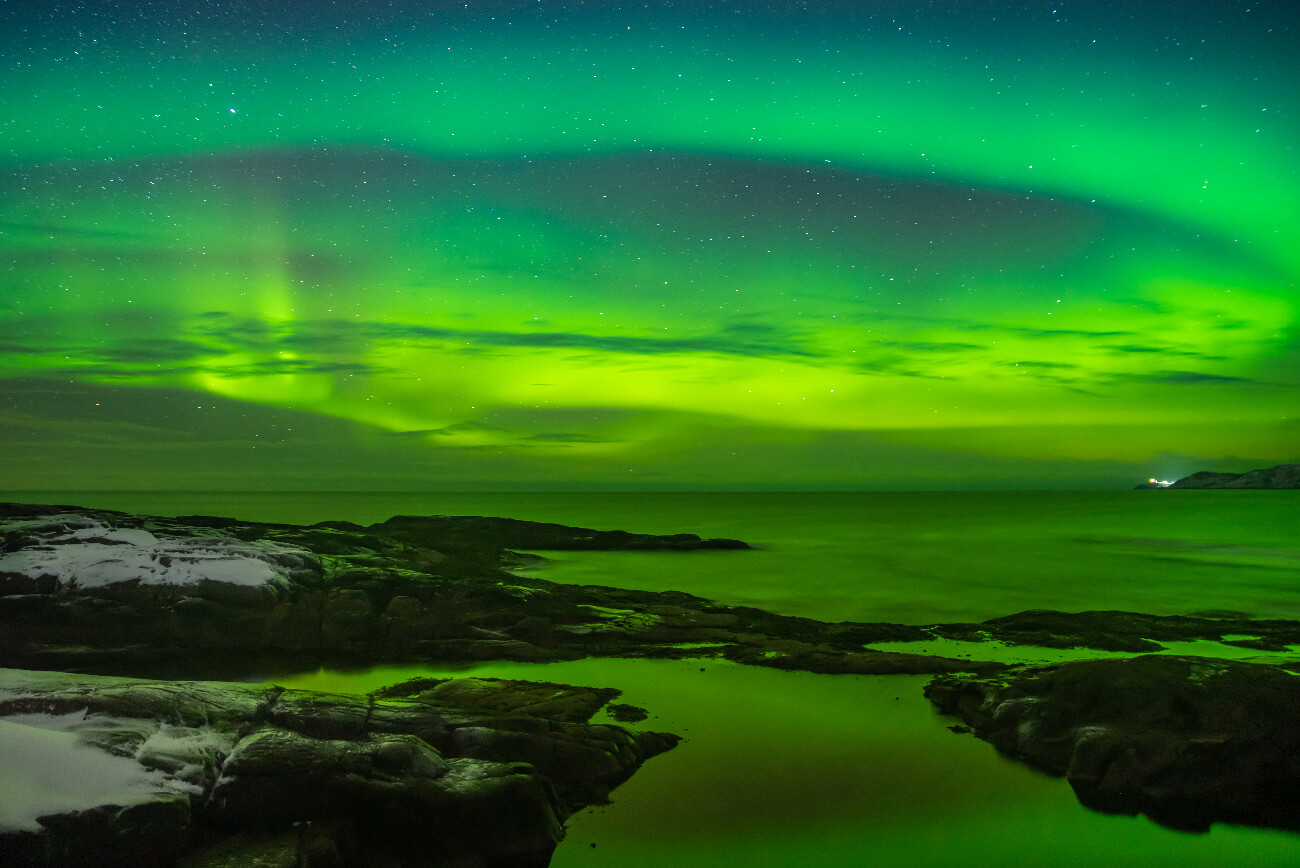
The Northern Lights-Aurora Borealis
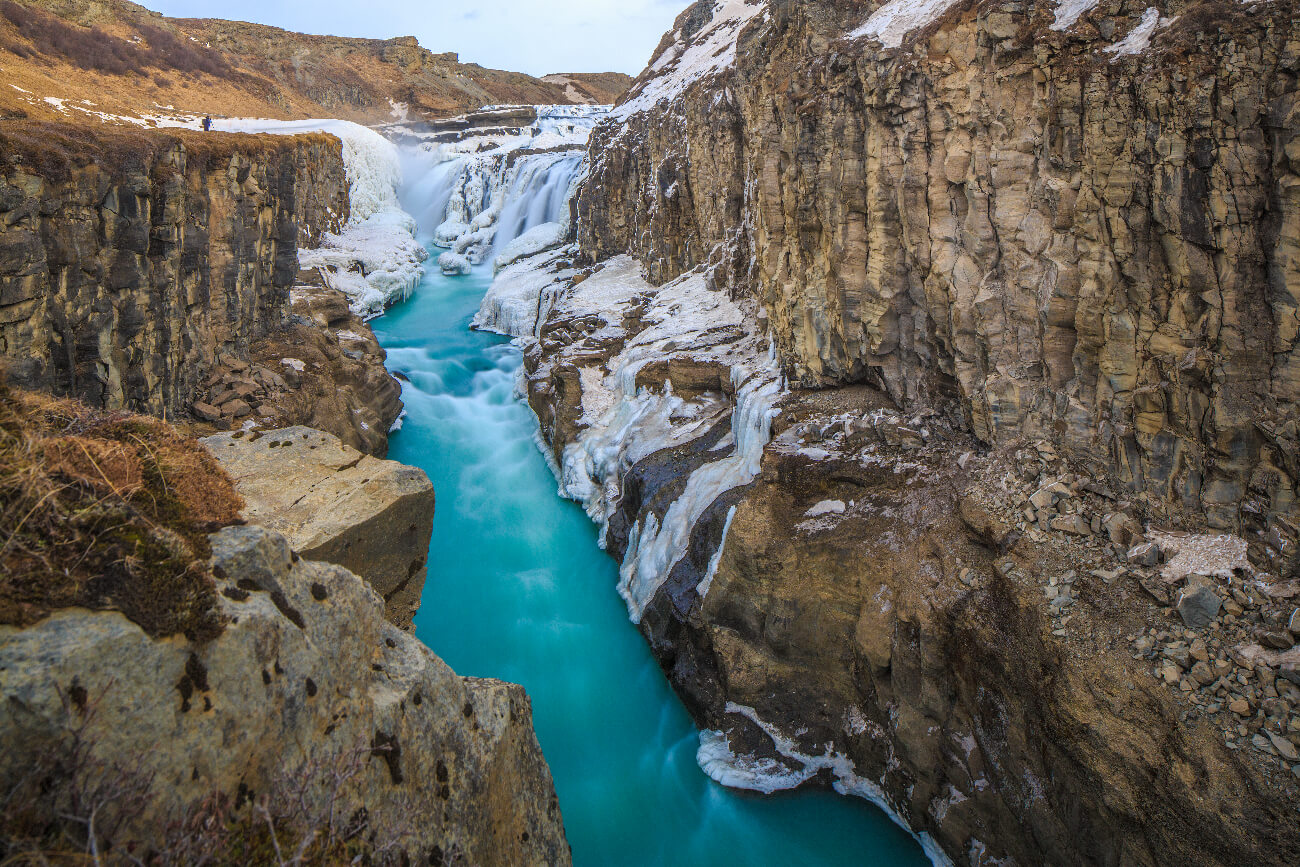
Gullfoss Waterfall
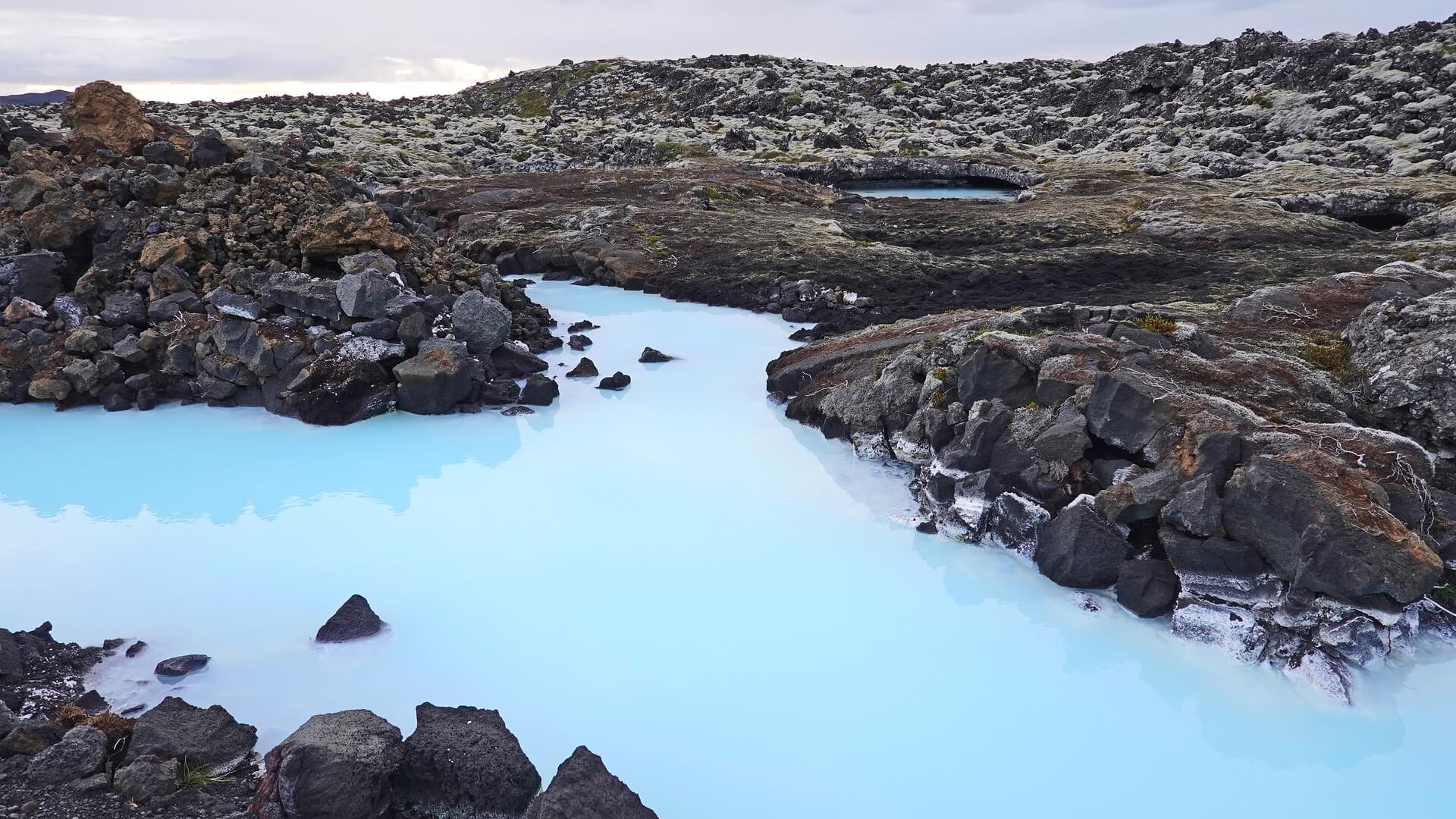
The Blue Lagoon Grindavik geothermal spa (40 minutes from Reykjavik)
No Tour Found
No Tour Found