


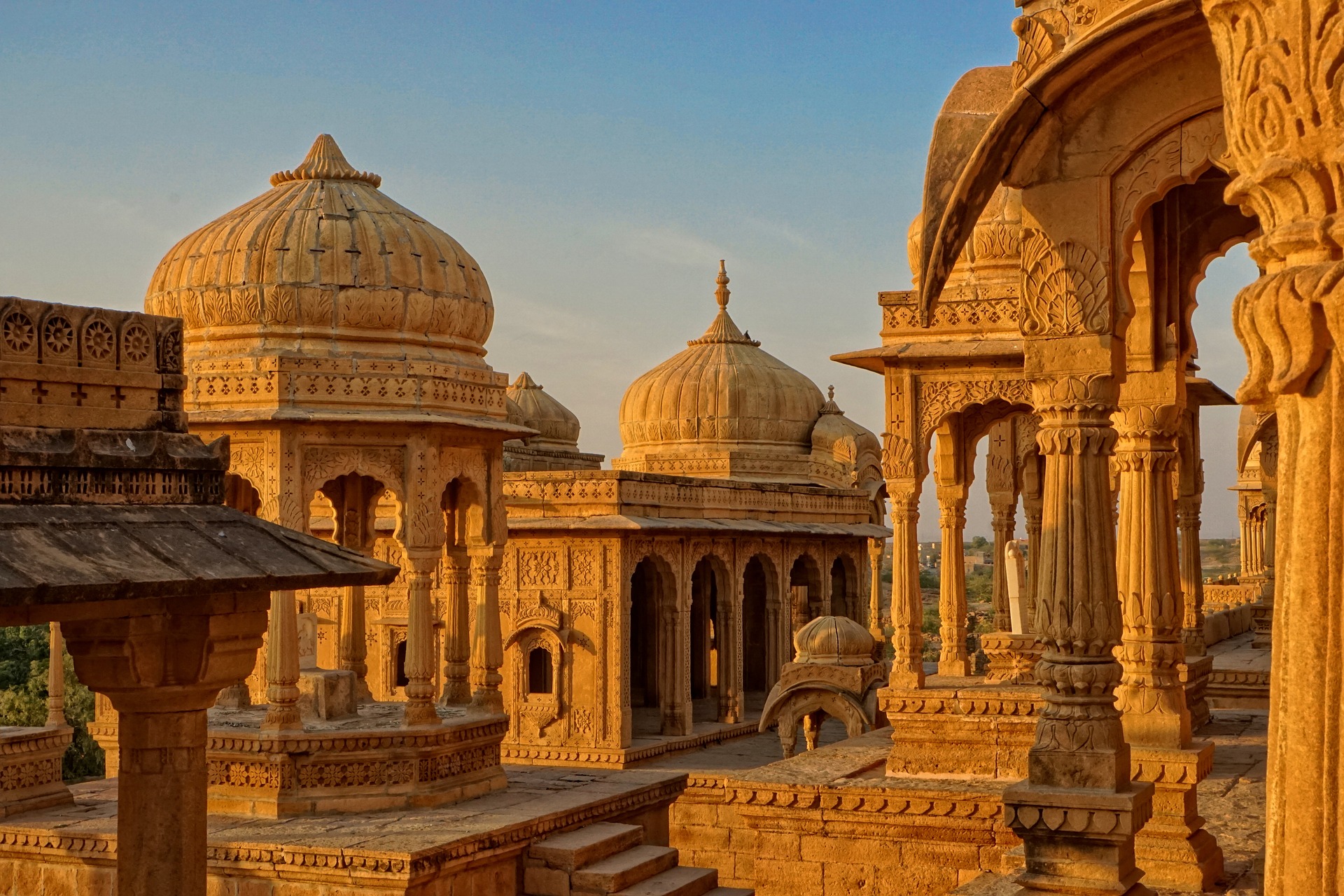
India, officially the Republic of India, is a country in South Asia. It is the second largest country in terms of population and the seventh largest by land area. It is the most populous democracy in the world and is bounded by the Indian Ocean on the south, the Arabian Sea on the southwest, and the Bay of Bengal on the southeast. It has seven neighboring countries, Pakistan in the northwest, China in the north, Bangladesh, Bhutan and Nepal, Myanmar in the east and Sri Lanka in the south. The Andaman and Nicobar Islands, a union territory of India, are near Thailand and Indonesia. “India ” is derived from the Greek word “Indus” used to describe the river Sindh located in Pakistan. India is a peninsula, bound by the Indian Ocean in the south, the Arabian Sea on the west and Bay of Bengal in the east. The capital is New Delhi which was built in the twentieth century. India’s coastline is 4,671 miles long and its landmass totals 1,398,000 square miles. India has the fourth largest number of spoken languages in the world and people of many religions live there including the five most popular, Hinduism, Buddhism, Sikism, Islam, and Christianity. The first three religions originated from the Indian subcontinent along with Jainism. The National emblem of India shows four lions standing back to back. The lions symbolize power, pride, confidence and courage. Its government, a Federal dominant-party parliamentary constitutional republic, is a democracy divided into three parts: the Legislative (Parliament), the Judiciary and the Executive branches. The government operates out of the capital, New Delhi. One of the seven wonders of the world is in Agra: the Taj Mahal.
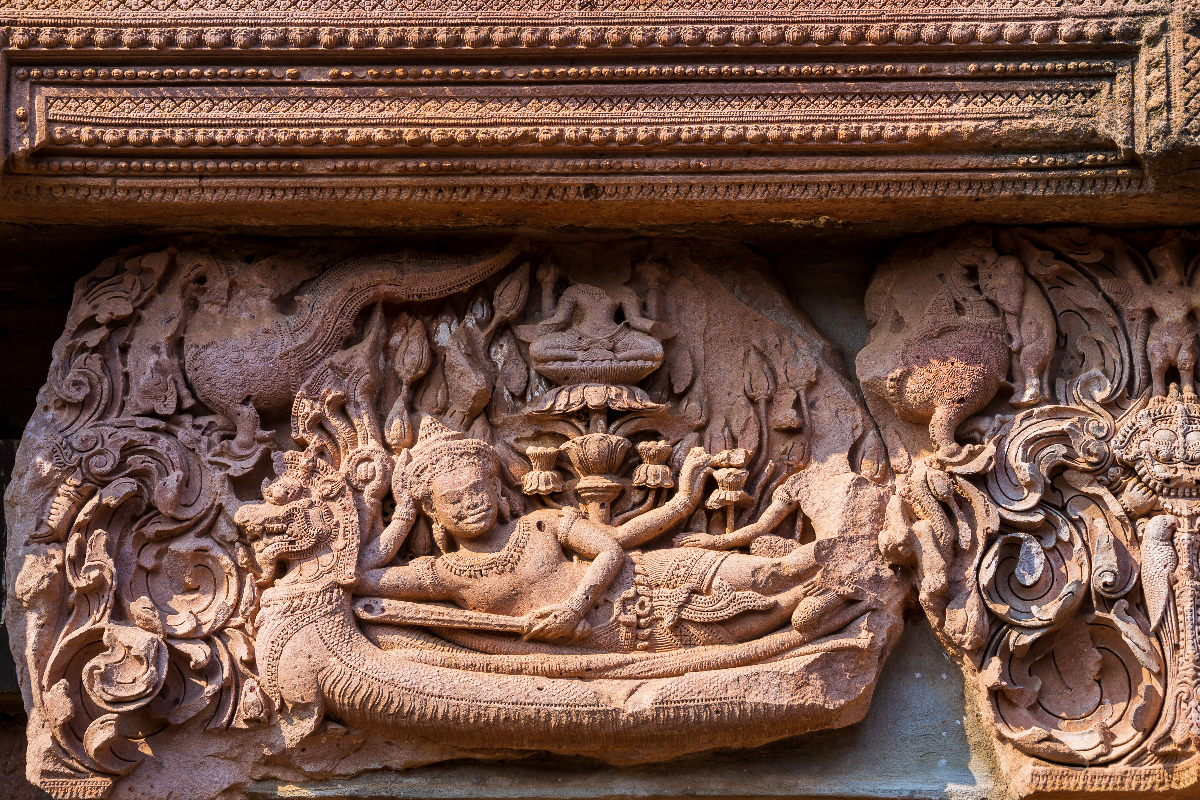
The first humans arrived in India in 55,000 BCE. 6500 BCE saw the first evidence of farming, animal domestication and building of permanent structures. India has the first urban culture in South Asia. The first recorded civilization was the Indus Valley Civilization formed in 3300 BCE followed by a king named Chandragupt Maurya who built an empire called the Mauryan Empire in 300 BCE. The empire covered most of South Asia. From 180 BCE on, India was invaded many times. From 100 BCE to 1100 AD other Indian dynasties came to be, including the Chalukyas, Cholas, Pallavas and Pandyas. Islam invaders controlled the governments. Southern India at that time was famous for its science, art, and writing. The Cholas of Thanjavur were pioneers at warfare in the seas and attacked present day Malaya, Borneo, and Cambodia. From 1000 AD on, many dynasties ruled over India including Mughal, Vijayanagara and Maratha. For several hundred years Islamic rulers controlled the country. Two of the main classical languages of the world, Tamil and Sanskrit, were born in India and are more than 3000 years old. The country founded Hinduism which most Indians follow today. In the 1600’s European countries invaded and the British controlled most of India by 1856. In the early 1900’s millions of Indians rebelled against colonial rule and they were eventually led by Mahatma Gandhi who used only peaceful tactics including a way called “Ahimsa” which means “non-violence”. On August 15, 1947, India became free and independent from British rule. India’s constitution was founded on January 26, 1950.
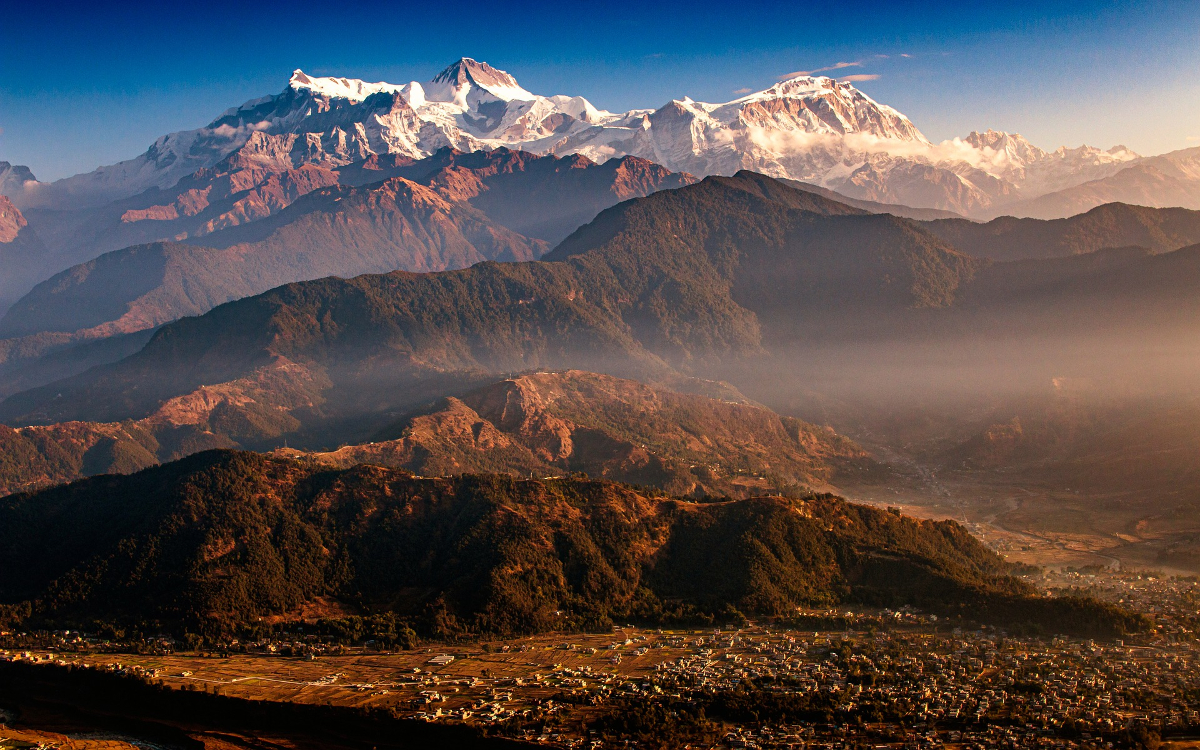
India has different climates. In the south, the climate is mainly tropical, which means it can get very hot in the summer and cool in winter. The northern part has a cooler climate, called sub-tropical, and even alpine in the mountainous regions. The Himalayas, in the alpine climate region, can get extremely cold. There is heavy rainfall along the west coast and in the Eastern Himalayan foothills. The west, though, is drier. Because of the deserts in India, the entire country lives through four months of monsoon beginning in July and August. There are many rivers in India including the Ganges, Brahmaputra, and the Yamuna.
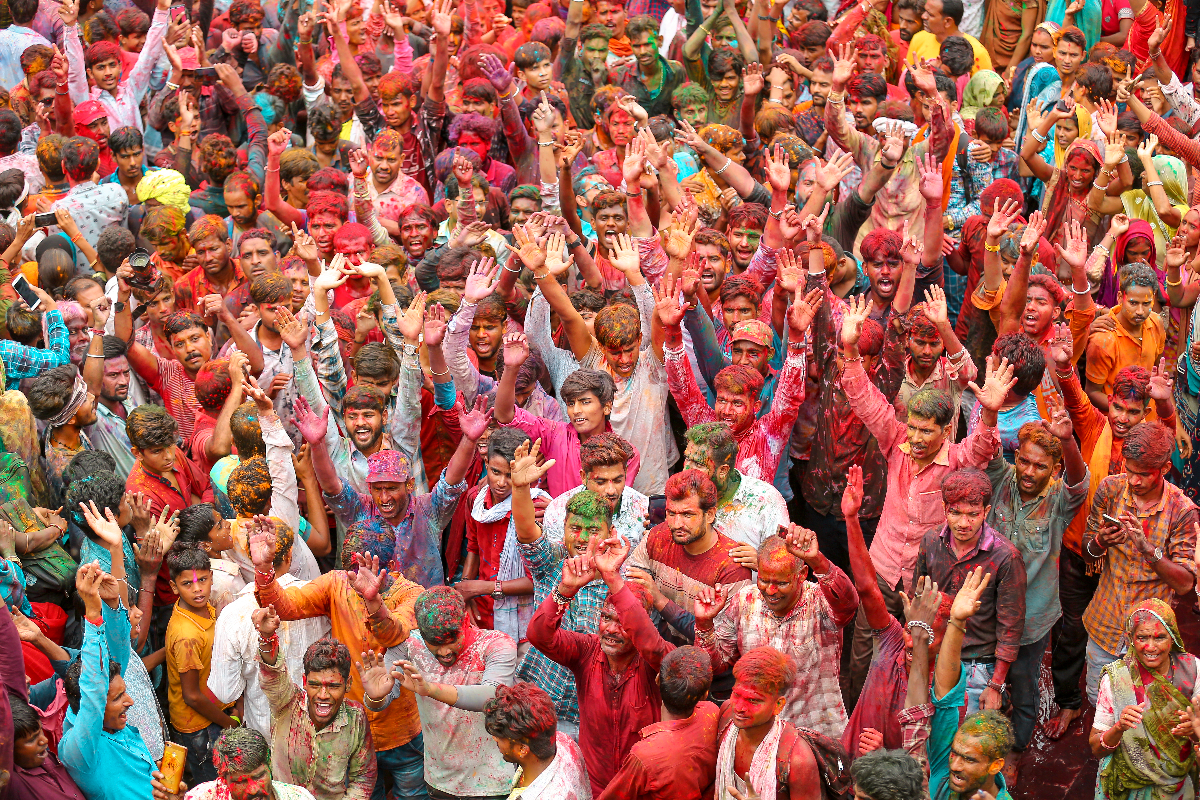
There are 1.3 billion people living in India. About 65% of Indians live in rural areas, or land set aside for farming. The largest cities are Mumbai, Kolkata, Delhi, Chennai, Bangalore, Hyderabad and Almedabad. India has 23 official languages and altogether 1625 languages are spoken in the country. There are two main language families in India; the Indo-Aryan and the Dravidian. 69% of the population speaks an Indo-Aryan language, 26% Dravidian and 5% speak Tibeto-Burman. Hindi is the official language of the country with the largest number of speakers. Native speakers of Hindi represent 41% of the Indian population. English is also used mostly for business and administrative functions. English has the status of a “subsidiary official language”. In the south of India, many people speak Kannada, Telugu, Tamil and Malayalam.
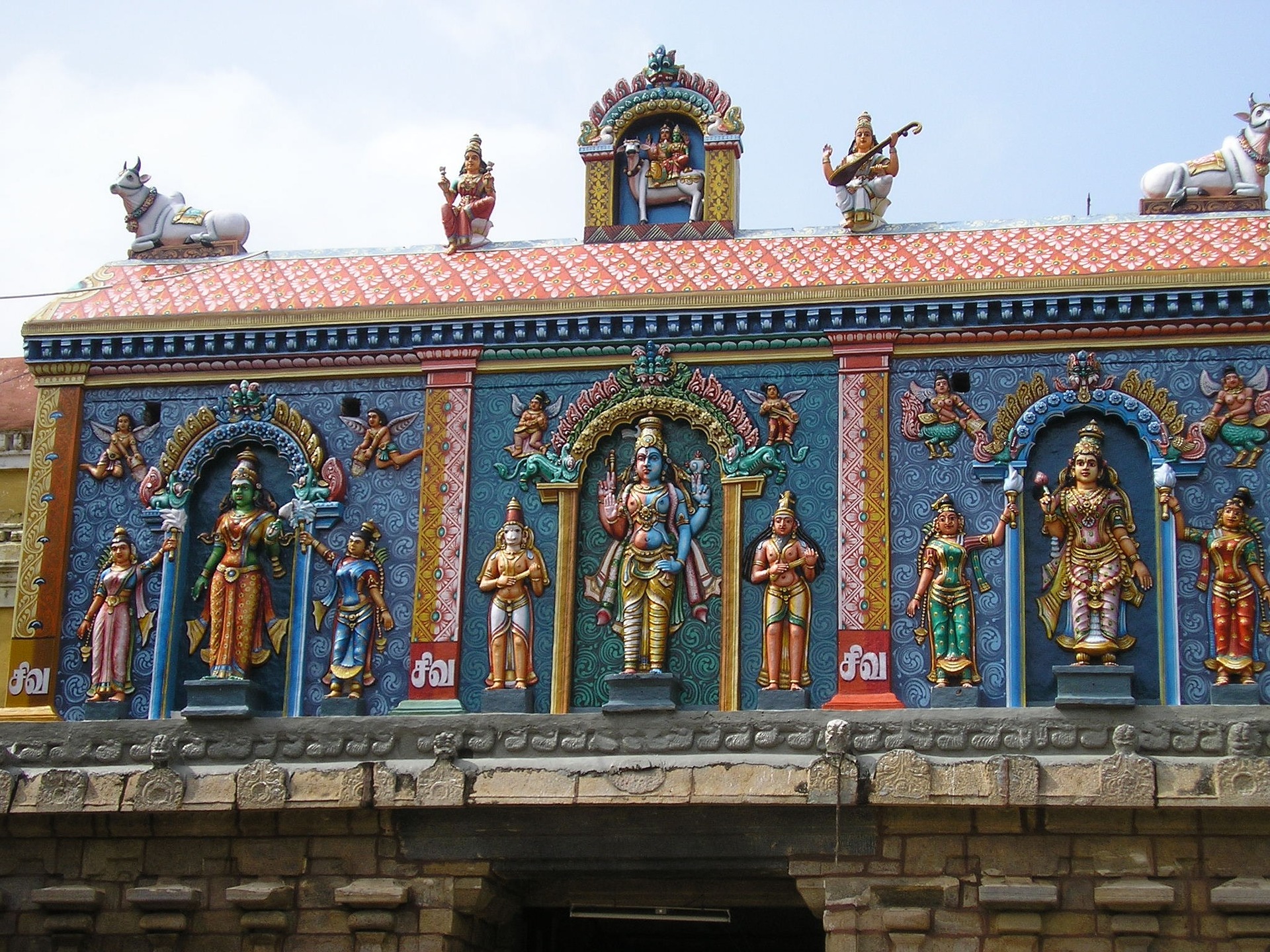
Cave paintings from the Stone Age are found across India. They show dances and rituals and suggest there was a prehistoric religion. During the Epic and Puranic periods, the earliest versions of the epic poems Ramayana and Mahabharata were written from about 500-100 BCE although these were orally transmitted for centuries before. Other South Asian Stone Age sites are in modern India such as the Bhimbetka rock shelters in central Madhya Pradesh and the Kupgal petroglyphs of Eastern Karnatakam containing rock art showing religious rites and possible ritualistic music. Several modern religions were founded in India namely Hinduism, Jainism, Buddhism and Sikhism. This group is called the Eastern religions and they are in many ways interconnected. These similarities mainly come from the fact that these religions have a common history and common origins. They also influenced each other. 80% of Indians follow Hinduism, 14% Islam, 2.5% Christianity, 1.75% Sikhism and .75% Buddhism. India has the largest movie industry in the world (Bollywood). Indian Tamil movies are popular globally. Based in Mumbai the industry makes 1000 movies a year.
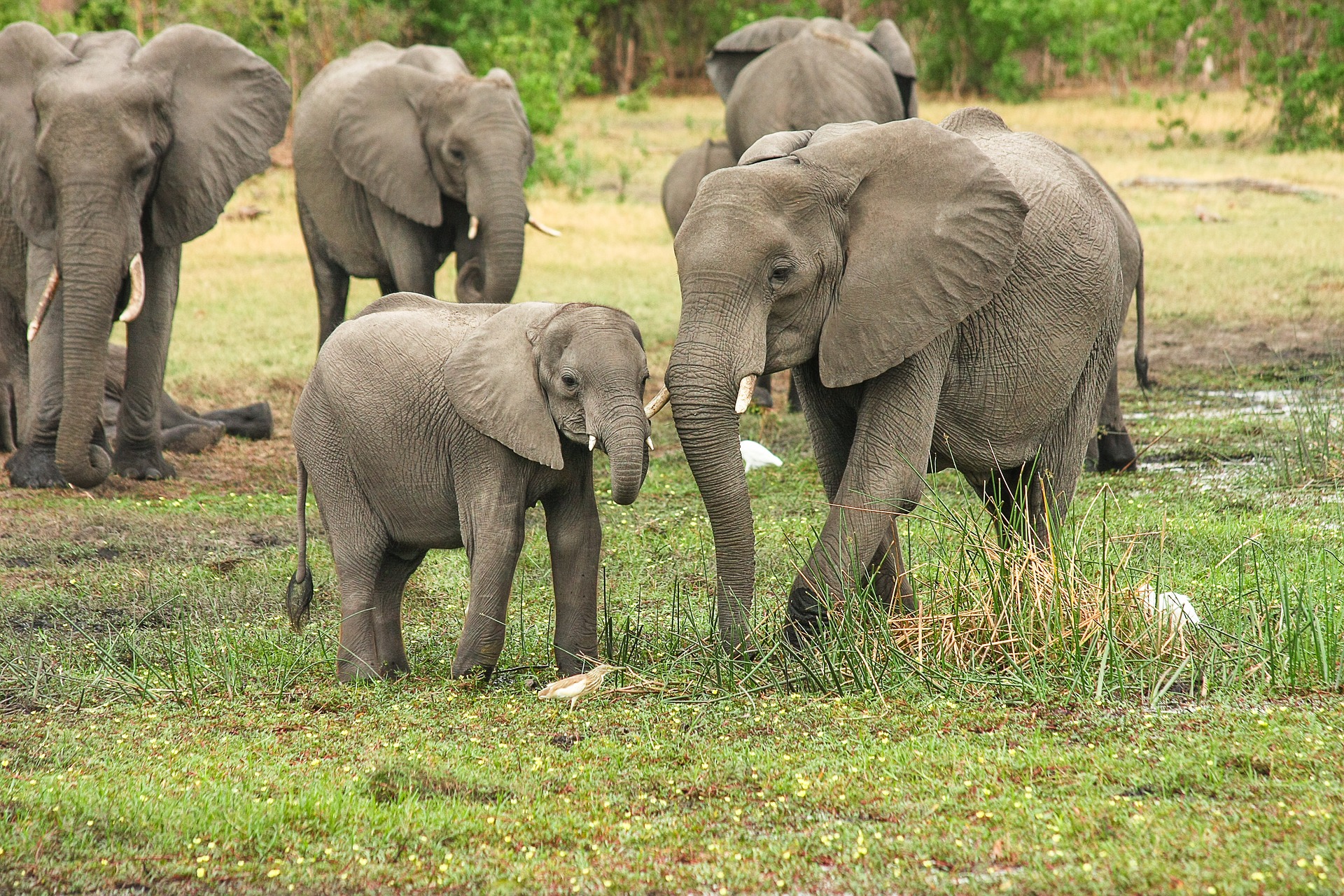
India is a megadiverse country that displays a high level of biological diversity. The country contains many species that are exclusively indigenous or endemic. A third of India’s plant species are endemic. India has 91,000 animal species and 46,000 plant species. Examples of animal wildlife are: cheetah, leopard, lion, tiger, panda, architectus, hog deer, yak, gray wolf, Persian cat, Indian Elephant, large Indian Civet, monkeys, bears and mongoose. Birds include herons, storks, ibises, Indian Crane, flamingo, hawk, vultures and eagles. Water mammals include several species of whale and dolphins. There are large colonies of crocodile and gavial and snakes including many species of cobra and python. Flora include blue and red vanda, monkey cups, snowdrops, ladies slipper orchid, costus, kuth, cycad, and pitcher plant.
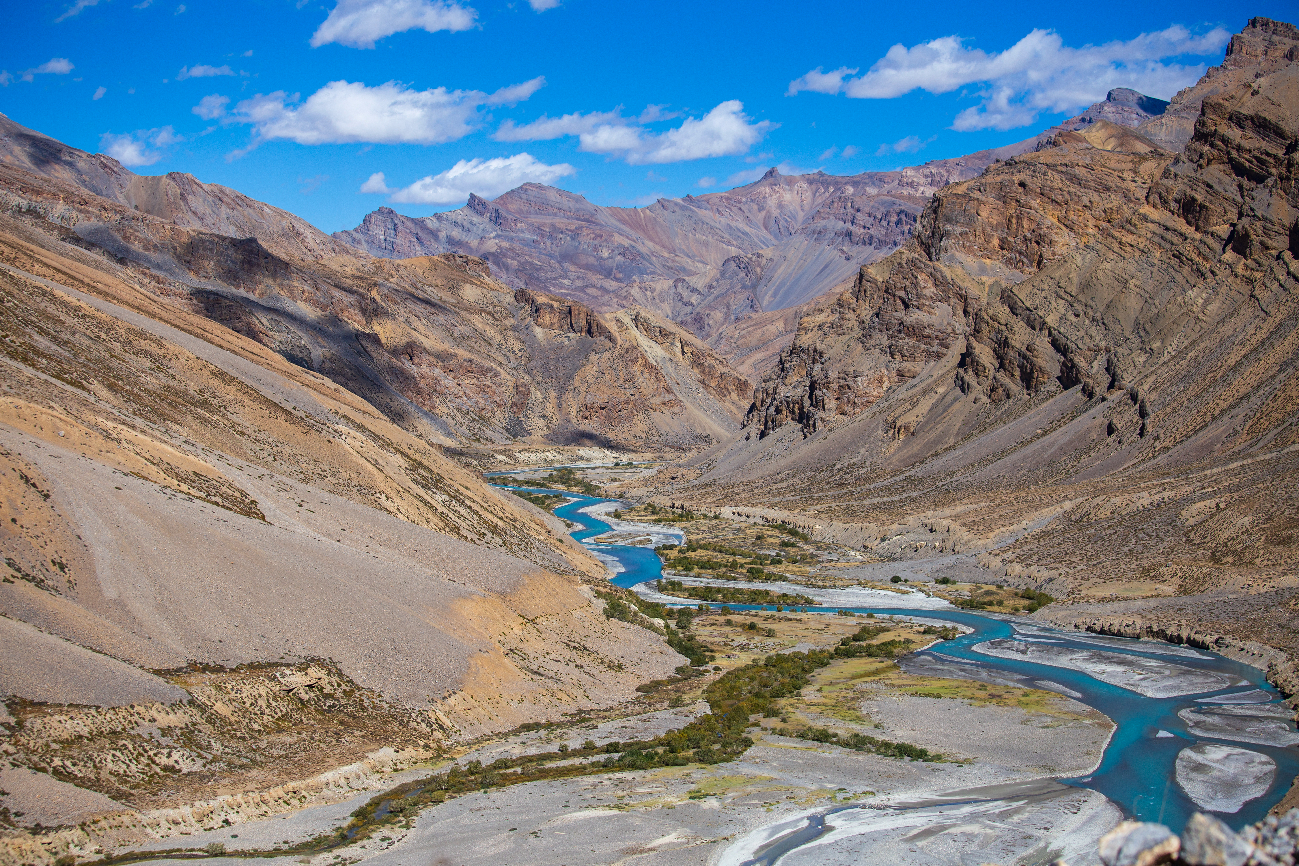
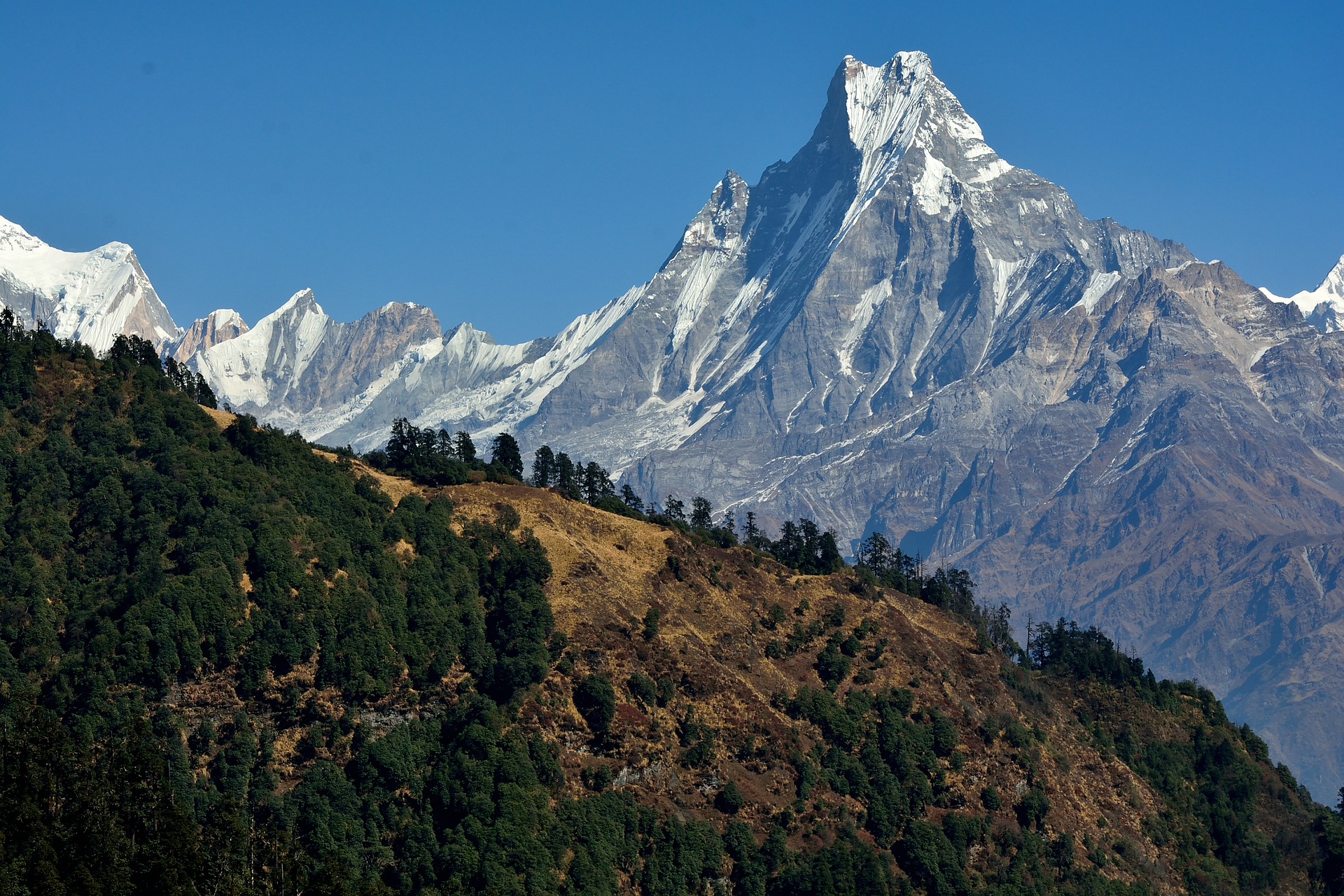
The Himalayan Mountain chain is divided into three segments in India. The Southernmost is the Outer Himalayas known as the Siwalik Range. Peaks average only 3000 to 5000 feet and the plains next to the mountains are heavily populated. The Lesser Himalayas are located north of the Siwalik Range and have peaks between 11.900 and 15,100 feet. They have many deep gorges that are formed by swift flowing rivers fed by glaciers. The Great Himalayas are the northernmost part of the Himalayan Mountain chain with crests above 16,000 feet and it has some of the tallest mountains in the world. Most of the mountains lie above the line of perpetual snow and thus contain almost all of the Himalayan glaciers. The second great land area of India is called the Indo-Gangetic Plain which lies between the Himalayas and the Deccan which is the southern part of India. The plain stretches from Pakistan in the west where it is watered by the Indus River and its tributaries and runs eastward to the Brahmaputra River Valley in Assam State. The Great Indian Desert called Thar forms the southern extension of the plain.
India is a vast collection of culinary influences and traditions from all over the Asian continent.
Chicken Makhani Butter Chicken
Chana Masala chickpea stew
Palak Paneer spinach curry with fresh cheese
Doughy, butter-brushed Naan Indian baked flatbread
Fish Curry
Lamb Vindaloo lamb with spicy curry
Dal Makhani a stew made with whole black or yellow lentils
Pakora a fried snack of cauliflower or potato
Korma thick curry with meat, vegetable ,yogurt and spices
Biryani meat and rice mixed dish
Kebab Samosas deep fried potato/veggie dumpling
Rogan Josh curried meat
Shu Bah tomato soup
Chutney a fruit sauce
Chicken Tikka Masala chicken in a creamy masala sauce
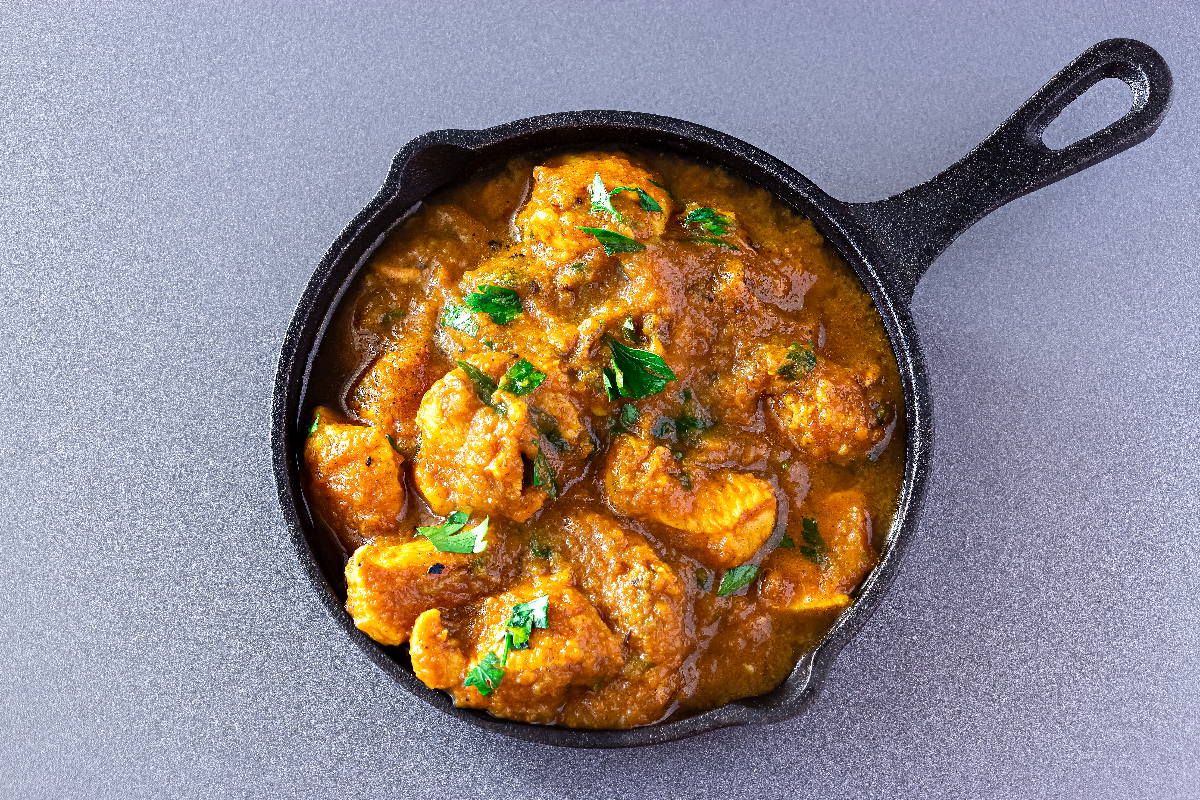
Crisp Papadum very thin flatbread

Kofta Indian meatballs
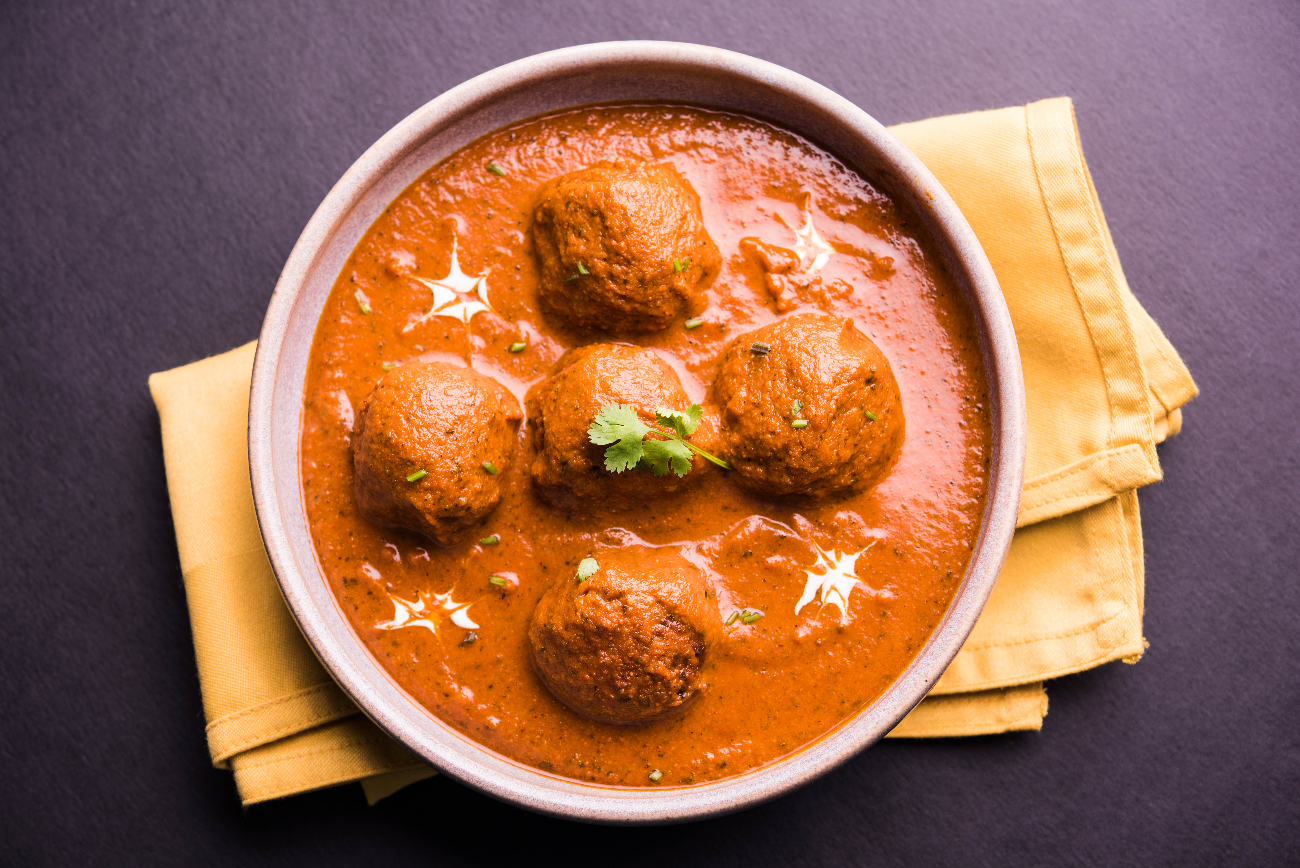
Matar Paneer peas and cooked cottage cheese
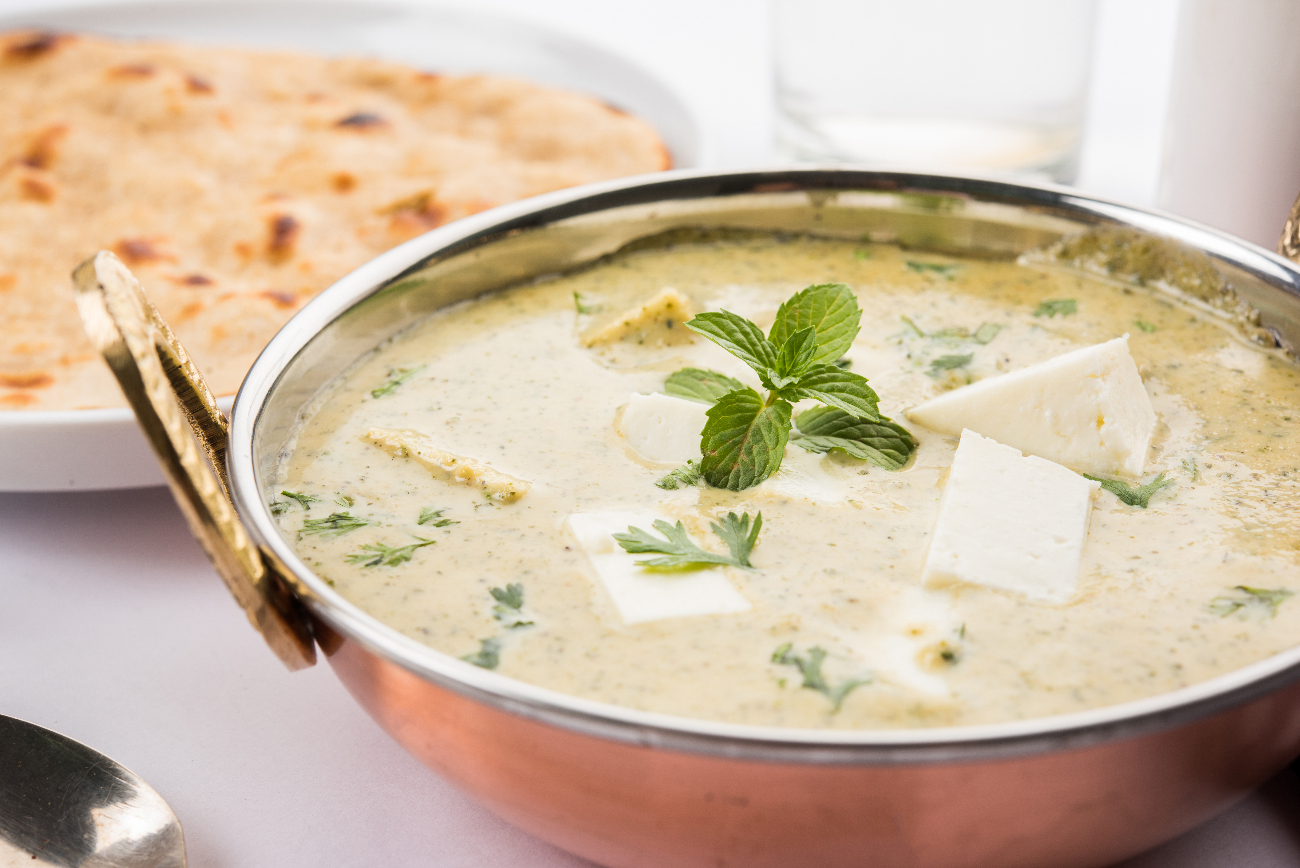
Aloo Gobi crispy golden potatoes and cauliflower
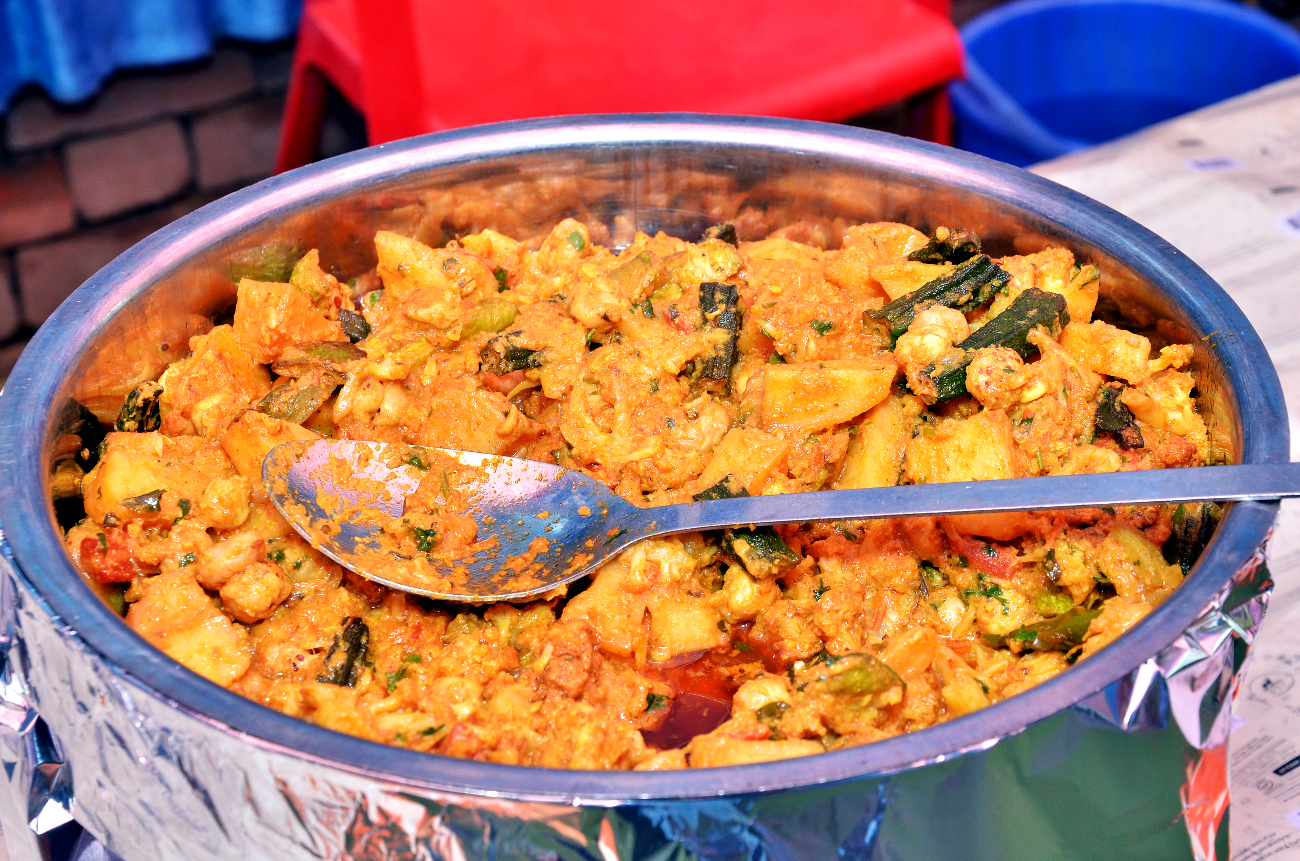
Mumbai
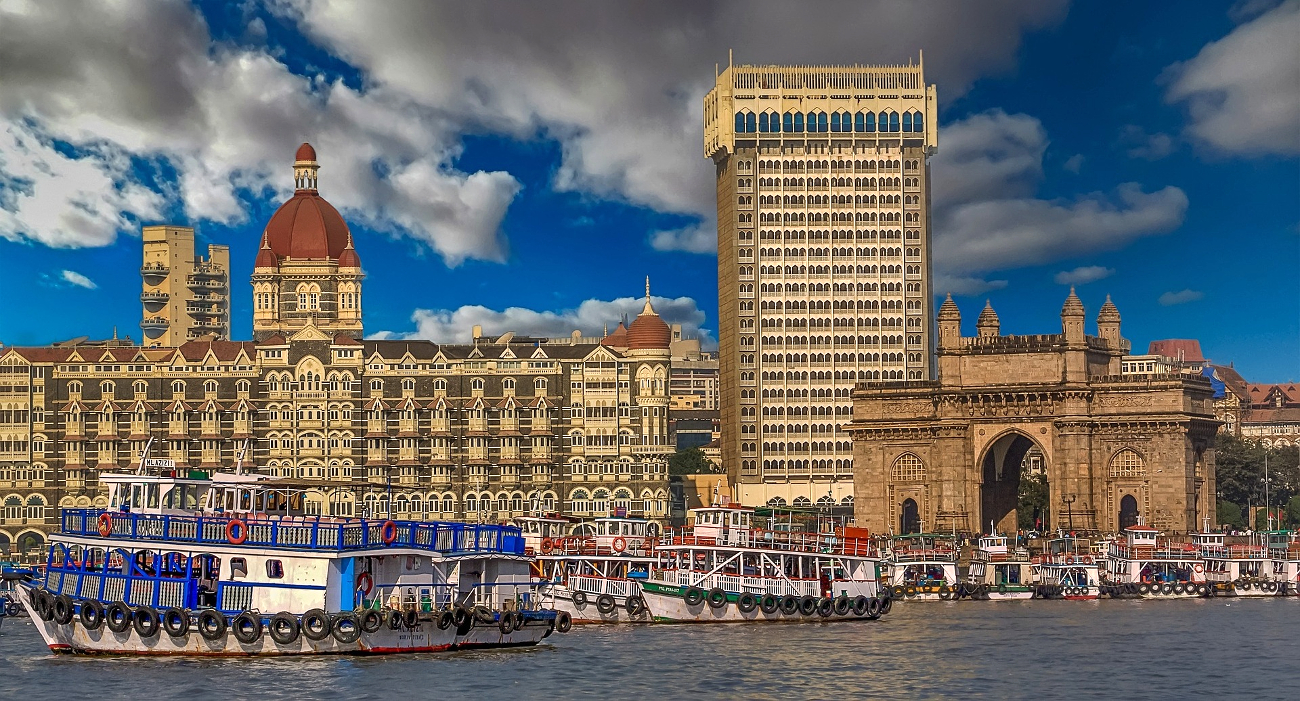
Mumbai previously called Bombay until 1995 is the capital city of the state of Maharashtra. Mumbai is the second most populous city after Dehli and the seventh most populous city in the world. Its city population is 13 million. Mumbai is the center of the Mumbai Metropolitan Region which is the sixth most populated metropolitan area in the world. Mumbai lies on the Konkan Coast on the west coast of India on the Arabian Sea and has a deep natural harbor. Mumbai was named an “Alpha” world city with the highest number of millionaires and billionaires in India. Mumbai is home to three UNESCO World Heritage Sites; the Elephanta Caves, Chhatrapati Shivaji Maharaj Terminus, and the city’s distinctive ensemble of Victorian and Art Deco buildings designed in the 19th and 20th centuries. The seven islands that constitute Mumbai were originally home to communities of Marathi language speaking Koli people. Mumbai is the commercial, financial and entertainment capital of India. Mumbai has a tropical climate and more specifically a tropical wet and dry climate with October through May dry and starting in June is the monsoon season.
Tourist Attractions
Marine Drive is a two mile drive on an arc shaped road along the Arabian Sea Coast of South Mumbai. Colaba is a crowded and electrifying place for shopping
Fort Mumbai built in 1924 and overlooks the Arabian Sea.
Film City in the western suburbs houses many film studios.
Hanging Gardens bushes trimmed into the shape of animals.
Prince of Wales Museum a heritage building because of its architecture and it. contains many exquisite artifacts of the history of India.
Mumbai Zoo
Sanjay Gandhi National Park is a sanctuary and habitat for many flora and fauna species. Fauna include leopard, lion, boar, Flying Fox and butterflies.
Siddhivinayak Temple
Haji Ali Dargah a shrine
National Gallery of Modern Art
Kanhari Caves Buddhist influence on Indian art and sculpture it has 109 entrances located in Sanjay Gandhi National Park
Mahalaxmi Temple dedicated to the Indian Goddess of Wealth
Iskcon Temple Mumbai
Mahakali Caves have carved images of Buddha created between the first and sixth century AD.
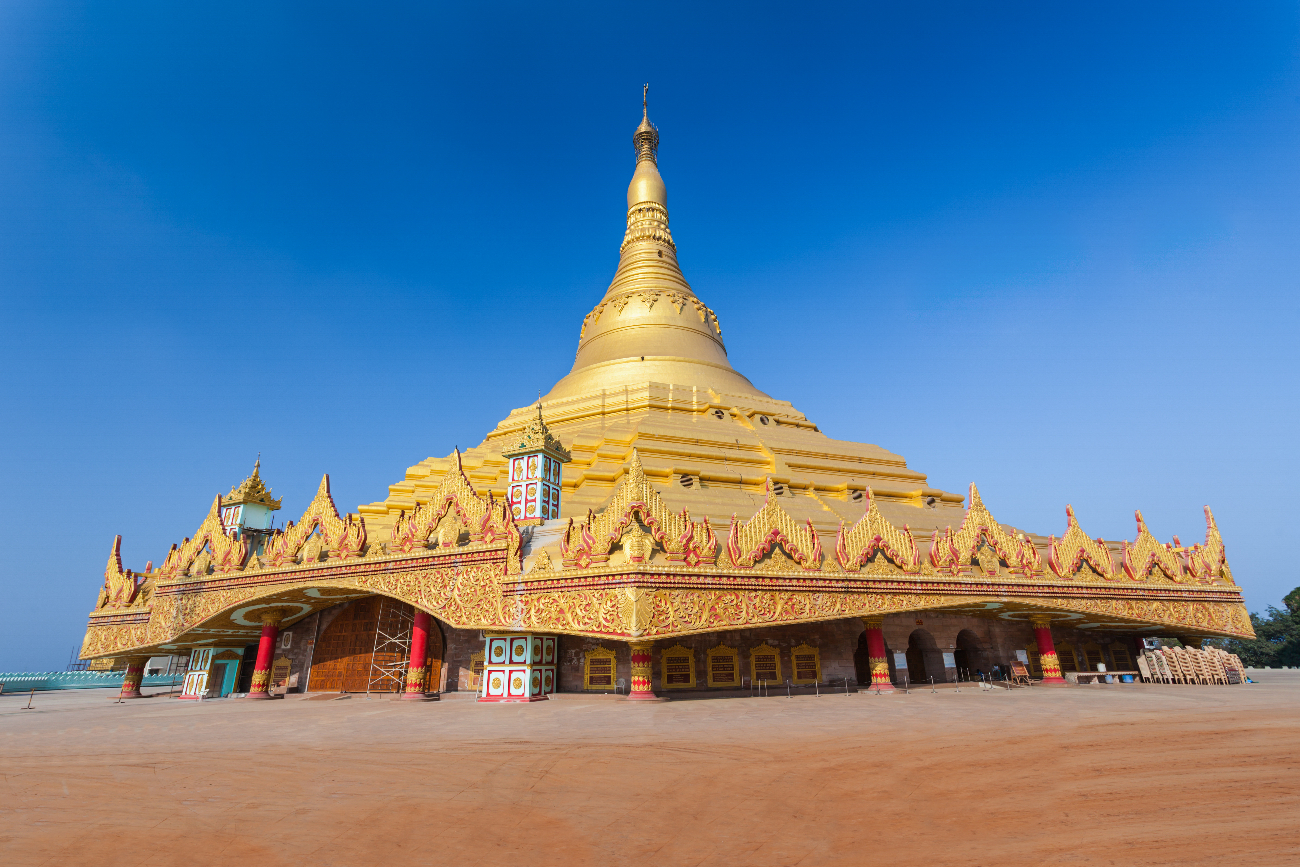
Global Vipassana Pagoda a monument to peace and harmony
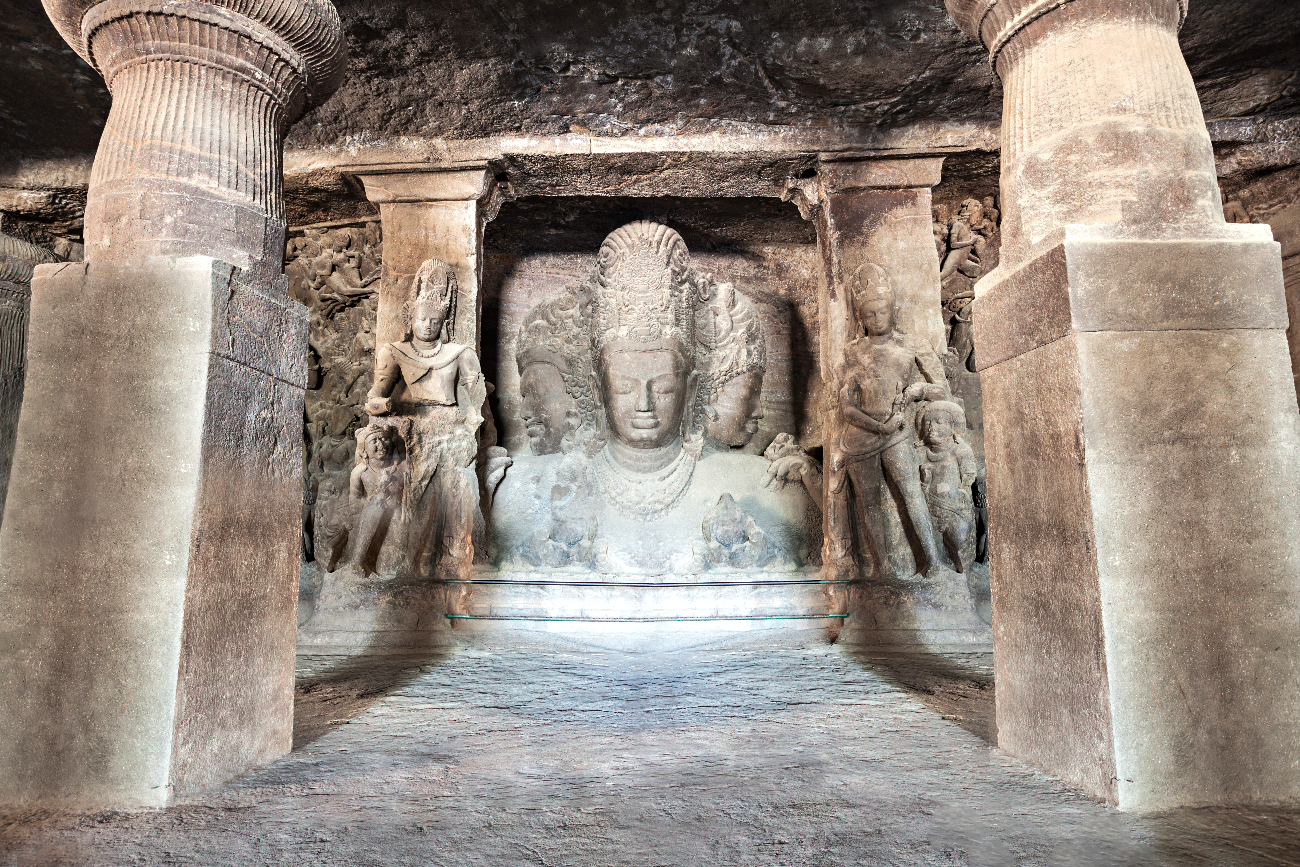
Elephanta Caves which is a UNESCO World Heritage Site consists of rock cut art and architecture done in the medieval times. It is an island about seven miles from the city.
The Golden Triangle
The Golden Triangle is composed of three cities (Delhi, Agra, and Jaipur) with very popular tourist appeal.
Delhi
Delhi, officially the National Capital Territory (NCT) of Delhi, is a city and a union territory of India containing New Delhi, the capital of India. Located on the Yamuna River, Delhi is bordered by the state of Haryana on three sides and Uttar Pradesh to the east. Delhi’s city population is about 12 million while the total NCT has 17 million and its total urban agglomeration with satellite cities has almost 30 million. It is the second wealthiest Indian city after Mumbai. in the 11th century AD a small fort was built in the southern region of Delhi. From the early 13th century to the 19th century Delhi was the capital of two major empires of Northern India; the Delhi Sultanate and the Mughal Empire. In 1911, it became the capital of British India and after independence, in 1947, it was the capital of the Dominion of India and then in 1950 of the Republic of India.
Tourist Attractions
India Gate war memorial for 70,000 Indian soldiers killed in WW1
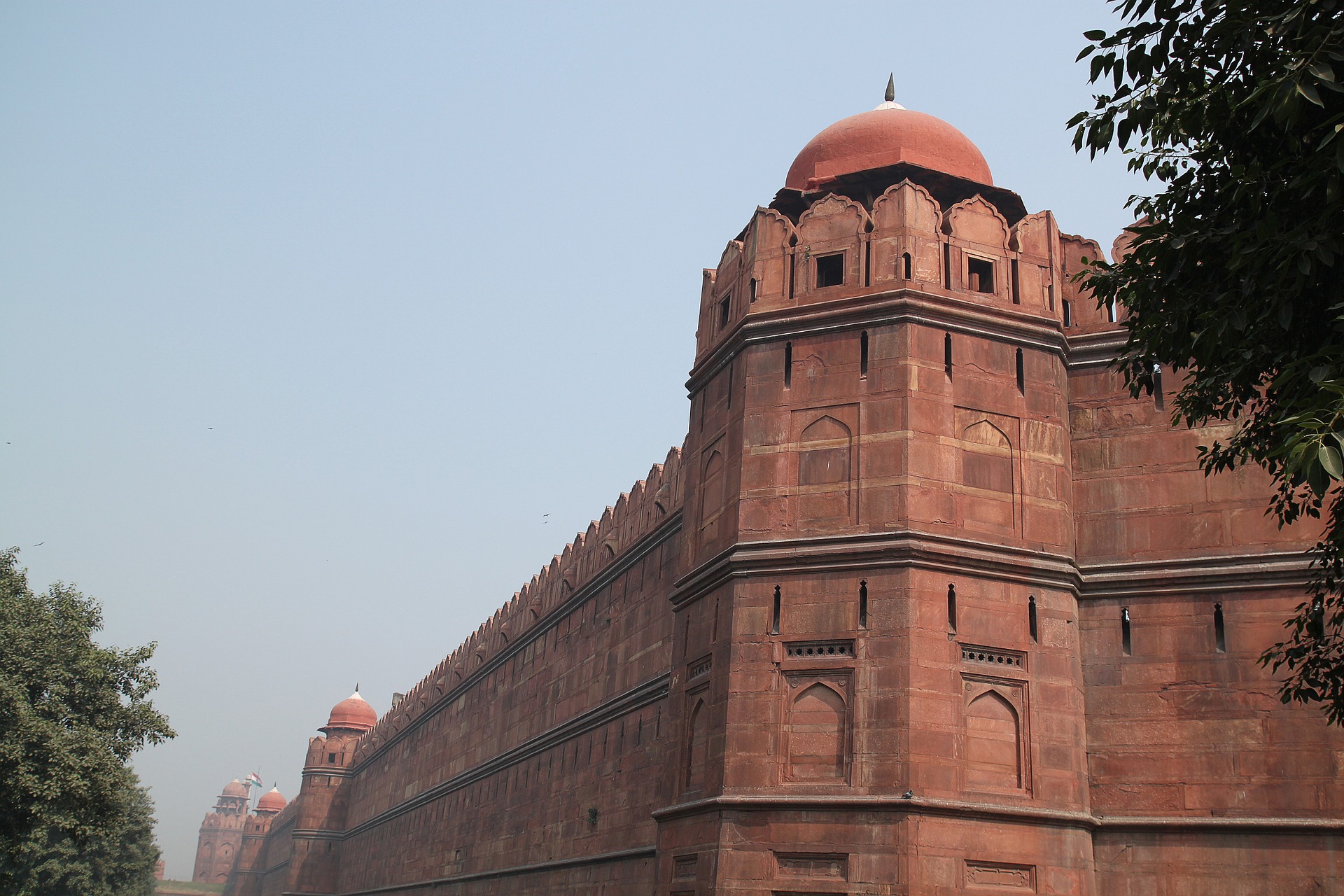
Red Fort built 1639
Chanoi Chowk One of the oldest market places in India
Humayun’s Tomb tomb of Mogul Emperor built in 1569
Connaught Place corporate and fashion district
Purana Quila fort built in the 1500’s
Akshardham Temple
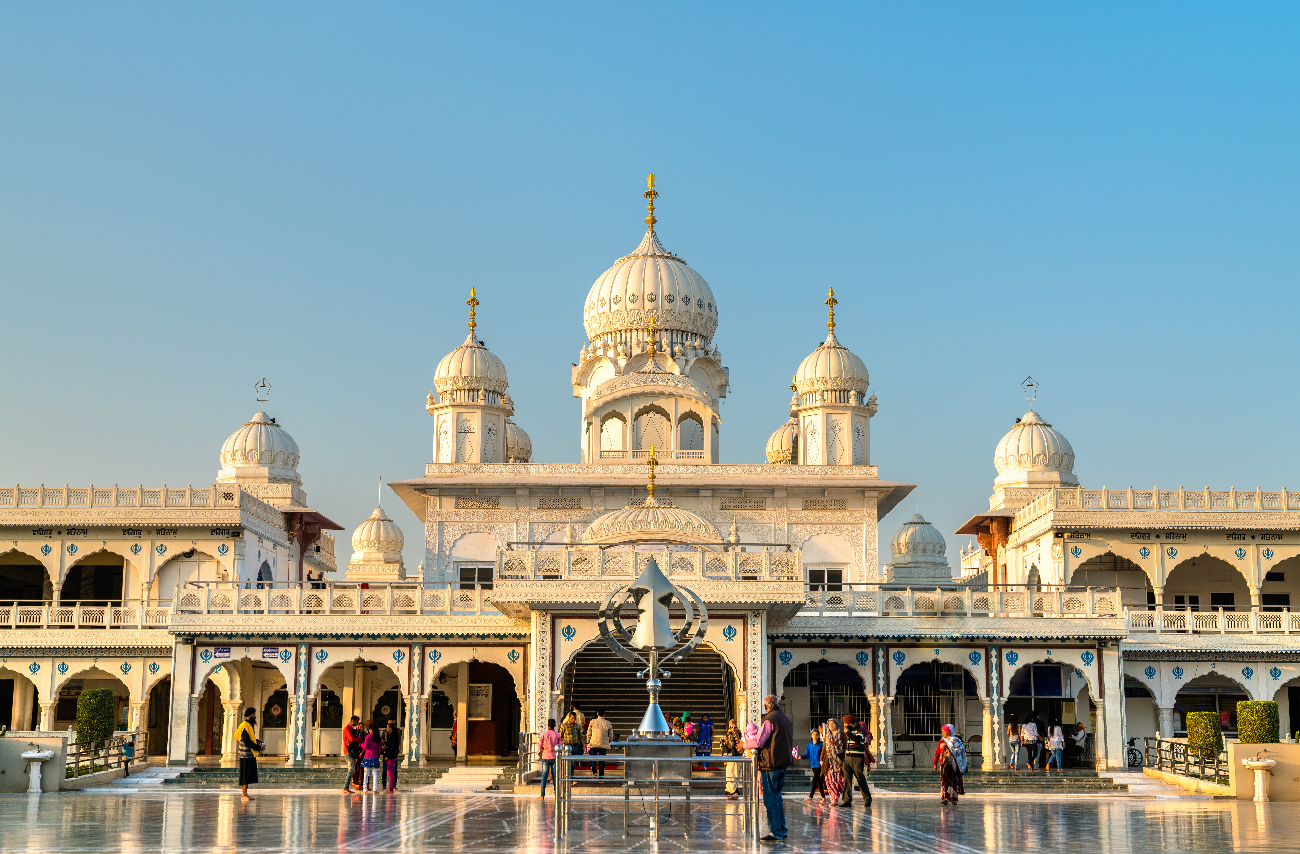
Gurudwara Bangla Sahib Shrine Sikh shrine built 1783
Lakshmi Narayan Temple
Hauz Khas Complex Islamic comple
Dilli Haat open air bazaar
Raj Ghat Memorial to Gandhi
Swaminarayan Akshardham 100 acre religious site
Lodhi Garden
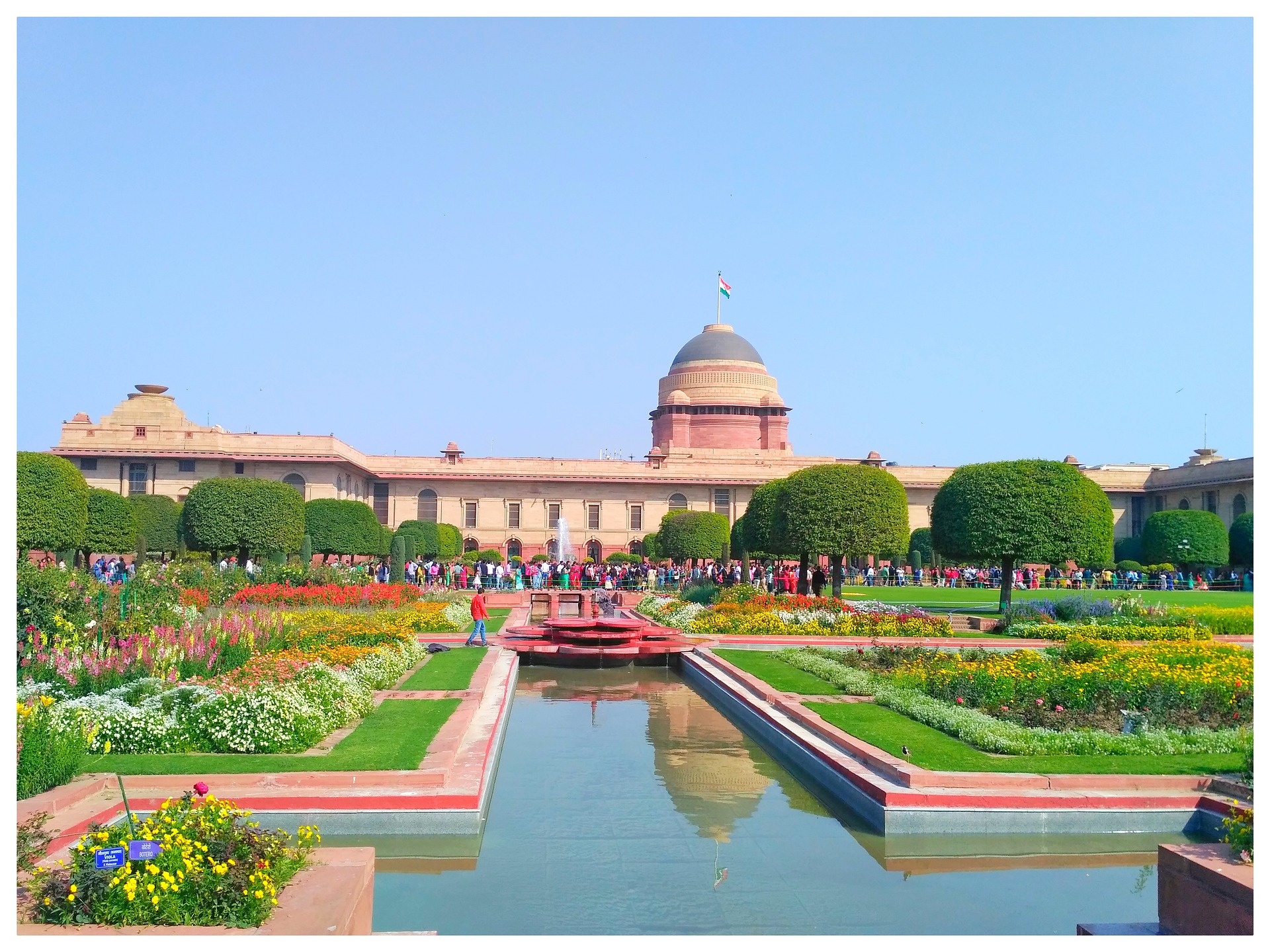
Mughal Garden
The Presidential Palace
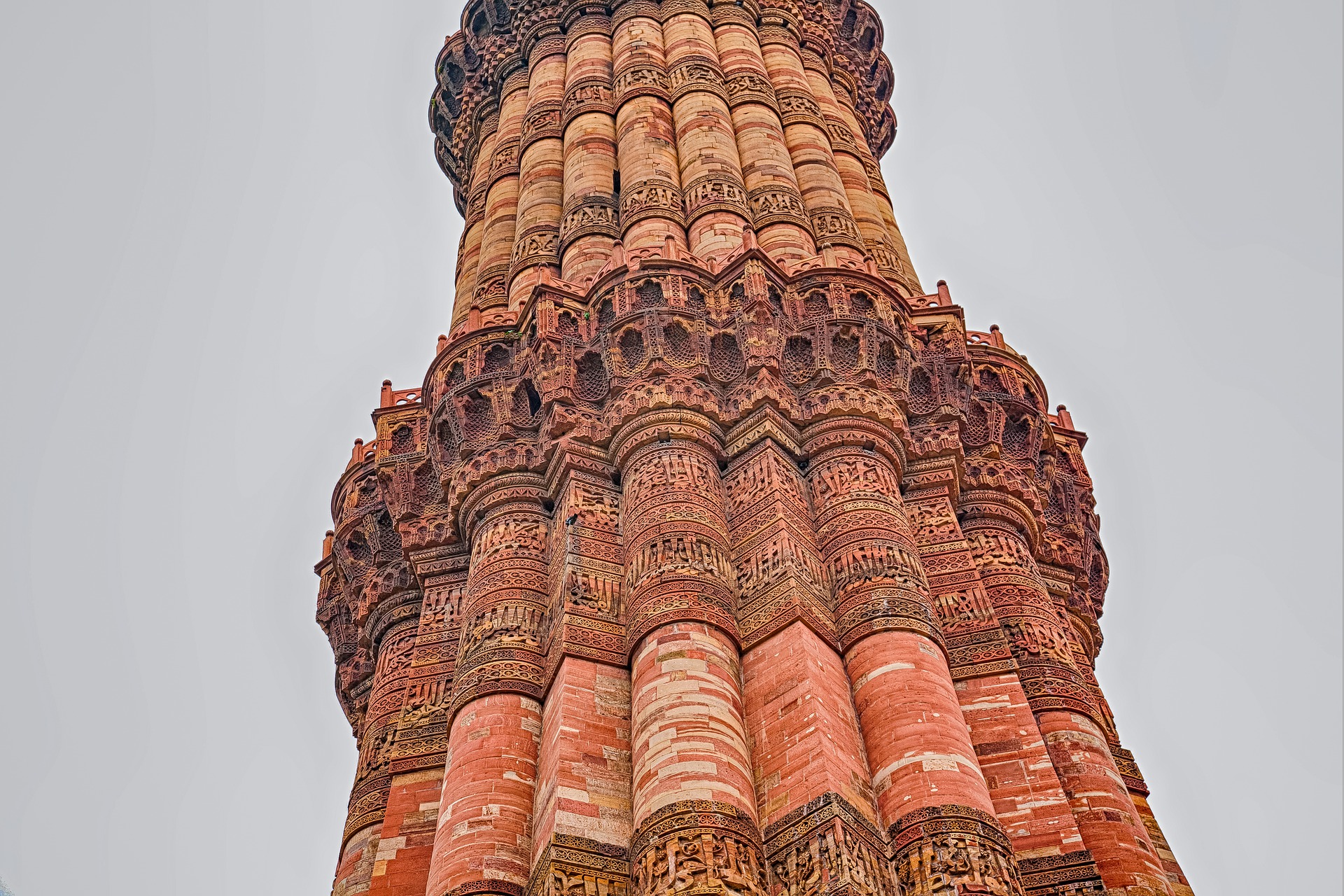
Qutub Minar Minaret built in 1192
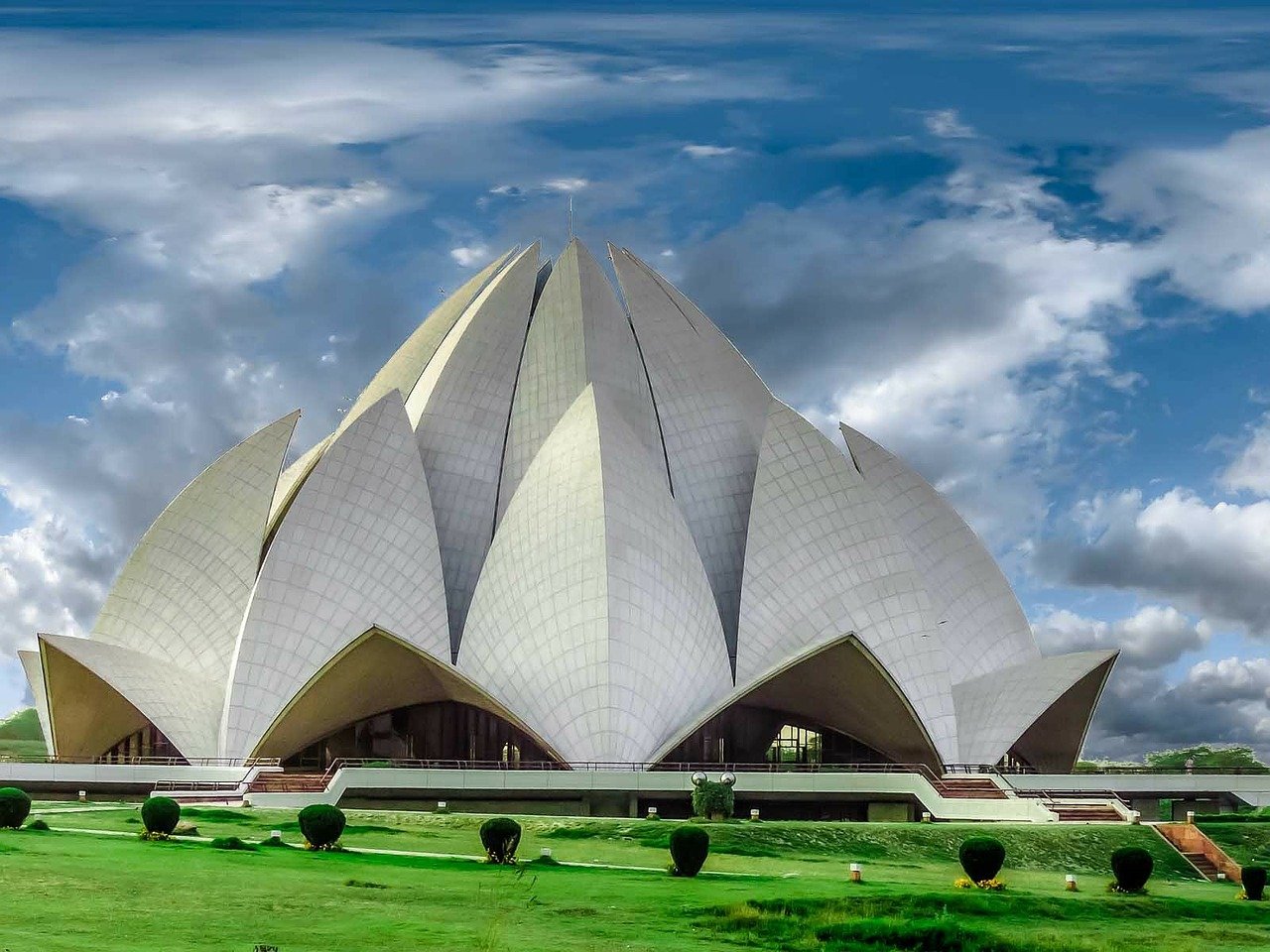
Lotus Temple Temple shaped like a lotus flower
Agra
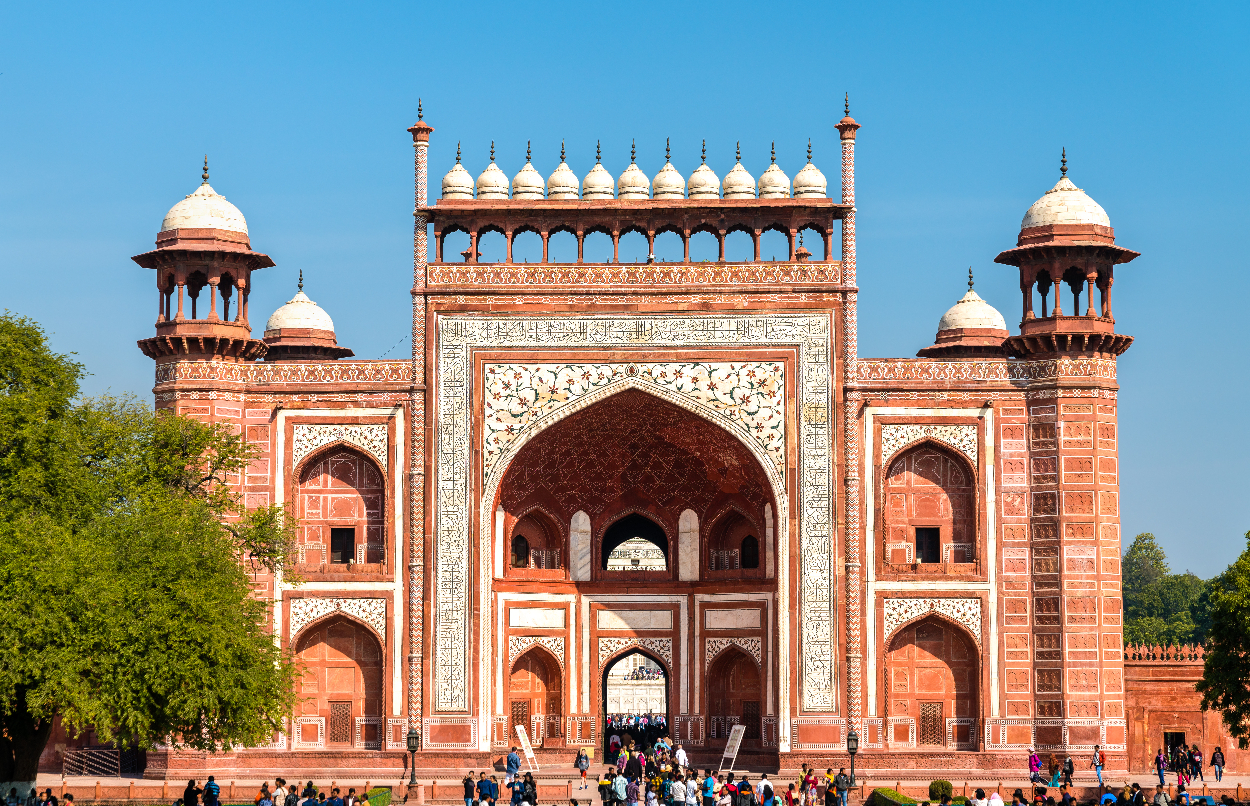
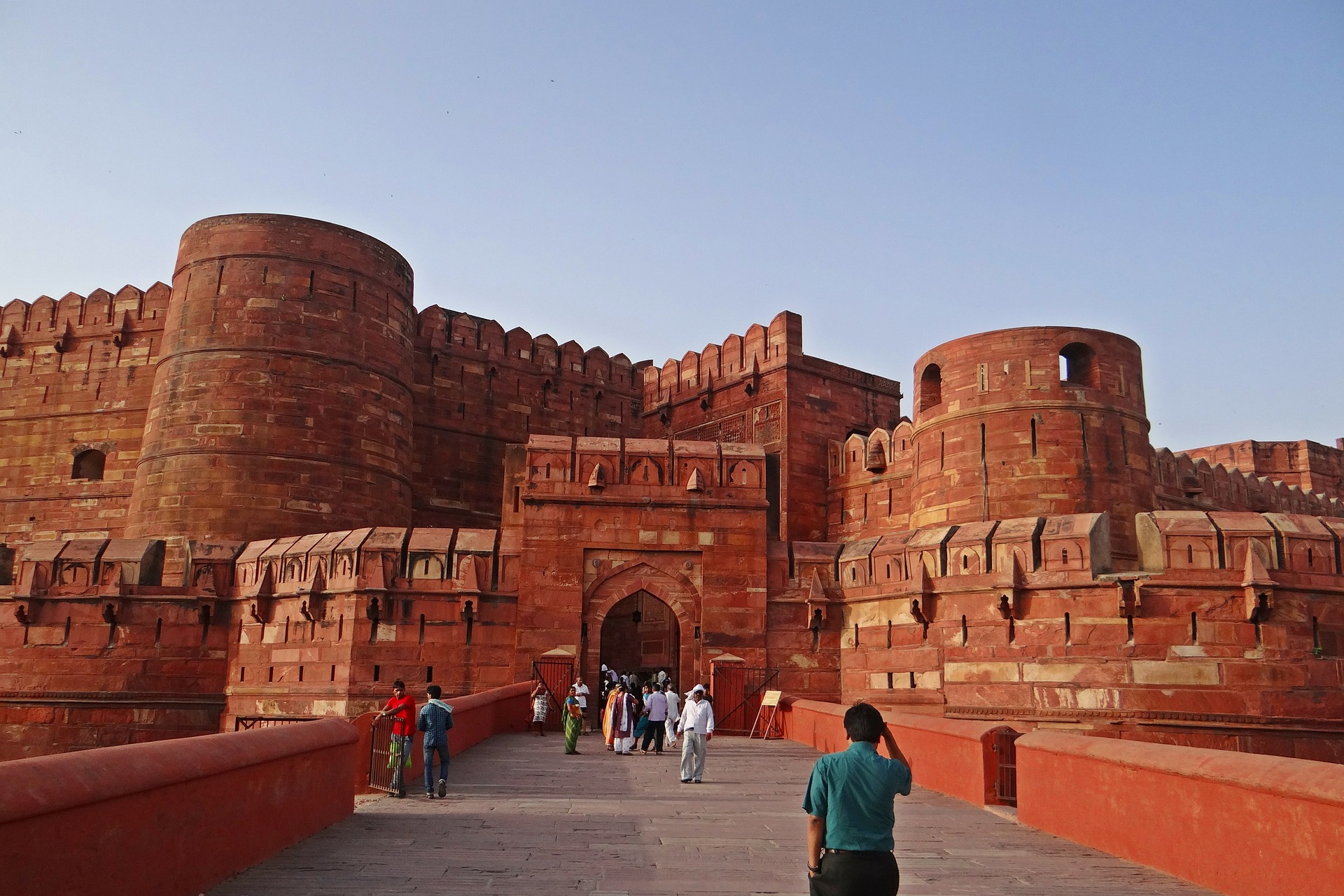
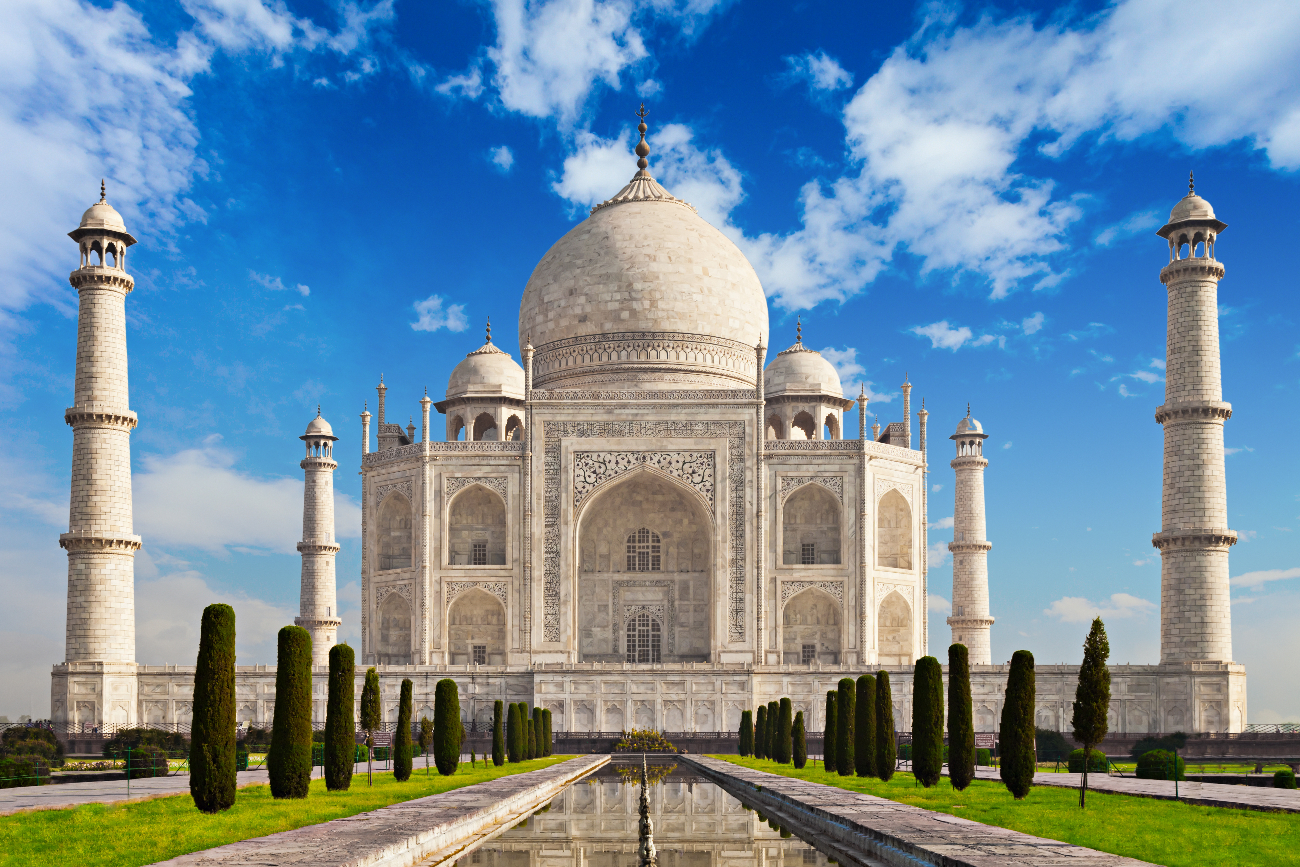
Agra is a city on the banks of the Yamuna River in the Indian state of Uttar Pradesh about 130 miles south of New Delhi. It has a population of 1.6 million. Agra’s notable historic period began during Sikandar Lodi’s reign but the golden age of the city began with the Mughals. Agra was the foremost city of the Indian subcontinent and capital of the Mughal Empire. Agra became the center of learning, arts, commerce and religion. With the decline of the Mughal Empire in the late 18th century, the city fell to the Marathas and then the East India Company. The Taj Mahal and the Agra Fort are UNESCO World Heritage Sites. The city has mild winters, hot and dry summers and a monsoon season and is famous for its Mughlai cuisine.
The Taj Mahal one of the seven wonders of the world
Itmad –Ud – Daulah’s Tomb
Akbar’s Tomb, Sikandra tomb of Mughal emperor, Akbar the Great
Jamamasjid a large mosque
Chinika Rauza a dome of blue glazed tiles
Mehtab Bagh Moonlight Gardens
Agra Fort built in the 16th century
Jaipur
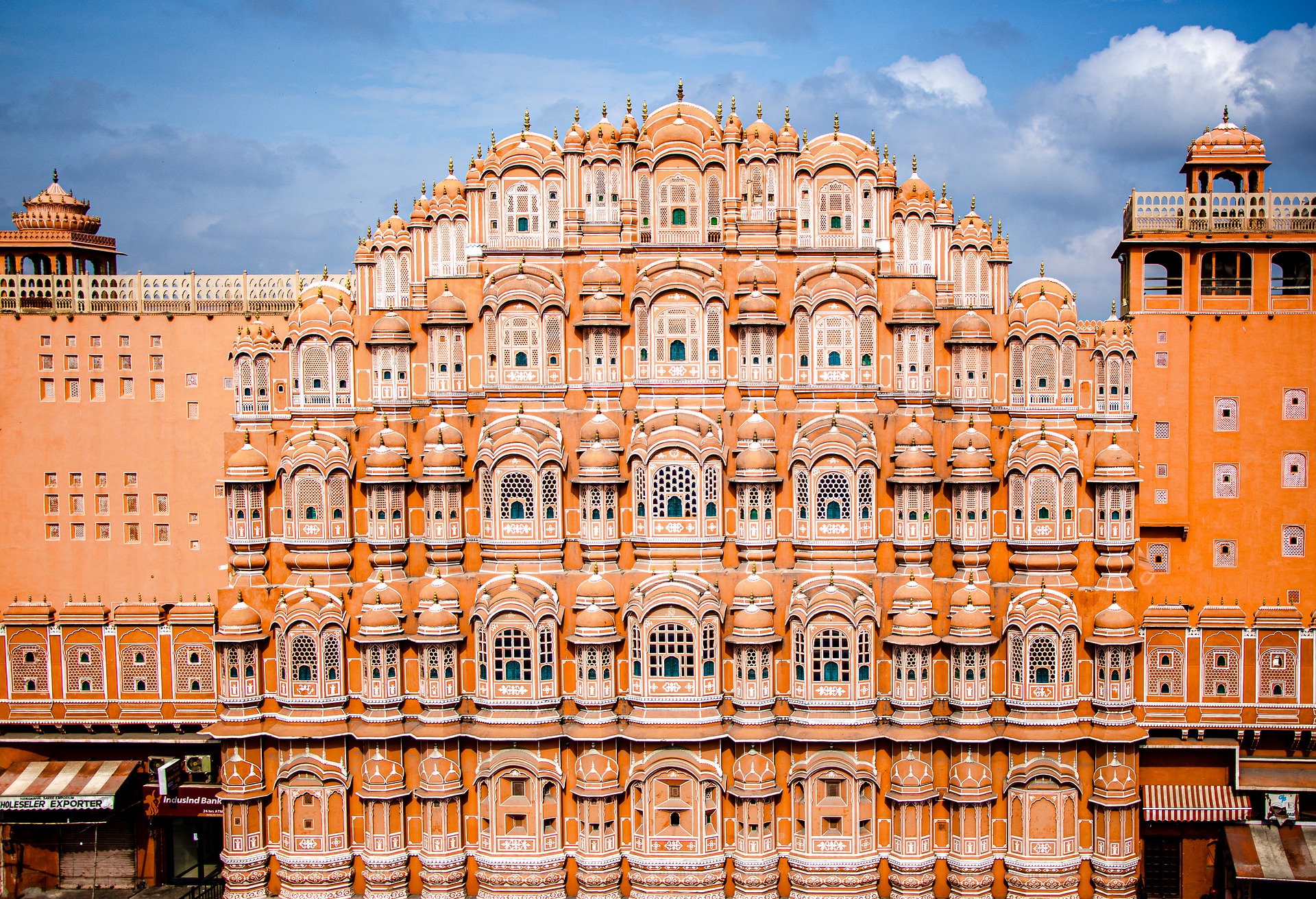
Jaipur is the capital and the largest city of the Indian state of Rajasthan. The city has a population of 3.5 million and is known as the “Pink City’ due to the dominant color scheme of its buildings. It is located 167 miles from New Delhi. In 2019 UNESCO World Heritage Committee inscribed Jaipur the “Pink City of India” among its world heritage sites. Jaipur was founded in 1727 by Jai Singh II, the ruler of Amer. It was one of the earliest planned cities of modern India. Jaipur has a monsoon inspired semi hot-semi arid climate with long extremely hot summers and short mild to warm winters. Monsoons come in July and August.
Tourist Attractions
City Palace
Jal Mahal the Water Palace because it sits on a body of water
Amber Fort a palace with red sandstone and marble walls
Albert Hall Museum
City Palace
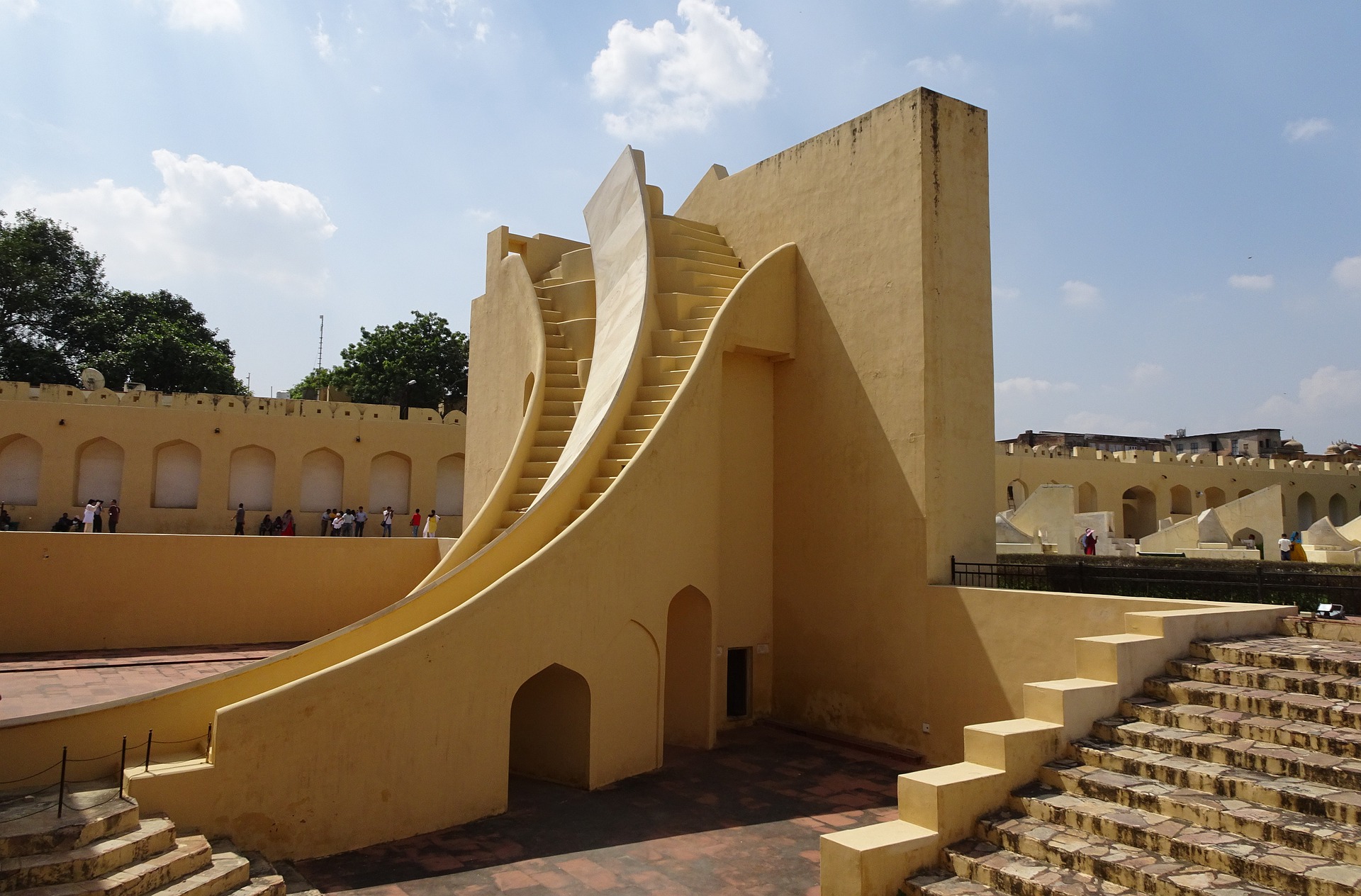
Jantar Mantar Ancient astronomical instruments from the 1700’s.
Hawamahal Palace Palace of the Wild
Nahargarh Fort
Govindaji Temple
Hawa Mahal Pink structure built 1798 with 953 windows
South India is a major region consisting of the southern part of the Indian Union, which encompasses the states of Andhra Pradesh, Karnataka, Kerala, Tamil Nadu and Telangana as well as the union territories of Lakshadweep and Puducherry which compromise 19.31% of India’s area (245,480) and 20% of its population. Covering the southern part of the peninsular Deccan Plateau, South India is bounded by the Bay of Bengal to the east, the Arabian Sea to the west, and the Indian Ocean to the south. The geography of the area is diverse with two mountain ranges-the Western and Eastern Ghats- bordering the plateau heartland. The majority of people in the region speak at least one of the four major Dravidian languages. Beside these languages, English is used by both central and state governments for official communications and is used on all public signboards. During its history a number of dynastic kingdoms ruled over parts of South India and the Muslim conquests in the Indian subcontinent impacted the history in those regions. Each state in the area has been able to retain its uniqueness and the area has many temples, archeological ruins, palm fringed canals, spirituality and beautiful beaches.
Tourist Attractions:
Hampi, Karnataka
Badami, Aihole and Pattadakal, Karnataka
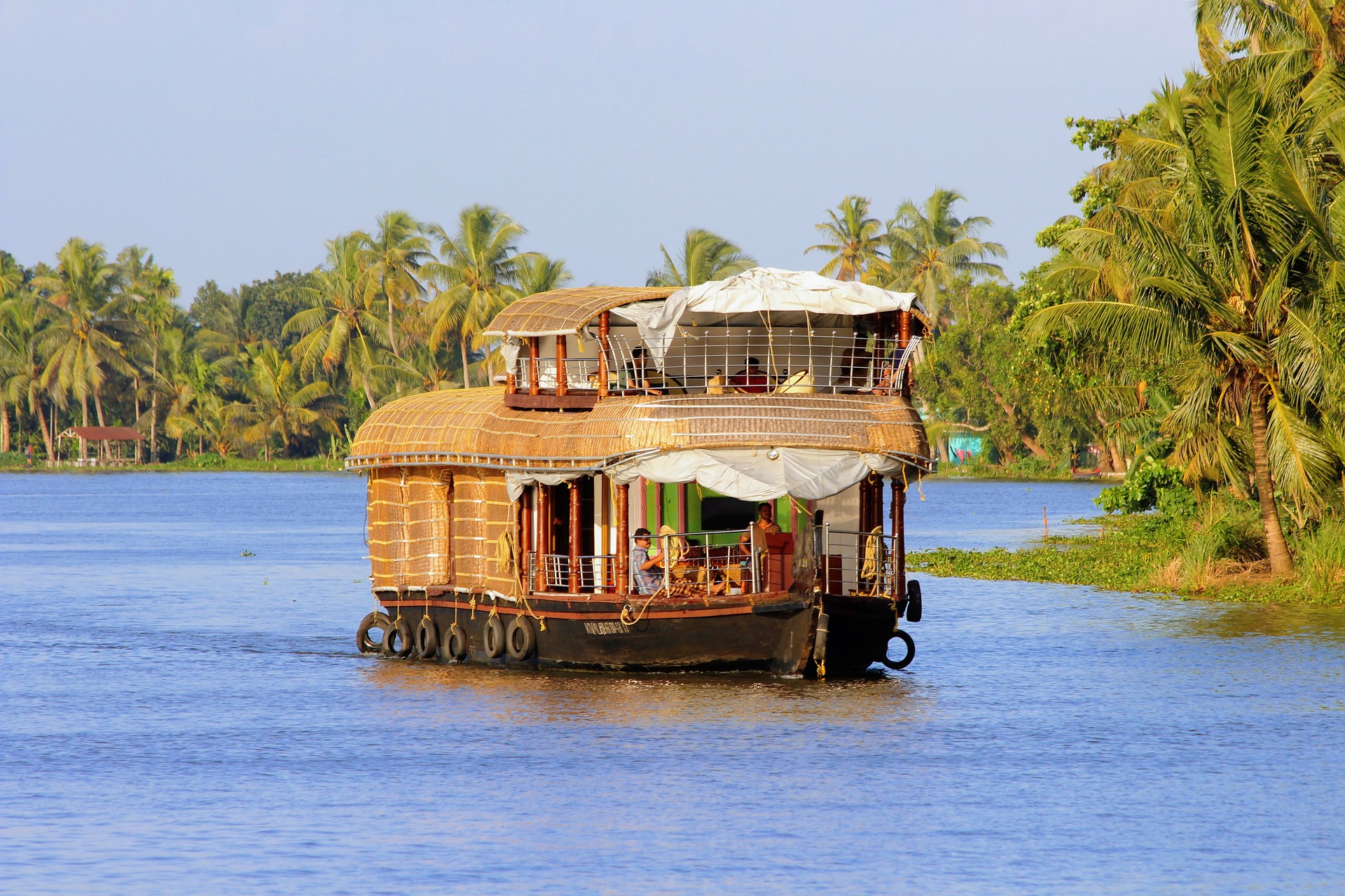
Kerala Backwaters
Varkala, Kerala
Fort Kochi, Kerala
Madurai, Tamil Nadu
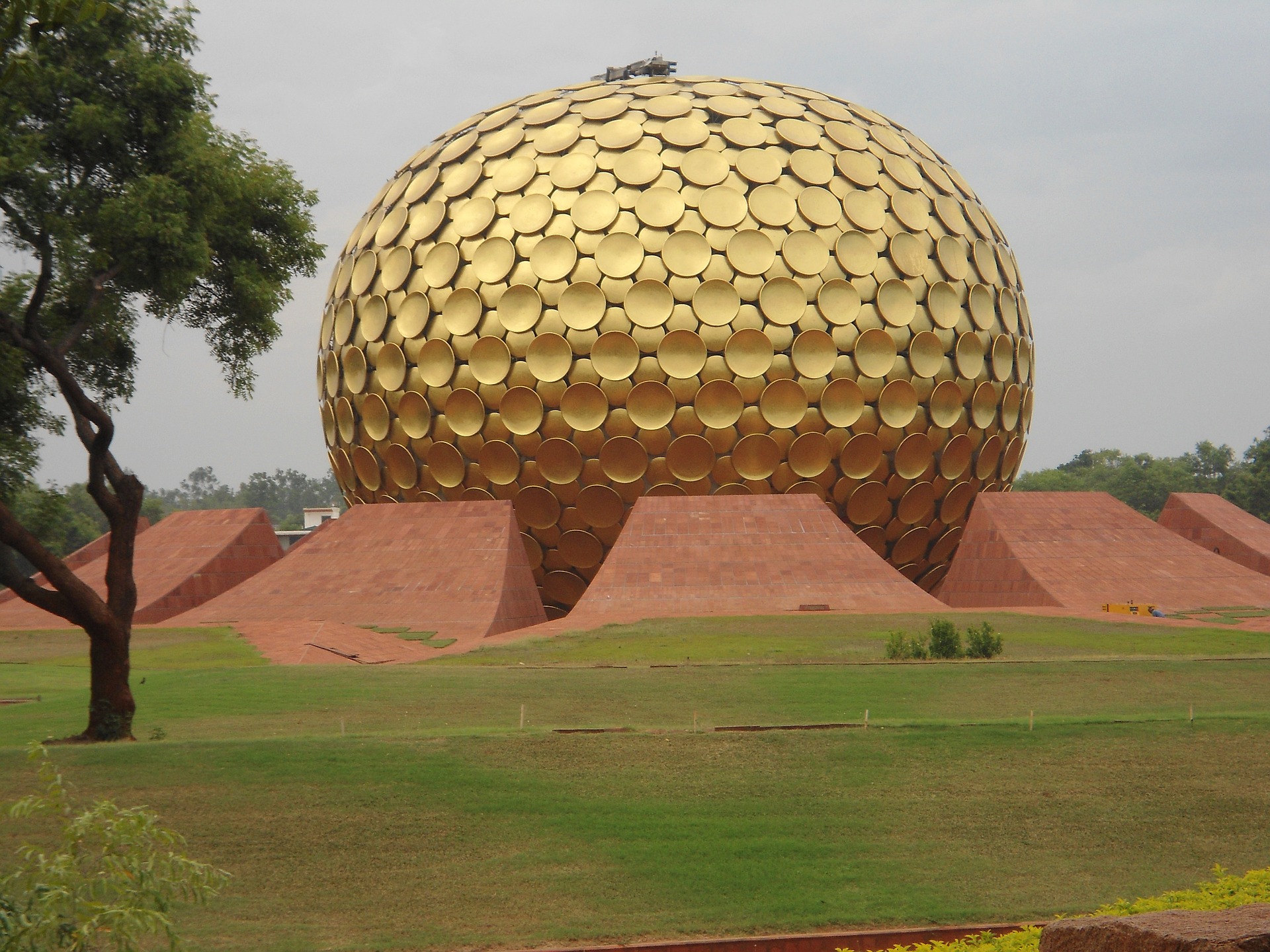
Pondicherry
Mamallapuram
Rameshwaram and Dhanushkodi, Tamil Nadu
Mysore, Karnataka
Coorg, Karnataka
Nilgiri Mountain Railway, Tamil Nadu, A UNESCO World Heritage Site
Hyderabad, Telangana
Periyar National Park, Kerala
North India is a loosely defined region consisting of the northern part of the Indian Union. The dominant geographical feature of North India is the Indus-Gangetic Plain and the Himalayas, which demarcate the region from the Tibetan Plateau and Central Asia. North India has been the historical center of the Mughal Empire, the Delhi Sultanate and the British Indian Empire. It has a diverse culture which includes the Hindu Pilgrimage Centers, Buddhist Pilgrimage Centers as well as World Heritage Sites. Languages that have official status are Hindi, Punjabi, Kashmiri, Dogri and English.
Tourist Attractions: UNESCO World Heritage Sites
Kaziranga Wildlife Sanctuary, Assam
Manas Wildlife Sanctuary, Assam
Archaeological Site of Nalanda Mahavihara
Khangehend Zonga National Park, Sikkim
Sundarbans National Park, West Bengal
Humayon’s Tomb, New Delhi
Architectural Work at Le Corbusier, Chandigarh
Red Fort Complex, Delhi
Qutb Minar, New Dehli
Hill Forts of Rajasthan
Jaipur City, Rajasthan
Keoladeo National Park, Bharat
Nanda Devi and Valley of Flowers National Park, Uttarakhand
Agra Fort, Uttar Pradesh
Uttar Pradesh Great Himalayan National Park, Himachal, Pradesh
Taj Mahal
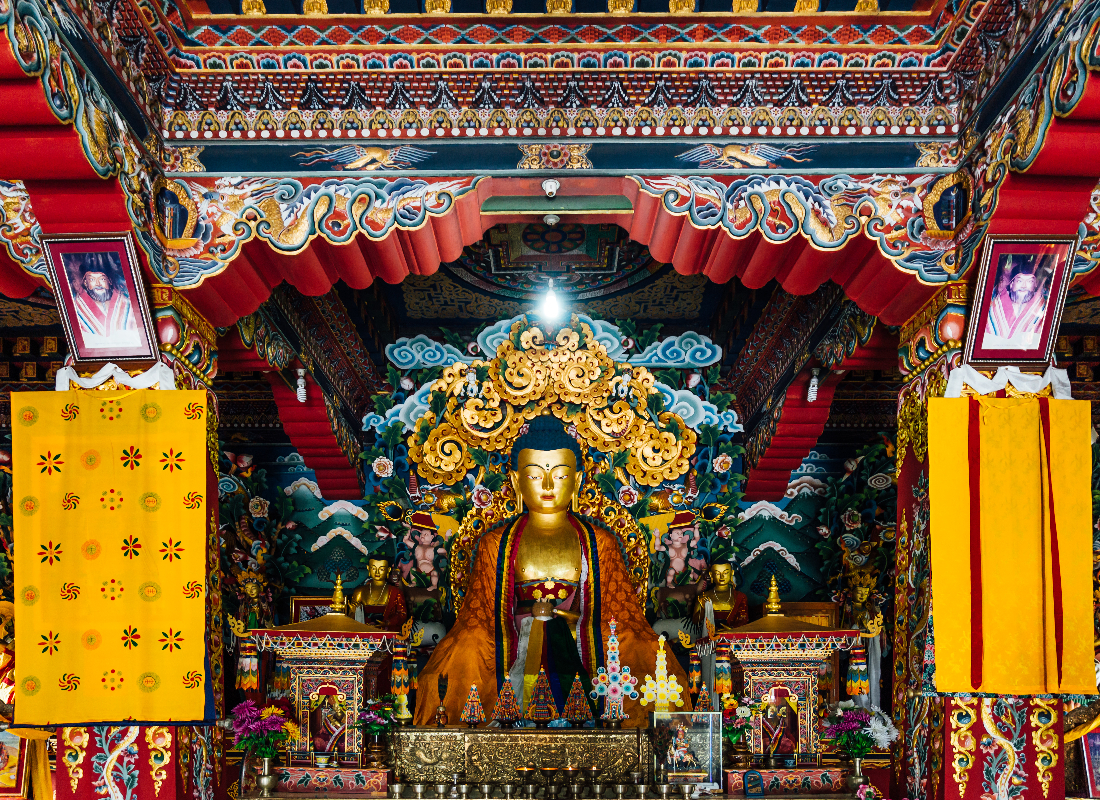
Bihar Mahabodhi Temple Complex, Bodh, Gaya
Jantar Mantar, Jaipur, Rajasthan
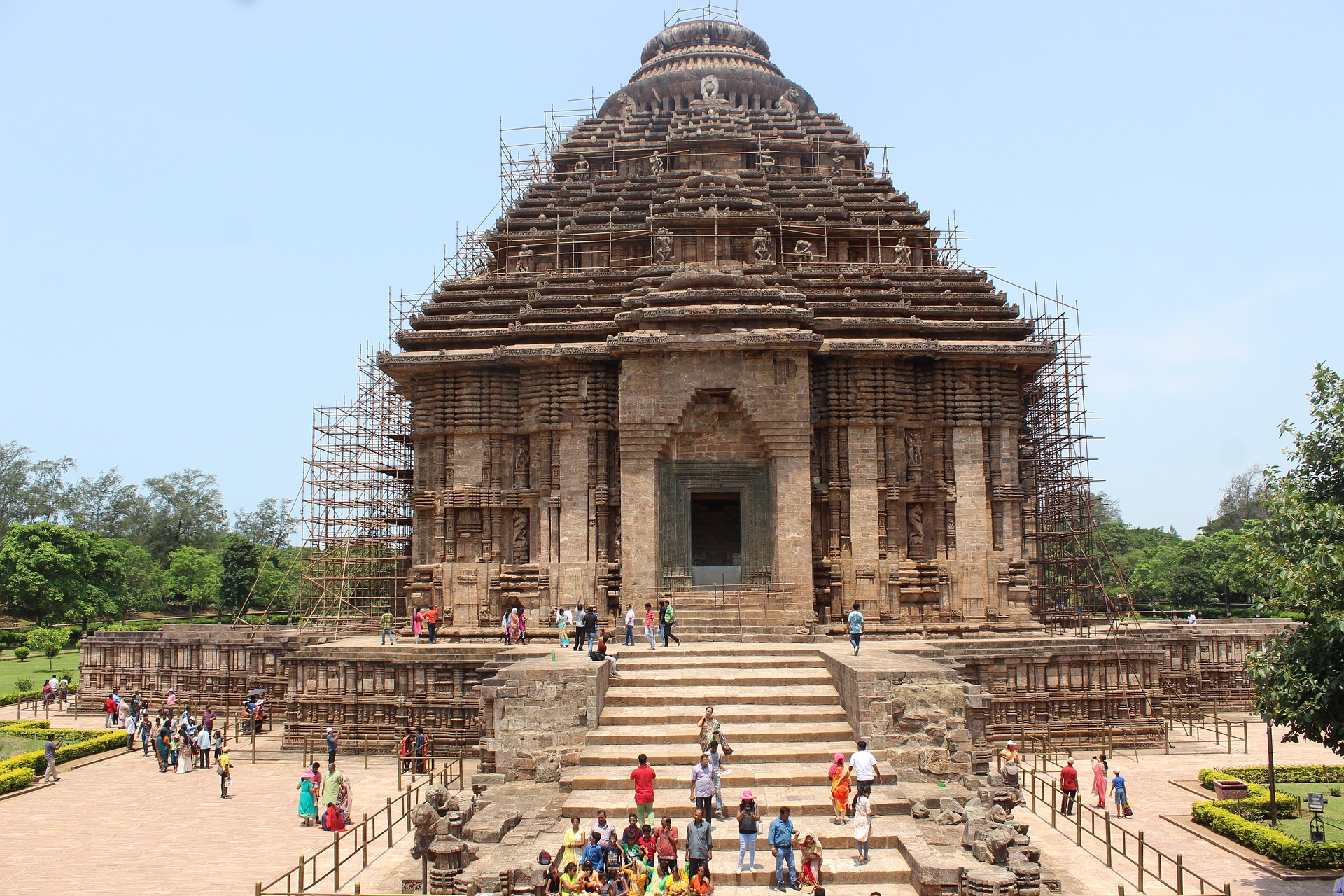
Sun Temple, Konarak, Odisha
No Tour Found
No Tour Found