


Indonesia is located off the coast of mainland Southeast Asia in the Indian and Pacific Oceans. It is an archipelago that lies across the equator and spans a distance equivalent to 1/8th of earth’s circumference. Its islands can be grouped into the Greater Sunda Islands of Sumatra (Sumatra), Java, the southern extent of Borneo (Kalimantan), and Celebes (Sulawesi), the lesser Sunda Islands (Nusa Tenggara), of Bali and a chain of islands that run eastward through Timor, the Moluccas (Maluka) between Celebes and the island of New Guinea (Papua). The capital, Jakarta, is located near the northwest coast of Java. Indonesia has a population of over 240,000,000 and is the fourth most populous country in the world. Indonesia is the largest country in Southeast Asia with a length of 3200 miles from east to west and 1100 miles north to south. It shares a border with Malaysia in the northern part of Borneo and with Papua New Guinea in the center of New Guinea. Indonesia has 17,500 islands of which more than 7000 are uninhabited. The major islands are characterized by densely forested volcanic mountains in the interior that slope down to coastal plains covered by thick alluvial swamps, that in turn dissolve into shallow seas and coral reefs. Indonesia lies on the Pacific Ring of Fire and has many volcanoes that have violently erupted over time. The climate is mostly tropical with a dry (May to October) and a wet (November to April) season and nothing in between.
History of the Indonesian Archipelago
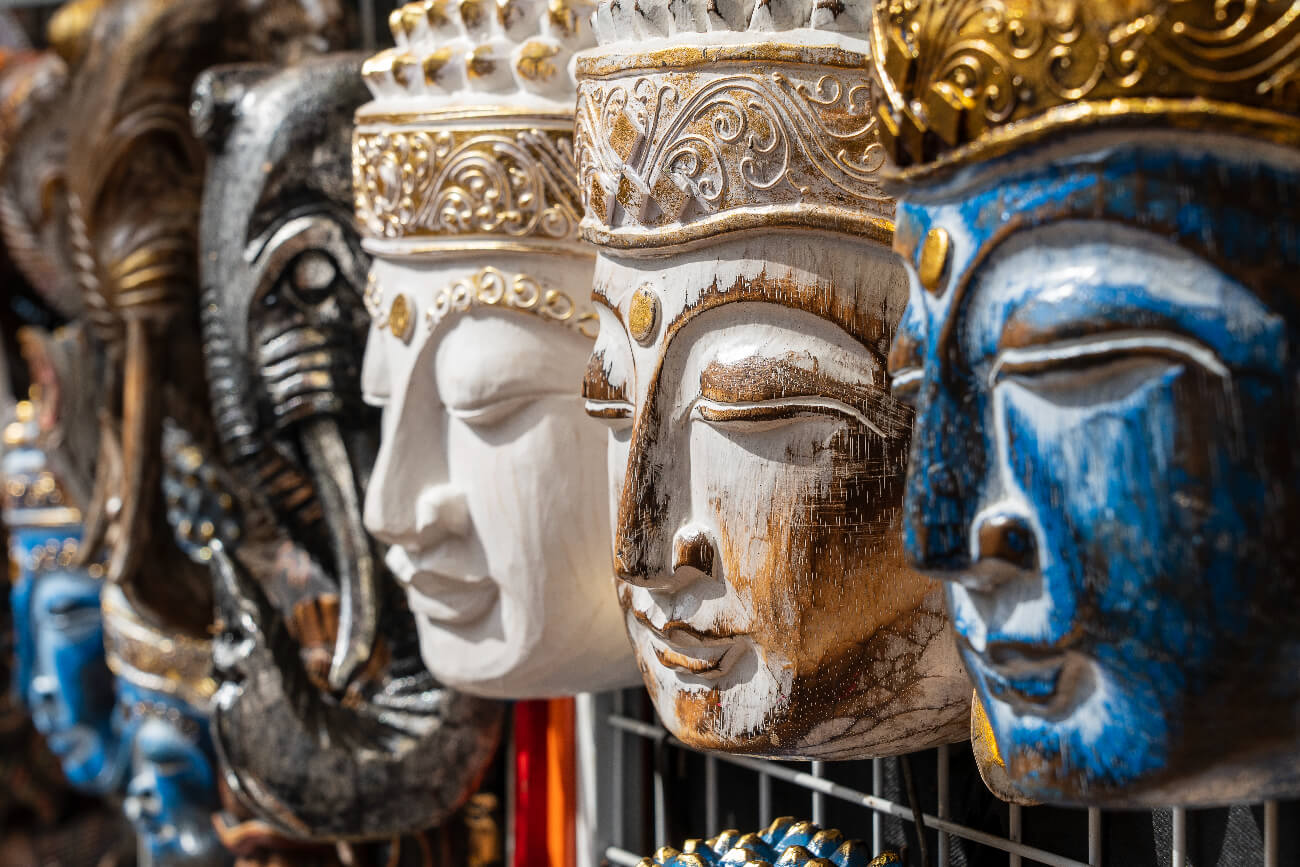
Settlement History: Fossilized remains of Homo erectus (Java Man) suggest the archipelago was inhabited as early as 2 million years ago. Homo sapiens reached the islands about 43,000 years ago. Other hominid species unique only to Indonesia have been discovered in recent years and two of them had survivors until 7000 and15000 years ago. There have been many discoveries of megalithic stone sculptures and tribal art uses wood and stone. Various indigenous tribes incorporate chants and songs accompanied by musical instruments in their rituals. Indonesian dances have a diverse history numbering more than 3000 original dances.
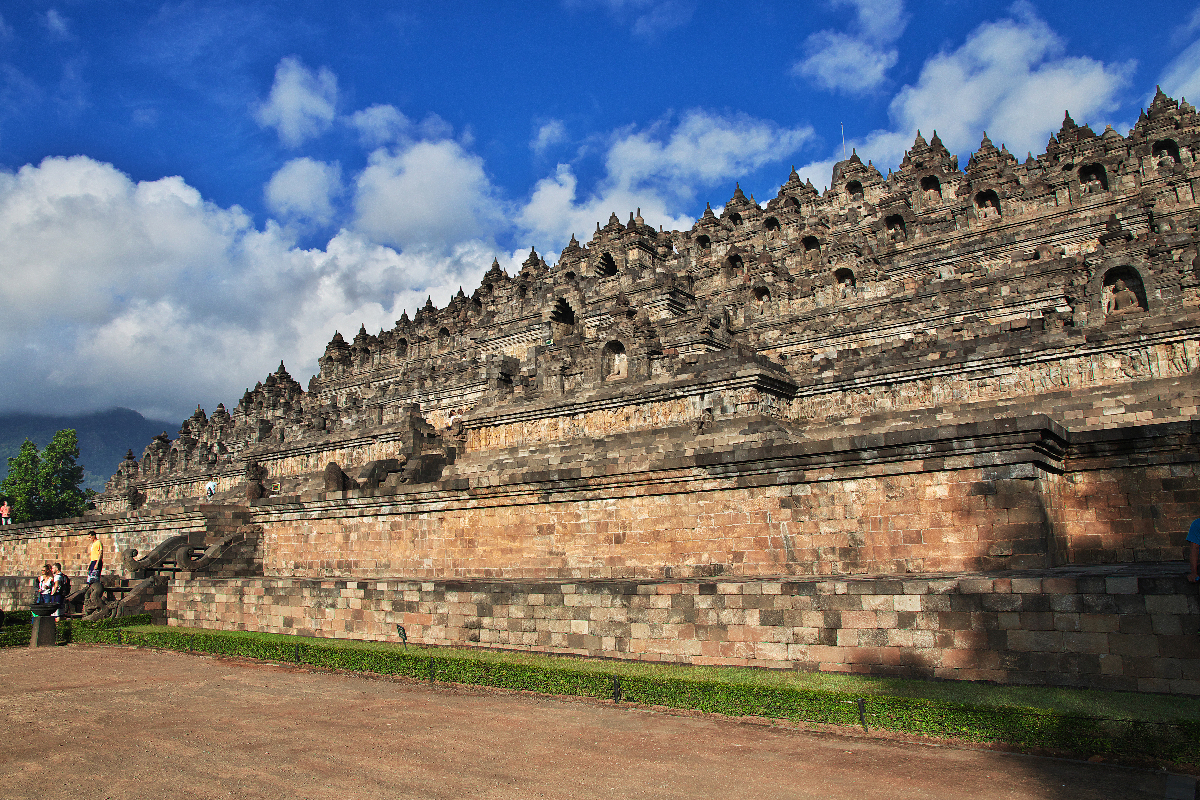
Villages, towns and small kingdoms flourished by the first century BCE. The archipelago has been a valuable region for trade since at least the 7th century AD with trade from China and the Indian subcontinent. Local rulers absorbed foreign culture and influences and Hindu and Buddhist kingdoms flourished, Sunni traders and Sufi scholars brought Islam and Christianity was introduced through European traders. From the 7th century CE, the Srivijaya Naval Kingdom flourished with trade. The influences of Hinduism and Buddhism between the 8th and 10th centuries built and left many grand religious monuments. The Hindu Majapahit Kingdom was founded in eastern Java in the late 13th century and its influence stretched over much of what is now Indonesia. This period is often referred to as a “Golden Age”. The earliest evidence of Islamized populations date back to the 13th century in northern Sumatra. It became the dominant religion in Sumatra and Java by the end of the 16th century. In 1602, the Dutch established the Dutch East India Company and it became the dominant European power for 200 years until bankruptcy in 1800. Then the Netherlands established the Dutch East Indies as a nationalized colony. After the Japanese occupation in World War II Indonesia declared its independence from the Netherlands in 1945 but the Dutch did not recognize that until 1949. In 1969 the United Nations recognized the western segment of New Guinea as part of Indonesia and the country took its present geographical form. A centralized government and a common language have provided the country with some sense of unity. Indonesia is a presidential, constitutional republic with an elected legislature. It has 34 provinces and the capital Jakarta is the second most populous urban area in the world. The Dutch were the foremost influence for 350 years but the concept of Indonesia as a country emerged only in the 20th century.
Demographics
The 2020 census recorded the population at 270 million. Java is the world’s most populous island where 56% of the country’s residents reside. 55% of the people live in urban areas and Jakarta is the primary city with almost 35 million residents. There are 1300 distinct native ethnic groups with 700 languages with Javanese being the largest. The country’s official language is Indonesian and most people speak it. The country recognizes six religions: Islam, Protestantism, Roman Catholicism, Hinduism, Buddhism and Confucianism. With 230 million Sunni Islam adherents it has the world’s largest Islamic population.
Cuisine
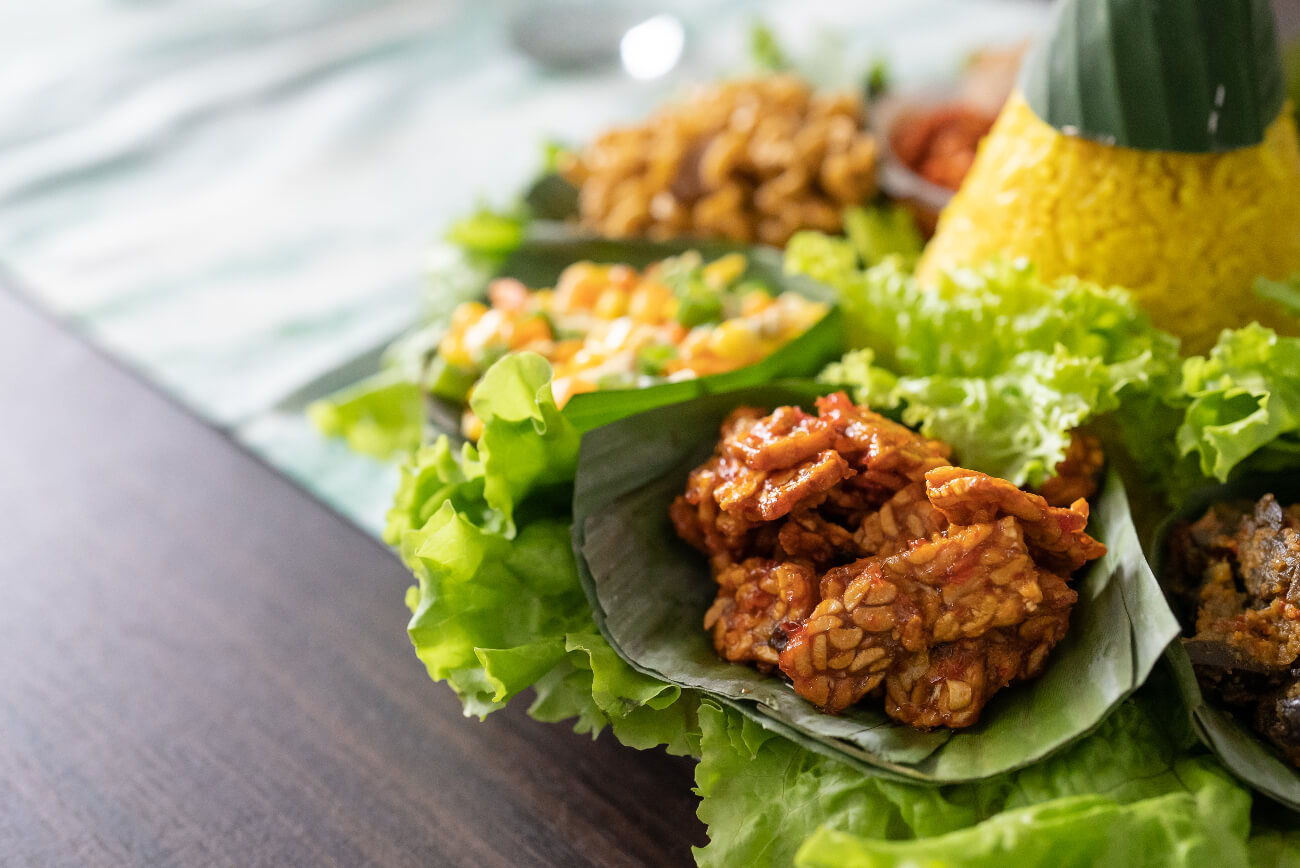
Indonesian cuisine is diverse, vibrant and colorful food, full of intense flavor. Many regional cuisines exist based on indigenous culture and foreign influences such as Chinese, European, Middle Eastern and Indian. Rice is the leading staple food and is served with side dishes of meat and vegetables. Spices such as chili along with coconut milk, fish and chicken are fundamental ingredients. Tumpeng is the official national dish.
Jakarta
Jakarta is the capital and largest city. It is a tourist center along with Bali which is a 2 hour plane ride away. Tourist attractions in and near Jakarta include:
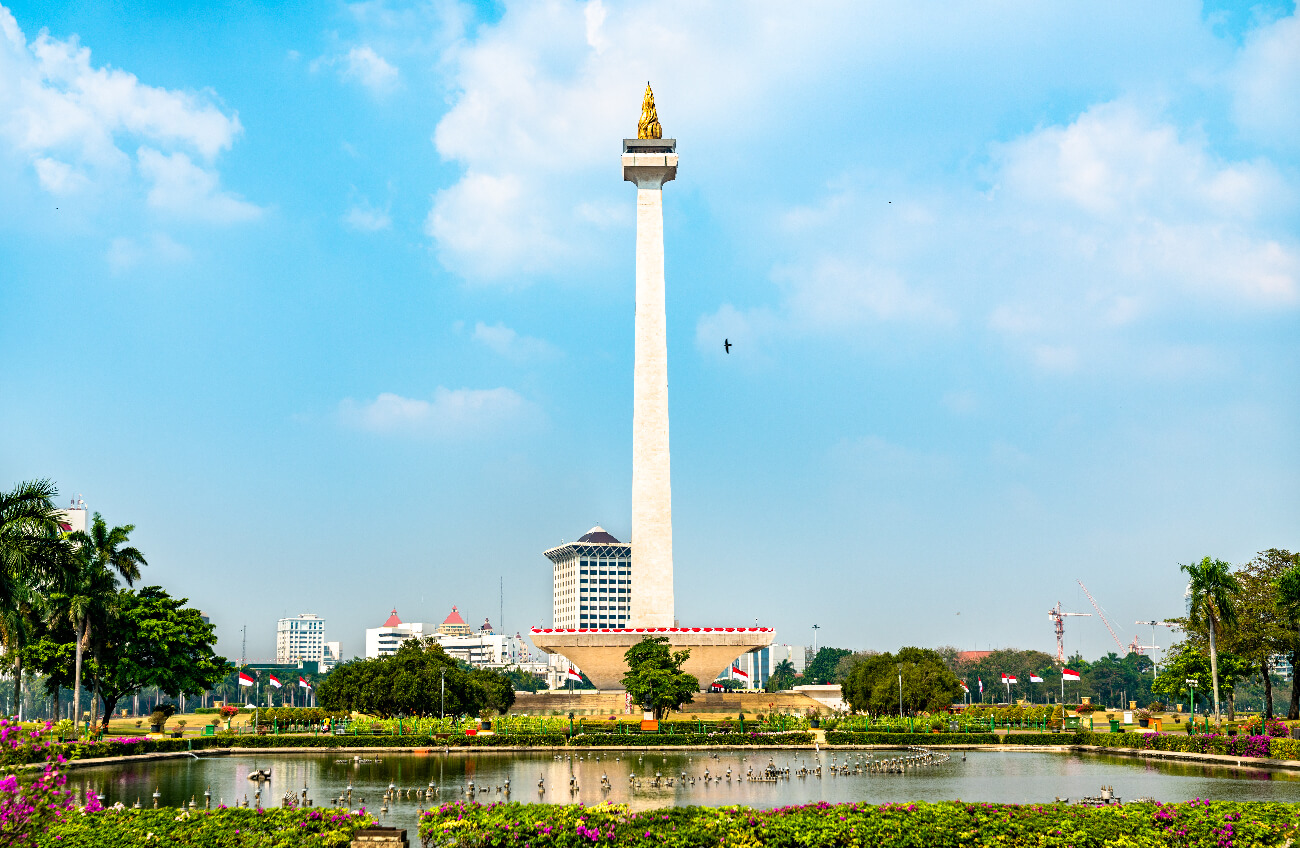
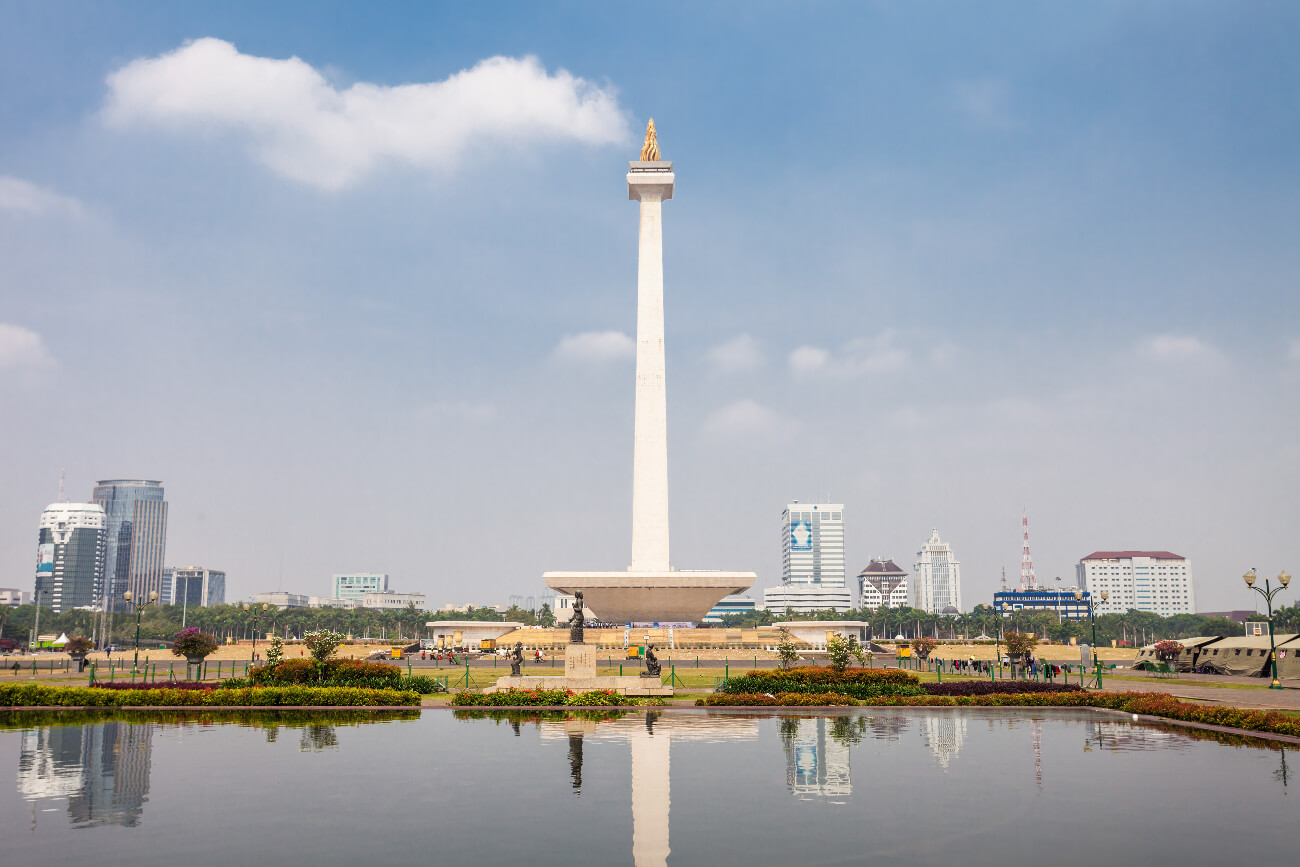
The National Monument The Monas Monument celebrates the war of independence and is nearly 400 feet high. It is crowned with flames lined with gold sheets. It is the most popular attraction in Jakarta.
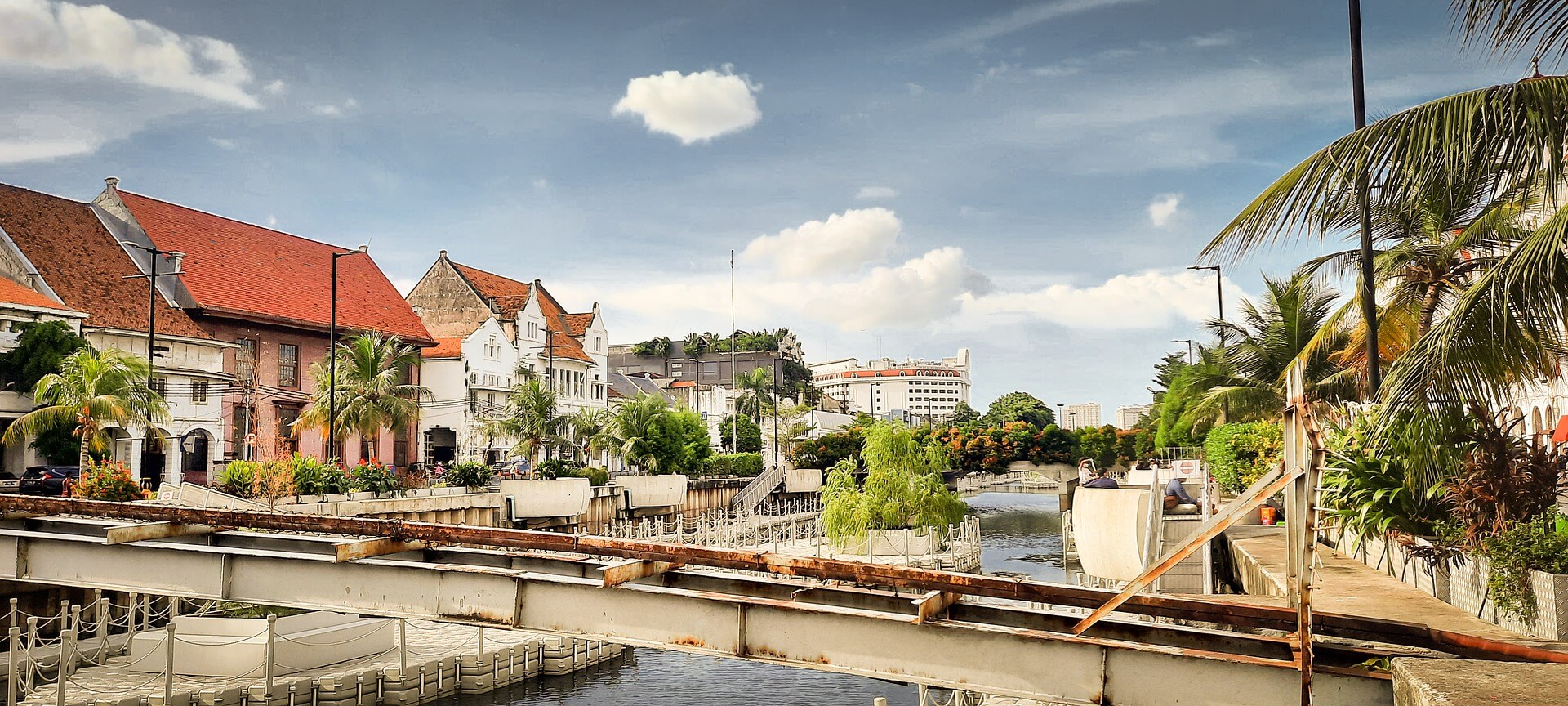
Jakarta Old Town is a historical attraction of the old sections of the city. Sites to see include Fatahillah Museum, Bank Indonesia Museum and numerous fine arts and ceramic shops.
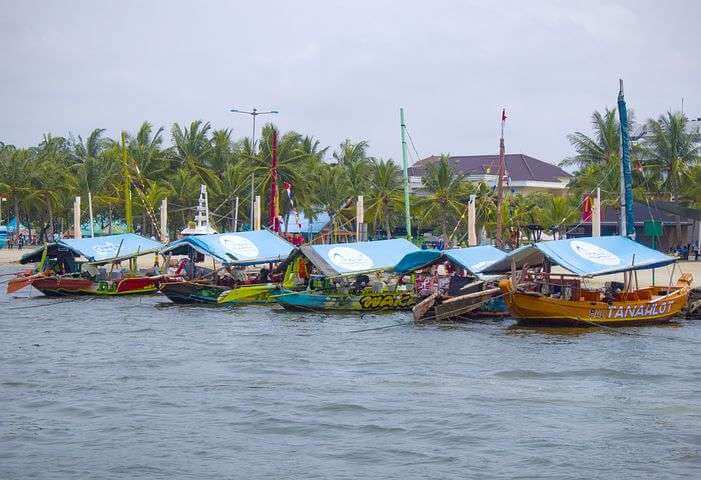
 Thousand Islands consist of several small islands ideal for water sports.
Istana Merdeka The Presidential Palace
The National Museum
Bali
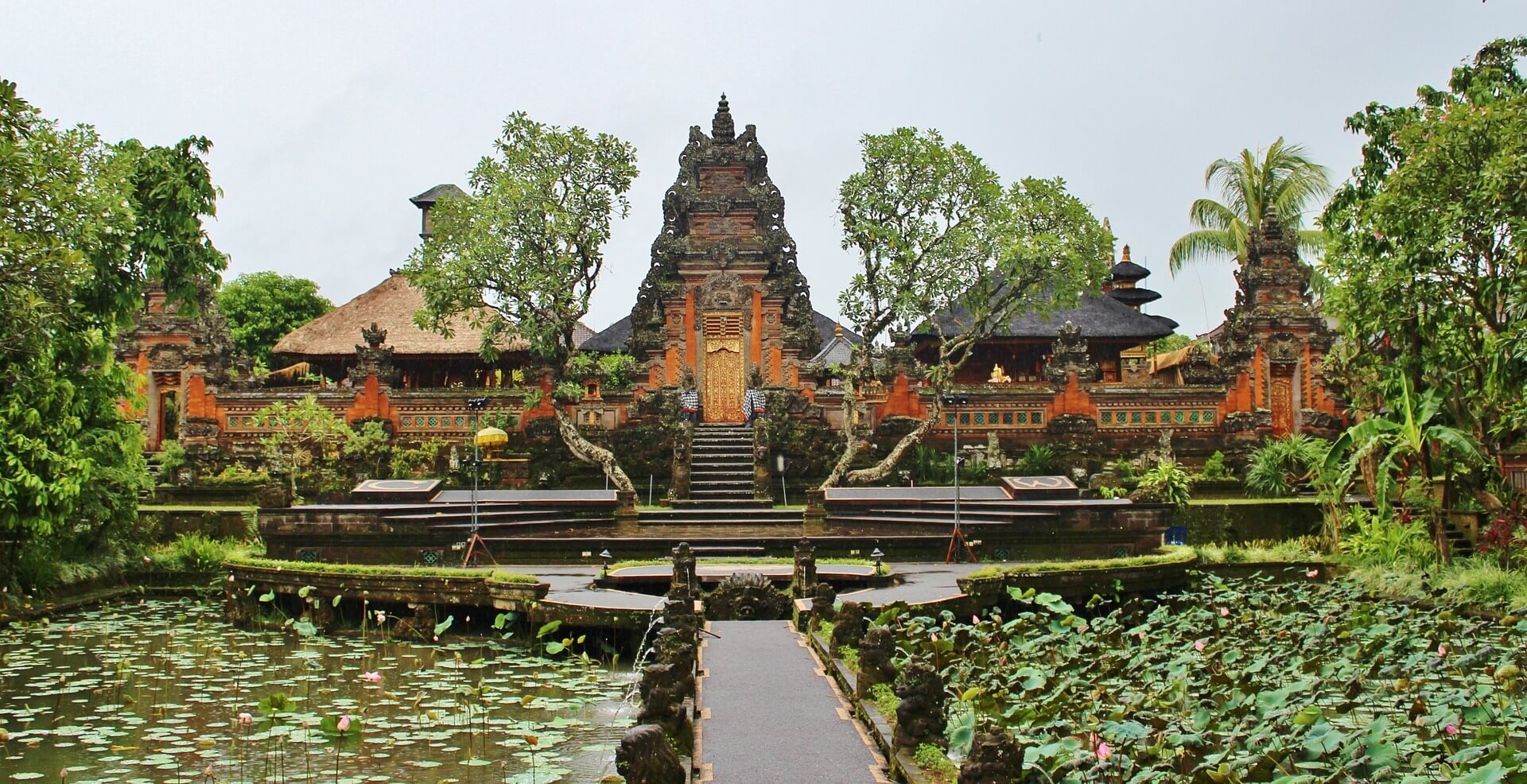
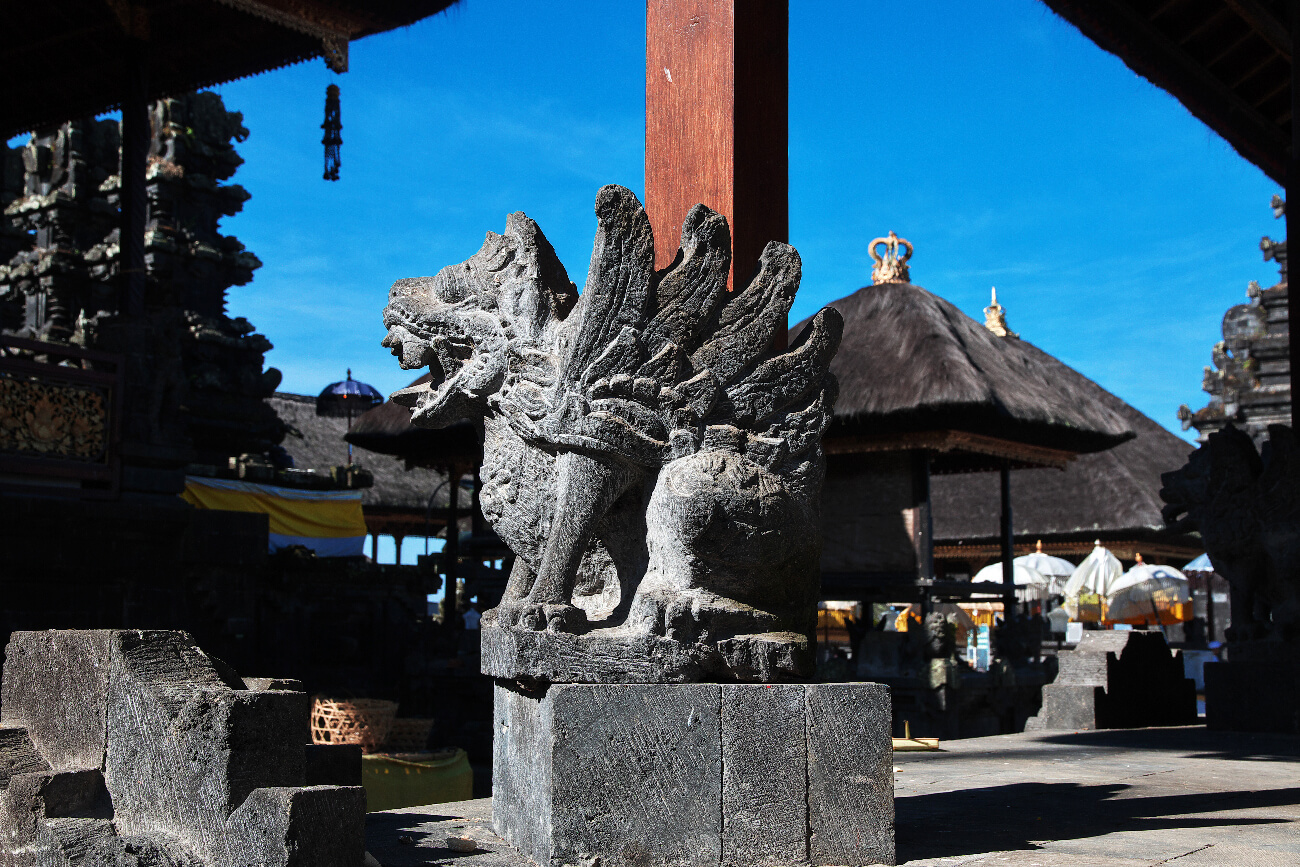
Bali is a province of Indonesia and the western most of the Lesser Sunda Islands. East of Java and west of Lombok, the province includes the island of Bali and a few neighboring small islands. Bali has a little over 4 million residents and the upland town of Ubud is considered Bali’s cultural center. The province is Indonesia’s main tourist destination. Tourism makes up 80% of its economy. 87% of the residents of Bali are Hindu. It is renowned for its highly developed arts, including traditional and modern dance, sculpture, painting, leather, metalworking and music. In March 2017, TripAdvisor named Bali as the world’s top destination and it was again named in January 2021. Bali is part of the Coral Triangle, the area with the highest biodiversity of marine species especially fish and turtles. It is home to a unified confederation of kingdoms composed of 10 traditional royal Balinese houses, each house ruling a specific geographic area. The confederation is the successor to the Bali Kingdom. 914 AD is the first mention of a Balinese king who ruled an independent Bali. In 1520 Bali’s government became an independent collection of Hindu kingdoms which, in turn, led to a Balinese national identity and major enhancements in culture, arts and the economy. The nation with various kingdoms was independent for 386 years until 1906 when the Dutch took over economic control. In the 1930’s anthropologists Margaret Mead and Gregory Bateson, artists Miguel Covarrubias and Walter Spies, and musicologist Colin McPhee all spent time there. Their accounts of the island and its people created a western image of Bali as “an enchanted land of aesthetes at peace with themselves and nature”. Western tourists began to visit. The Japanese occupied the island during the war. The largest city is the provincial capital, Denpasar, near the southern coast with a population of 725,000. The tourist industry is mainly focused in the south and the main tourist locations are the towns of Kuta, with its beautiful beach, and its outer suburbs of Legian and Seminyak, the east coast town of Sanur and Ubud towards the center of the island, Jimbaran and the newer developments of Nusa Dua and Pecatu. The architecture of Bali has religious undertones with temples and residential homes spatially oriented by having the most sacred places closest to the mountain and the unclean places closest to the sea. Most temples have inner and outer courtyards with performance venues.. The inner courtyard performances are the most sacred rituals and only for the gods, while the outer courtyard performances are for both gods and people.
Tourist Attractions
The Town of Ubud
Set amid jungle ravines and rolling emerald hills, Ubud has long been the center of Bali’s artisanal traditions and spiritual life. Tranquil temples and nature are nearby. Some places to explore
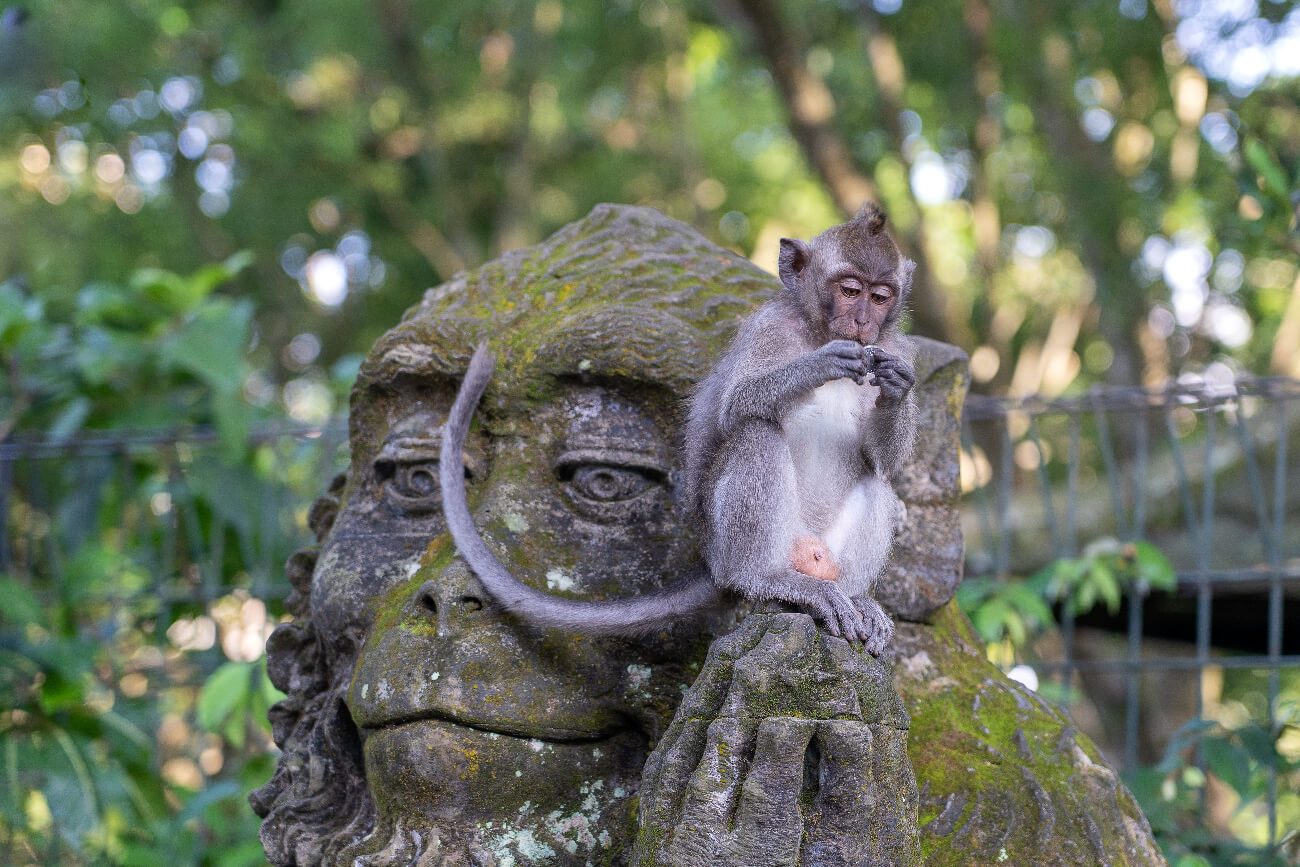
The Sacred Monkey Forest
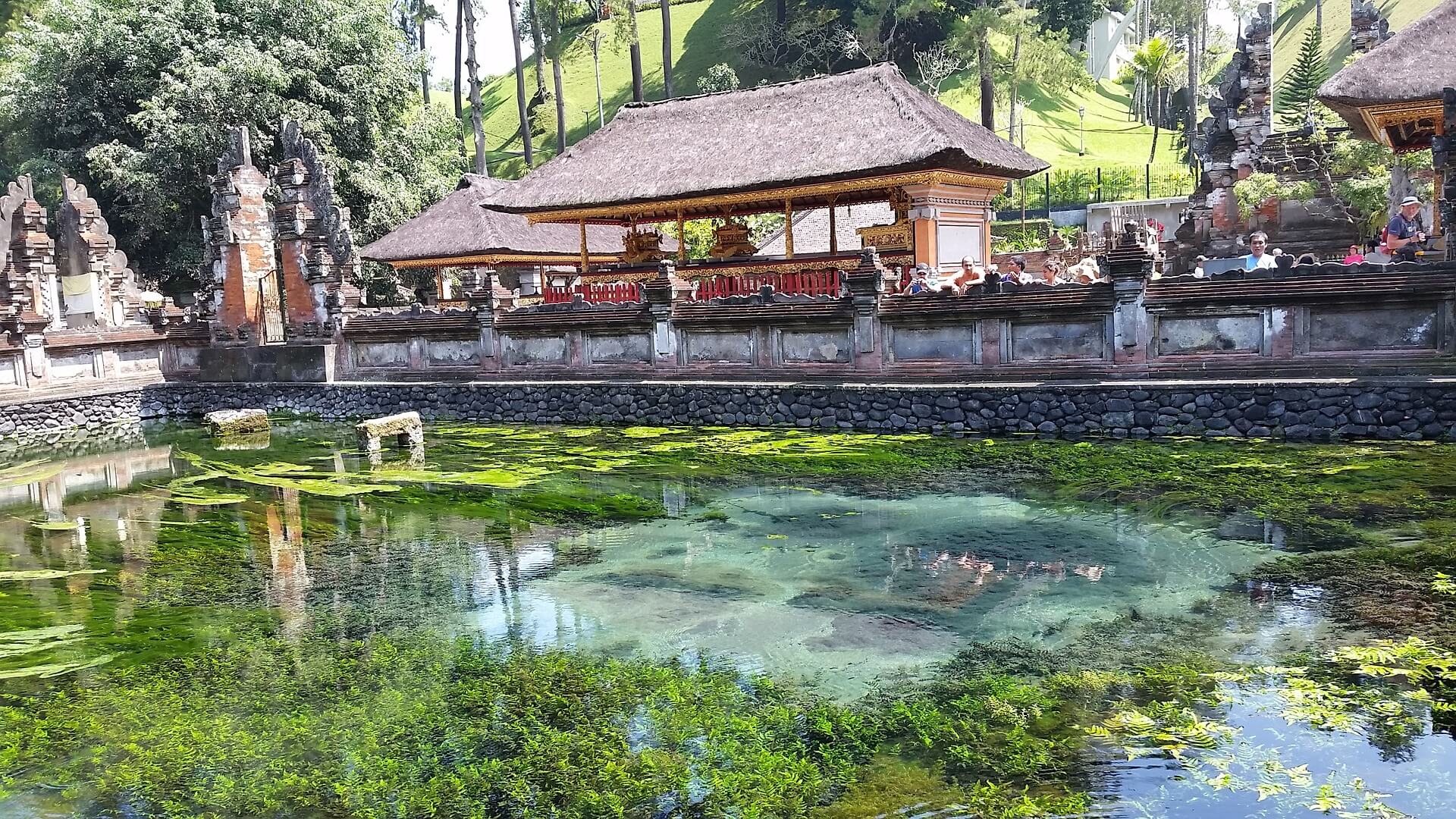
Tirta Empul Temple
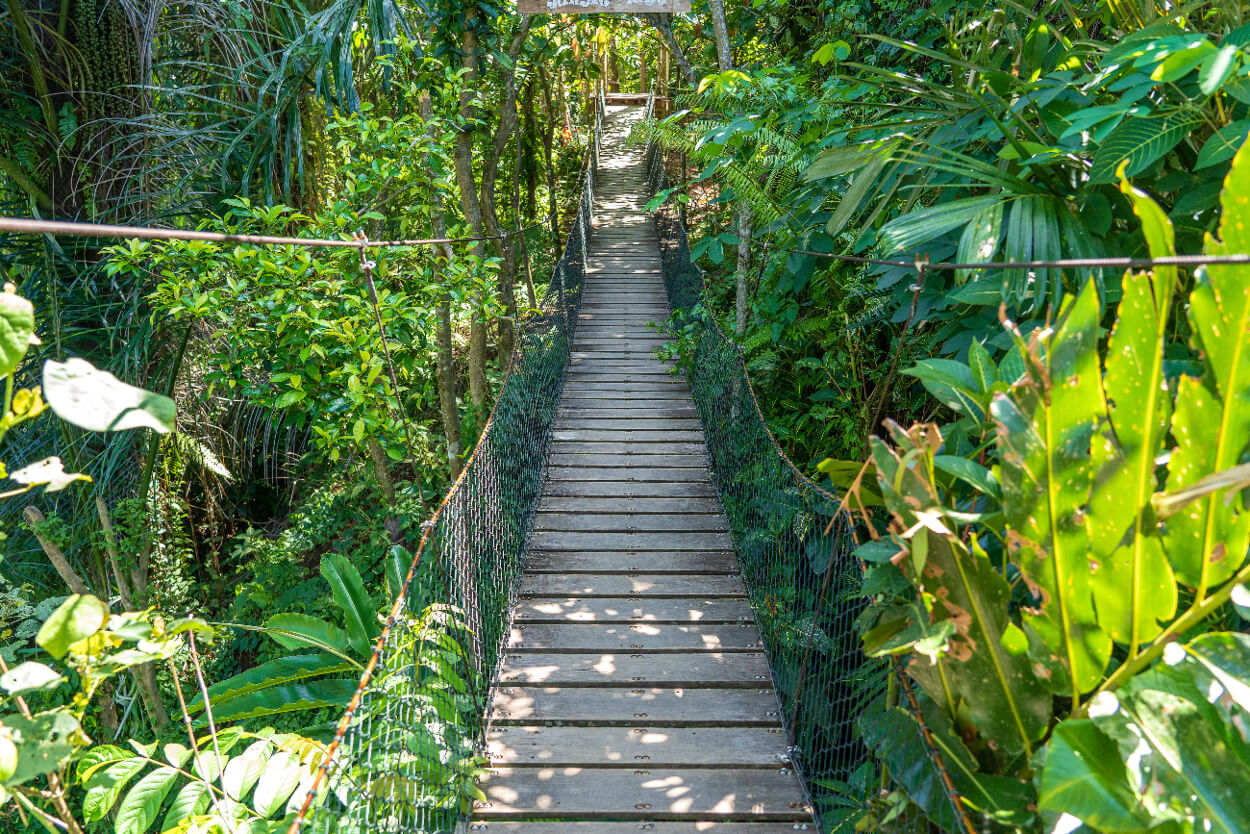
The Hanging Gardens of Bali
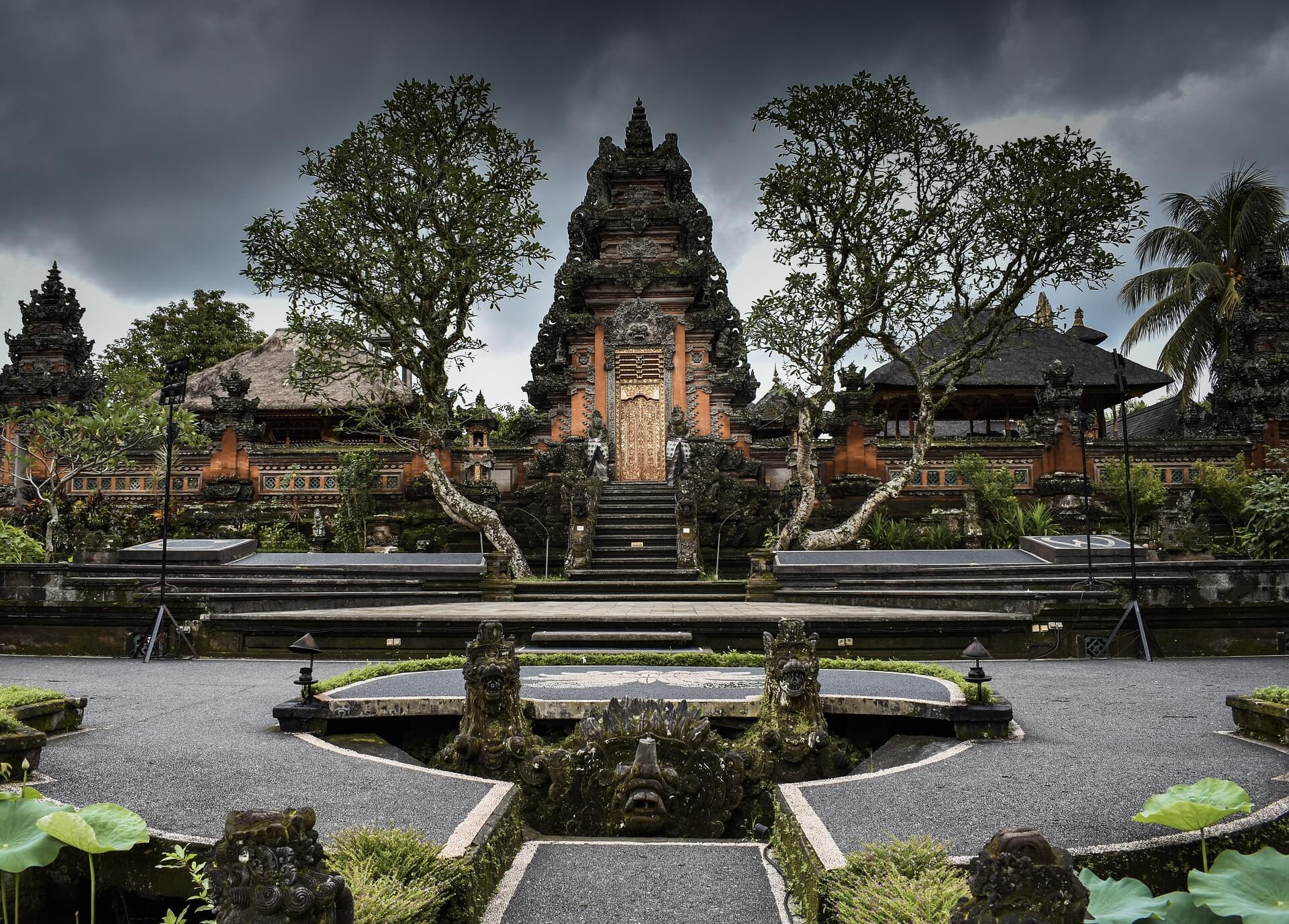
Saraswati Temple
Agung Rai Museum of Art
Mount Batur mountains and volcanoes
Beji Griya Waterfall
The Town of Seminyak
Komaneka at the Monkey Fores
Campuhan Ridge Walk
Seminyak boasts some of the most glorious beaches in Bali with Balinese ceremonies and offerings to the gods.
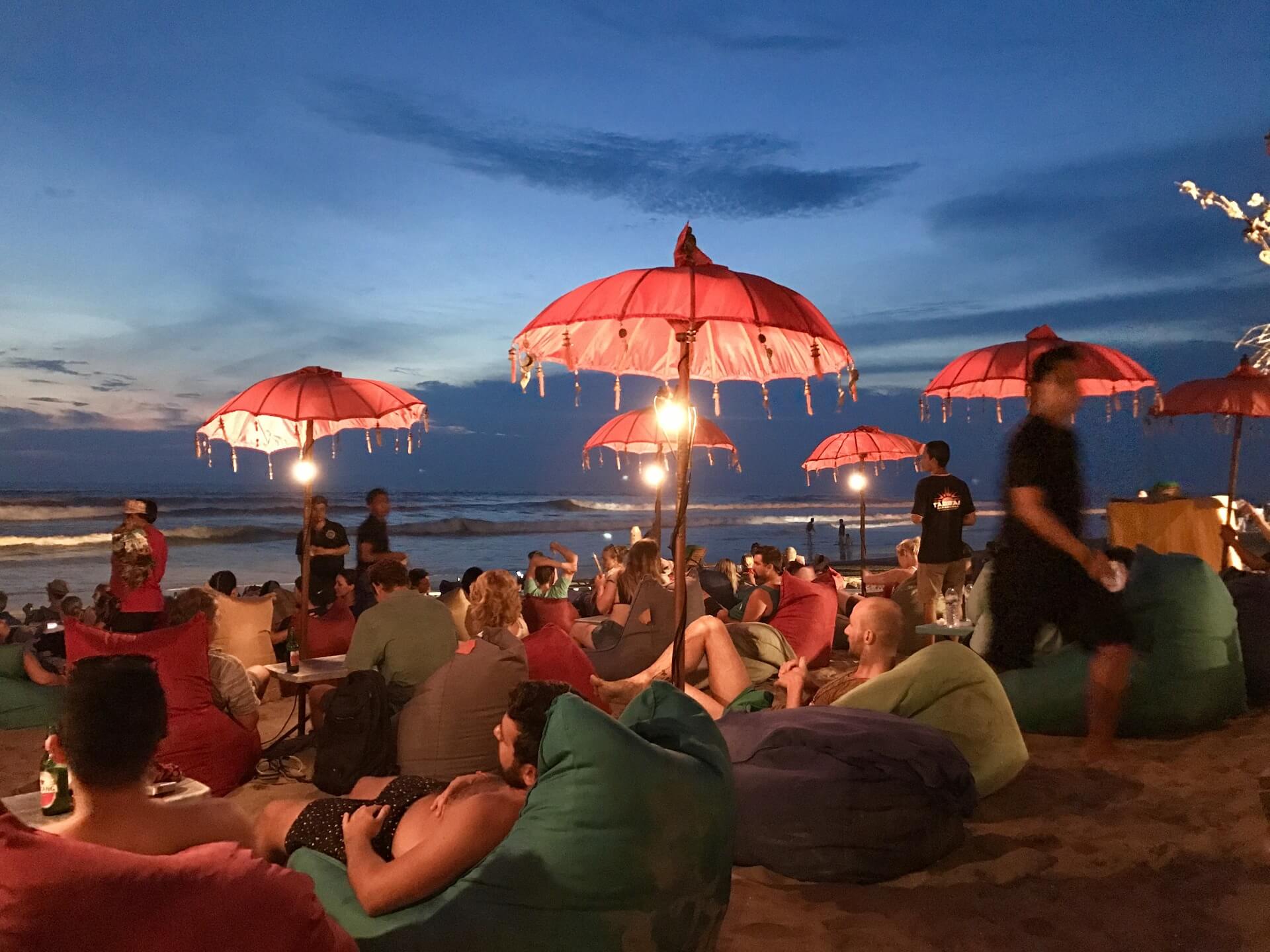
Double Six Beach
Nyaman Art Gallery
Reservoart
The Town of Kuta
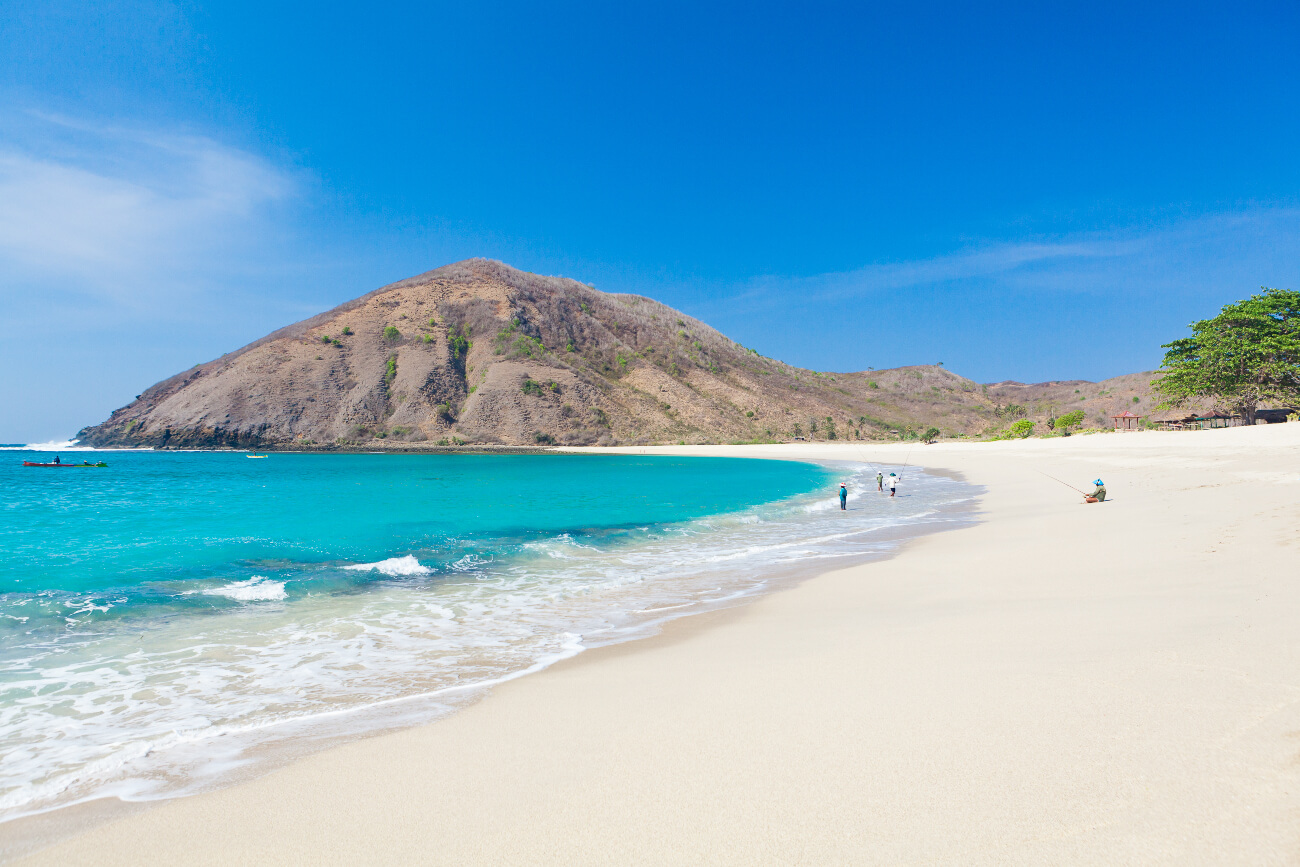
Kuta has the best beaches in Bali with a 5 mile stretch of ocean that is a magnet for surfers and sun bathers. Kuta has very good night life featuring restaurants, bars and night clubs.
Water Bom Bali A water park
Satria Gatotkaca Statue has statues, monuments, and landmarks.
Pandawa Beach
Turtle Island
Ground Zero Monument
Nusa Dua
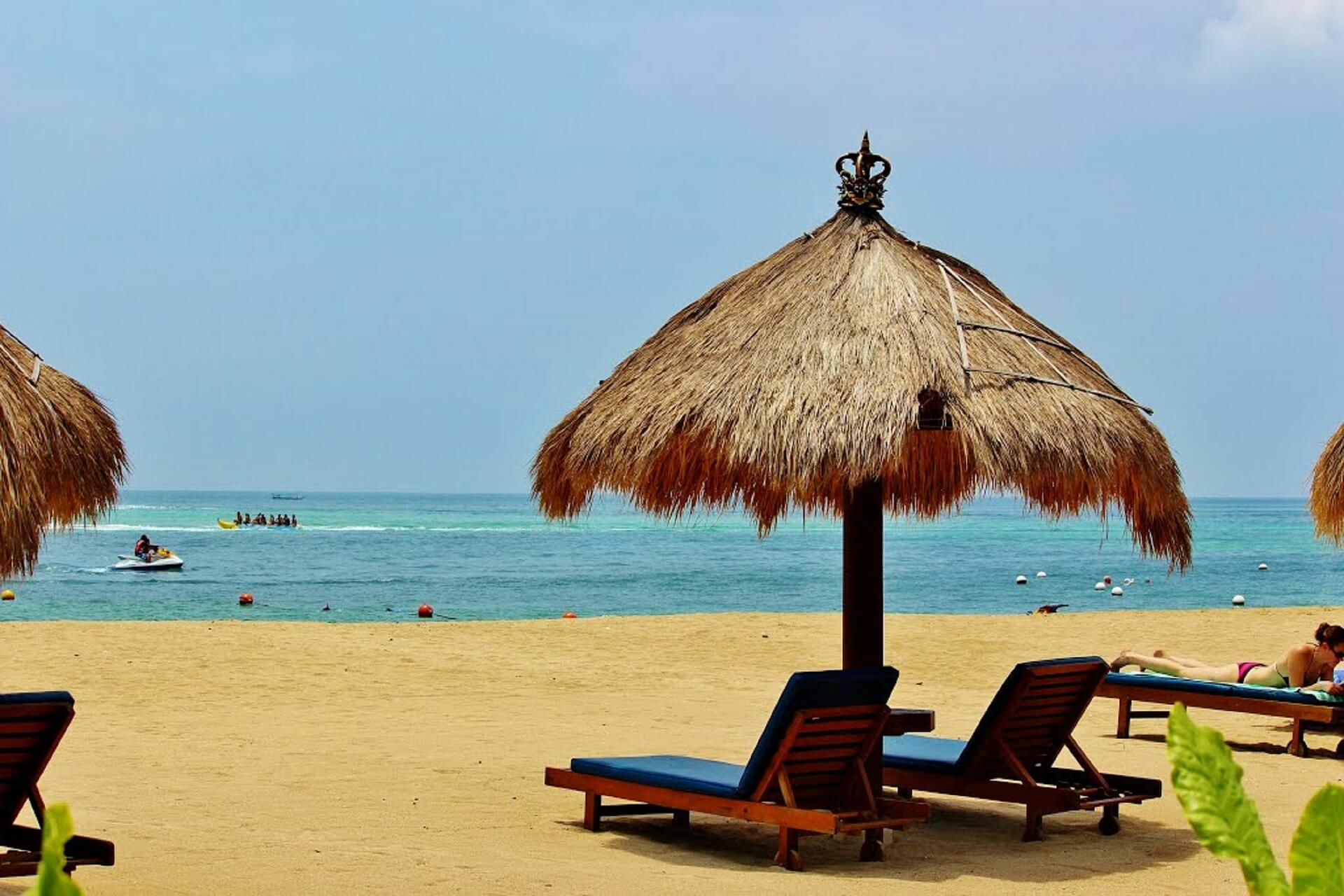
Nusa Dua is a hot bed of luxurious accommodations with golf resorts and fine dining. Surfing and diving are popular activities. Climb up to Mother Temple Besakih for a sightseeing experience. An array of spas, galleries and boutiques await. Local Barong performances take place at Batabulan.
Nusa Dua Beach
Museum Pasifika
No Tour Found