


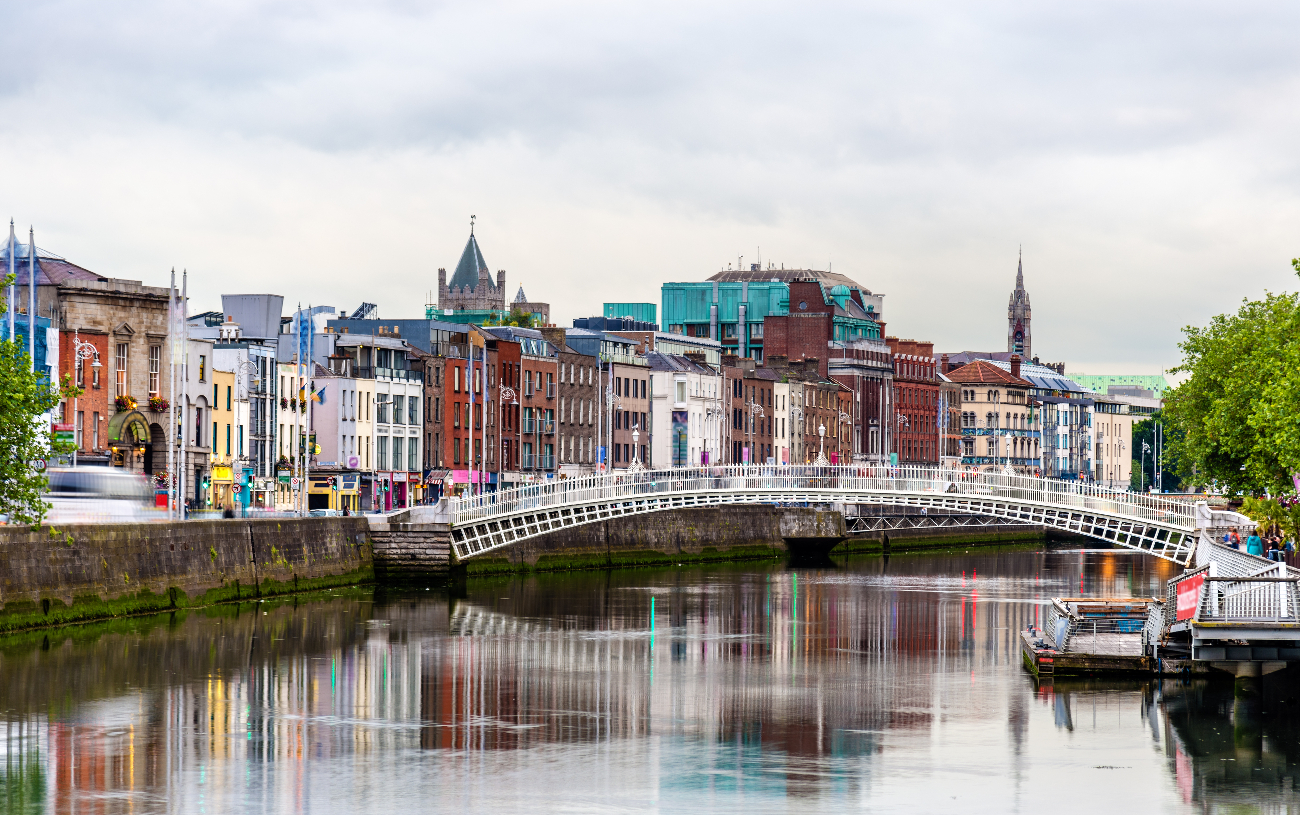
Ireland, also known as the Republic of Ireland, is a country in north-western Europe consisting of 26 of the 32 counties of the island of Ireland. The capital and largest city is Dublin, on the eastern side of the island. Around 40% of the country’s population of 5.1 million resides in the Greater Dublin Area and 78% are Roman Catholic. The Republic shares its only land border with Northern Island, which is part of the United Kingdom. It is otherwise surrounded by the Atlantic Ocean, with the Celtic Sea to the south. It is a unitary, parliamentary republic. The landmass area is 27,133 square miles. The legislature, the Oireachtas consists of a lower house and an upper house and an elected President who serves largely as the ceremonial head of state, but with some important powers and duties. The head of government is the Prime Minister (Taoiseach) who is elected by the Dail (the lower house) and appointed by the President: the Taoiseach in turn appoints other government ministers. The Irish Free State was created with Dominion status in 1922 following the Anglo-Irish Treaty. In 1937 a new constitution was adopted in which the state was referred to as Ireland. It was officially declared a Republic in 1949, following the Republic of Ireland Act in 1948. Since the signing of the Good Friday Agreement In 1998, the Irish government and the Northern Ireland Executive have co-operated on a number of policy areas under the North/South Ministerial Council. One of Europe’s financial hubs is centered in Dublin and Ireland ranks among the top ten wealthiest countries in the world. Ireland is a member of the European Union but has followed a policy of military neutrality and is not a member of NATO. Ireland has a lot to offer its visitors so whether it is finding traces of the Vikings in Ireland, visiting beer breweries, taking a drive through the coast with views of the Atlantic Ocean or searching for medieval history, it can all be found in this one country
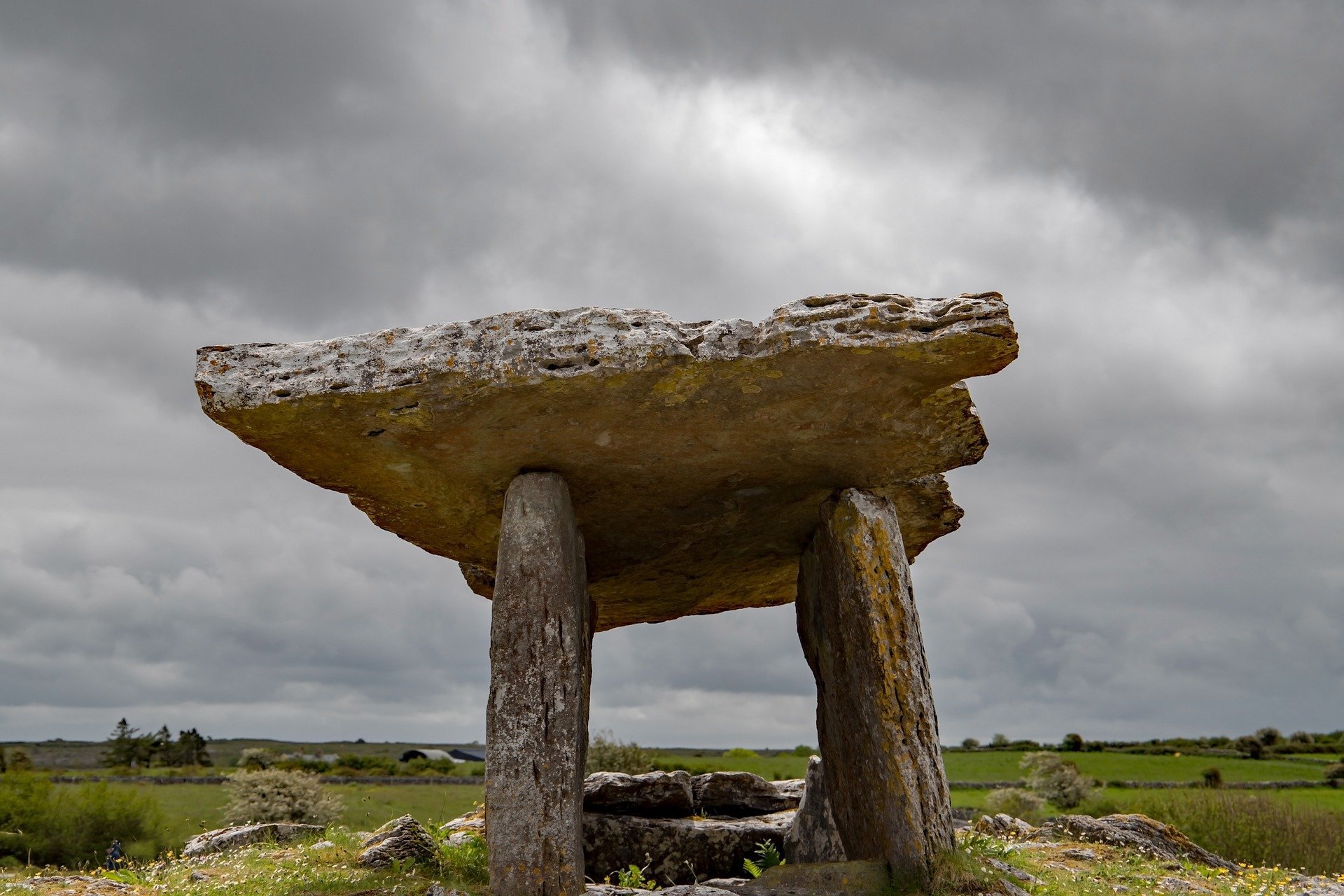
10,500 BCE The first permanent settlement after the Ice Age ended.
Mesolithic 8000-4000 BCE first seafarers and then hunter-gatherer
Neolithic 4000-2500 BCE brought cereal cultivation, housing and stone monuments. There were farmers, herders and hunter-gatherers. The population was between 100,000 and 200,000.
Copper and Bronze 2500-500 BCE Metallurgy arrived in copper and bronze and there was also gold in the island.
Iron Age 500 BCE-400 AD this started with the arrival of the Celts who were skilled at forging iron.
401 AD-Present Prehistory ended in 400 AD with the Introduction of Christianity rather than the earlier usual Roman dates because Rome never invade Ireland.
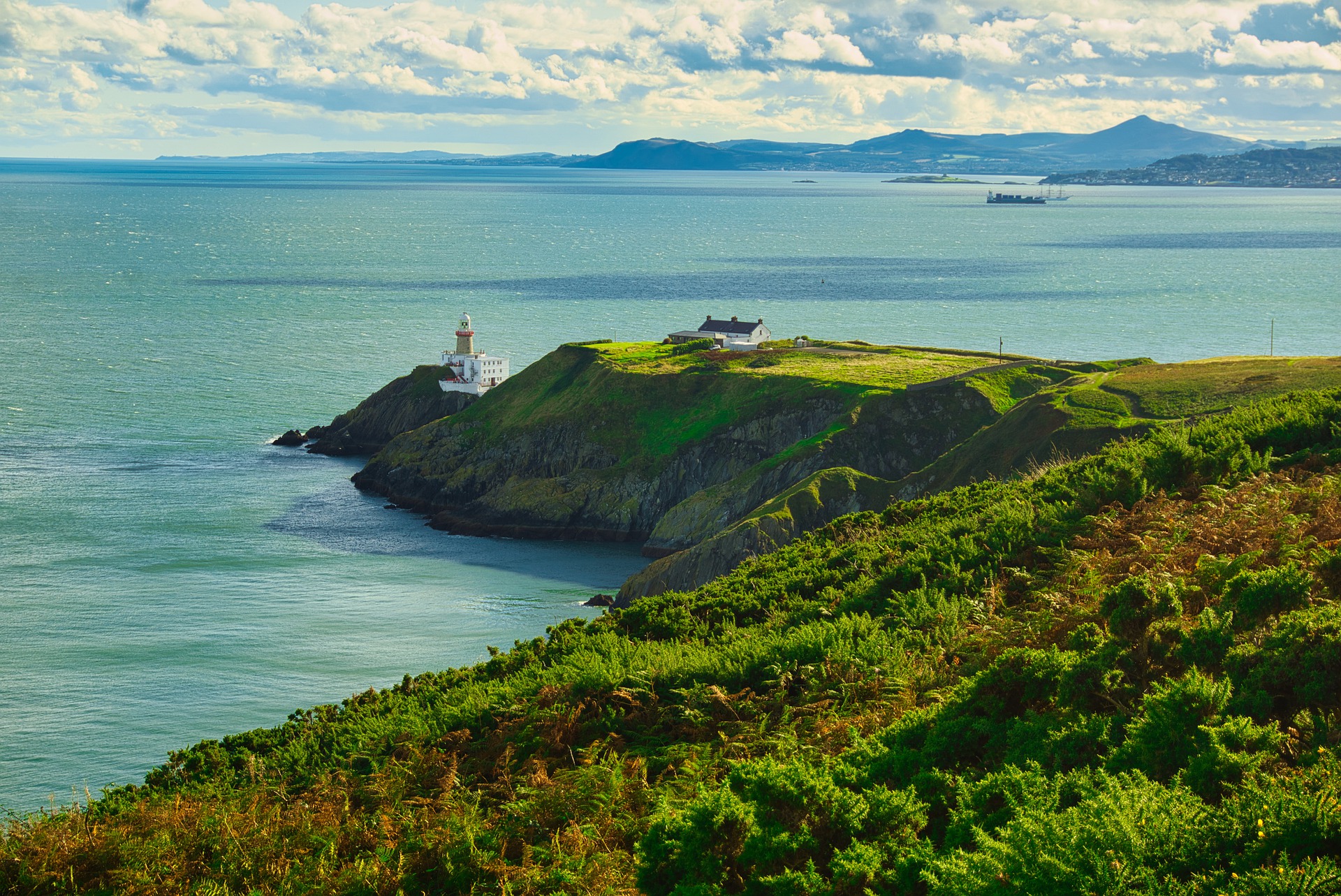
The country extends over an area about 5/6th of the island of Ireland with Northern Island occupying the rest. The western landscape mostly consists of rugged cliffs, hills and mountains. The central lowlands are extensively covered with glacial deposits of clay and sand, as well as significant areas of bogland and several lakes. The highest point is 3,470 feet above sea level. The River Shannon, which traverses the central lowlands is the longest river in Ireland at 240 miles. The west coast is more rugged than the east coast, with numerous islands, peninsulas, headlands and bays. Today, Ireland is one of the least forested countries in Europe. Until the Middle Ages the country was heavily forested but extensive clearing of woodland for farming and the growth of blanket bog are believed to be the main causes of deforestation. Agriculture accounts for 64% of the total land area which leaves little land for mammals with larger territorial requirements and is not good for biodiversity. The Atlantic Ocean and the Gulf Stream affect weather patterns in Ireland. Temperatures differ regionally, with central and eastern areas tending to be more extreme. However, due to a temperate oceanic climate, temperatures are rarely below 23degrees in winter and higher than 79 degrees in the summer. Don’t forget your umbrella.
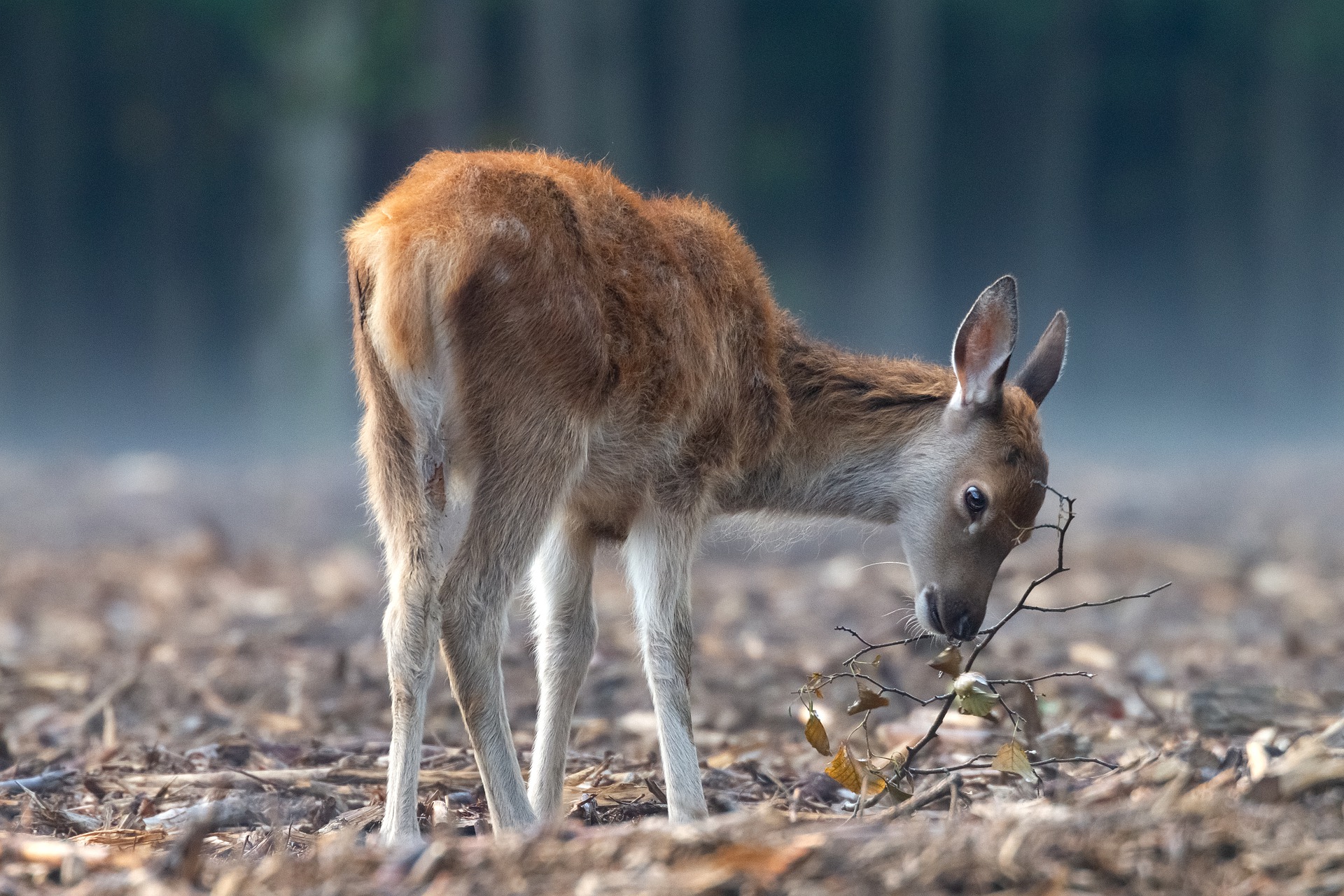
Ireland has the following biodiversity number of species by group: 6 amphibian and reptile, 9 air mammal, 25 land mammal, 26 marine mammal , 457 bird , 592 fish, 1079 algae, 1134 lichen, 2328 vascular plants, 5500 fungi, 8000 non-insect invertebrates and 11, 422 insect. Twelve animals that are native to Ireland: Red Deer, Red Fox, Irish Hare, Irish Setter, Basking Shark, Galway Sheep, Connemara Pony, Pygmy Shrew, Peregrine Falcon, Viviparous Lizard, Daubenton’s Bat, and Glen of Imaal Terrier. Examples of Flora are: Sea Aster, Marsh Cinquefoil, Common Centaury, Bog Rosemary, Buttercup, Bramble, Wild Clary, Red Campion, Red Clover, Cowslips, Gorse, Irish Eyebright, Blackthorn, Primrose, and Early Dog Violet.
The Irish have many wonderful and unique traditions going back 2000 years including:
Irish Riverdancing
Croagh Patrick Pilgrimage
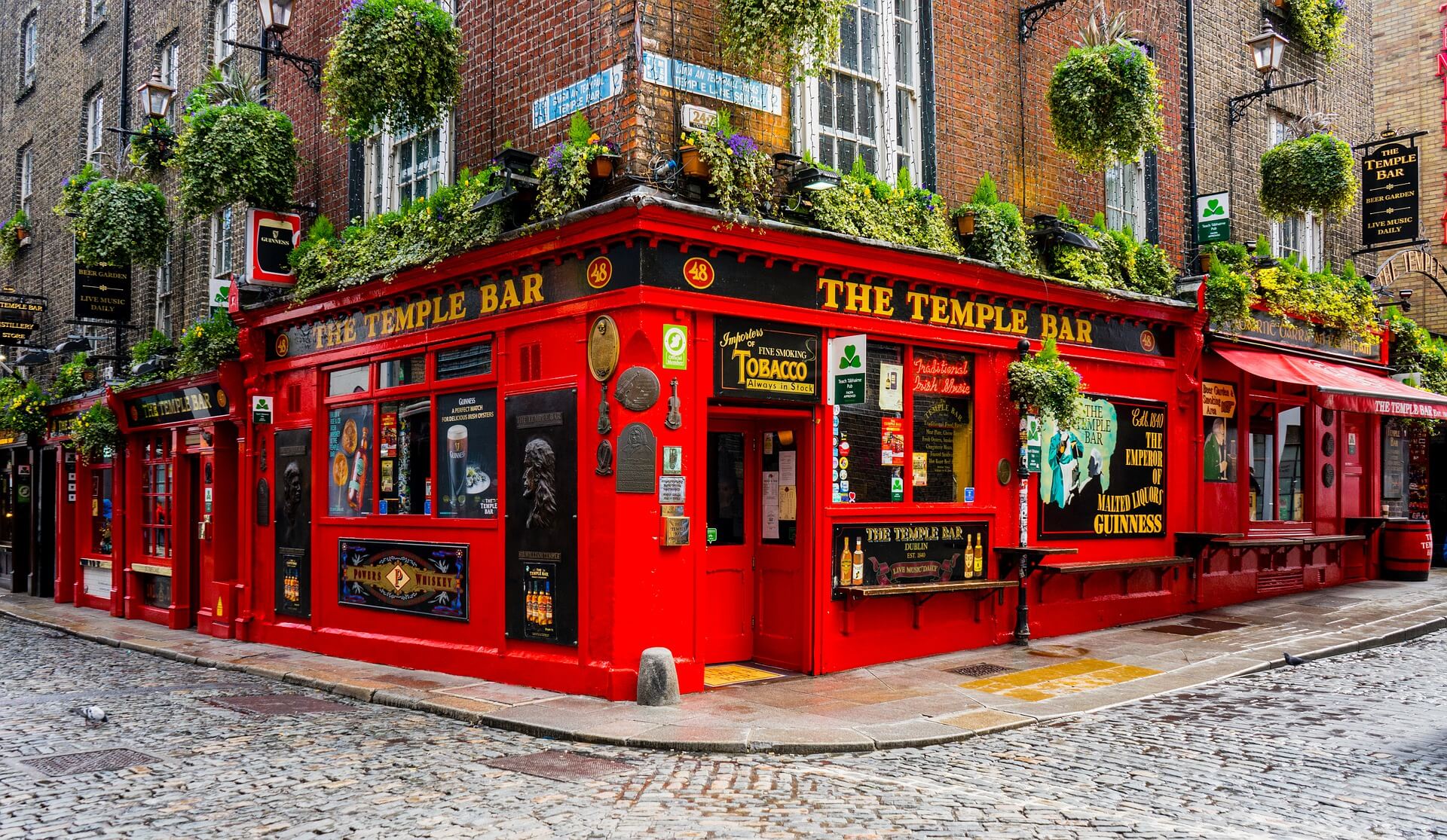
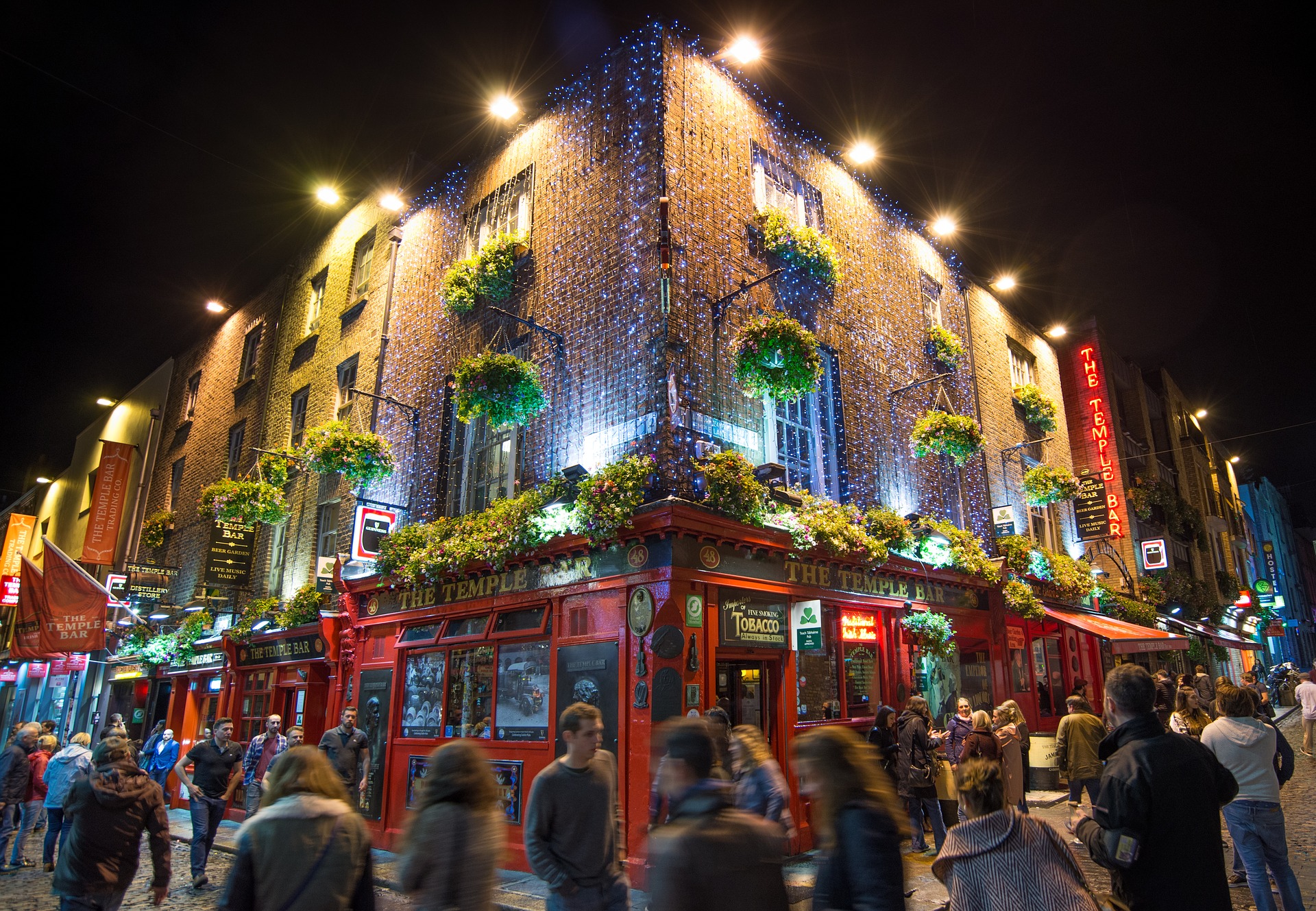
Pub Culture
St. Patricks Day
Hearty Irish breakfast
Halloween
Culture of Farming
Irish Trad Music
Irish Slang
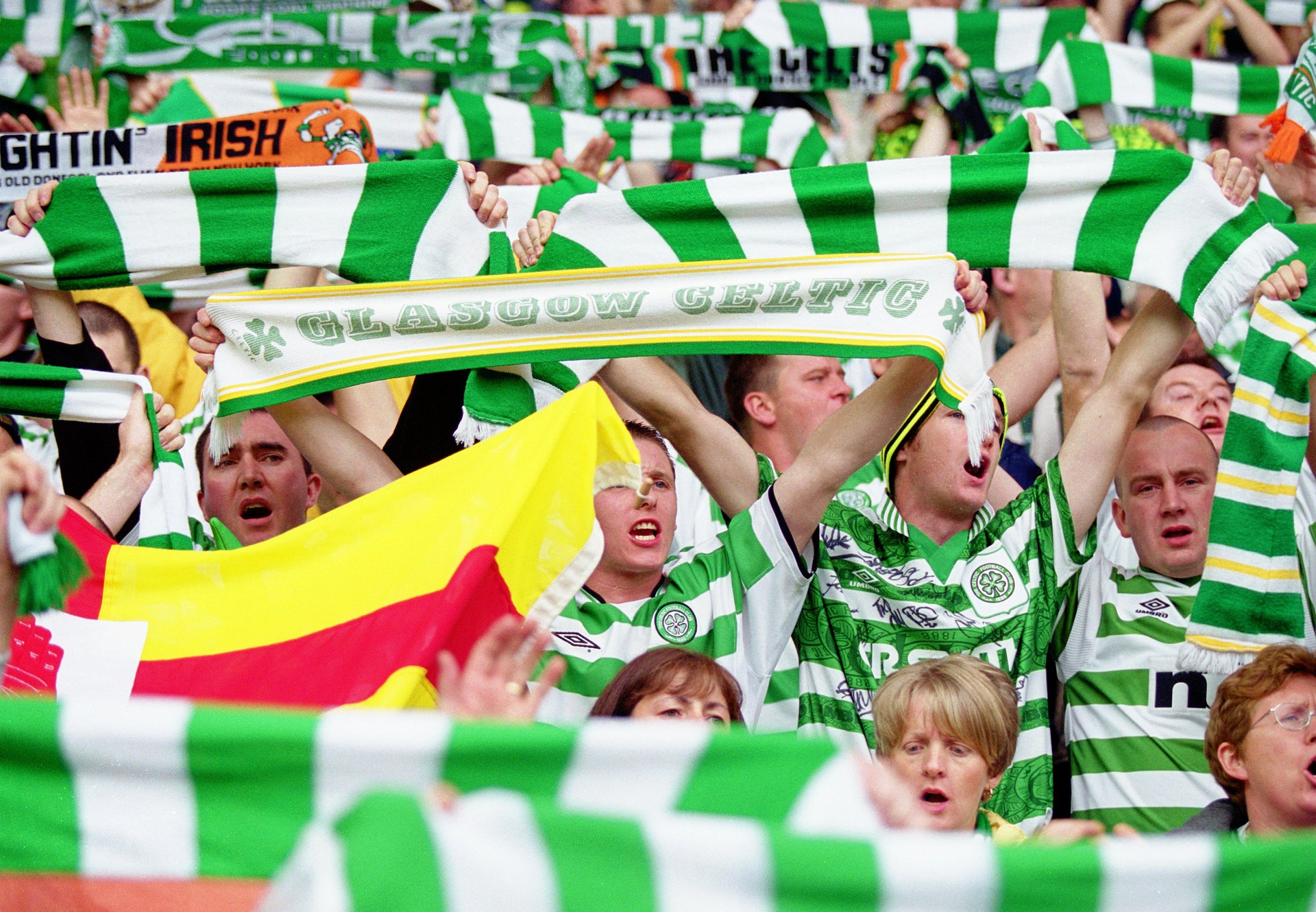
Gaelic Sports
Craic-Having a good time
Celtic Pagan Festivals
Irish Humor and Slagging
Storytelling
Nation of Great writers such as Yeats, Shaw, Beckett, Joyce and Wilde
Irish Fryup Huge Breakfast of Bacon, Ham, Sausage, Mushrooms, Eggs and Potatoes
Bacon and Cabbage
Foraged Food
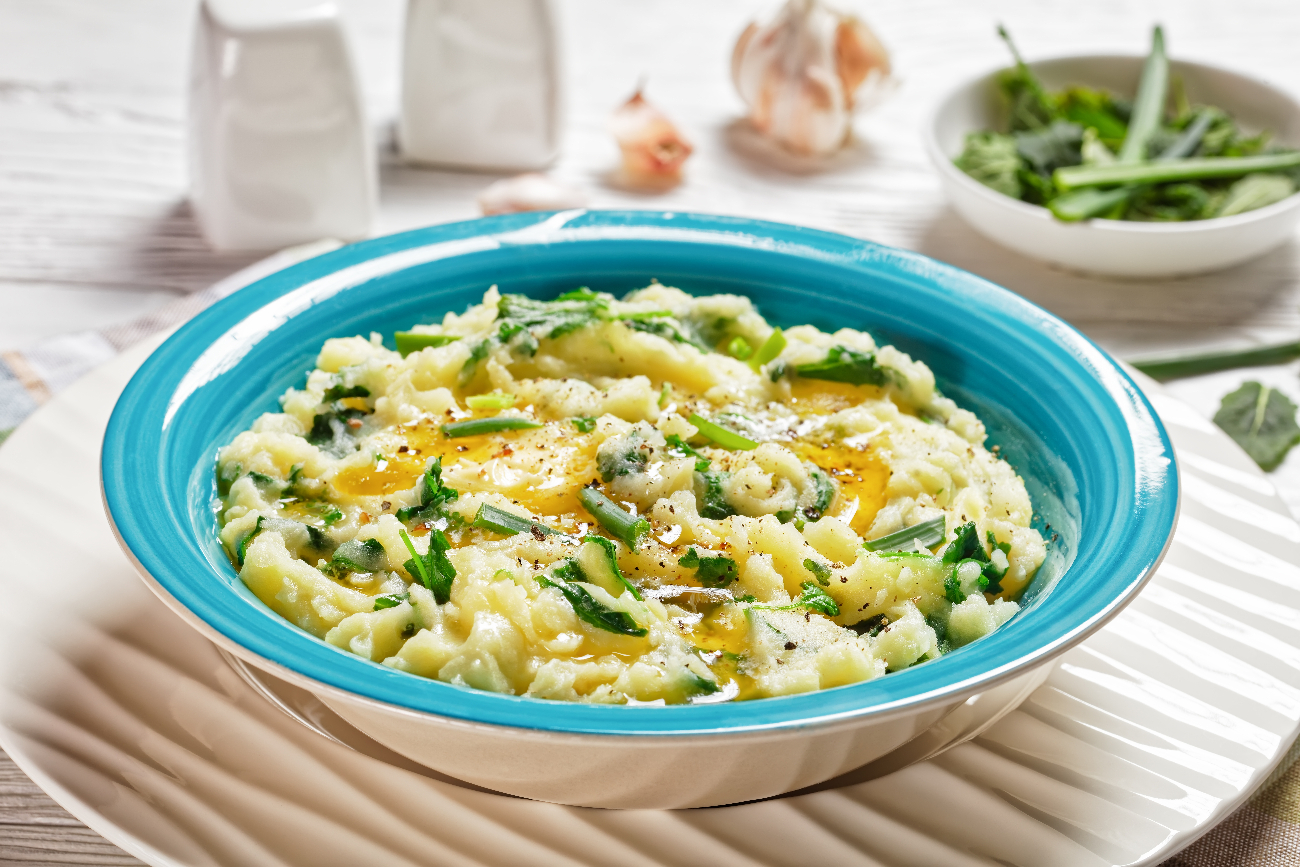
Irish Champ Mashed Potatoes with Milk, Butter and Scallions
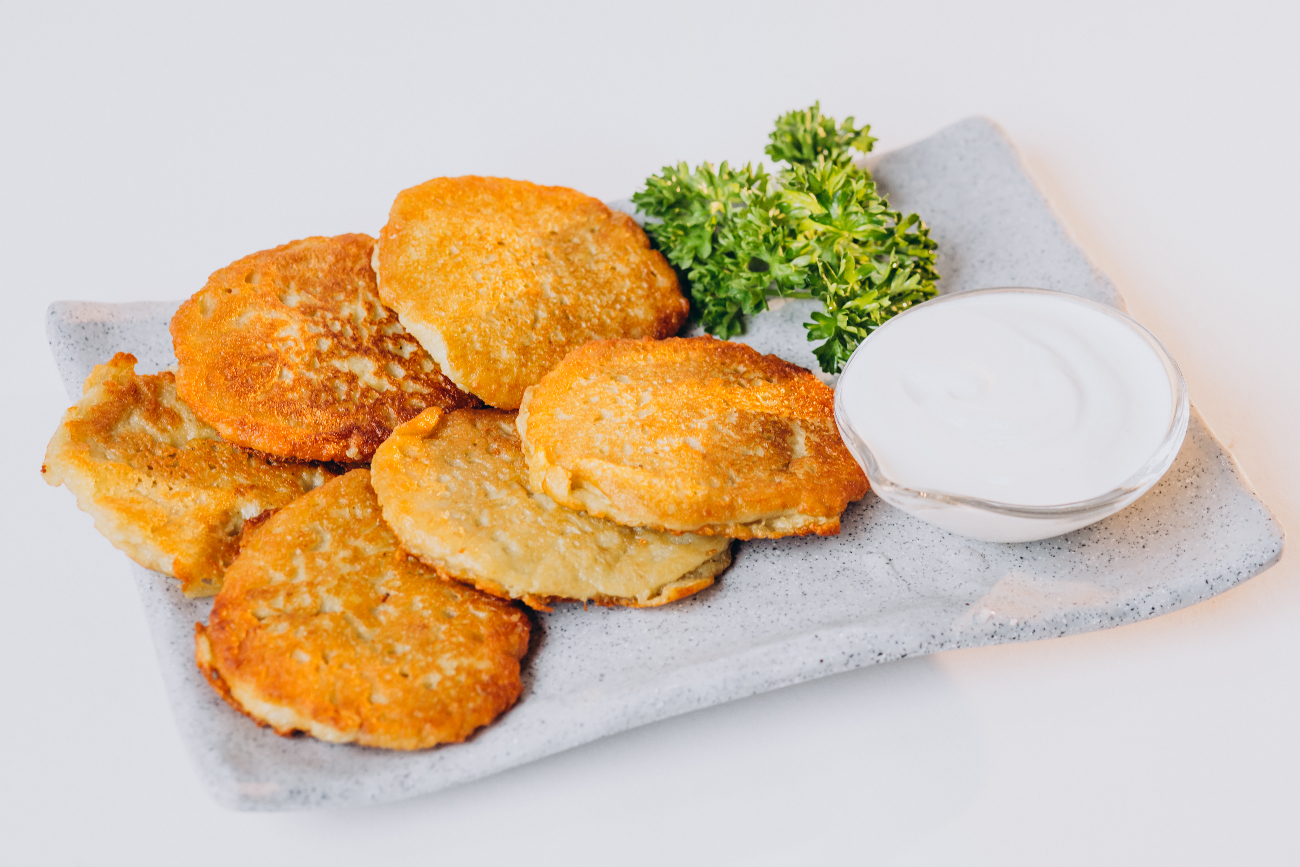
Irish ButBoxty Potato Pancakes
Irish Scones
Irish Stew
Guinness Cake Chocolate Cake Made with Guinness
Cured Meat from Leg of Pig
Rasher Irish Bacon
Cockles and Mussels
Irish Seafood Chowder
Irish Apple Barmbrack Sweet Bread
Colcannon Mashed Potatoes and Cabbage
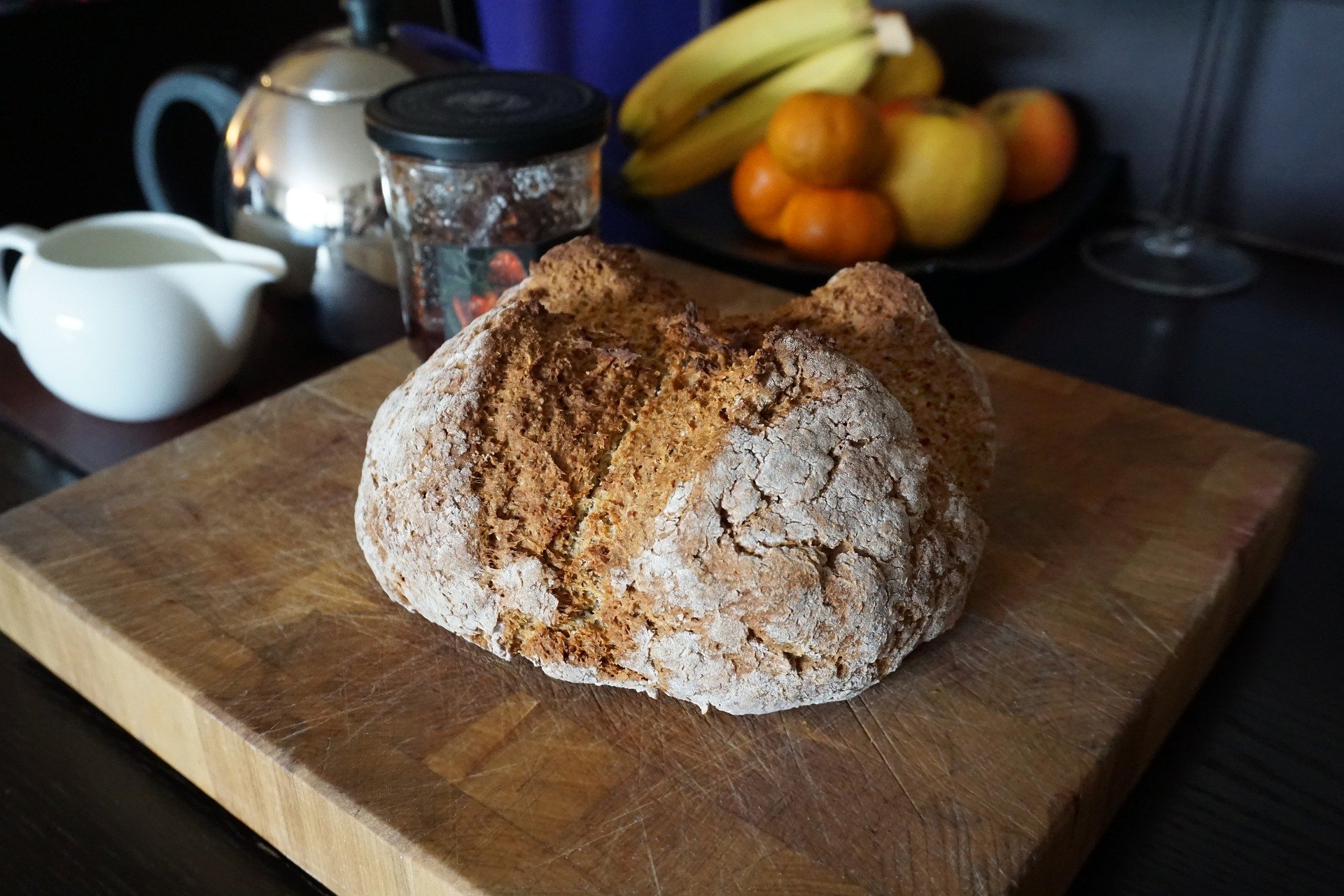
Irish Soda Bread
Irish Potato
The City of Dublin
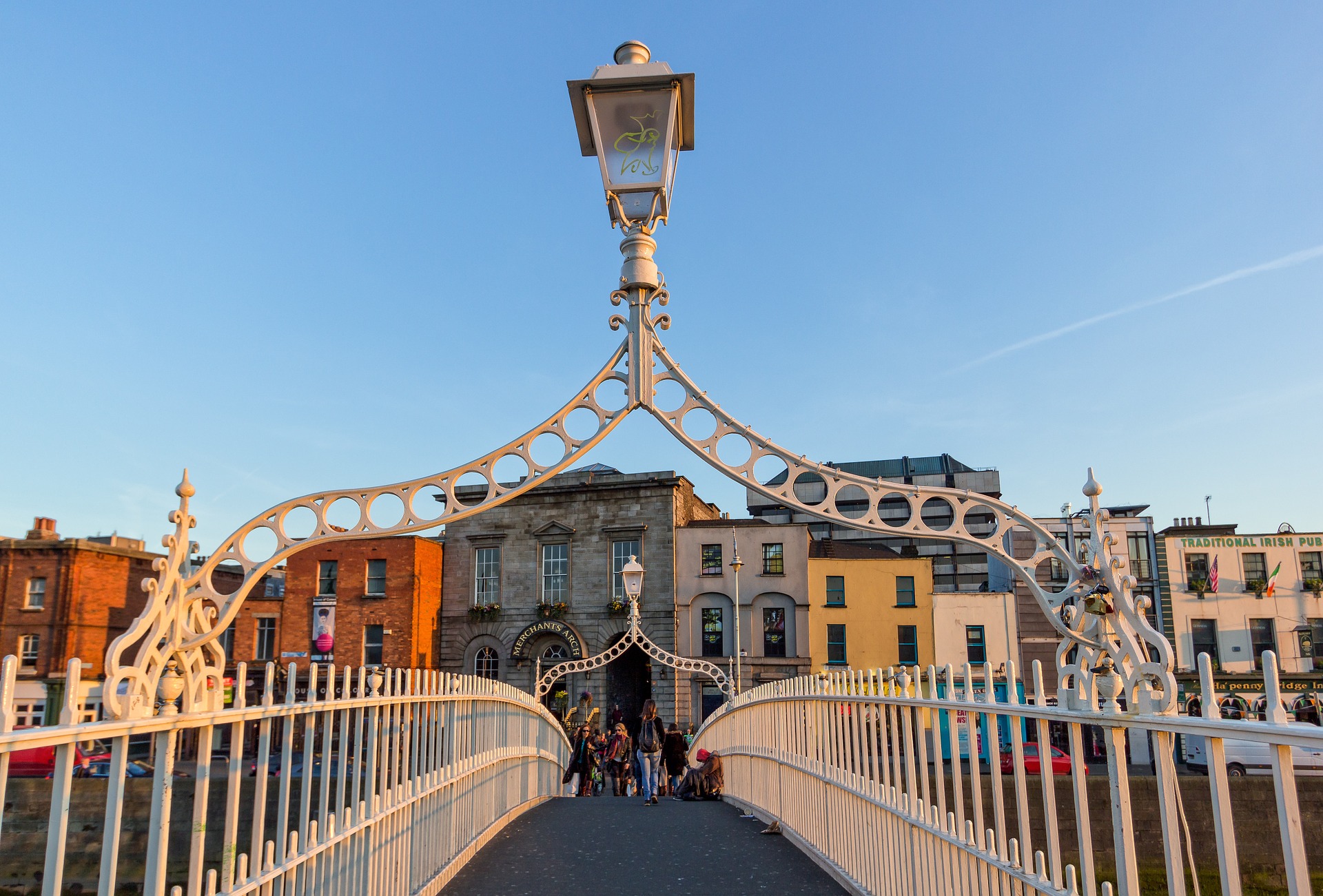
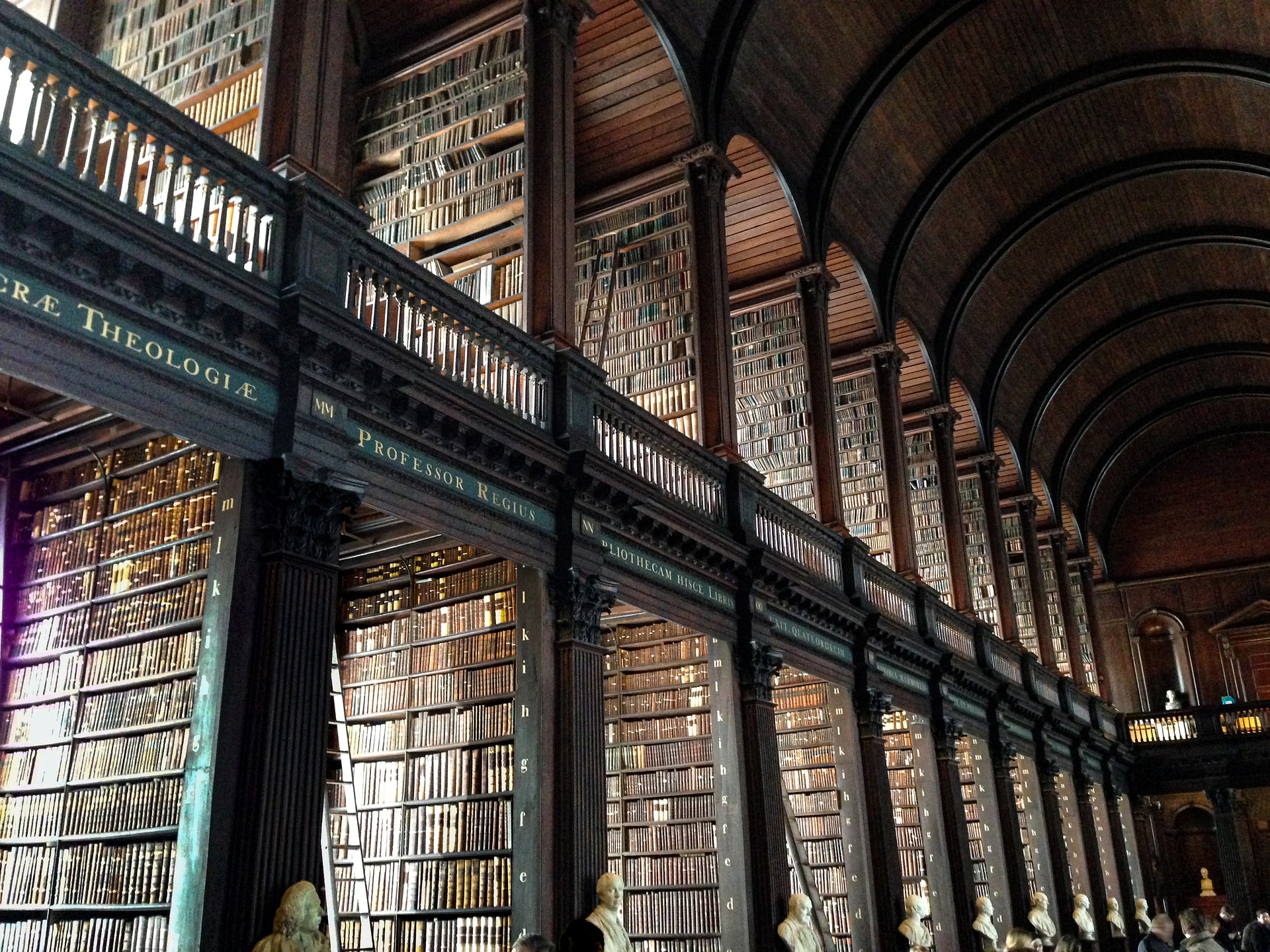
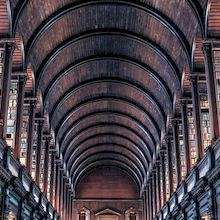
Dublin is the capital and the largest city of Ireland. It is a vibrant city, rich in culture and history. The River Liffey divides the city in two; on the north side you have the famous O’Connell Street with many shopping streets, bars and restaurants. On the south side you find some of the most known attractions. Trinity College, established by Queen Elizabeth in 1592, is considered one of the most prestigious Universities in Ireland. The library of Trinity College holds historical and original manuscripts for Ireland and Great Britain including the Book of Kells dated back to 800 AD. It is one of the most visited attractions in Ireland with more than half a million annual visitors. For those seeking medieval history, the Christ Church and St. Patrick Cathedrals in Dublin are among the oldest medieval cathedrals in Ireland.
Dublin is also home to the Guinness Storehouse made up of seven floors surrounding a glass atrium shaped in the form of a pint of Guinness. There you can learn the history and process of making beer. The Storehouse has a bar located on the seventh floor with great views of Dublin. Visitors will get to enjoy a pint of Guinness while enjoying a great view of the city. Not only is Dublin known for its Guinness but also for Whiskey. Jameson distillery is also located in Dublin. Visitors have a chance to book an experience, whether it is taking a blending class, whiskey cocktail making, or whiskey tasting there is an opportunity for all types of interests.
History lovers may want to visit the Kilmainham Gaol. It is a former prison opened in 1706 and closed in 1904. Today it is a museum open to the public; it symbolizes the tradition of militant and constitutional rebellions at different times in history. Many leaders of these rebellions were detained and executed here.
Dublin Tourist Attractions:
Trinity College
Trinity College Green
Grafton Street
St. Stephens Green
The Little Museum of Dublin
Kildare Museum
House of Parliament
The National Gallery of Ireland
Merrion Square
GOP Witness History Museum
The James Joyce Center
National Museum of Ireland
Christ Church Cathedral
St. Patrick’s Cathedral
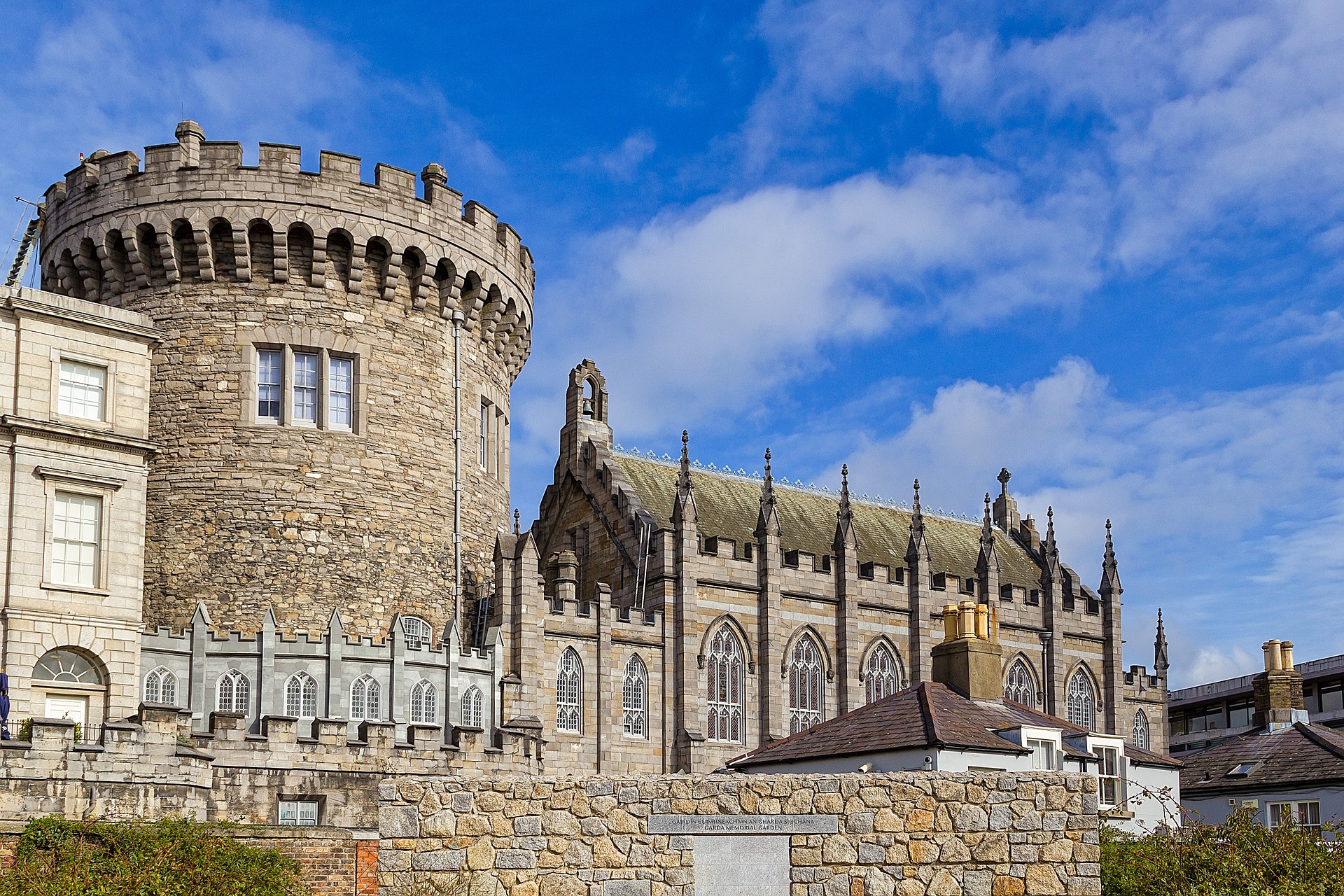
Dublin Castle
The City of Cork
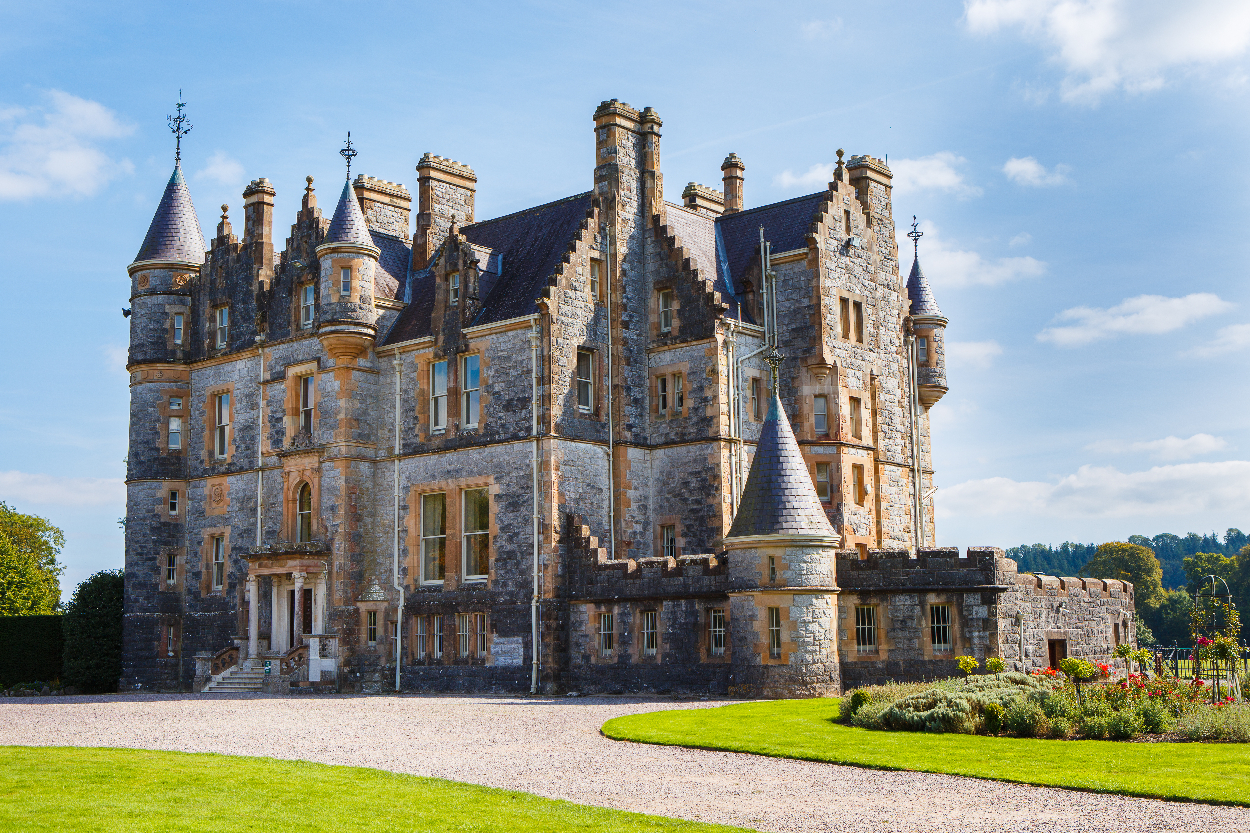
Cork (Irish meaning marsh) is the second most populous city of The Republic of Ireland located in the Southwest in the province of Munster. It has a population of 210,000. The city center is an island located between two channels of the River Lee. Lough Mahon and Cork Harbor combined are one of the largest natural harbors in the world. Originally a monastic settlement, Cork was expanded by Viking Raiders in 915 AD. Its charter was granted by Prince John in 1185. Cork City, once fully walled and remnants of the Medieval town can be found on South and North Main Streets in the old town center.
Tourist Attractions:
The English Market
St. Patrick’s Street
St. Fin Barre’s Cathedral
Fitzgerald Park and Cork Public Museum
Shandonbells, St. Anne’s Church
Cork City Gaol Heritage Center
Blarney Castle and the Blarney Stone
Ballycotton Cliff Walk
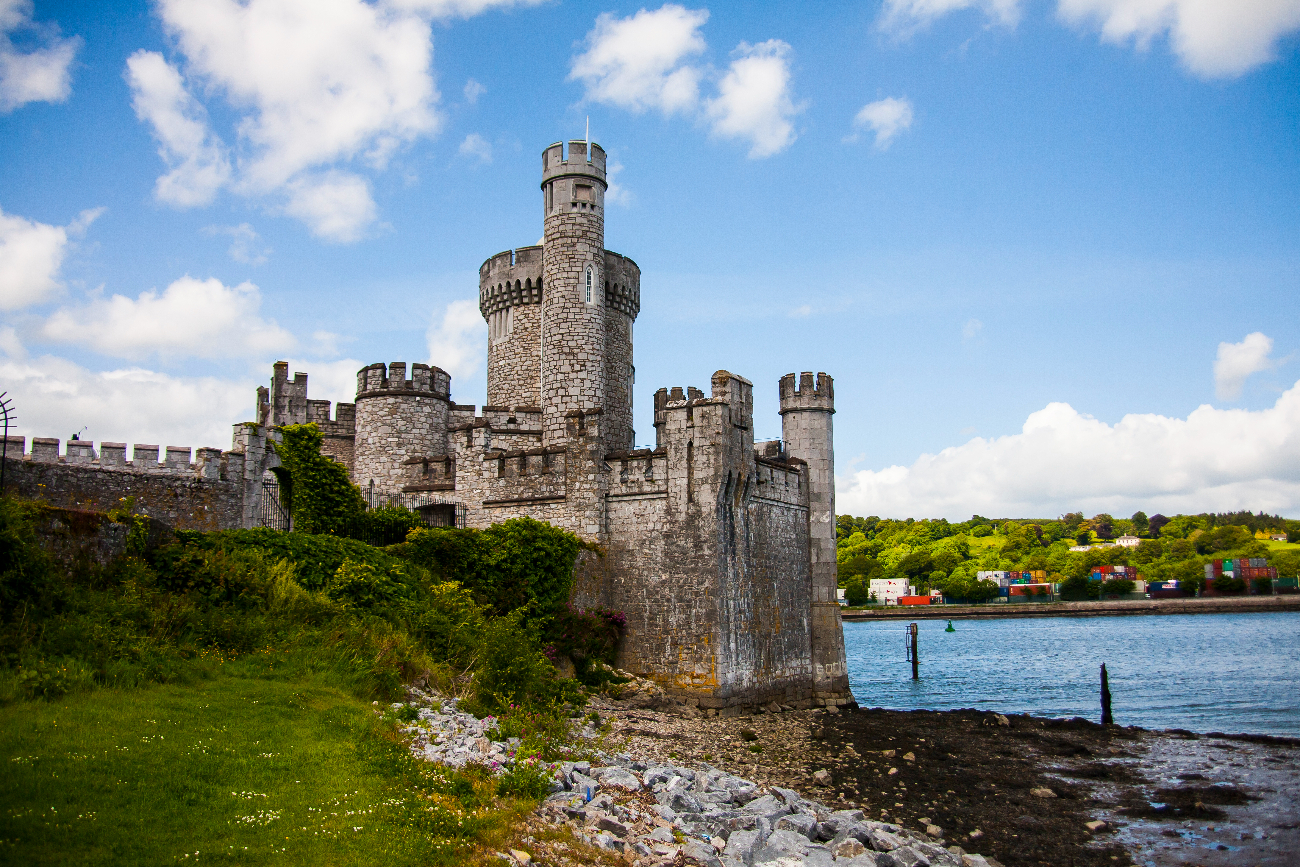
Blackrock Castle Observatory
Spike Island
The City of Limerick
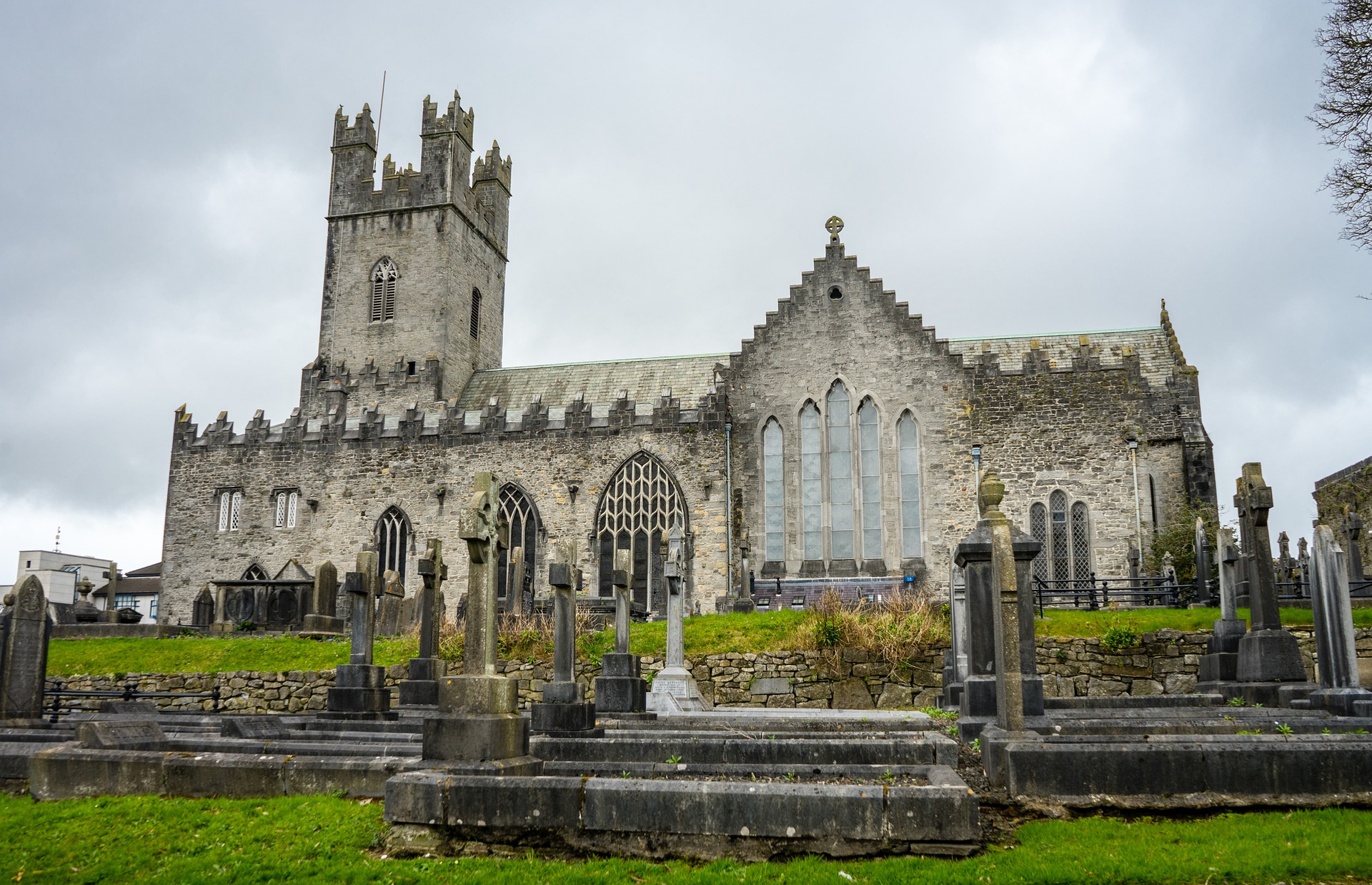
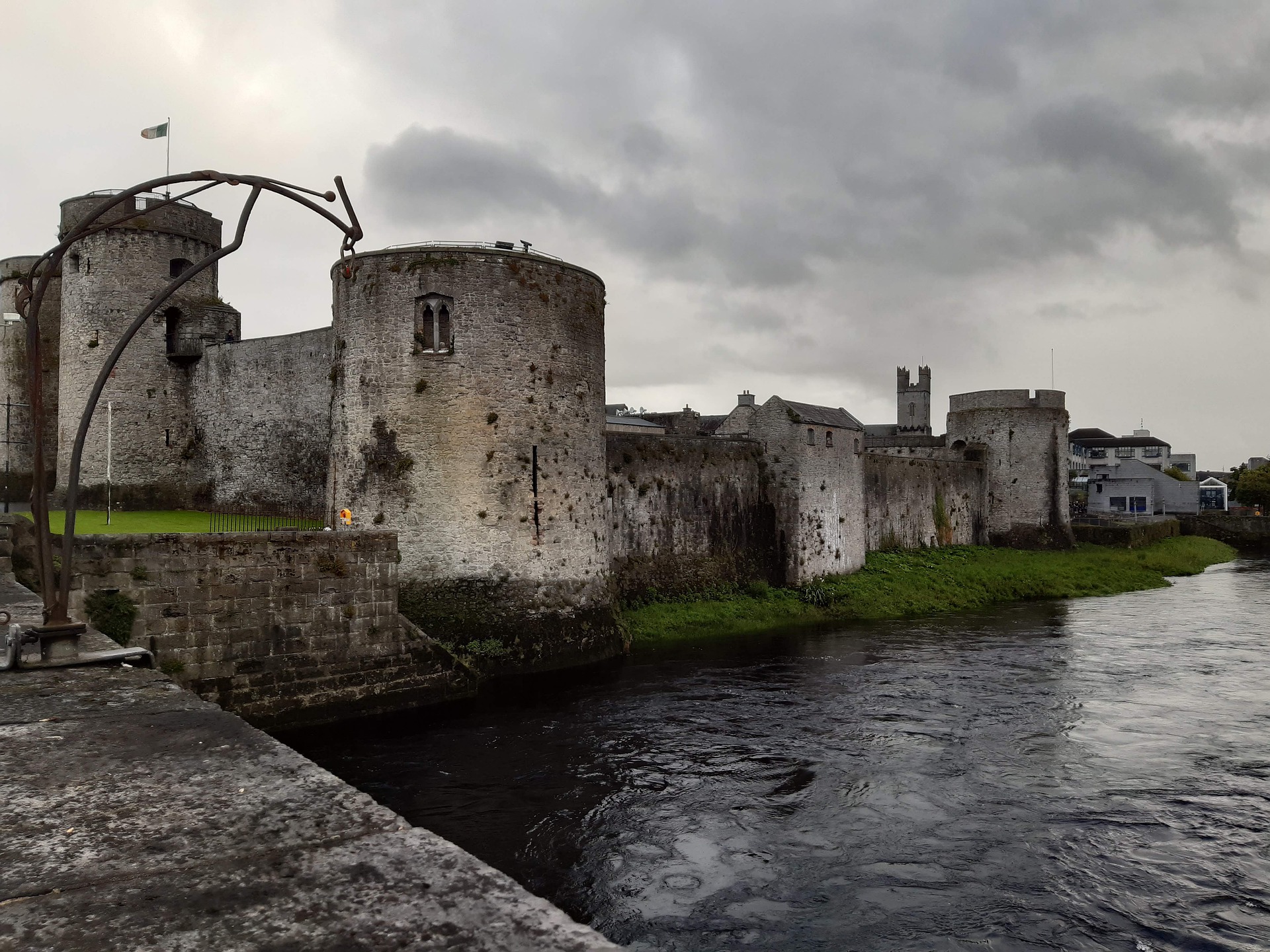
Limerick is the Emerald Isle’s first “Irish City of Culture”. It is the third largest city by population and a great place to enjoy art, music, shopping, and good food. It is located on a picturesque island between the Rivers Shannon and Abbey. There is a healthy mix of beautiful old buildings (English Town) and new buildings with modern museums and shopping.
Tourist Attractions :
King John’s Castle
St. Mary’s Cathedral
St. John’s Square and Cathedral
Limerick City Gallery of Art
The Hunt Museum
The Limerick Museum
People’s Park
Glenstal Abbey
Lough Gur Prehistoric Site
The City of Galway
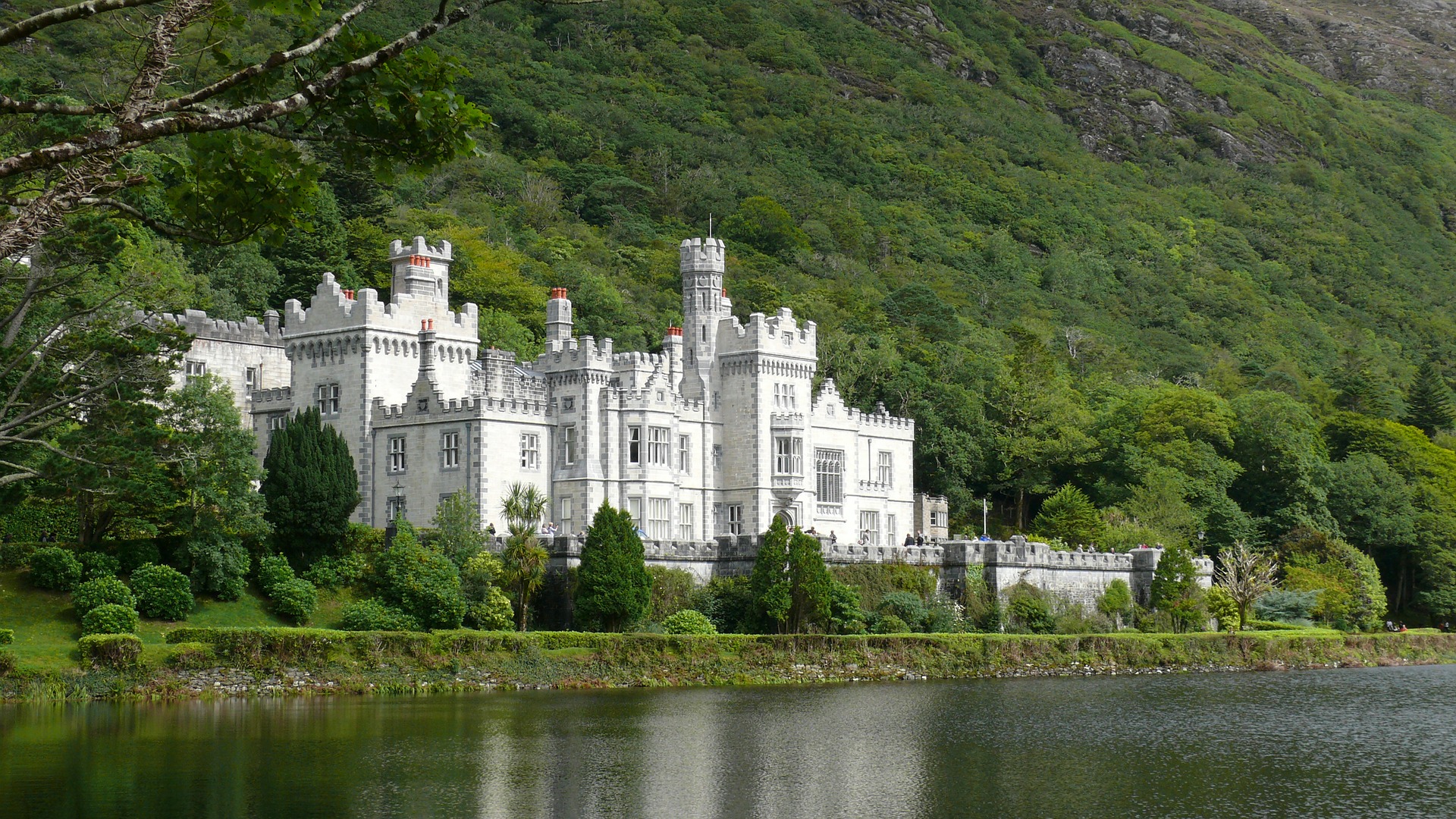
Galway is a city in the west of Ireland in the province of Connacht and it is the county town of the county of Galway. The city lies on the River Corrib and is the 4th most populous city in the Republic of Ireland with 80,000 people. Located near an earlier settlement, Galway grew around a fortification built by the King of Connacht in 1124. The town received its charter in 1484. Controlled by merchant families called the Tribes of Galway, the city became a trading port. In 2018, the City of Galway was named The European Region of Gastronomy and in 2020, it was honored with the title European Capital of Culture.
Tourist Attractions :
Quay Street
Forthill Graveyard
Courthouse and Town Hall
Traditional Irish Music in Pubs
Medieval Galway
Riverside Walk
St. Nicholas Collegiate Church
Menlo Castle Blake’s Castle
Galway Cathedral 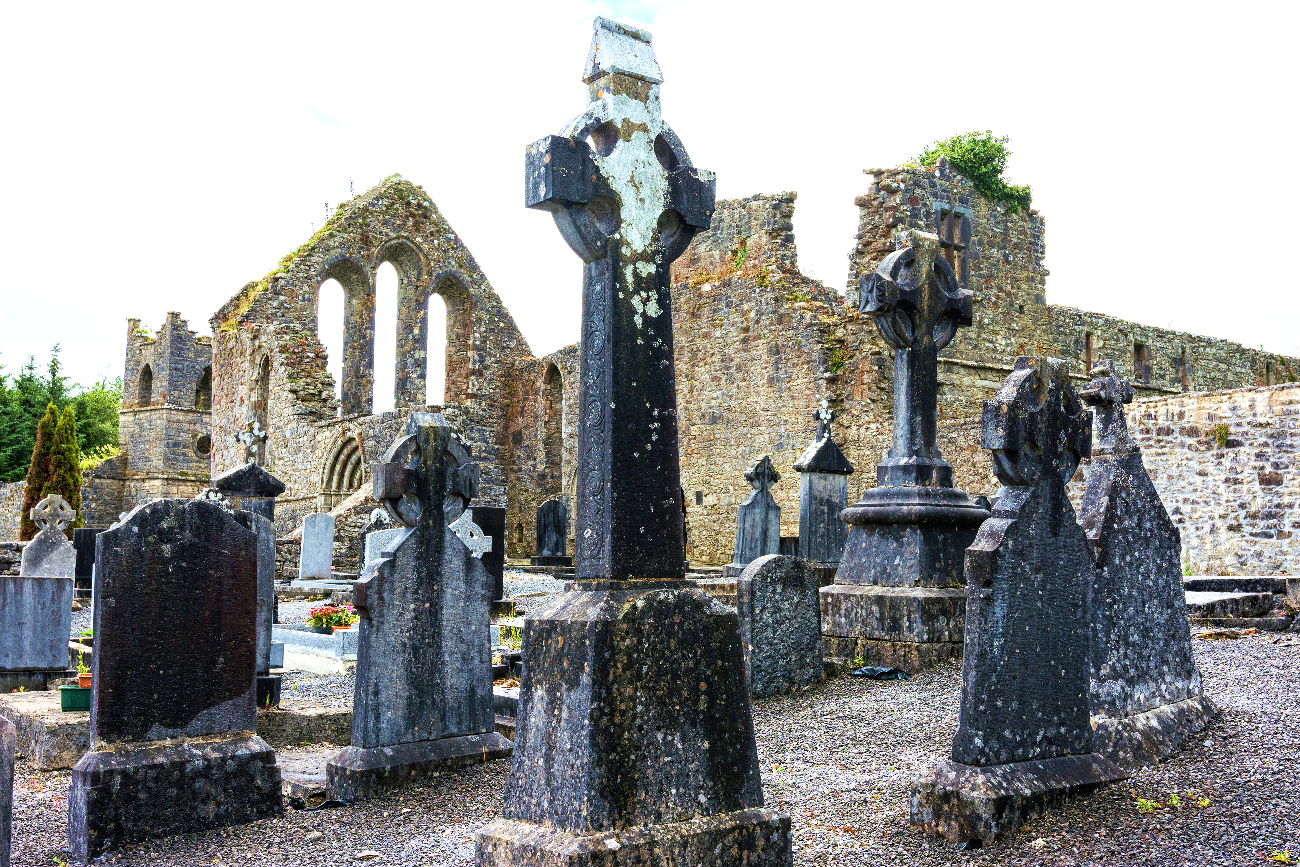
The Town of Killarney
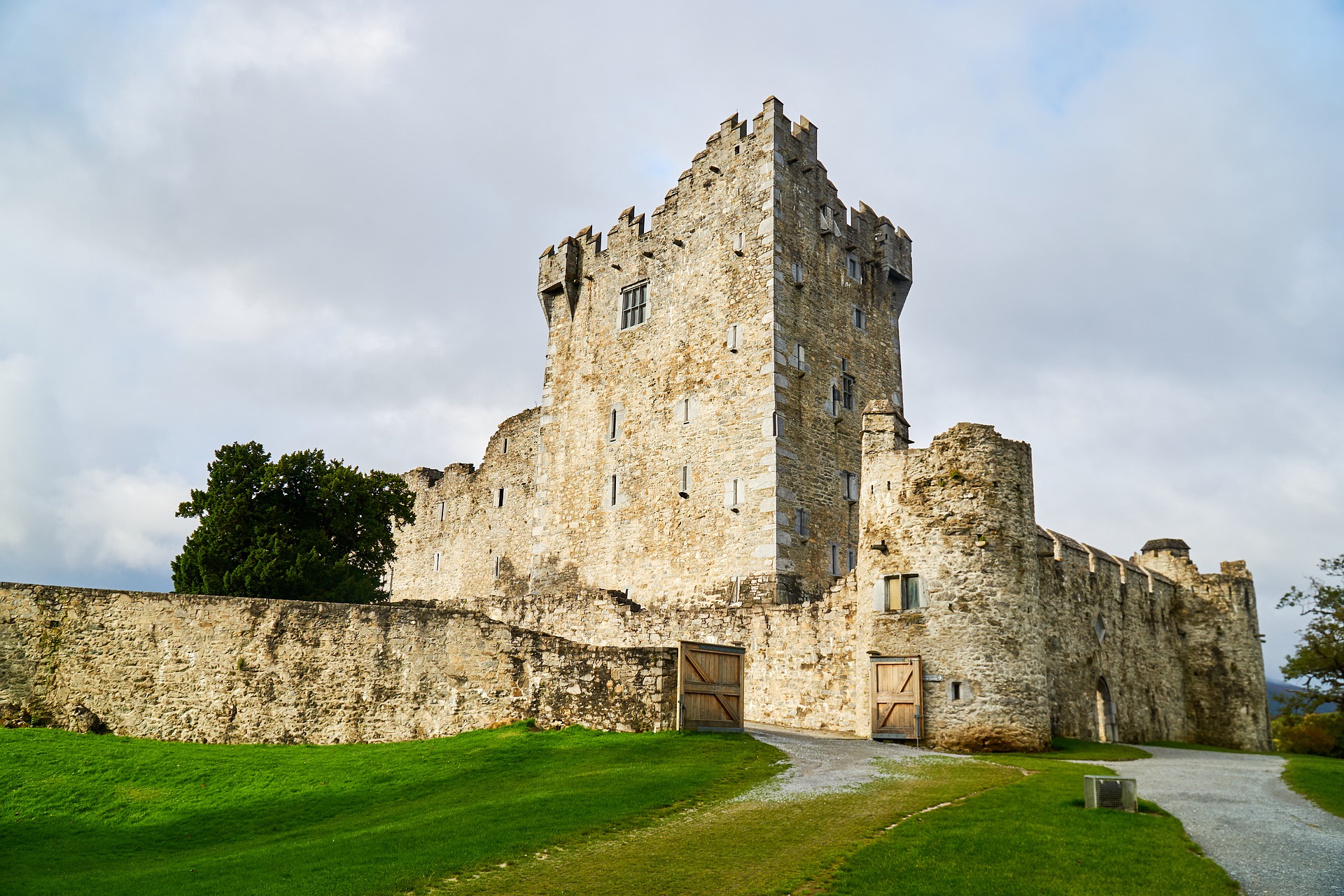
Killarney is a town in County Kerry, in southwestern Ireland. It sits on the shore of a lake and is in Killarney National Park. Killarney won The Best Kept Town Award in 2007.
Tourist Attractions:
St. Mary’s Cathedral
Ross Castle
Muckross House and Abbey
The Lakes of Killarney
MacGillicuddy’s Reeks
Purple Mountain
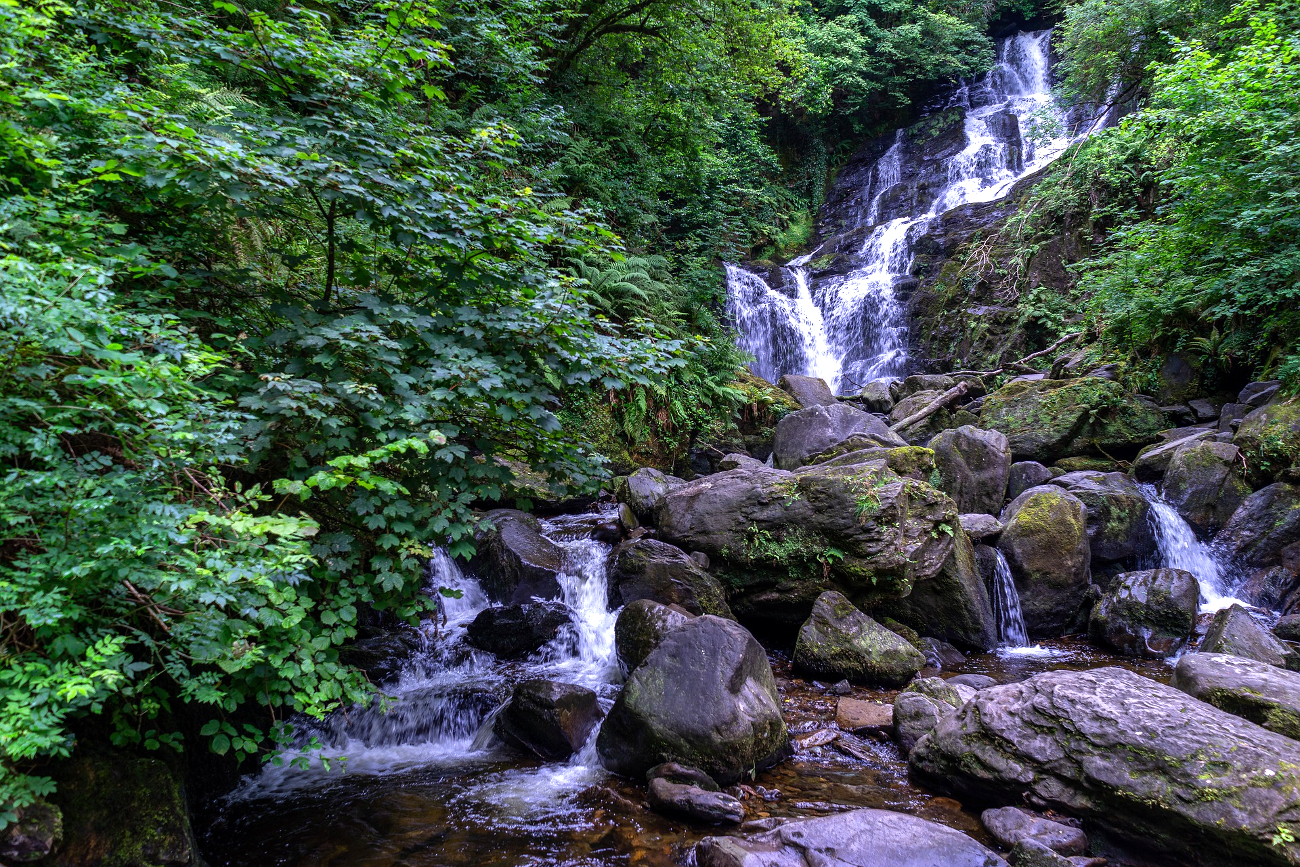
Torc Waterfall
The Town of Kilkenny
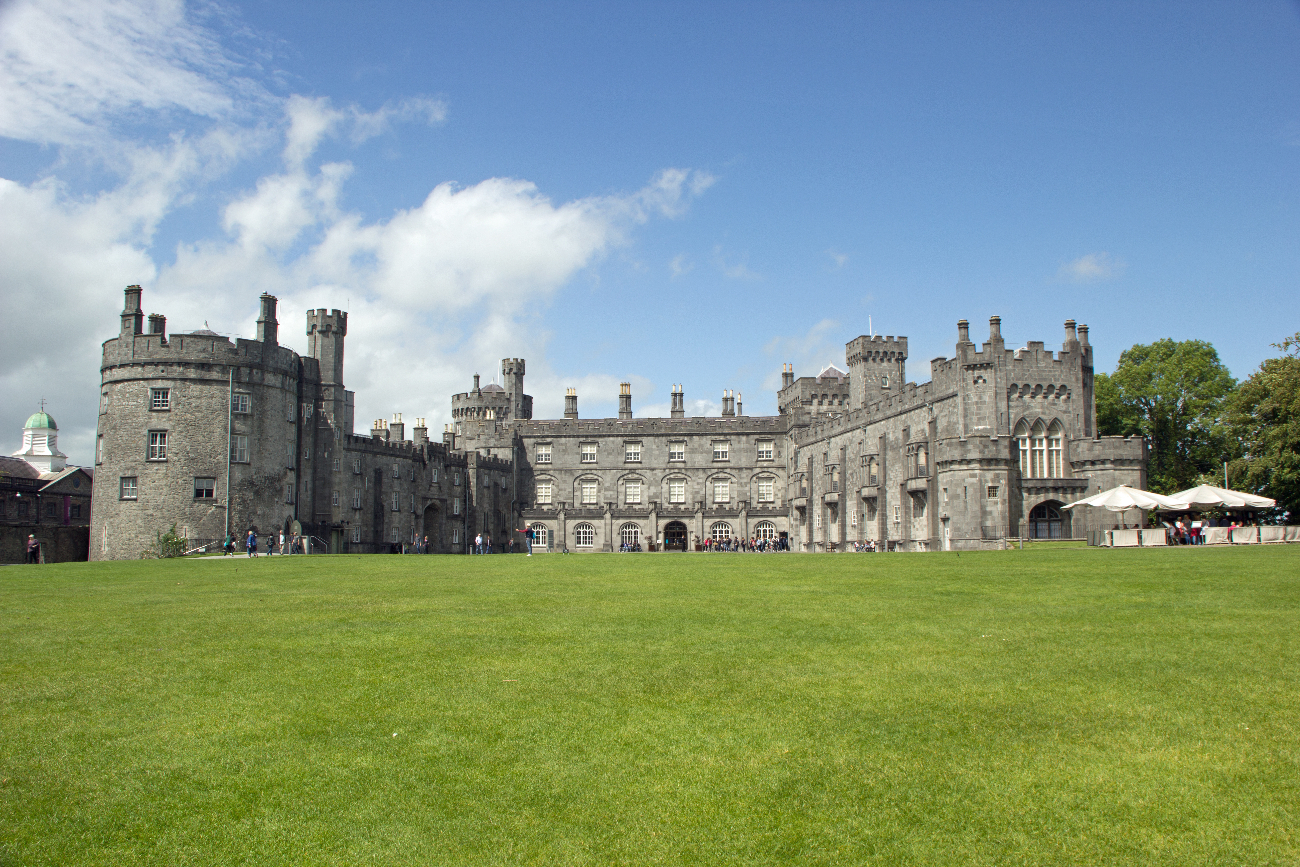
Kilkenny is a medieval town located in Ireland’s southeast region and in the province of Leinster. This historical city is over 400 years old and it has stunning medieval cathedrals, castles and stone buildings each with its own story to tell. Historical buildings include the Kilkenny Castles, St. Canice’s Cathedral, and St. Mary’s Cathedral. Aside from its unique architecture and history, Kilkenny is also a festival town, holding several events a year.
Additional Tourist Attractions:
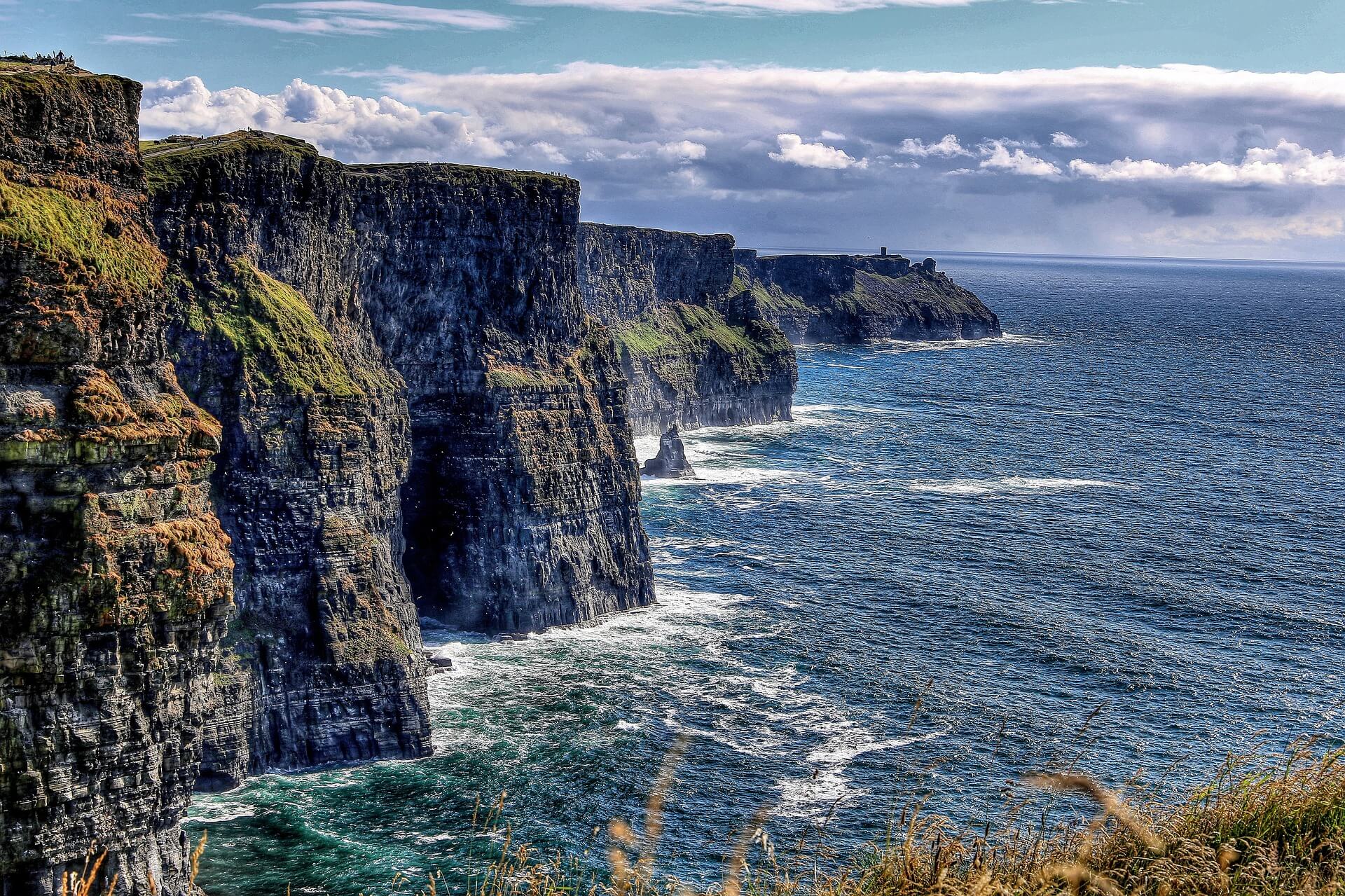
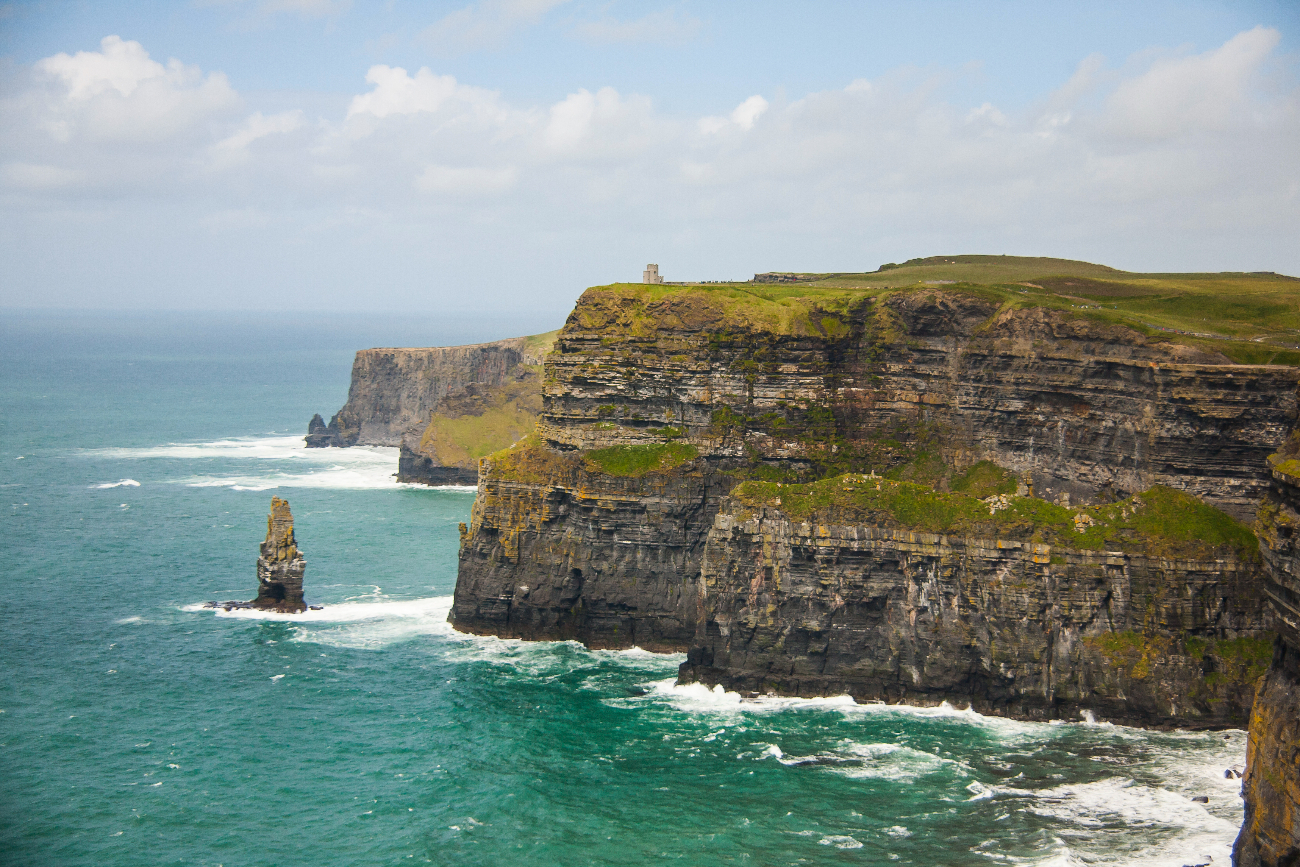
Cliffs of Moher: For Nature lovers, the visit to the cliffs is a must.
The cliffs of Moher are located on the west coast of Ireland just about 170 miles, or 270 kilometers from Dublin. The Cliffs stretch for 14 kilometers (9 miles). This is the perfect spot to admire the stunning Atlantic Ocean. From the Cliffs you can hear waves crash and view the synchronic movement of the flying birds. On a clear day the views are spectacular as you can view the famous Aran Islands in Galway. The views and great photographic opportunities are countless. The Cliffs are one of the most popular tourist spots in Ireland and in 2006 it topped Ireland’s list of attractions, visited by almost one million visitors.
Newgrange: should you be interested in prehistoric, a day excursion outside Dublin is a must. Newgrange dates from about 3200 BCE, 500 years older than the great pyramids and 1000 years older than Stonehenge; the Hill of Tara and Boyne Valley are close by and worth learning their history.
Aran Islands: These three islands stand in the Bay of Galway. It is a great day excursion by coach and ferry out of Galway. But if you like bicycling or hiking, tranquility to visit ancient sites and nature, you could plan to stay overnight. The islands are also famous for their hand knit sweaters.
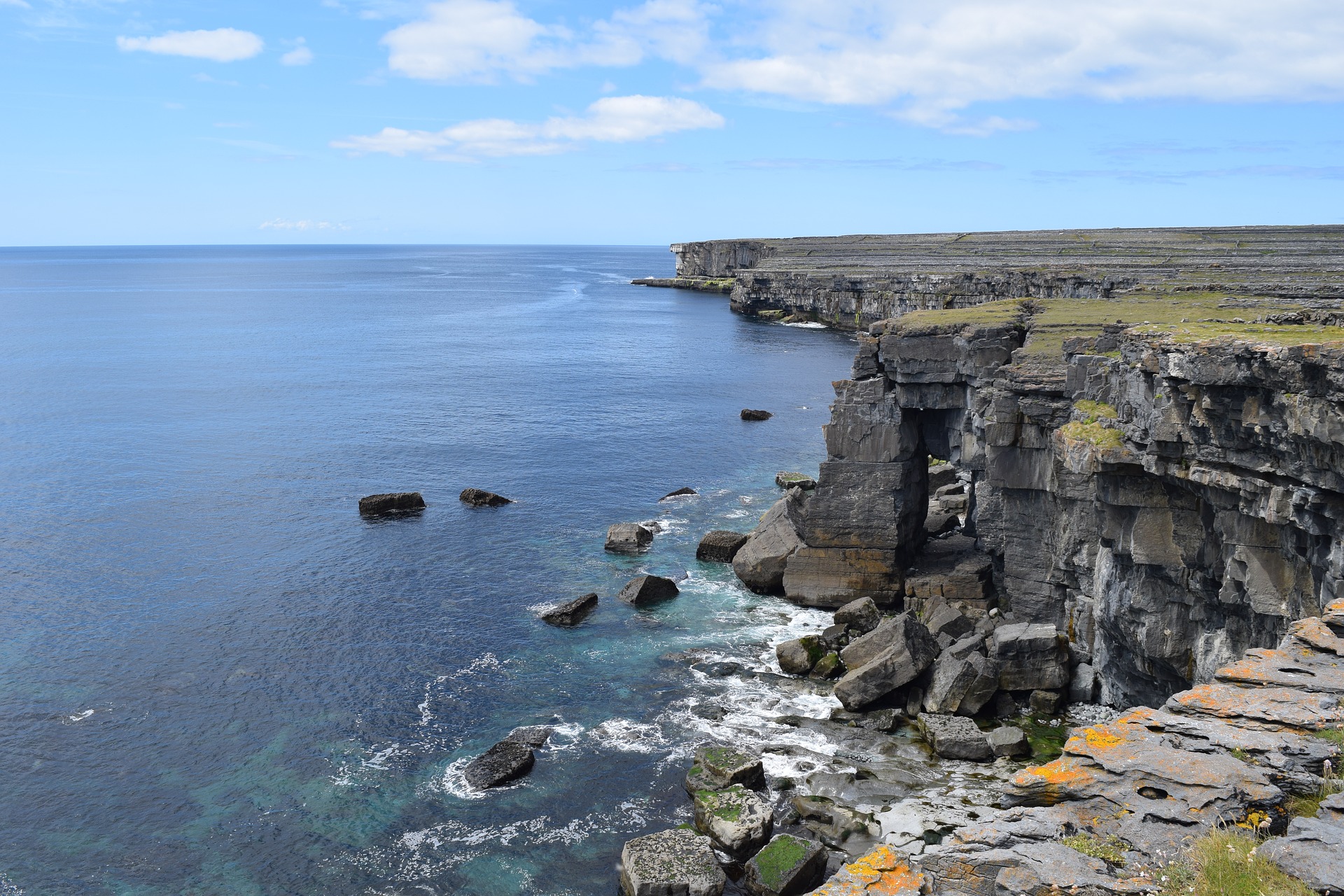
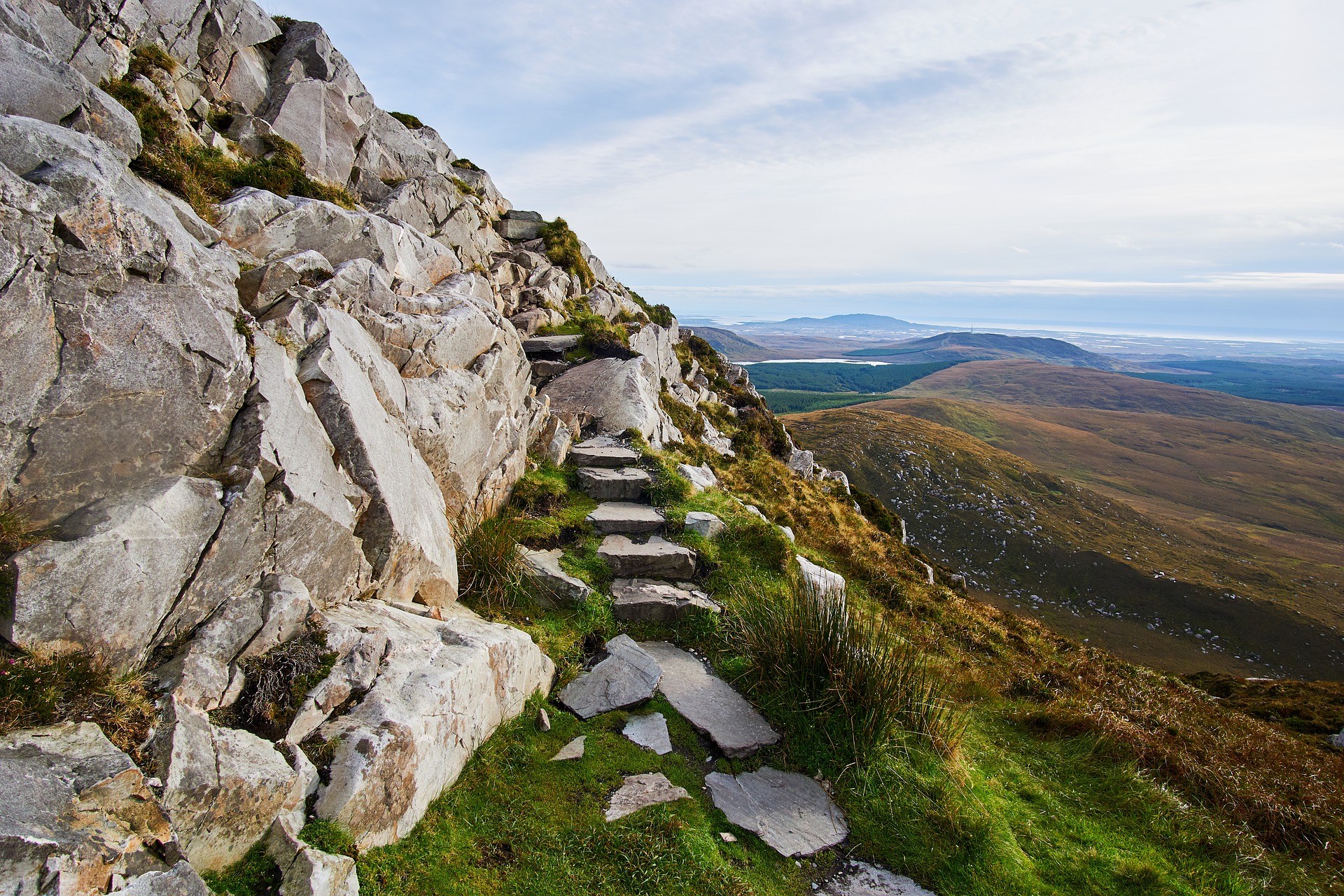
Connemara: is part of the Western part of Ireland and along the Atlantic coast, it is a great tourist attraction with the Connemara National Park which covers 7000 acres of mountains, lakes, bogs, heath and grasslands. The name in the Gaelic language means “inlets for the sea”.
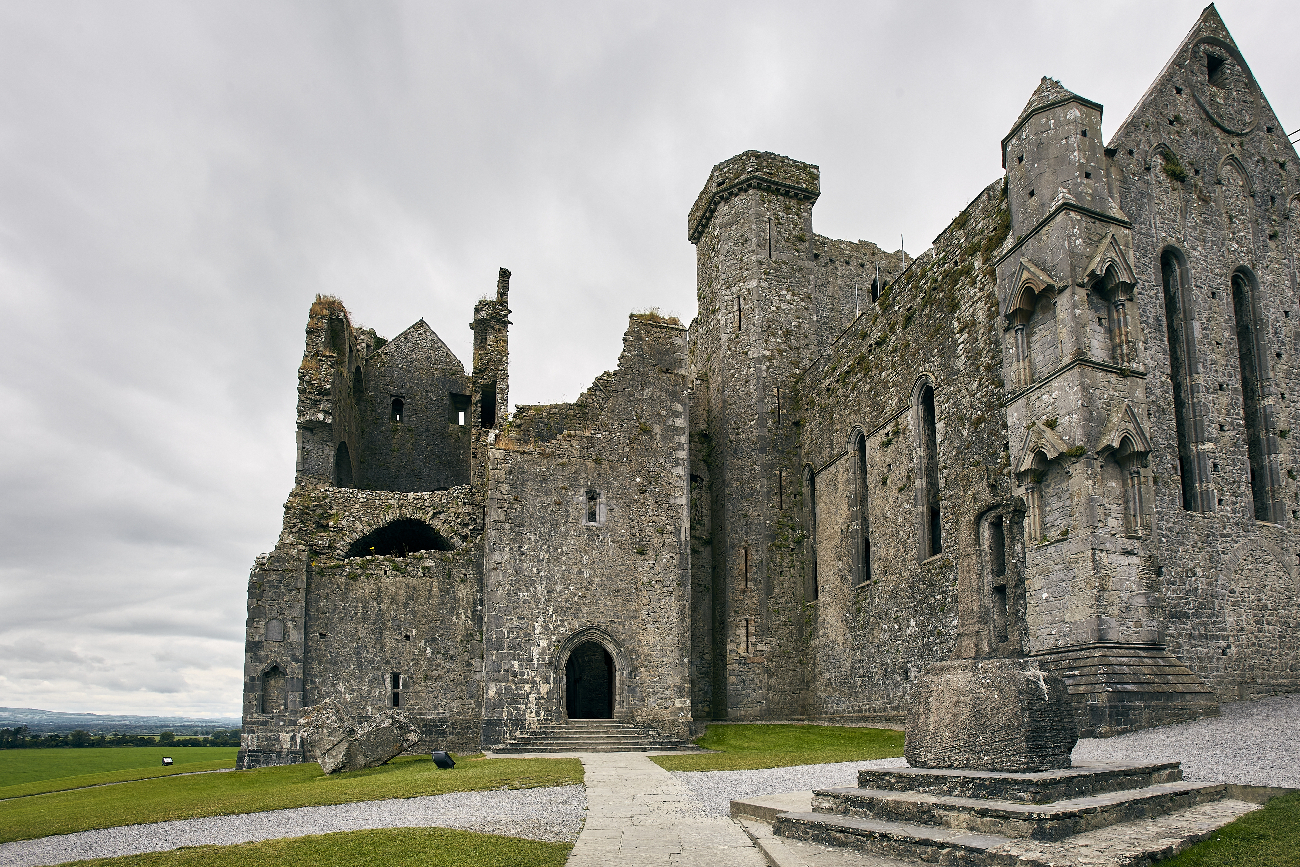
The Rock of Cashel: a.k.a Saint Patrick Rock in Tipperary County
Blarney Castle and Blarney Stone: only 5 miles away from Cork, the castle is well known for its legend about “Kissing the Blarney Stone”. Take that chance during your visit and you can be assured that by doing so you will get the gift of gab!
No Tour Found