


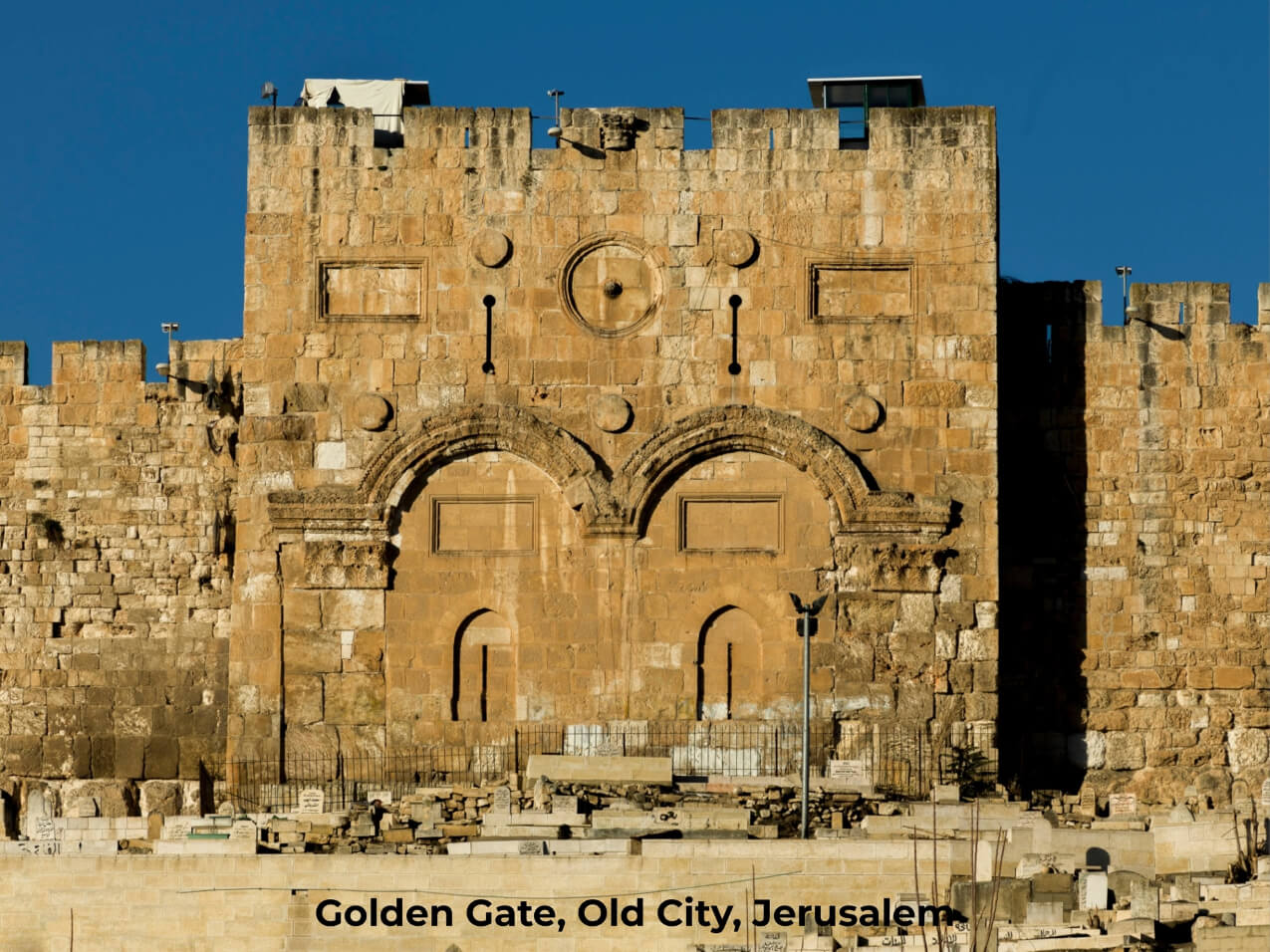
Israel-The Country
Israel is located in the Levant area of the Fertile Crescent Region. The country is at the eastern end of the Mediterranean Sea, bounded by Lebanon to the north, Syria to the northeast, Jordan to the east and Egypt and the Gaza Strip to the southwest. It is a small country with only 10,733 square miles. Israel has a variety of geographic features from the Negev Desert in the south to the inland fertile Jezreel Valley to the mountain ranges of the Galilee, Carmel and Golan toward the north. The coastal plains near the Mediterranean are the most heavily populated. Temperatures vary widely especially during the winter. Coastal areas, such as Tel Aviv and Haifa have a typical Mediterranean climate with cool, rainy winters and long, hot summers. On the other hand, Beersheba and the Negev have a semi-arid climate with hot summers, cool winters and fewer rainy days. The southern Negev has a desert climate with very hot, dry summers and mild winters with little rain. Mountainous regions can be cold and windy and from May to September rain is rare.
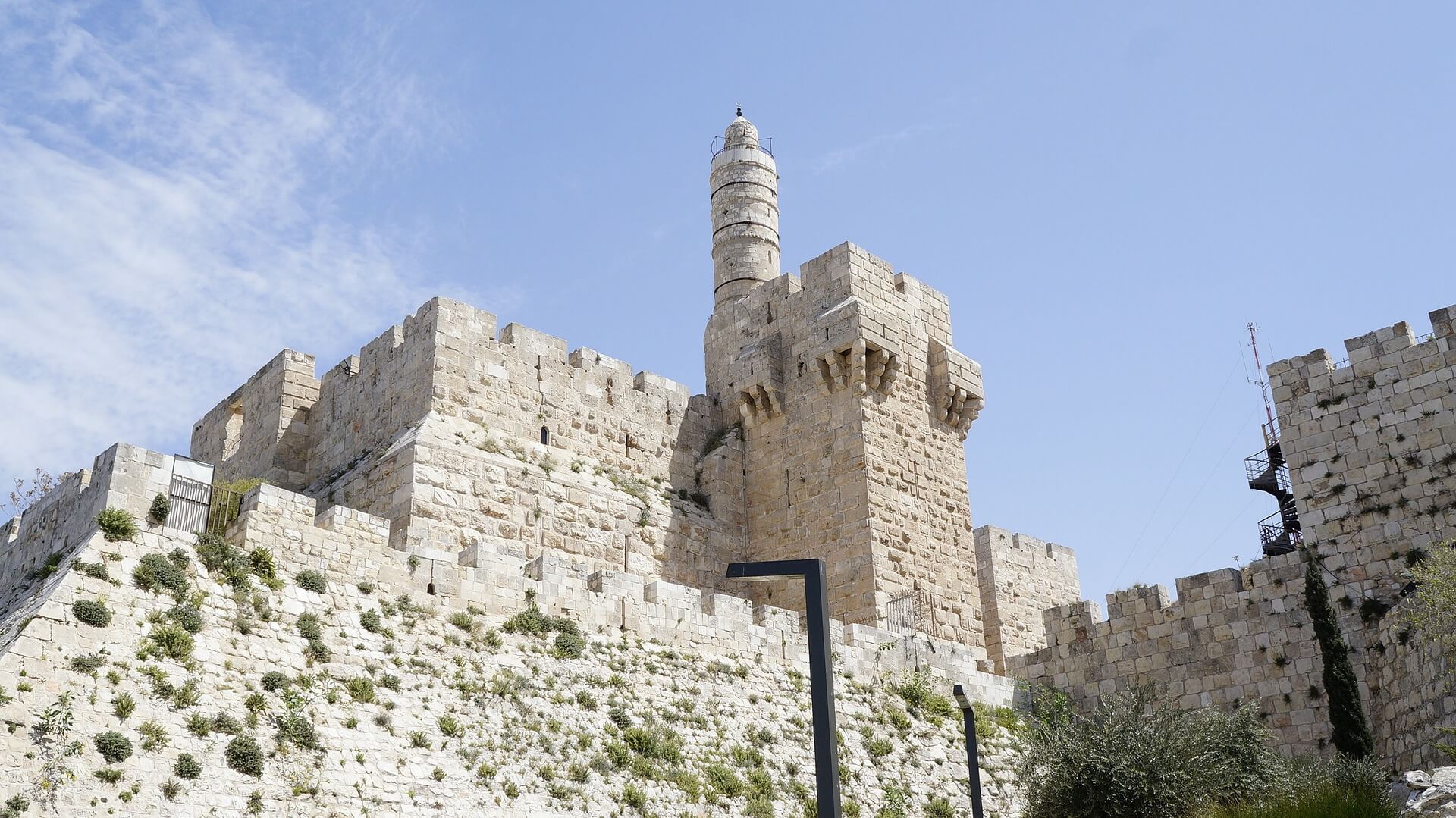
As of 2021 Israel’s population was almost 9,500,000 with 74% Jewish and 21% Arabic. 92% of Israelis live in urban areas.
For archeology buffs Israel has numerous “digs” and has the earliest migration of hominids out of Africa. The kingdoms of Israel and Judah were founded in the Iron Age. The Neo-Assyrian Empire destroyed Israel around 720 BCE and later through many centuries, Judah was conquered by the Babylonians, Persians, and Hellenistic Empires and existed as a Jewish autonomous province. Independent again through the Maccabees revolt in 160 BCE; it was re-conquered and became a client state of Rome in 37 BCE. In the 7th century CE the area was taken from the Byzantine Empire by the Arabs and remained in Muslim control until the Crusades in 1099 CE. Moslems, then Egypt, the Ottoman Empire in 1517 and the United Kingdom after World War I all controlled the area until the formation of the independent State of Israel in 1948.
The modern State of Israel was established as a homeland for the Jewish people and is often referred to as the Jewish state. Approximately 75% of Israeli Jews are born in Israel. The country is a liberal parliamentary democracy and has the highest standard of living in the Middle East. The area is known as “The Holy Land” for all major Abrahamic religions including Judaism, Christianity, and Islam.
There are four major metropolitan areas:
1. Gush Dan which is the Tel Aviv metropolitan area with a population of just under 4 million.
2. The Jerusalem metropolitan area with 1,250,000 residents
3. The Haifa metropolitan area with 925,000 and
4. The Beersheba metropolitan area with 377,000.
Israel’s official language is Hebrew. But many people speak Arabic, Russian and French. English is almost universally spoken by the educated population.
Tel Aviv
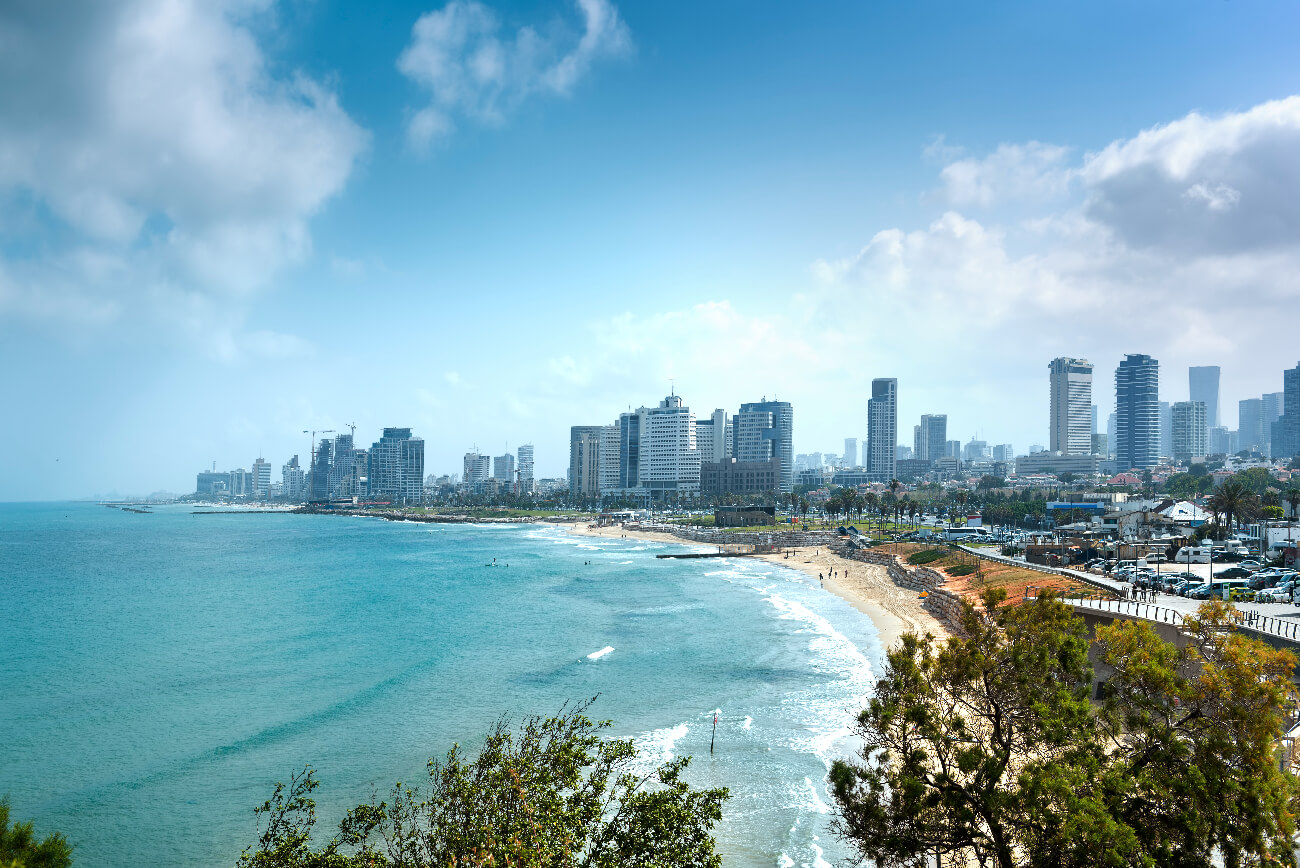
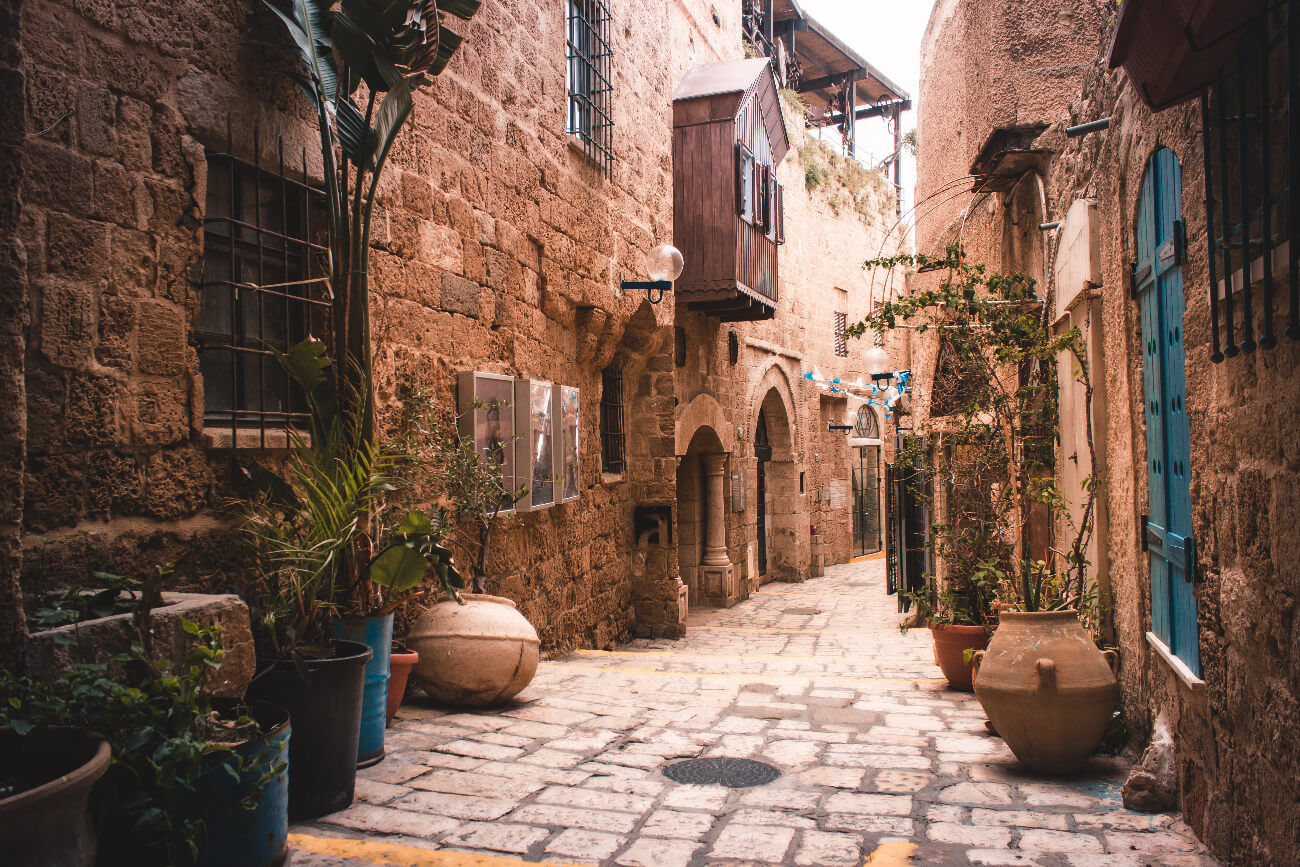
Tel Aviv is called the “Miami Beach of the Mediterranean” by National Geographic, and is included in its top 10 world’s best beach cities. The Tel Aviv coastline is composed of 13 unique beaches each providing a different view and offering a different experience. Tel Aviv has been UNESCO designated because of its Bauhaus architecture which has won the city the nickname “The White City”. The many cultural exhibits include Haaretz Museum, historic Independence Hall Museum, the bustling Carmel Market and Old Jaffa’s boardwalk.
Jerusalem
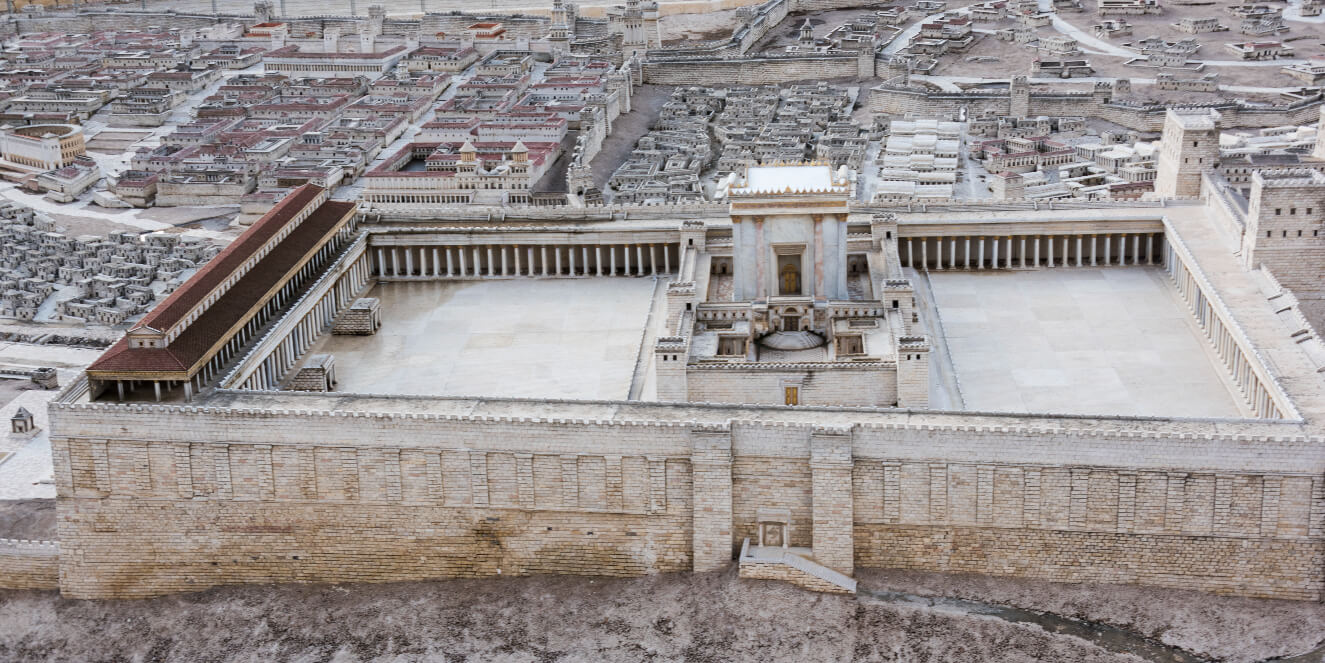
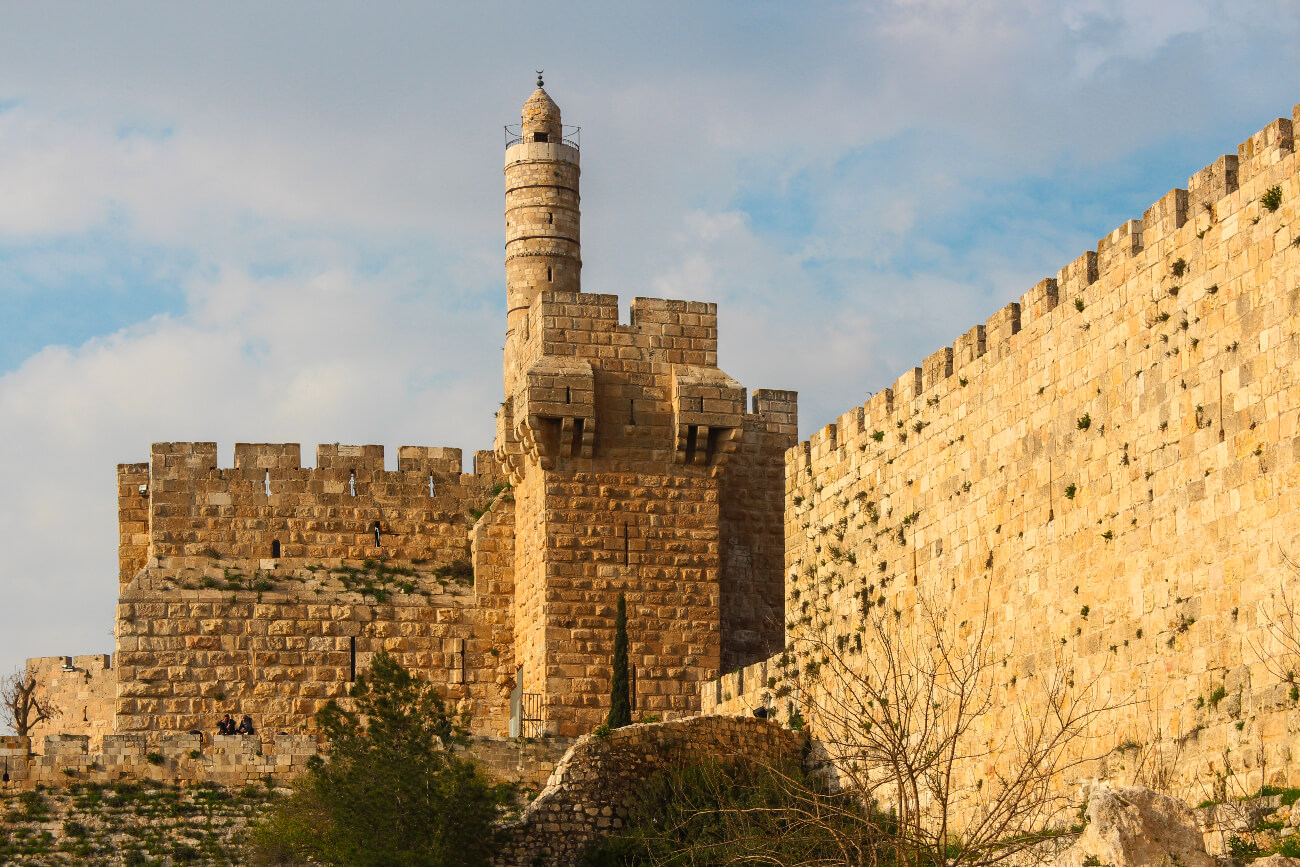
The Old City of Jerusalem is more than 3,000 years old and has seven historical gates rebuilt over time. When you walk down the stone cobbled, narrow, winding streets and alleyways and think of who walked these streets you are both humbled and intrigued. The ancient part of the city is filled with shrines and attractions holy to Jews, Christians and Moslems including The Western Wall, Yad Vashem, the World Holocaust Remembrance Center, The Temple Mount and the Church of the Holy Sepulchre.
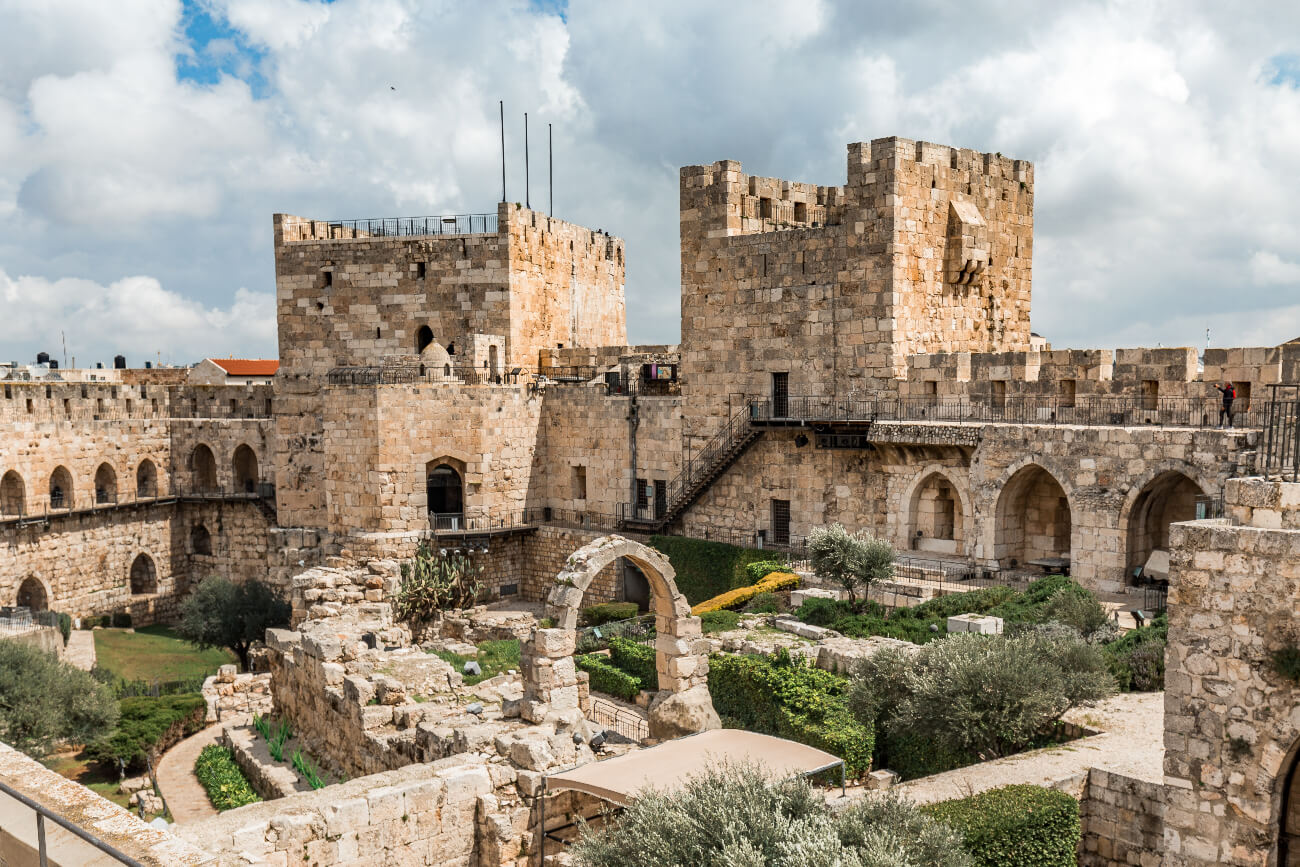
The New City is a modern world-class city with hotels, fine dining, museums, promenades and shopping malls. The Israel Museum is the largest museum in Israel and houses the “Dead Sea Scrolls” and is ranked as one of the top art and archeology museums in the world. Local farms, wineries and breweries are set up on the outskirts of the city and offer unique Israeli cuisine as well as foods from around the world. With Jerusalem you experience the very oldest and the most modern.
Haifa
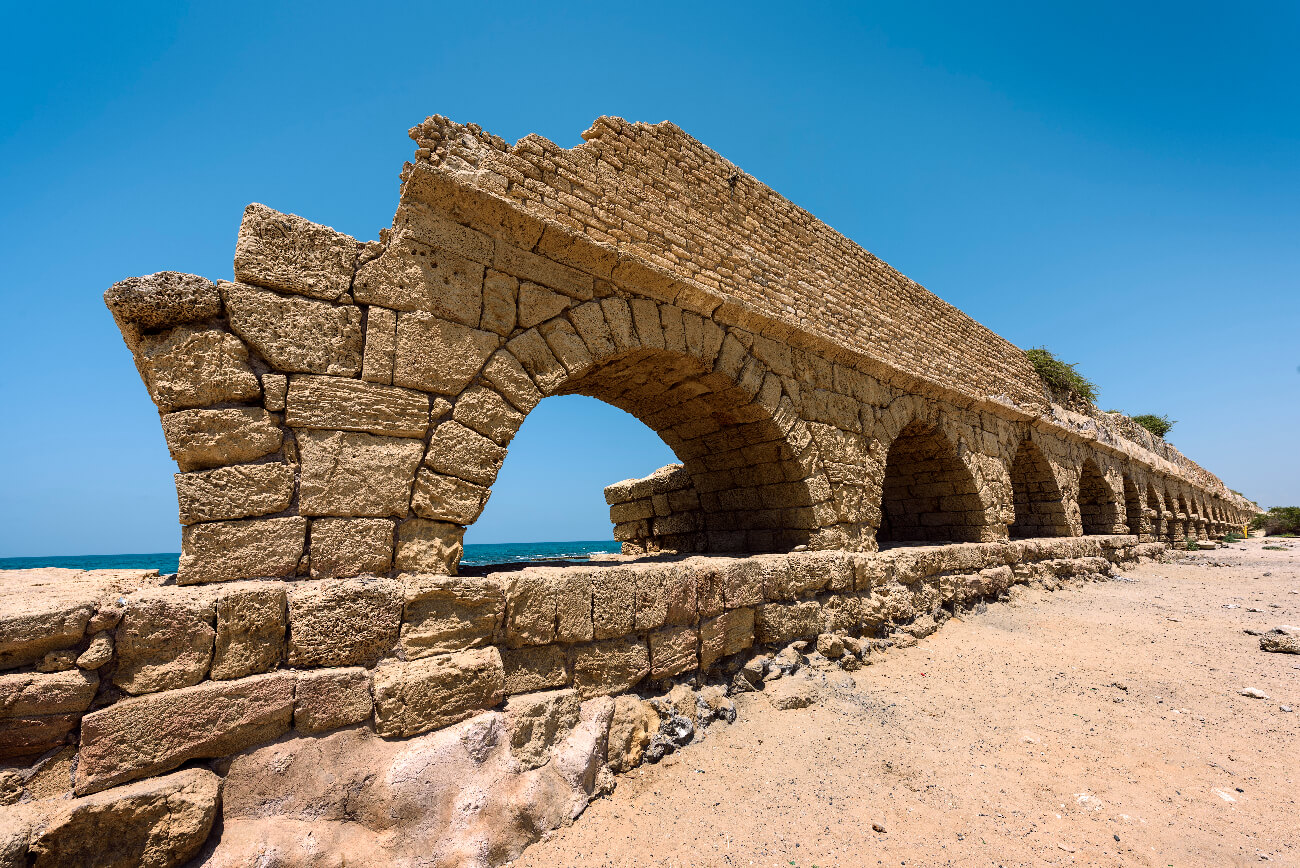
Haifa is surrounded by historical sites unique in the world. Explore the Roman cities of Caesarea and Rosh Hanikra, travel to Acre and trace Jesus’ steps in Nazareth and the Sea of Galilee. Enjoy the tramway and the many specialty museums.
Beersheba, Eilat and the Negev Desert
Beersheba is the largest city in the Negev Desert and on the northern edge of the desert 75 miles from Jerusalem. It is a modern, vibrant city. A few miles from the modern Beersheba is Biblical Beersheba which is preserved as an archeological site open to tourists. Visit Tel Arad National Park and Tel Beersheba to see ancient ruins of the administrative center of the Judean Kings which includes ancient water works and the “Well of Abraham”. Walk nearby Bedouin villages, the Turkish Railway Station and enjoy the traditional food fair at Khan Vadhan.
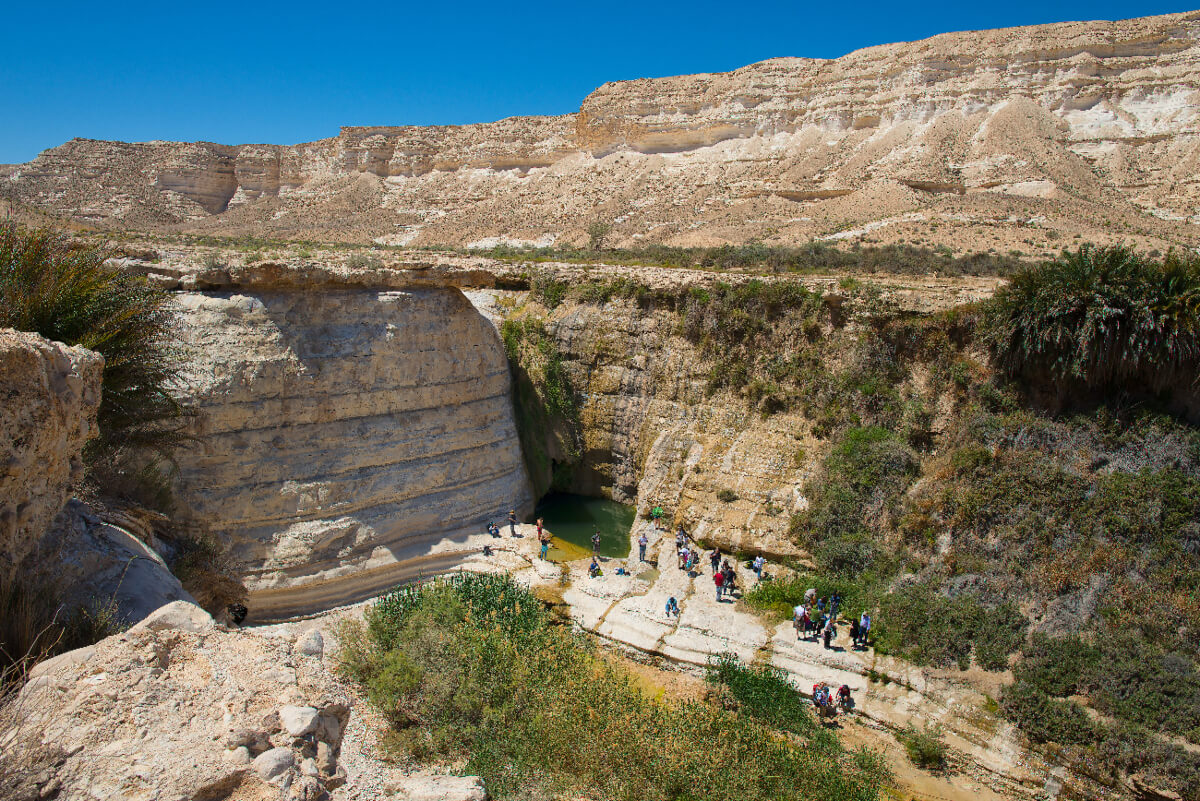
The Negev Desert lies to the south of Beersheba. The Negev is a beautiful desert featuring mountains and dunes as well as ancient ruins over 2000 years old including Shivta, Nitzana, Avdat, a UNESCO World Heritage Site, and Tel Arad National Park.
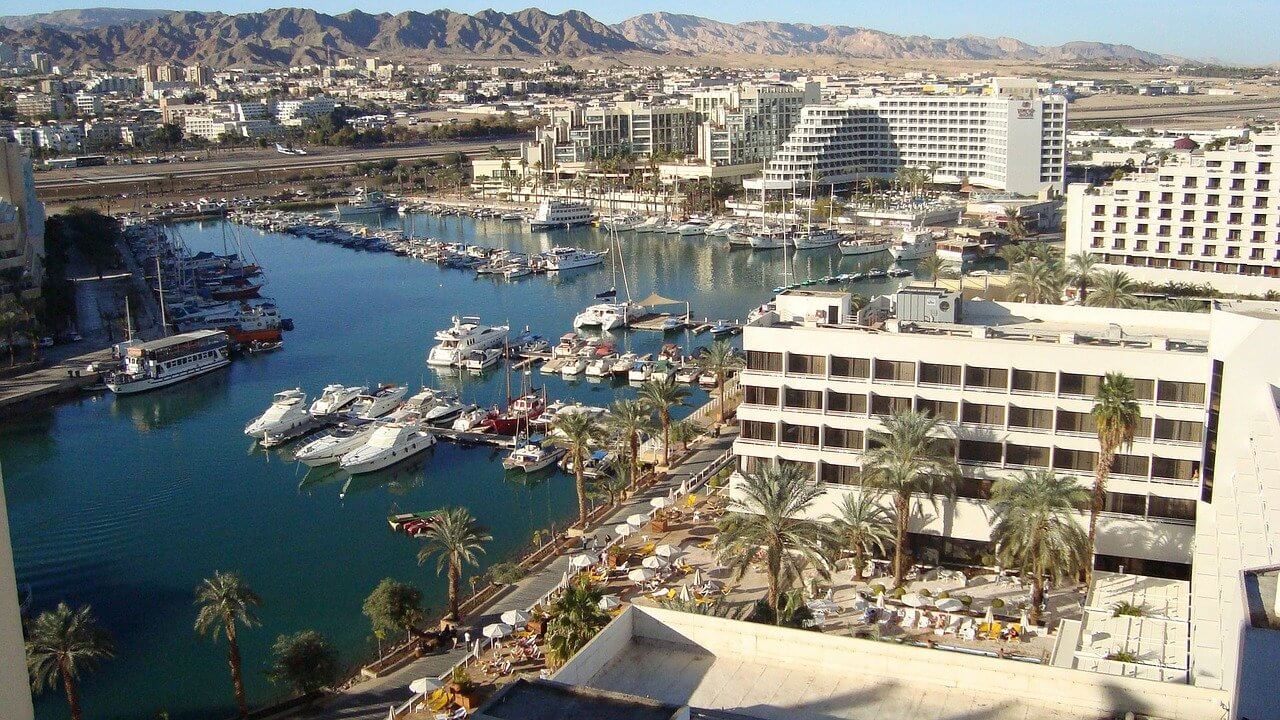
Eilat is the southernmost place in Israel and is surrounded by red mountains and the blue waters of the Red Sea. It has become a dynamic tourist hub in Israel. Places to visit are Timna Park, Dolphin Reef, The Underwater Observatory, Red Canyon and the Coral Beach Nature reserve.
Cuisine
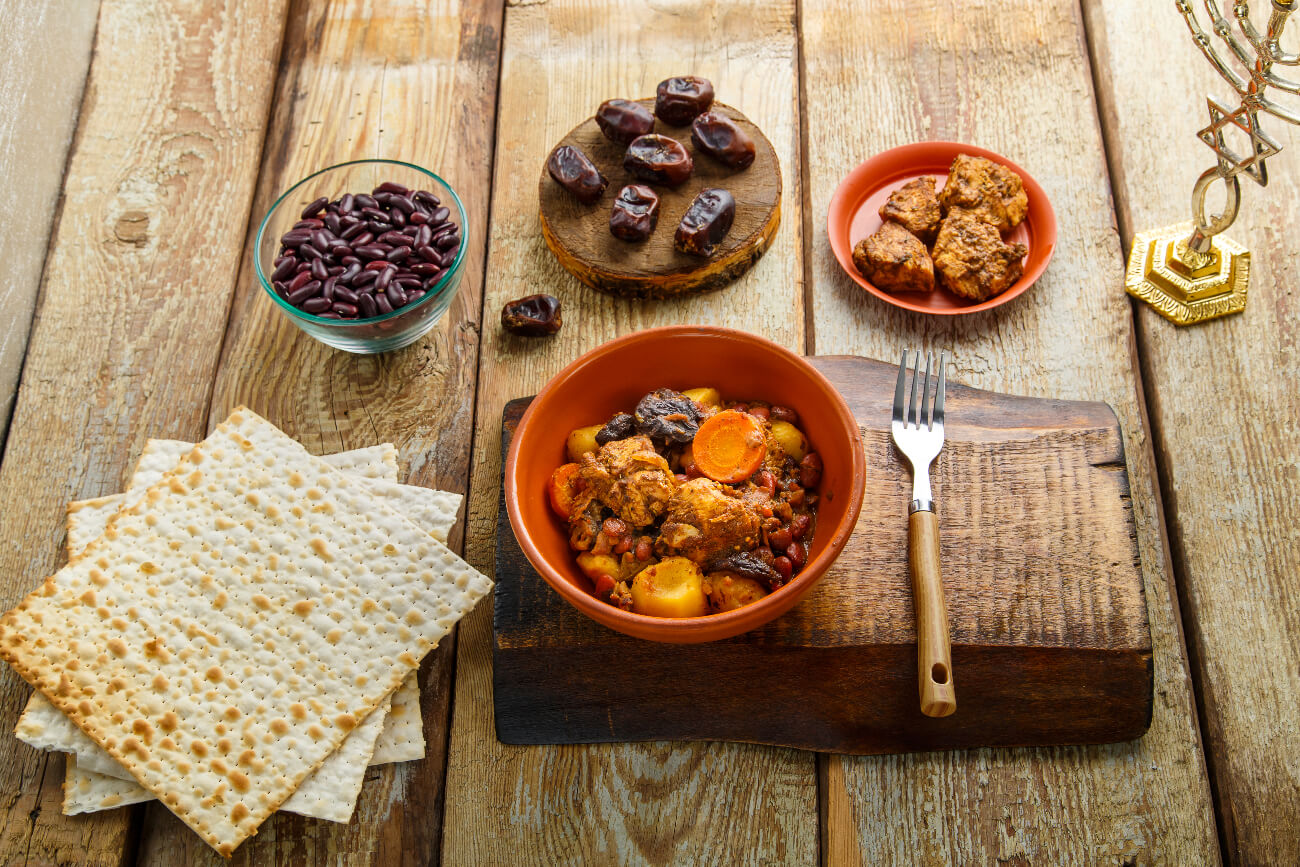
Cuisine Israeli cuisine includes local dishes as well as Jewish cuisine brought to the country by immigrants from the Diaspora. Since the 1970’s Israeli fusion cuisine has developed and adopted elements of the Mizrahi, Sephardi and Ashkenazi styles of cooking. It incorporates many traditional foods of the Levantine, Arab, Middle Eastern and Mediterranean cuisines. Roughly half of the Israeli –Jewish population are kosher at home and about 25% of all restaurants are kosher.

Transportation
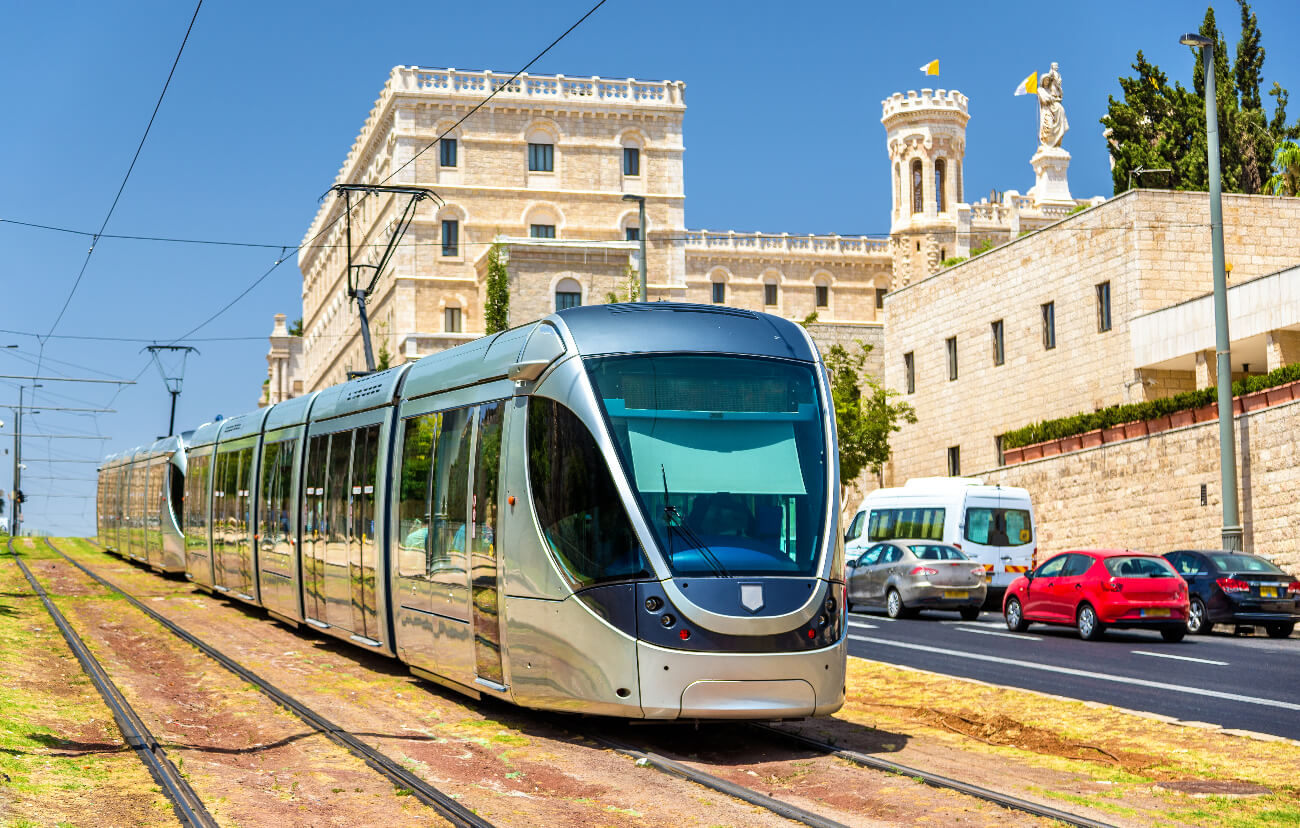
Israel has a modern transportation system with highways, very good intra and inter-city bus services supplemented by air, rail and private taxi services including Sheruts.
No Tour Found