


Japan is an island and country in East Asia located in the Northwest Pacific Ocean. It is bordered on the west by the Sea of Japan, and extends from the Sea of Okhotsk in the north toward the East China Sea and Taiwan in the South. Part of the Ring of Fire, Japan spans an archipelago of 6582 islands covering 146,000 square miles. The five main islands are Hokkaido, Honshu, Shikoku, Kyushu and Okinawa. Tokyo is Japan’s capital and largest city; other major cities include Yokohama, Osaka, Nagoya, Sapporo, Fukuoka, Kobe and Kyoto. Japan is the 11th most populous county in the world with 125 million inhabitants as well as one of the most densely populated and urbanized. About 75% of the country is mountainous. The Greater Tokyo Metropolitan Area is the most populous in the world with 38 million inhabitants. The islands have been inhabited since 30,000 BCE. Between the 4th and 9th centuries AD the kingdoms of Japan became unified under an Emperor. Beginning with the 12th century, power was held by a series of military dictators (shogun) and feudal lords (daimyo) and enforced by a class of warrior nobility (samurai). After a century long civil war the country was once again unified and pursued an isolationist policy until 1854 when the United States fleet opened Japan up to world trade which led to restoration of imperial power in 1868. During this period, Japan adopted a western style constitution and pursued a program of industrialization and modernization. In 1937 Japan invaded China and then in 1941 it attacked The United States. After its defeat in 1945 The United States occupied the country for seven years and it adopted a new constitution with a unitary parliamentary constitutional monarchy with a bicameral legislature-the National Diet. Japan has become an economic, scientific and military power with the third largest GDP in the world. The culture of Japan has an excellent worldwide reputation in art, cuisine, music and popular culture.
History
A Paleolithic culture starting in 30,000 BCE constitutes the first known inhabitants of Japan. This was followed from 14,500 BCE by a Mesolithic to Neolithic semi-sedentary-gatherer culture characterized by pit dwelling and rudimentary agriculture. In the following centuries new practices including wet-rice farming, a new style of pottery and metallurgy were imported from China and Korea. According to legend, Emperor Jimmu founded a kingdom in 660 BCE which was the beginning of continuous imperial rule. The late 700’s AD witnessed the development of Buddhist inspired artwork and architecture. This marked the beginning of the Heian priod (794-1185) during which a distinctly indigenous Japanese culture emerged. Civil wars followed until the Portuguese and Jesuit incursions. Using European technology, Toyotomi Hideyoshi unified the country. The emperors ruled with a strong shogun and in 1639 the isolationist policy began (sakuka) until the 1854 arrival of the American fleet. Japan rapidly modernized its economy and military and became the strongest country in Asia. It fought and won the First Sino-Japanese War in 1894-1895 and then the Russo-Japanese War in 1904-1905 and subsequently gained control of Korea, Taiwan and the southern portion of Sakhalin. After siding with the Allies in World War I it received control of German possessions in China and the Pacific. It invaded Manchuria in 1931 and China in 1937 and signed agreements with Nazi Germany.
Demographics Geography, Climate, Biodiversity, Environment, Religion, Languages and Culture
Japan has few minority citizens and residents. Out of a population of 125 million, 123 million are Japanese nationalists. 92% of the population live in cities. Tokyo has a population of 13 million. 20% of Japan’s population is over 65 and this has caused a shrinkage in the work force and by 2050 population is expected to decline to 100 million. Because of mountainous terrain, 67% of the country is uninhabitable. The habitable zones, mainly in coastal areas have very heavy population density concentration. The country is in an earthquake zone and has suffered severe quakes in its history. It is also on the Pacific Ring of Fire which causes volcanoes and tsunamis.
Japan’s climate is mostly temperate but varies greatly from north to south. The northernmost area, Hokkaido, has long, cold winters and hot summers. The central highlands has humid weather with large temperature differences between the summer and winter. The pacific coast features a humid sub-tropical climate with milder winters and hot summers. Japan has nine forest ecoregions which reflect the climate of the country. A large network of national parks has been established to protect important areas of fauna and flora as well as 52 wetlands. Four sites have been chosen as UNESCO World Heritage Sites.
Japan’s constitution guarantees freedom of religion. 84% to 96% of the population practices the Shinto religion. Many Japanese practice both Shinto and Buddhism. Participation in religious ceremonies as a cultural tradition remains high especially during festivals and occasions such as the first shrine visit of the New Year. Throughout the 20th century, western customs, originally related to Christianity including Valentine’s Day, Christmas and western style weddings have become popular. Japanese writing uses kanji (Chinese characters) and two sets of kana as well as the Latin alphabet and Arabic numerals. English instruction is mandatory in public schools.
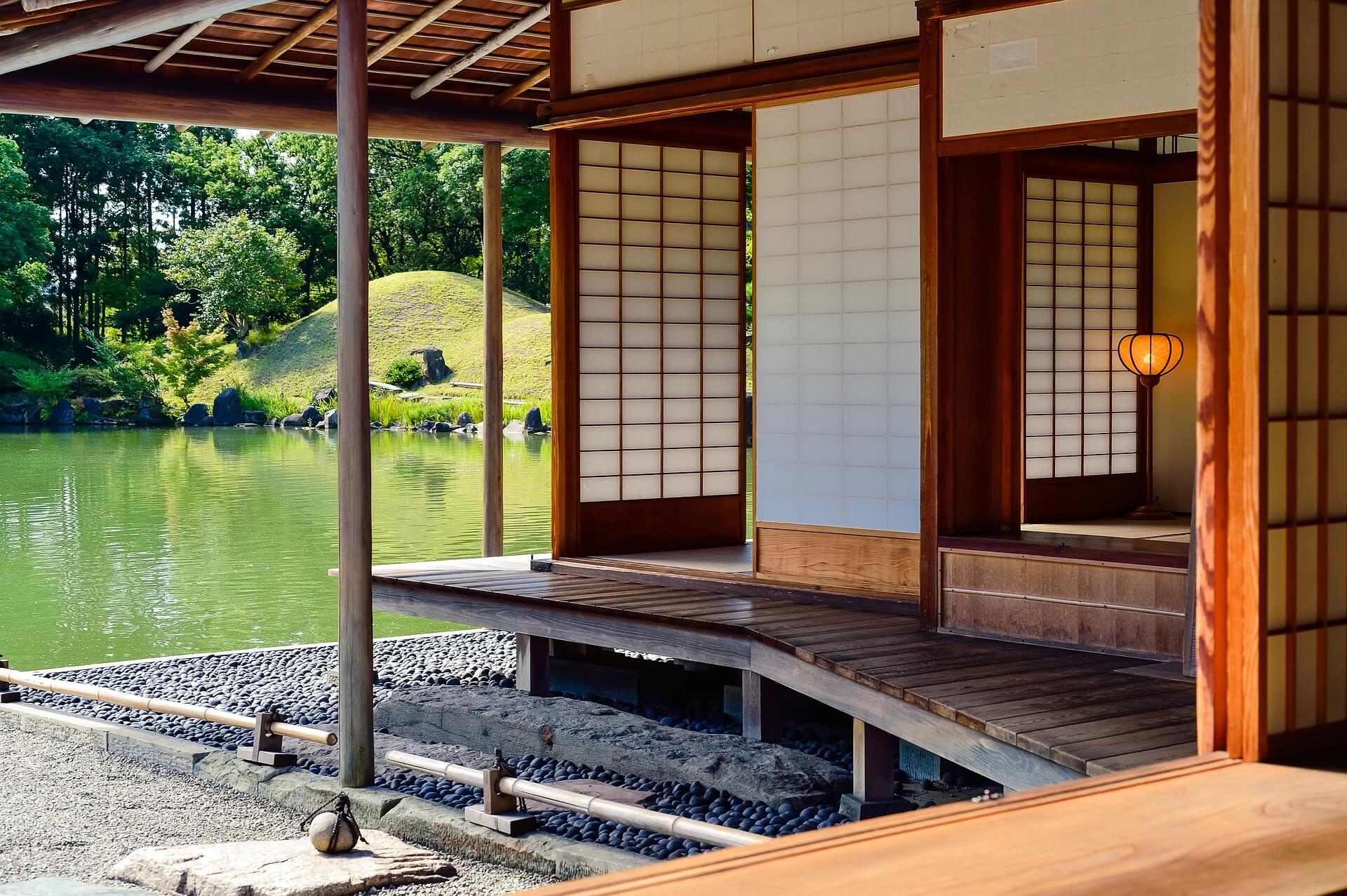
Contemporary Japanese culture combines influences from Asia, Europe, and North America. Traditional Japanese arts includes include crafts such as ceramics, textiles, swords, lacquerware and dolls. There are also performances of bunraka, kabuki, and rakugo, the tea ceremony, martial arts, calligraphy, and origami. Japan has a program to protect both tangible and intangible cultural properties and art treasures. Twenty two sites have been listed on the UNESCO World Heritage List. Japanese architecture is both home grown and imported. Traditional structures are built with wooden or mud plaster and elevated slightly off the ground with tile or thatched roofs. Traditional housing and many temples use tatami mats and sliding doors. In literature and philosophy Buddhism has profoundly impacted Japanese philosophy, metaphysics and esthetics. Japanese music is eclectic and diverse. Many instruments were introduced in the 9th and 10 century CE. Western classical music introduced in the 19th century forms an important part of Japanese culture. Noh theatre is one of the oldest continuous theater traditions in the world.
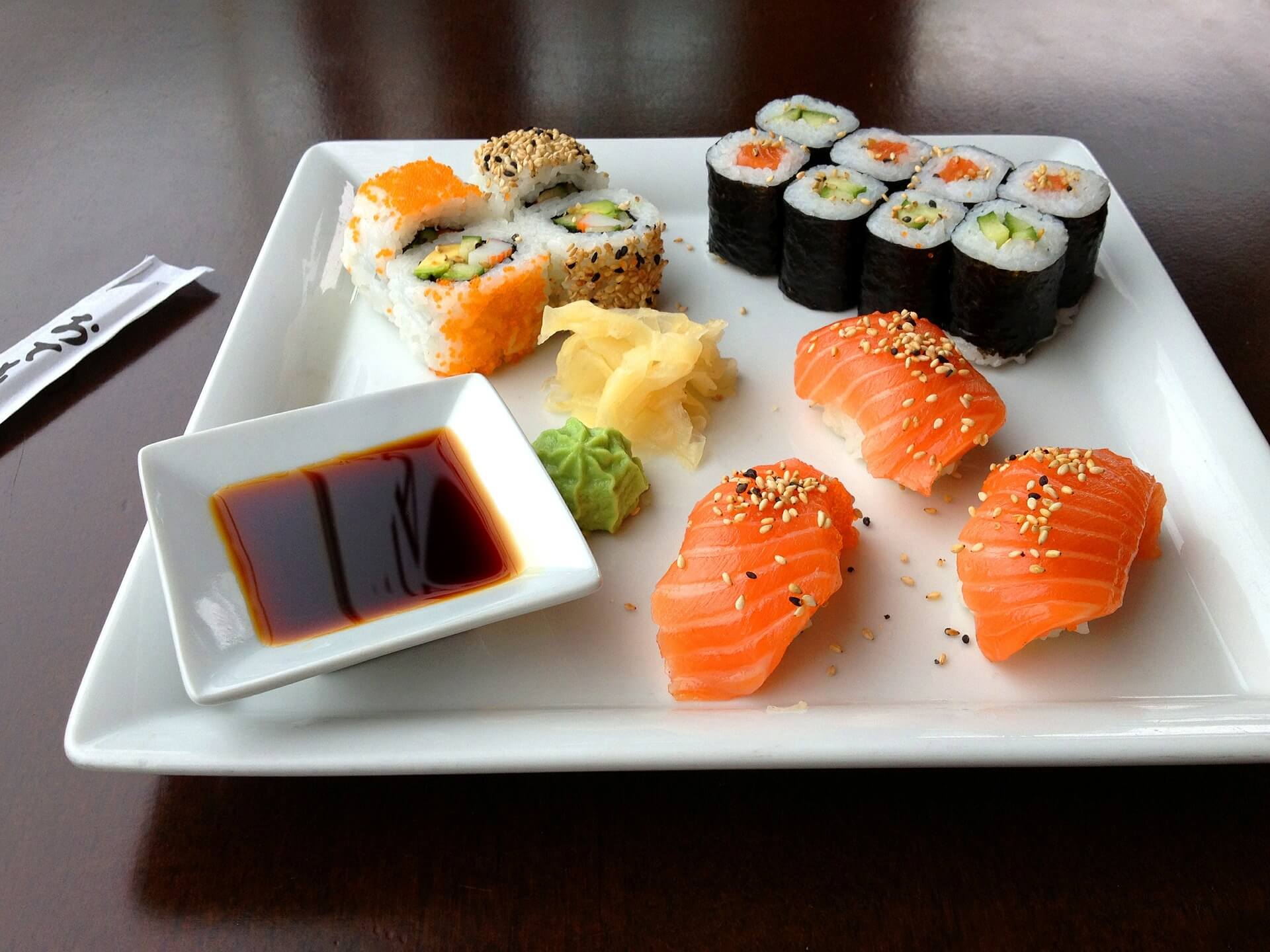
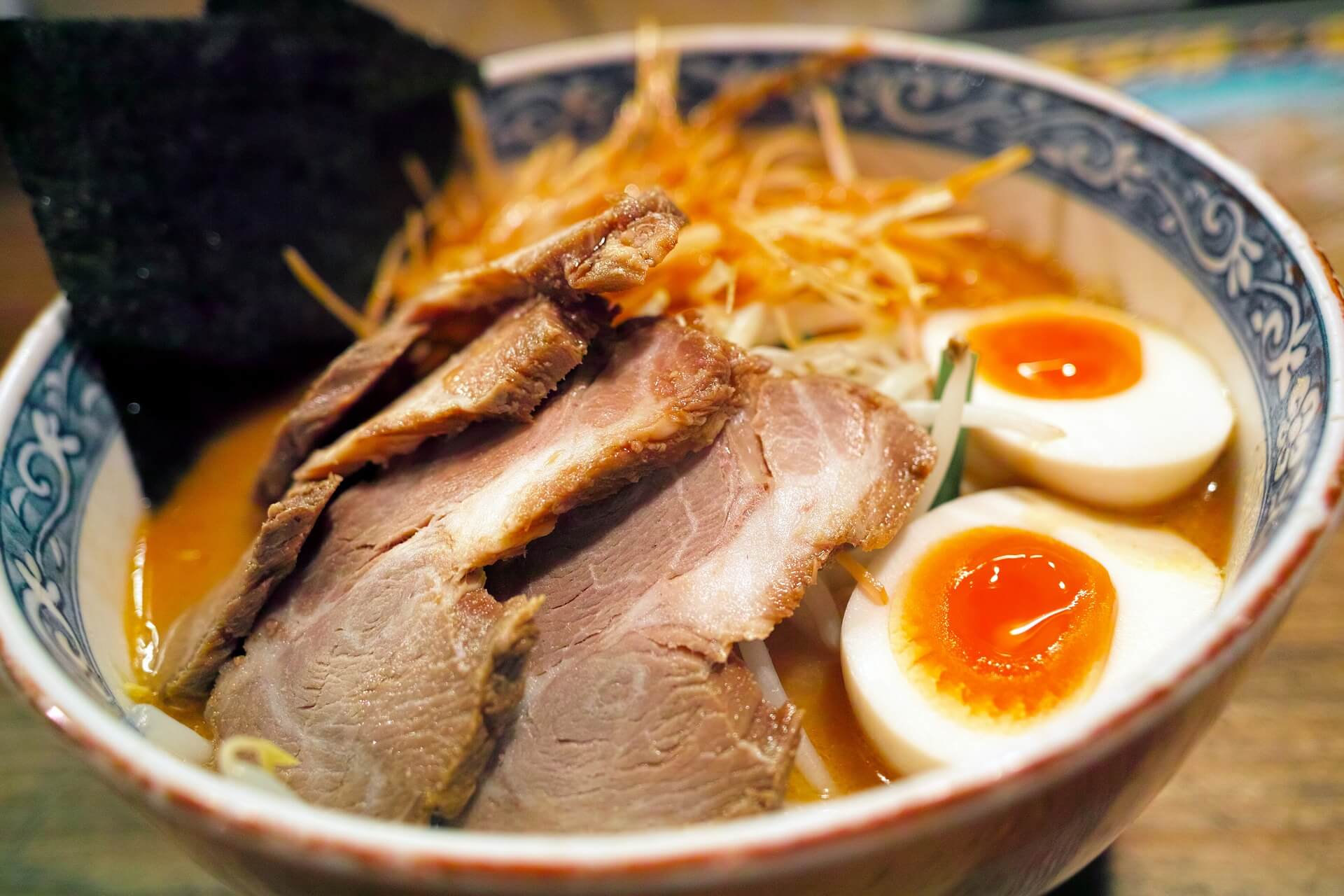
The cuisine of Japan offers a vast array of regional specialties that use local and traditional ingredients. Seafood and Japanese rice or are staples. Japanese curry, introduced from British India is widely used along with ramen and sushi.
Tokyo
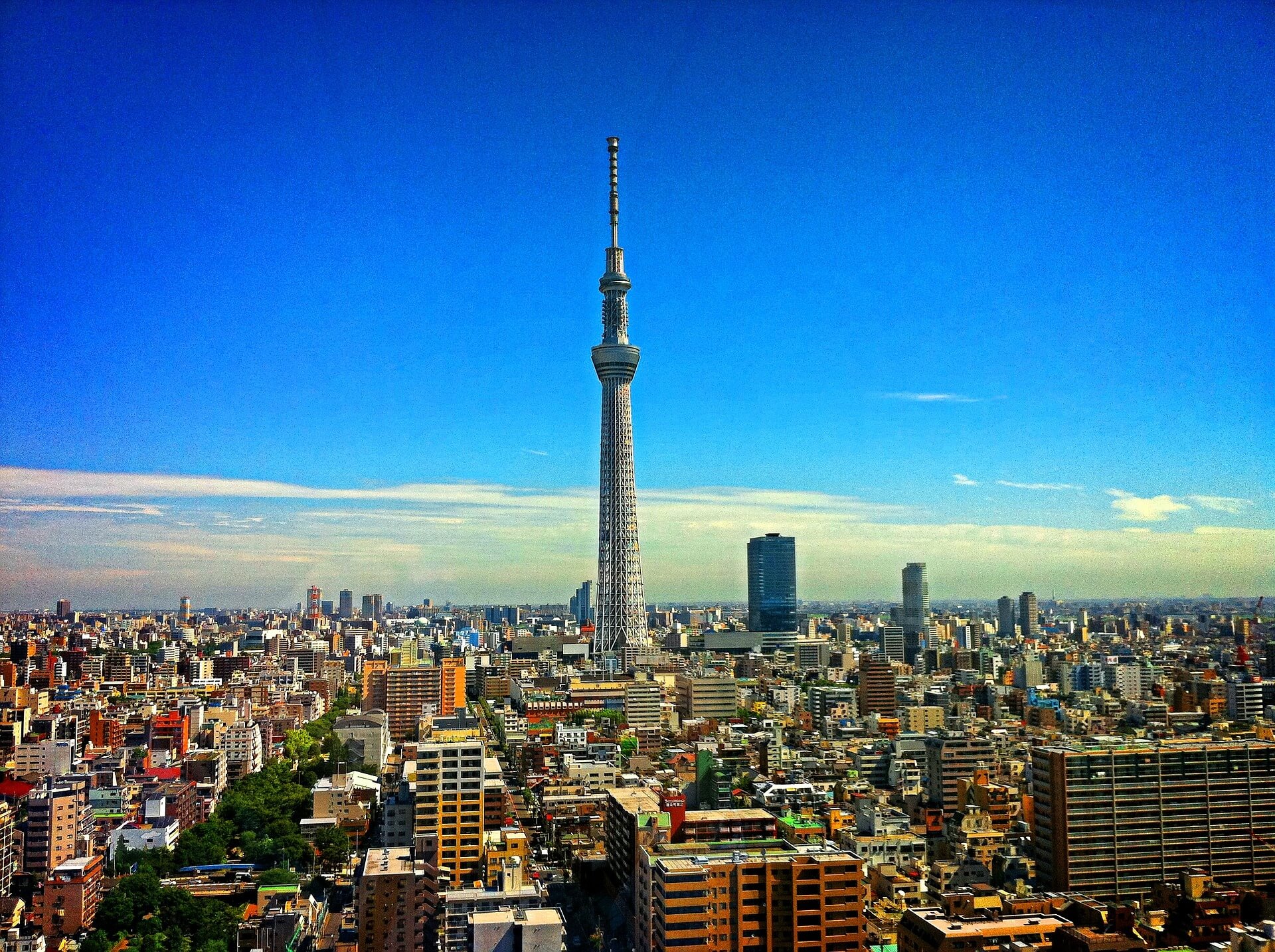
The Tokyo Metropolis is the largest urban area in both Japan and the world with the city of Tokyo the capital of Japan. Located at the head of Tokyo Bay the prefecture forms part of the Kanti region on the central Pacific Coast of Japan’s main island Honshu. Tokyo is the political and economic center of the country with a population of 13 million as well as being the seat of the Emperor and the National Diet Parliament. Originally a fishing village named Edo, the city became a prominent political center in 1603. By the mid 18th century, with 1 million residents, Edo became one of the most populous cities in the world. Following the end of the Shoginate period in 1868; the imperial capital of Japan was moved from Kyoto to the city. Tokyo was devastated by the 1923 earthquake and again by Allied bombing in World War II. By 2019 Tokyo was host to 36 of the Fortune 500 Global Companies. Tokyo station is the central hub for the Japanese bullet train. Notable districts of Tokyo are Chiyoda (site of the Imperial Palace), Shinkuju (the administrative center), and Shibuya (a commercial, cultural and business hub).
Tourist Attractions of Japan
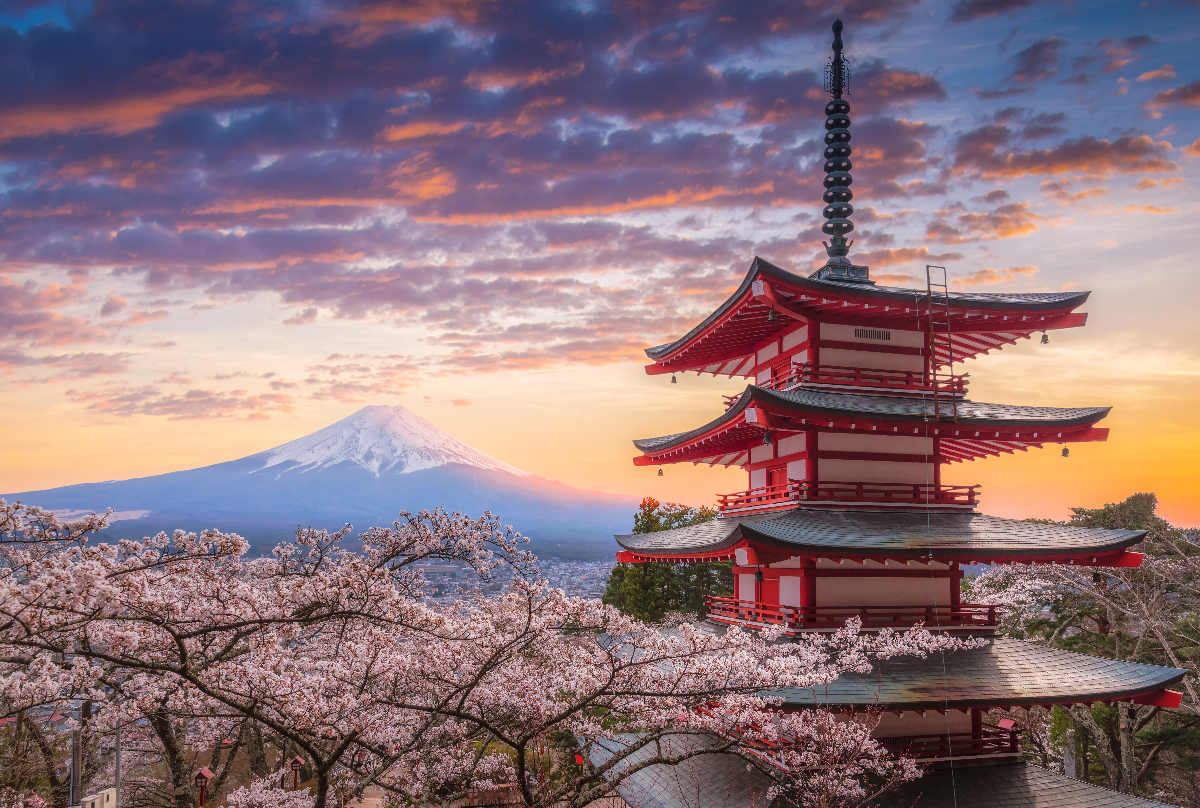
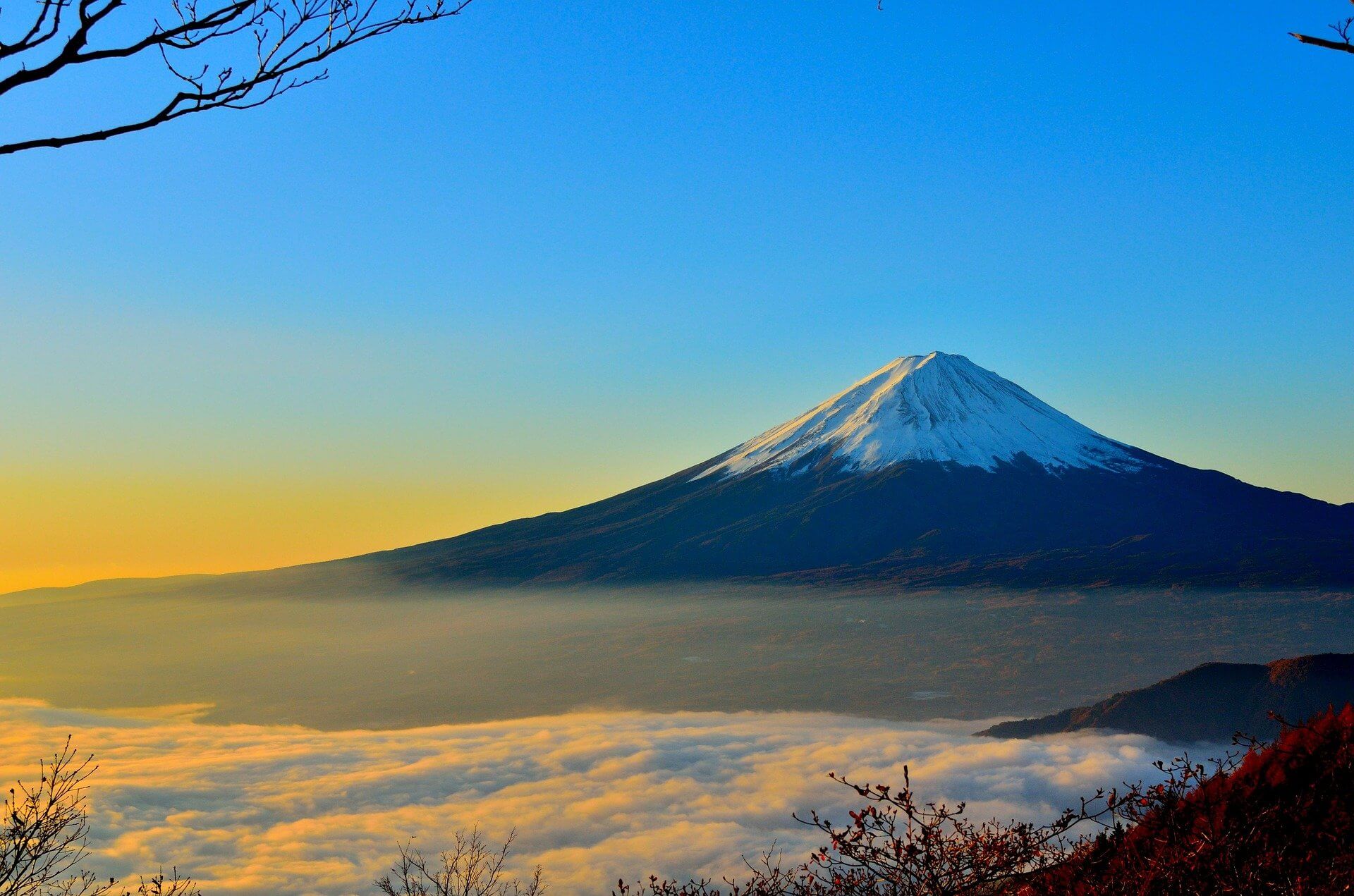
Mount Fuji is the country’s most recognizable landmark and its highest peak. It is a UNESCO World Heritage Site. It is climbed by more than 1 million people each summer as an act of pilgrimage and is part of the Fuli-Hakone-Izu National Park. Imperial Tokyo Tokyo’s most famous landmark is the Imperial Palace with its beautiful 17th century parks surrounded by walls and moats. One of the most romantic views is of the famous Nijubashi Bridge or “double bridge” so named for its watery reflection.
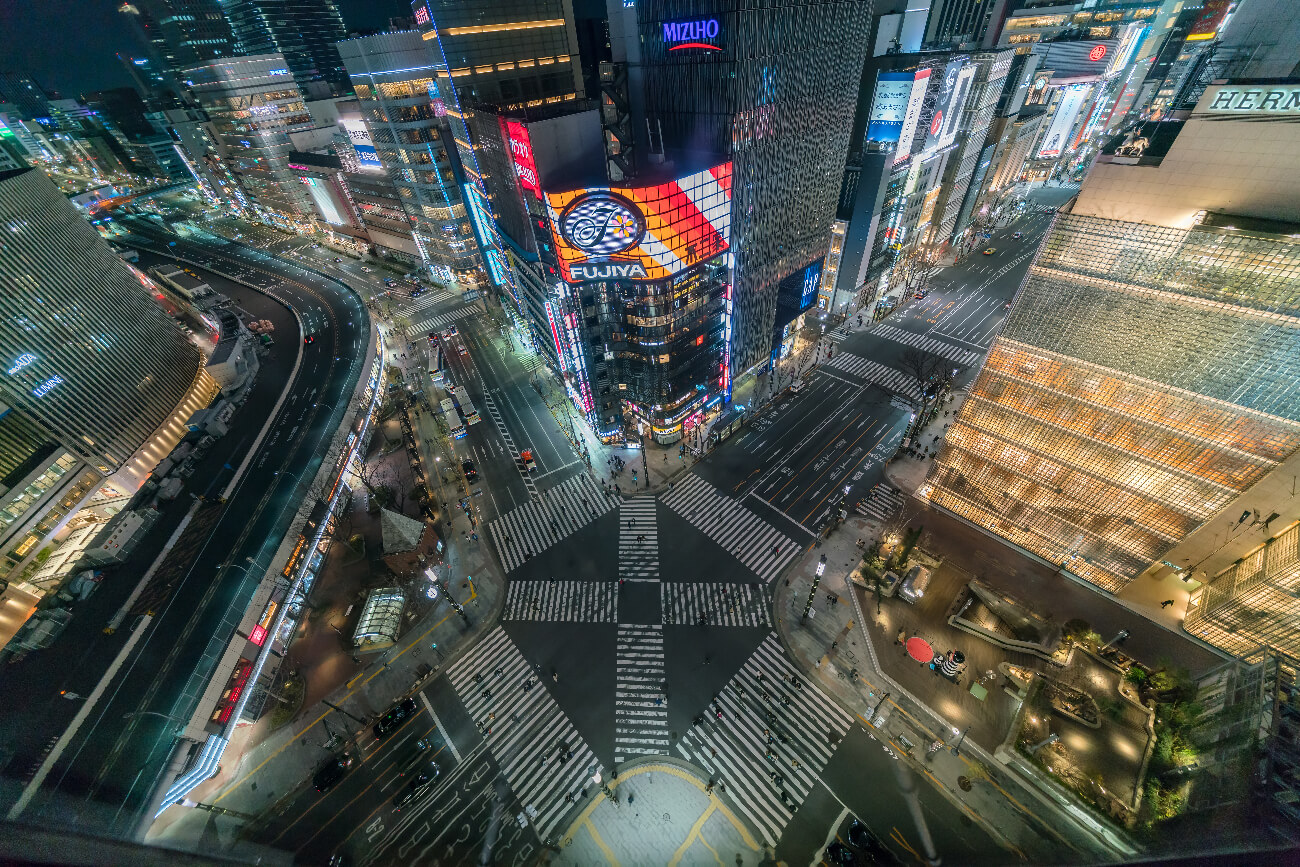
Ginza Shopping District which is home to the Kabuki-za Theatre with its Kabuki performances as well as the Shimbashi Enbujo Theatre with its traditional Azuma-odori dances and Bunraku performances.
Hiroshima Peace Memorial Park visited by over1 million people a year. It contains the Peace Memorial Museum and is surrounded by gardens filled with colorful cherry blossoms.Historic Kyoto is one of Japan’s most visited cities, Kyoto attracts more than 10 million visitors each year. Kyoto has old streets and architecture, much of it unchanged since the Imperial family took up residence here more than 1000 years ago. For a millennium the city has been the cultural center of Japan and this continues with its many museums and art galleries. Highlights include well preserved temples and important structure such as the 14th century Golden Pavilion famous for its exquisite gold-leaf-clad exterior.
Nihjo Castle is a 17th century fortress that has retained its original walls, towers and moat. Kyoto Imperial Palace was built in 794 AD and the Arashiyama Bamboo Grove of tall bamboo is just a few minutes walk from the town center.
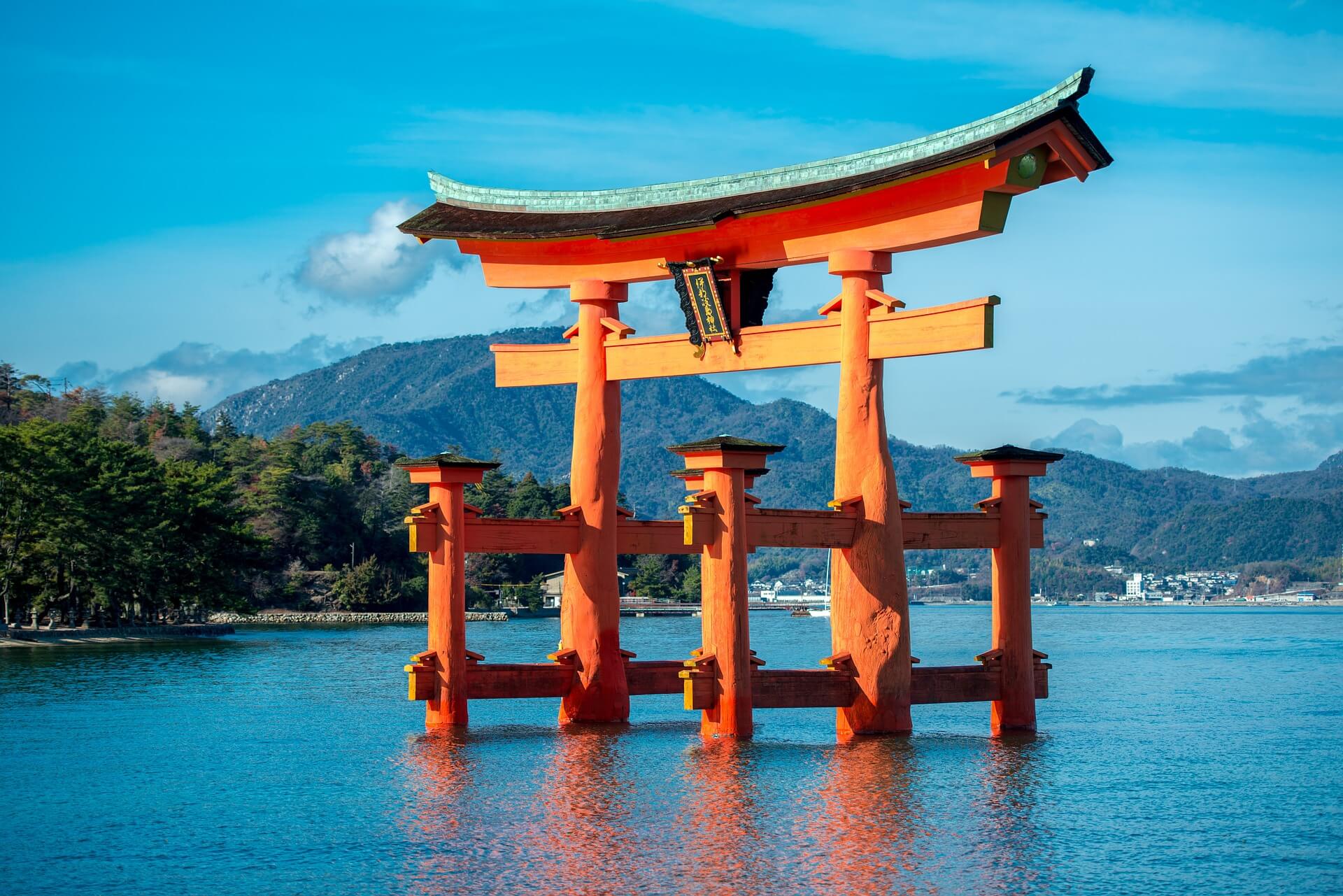
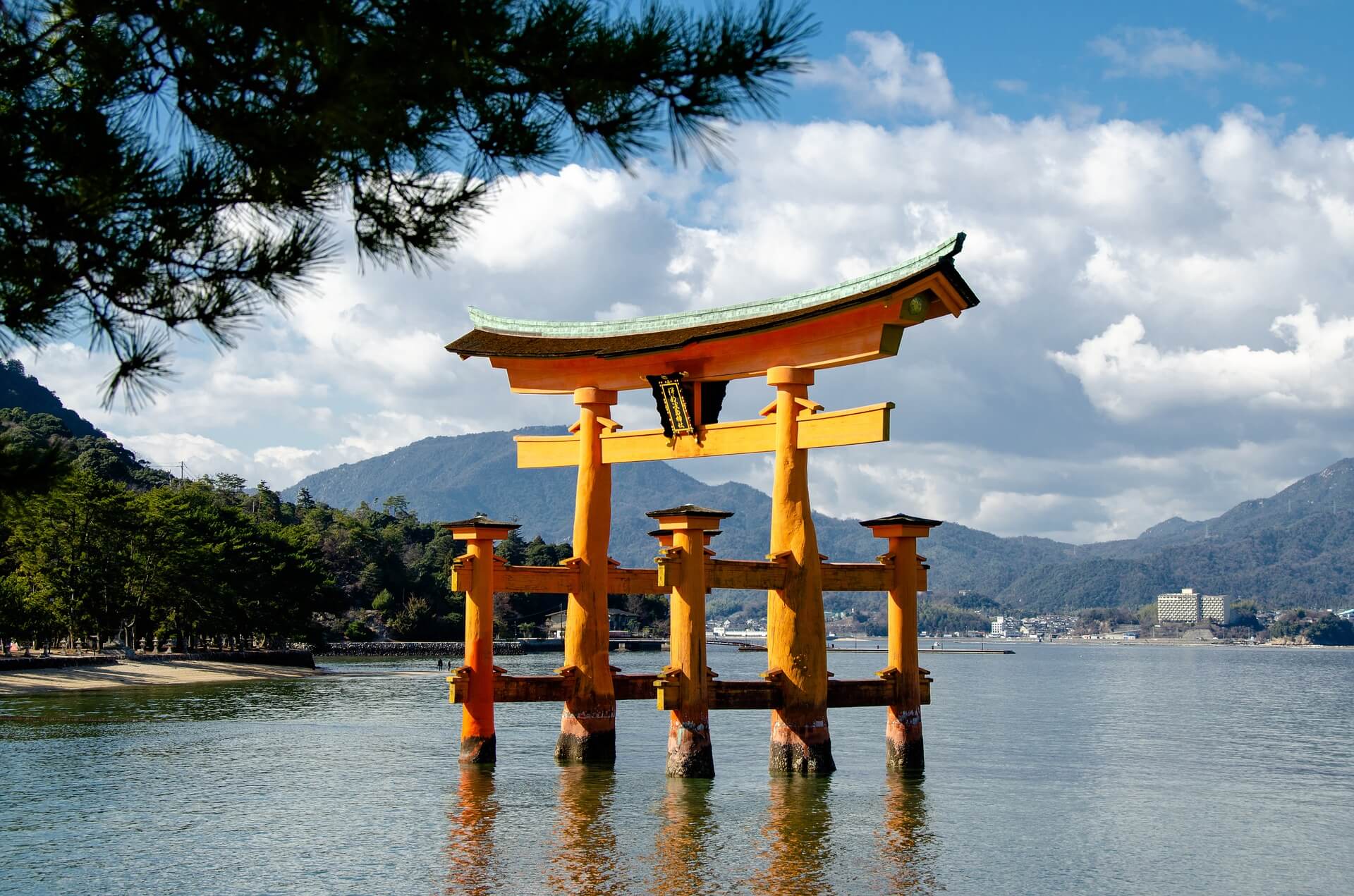
The Island Shrine of Itsukushima A short ferry ride from Hiroshima is the island of Miyajima, Japan’s “Shrine Island”. It is best known for the Itsukushima Shrine, a Shinto Temple dedicated to the Princess daughters of the wind god, Susanoo . Built in the 8th AD most of the shrine’s buildings rise out of the waters of a small bay supported only by piles which make it appear to be rising out of the water. It includes the exquisite Honded (Main Hall), the Offerings Hall (Heiden), the Prayer Hall (Haiden) and the Hall of a Thousand Mats (Senjokalku).
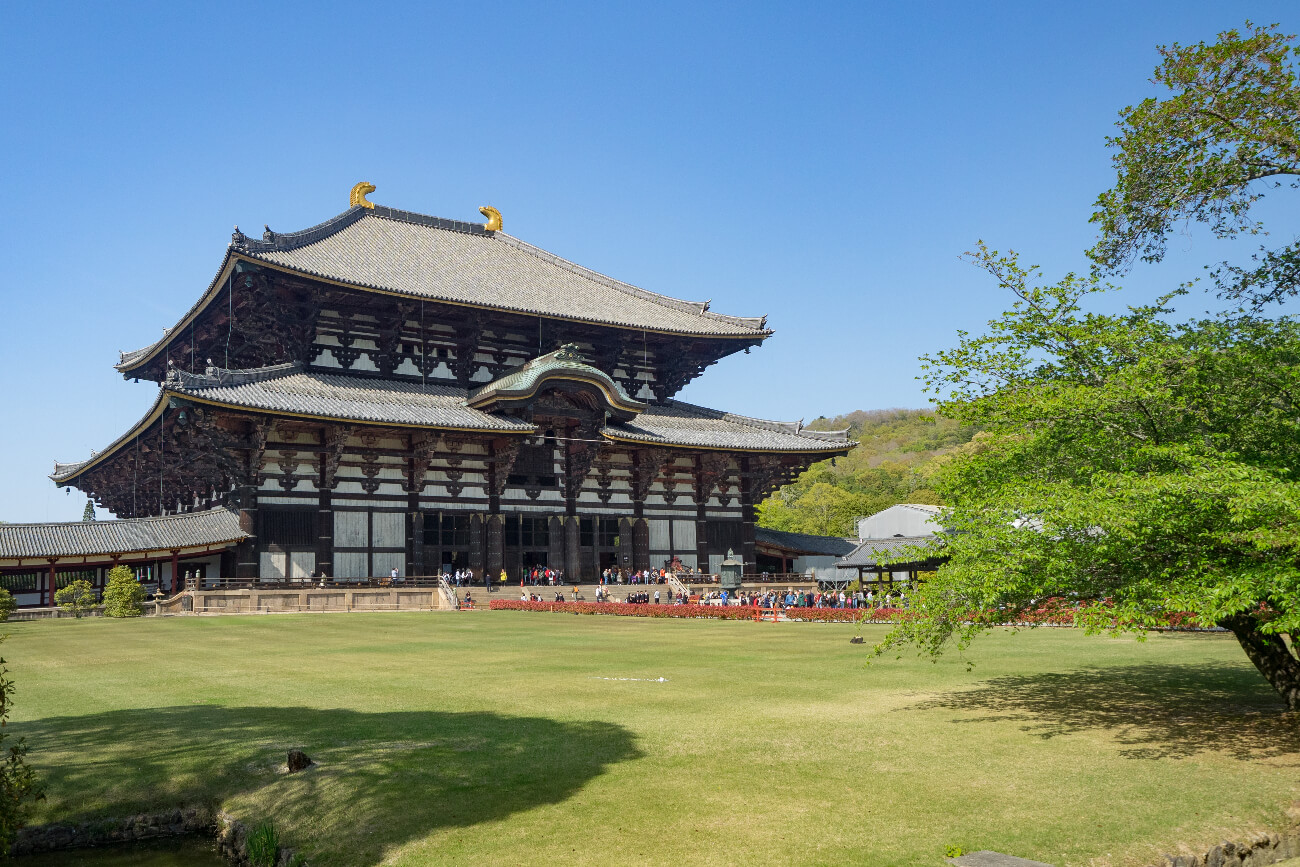
Temple City: Historic Nara For centuries the hub of Japanese culture, the lovely unspoiled city of Nara is home to a large number of historic buildings, along with important national treasures and works of art. It has historic streets and temples including the 7th century Kofuku-ji Temple and the 8th century Todai-ji (Great Eastern Temple). Also of note is the Hall of the Great Buddha, the world’s largest timber building.
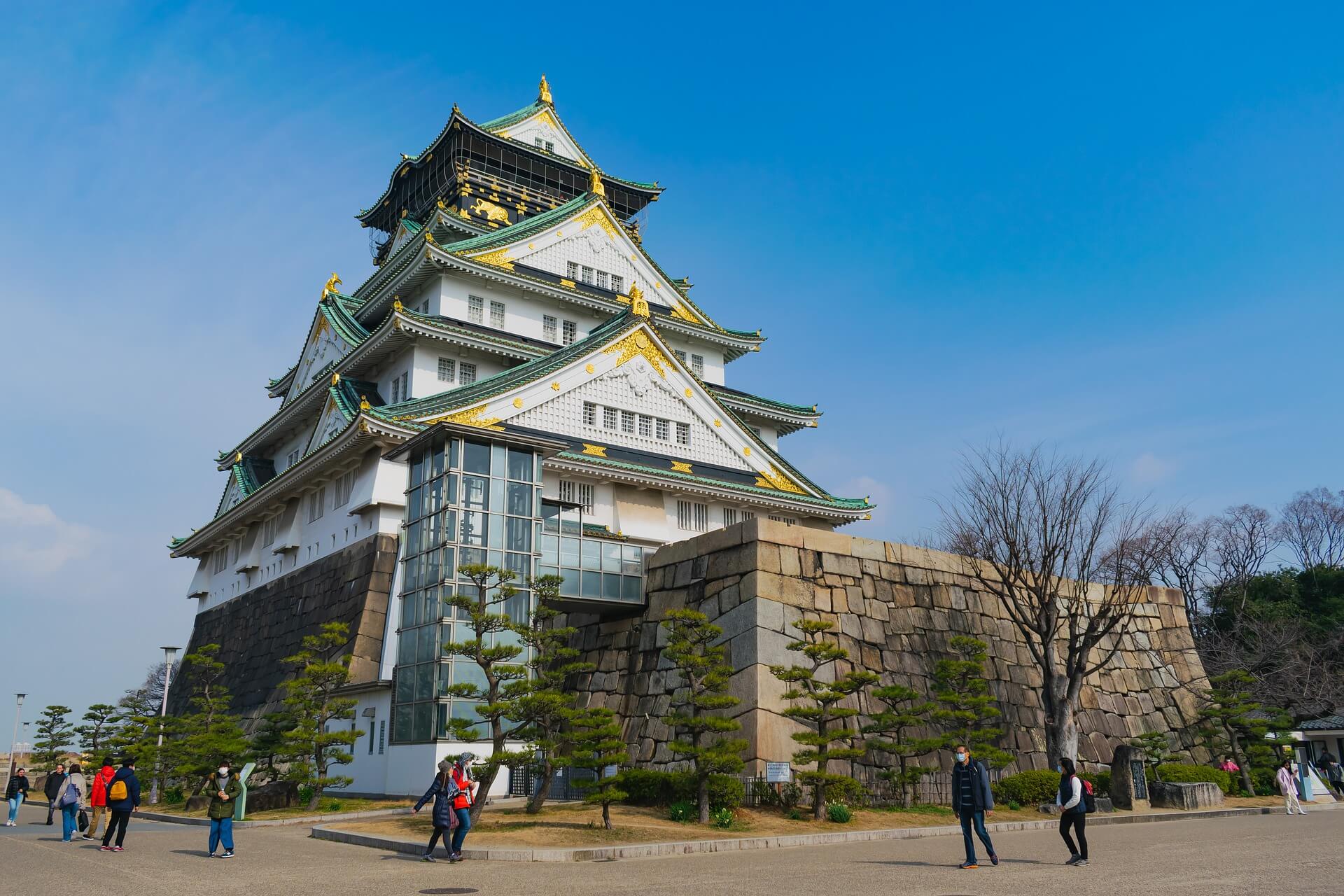
Osaka Castle Built in 1586, Osaka Castle was at the time the largest and most important fortress in the country. Osaka Castle Park has the Hokoku Shrine and the Shitenno-ji Temple which was Japan’s first Buddhist temple dating back to 59 AD.
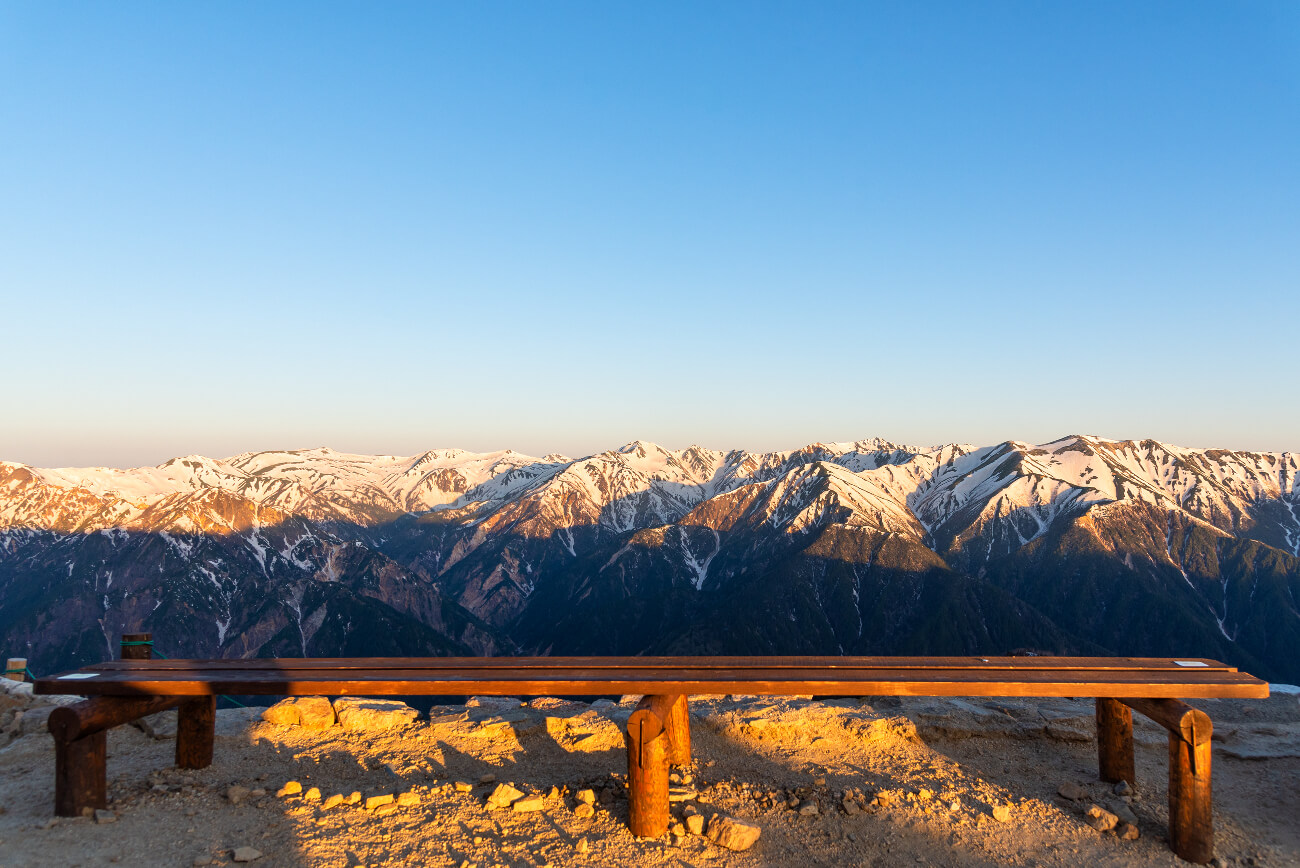
Chubu-Sangaku National Park and the Japanese Alps Japan boasts a number of outstanding areas of natural beauty and some are designated as UNESCO World Heritage Sites. One of the best is Chubu-Sangaku National Park in the center of Honshu. In the park’s northern and central regions is a group of mountains collectively referred to as the Hida Mountains or Japanese Alps. The park has many hot springs which led to the development of spas and holiday resorts.
The Atsuta Shrine, Nagoya is in the heart of the city of Nagoya, and is the most important shrine in Japan and attracts more than 5 million visitors each year. Established in the 1st century AD, the site is famous for its preserved Imperial insignia, the”grass–mowing sword” which is only one of three in the country. Its principal shrine, Hongu, built in 1612, with a moat is surrounded by an enclosing wall. It also has a treasury of numerous art works including old and modern paintings, ceramics, jewelry, and traditional masks.
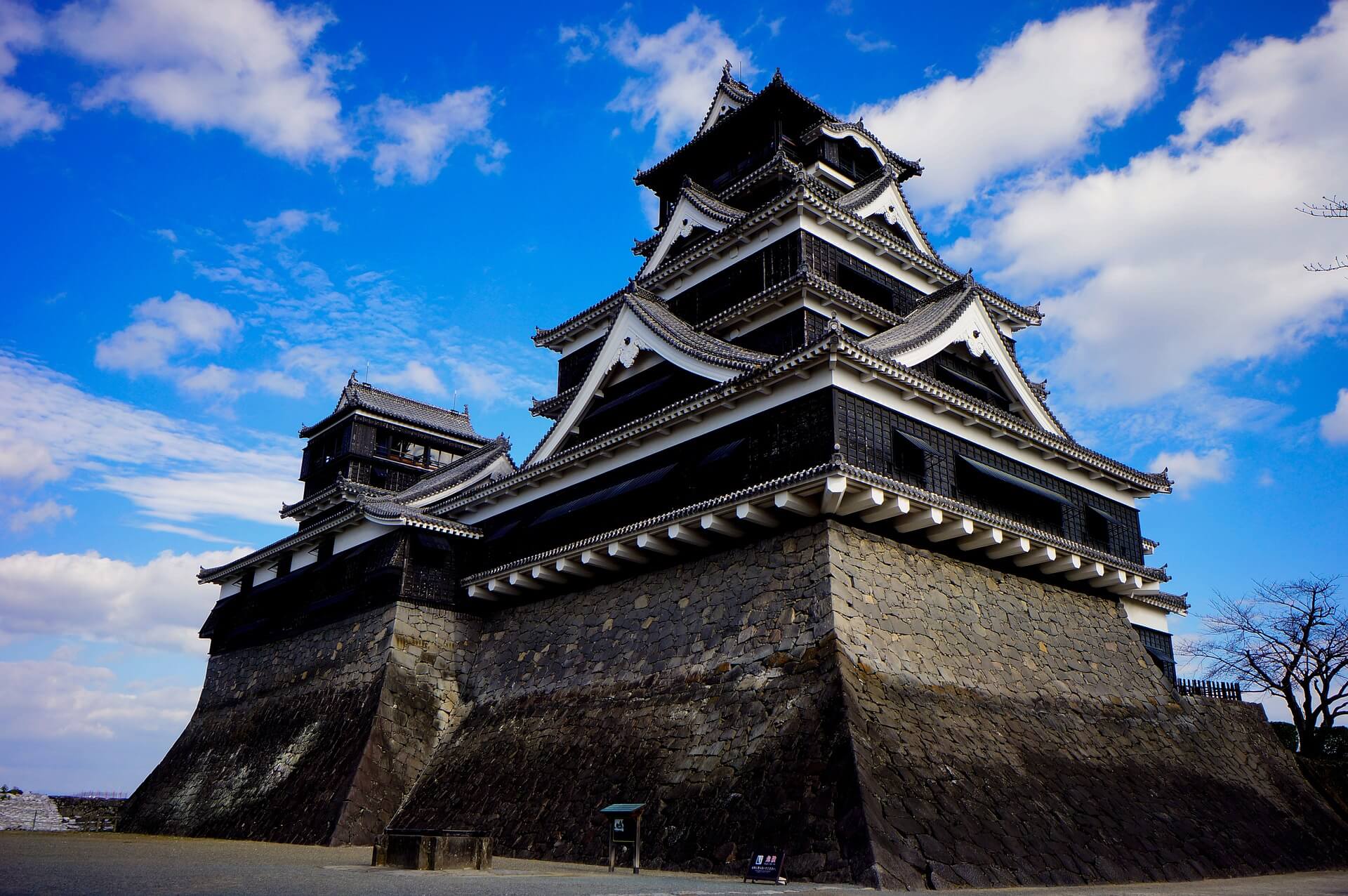
Fukuoka Castle is one of the few surviving examples of the majestic hilltop homes preferred by Shoguns and city rulers. The castle overlooks the Naka River and is home to many festivals and events. The best known is a 2 week, 700 year old festival named Hakata Gion Yamakasa which has colorful parades.
Sapporo, Hokkaido The city of Sapporo, located on the northern island of Hokkaido, is a hub of cultural activity, hosting many events and festivals. It has a distinctive culinary style, a rich theatrical history and many museums, galleries and parks.
No Tour Found