


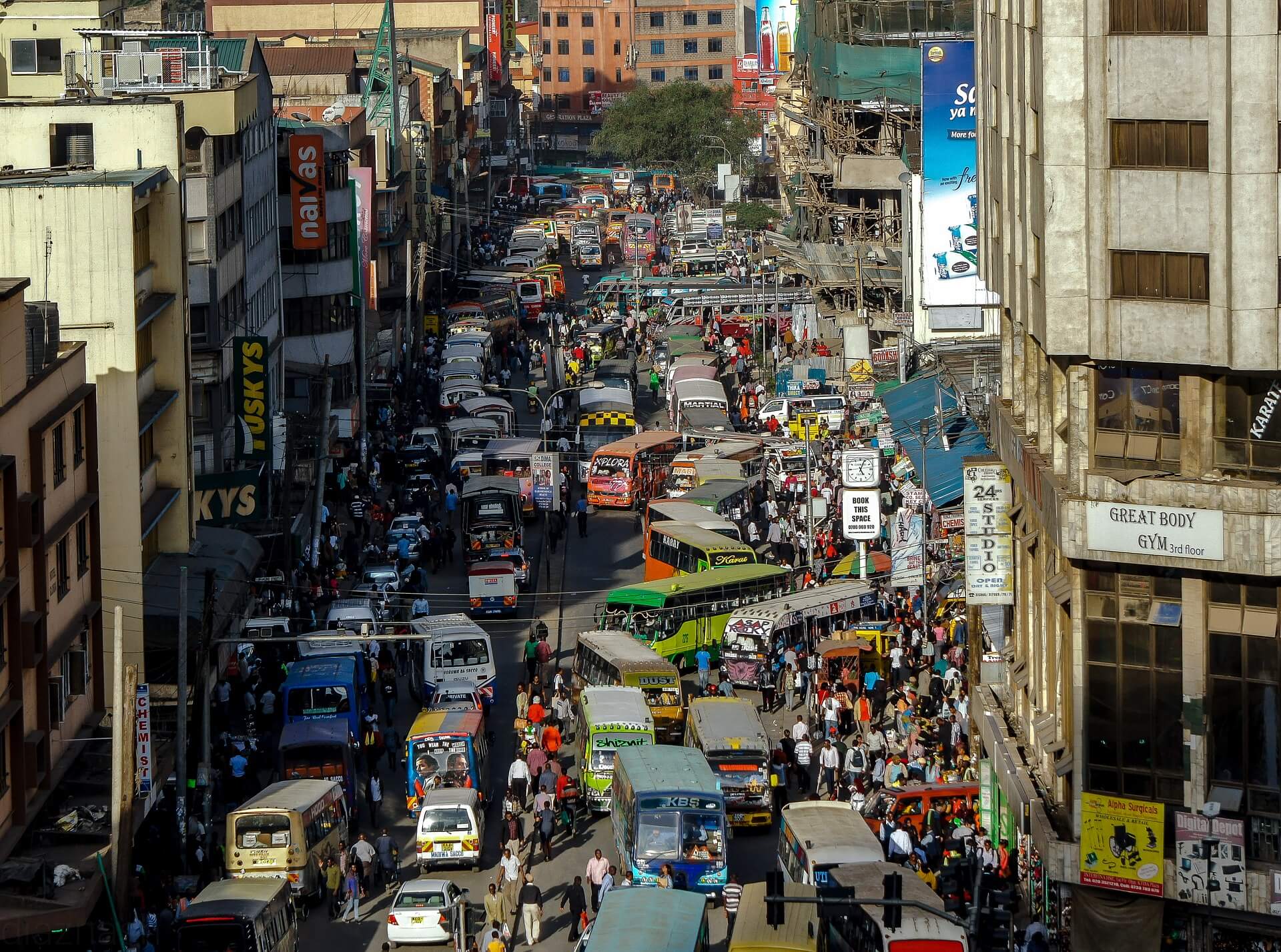
Kenya is officially the Republic of Kenya located in Eastern Africa. It is a large country with 228,000 square miles and a population of 48 million. Nairobi, its largest city, is the present day capital. Its oldest city and first capital was the coastal city of Mombasa. Kenya is bordered by South Sudan to the northwest, Ethiopia to the north, Somalia to the east, Uganda to the west, Tanzania to the south and the Indian Ocean to the southeast. The country is named after Mount Kenya.
The Cushites first settled in the lowlands in 3200 BCE, then Nilotic–speaking tribes entered in 500 BCE and European contact was first made in 1500 CE with the Portuguese empire. Modern day Kenya emerged from a protectorate established by the British Empire in 1895 and the subsequent British Colony which began in 1920. The Mau Mau revolution commenced in 1952 and Kenya was declared a free country in 1963 and has remained a member of the British Commonwealth of Nations. Politically, Kenya is a presidential representative democratic republic.
Kenya is known for its remarkable and in many cases unique hominid discoveries. Recent finds near Lake Turkana indicate hominids such as Homo Habilis (2.5 to 1.9 million years ago) and Homo Erectus (1.9 million to 350,000 years ago) are possible direct descendants of modern Homo Sapiens. The Leakey family has made incredible discoveries starting with Louis and Mary and followed by their son Richard. Humans have been dated 320,000 years ago living in Kenya at Olorgesailie. The first inhabitants of present day Kenya were hunter-gatherers. By the first millennium AD, Bantu speaking farmers had moved into the region, initially along the coast. Notable prehistoric sites in the interior of Kenya include Namoratunga on the west side of Lake Turkana and the walled settlement of Thimlich Ohinga in Migori County. The Kenyan coast communities of farmers formed Swahili city-states which were in contact with Arab traders who brought the introduction of Islam. The Swahili founded the Kilwa Sultanate in the 10th century AD which stretched the entire length of the Swahili Coast. The Swahlli built Mombasa into a major port city and established trade links with other nearby city-states, as well as Persia, Arabia and India. The Portuguese presence in Kenya lasted from 1498 to 1730. Mombasa was under Portuguese rule from 1593 to 1729. In the 17th century, the Swahili Coast was conquered by and came under the direct rule of Omani Arabs who expanded the slave trade to meet demands of plantations in Oman and Zanzibar. The Portuguese also began buying slaves.
Throughout the centuries the Kenyan coast has played host to merchants and explorers. Among the cities that line the coast are Malindi, an important Swahili settlement since the 1300’s. The colonial history of Kenya dates from the establishment of a German protectorate over the Sultan of Zanzibar’s coastal possessions in 1885 followed by the arrival of the Imperial British East Africa Company in 1888. Germany relinquished its holdings to Britain in 1890. During the early part of the 20th century the interior highlands were settled by British and European farmers who became wealthy farming coffee and tea.
Kenya’s two official languages are Swahili and English. 86% of Kenyans are Christian and 11% of the population worships Islam.
Places to Go
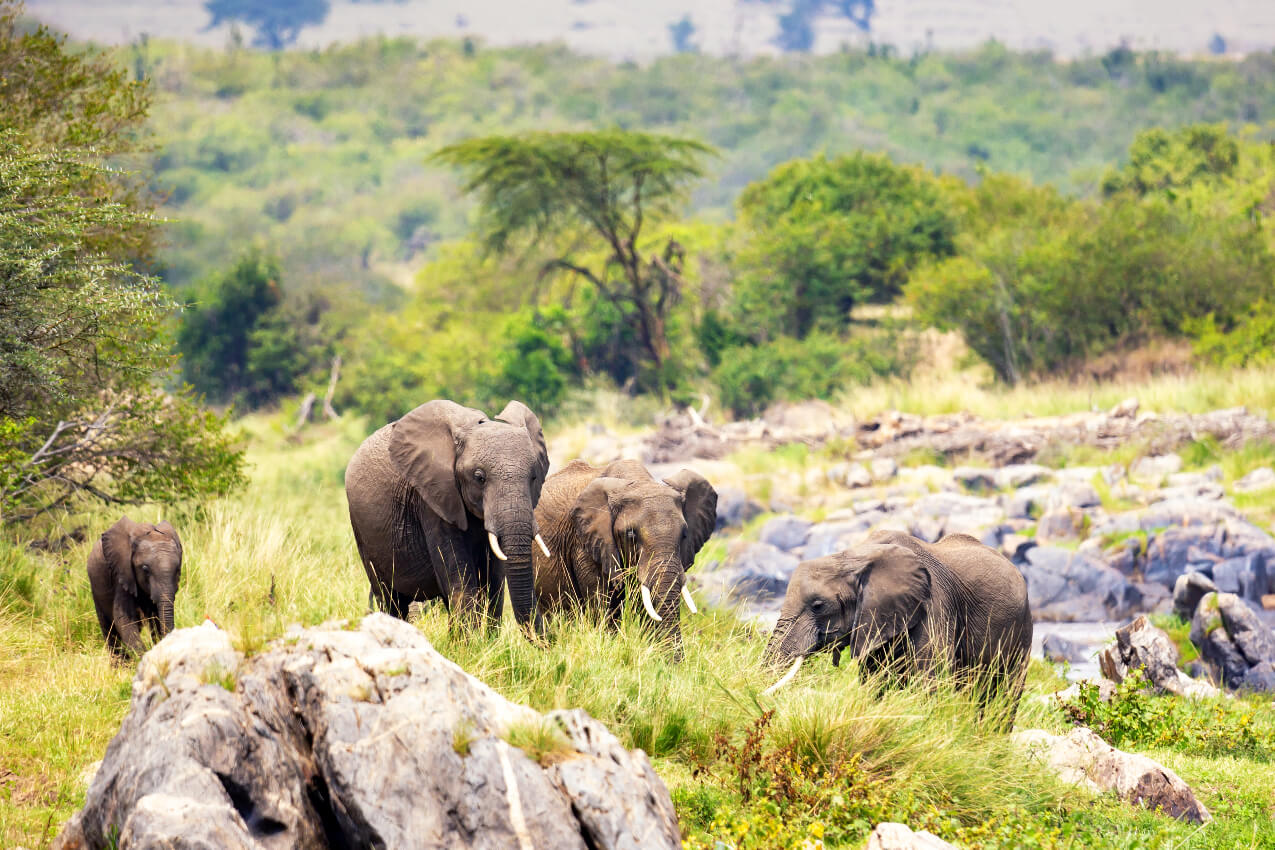
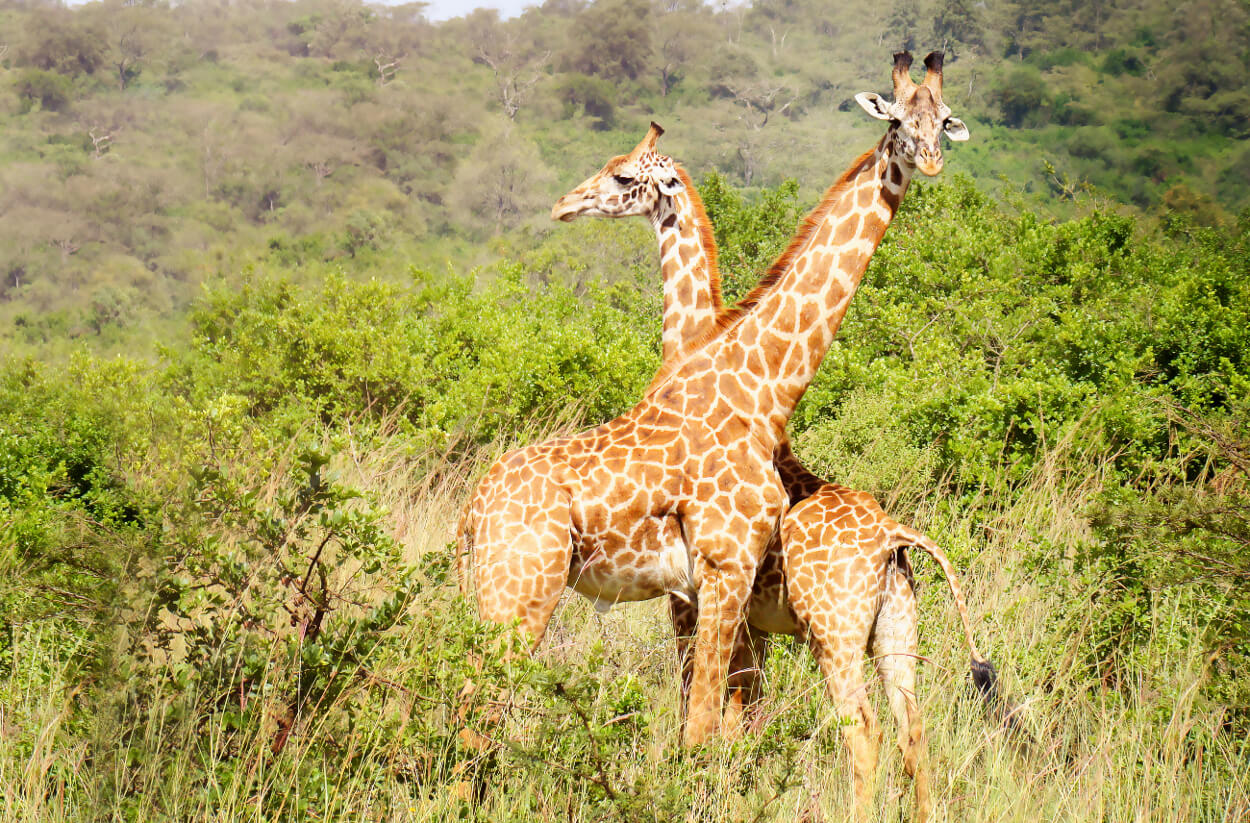
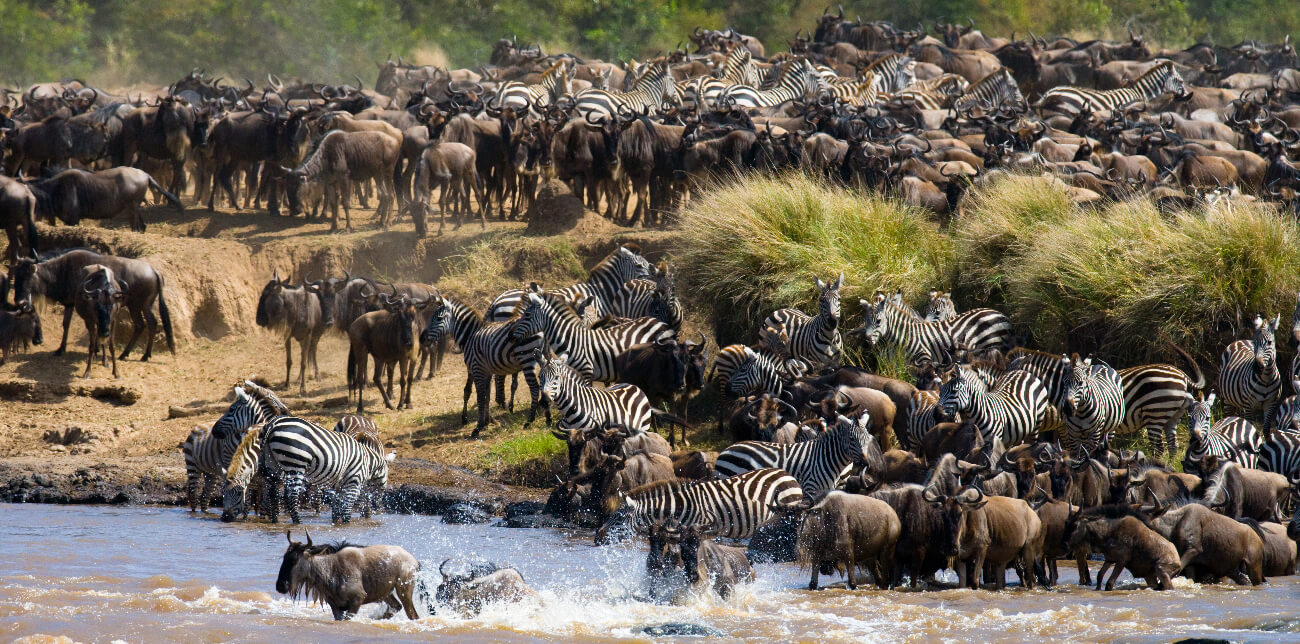
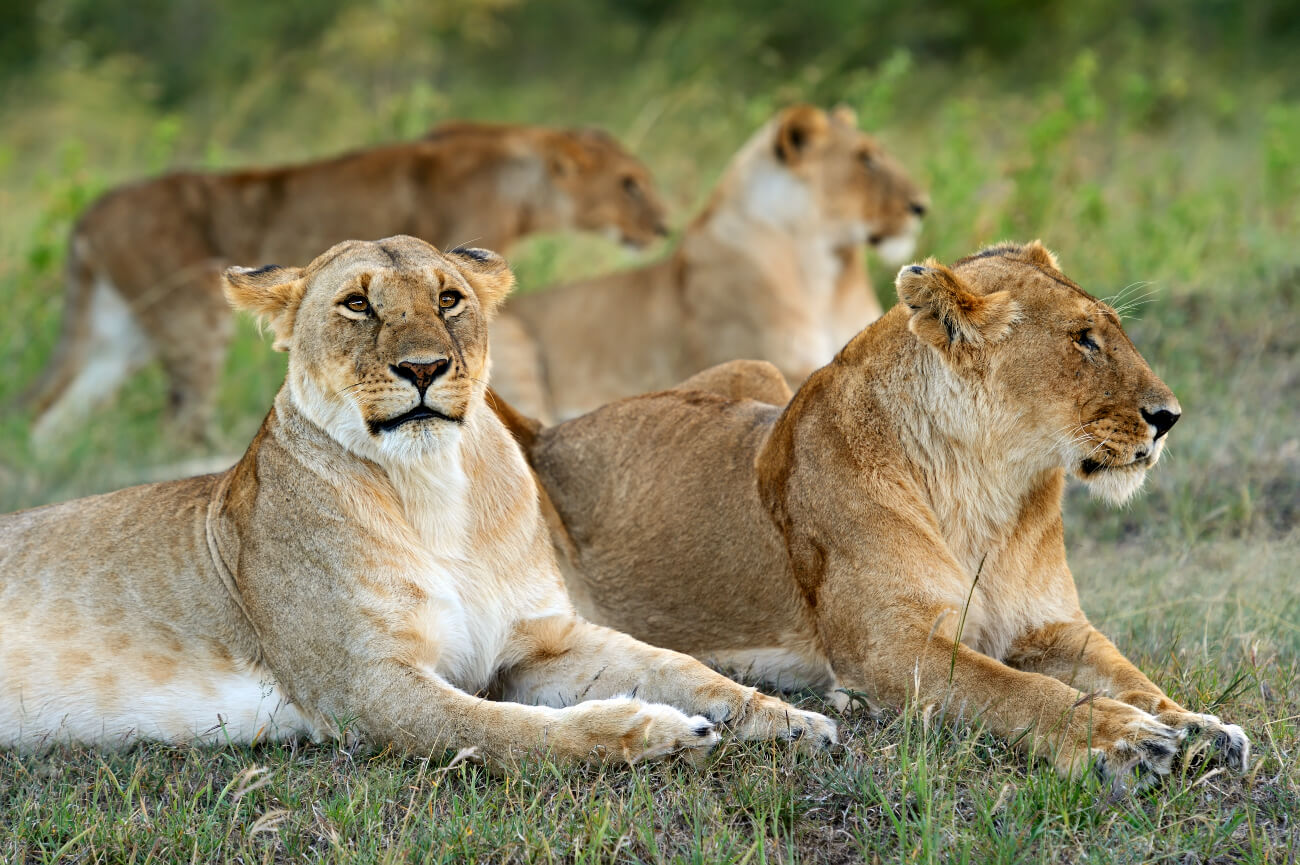
Kenya is a safari heaven. If you can afford it, take a safari and see the wonders of nature and the amazing elephants, giraffes, lions, hippos and birds of Africa. If your budget is more modest these are wonderful day trips.
Amboseli National Park near Nairobi featuring wild elephants.
Lake Victoria is the world’s largest tropical lake with the amazing waterfalls. The David Sheldrick Wildlife Trust in Nairobi National Park saving baby animals like elephants.
Haller Park near Mombas.
Diana Beach near Mombasa.
Fort Jesus Museum, a history museum near Mombasa.
Watamu National Marine Park.
Giraffe Centre near Nairobi.
Nairobi National Park.
Attractions in the city of Nairobi
Nairobi National Museum with Leakey Exhibits.
Kazuri Beads and Pottery Center.
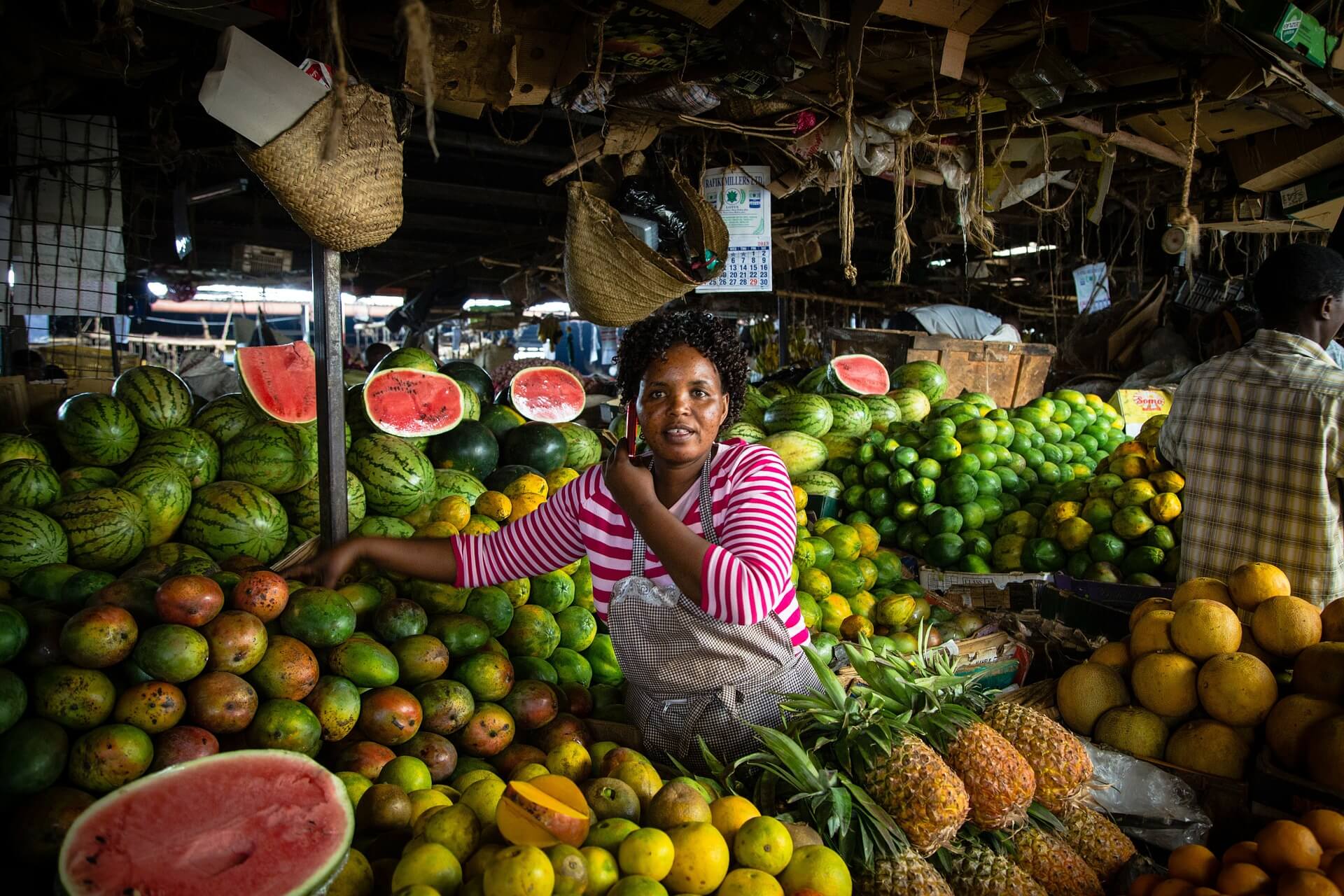
Maasai Market for shopping.
Attractions in the city of Mombasa
The Old Town with narrow streets and alleys lined with local shops.
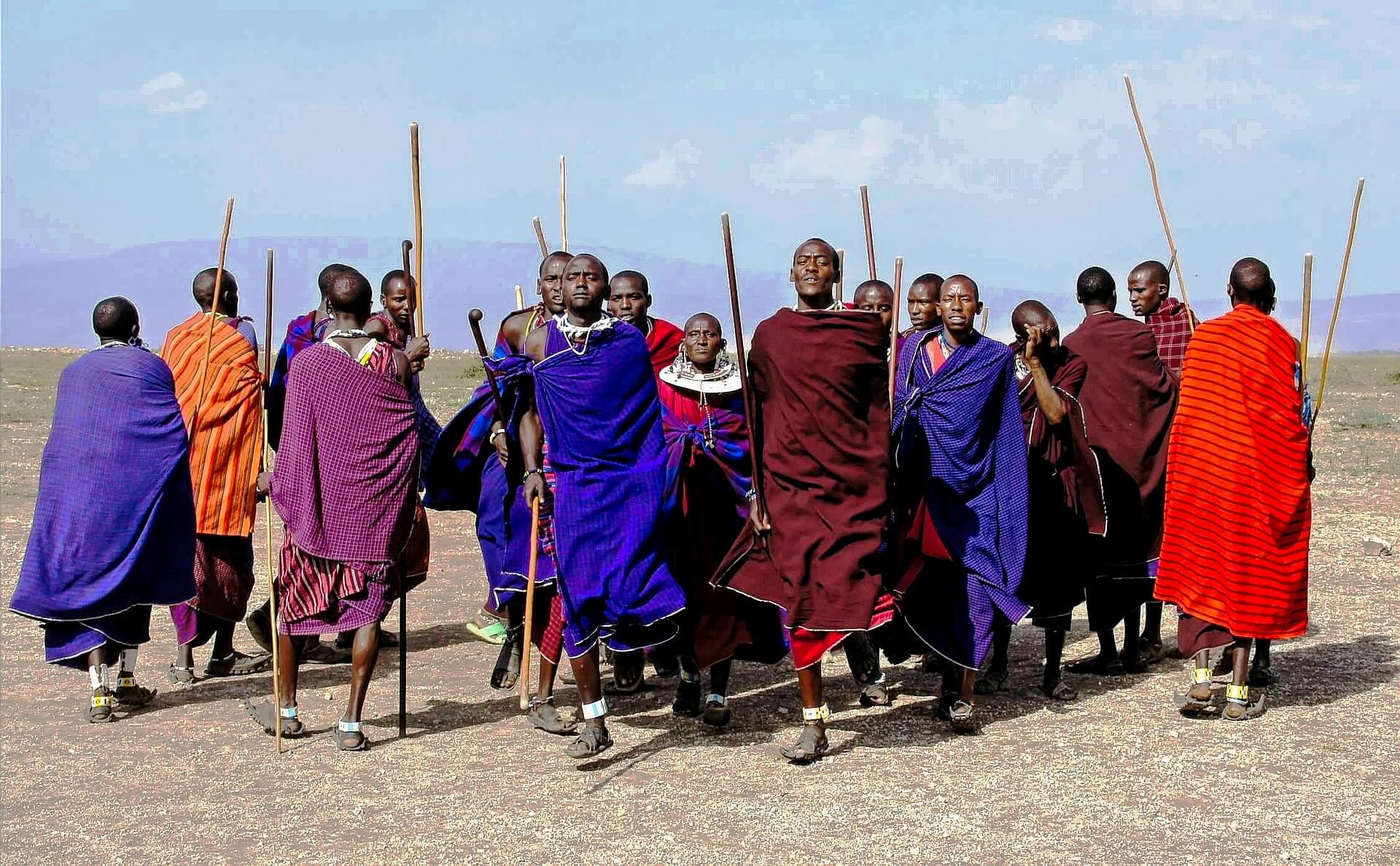
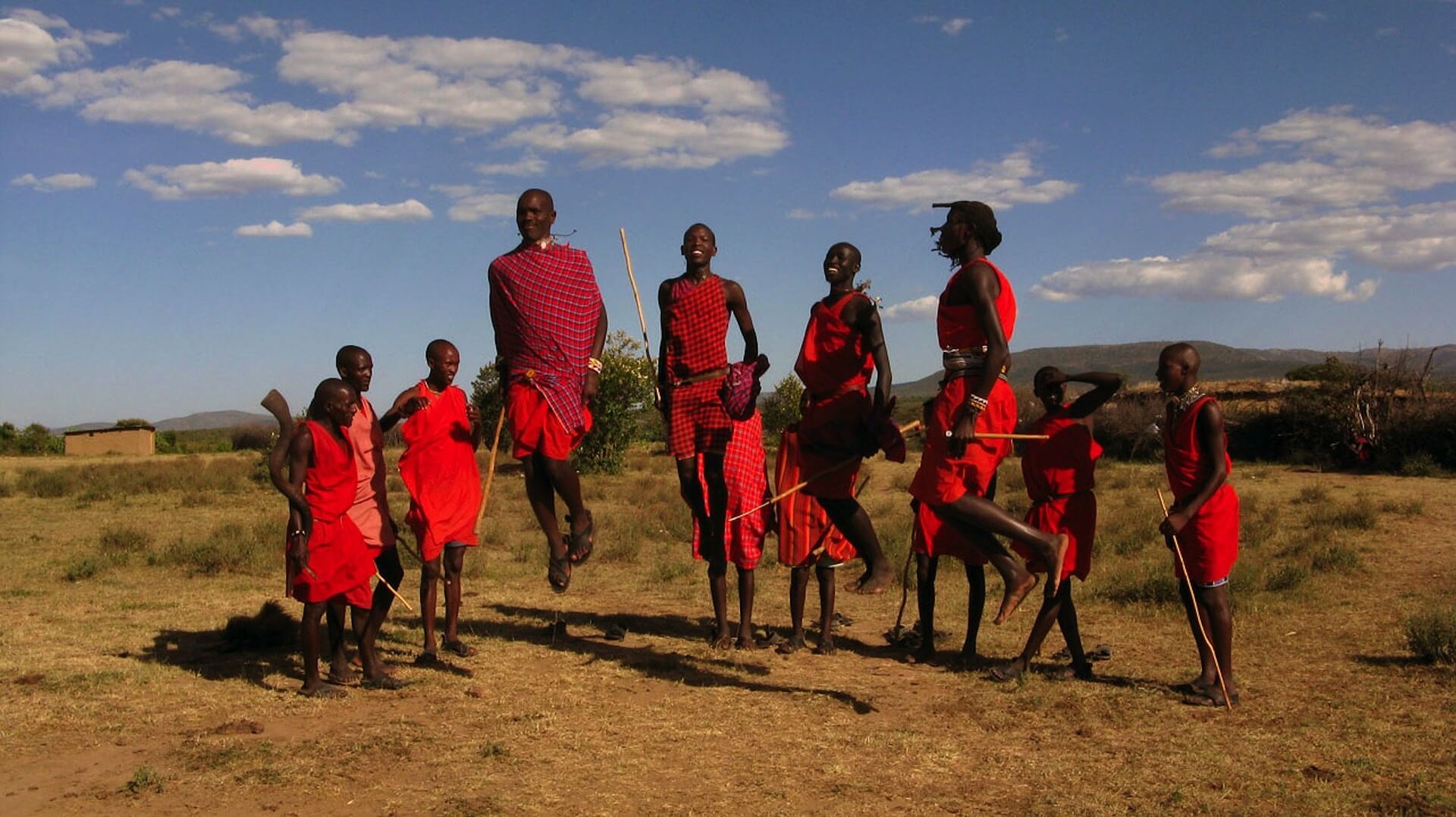
Maasai Mara is a large game reserve extending over the Serengeti National Park of Tanzania. It is the symbol of the Kenyan culture. Its ancestral people, The Maasai people, are coming from the northern part of the Nile; they are unique and can be easily recognized for their size as they are the tallest people in the world. They wrapped red cloth around their bodies and have a nomadic life. Their wealth is measured by the number of wives, children and cattle they own. Each wife has her own house made of cow dung, ash, sticks, grass and human urine. The village is surrounded by fences made of acacia thorns. They speak the Maa language which comes from the Northern region of the Nile and Ngai is their God who is the creator of everything. Their diet is based on raw meat, raw milk and on special occasions they drink their cows blood. Traditionally, they go lion hunting to show their courage. They are very brave people and their pride is to be at the same time great warriors, successful hunters and rich herders.
No Tour Found