


Korea or the Korean Peninsula is a region in East Asia. It has been divided into two parts which became two sovereign states: North Korea (The Democratic People’s Republic of Korea) and South Korea (the Republic of Korea). Korea consists of the Korean Peninsula, Jeju Island and several minor islands near the peninsula. It is bordered by China to the northwest, and Russia to the northeast. It is separated from Japan to the east by the Korea Strait and the Sea of Japan.
History: During the first half of the first century AD Korea was divided among the three competing states of Goguryeo, Baekje and Silla together known as the three kingdoms of Korea. In the second half of the first century AD Silla defeated the other two kingdoms leading to the “Unified Silla Period”. Unified Silla eventually collapsed and split into three separate states called the “Later Three Kingdoms”. Finally, another war broke out and the kingdoms were united into one country. It was a highly cultured country and created the world’s first moveable metal type in 1234. The Mongols invaded in the 13th century and were repelled but they greatly weakened Korea and a coup was carried out by General Yi Seong-Gye who established Joseon in 1392. During the first 200 years of this political entity peace existed; the Korean alphabet was created in the 15th century and there was also increasing influence of Confucianism. During the latter part of the dynasty, Korea’s isolationist policy earned it the western nickname of the “Hermit Kingdom”. By the late 19th century, Korea was eyed for conquest by Japan and after the Sino-Japanese War the country was annexed by Japan in 1910 and directly ruled by it until the end of World War II. In 1945 The United States and The Soviet Union agreed to separate the country at the 38th parallel. The north was under Soviet control and the south under U.S. occupation. The north invaded the south in 1950 and the war ended in an armistice in 1953.
Demographics, Language, Culture and Arts
The combined population of the Koreas is 76 million with North Korea at 25 million and South Korea 51 million. Korean is the official language of both Koreas. Modern Korean is written almost exclusively in script of the Korean alphabet which was invented in the 15th century. In ancient Chinese texts, Korea is referred to as “Rivers and Mountains Embroidered on Silk” and “Eastern Nation of Decorum”. People are regarded as one year old when they are born, as Koreans reckon the pregnancy period as one year of life for infants. And age increments occur on New Year’s Day not the birthday. Korean literature, written before the end of the Joseon Dynasty, is called “Classical” or “Traditional”. Written in Chinese characters (hanja) it was established at the same time as the Chinese script arrived on the peninsula. Korean scholars were writing poetry in the classical Korean style as early as the 2nd century BCE. Classical Korean literature has its roots in traditional folklore beliefs and folk tales strongly influenced by Confucianism, Buddhism and Taoism.
Modern literature is often linked with the development of the hangul which helped spread literacy from the aristocracy to the common people. The Korean War led to the development of literature centered on the wounds and chaos of war. The collapse of the Korean value system is another current theme.
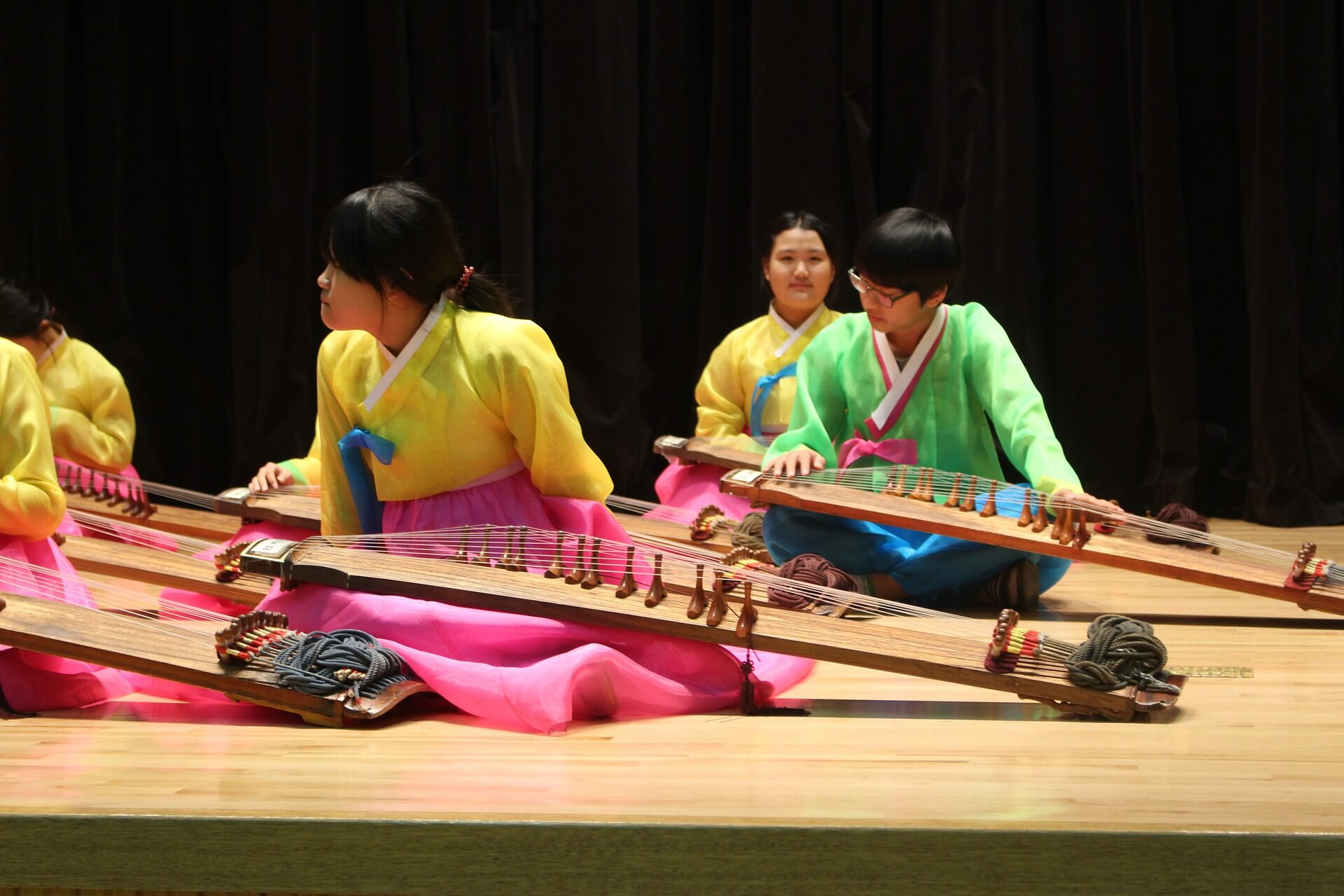
Traditional Korean music includes combinations of the folk, vocal, religious and ritual music styles of the Korean people. Traditional Korean music falls into two broad categories. The first, Hyangak, literally means “The Local Music ” or music native to Korea. A famous example is “Sujecion”, a piece of instrumental music at least 1300 years old. The second category is called “yangak” which represents a more western style.
Religion has been historically dominated by Confucian tradition along with Buddhism, Taoism, and Korean Shamanism which have existed peacefully together. Since the middle of the 20th century Christianity has made deep inroads in South Korea. Religion is suppressed in North Korea. In South Korea Christians account for 29%, Buddhists 23% while 46% of the population claim to follow no organized religion.
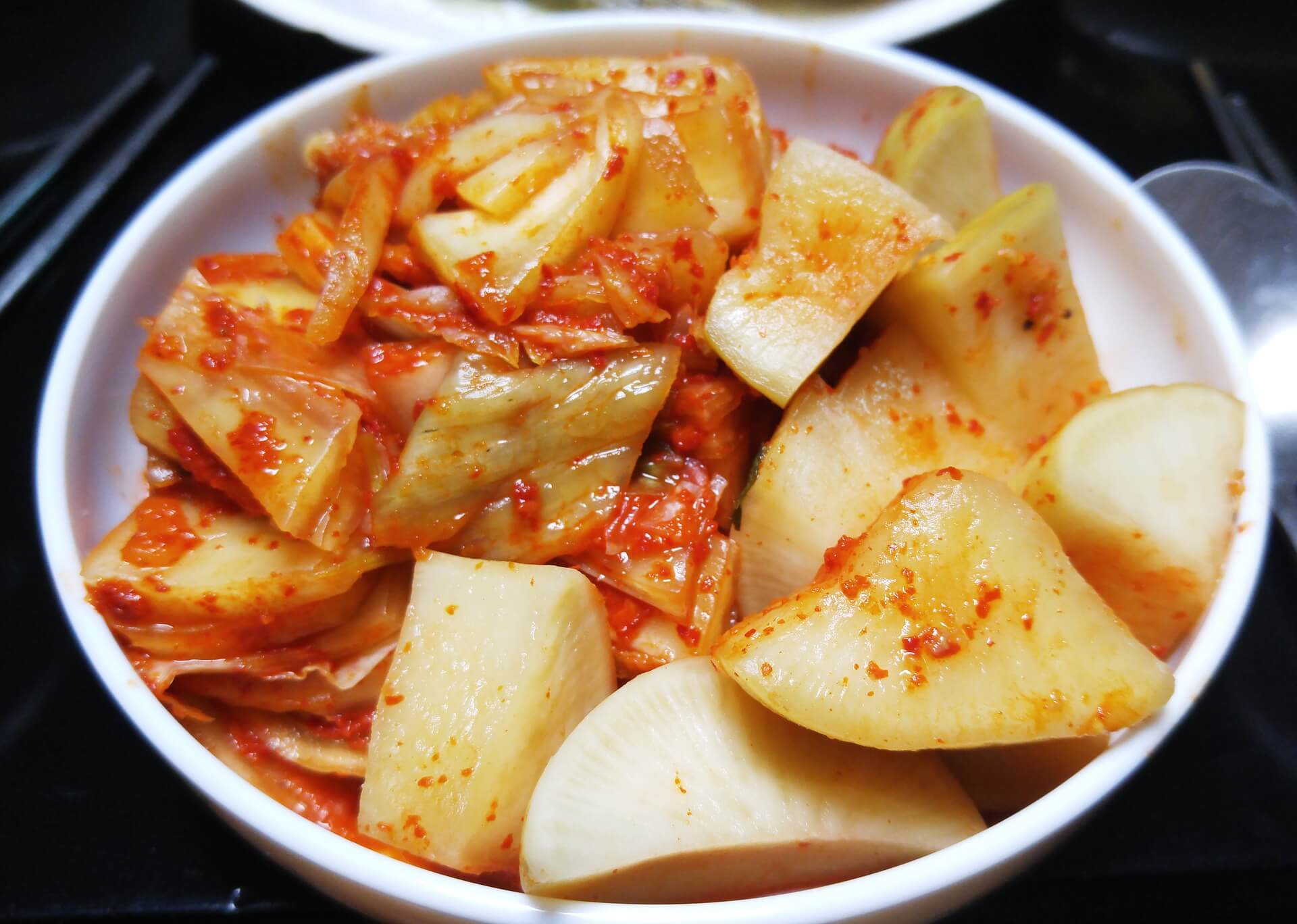
Korean cuisine focuses on spices and sauces as the most important elements of a meal. Korean cuisine is probably best known for Kimchi, a side dish which uses a distinctive fermentation process of preserving vegetables, most commonly cabbage. Gochujang, a traditional Korean sauce made of red pepper, is also commonly used, often as pepper, earning the cuisine a reputation for spiciness., which is roasted marinated meat and galbi, marinated grilled short ribs, are popular meat entrees. Fish is also very popular. Meals are accompanied by soup or stew. The center of the table is filled with a shared collection of side dishes called banchan. Other popular dishes include bibimbap, which means mixed rice with meat, vegetables and red pepper paste and naengmyeon (cold noodles). Instant noodles are a popular snack. Korea is unique among Asian countries in its use of metal chopsticks.
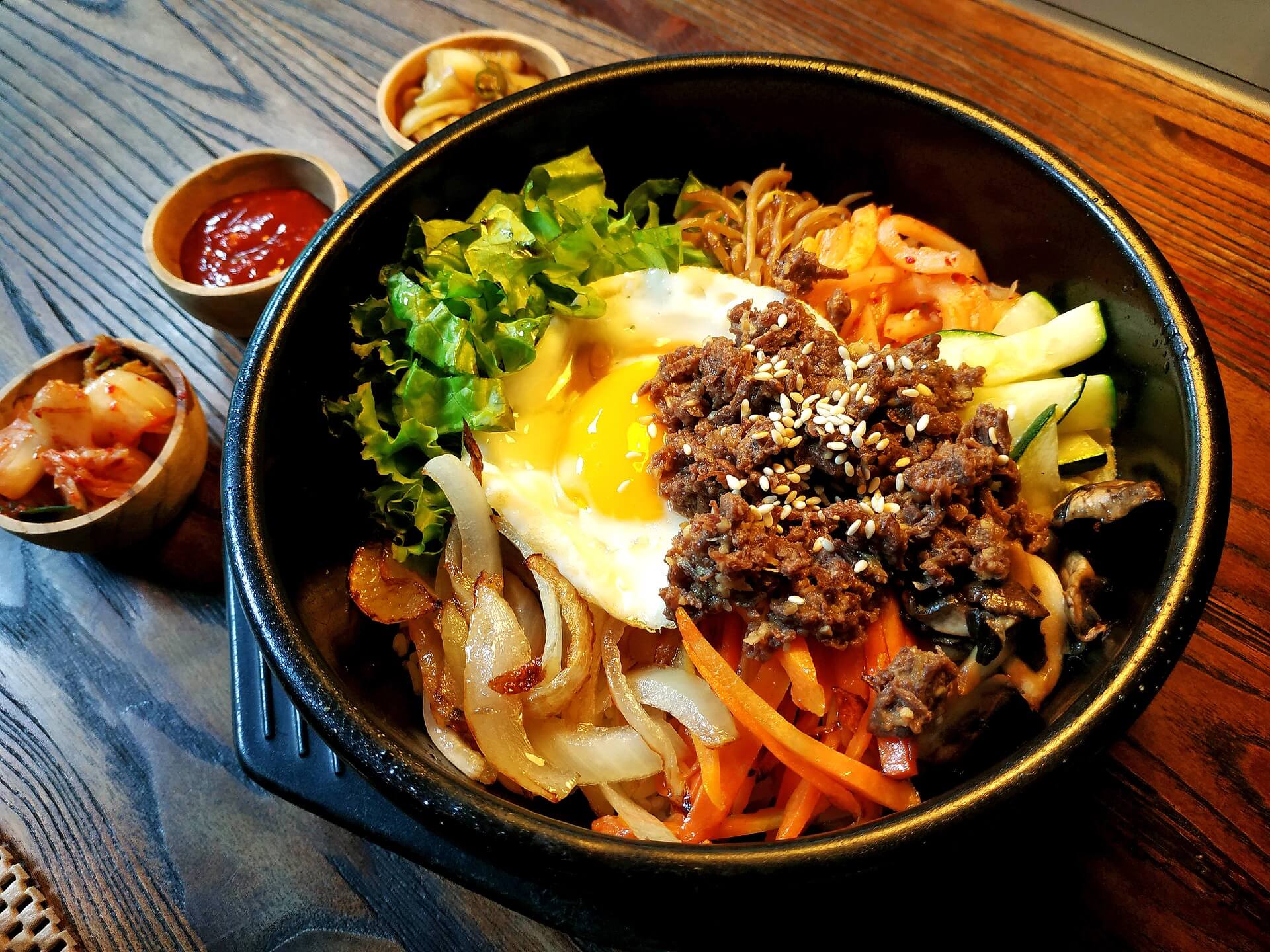
Most Popular Tourist Attractions in South Korea
The City of Seoul
Seoul is the capital and largest metropolis in South Korea. It has a population of nearly 10 million and forms the heart of the Seoul Capital area with the surrounding Inchon Metropolis and Gyeonggi Province. The Seoul capital area is home to 14 Fortune Global 500 companies including Samsung, LG and Hyundai. Seoul was the capital of various Korean states including Baekje, Joseon and the Korean Empire. Strategically located along the Han River, Seoul’s history goes back over 2000 years when it was founded by the people of Baekje in 18 BCE. Seoul is surrounded by a hilly and mountainous landscape. The Seoul capital area contains five UNESCO World Heritage Sites: Changdeok Palace, Hwaseong Fortress, Jongmyo Shrine, Namhansanseong and the Royal Tombs of the Joseon Dynasty. Seoul has a humid subtropical climate influenced by the monsoon season running from June until September. The traditional part of Seoul is the Joseon Dynasty district which is now part of the downtown area with office buildings, government buildings and high rises.
Tourist Attractions:
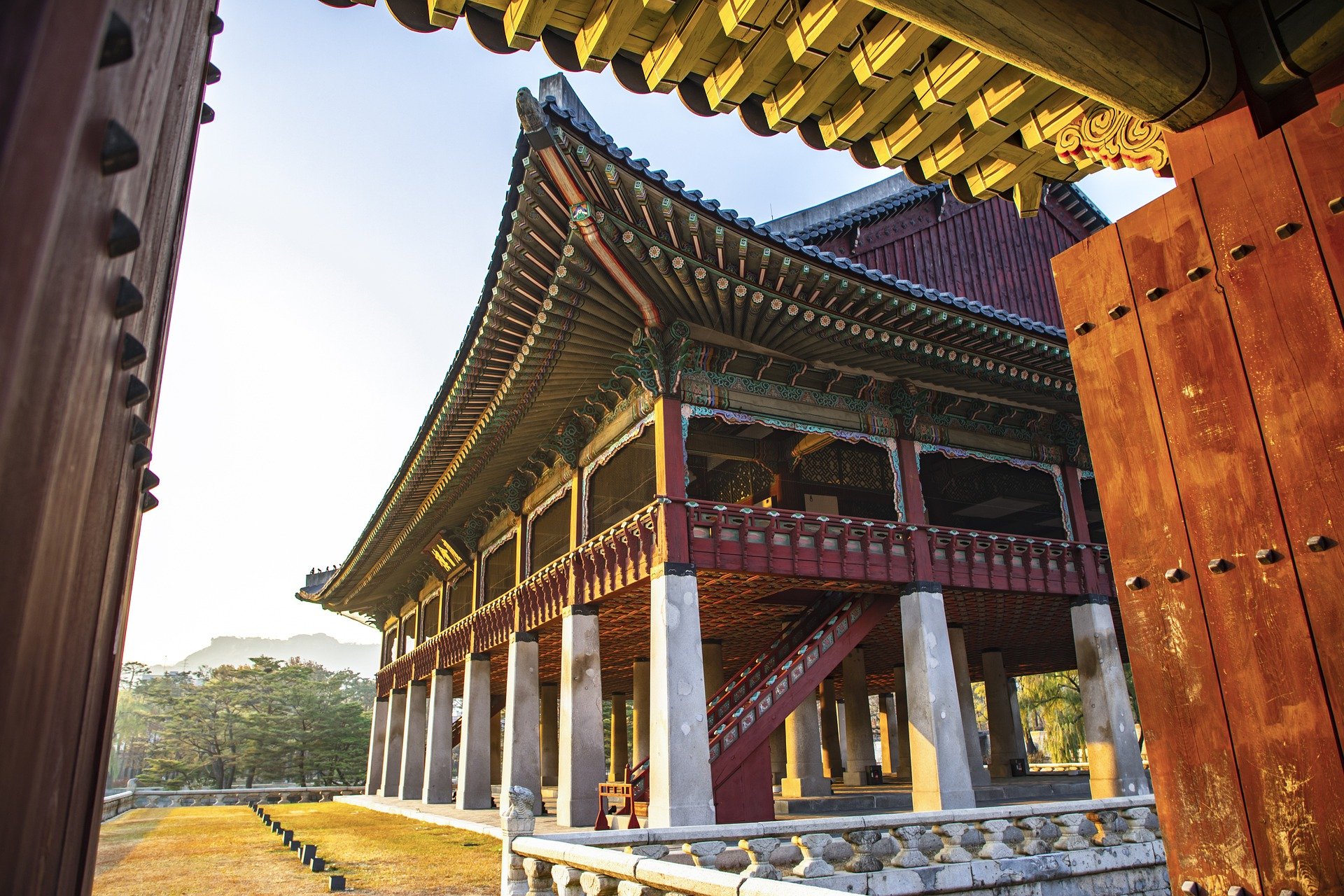
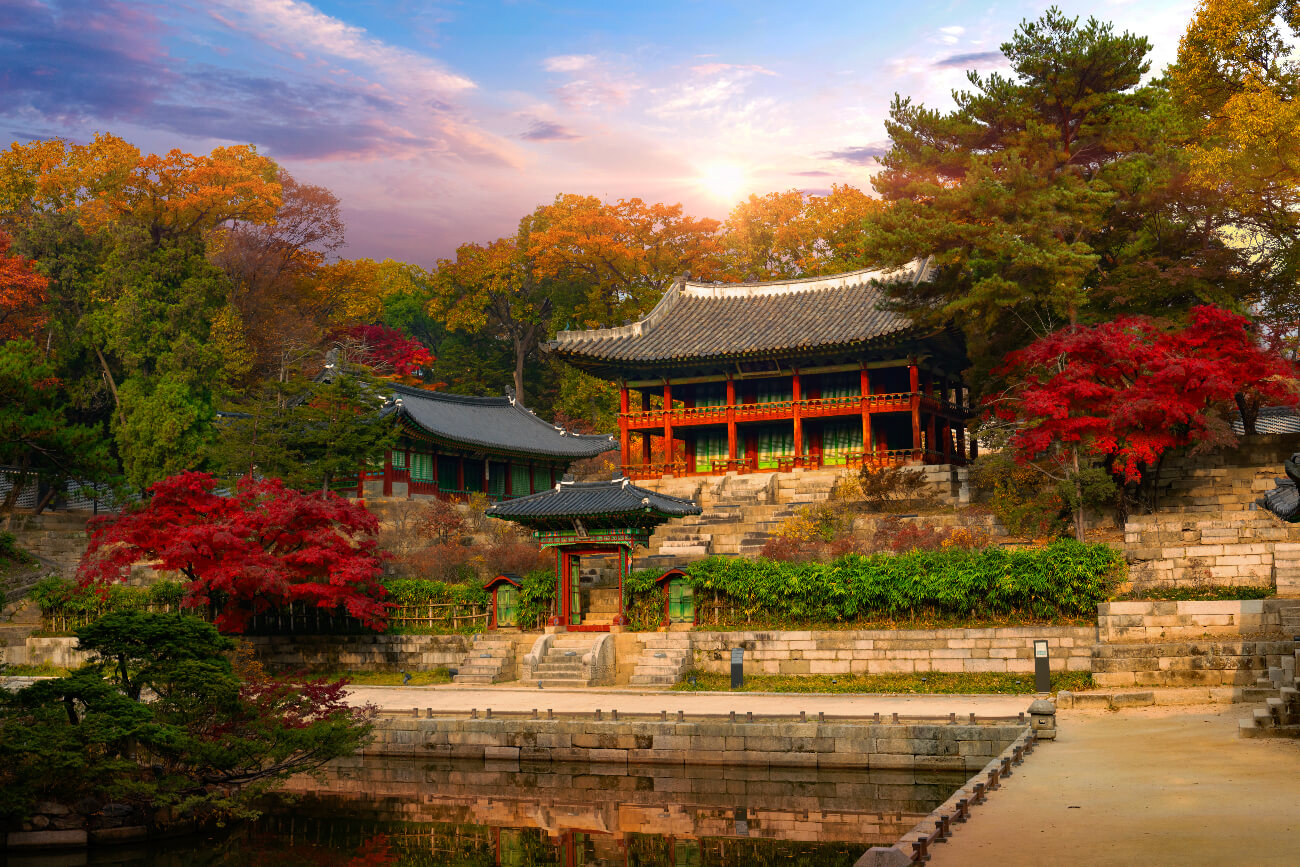
Changdeokgung Palace, one of the 5 grand palaces built by the Joseon Dynasty in the 15th century around Seoul. It is a collection of buildings with a 78 acre Huwon or palace garden.
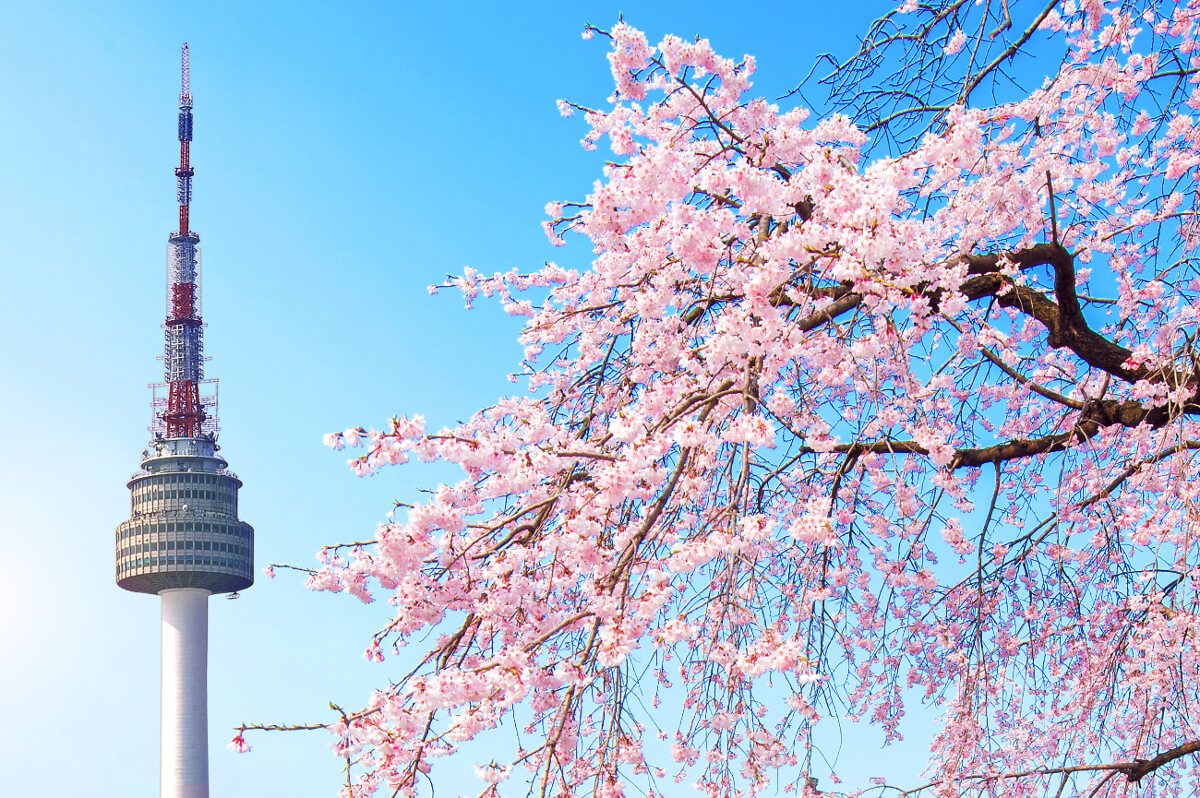
Seoul Tower Observation tower near the top of Mount Namsan in Namsan Park.
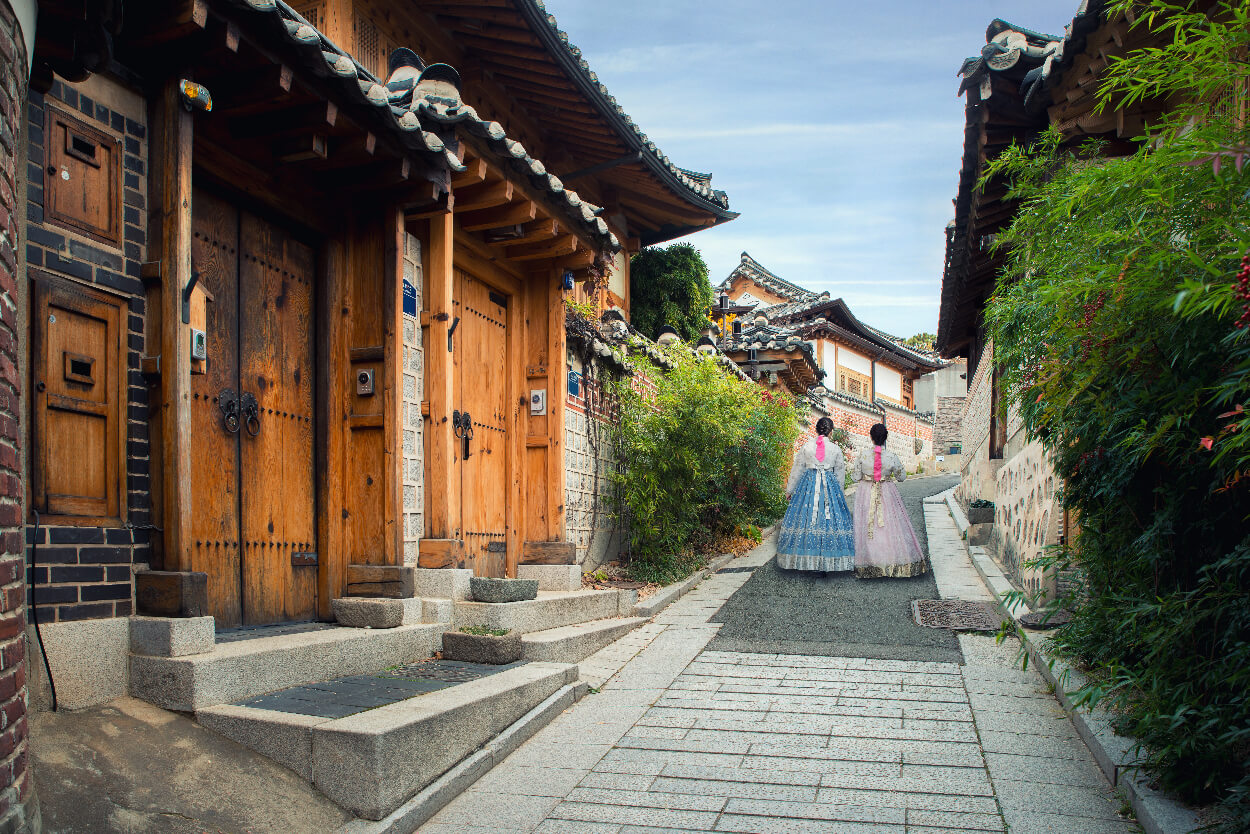
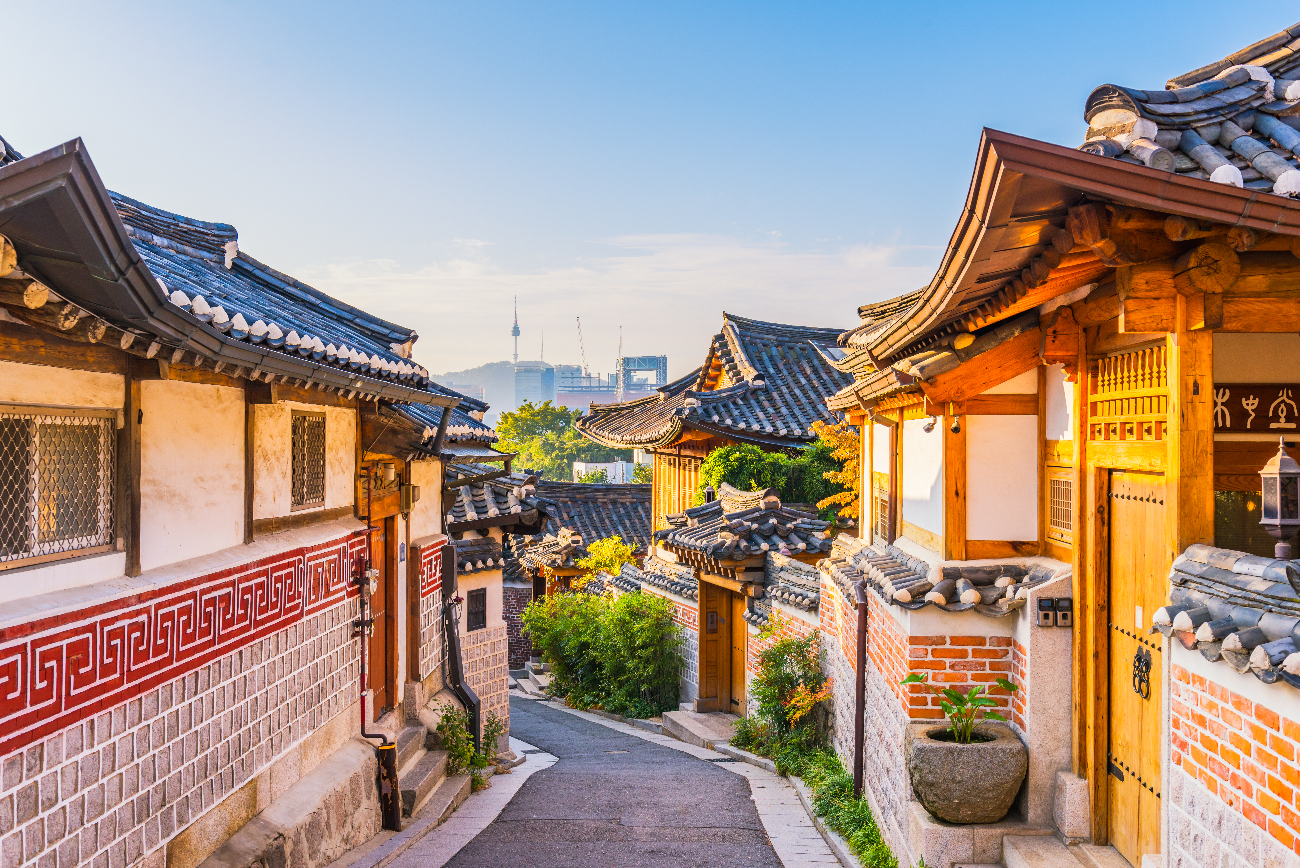
Bukchon Village is a preserved historic village in Seoul which is also found throughout Korea.
The National Museum of Korea contains art, history and archeology.
Gyeongbokgung Palace Also known as the Northern Palace was first built in 1395. The grounds also contain the: National Palace Museum and the National Folk Museum.
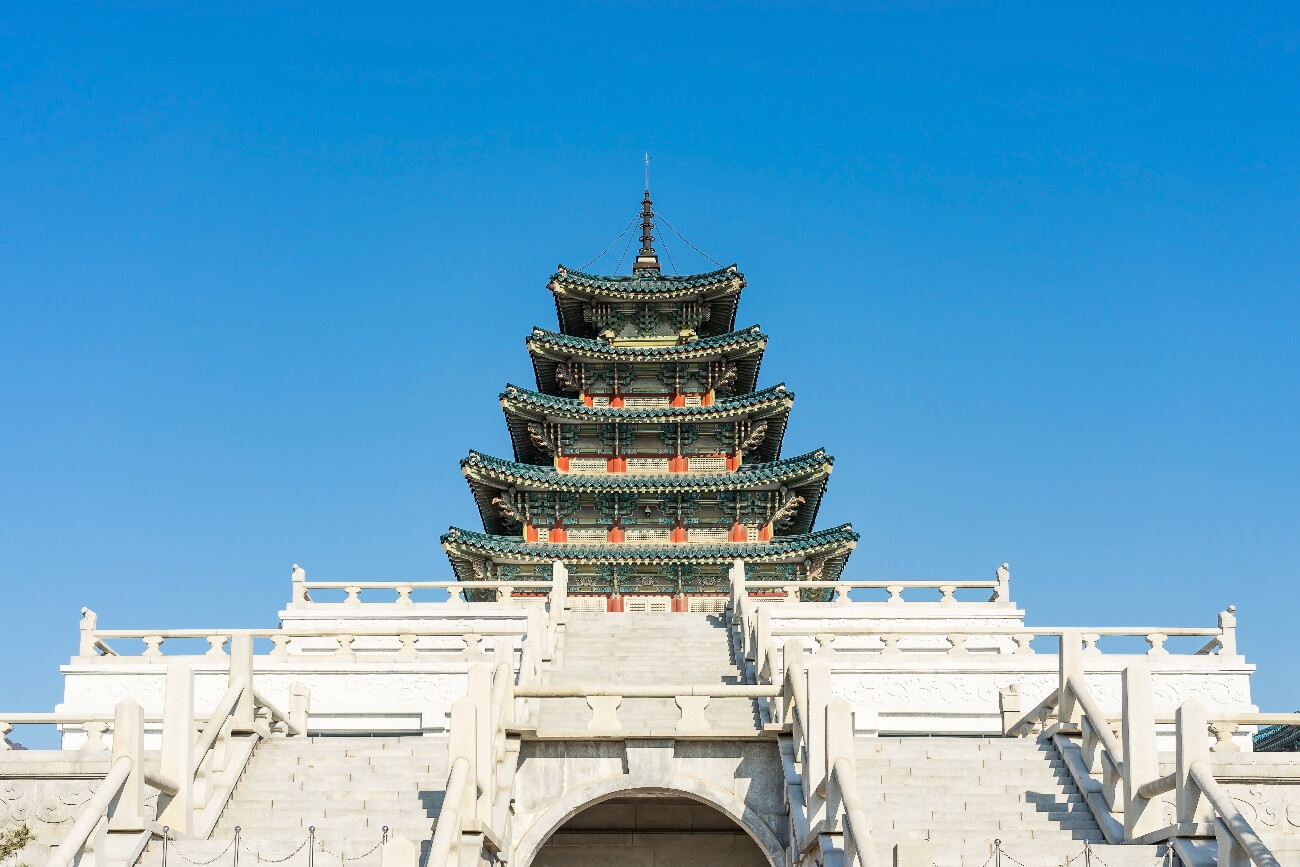
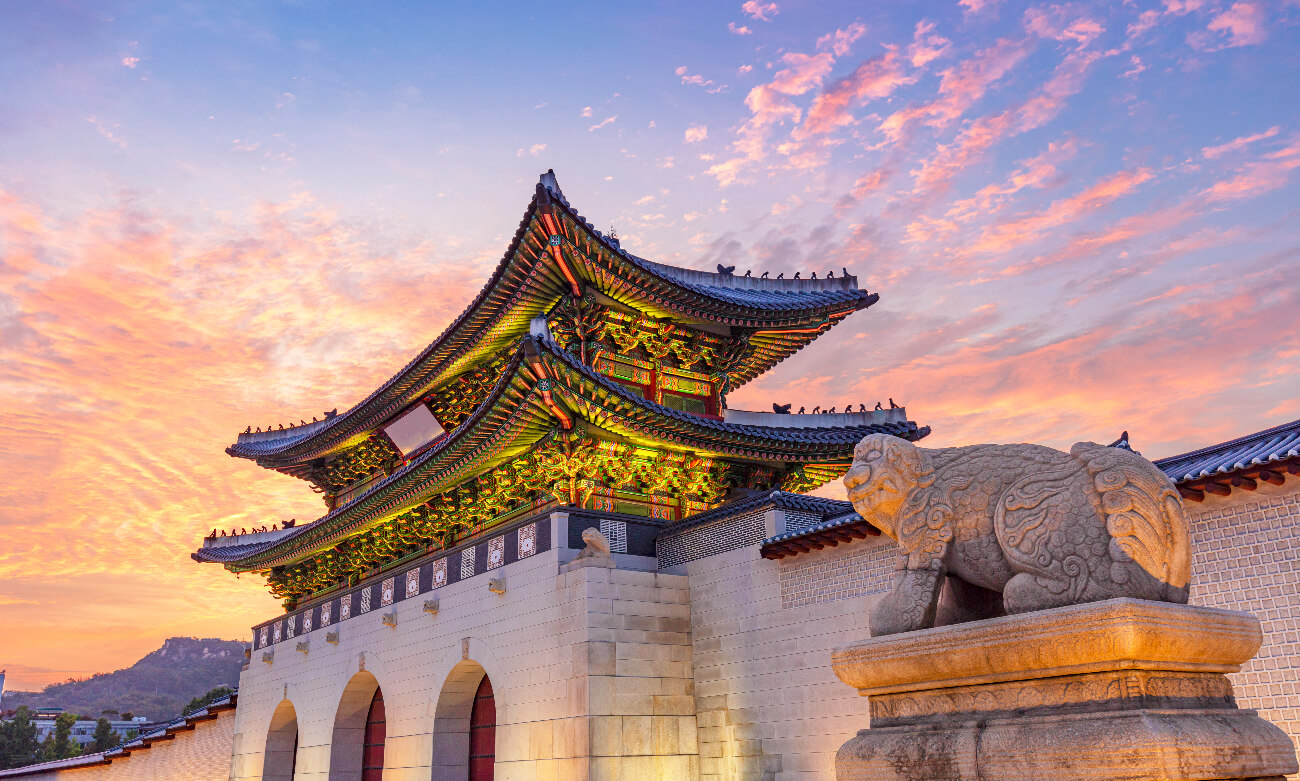
Gwanghwamun Gate A giant gate which was formerly the opening to the fortress wall of the Gyeongbokgung Palace located within and built in the 15th century.
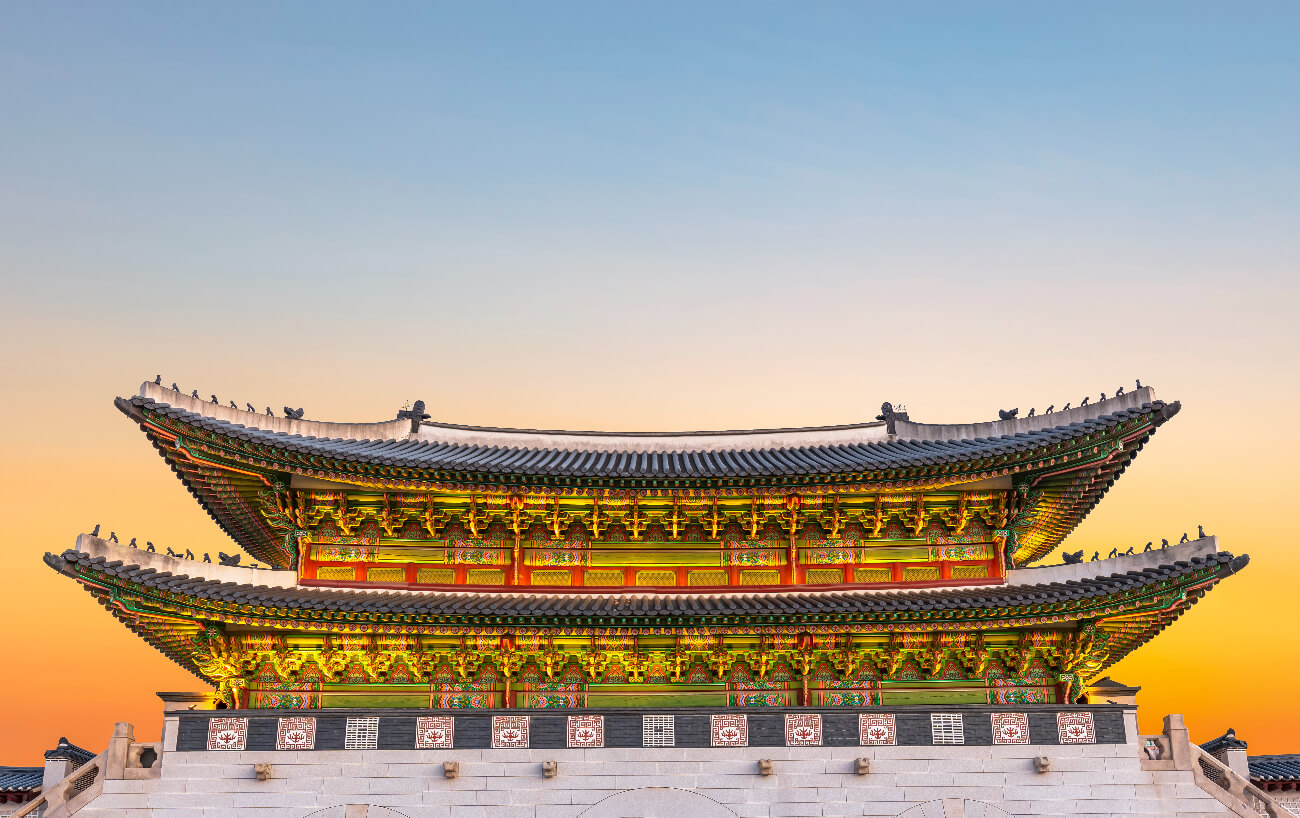
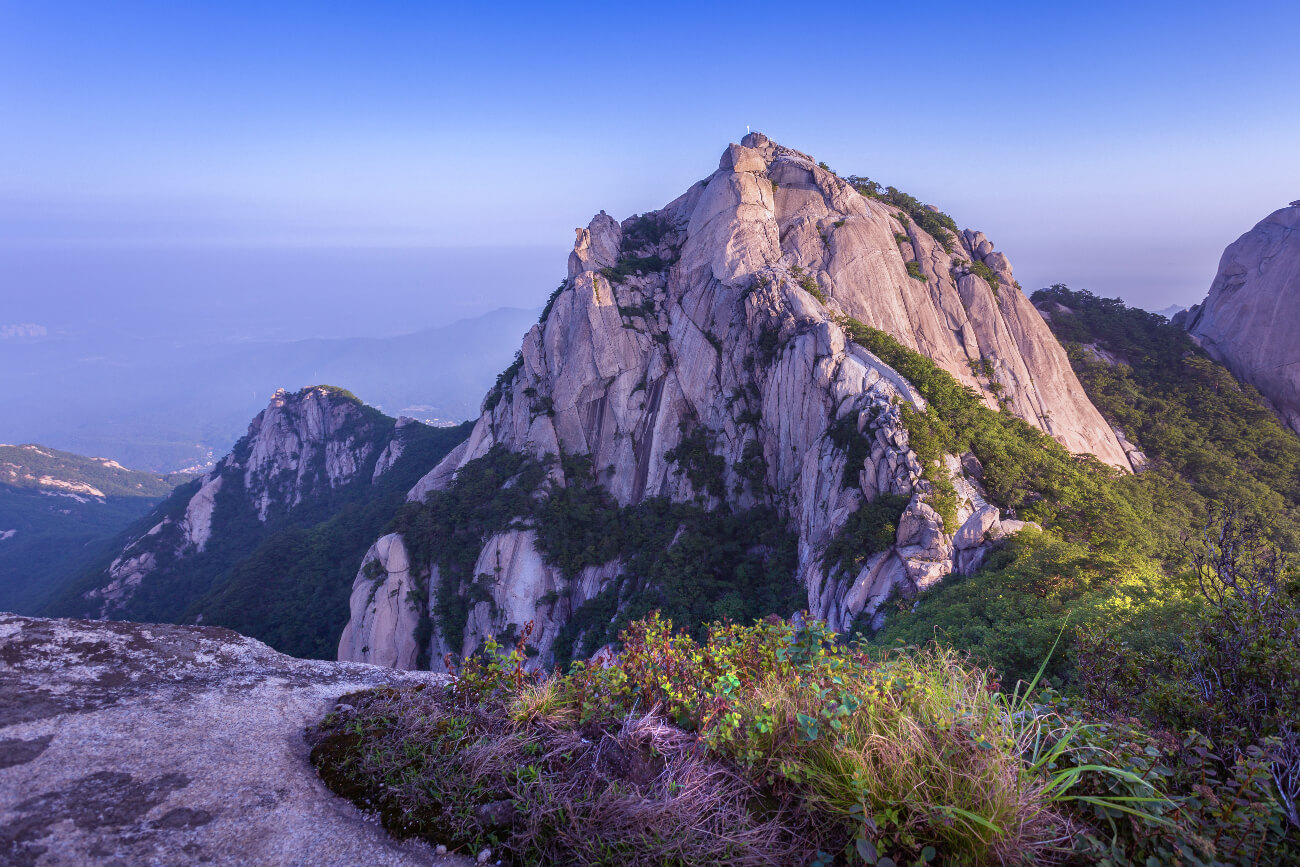
Jingwansa Temple Ancient temple complex 15 minutes from downtown is an authentic Buddhist Temple built in 100 BCE and located in the beautiful Bukhansan national park .
Seoul Museum of Art
The Blue House The presidential complex.
Jeju Island
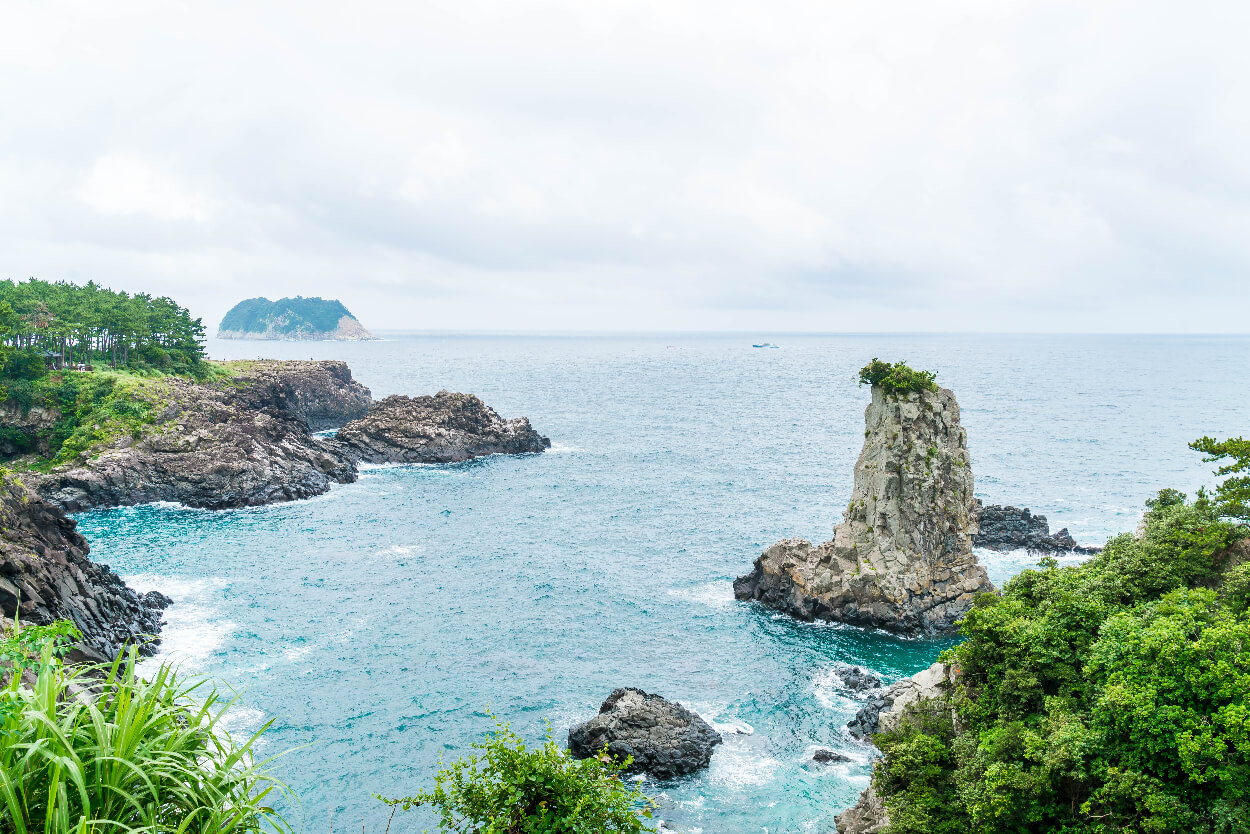
Jeju Island is the largest island in South Korea and located in Jeju Province in the Korea Strait and is a popular holiday destination.
Tourist Attractions:
Bukhansan Natural Park contains the Jeju Volcano Island and Lava Tubes and is a designated UNESCO World Heritage Site.
Ssangyong Cave
Suwolbong Peak
Numerous Walking Trails
The City of Busan
Busan is South Korea’s second largest city with a population of 3.5 million. It is the cultural economic and education center of Southeastern South Korea.
Tourist Attractions :
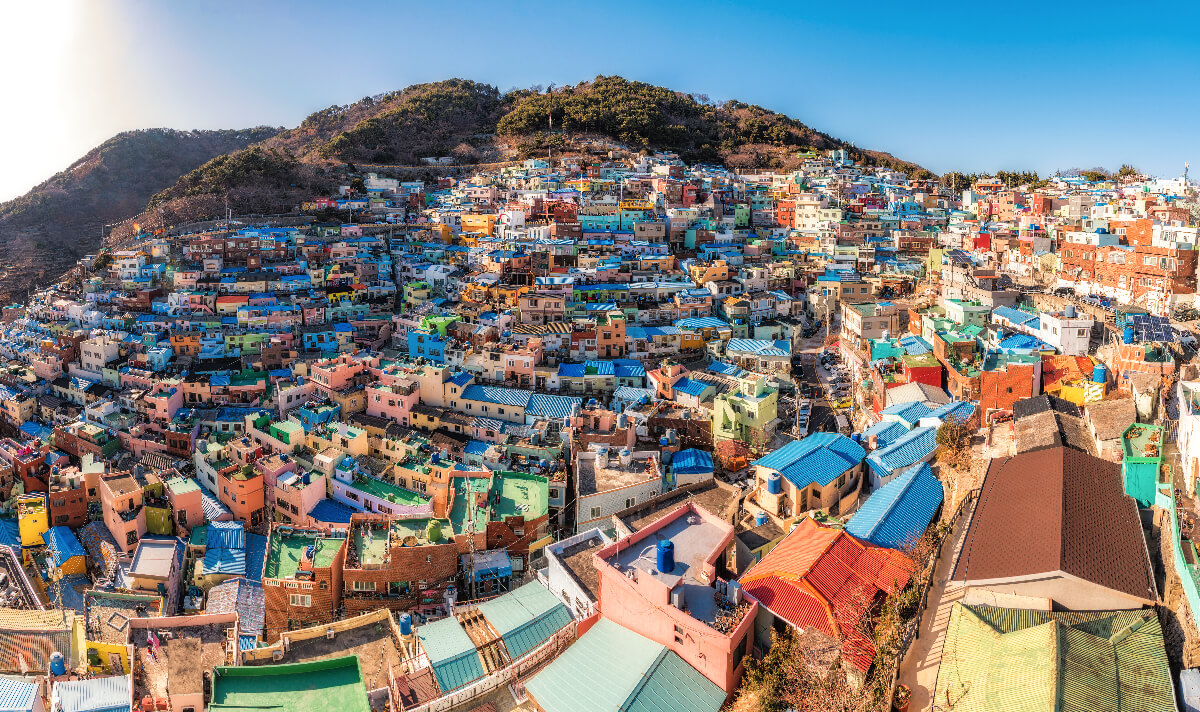
Busan Ganeheon Cultural Village
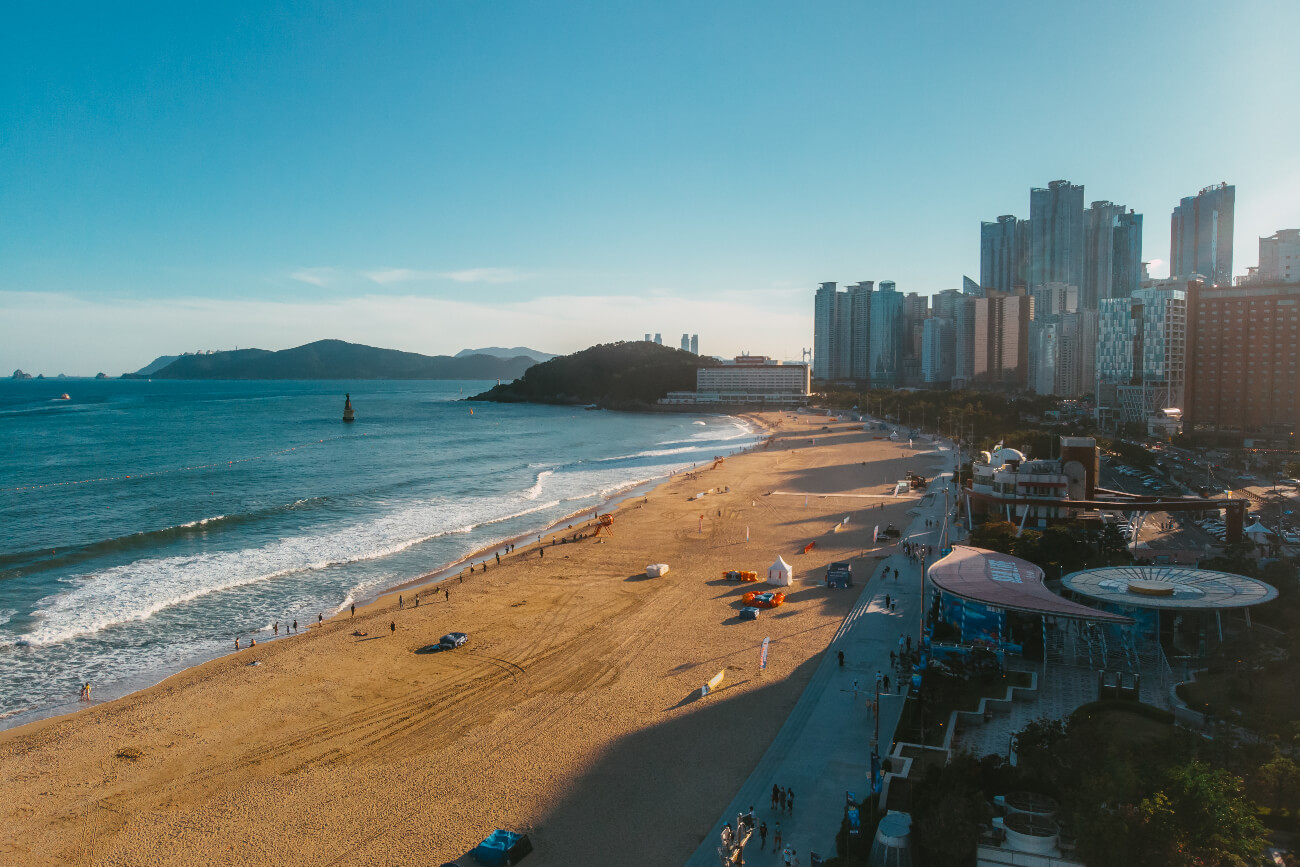
Haeundae Beach
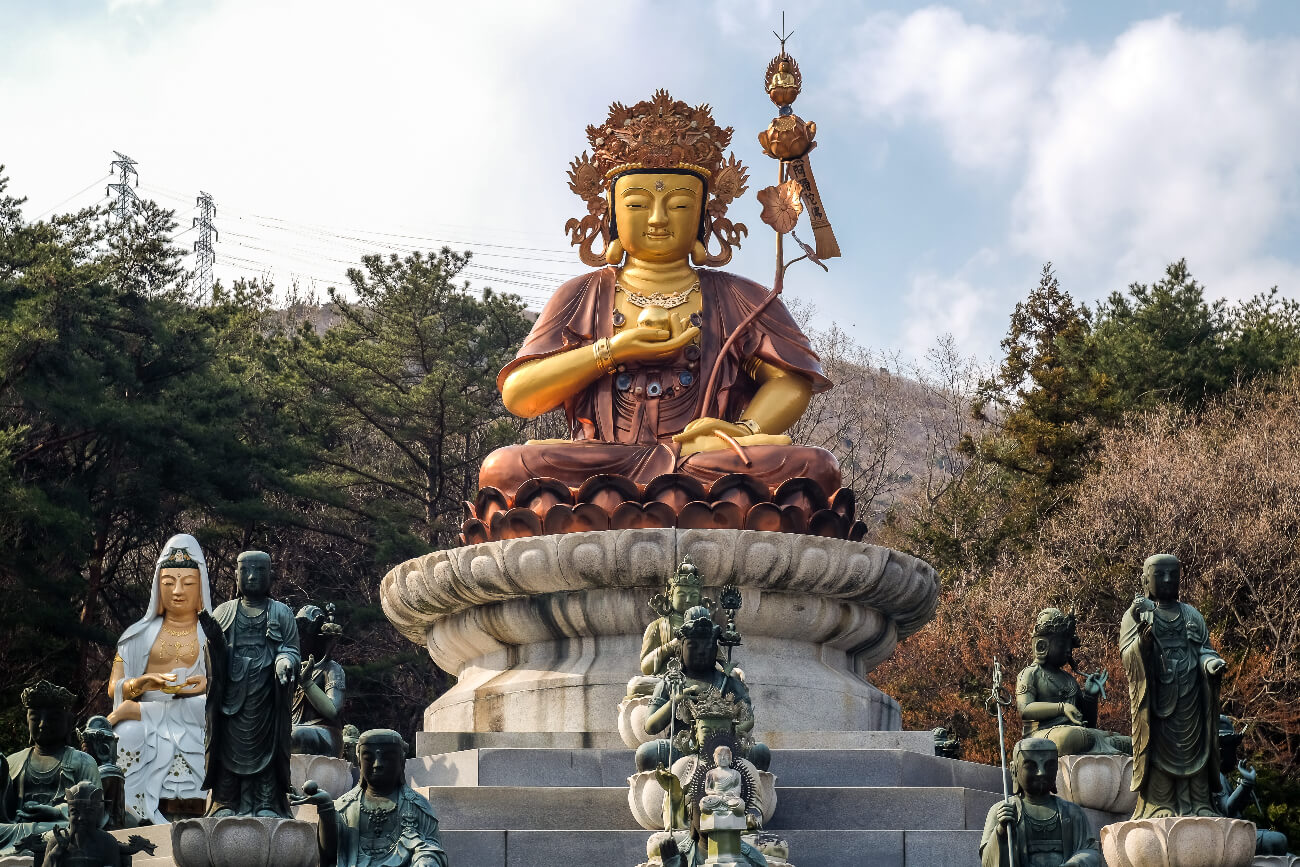
Beomeosa Temple
No Tour Found