


Montenegro which means “Black Mountain” is a country in Southeastern Europe. It is located on the Adrian Sea and is part of the Balkans, sharing borders with Serbia to the northeast, Bosnia and Herzegovena to the north and west , Kosovo to the east, Albania to the southeast , the Adriatic Sea and Croatia to the southwest, and a maritime border with Italy. Montenegro has a land mass of 5,333 square miles. Podgorica, the capital and largest city is home to roughly 30% of its total population of 625,000. During the medieval period, three principalities were located on the territory of modern day Montenegro: Dukja, roughly corresponding to the southern half; Travunia, the west and Rascia proper, the north. The Principality of Zeta emerged in the 14th and 15th centuries and from the late 14th to the late 18th centuries, large parts of southern Montenegro were ruled by the Venetian Republic and incorporated into Venetian Albania. The name Montenegro was first used to refer to the country in the late 15th century. After falling under Ottoman rule, Montenegro regained its independence in 1696 first as a theocracy and then as a secular principality. Montenegro’s independence was recognized by the Great Powers at the Congress of Berlin in 1878. In 1910, the country became a kingdom. After World War I the kingdom became part of Yugoslavia. Following the breakup of Yugoslavia, the republics of Serbia and Montenegro together proclaimed a federation. In 2006, following a referendum Montenegro declared its independence and the federation peacefully dissolved. Montenegro is a unitary parliamentary constitutional republic. 72% of the population is Eastern Orthodox Christian and 19% Islam. It is a member of the European Union.
Montenegro ranges from high peaks along its borders with Serbia, Kosovo and Albania to a narrow coastal plain that is only one to four miles wide. The plain stops abruptly in the north where Mount Lovcen and Mount Orjen plunge into the inlet of the Bay of Kotor. Mount Orjen is 6560 feet above sea level and the Zeta River Valley at 1600 feet is the lowest.
The mountains of Montenegro have some of the most rugged terrain in Europe, averaging more than 6600 feet in elevation. On the coast, Montenegro has a warm ocean climate with a warm summer and mild and wet winter. In the highlands, in the north, the terrain is mountainous with cold winters and snowfall.
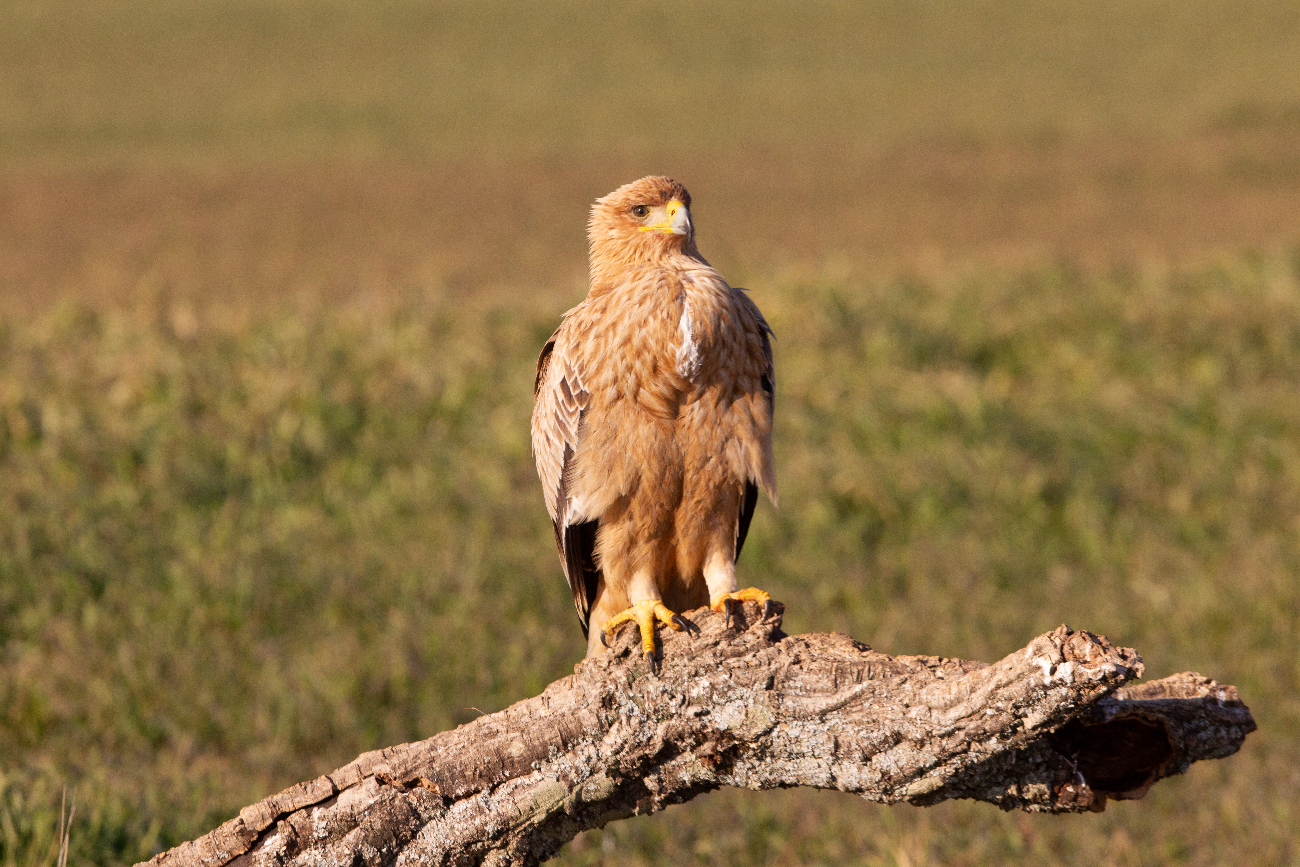
The diversity of the geological base, landscape, climate, and soil, and the position of Montenegro on the Balkan Peninsula and Adriatic Sea, created the conditions for high biological diversity. The number of species per area unit index is the highest in Europe. There are over 1200 species of freshwater algae, 300 species of marine algae, 589 species of moss, 8000 species of vascular plants, 200 species of fungi , 20,000 species of insects, 407 species of marine life, 56 species of reptiles, 333 species of birds and a high species diversity of mammals. Plants and trees include, along the coast, Aleppo pine, holm oak, funeral cypress, olive, white oak, holly oak, and hardy scrub and the upper mountain areas have dwarf mountain pine. The high grasslands are rich in flowers which include milkworts, flaxes, violets, sage, thyme, blueberries, alpine rock-cress, drypers, and Moltkia petraea. Fauna includes the Imperial Eagle which s the national animal, brown bear, black widow spider, wild boar, deer, sheep, lynx, Vipera snake, salmon, horseshoe Bat, Rock lizard, marbled polecat, Egyptian Vulture, aurochs, badger, butterfly, catfish and ferret.
For a country small in size; Montenegro has a very long and eventful history. The interweaving of cultures in this region started a long time ago. The Illyrians were the first known people to inhabit the region, arriving during the late Iron Age. Then the Greeks, Celts, Slavs, Romans, Ottoman Turks, and Venetians who ruled for nearly three centuries, contributing greatly to the beauty of Montenegro architecture. If you choose the Montenegro coast as your starting point, you will have the opportunity to see the direct influences and legacy of Mediterranean cultures, and numerous ancient monuments and historical sites from the Roman era or early Middle Ages. The highest concentration of the artistic and cultural wealth of the country is in the Kotor Bay area and the town of Kotor is on the UNESCO World Heritage Site list. Art and literature also hold a special place and are an important part of Montenegro culture and identity. There is a long history of arts including painting, sculpture, poetry and film. The country’s turbulent history has contributed to epic poetry which is closely connected to another significant element of Montenegro culture, the Gusle. Gusle is a stringed musical instrument originating in Montenegro. Without it no story about music and folklore would be complete. There is a tradition of wine with vineyards making excellent red and white wines. When a Montenegro citizen has a guest in his/her house food and drinks are always offered.
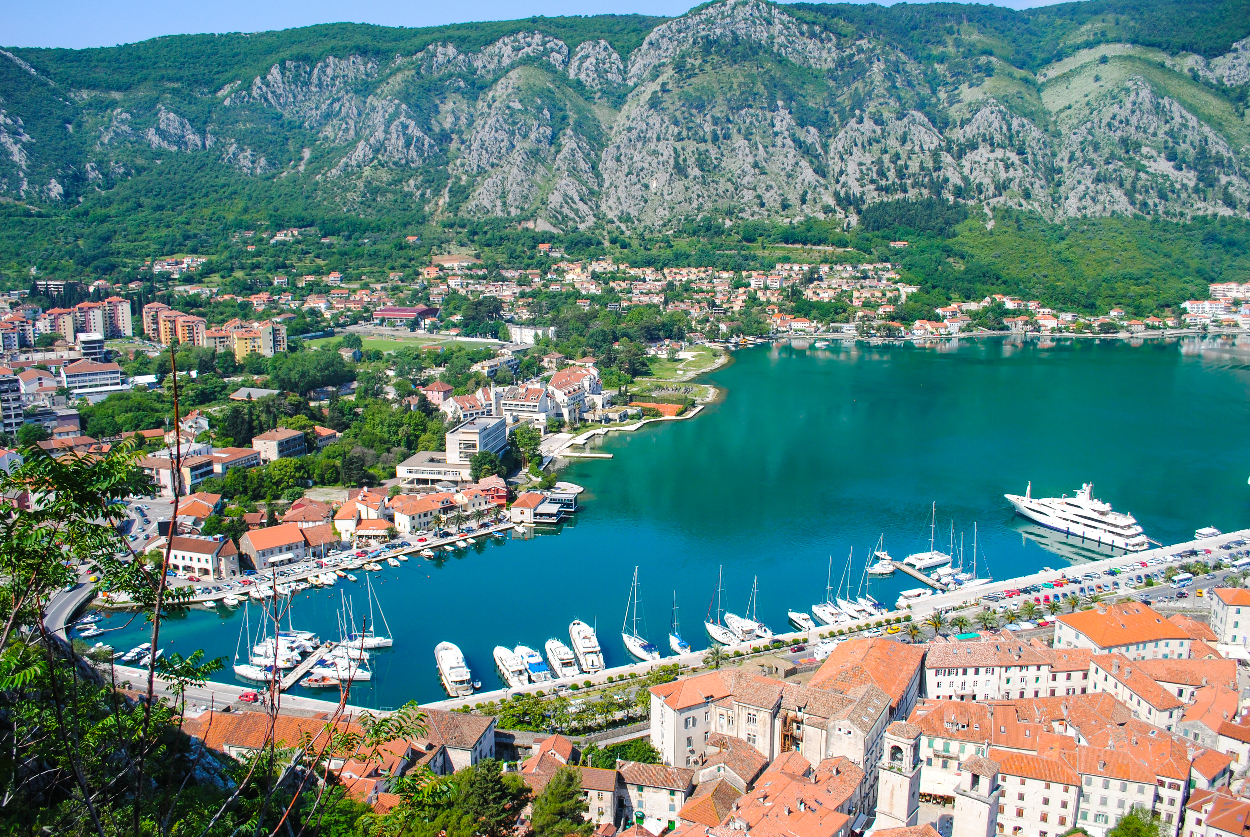
Chorba a rich soup
Prysut dried beef or ham
Cevapcici and Pleskavica Fried cutlets prepared with ground meat
Lamb under Sacham
Kaymak Like sour cream
Qizlar thick porridge
Popar Hardened bread with dairy products
Negush Cheese and Various Cheeses
Palachinka Huge pancakes wrapped in cream, chocolate or jam.
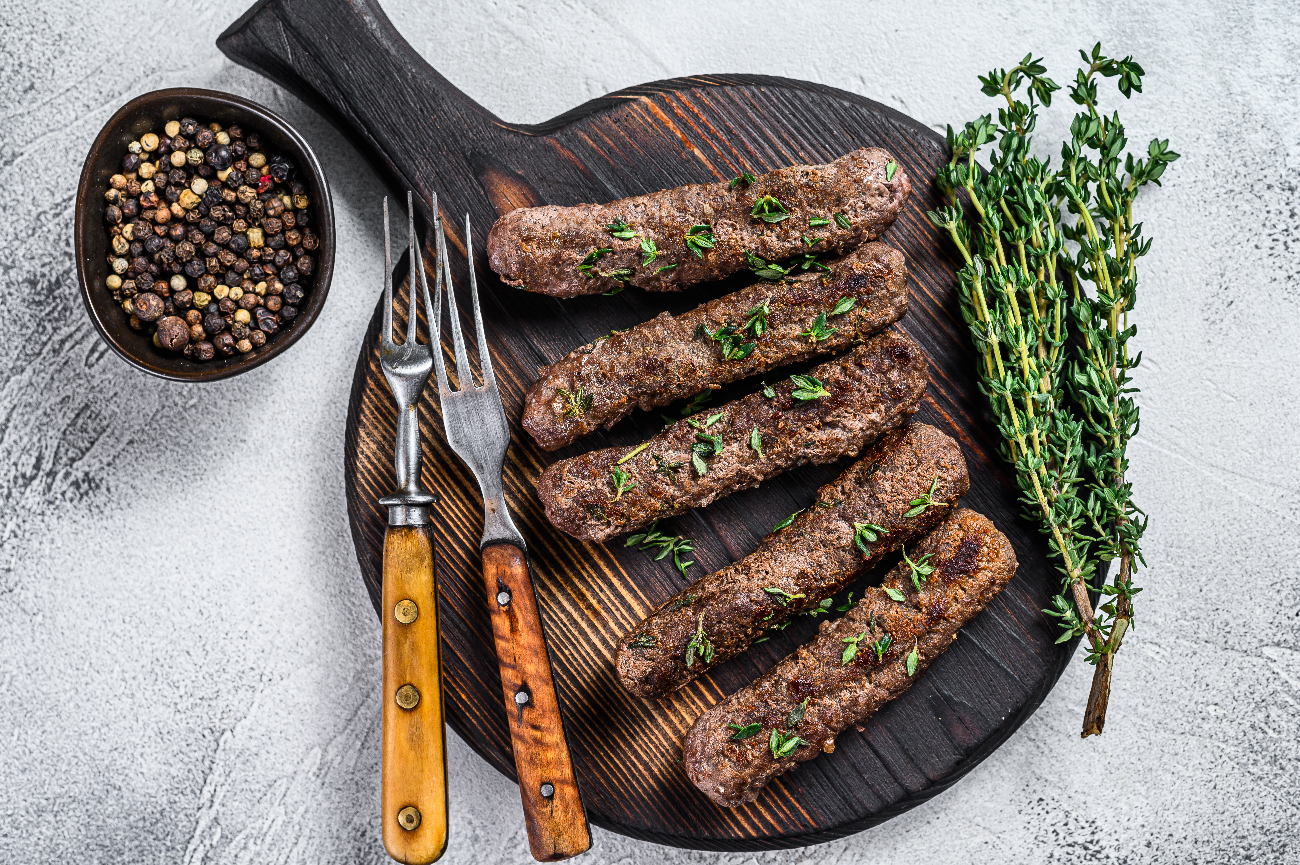
Podgorica: the Capital
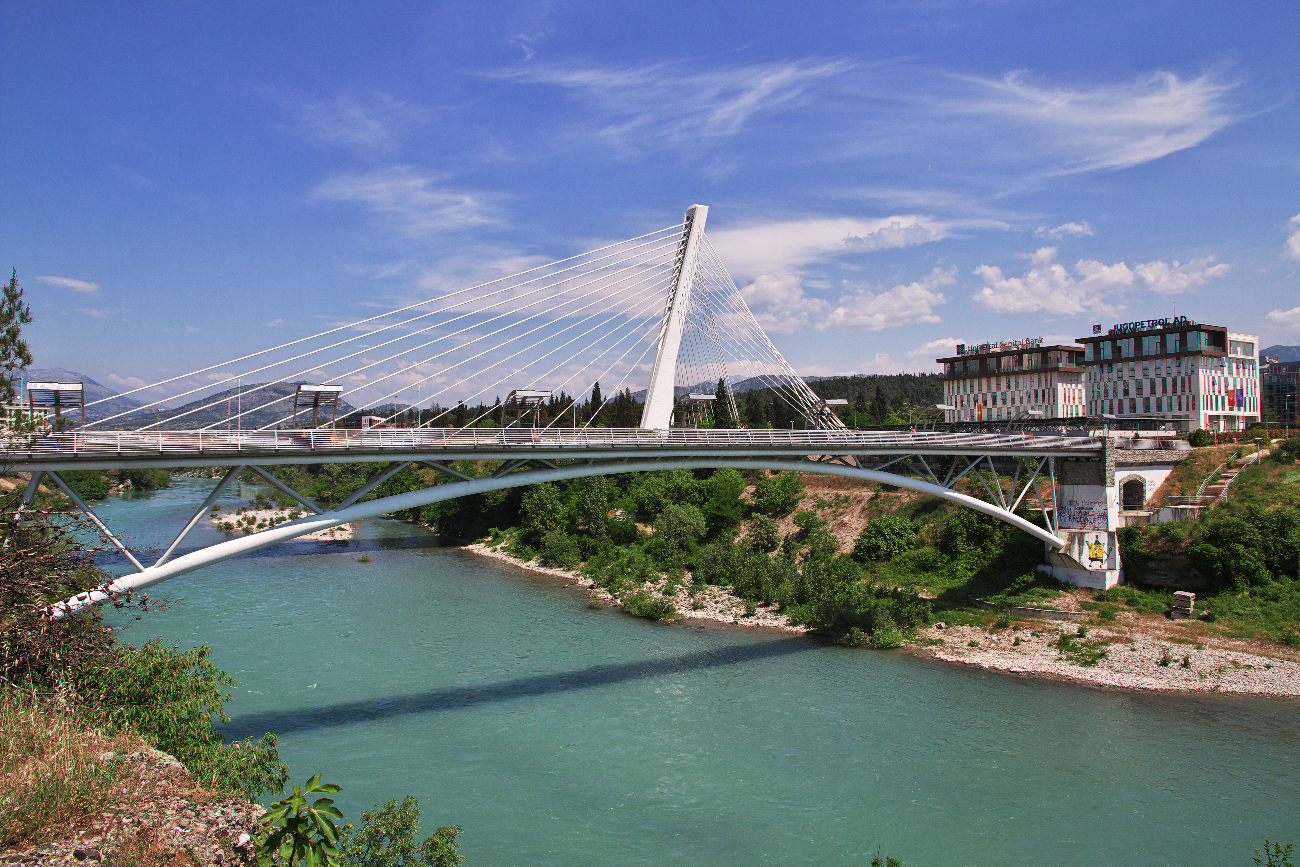
Podgorica which means “area below the little hill” is the capital of Montenegro and its largest city with a population of 190,000 which is about 30% of the population of the entire country. Podgorica was known as Titograd from 1946 to 1992; named after Marshall Tito, the leader of the Socialist Republic of Yugoslavia. The city is located at the confluence of the Ribnica and Moraca Rivers and at the meeting point of the fertile Zeta Plain and Bjelopavlici Valley. It is close to winter skiing centers to the north and summer seaside resorts off the Adriatic Sea. Podgorica was founded before the 11th century AD and has a land mass of 42 square miles. It is the administrative, cultural, economic and education center of Montenegro. In the Iron Age the area had a population of almost 10,000 and was occupied by two Illyrian tribes. In the Middle Ages, from the 5th century AD, with the arrival of the Skavic and Avar Tribes and the breakup of the Roman Empire new settlements were built. The town became part of the Serbian Kingdom and was important because it was a crossroads to trade with the west. The name, Podgorica, was first mentioned in 1326. The Ottoman Empire captured Podgorica in 1474. The Ottomans built a large fortress to protect the city and it became its main attacking and defensive force in the region. The Ottomans built forts, defensive gates and towers and it resembled an Ottoman military city. Between 1761and 1831 the city fell under the rule of the Albanian Bushati family. In 1878, after the Montenegrin-Ottoman War, Podgorica was recognized by the European powers as part of the Kingdom of Montenegro. Podgorica’s mixture of architectural styles reflects the domination of different empires and cultures from Ottoman to a more European style. The oldest parts of the city reflect Ottoman influence with mosques and Ottoman style buildings. During Communist rule the newer parts of the city reflected Eastern Bloc architecture. After the fall of the communists, the city is now building and expanding rapidly with a European style.
Tourist Attractions:
Lake Skadar
Saborni Hram Hristovog Vaskrsenja Cathedral
Moraca River
Jul-Plantaze Vineyard
Waterfall Niagara
Vladimir Vysotsky Monument
Avanturisticki Park Gorica
DajBabe Monastery
St. George’s Church
Stara Varas oldest neighborhood
Cathedral of Christ’s Resurrection
Petrovic Palace
Osmanagic Mosque
Ribnica Fortress
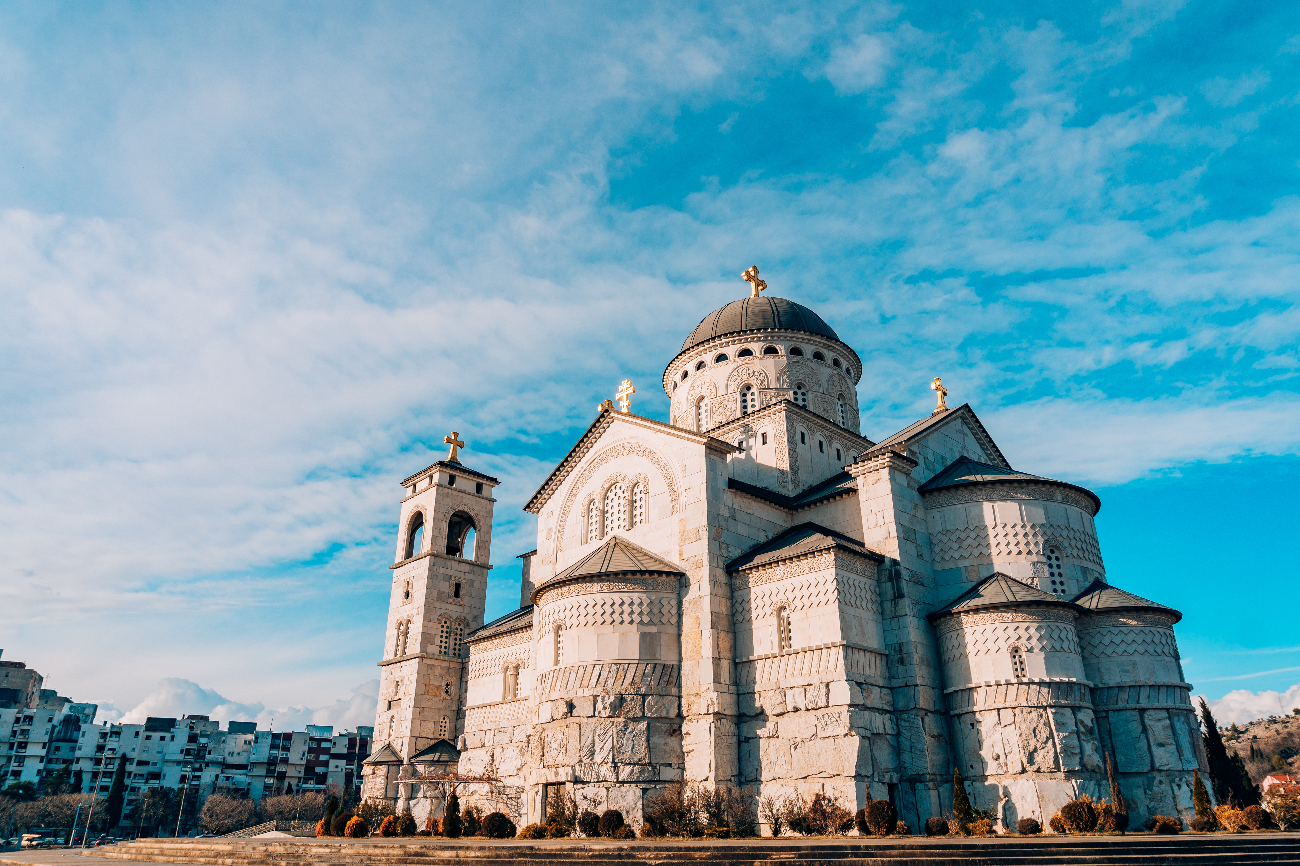
Interesting Cities
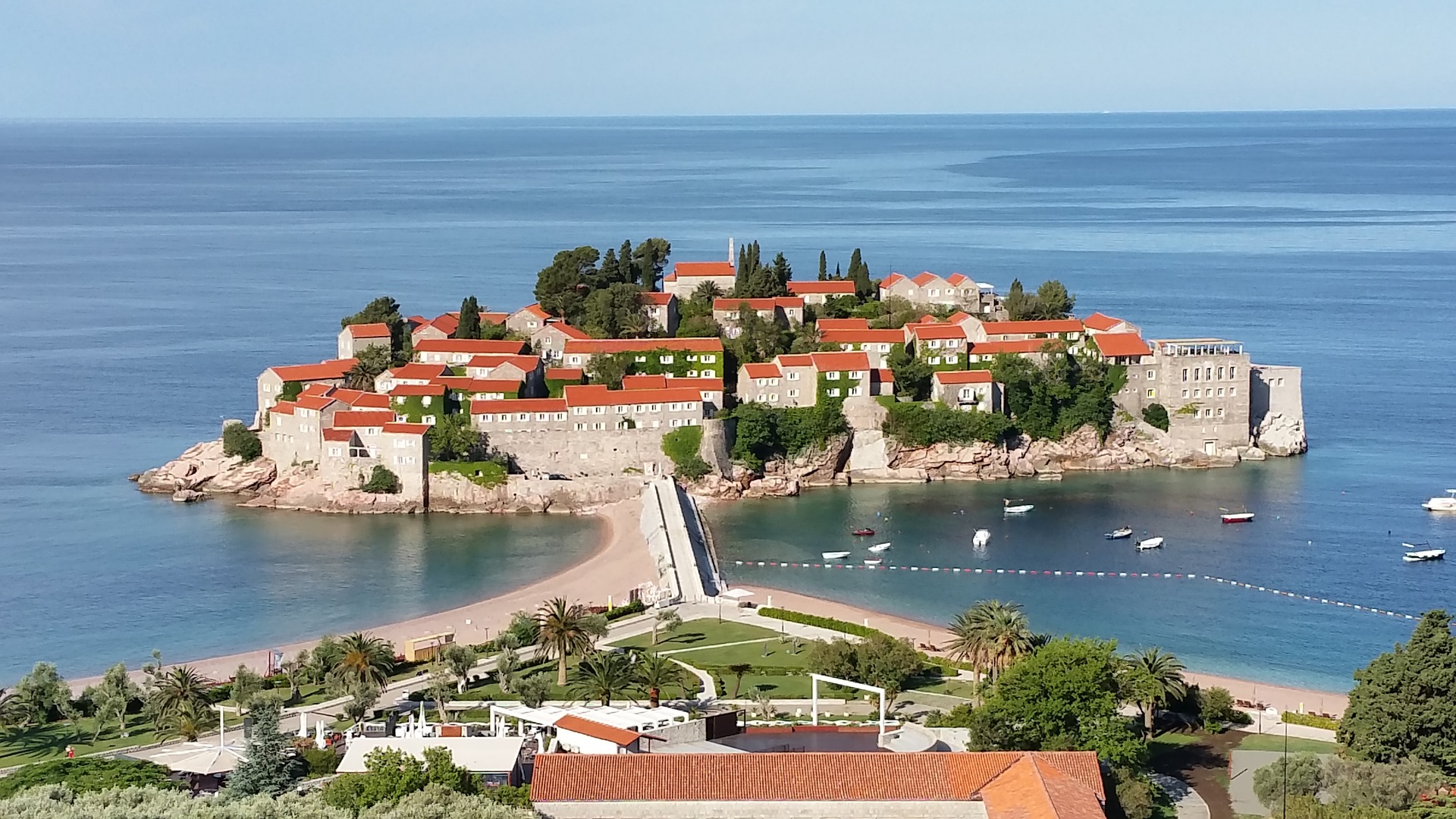
Sveti Stefan has a history dating back to the 15th century; Sveti Stefan is not only one of Montenegro’s most stunning iconic sights, but also a destination soaked in culture. Situated on the Budva Riviera, it has tranquil pebbled beaches and glittering blue waters. This former fishing village was first inhabited in 1442 when a wall was built around the island to protect it from Turkish invasion. The island is now home to a luxury resort.
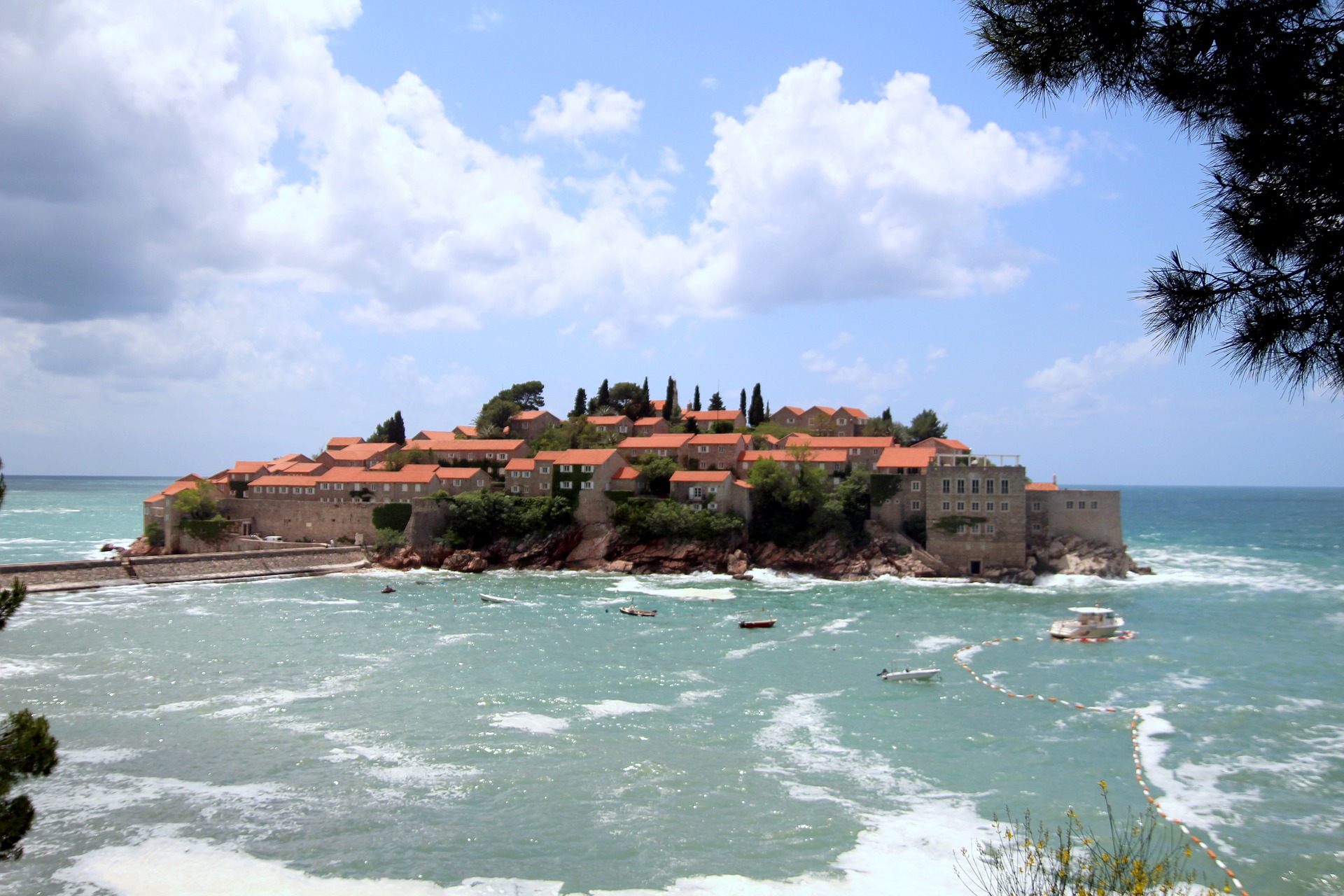
Ulcinj is the southwestern most southern town in Montenegro and is a dynamic place on the coastline with a diverse cultural history. It is near Albania so it has a large Muslim community and therefore has authentic Arabian restaurants and numerous beautiful mosques. It is an ancient seaport with sandy beaches and historic architecture having existed under Roman, Byzantine, Venetian and Ottoman rules.
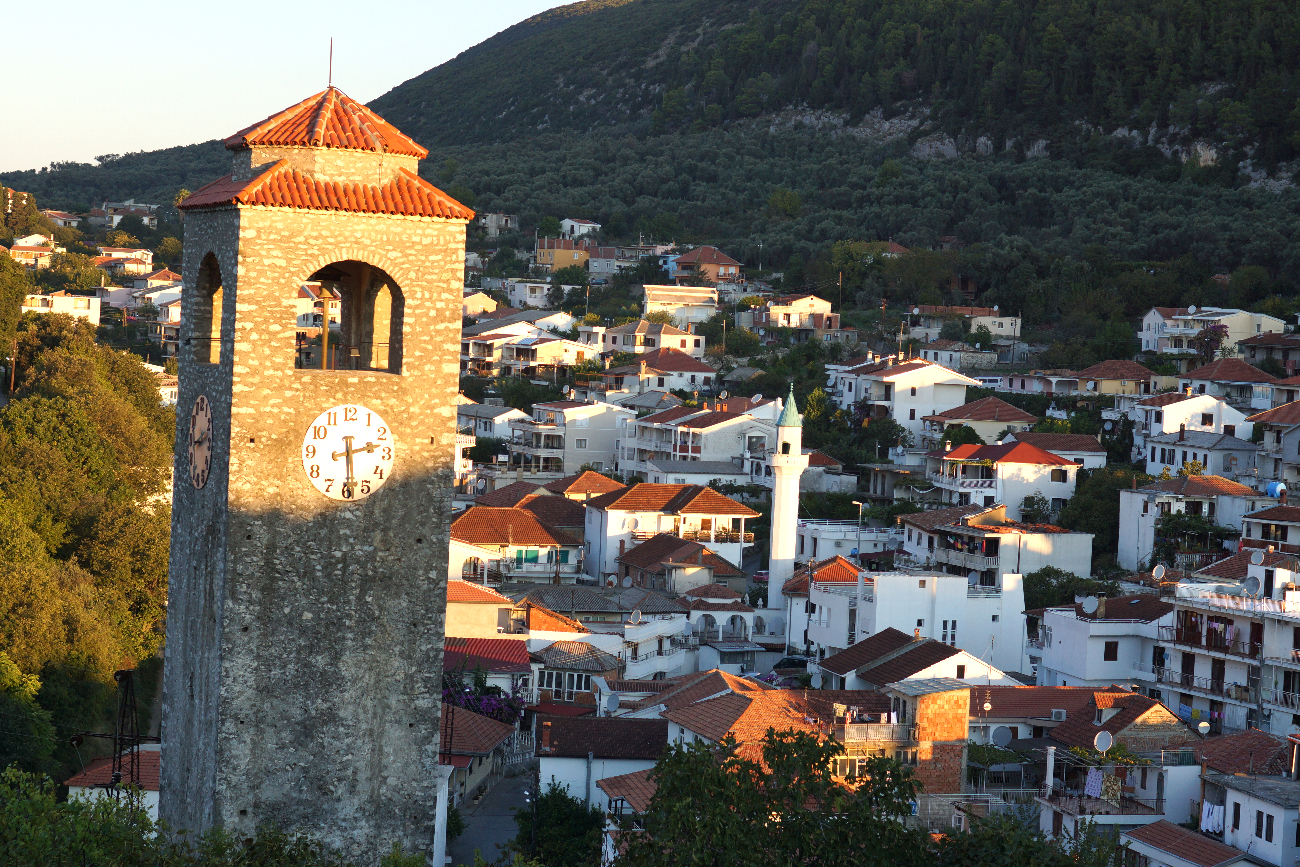
Rose is off the beaten tourist path. Rose is a cozy fishing hamlet with a picturesque port which conveys a feeling of serenity, solitude and tranquility. It has beaches, quiet coves and calm lookouts. Good restaurants feature seafood and mussels. Rose is also a popular diving spot with underwater wrecks and abundant sea life.
Savina Across the bay from Rose is Savina, a tiny town, surrounded by lush green forests and mountains. It is one of the most beautiful parts of the coastline and is home to the Savina Monastery, dating back to the 15th century. Savina is also home to the Castel Savina Vineyards.
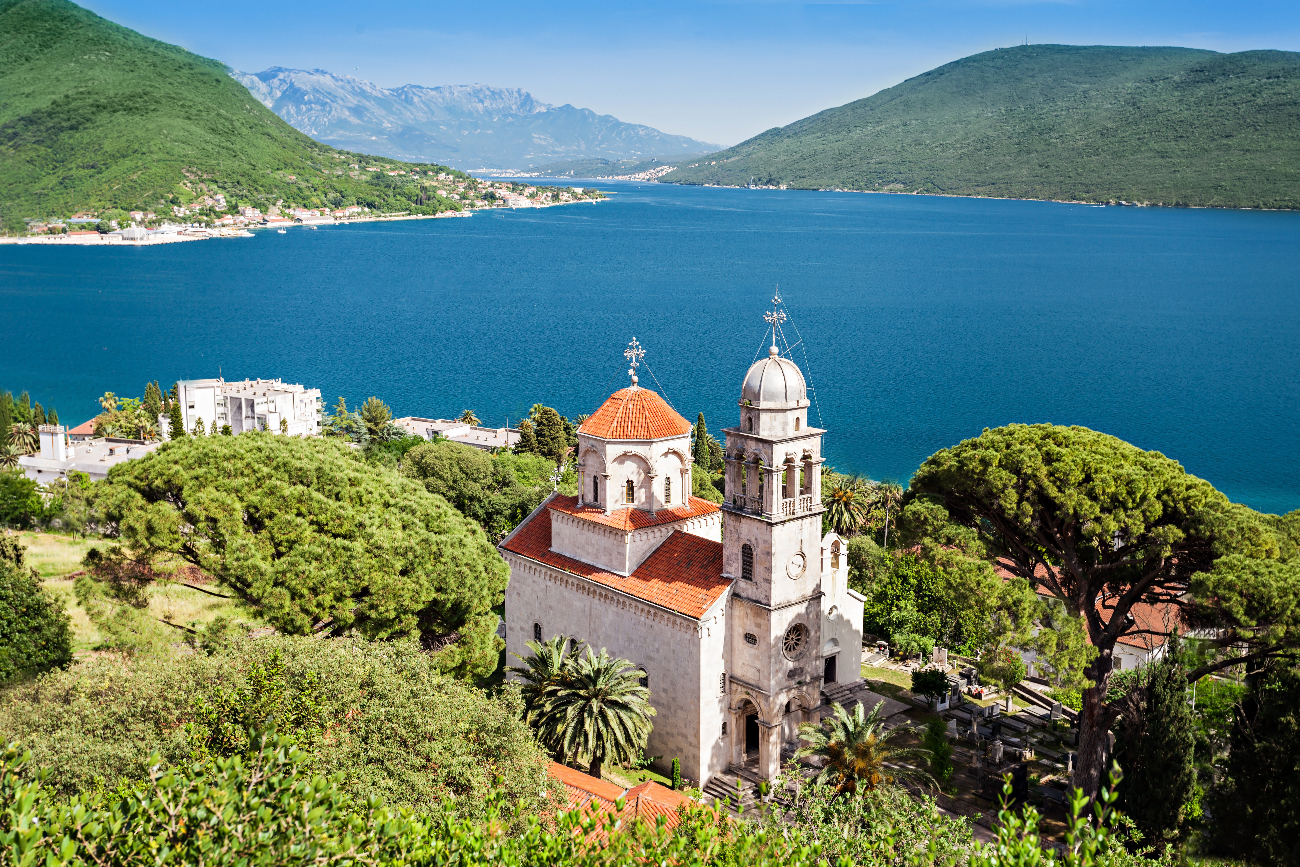
Tivat is a very pretty town at the foot of Mount Vrmac and is a popular spot for hikers and mountaineers. It has a peaceful coastline lined with palm trees. It is a summer resort. There are first-class restaurants and luxury hotels and water sports.
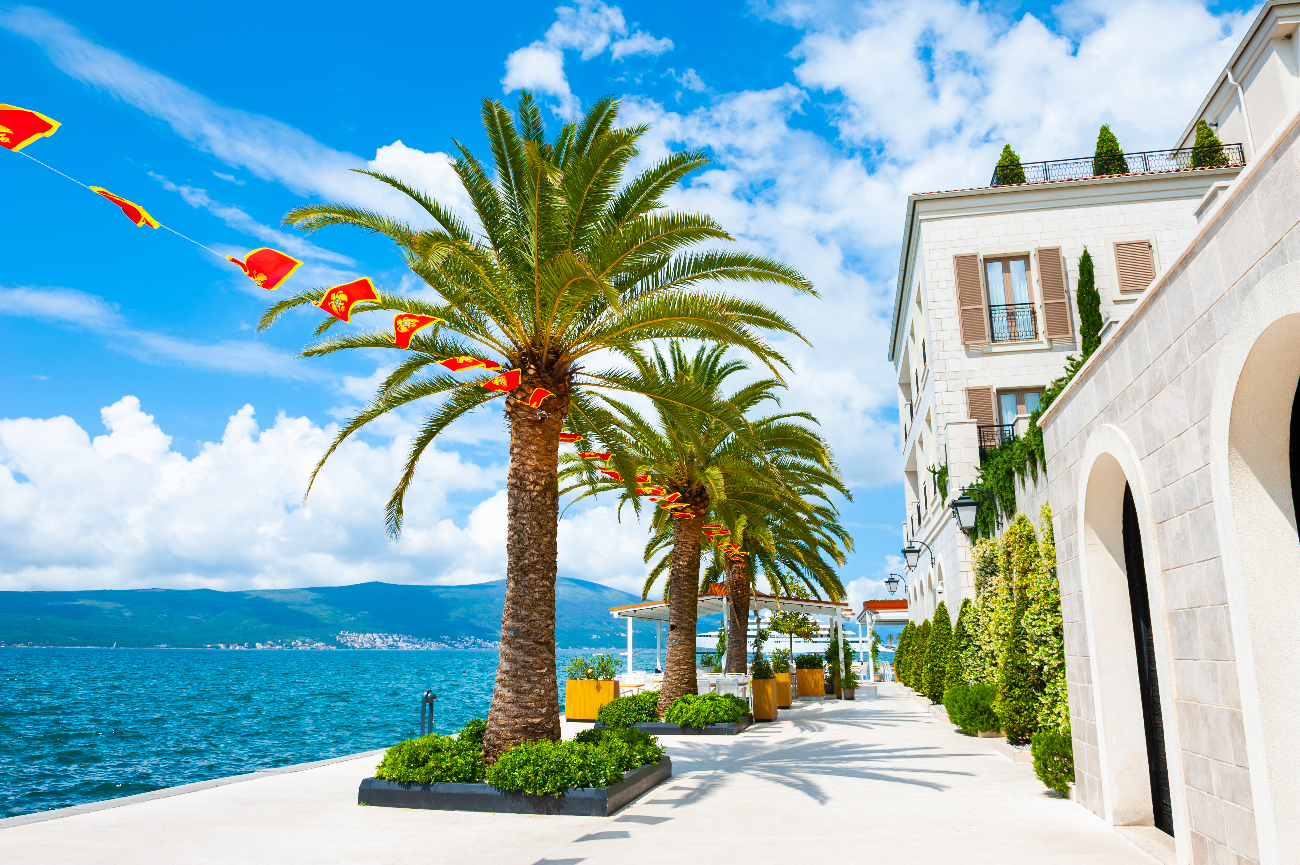
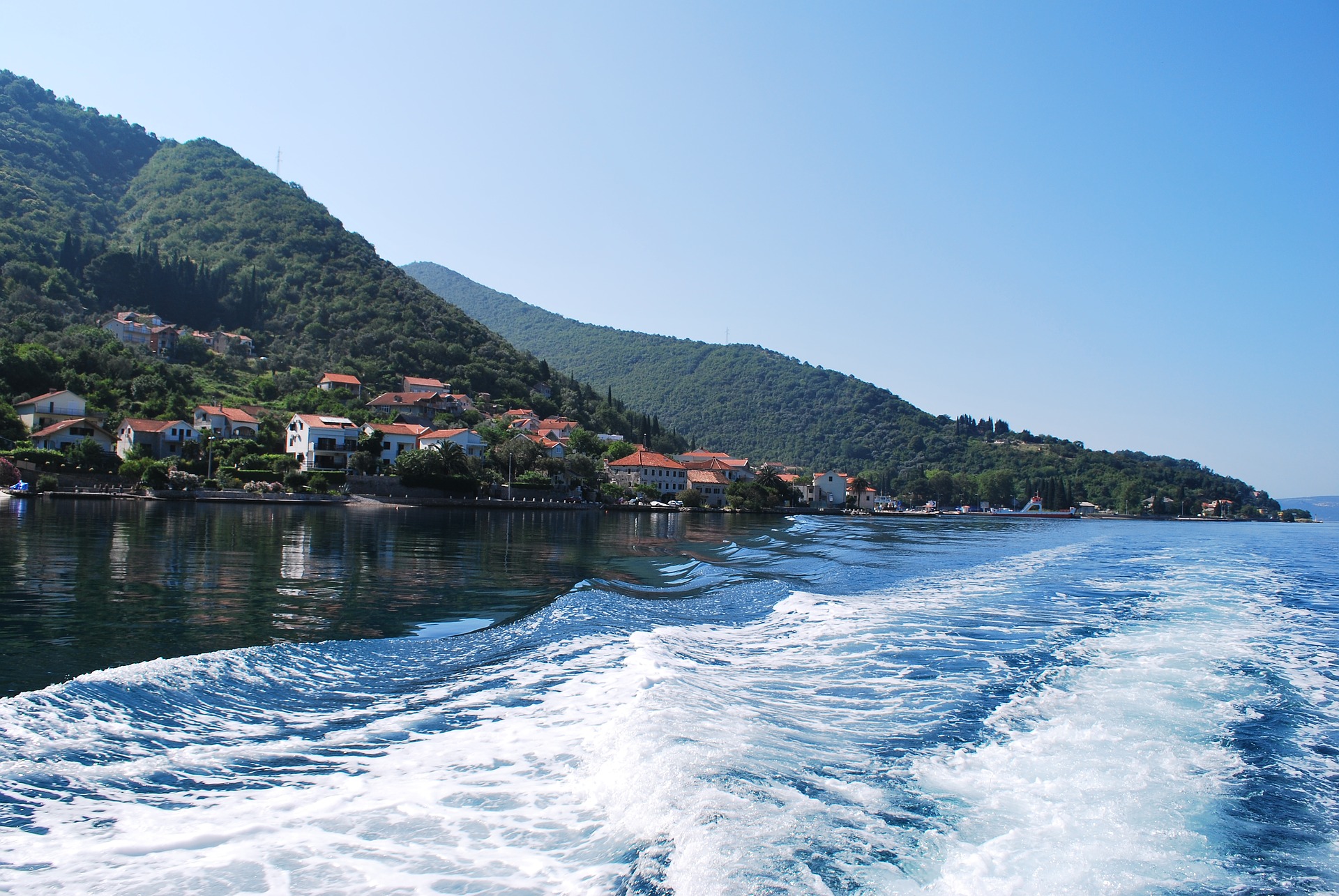
Kotor is a charming coastal town with dramatic sea and mountain scenery. There is a tranquil bay hugged by the limestone cliffs of Lovcen and Orjen. It is a UNESCO World Heritage Site and gives the visitor unforgettable views as well as enthralling history and culture. First conquered by the Greeks in the 4th-7th centuries BCE the town was once a fortified village surrounded by high walls. The town has been under Venetian, Ottoman and Napoleonic rule. Today, visitors can stroll through narrow streets and alleyways and visit the main square, the Plaza of the Arms.
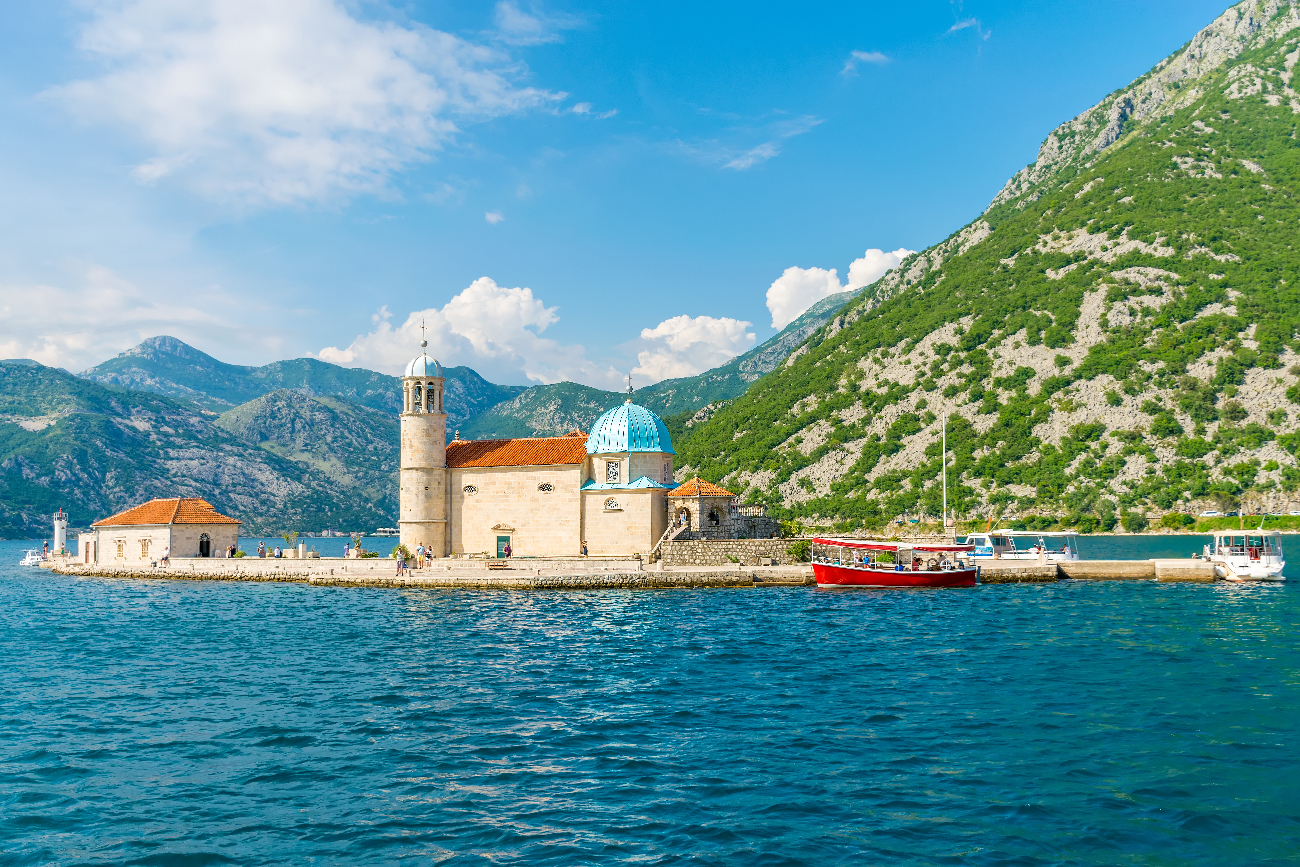
Budva is located on the Adriatic coastline with beautiful sandy beaches. It is an ideal location for sun seekers. For history lovers Budva is home to the ancient old city which has been remarkably well preserved since the Middle Ages. Historical sources date the town back to the 5th century BCE which allows the visitor to see ancient churches and stone buildings. There are cobbled lanes which lead to excellent restaurants, shops and cafes.
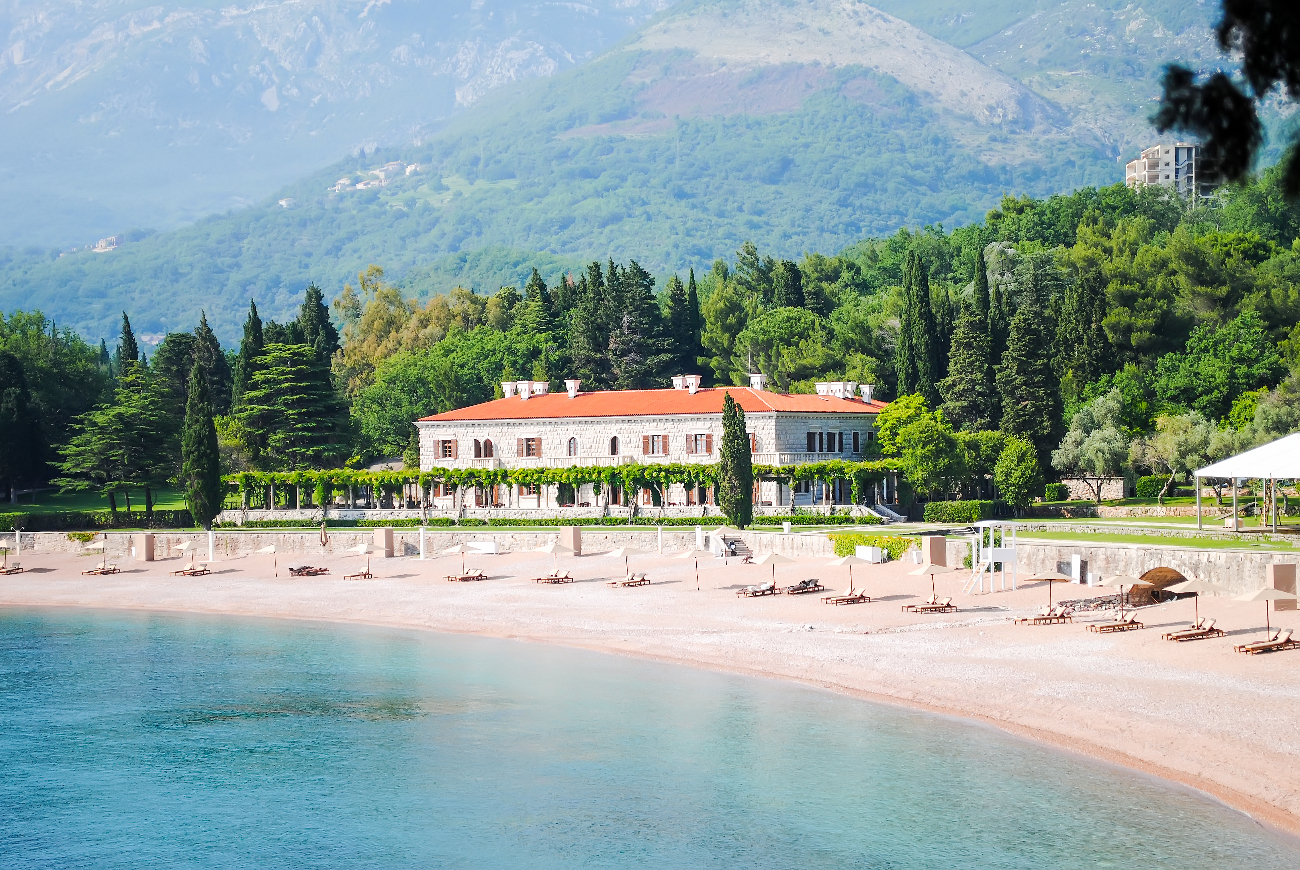
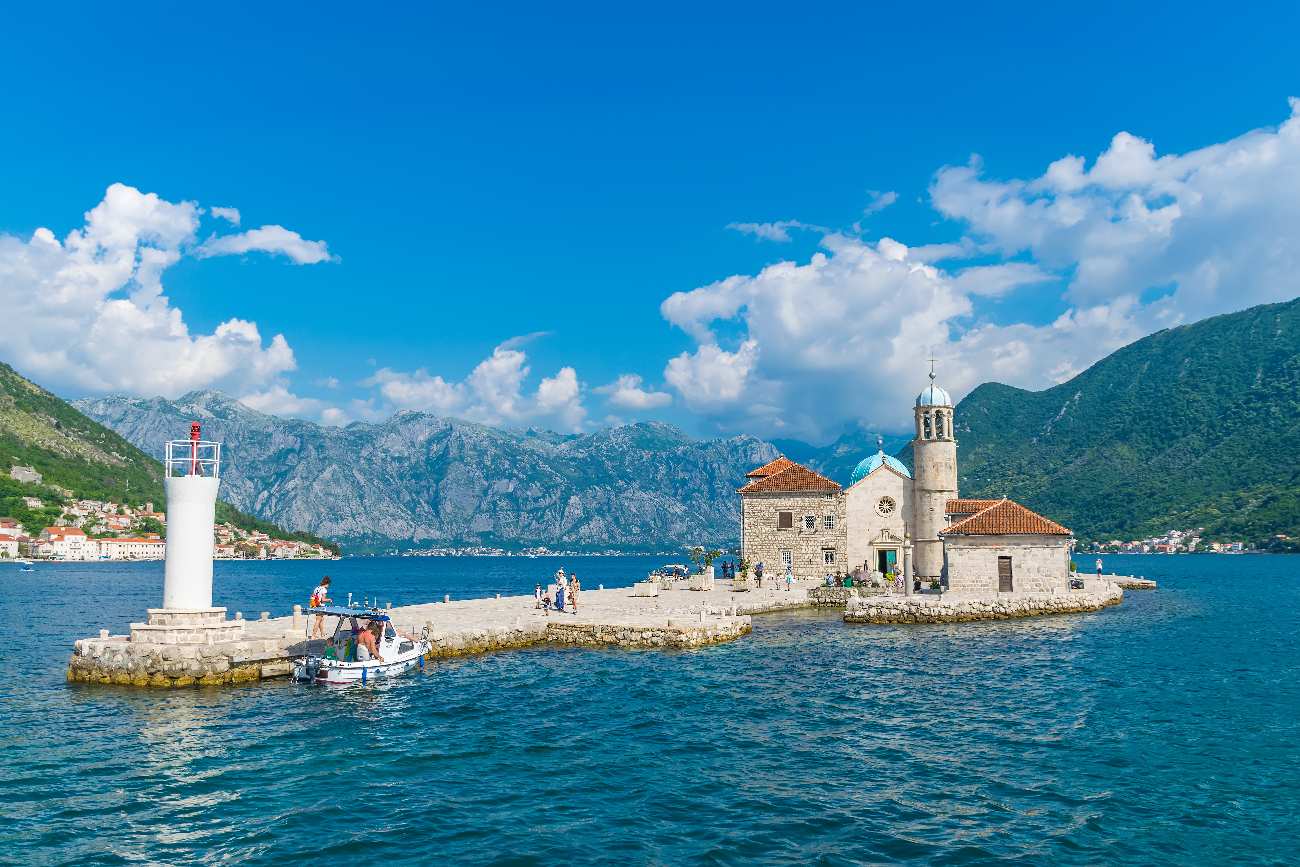
Perast was built in the Baroque style in the 17th and 18th centuries. This handsome stone village is the result of 200 years of Venetian rule. It looks like an historic Italian city. There are ten watchtowers placed strategically and 14 Catholic churches and a number of Baroque Palaces. It sits on the sea surrounded by mountain scenery.
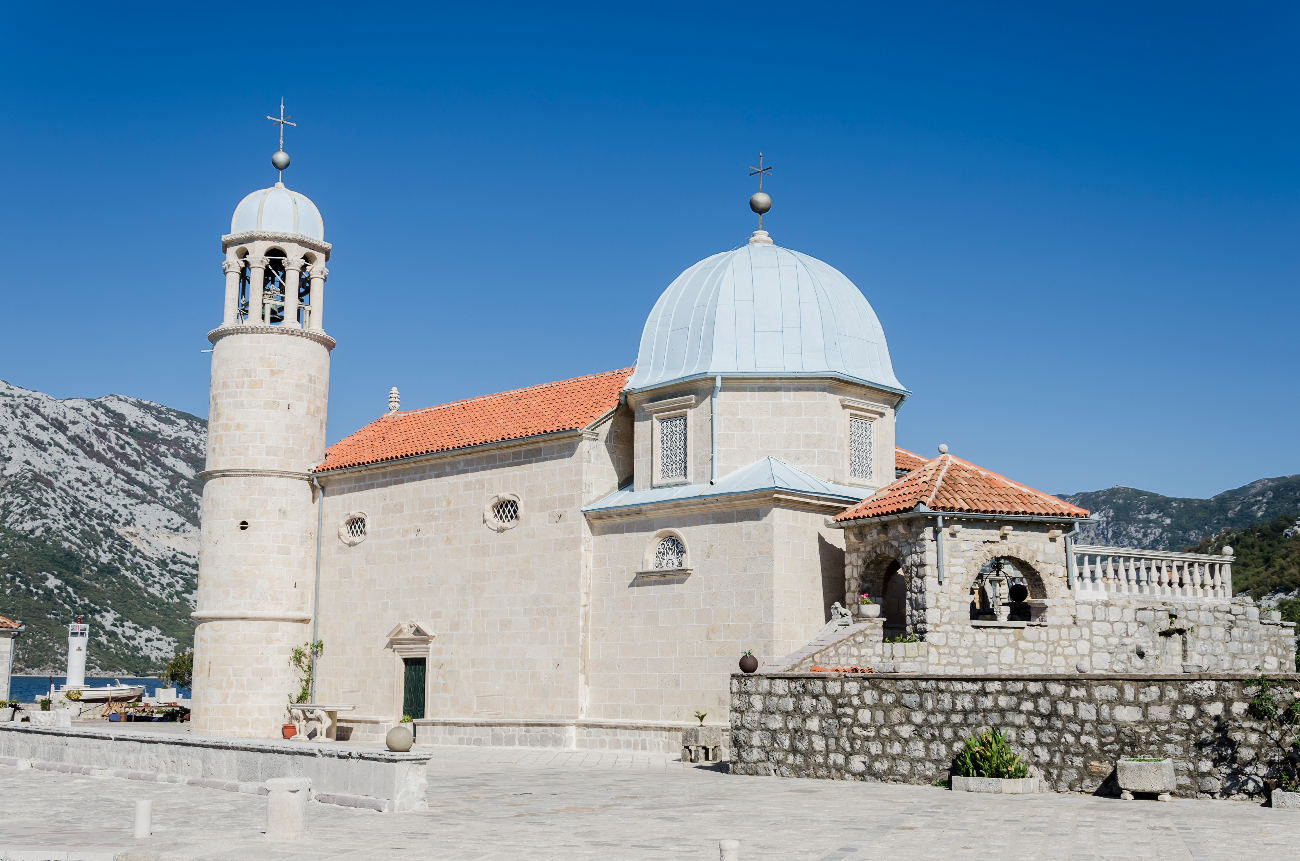
Plav is a town that lies in a peaceful valley at the foot of a mountain range and Lake Plav, a glacial lake. Hikers, climbers and wild campers have a lot to do here. The land has a natural beauty and serenity. The town was named after the Roman emperor Flavius. It is famous for its many watchtowers, monasteries, churches and mosques.
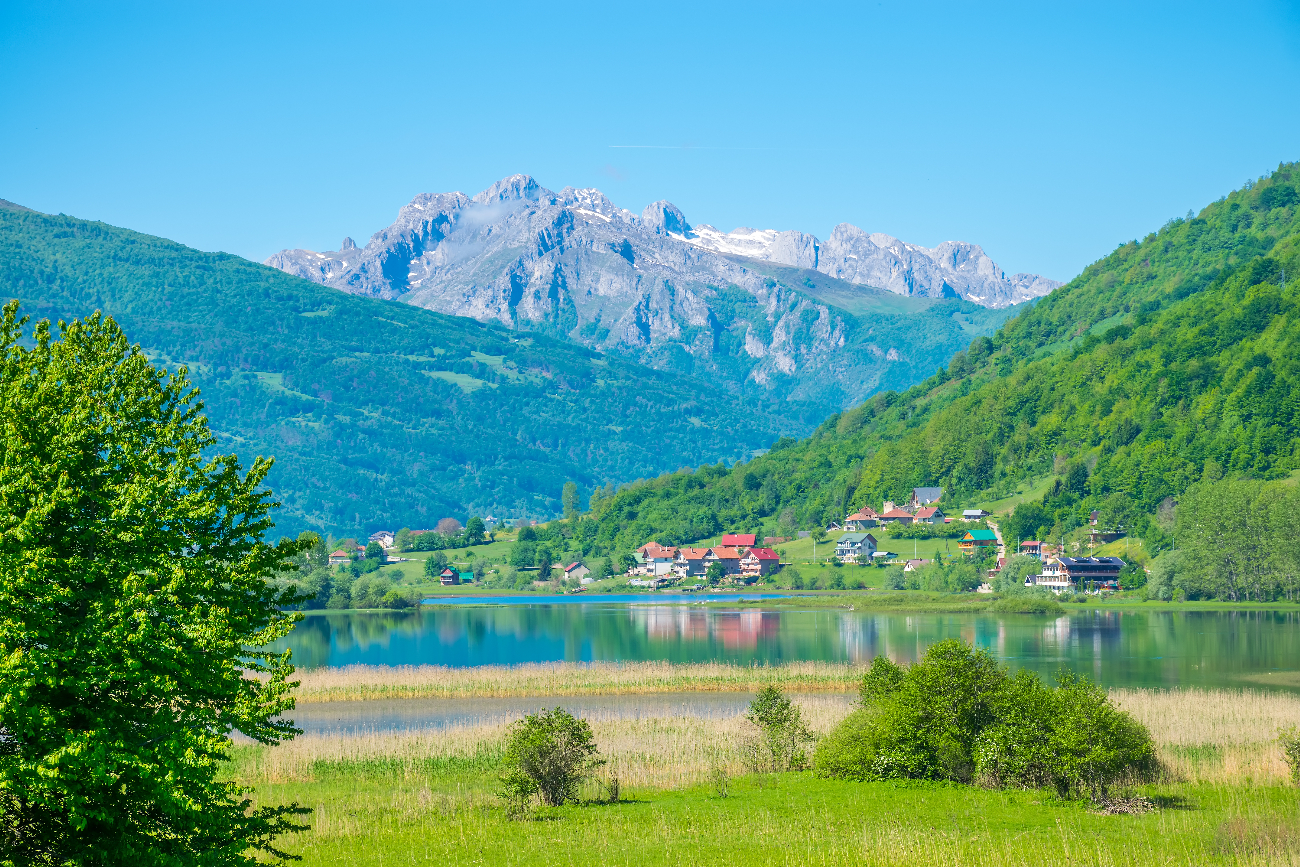
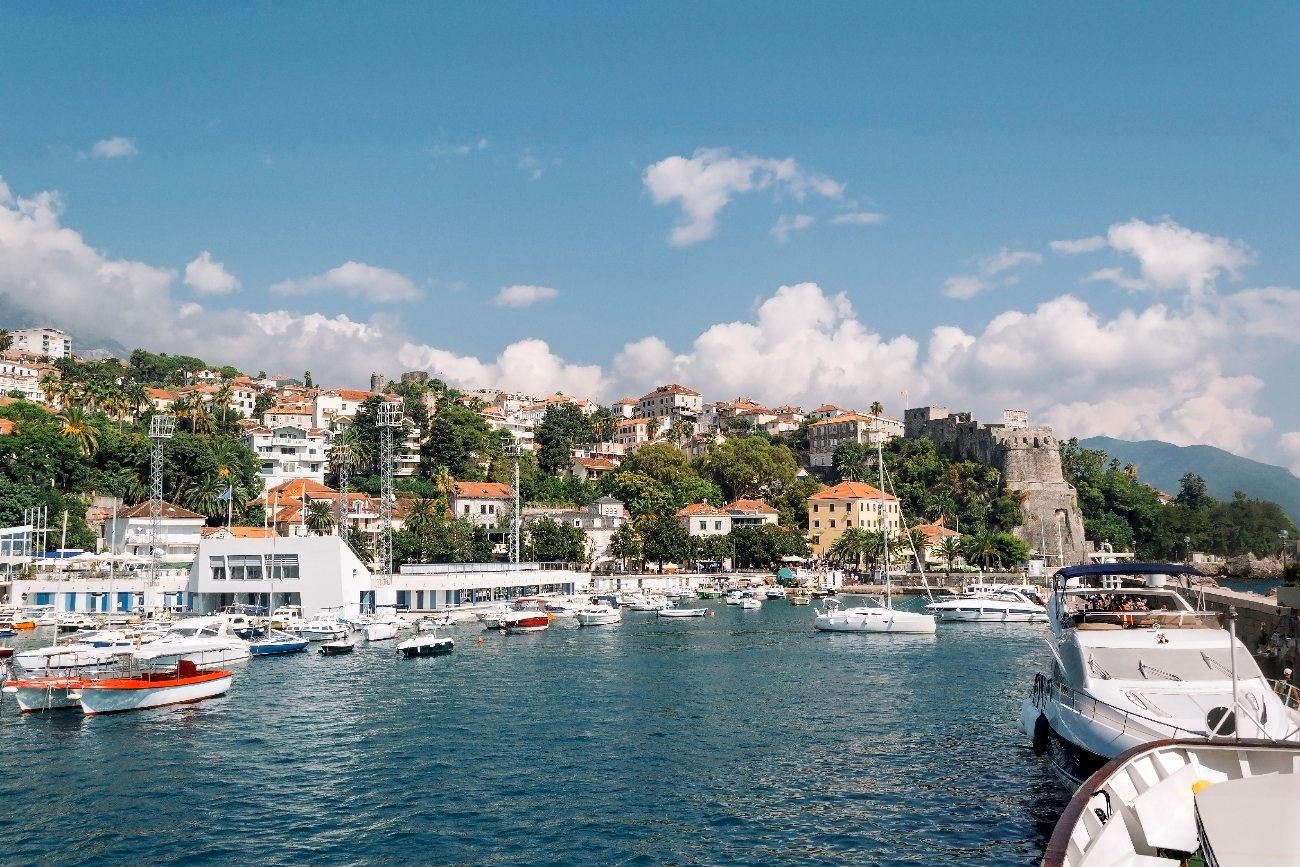
Herceg Novi is at the entrance to the Bay of Kotor. It is a large town popular with yachters and sailors. It has karst wells and visitors can enjoy the once in a lifetime experience of swimming in the Herceg Novi’s Blue Grotto. This grotto is a mountain side cave whose natural light makes the seawater look like a deep, almost luminous blue. Founded in the 14th century by the Bosnian King Tvrtko, it has a riveting past. Herceg Novi has notable buildings including Mamula Fortress and the ancient clock tower. It is also famous for its citadel erected in 1702 which offers a panoramic view of the town and coast.
No Tour Found
No Tour Found