


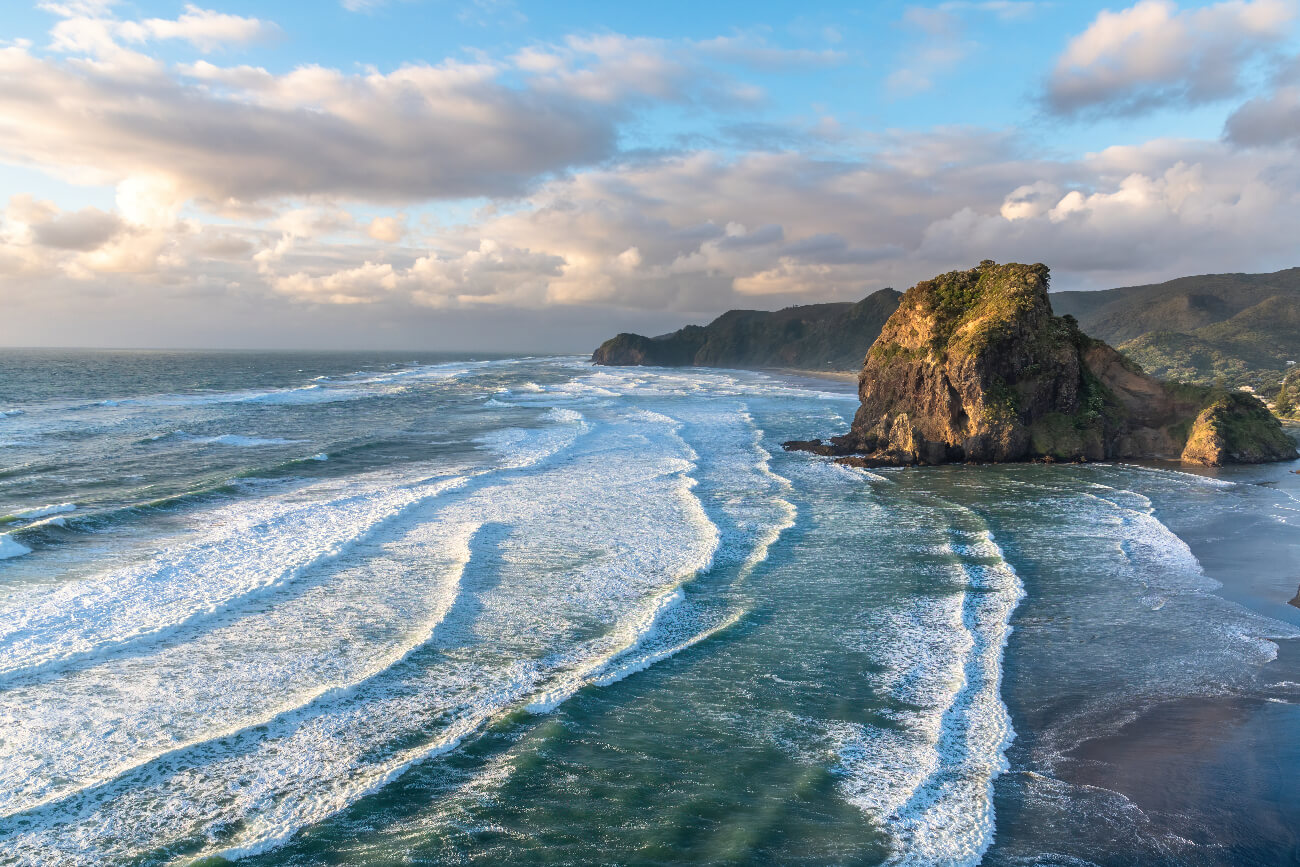
New Zealand is an island country in the southwestern Pacific Ocean. It consists of two main land masses-the North Island (Te Ika-a-Maui) and the South Island (Te Waipounamu) and more than 700 smaller islands with a combined area of 103,500 square miles. New Zealand is 1200 miles east of Australia across the Tasman Sea and 600 miles south of the islands of New Caledonia, Fiji and Tonga. The country’s varied topography is due to tectonic uplift and volcanic activity. New Zealand’s capital is Wellington with a population of almost 200,000 and its most populous city is Auckland with nearly 1.500.000 people. The country has a total population of 5,130,000. Owing to its remoteness, New Zealand was the last large habitable land to be settled by humans. Between 1280 and 1350 AD, Polynesians began to settle the islands and they developed a distinctive Maori culture. In 1642, the Dutch explorer, Abel Tasman, became the first European to visit. In 1840 representatives of the United Kingdom and Maori chiefs signed the Treaty of Waitangi, which declared British sovereignty over the islands. In 1907 it became a dominion and gained full statutory independence in 1947. New Zealand remains in the British Commonwealth with the British Monarch remaining the head of state. The majority of its residents are of European descent and the indigenous Maori are the largest minority. Official languages are English and Maori and NZ sign language and English is the dominant language. 72% of the population is of European descent, 17% Maori and 15% Asian. New Zealand’s culture is mainly derived from Maori and the early British settlers. New Zealand is a highly developed and prosperous western country. It has a unicameral Parliament with executive power vested in a cabinet led by a Prime Minister. The realm of New Zealand also includes Tokelau (a dependent territory), The Cook Islands and Niue (self governing states in free association with New Zealand) and the Ross Dependency, New Zealand’s claim in Antarctica.
The original Maori population was all but wiped out between 1830 and 1862 because of a Taranaki Maori invasion and enslavement beginning in the 1830’s. Warfare killed between 30,000 and 40,000 Maori and it was prolonged because the Europeans had introduced a staple and easily farmed crop, the potato, and the musket which allowed the indigenous population to earn revenue from agriculture, eliminate starvation and access the funds to purchase sophisticated weapons of war. The last full blooded, indigenous Maori died in 1931. Europeans did not revisit the islands until 1769 when the English explorer, James Cook, mapped the entire coastline. New Zealand is located near the “Water Hemisphere” and is composed of two main islands, the South and North Islands which are separated by the Cook Strait, which is 14 miles wide at its most narrow point. New Zealand is long and narrow with a length of almost 1000 miles and a maximum width of 250 miles. The South Island is the largest and is divided along its length by the Southern Alps. The steep mountains and many fjords are from the extreme Ice Age glaciation. The North Island has less glaciation but is marked by the Taupo Volcano Zone which has formed a large volcanic plateau with one of the world’s most active super volcanoes and also has the largest lake in New Zealand. The New Zealand climate varies with location. Part of the country is semi-arid, some subtropical, some very dry and other areas having winter snowfalls. New Zealand is predominantly in the “Temperate Maritime” climate zone with average temperatures ranging from 50 to 60 degrees. Conditions vary widely with semi-arid, subtropical, and snow fall/winter zones. New Zealand lay in geographical isolation for 80 million years which allowed it to have unique, endemic species of animal, plant and fauna life. Forest now covers 23% of the land. Birds were the dominant species in the forests, some are now extinct. There were no land mammals except three species of bats. Unique to the island are birds including kiwi, weka, kakapo and tuatara. Marine mammals are in great abundance including whales, dolphins, porpoises, fur seals and penguins.
English and Maori are official languages, but the predominant language is English. 95% of the population speak English and 4% Maori. The literacy rate is 99% and Christianity is the predominant religion with 37% of the population belonging to a church.
Culture
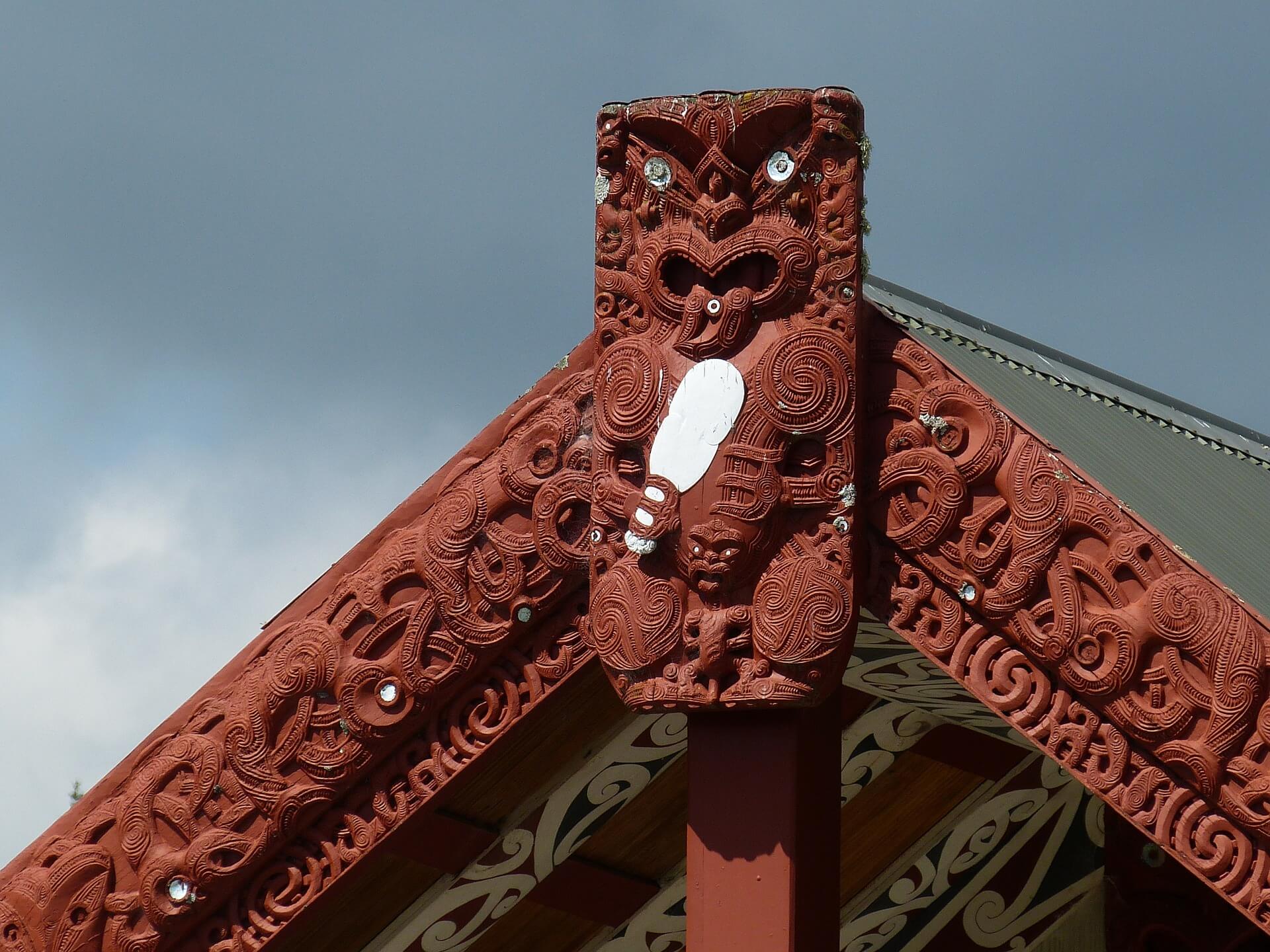
Early Maori adopted the tropically based east Polynesian culture. In line with the challenges associated with a larger and more diverse environment, they eventually developed their own distinctive culture. Social organization was mostly communal with families and tribes ruled by a chief whose position was subject to the community’s approval. The British and Irish immigrants brought their own perspectives and influenced the Maori culture particularly with the introduction of Christianity. Maori still regard allegiance to family and tribe as a major part of their identity. In Maori culture modesty was a key and high achievers received harsh criticism. Maori have been suppressed by British rule but New Zealand’s national symbols are still influenced by natural, historical Maori culture and events. Items of popular culture thought to be unique to New Zealand are called “Kiwiana”. As part of the resurgence of Maori culture, the traditional crafts of carving and weaving are now more widely practiced. Most Maori carvings feature human fingers, generally with three fingers and either a natural looking detailed head or a grotesque head. Maori architecture consisted of carved houses decorated with symbolic carvings and illustrations. These buildings were designed to be constantly rebuilt. The country’s isolation delayed the influence of European artistic trends and allowed local artists to develop their own distinctive styles. Maori cloaks are made of fine flax fiber and patterned with black, red and white triangles. Greenstone was fashioned into earrings and necklaces.
Cuisine
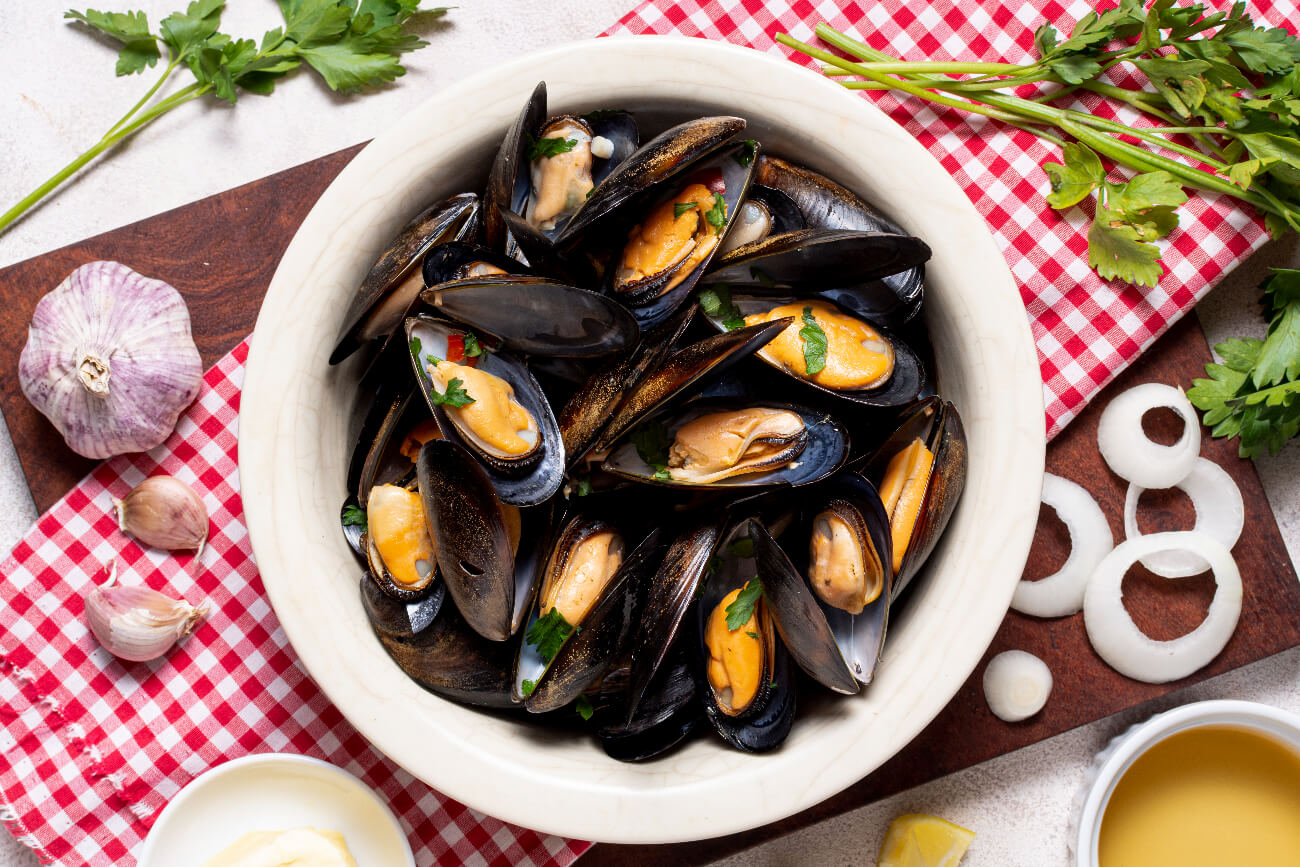
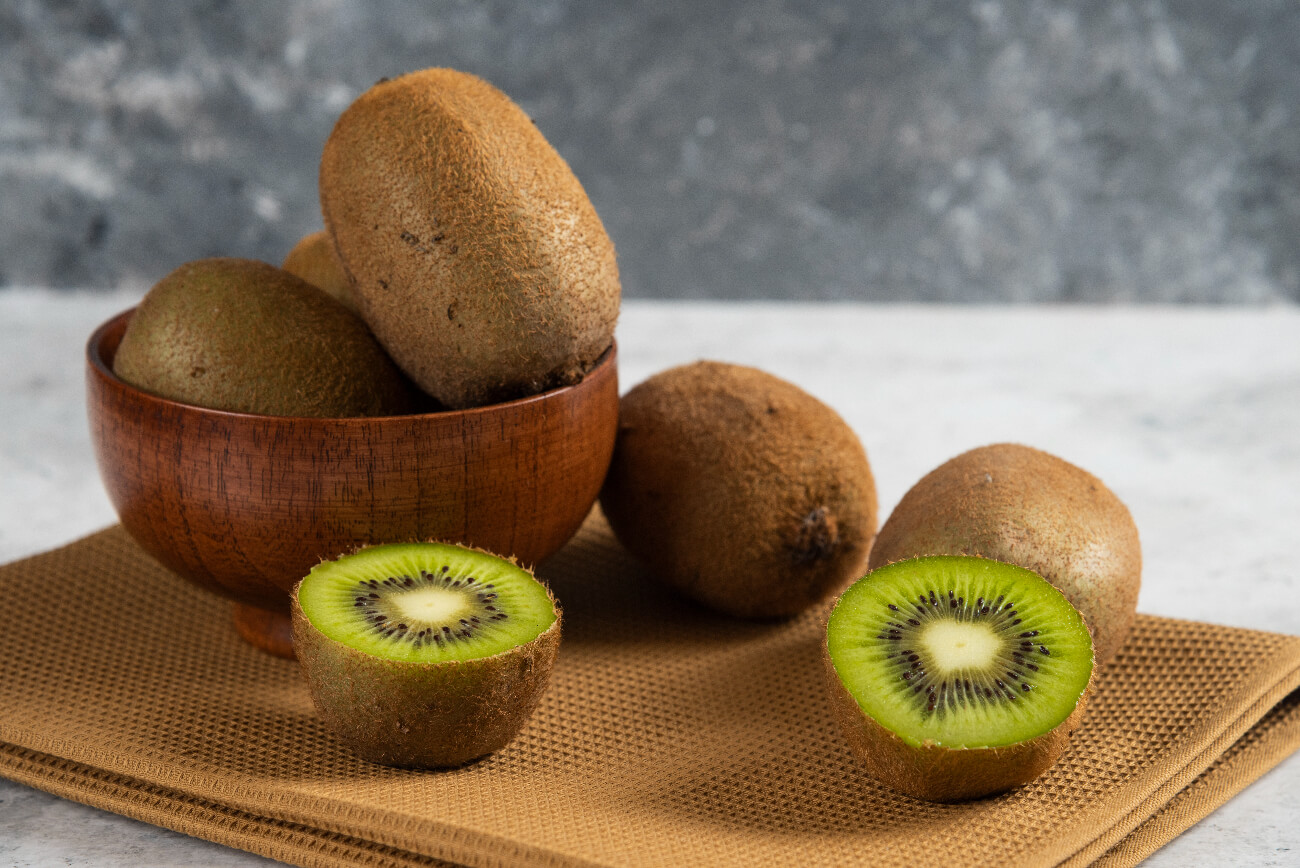
The national cuisine has been described as Pacific Rim, incorporating Maori cuisine and diverse culinary traditions introduced by settlers and immigrants from Europe, Polynesia and Asia. Distinctive ingredients and dishes include lamb, salmon, crayfish, oysters, mussels and various types of shellfish. Kumara (sweet potato), kiwi fruit, tamarillo and pavlova are considered a national dessert. A hangi is a traditional Maori cooking method using heated rocks buried in a pit oven.
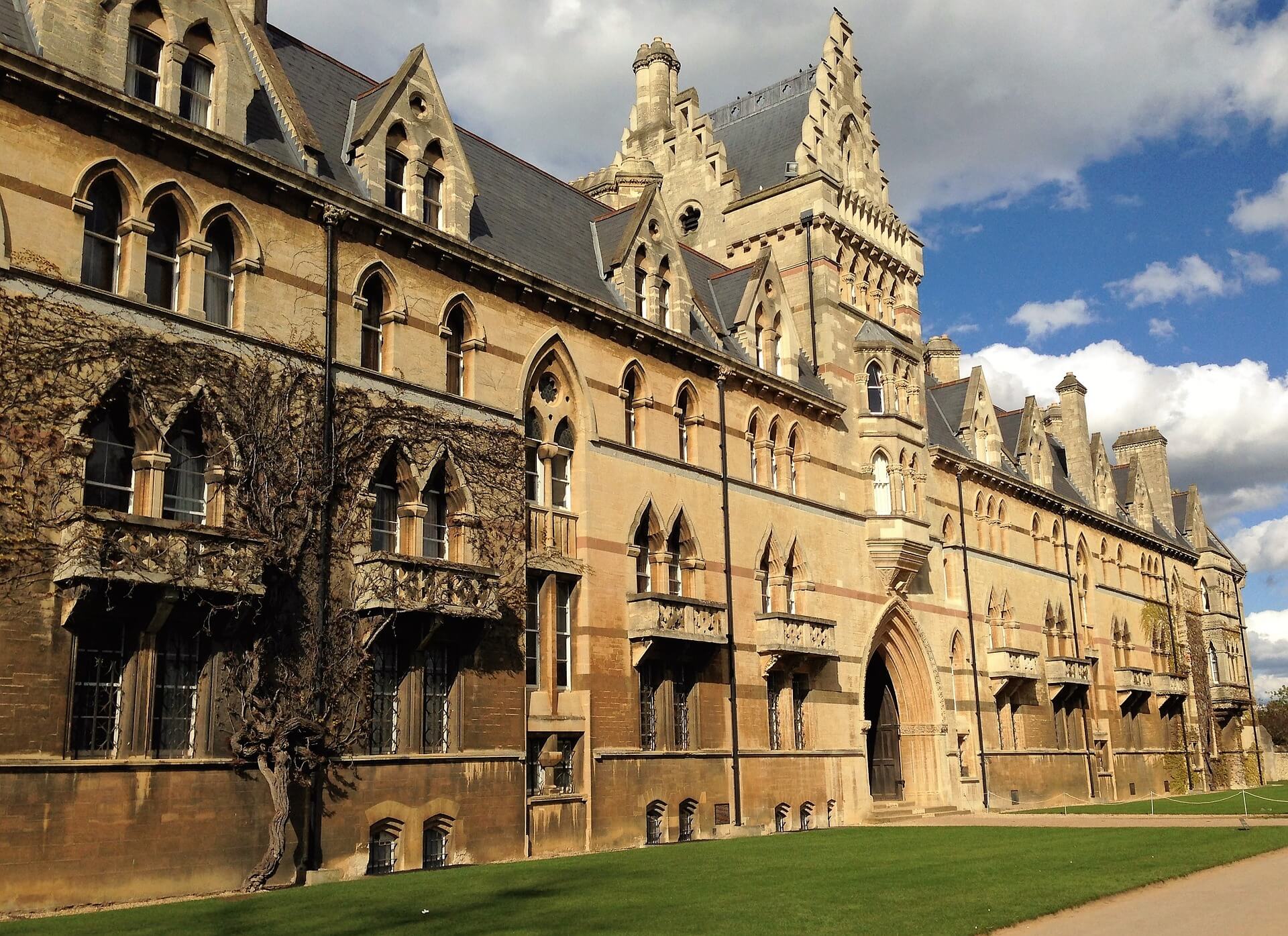
Tourist Attractions-Places to Go and Things to Do and See
From wildlife to wineries, glacial valleys, South Island offers adventure. It is sparsely populated.
Milford Sound is a dramatic fiord perfect for kayaking and boating.
The Southern Alps are the main feature of South Island dividing it from north to south with different climates on each side.
Beautiful Beaches include Nelson, Golden Bay and Abel Tasman National Park.
Mount Aspiring National Park with its Beech forests
Christchurch is a vibrant urban center with startling street art and a thriving culinary destination.
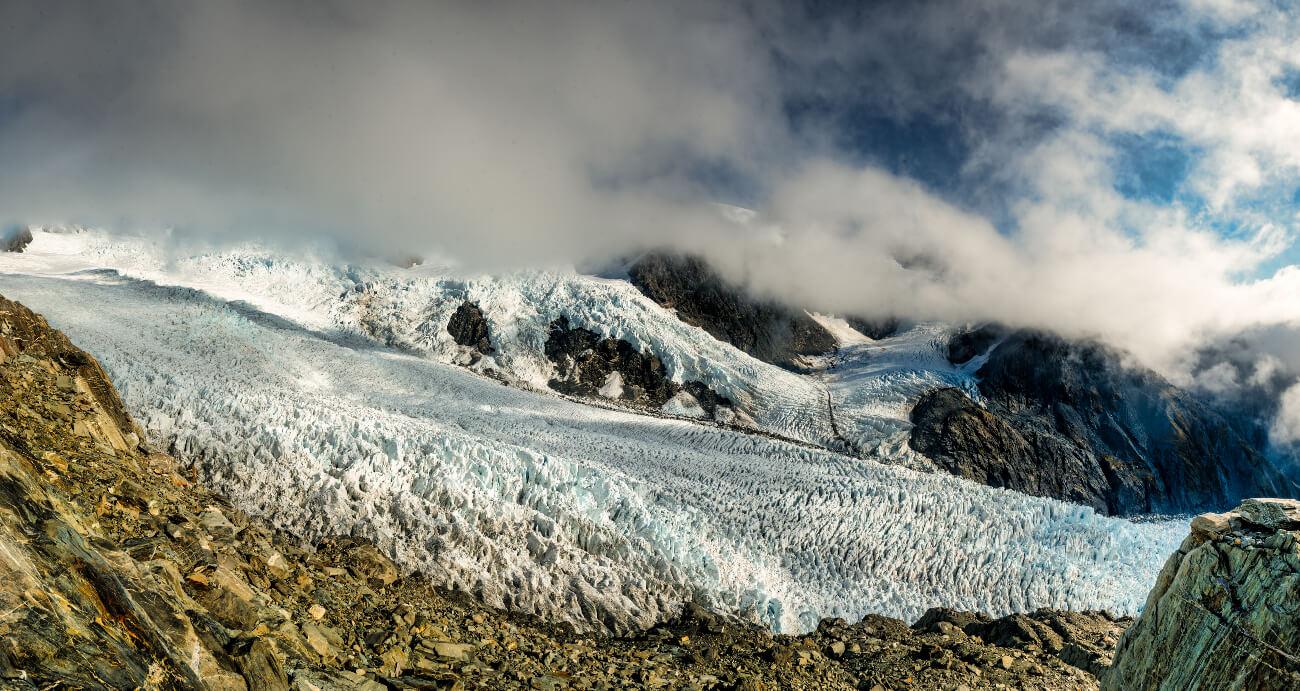
Fox and Franz Josef Glaciers
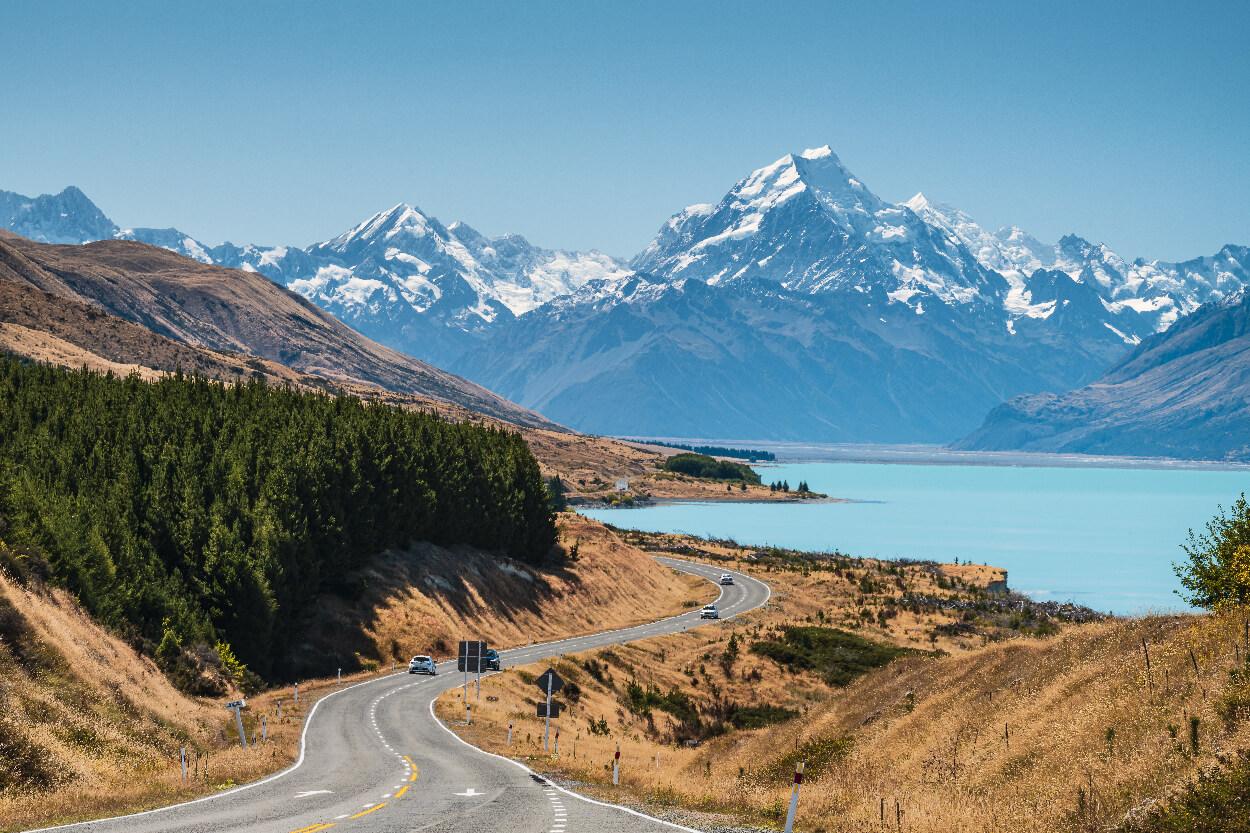
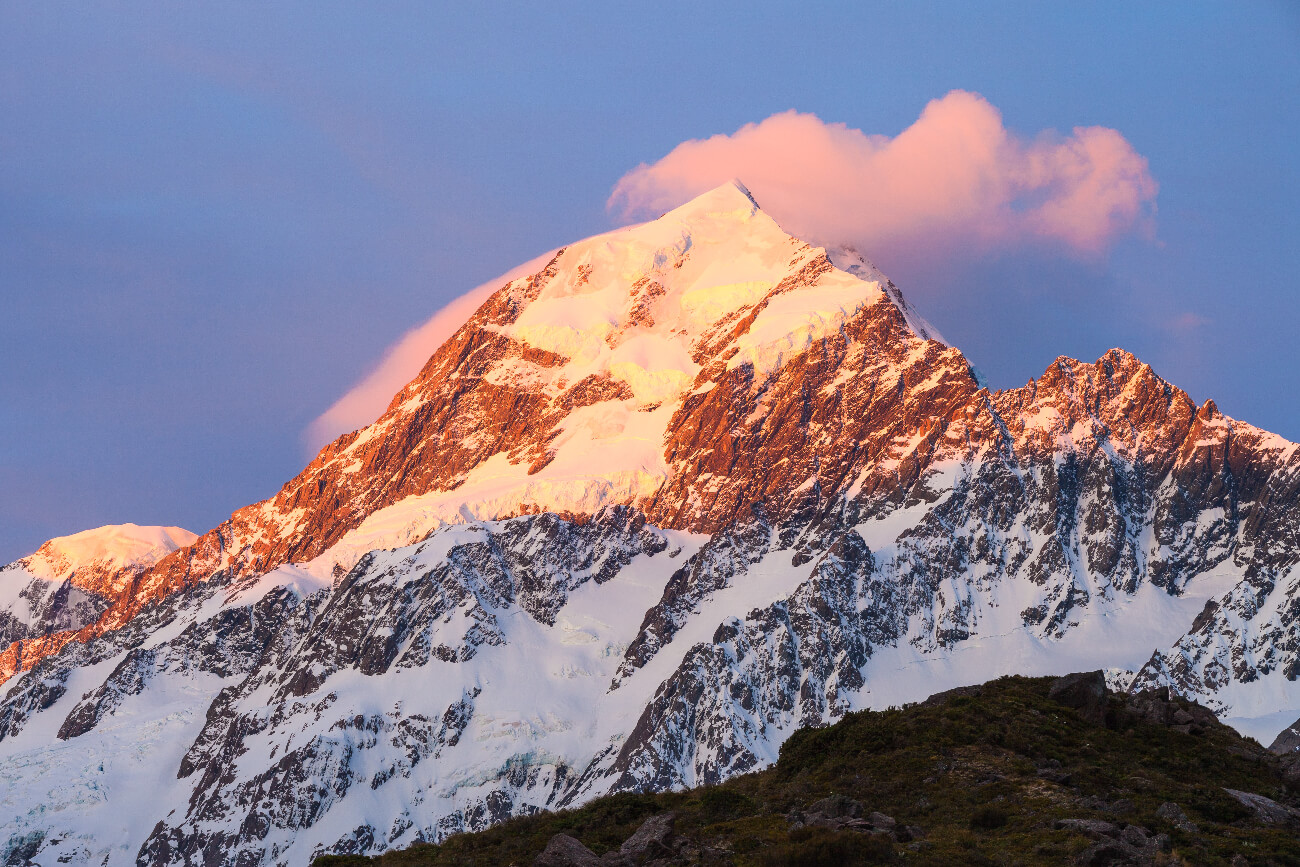
Aoraki/Mount Cook National Park see the tall peak of Mount Cook across the icy blue waters of Lake Pukaki and walk the Hooker Valley Track.
Cities and Towns on South Island:
Nelson with 60,000 people has the World of Wearable Art and the Classic Cars Museums.
Blenheim with 30,000 citizens has many wineries and a sunny climate with hot dry summers.
Christchurch has a 380,000 population and is known as ‘The Garden City”
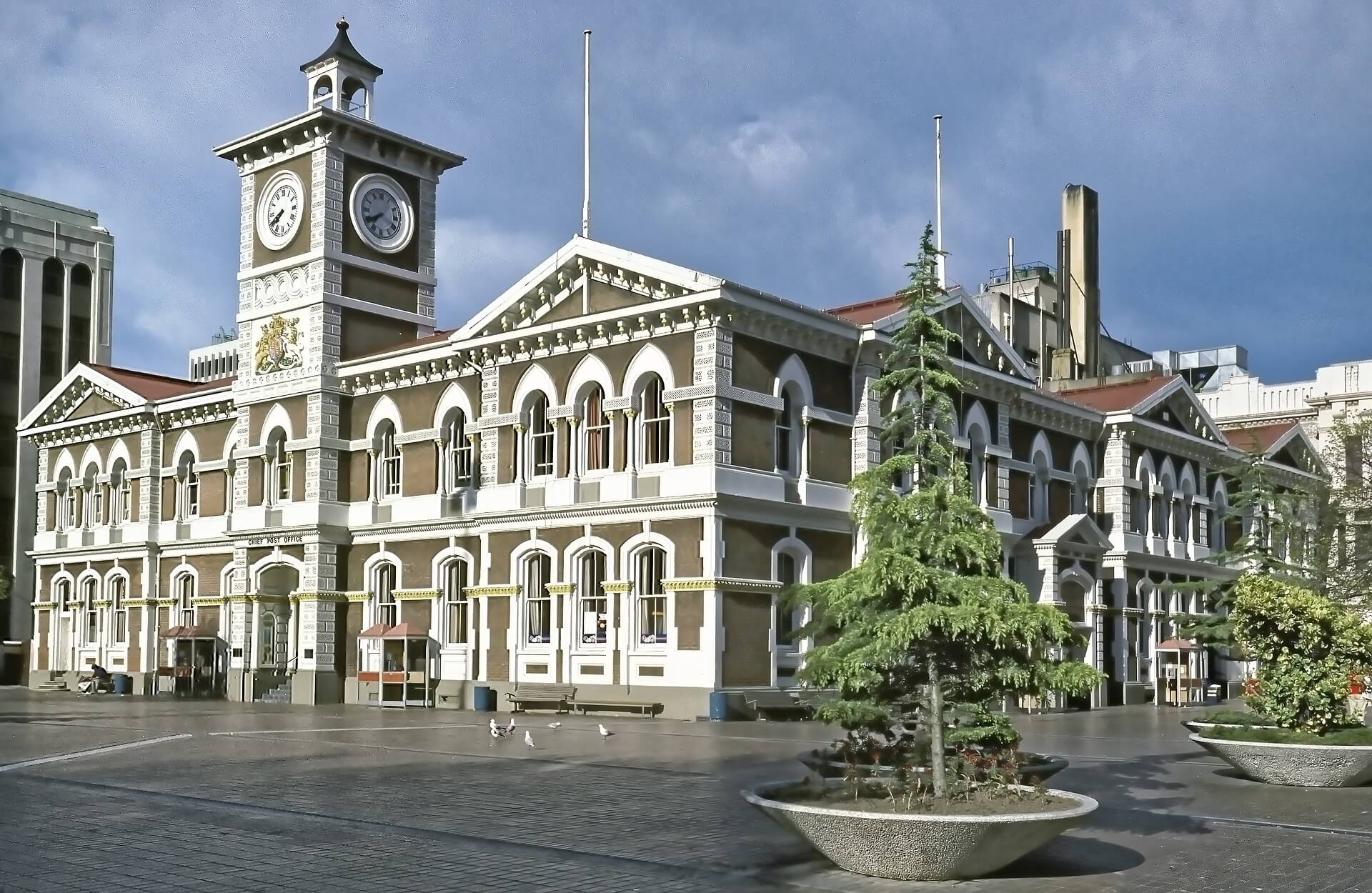
Tourist Attractions – Places to Go and Things to Do and See:
The Abel Tasman National Park
Star Gazing at Mount Cook
Milford Sound
Arthur’s Pass
Omarama Clay Cliffs
Cathedral Caves
Swimming with Dolphins
Penguins on the southeast coast
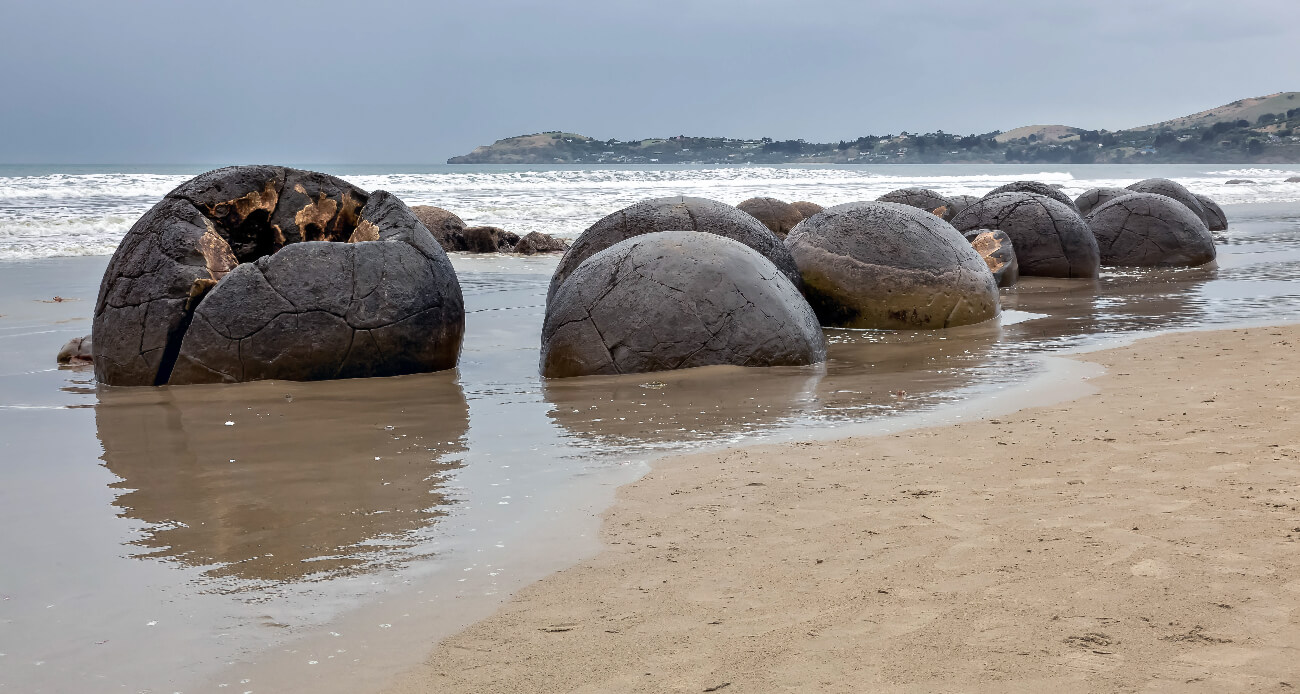
Moeraki Boulders
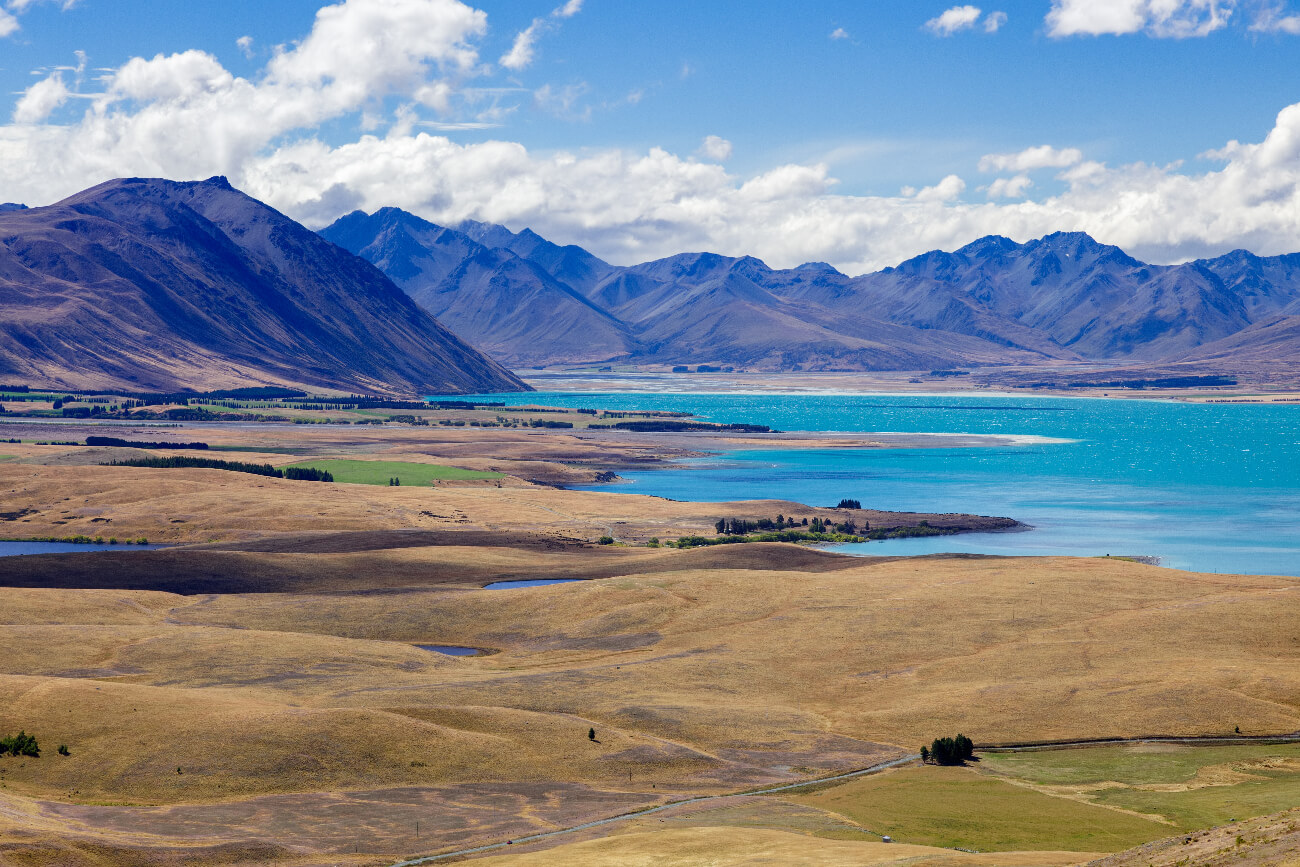
Lake Tekapo
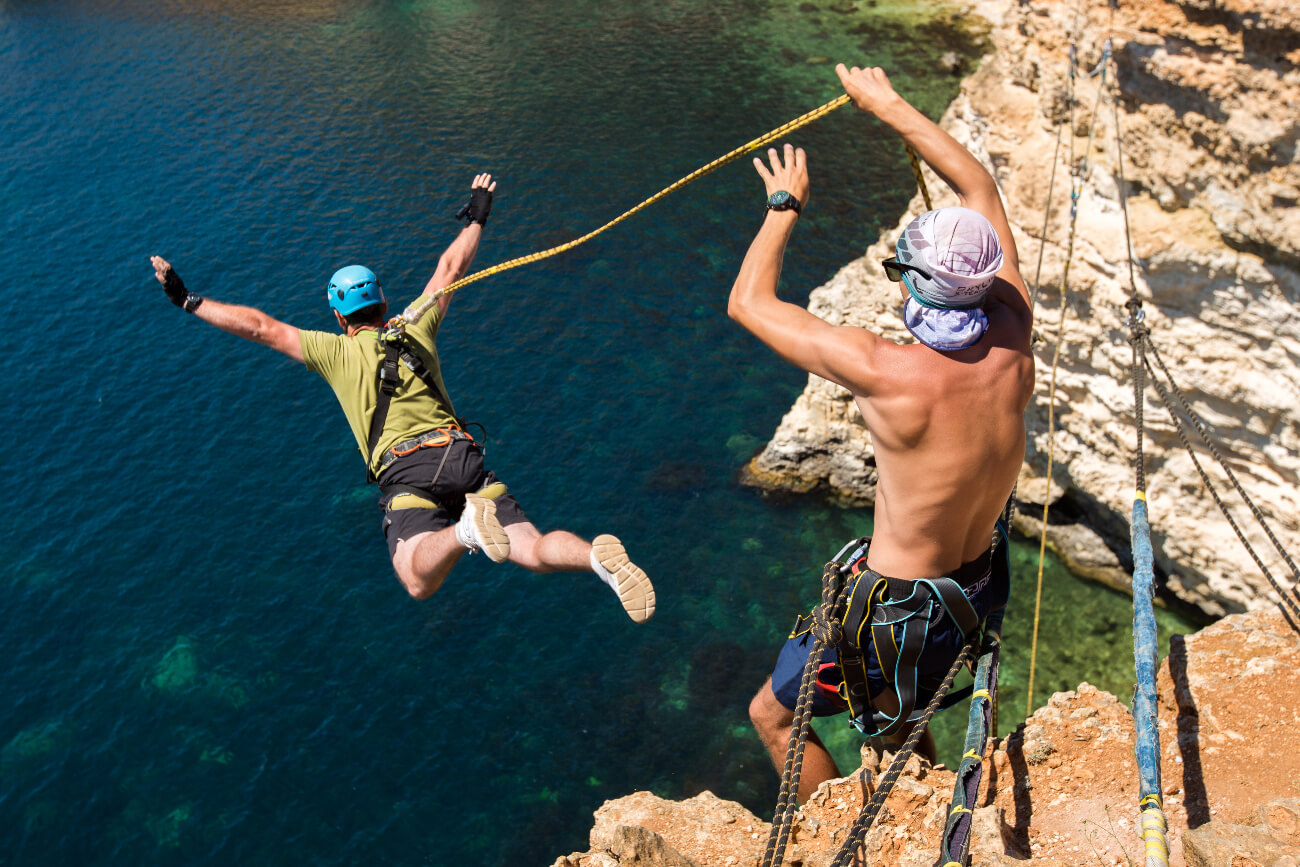
Bungy Jumping
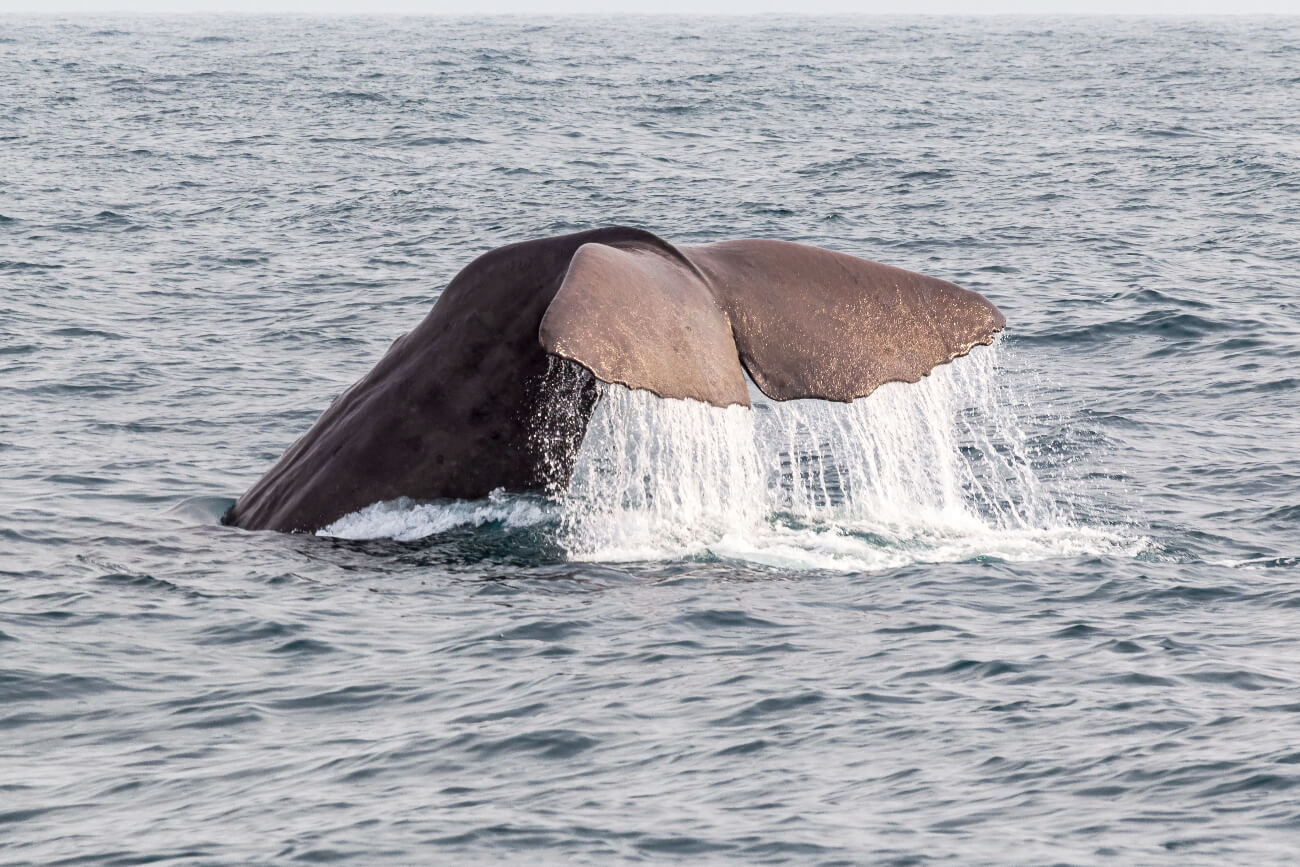
Kaikoura Whale Watching
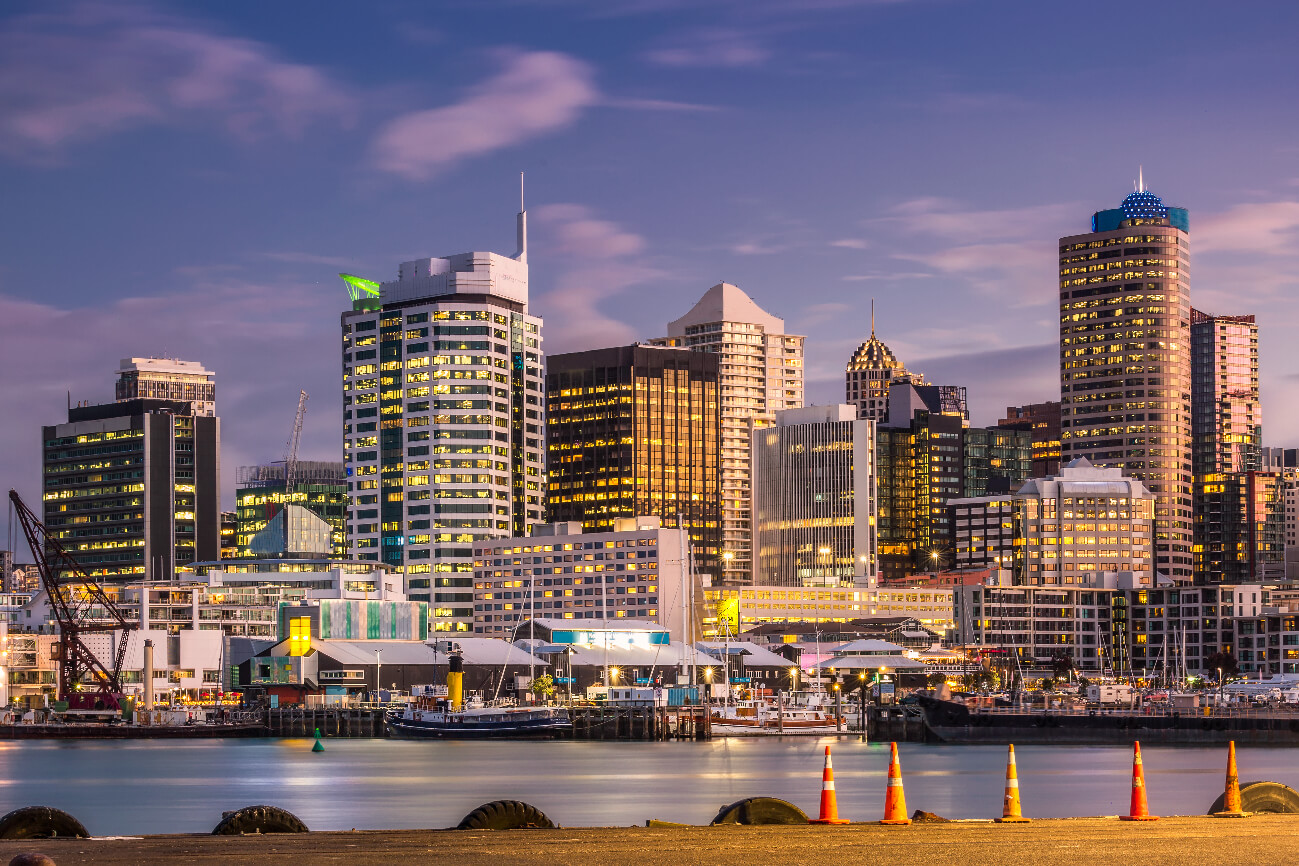
Cities on the North Island
Auckland has 1,400,000 residents and is the largest city in New Zealand. It is built around two large harbors and has many world famous attractions including the Sky Tower. It has a warm and temperate climate.
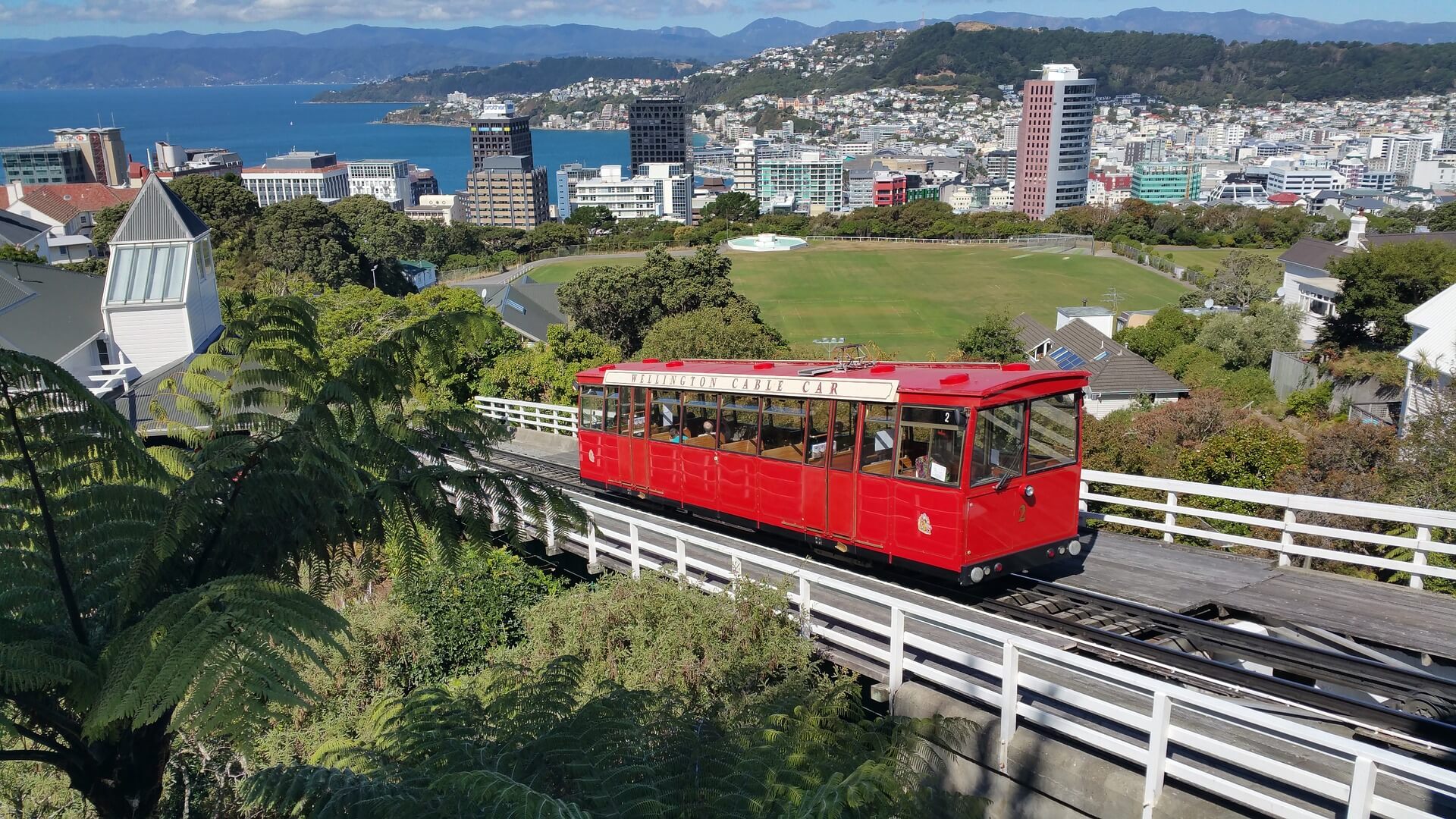
Wellington is the capital of New Zealand and has 190,000 residents and is home to the government of New Zealand and most foreign diplomatic offices. It is also home to Papa, the interactive Museum of New Zealand and the New Zealand Symphony Orchestra.
Hamilton with 145,00 people lies on the bank of the Waikato River and nearby has a vast underground network of caves and caverns.
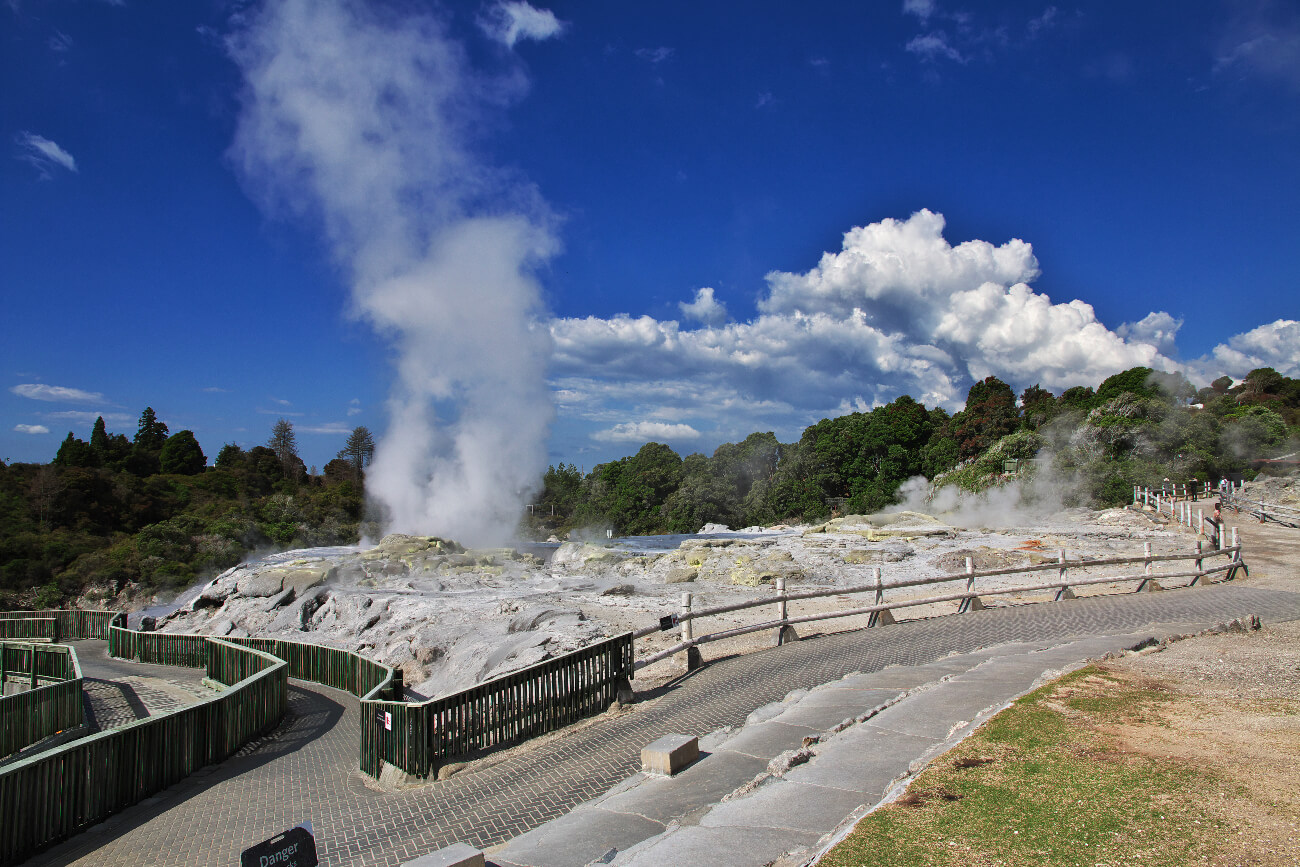
Rotorua with a population of 65,000 lies in the heart of a geothermal wonderland, with bubbly mud pools and spouting geysers.
Palmerston North with 80,000 inhabitants is rich with arts and theatre and the city has many restored heritage buildings.
No Tour Found
No Tour Found