


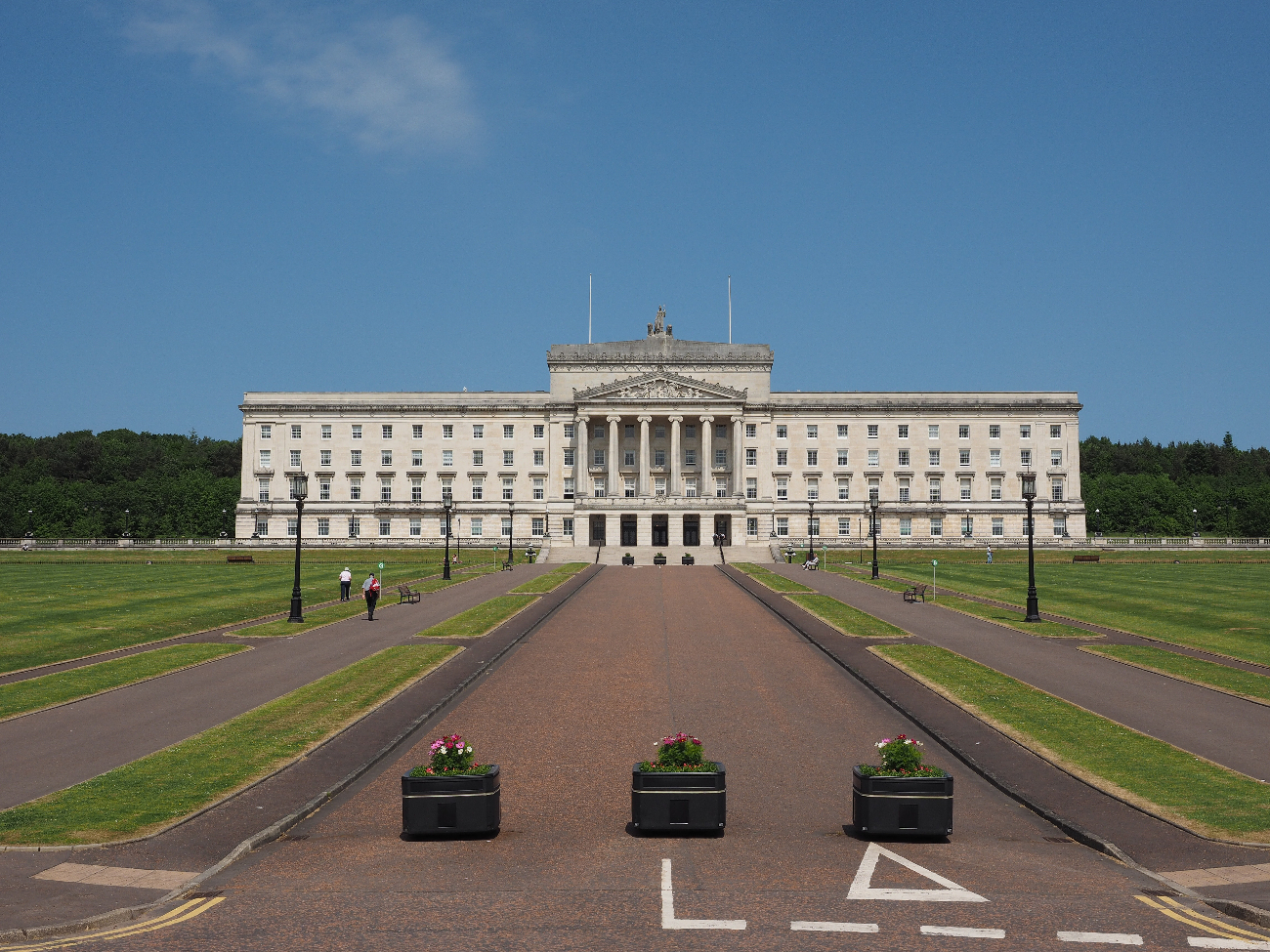
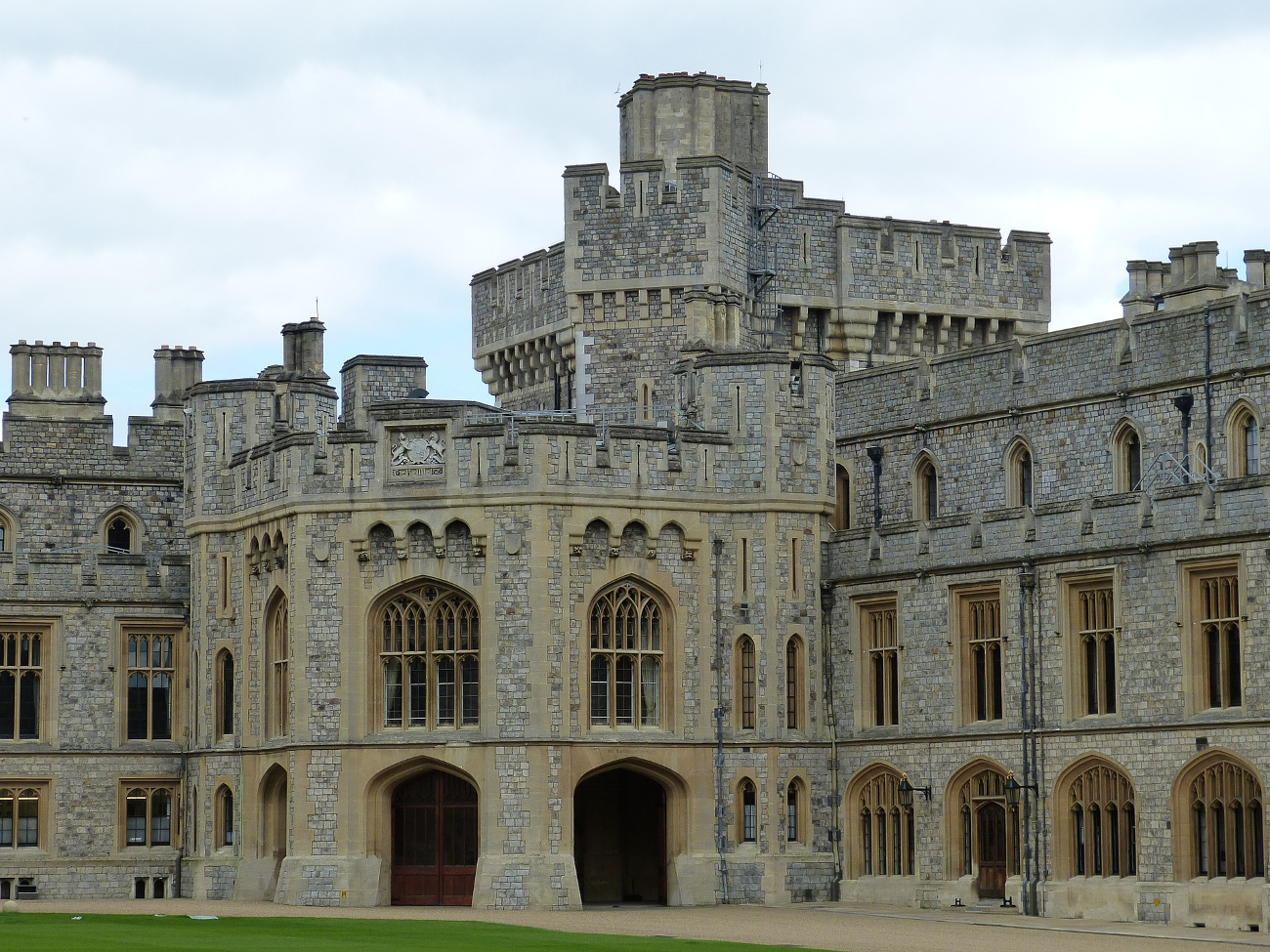
Northern Ireland is a part of the United Kingdom that is variously described as a country, province, territory or region. Located in the northeast of the island of Ireland, Northern Ireland shares a border to the south and west with the Republic of Ireland. Its population is 1.9 million constituting about 30% of the island’s population and about 3% of the United Kingdom’s population. The Northern Ireland Assembly established by the Northern Ireland Act of 1998, holds responsibility for a range of devolved policy matters, while other areas are reserved for the British government. Northern Ireland co-operates with the Republic of Ireland in several areas. Northern Ireland was created in 1921 when Ireland was partitioned by the Government of Ireland Act, creating a devolved government for the six northeastern counties. The majority of Northern Ireland’s population were unionists, who wanted to remain within the United Kingdom. They were generally the Protestant descendants of colonists from Great Britain. Meanwhile, the majority in Southern Ireland (which became the Irish Free State in 1922) and a significant minority in Northern Ireland were Irish nationalists and Catholics who wanted a united independent Ireland. Today, the former generally see themselves as British and the latter generally see themselves as Irish, while a Northern Irish or Ulster identity is claimed by a large minority from all backgrounds. The creation of Northern Island was accompanied by violence both in defense of and against partition. During 1920-22, the capital Belfast saw major communal violence, mainly between Protestant unionists and Catholic nationalist civilians. In the following decades, Northern Ireland had an unbroken series of conflicts until the 1998 peace agreement.
The region that is now Northern Ireland was long inhabited by native Gaels who were Irish-speaking and Catholic. It was made up of several Gaelic kingdoms and territories, and was part of the province of Ulster. During the16th century English conquest of Ireland, Ulster was the province most resistant to English control. In the Nine Years War (1594-1603) an alliance of Ulster Irish lords fought against the British government in Ireland. Following Irish defeat at the Siege of Kinsale, many of these lords fled to mainland Europe in 1607. Their lands were confiscated by the Crown and colonized with English speaking Protestant settlers from Britain, in the Plantation of Ulster. This led to the founding of many of Ulster’s towns and created a lasting Ulster Protestant community with ties to Britain. The Irish Rebellion of 1641 began in Ulster. The rebels wanted an end to anti-Catholic discrimination, greater Irish self-governance, and to roll back the Plantation. It developed into ethnic conflict between Irish Catholics and British Protestant settlers and became part of the wider Wars of the Three Kingdoms (1639-1653) which ended with the English Parliament conquest. Further Protestant victories in the Williamite-Jacobite War (1688-1691) solidified Anglican Protestant rule in the Kingdom of Ireland. Many more Scots Protestants migrated to Ulster during the Scottish famine of the 1690’s. Continued religious strife led to the founding of the Protestant Orange Order in the late 1700’s. The Irish Rebellion of 1798 was led by United Irishmen, a cross–community Irish Republican group founded by Belfast Presbyterians, which sought Irish independence. Following this, the United Kingdom sought to force the merger of the two kingdoms to quell discriminatory practices and avoid the politics of the French Revolution. In 1801, The United Kingdom of Great Britain and Ireland was formed and was governed from London. In the19th century additional laws were passed known as the Catholic emancipation that continue to remove discrimination against Catholics and progressive programs allowed tenant farmers to buy land from the landlords. By the late 19th century; a group of Irish MP’s started to campaign for Irish home rule. In response, Irish Unionists vowed to resist any independence by Ireland and during and after World War I most Irish nationalists now wanted full independence rather than home rule. In 1918, the Irish pro-independence Sinn-Fein Party won the Irish general election, boycotted the English parliament and founded its own Irish parliament. In1920, the British parliament passed a law that went into effect in May 1921 that separated Ireland into an independent Irish state and six provinces in Ulster that would have self rule but be part of the United Kingdom.
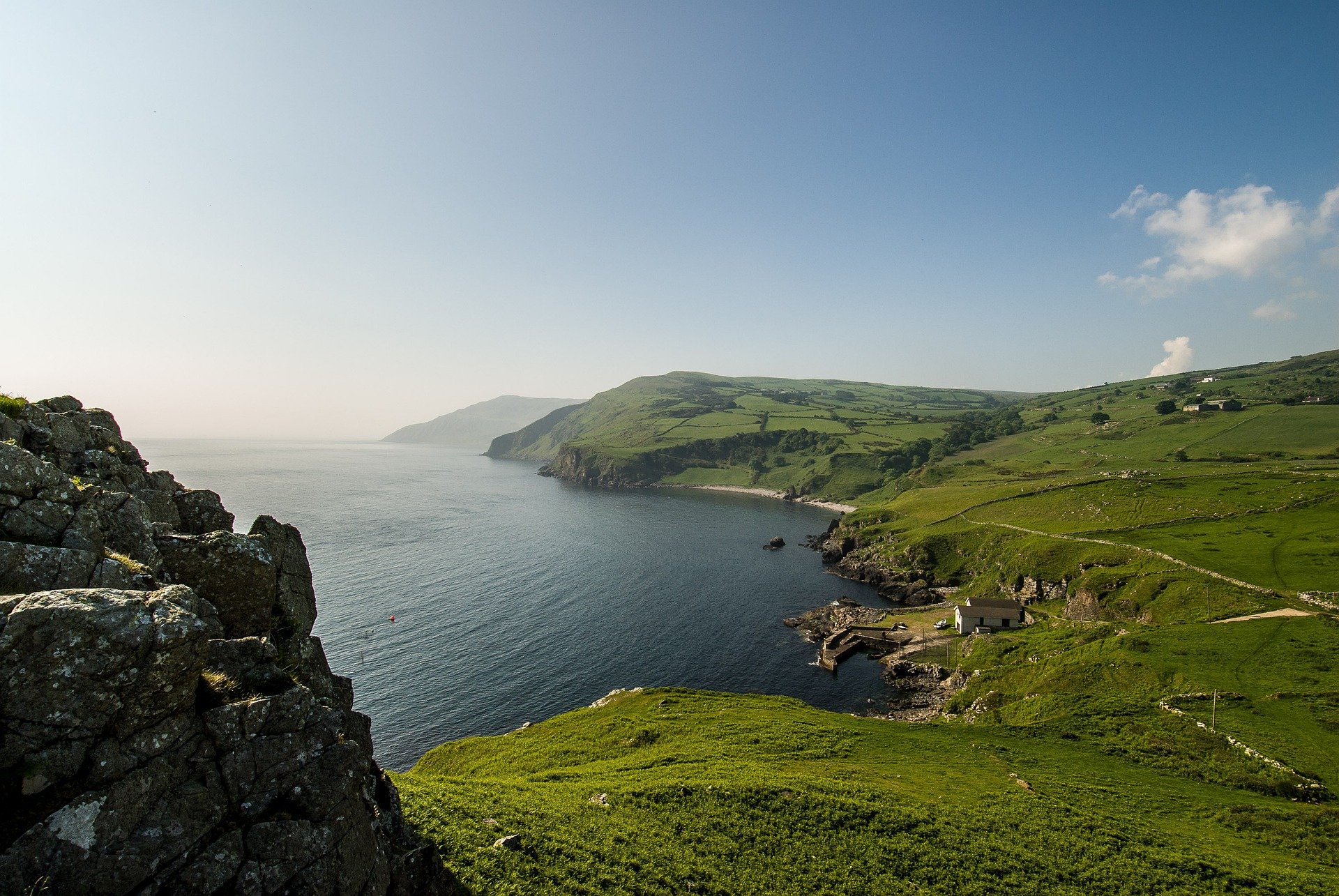
Northern Ireland was covered by an ice sheet in the last ice age which created extensive coverage of drumlins in Counties Fermanagh, Armagh, Antrim and Down. The centerpiece of Northern Ireland’s geography is Lough Neagh, at 151 square miles it is the largest freshwater lake in both the island of Ireland and in the British Isles. A second extensive lake system is centered on Lower and Upper Lough Erne in Fermanagh. The largest island of Northern Ireland is Rathlin, off the north Antrim coast. There are substantial uplands in the Sperrin Mountains with extensive gold deposits, granite and basalt. Volcanic activity created the Antrim Plateau. The Lower and Upper River Bann form extensive fertile lowlands, with excellent arable land also found in the North and East Down. The vast majority of Northern Ireland has a temperate maritime climate rather wetter in the west than the east, although cloud cover is very common across the region. The weather is unpredictable at all times of the year, although the seasons are distinct, they are considerably less pronounced than interior Europe or the eastern seaboard of the United States. Average daytime temperatures in Belfast are 44 degrees in January and 64 degrees in July.
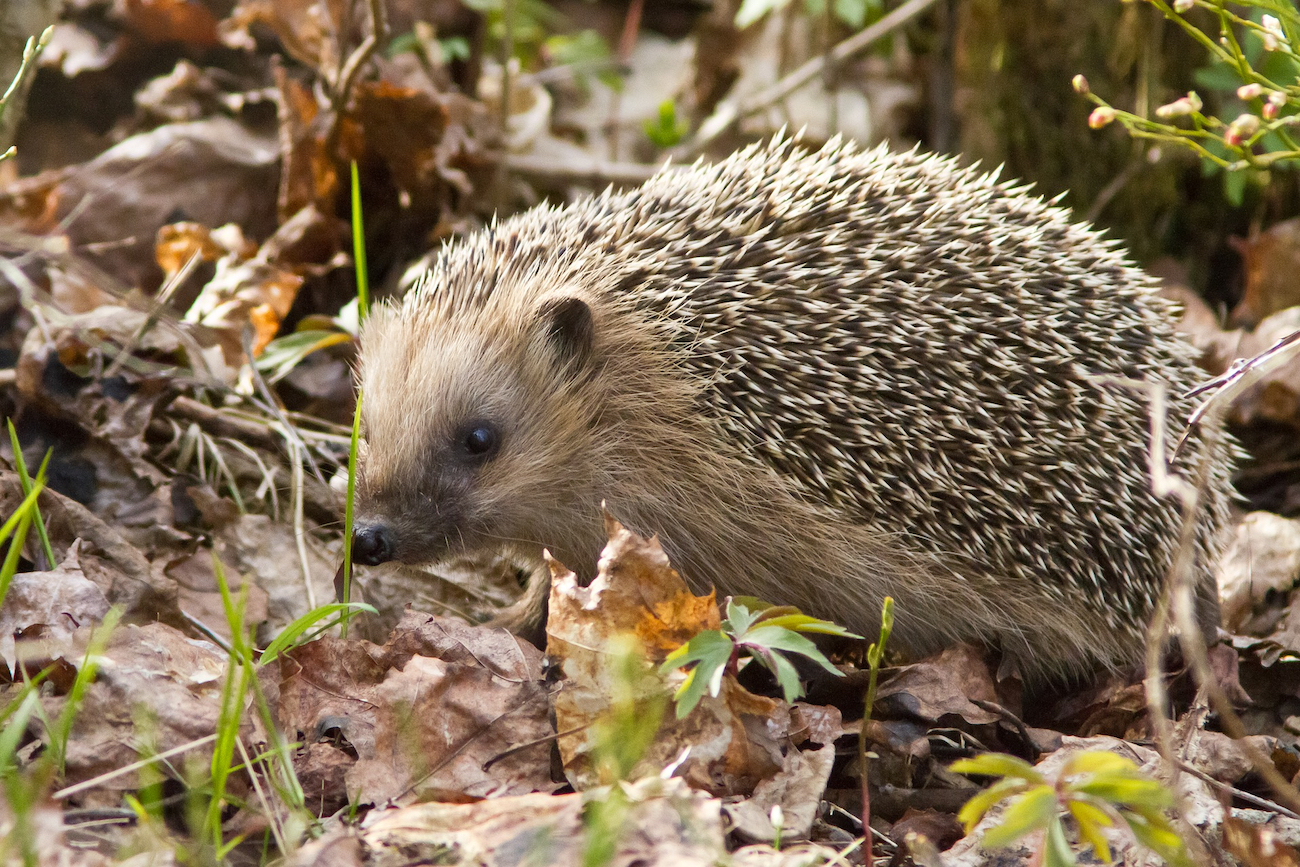
Fauna: Northern Ireland has 20,000 species of living things. There are only 26 mammal species including bats but excluding water mammals. These mammals include red fox, European hedgehog, stoat, otter, pygmy shrew, badger, Irish hare, pine marten, and 10 species of bat. The only reptile is the Viviparous lizard. There are three amphibians in Northern Ireland, the common European brown frog, the natterjack toad and the smooth newt. There are 400 bird species including: swallow, great spotted woodpecker, Storm petrels, roseate tern, corncrake, red grouse, wren, robin, blackbird, rook, starling, great blue tit and golden eagle. There are 375 fish species including orca whales, dolphins and harbor seals, giant squids and turtles. There are 11,500 species of insects including 1400 species of moth and butterfly.
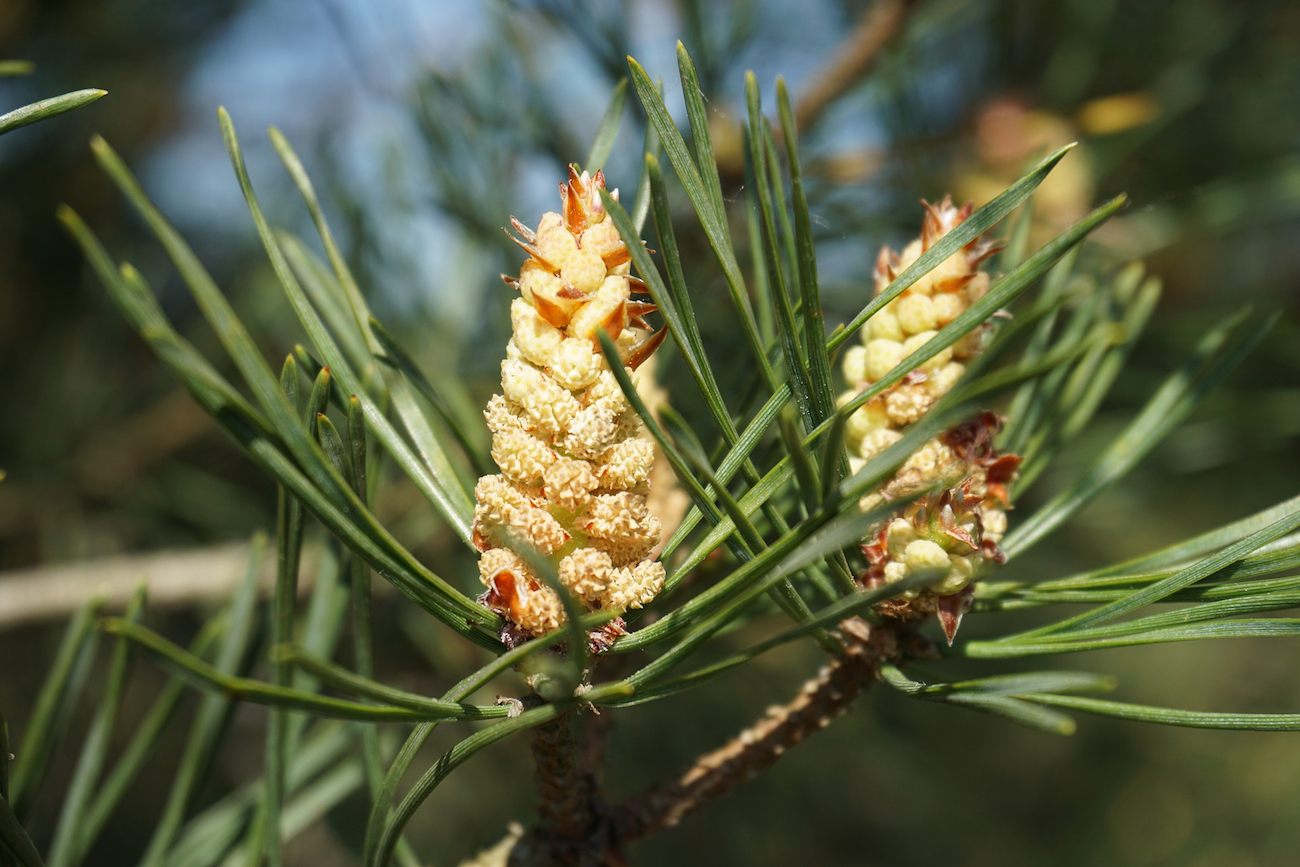
Flora: most prominent trees are oak haze, ash, wych elm, birch, willow, yew, scots pine, juniper, and hawthorn. Flowers and plants are aster, bellflower, bluebell, bugle, orchard, pansy, clover, fern, and love-in-a-nest.
English is spoken throughout the country and Gaelic (Irish) is becoming extinct. Many Irish speakers died in the great famine of 1840. English is essential for social mobility and career paths. The Union Jack Flag and British Crown are recognized by both Protestants and Catholics to represent the Protestant (Unionists) population. Another image associated with the rivalry between unionists and nationalists is the Ulster emblem of a severed wrist right hand with no blood. The Northern Irish Catholics see themselves as Irish but separated from Ireland by the English. In urban areas graffiti is prevalent on buildings espousing either the Protestant (Unionist) or Catholic (Nationalist) point of view. Class structure renders the Protestants dominant since they are a majority of the professional and business classes, tending to own the majority of businesses and large farms. Catholics tend to be unskilled workers or work on small farms and are the poorer class. There is great social separation between the two groups. Protestants tend to comport themselves as citizens of the United Kingdom. Their accents and manners are in keeping with those in Great Britain while most Catholics have larger families and can speak a poor version of Gaelic. The presence of British troops and police is pervasive. Women get lower paying jobs, are paid less and many times do not work full time. Women are entering more in the work force and some gains have been made but it is not an equal society. Many women have gotten involved in the peace movement and Protestant and Catholic women have marched together in demonstrations calling for peace. Premarital chastity is valued by both Catholics and Protestants. Many marriages are arranged by a marriage broker who takes into account religion, social status and economics. Many families live in government controlled housing projects which tend to further separate the Catholic and Protestant families. Kinship is reinforced by religion. Parents enjoy a patriarchal status and the father is the head of the family. People are reluctant to discuss their political ideas with strangers.
Cuisine
Ulster Fry Traditional English breakfast
Champ Mashed potatoes
Irish Oysters
Barmbrack Sweetened Bread
Black and White Pudding
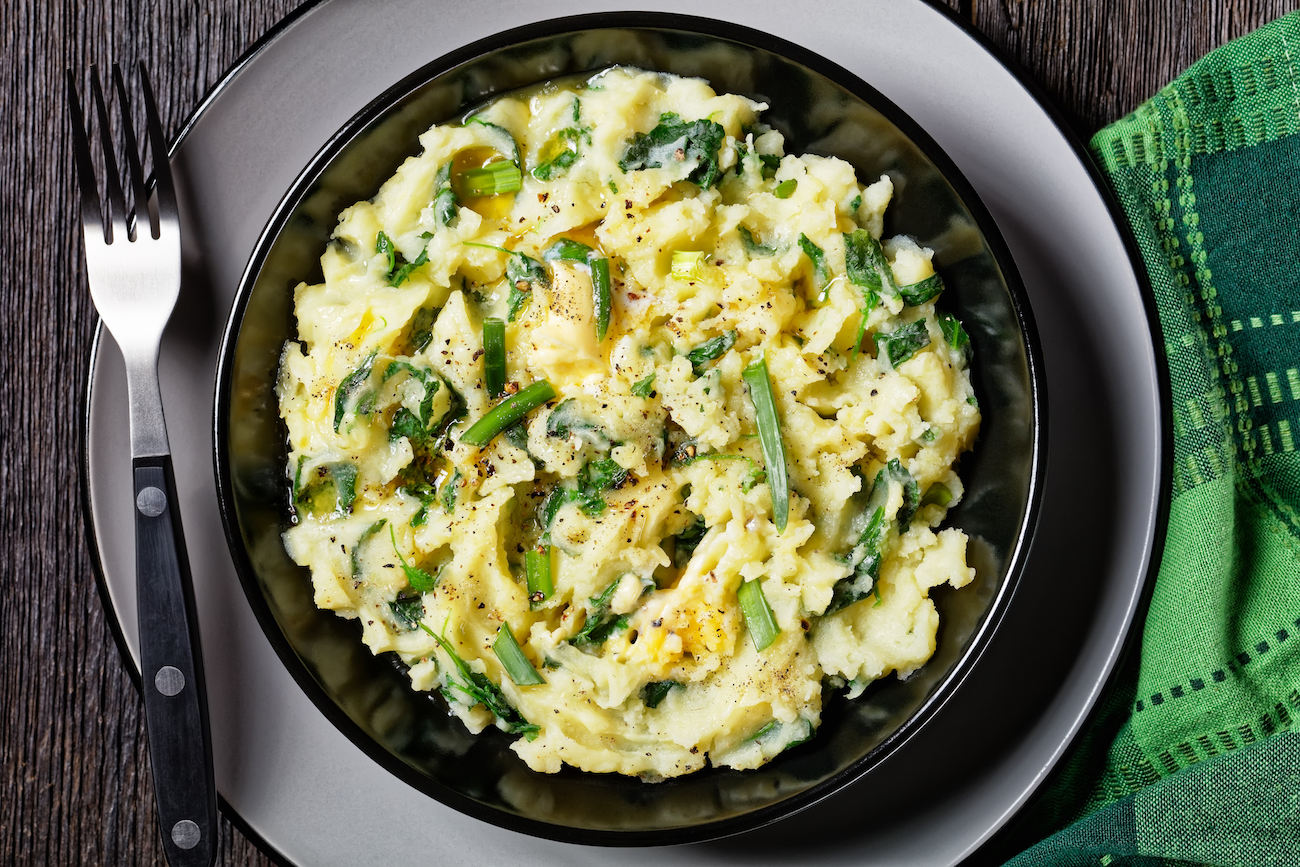
Colcannon Mashed potatoes, cabbage, cream and butter
Soda bread
Coddle Stew
Irish Seafood
Irish Ales
Irish Whiskey
Colcannon Mashed potatoes, cabbage, cream and butter
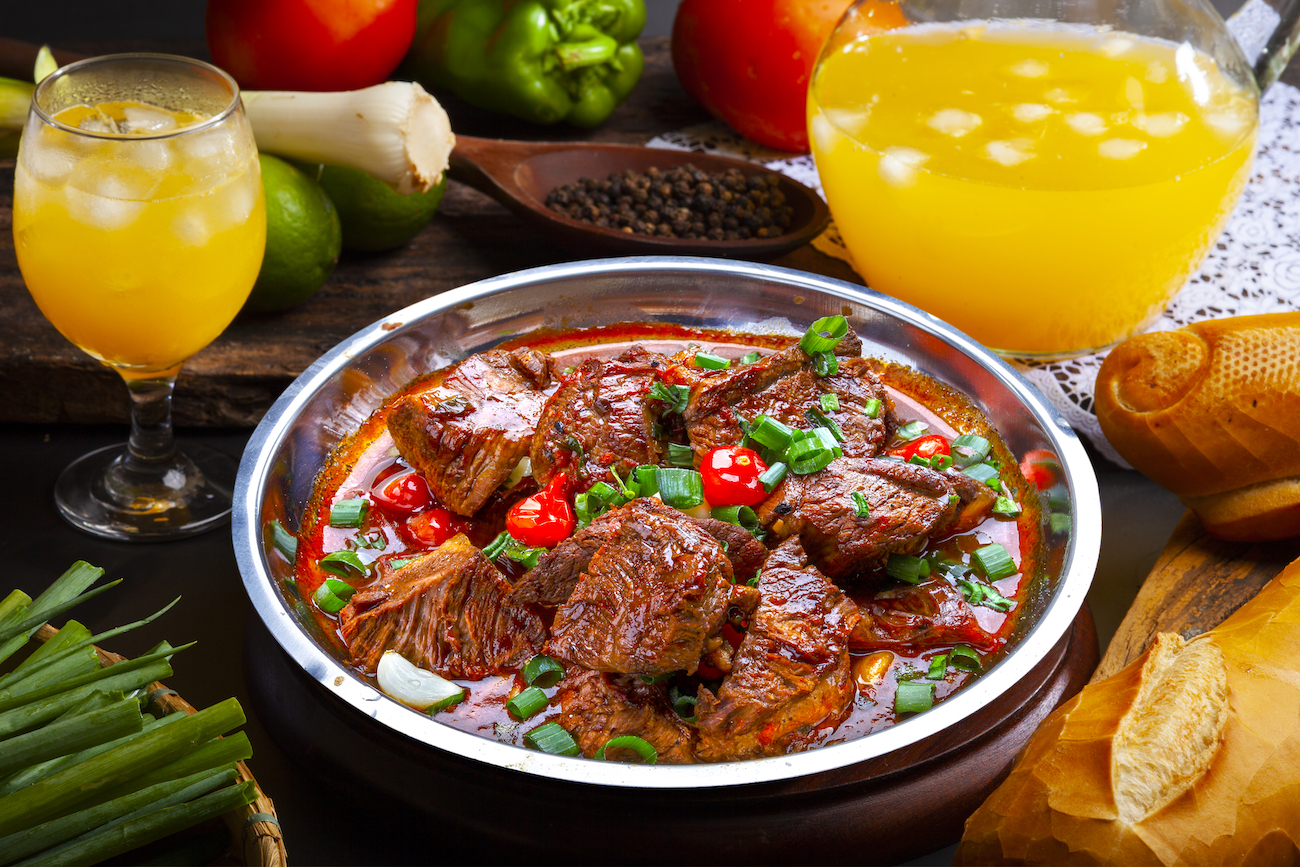
Irish stew
The City of Belfast
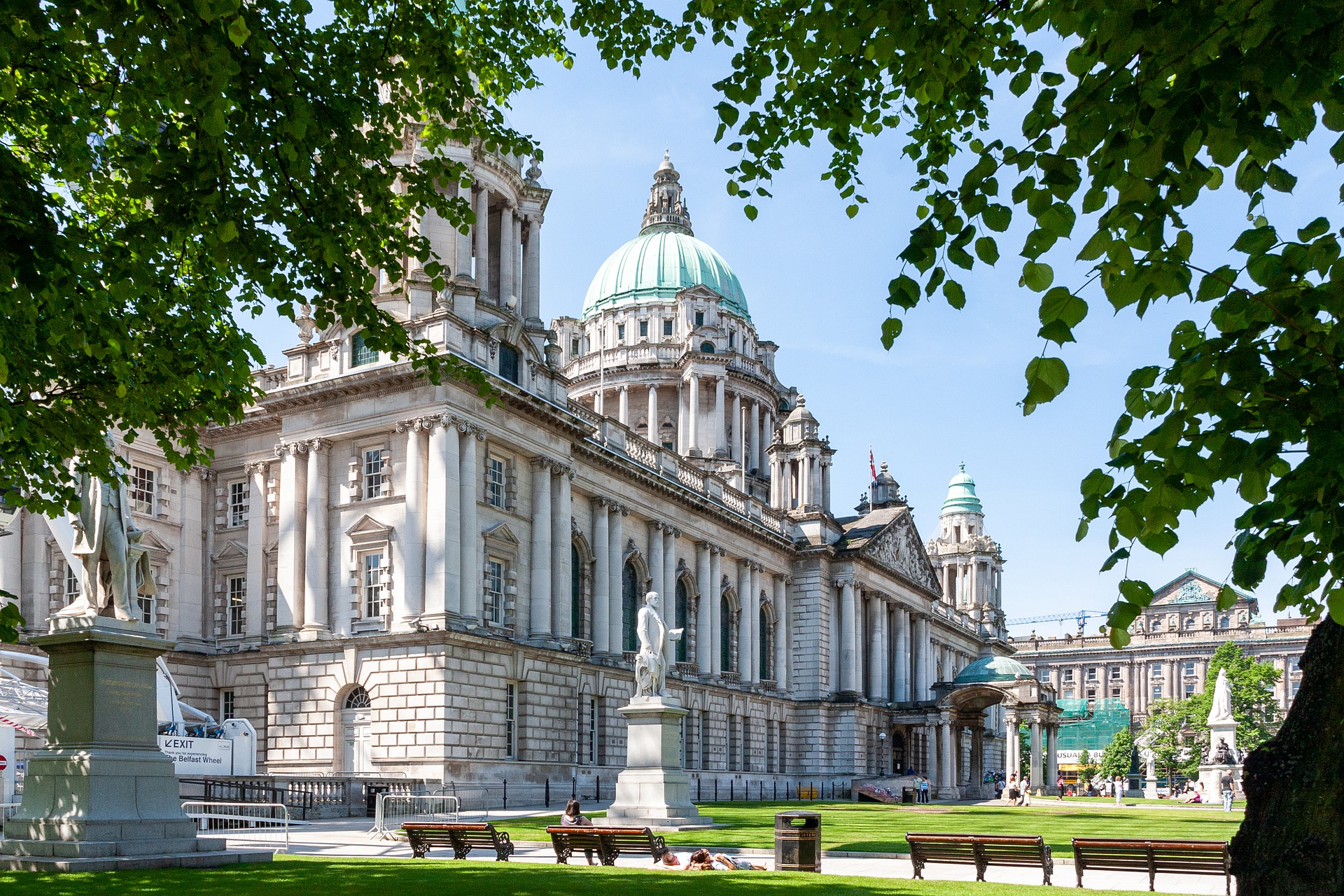
Belfast is the capital and largest city of Northern Ireland with a population of 635,000. The city stands on the banks of the River Lagan on the east coast. It is the 12th largest city, by population in the United Kingdom, and the second largest on the island of Ireland. Belfast suffered terribly in the violence that accompanied the partition of Ireland and the Troubles thereafter. By the early 19th century Belfast was a great port and played a major role in the industrialization of Ireland in the 19th century. By the time it was granted city status in 1888 it was a major center of Irish linen, tobacco processing, and rope making. Shipping was also a key industry and the Harland and Wolff shipyard, which built the Titanic, was the largest in the world. Today, Belfast has a major aerospace and missiles industry. Following the partition of Ireland in1921, Belfast became the seat of government for Northern Ireland. Belfast’s status as a major industrial world wide center ended after World War II.
The site of Belfast has been occupied since the Bronze Age. The Giant’s Ring, a 5000 year old Henge is located near the city and the remains of Iron Age hill forts can still be seen in the surrounding hills. Belfast remained a small settlement of little importance during the Middle Ages. The Normans may have built a castle on a site now bounded by Donegall Place, Castle Place, Cornmarket and Castle Lane in the late 12th century where Belfast center is now. As Lords of Clandeboye, the O”Neill dynasty was the local Irish power. In 1616, after the Nine Years’ War they were forced to sell all their estates in the hills east of Belfast to English and Scottish adventurers. Belfast was established as a town in1613 by Sir Arthur Chichester. Chichester also had Belfast Castle rebuilt at the same time. The early settlers were largely English and Manx but it was with Scottish Presbyterians that the town was to grow to an industrial port. Together with French Huguenot refugees they introduced the production of linen, an industry that carried Belfast trade to the Americas. The region’s Presbyterians were to share a growing disaffection with the Crown. John Paul Jones raided Belfast early in the American Revolution and the townspeople formed their own militia to defend the area. Emboldened by the French Revolution a more radical element in the town formed the United Irishmen a Catholic emancipation and an independent representative government. Rapid industrial growth in the 19th century drew into Belfast landless Catholics. The industrialization and rapid growth of the city caused great dissension between under class Catholics and the Protestant capitalists and more well off Protestants. This tension broke out into armed conflict between the two groups. In 1912, fearful of Belfast becoming part of the Irish Republic, Belfast city unionists drew up the Ulster Covenant and obtained almost 500,000 signatures and created a 100,000 strong armed force called the Ulster Volunteer Force. Political struggles were put aside for the Great War. In 1921, Belfast became the capital city of the six counties that formed Northern Ireland.
Tourist Attractions:
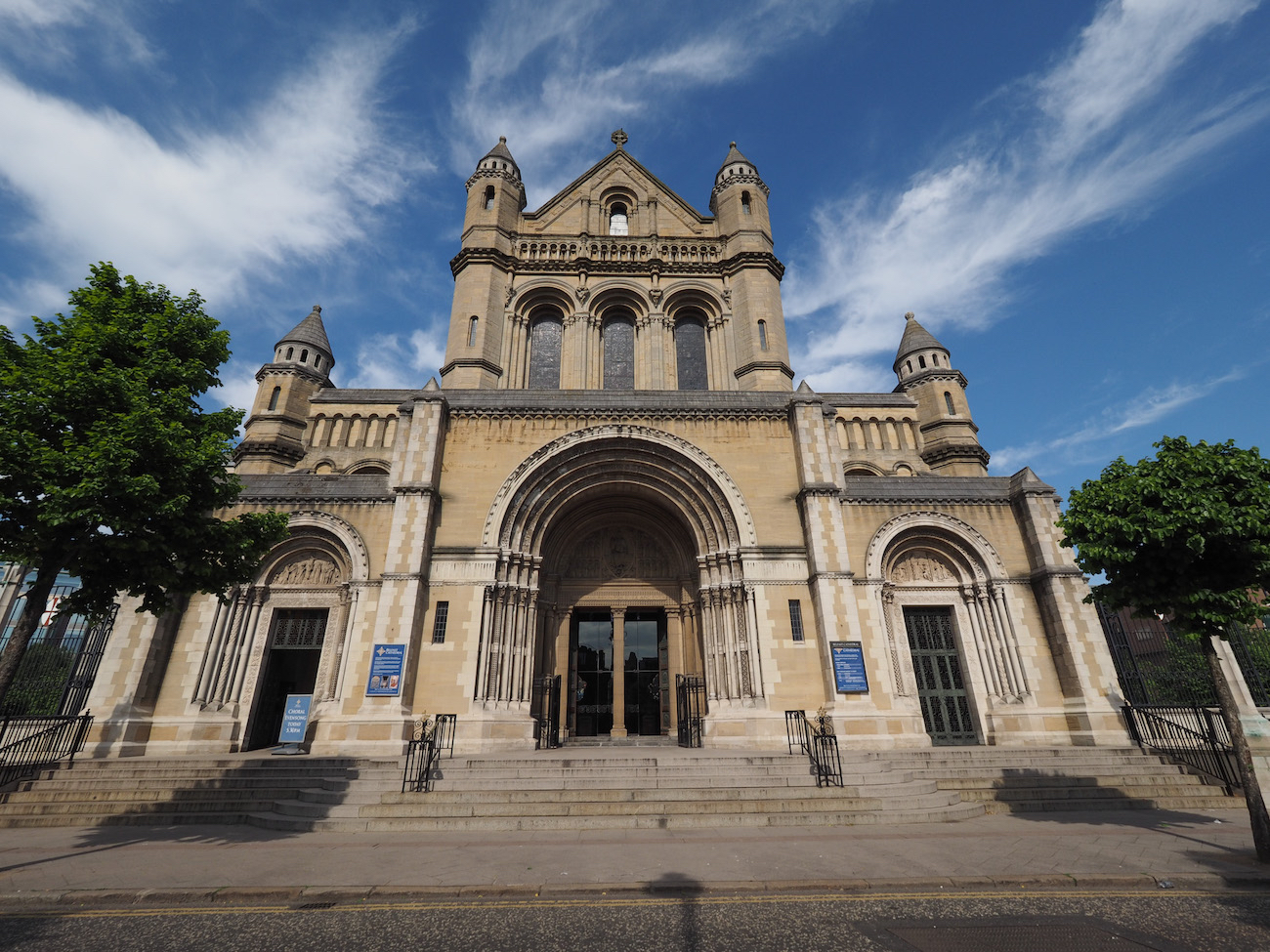
Belfast Cathedral
Titanic Memorial Garden
Belfast City Hall
Belfast Whiskey Club
Linen Quarter upscale restaurants, bars and cafes
Titanic Public Arts: The Mast sculptured masts of 8 great ships
Linen Hall Library
Dome at Victoria Square
Clifton House Belfast
Queen’s University
SS Nomadic Last luxury cruise ship built by the White Star Line
Crumlin Road Gaol Historic jail
Belfast Botanical Gardens
The City of Derry (Londonderry)
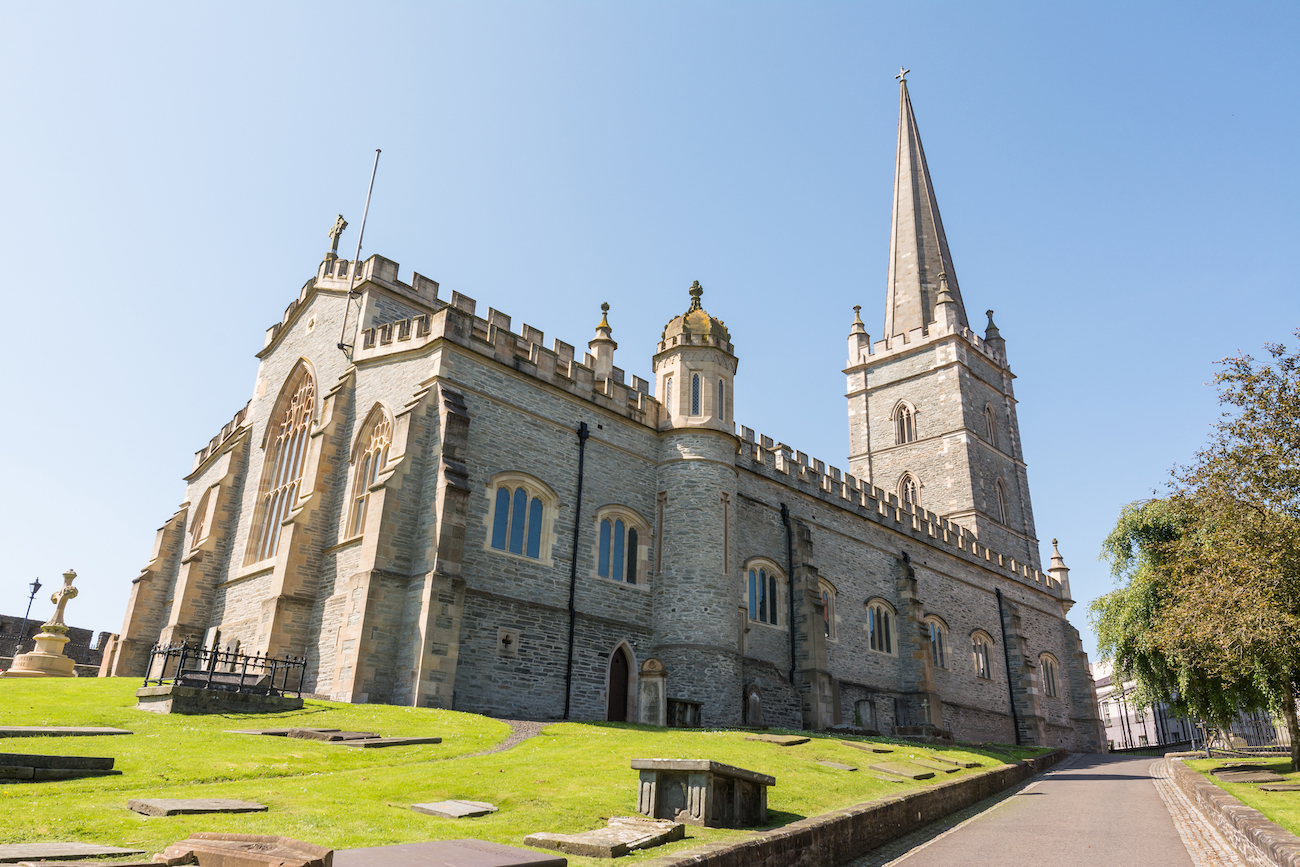
Derry, officially Londonderry, has 85,000 people and is the second largest city in Dublin and the 5th largest on the island of Ireland. The old Walled city (400 years old) lies on the bank of the River Foyle which is spanned by 2 road bridges and one walking bridge The city has expanded where it now covers both banks of the river. Derry was the original UK City of Culture having been awarded the title in 2010.
Tourist Attractions:
Siege Museum
Ulster American Folk Park
The Guildhall
The Gobbins
Museum of Free Derry
Hill of the O’Neill and Ranfurly House Arts and Visitor Center
Tower Museum
The City of Lisburn
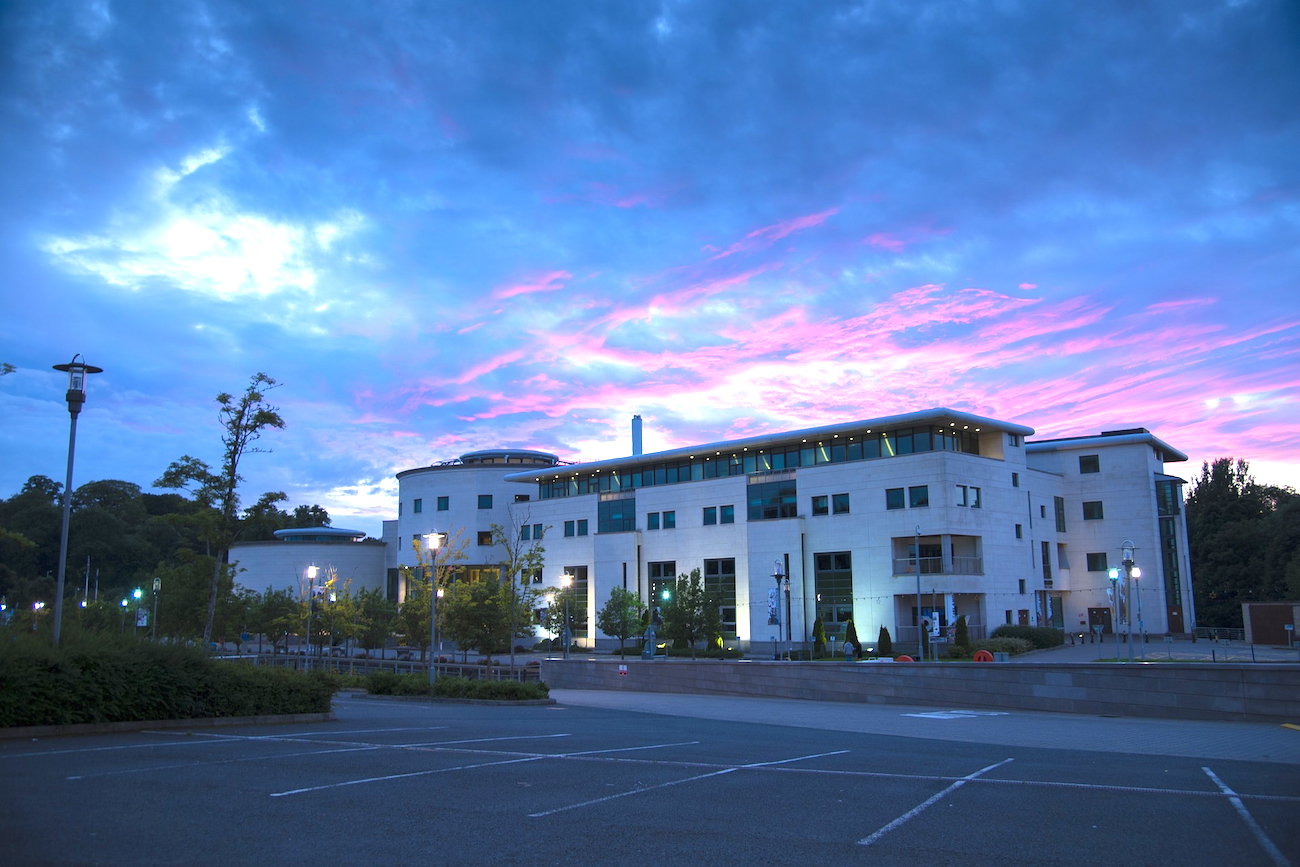
Lisburn is in Northern Ireland eight mile southeast of Belfast City Center on the River Lagan. Lisburn is a part of the Belfast Metropolitan area and has a population of 72,000. It was granted city status in 2002 and is the third largest city, by population, in, Northern Ireland
Tourist Attractions:
Irish Linen Center and Lisborn Museum
Hillsborough Castle Built 1770
Castle Gardens
Christ Church Cathedral built 1700
Lagan Valley Regional Park Giant’s Ring 5000 Year old Archeology
Island Arts Center
The City of Newtownabbey
Newtownabbey is the fourth largest city by population with 63,000 people. Located north of Belfast the town is a residential area as much as it hosts the computer and engineering industries. Newtownabbey was formed in 1958 by the merger of seven villages. It is part of the Belfast Metropolitan Area.
Tourist Attractions:
War Years Remembered Museum
Merville House
The White House Museum
Rashee Old Cemetery
Monkstown Woods
The City of Bangor
Bangor is the fifth largest city in Northern Ireland with a population of 59,000. It is the most ancient city in Northern Ireland. Its population is dominated by university students. The Queen granted Bangor city status in 1974
Tourist Attractions:
Bangor Cathedral Built in the 6th century
Bangor Marina
The Coastal Path
Castle Park and Town Hall
North Down Museum
The Walled Garden
Other Attractions:
Carrick-a-rede Rope Bridge
Beaghmore Stone Circles Archeology site dating back to the Bronze Age.
The Giant’s Causeway is situated in the North, along the Antrim coastline. It is world famous and considered by the Irish as the 8th wonder of the world. Some 6 millions years ago, more than 40,000 basalt columns, formed by the volcanic lava of volcano eruption, stood up and froze in the shape of hexagons. After viewing this incredible scenery and jumping from column to column you may wish to stop and visit the nearby Bushmill Whiskey Distillery.
No Tour Found
No Tour Found