


Norway, is officially the Kingdom of Norway, a Nordic country in Northern Europe whose mainland territory comprises the western and northernmost portion of the Scandinavian Peninsula. Norway has a total area of 148,729 square miles and a population of 5,400,000. Oslo is the capital, with a population of 1 million and the second city is Bergen with 250,000. The country shares a long 1000 mile eastern border with Sweden and is also bordered by Finland and Russia to the north-east and the Skagerrak Strait to the south, with Denmark on the other side. Norway also has an extensive coastline facing the Barents Sea and the Atlantic Ocean. The country has mild lowland temperatures on the sea coast and colder temperatures in the interior. It is warmer than many far northern countries because of the Gulf Stream and favorable wind patterns. Harald V, of the House of Glucksburg, is the current king. Norway is a unitary sovereign state with a constitutional monarchy. It is governed under an 1814 constitution. The kingdom was established in 872 AD as a result of the merger of many small kingdoms and has continually existed since then. From 1537 to 1814 Norway was part of the Kingdom of Denmark-Norway and from 1814 to 1905 was in a personal union with the Kingdom of Sweden. Norway was neutral in World War I and remained so until occupied by Nazi Germany in 1940. Today, it is a member of NATO. Oslo is the capital and the official languages are Norwegian and Nynorsk. 82% of the population is Norwegian and 18% indigenous Sami. 76% of the population belongs to the Church of Norway. The first inhabitants of the land were the Ahrensburg Culture from the 11th century BCE during the last remnants of the Ice Age. Stone tools date from 9500 to 6000 BCE and are found in the north and dwellings dating from 5000 BCE are in the south, which indicates hunting and fishing lifestyles. Petra glyphs are found near hunting and fishing grounds from 4200 to 500 BCE. The Bronze Age was from 3000 to 2500 BCE and brought the Corded Ware Culture to the eastern part of the country. These people were farmers and kept herds of cows and sheep. In 1500 BCE rock carvings were introduced and much of the carvings were of ships. Also, large stone burial monuments were used called “Stone Ships”. Little has been found from the early Iron Age (500 BCE) except Roman bronze cauldrons that were used as burial vessels. The destruction of the Western Roman Empire in the 5th century AD by Germanic tribes brought a rich number of archeological discoveries including tribal chiefs’ tombs with weapons and gold objects, foundations of farm houses and stone fortresses. From the 8th to the 10th centuries AD, the wider Scandinavian region was the source of the Vikings. This age was characterized as expansion by Viking seafarers who colonized, raided and traded in all parts of Europe. The Vikings from Norway were most active in the northern and British Isles and eastern North America islands. Harald Fairhair united them in 872 AD and became the first king of a united Norway. The modern day Irish cities of Dublin and Waterford were founded by Norwegian settlers. Norse traditions were slowly replaced by Christian ones in the 10th and 11th centuries. In 995, the first Christian church was built. Feudalism never developed in Norway but the Hanseatic League forced the government to cede more and more control to them. From the 1040’s to 1130, the country was at peace. In 1130, the civil war era broke out on the basis of unclear royal succession laws. In 1349, the Black Death killed over 50% of the population leading to a period of unrest and economic decline. In 1376 Norway and Denmark entered into a personal union with royalty from both countries ruling and eventually entering into the Kalmar Union until 1814. In 1536, Norway essentially became a colony of Denmark.
Culture
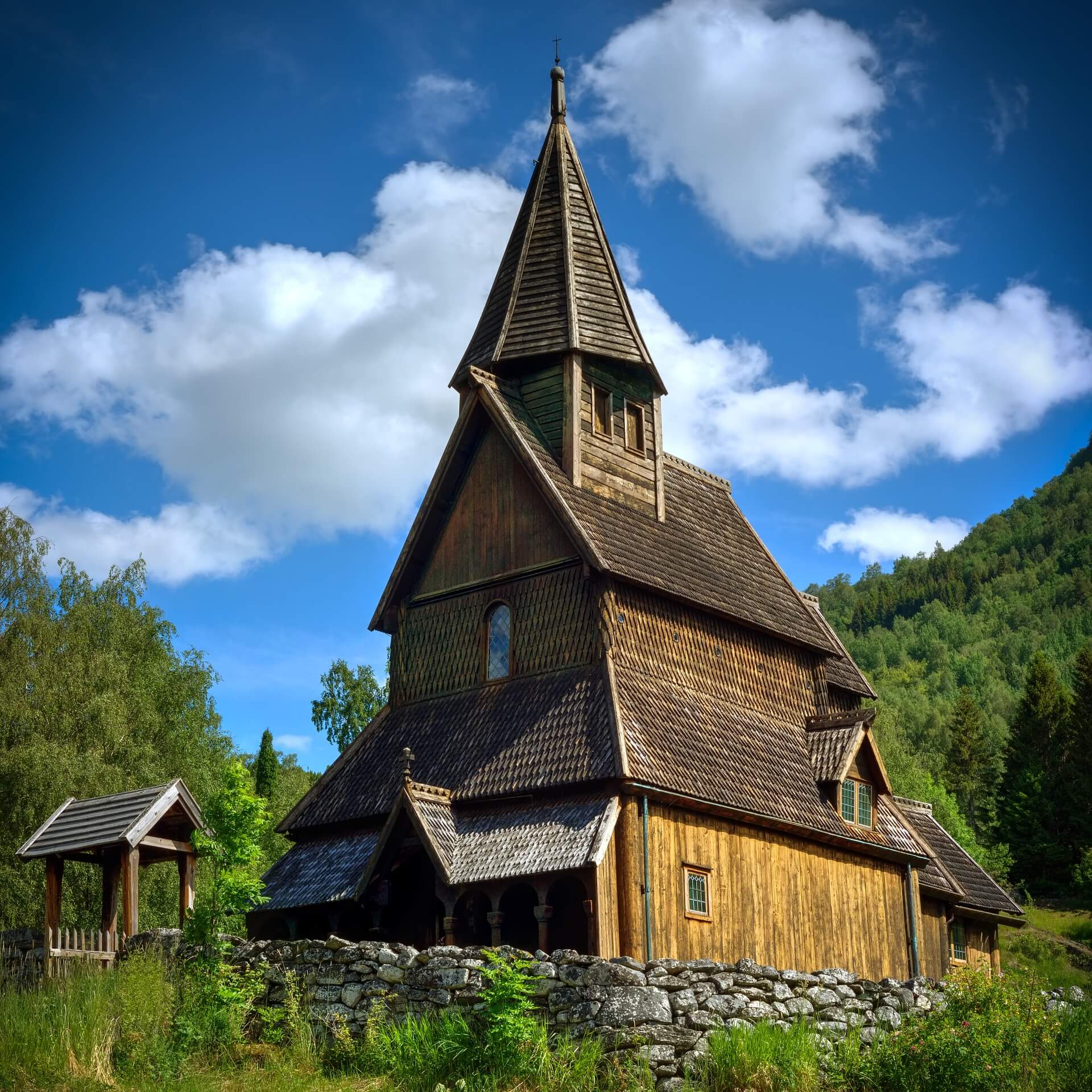
The culture of Norway is basically a farm culture. Present day, since the 19th century, is inspired by nationalism which has a strong romantic core. Culture blossomed with nationalistic efforts in art, literature and music. Norway has a strong folk music tradition. Norwegian literature started with the pagan Eddaic poems and Skaldic verse of the 9thand 10th centuries. With extensive forests, Norway has a long tradition of building in wood. But stonework architecture for churches is prominent. There are wooden stave churches still in existence and the Urnes Stave Church is on the UNESCO World Heritage Site. The most notable and famous Norwegian artist is Edvard Munch with the “Scream” which represents the anxiety of humanity.
Cuisine
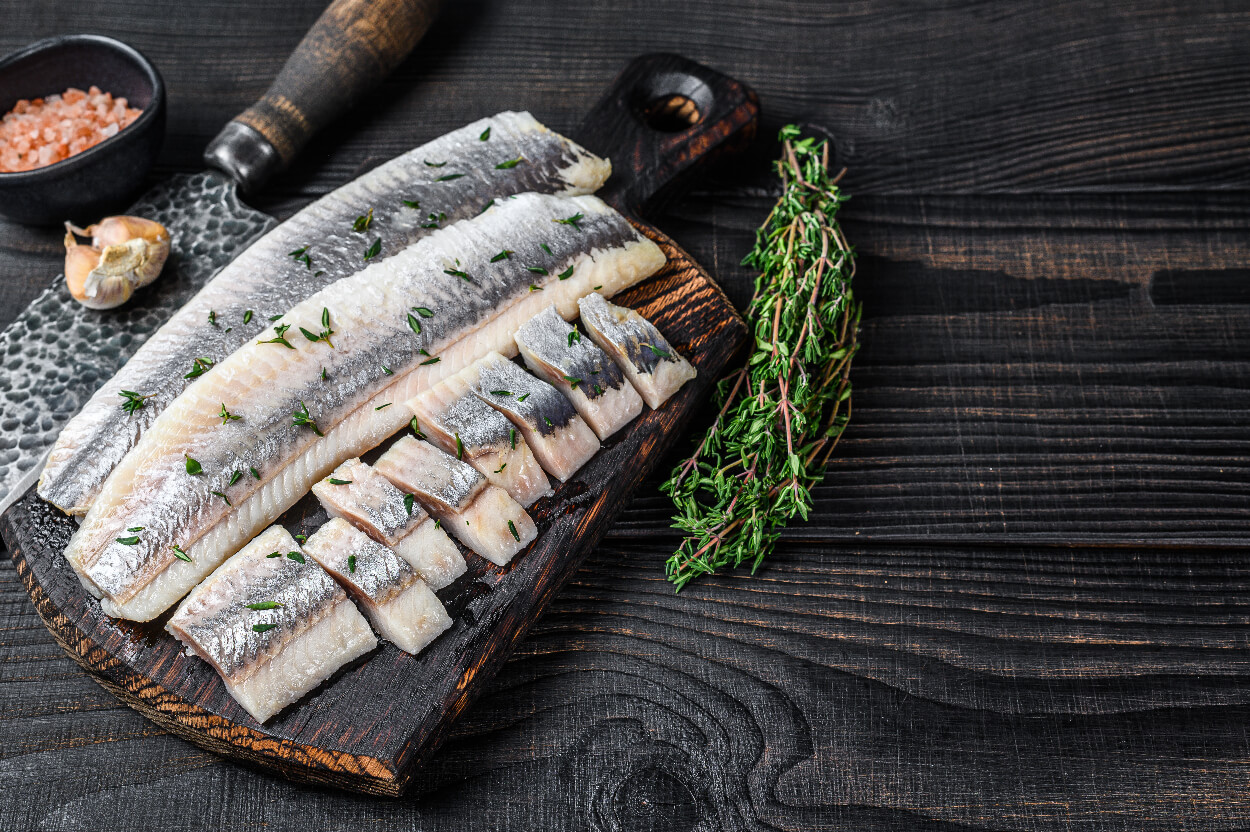
Norwegian cuisine is dominated by seafaring and farming tradition and favorite foods are salmon, herring, both pickled and marinated, trout, codfish and other sea foods balanced with cheeses, dairy products and dark breads. Lefse is a Norwegian potato flatbread usually smothered with butter and sugar.

Cities
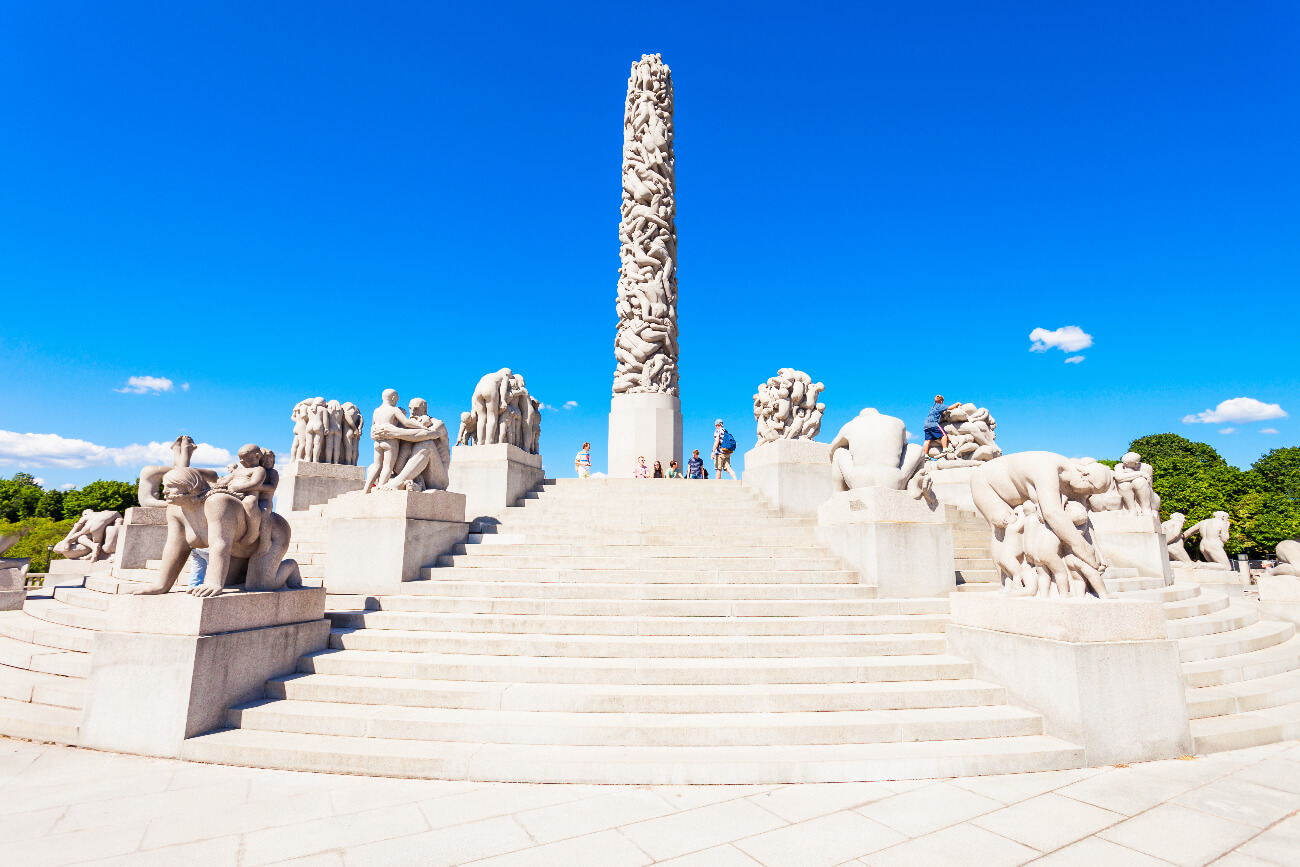
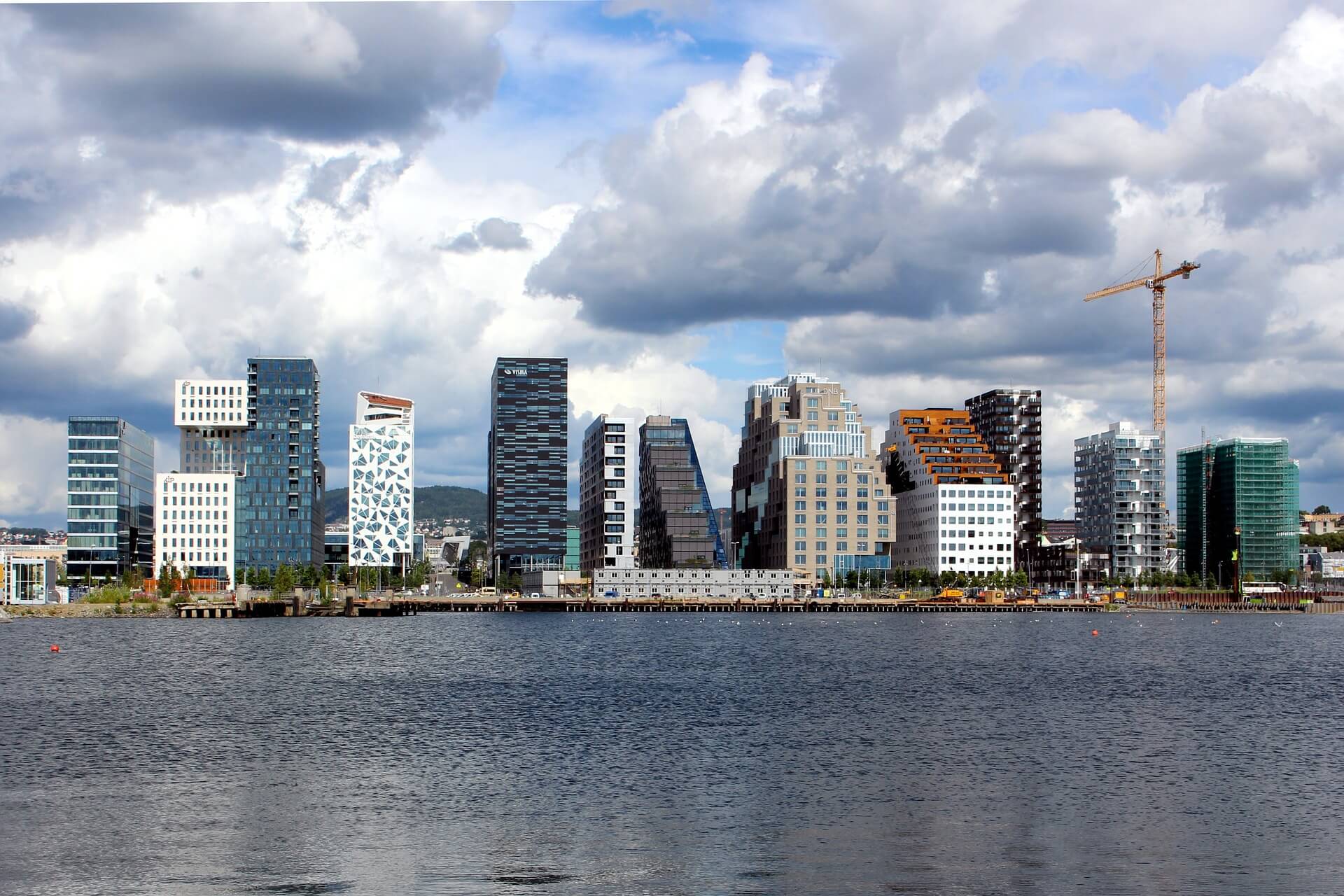
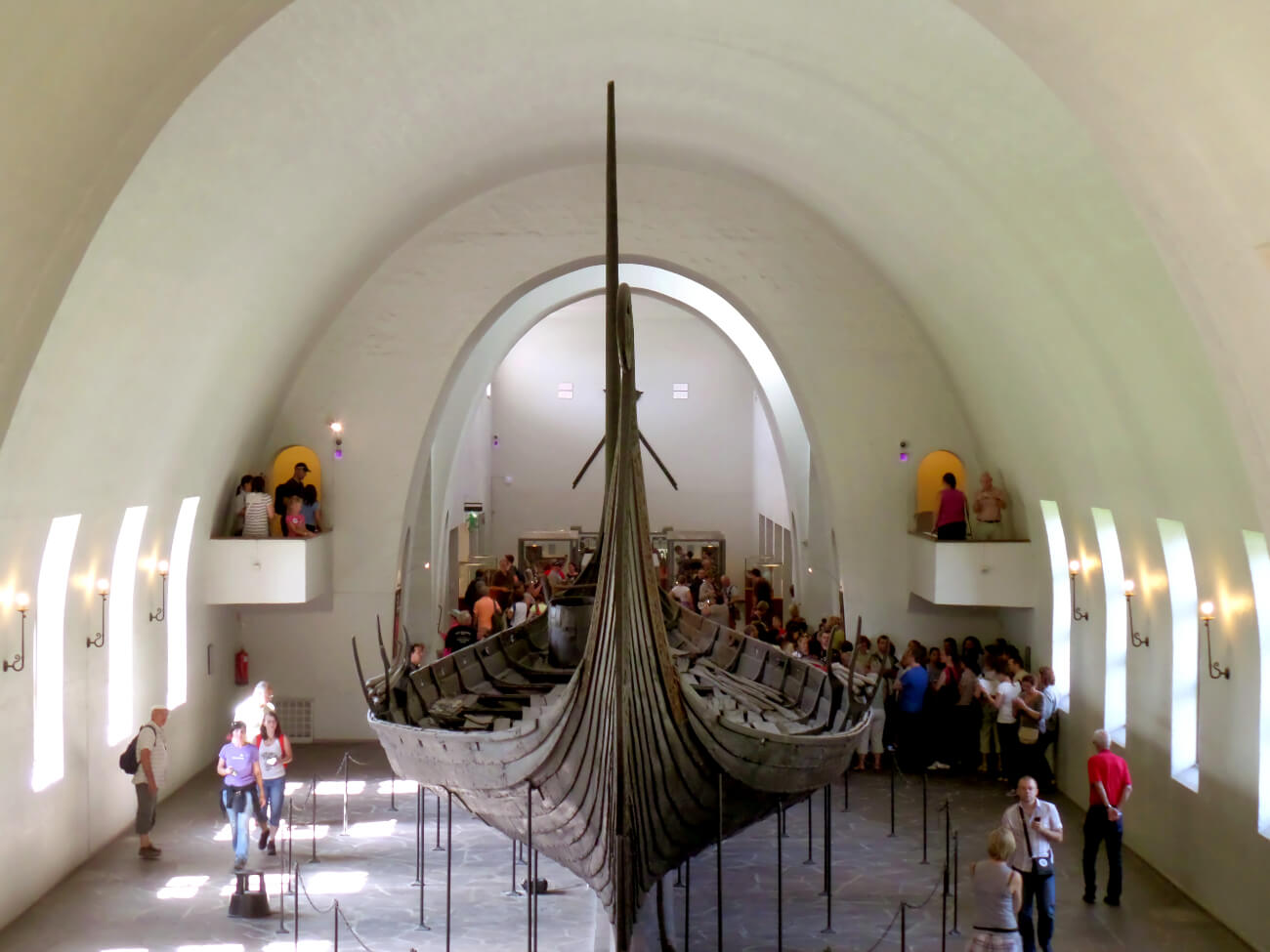
Oslo is the capital and most populous city with a population of almost 700,000 and a greater urban area of 1 million. Oslo was founded as a city in 1040 at the end of the Viking Age and made capital in 1300. The city was destroyed by fire in1624 and a new city was built. Oslo is the economic and governmental center of Norway and is the hub of Norwegian trade, banking, industry, shipping and maritime trade. It was ranked number one in terms of quality of life among large European cities. Oslo houses several major museums and galleries. The Munch Museum contains “The Scream”. The Folkemuseet Museum is dedicated to Folk art, dress, Sami and Viking Cultures. It contains 155 authentic old buildings from all parts of the country. The Vigeland Museum has over 200 sculptures. The Viking Ship Museum features three Viking ships from the Viking age. Other museums include The Oslo City Museum, The Kon-Tiki Museum and the National Museum.
Tourist Attractions:
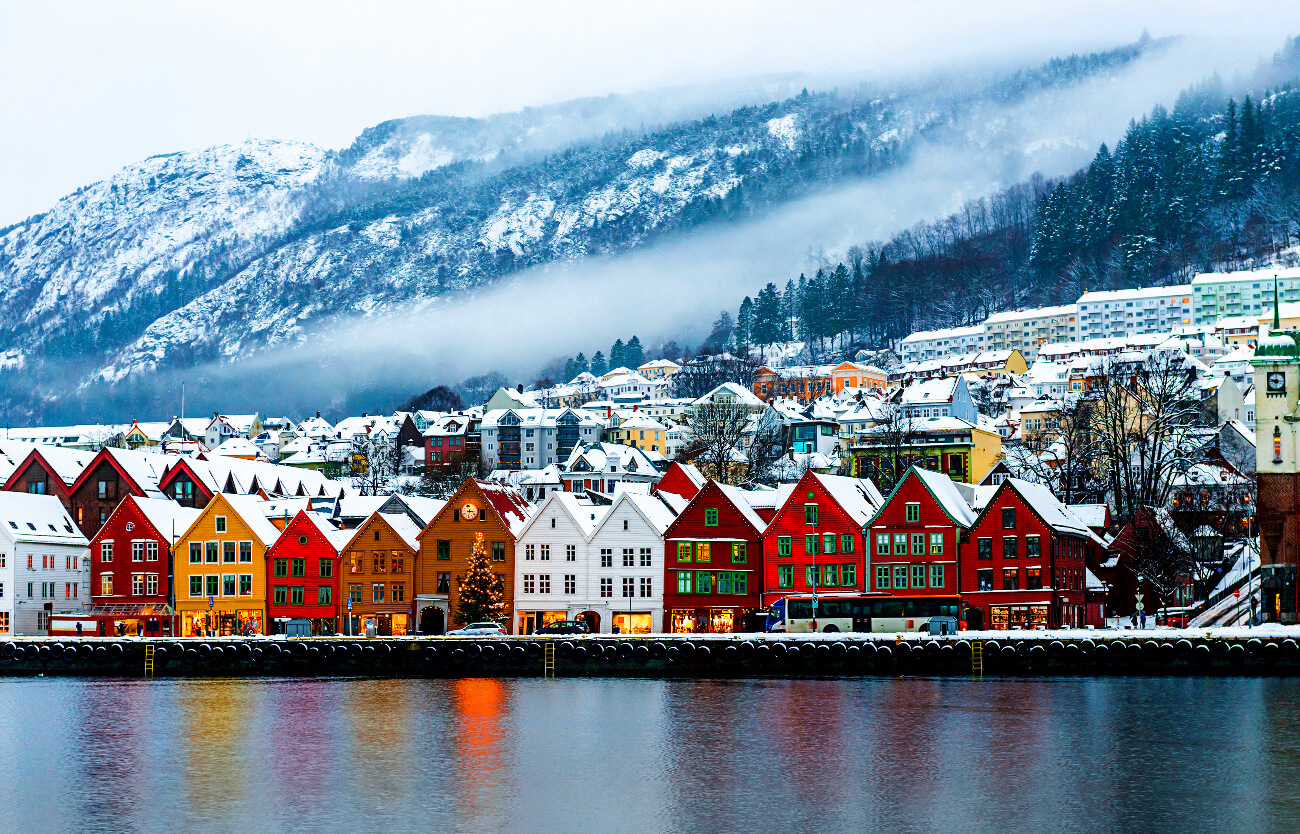
The Norwegian Glacier Museum . Tromso 250 miles north of the Arctic Circle is the place to see the Northern Lights. The Norwegian Maritime Museum, The Polar Museum, Scenic RailRoad Trip, Bryggen Hanseatic Wharf
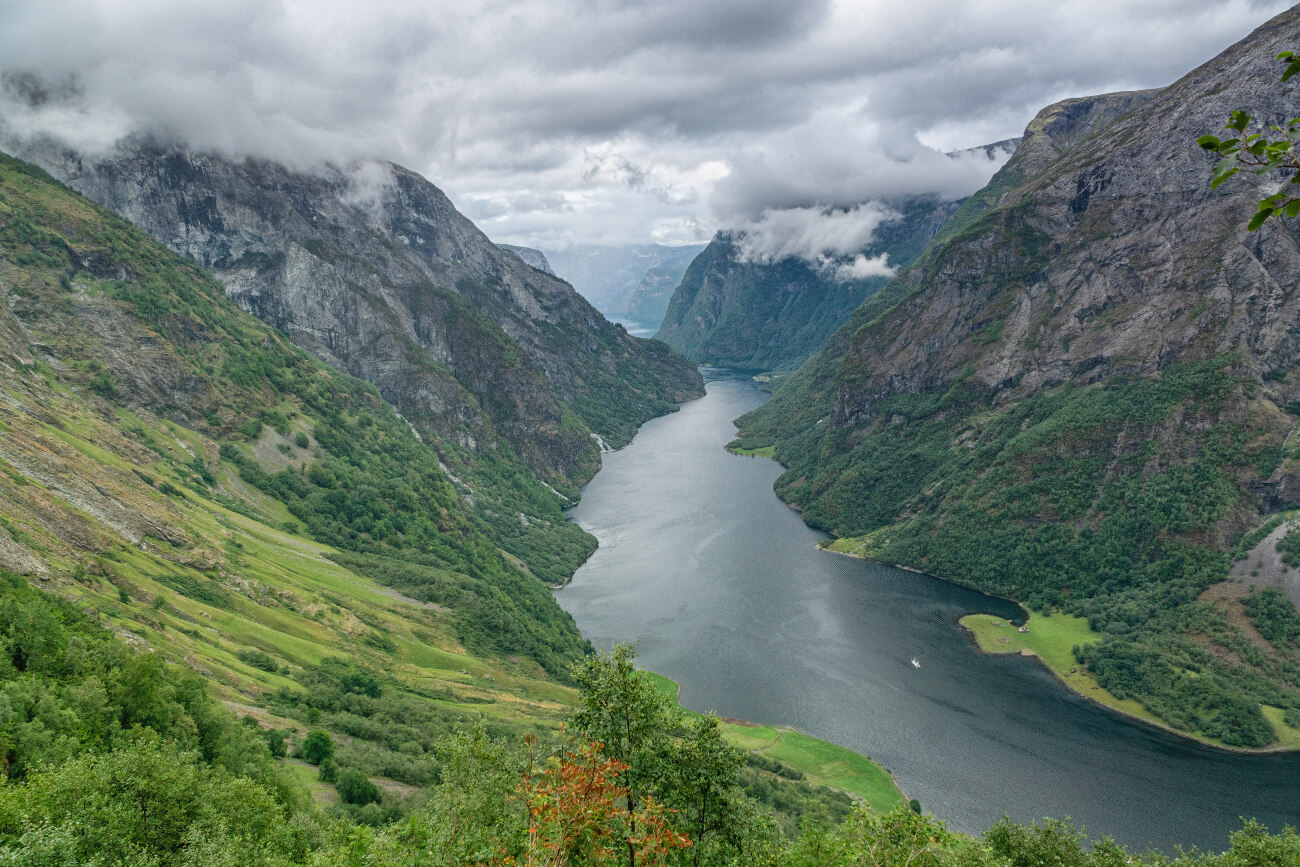
Sognefjord Norway’s largest Fjord. Fjaerland Home of Europe’ s largest glacier, Jostedalsbreen.
The Viking Ship Museum
Vigeland Sculpture Park
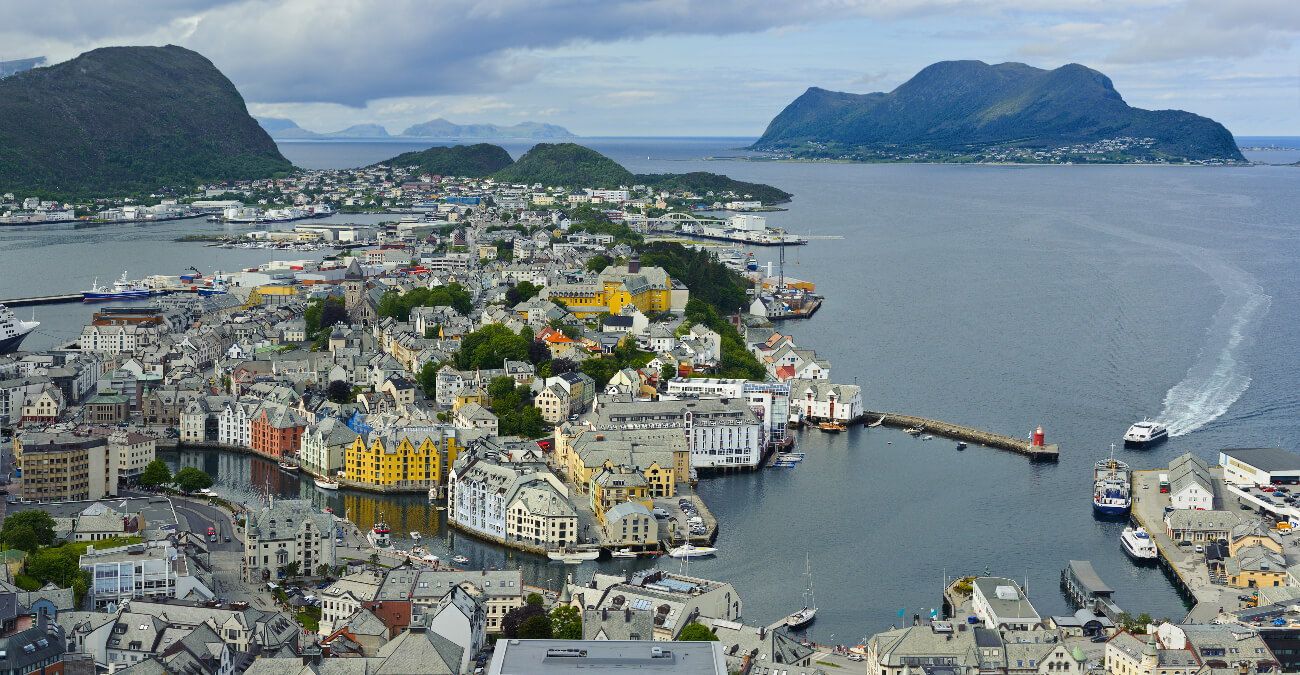
Vibrant painted houses on the waterfront.
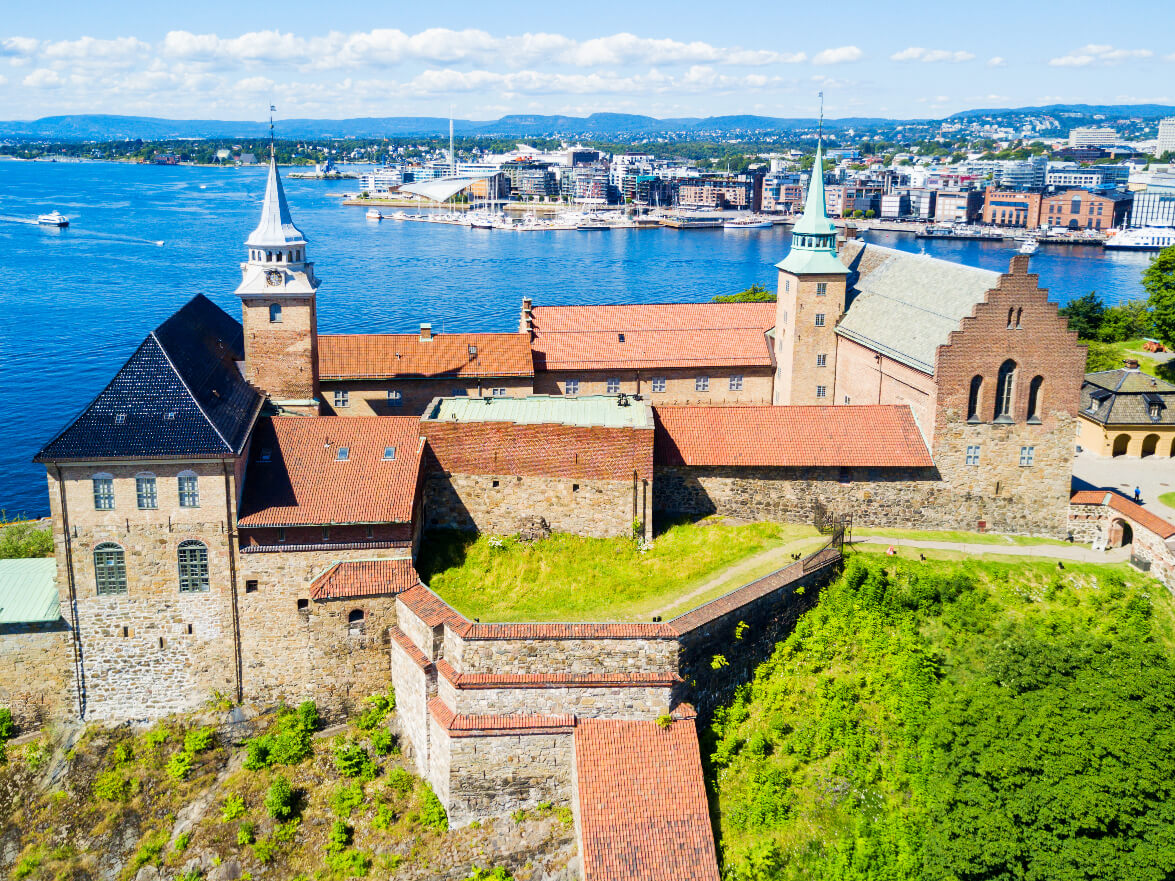
Akershus Fortress a medieval fortress built-in 1299
No Tour Found
No Tour Found