


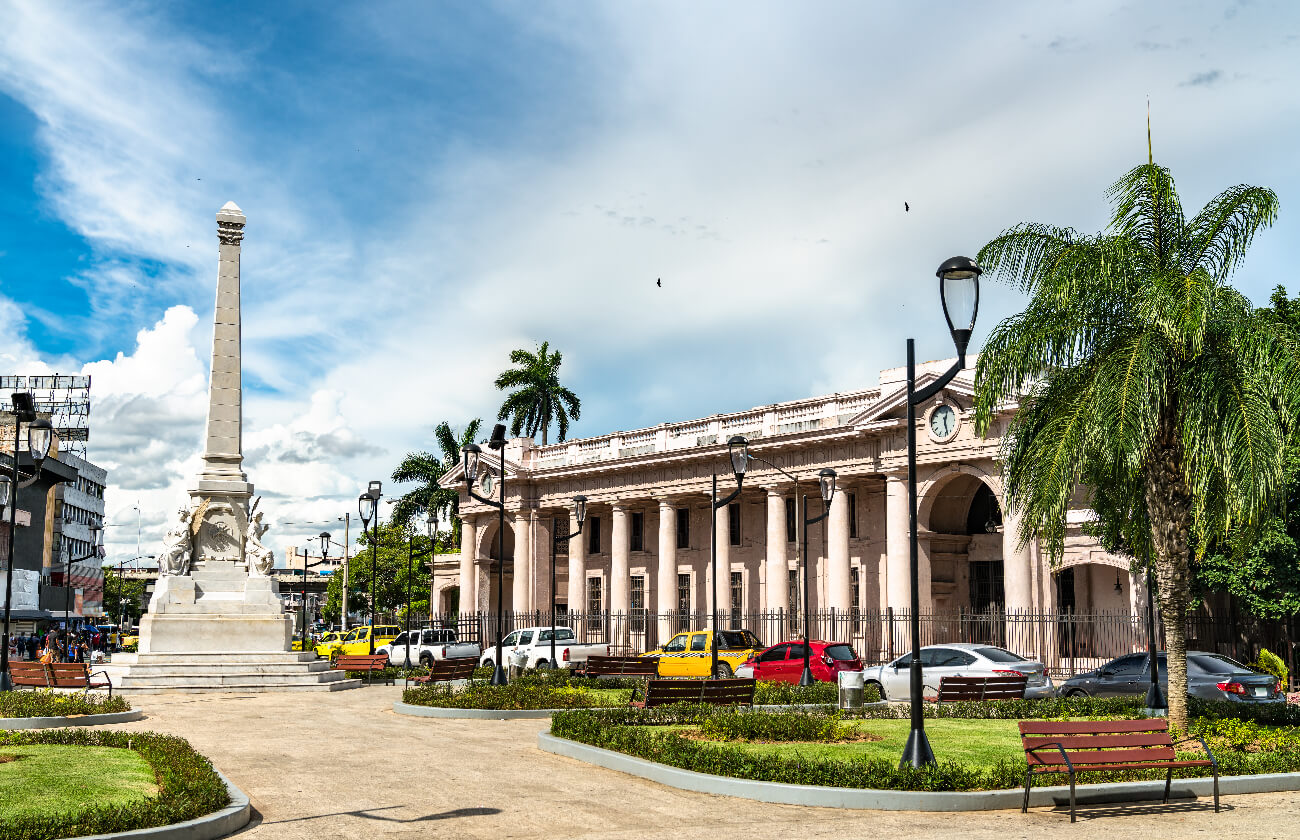
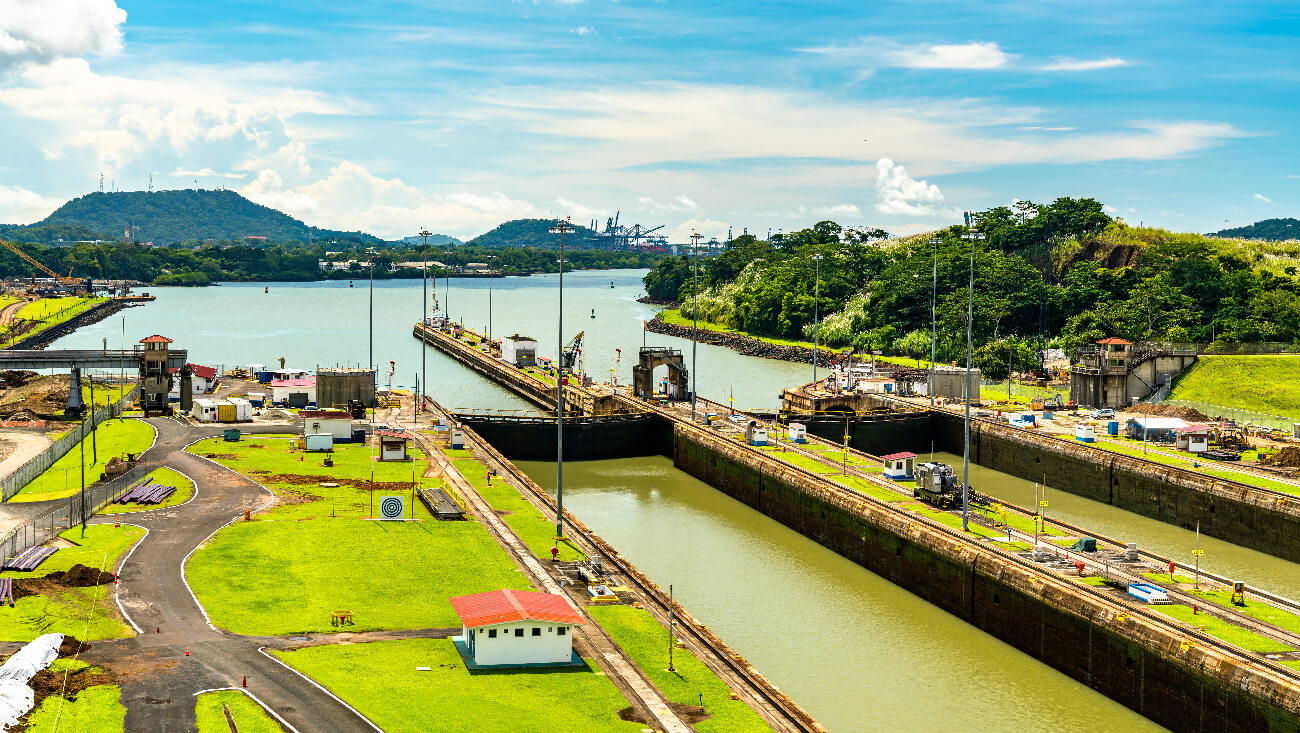
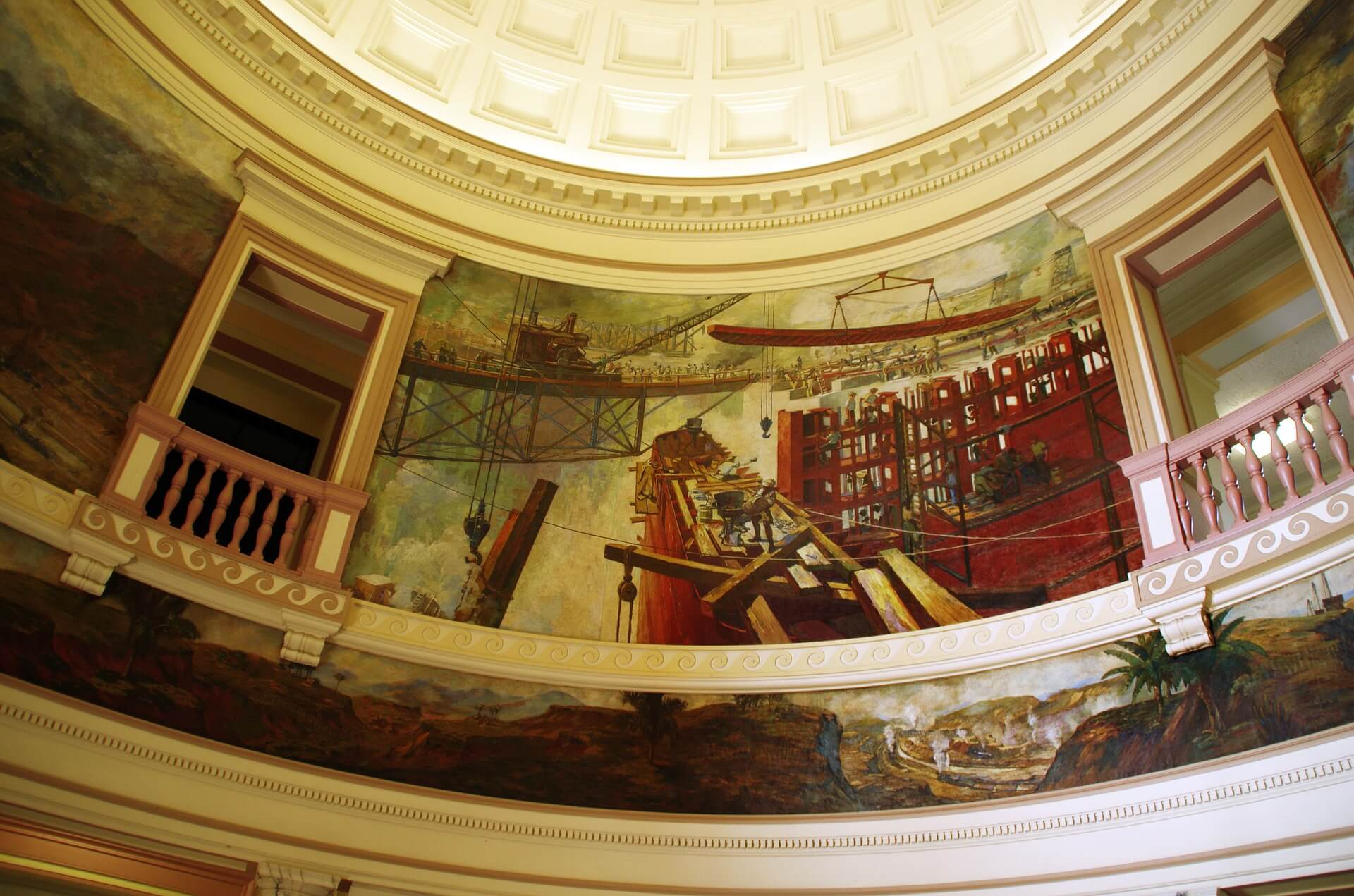
Panama, officially the Republic of Panama, is a transcontinental country in Central America and South America bordered by Costa Rica to the west, Colombia to the southeast, the Caribbean Sea to the north and the Pacific Ocean to the south. The capital and largest city is Panama City, whose metropolitan area is home to nearly half the country’s 4 million people. Panama was inhabited by indigenous tribes before Spanish colonists arrived in the 16th century. It broke away from Spain in 1821 and joined the Republic of Gran Colombia, a union of Nueva Granada, Ecuador and Venezuela. The entity dissolved in 1831 and Panama and Nueva Granada eventually became the Republic of Colombia. With the backing of the United States, Panama seceded from Colombia in 1903, allowing the construction of the Panama Canal to be completed by the US Army Corps of Engineers between 1904 and 1914. In 1999 the canal was transferred from American to Panamanian ownership. Revenues from canal tolls represent a significant portion of Panama’s GDP, although commerce, banking, and tourism are major and growing sectors. The country’s ethnic groups consist of 65% Mestizo (mixed White and indigenous) 12% Indigenous, 9% Black 7% Mulatto and 7% White. Its official language is Spanish and religion is heavily Christian with 63% Roman Catholic and 25% Protestant. Panama is a Unitary Presidential Constitutional Republic with a population of almost 4.4 million and a land mass of 29,120 square miles. At the time of arrival of the Spanish, the land was inhabited by the Cuevas and Cocie tribes who were nearly exterminated by European contagious diseases. Inhabitants first settled the Panama area between 2500 and 1700 BCE.
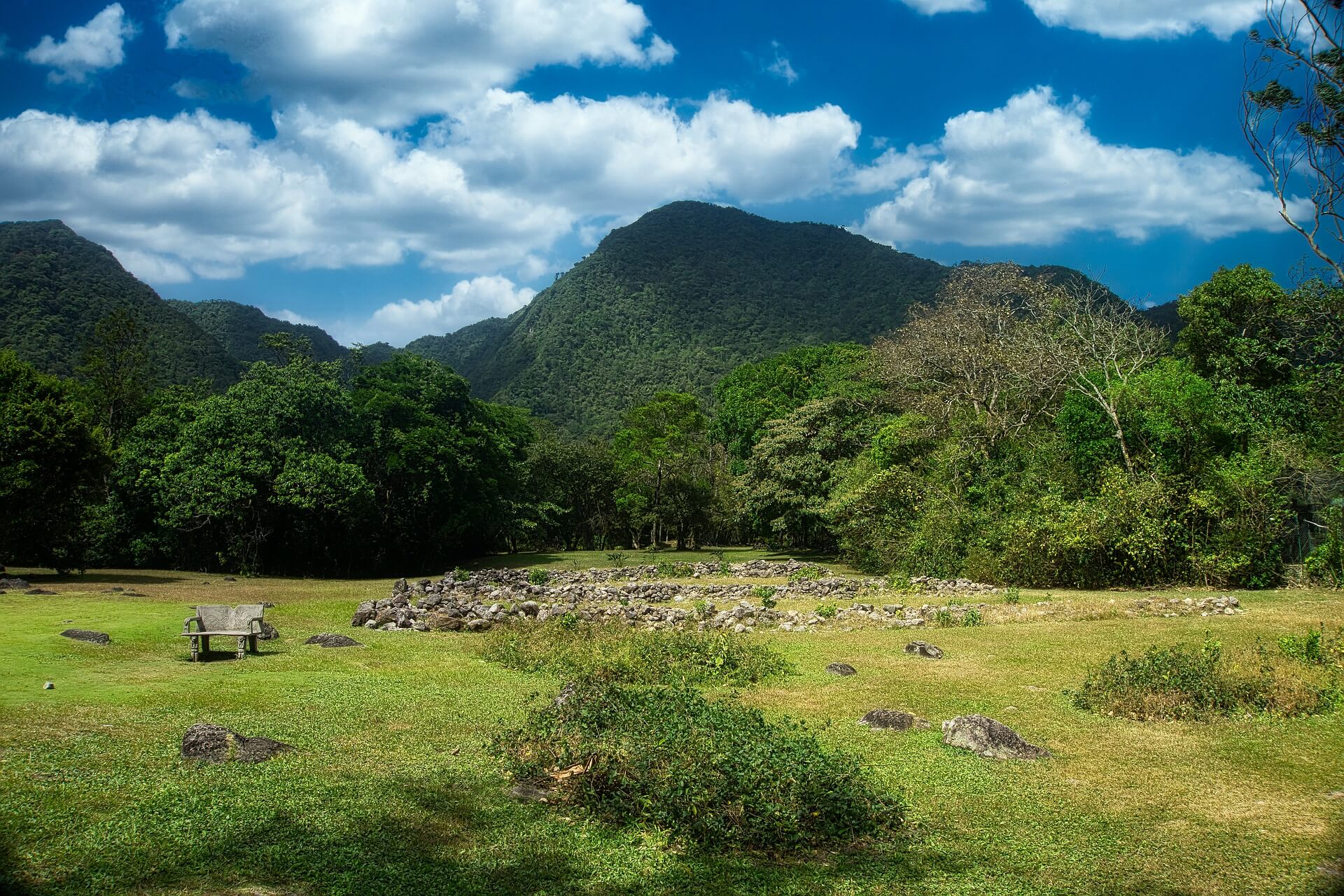
The dominant feature of Panama’s geography is the central spine of mountains and hills that form the “Continental Divide”. The mountain region is called the Cordillera de Talamanca and is near the Costa Rican border. The country’s high point is 11,400 feet above sea level and a nearly impenetrable jungle lies between Colombia and Panama. Five hundred rivers lace Panama’s rugged landscape. Three hundred rivers empty into the Pacific Ocean and they run longer and slower than those rivers that empty into the Caribbean. Panama lies in a temperate climate which supports an abundance of flora and temperatures are uniformly high with high relative humidity with little seasonal variation. Forests dominate with some grassland, scrub and crop regions. Mangrove swamps appear on both coasts and there are banana plantations occupying deltas near Costa Rica.
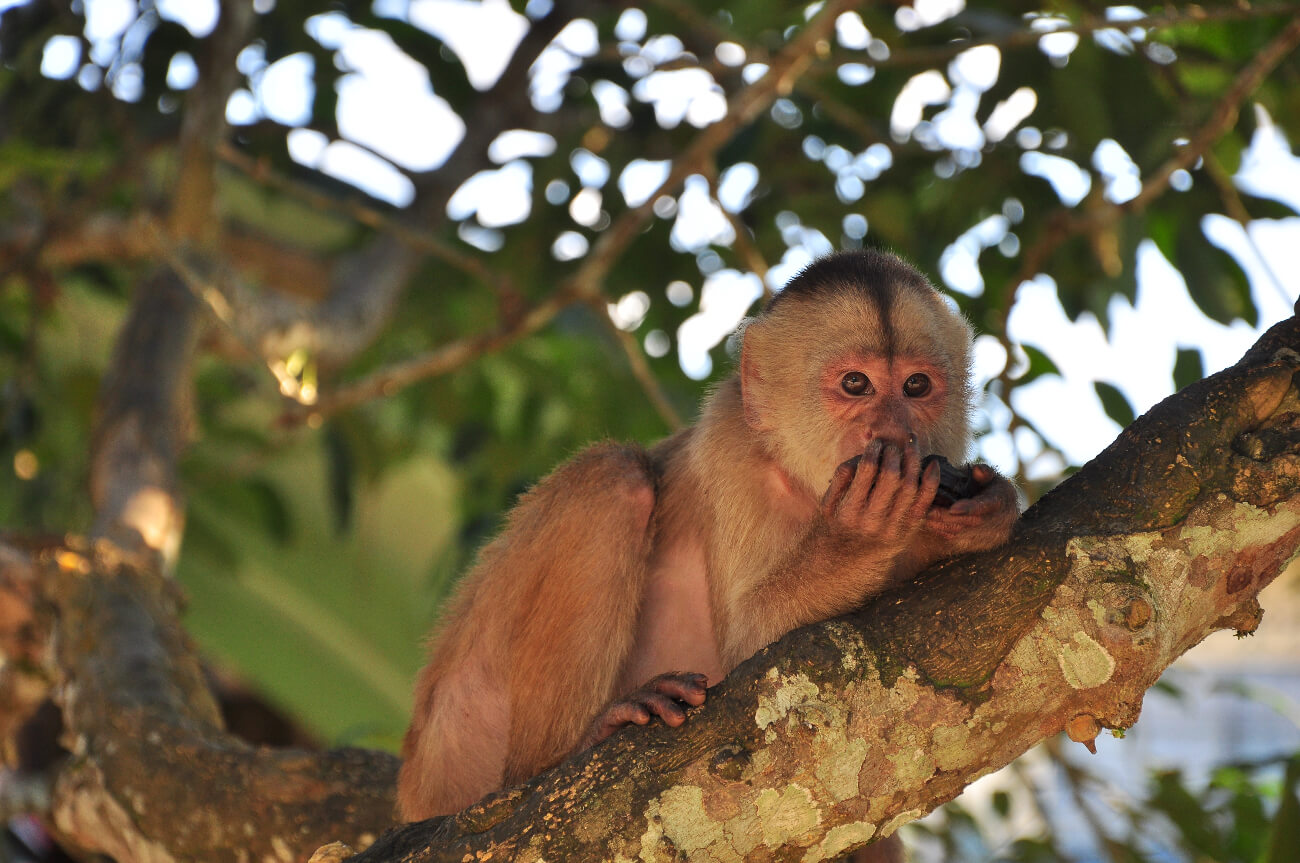
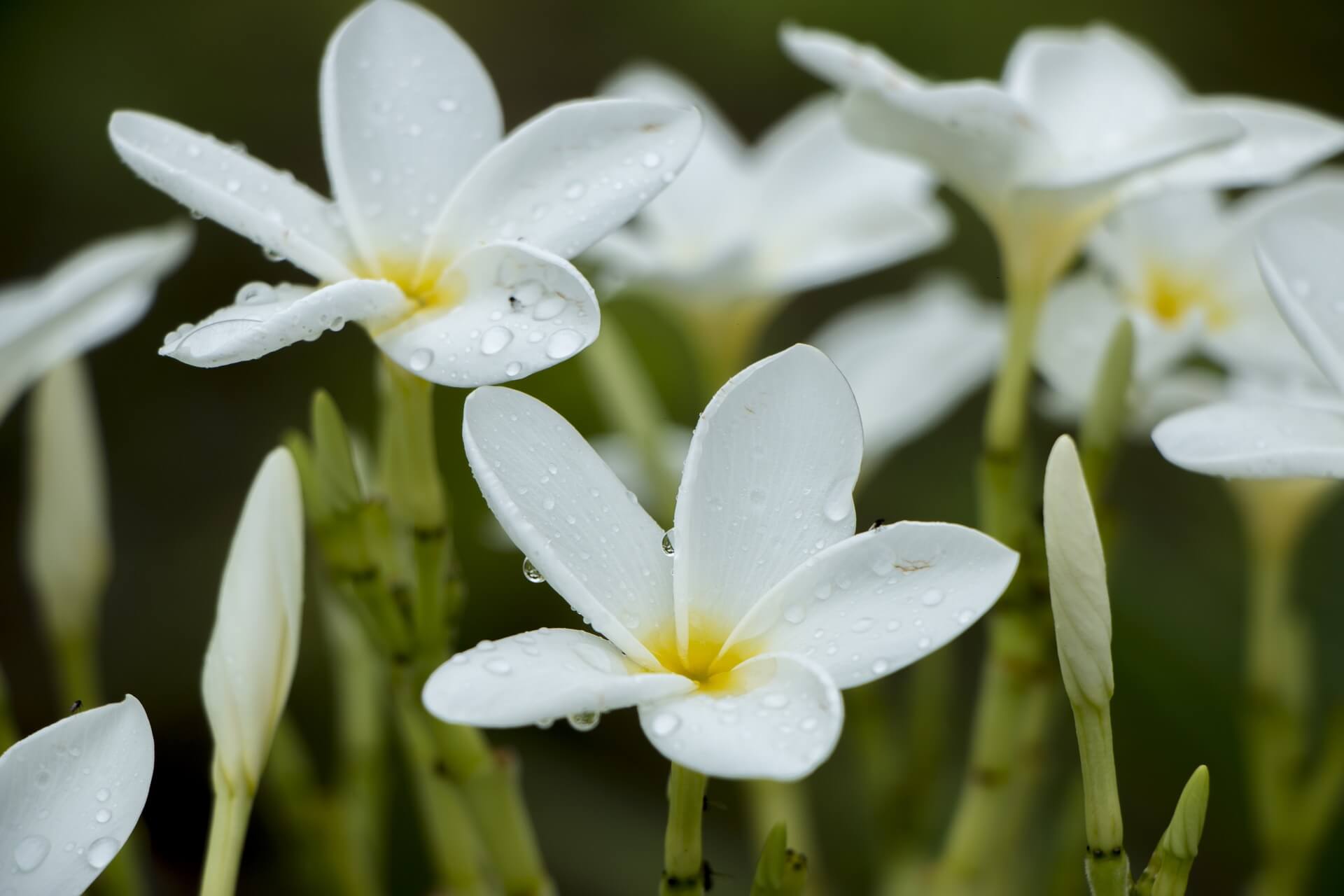
Panama’s wildlife is the most diverse in Central America and contains species of both South and North America. Covering about 40% of its land area, Panama’s jungles are home to an abundance of tropical plants and animals-some of them unique to the country. Flora is diverse with over 9000 species of flowering plants. The Holy Ghost Orchid is Panama’s national flower. Mammals include the anteater, coati, armadillo, bat, peccary, deer, tapir and many species of New World monkey. The main Reptile is the alligator which is found on both coasts. Birds include the Harpy Eagle and the Crested Eagle.
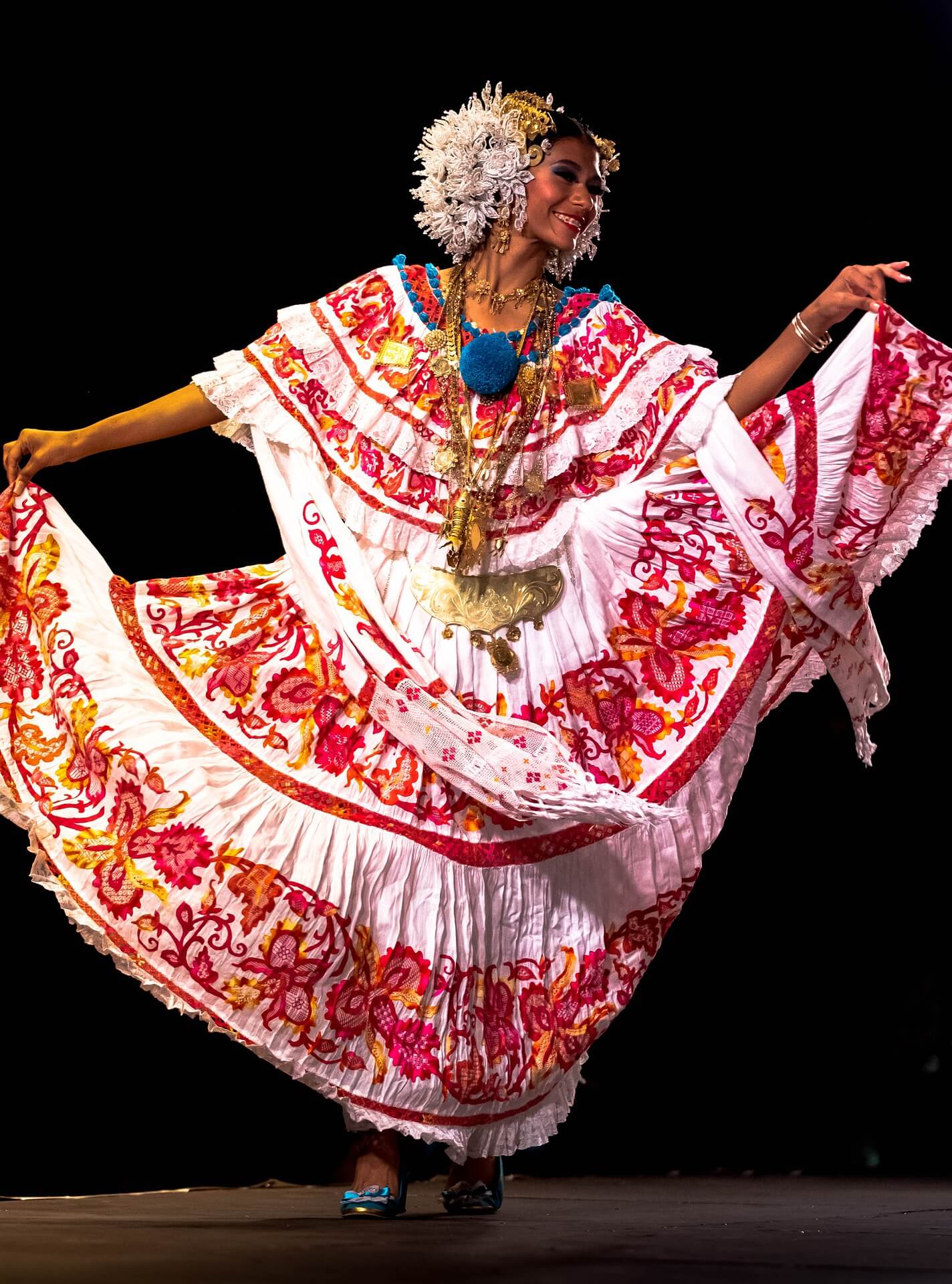
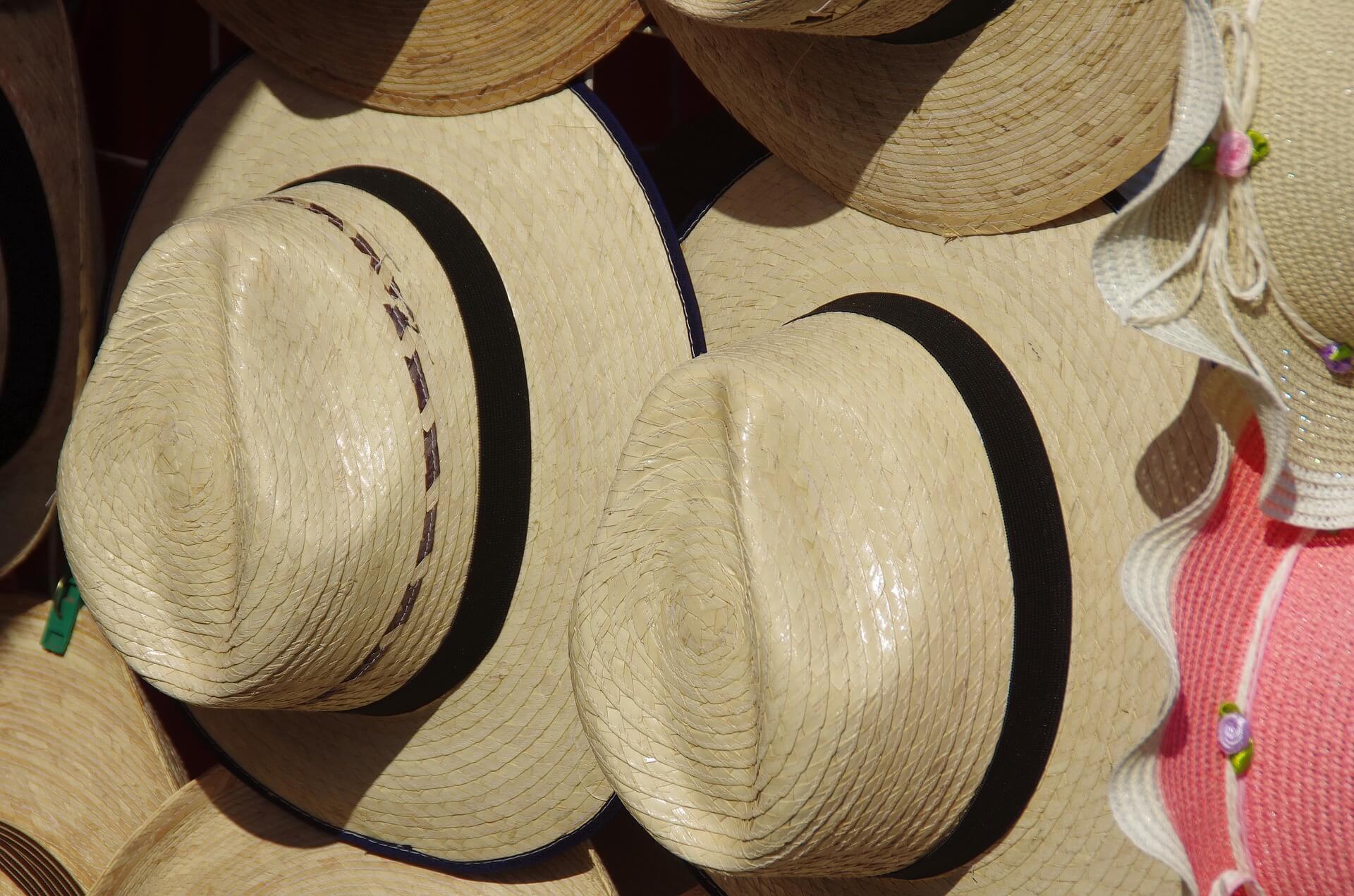
Culture is heavily European in music, art and traditions brought by the Spanish. However, hegemonic forces have created hybrid forms blending African and Native American culture with European. Dance is typical of this diversity. Local folklore can be experienced through a multitude of festivals featuring dances and traditions handed down from generation to generation. Panama’s blended culture is reflected in traditional products such as woodcarving, ceremonial masks, and pottery as well as architecture, cuisine and festivals. Men’s traditional clothing is called “Montono” which consists of white cotton shirts, trousers and woven straw hats. Women’s traditional clothing is called Pollera” which consists of clothes made of fine linens in the form of a ruffled blouse worn off the shoulders and a skirt with gold buttons.
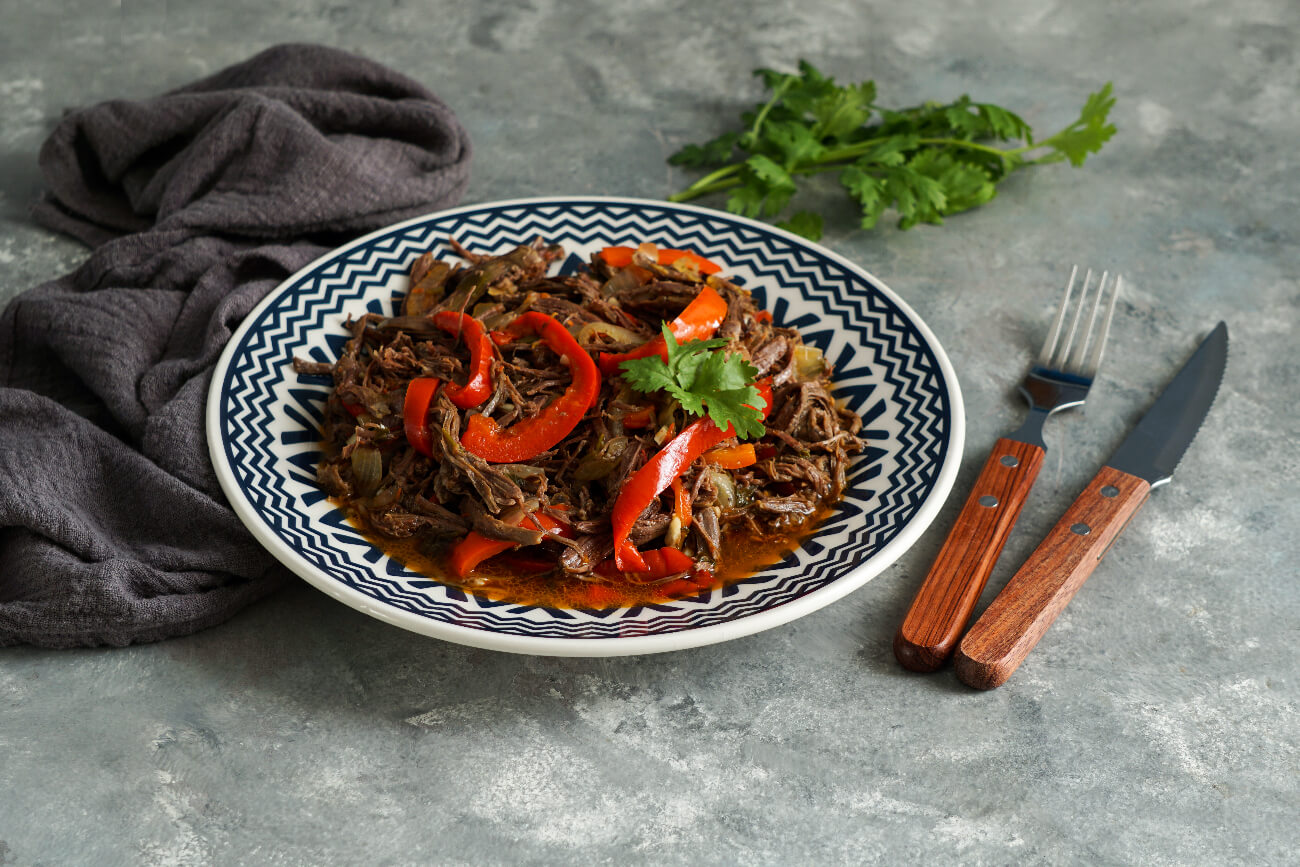
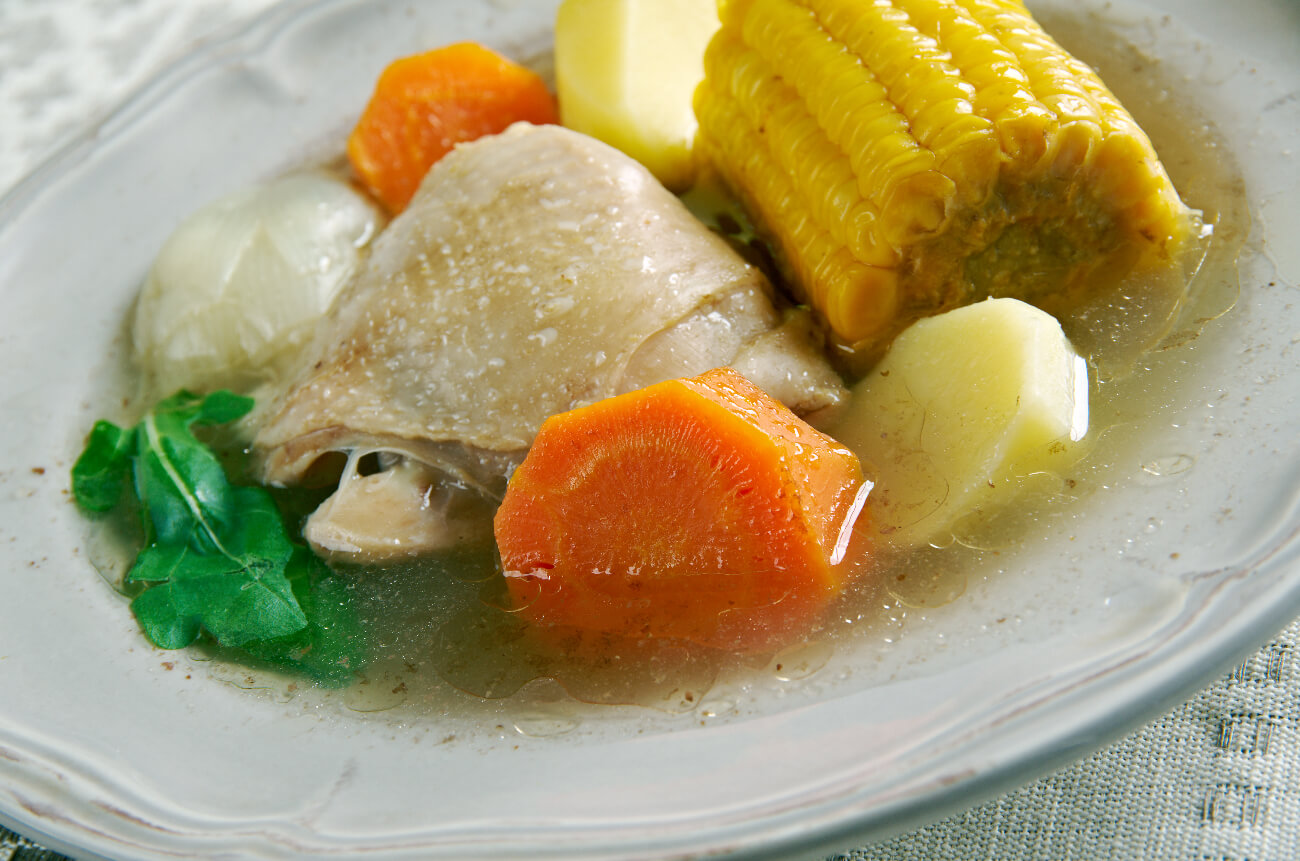
Sancocho Vegetable stew
Panamanian Corn Tortilla
Carimanolas Stuffed Yuca –Cassava Plant with cheese and ground beef
Ron Poche cocktail cocktail
Ensalada de Feria Potato salad
Pargo Frito Fried Red Snapper
Hojaldre Fried dough (bread)
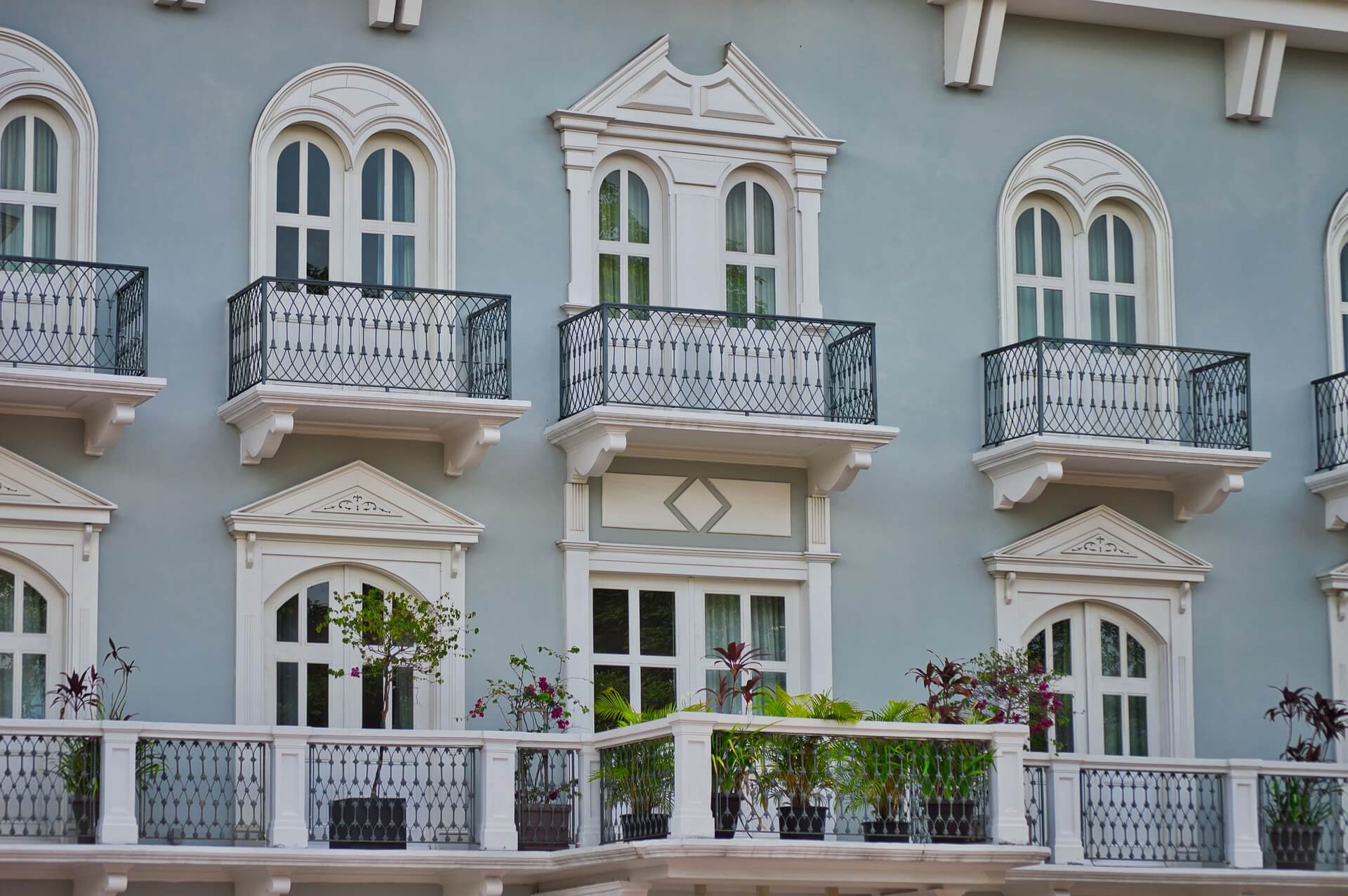
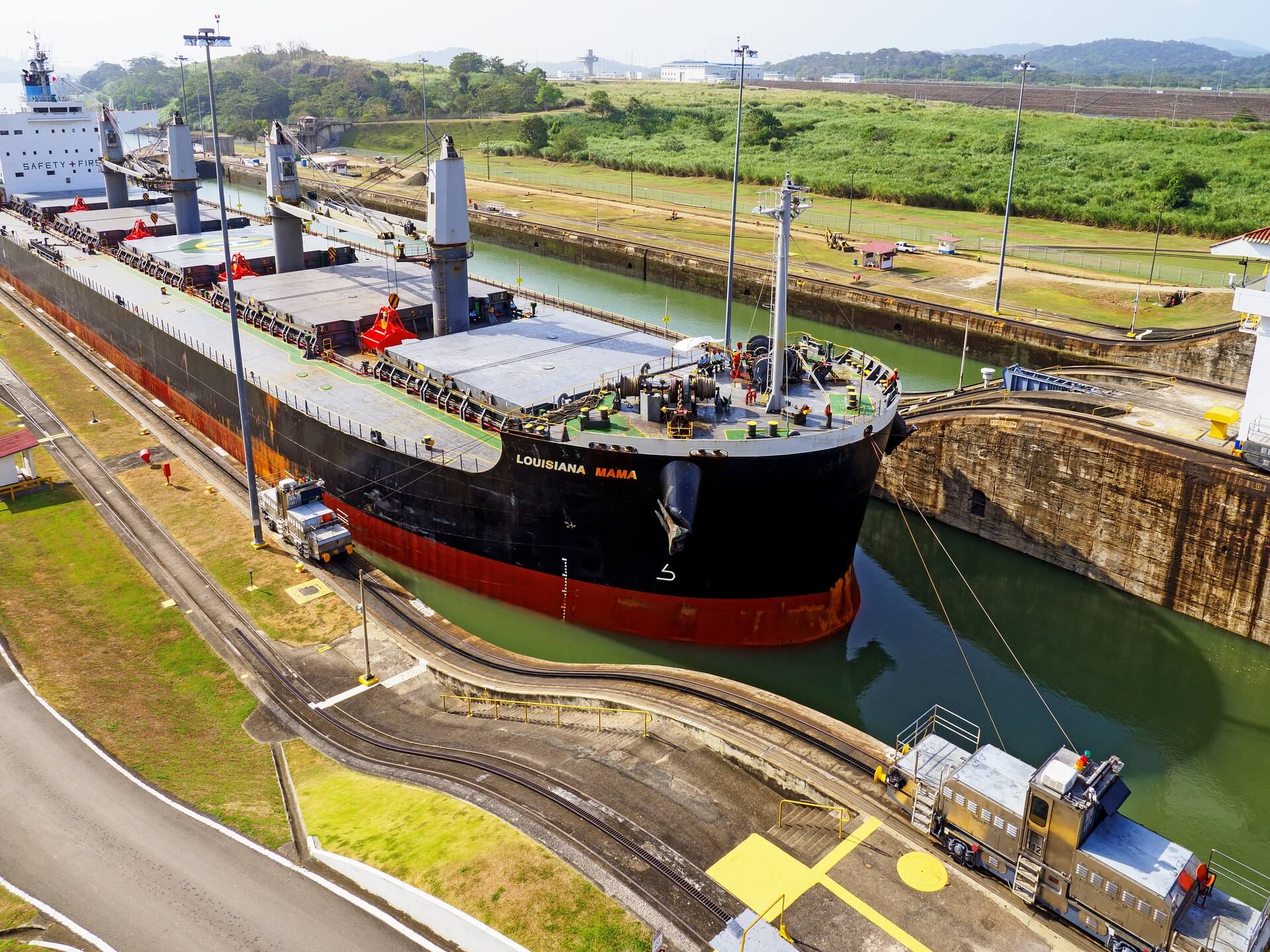
Panama City was founded in 1519 by Spanish Conquistador Pedro Arias de Avila. It is the first European settlement along the Pacific. It flourished for 150 years under Spanish rule as Spain shipped its gold and silver from Peru to Europe through Panama. In 1671, it was sacked by the English pirate, Captain Henry Morgan and relocated to the present day Casco Viejo. Today, the city has 1.3 million residents and is a diverse multicultural city. Panama City offers a lot more than just a look at the Panama Canal. The old City has an atmospheric labyrinth of churches, plazas, and palaces. Fifteen miles from downtown Panama City to Soberania National Park is a great place for hiking and birding. For a fascinating look at the canal take a taxi or local bus to Miraflores Locks Visitor Center.
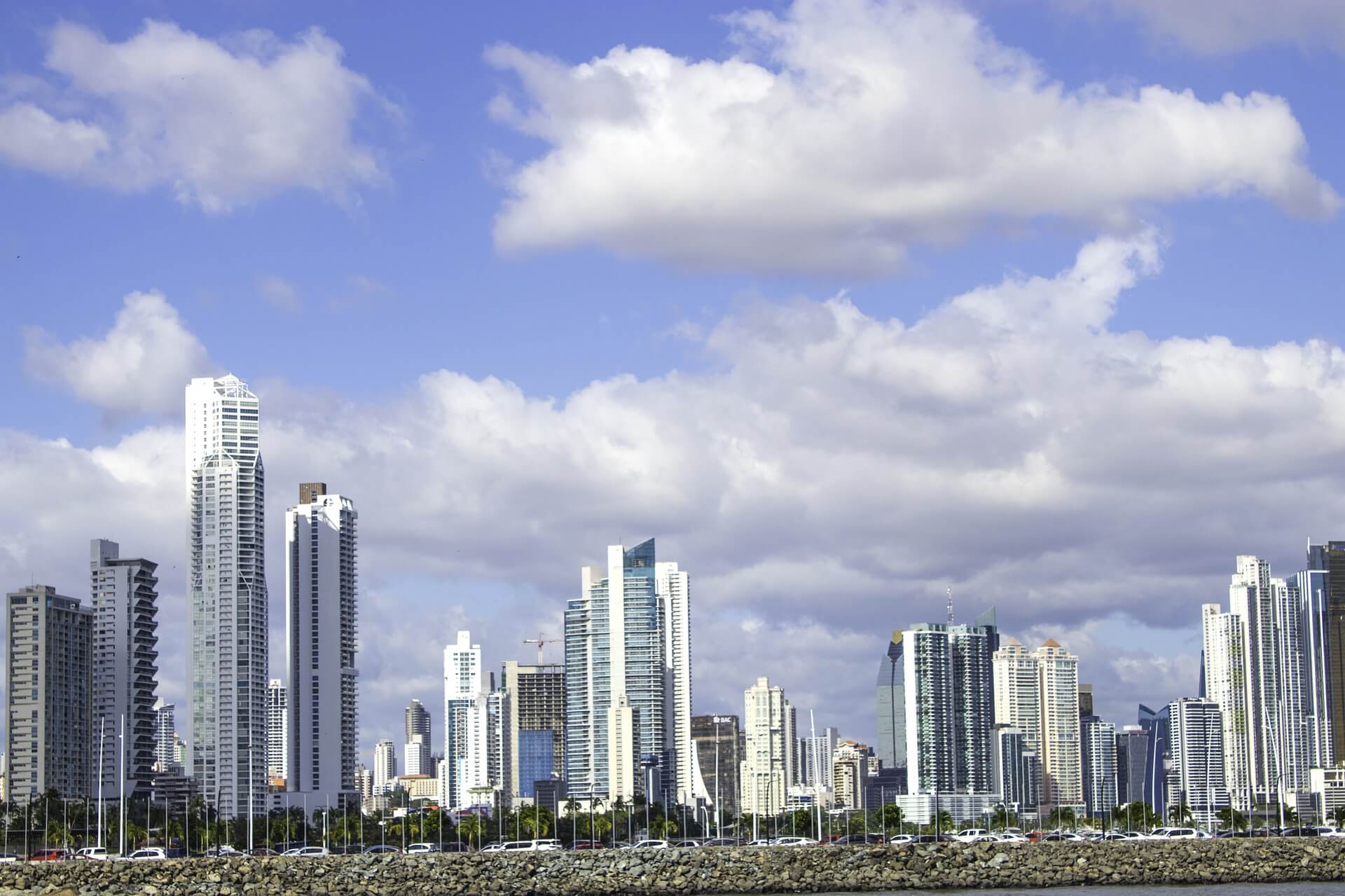
Panama City Tourist Attractions:
Bio Museo
Museo de Arte Contemporáne
Panamá Viejo Ruins
Plaza de Francia Plaza honoring the French in the building of the canal
Iglesia de San Jose church
Museo del Canal Interoceánico
Teatro Nacional
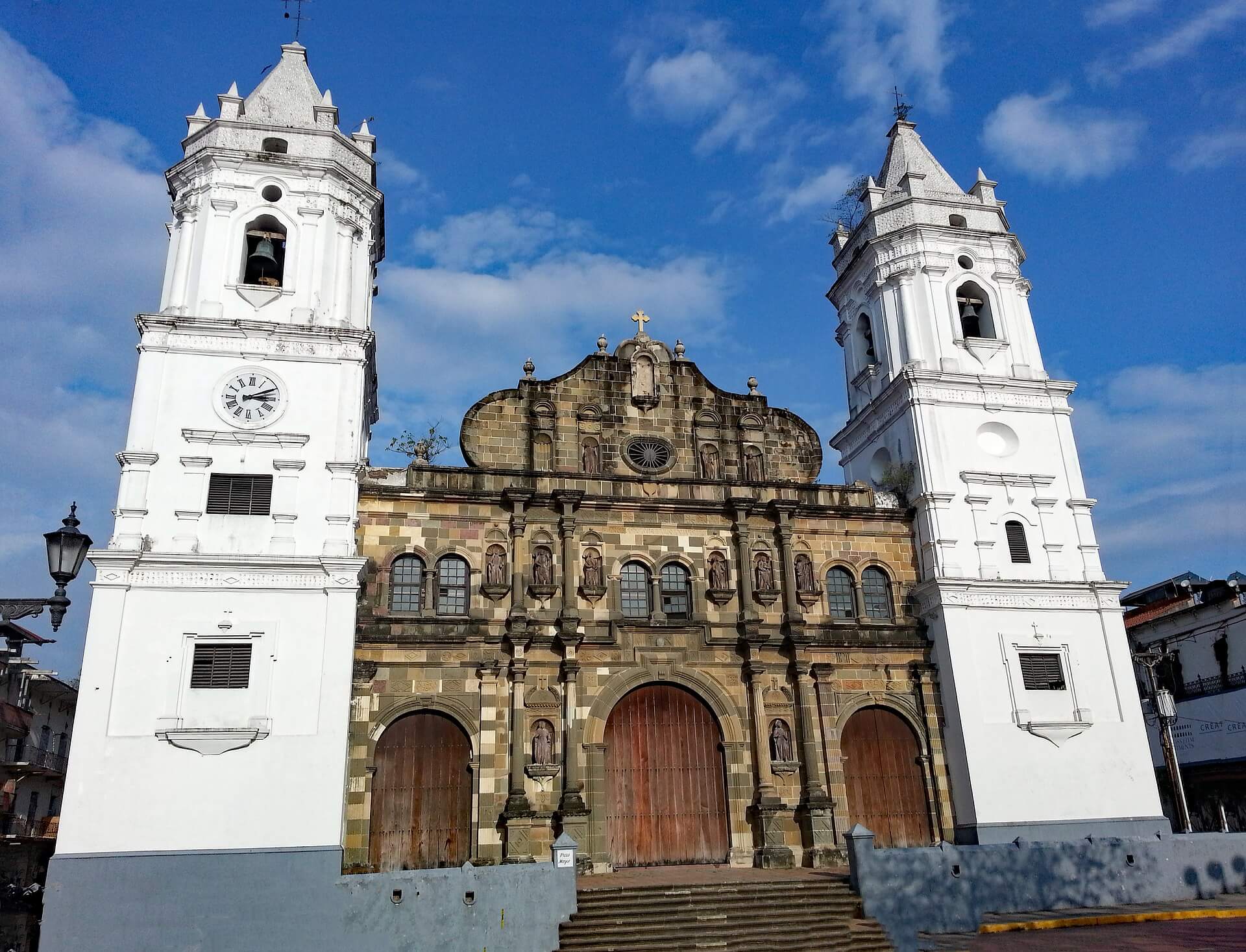
Catedral de Nuestra Señora de la Avila built 1619-1926
Puenta del Rey Bridge built 1617
Iglesia de la Merced 1673 Church
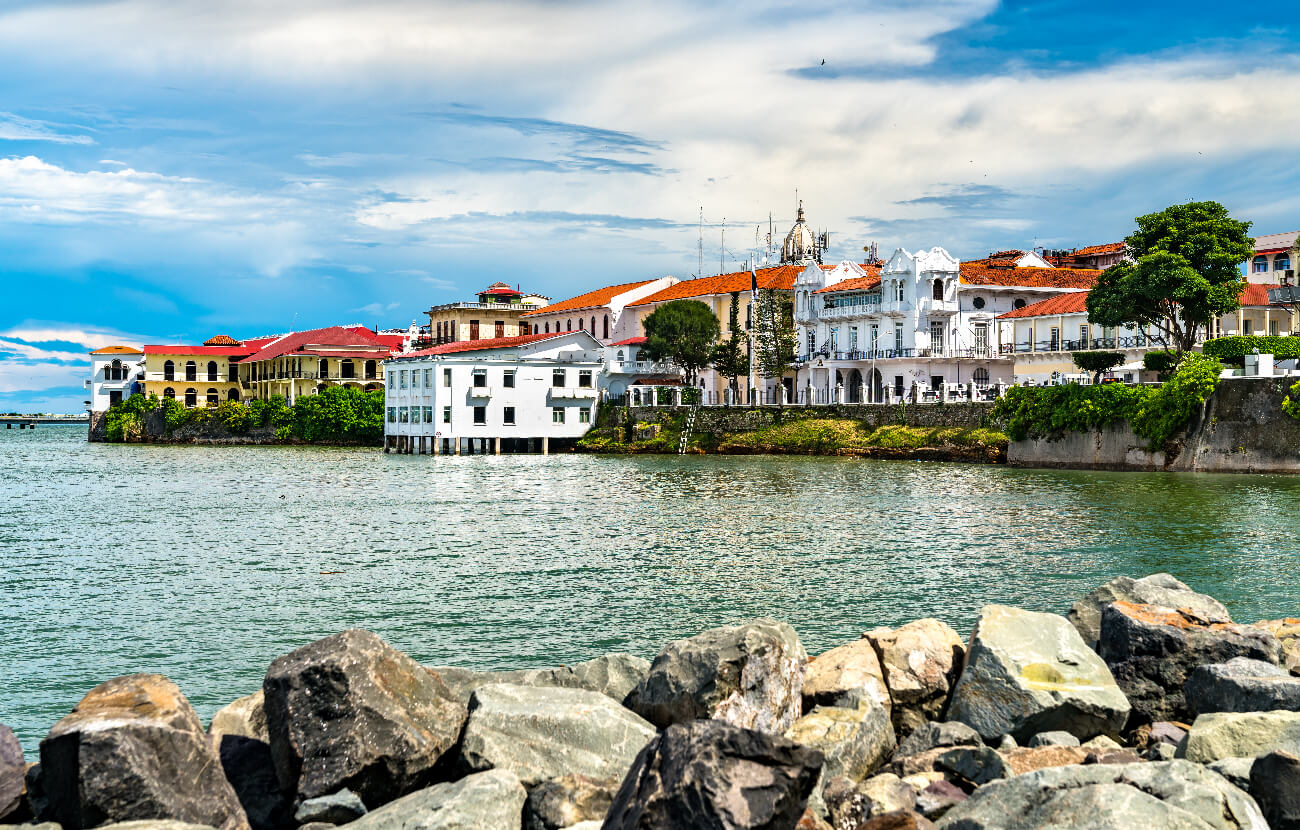
Colon is the second largest city and is a Caribbean Port located at the mouth of the Panama Canal. It is surrounded by coral reefs and rainforests and is famous for its water sports including scuba diving, fishing, surfing and snorkeling.
The City of David is the third largest Panamanian city and capital of Chiriqui Province. The popular tourist city is situated on a beautiful coastal plain near the Costa Rica border and allows easy access to the Bocas del Toro Archipelago.
Other Tourist Attractions in Panama
Chiriqui Viejo River
The Lost Waterfalls-Boquete
Monkey Island
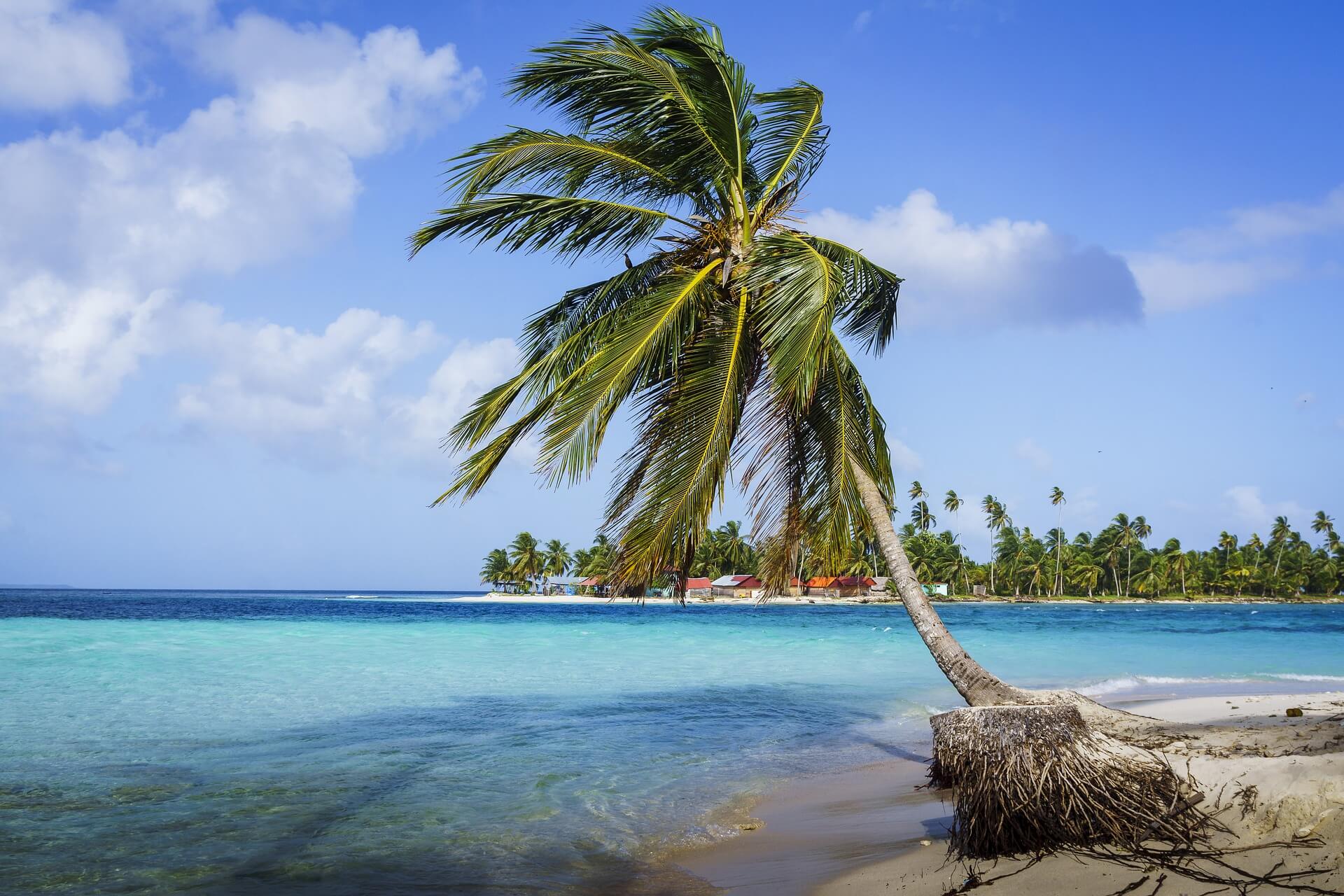
San Blas Islands on the Caribbean
Butterfly Haven
Anton Valley
Starfish Beach
Volcan Baru National Park
Panama Canal Transit Tour
No Tour Found
No Tour Found