


Peru comes from the Inca word that translates to “Land of Abundance” as the Inca Empire was wealthy for centuries and had access to valuable mineral deposits and fertile agricultural valleys.
Peru is located in western South America. It is bordered by Colombia to the east, Bolivia to the southeast, Chile to the south, Ecuador to the northwest and the Pacific Ocean is west. Peru is a tropical country with its northern tip touching the equator. Despite its tropical location, it has a great diversity of climate, ways of life, and economic activities. The difference in weather is brought about by the extreme elevations in the mountain areas and the southwest winds that sweep in across the cold Humboldt (Peru) Current.
The country’s population is 33,500,000.
Peru’s constitution calls for a President who is elected to a five year term, serves as chief of state and appoints a Council to assist him in administering the executive branch. Legislative power is held by the Unicameral Congress of the Republic whose members are popularly elected to a five year term. The judiciary system consists of a Constitutional Court which decides questions of the Constitution. a Supreme Court and local courts.
Topography
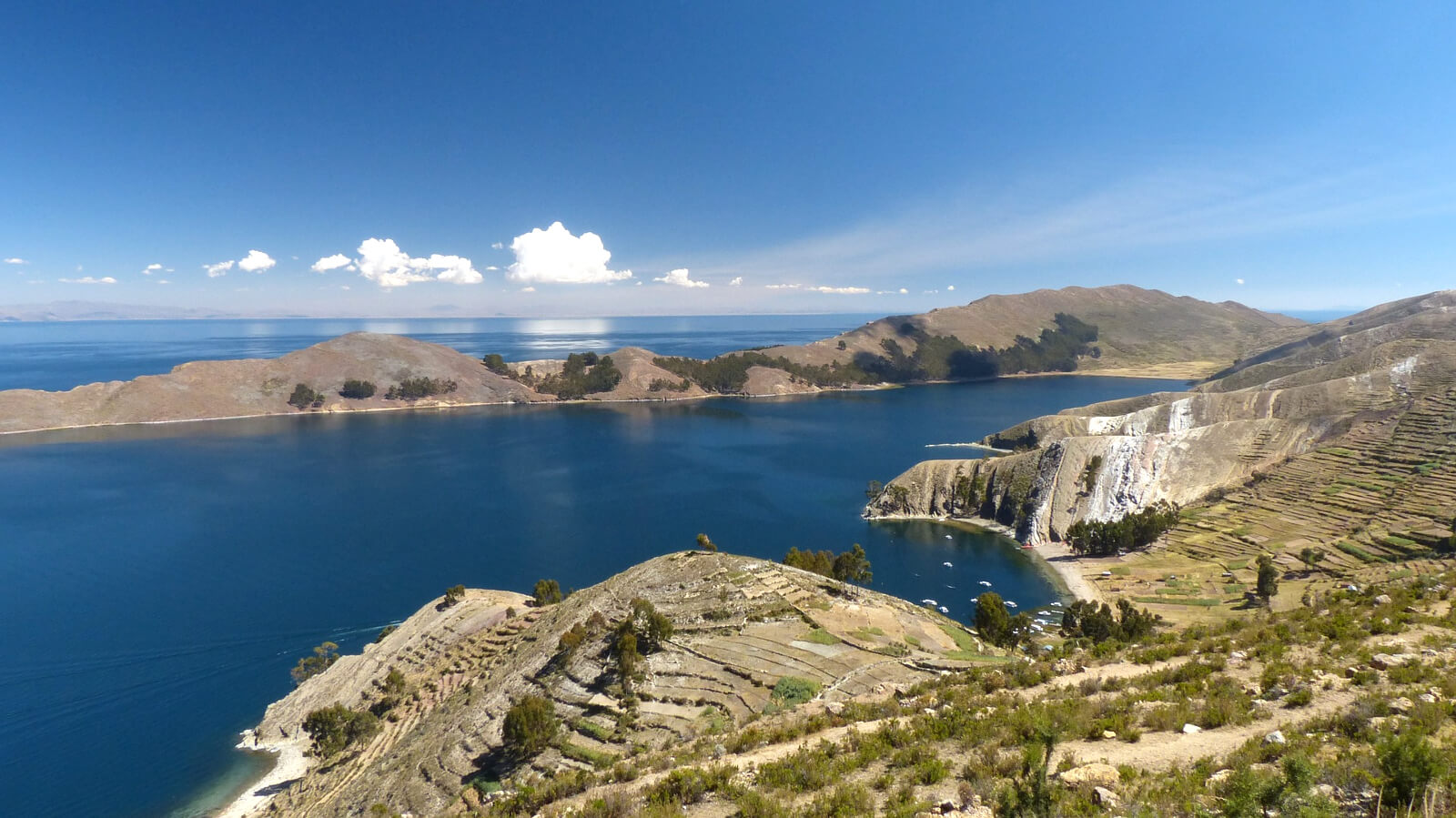
Peru has three broad regions which are the arid Costa in the west, the rugged Sierra (Andes System) in the center, and the wet and forested Amazonia in the tropical Amazon Basin in the east. The Sierra region includes Lake Titicaca which at 12,500 feet above sea level is the world’s highest navigable lake. The Amazonia Region has the Amazon River with the largest volume of flow of any river in the world.
Climate
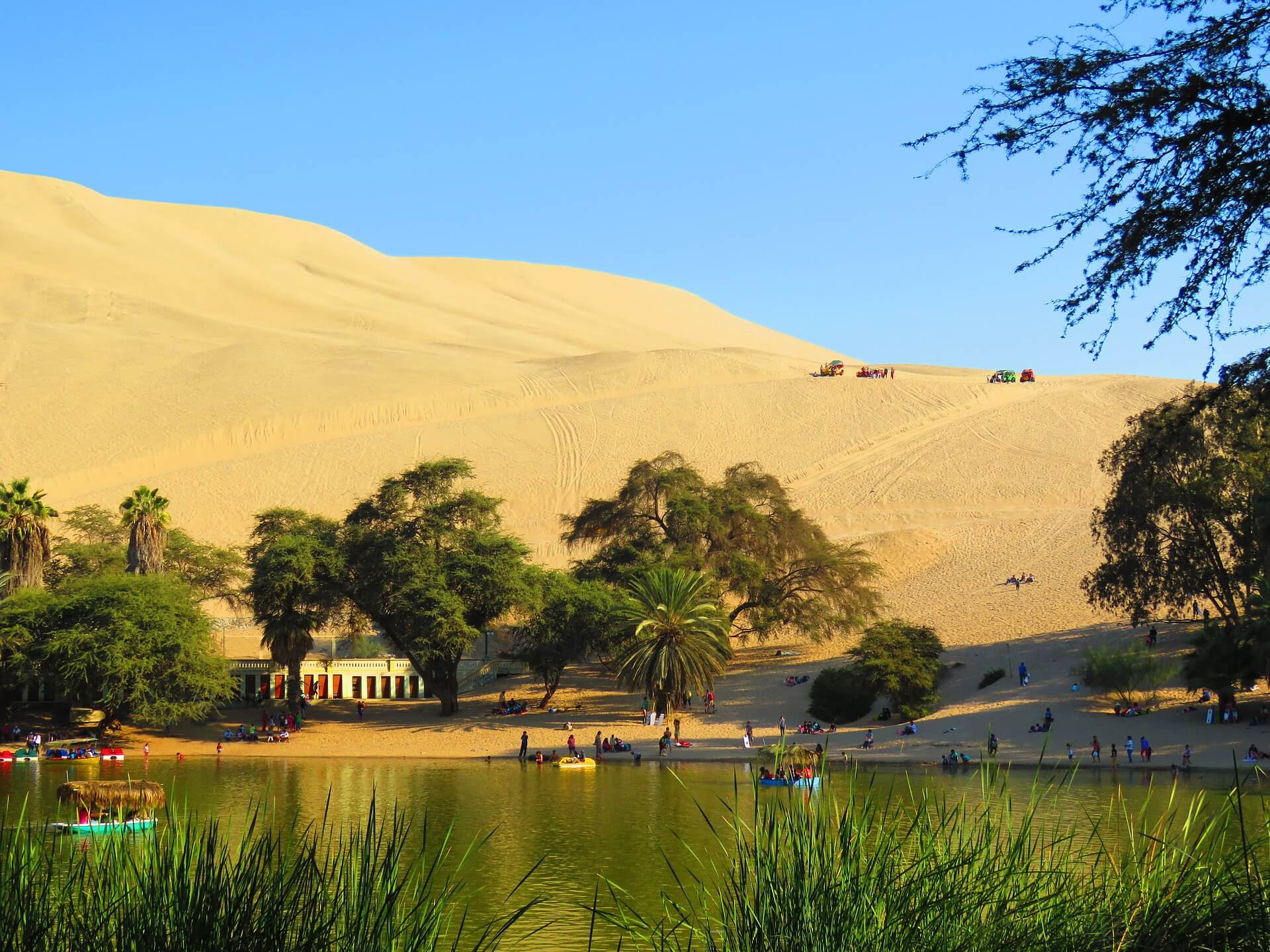
There are three broad climate regions that closely parallel the three topological regions. The Coastal desert has one of earth’s driest climates. It is not a hot desert with temperatures averaging 66 to 72 degrees. Sierra-the mountains climate vary with elevation in the mountains and rainfalls decrease from north to south and east to west. Tropical RainForests are hot and humid in Amazonia of Eastern Peru with high rainfall and temperatures dropping to the 60’s at night from the 90’s during the day. Peru has the “El Nino” weather system about once a decade.
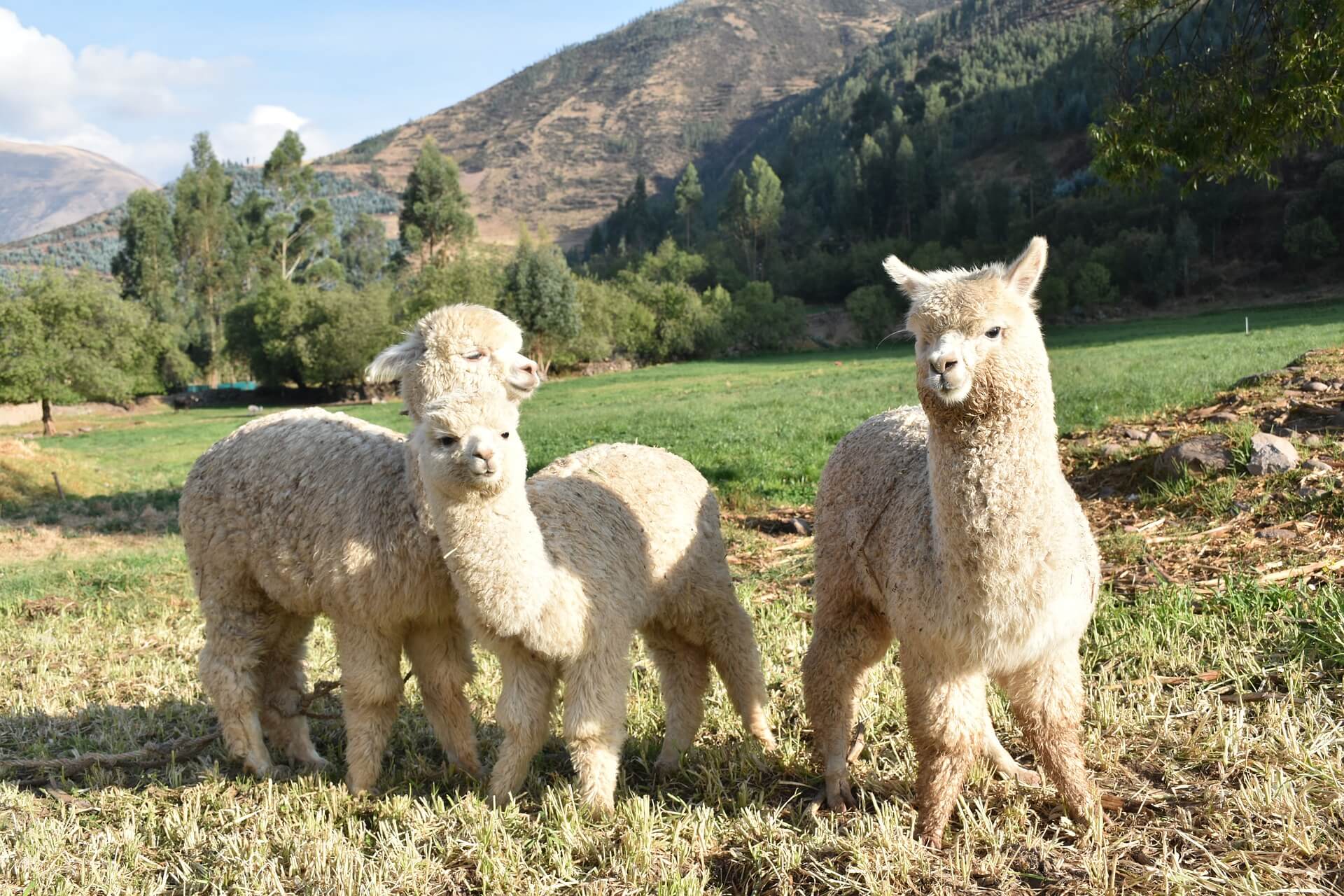
Costa does not have much animal life. It is mostly dry desert but in the north coast region there is mesquite. Marine mammals, fish and birds have very sizeable populations in the coastal waters. Birdlife is extensive especially on the coastal islands. There are pelicans, cormorants, gannets, various sea gull species and Humboldt penguins. In the ocean we find sea lions, tuna, swordfish, and Marlon. The Sierra has two plant communities that characterize the Peruvian highlands. The Puna grassland sits at elevations of between 13,000 and 16,000 feet elevation and at less elevation, there are a mixture of native and introduced species. Puna is home to llama, alpaca, vicuna, and guanaco which are native to the region. At lower elevation there is agriculture where potato, quinoa and corn grow. The Sierra contains the headwaters of rivers that flow to both the Pacific Ocean and the Amazon River.
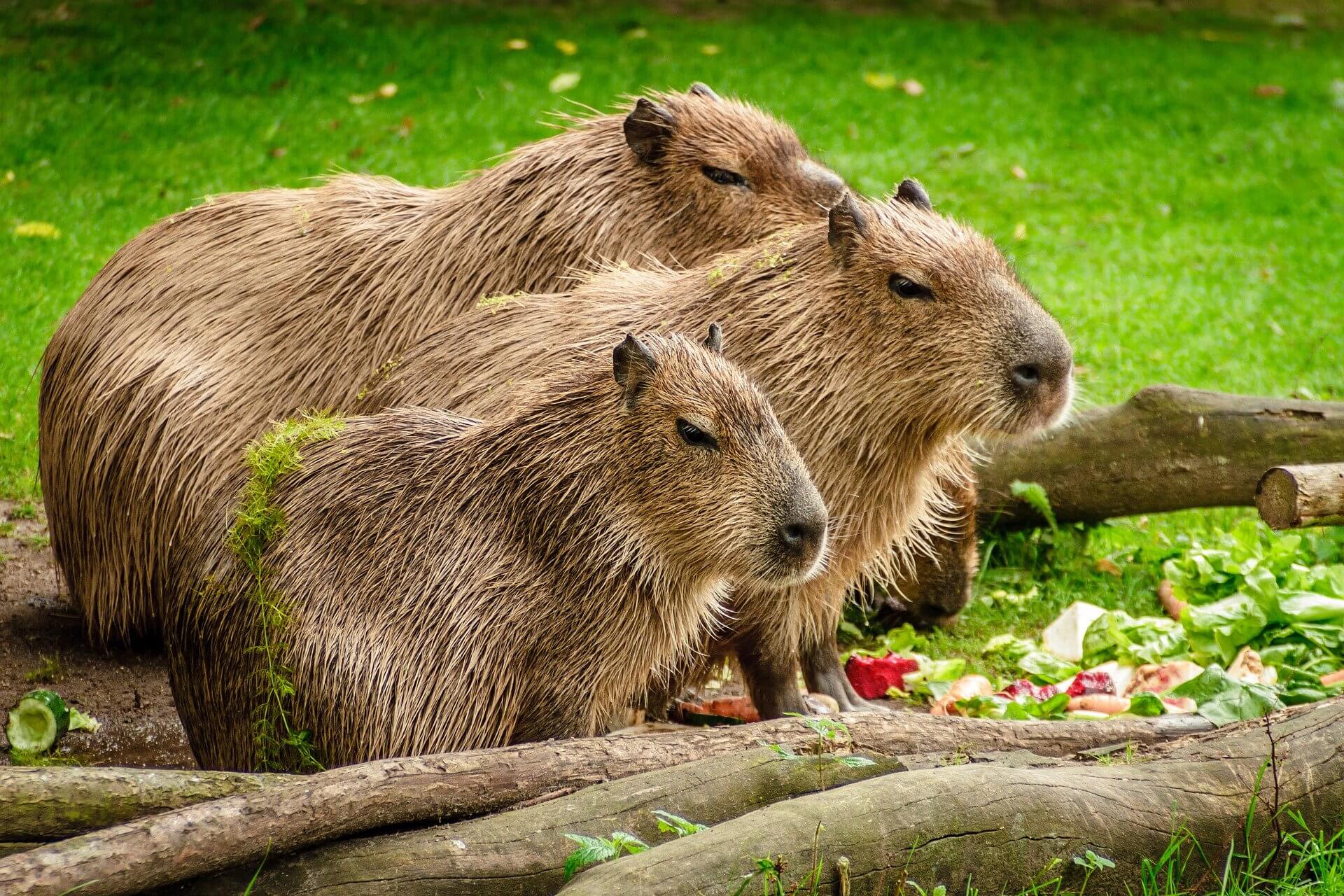
Amazonia encompasses the eastern slopes of the Andes and the Amazon plain and has large growths of tropical forest. It supports a myriad of plants, insects and animals including jaguar, capybara, tapir, and several species of monkey, many bird species, fish, reptiles and many insects. It has large rivers with the largest in the world by volume of water flow; the Amazon River and its tributaries.
Pre-Hispanic-Indigenous Peoples were isolated from each other by the very rough topography of the country. At least three times before European colonization there were unifying cultures and civilizations. The first, in 1000 BCE, was the Chavin culture; then in 600 BCE, the Huari civilization, and finally, the Inca.
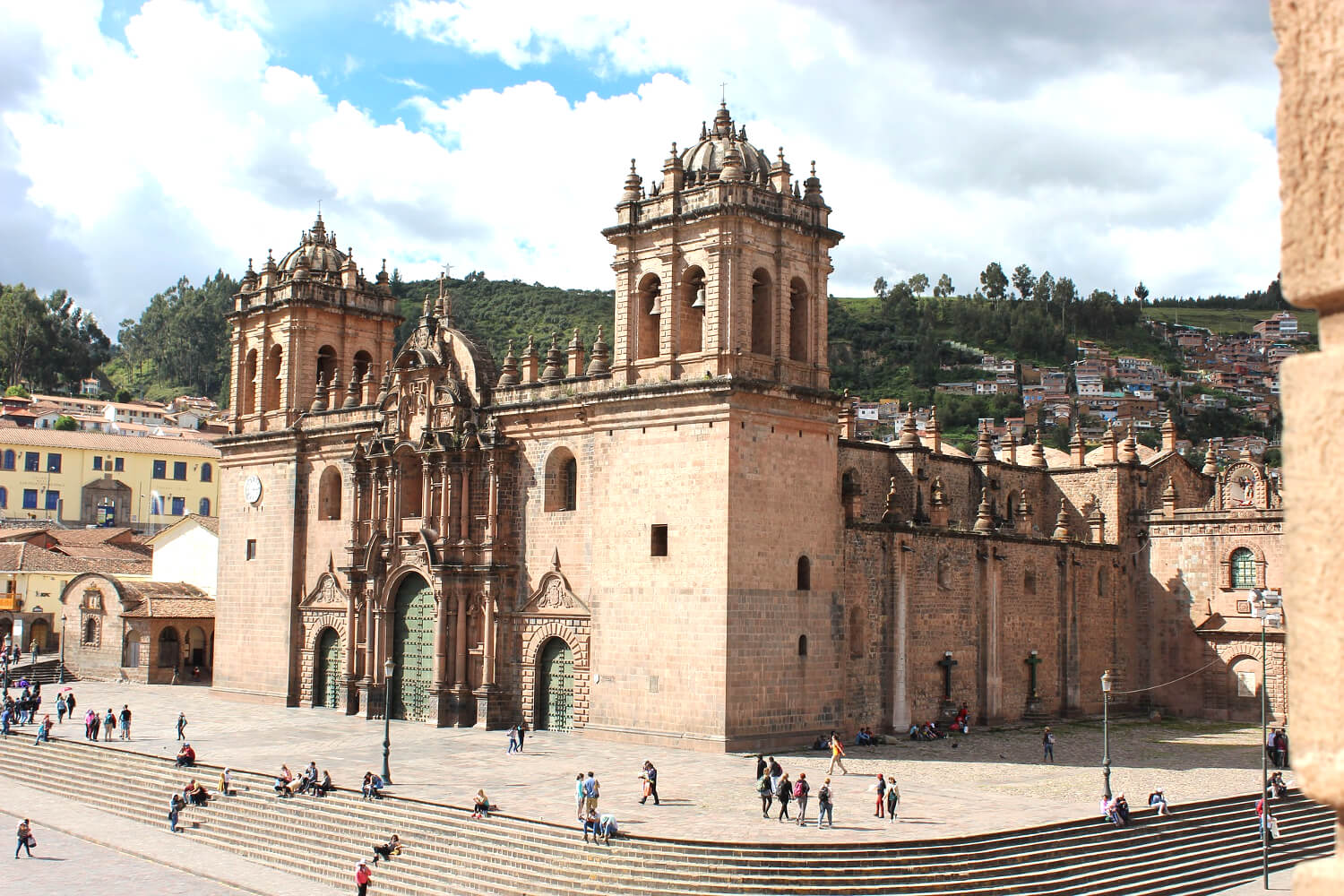
Ethnicity, Languages and Religion Mestizos are a mix of indigenous and European and are 60% of the population; 20 to 25% still speak the Inca language. The Incas inhabited the highlands and the coast but did not penetrate into the tropical forests. With no Inca influence the many languages and dialects that were pre- Inca continued to exist and still exist today. In the cities, along with Spanish; English and other European languages are spoken. In the Pre- Spanish colonization era, the various religions were polytheistic or pantheistic and most built temples; many of which still exist. 70% of the current population is Roman Catholic and 10 to 20% Evangelical Christian.
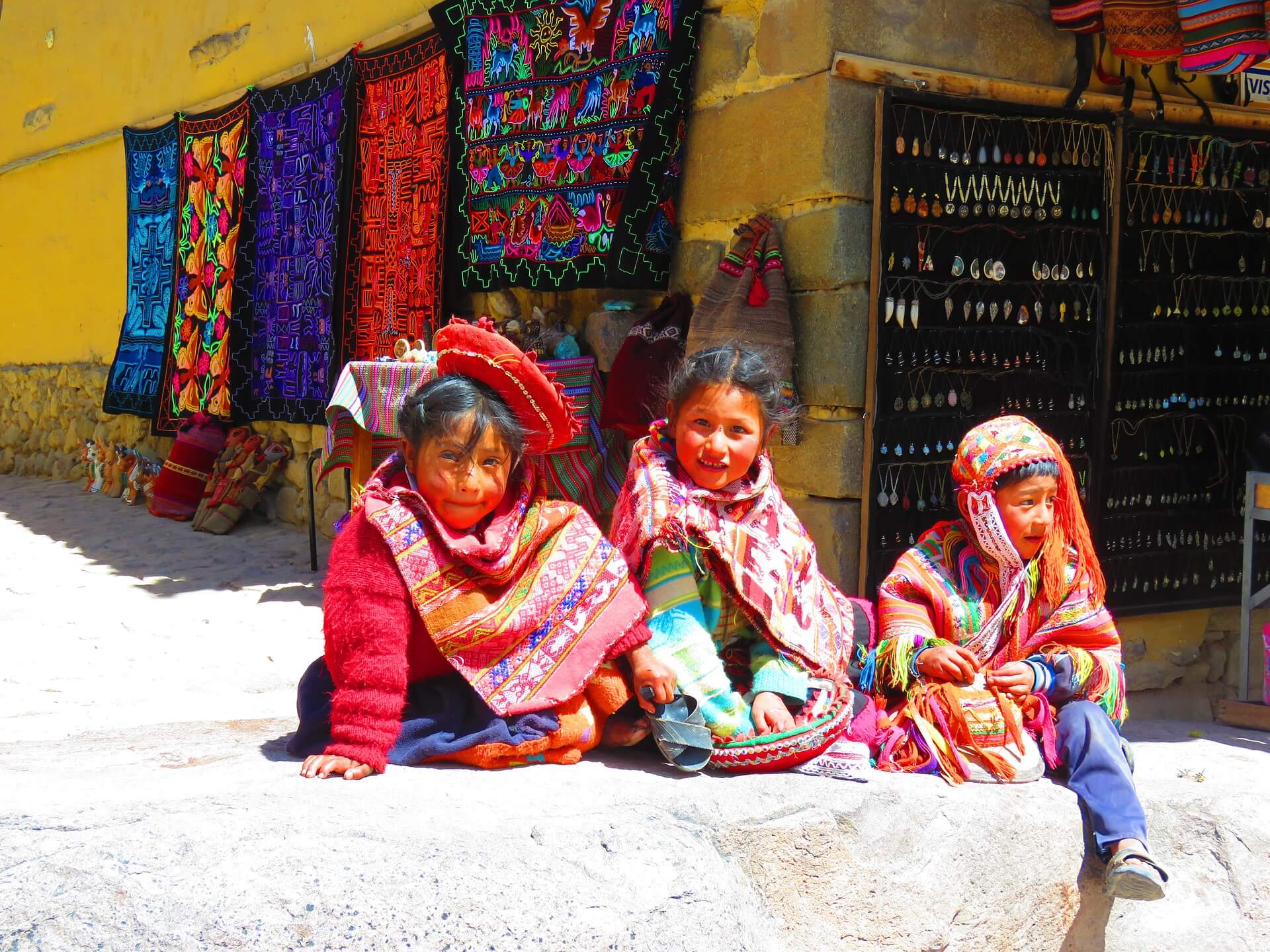
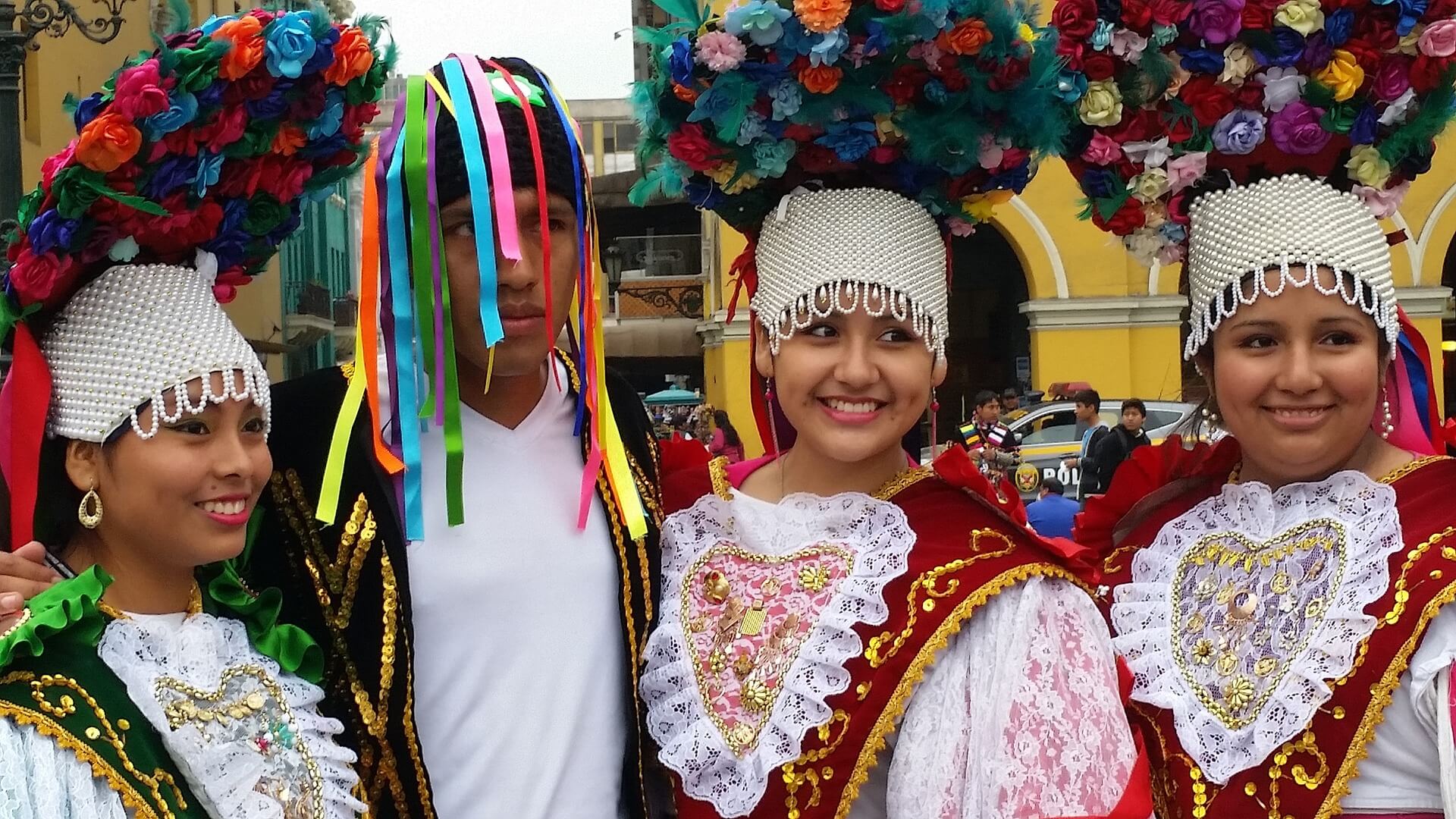
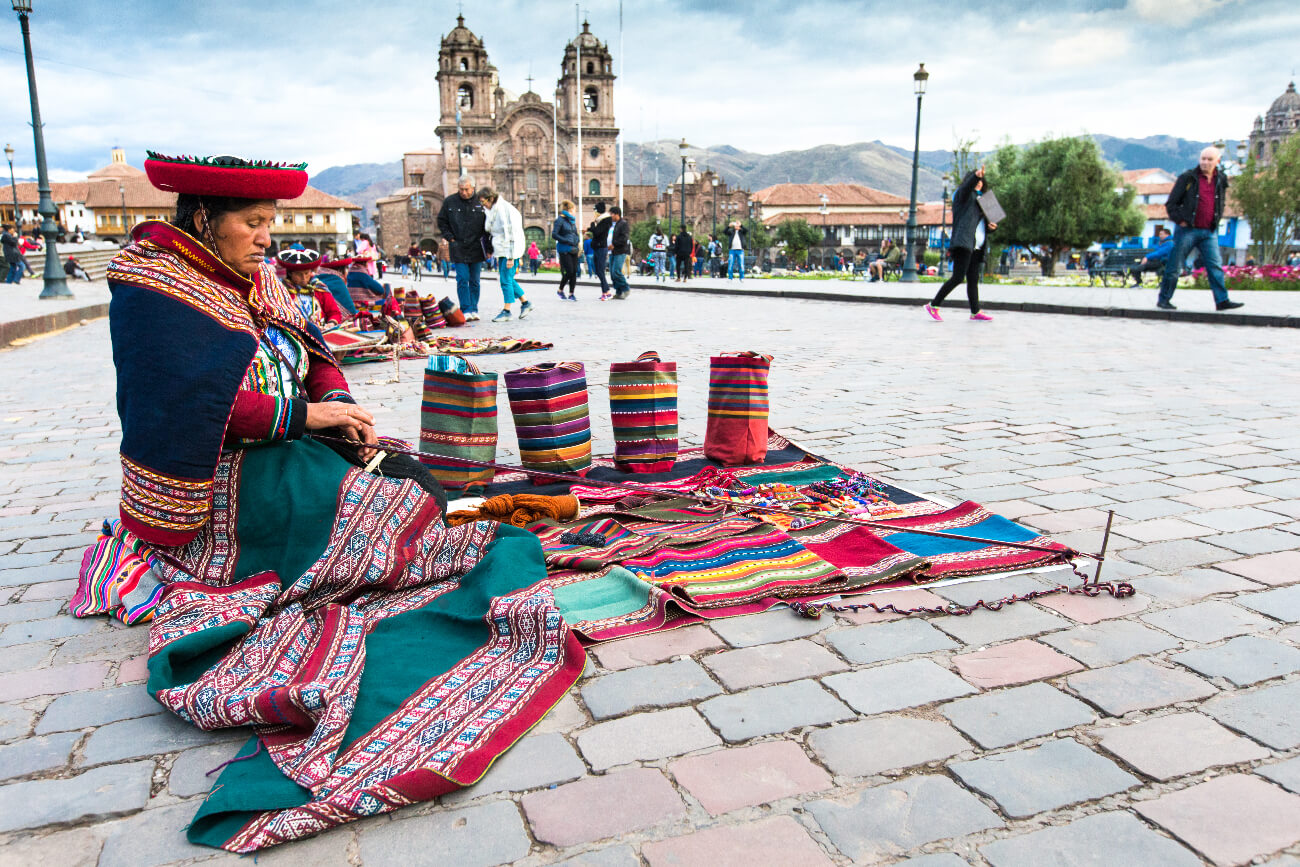
The ethnic and cultural mixture of Peru presents an entwining of indigenous pantheism, Spanish mysticism, and African religious practices which are manifested in the country’s music, literature, textiles, handicrafts, gold and silver works and cuisine. 78% of the population lives in urban areas and 22% are in rural/agricultural locations. There are distinct differences in the daily life of the people. Most of those who live in rural areas are dependent on the agricultural cycle. Seasonality entails heavy work in the planting and harvesting times and getting up early and going to bed early. Shepherds follow the distinct animals’ cycle, and festivals and family gatherings are the only breaks from work. City life varies with social class. The poorer class work two or three jobs. The life of the upper middle class and more affluent residents of Peru’s cities are much different. The most important meal is eaten at noon and most families assemble for this feast. The early afternoon is reserved for a siesta hour, followed by a return to work, and for those who are not employed it is a time for relaxing, paying social visits, playing sports or watching television. The evening meal is usually very late and oftentimes away from home-while visiting with friends or in a restaurant or bar. People of higher economic and social status have servants and more than one house. In urban areas people tend to dress in typical western-style clothing. In rural areas, however, traditional clothing styles date back to the colonial period with distinctive hats, ponchos, blouses, skirts and belts.
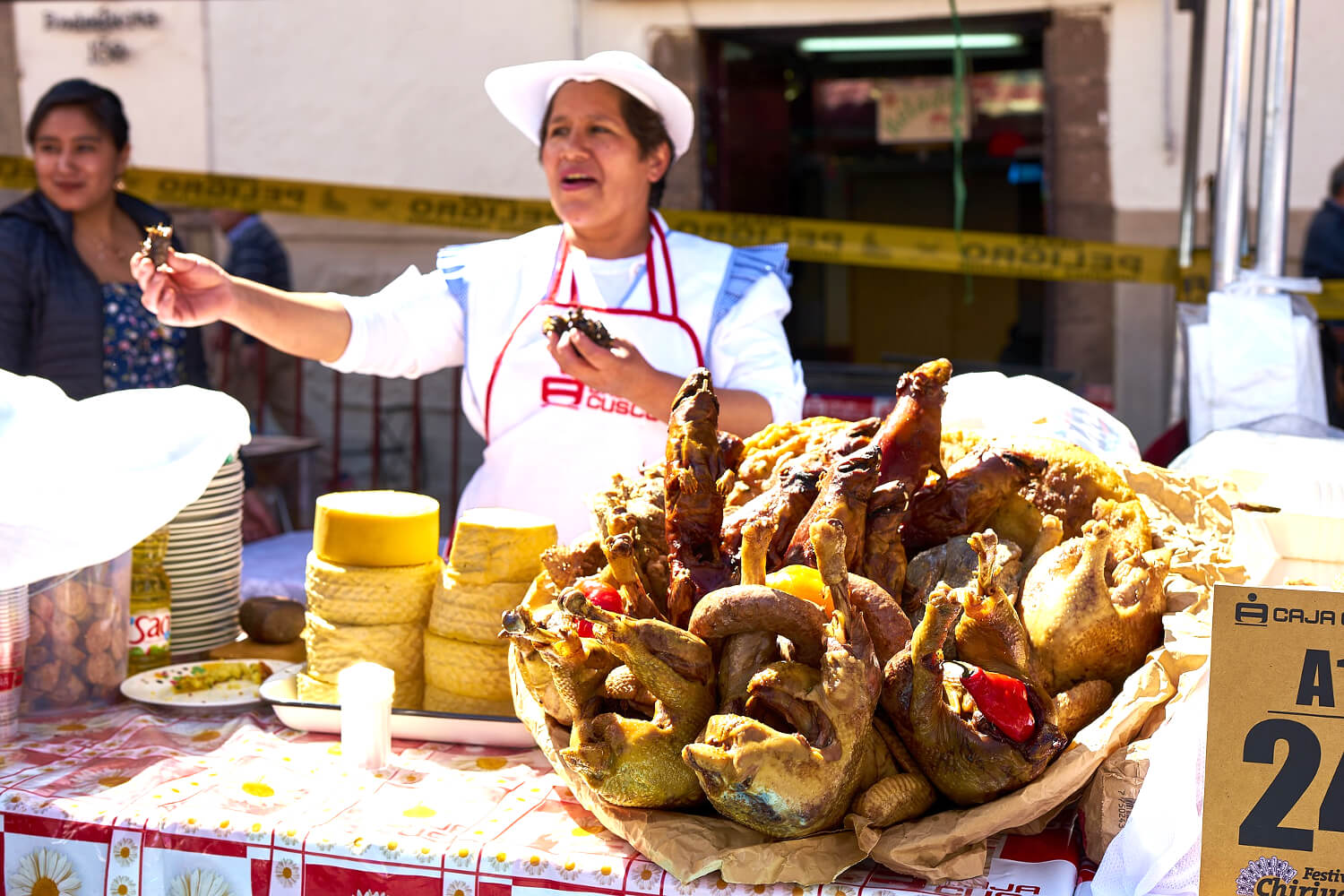
Peruvian cuisine has much regional variation. In the highlands, most meals consist of potatoes along with other Andean tubers and grains such as quinoa, and protein from the meat of chickens, fish, goats, llamas and guinea pigs. In coastal areas, traditional cooking is called criollo style; with lots of rice, cassava, tomatoes, onions, spicy peppers and fresh seafood. Ceviche (raw fish marinated in lemon or lime juice) is popular throughout Peru.

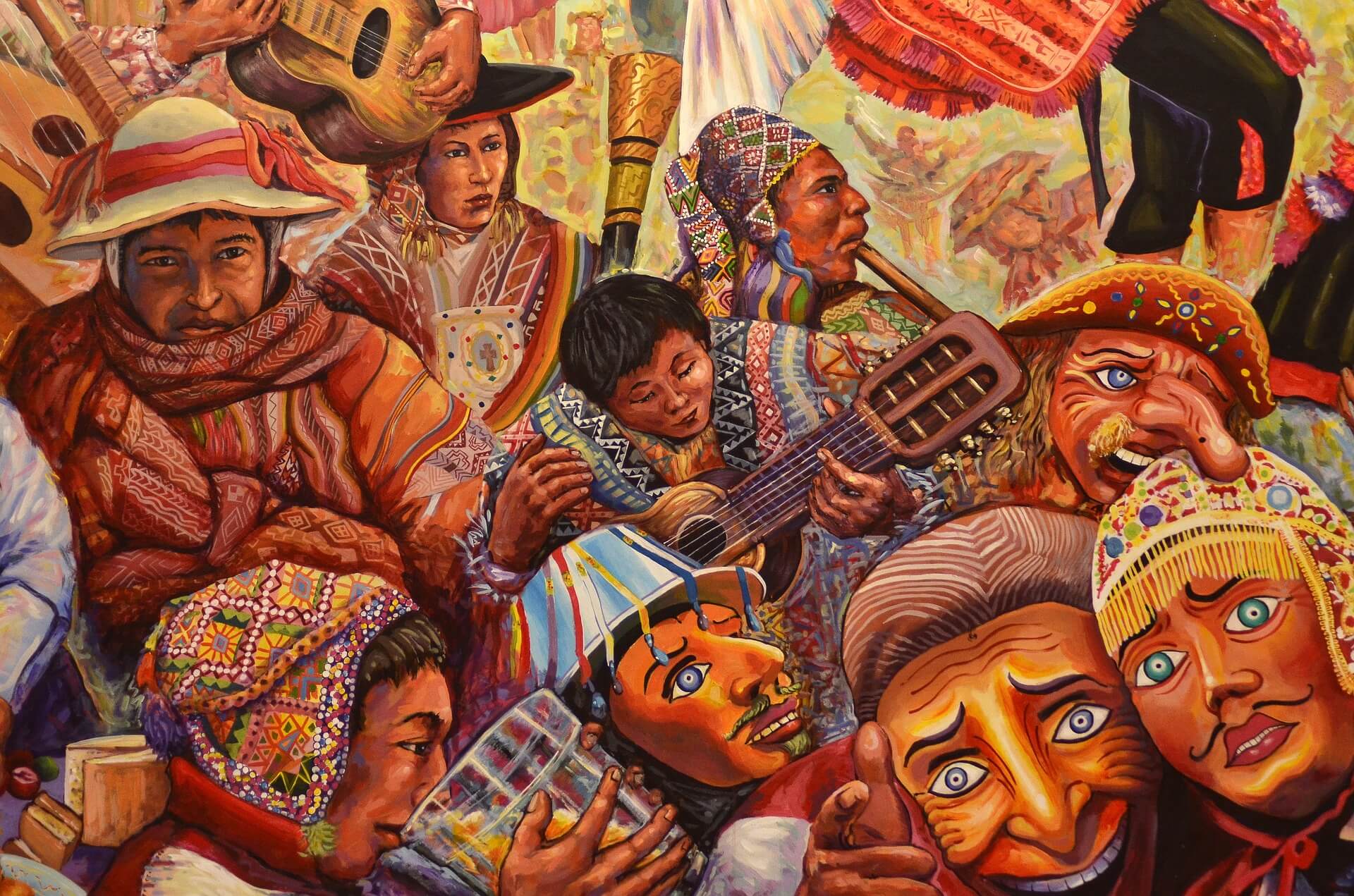
In both town and countryside there are notable examples of Peruvian folk culture from the indigenous people. Pre-historic and mestizo lore abound in myths, songs, superstitions and dances. Handicrafts, popular with tourists and collectors, provide a close link with such pre-Hispanic crafts as weaving, ceramics, and metalworking.
Lima
Lima is the capital and largest city in Peru. It is located in the valleys of Chillon, Rimac and Lorin Rivers and is in the desert zone of the central coastal part of the country overlooking the Pacific Ocean. Together with the seaport of Callao it forms the contiguous urban area known as the Lima Metropolitan Area with a population of 9.5 million. Lima is the financial, political, cultural and commercial center of the country and holds nearly one third of the population. Lima enjoys a mild climate even though it is in a desert zone because of the moderating winds from the Pacific Ocean. Its temperatures range from the low 50’s to the moderate 80’s which makes its weather that of a sub-tropical climate.
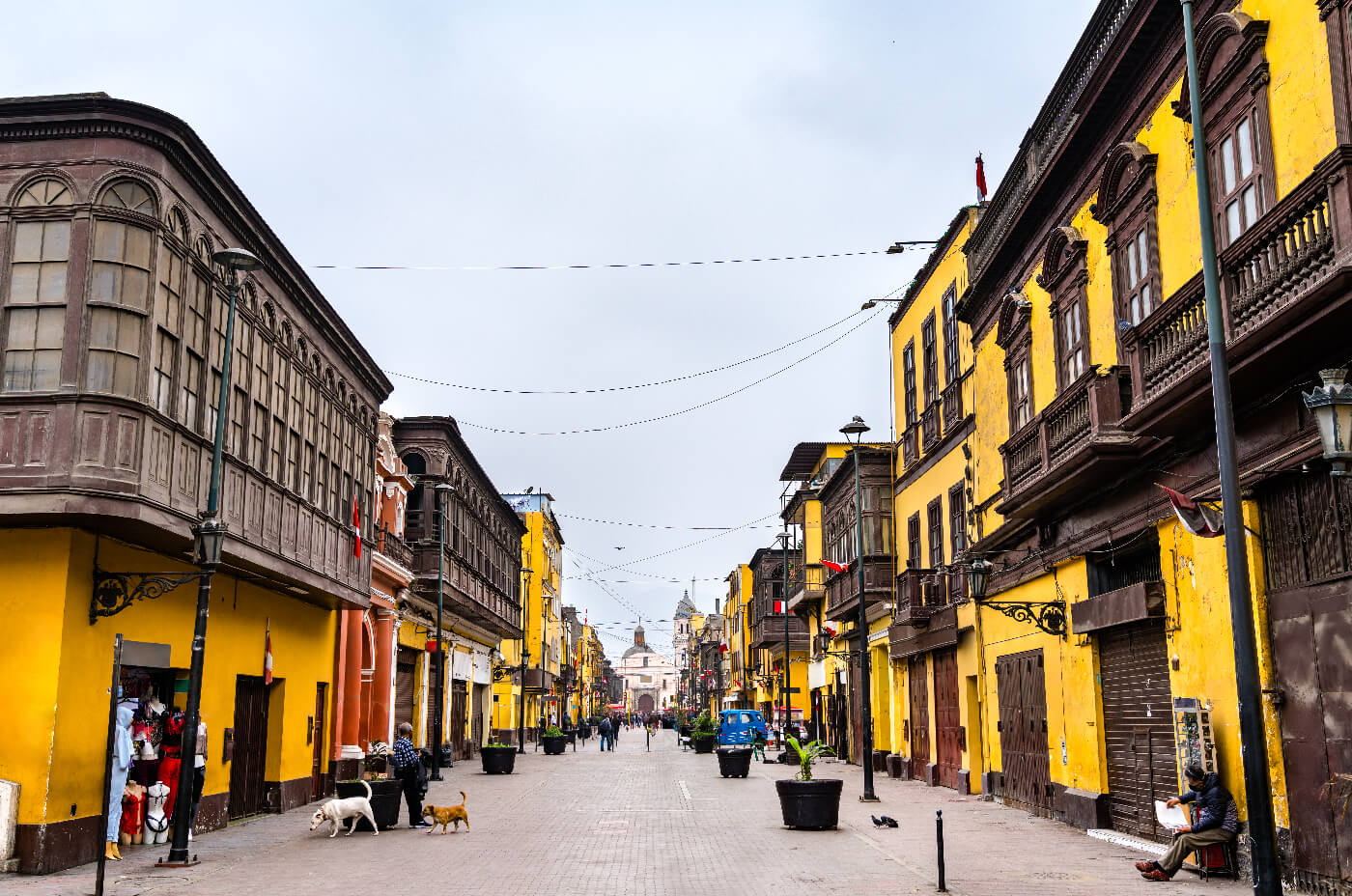
Tourist Sites in and around Lima
Museo Larco (History Museum)
Barranco (Colonial mansions now art deco places with arts)
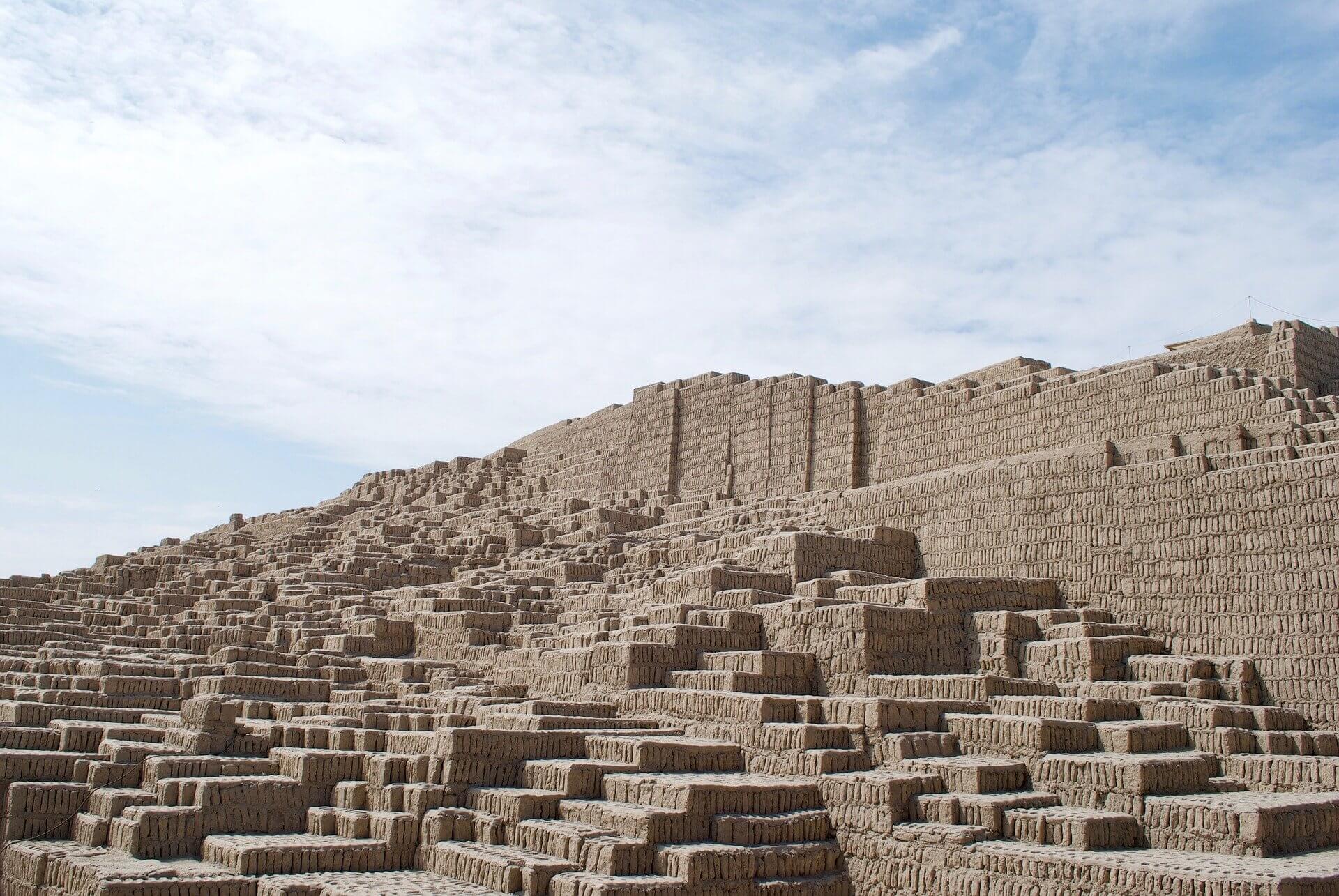
Huaca Pucllana (Historic site more than 4000 years old)
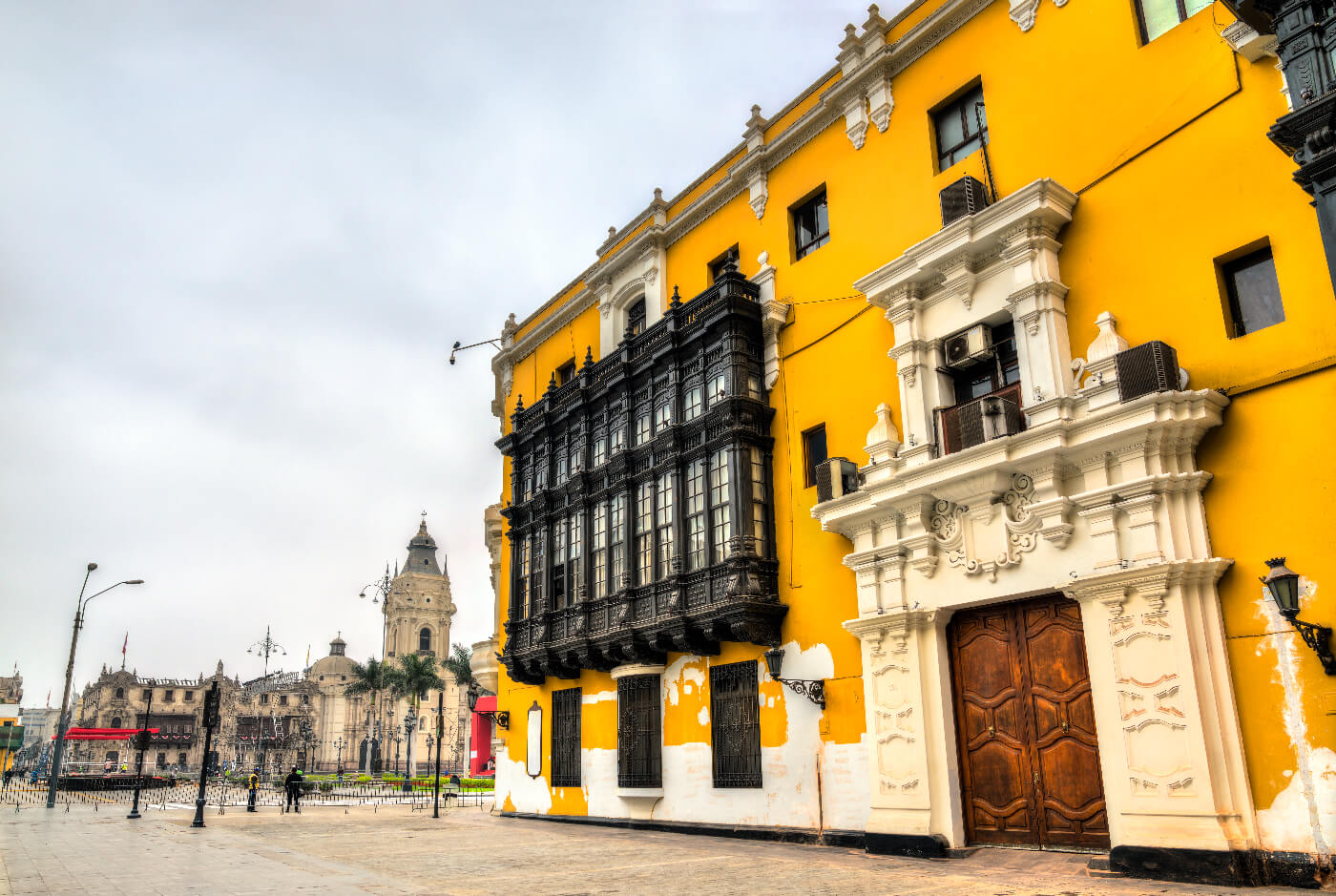
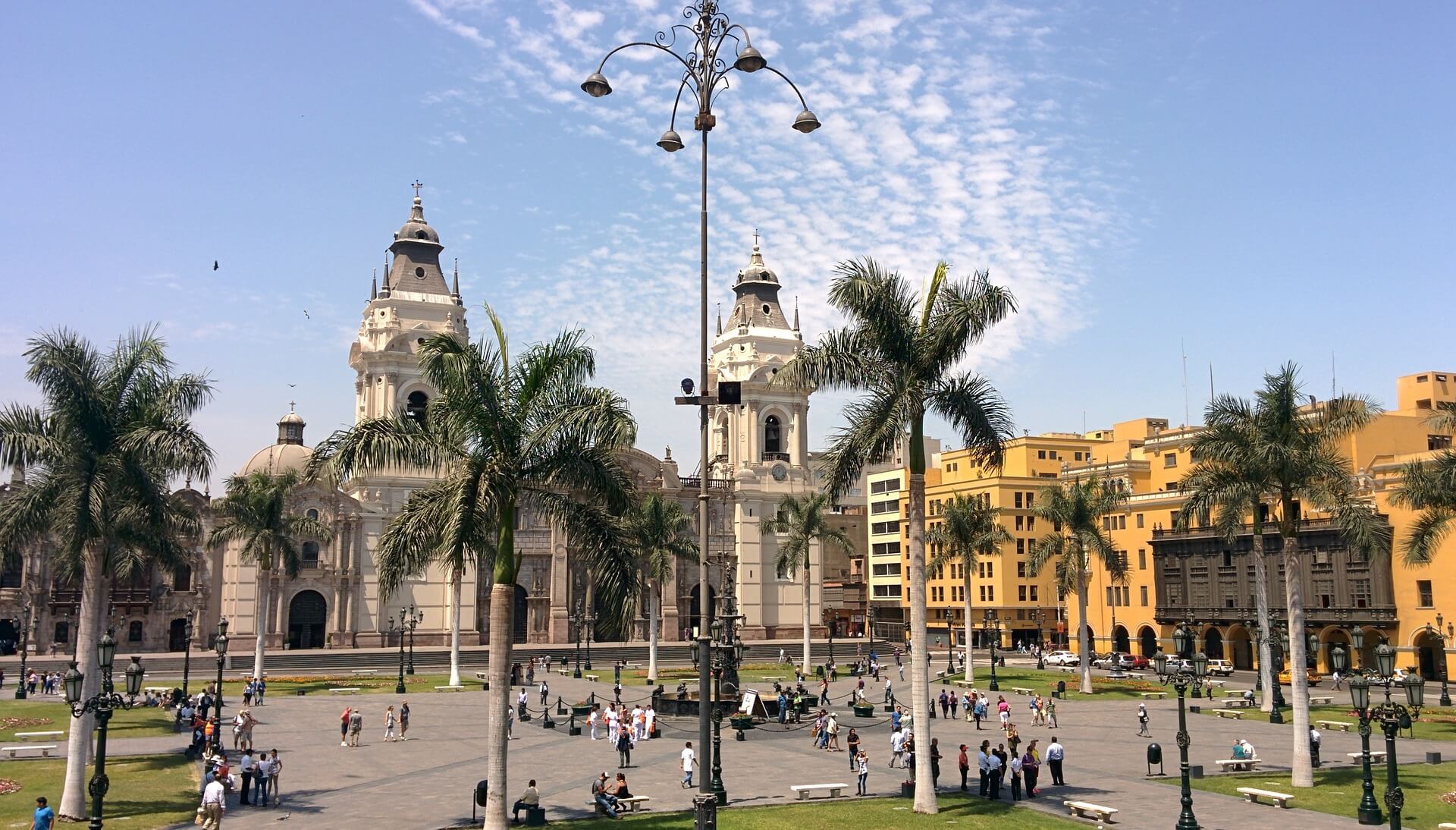
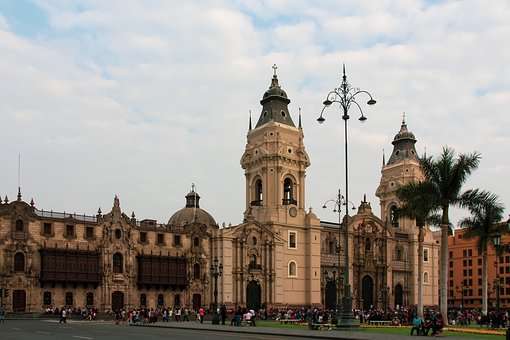
Plaza de Armas (500 year old plaza)
Miraflores Boardwalk (filled with brightly colored mosaics)
Pachacamac (Inca site)
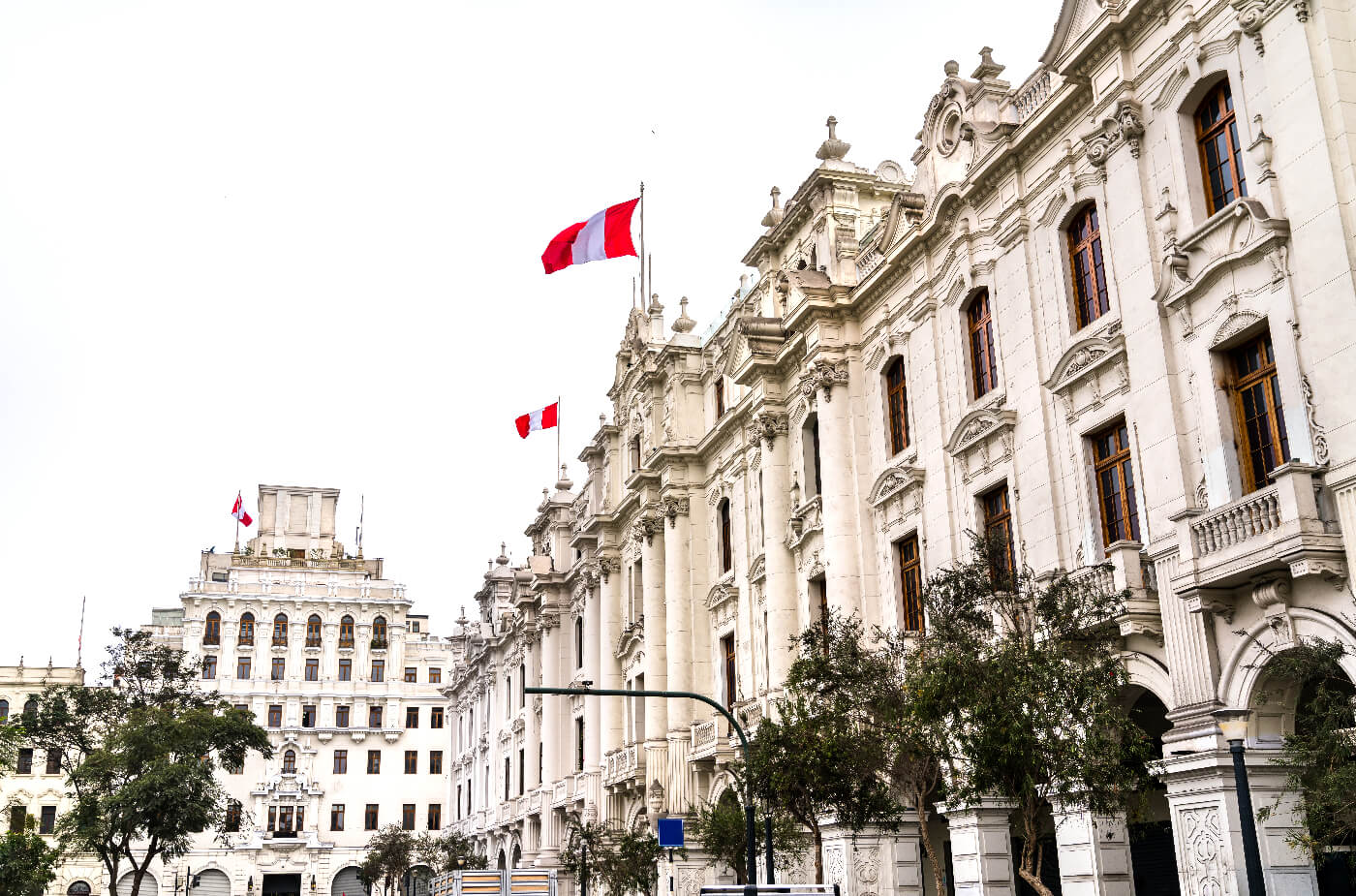
Centro Histórica de Lima
Museo Convento San Francisco y Catacumbas
Miraflores (Best place to stay for hotels)
Tourist Sites outside Lima
The Inca Trail
Cusco’s Architectural Treasure
Lake Titicaca
Nazca Lines (in the desert)
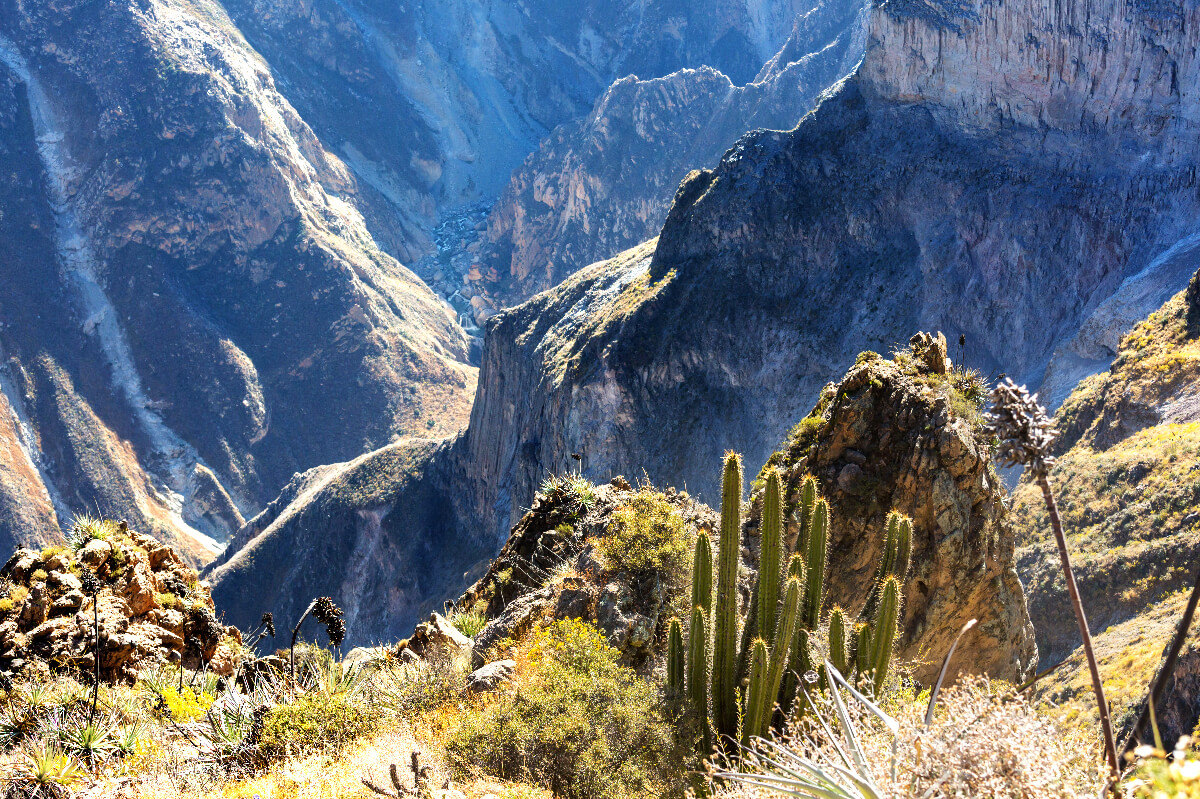
Colca Canyon
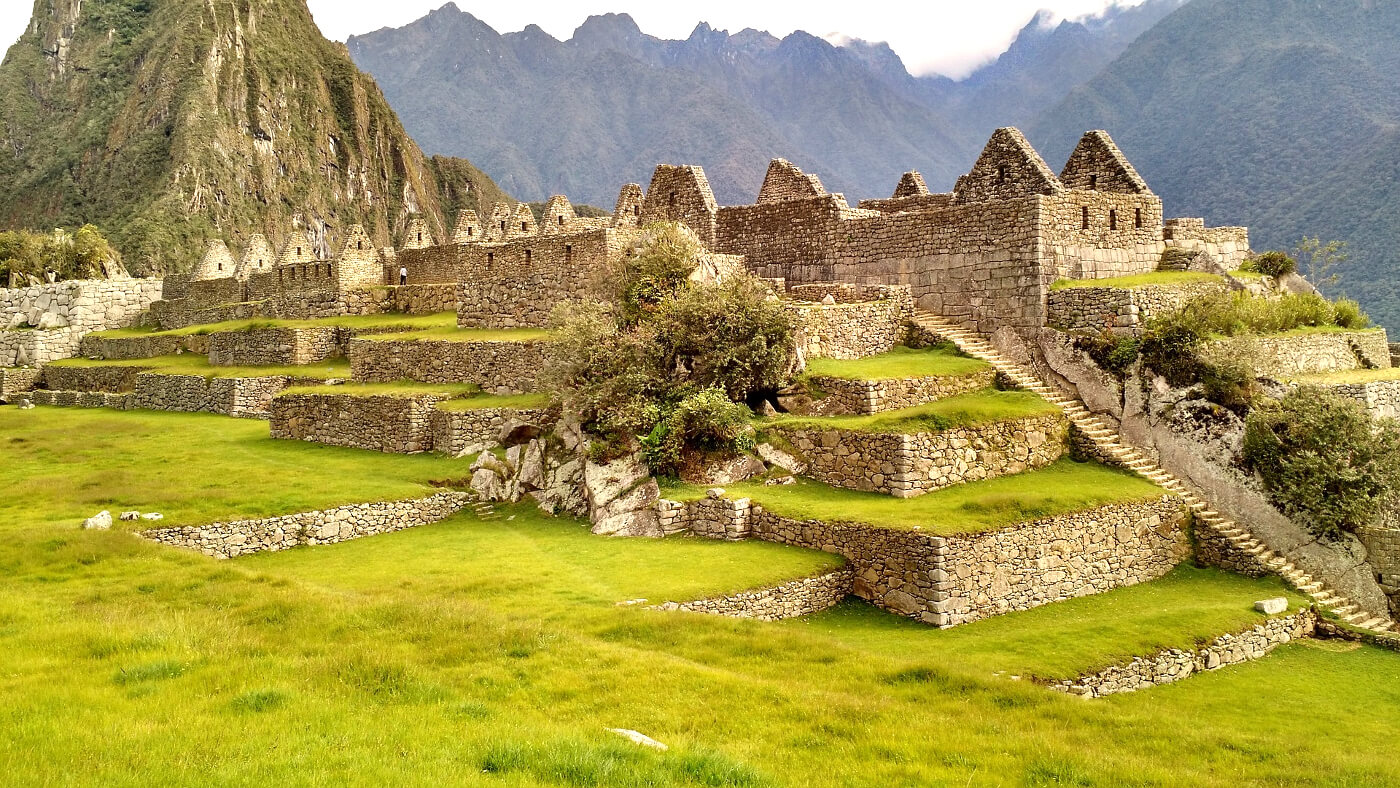
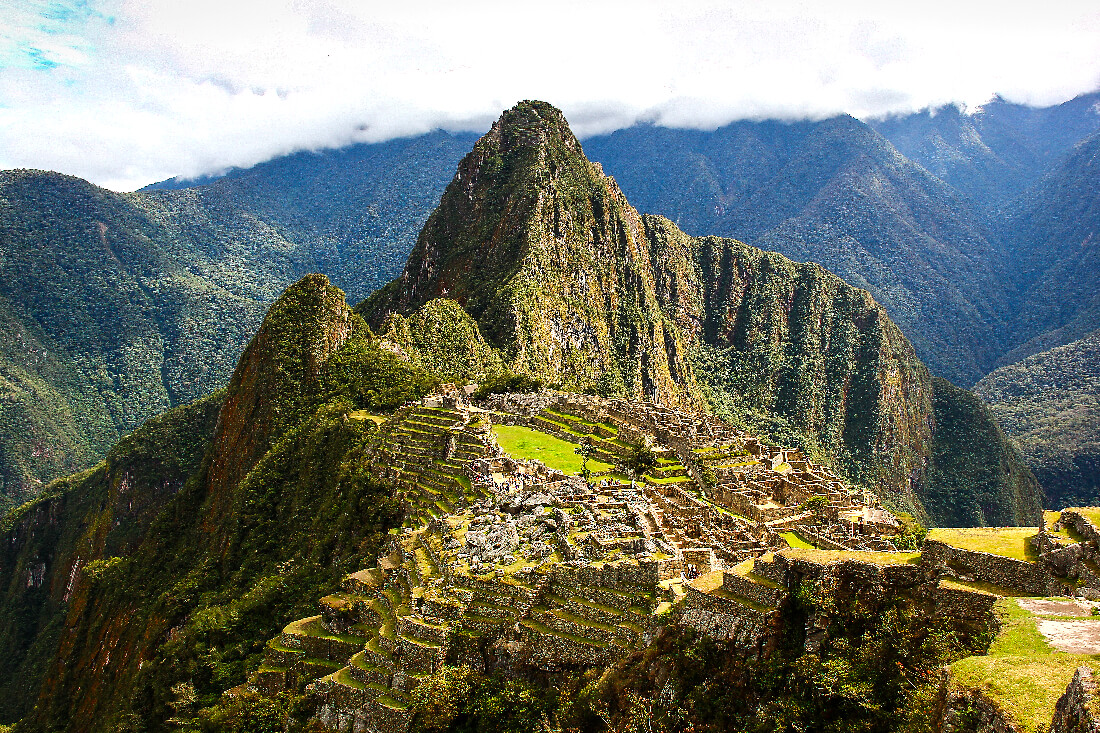
Machu Picchu
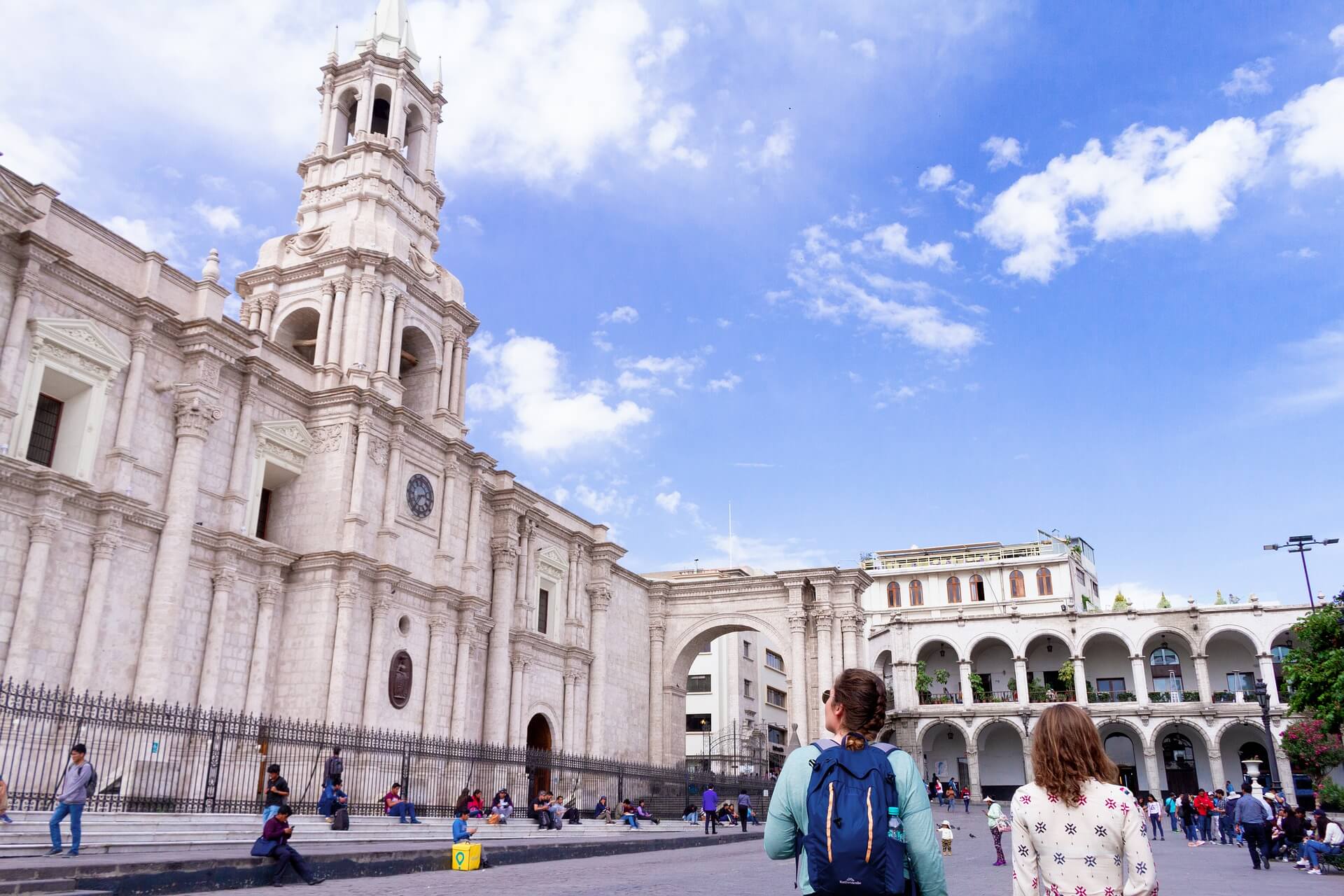
 Arequipa (Peru’s most beautiful city)
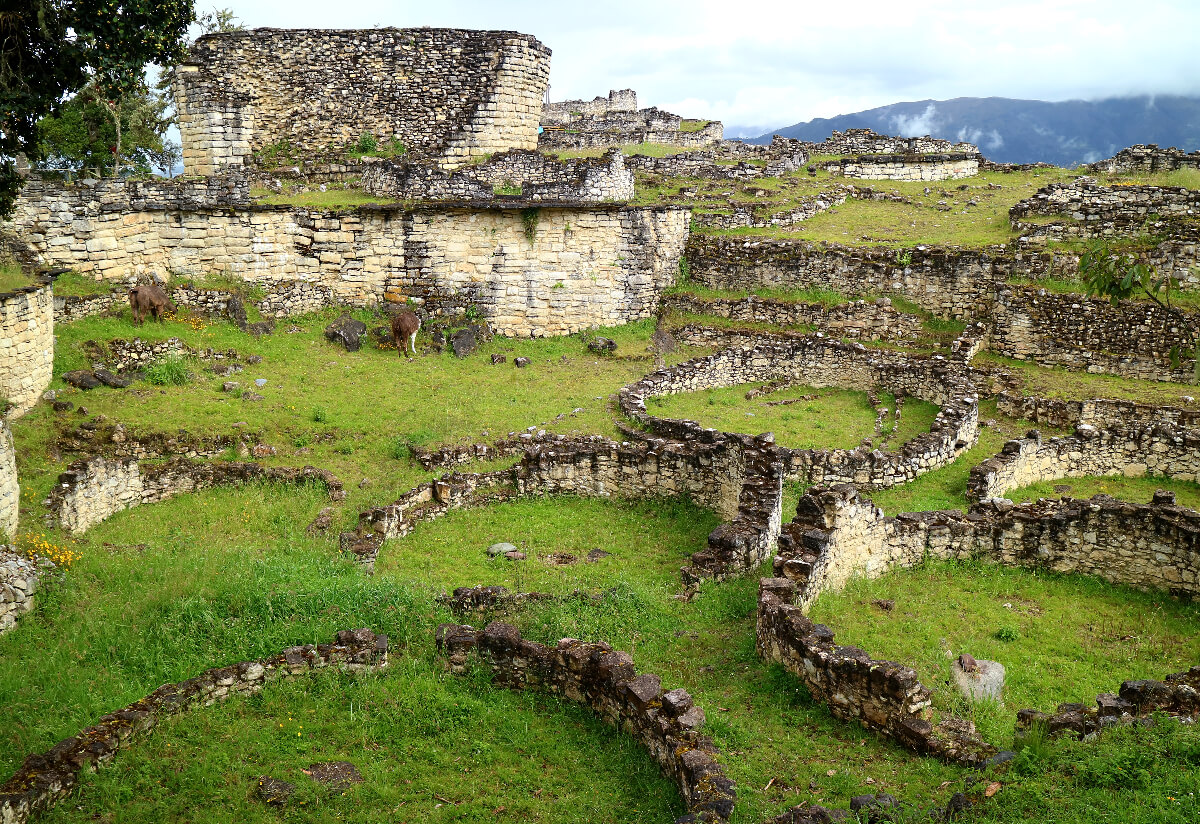
Other Places to Visit
No Tour Found