


Poland is a country in central Europe and is located at a geographic crossroads that links the forested lands of northwestern Europe to the sea lanes of the Atlantic Ocean and the fertile plains of the Eurasian frontier. It is bounded by seven nations, Germany to the west, the Czech Republic and Slovakia to the south, Ukraine and Belarus to the east, and Lithuania and the Russian enclave of Kaliningrad to the northeast. Its northern frontier constitutes the Baltic Sea. Poland is a unitary, representative democracy with Warsaw as its capital and has three branches of government; the executive, legislative and judicial. It has a landmass of 120,726 square miles which makes it the 9th largest country in Europe. Poland has 37,800,000 inhabitants with Poles making up 97% of the population. Today’s ethnic situation is much different than it was before World War II. Before 1939, Poland was a multi-ethnic country with a third of its population composed of minorities. Due to the Soviet and German genocides, the shifting of its borders after the war and ethnic policies of the communist government, Poland’s minorities are almost gone. The Jewish community of over 3 million was almost completely wiped out. Today, 90% of the population lists themselves as Catholic. Poland has waxed and waned over the centuries, buffeted by the forces of regional history. In the Early Middle Ages, Poland’s small principalities and townships were subjugated by successive waves of invaders, from Germans and Balts to Mongols. In the mid 1500’s, united Poland was the largest state in Europe and perhaps the continent’s most powerful nation. Yet two and a half centuries later, during the Partitions of Poland (1772-1918), it disappeared, parceled out among the contending empires of Russia, Prussia and Austria. Restored as a nation in 1918, but ravaged by two world wars, Poland suffered tremendously in the 20th century. With the fall of Nazi Germany, Poland effectively lost its independence again, becoming a satellite state of the Soviet Union. Nearly a half a century of totalitarian rule followed, though not without strong challenges on the part of Poland’s workers, who, supported by the dissident Catholic Church, called the economic failures of the Soviet system into question. In May 1989, the communist Polish government fell and Poland began its rapid transformation into democracy.
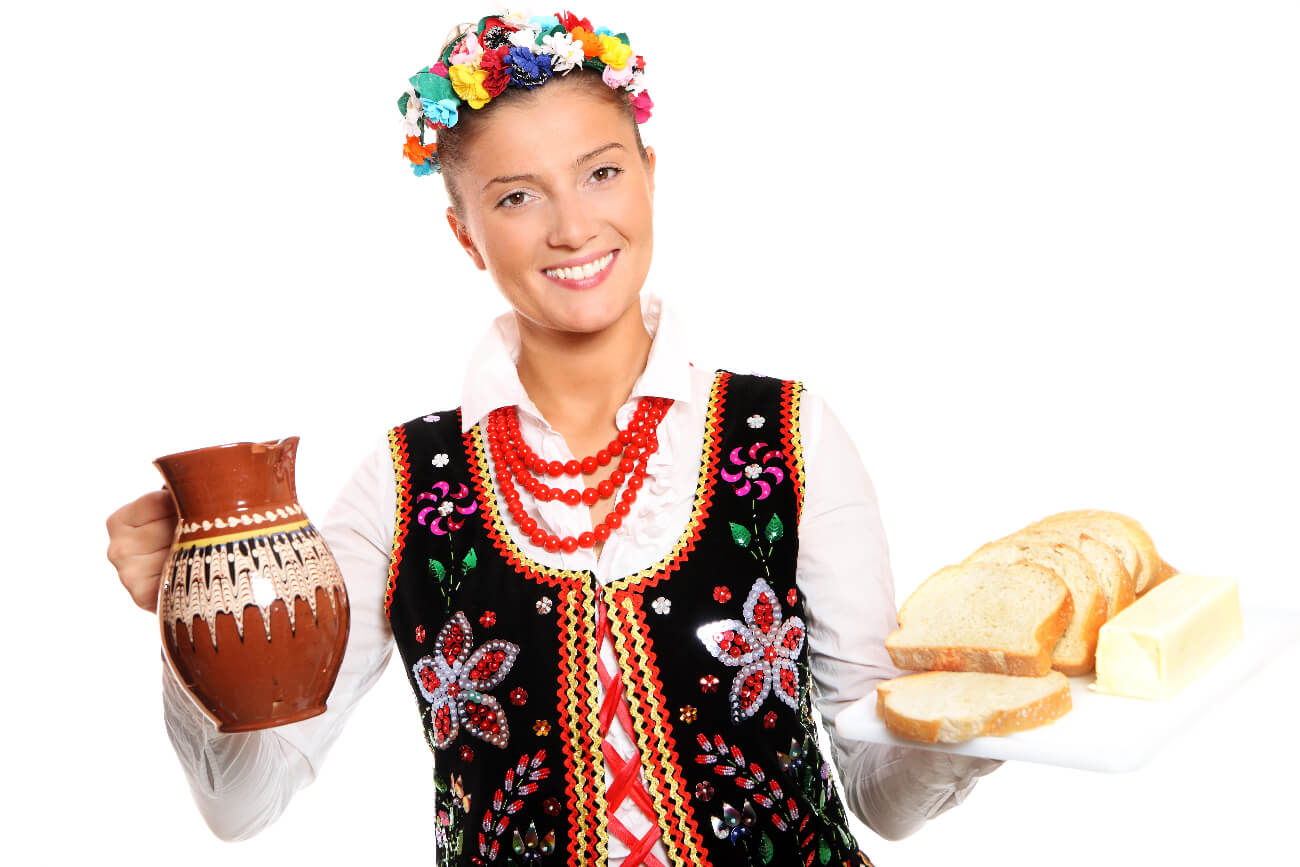
Even at the times of national crisis, however, Polish culture remained strong; indeed it even flourished, if sometimes far from home. Polish revolutionary ideals, carried by such distinguished patriots as Kazimierz, Pulaski and Kosciuszko, educated those founders of the American Revolution. The Polish constitution of 1791, the oldest in Europe, in turn incorporated ideals of the American and French Revolutions. Poles later settled in great numbers in the United States, Canada, Argentina and Australia and carried their culture with them. At the same time, Polish artists of the Romantic period, such as pianist Frederic Chopin and poet Adam Mickiewicz, were leading lights on the European continent in the 19th century. Following their examples, Polish intellectuals, musicians, filmmakers and writers continue to enrich the world’s arts. Currently, Poland has six groupings in society. The peasants and workers constitute the majority of the population. There is also an intelligentsia whose population is steadily increasing, the ruling class of today’s political parties and government; the communist leaders who are trying to regain political power, and old money nobles and gentry who are losing power. Marriage is very important and the father still holds much family authority and absolute authority with the children. The population generally wears western style clothing but during festivals and holidays century’s old traditional pants, skirts, blouses and hats are worn. Traditional music and dance dating back to the 13th century continue to be played, performed and enjoyed.
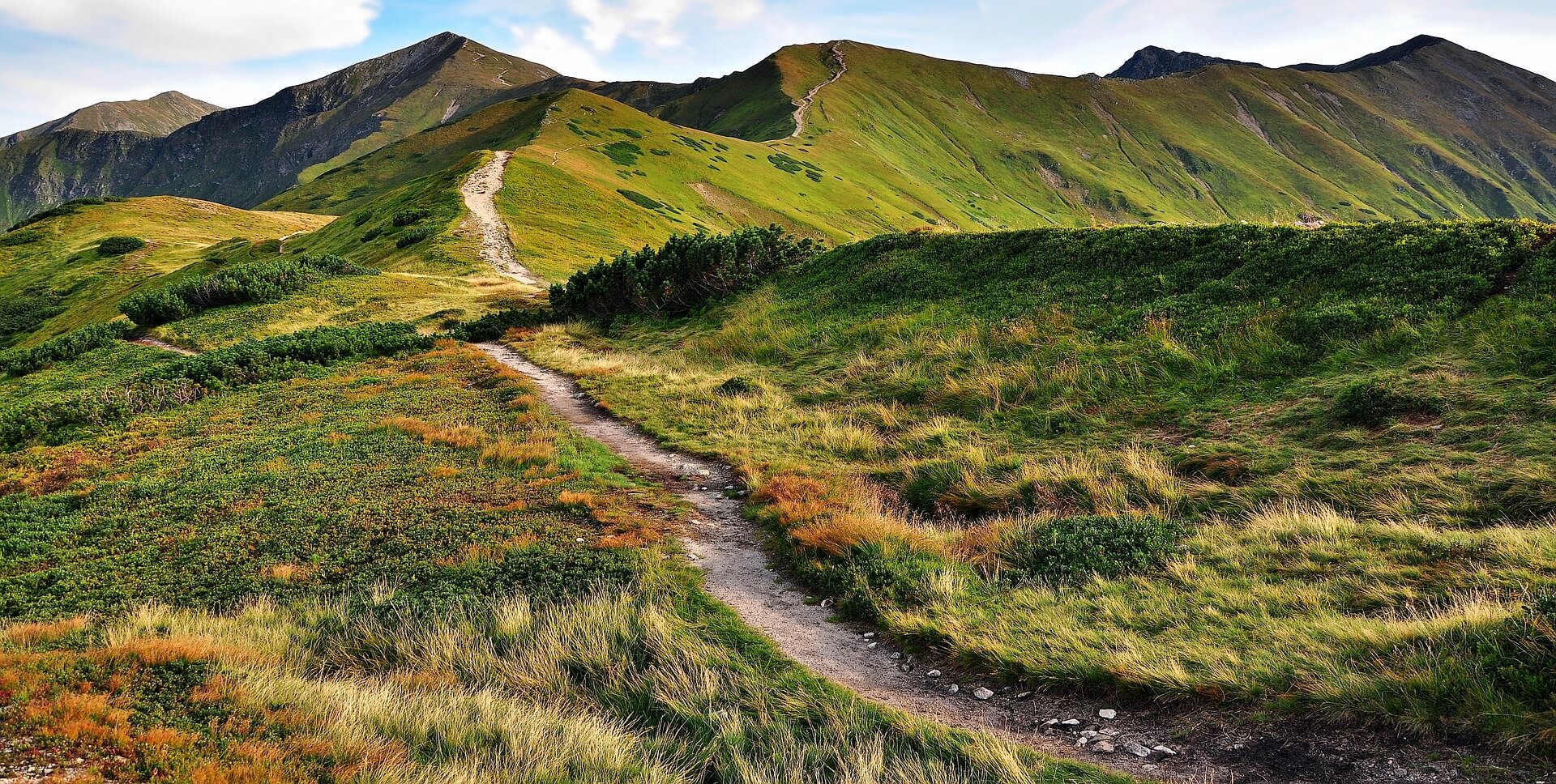
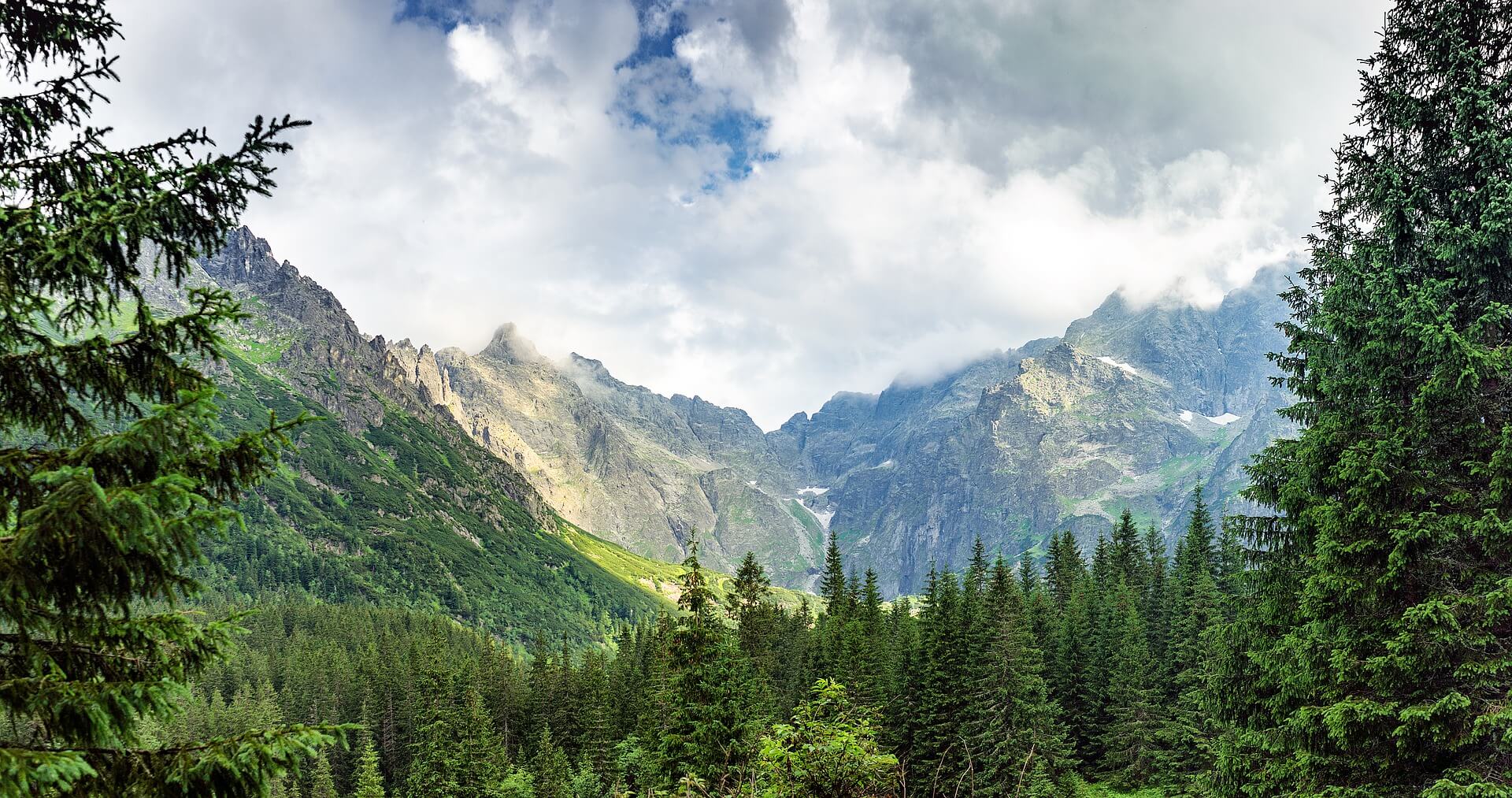
Poland is a relatively low lying country with 91% of its territory lying below 300 meters above sea level. Even so, the country has an amazing and versatile natural environment. In the north, Poland reaches the Baltic Sea with its beautiful sandy beaches and busy harbors. Glacial action in this region formed lakes and low lying hills in the otherwise flat terrain. Small lakes dot the entire northern half of Poland, with the biggest concentration being in the northeast region known as the Masurian Lake District. This area has 3000 lakes, is densely wooded and a favorite destination for sailing and canoeing. This is also where the only remaining primeval forests remain in Europe. Across central Poland a vast region of plains extend-the so called Polish Plain- used mainly for agriculture. The south is hilly and dominated by the highlands. The border area has the Carpathian and Tatra Mountains with Alpine characteristics and the highest Polish peak is Mount Rysy at 8200 feet above sea level. 20% of the land is fields, pastures and meadows, and 27% forest. There are six seasons of the year in Poland. In addition to the typical four there is also early spring and early winter. Generally, in the north and west parts of the country the climate is predominantly maritime, with gentle, humid winters and cool, rainy summers, while the eastern and southern parts of Poland have distinctly continental climate with harsh winters and hot, drier summers.
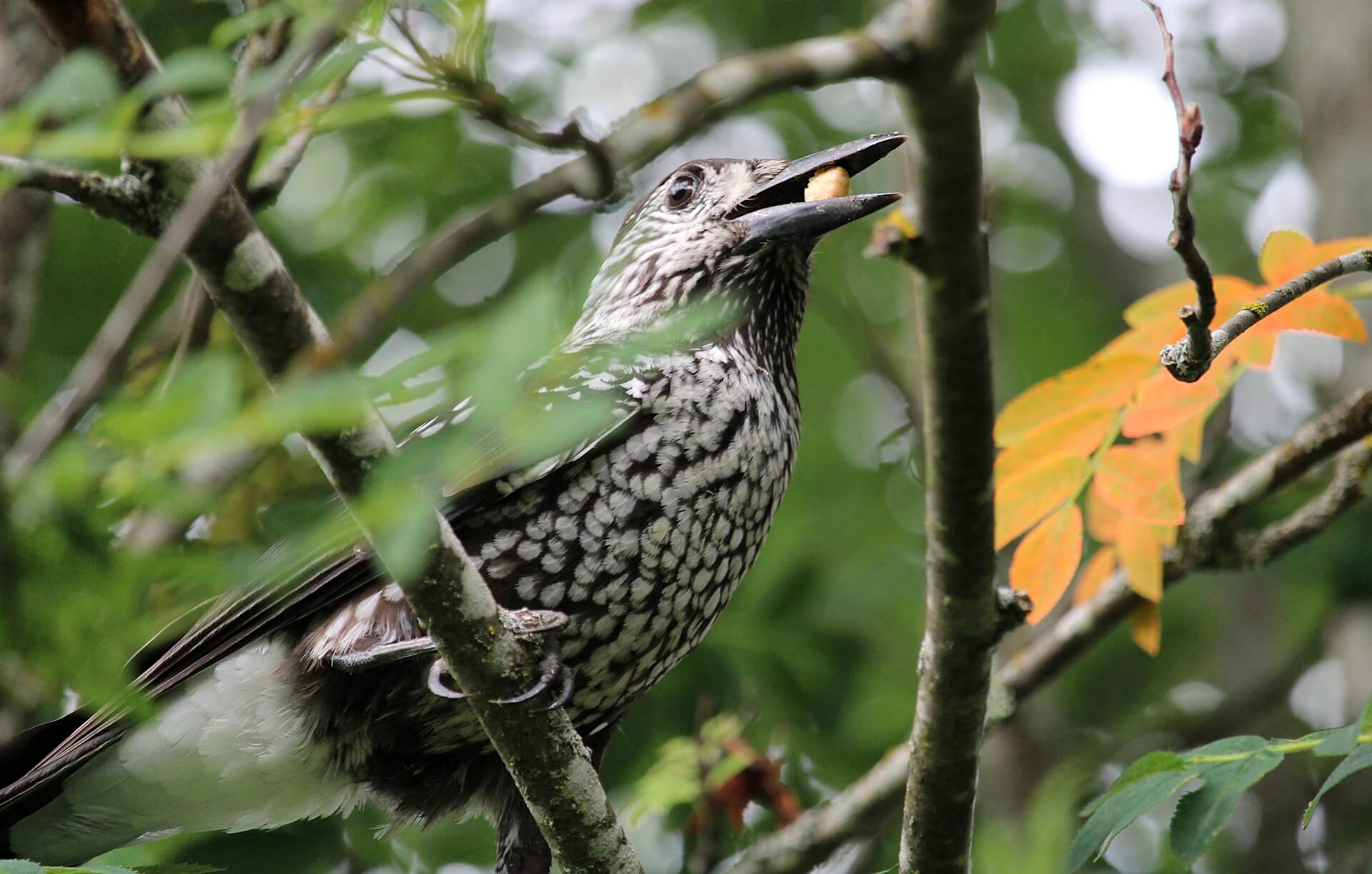
Poland is a country of great biological diversity. The country spreads between natural sand beaches of the Baltic Sea in the north through clear lakes rivers and extensive well preserved forests, tranquility of central lowlands to vast uplands and mountain peaks in the south. Bio-variety of Polish fauna is fascinating. There are around 75,000 species of plants, 39,000 micro-organisms and fungi, around 2750 vascular plant species and subspecies and 33,000-45,000 of animal species living in numerous co-existing ecosystems. Some species and habitats still exist in Poland even though they have disappeared in the west of Europe. There are 23 national parks, 135 nature reserves, 121 landscape parks and 1100 territories of the Nature 2000 preservation system. Nature protection has a long tradition in Poland and there are still places, untouched by civilization, such as the Bialowieza Primeval Forest. Trees are mainly oak, pine, birch and larch. Fauna include the red poppy, Siberian Iris, geraniums, poppies, pink amaryllis and crocuses. Fauna include newt, lizard, and blind worms, birds include nutcrackers, wagtail mountain, and eagle. Mammals include the tiny shrew, fox, badger, marten and weasel. Animals include the thick deer, wild boar, elk, bear, rabbit and fox.
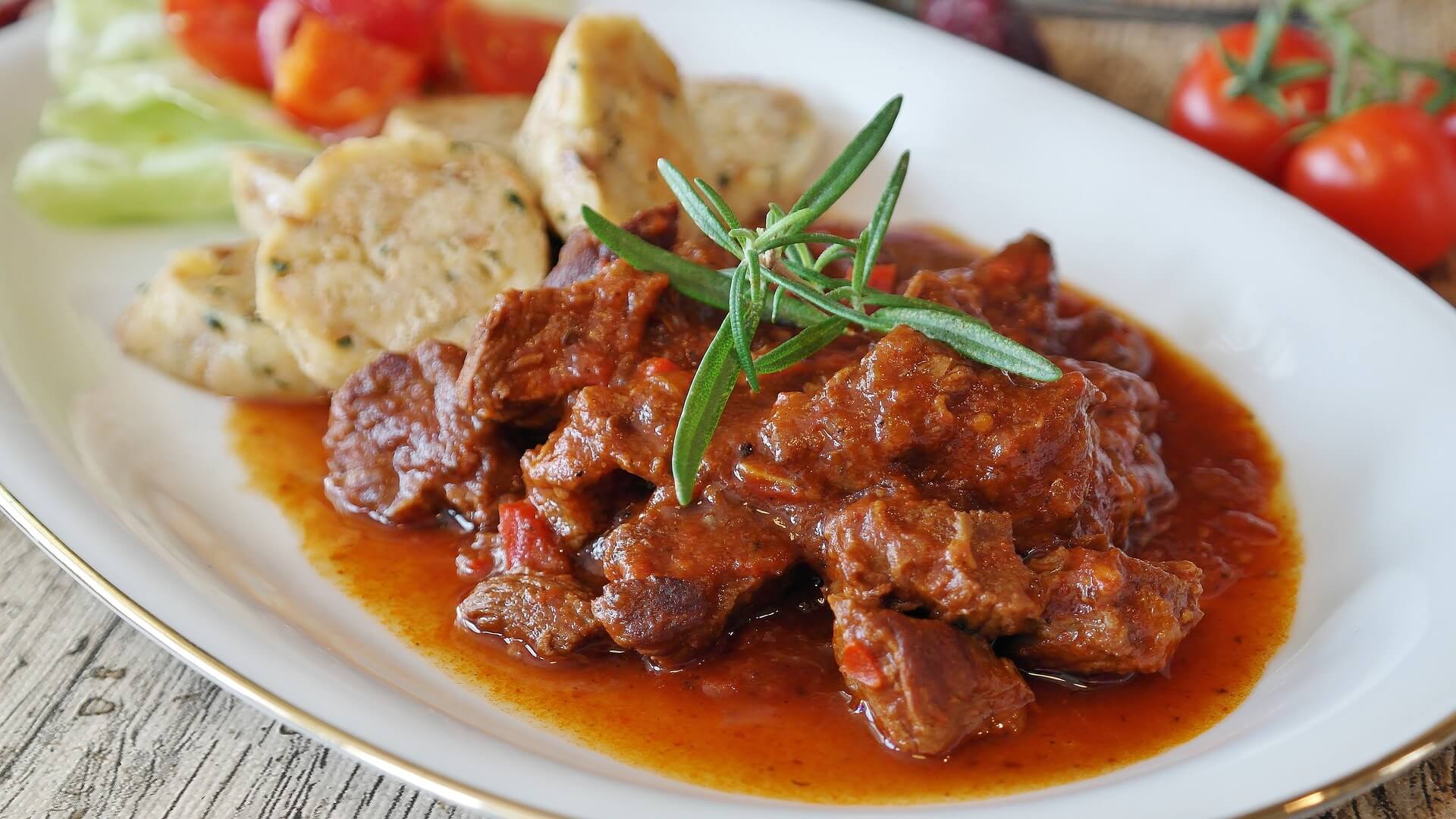
Bigos Hunter’s Stew
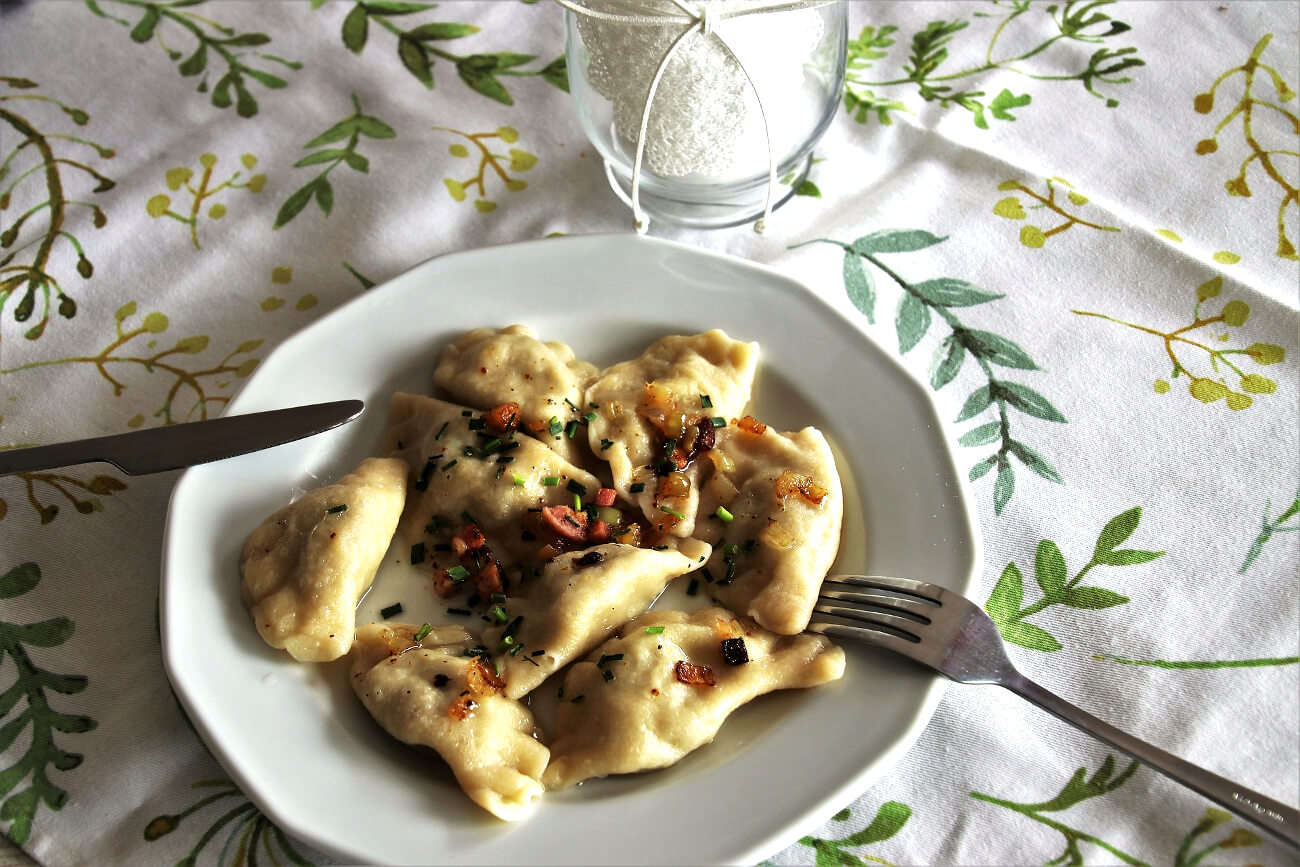
Pierogi Dumplings
Rosol Soup
Golabki Minced Pork with rice
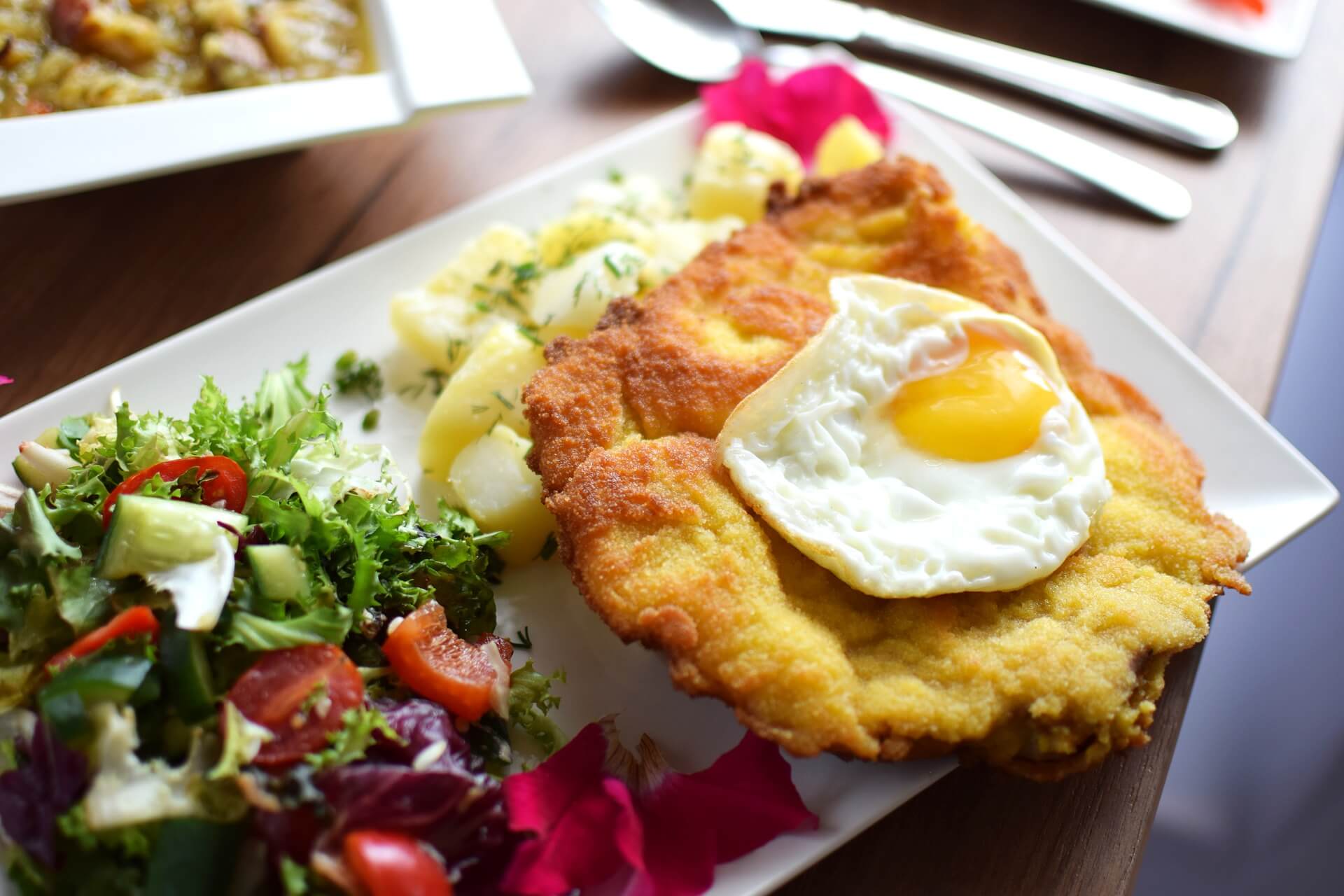
Kotlet Schabowy Braised pork cutlet with mashed potatoes
Placki Ziemniaczane potato pancakes
Oscypek Smoked cheese
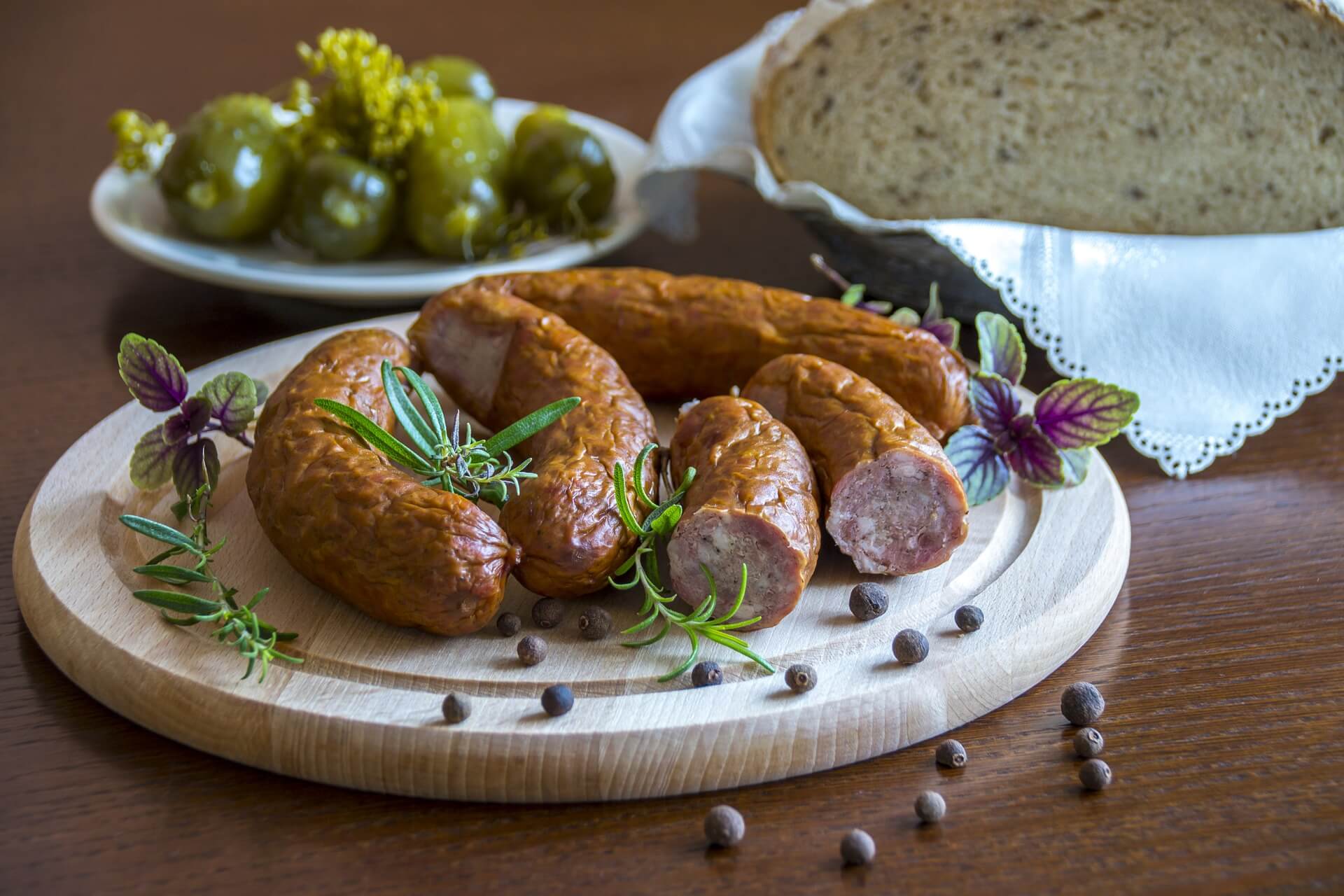
Kielbasa Sausage
Lazanki Pasta
Czarnina Soup
Golonka Pork Knuckle
Zapiekanka Polish Pizza
Polskie Nalesniki Pancake
Zurek Sour rye soup with meat
Zrazy Thin rolled sleeves of beef
Warsaw
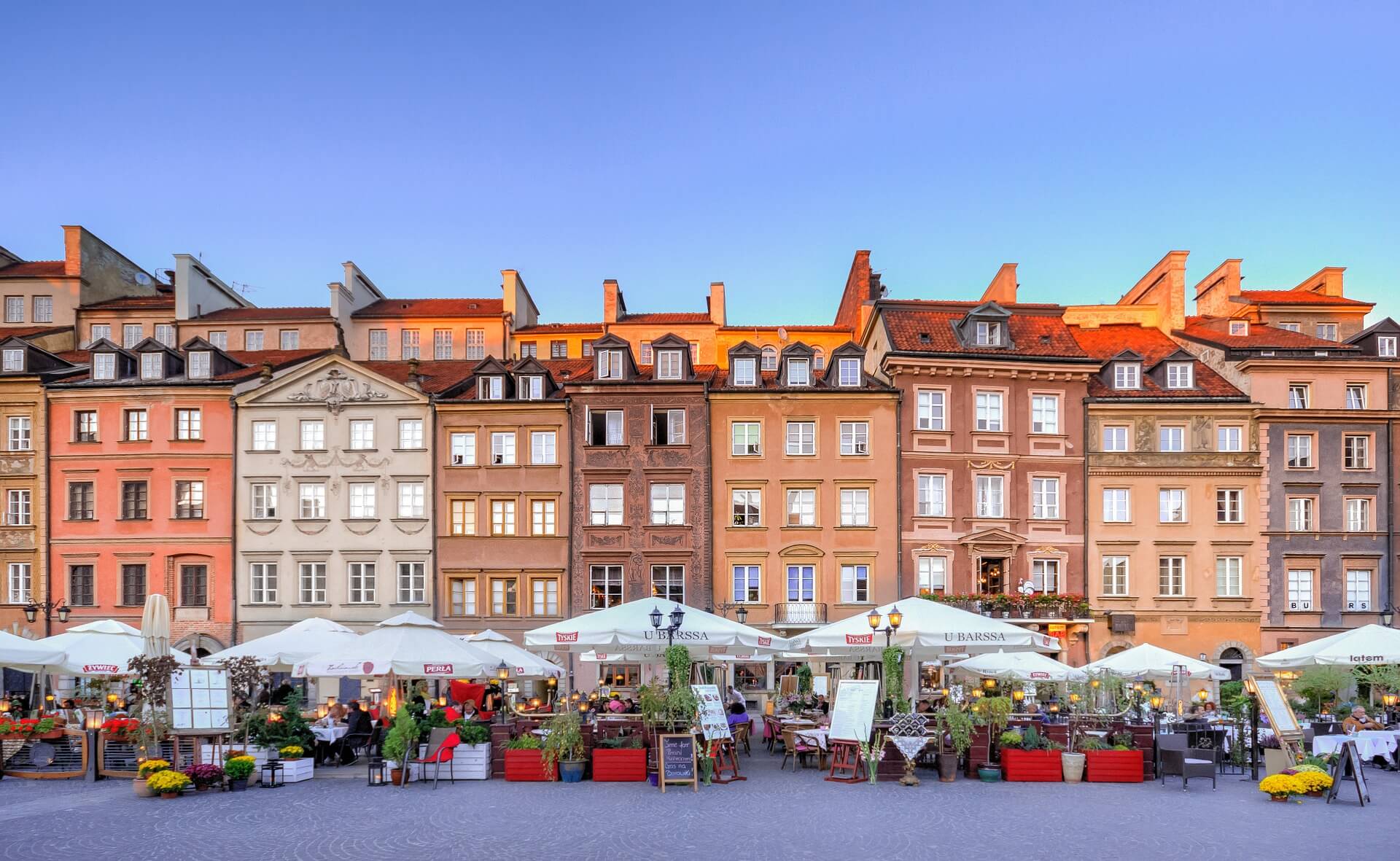
Officially the capital city of Warsaw, is the capital and largest city of Poland. The metropolis stands on the Vistula River, in east-central Poland, and has 1.8 million residents within a greater metropolitan area of 3.1 million. Warsaw is the 7th most populous capital city in the European Union. Warsaw is an alpha-global city, a major cultural, political and economic hub , and the country’s seat of government. Its historical Old Town was designated as a UNESCO World Heritage Site. Warsaw traces its origins to a small fishing town in Masovia and the city rose to prominence in the late 16th century when Sigismund III moved the Polish capital from Krakow. Warsaw served as the de facto capital of the Polish-Lithuanian Commonwealth until 1795, and subsequently as the seat of Napoleon’s Duchy of Warsaw. The 19hth century and its Industrial Revolution brought a demographic boom which made it one of the largest and most densely-populated cities in Europe. Known for its elegant architecture and boulevards, Warsaw was bombed and besieged at the start of the war in 1939. Much of the historic city was destroyed and its diverse population decimated by the Ghetto Uprising in 1943, the general Warsaw Uprising in 1944 and systematic razing of buildings.
Tourist Attractions
Old Town A UNESCO World Heritage Site
Old Town Market Square
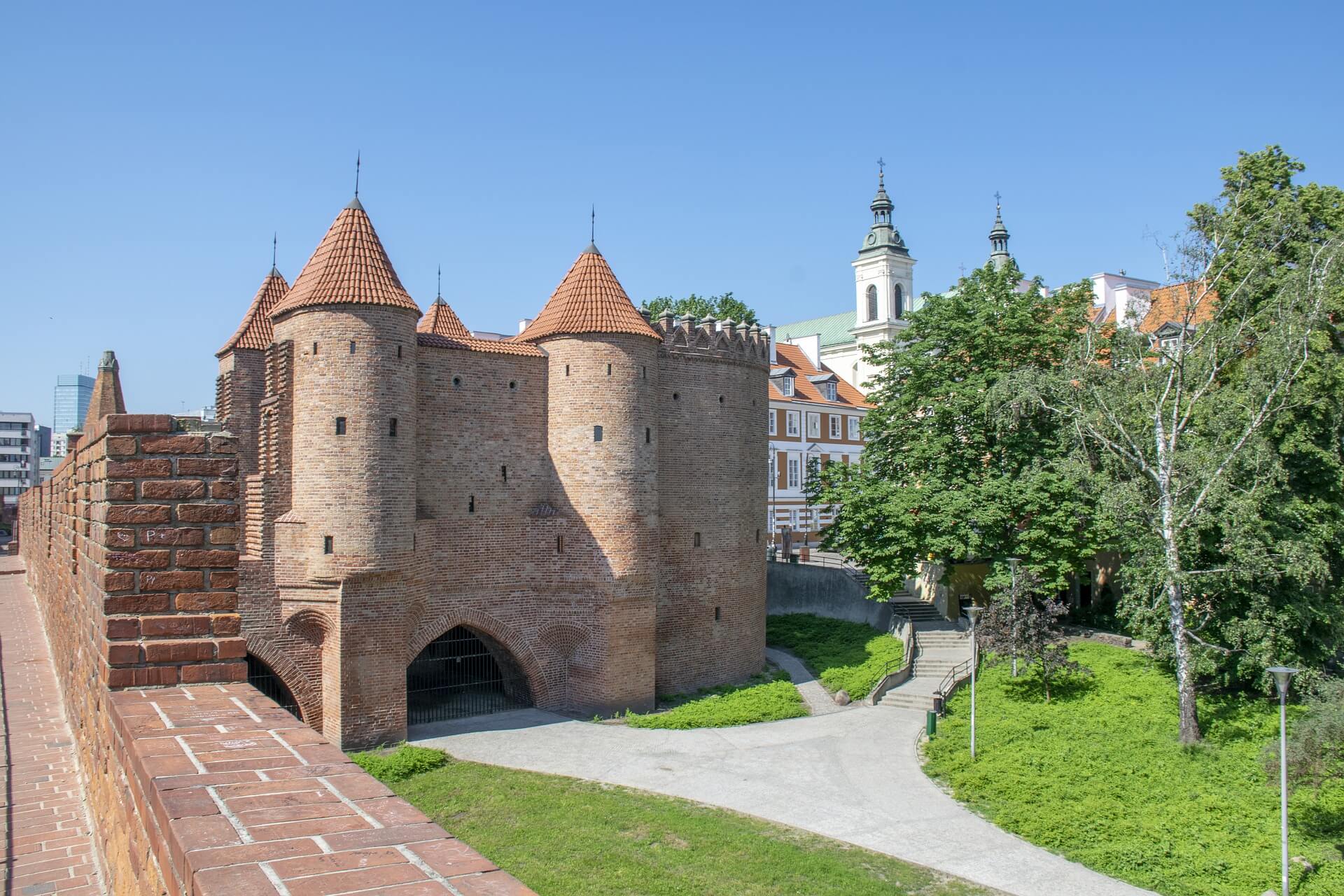
Zamek Krolewski The King’s Castle and Surrounding walls 13th -15th century
Church of St. Martin 14th century
Cathedral Basilica of the Martyrdom of St. John the Baptist 14th century
Shrine of our Lady of Grace Baroque 17th century
Monument of the Warsaw Mermaid
Historical Museum of Warsaw Royal
Lazienki Park Palace and Garden Complex
Wilanow Palace Baroque
The Royal Route
Palace of Culture and Science
Warsaw Uprising Museum
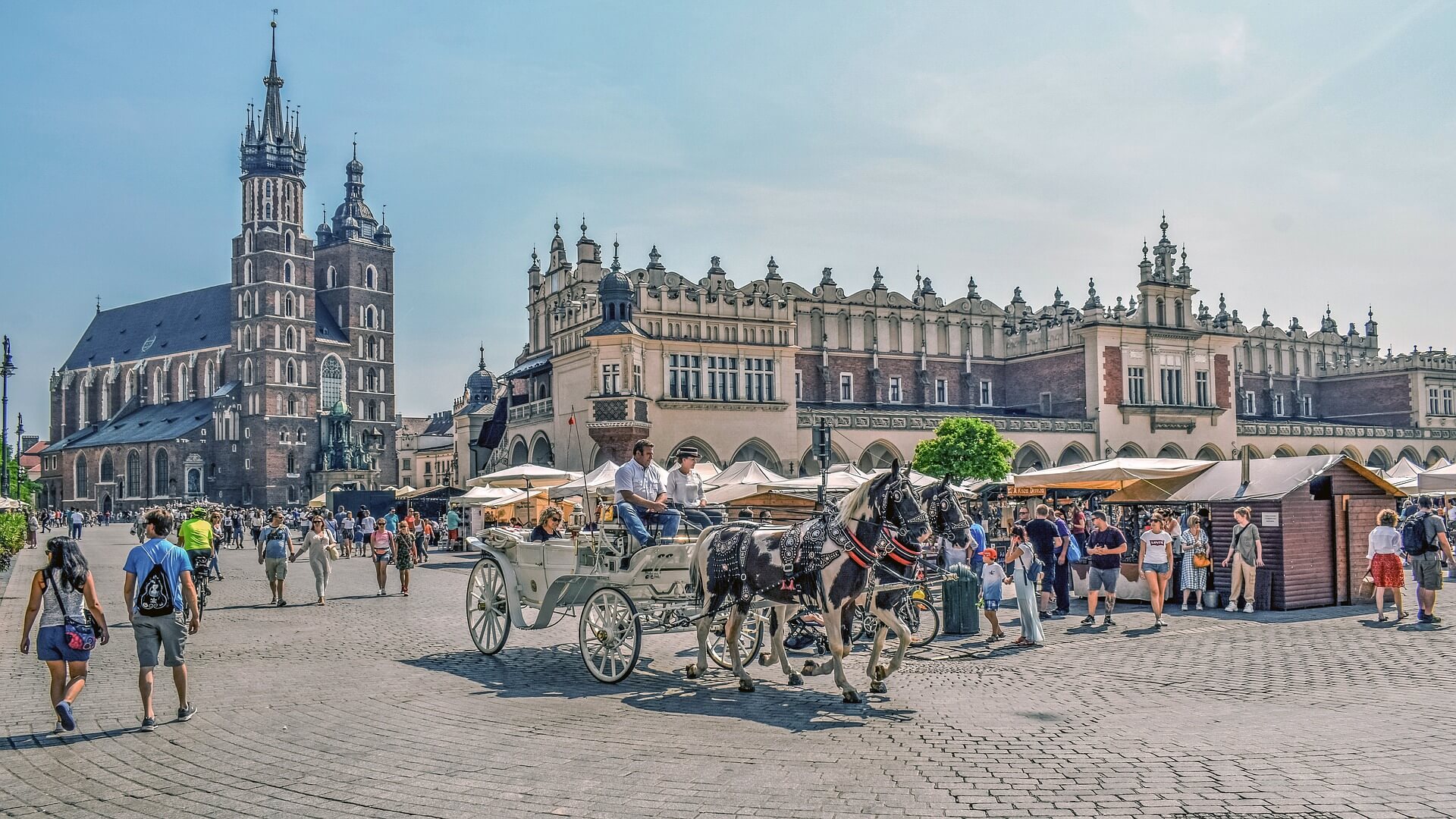
City of Krakow
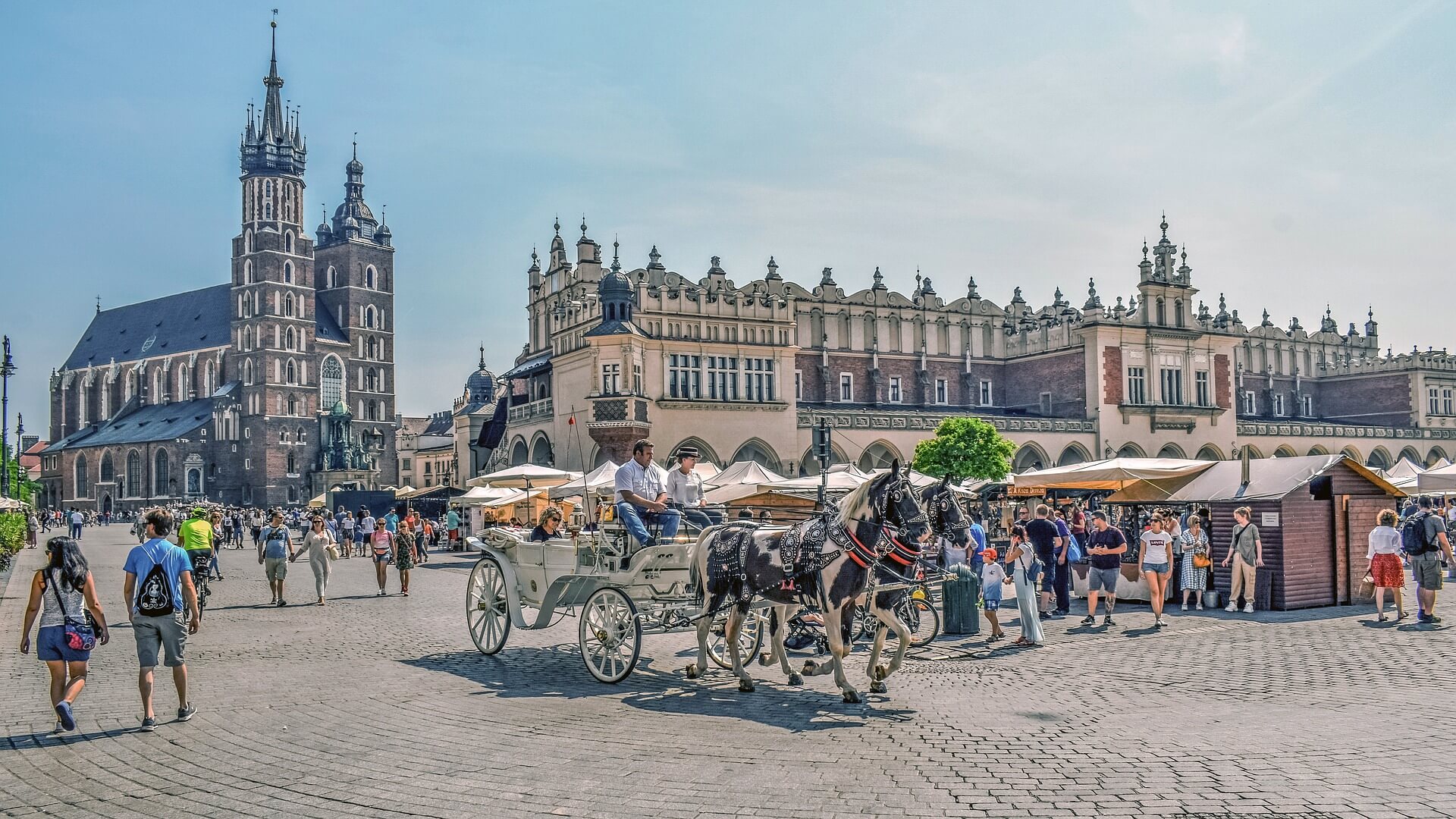
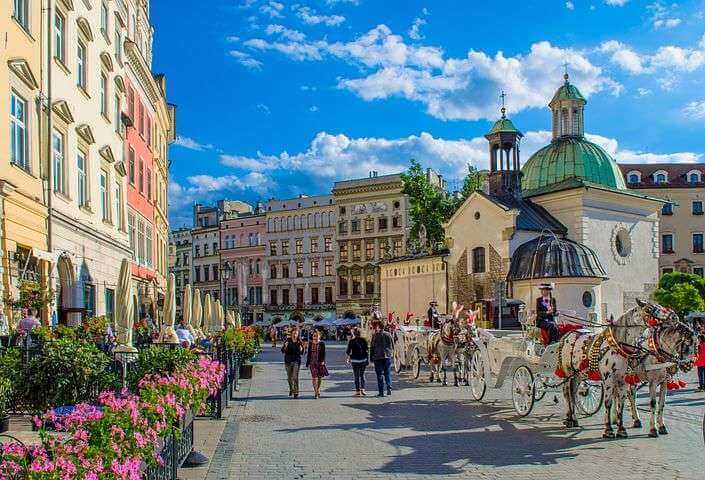
Visit the Old town with its beautiful old churches and buildings lining its picturesque squares. It has the biggest market square in Europe. Visit the Wawel Castle and Krakow’s myriad restaurants, bars and nightlife. On a somber note is the Old Jewish quarter and synagogues and Auschwitz.
City of Gdansk
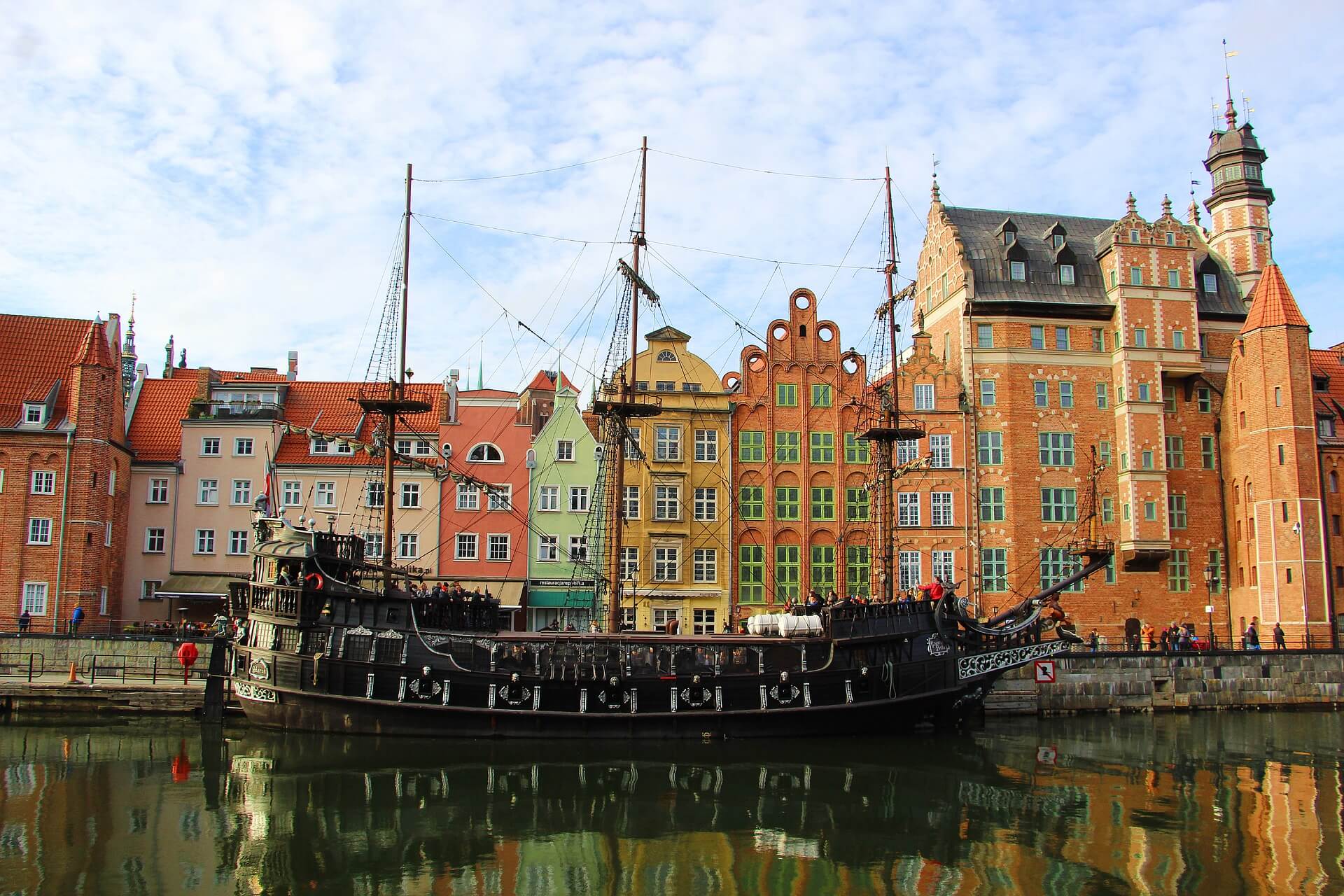
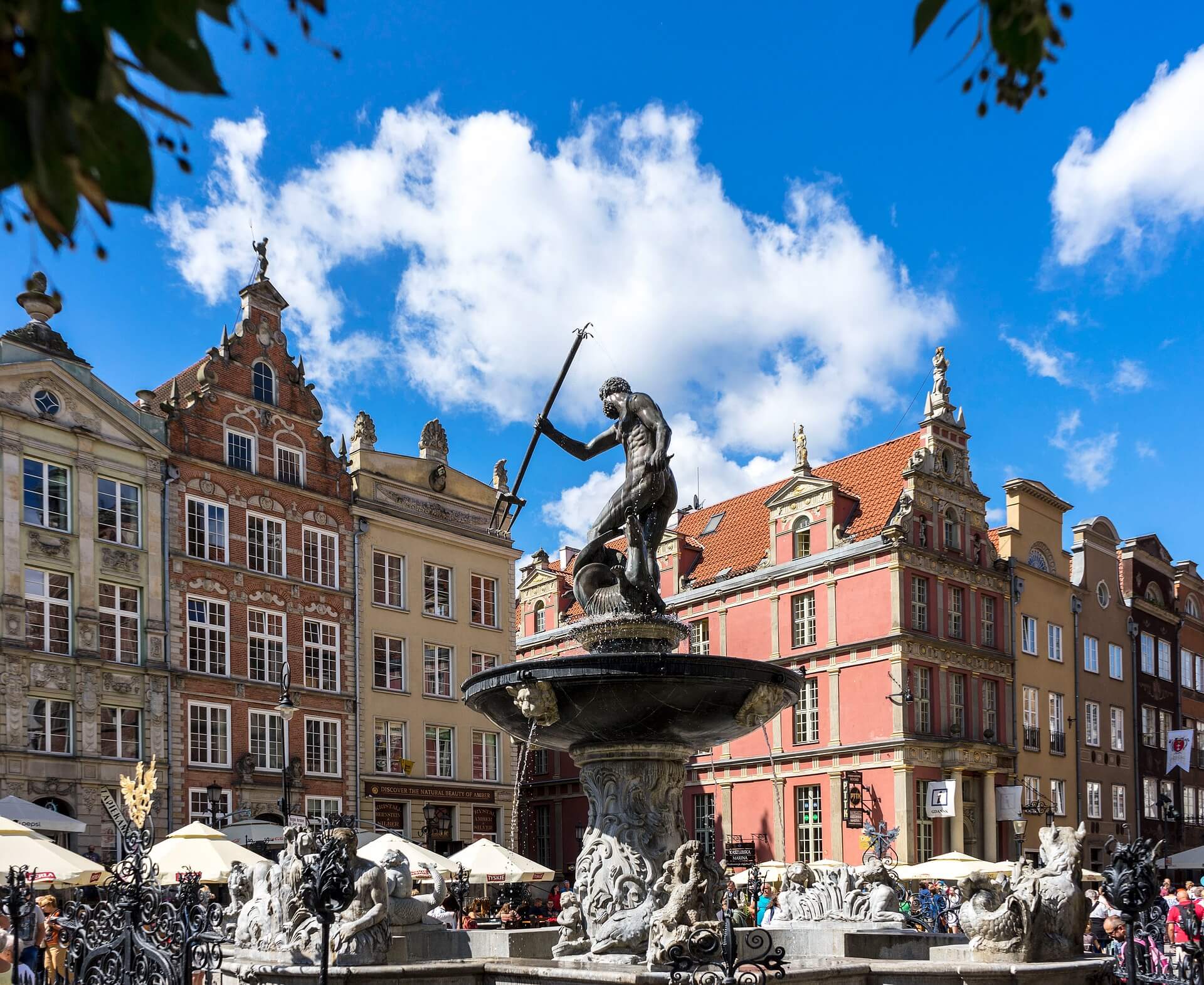 Gdansk is a large port with a tumultuous past fueled by the wealth of its merchants which enriched the city countered by its strategic location that meant it was fought over throughout the ages. Gdansk has diverse architectural styles, cobbled streets and interesting museums and churches. Go to a beer garden or cruise the port on the Baltic.
City of Wroclaw
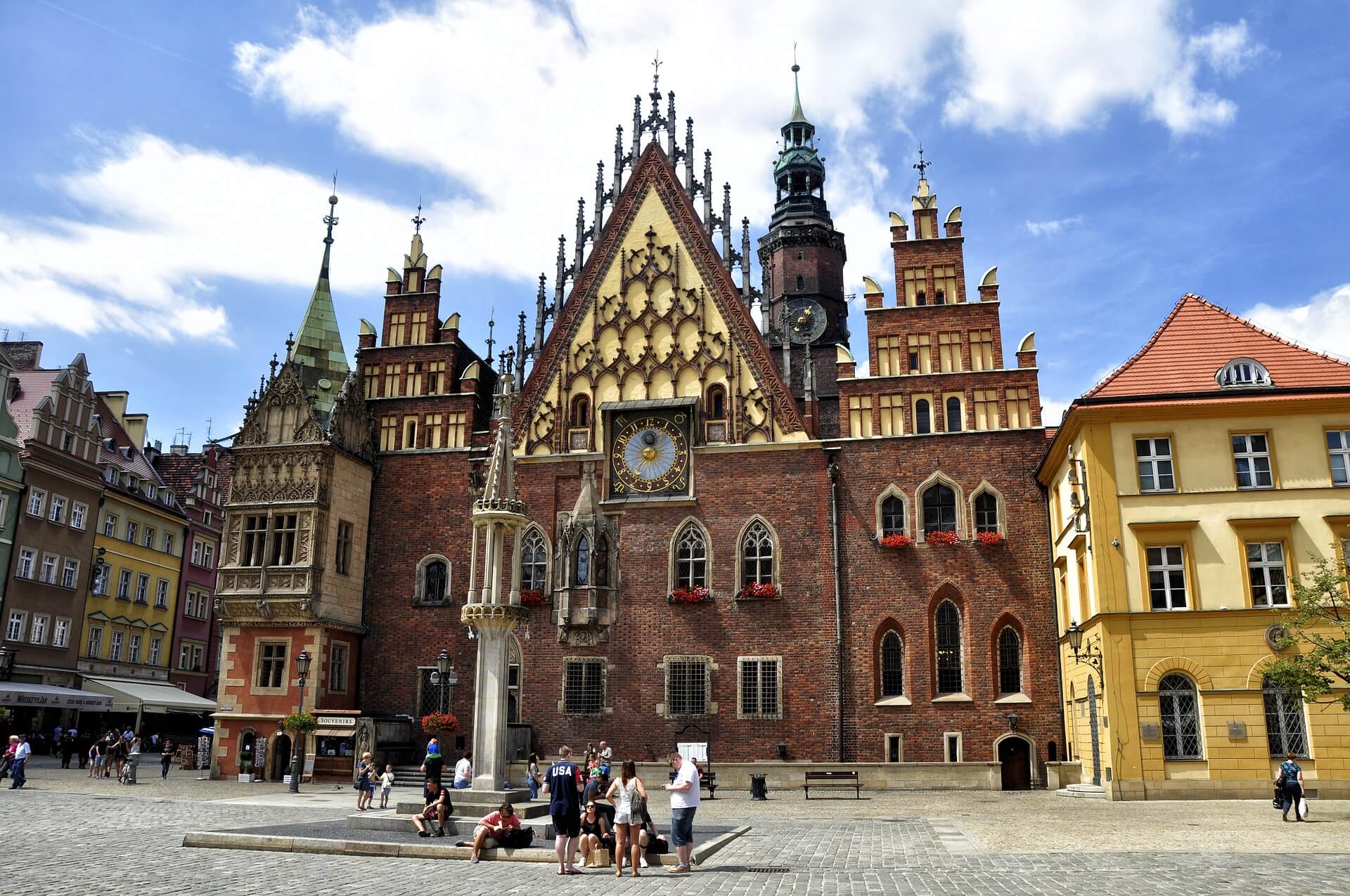
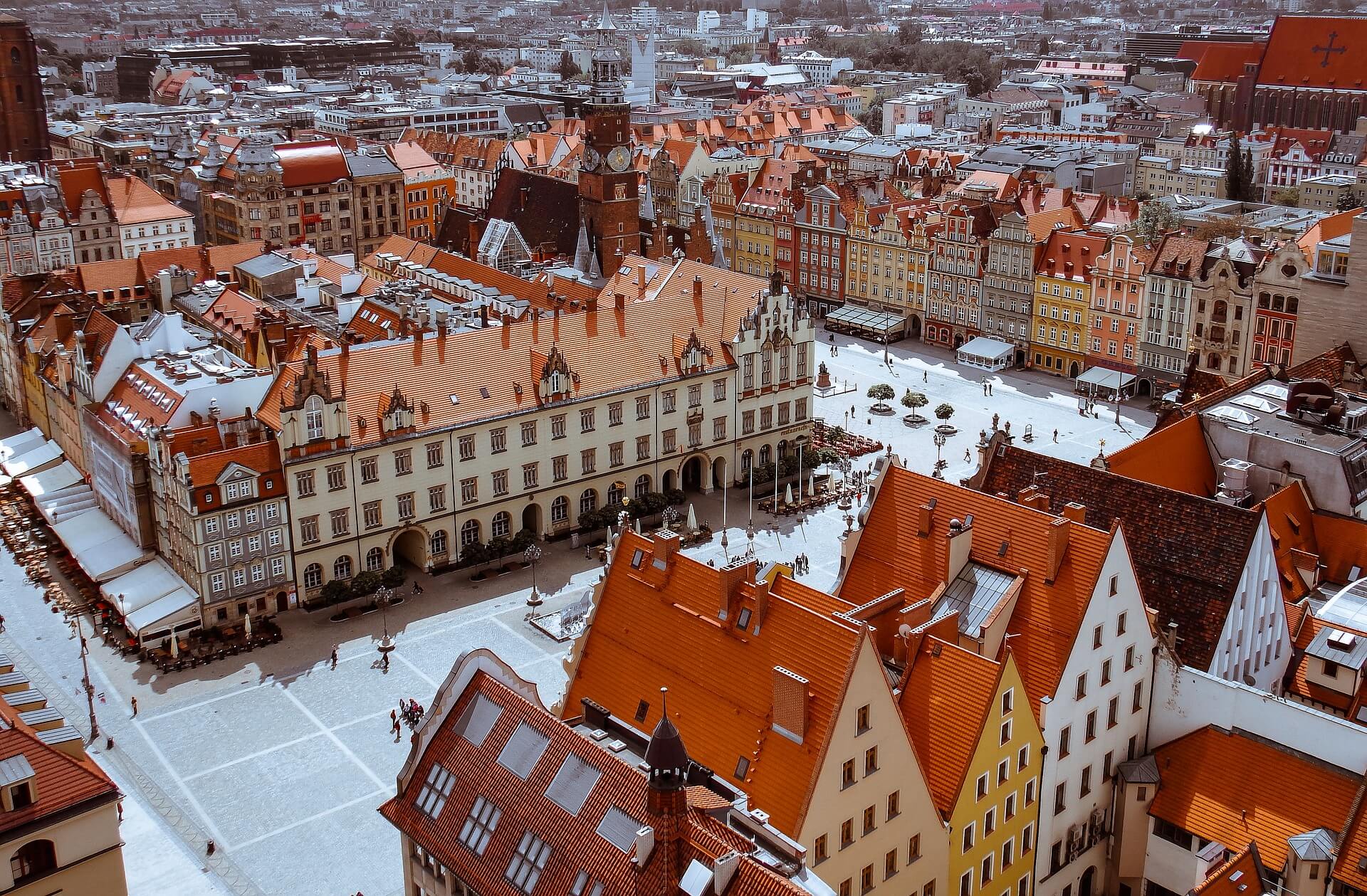
Wroclaw ‘s history has been greatly influenced by Austria, Bohemia and Prussia and in its architecture such as the spectacular Rynek Market Square. Located on the Odra River it has beautiful old bridges and lovely parks on its banks. Visit Cathedral Island and tour the city’s lively arts and culture scene.
City of Poznan
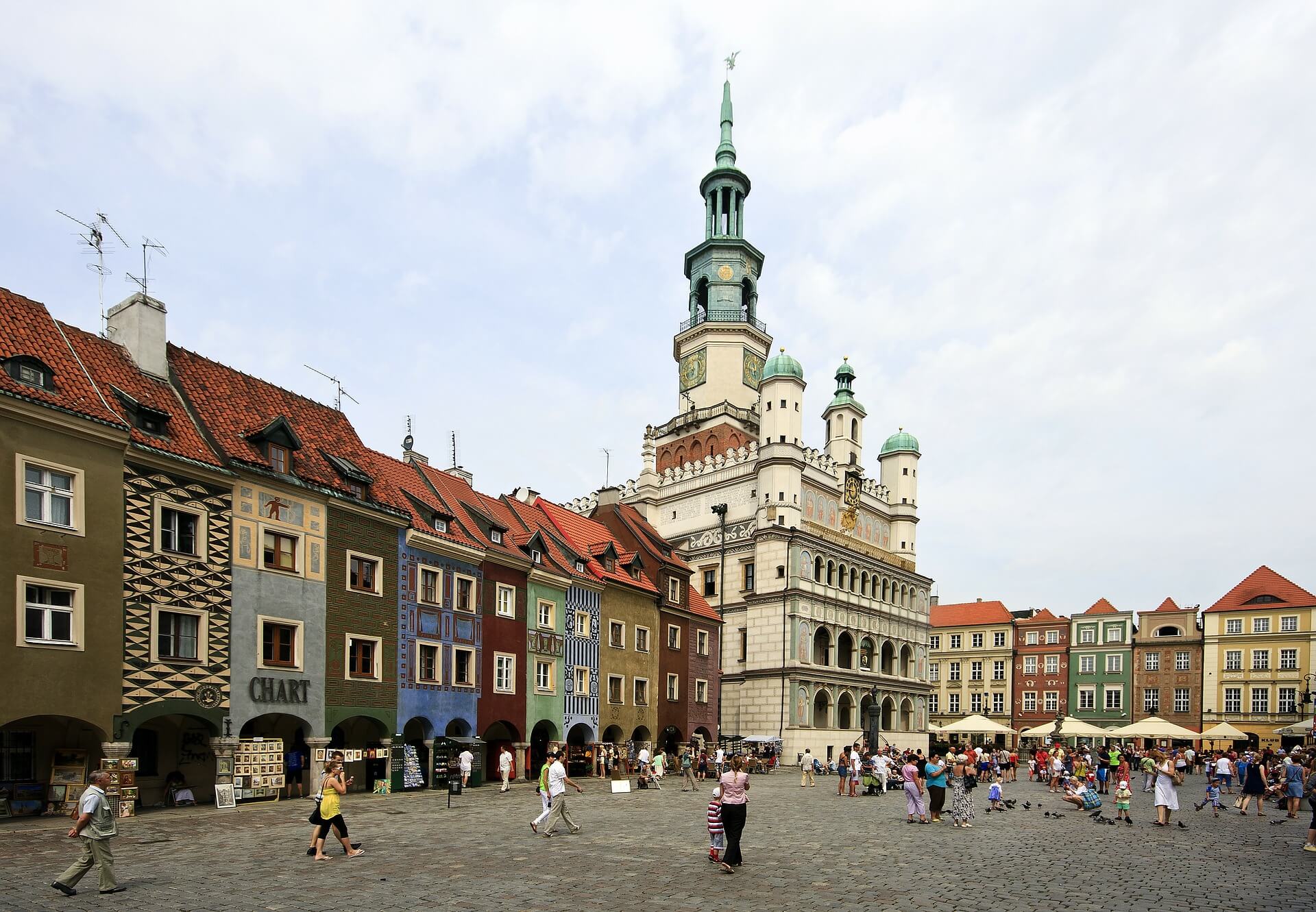
Poznan has a youthful feel and it is fun to just hang out. It has excellent historic sites and museums. The city has a large university population.
City of Torun
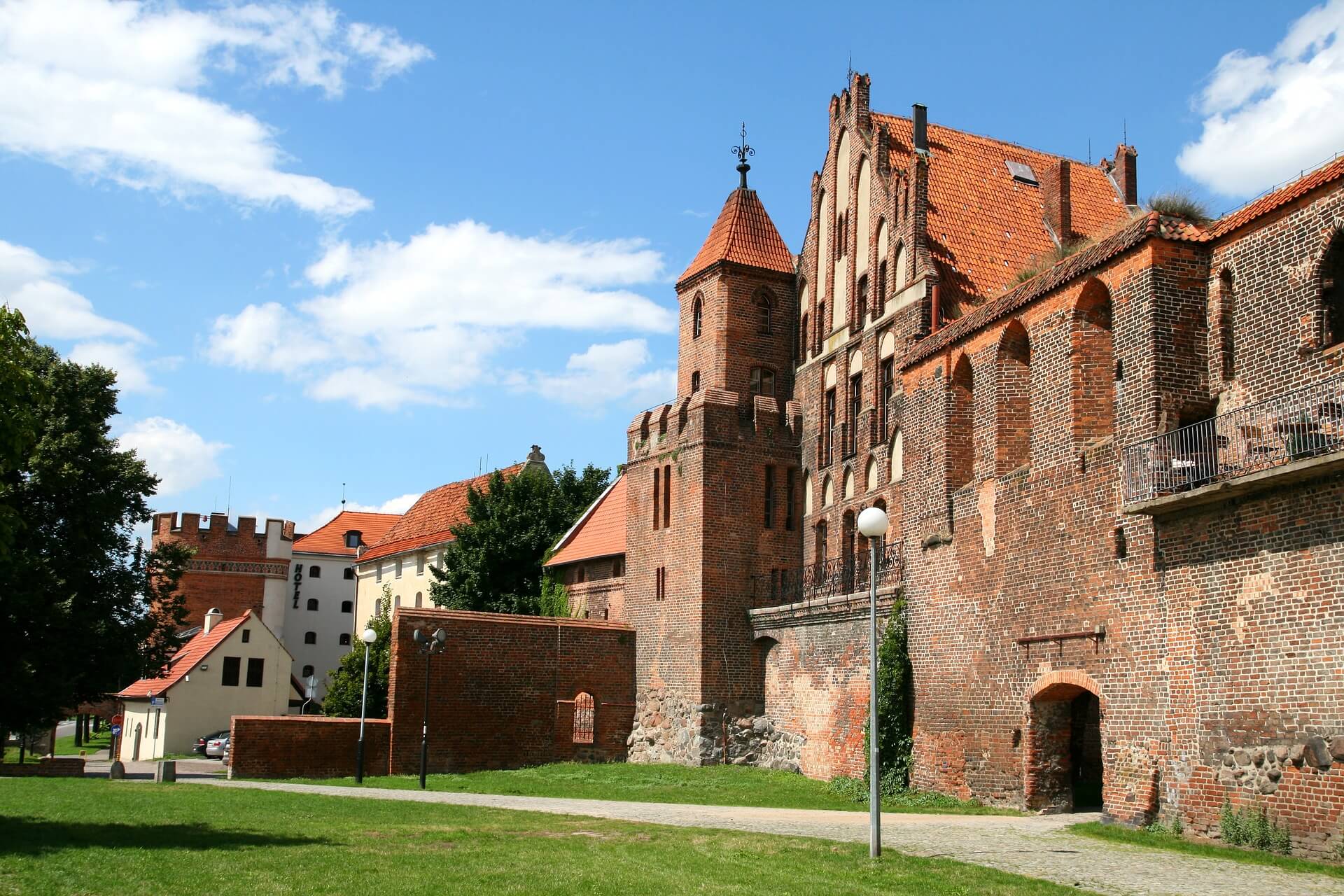
Torun is located on the Vistula River and has peaceful streets to wander around. A walled city, Torun’s Gothic Old Town has fantastic architecture.
City of Lublin
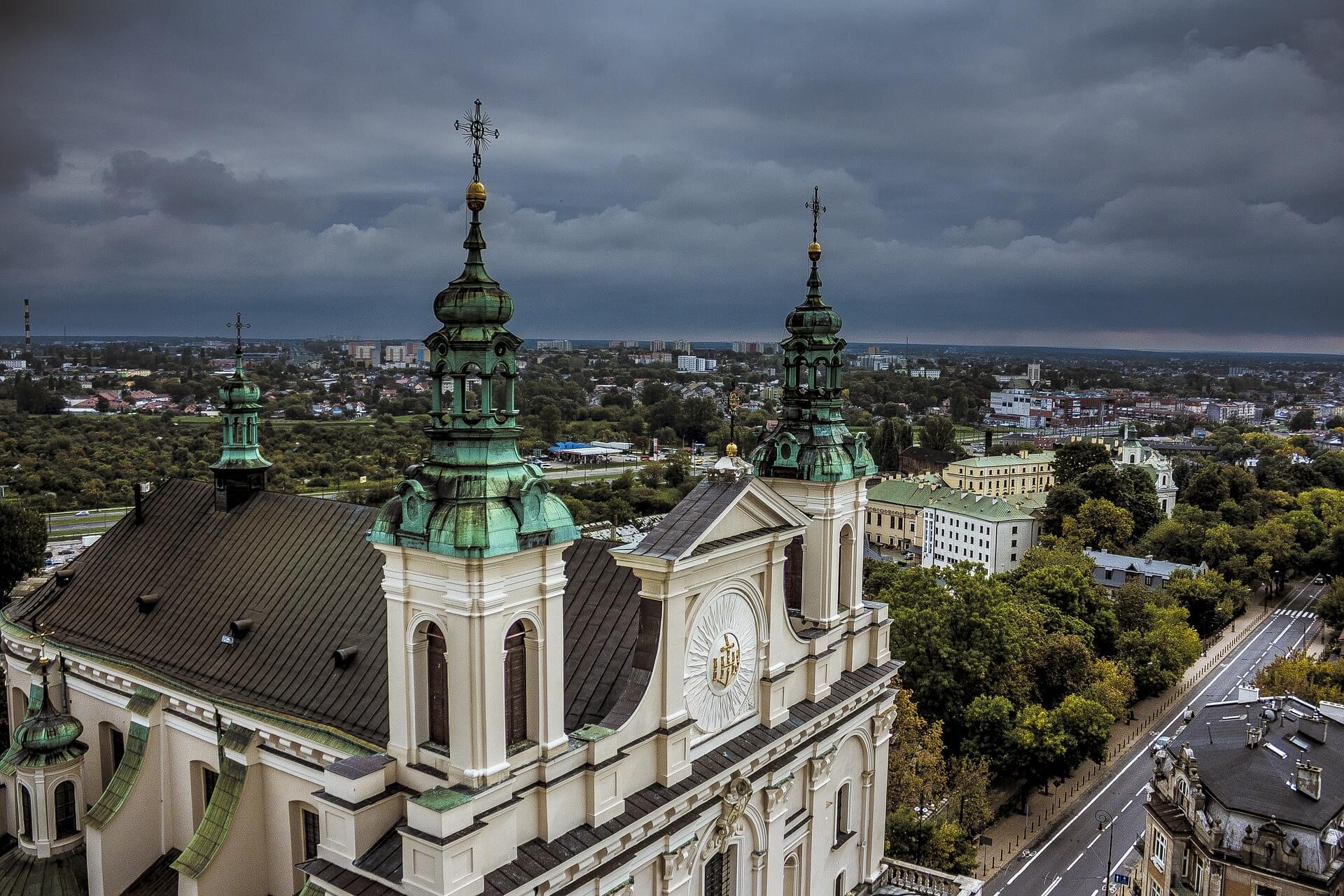
Lublin is the largest city in the southeastern part of the country with plenty of bars and nightclubs. Once nicknamed the Jewish Oxford it has numerous sites relating to its Jewish past.
City of Katowice
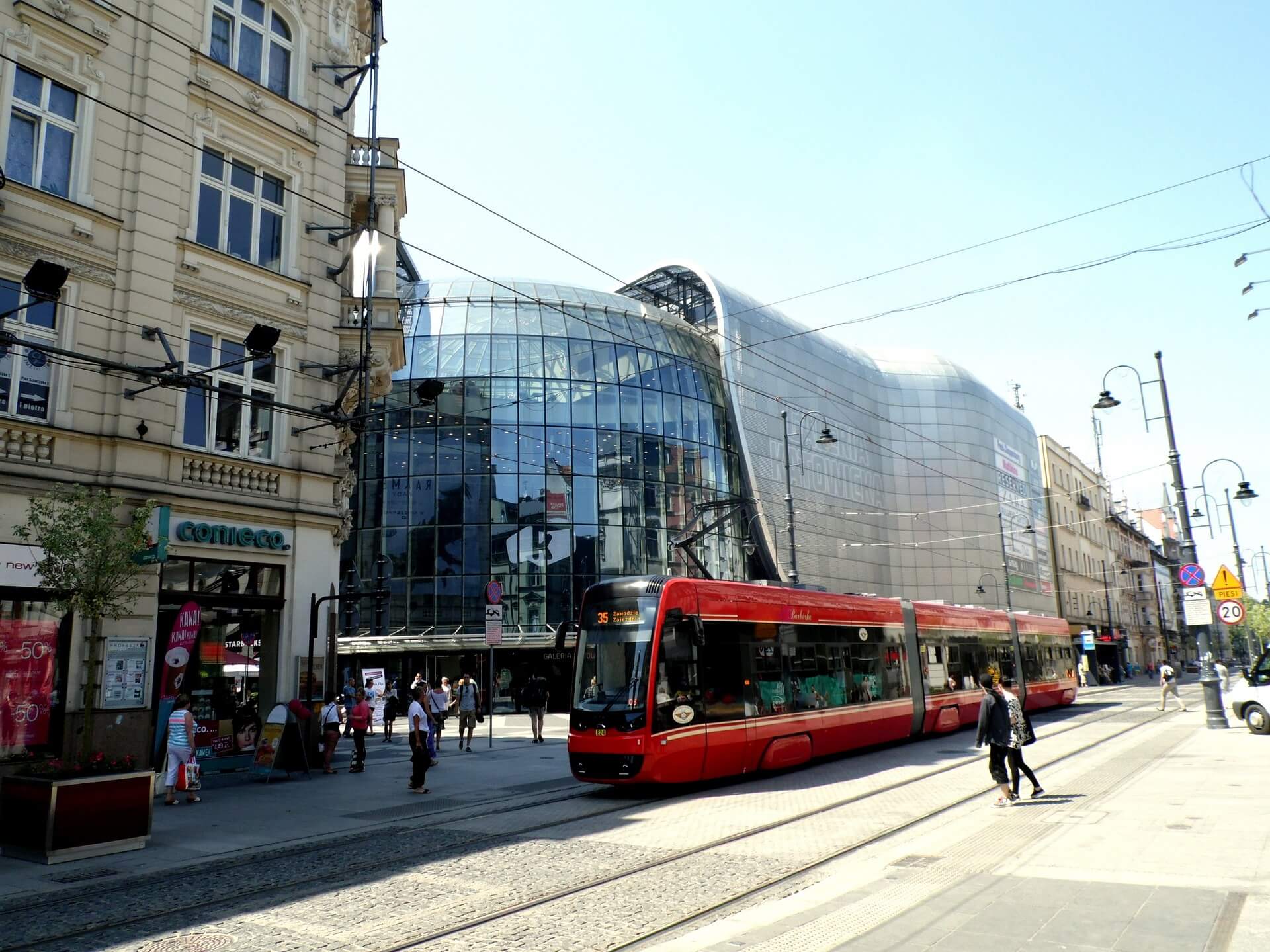
Katowice is a relatively new city but it sits among 14 other cities and it is a good hub and a commercial and cultural center. It has many restaurants, bars and nightclubs.
City of Lodz
Lodz is the third largest city. It was an industrial city and is now undergoing large-scale renovation. There was a large Jewish presence that has left Jewish cemeteries and monuments.
City of Szczecin
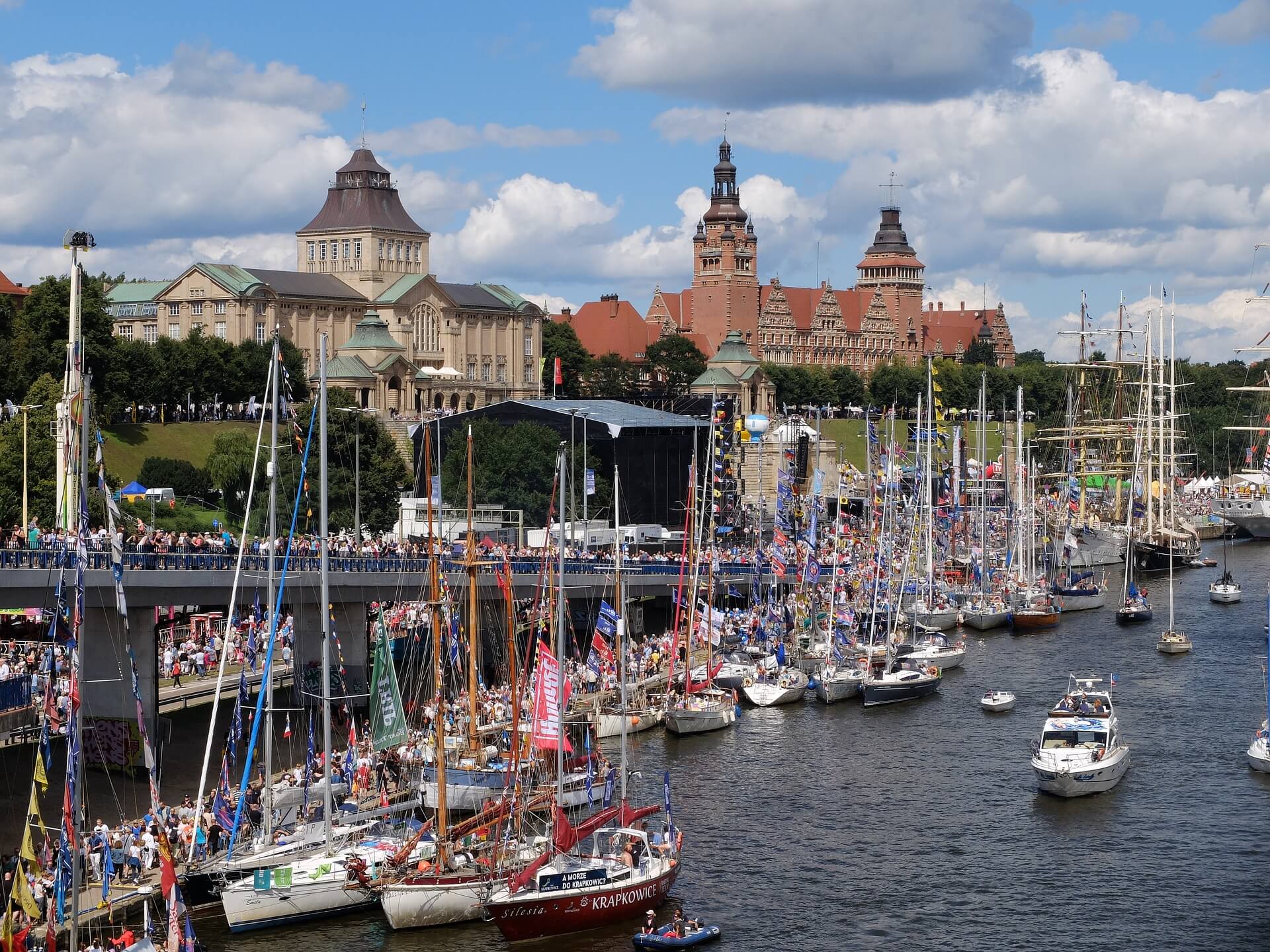
Szczecin lies between Berlin and Gdansk and is a port city with an eclectic mix of different architectural styles. The city is seldom visited by non-German tourists.
Other Tourist Attractions
Tatra Mountains Trails, waterfalls and scenery
Salt Mine at Wieliczka 700 years old outside Krakow
Masurian Lakes 3000 lakes great for water sports
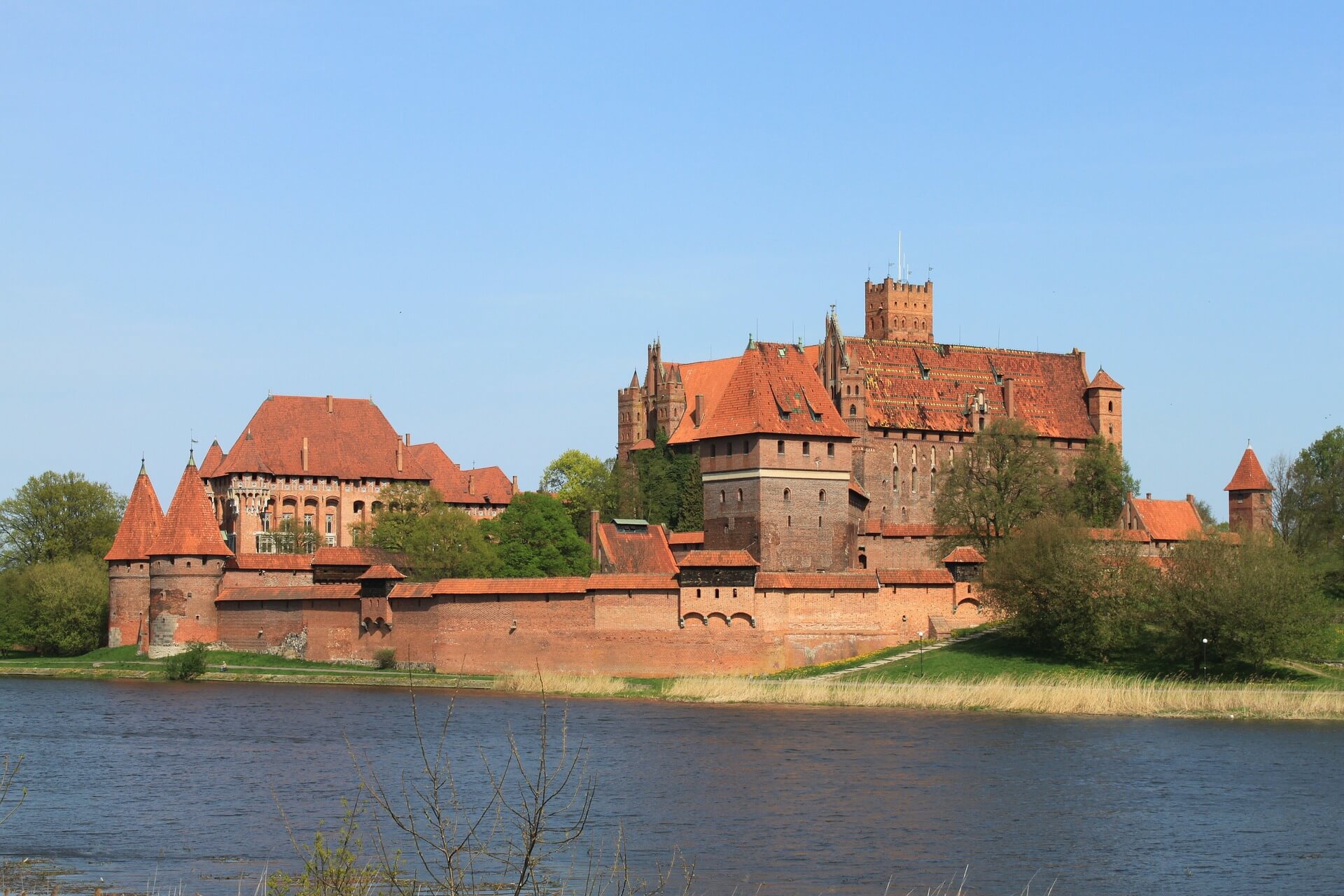
Malbork Castle Built 1274 and it is the largest Gothic fortress in Europe
Bialowieza Forest Only Intact primeval forest in Europe
No Tour Found