


Portugal, officially Portuguese Republic, is a country lying along the Atlantic Coast of the Iberian Peninsula in southwestern Europe. Portugal occupies 1/6 of the Iberian Peninsula To the north and east is Spain which makes up the rest of the peninsula and to the west is the Atlantic Ocean. To the west and southwest lie the Azores and Madeira Islands which are part of metropolitan Portugal. Spain is the only land neighbor. Portugal is the western most land in Europe. The official and national language is Portuguese. The government is a unitary semi-presidential constitutional republic with 10.4 million people and with a landmass of 36,603 square miles. 95% of the population is Portuguese and 81% Roman Catholic. Portugal is the oldest nation state on the Iberian Peninsula and one of the oldest in Europe, its territory being invaded and fought over continuously since prehistoric times. Once continental Europe’s greatest power, Portugal shares commonalities-geographical and cultural-with countries of both northern Europe and the Mediterranean. The cold, rocky northern coast and mountainous interior are sparsely settled, scenic and wild, while the country’s south, the Algarve, is warm and fertile. The rugged Estrela Mountains which lie between the Tagus and Modego Rivers, contain the highest point of mainland Portugal.
In the 1st millennium BCE the Celtic Lusitani entered the Iberian Peninsula and settled the land and many traces of their influence remain. According to national legend, though, Lisbon, the national capital, was founded not by the Celts but by the ancient Greek warrior Odysseus, who was said to have arrived at the rocky headland near what is the present-day city after leaving his homeland to wander the world and who, liking what he saw, stayed there for a while; his departure was said to have broken the heart of the nymph Calypso, who, the legend goes, turned herself into a snake, her coils becoming the seven hills of Lisbon. The Lusitani tribes battled the Romans for generations before acceding to the empire, whereupon Rome established several important towns and ports; the Roman presence can be seen in the name of the country, which derives from Portus Cale, a settlement near the mouth of the Douro River and the present-day city of Porto. Later the descendants of the Roman and Lusitani would live under Moorish rule for several centuries until an independent kingdom was established. Portugal was founded in 868 AD and the kingdom was founded in 1139. In constant battle and rivalry with Spain, its eastern neighbor, Portugal then turned to the sea and, after Henry the Navigator’s establishment of a school of navigation at Sagres, in time founded a vast overseas empire that would become Europe’s largest and richest. During this period called the Age of Discovery, Portuguese explorers pioneered maritime exploration with the discovery of what would become Brazil in 1500. During this time, Portugal monopolized the spice trade and divided the world into hemispheres of dominion. Much of that empire was quickly lost, but even then, Portugal retained sizable holdings along the African coast, in southern and eastern Asia, and in South America. Portugal remained a colonial power until the mid- 1970’s, when a peaceful revolution transformed the country from a dictatorship into a democratic republic. Long among the poorest countries of Europe, Portugal modernized in the last decades of the 20th century expanding its economy from one based primarily on textile manufacture and livestock to include a wider range of manufacturers and services.
When visiting Portugal you could consider 5 different regions:
City of Lisbon
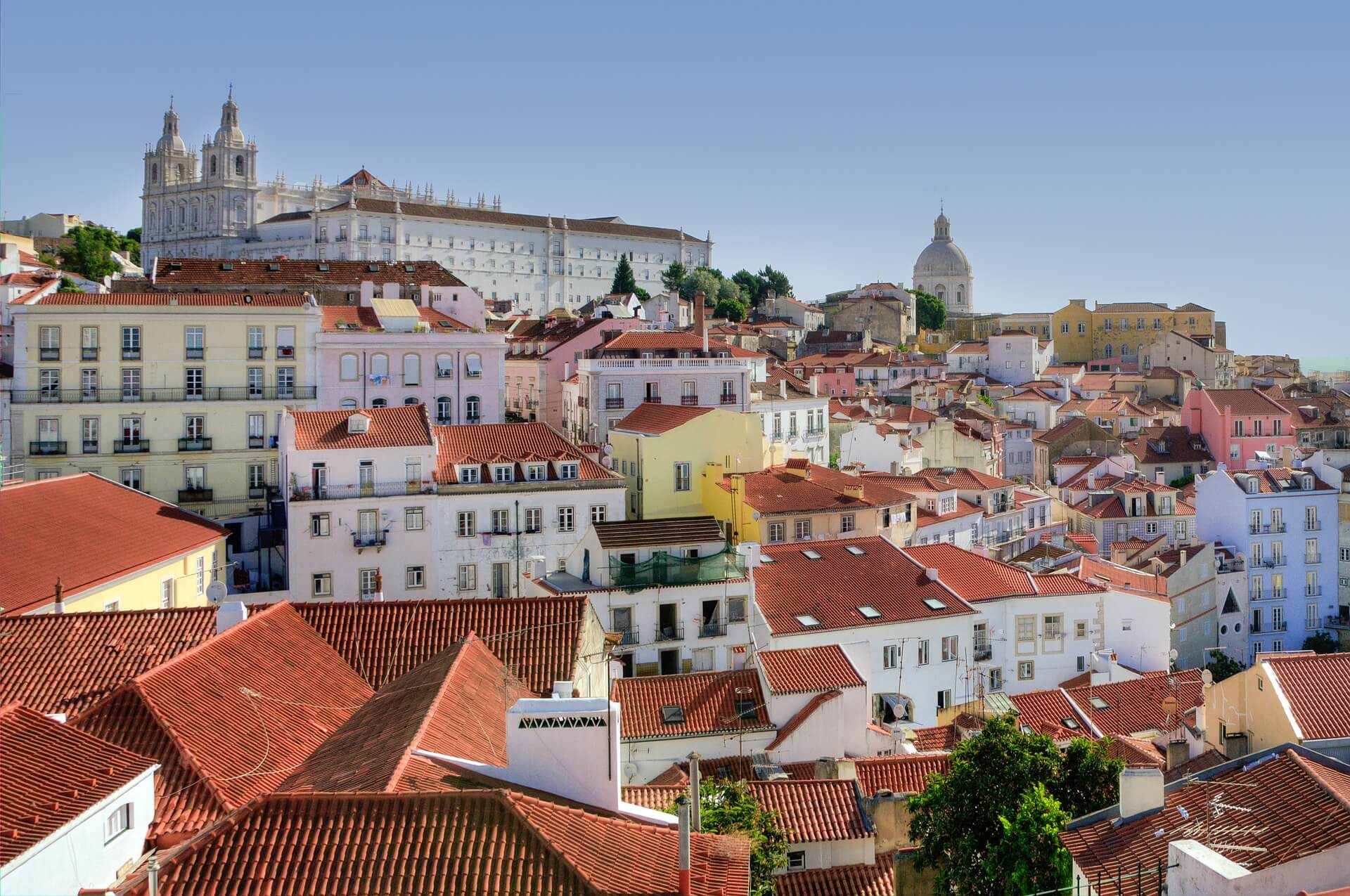
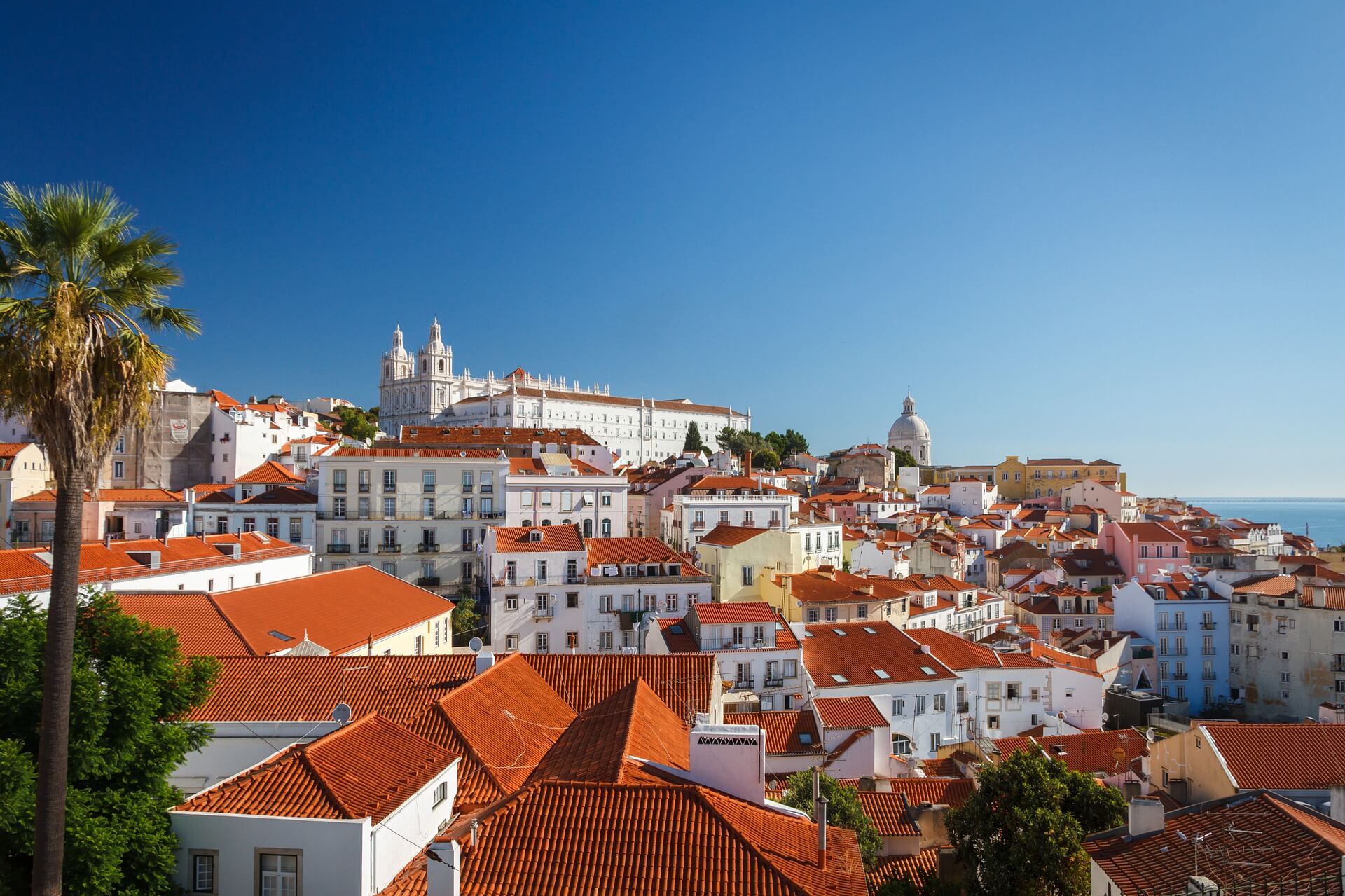
Lisbon is Portugal’s economic and cultural center. The city clings to low but steep hills situated on the right bank of the Tagus River and is a popular tourist destination. Lisbon is more tranquil and reserved than Madrid in neighboring Spain, but it shares with it a reputation of great food, melancholy and romantic music, dance and sport. Lisbon is the capital and largest city in Portugal with a population of 550,000 within its administrative limits and almost 3 million living in the Lisbon metropolitan area which is approximately 27% of the country’s total population. It is mainland Europe’s westernmost capital city and the only one along the Atlantic coast. Lisbon is recognized as an alpha-level global city because of its importance in finance, commerce, media, entertainment, arts, international trade, education and tourism. Lisbon is one of two Portuguese cities to be recognized as a global city. It has one of the largest container ports on Europe’s Atlantic coast. The city is the 9th most visited in Europe. Lisbon is one of the oldest cities in the world, and the second oldest European capital city after Athens, predating other modern European capitals by centuries. Julius Caesar made it a municipium called Felicitas Julia. After the fall of the Roman Empire it was ruled by a series of Germanic tribes from the 5th century; later it was captured by the Moors in the 8th century. In 1147, Alfonso Henriques conquered the city and since then it has been the political, economic, and cultural center of Portugal.
Tourist Attractions
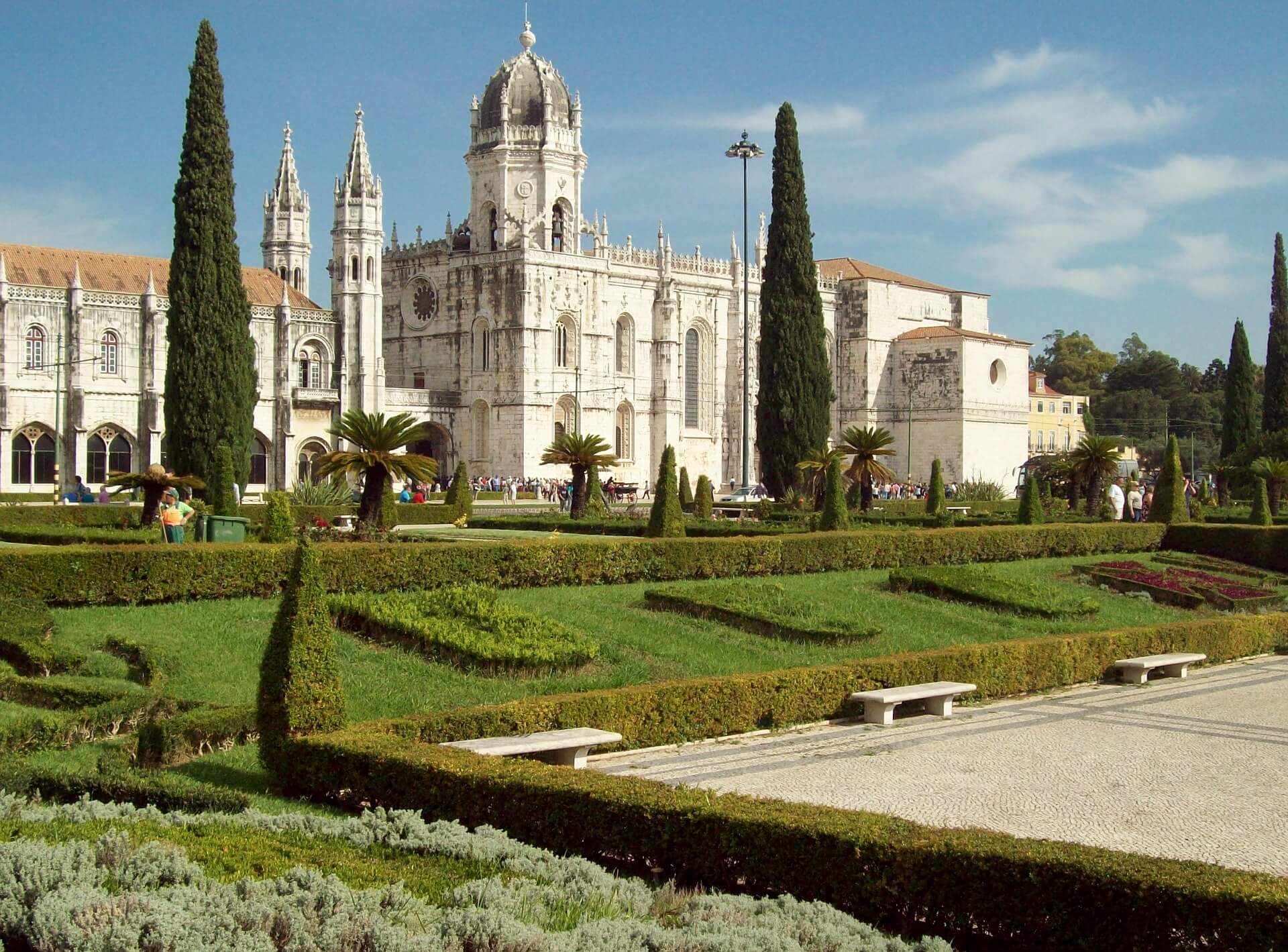
Jeronimos Monastery built 1506 and a World Heritage Site
St. George’s Castle 12th century on hill with breathtaking views
Calouste Gulbenkian Museum
MAAT a waterfront, landmark museum
Coaches Museum
Parque das Nacoes A waterfront promenade
Tile Museum A 16th century built convent and city’s most beautiful museum
Ancient Art Museum
Discoveries MonumentPortas do Sol Viewpoint Views of Old Lisbon
Santa Justa Elevator
Royal Palace of Ajuda built 1795
Sao Vicente de Fora Monastery World’s largest collection of baroque tile panels
Igreja de Sao Roque built 1500’s and one of the world’s first Jesuit churches
BICA Funicular
Pink Street nightlife and shops
Beaches
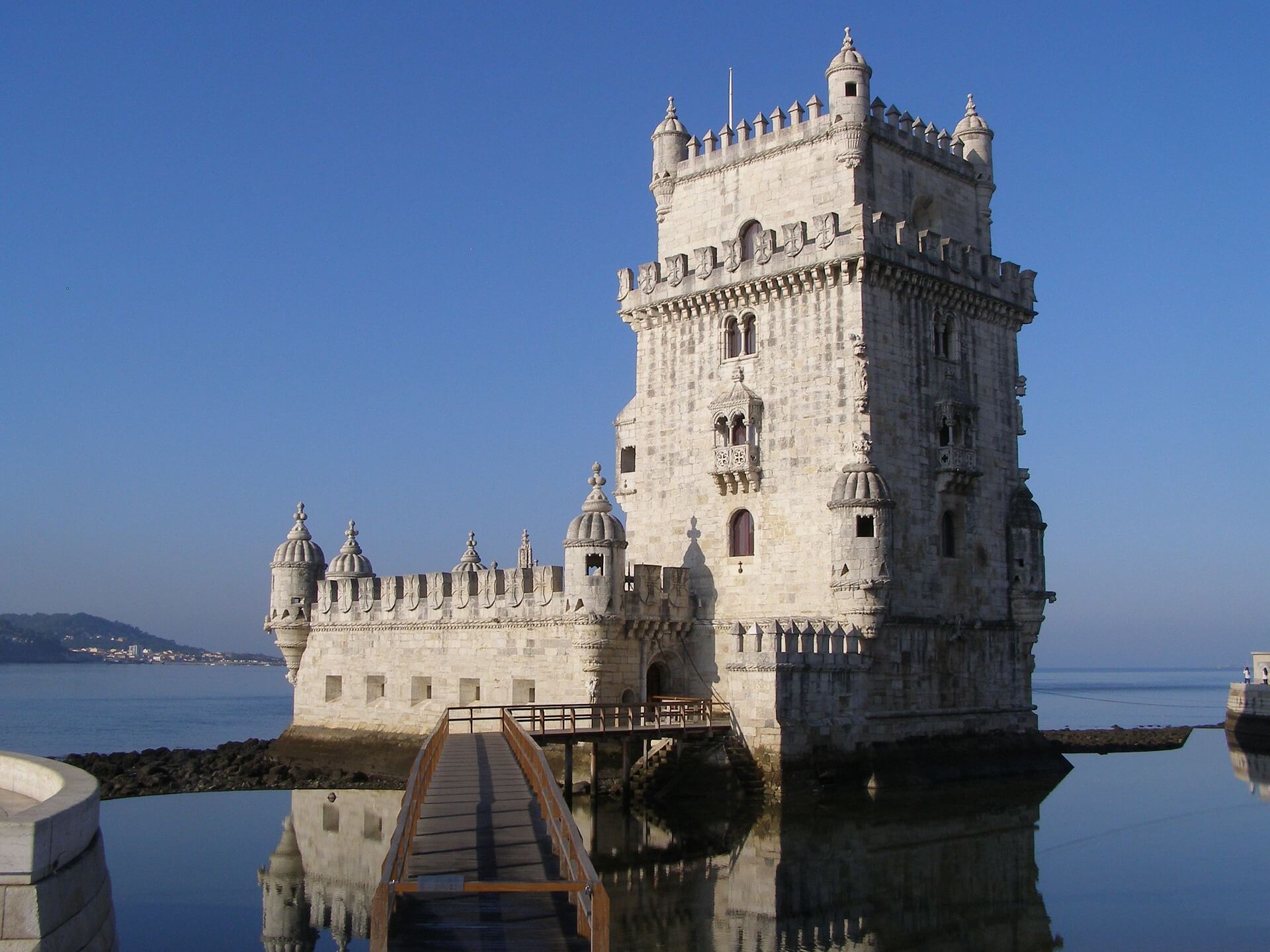
Belem Tower built 15th century and a World Heritage Site
Lisbon Cathedral built 1147
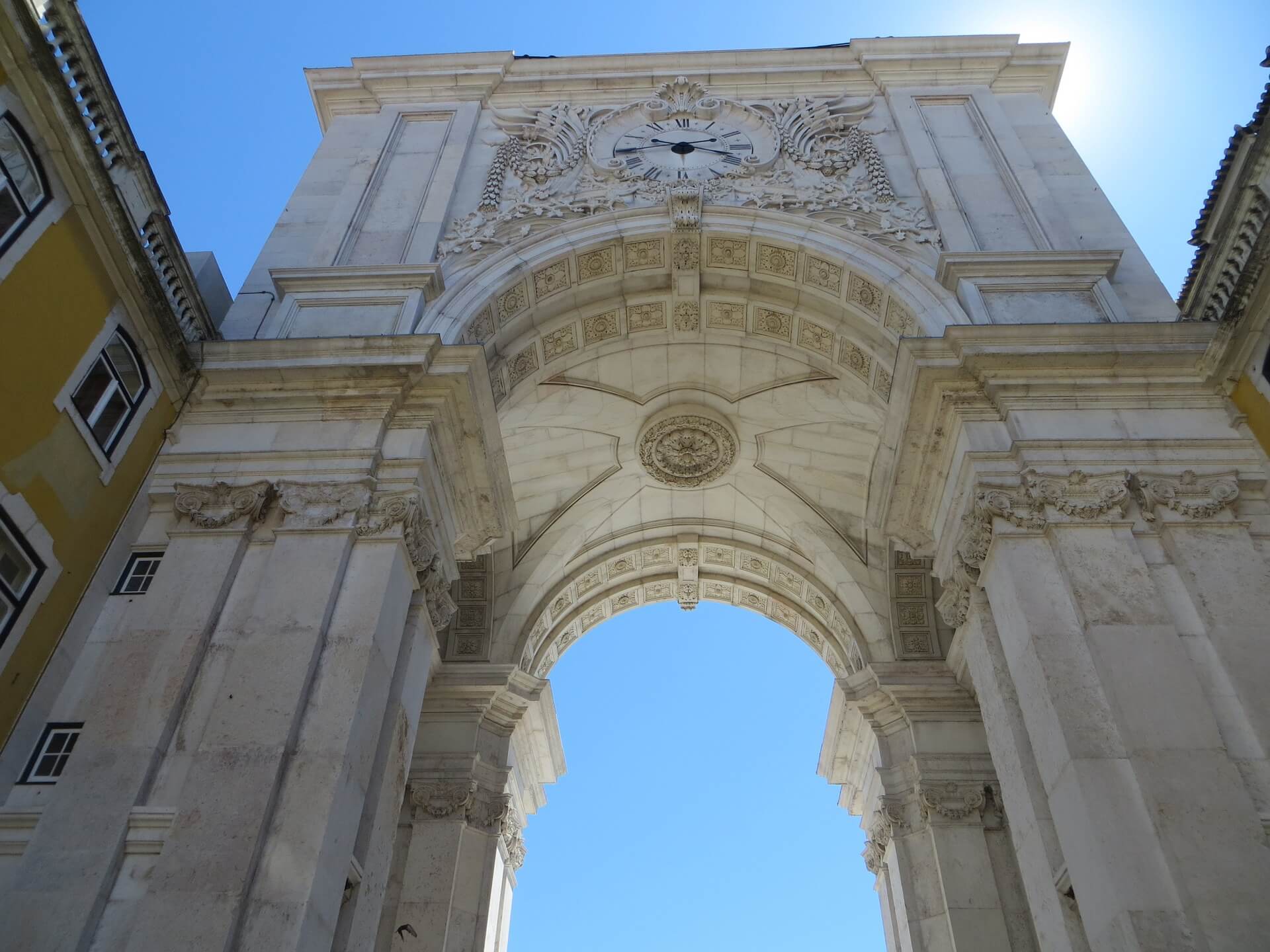
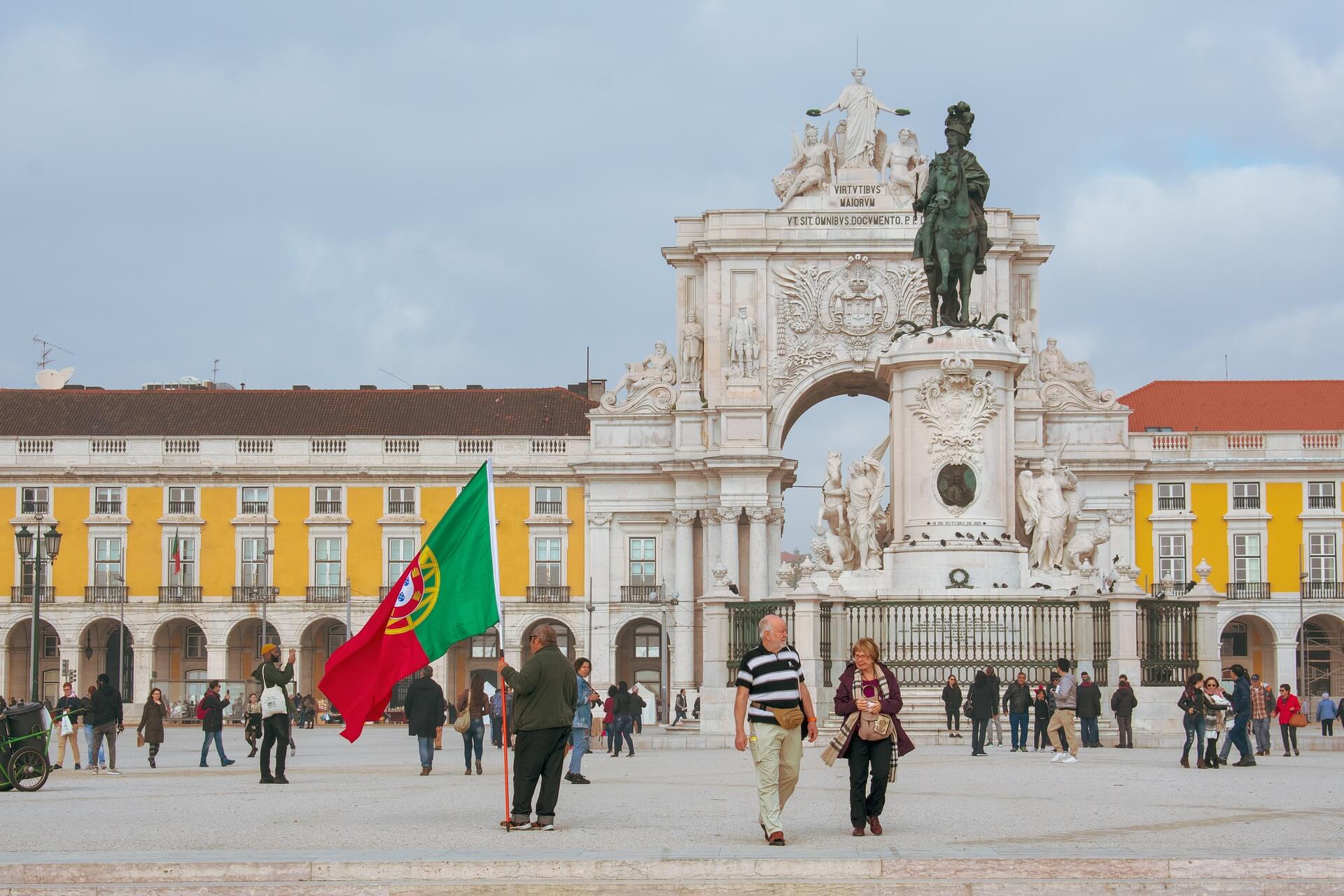
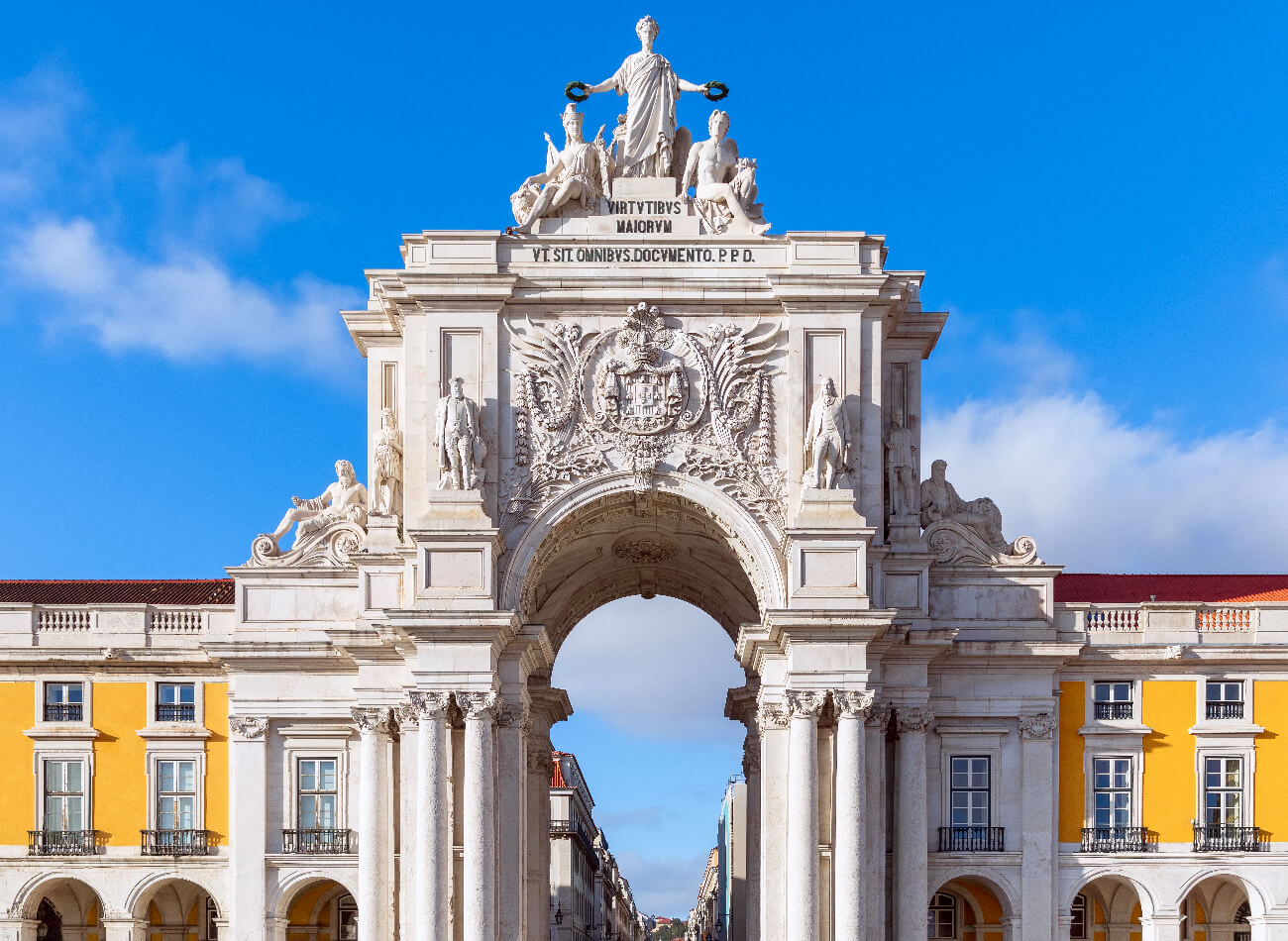
Rua Augusta Arch
City of Porto
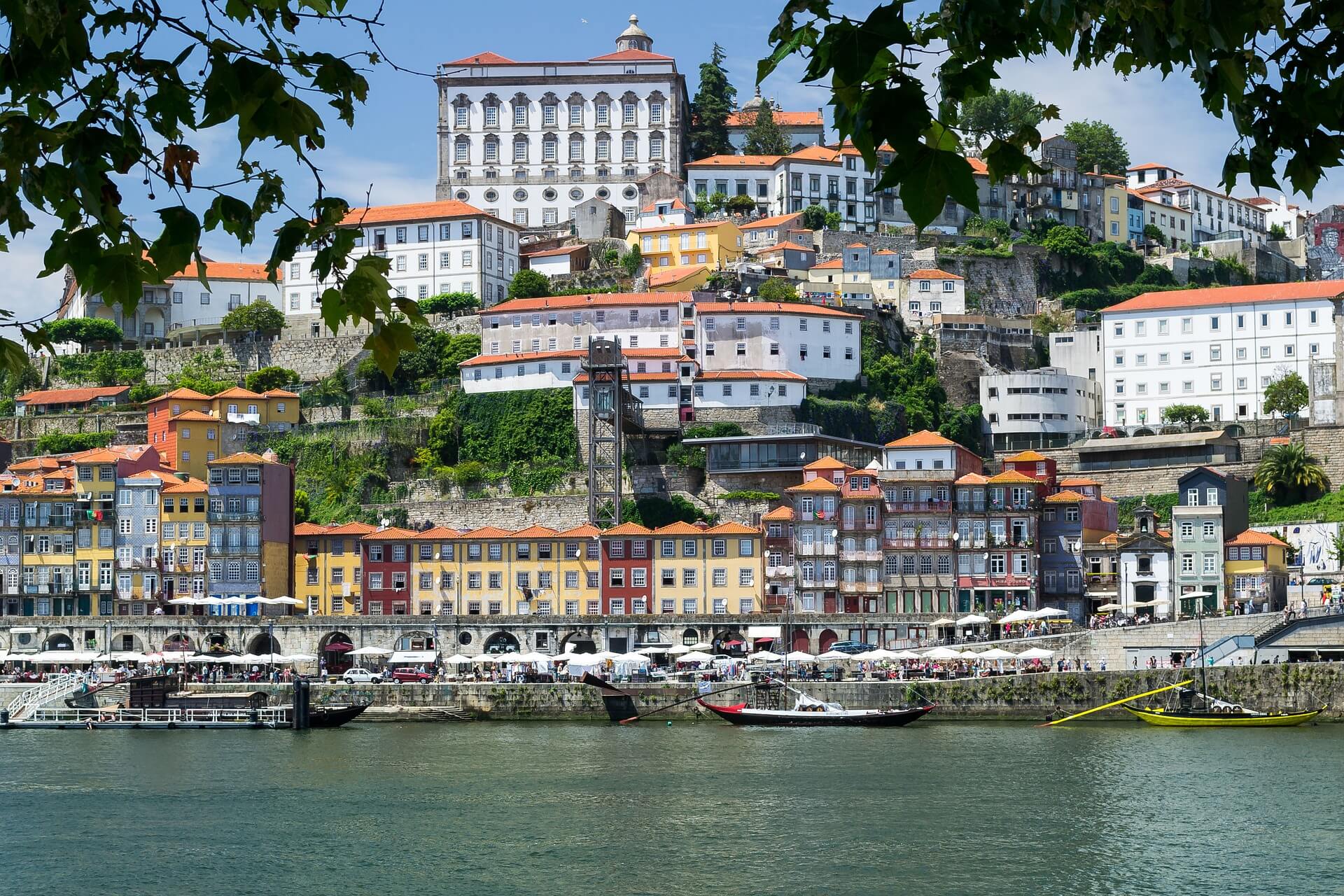
Porto is the second largest city in Portugal and has a population of 1.8 million in its metropolitan area. It is located in Porto District along the Douro River estuary, Norte region of Portugal. It is a major historical center and in 1996 was designated as a UNESCO World Heritage Site. It is an international export center known for export of its port wine. The city was founded in 275 BCE. Its early architecture featuring baroque and neoclassical are well presented in the building interior and exteriors. The climate is Mediterranean.
Tourist Attractions
Ponte de Dom Luis A Bridge with a surrounding 900 year history
Cais da Ribeira Bridge to nightlife and wine
Douro River trips to wine regions
Torre das Clerigos a tower in the middle of the historic center
Igreja do Carmo Church A church with historic tiles
Capela das Almas A religious site with building walls covered with blue and white tiles illustrating the history of Portugal.
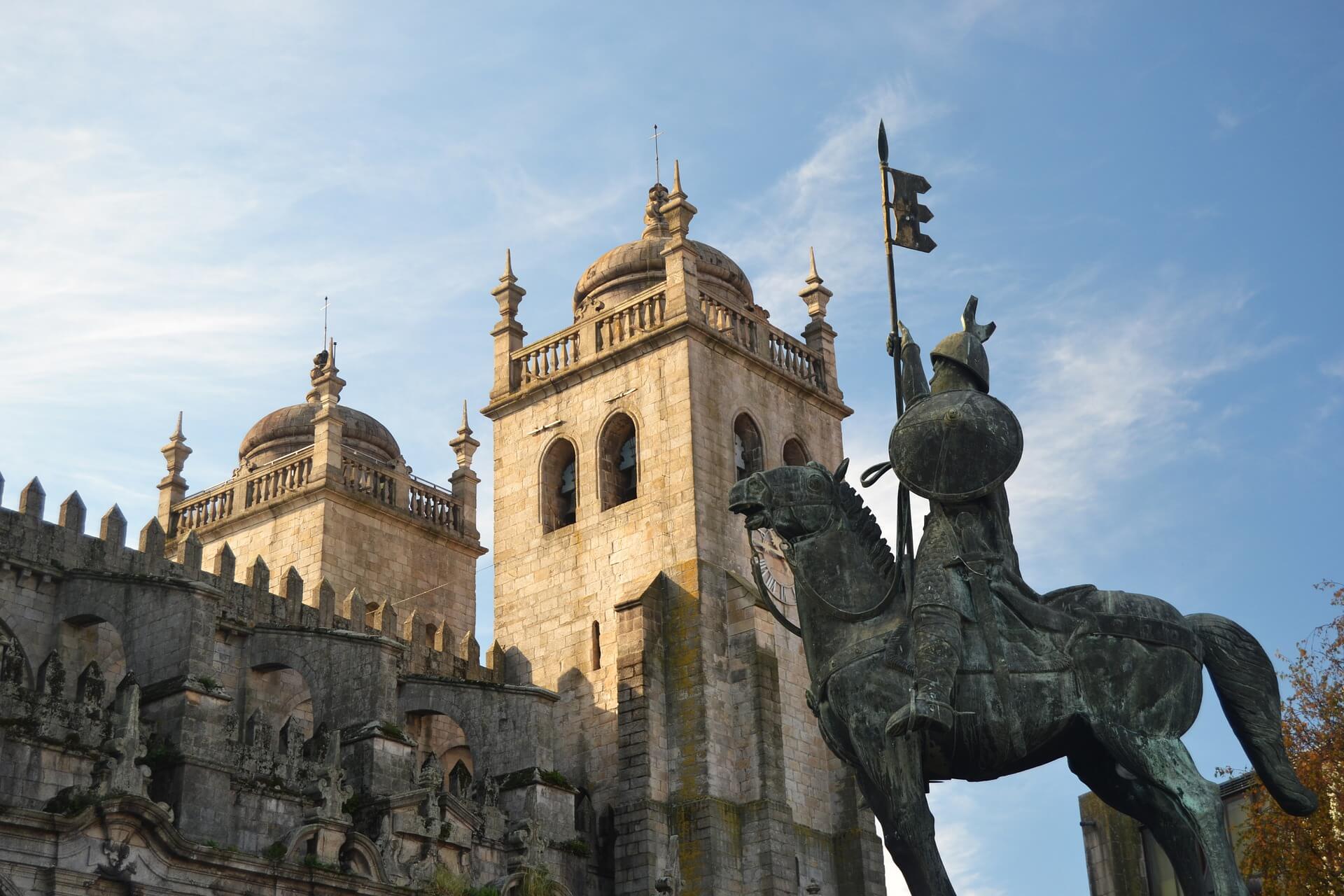
Porto Cathedral built in the 12th century
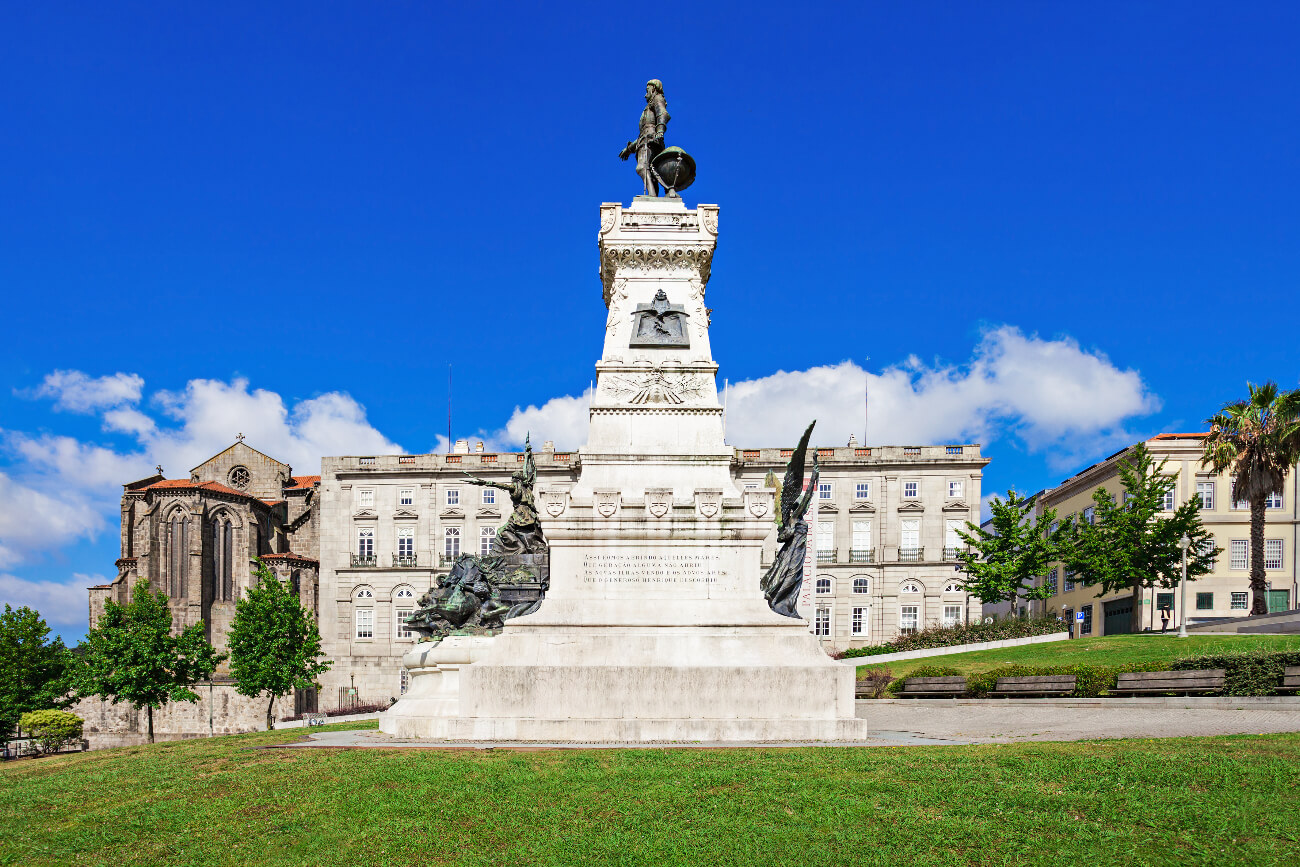
Palacio da Bolsa an 1834 museum
Other Interesting Cities
Sintra
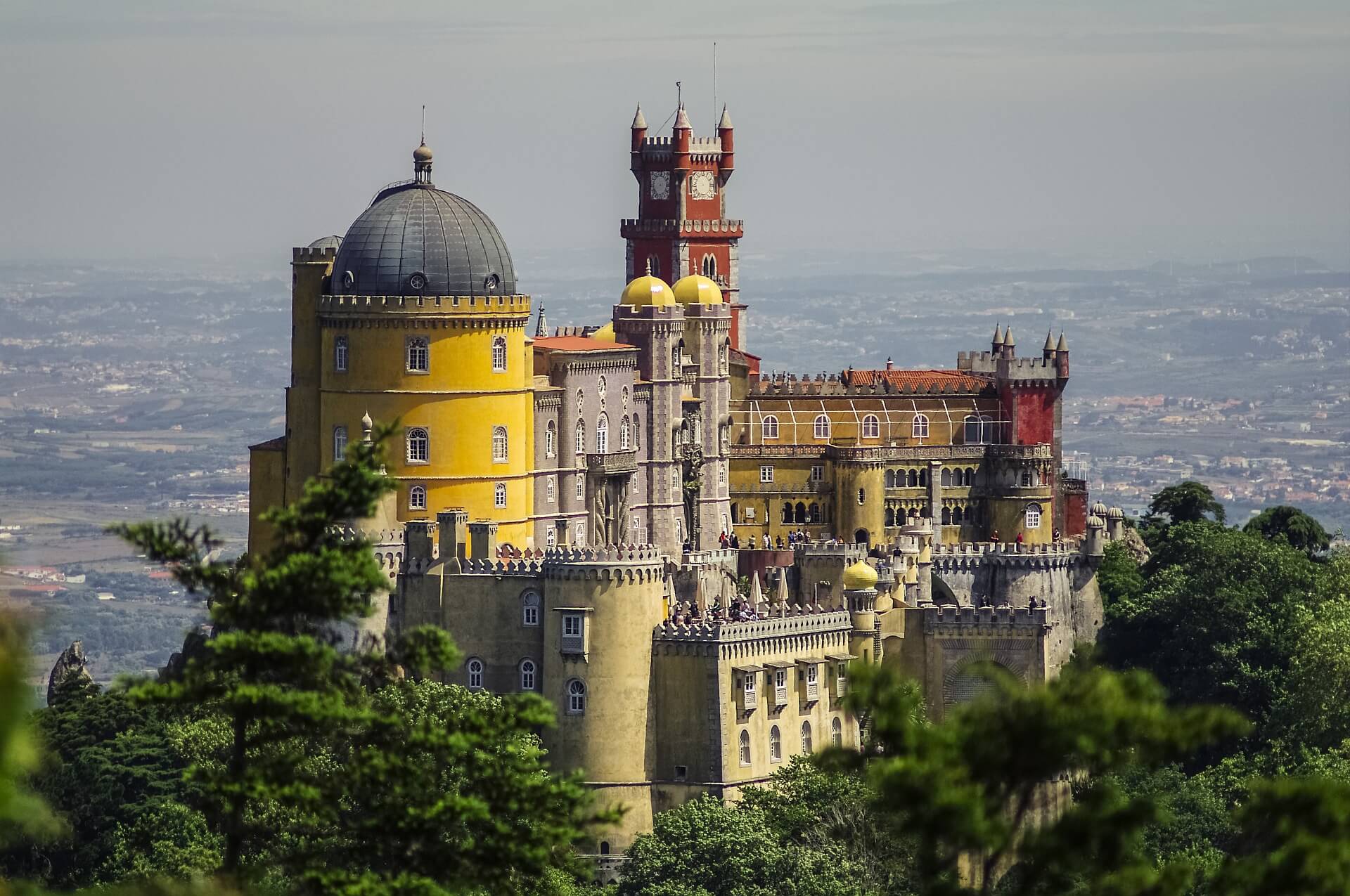
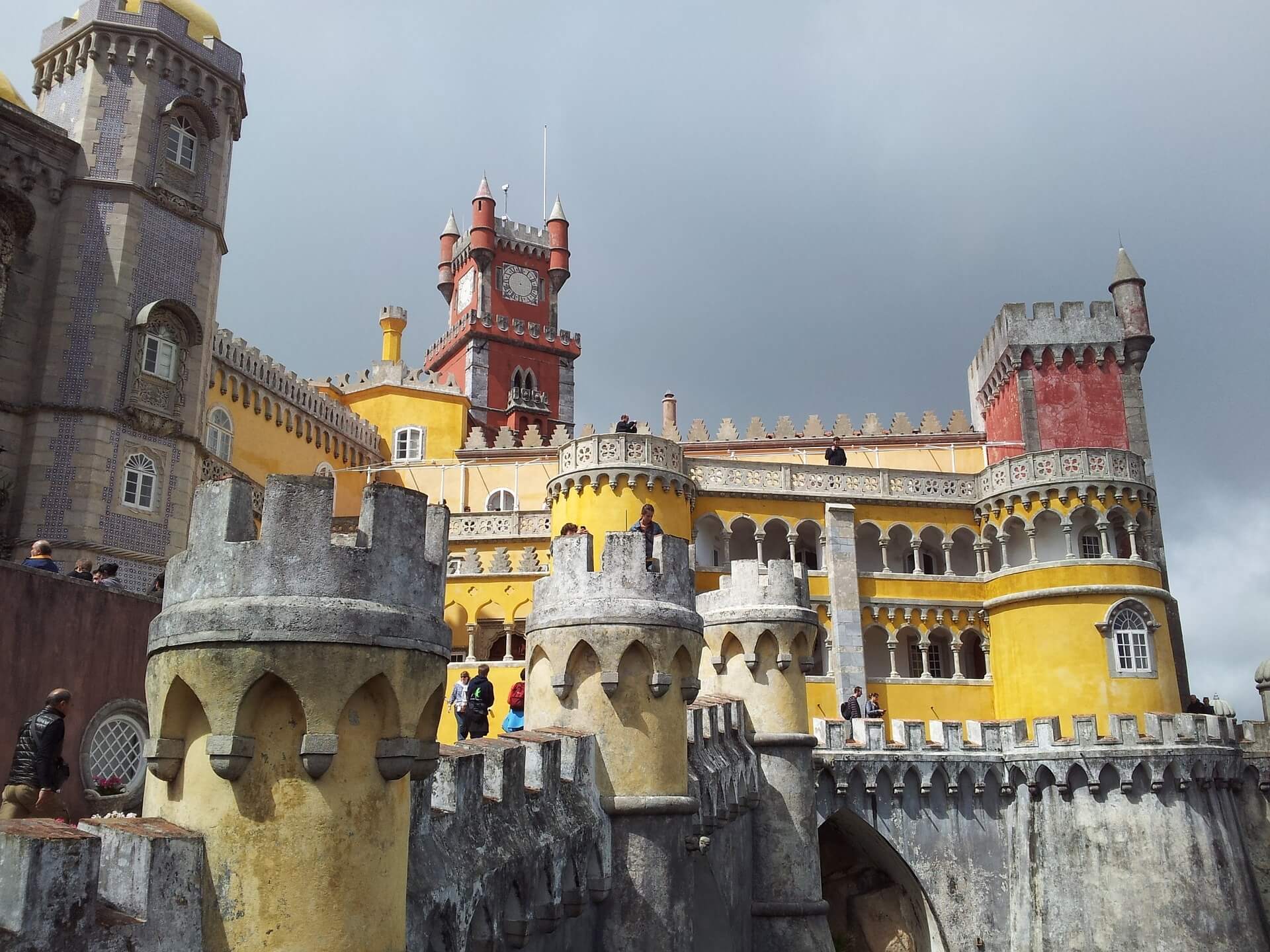
Sintra is almost a fairytale city with domineering fortresses, elegant palaces, luxurious villas, and royal residences. Visit Pena Palace and the Moorish Castle and venture into the mountains surrounding the city.
Aveiro
Aveiro has a network of canals, footbridges and colorfully painted boats, and has been named the “Venice of Portugal”. Situated on the Atlantic Coast, many people flock here for the beaches and water sports that lie just outside the city. Visit the Aveiro Cathedral and the Convento de Jesus.
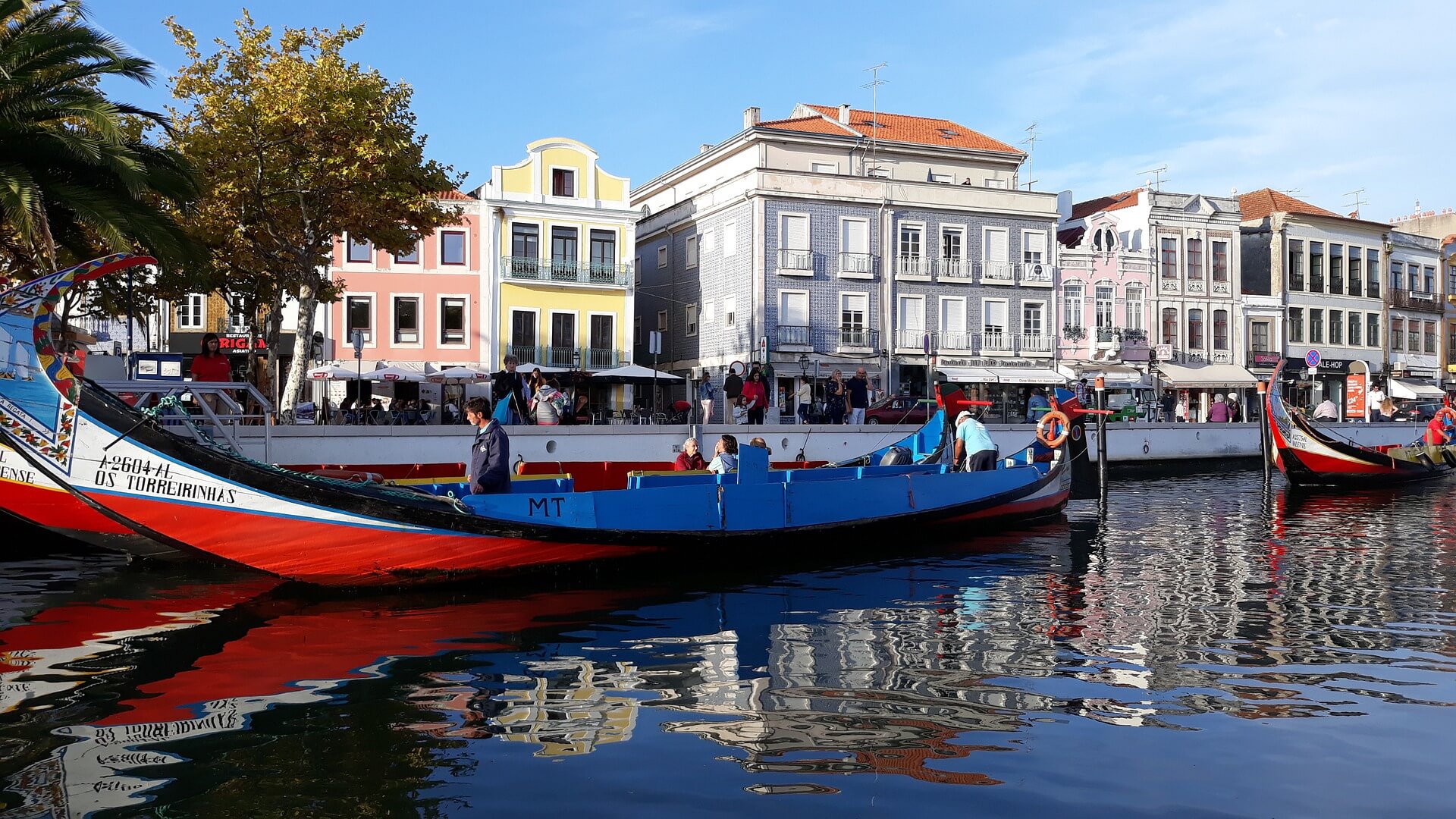
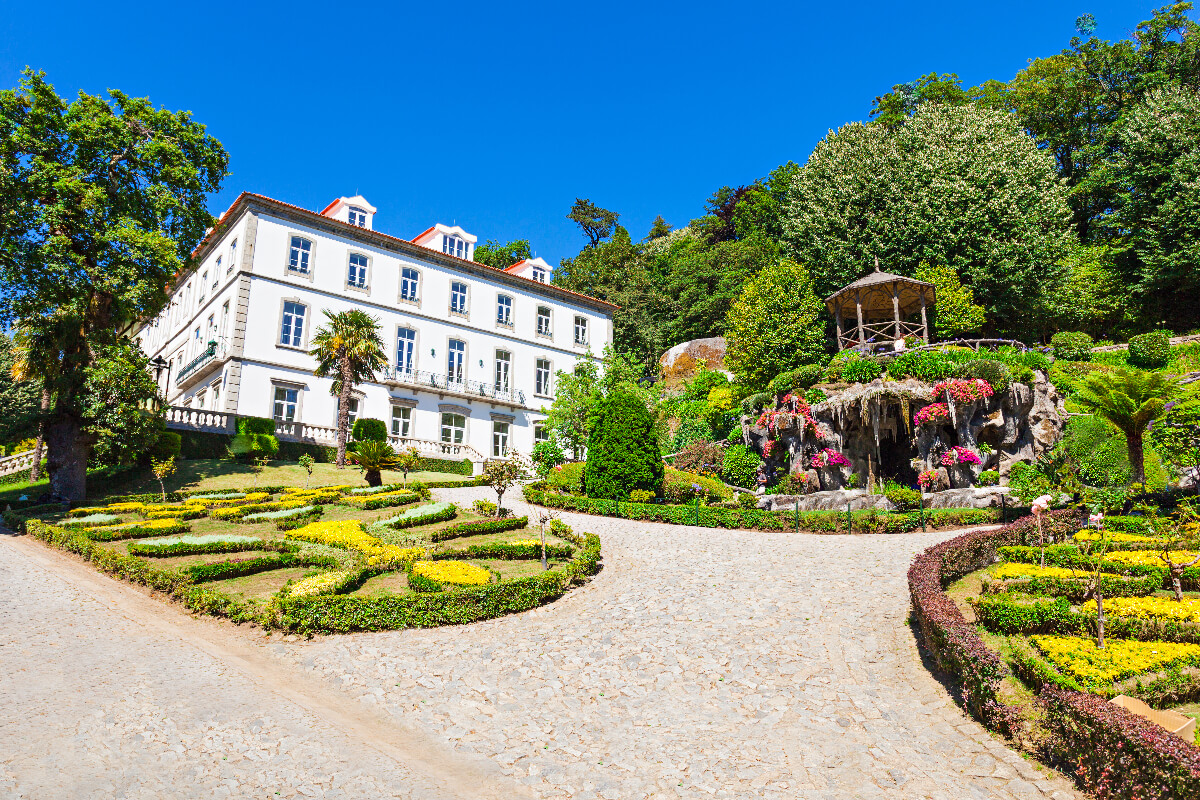
Braga
Braga seamlessly mixes the old with the new. Visit the magnificent Jesus de Monte Cathedral, over a thousand years old. Visit the historic city center replete with old churches, buildings and museums.
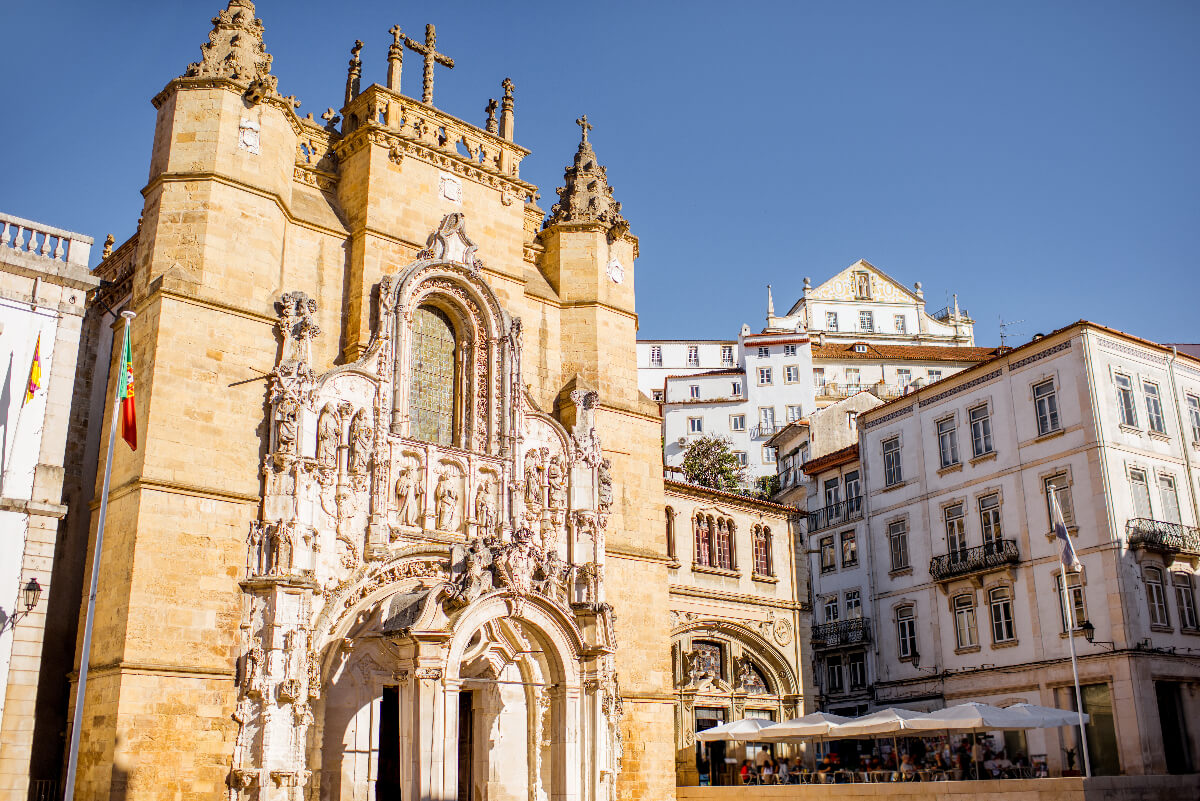
Coimbra
Coimbra has a plethora of historic sites that will delight history lovers and with one of the oldest universities in the world;, the city has been a seat of learning for generations. Visit the baroque Biblioteca Joanina. The city center is a great place to wander around with beautiful gardens and old churches overlookng the Rio Mondego down below. Before leaving, listen to the traditional fado music.
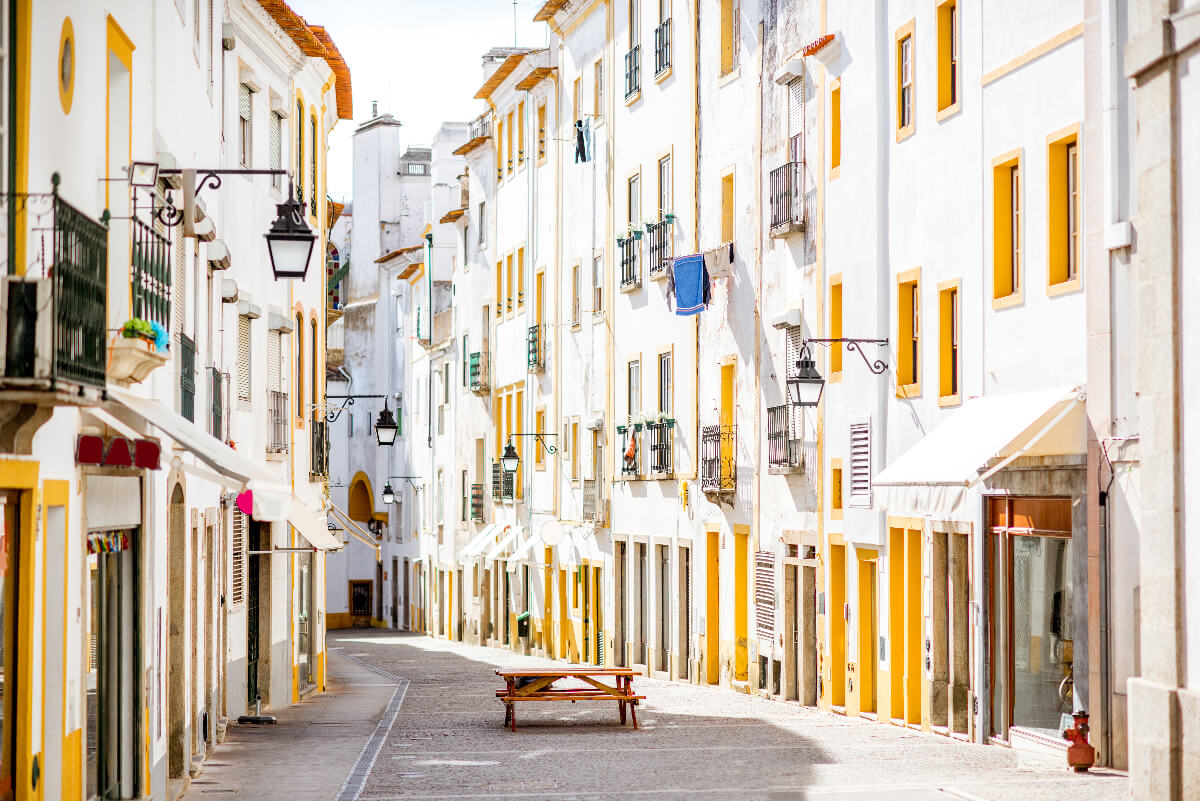
Evora
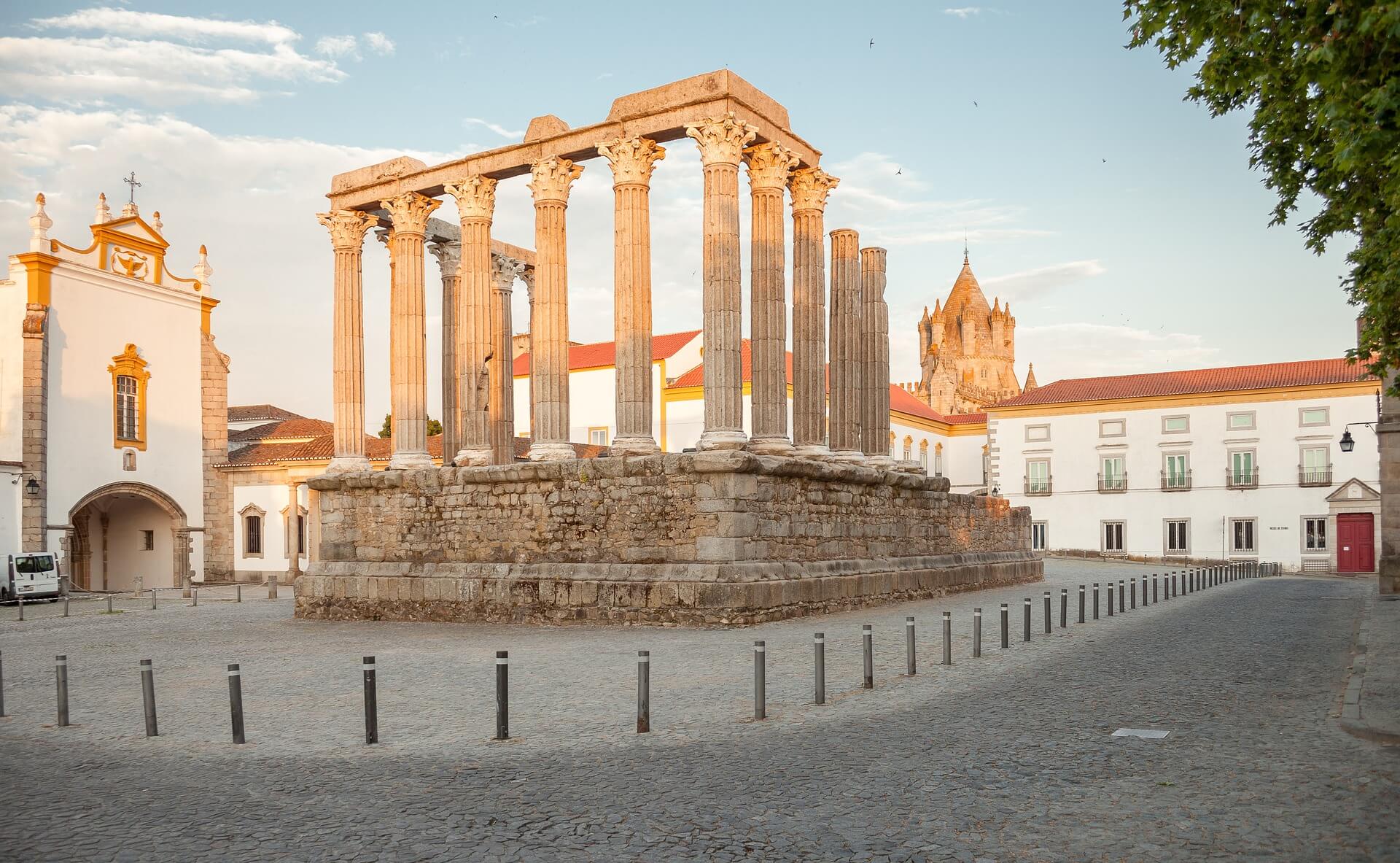
Evora has more than 2000 years packed into a small city and over 4000 historical buildings, some dating back to Roman times. Visit the chilling Bone Castle, the Roman walls, and ancient aqueducts and a 13th century Gothic cathedral.
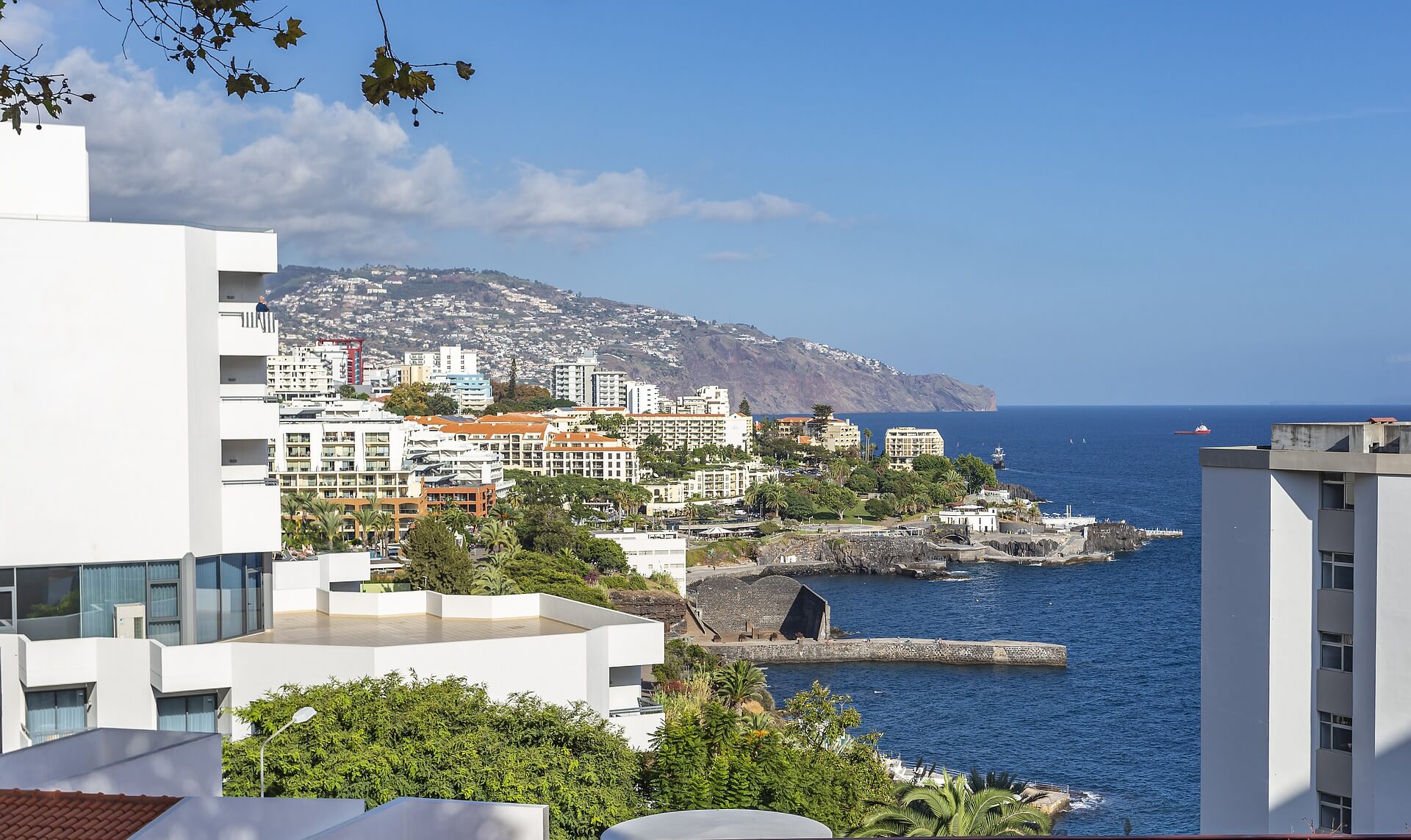
Funchal
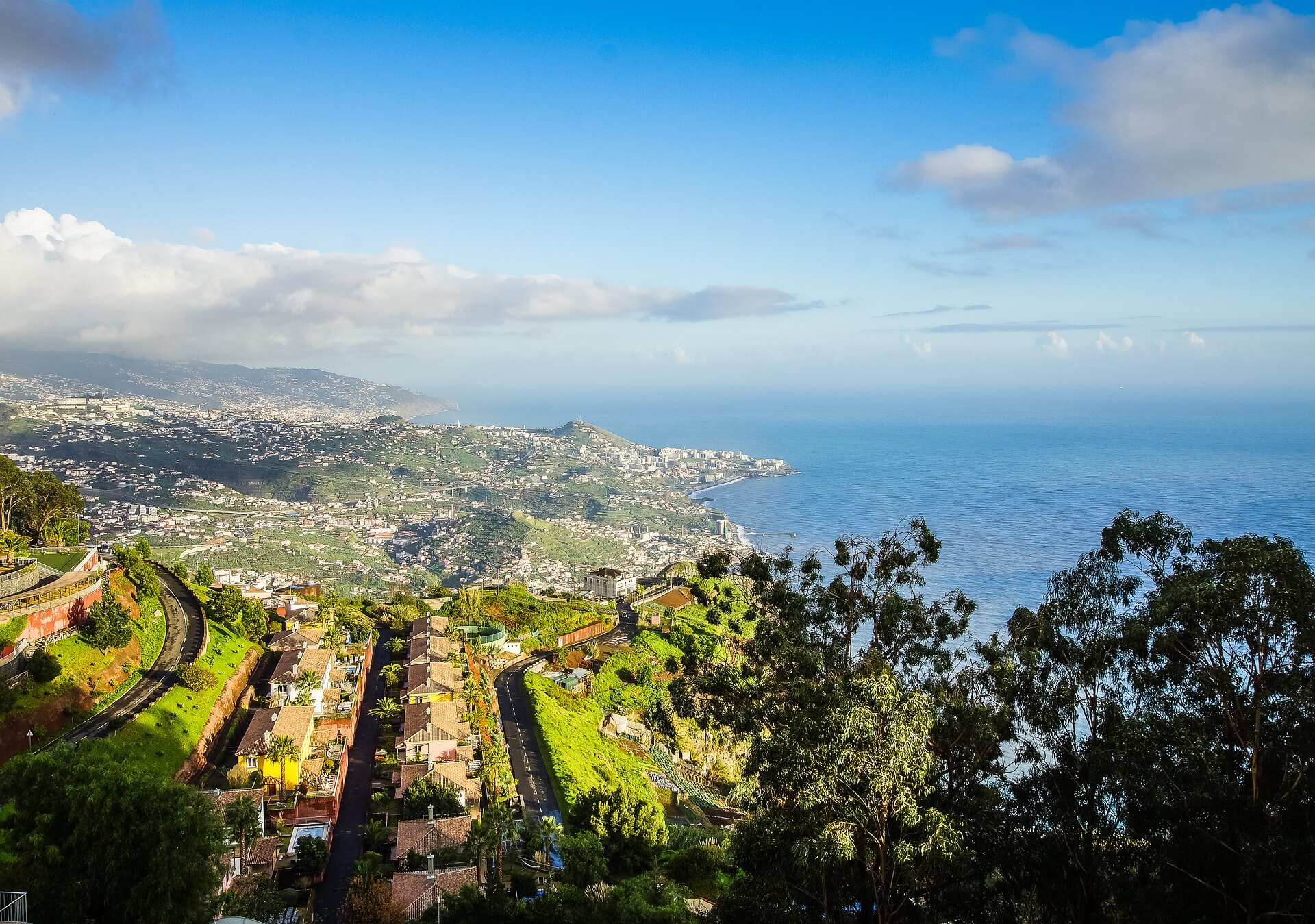
Funchal is located on the stunning island of Madeira and has beautiful botanical gardens and lovely views over the Atlantic Ocean. The island produces a number of very good wines to sample.
Other Tourist Attractions
Casa do Infante built 1394 where Henry the Navigator was born
Ria Formosa Algarve National Park
Castelo de Guimarães in Guimares built 10th century
Cross border zip-line in Portugal and Spain
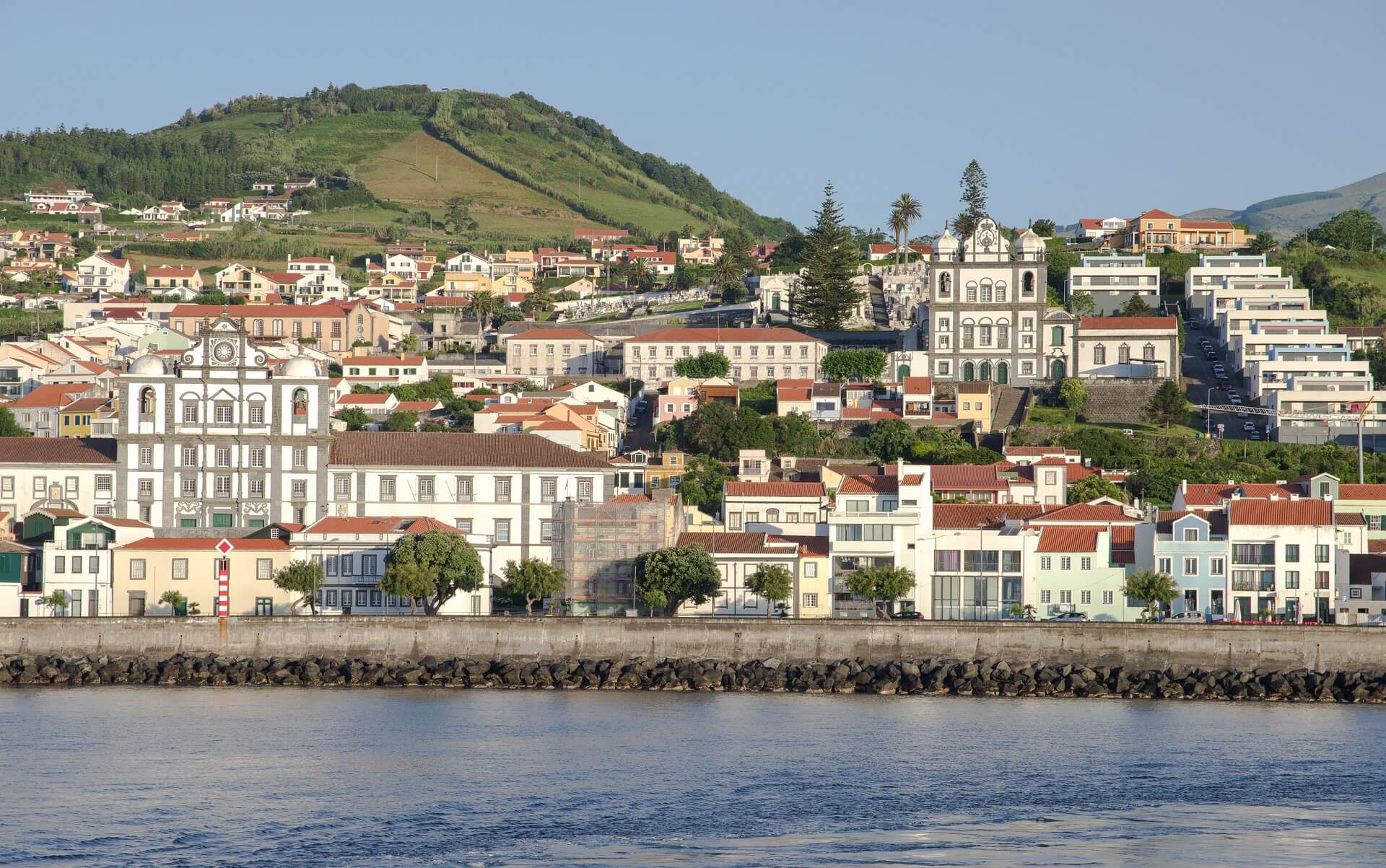
Azores and Madeira Beaches
Portuguese traditionally have prized a simple and unostentatious life, favoring the rural above the urban and the traditional to the modern. Portuguese delight in the countryside, where they gather to hold family picnics, tend to their gardens and orchards and relax. It is from the countryside that the fado, a form of romantic ballad, is thought to have come (though now it is clearly associated with the cities of Lisbon and Coimbra). It is in the countryside where the traditional form of bullfighting takes its finest form, though in Portuguese bullfighting the bull is not killed but retired to the country.
Caldo Verde Portuguese soup
Bifanos Portuguese Pork sandwich
Francesinha sandwich Bread, ham, sausage, steak , melted cheese and egg
Chicken piri-piri
Porco Preto Portuguese Cured Ham
Conventual Portuguese desserts pastries originated in religious orders
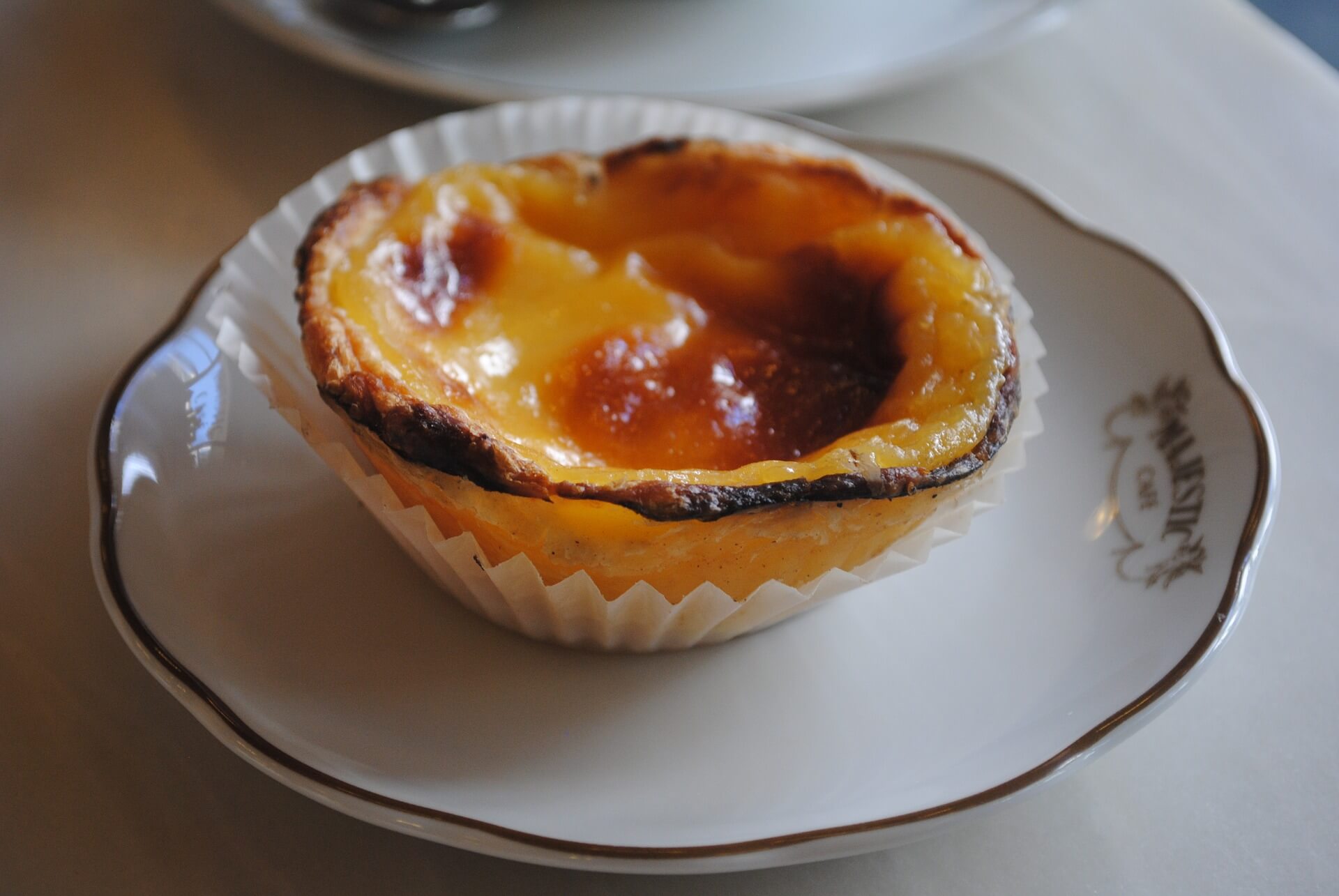
Pastel de nata egg tart dessert
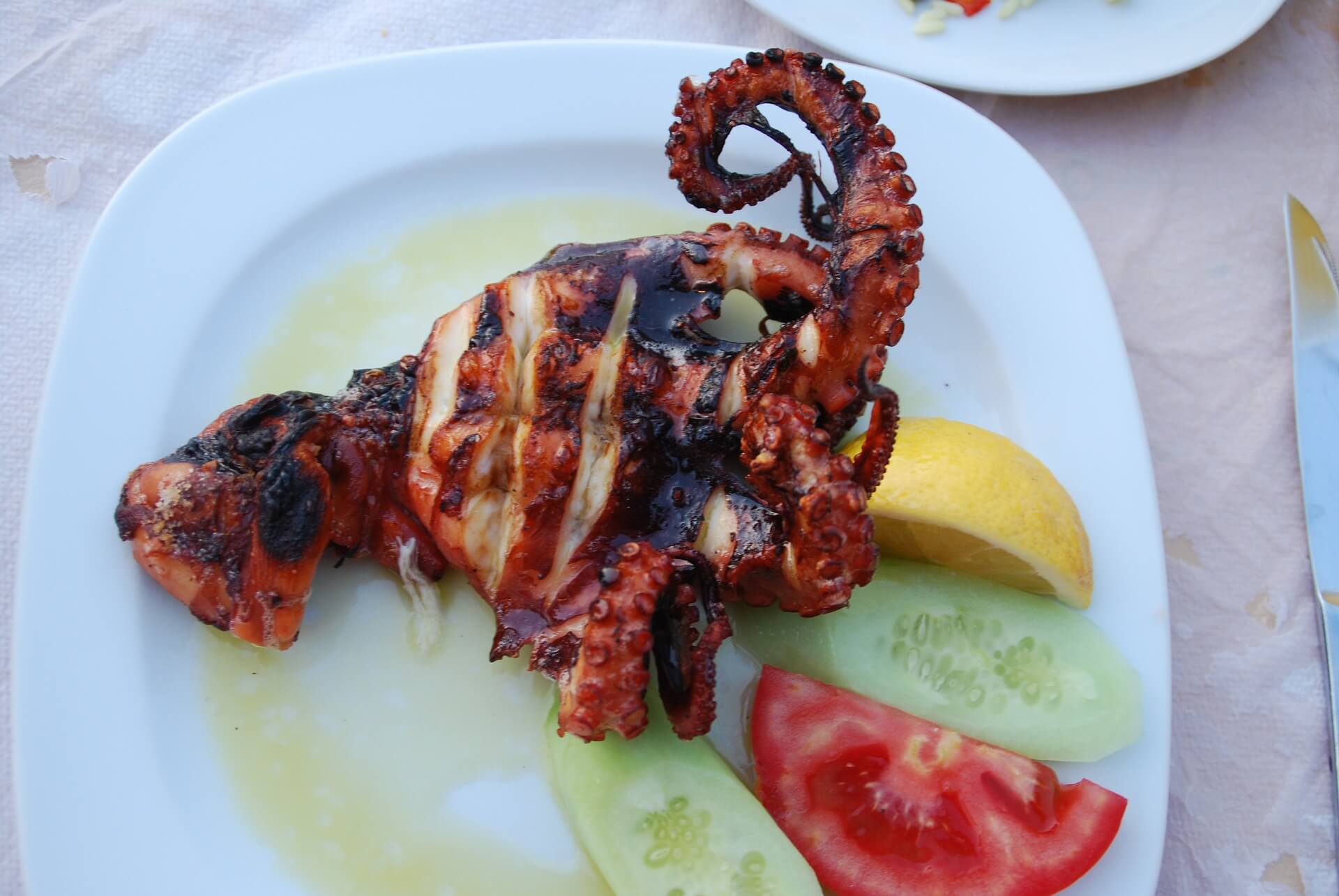
Polvo a la Lagareiro Portuguese Octopus dish
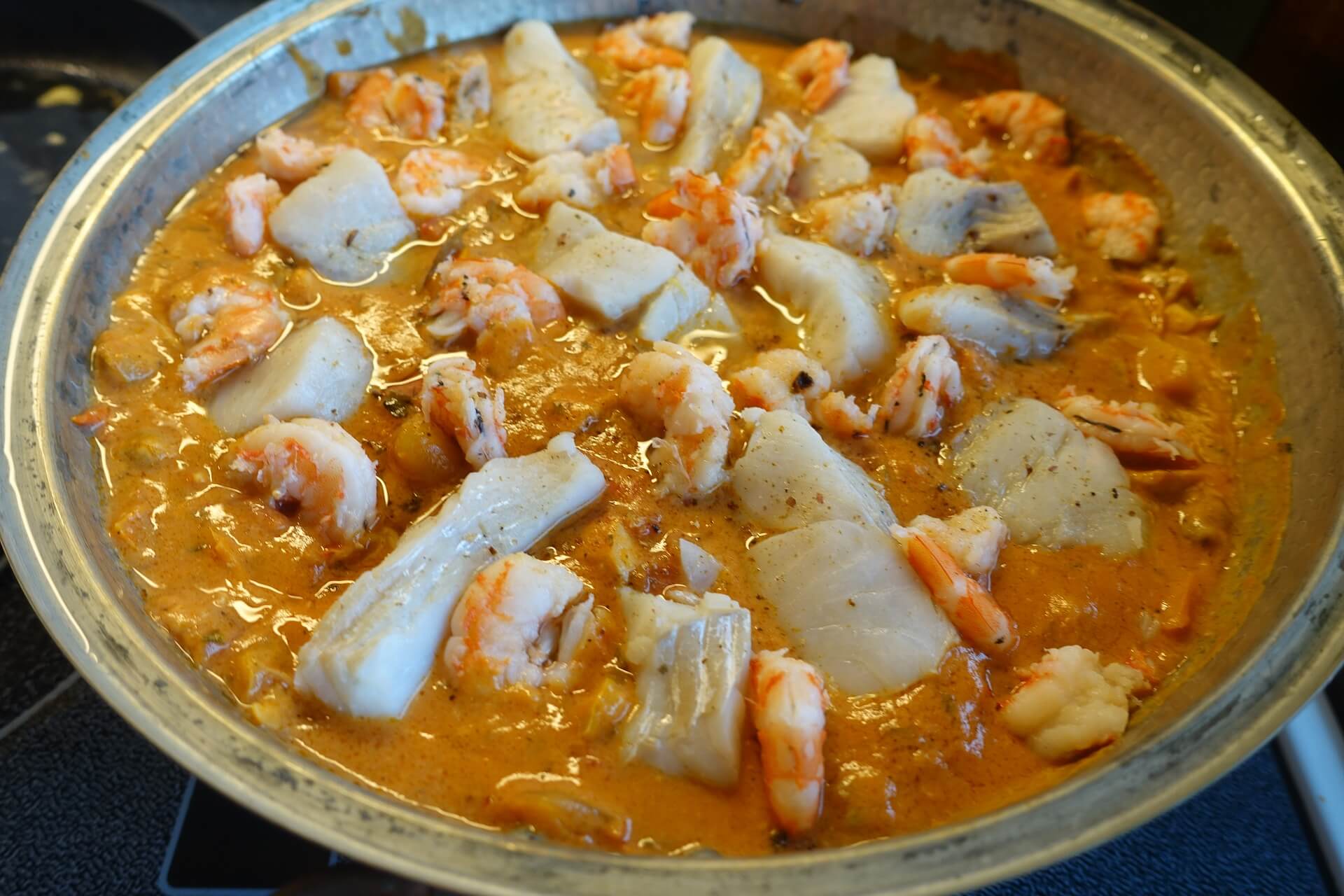
Bacalhau Portuguese Cod fish
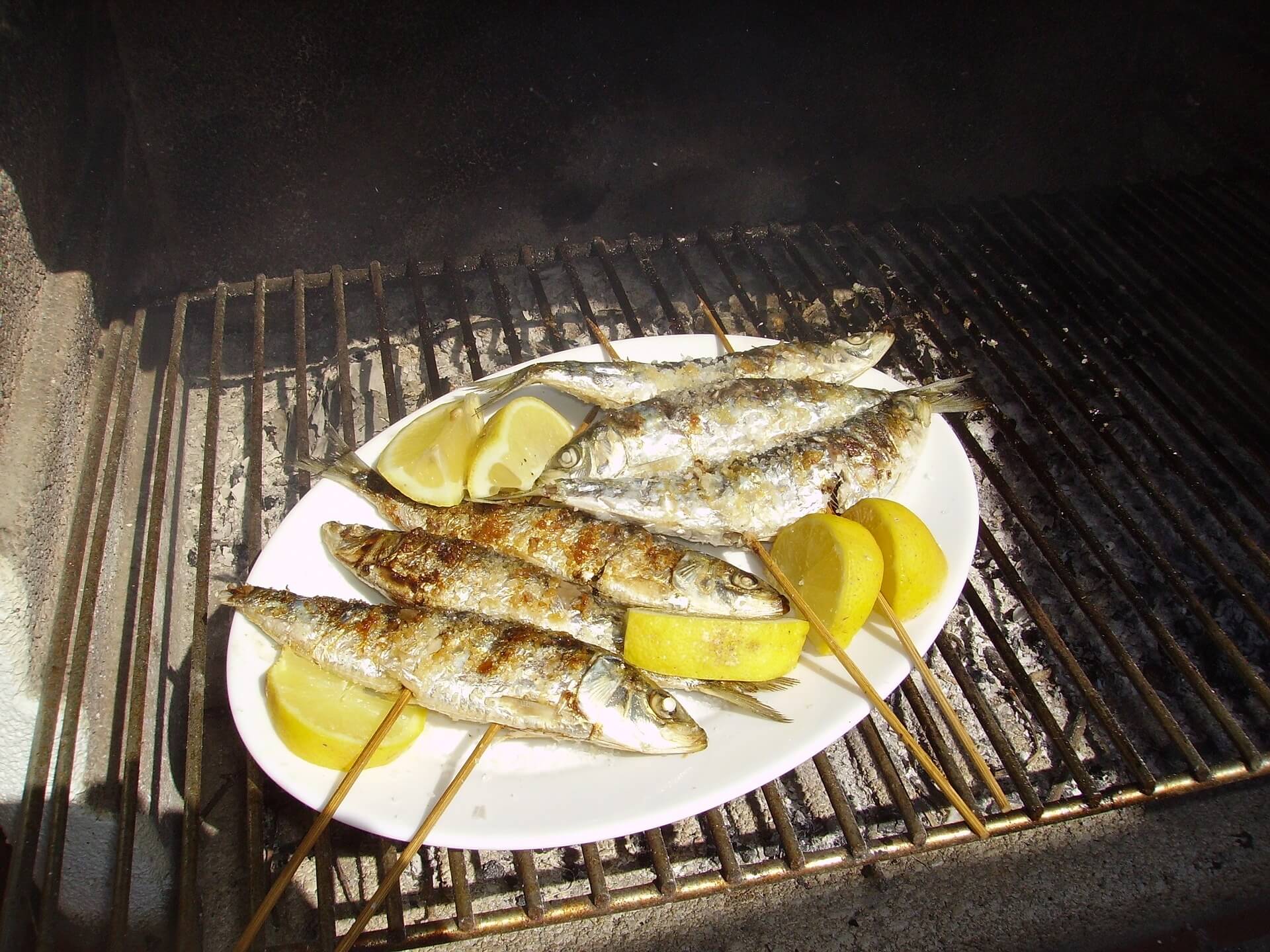
Sardines grilled and canned
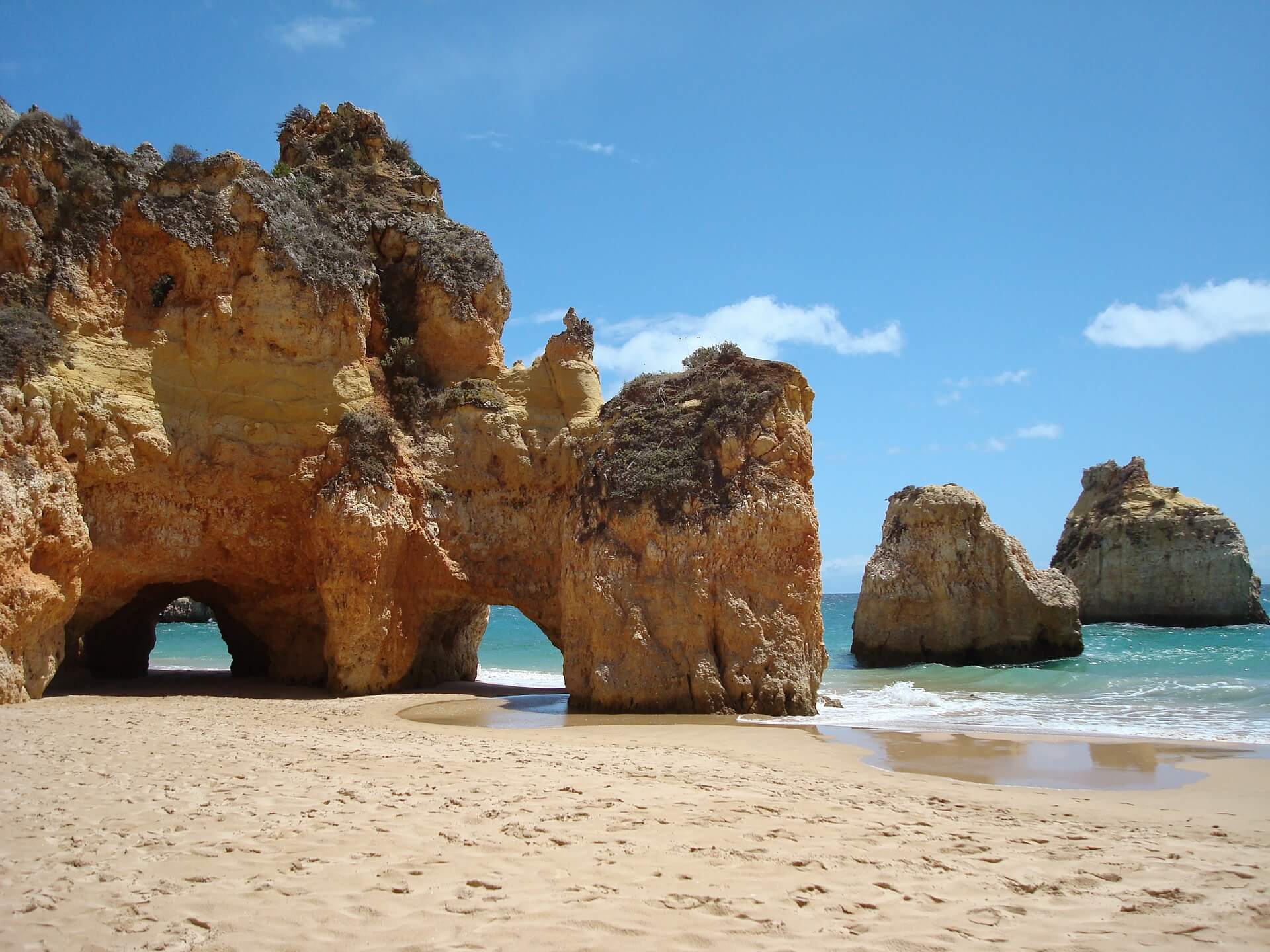
The territory of Portugal includes an area on the Iberian Peninsula and two archipelagos in the Atlantic Ocean. Mainland Portugal is split by its main river, the Tagus that flows from Spain into the Lisbon area and then the Atlantic. The northern landscape is mountainous towards the interior with several plateaus indented by river valleys, whereas the south, including the Algarve and the Alentejo regions, is characterized by rolling plains. Portugal’s highest peak is Mount Pico on the island of Pico in the Azores. This ancient volcano, is 7,713 feet above sea level while the Serra da Estrela on the mainland, at 6532 feet is an important seasonal attraction for skiers and winter sports enthusiasts. Portugal is mainly characterized by a Mediterranean climate in the south and central interior, a temperate maritime climate in the mainland north-western highlands and mountains, a semi-arid climate in certain parts of the Beja district far south and a humid subtropical climate in the western Azores. It is one of the warmest countries in Europe.
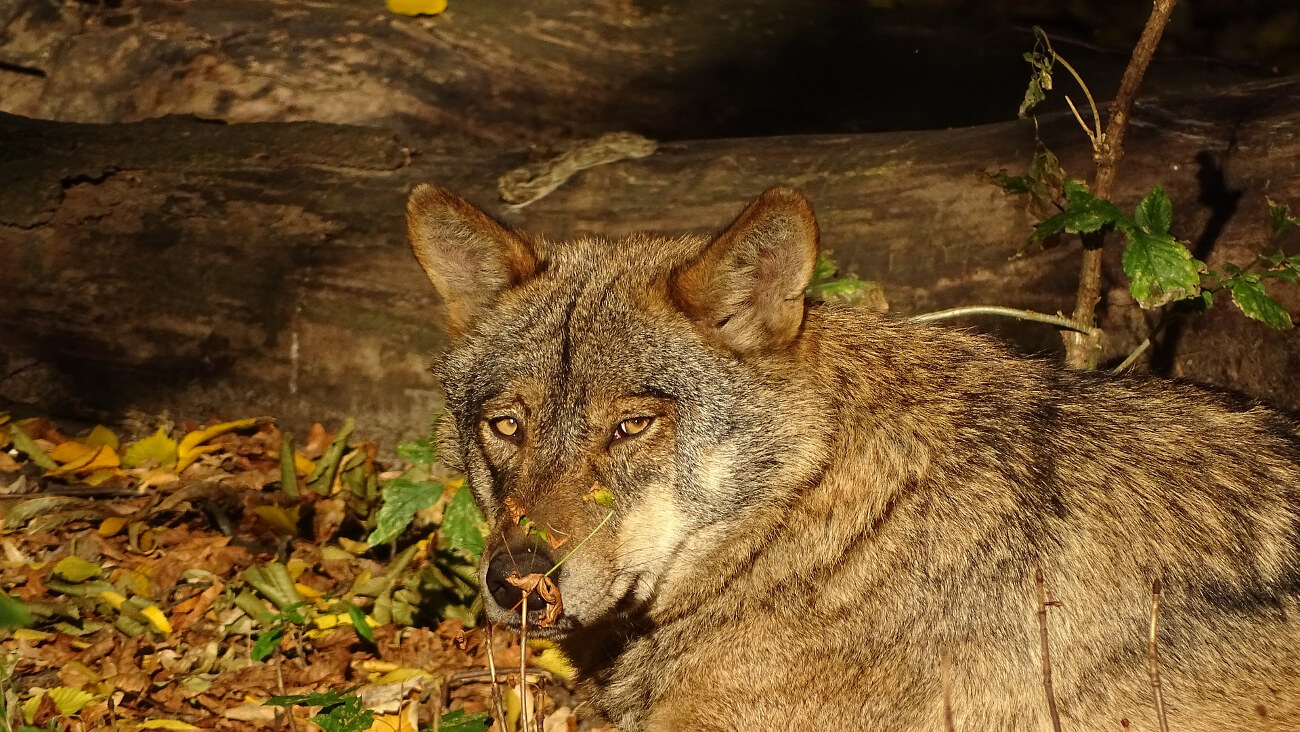
Portugal is rich in wildlife and landscapes, with many important ecosystems including extensive cork oak (montado) forests, marquis shrublands, grasslands, sand dunes and rocky cliffs as well as bog, mire and fen marshes in estuary and lagoon systems. Mainland Portugal is home to important reservoirs for biodiversity in Europe including many birds of prey, and its island territories (the Madeira and Azores Archipelagos), located in the Atlantic Ocean, are home to unique and globally significant biodiversity thanks to their location, climate and volcanic origins. Overall, around 3600 plant species, 69 terrestrial mammals, 313 bird, 17 amphibian and 34 reptile species are found in the country. Portugal shares many of its main species with Spain and is also a mix of European and North African species. Some of these native species include the Iberian wolf, Iberian Lynx, the white stork and the man o’ war. Small mammals are prominent across the country and include rabbit, weasel, ferret and various types of bats. Birds such as the woodcock, red partridge, quail, and snipe bullfinches are present, and there are lizards, dolphins and whales. The country has over 1000 species of beetles and moths. Flora include daffodils, Iris, orchids, Asphodel Asphodelus Macrocarpus, yellow lupin, purple viper’s bugloss, gum rockrose, poppies, lavender, geraniums and buttercups.
No Tour Found