


Officially known as the Commonwealth of Puerto Rico, it is a Caribbean Island and an unincorporated territory of the U.S.A. Puerto Rico is located in the Caribbean Sea and is 1000 miles southeast of Miami. It is an archipelago in the Greater Antilles between the Dominican Republic and the U.S. Virgin Islands. Puerto Rico consists of one main island and several smaller ones. Its population is 3.2 million and its area is 3,515 square miles.
The largest city is the capital, San Juan. Spanish and English are both used in the government but Spanish is the main language. The Amerindians settled the island about 4000 years ago and between 700 and 1100 AD, the Taino gained control and developed their culture. Taino people populated the island for centuries and had a population of between 30,000 and 60,000 when Columbus arrived in 1493. Due to the rapid decline of the Taino, African slaves were imported to the island in the early 1500’s. Puerto Rico was contested by other powers but remained a Spanish possession until the 1898 Spanish-American War when it was ceded to the United States.
Puerto Rico’s culture is a combination of Spanish, Taino, African and American influences. Residents of Puerto Rico became American citizens in 1917. The main industries on the island are manufacturing, tourism and hospitality. 94% of the population speaks Spanish and 5% English. 50% are multiracial and17% white. Puerto Rico’s main island is 110 miles long and has a maximum width of 40 miles. It is mostly mountainous with large coastal areas to the north and south. Puerto Rico has 17 lakes, all man-made, and over 50 rivers. Its climate is tropical rain forest and the average temperature, with lower fluctuations in the mountains, is 82 degrees. Puerto Rico has easterly trade winds and its rainy season is between April and November. The island has three ecoregions; Puerto Rico Wet Forests, Puerto Rico Dry Forests and Antilles Mangrove. It has 239 plant species, 16 bird species and 39 amphibian/reptile species. It takes national pride in the Coqui, a small frog. 38% of the population is Roman Catholic and 28% Pentecostal. It has an American style government with three independent branches. Its major cities are San Juan, Bayamon, and Carolina.
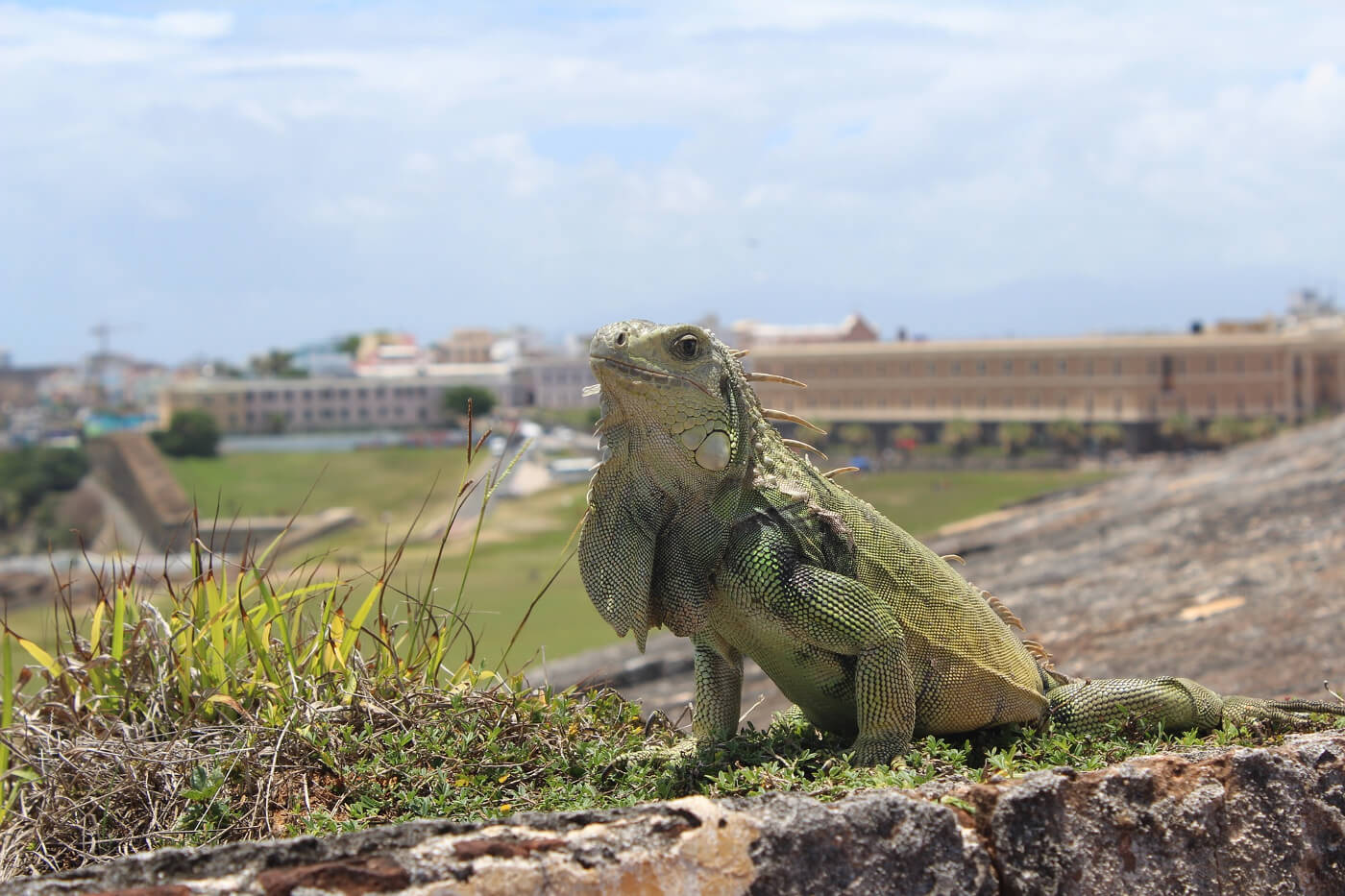
Flora and Fauna
Similar to other dry forests, tree species richness and biodiversity is comparably low. Vegetation is primarily composed of three main groups; 1. Upland Deciduous forest. 2. Semi-evergreen forest and 3. Scrub forest. Plants in the families, Rubiaceae, Euphorbiaceae and Myrtaceae dominate the dry forests.
The Guanica State Forest is home to about 50% of the island’s bird species which include the Puerto Rican woodpecker, Puerto Rican Lizard Cuckoo, the Puerto Rican emerald hummingbird, and the endangered Puerto Rican Nightjar. Reptiles include the Hispaniolan Slider, the Eastern Painted Tortoise, geckos, lizards and snakes including the Puerto Rican Boa.
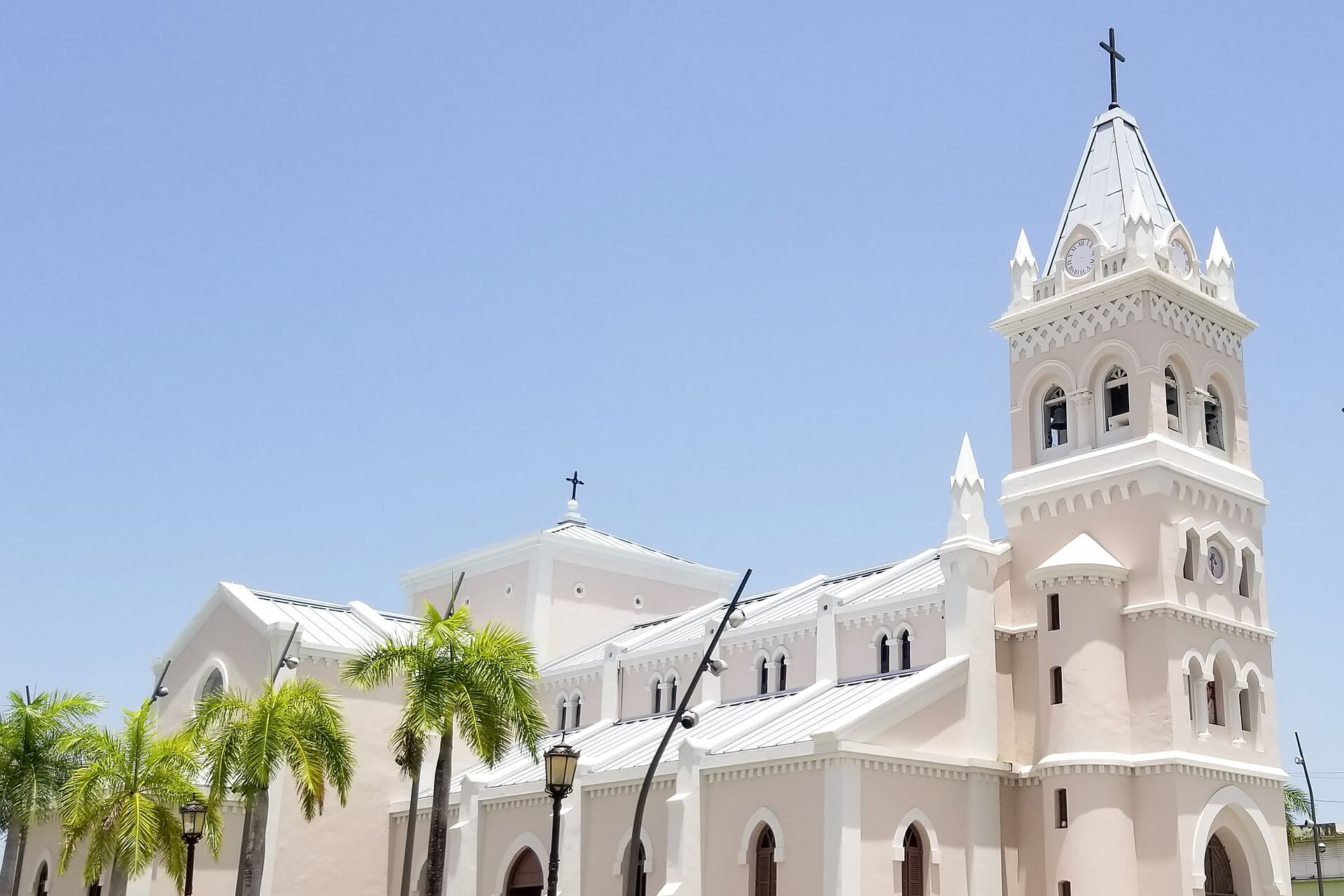
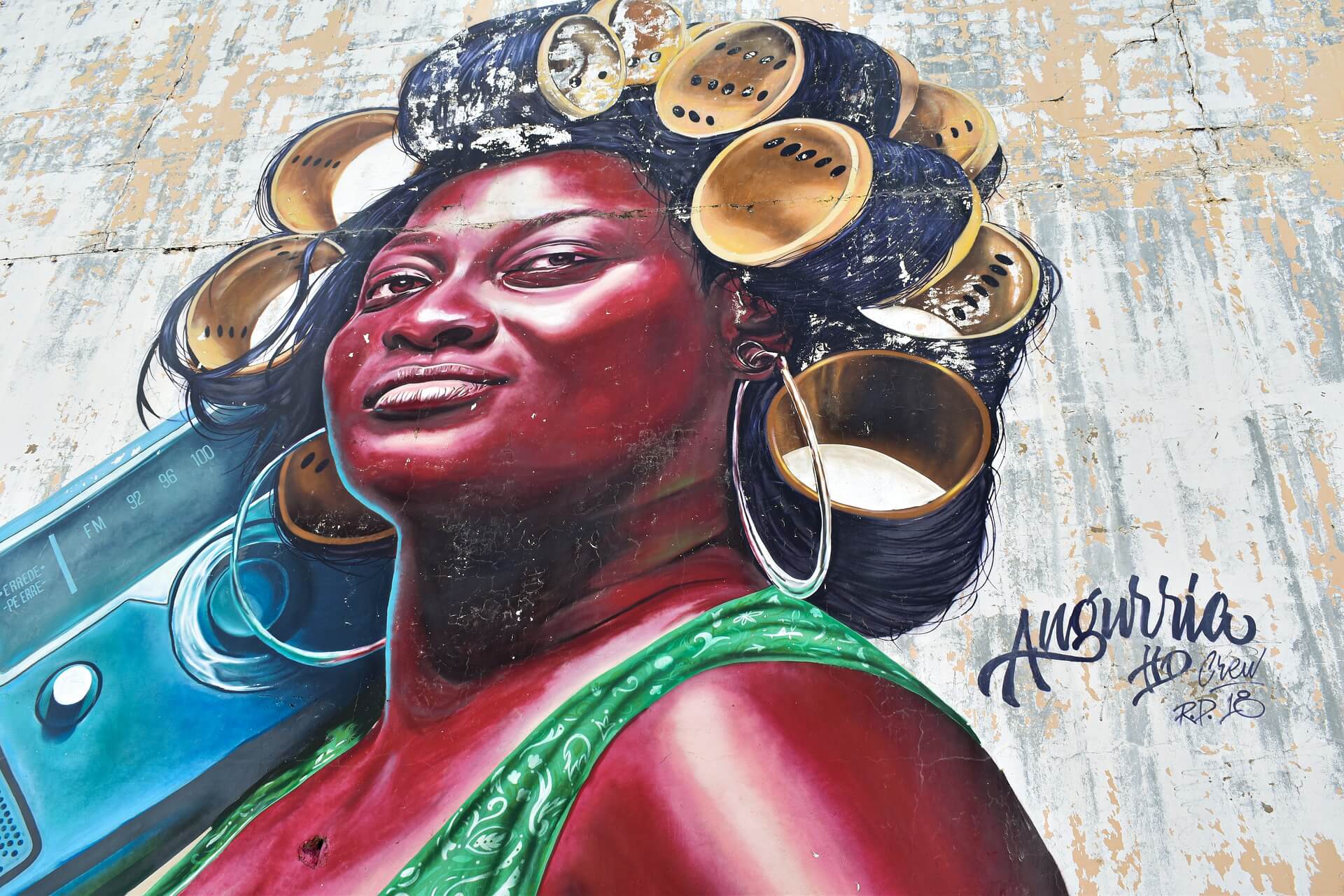
The Culture of Puerto Rico is taken from many different and distinct cultures and its foundation is Taino and then Spanish and other European nations, African, North American and Caribbean. Taino music has a Caribbean sound and is played with hand crafted instruments such as the Mayohuacan, a wood slotted drum, and the Guro, a percussion instrument made from a hollowed gourd. Spanish and West African culture also contributed the Cuatro, a 10 stringed instrument, and the Tambours, a hollowed tree trunk covered with animal skin. Salsa is a widely enjoyed music genre and is called the rhythm of the islands. Dances are Taino based along with Spanish and West African influences. The women dancers wear long flowing, colorful skirts and the men large hats and sashes. The Bomba is a well loved, story dance from the 17th century and created by the African slaves who worked on the sugar cane field.
Arroz con gandules rice and pigeon peas
Frituras deep fried and stuffed with ground beef or seafood
Tripleta sandwich stuffed with beef, chicken, ham and cheese.
Quesitos flaked pastry stuffed with cheese
Asopao de Pollo chicken soup
Tostones and Amarillos Green plantains
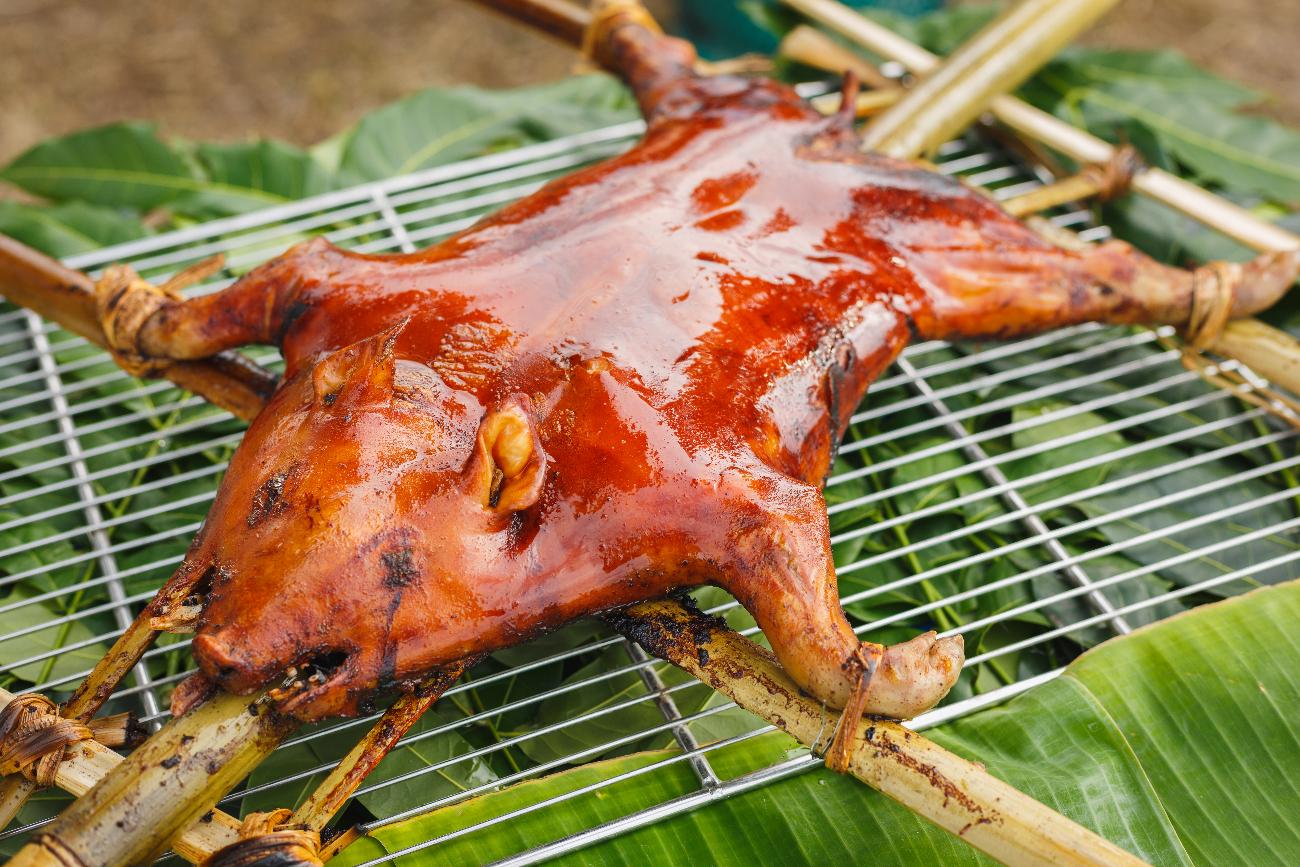
Lechon Asado Spit roasted suckling pig
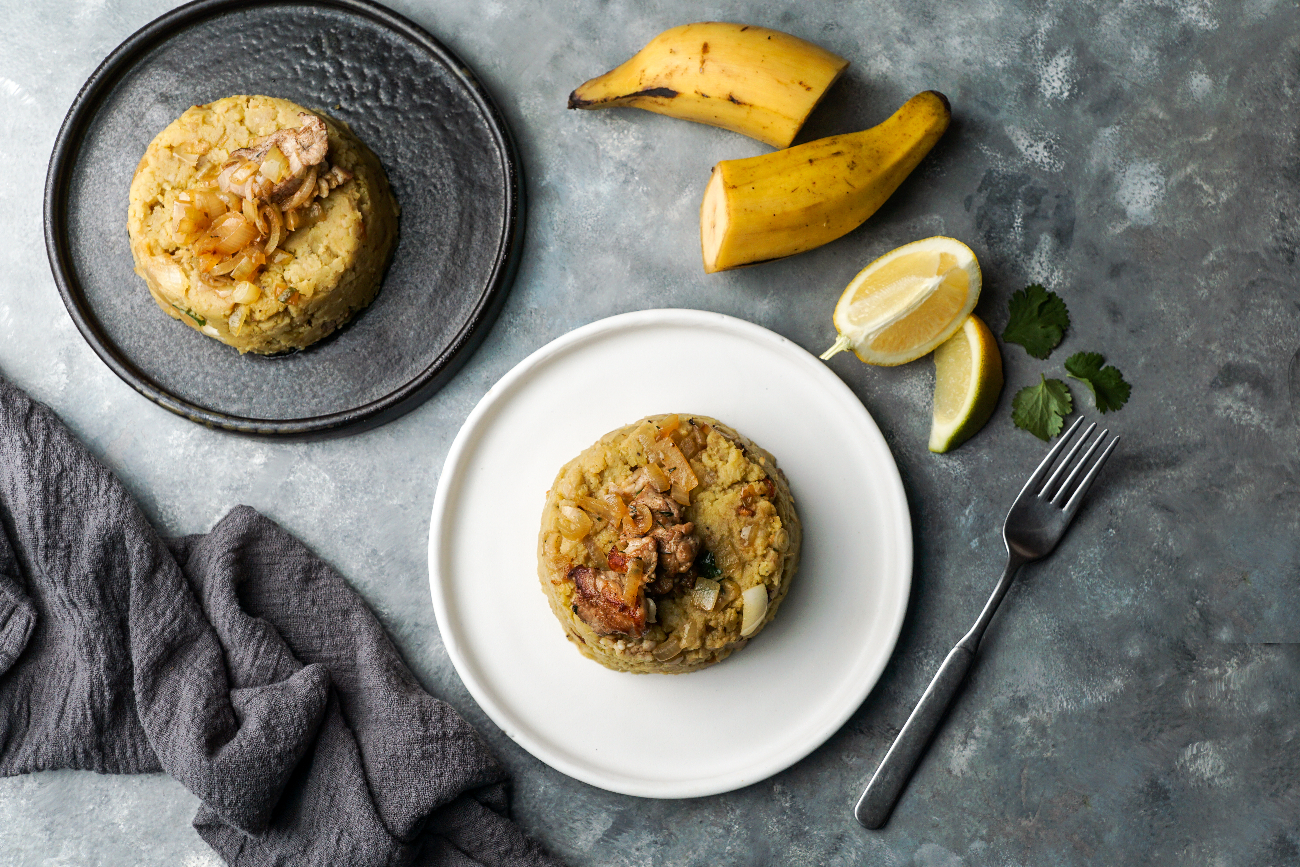
Mofongo deep fried green plantain
Desserts:
Tembleque Coconut pudding
Mallorca sweet bread
Pasteles which resemble tamales and can be stuffed with chicken or cod.
Drinks: Pina Colada, Café
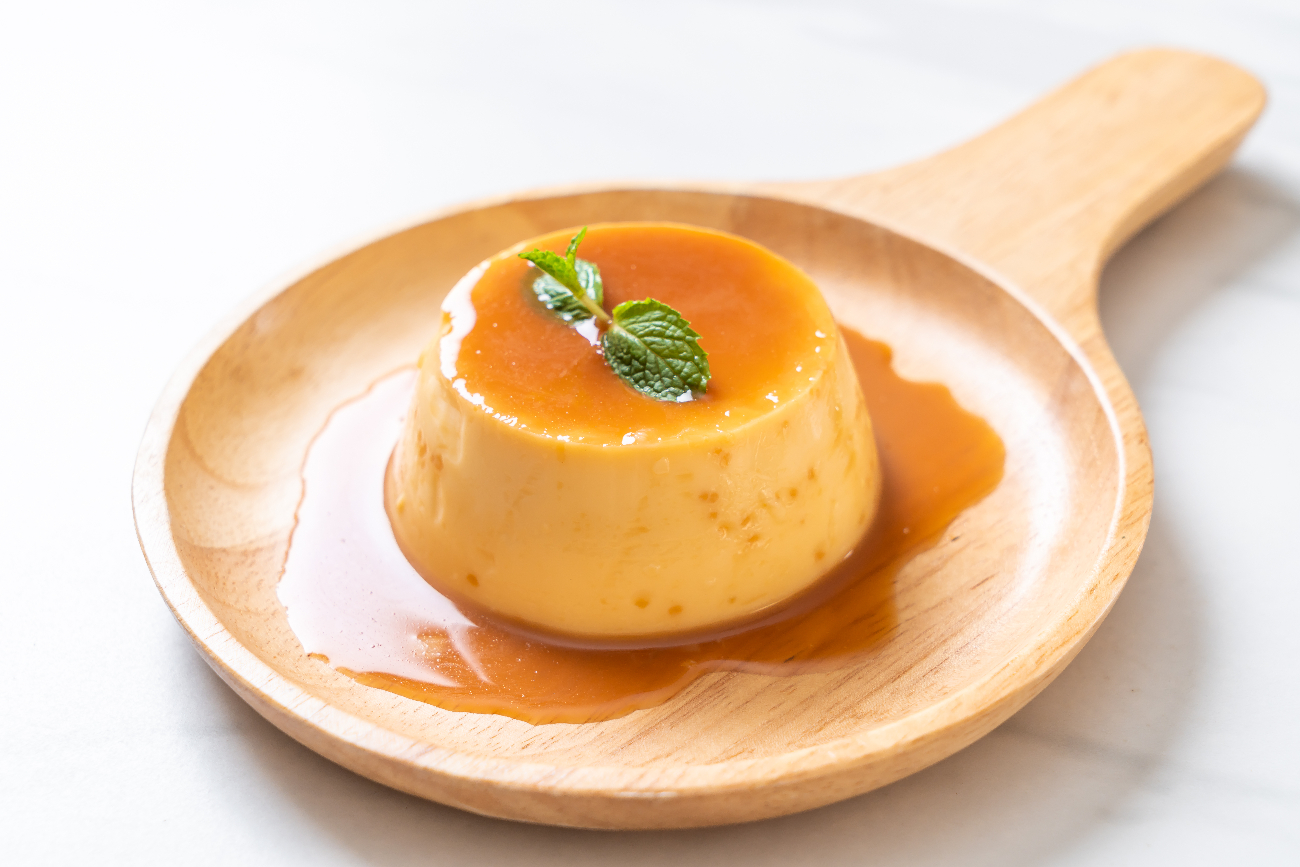
Flan
San Juan
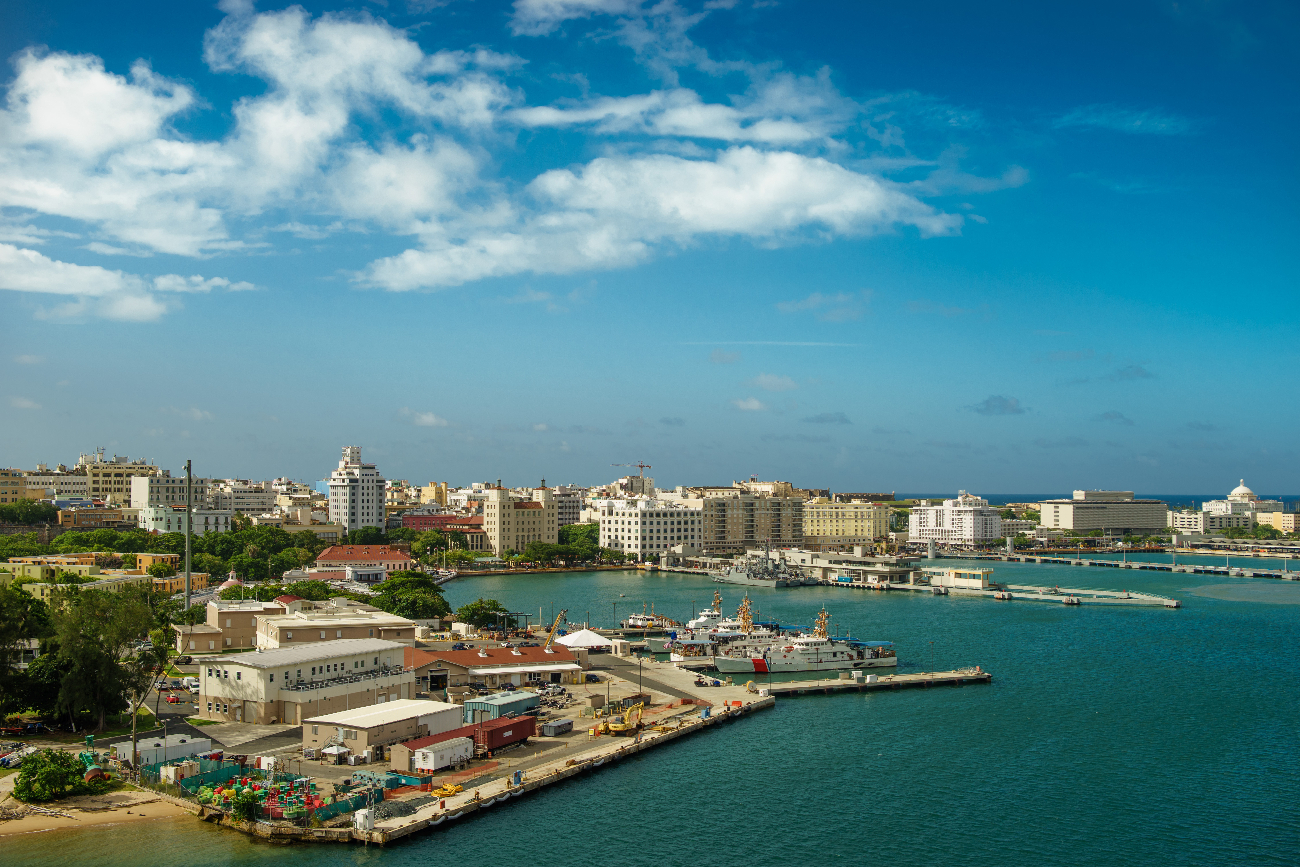
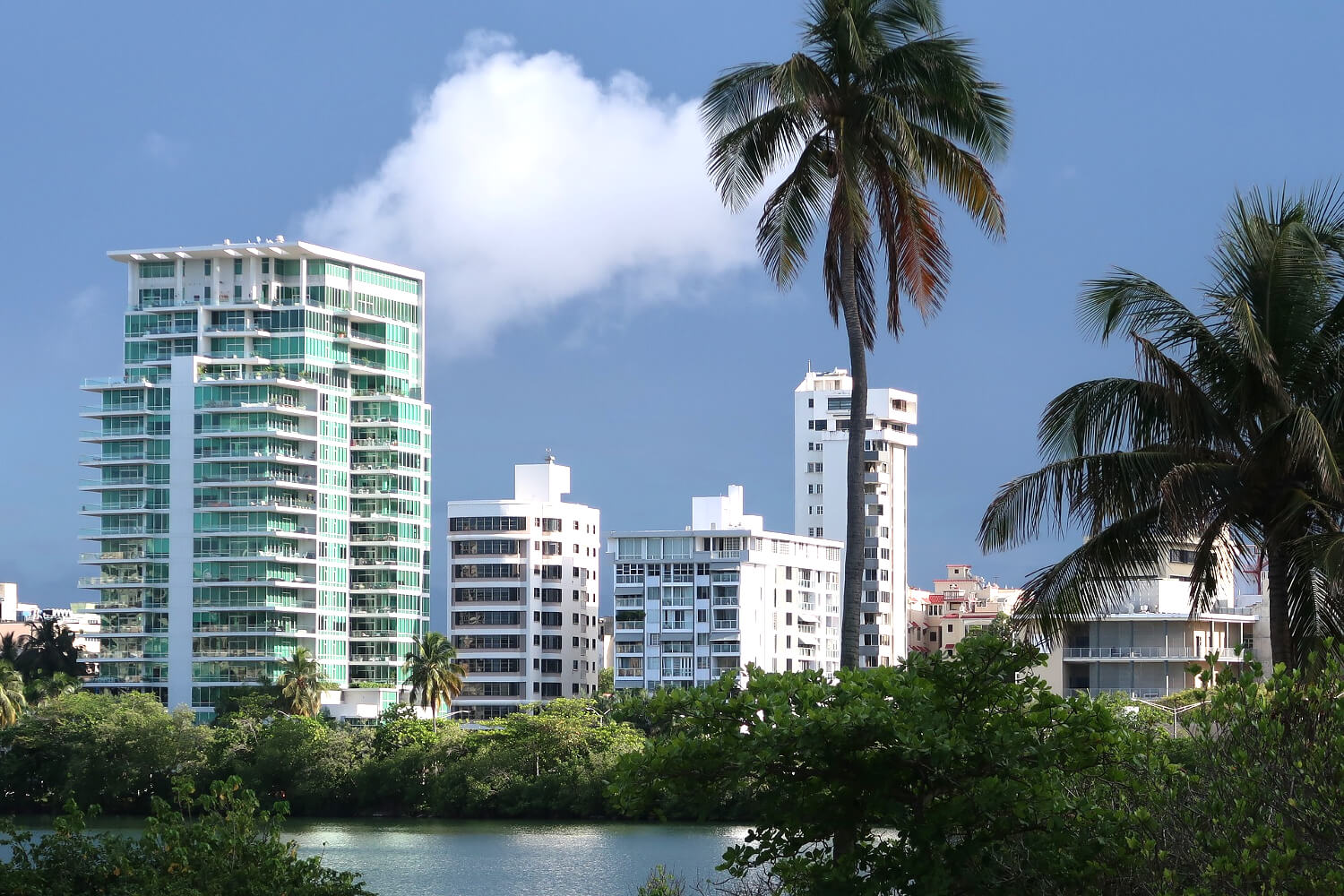
San Juan is the capital of Puerto Rico and the most important seaport. Its population totals 350,000 and it covers 77 square miles. It is the main center of commerce, politics, manufacturing and tourism. It was founded in1508 by Ponce de Leon. It was highly fortified by the Spanish as many ships sailing to the Americas made Puerto Rico their first stop. The city has a tropical monsoon climate with the average temperature at 81 degrees. Its architecture is very diverse with Spanish architecture in the Old City and other European architecture in the new city. Demographically, the city has a population that is 68% Hispanic white. 88% of the Hispanic population is Puerto Rican.
Tourist Attractions:
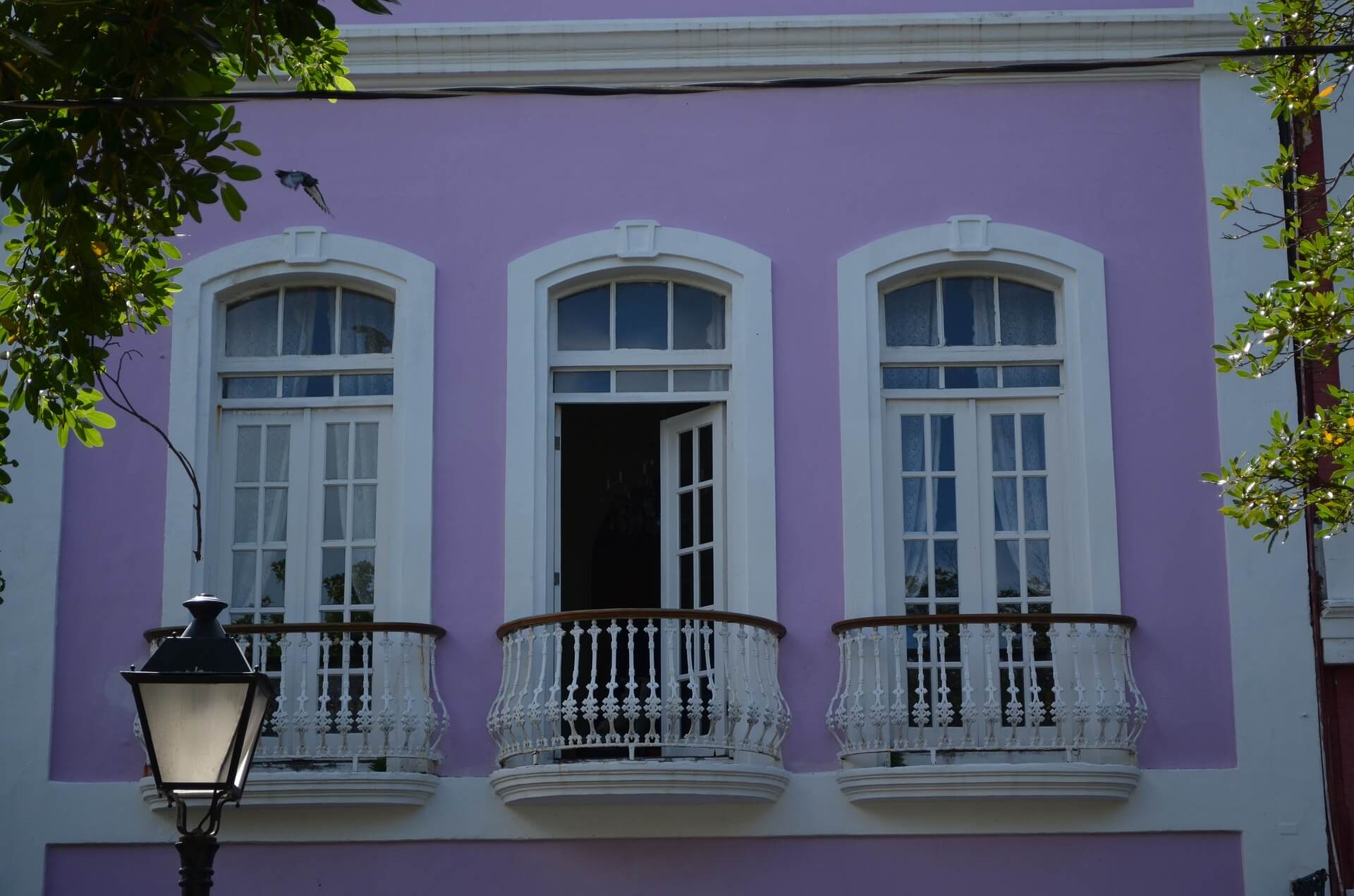
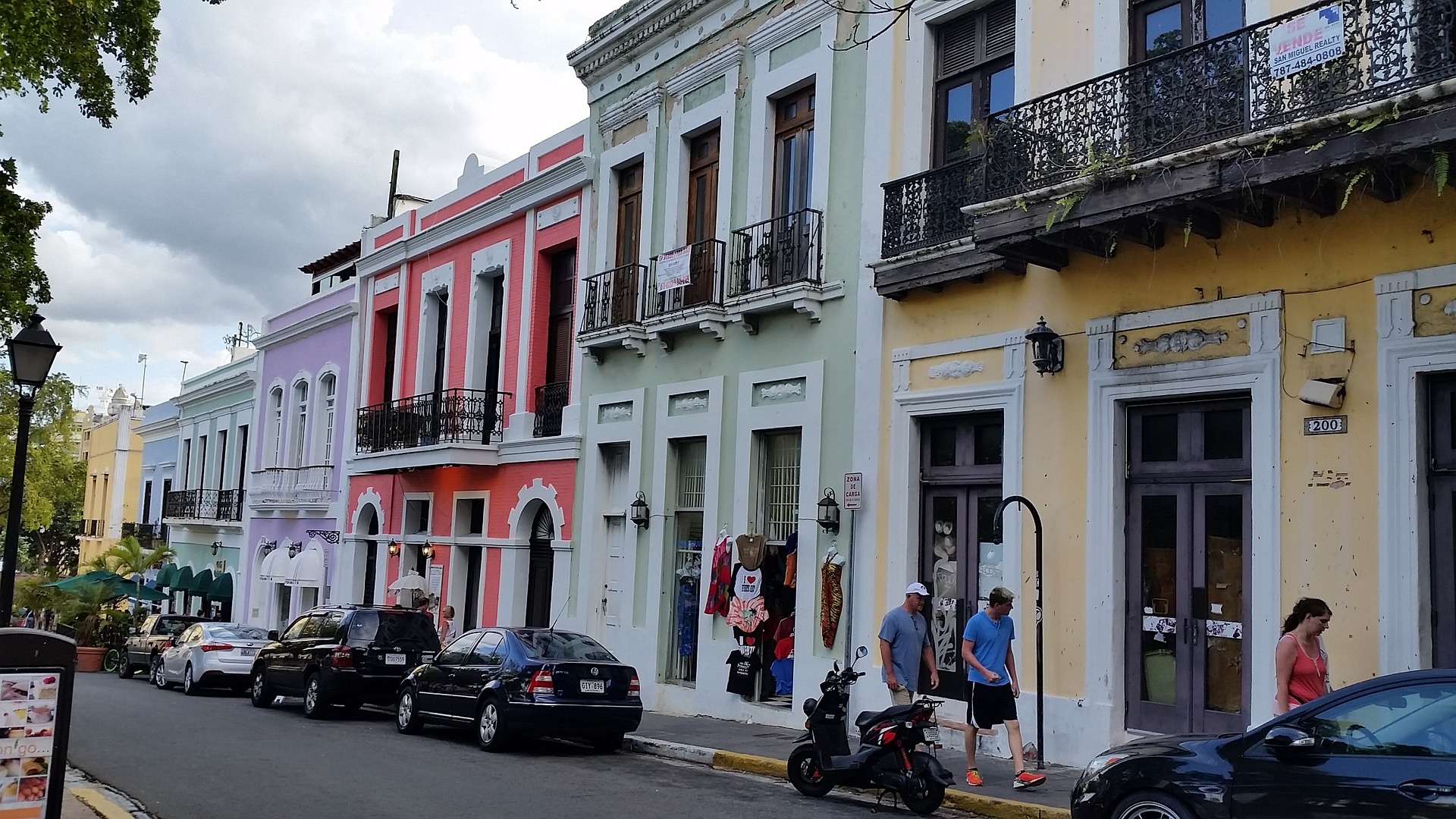
Old San Juan Cobblestone streets with bright colorful houses, forts, museums and plazas.
Condado Major tourist destination with hotels, restaurants, casinos and nightclubs.
Condado Beach
Ocean Park beach and water sports
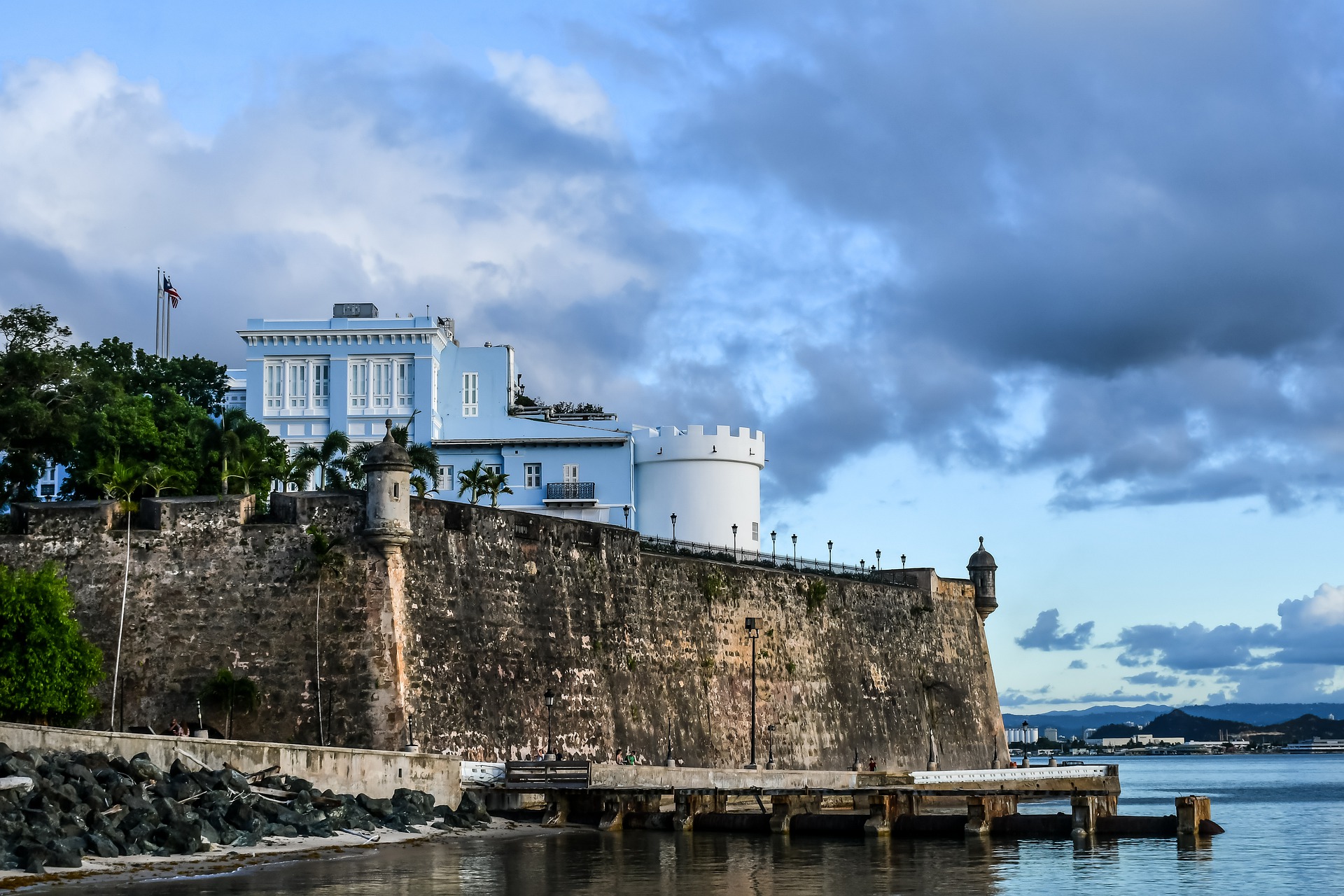
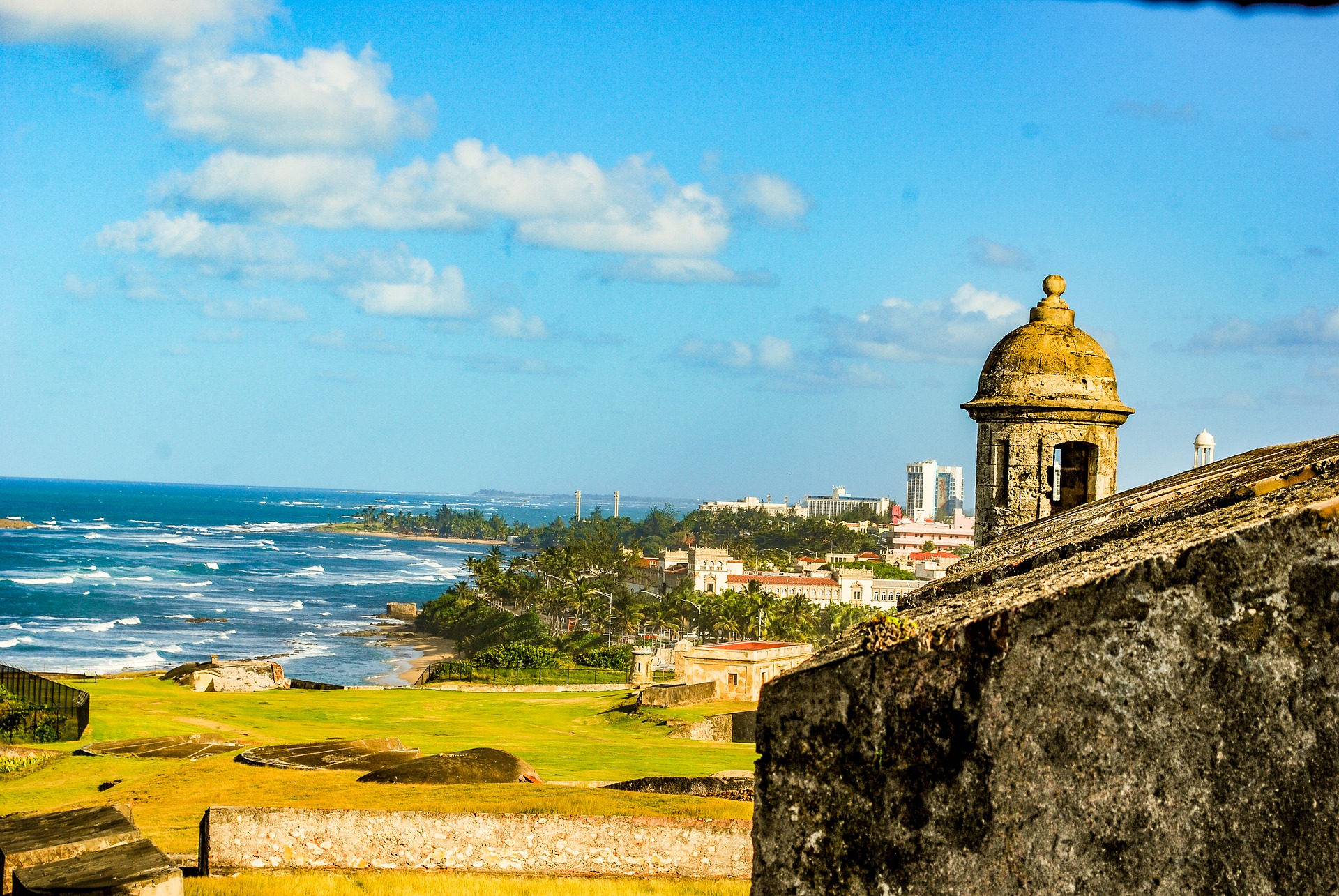
El Morro An unconquerable Spanish fort finished in 1790
San Juan National Historic Sites UNESCO World Heritage Site
Castillo San Felipe del Motto a historic fort
Paseo de la Princesa historic walking area in the Old City
Castillo de San Cristobal Historic,massive walled fortress
Catedral Basilica Menor de San Juan Bautista built in the 1500’s and is the burial place of Ponce de Leon.
Museo de Arte de Puerto Rico. Historical art, music and cultural museum.
The City of Ponce
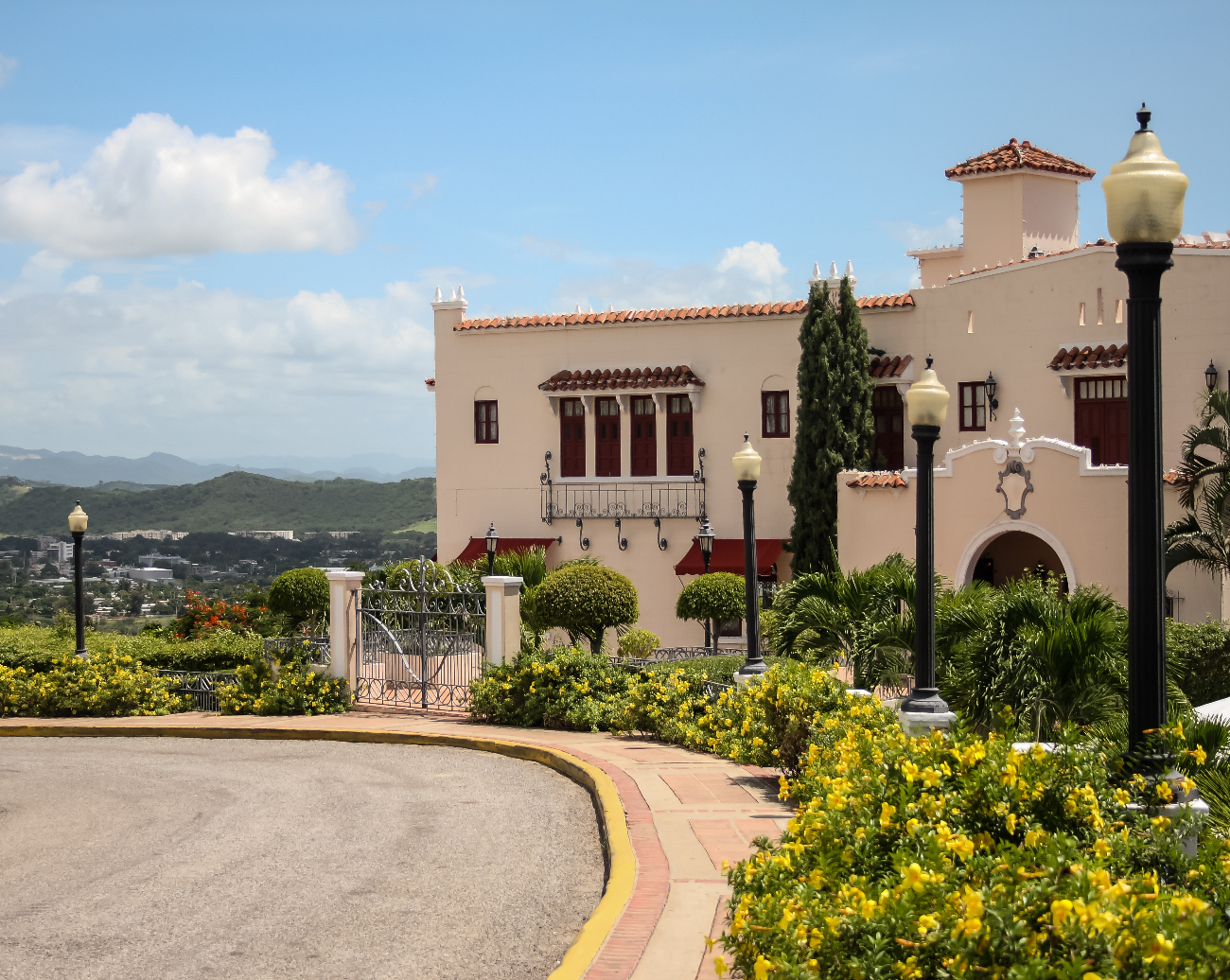
Known as the “Pearl of the South,” the Ciudad Señorial of Ponce is the 2nd largest city of Puerto Rico. Located on the island’s south coast, it is known for its history and cultural attractions. The seafront boardwalk of Paseo Tablado La Guancha is lined with restaurants and bars. Ponce is also known as the “Museum City” for its abundance of museums.
The main attractions worth a visit are:
The City of Bayamon
Bayamon has a population of 208,000 in 45 square miles and is in the northern coastal valley. It was founded in 1772 and is part of the metropolitan area of San Juan. It is an agricultural area with a history of sugarcane fields. Currently, it grows sugar, tobacco, grapefruit, coffee, and vegetables.
Tourist Attractions:
Luis A. Ferre Science Park is a 42-mile park with museums, a zoo and an observatory.
City Hall is a unique suspended glass building.
Santa Cruz Cathedral built in 1772.
The City of Carolina
Carolina has a population of 180,000 and is on the northeastern coast near the capital city. Carolina is part of the metropolitan area of San Juan. It is home to the largest international airport in Puerto Rico.
Tourist Attractions:
Isla Verde Beach
Carolina Beach
Pine Grove Beach
No Tour Found
No Tour Found