


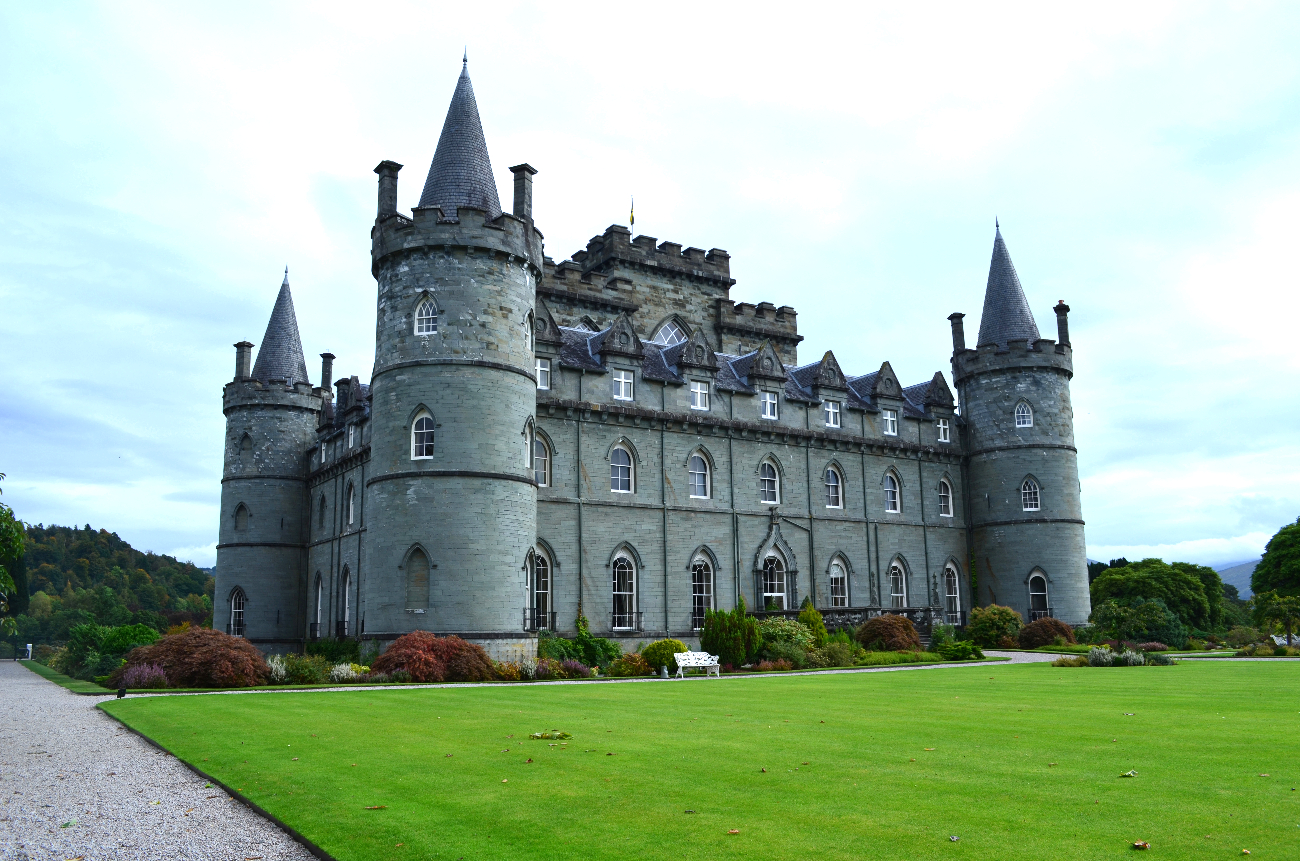
Scotland is a country that is part of the United Kingdom. Covering the north third of the island of Great Britain, mainland Scotland has a 96 mile border with England to the southeast and is otherwise surrounded by the Atlantic Ocean to the north and west, the North Sea to the northeast and the Irish Sea to the south. The country also has almost 800 islands principally in the archipelago of the Hebrides and the Northern Isles. Most of the population, including the capital of Edinburgh, is concentrated in the Central Belt-the plain between the Scottish HIghlands and the Southern Uplands-in the Scottish Lowlands. Scotland is divided into 32 administrative subdivisions known as council areas. Glasgow City is the largest council area in terms of population. Limited self governing power is devolved from the Scottish government to each subdivision. Scotland is the second largest country in the United Kingdom, and accounts for 8.5% of total population. Scotland has four recognized languages, English, Scots, Scottish Gaelic and British Sign language. It is 96% white and 54% of the population is Church of Scotland and 16% Roman Catholic. The population total is 5.5 million and the land mass is 30,090 square miles. The system of government is a Devolved Parliamentary Legislature within the Constitutional Monarchy. The legislative body is the Scotland Parliament.
The first written reference to Scotland was in 320 BCE by Greek sailor Pytheas who called the northern tip of Britain “Orcas”, the source of the name of the Orkney Islands. During the first millennium BCE, the society changed dramatically to a chiefdom model, as consolidation of settlement led to the concentration of wealth and underground stores of surplus food. The Roman conquest of Britain was never completed, and most of modern Scotland was not brought under Roman political control. The first Roman incursion came in 79 AD, when Agricola invaded Scotland and defeated a Caledonian army at the Battle of Mons Graupius in 83 AD. Remains of Roman forts have been found as far north as Moray Firth. Hadrian (117-138) erected Hadrian’s Wall in northern England. The Roman influence on the southern part of Scotland was considerable and they introduced Christianity to Scotland. To the Roman historians the Scottish Highlands were called Caledonia. Beginning in the 6th century AD there was substantial Gaelic influence and migration into Scotland. In the 9th century the Vikings were a threat to the rulers of Scotland and in the 12th century much of Scotland was under the rule of a single Gaelic ruler and the country was united with the population speaking Gaelic. The Kingdom of Scotland emerged as an independent sovereign state in the Early Middle Ages and continued to exist until 1707. By inheritance, in1603, James VI of Scotland became King of England and Ireland, thus forming a personal union of the three kingdoms. Scotland subsequently entered into a political union with the Kingdom of England in 1707 to create the new Kingdom of Great Britain. The union also created the parliament of Great Britain, which succeeded both the parliaments of Scotland and England. In 1801, the Kingdom of Great Britain entered into a political union with the Kingdom of Ireland to create the United Kingdom of Great Britain and Ireland (in 1922,the Irish Free State seceded from the United Kingdom) , leading the latter to be officially renamed the United Kingdom of Great Britain and Northern Ireland. In 1999, a Scottish Parliament was re-established.
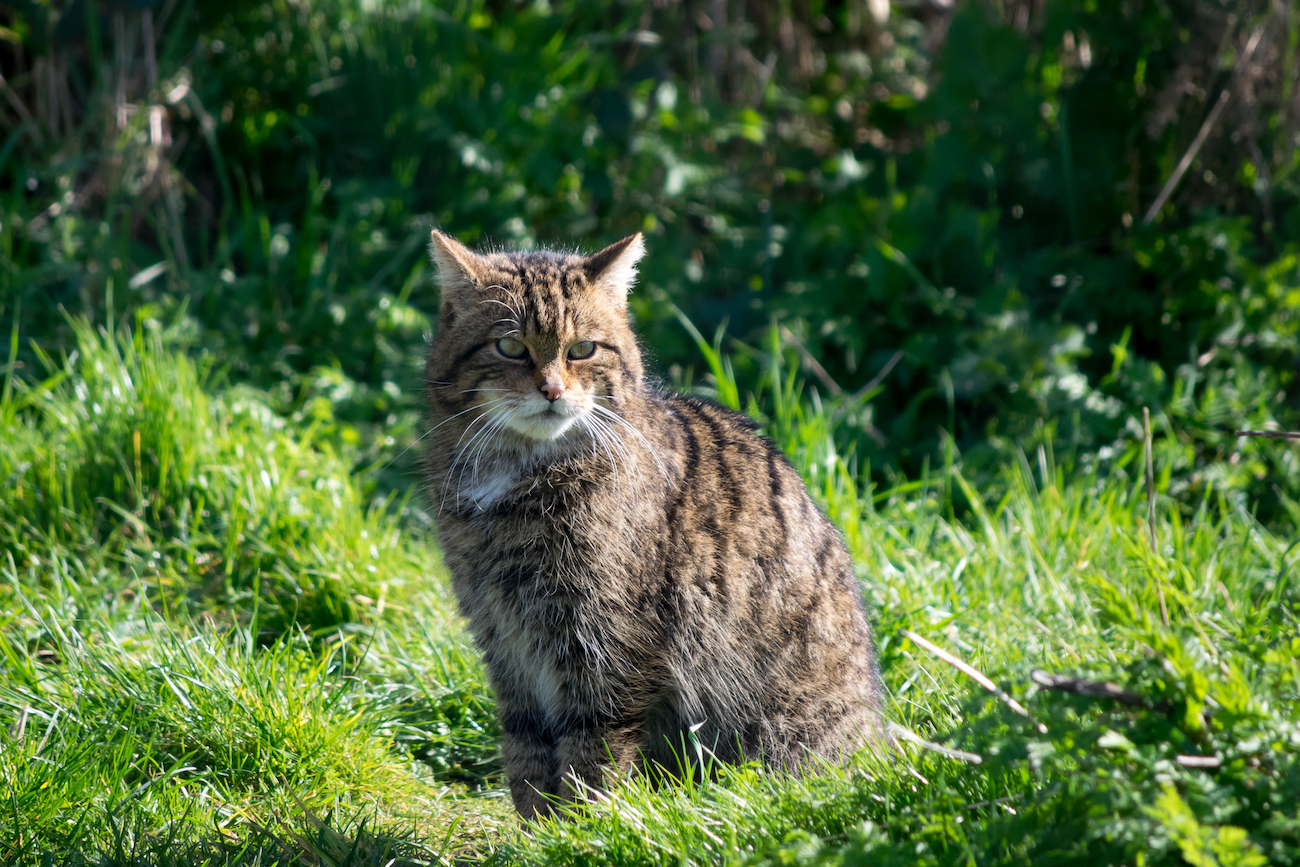
Mammals: Badger, Red Squirrel, Pine Marten, Mountain Hare, Orkney Vole Scottish Wildcat, Red Deer, Grey Seal, Minke Whale, Bottlenose Dolphin. Birds: Black Grouse, Buzzard, Cuckoo, Golden Eagle, Merlin, Osprey, Raven, Snipe. Reptiles: Adder, Viviparous Lizard. Fish: Char, Salmon, Trout. Butterfly, Moth and Bumblebee. Flowers and Trees: Flowers: Scots Bluebell, Bog Myrtle, Bell Heather, Heather, Scottish Thistle, Dwarf Cornel, Alpine Azalea. Trees: Corsican Pine, Douglas Fir, Hybrid Larch, Lodgewood Pine, Norway Spruce, Western Hemlock, Beech, Oak, Wild Cherry , and Sycamore.
Scotland is a friendly society with traditions many hundreds of years old. Practice them and be part of the country. The country is steeped in folklore, music, arts and philosophy.
Do’s and Don’ts
1. When in Scotland don’t impersonate the accent
2. Don’t park illegally.
3. If you don’t understand the accent, ask what the word is.
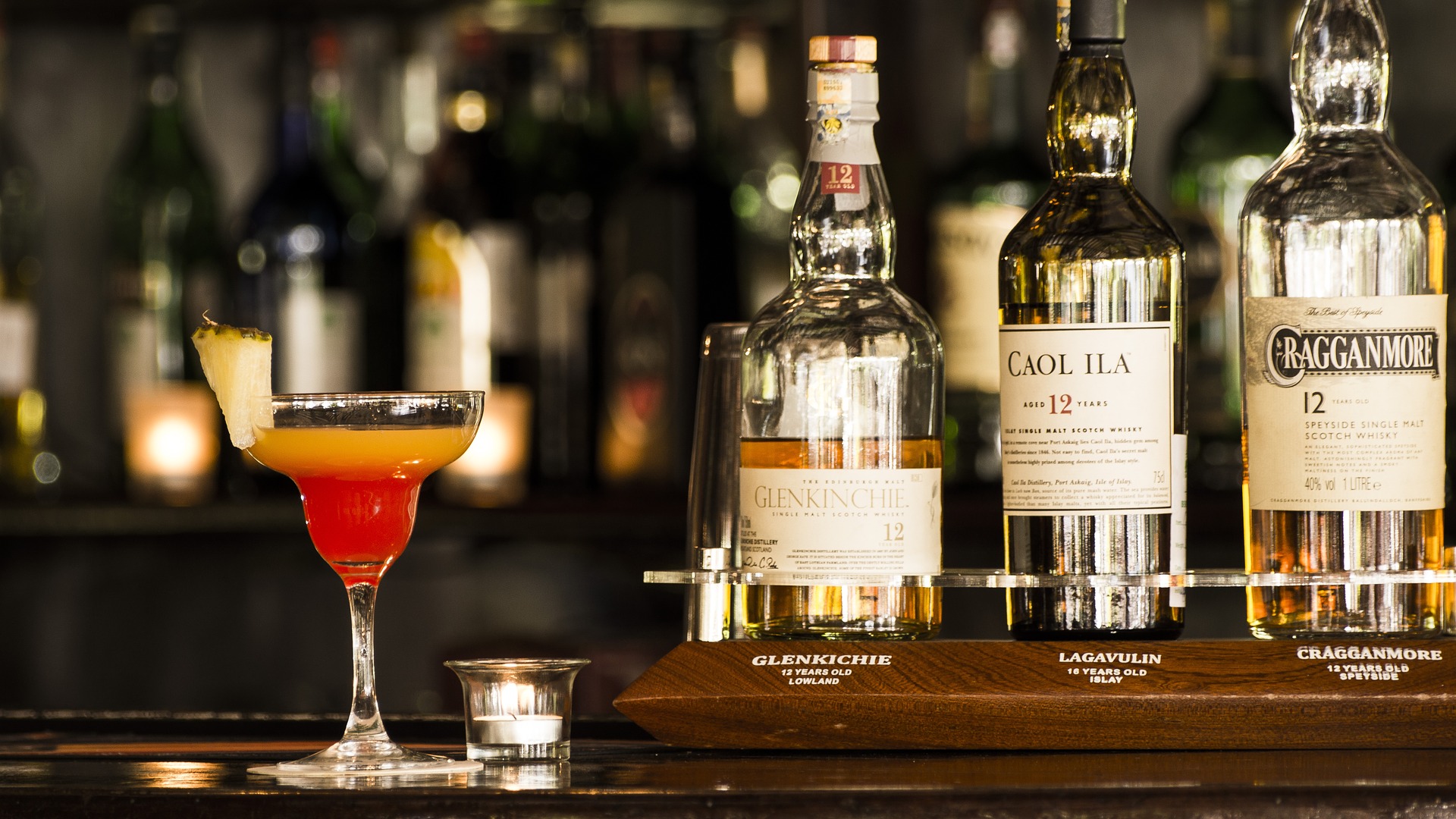
4. Go to Speyside and taste the Scotch Whiskey.
5. Attend a Ceilidh, a Traditional Scottish dance.
6. Wear a kilt.
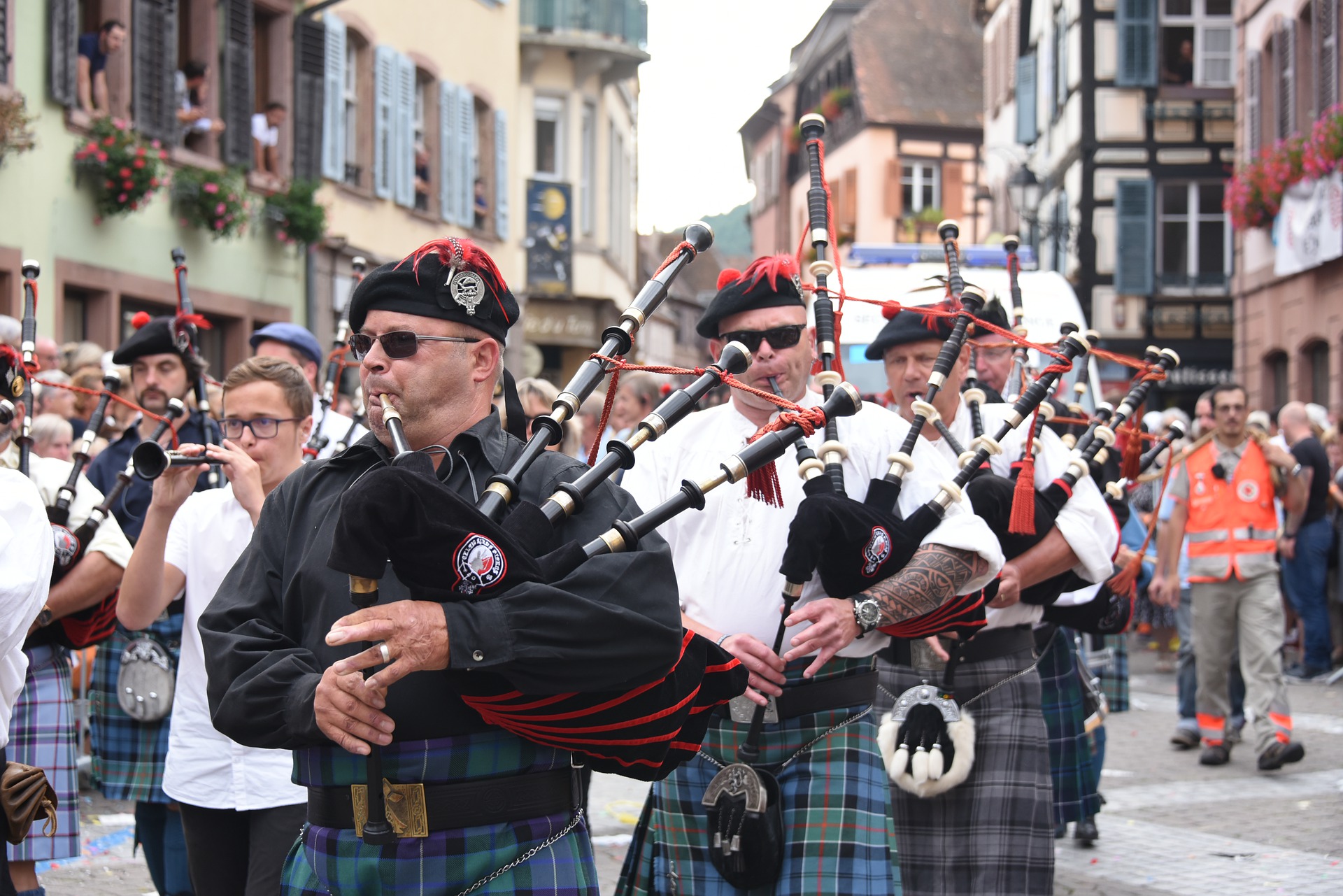
7. Listen to Bagpipes
8. Island hop in the Western Isles to see authentic Scottish traditions and living history.
Scottish Porridge
Ice Cream
Full Scottish Breakfast
Seafood
Cranachan A Dessert
Cullen Skink Thick Scottish Soup
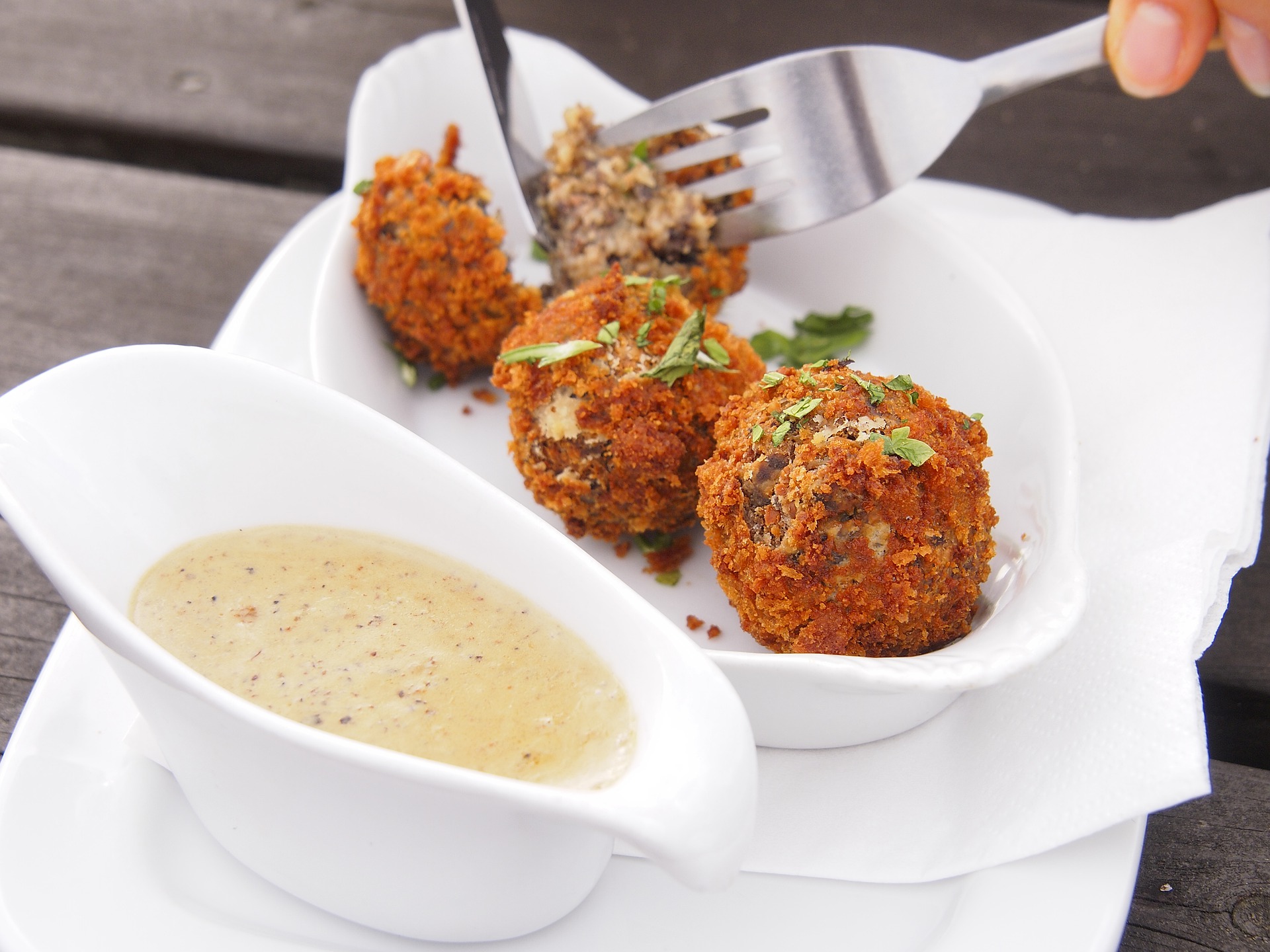
Black Pudding
Tablet a Sweet
Scotch Whisky
Neeps and Tatties Turnips and Potatoes
Scottish Salmon
Bangers and mash Sausage and mashed potatoes
Haggis
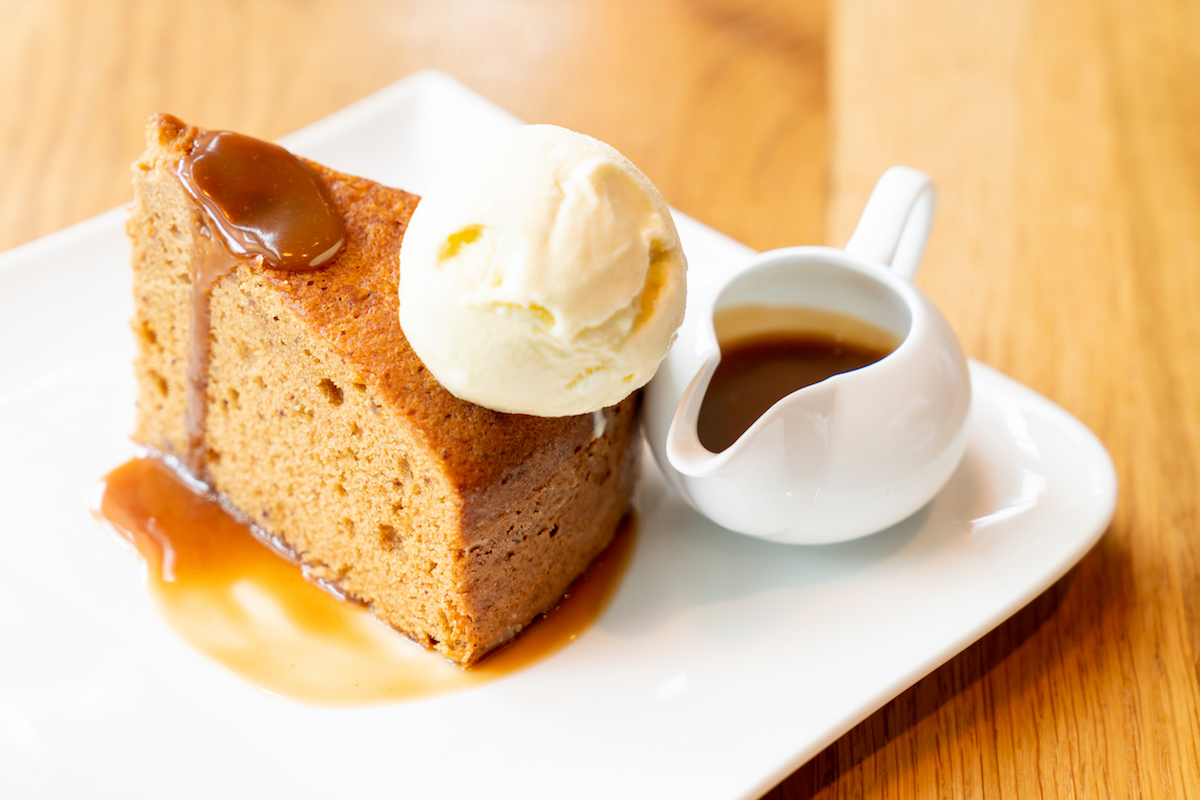
Sticky Toffee Pudding
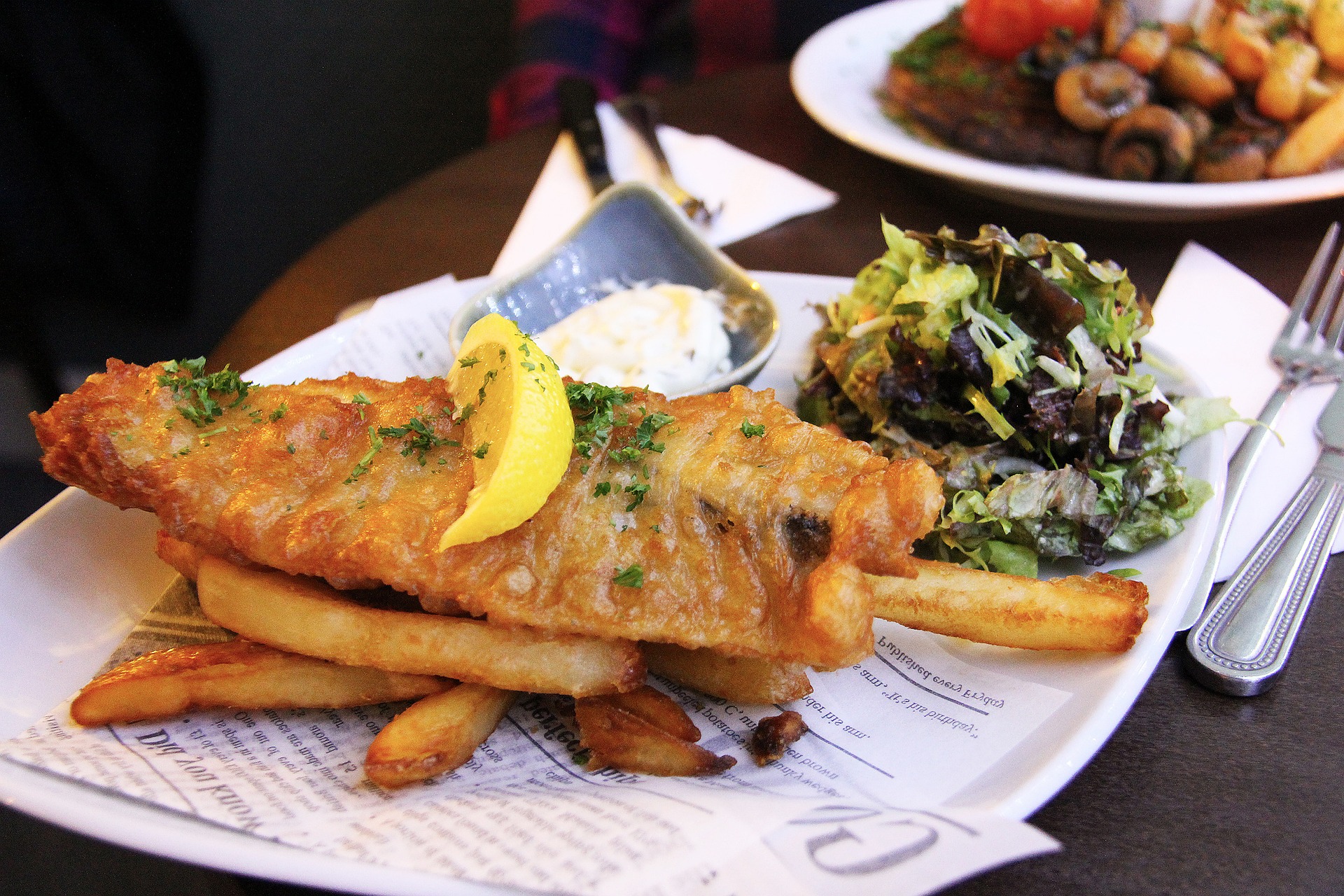
Fish n Chips
UNESCO World Heritage Sites
St. Kilda Island
Edinburgh New Town
Heart of Neolithic Orkney
New Lanark 18th century Mill Village
The Roman Antonine Wall
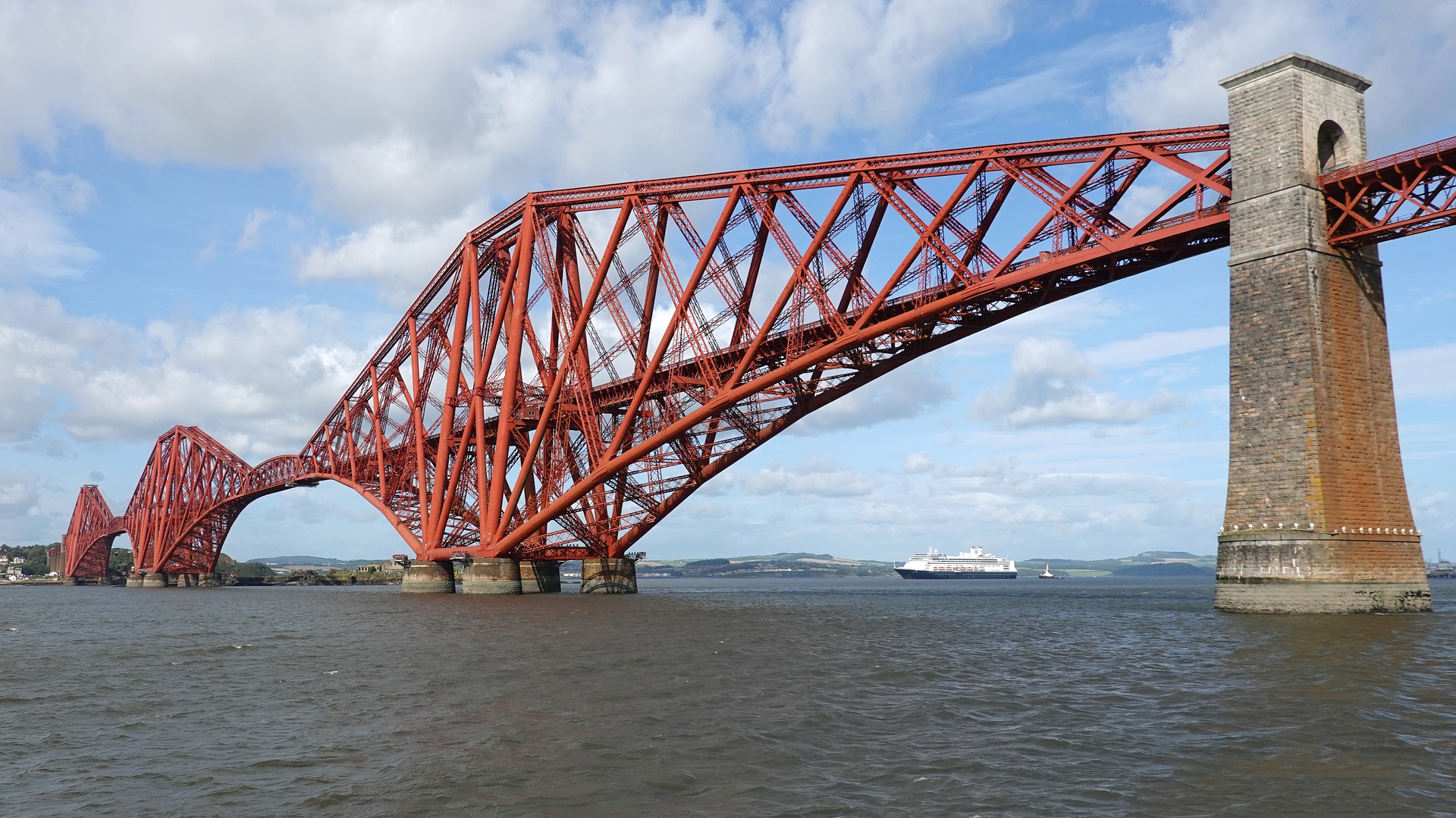
The Forth Bridge
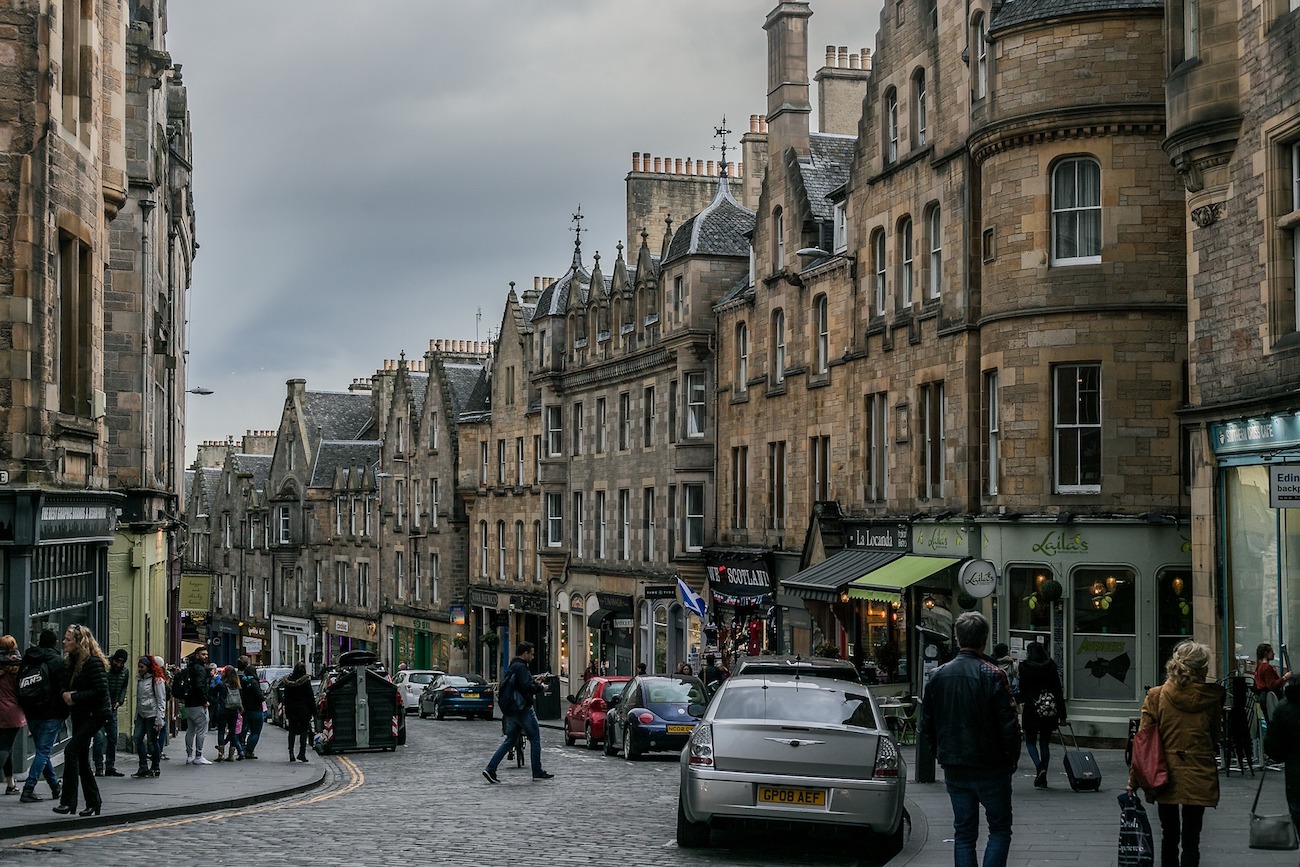
Edinburgh Old Town
The City of Glasgow
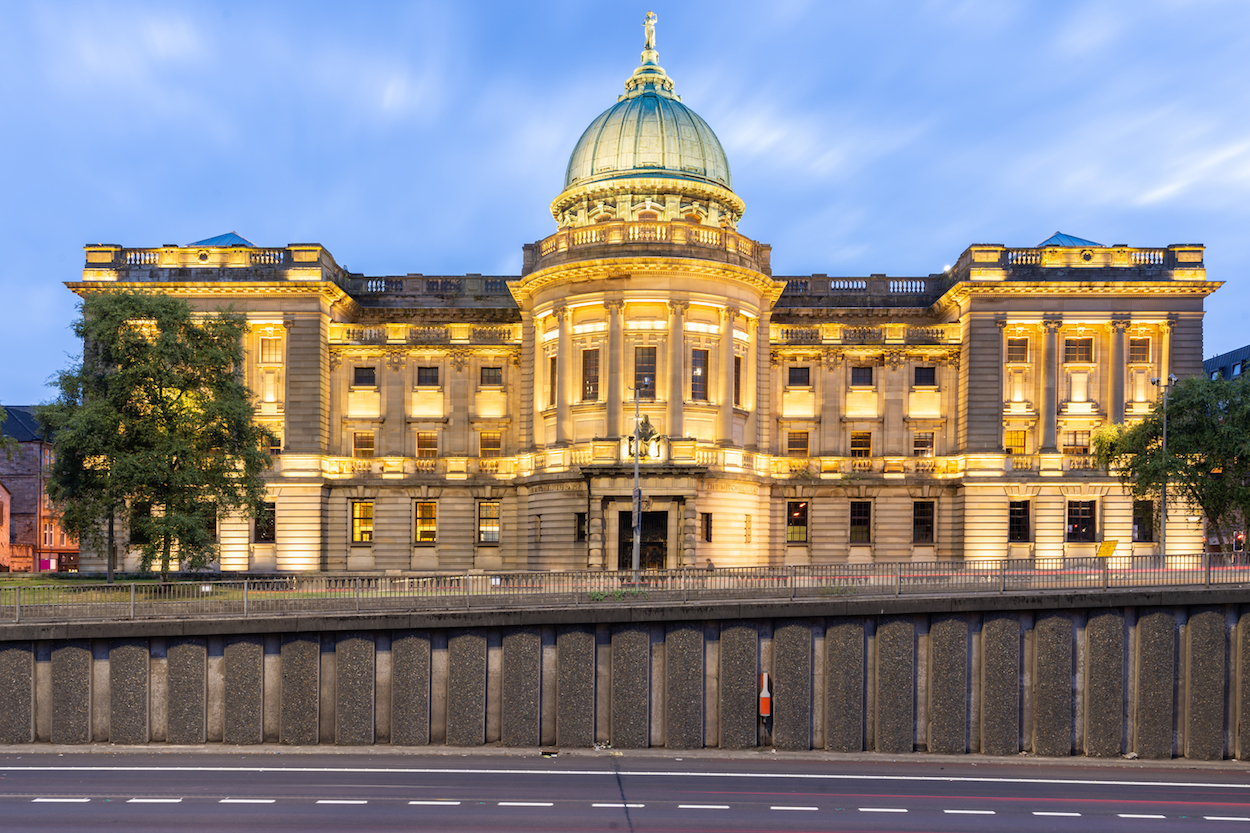
Glasgow is the most populous city in Scotland and the 4th most populous in the UK. It has an estimated population of 640,000. It is situated on the River Clyde in the country’s West Central Lowlands. Glasgow grew from a small rural settlement to become the largest seaport in Scotland. The University of Glasgow was established in the 15th century and the city became a center of the Scottish Enlightenment in the 18th century. From the18th century on, the city grew and became one of the hubs of England’s transatlantic trade with North America and the West Indies. With the onset of the Industrial Revolution, Glasgow expanded rapidly to become a center of chemicals, textiles and engineering and most notably in shipbuilding and marine engineering. Glasgow was the second city of the British Empire for much of the Victorian and Edwardian years. Its population was almost 1.3 million and was reduced by building new cities because of its density of population in the 1960’s. Glasgow has the strongest economy in Scotland. The city was listed as the European Capital of Culture in 1990 and is notable for its architecture, media, culture and music.
Tourist Attractions
City Centre Mural Trail
Hunterian Museum and Art Gallery
House for an Art Lover
Glasgow Botanic Gardens
Riverside Museum
Pollok County Park
Sharmanka Kinetic Theatre
University of Glasgow
The Necropolis
Glasgow Cathedral
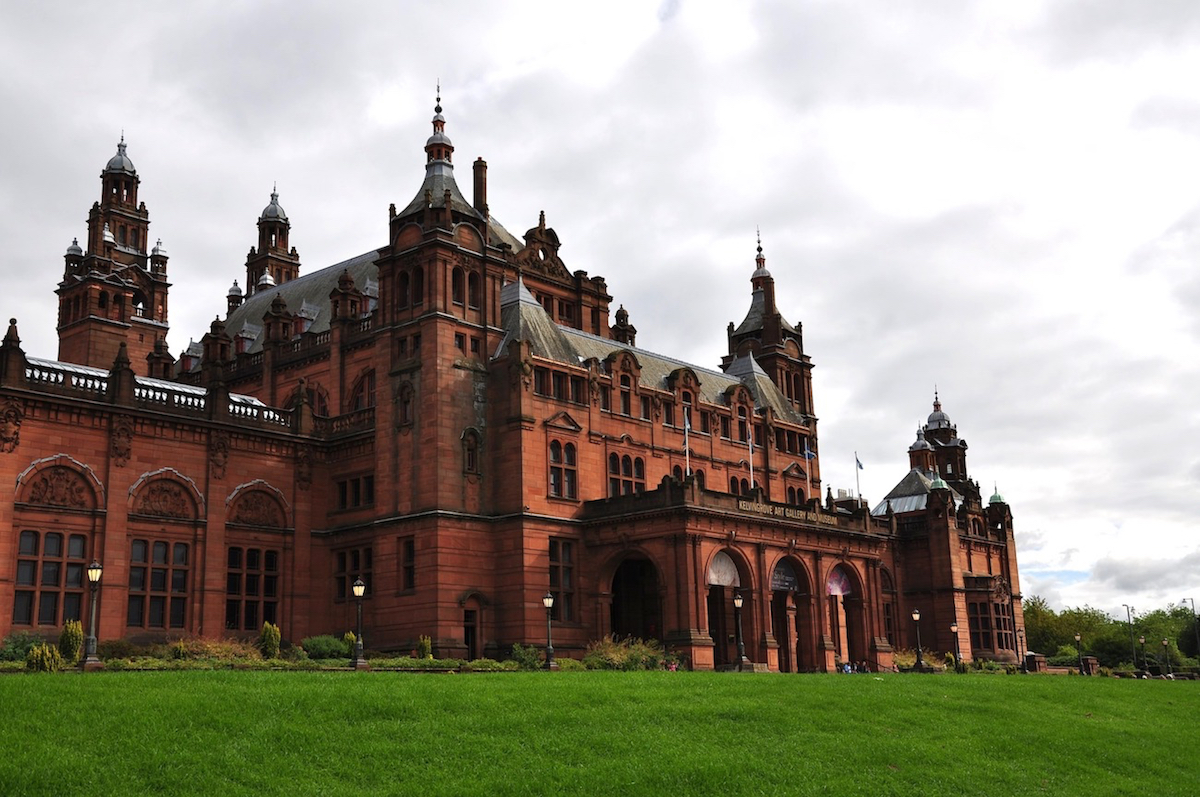
Kelvingrove Art Gallery and Museum
The City of Edinburgh
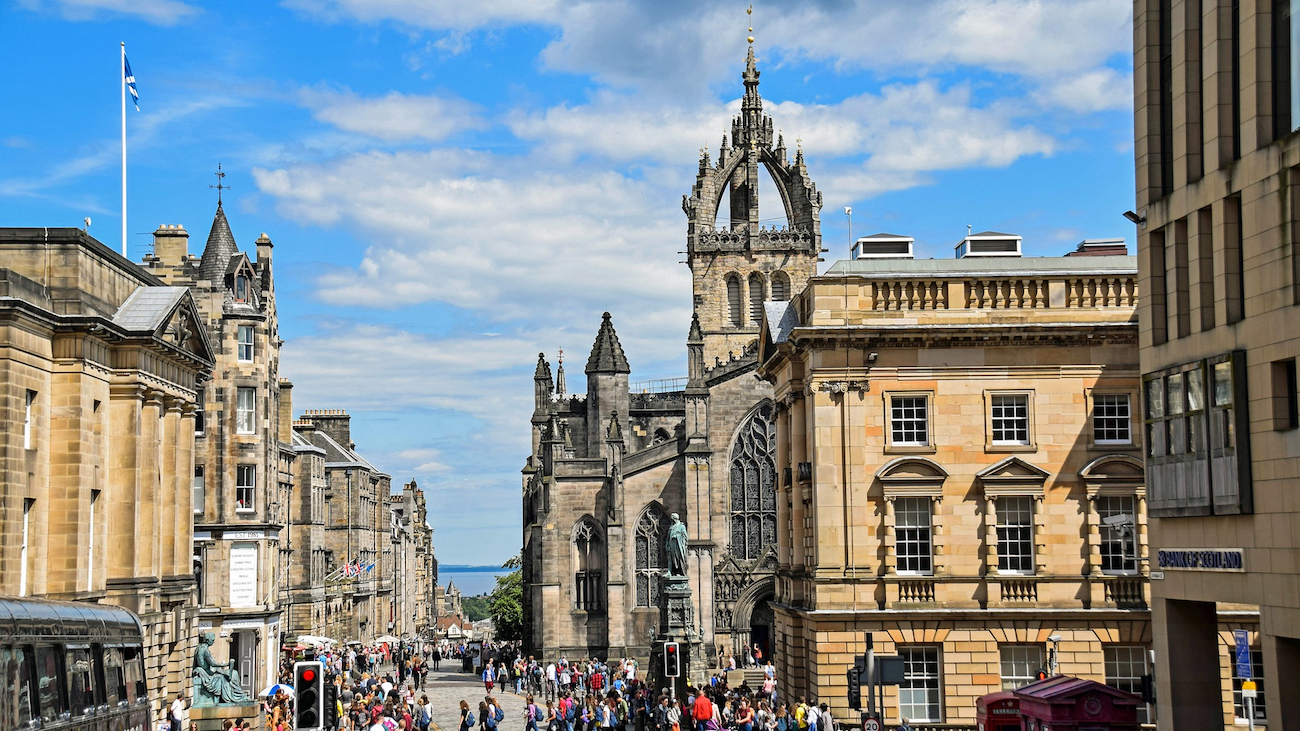
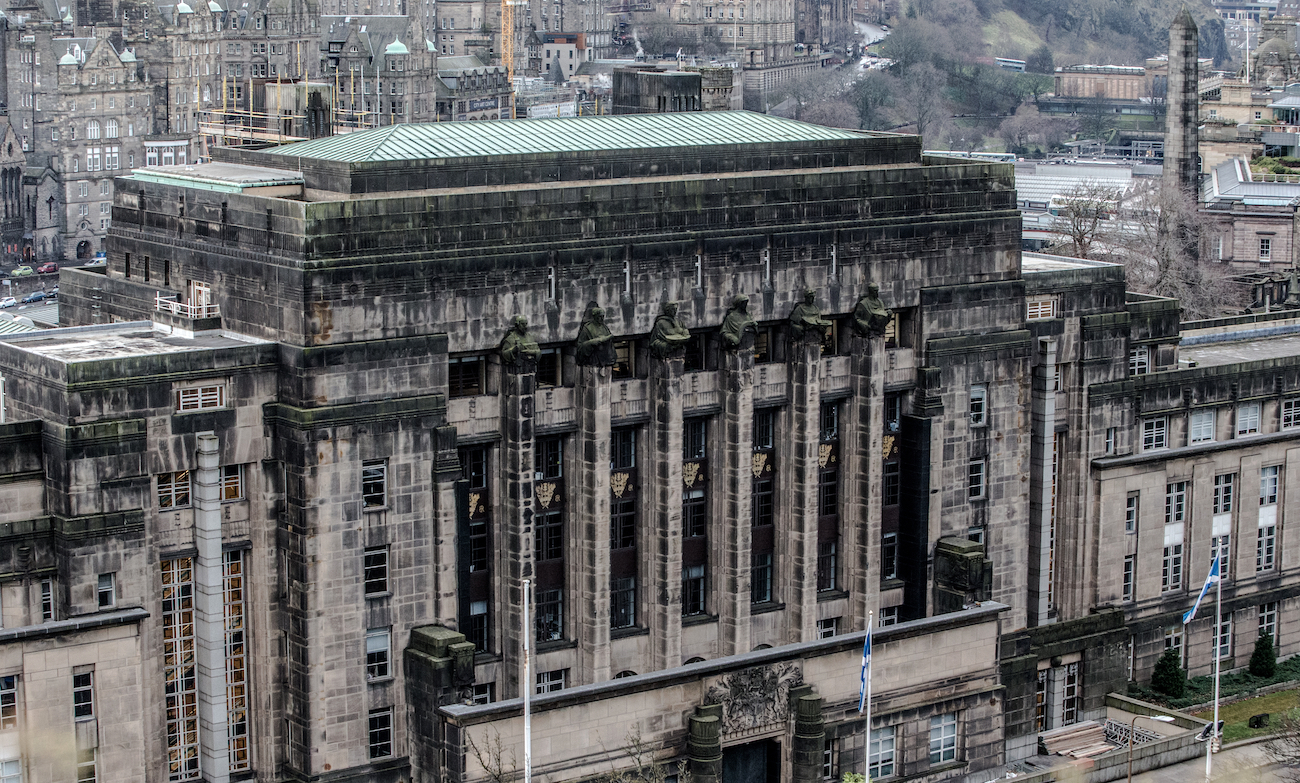
Edinburgh is the capital city of Scotland. It is located in Lothian on the southern shore of the Firth of Forth. It is the second most populous city in Scotland with 460,000 inhabitants. Recognized as the capital of Scotland since before the 15th century, Edinburgh is the seat of the Scottish government, the Scottish Parliament and the highest courts in the land. The city’s Palace of Holyroodhouse is the official residence of the monarch in Scotland. Edinburgh is a center for medicine, philosophy, literature, the sciences, and engineering. It is the second largest financial center in the United Kingdom.
Tourist Attractions
National Museum Scotland
Arthur’s Seat at Holyrood Park Volcano
Scott Monument
Calton Hill to the National Monument
Scottish National Gallery of Modern Art
Lauriston Castle and Gardens
Edinburgh Dungeon
Scotch Whisky Experience
Camera Obscura and World of Illusion
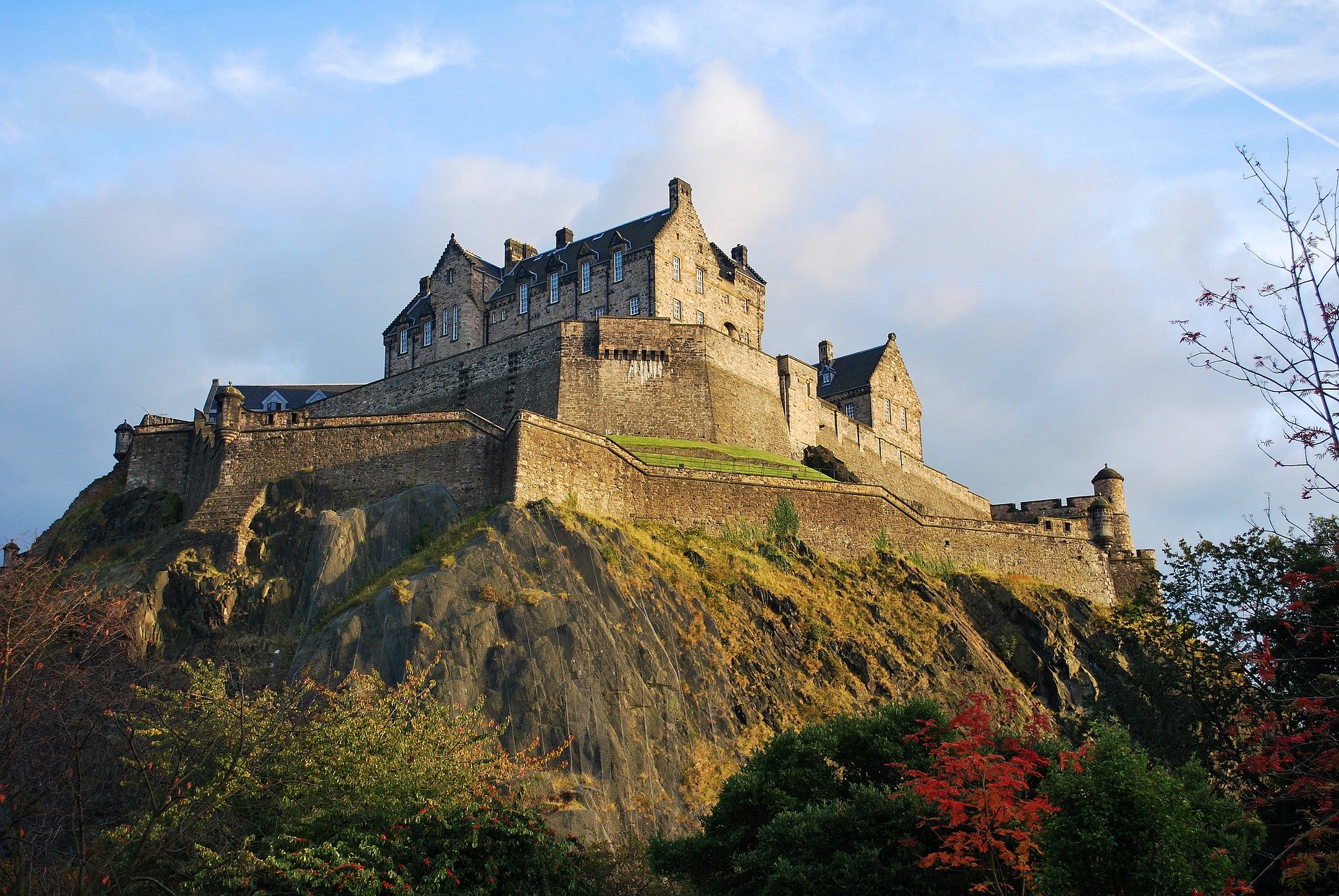
Edinburgh Castle
The City of Aberdeen
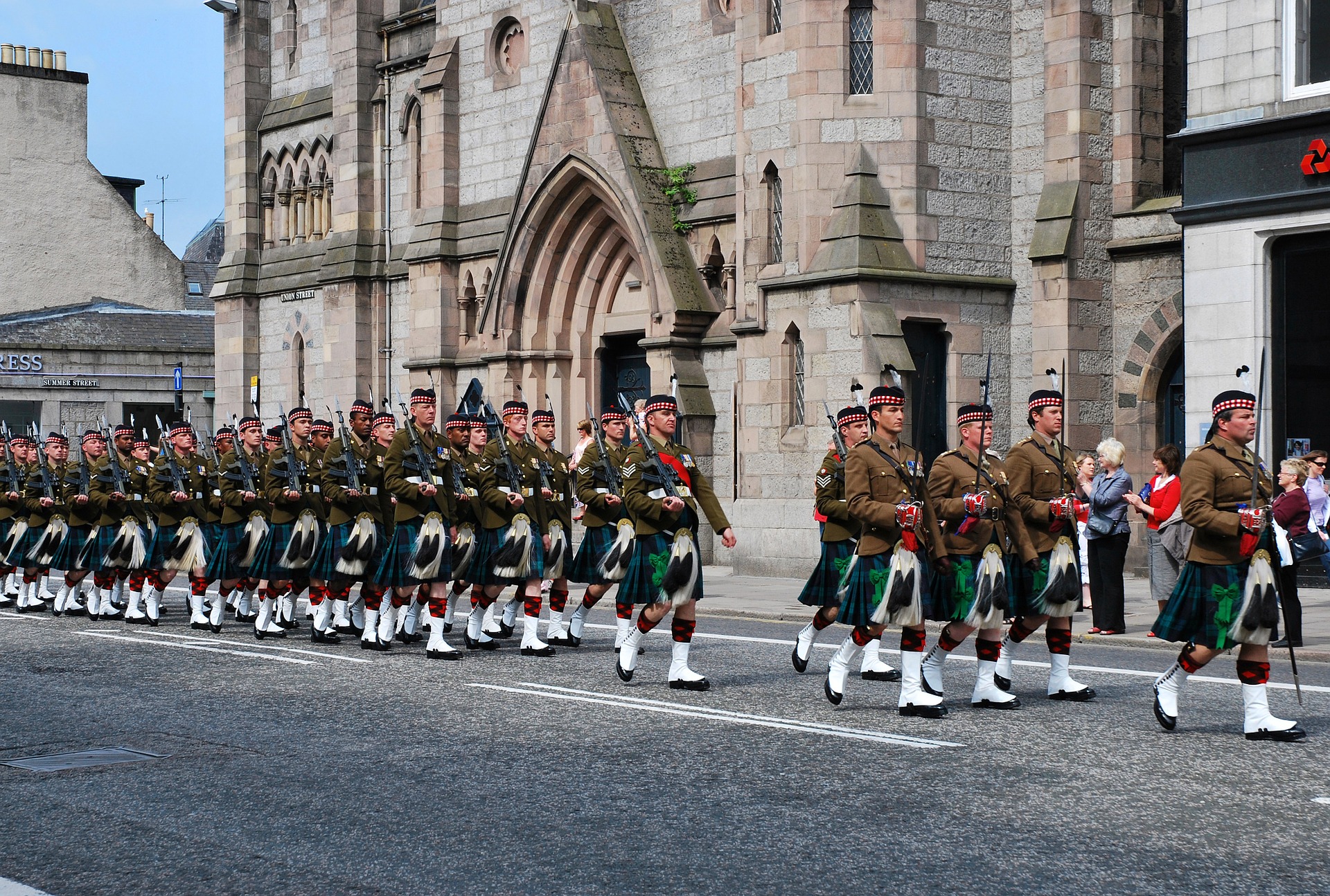
Aberdeen is a city in northeast Scotland and the third most populous with a population of 195,000. During the mid-18th to mid-20th centuries Aberdeen used local quarried grey granite to build its buildings which may sparkle like silver because of its high percentage of mica. Since the discovery of North Sea oil in 1969, Aberdeen has become the off-shore oil capital of Europe. The area around Aberdeen has been settled for over 8000 years when pre-historic villages lay around the mouths of the Rivers Dee and Dan. The city has a long sandy coastline and a marine climate with chilly summers and mild winters. Traditional industries have been overtaken by the oil industry and the seaport. Aberdeen is known as the “Flower of Scotland” because of its many parks and gardens.
Tourist Attractions
St. Machar’s Cathedral
The University and Kings College of Aberdeen Built 1494
Brig o’ Balgownie Scotland’ oldest building -1320
Tolbooth Museum
Mercat Cross
Duthie Park
Aberdeen Art Gallery
Provost Skene’s House Built 1545
Crathes Castle Built 1553
Queen’s Balmoral Castle
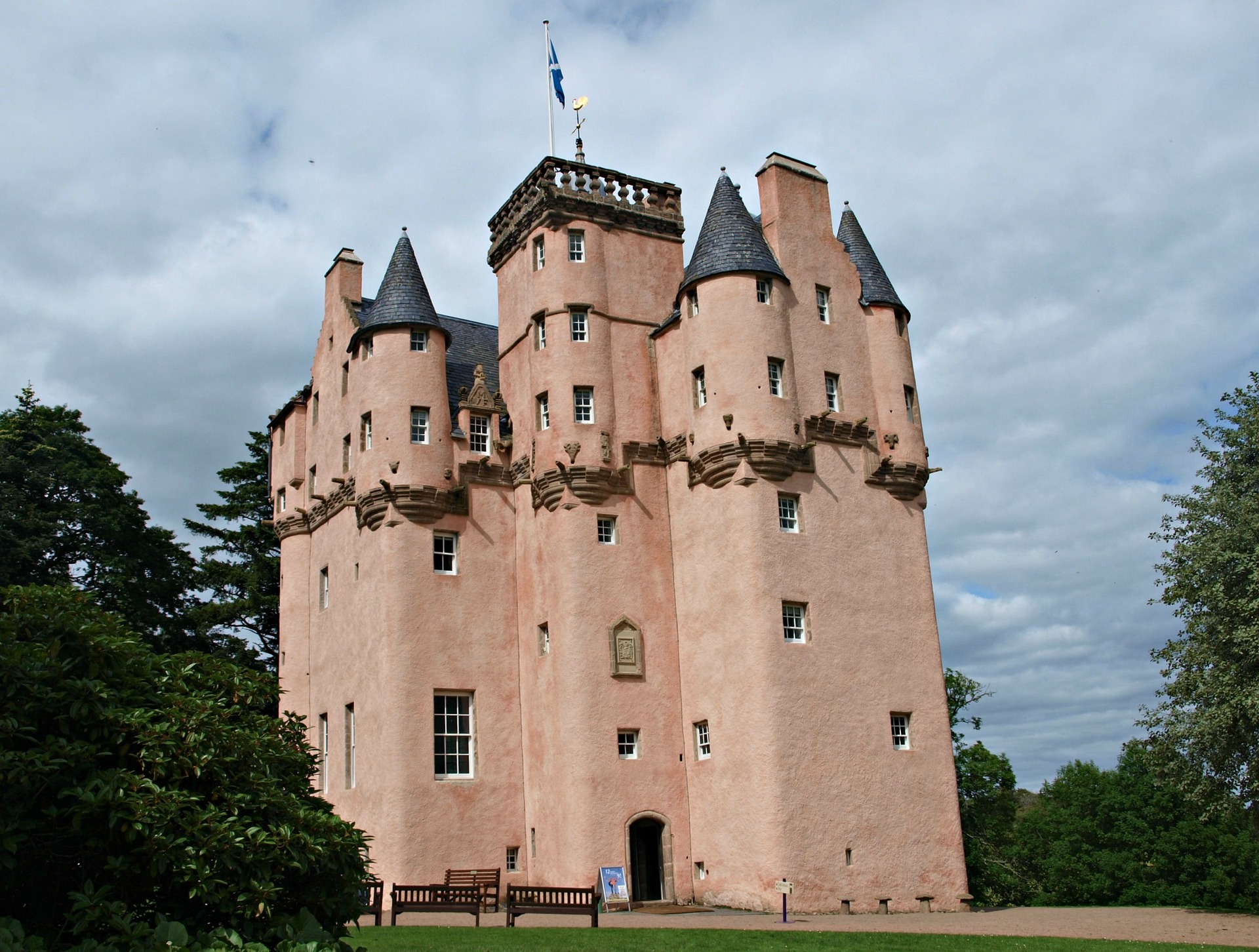
Craigievar Castle
The City of Dundee
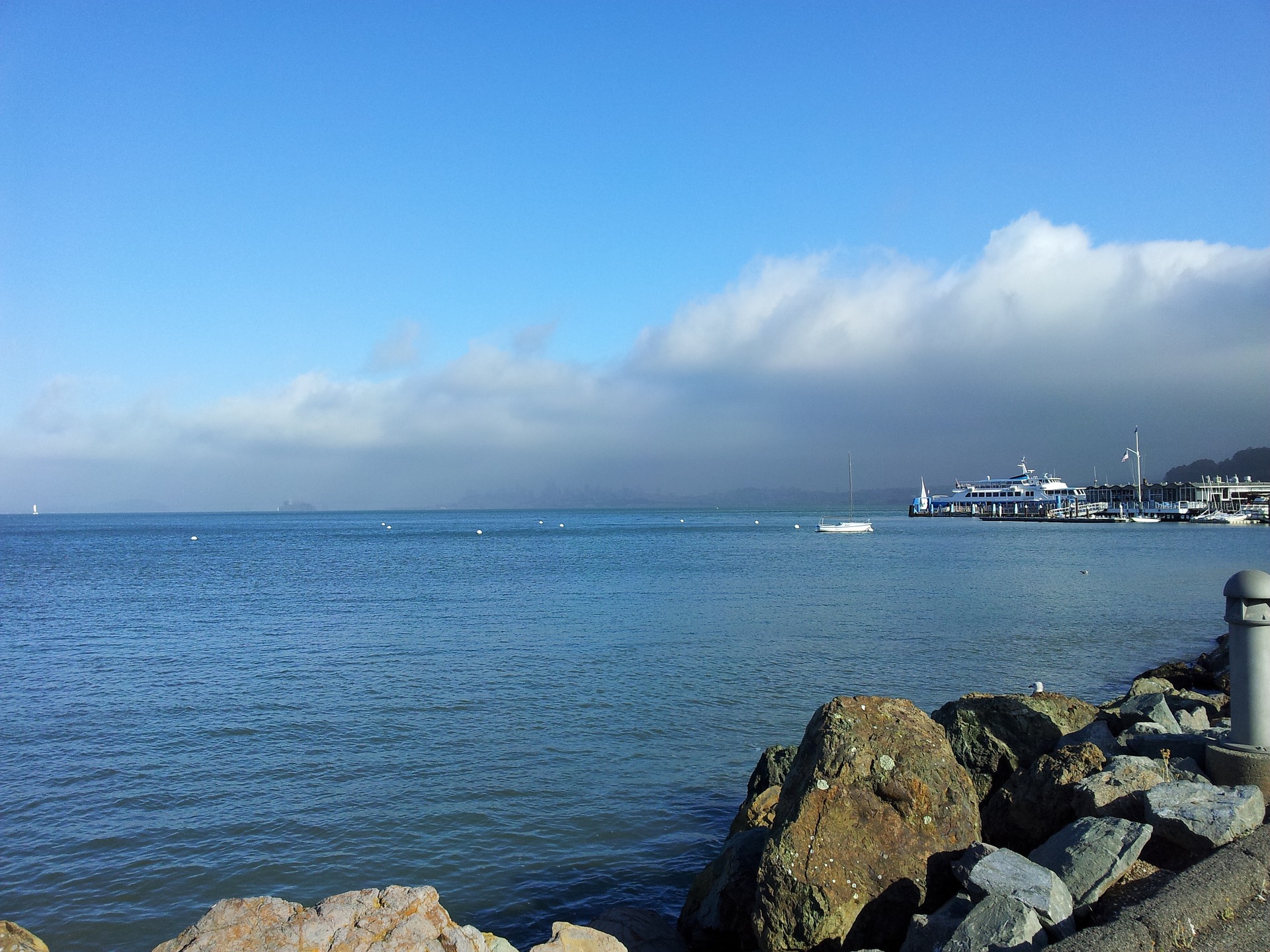
Dundee is Scotland’s 4th largest city with 148,000 inhabitants. It lies within the eastern central Lowlands on the north bank of the Firth of Tay, which feeds into the North Sea. The city developed into a burgh in the 12th century and established itself as an important east coast trading post. Rapid expansion was brought on by the Industrial Revolution, particularly in the 19th century when Dundee was the center o f the global Jute industry. Dundee became known as the city for jute, jam and journalism. Today, Dundee is being promoted as “One City”. There have been many discoveries in Dundee and it is honoring those individuals for their scientific achievements including erecting a building for Robert F. Scott’s RRS Discovery Ship for his Antarctic journey. Currently, the city is spending a large sum of money and inventing itself as a cultural and tourist center. Dundee has been designated a UNESCO City of Design.
Tourist Attractions:
McManus Art Gallery and Museum
Dundee Law Historic Grounds
Broughty Castle Museum and Beach
V&A Dundee Design Museum
Various Statues in Town
Dundee Women’s Trail
Mills Observatory
Riverside Walk
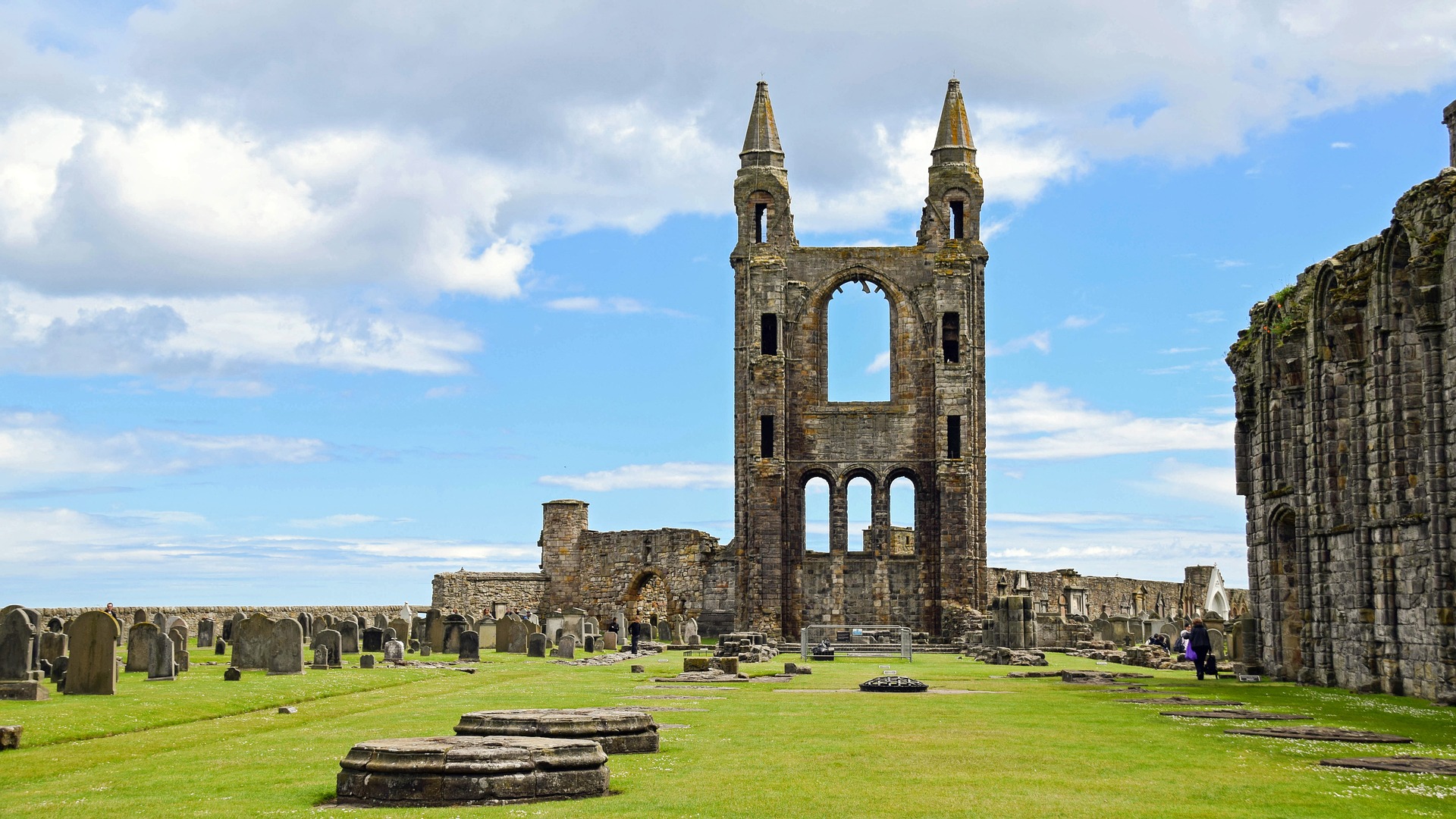
Saint Andrews: On the East Coast and North East of Edinburgh St Andrews was named after the Saint, brother of St Peter and patron of Scotland. The University founded in 1453 is close to the medieval castle. The place is world famous for its seven Golf courses. Golf has been played on Saint Andrews links since 1552 and each year they count 230,000 round of golf, 45,000 of them being played on the Old Course alone.
No Tour Found
No Tour Found