


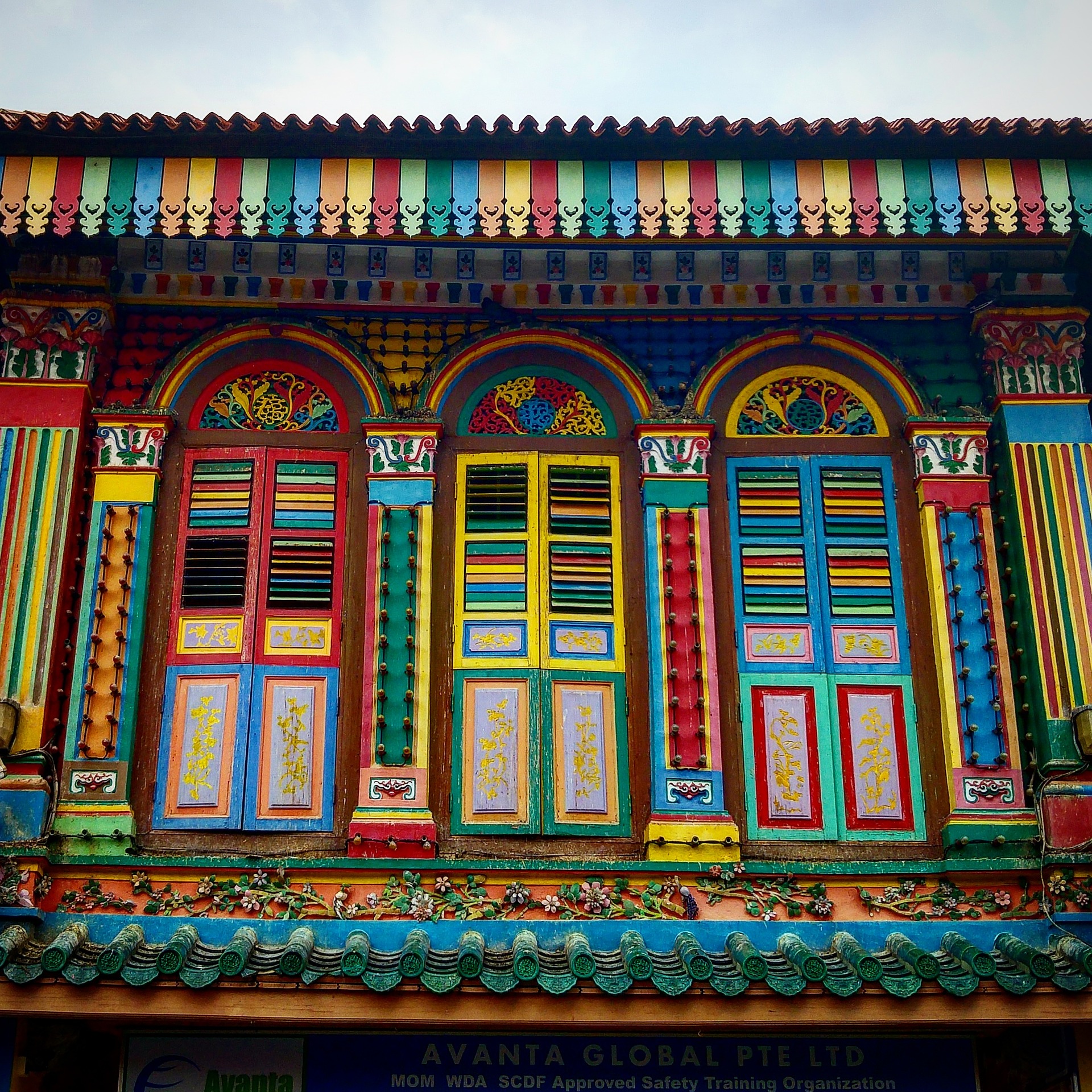
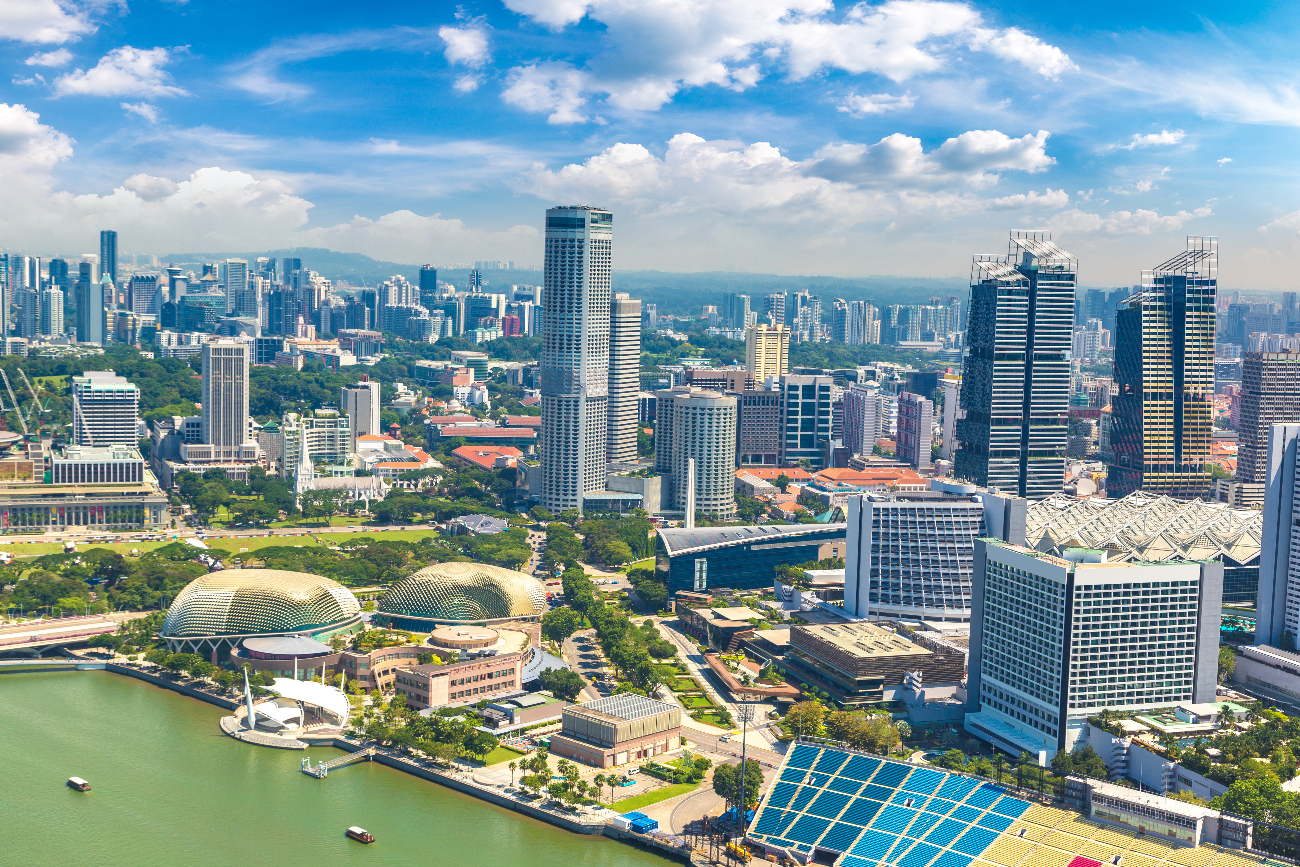
Singapore is officially named the Republic of Singapore and is a sovereign island city-state in Maritime Southeast Asia. It lies 85 miles north of the equator off the southern tip of the Malay Peninsula, bordering the Straits of Malacca to the west, the Riau Islands owned by Indonesia to the south, and the South China Sea to the east. The country’s territory is composed of one main island, 63 satellite islands and islets, and one outlying islet. Interestingly, the country’s land mass has increased by 25% to 270 square miles since independence due to extensive land reclamation projects. It has the second greatest population density in the world. Singapore has a multicultural population and recognizing the need to respect cultural identities, has four official languages: English, Malay, Mandarin and Tamil. English is the lingua franca. Multiracialism is enshrined in the constitution.
In 1299, according to the Malay Annals, the Kingdom of Singapore was founded. Around the end of the 14th century its ruler, Parameswara, was attacked and forced to move to Malacca where he founded the Sultanate of Malacca. A small trading post continued on the island but was destroyed in 1613 by Portuguese raiders. Modern Singapore was founded in 1819 by Sir Stamford Raffles as a trading post of the British Empire. In 1867, Singapore came under the jurisdiction and direct control of Britain. After World War I the British built a large naval base. During World War II Singapore was occupied by Japan in 1942 and with the Japanese surrender in 1945 was returned to the British Empire as a separate crown colony. In 1959, Singapore gained self-governance and in 1963 became part of the new federation of Malaysia. Ideological differences led to Singapore’s expulsion in 1965. After early years of turbulence the country has become one of the “Four Asian Tigers” based on external trade and is now a highly developed nation. It is a major financial center and shipping hub and is ranked as a leader in social amenities for its citizens including health care and quality of life. 91% of the population owns their own homes.
Singapore is a unitary parliamentary republic with a Westminster system of unicameral parliamentary government. The island’s first prime minister was Lee Kuam Yew from the PAP and that party has governed continuously since the 1965 independence. The President is head of state and the prime minister is head of government.
Due to the large urbanization, Singapore has lost 95% of its historic forests. More than 50% of the country’s fauna and flora are located in nature reserves such as Bukit Timah Nature Reserve and Sungei Bulow Wetland Reserve. Currently, 10% of Singapore’s land is set aside for parks and nature reserves including the UNESCO World Heritage Site, the Singapore Botanical Gardens, founded more than 160 years ago. Singapore has a Tropical rain forest climate with no distinctive seasons, uniform temperatures and pressure with high humidity and abundant rainfall. Tourism has evolved into a major industry averaging almost 20 million visitors a year. Singapore has 5,700,000 residents 62% of whom are citizens and the remaining 38% are permanent residents, foreign students, foreign workers and dependents. 74% of the population is of Chinese descent, 13% Malay, and 9% Indian. 31% of the population is Buddhist with the remaining divided among Christian, Islam, Taoism and Hinduism.
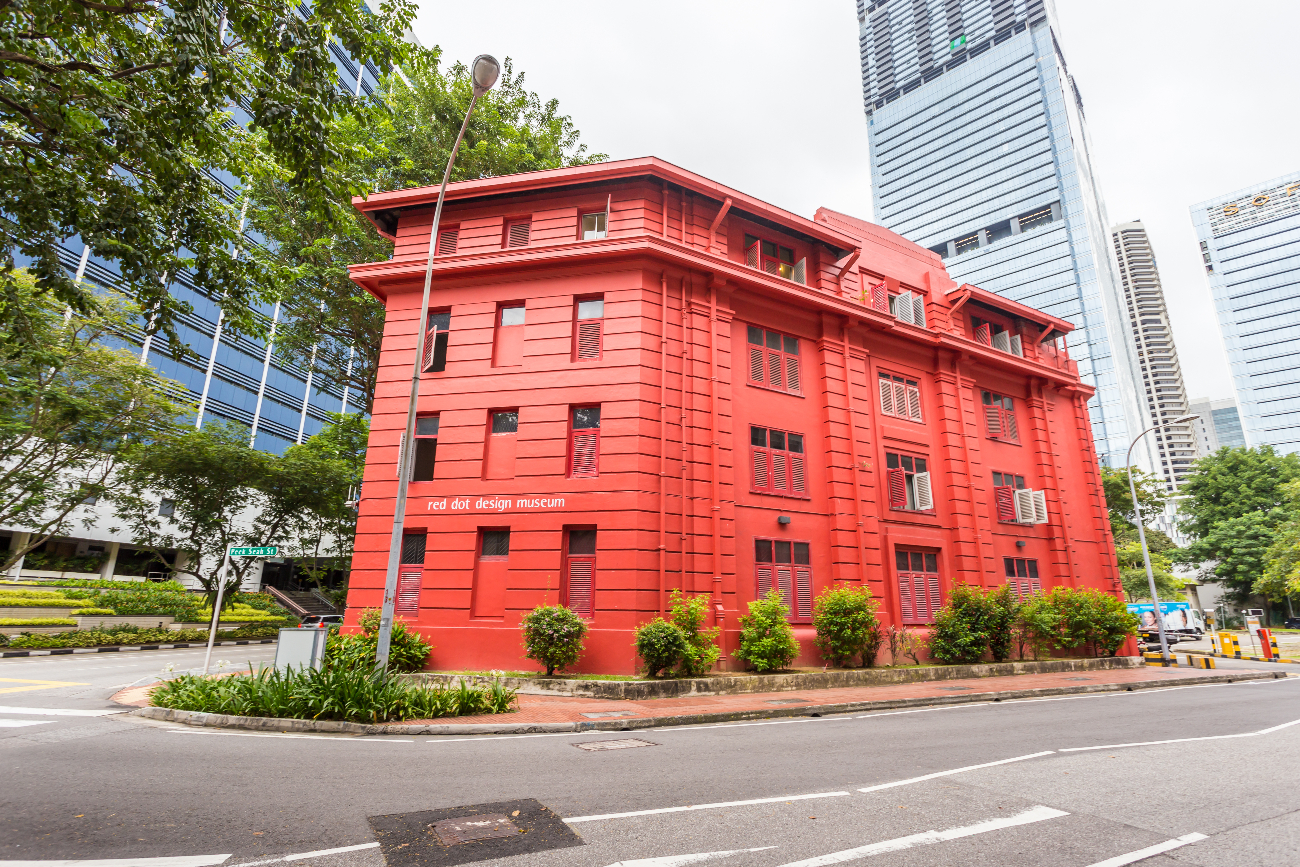
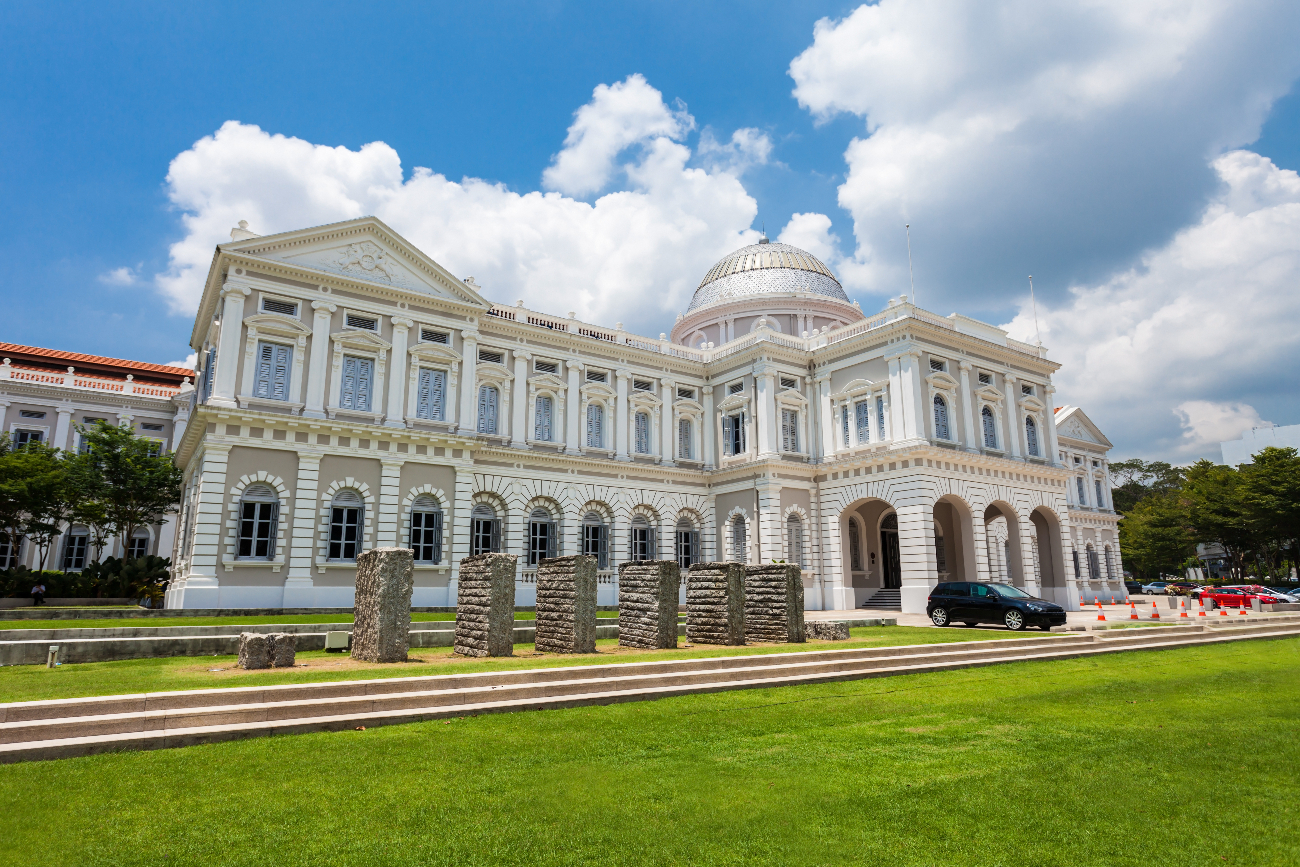
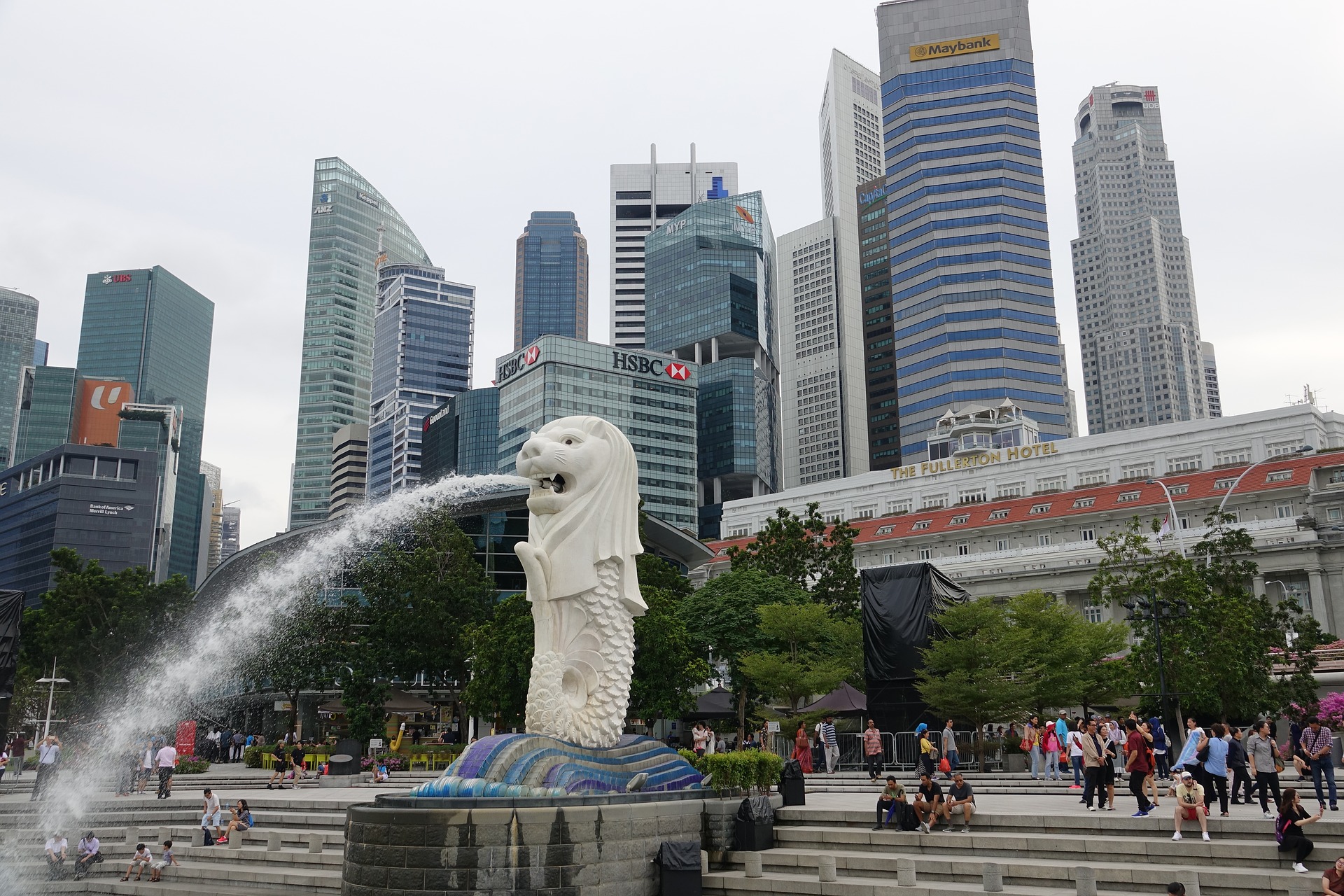
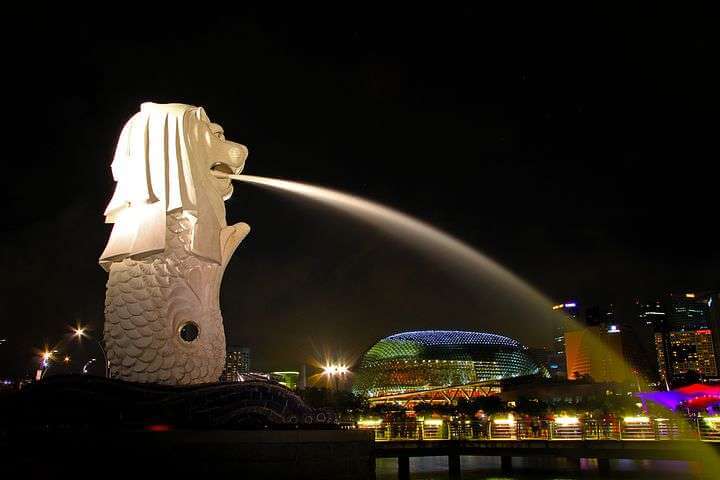
In many respects Singapore is a work in progress in finding its own national culture. The culture of each person is closely tied to his/her origin, language and religion. English speaking citizens embrace Western and Christian Culture. Chinese speakers favor Chinese Culture and Confucianism, and the Mali practice Islam. Singapore has several national symbols the most prominent of which are the “Coat of Arms of Singapore” and the “Lion Head Symbol of Singapore”. Singapore is known as the “Lion City’. In the 1990’s, the National Arts Council was formed. “The National Gallery Singapore” is the nation’s flagship museum with over 8,000 works from Singaporean and other Southeast Asia artists. The Singapore Art Museum focuses on contemporary art; the Red Dot Design Museum celebrates exceptional art and design of objects for everyday life and the lotus-shaped ArtScience Museum hosts touring exhibitions that combine art with science. “Literature of Singapore” comprises a collection of literary works by Singaporeans written in the country’s four languages. Singapore has a diverse music culture that ranges from pop and rock to folk and classical. Western classical music plays a significant role in the cultural life of Singapore.
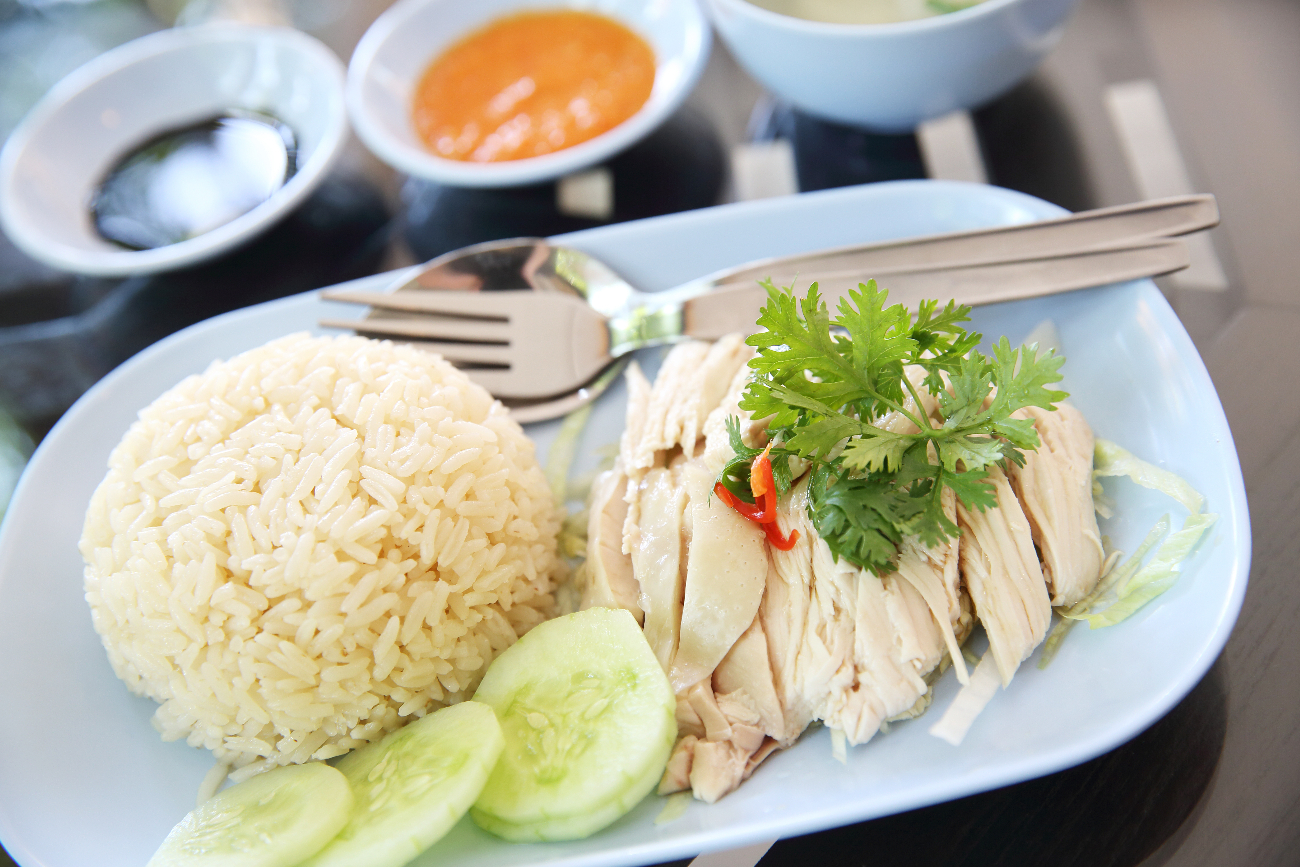
Singapore has a tremendous diversity of cuisine due to the combinations of convenience, variety, quality, price and the cultural persuasions of Chinese, Malay and Indian residents but the diversity has increased with hybridization including “Peranakan Cuisine” which is a mix of Chinese and Malay and Malay street vendors also selling Tamil foods. Hainanese chicken rice is considered Singapore’s national dish. The city-state has an active food scene ranging from hawker centers (open air stalls), food courts, coffee shops, simple kitchens and high end restaurants. Religious dietary restrictions exist as Muslims don’t eat pork and Hindus do not eat beef and there are also a significant number of vegetarians. The largest hawker center has over 200 stalls and is home to the least expensive Michelin-starred restaurant in the world with a plate of soya-sauce chicken rice or noodles for $1.50.
Ten Singaporean dishes to sample:
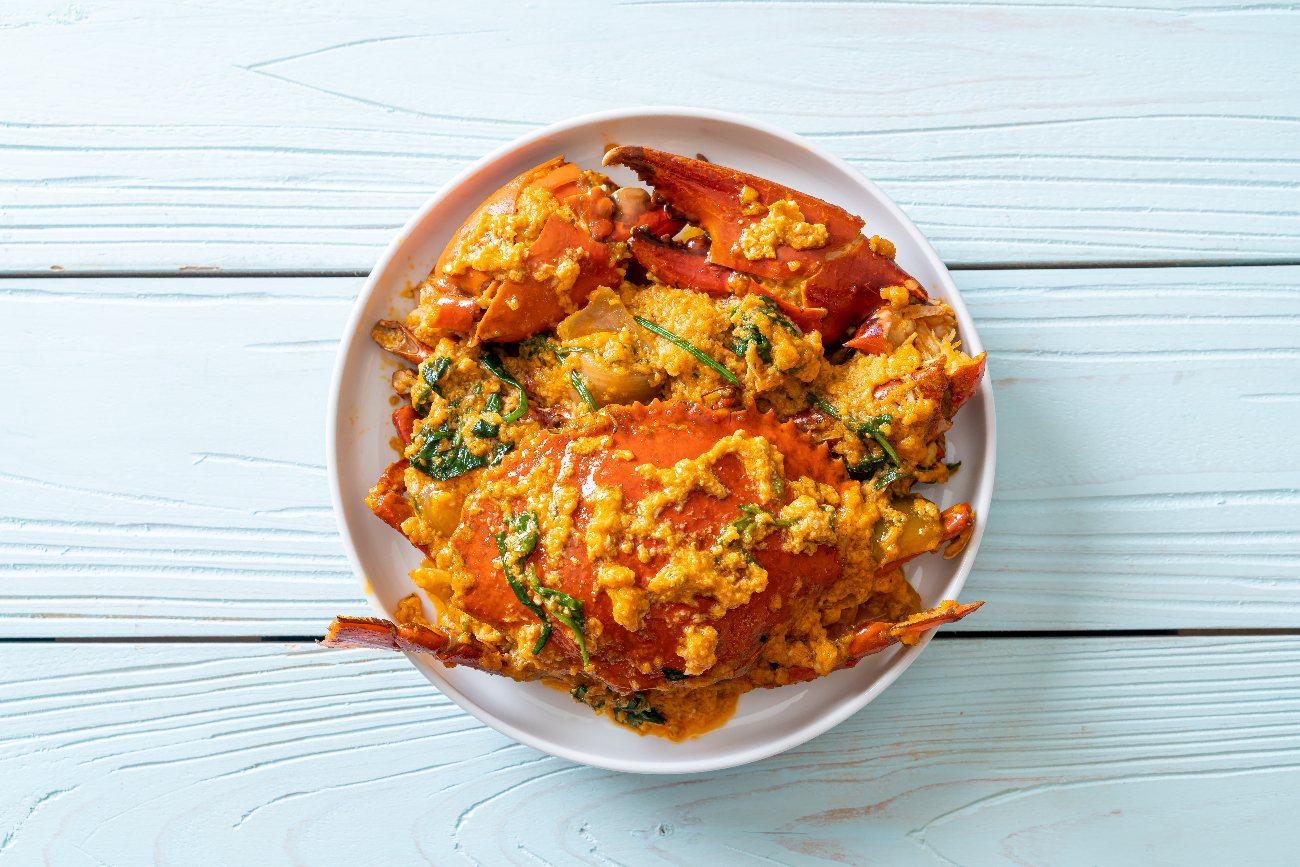
Chili Crab – a Singapore National Dish
Hainanese Chicken Rice
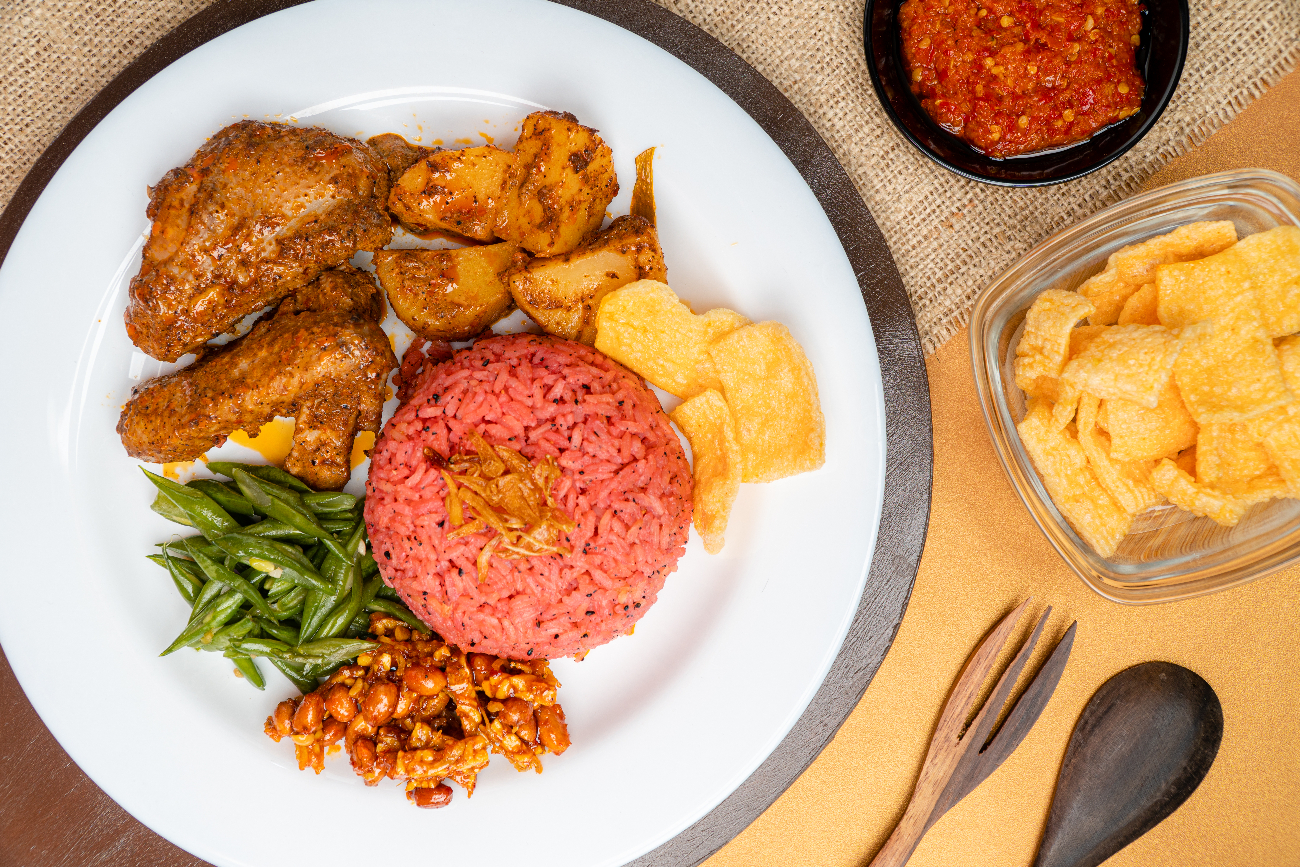
Nasi Lemak A Malay dish
Otak-Otak An Early Chinese dish
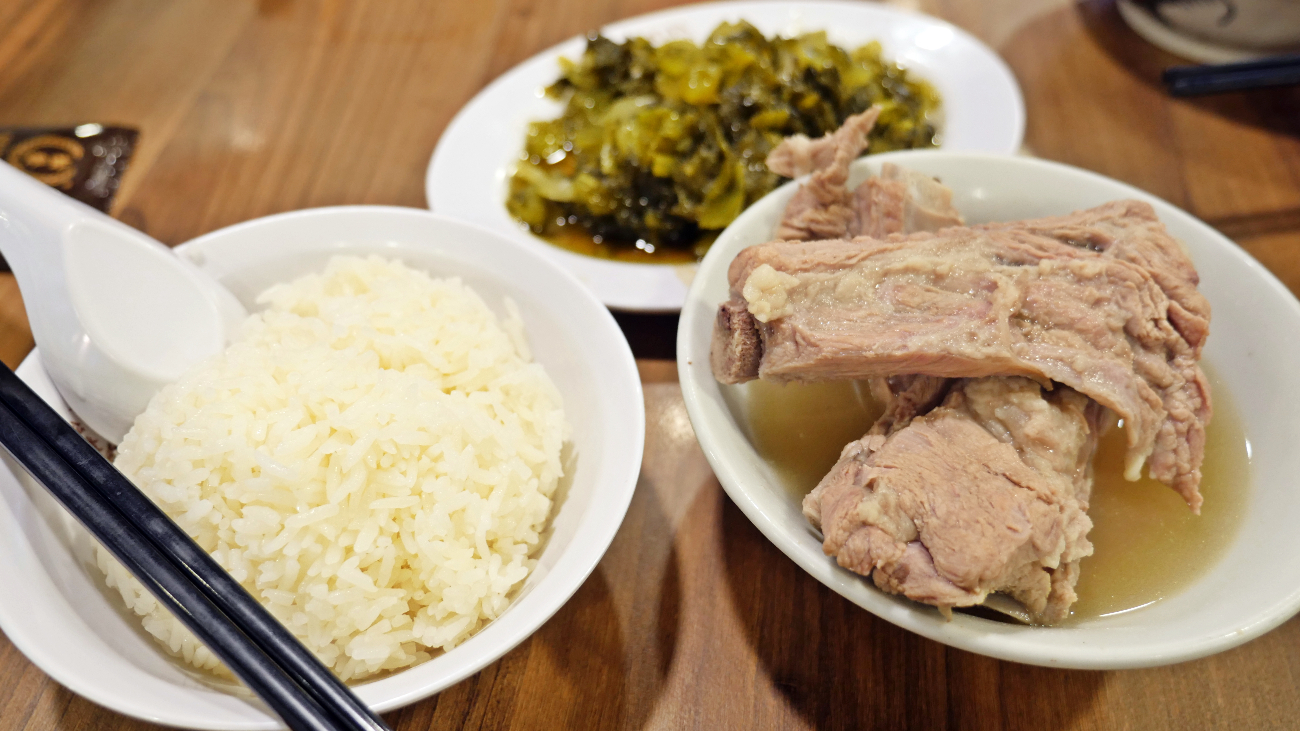
Bak Kut Teh Pork Rib Soup
Kaya Toast with Kopi A Breakfast dish
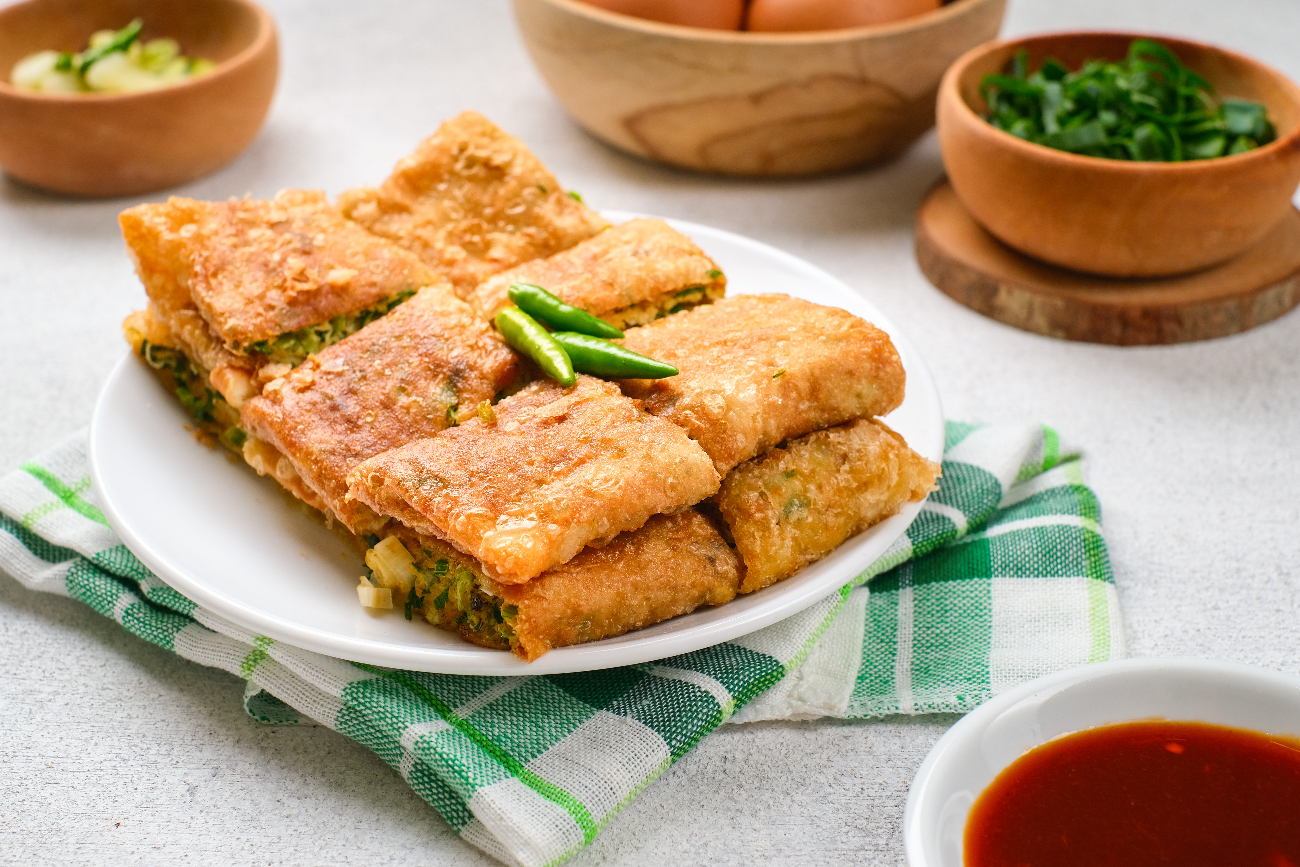
Murtabak A Stuffed Folded Omelette Pancake
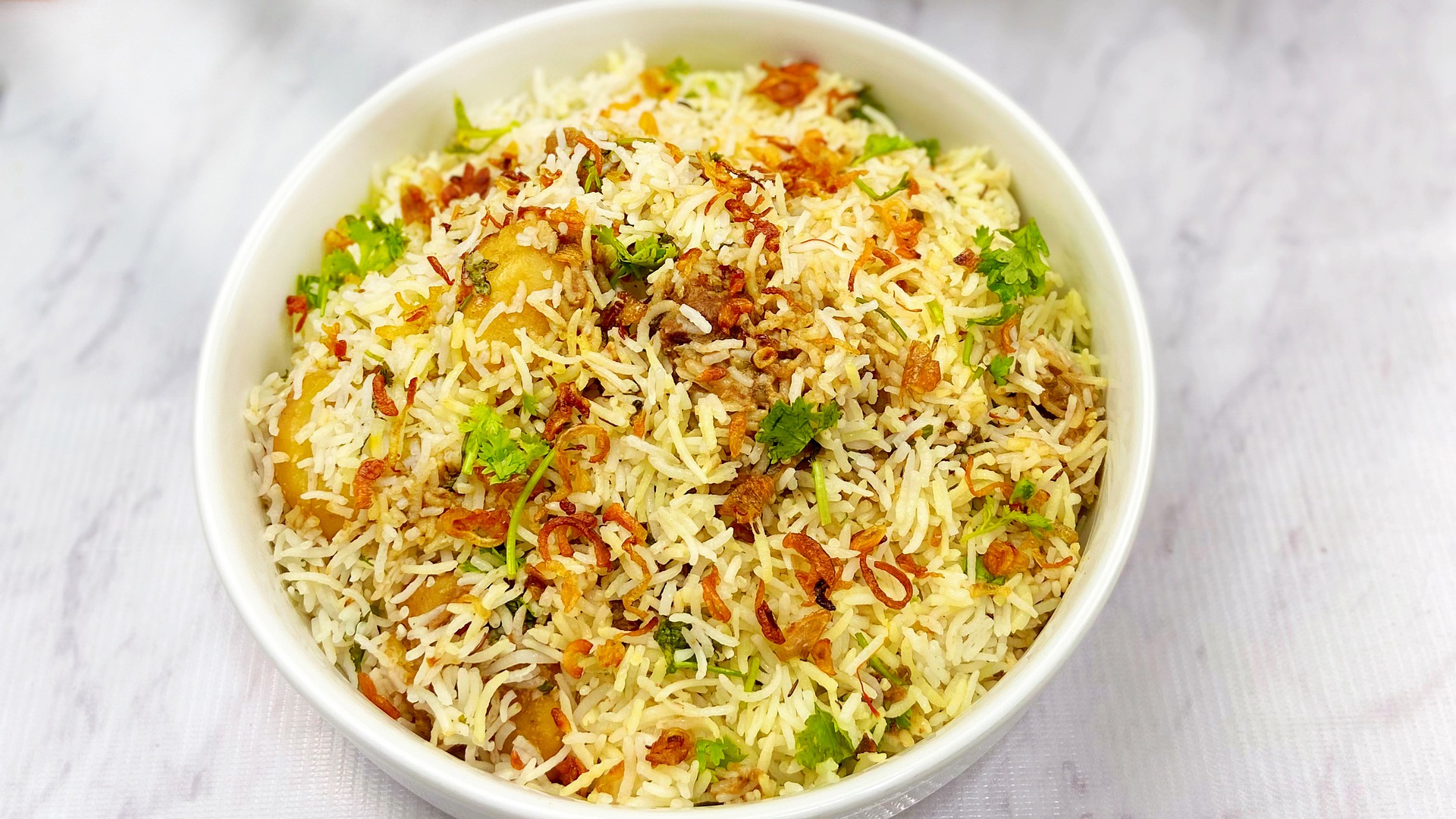
Biryani Aromatic fried Rice Dish
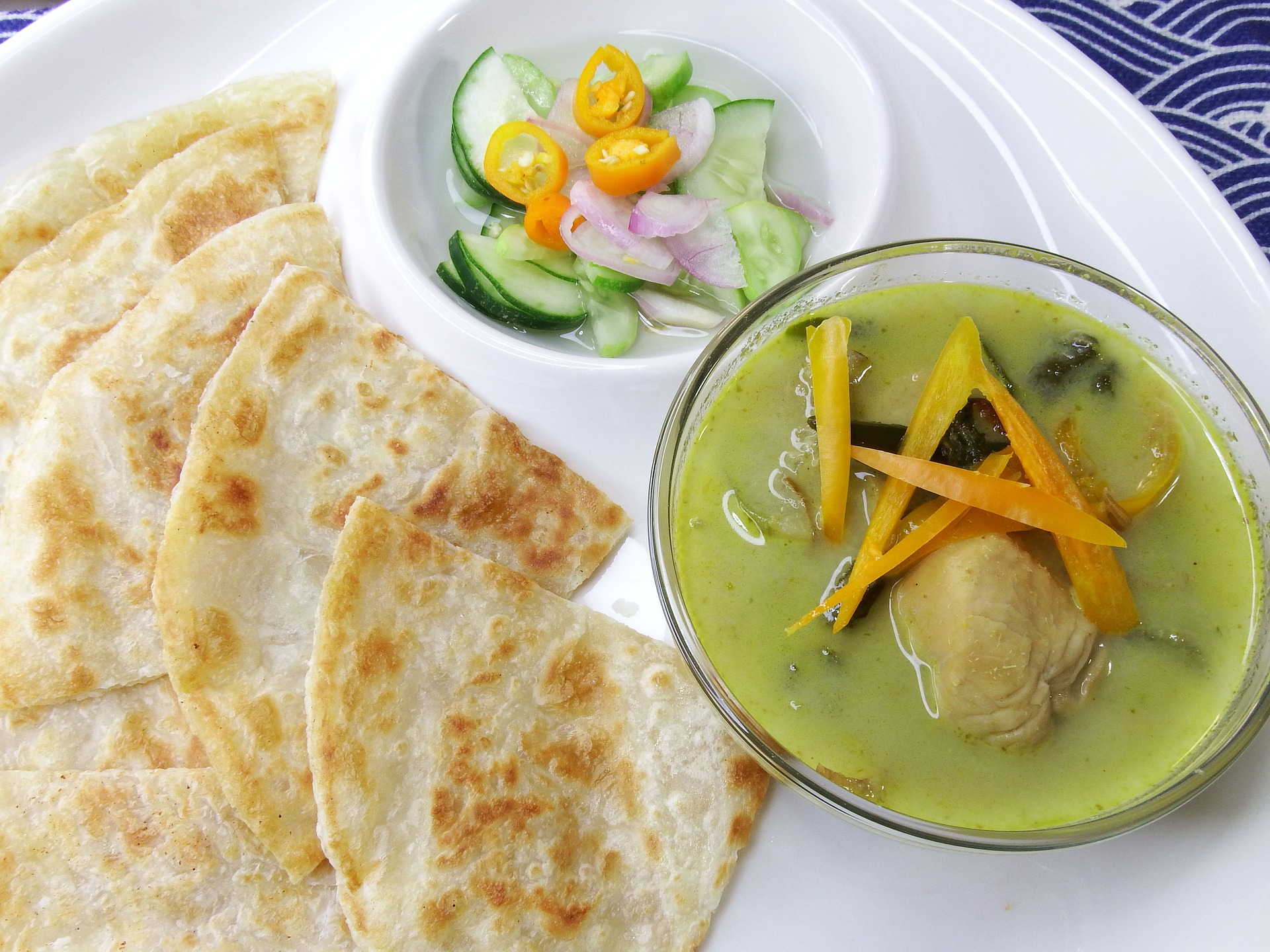
Roti Pata South Indian Flatbread
Fried Hokken Mee Singapore famous Stir Fried Noodles
The City-Singapore Suggested Tourist Attractions:
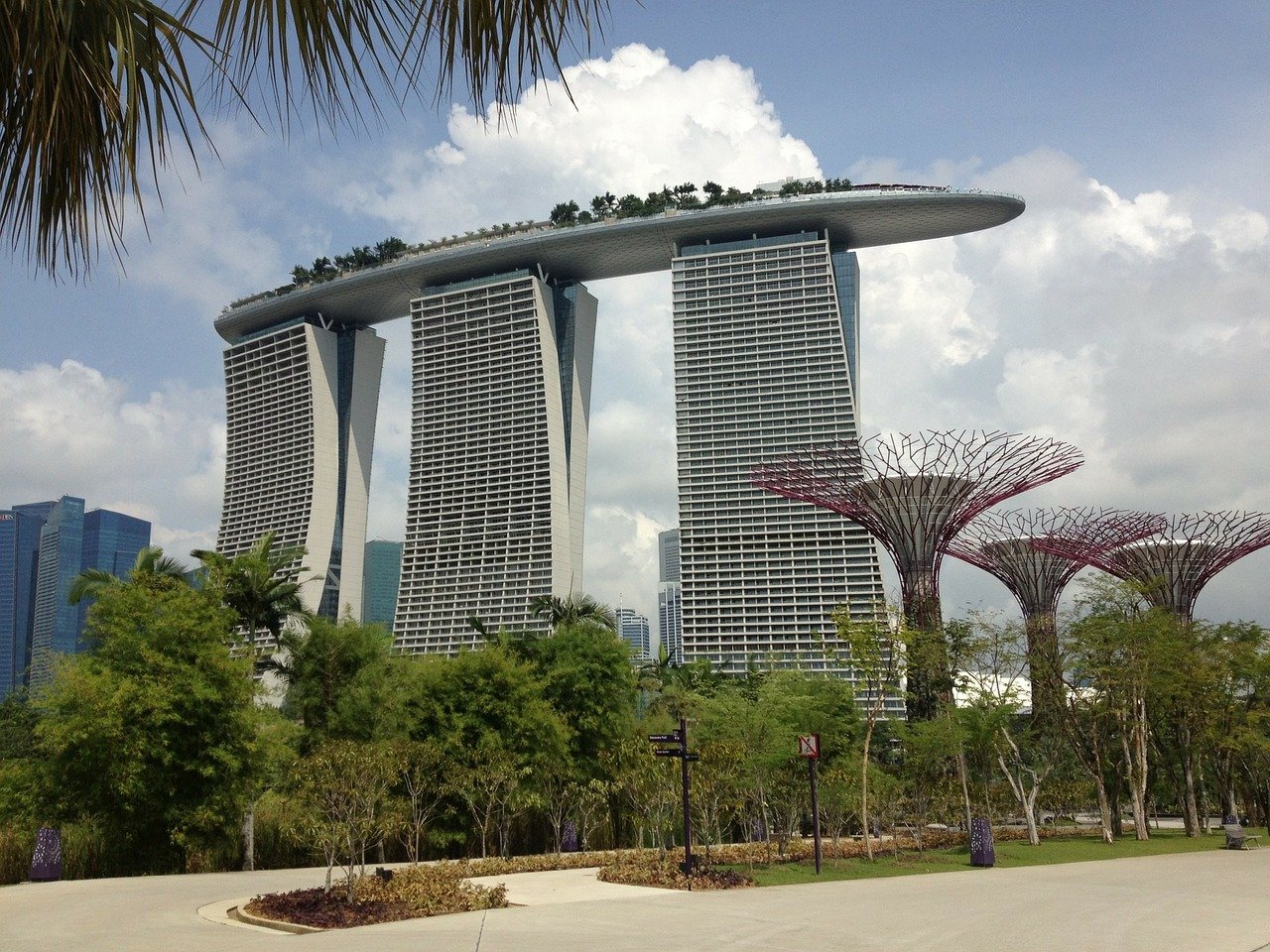
Garden by the Bay
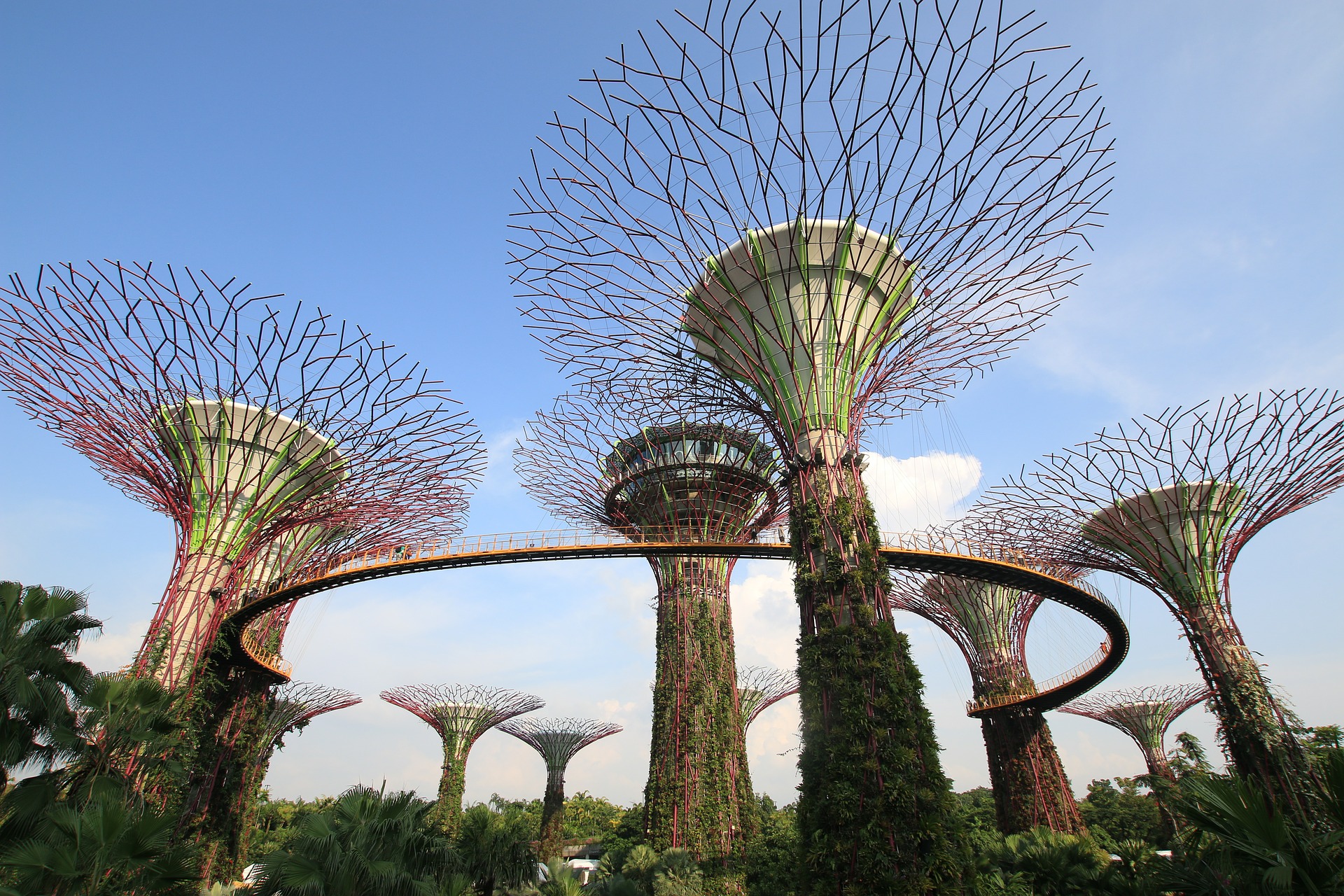
Singapore Botanical Gardens
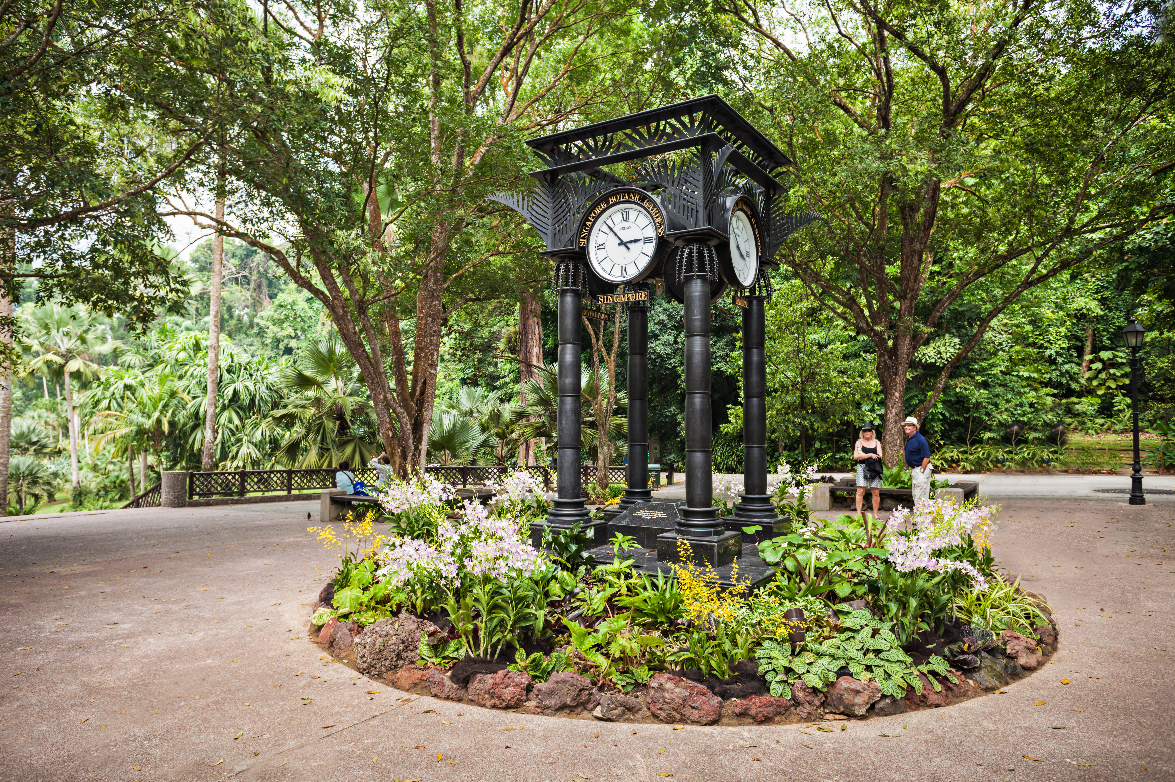
Singapore Zoo
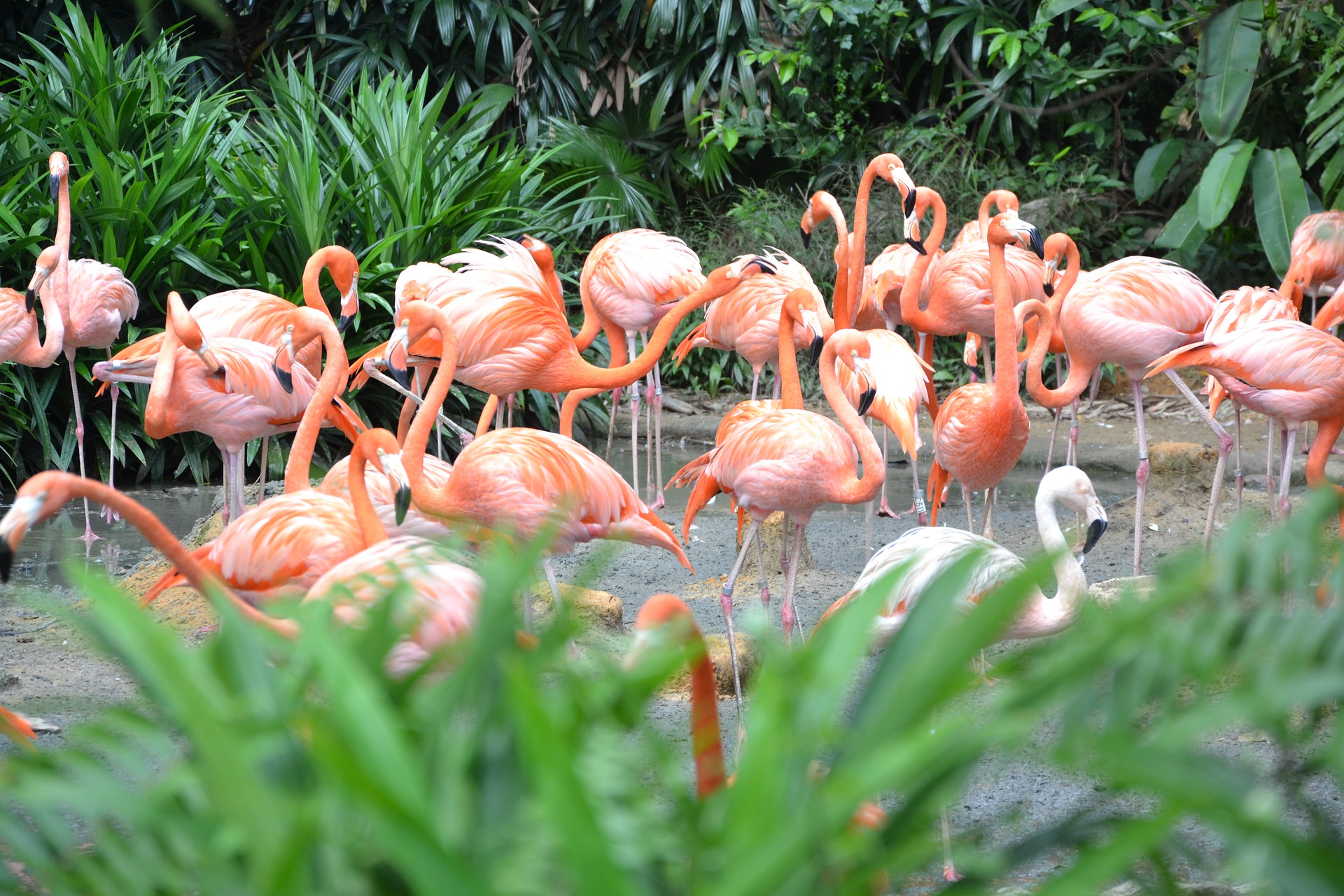
Marina Bay Sands
Merlion
Natural Orchid Garden
Cloud Forest
Jurong Bend Park
Changi Experience at Changi Airport
Underwater S.E.A. Aquarium
Nocturnal Wildlife Park
Butterfly Park and Insect Kingdom
Siloso Beach
No Tour Found