


The region is bordered by the Sierra Morena, the Atlantic,and the Mediterranean. It shares a short border with Portugal and it has 8 different provinces. The Guadalquivir River forms a large delta as it reaches the Atlantic where fighting bulls are raised for the “corridas”. More inland; cereals are grown in the plain while in the East the snow-capped mountains of the Sierra Nevada provide water for irrigation.
The Romans colonized the region. Then the Muslims invaded the province and occupied it for 8 centuries. Granada was the latest to surrender to the Catholic Kings. Various dynasties were in control: The Umayyads, the Almoravids, the Almohads and the Marinids built palaces and gardens, developed large irrigation systems and installed Moorish traditions and crafts still in place today.
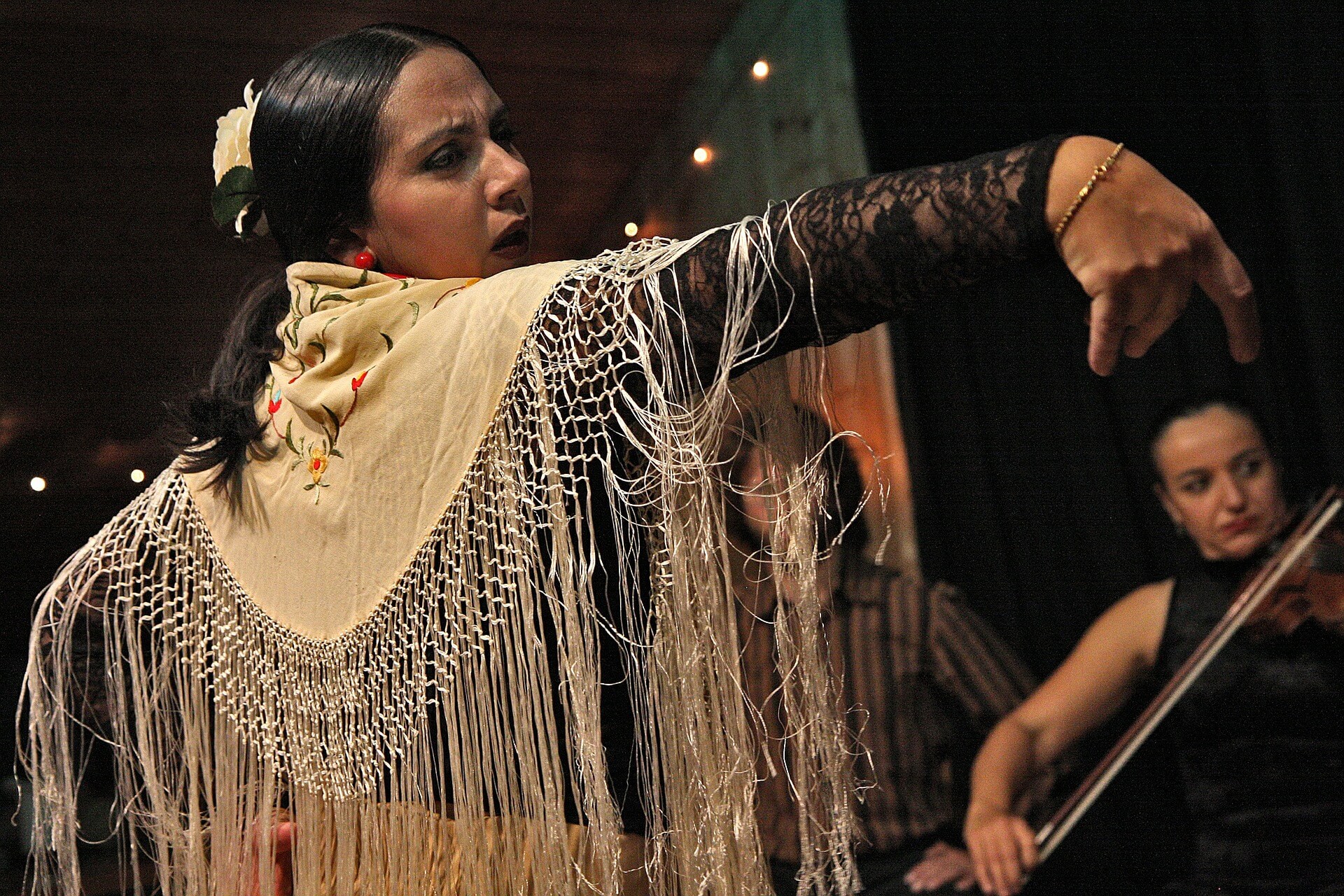
Houses are usually white washed with a cool central patio like the Roman or the Arabs used to build. The Flamenco with its roots from the Gypsies and the Arabs reflects the soul of Andalusia. The Canto Hondo is a song of ancient poetry, which is full of deep emotions. Sevilla, Cordoba and Madrid are the best places to see the “tablaos”, flamenco performances with men in short black jackets, wide flat hats and heeled boots, and women in brilliant colorful dresses.
Gazpacho is a refreshing cold tomato and cucumber soup often mixed with peppers and onions.

A circle tour of Andalusia will take at least a week. Starting from Seville, you will drive to Cadiz, Algeciras, with a very short detour to visit Gibraltar; continue inland to Ronda, then Costa del Sol; up to to Malaga, Granada, Jaen, Ubeda, Baeza and Cordoba before returning to Seville. The most important cities not to be missed are the 3 Moorish capitals: Seville, Cordoba and Granada. With more time, you can extend your trip towards Almeria and Murcia.
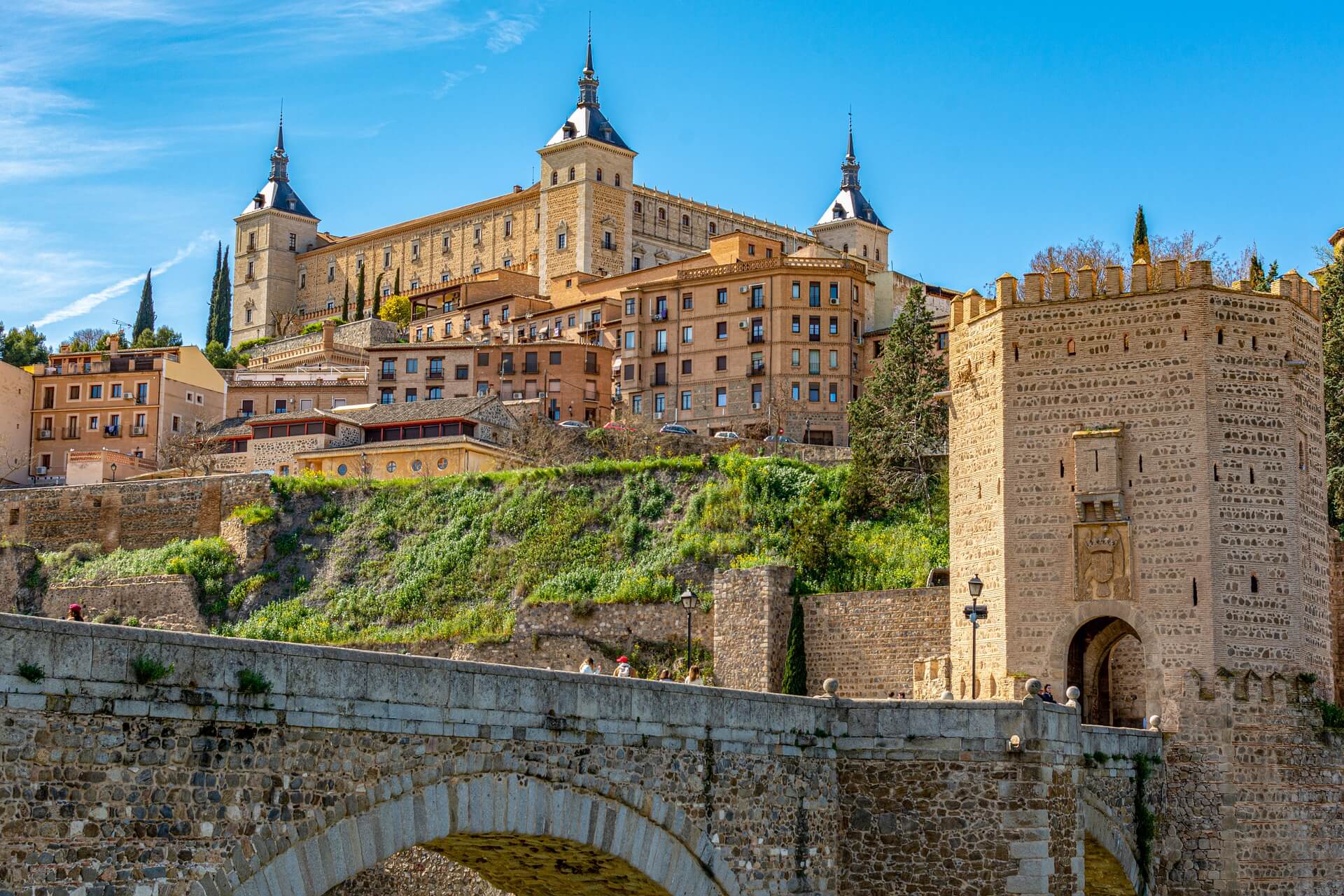
Capital of the province, Seville, is a tourist city. The working class lives in Triana on the right bank of the Guadalquivir. An upper class lives in Santa Cruz, the bustling shopping district around the “Calle de las Sierpes”, San Pablo and Mendez Munez streets are covered with “toldos” to keep the shade and protect you from the burning summer sun. The Holy week in Seville is unforgettable. Processions of “Pasos” are organized every evening in each city quarter by rival brotherhoods. Polychrome wood statues are carried through the narrow streets on the shoulders of up to 60 men, marching in slow procession and followed by “Penitents” hidden beneath tall pointed hoods. Holy Week is followed by the April Feria when the whole city becomes a fairground of parades of horses and carriages, illuminations, bullfights, music and mixed dancing of Sevillanas and Flamenco.
Several days in Seville are necessary to visit the Cathedral with its famous Giralda, the Alcazar of the Aloha’s, the Santa Cruz quarter, the Fine Art Museum and the Parque of Maria Luisa.
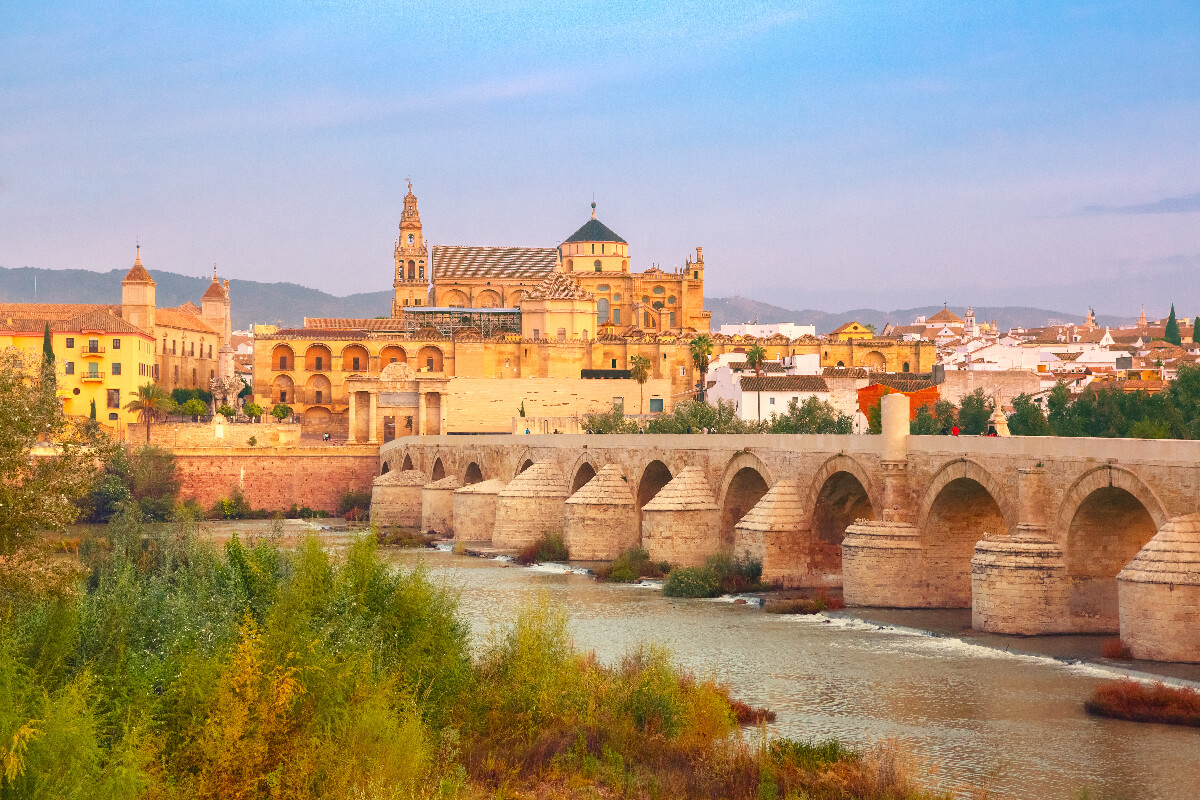
Originally a Roman city, Cordoba was the birthplace of Seneca, whose son, Seneca the philosopher was preceptor of Emperor Nero.
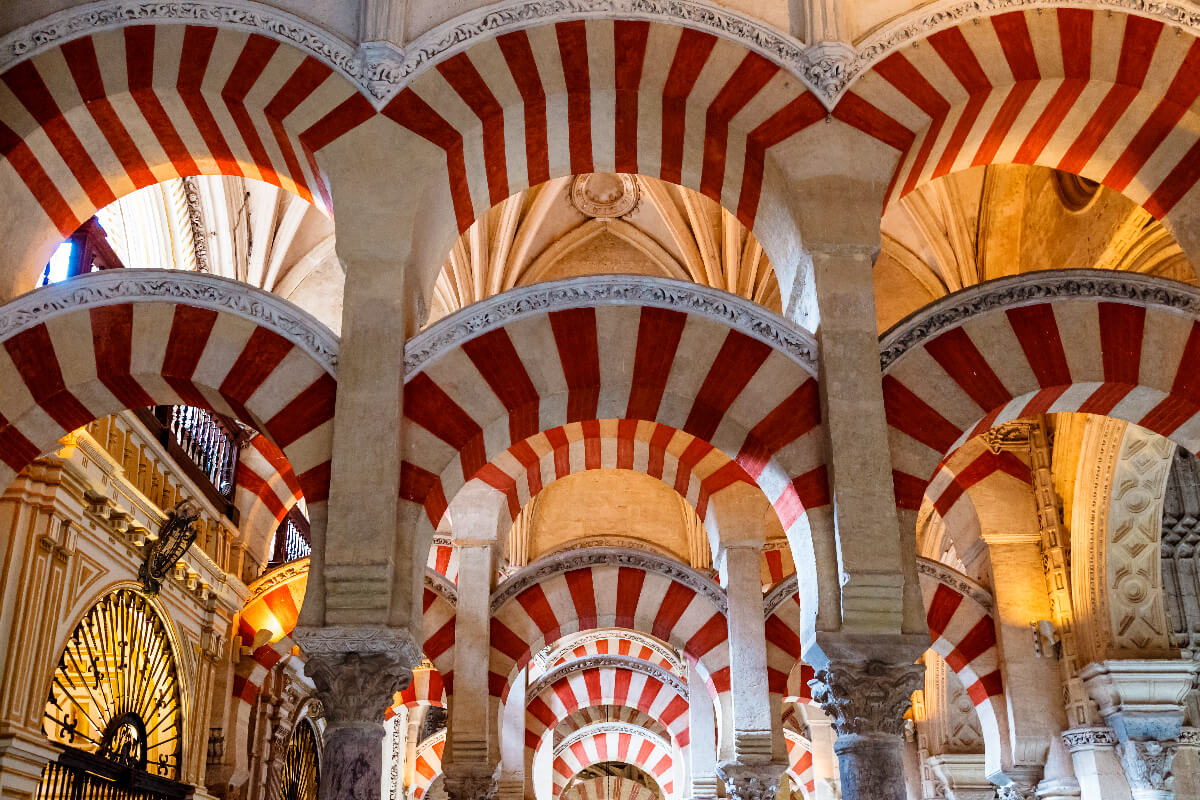
Emirs from Damascus Caliphate established themselves in Cordoba as early as 719 and ruled Muslim Spain for 3 centuries. From the time they arrived, the first Muslims were content to share a place of worship with the Christians. The building construction developed by using the red and white marble pillars brought earlier by the Visigoths and in less than a year the Mosque became a famous architectural innovation with a forest of pillars and Moorish arches extending endlessly.
The Royal chapel was added in the 14th century in mudejar style. In the 16th century, the Cathedral was extended and took some of the space formerly occupied by the mosque. Every style through the 18th century is now present in the construction and decoration of the Cathedral.
Not far from the Mezquita is the Old Jewish quarter, “La Juderia”, where narrow streets are bordered by long white walls decorated with hanging colorful flower pots, with doors opening over a cool and green patio refreshed by a central small fountain and some blue and green ceramic tiles.
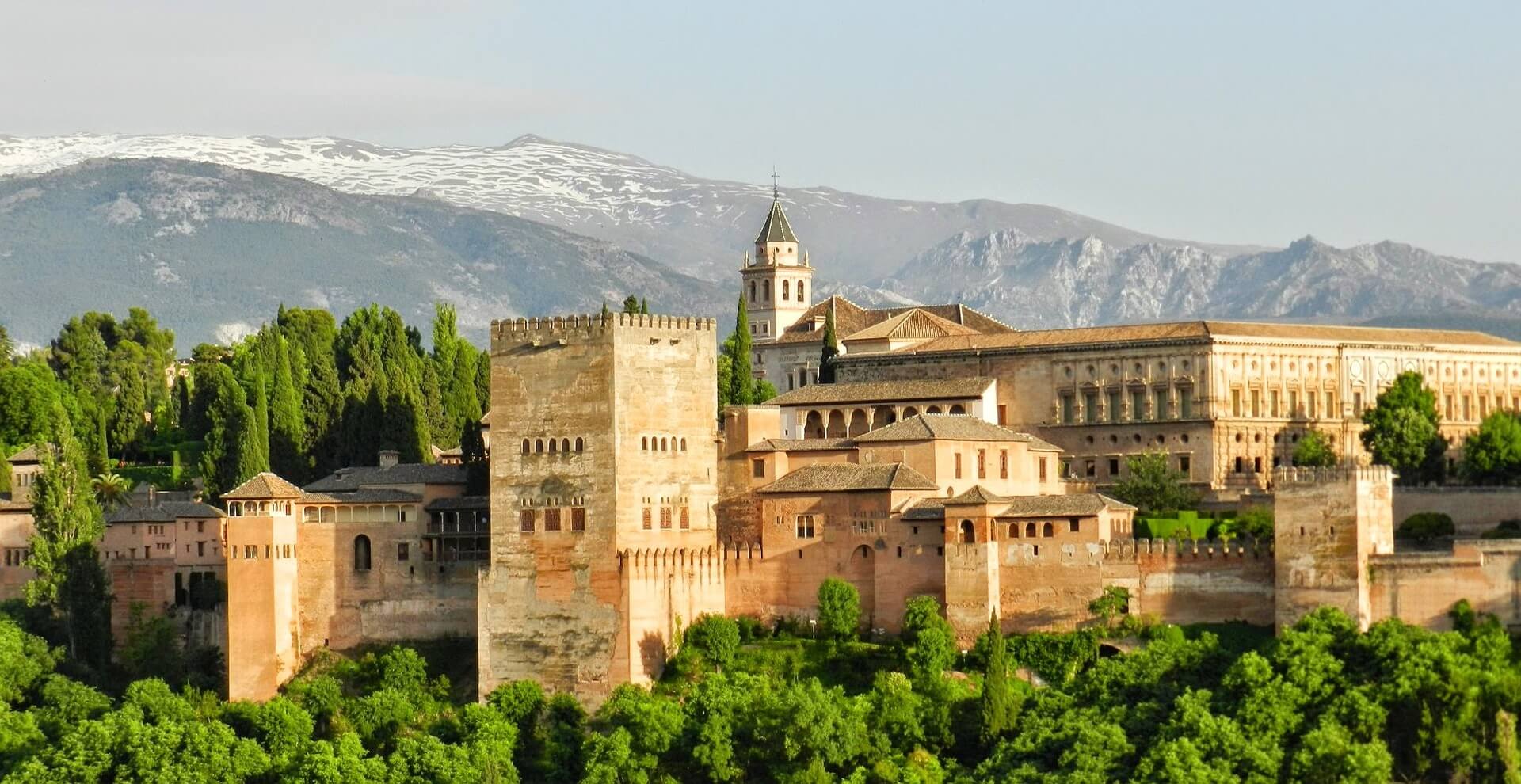
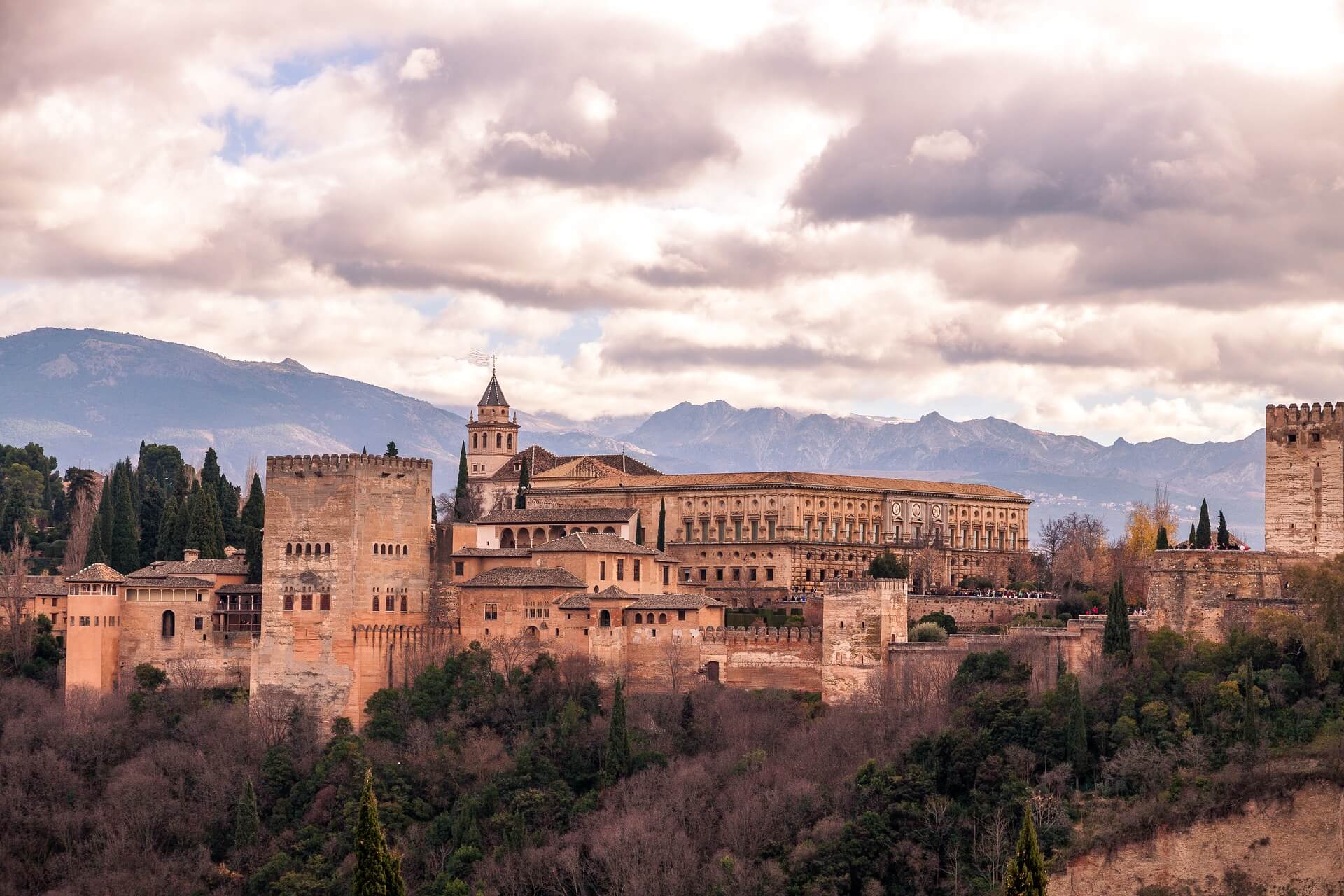
Granada lies in the center of a wide plain and was originally built over 3 hills: Albaicin, Sacro Monte and Alhambra. The clear blue sky, the green and luxuriant vegetation contrast with the dark red color of the walls of the Alhambra..
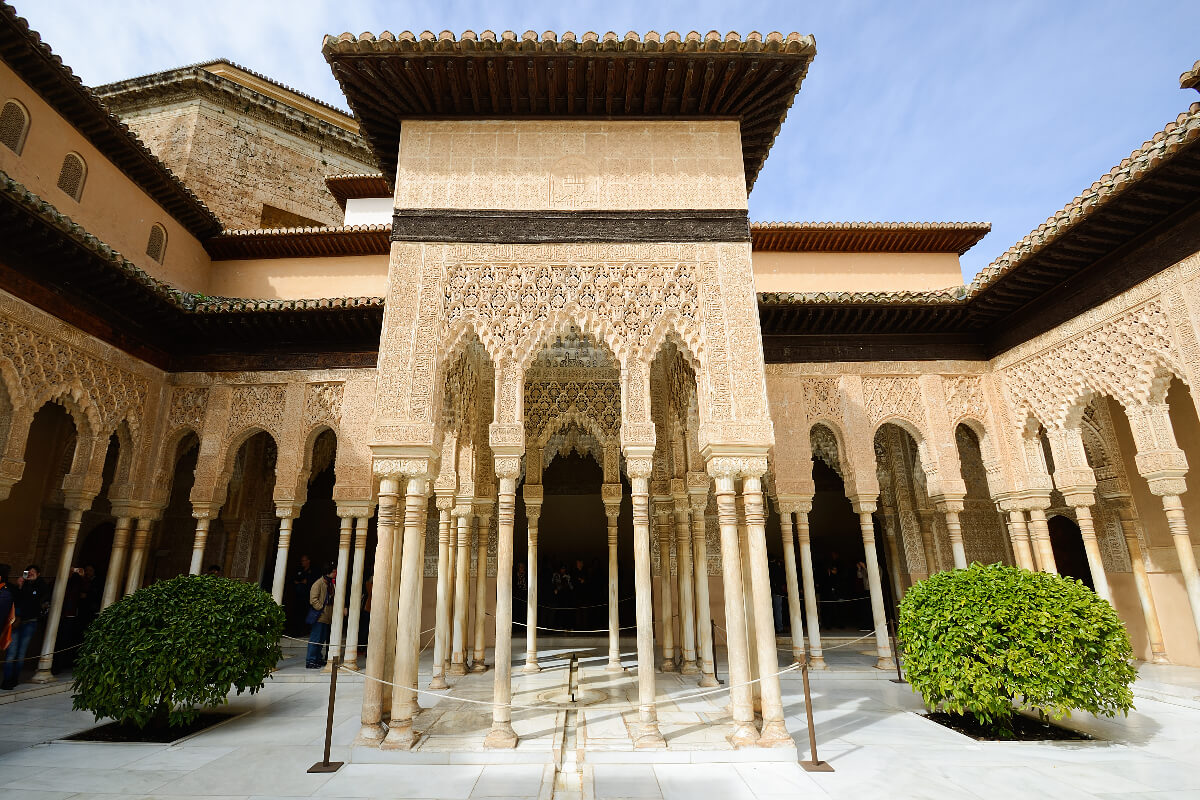
After the Christians conquered Cordoba in the 13th century, the Muslims sought refuge in Granada, adding greatly to its prosperity and the artistic climax of their civilization. They built a large quantity of monuments of which, unfortunately, only the Alhambra remains. You must go and see the Alcazar, the Court of the Myrtle Trees, the Hall of the Ambassadors, the Court of Lions, the gardens, the Palace of Charles V.
The Alhambra and the Generalife Gardens are unique and will take a few hours to visit. Due to the amount of visitors each day, time tickets are sold in advance and you should book early enough as tickets are often sold out. To channel the amount of visitors along the day in an enjoyable manner you must be on time. Should you be delayed your electronic entrance will be canceled and you will not be able to enter the Palace.
In the center of town you will see the Cathedral and the Royal Chapel. All around is a market where you will find numerous souvenirs such as lace, carpets, rugs, copper ewers and marquetry
On the right bank of the Darro River is the Albaicin quarter where we recommend you take a walk and stroll along the long white walls behind which are luxurious houses and beautiful gardens. From the terrace of Saint Nicholas Church you will have extraordinary panoramic views over the Alhambra and the Generalife, especially at the sunset.
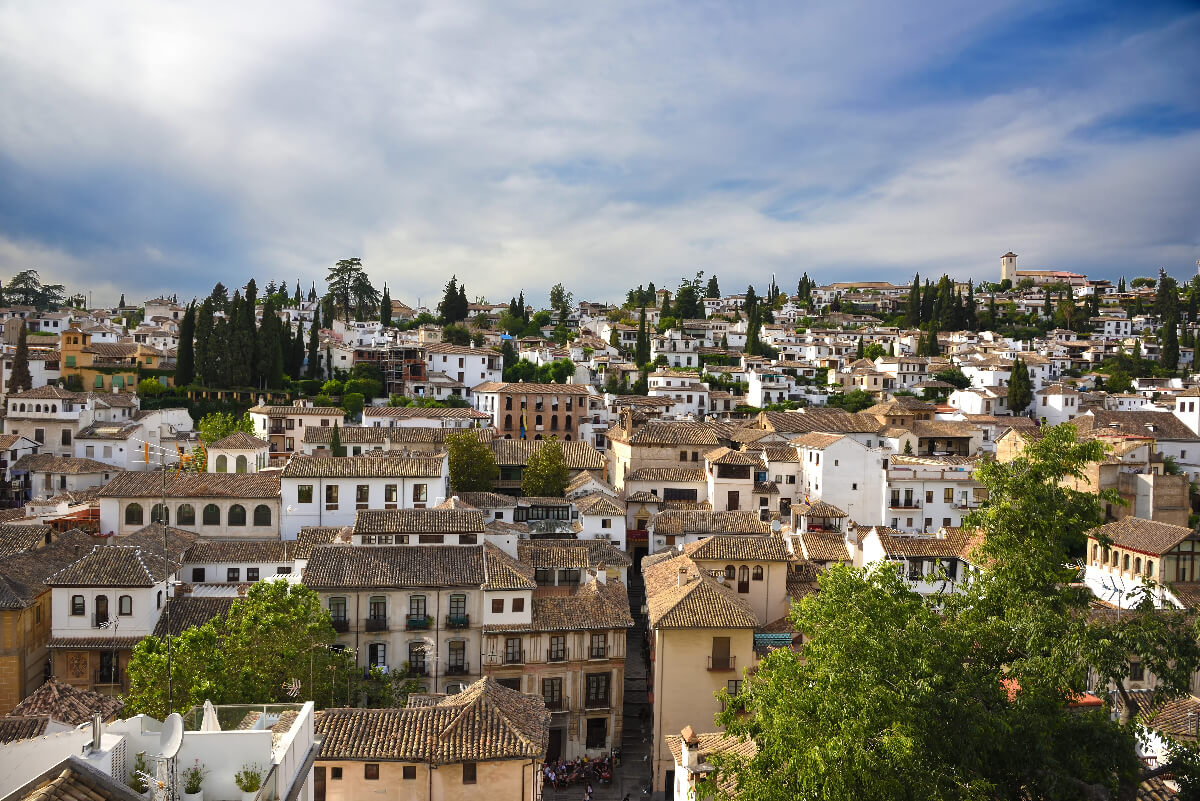
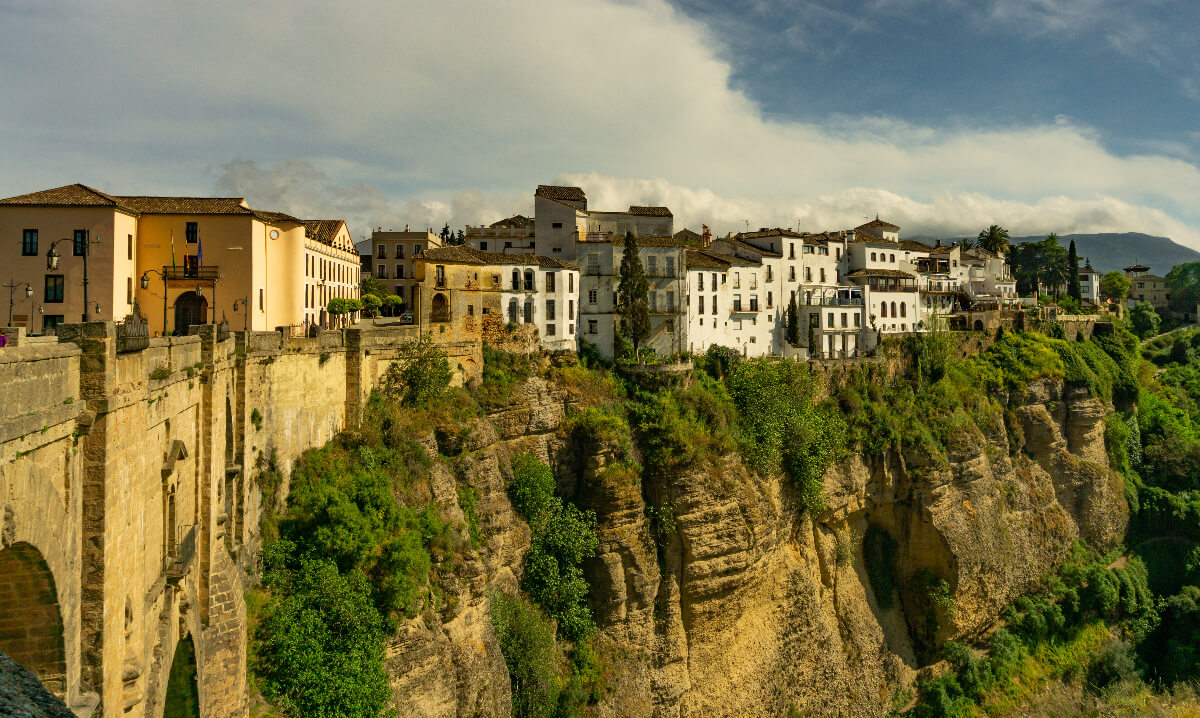
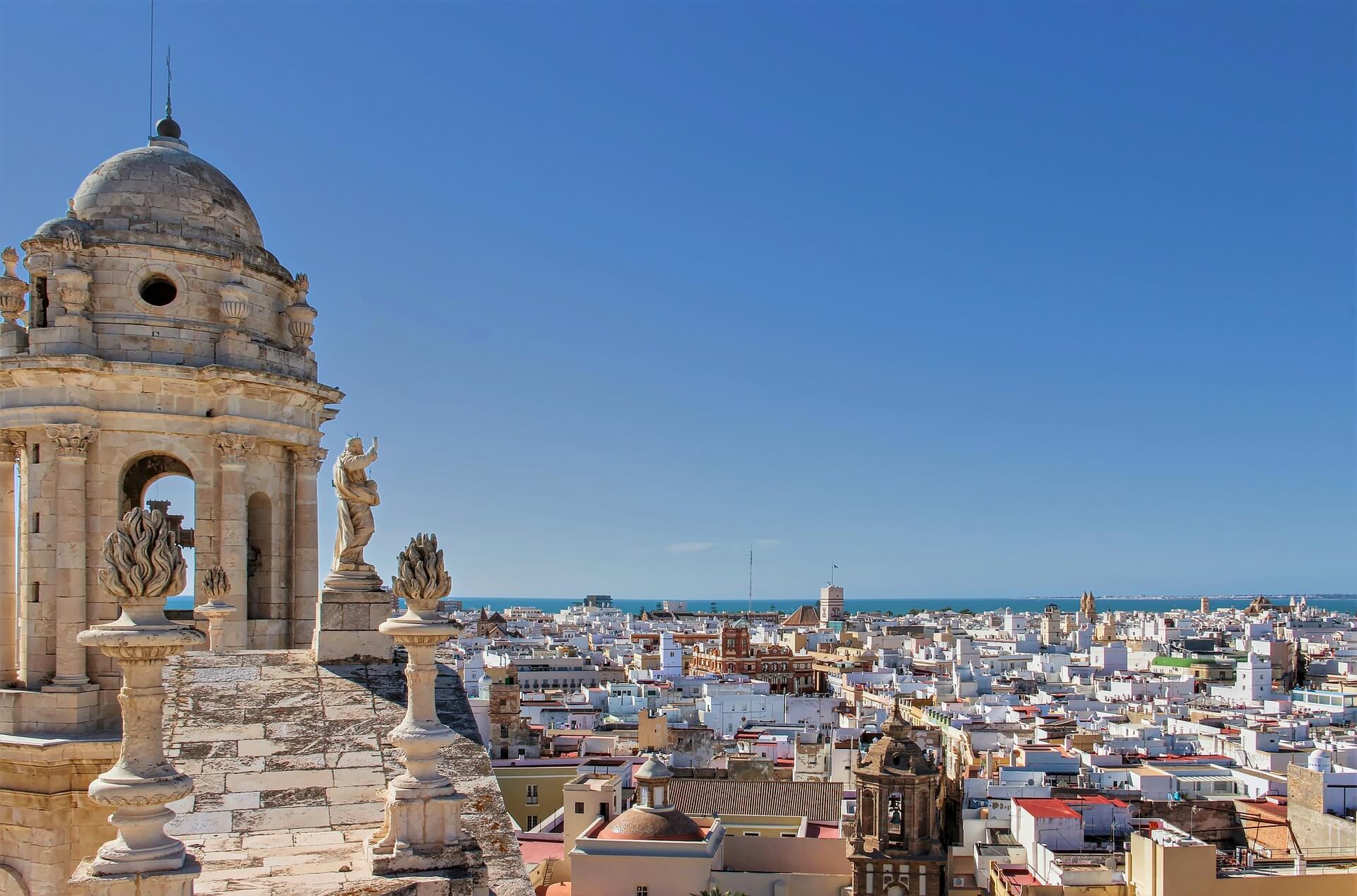
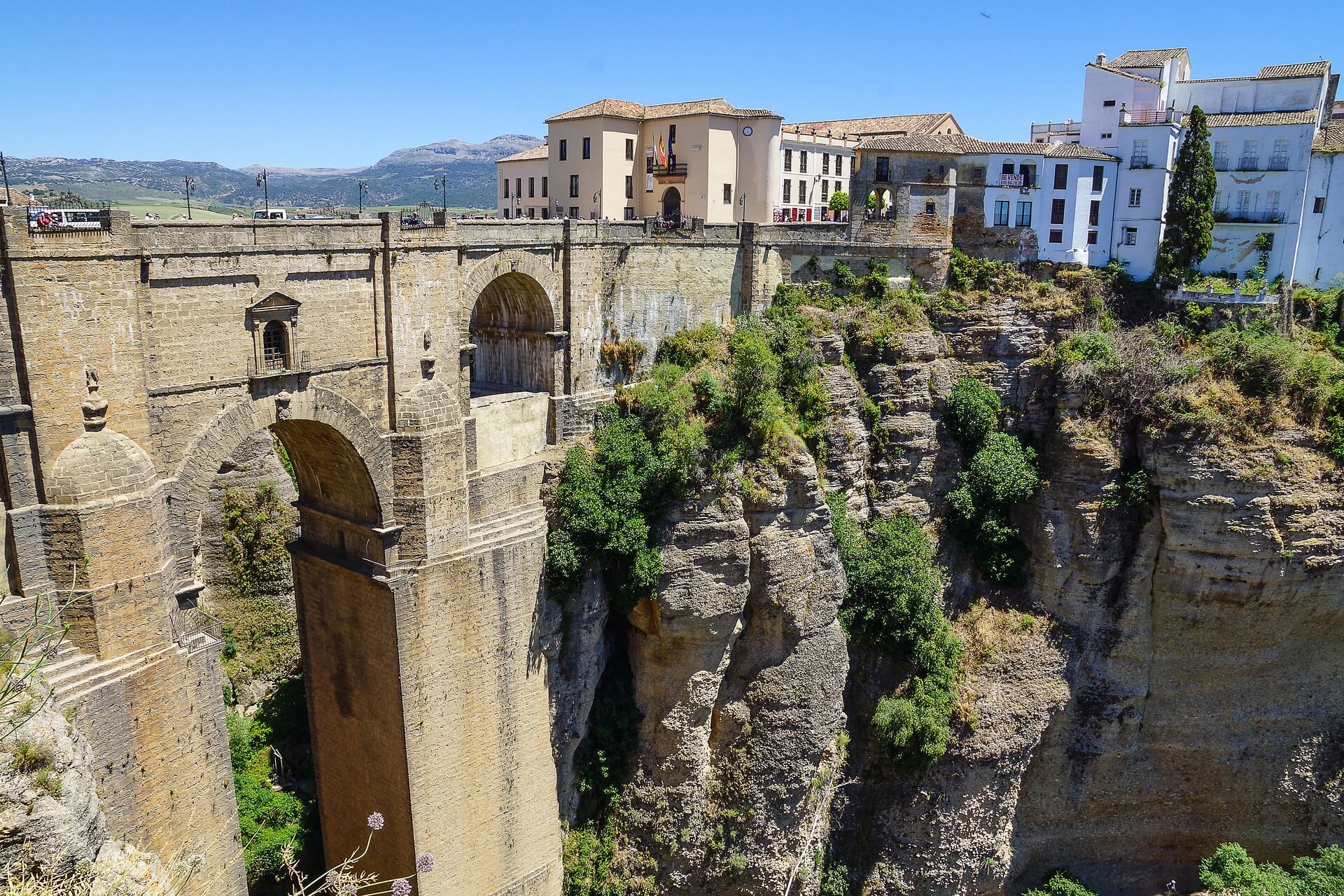
Other cities of Andalucia are well worth a detour: Baeza near the border of La Mancha with the Lion’s Square; Cadiz with its 3000 year old port and its seafront promenades; Guadix and its troglodyte quarter; Jaen with its Castle, its cathedral and archeological museum; Jerez de la Frontera with its famous production of Sherry wine; and Ronda the cradle of bullfighting.
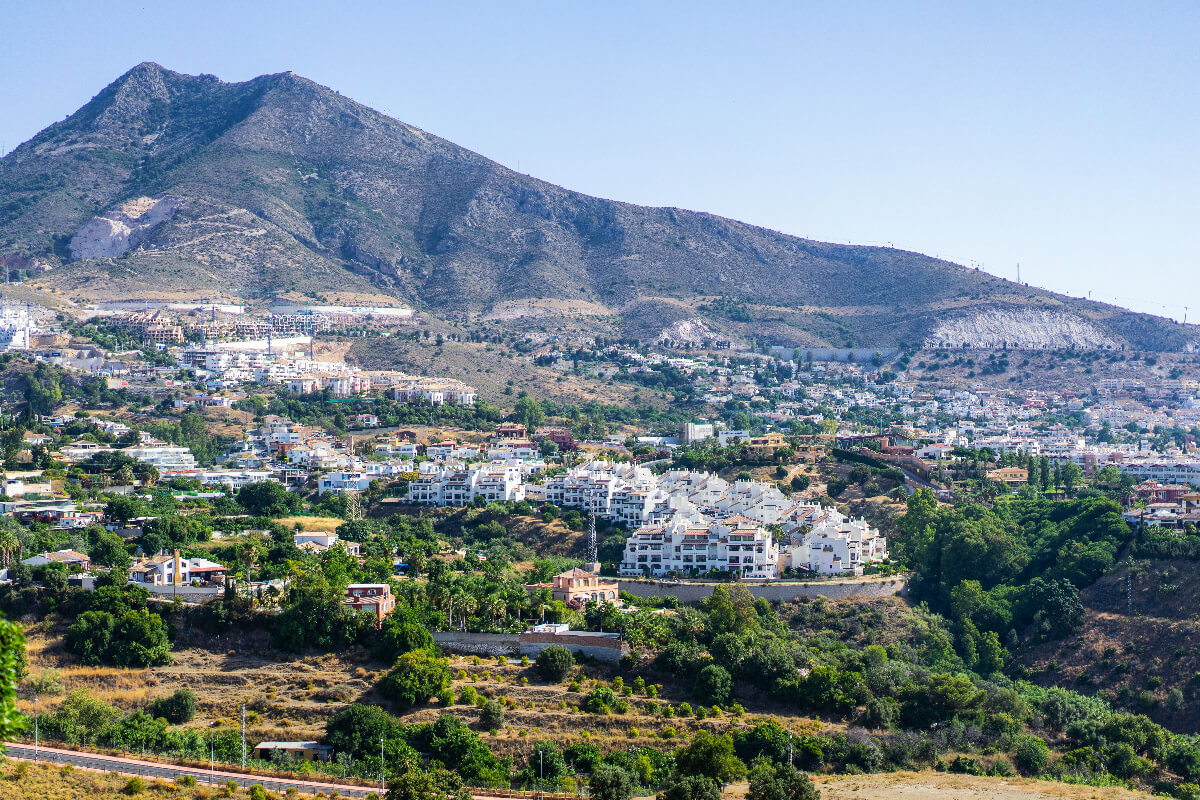
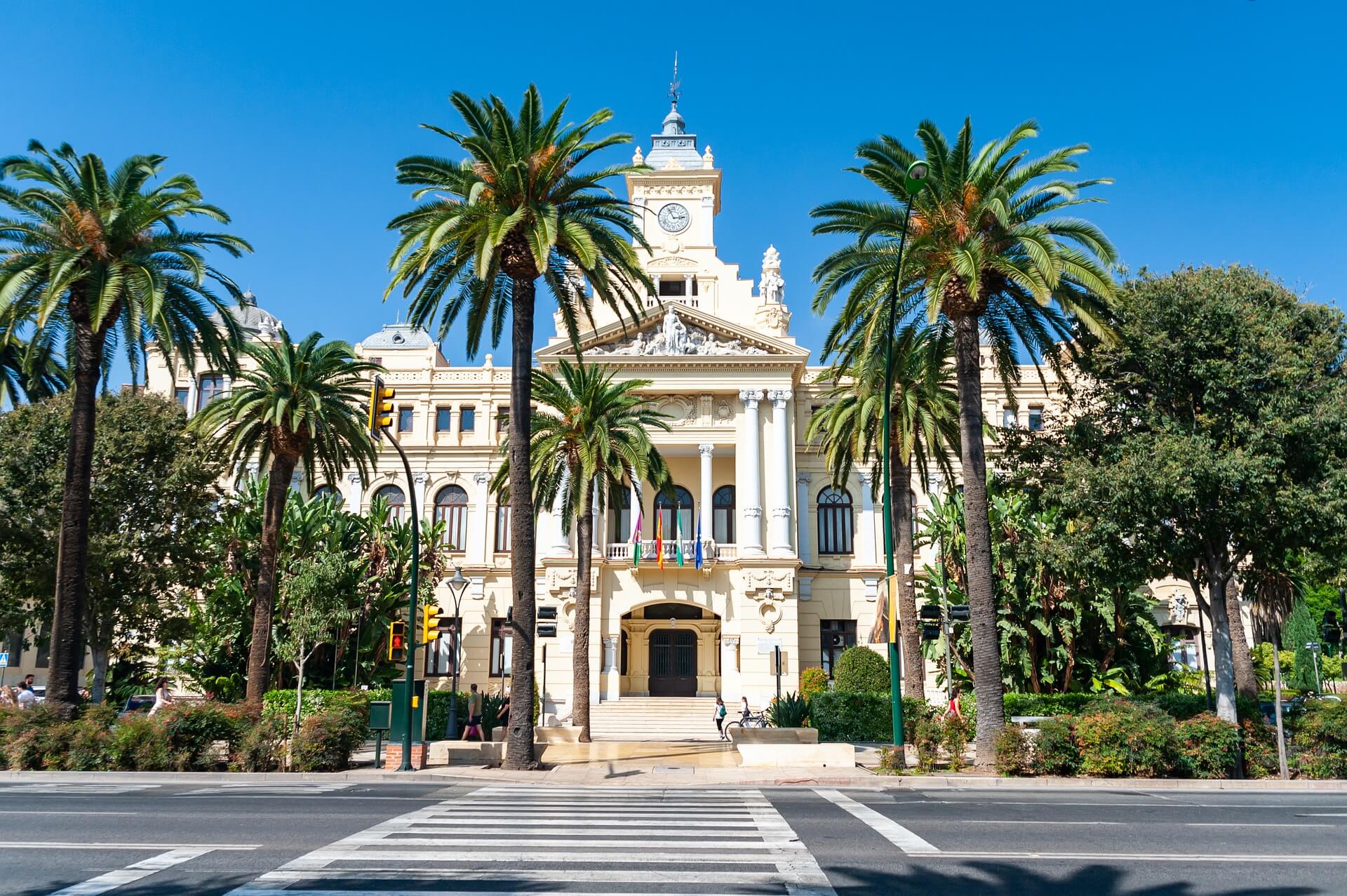
For the sun seekers and golfers the beaches and golf courses of Costal del Sol are a top attraction for visitors from all over the world. In the West is Marbella, the most luxurious resort of Costa del Sol, Torremolinos a famous holiday spot for the summer, Malaga the capital of the Province, is the birthplace of Picasso. A few miles inland is Mijas, a quaint little village built on terraces over a hill, full of bars and restaurants, overlooking the coast. Eastwards, between Malaga and Almeria; the beautiful coastal road follows the mountains and the many viewpoints are speckled with ruins of Moorish towers. The villages are hidden inland for protection against barbaric attacks of pirates. The main city is Motril, the development of which is due to the sugar industry.
No Tour Found
No Tour Found