


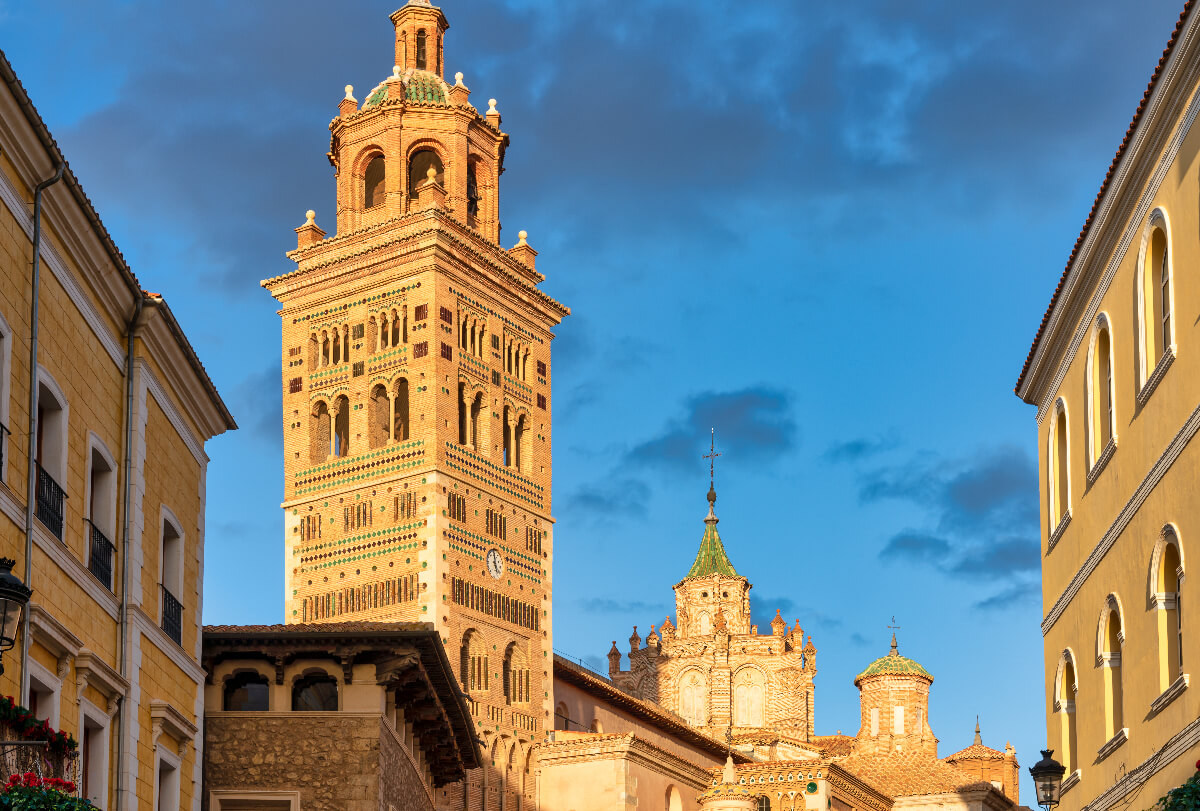
The Region of Aragon covers the old Kingdom of Aragon, which was formed in the middle ages. From North to South it covers the 3 provinces of Huesca, Zaragoza and Teruel. It is in Aragon that the very special art style called Mudejar took form when combining Christian and Moslem artistic traditions. In the North, Upper Aragon, is characteristic of the Pyrenees with waterfalls, hidden valleys, small piedmont plains and stone houses with slate roofs. In the center, with the depression of the Ebro River, irrigation has turned the area into a huge agricultural area. South Aragon is part of the Spanish Cordillera. Large windswept high plateaus are the watershed of Spain where the Guadalquivir, Turia, Jucar and Tagus rivers spring.
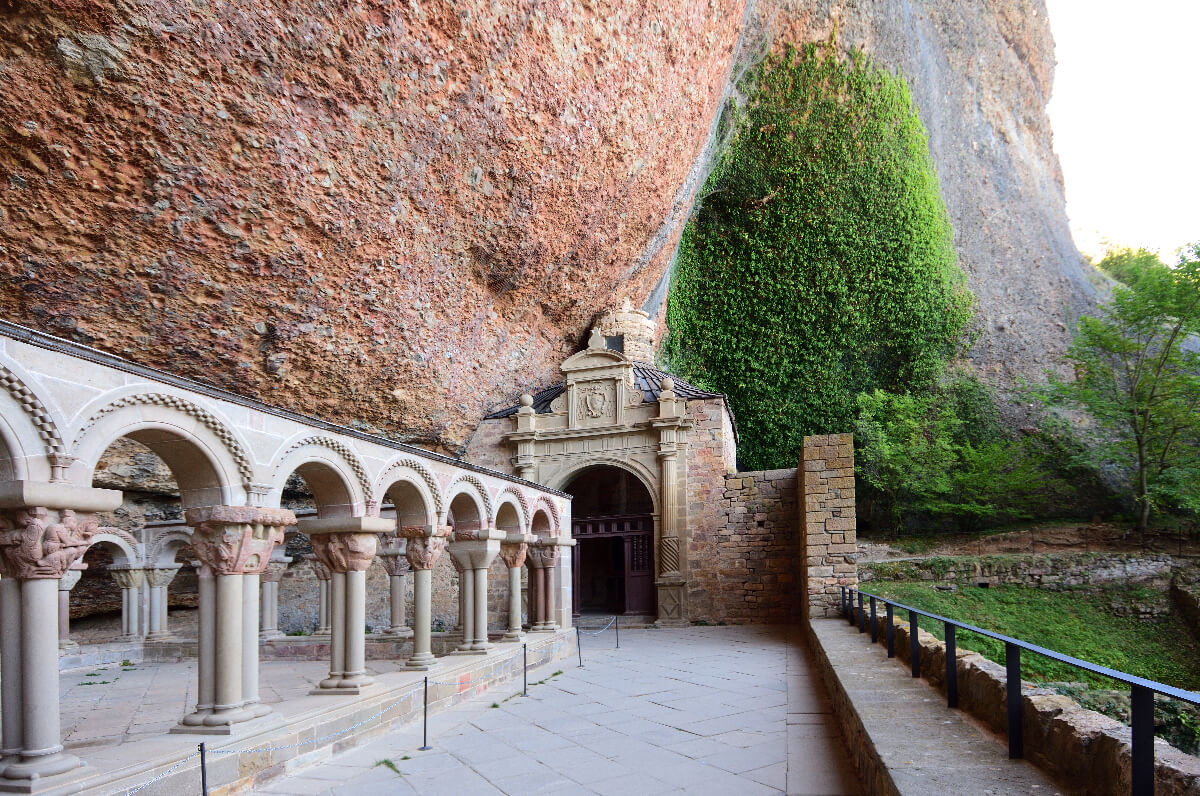
The kingdom of Aragon was just a small and obscure territory in the Pyrenees in 1035. It developed through clever marriages and military alliances until 1469 when Ferdinand II of Aragon married Isabel of Castille.
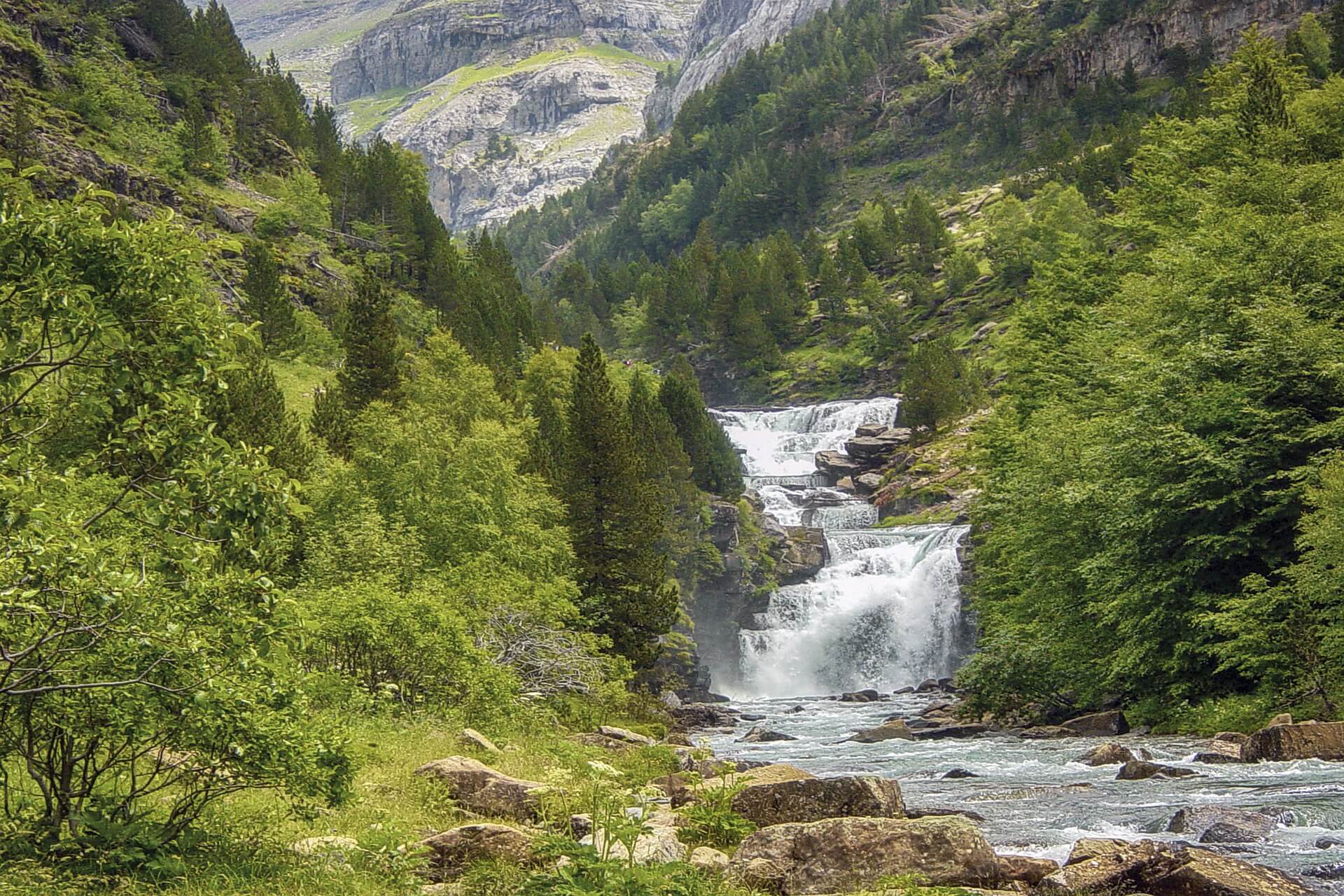
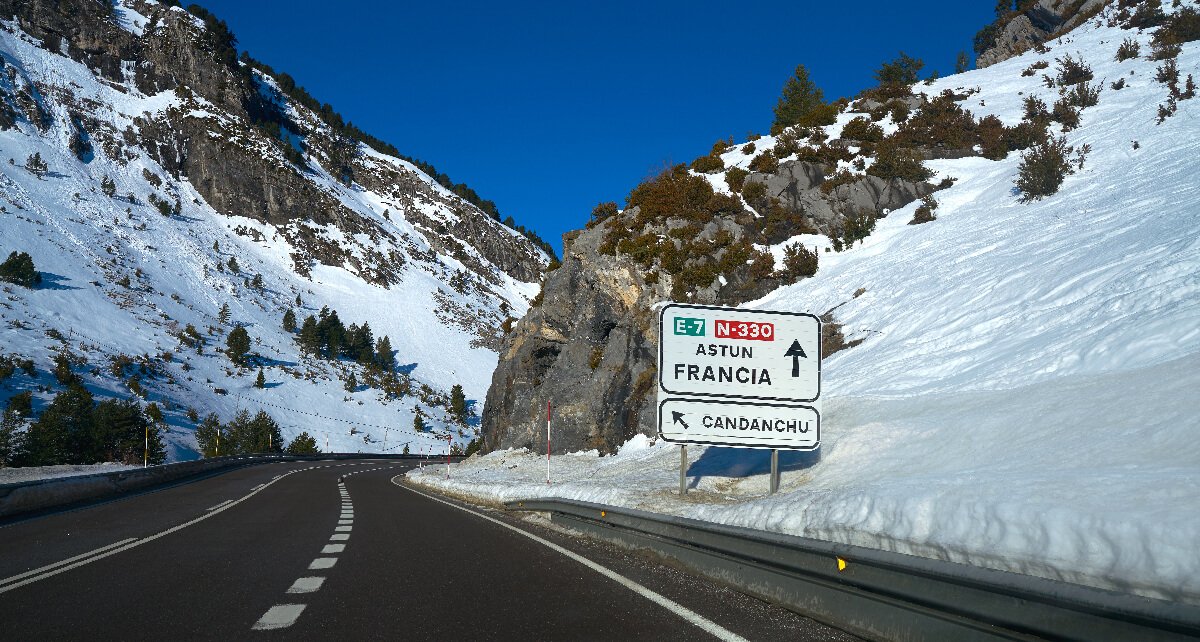
This mountainous region includes the highest peaks of the chain, three of them are over 11000 feet: Aneto, Posets and Monte Perdido. Valleys can be wide, narrow or gorge-like. Life in the area can be isolated. Farming, sheep and cattle raising are the main activities, Folklore is still present and people wear their traditional costume during festivities even though many of the inhabitants leave the mountains to go and work in Zaragoza, Pamplona or Barcelona. The Portalet road is a beautiful cornice road leading to France and often followed by the famous “Tour de France” cycle race. The Somport Road is another passage used since the Romans. It generally remains the only snow free pass in the winter to go to France. Close by Candanchu is the most well known ski resort of Aragon.
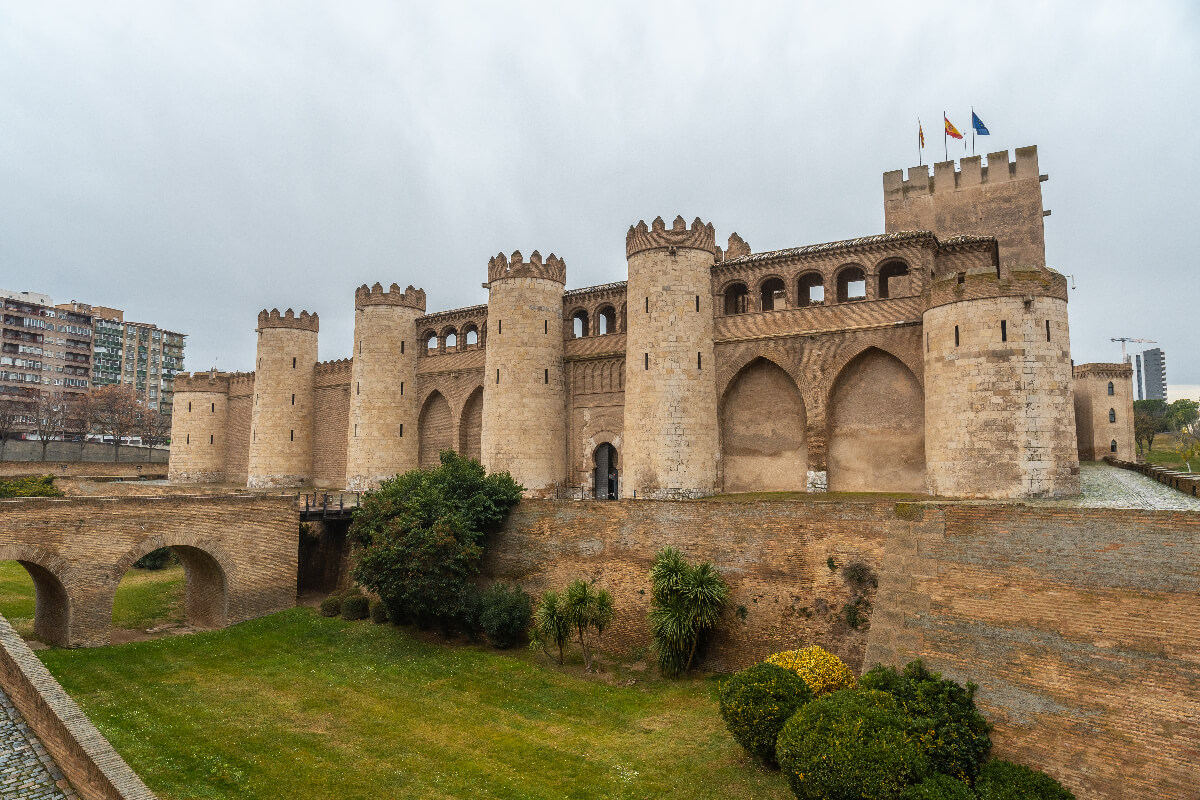
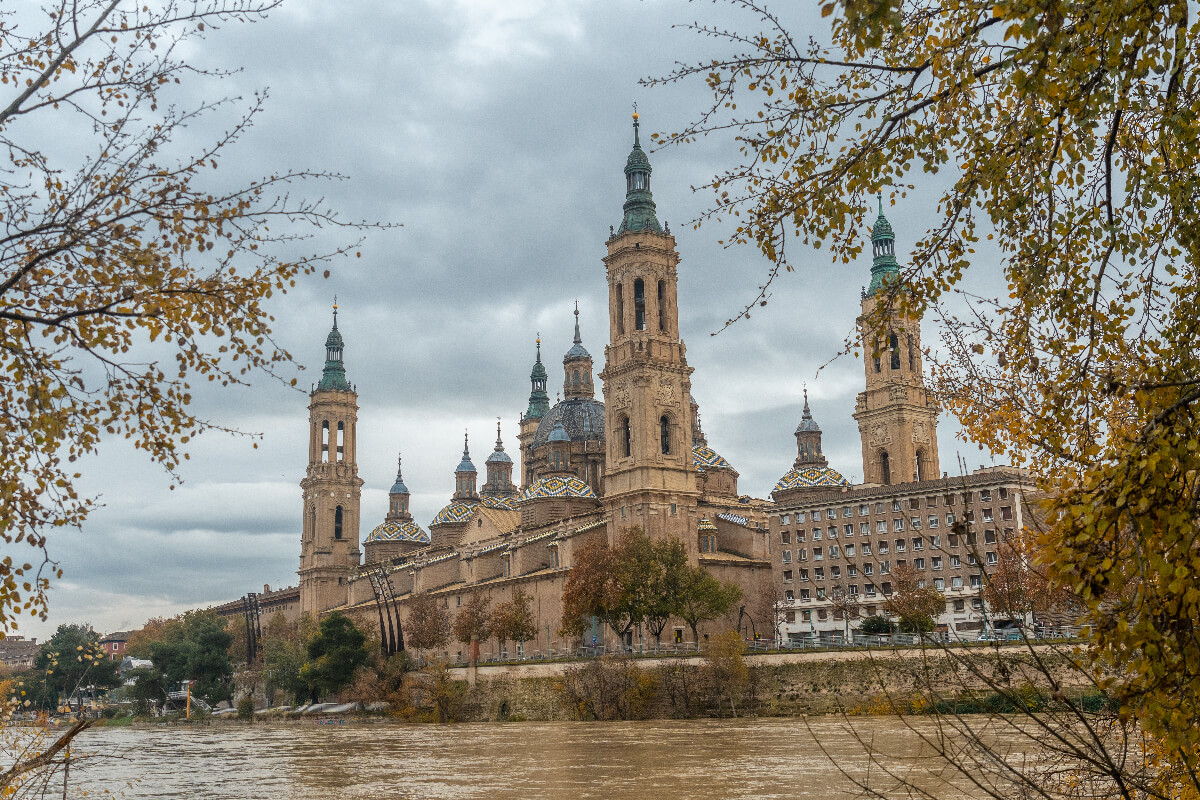
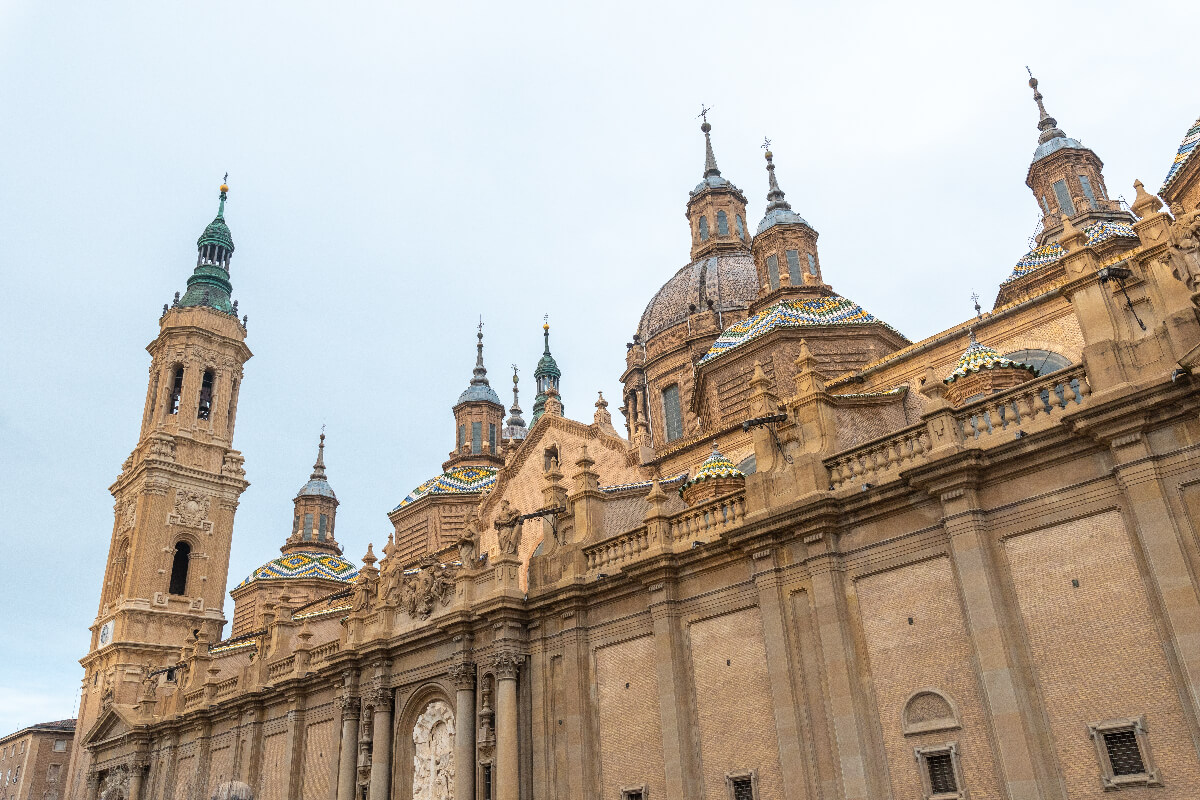
Should you drive between Madrid and Barcelona this city is well worth a stop. It lies in the center of a large arid basin which thanks to irrigation has now become a very rich and fertile plain. The city was mostly rebuilt in the 19th century. Zaragoza is mostly a religious and university center, The veneration for the “Virgin del Pilar” attracts a lot of pilgrims. The “Pilar Festival”, each year in the week of October 12 is the time for fervent processions, prayers and “jota” dancing. The main sites of Zaragoza are the 2 sanctuaries in the city center:
The Cathedral that everyone calls “ The Seo” owns an exceptional collection of tapestries from Arras and Brussels, and “Our Lady of the Pilar” shrine dedicated to the Lady of the Pillar and to the miraculous jasper pillar kissed by thousands of pilgrims.
No Tour Found
No Tour Found