


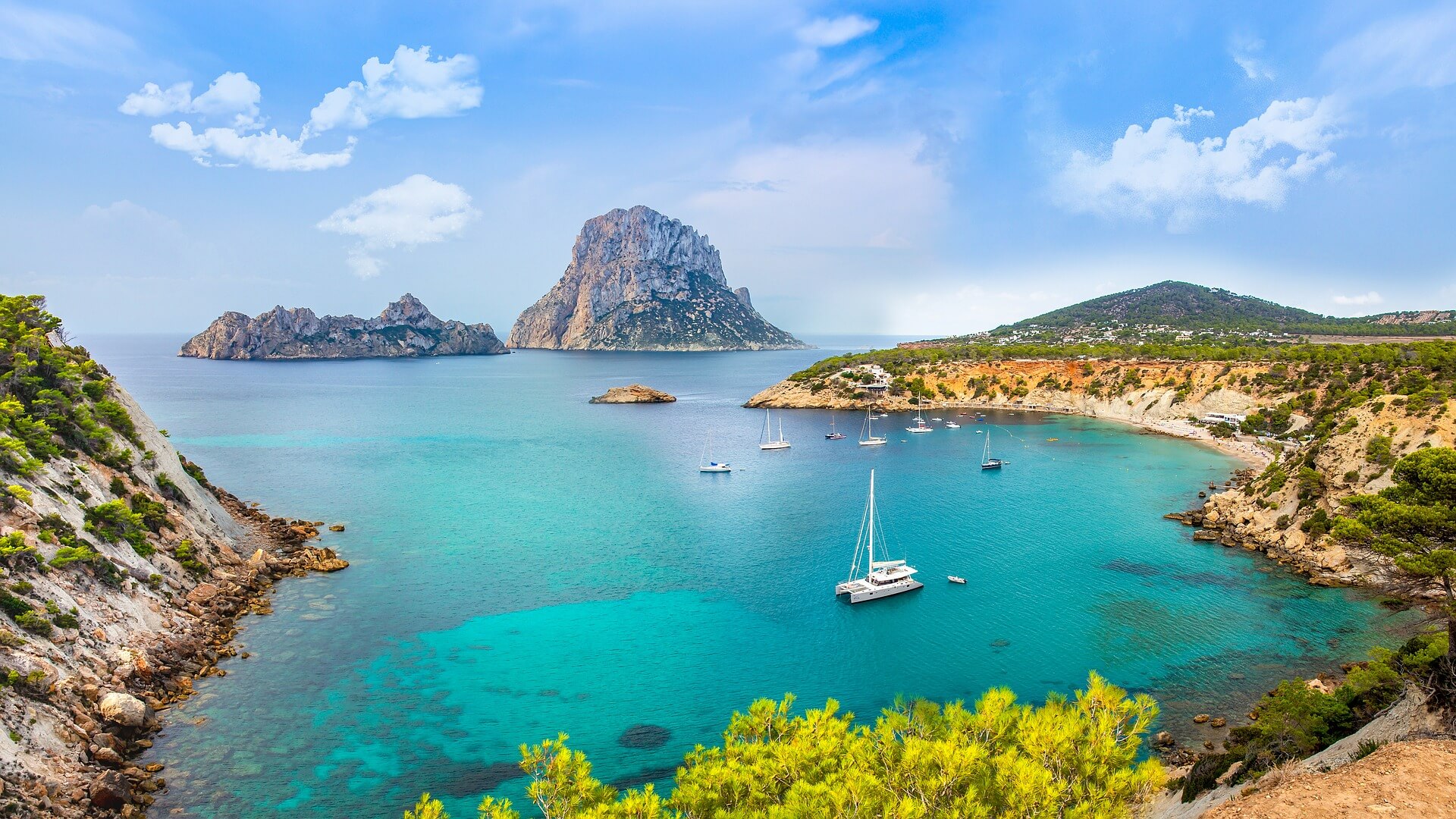
The Balearic Islands form an archipelago in the western Mediterranean sea; the distance with mainland Spain varies between 90 and 190 miles. Four main islands are inhabited: Mallorca, Menorca, Ibiza and Formentor; other islets are scattered around Mallorca by far the largest island with the Capital Palma. Covered with hills and plateaus, it contrasts with Menorca which is mostly a large plain. The climate is highly appreciated by the tourists due to very mild winters and little rain.
Archeological sites in the island go back up to 5000 BC.
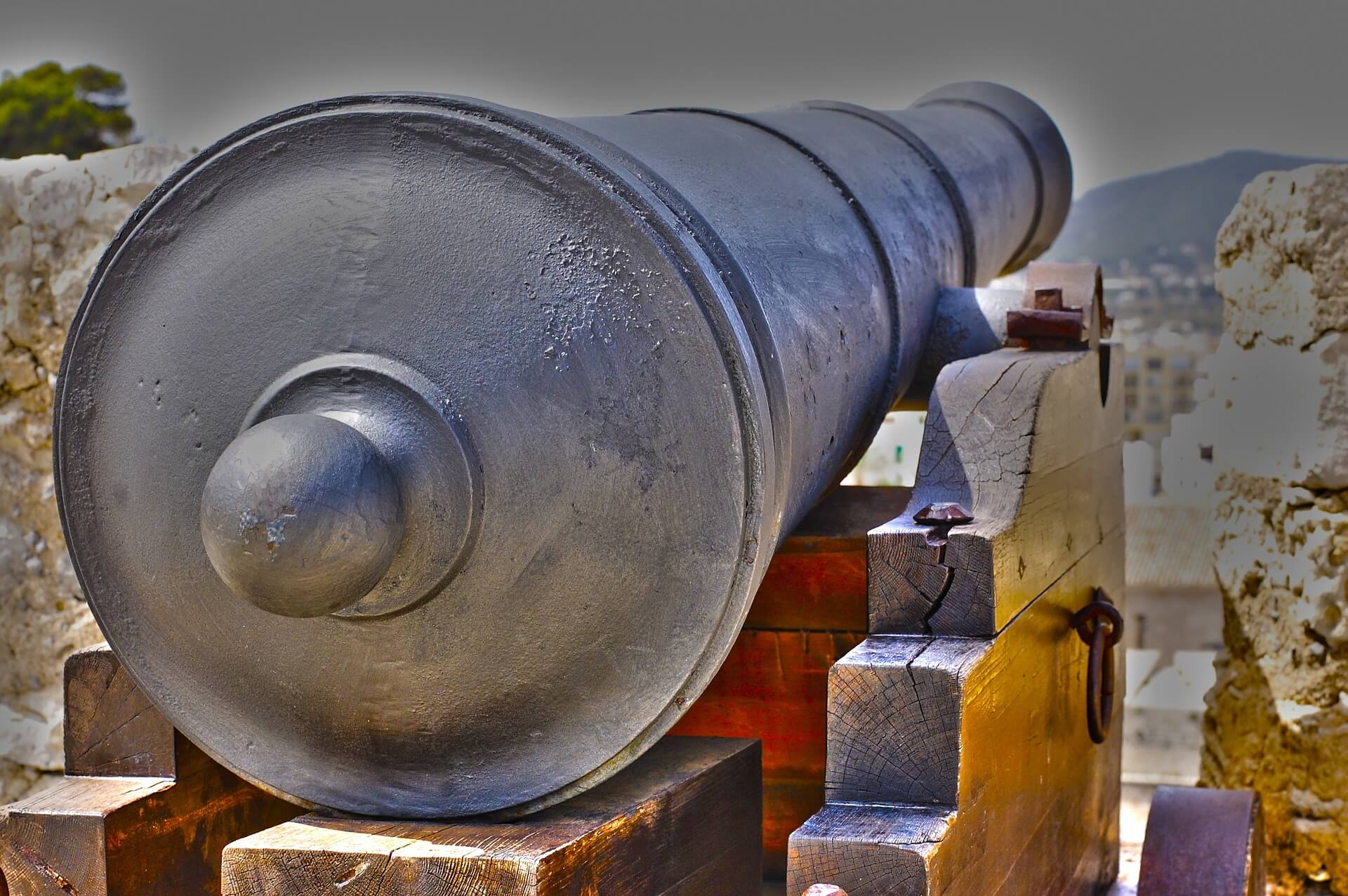
Then came various civilizations: Cartaginians, Romans, Vandales, Moors and Spaniards succeeded one after the other. In the Middle Ages came the Kings of Aragon and the islands became independent between 1276 and 1344 then returned to Aragon. It is now part of Spain and large communities of Germans and British have moved and retired either in the main cities or in the countryside.
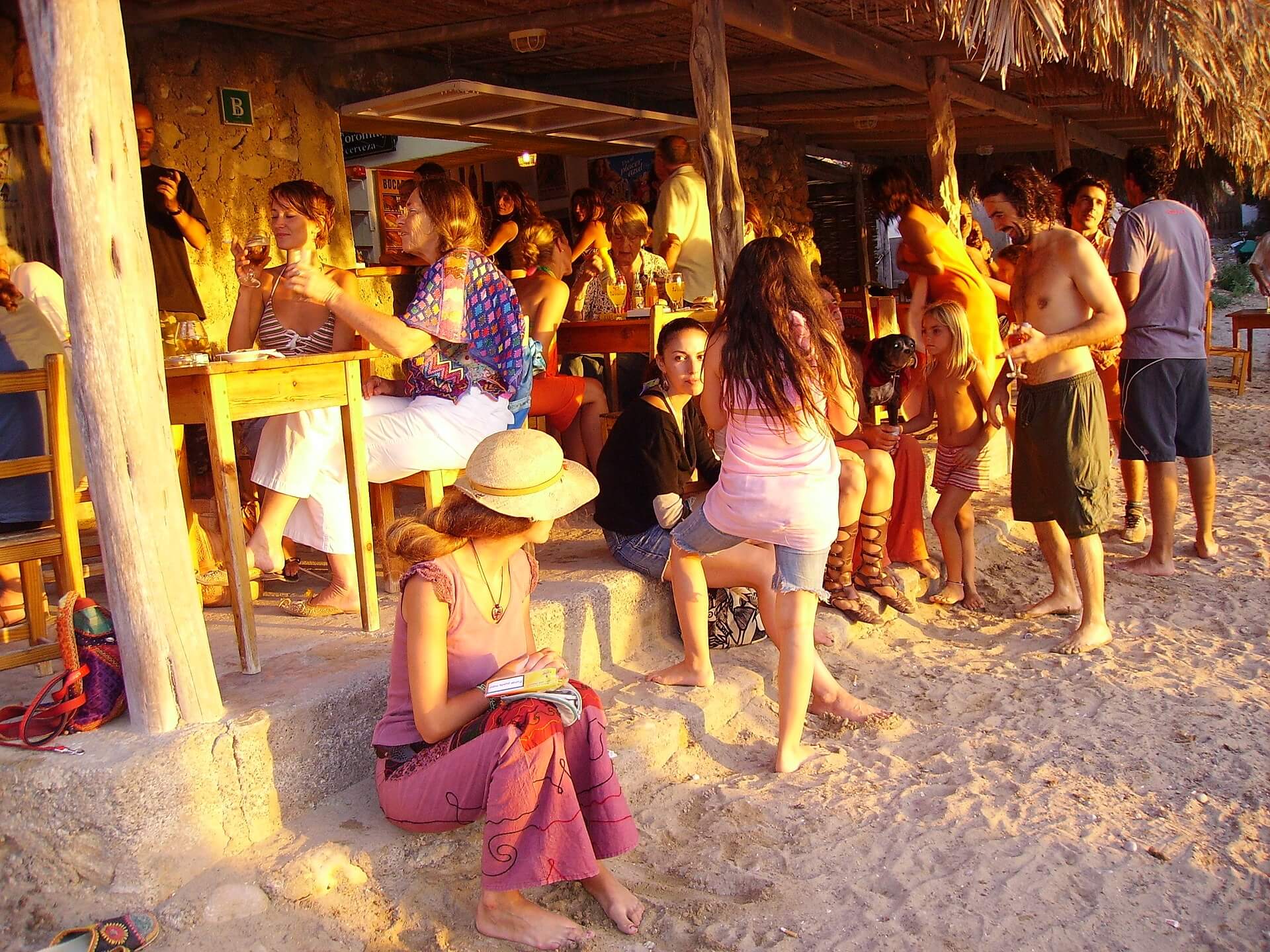
Tourism is by far the main economy of the region. 16 millions tourists visited in 2017, 20% of which were German. They come for the climate and live in the quaint little villages or the main cities to enjoy the relaxing quiet and beautiful beaches.
Spanish and Catalan are the two official spoken languages; German and English are also widely used.
The international airport of Palma is the main arrival by air. Daily ferries cross the Mediterranean Sea from Barcelona and from Valencia to reach Palma in about seven hours. The main islands are also linked by various ferries. The ferry crossing takes only 1¼ hours to go from Palma to Port Mahon in Menorca; it takes 3 hours from Palma to Ibiza and 9 hours 20 minutes between Menorca and Ibiza
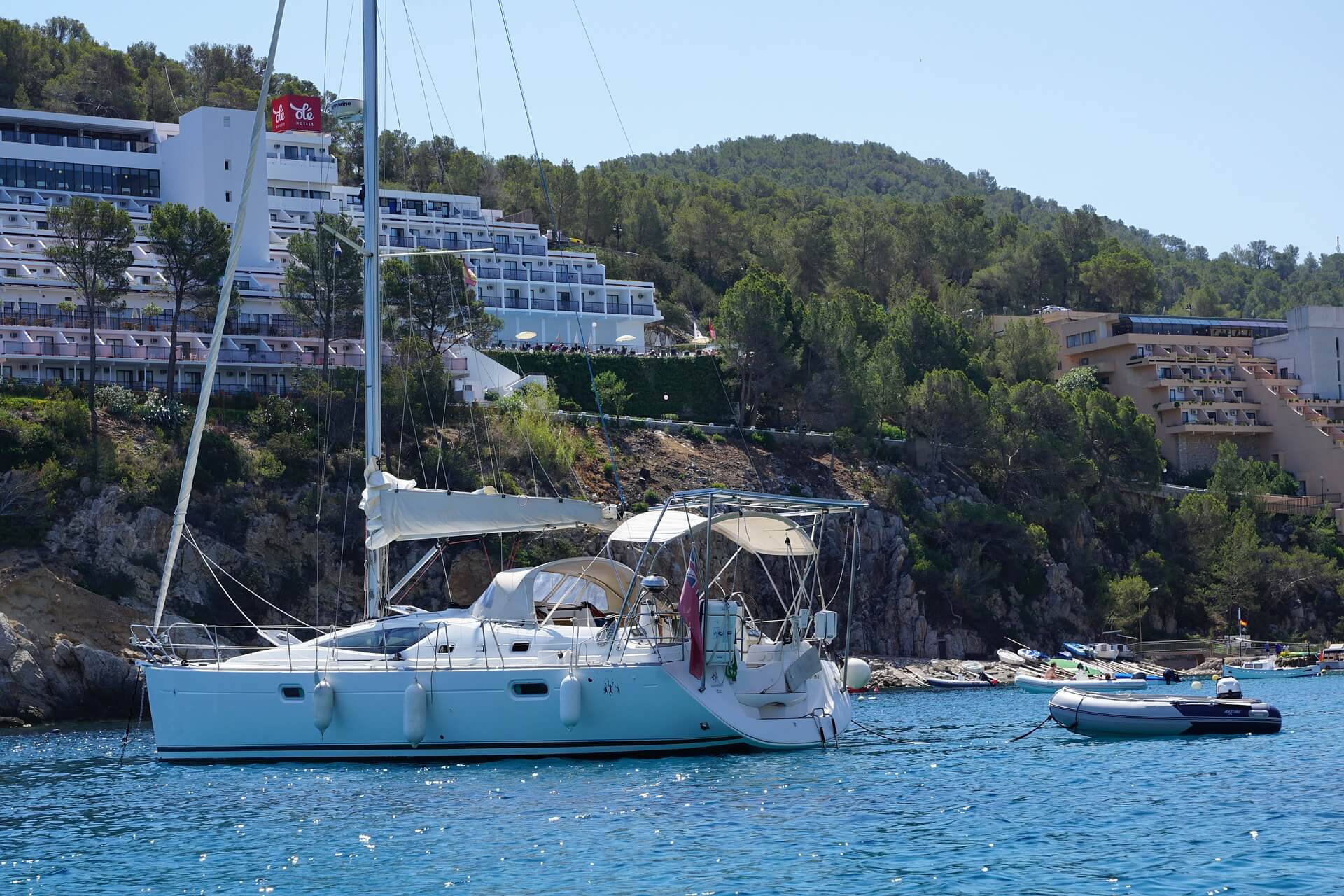
Thanks to the agriculture of the islands local products are used for the typical “Mallorquin Cuisine” which is mostly prepared with vegetables, cereals, seafood, pork, garlic, olive oil and almonds. It has been influenced by the Catalan cuisine but keeps its originality in many cases.
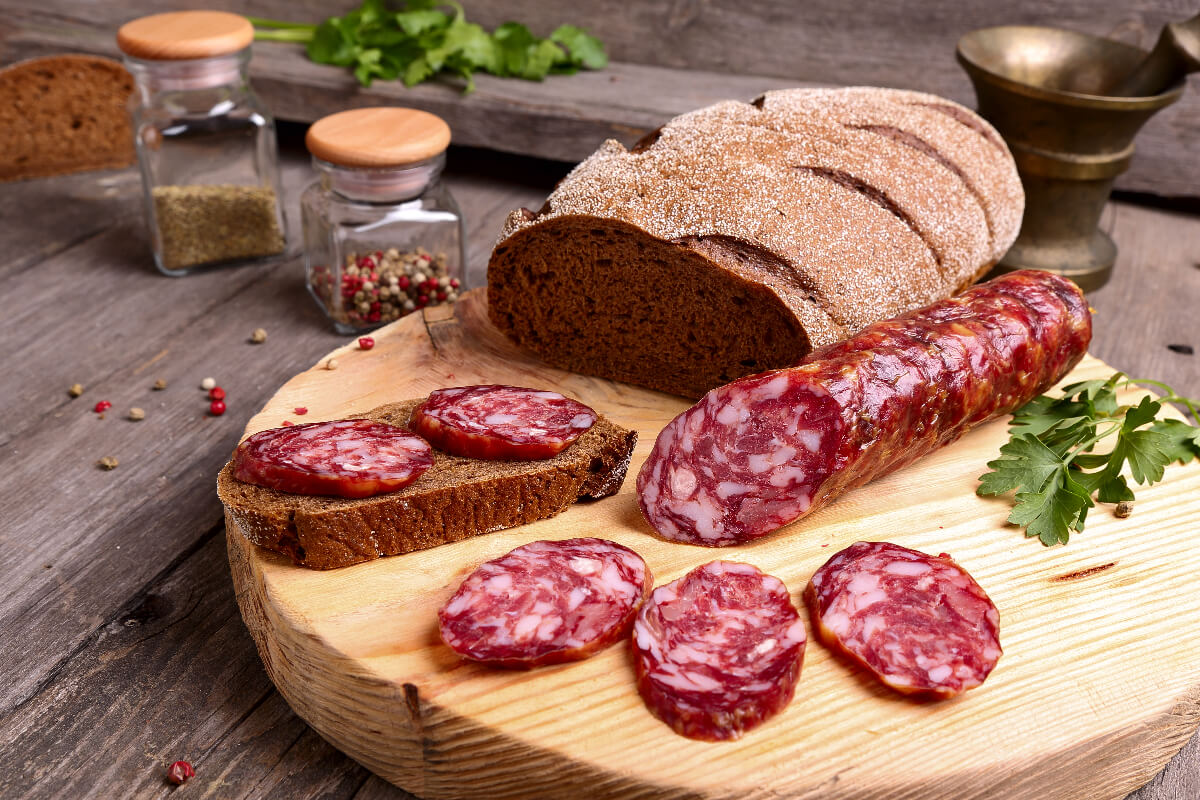
Soppressata is made with pork mince, bacon, salt and spices; it has a similar color to Spanish chorizo thanks to paprika. It’s delicious and a little addictive.
Sopes Mallorquines (Mallorcan Soup) is a traditional dish you can’t miss tasting. A hefty dish in itself it is served as a starter. First onion, garlic, and parsley are fried for a few minutes; green pepper and sliced tomatoes are added; chopped cabbage, cauliflower, spinach, and peas follow and are covered with water. A little while before serving, slices of stale bread go on top and rest until the bread absorbs the liquid.
Coca de Verduras is a popular traditional dish from Mallorca; you will find it in every bakery on the island. Made with fresh vegetables, it is a savory dish, similar to pizza. The crust is a thin and crispy pastry, which is topped with a delicious mixture of chopped tomatoes, onions and peppers.
Tumbet combines fried aubergines, potatoes, red peppers, tomatoes, olive oil and garlic, it can be compared to ratatouille from Provence or samfaina from Cataluña and Valencia.
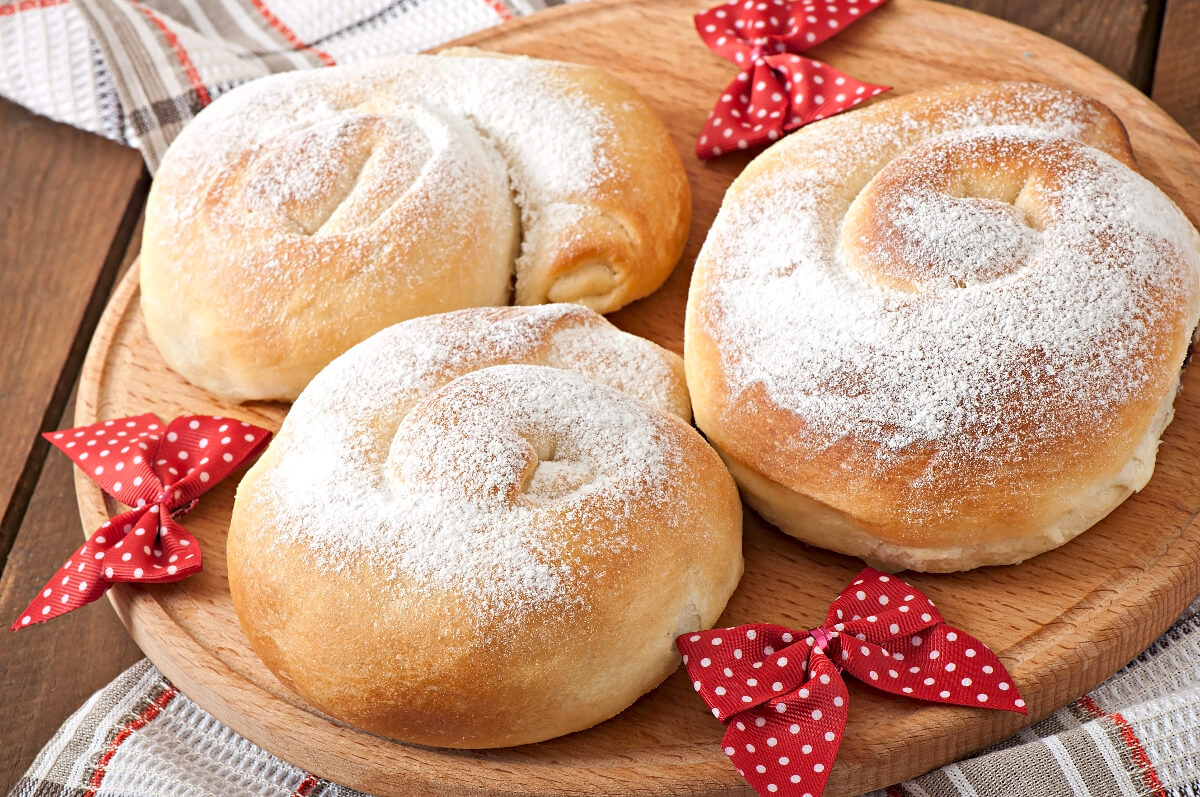
The ensaimada is a spiral pastry with yeast, lard, and flour as well as icing sugar on top. Locals eat it at breakfast or teatime.
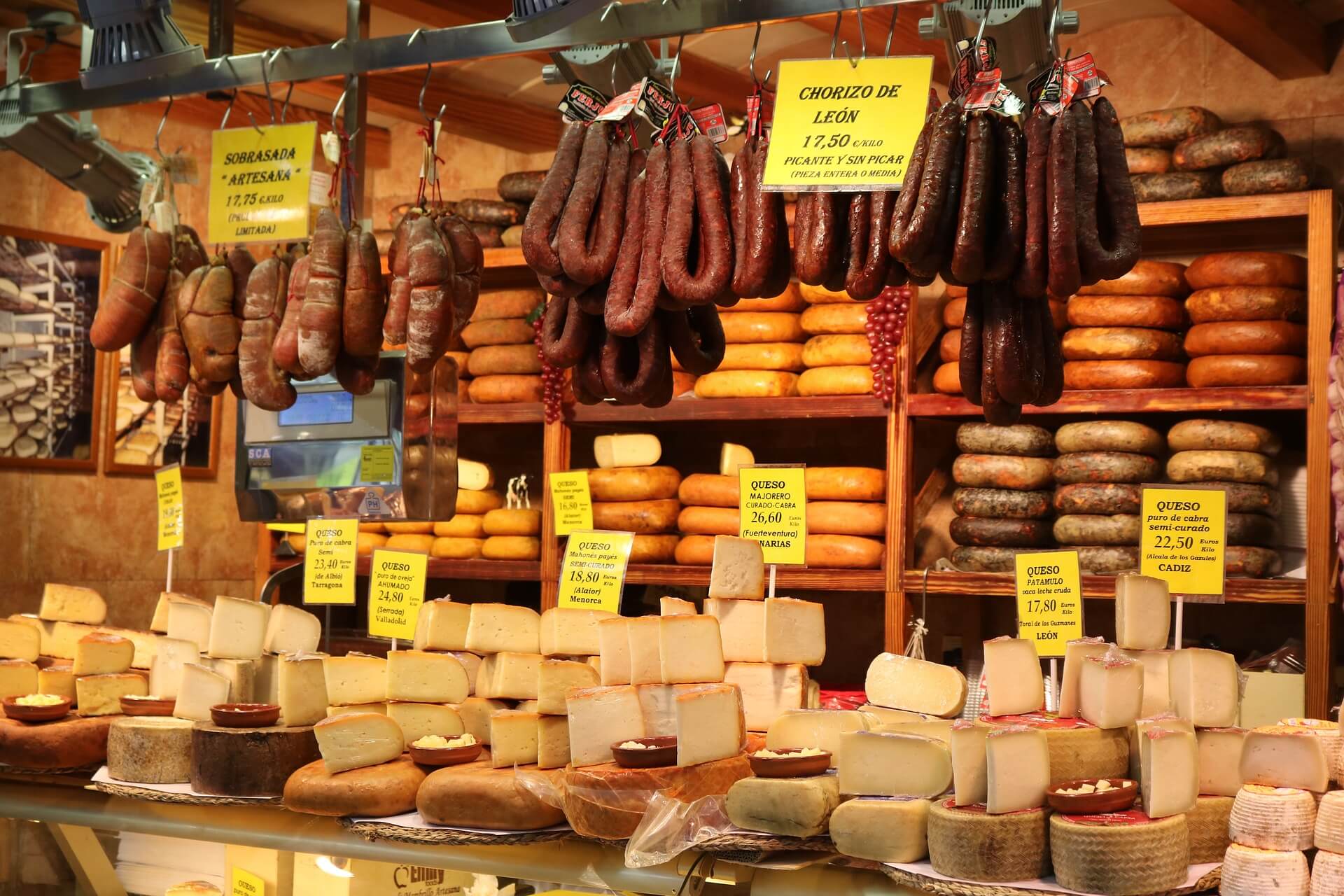
Maó cheese, or Mahon cheese, takes its name after its capital of Menorca, Mahon. Its color is pale, the paste is soft and it has a squared shape; made from cow’s milk it has a salty yet buttery taste; It has a bright orange wax seal. It tastes softer and less salty when aged. With fresh bread and red wine, it is delicious.
Mallorca and Palma de Mallorca
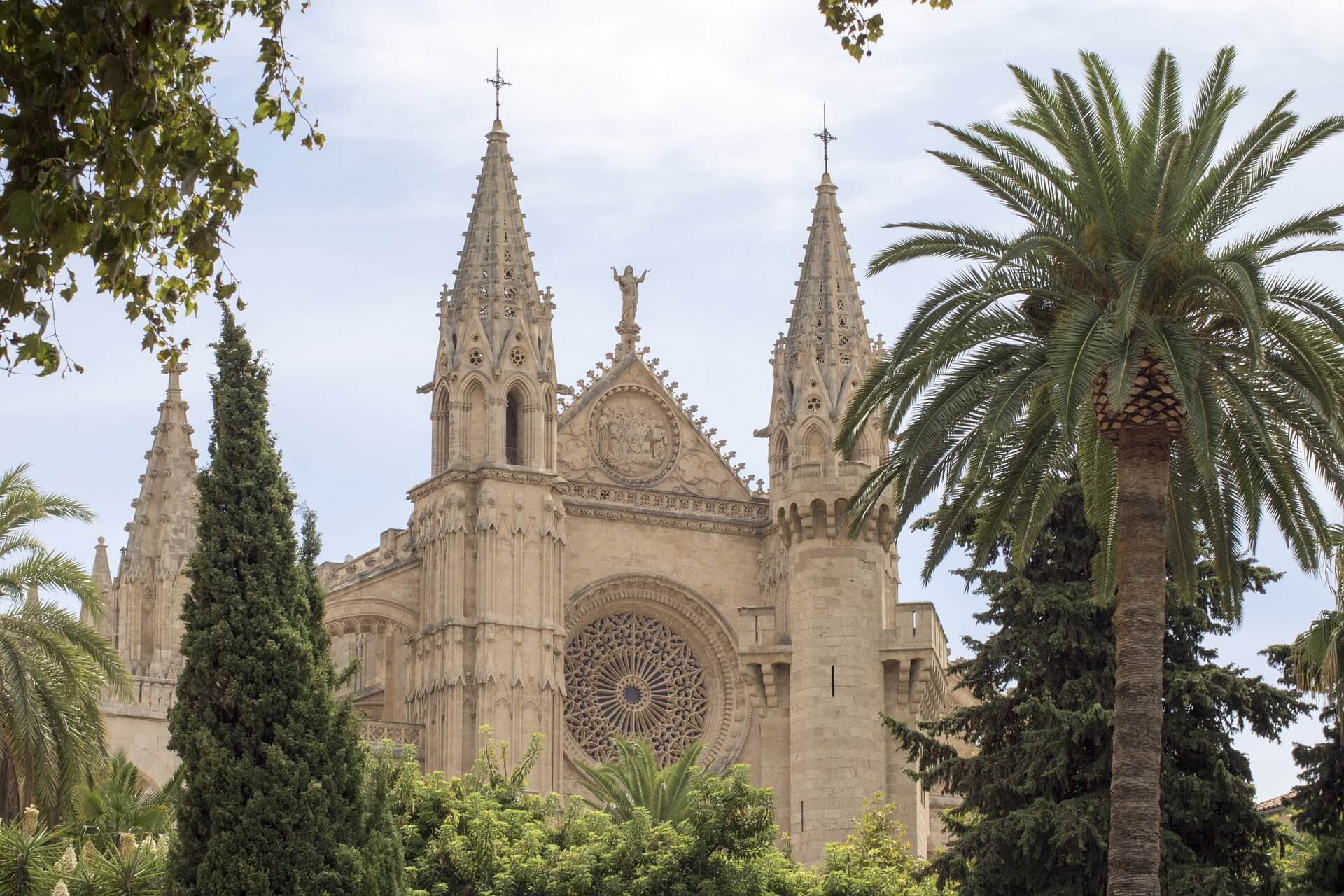
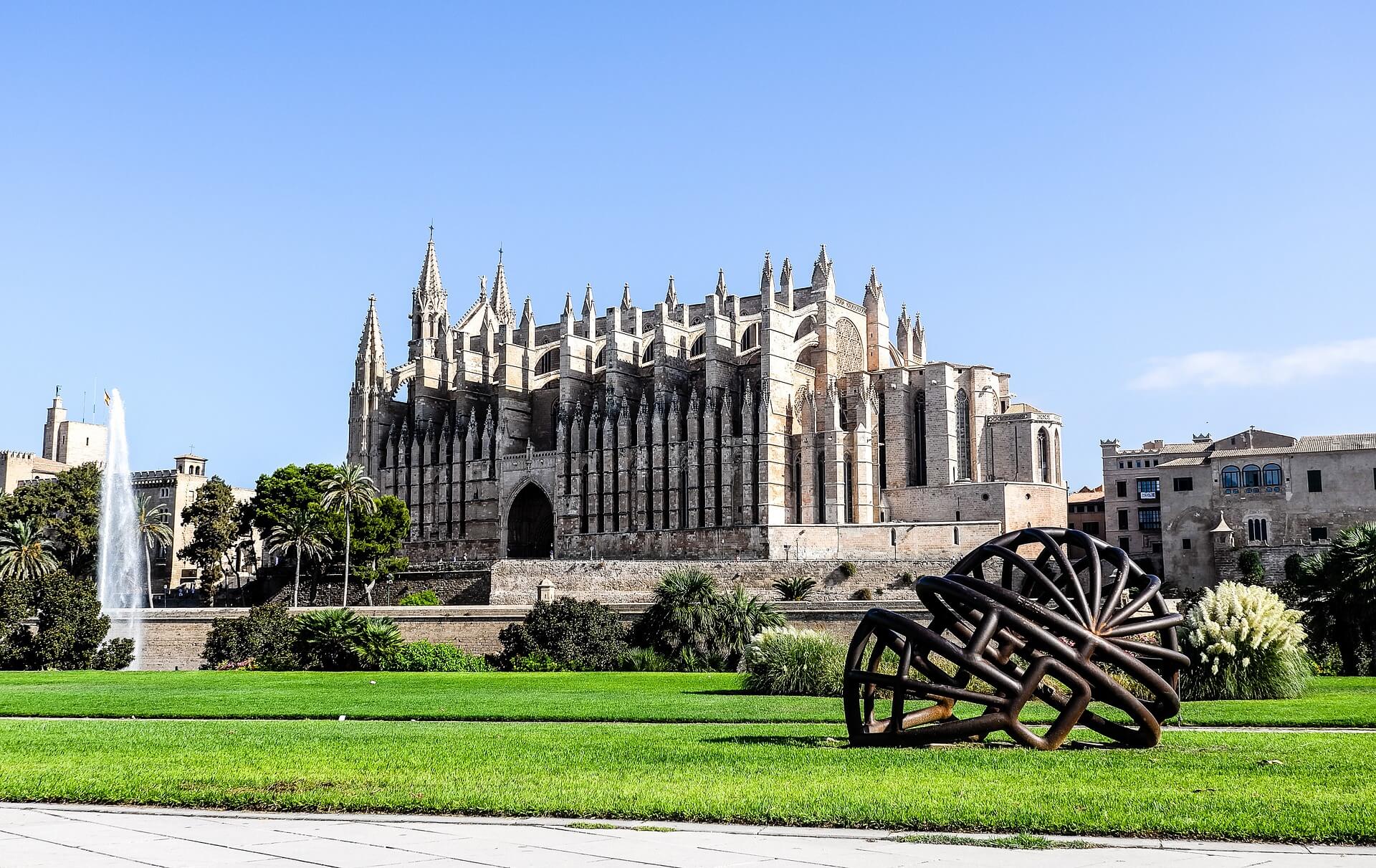
The great attractions of the capital are its sandy beaches and the year-round sun. After swimming and sunbathing bars, restaurants and the historic quarter are very appealing. The 13th century Cathedral Santa Maria overlooks the bay of Palma; the Almudaina Palace was the ancient fortress built by the Moors; the Lonja fish market and Plaza Mayor are some of the sites that are well worth visiting. Fishing boats and palm trees are part of the scenery.
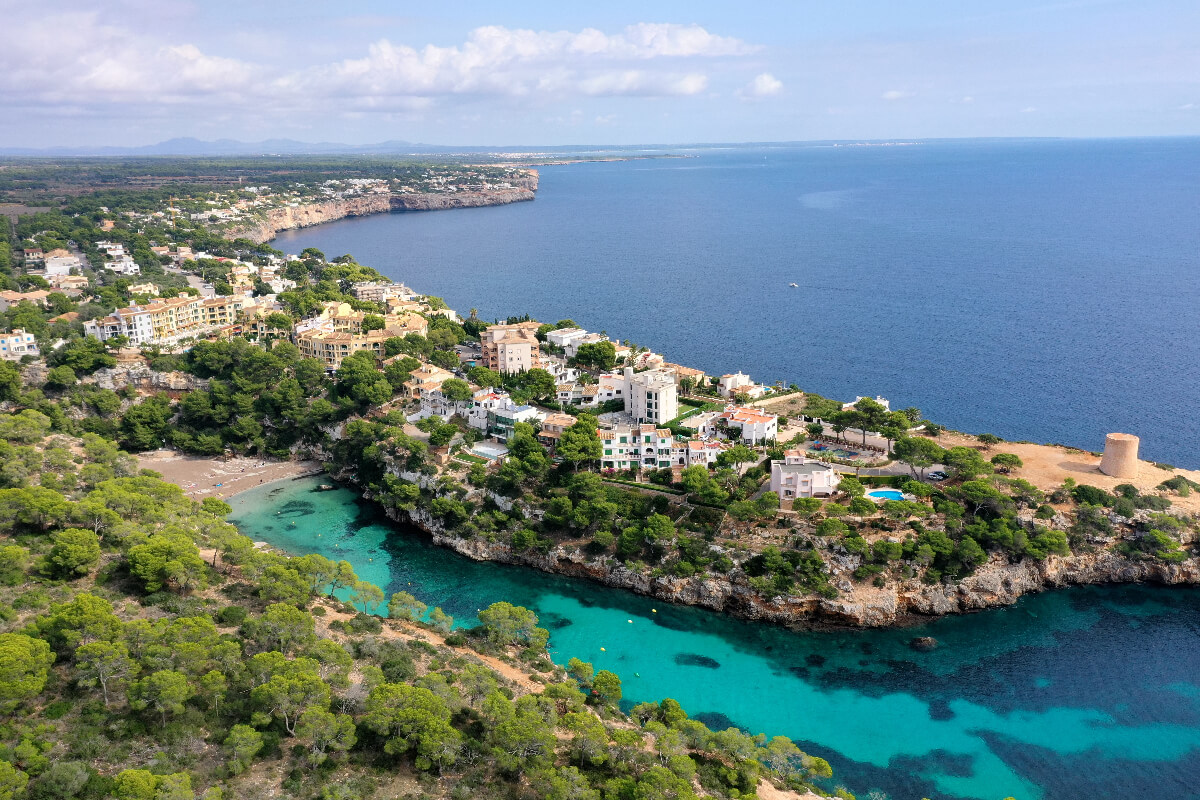
The population of the island is nearly reaching one million inhabitants. Besides the city, many sites are worth visiting. Coves and small sandy beaches have access to the beautiful clear turquoise water of the sea. Cap Formentor with its lighthouse is a beautiful scenic point and worth an excursion with the underground Drach caves.
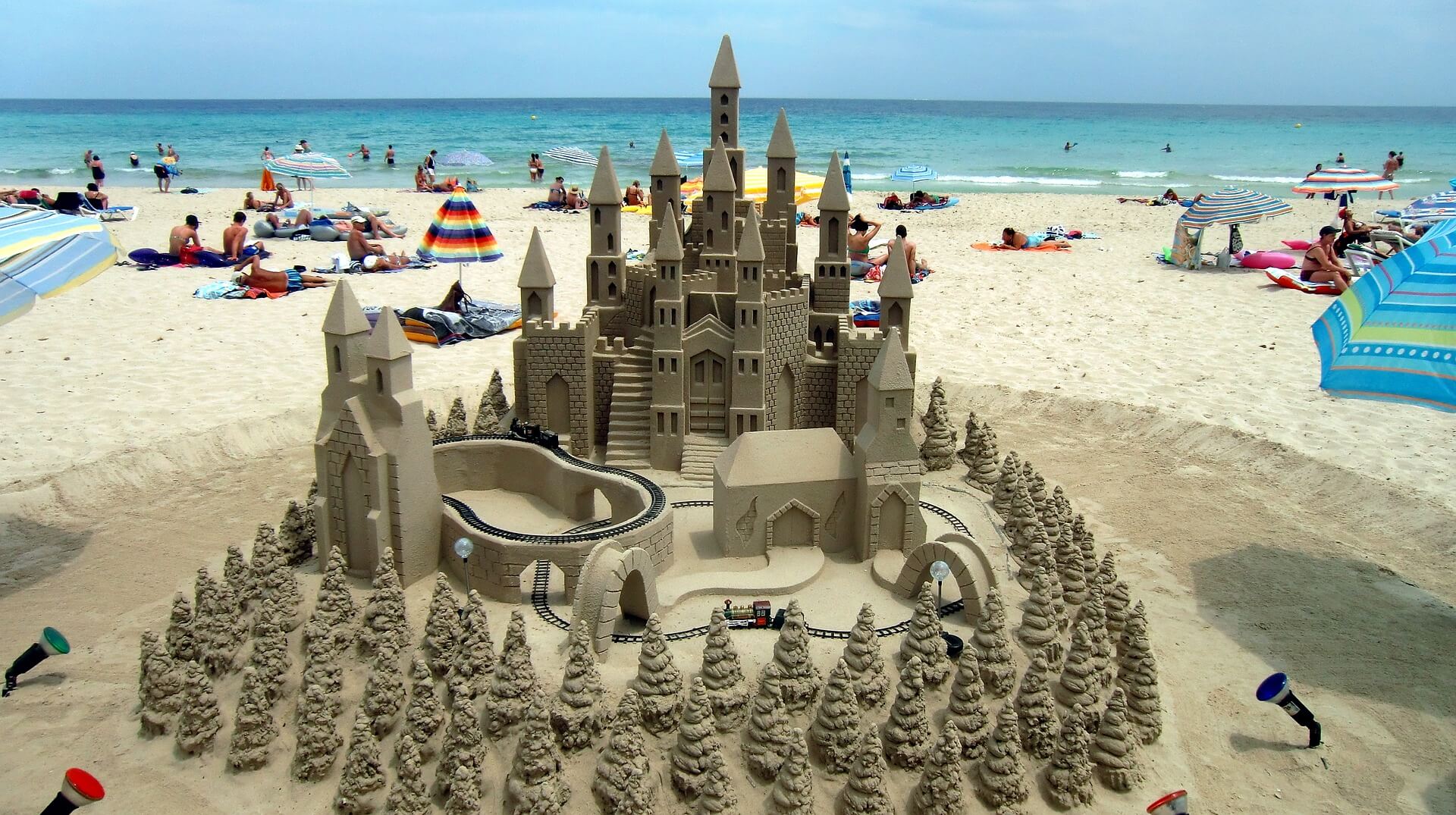
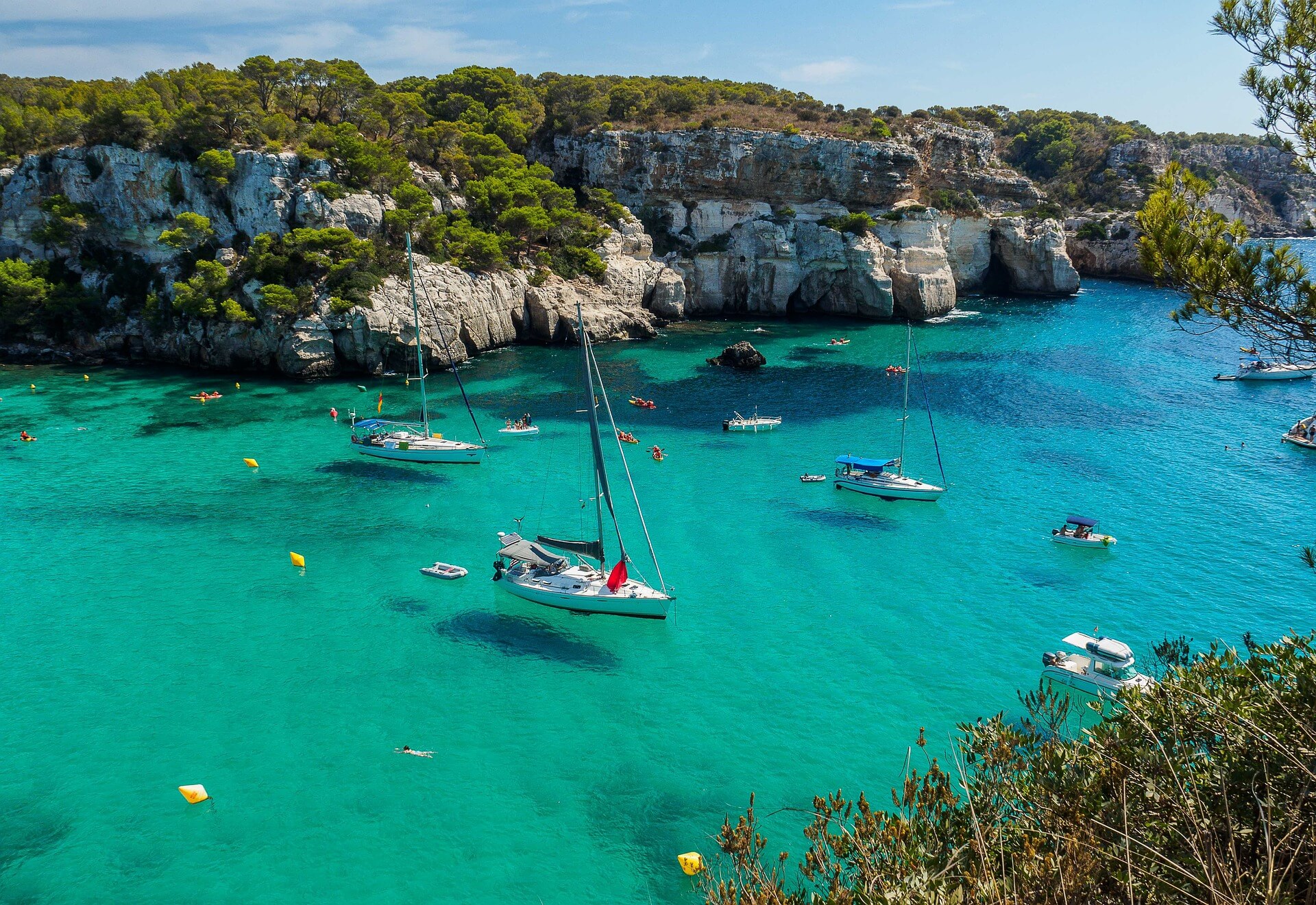
Less touristy and more low keyed the inland has not much to offer except in the spring when the meadows are covered with wildflowers. The coast has beautiful beaches, “calas”, and cricks overlooking the pristine waters of the sea. It has a reputation of a botanist paradise and was designated a UNESCO Biosphere Reserve in 1993.
The population is just under 100,000 inhabitants and the capital Mahon is a large harbor with Georgian mansions. The beach is a ten minutes drive away.
Cala en Porter can be considered the most lively place in Menorca, a preference amongst British tourists. Cova D’en Xoroi is a well known bar especially busy at sunset
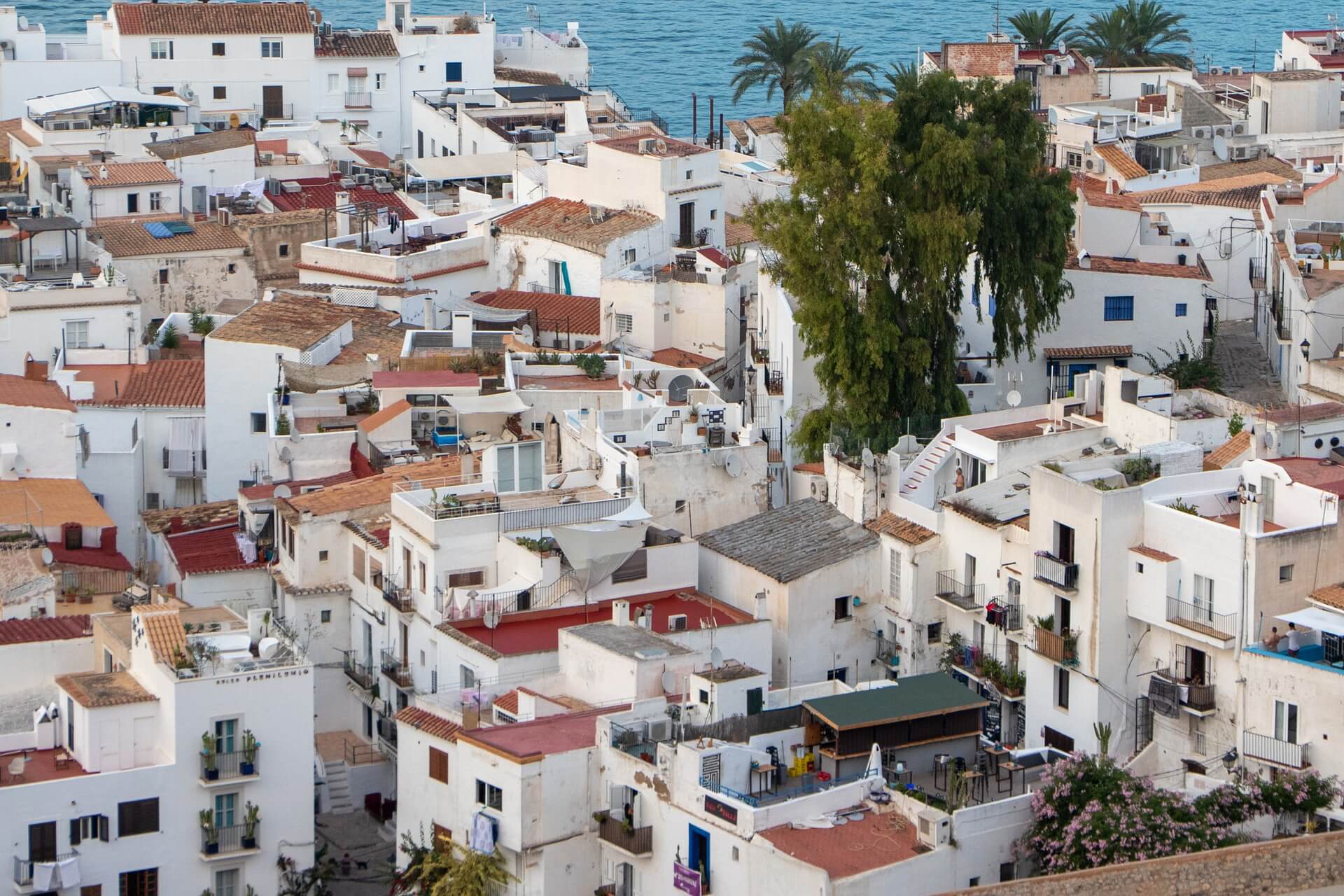
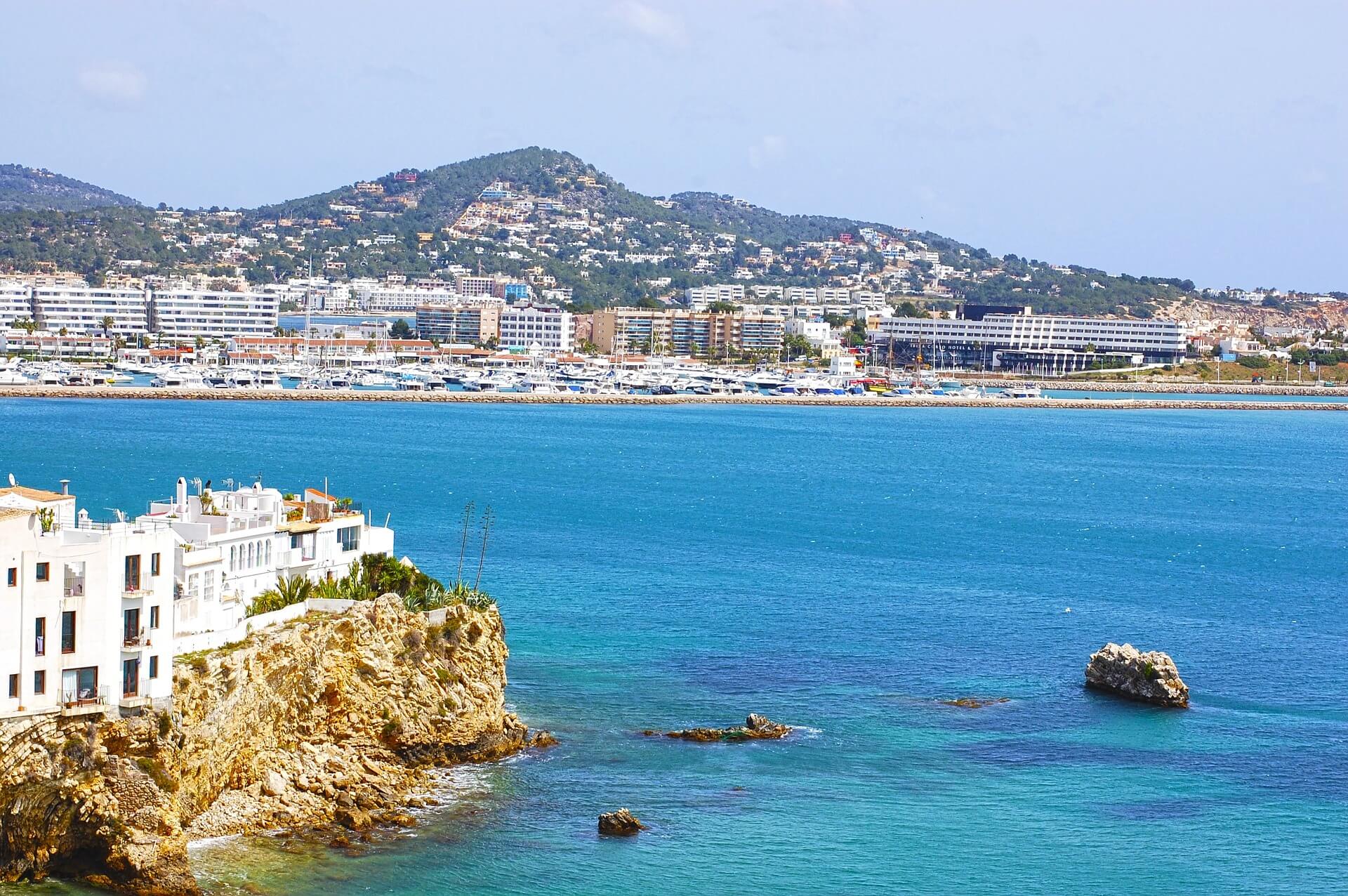
The reputation of Ibiza is based on its busy nightlife, fashionable nightclubs and the jetset summer visitors. Even though it is considered as a party island you can also find quiet places in the North where young and old can appreciate the beauty and pleasure of a great vacation. The season is over by the end of October and the winters are definitely very different with very few tourists.
No Tour Found
No Tour Found