


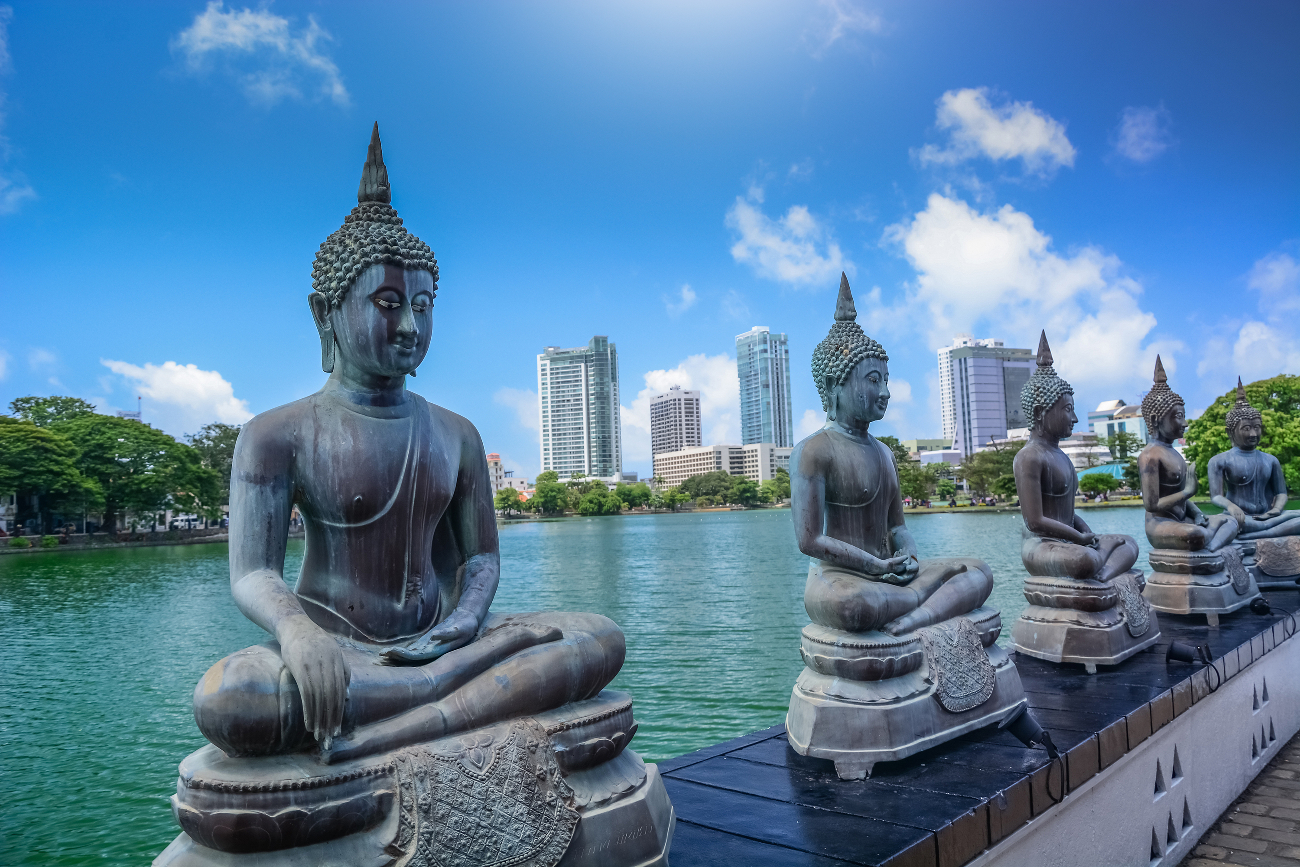
Sri Lanka, formerly called Ceylon, is officially the Democratic Socialist Republic of Sri Lanka; an island country in South Asia. It is a pearl-shaped island which lies in the Indian Ocean, southwest of the Bay of Bengal, and southeast of the Arabian Sea. It is separated from the Indian subcontinent by the Gulf of Mannar and the Palk Strait. Sri Lanka shares a maritime border with India and the Maldives. The island has 103 rivers which result in 51 high natural waterfalls with the highest being almost 900 feet. Its climate is tropical and warm because of the moderating effects of the ocean winds. Rainfall patterns are influenced by monsoon winds from the Indian Ocean and the Bay of Bengal. The nation has 22 million people. Colombo is its largest city and financial center with a population of 750,000 and Kaduwela is the second largest city with a population of 250,000. Sri Lanka’s documented history goes back 3000 years, with evidence of prehistoric human settlements dating at least 125,000 years. It has a rich cultural heritage. The earliest known Buddhist writings in the island date to the fourth Buddhist Council held in 29 BCE. Sri Lanka’s location and deep harbors have made it a strategic location from the days of the ancient Silk Road to today’s maritime Silk Road. The country’s trade in spices and luxury goods attracted traders from many countries which helped create Sri Lanka’s diverse population. Historically the island was ruled by monarchies but part of Sri Lanka became a Portuguese possession. After the Sinhalese-Portuguese War (1527-1628), the Dutch and the Kingdom of Kandy took control of those areas. The Dutch controlled areas were taken by the British who later took control of the entire island (and ended the monarchy) from 1815 to 1948. A national movement for independence arose in the early twentieth century and in 1948 Ceylon became a Dominion which was succeeded by the republic named Sri Lanka. A civil war between the government and the Liberation Tigers of Tamil Eelam was fought between 1983 and 2009 when the government defeated the movement. Today, Sri Lanka is a multinational state, home to diverse cultures, languages and ethnicities. The Sinhalese constitute the majority of the nation’s population (75%). Buddhism is designated as the official country religion in the constitution. The Tamils are a large minority group (11%) and have played a significant role in the island’s history. Sri Lanka has the third highest per capita income in its sub-region in Asia. The main religions are Buddhist (70%), Hinduism (13%), Islam (9%) and Christianity (7%). The official languages are Sinhala, Tamil and English.
Sri Lanka has four terrestrial ecoregions: 1. Lowland rain forests 2. Montane rain forests. 3. Dry zone evergreen forests and 4. Deccan thorn scrub forests. Yatu National Park is home to large herds of elephant, deer and peacocks and Wilpattu National Park is home to many species of endemic water birds. The country exports tea, coffee, rubber and sugar and recent industrialization has focused on food processing, textiles, telecommunications and finance.
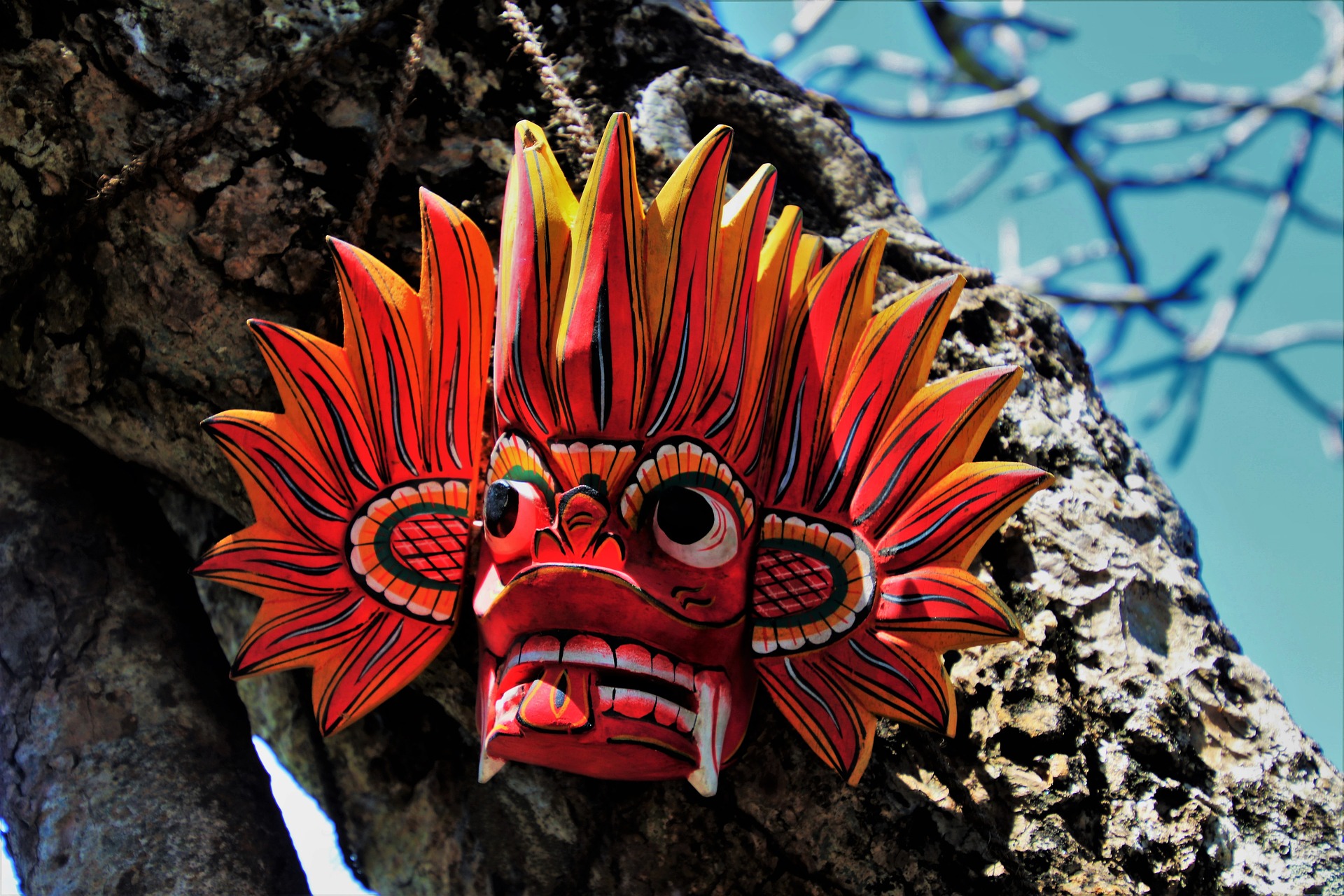
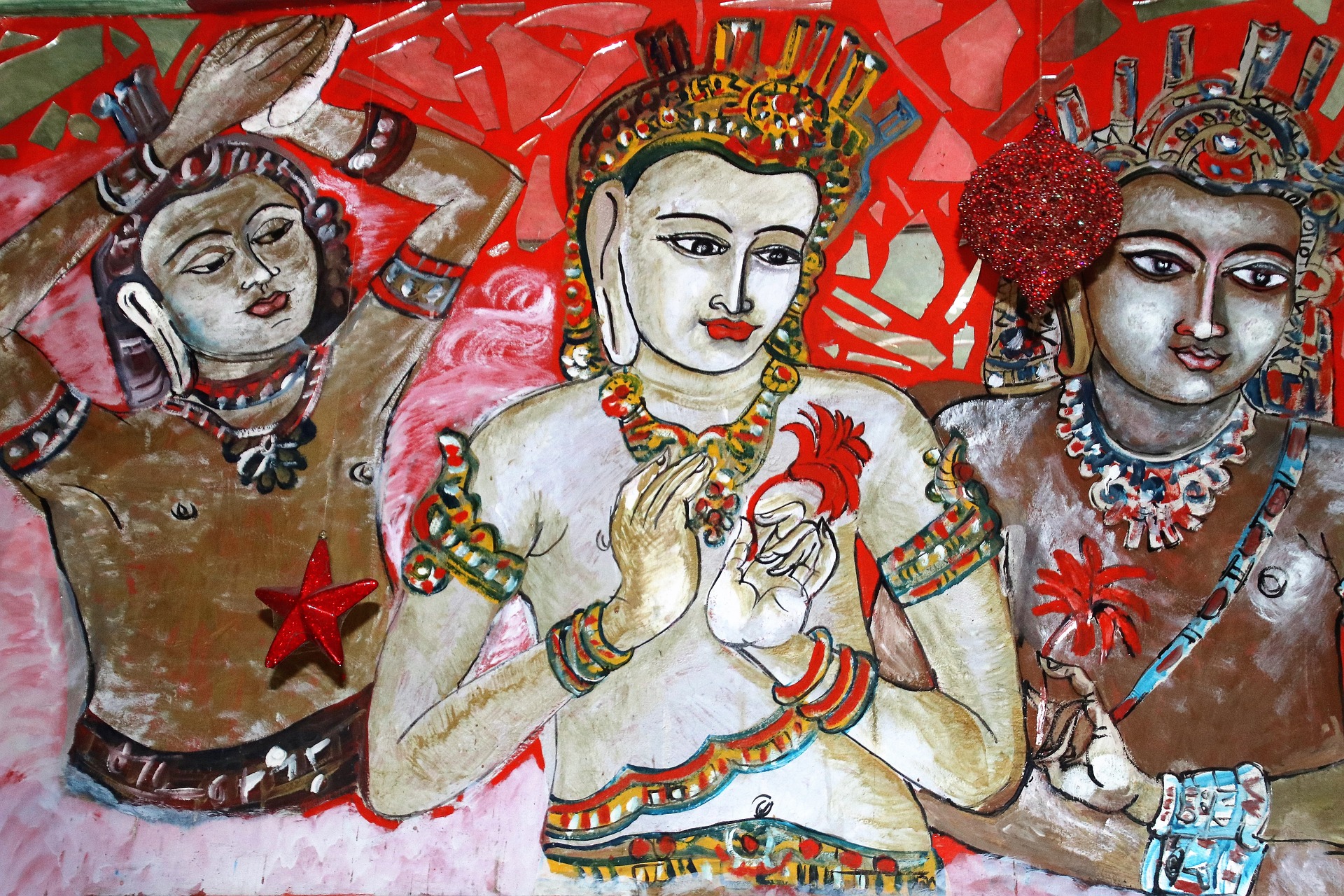
From 1000-500 BCE Sri Lanka was culturally united with Southern India with the same ceramics, pottery and burial rituals. Sri Lankan monarchs would traditionally marry Indian princesses so the Indian influence is strong in the country. In April, Sri Lankans celebrate the Buddhist and Hindu new years with festivals. Esala Perahara is a symbolic Buddhist festival consisting of dances and decorated elephants held in Kandy in July and August. Fire dances, whip dances, Kandyan dances and other various cultural dances are integral parts of the festivals. The earliest music in Sri Lanka came from theatrical performances such as Kolam, Sokari and Nadagam. Traditional music instruments such as Bera and Raban were performed at these dramas. There are three main styles of Sri Lankan classical dances, Kandyan, low country and Sabaragamuwa. Kandyan is the most prominent. An elaborate headdress is worn by the male dancers and a drum called Geta Beraya is used to assist the dancers in keeping a rhythm. The history of Sri Lankan painting and sculpture can be traced back to the 3rd century BCE. Indigenous medicine is very popular and used by a large number of inhabitants and the native medicines and spa treatments are a big tourist attraction. Shramadana are widely practiced where people come together to do charitable works and in May,’Vesak-Dansala ” is performed where food stalls are set up around the country for free food and hospitality to all. The traditional Sri Lankan greeting is “Ayubowan”. May you have a long life.
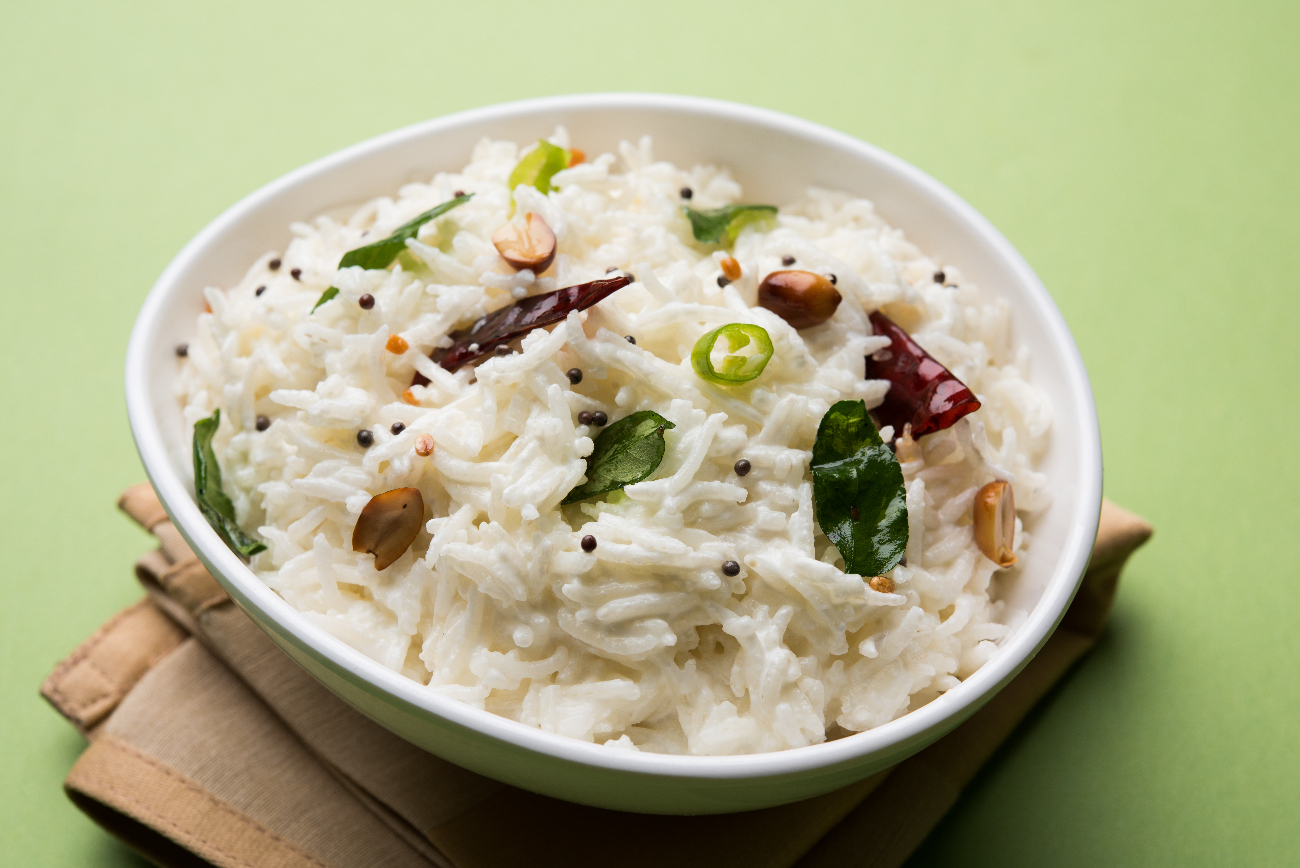
Except for business or formal dining most meals are eaten with the right hand and do not use silverware.
Dishes include rice and curry, pittu, kiribath, wholemeal roti, string hoppers, wattalapam ( a rich pudding of Malay origin made with coconut milk, jiggery, cashews, eggs and spices including cinnamon and nutmeg) kottu, and appam. Jackfruit may also replace rice. Traditionally food is served on a plantain leaf or lotus leaf. Middle eastern influences and practices are found in traditional Moor dishes, while Portuguese and Dutch influences are strong in the Burgher communities with traditional dishes such as lamprais (rice cooked in stock and baked in a banana leaf), breudher (Dutch holiday biscuit) and bolo fiado (Portuguese style layer cake) are popular.
Favorite Dishes:
Fish Curry and Mixed Rice
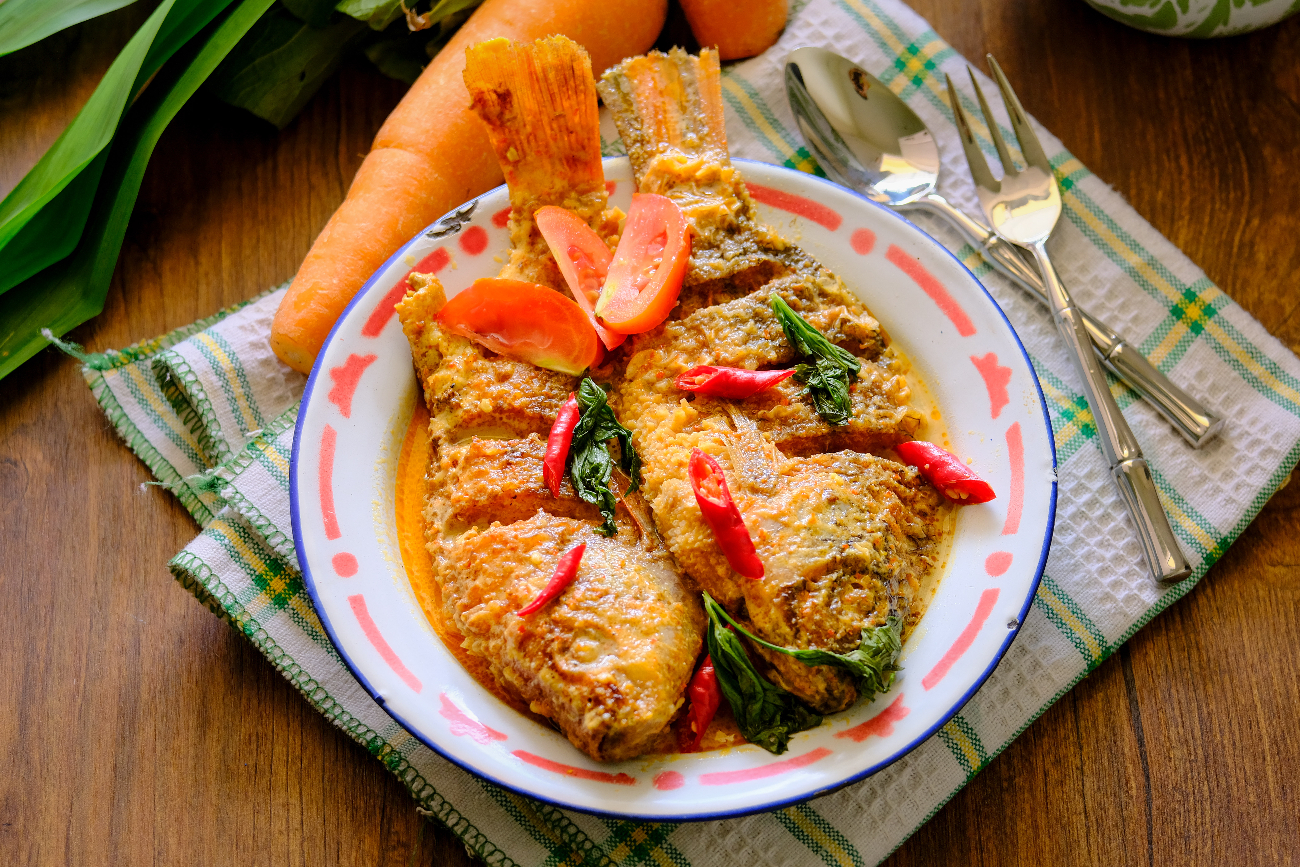
Deviled Sweet and Sour Fish Curry
Sri Lankan Dhal Curry (Parippu)
Young Jackfruit Curry (Polos)
Gotukola Sambol (Pennywort Salad)
Beetroot Curry
Egg or Cheese Kottu
Fried Salted Fish
Deep Fried Chicken Fried Rice
Brinjal Eggplant
Chili Fish Curry
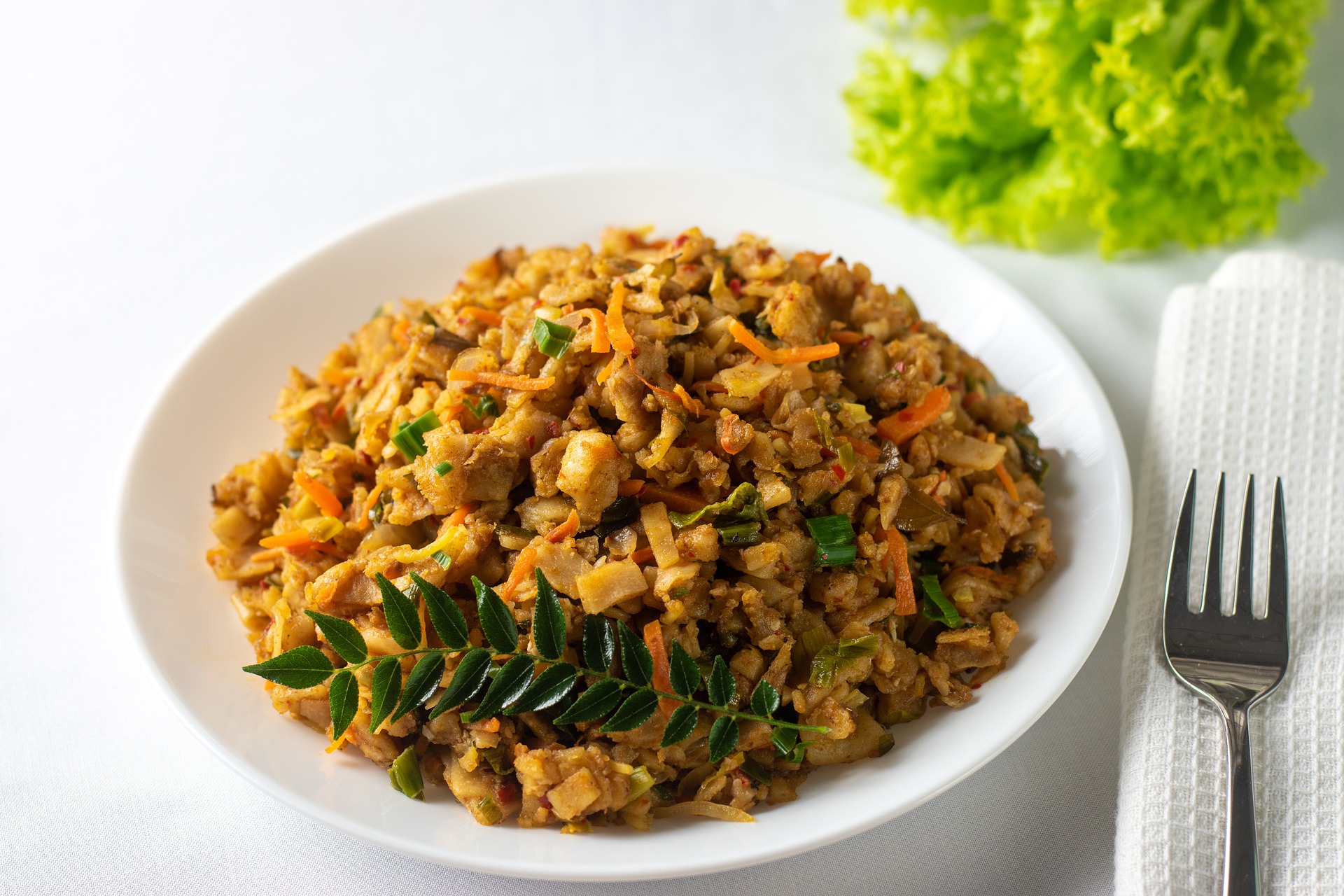
Vegetarian Kottu (A street food)
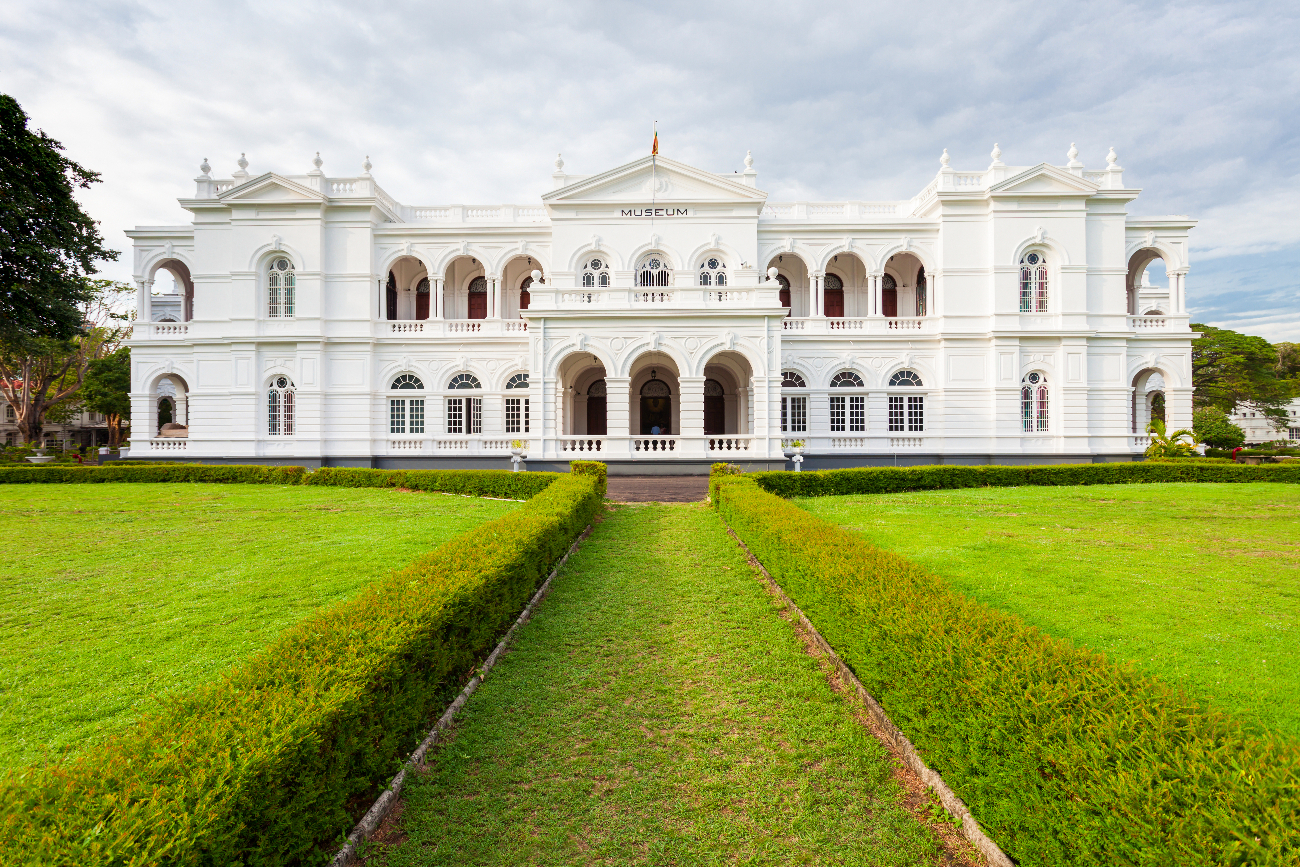
Colombo, the Capital
Colombo has a metropolitan area population of 5.6 million and an urban population of 750,000. It sits on the west coast of the island and has a large harbor and is strategically positioned along the east-west sea trade routes. Colombo has been known to traders for 2000 years. Its climate is tropical monsoon and it is hot all year round.
Prominent Tourist Attractions:
Galle Face Green
Viharamaya Temple
Pettah Floating Market
Colombo Dutch Museum
National Museum of Colombo
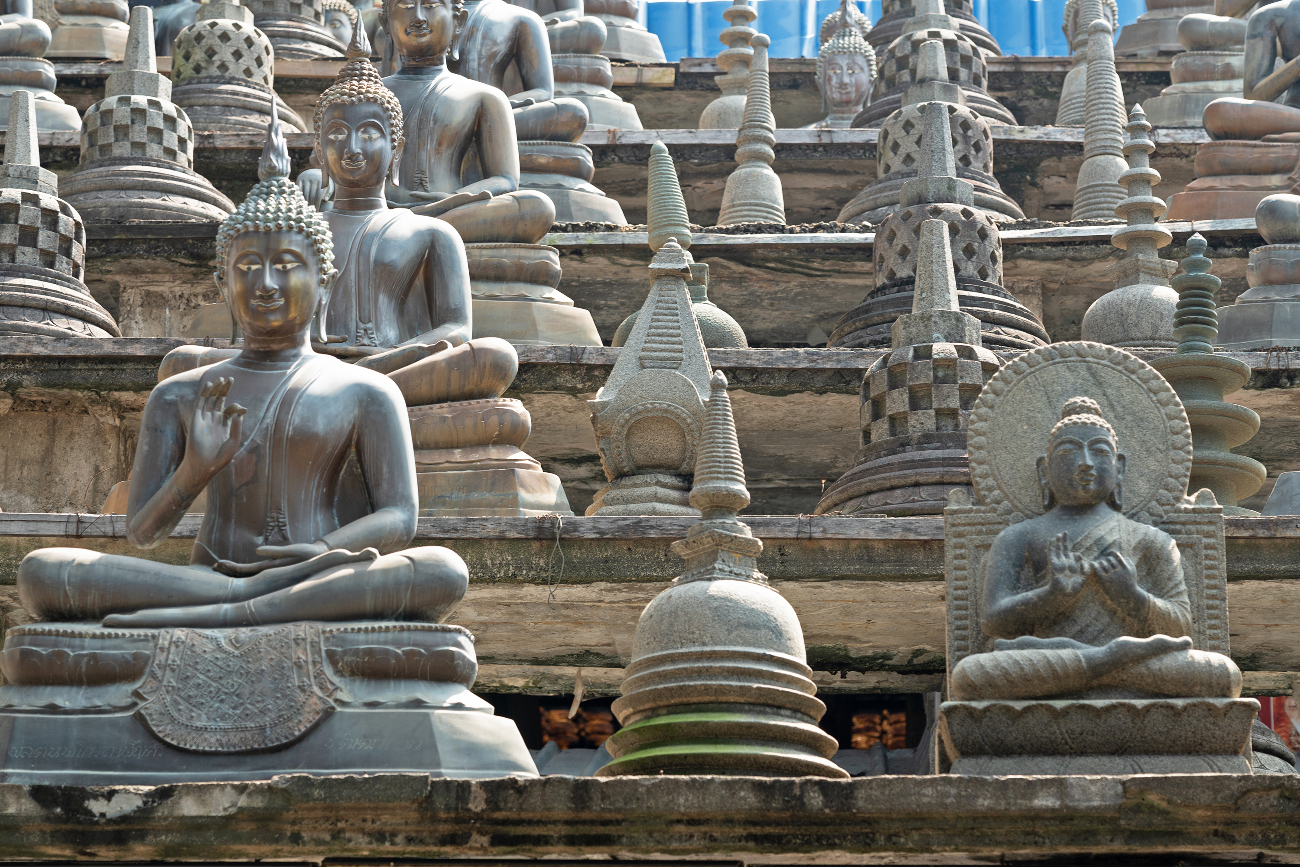
Gangaramaya Temple
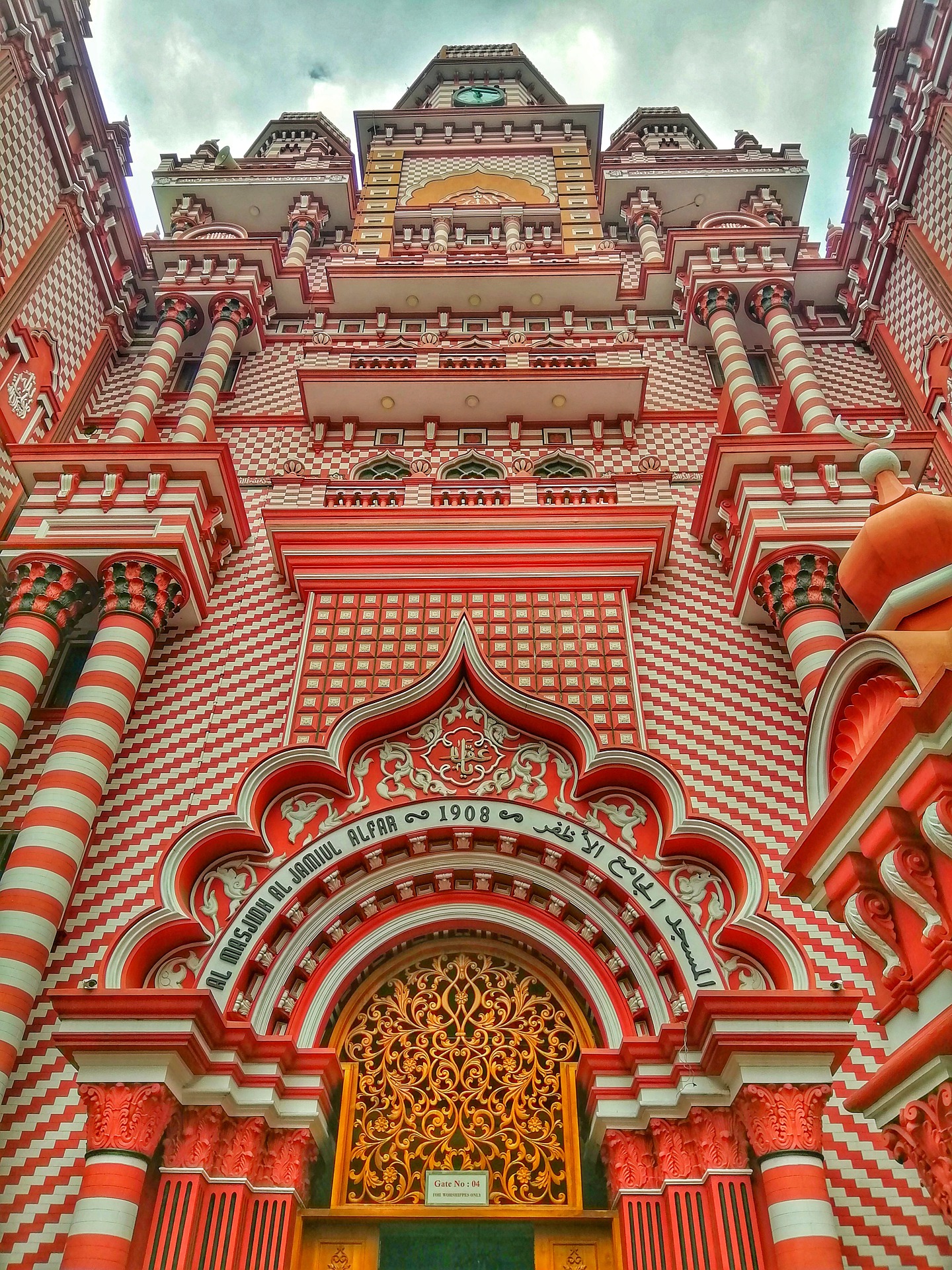
Jamiul-Alfar Mosque
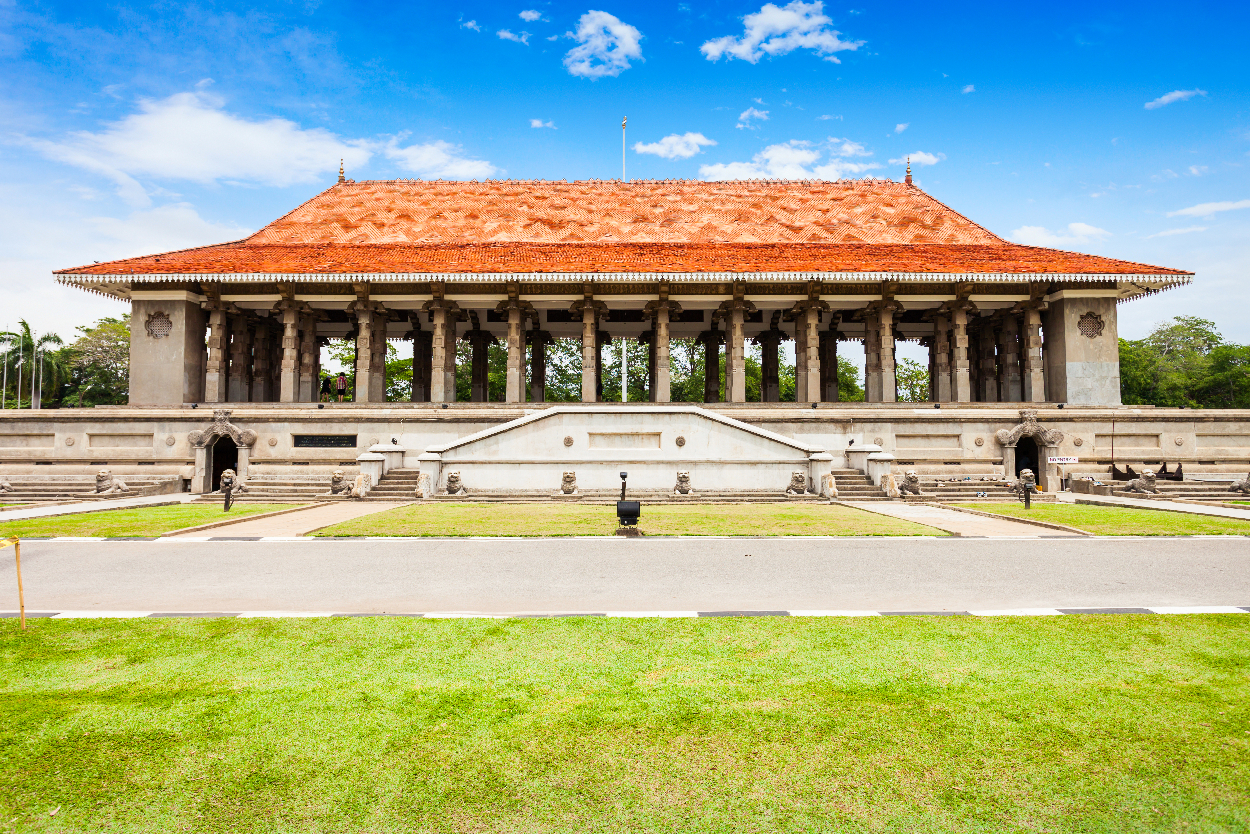
Independence Memorial Hall Square
General Attractions
Sri Lanka has many beautiful beaches to enjoy in various parts of the island and has a good network of paved roads and highways.
No Tour Found
No Tour Found