


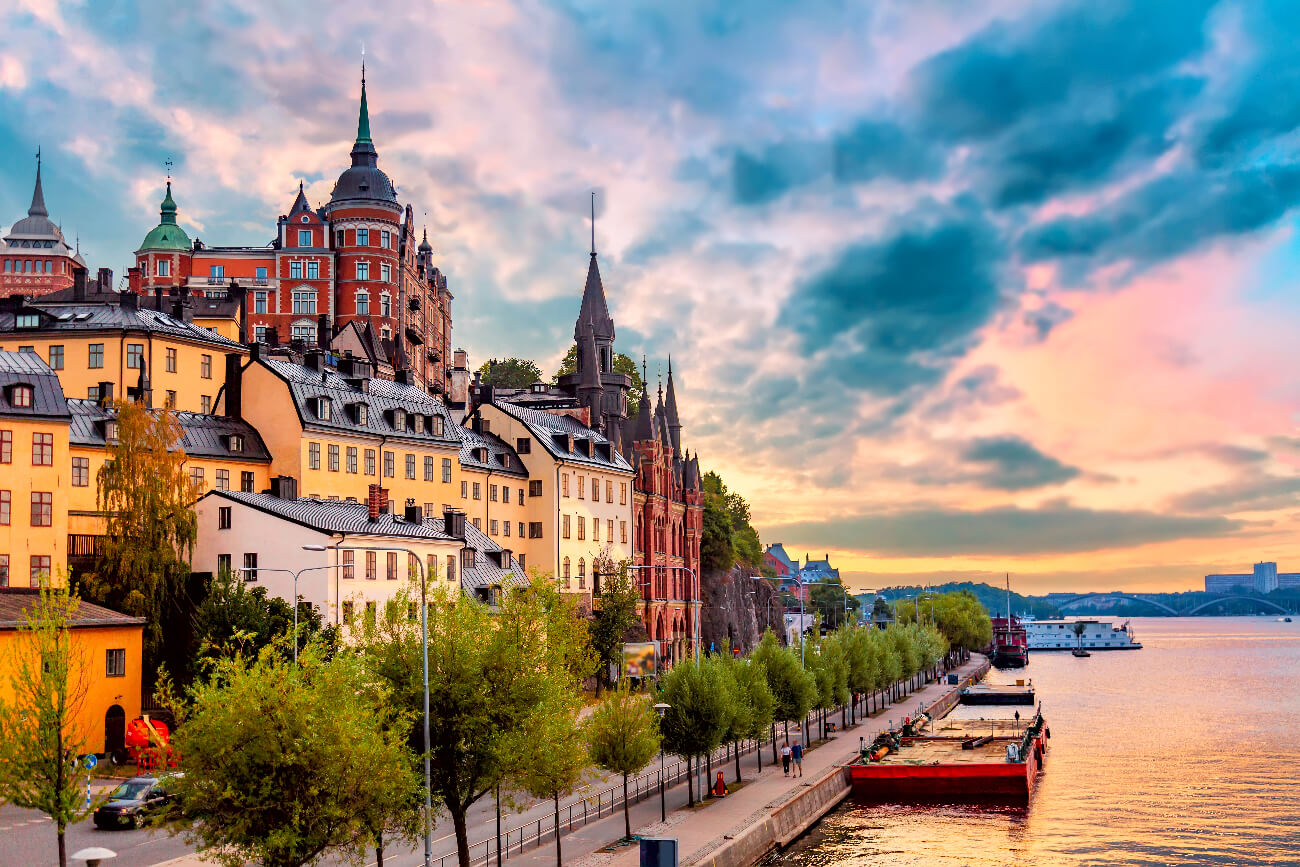
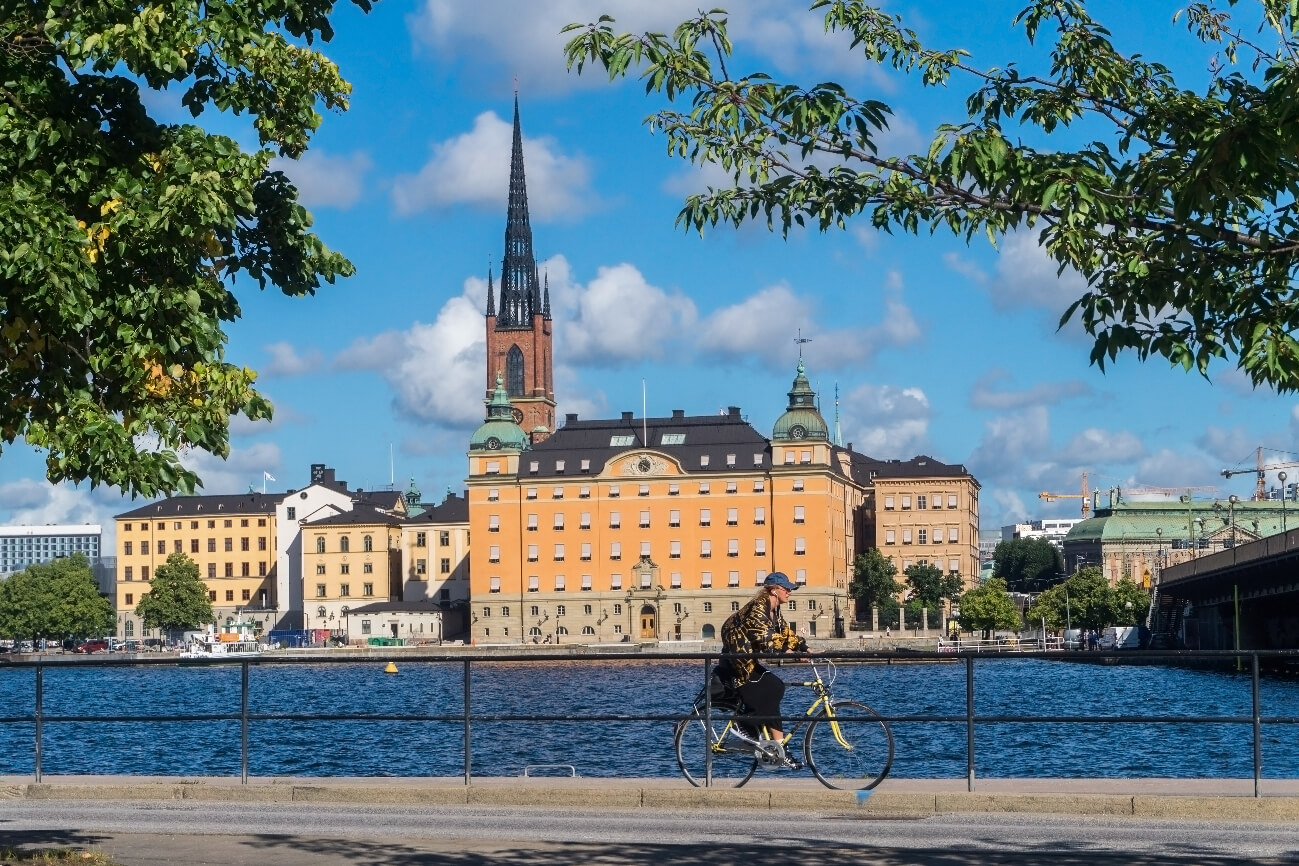
Sweden is a Nordic country in Northern Europe officially called the Kingdom of Sweden. It borders Norway to the west and north, Finland to the east, and is connected to Denmark in the southwest by a bridge-tunnel across the Oresund Strait. At 174,000 square miles it is the largest country in Northern Europe and the fifth largest in Europe. The capital and largest city is Stockholm which has a population just under 1 million. The second and third largest cities are Gothenburg and Malmo. Sweden has a population of 10.4 million. 87% of Swedes live in urban areas with the highest concentration in the central and southern halves of the country. The climate is generally mild for its northern latitude because of the Gulf Stream. The climate varies significantly from the north to south due to the vast geographical distance with the north having cold and snowy winters and the south being warmer and predominantly agricultural and the north forested and mountainous. 15% of the country lies north of the Arctic Circle and 65% of its landmass is covered in trees. North of the Arctic Circle, the summer sun never sets and never rises for part of the winter. Germanic peoples inhabited Sweden since prehistoric times known as the Gearts and Swedes which constituted the sea peoples known as the Norsemen. An independent Swedish state emerged in the 12th century AD. After the Black Plague killed a third of the population and significantly weakened the nation, Sweden was taken over by the Scandinavian Kalmar Union in 1397 which Sweden left in 1523. Sweden’s involvement in the Thirty Years War expanded its territories and was the beginning of the Swedish Empire. It conquered approximately half of the Holy Roman Empire States. Sweden reached its greatest territorial area under the rule of Charles X in 1658 becoming the third largest empire in Europe in land mass after Russia and Spain. Sweden was one of the great powers of Europe until the early 18th and 19th centuries when it lost land outside Scandinavia and then lost Finland to Russia in 1809. The last war in which Sweden was directly involved was in 1814 when Norway was militarily forced into a union which peacefully dissolved in 1905. Between 1850 and 1910 more than 1 million Swedes moved to the United States to abandon hunger and poverty. Since then Sweden has been prosperous and at peace as a neutral country in both World Wars I and II. Sweden is a constitutional monarchy and a parliamentary democracy. Sweden’s prehistory begins in 12,000 BCE with Late Paleolithic reindeer-hunting camps. The period was characterized by small bands of hunter-gatherers-fishers using flint technology. Sweden is first described in the first century AD as a powerful tribe with a powerful fleet of ships. Norse mythology lists kings dating back to the first century BCE. The Vikings Age lasted from the 8th to the 11 centuries and they marauded a large area of the world including the Baltic countries, Russia, Belarus, Ukraine, the Black Sea, the British Isles and as far away as Baghdad. The Byzantine Emperor, Theophilos invited them to be his personal bodyguard, known as the Varangian Guard. It is not known how the Kingdom of Sweden was born, but it is believed the first king was Eric the Victorious and the early kingdom was divided into two separate nations called Sweden and Gothia. Christianity was introduced in 829 but did not become dominant until the 11th century. Swedish colonization of the Finnish coast started in the 12th century and by the 14th century Sweden inhabited several of the main Finnish coastal areas. Feudalism and slavery never developed in most of Sweden and the peasantry was mostly a class of free farmers. Denmark asserted claims to Sweden and in 1520 massacred a large group of Swedish nobility which became known as the “Stockholm Blood Bath” and in 1523 the Swedish nobles made Gusta Vasa their king. This is considered the start of modern Sweden. Gustav Vasa rejected Catholicism and led Sweden into the Protestant Reformation. The official language of Sweden is Swedish which is similar to Norwegian and Danish but with different pronunciation and orthography.
Culture
Sweden has many authors with worldwide recognition and its citizens have won seven Nobel Prizes in Literature. Also Swedish culture has helped establish the early days of global cinema. Throughout the 1960’s and 1970’s, Sweden was a pioneer in the “sexual revolution” with gender equality. Sweden has been very liberal to homosexuality and since 2009 has gender-neutral marriage.
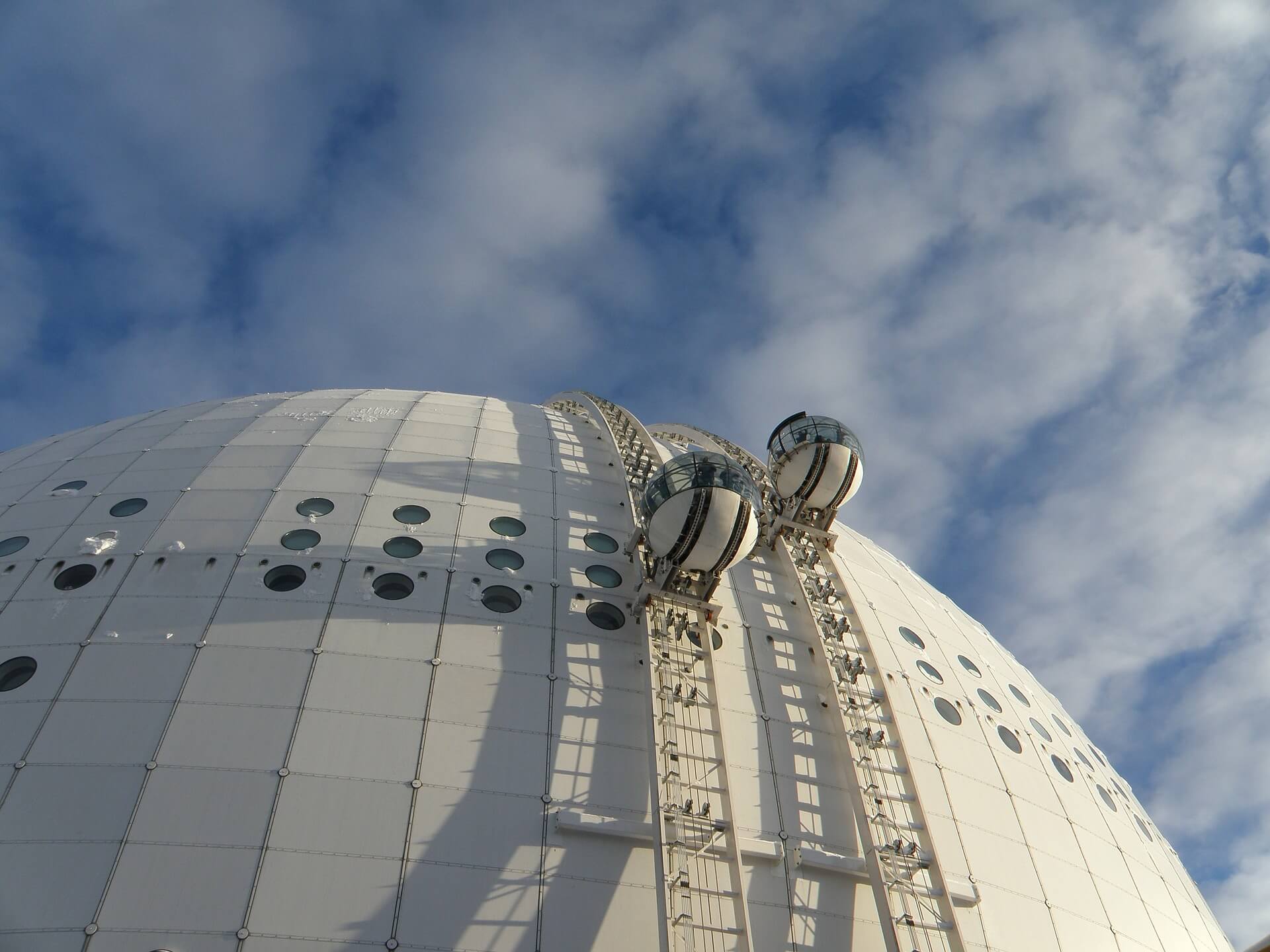
Historical recreations of Viking music have been attempted with instruments found in Viking sites. The instruments were a sort of trumpet, simple string instruments, wooden flutes and drums. The joik, a type of Sami music, is a chant that is part of animistic spirituality. Sweden also has a prominent choral music tradition. It is the third largest exporter of music after the USA and United Kingdom and its band, ABBA, has won global acclaim. Before the 13th century almost all buildings were made of timber but a shift began to stone. Early Swedish stone buildings are Romanesque churches in the countryside. Cathedrals in other parts of Sweden were built as seats of power of Sweden’s Bishops. Examples are the Skara Cathedral from the 14th century, and the Uppsala Cathedral from the 15th century. In 1230, the foundation of the Linkoping Cathedral was installed in limestone and the building took 250 years to complete. In 1520, under King Gustav Vasa, grand mansions, castles and fortresses were built. In the next two centuries, Sweden used Baroque architecture and later rococo. Notable projects from that period include the city of Karlskrona, which has been declared a UNESCO World Heritage Site. The Ericsson Globe is the largest hemispherical building on earth, shaped like a large white ball and located in Stockholm. The first literary text from Sweden is the Rok runestone carved during the Viking Age in 800 AD. Literature flourished when the Swedish language was standardized in the 16th century.
Cuisine
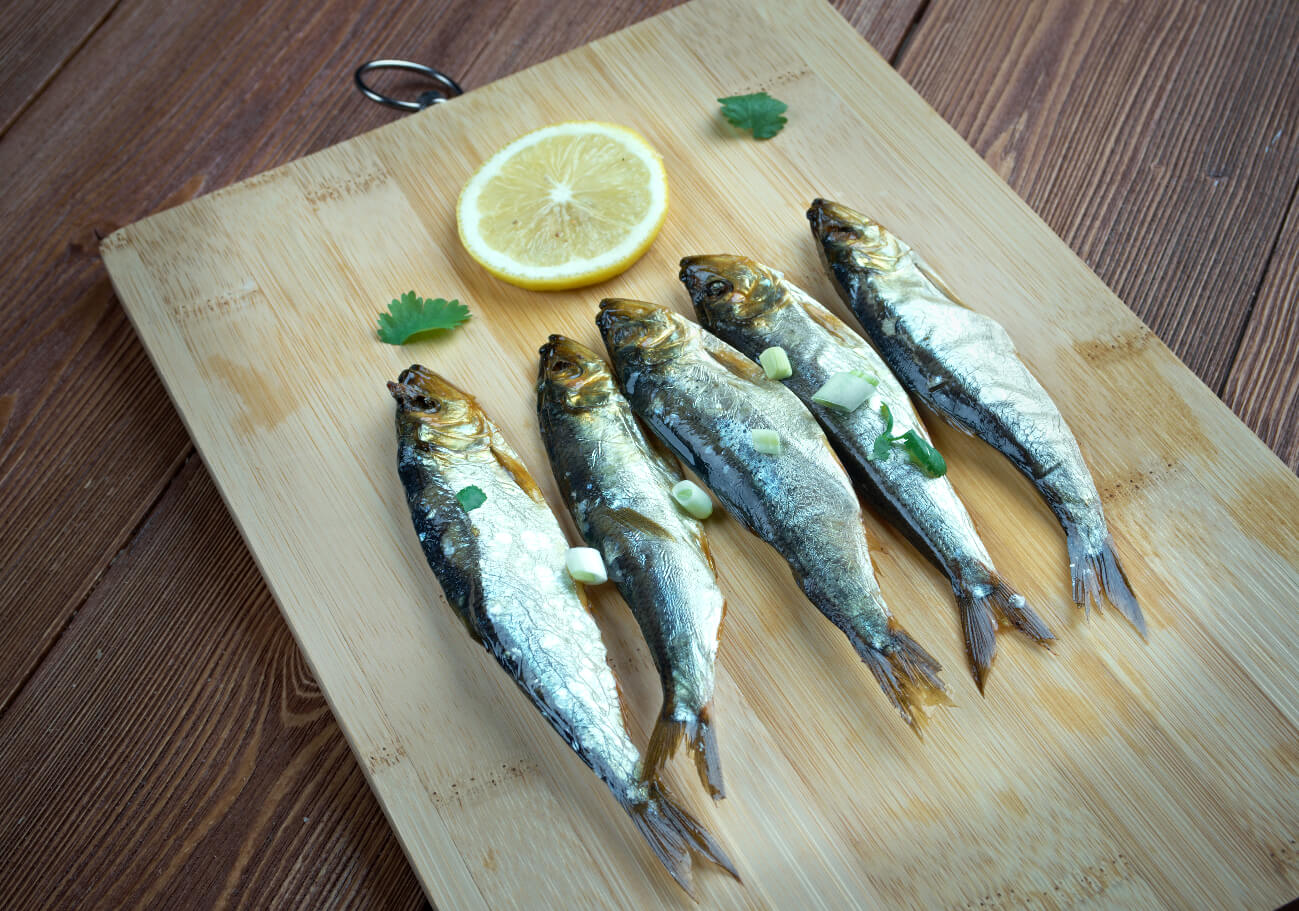
Swedish cuisine like that of other Nordic countries was traditionally simple. Fish and particularly herring, meat, potatoes and dairy products played prominent roles. Spices were sparse. Preparations included Swedish meatballs, pancakes, and the smorgasbord, a lavish buffet were all popular. Akvavit is a popular alcoholic distilled drink and the drinking of snaps is culturally important.

Tourist Attractions
Vasa Museum Stockholm features a preserved 17th century military ship. Stockholm Archipelago near the capital has 30,000 islands. Lund Domkirke Cathedral Built 1103. Gamla Stan The Old Town of Stockholm including the Royal Palace. Gammelstad Church Town Dates back to the 15th century. Visby, The largest island in Sweden with examples of Medieval architecture. Ice Hotel, Are Ski Resort, Sarek National Park in Swedish Lapland. Sofiero Palace.
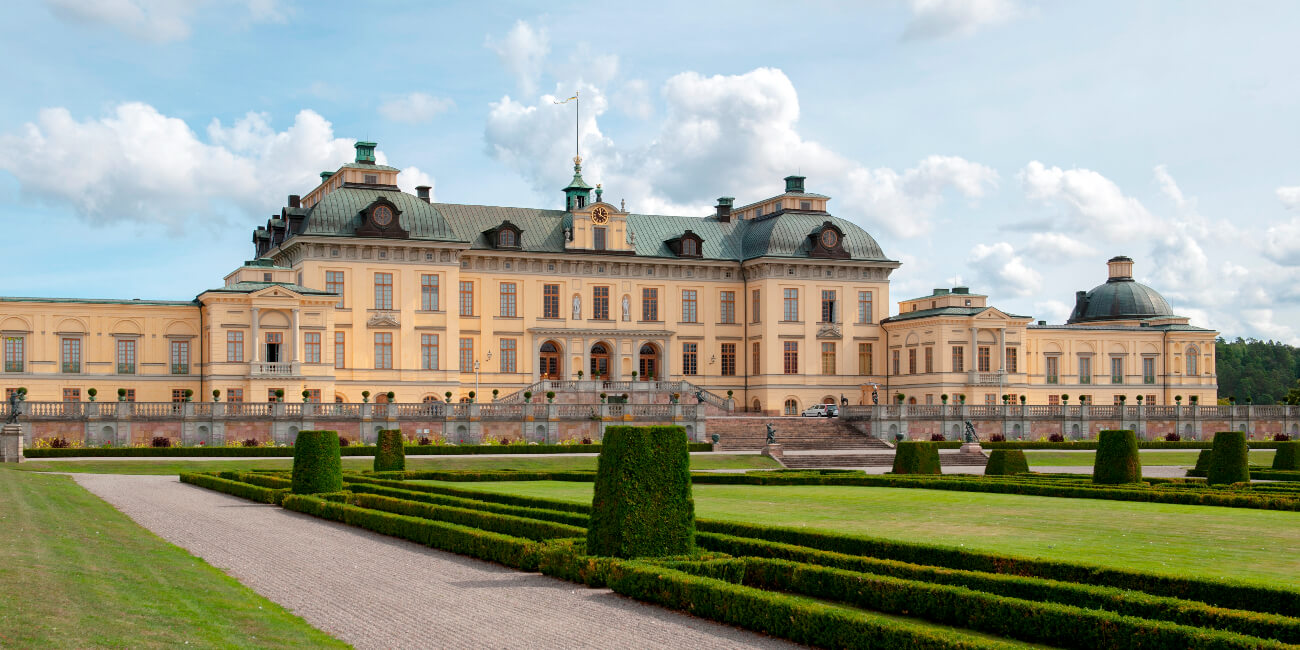
The Gata CanalDrottningholm Palace The current royal residence built in the 16th century.
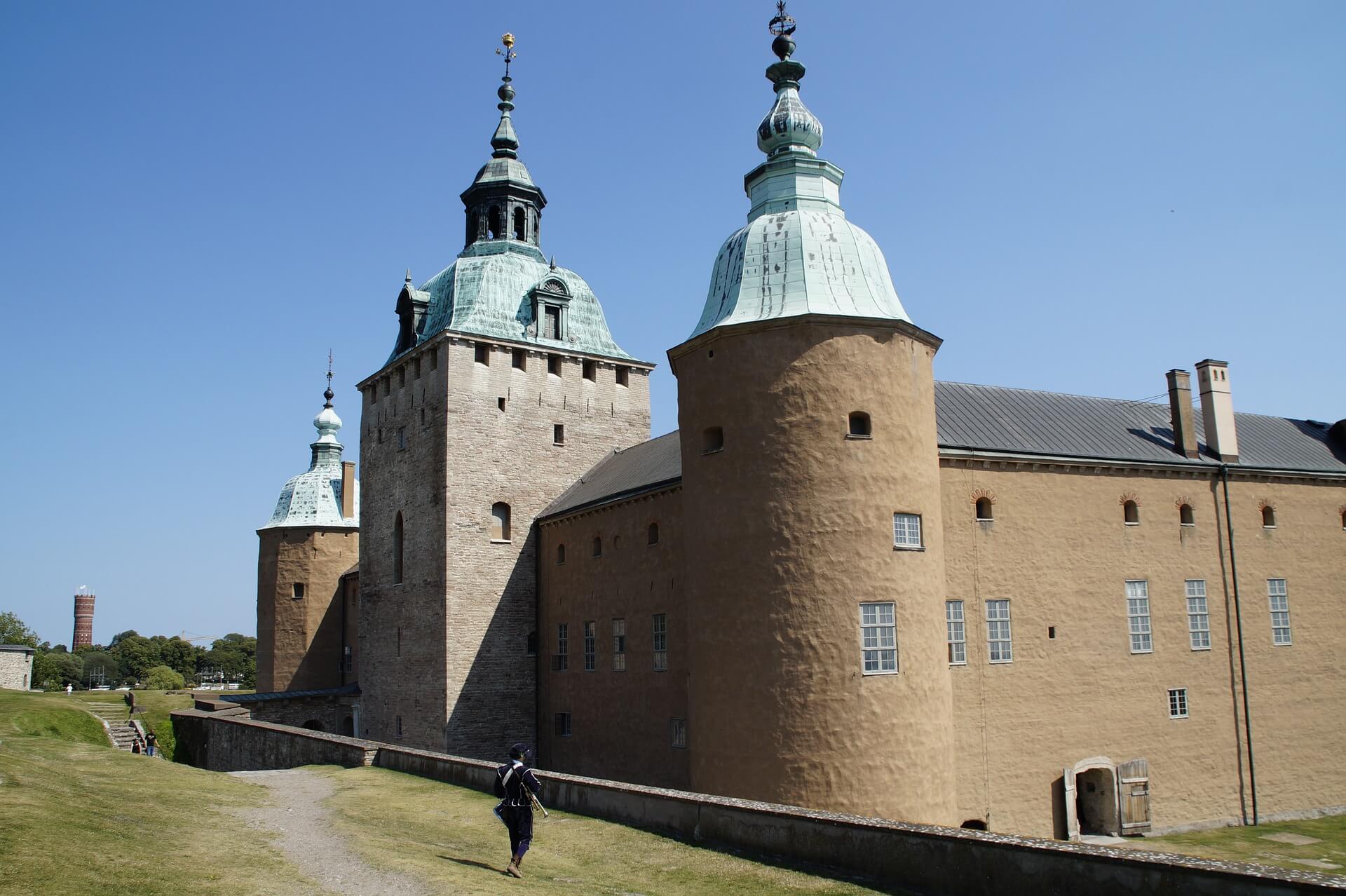
Kalmar Castle from the 11th century
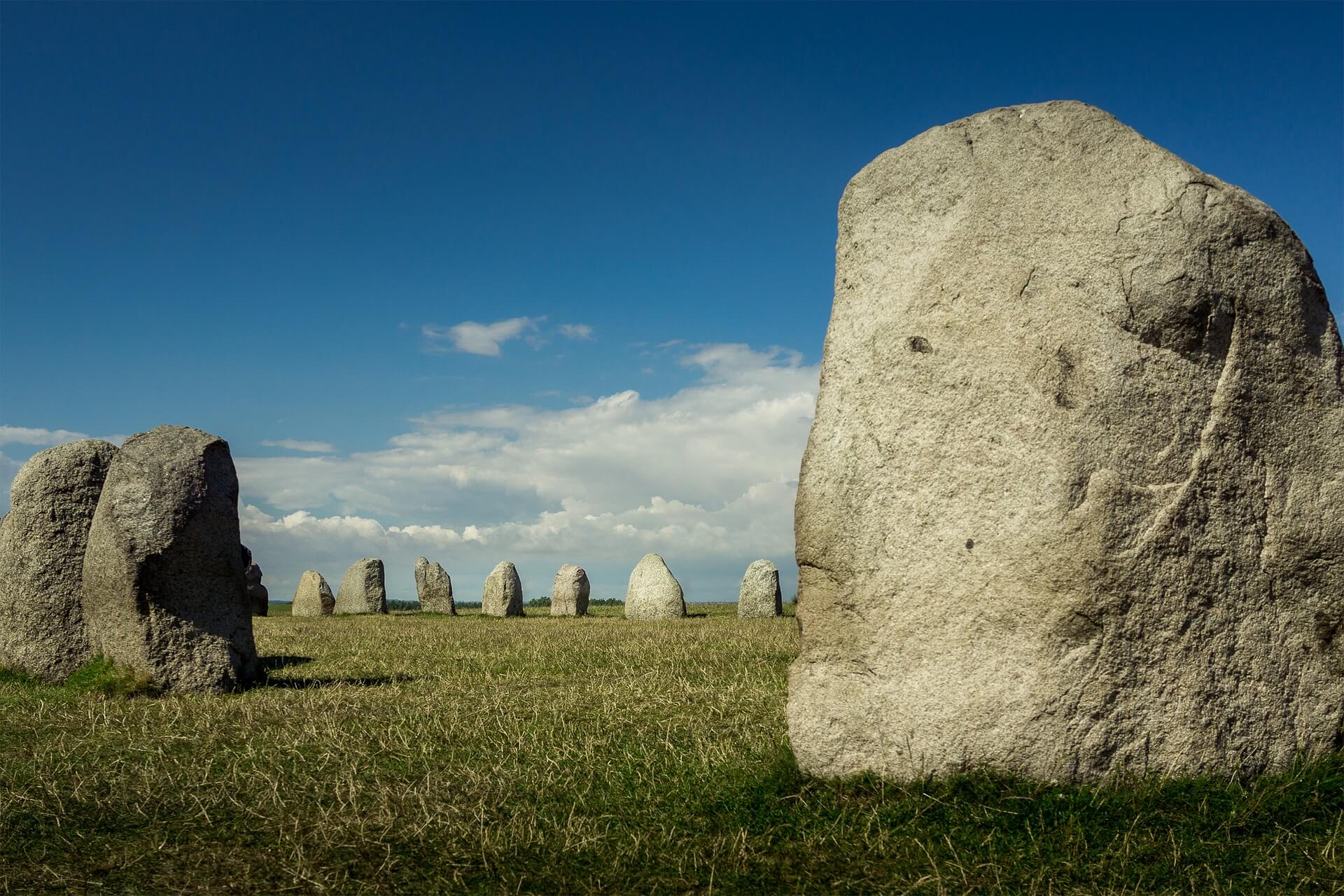
Ales Stenar The Stonehenge of Sweden.
Cities
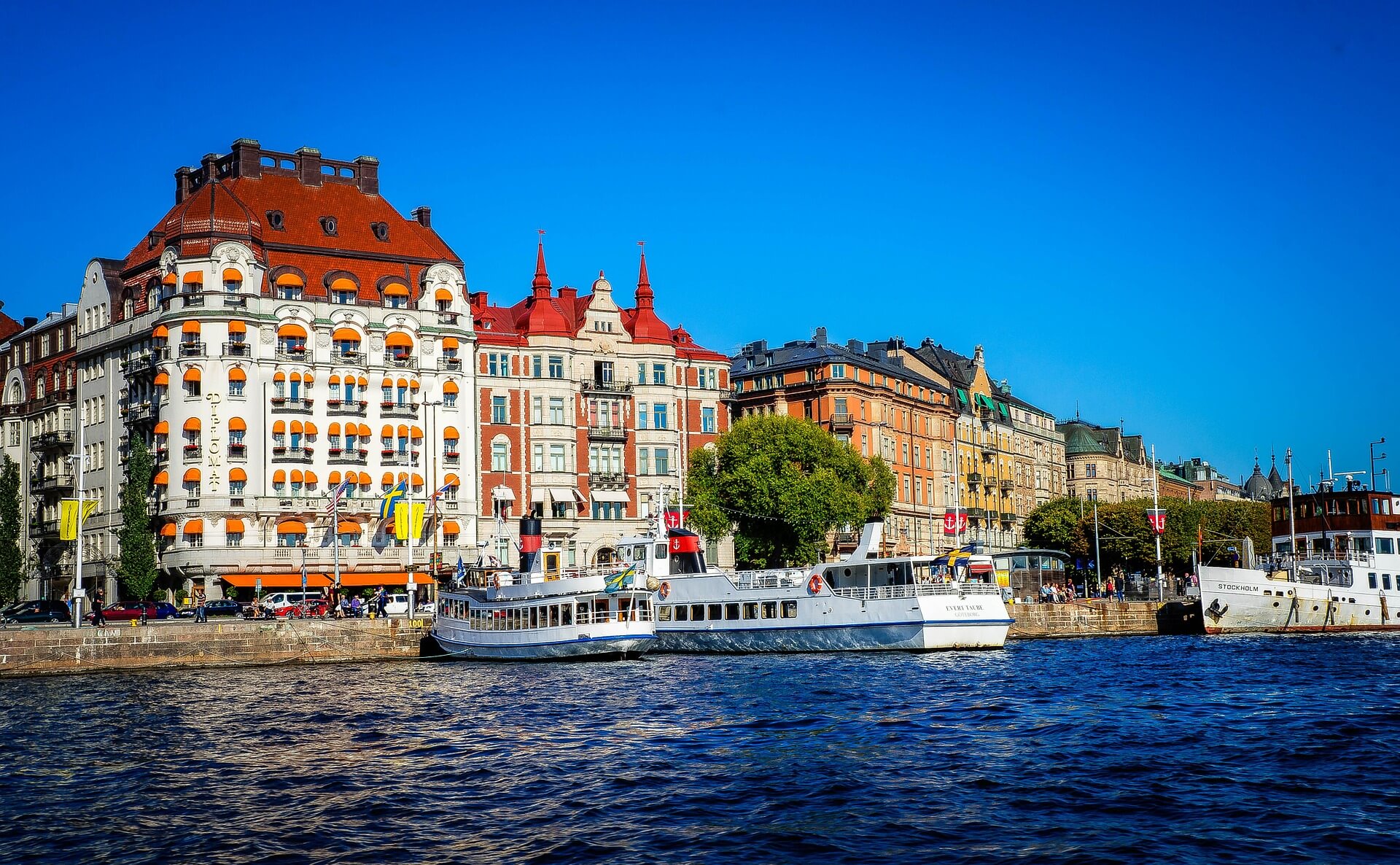
Stockholm, the Capital, is a city stretched across 14 islands where Lake Malaren empties into the Baltic Sea.. The capital region has 22% of the population of the country. Outside the city to the east, along the coast, is the island chain of the Stockholm Archipelago. Settled since the Stone Age in the 6th century BCE it was founded as a city in 1252. Stockholm is the cultural, political, economic, and media center of the country. It hosts the annual Nobel Prize ceremonies and is the official residence of the Swedish Royal Family. Stockholm’s core is the “Old Town”. Stockholm has a humid continental climate with cold winters and pleasantly warm summers. Popular museums are: Abba Museum, Fotografiska Museum of Photography, The Nobel Museum, the Nordic Museum and the Swedish Museum of Natural History.
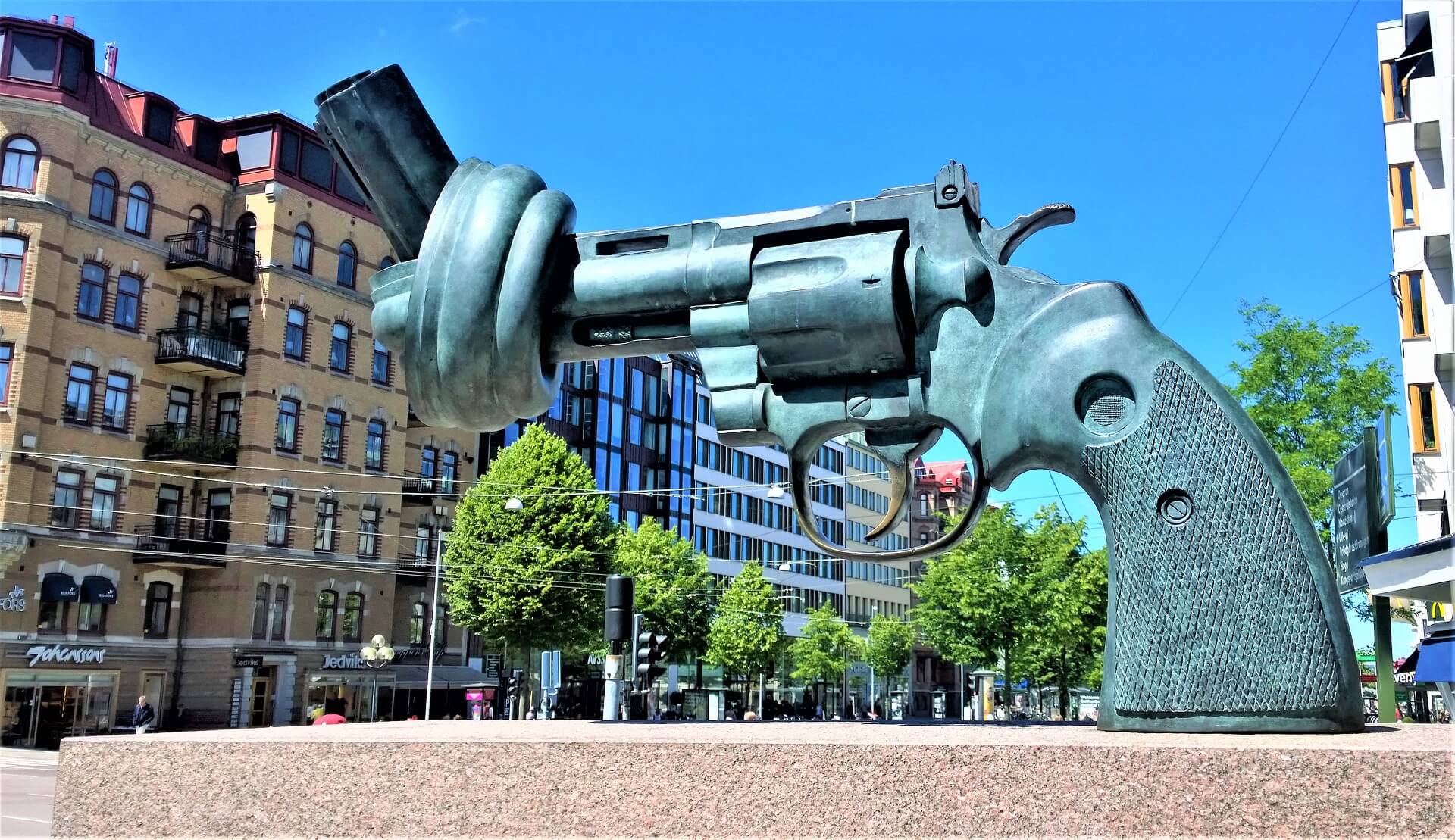
Gothenburg is the second most populous city in Sweden with almost 1 million citizens. It is located on the west coast by Kattegat. Founded in 1621 by King Gustavus Adolphus, it is the largest port of the Nordic countries.
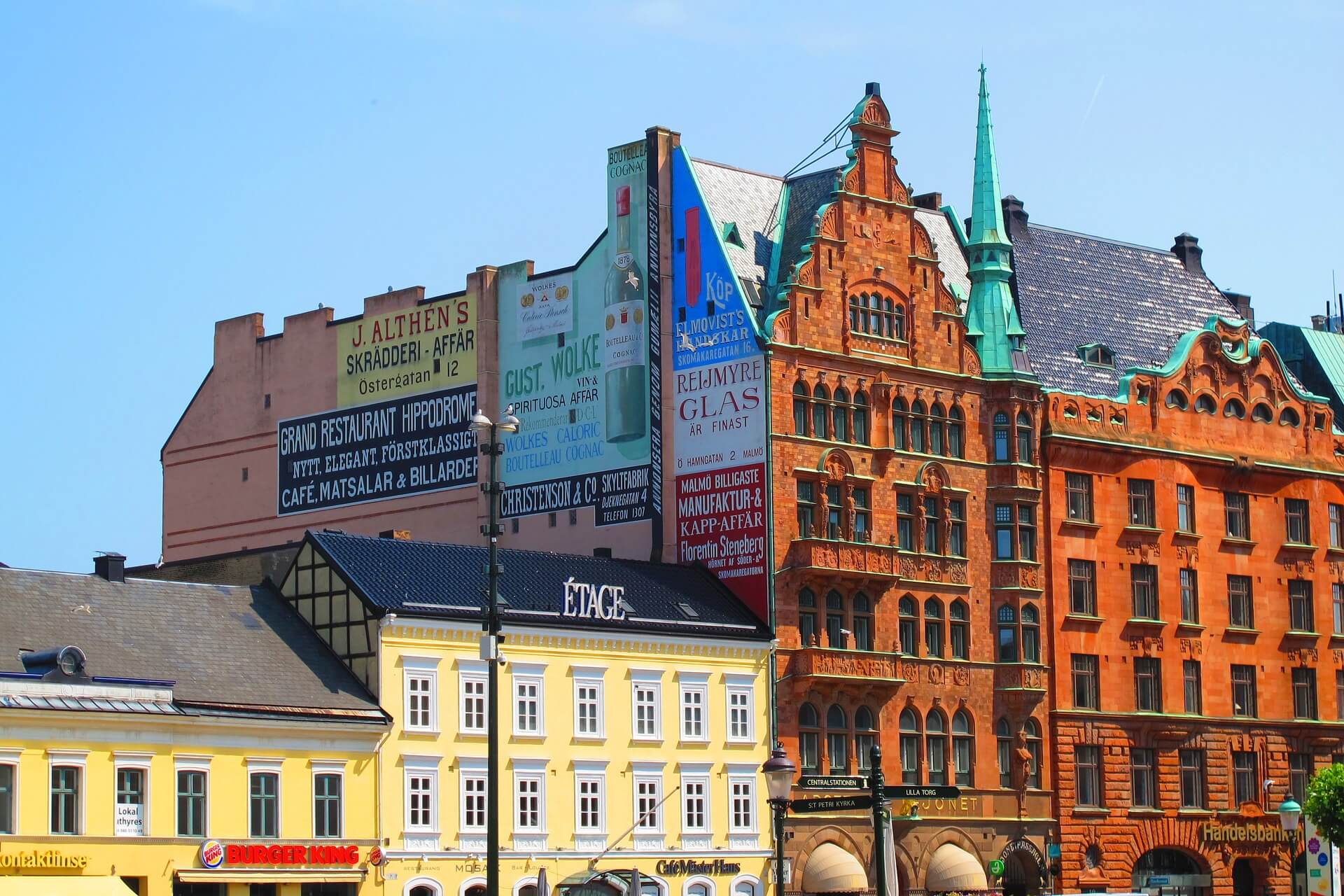
Malmo is the third largest city and is the cultural and economic center of Southern Sweden. It has numerous historic buildings and parks.
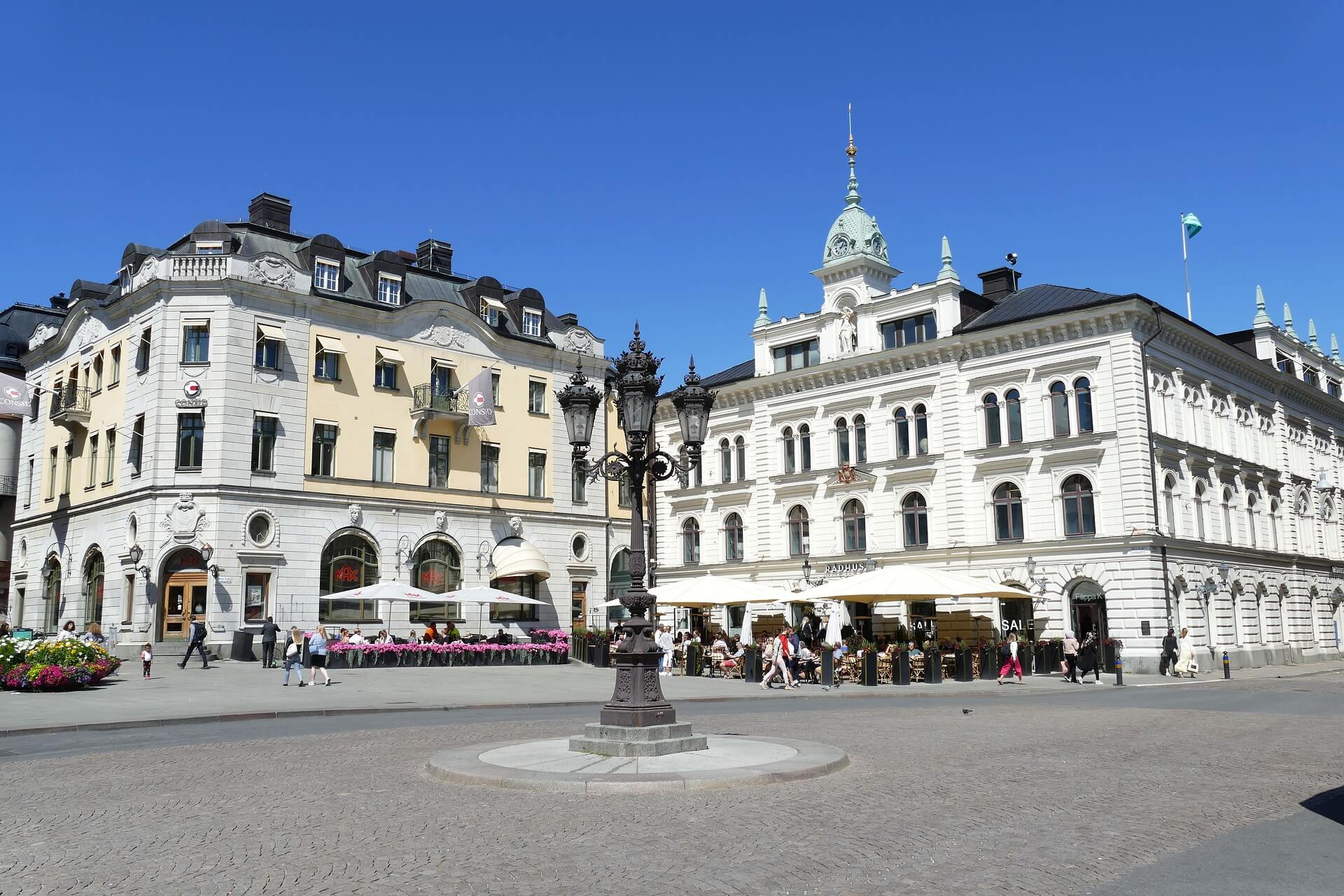
Uppsala is the capital of Sweden’s Uppsala County and is the ecclesiastical center of the country and is the seat of the Archbishop of the Church of Sweden. Uppsala University, founded in 1477, is the oldest center of higher learning in Scandinavia.
No Tour Found
No Tour Found