


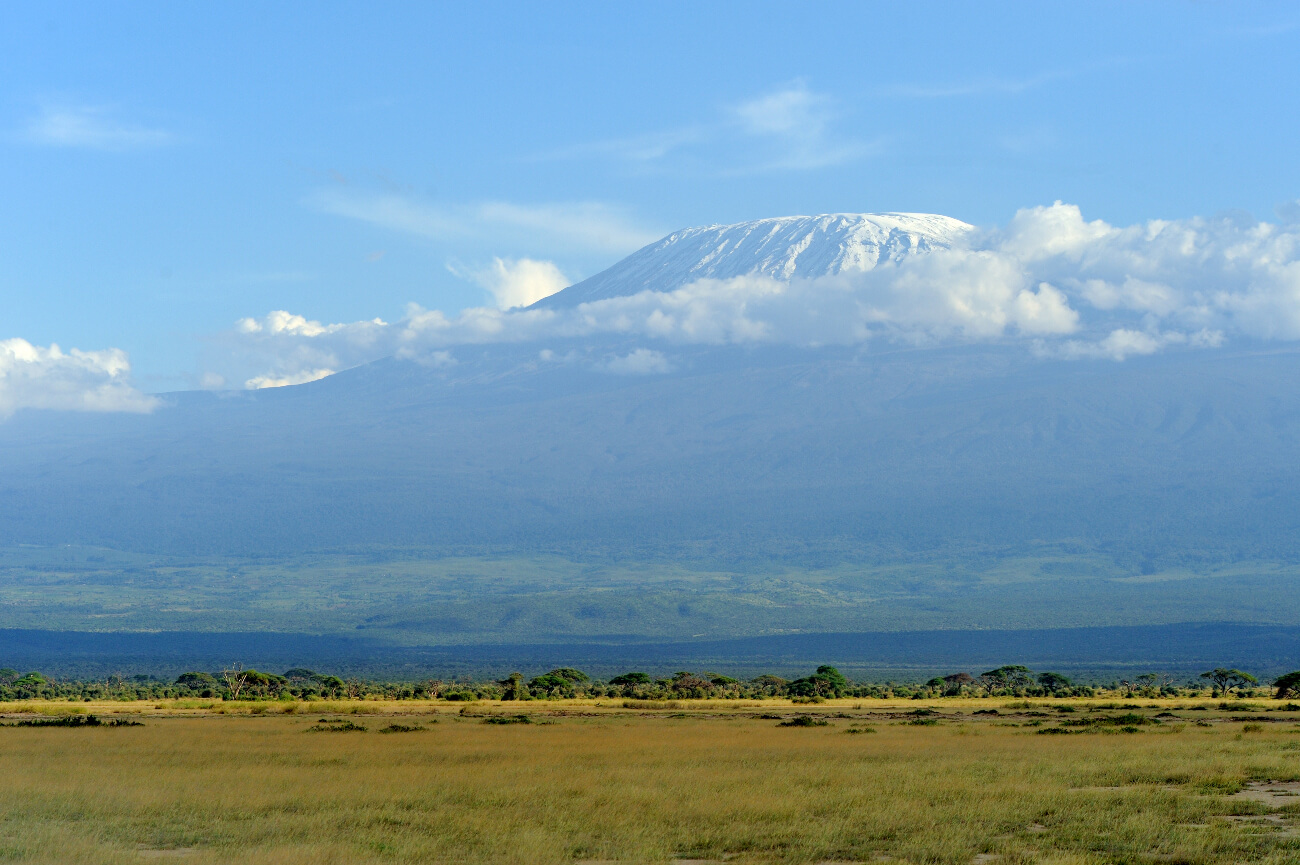
Tanzania, officially the United Republic of Tanzania is a country in East Africa within the African Great Lakes Region. It borders Uganda to the north, Kenya to the northeast, Comoro Islands and the Indian Ocean to the east, Mozambique and Malawi to the south, Zambia to the southwest and Rwanda, Burundi, and the Democratic Republic of the Congo to the west. Its defining geographical feature is Mount Kilimanjaro, the tallest peak in Africa is in the northeast. Tanzania is the 13th largest country in Africa with 365,000 square miles. Tanzania has Africa’s highest point; Mount Kilimanjaro 19,341 feet above sea level and lowest point; the floor of Lake Tanganyika at 4,826 feet below sea level. Climate varies widely but is surprisingly cool with an average annual temperature of 68 degrees and rainfall is heavy at times with two seasons of major rainfall. Tanzania is divided into 31 regions, with 26 in Tanzania and 5 in Zanzibar.
Tanzania is an archeological and hominid hunter’s dream with hominid fossils discoveries such as the 6 million year old Pliocene fossils. The oldest remains of the genus Homo are found near Lake Olduvai. Much later, in the Stone and Bronze ages, prehistoric migrations into Tanzania included Southern and Eastern Cushitic speakers who moved south from present day Ethiopia between 2000 and 4000 years ago.
Tanzania was ruled by Germany during the late 19th century when it formed German East Africa. This was followed by British rule with the defeat of Germany in World War I. The mainland was governed as Tanganyika, with the Zanzibar Archipelago remaining a separate colonial jurisdiction. Following their respective independence from Britain in 1961 and 1963, the two countries merged in 1964 to form the United Republic of Tanzania. Tanzania is a present day member of the British Commonwealth.
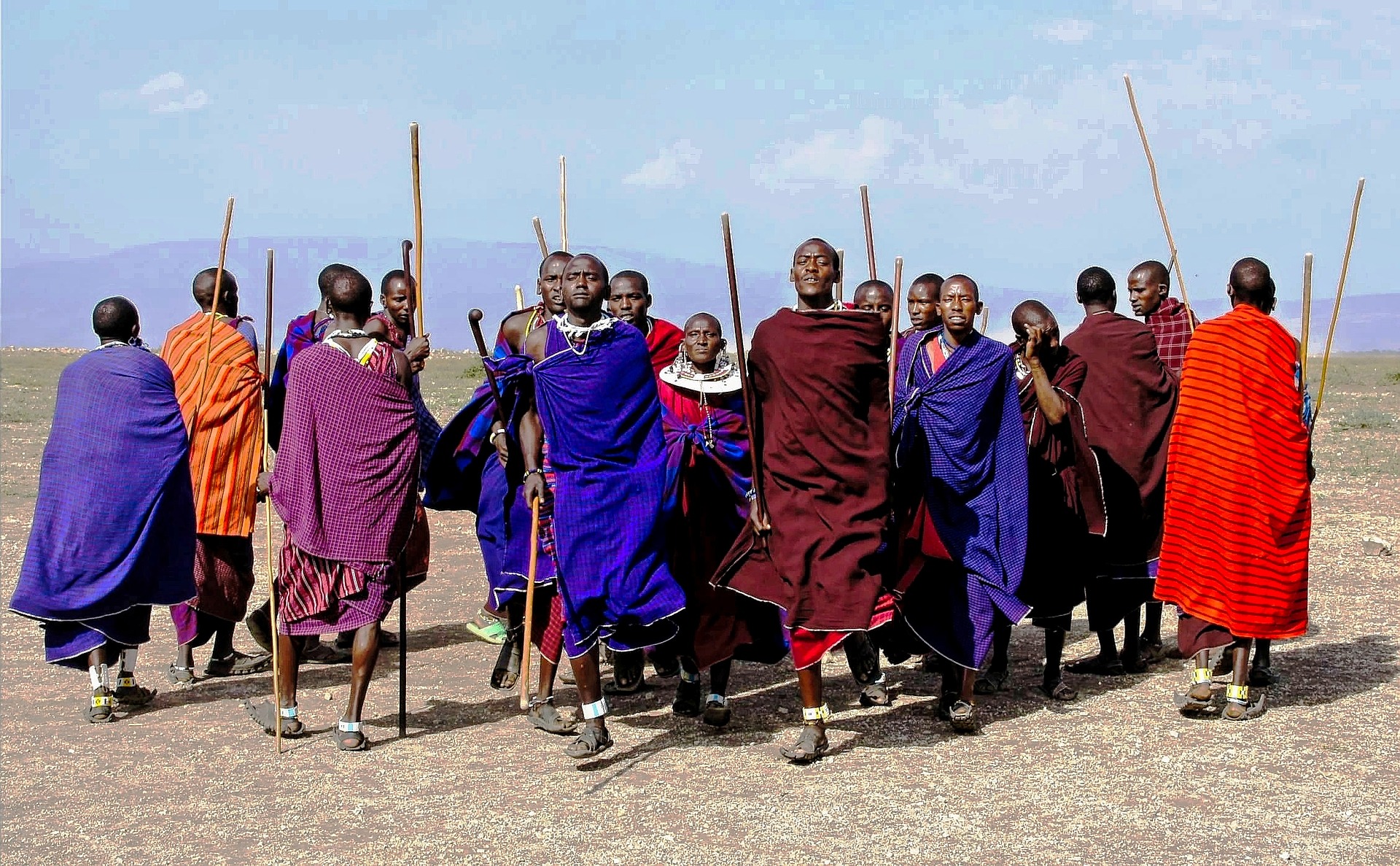
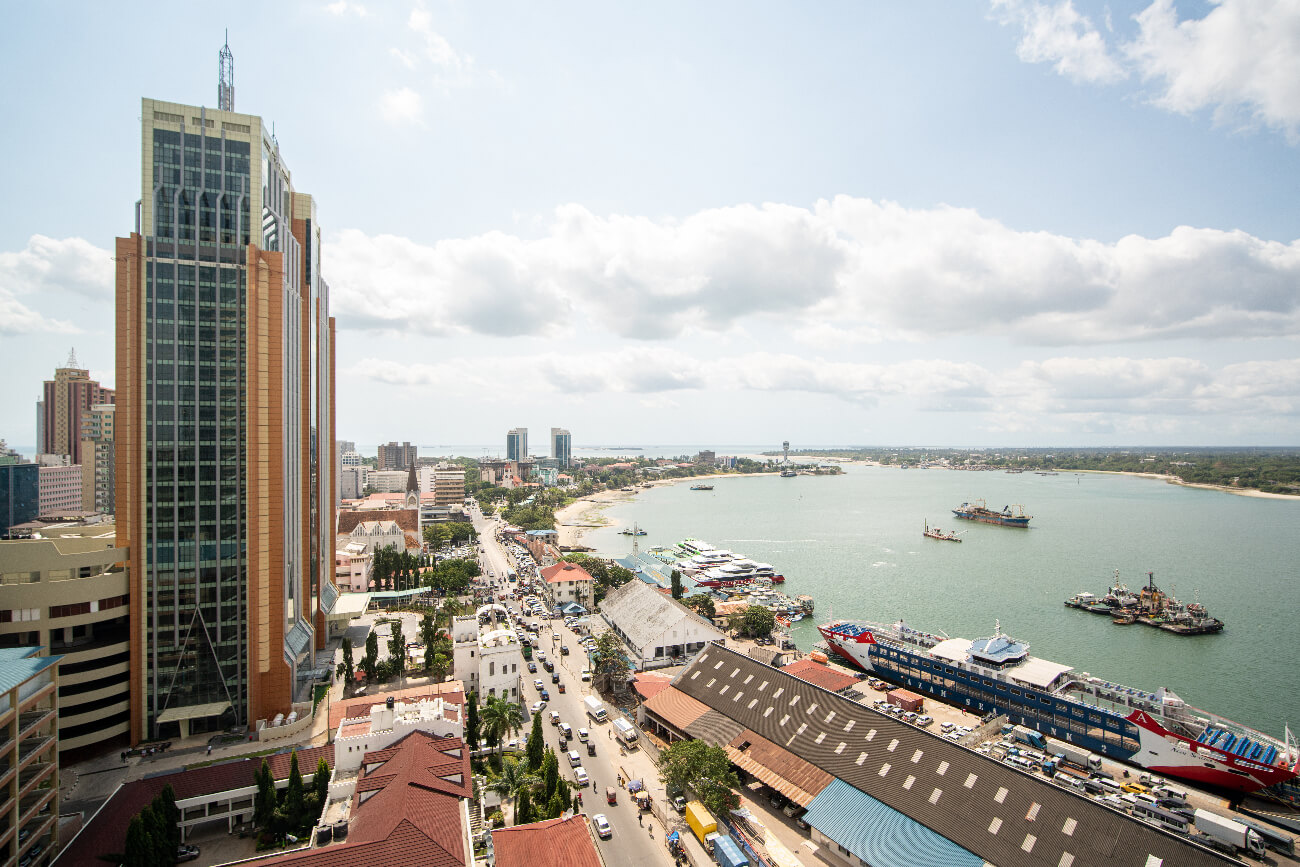
Tanzania has about 45 million people, making it the second largest population in Southern Africa after South Africa. The population is diverse and comprises 120 ethnic, linguistic and religious groups. The country is a presidential constitutional republic and Dodoma is its capital. The former capital, Dar es Salaam is the largest city, with a population of 4.5 million and is the country’s principal port and largest commercial center.
Tanzania is mountainous and densely forested in the northeast. Three of Africa’s Great Lakes are partly within the country. They are Lake Victoria, Africa’s largest Lake, Lake Tanganyika, the continent’s deepest lake and Lake Malawi.
Christianity is the largest religion (61%) but there are also substantial followers of the Muslim (35%) and Animist (3%) religions. Over 100 languages are spoken making Tanzania the most linguistically diverse country in East Africa. The country does not have an official language although the national language is Swahili. English is widely used in education, commerce and diplomacy.
Travel:
Most transportation is by road and the 53,000 miles of roads are not in the greatest shape so be very generous with your travel time to various destinations.
Suggested Things to Do:
Tanganyika part of Tanzania:
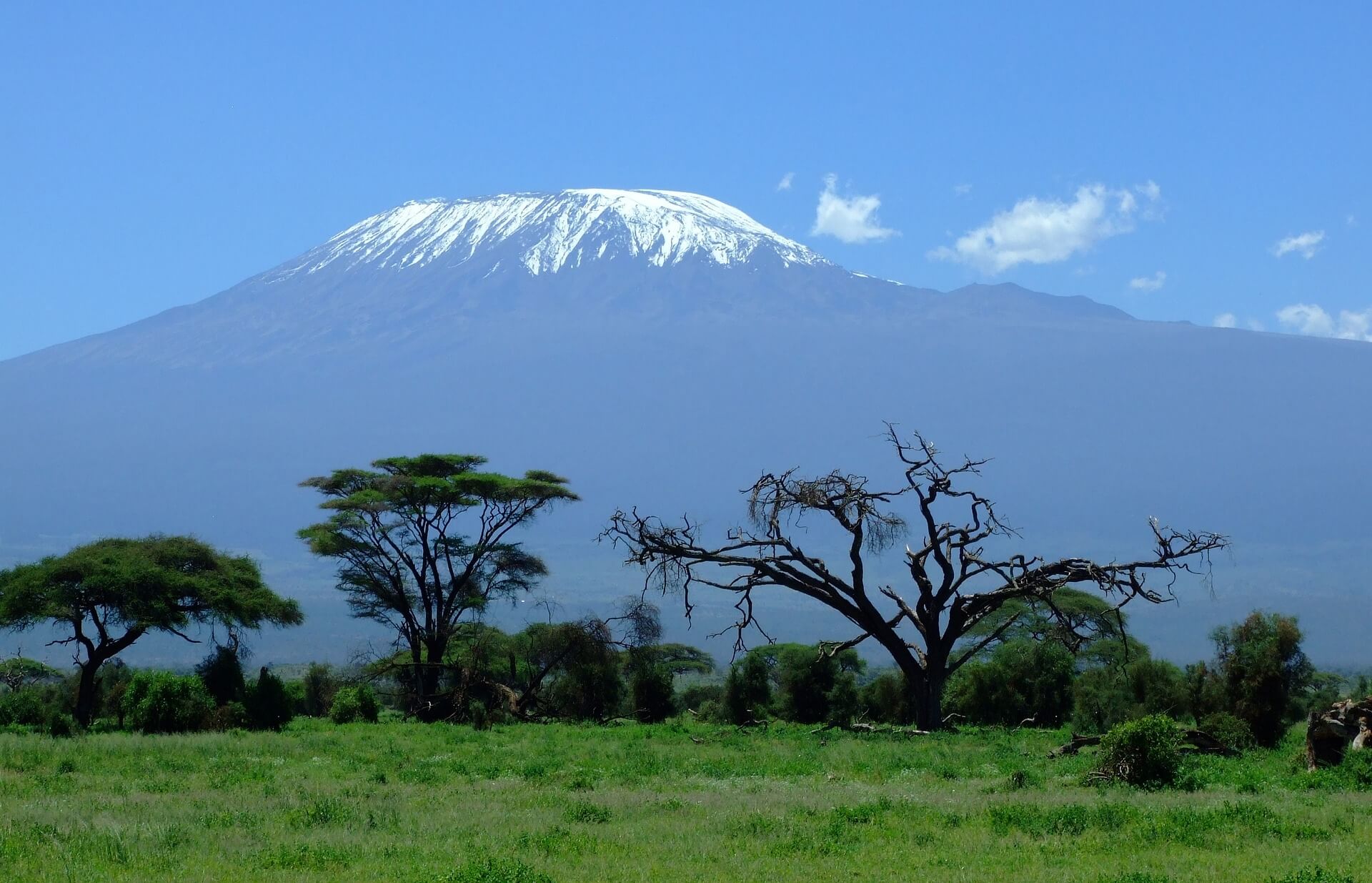
Mount Kilimanjaro – Africa’s highest peak is a World Heritage Site. Formed over 1 million years ago by volcanic movement along the Rift Valley, it has three volcanic cones, Shira, Kibo and Mawenzi. The highest point is Uhuru Peak on Kibo, which is one of the Seven Summits of the world.
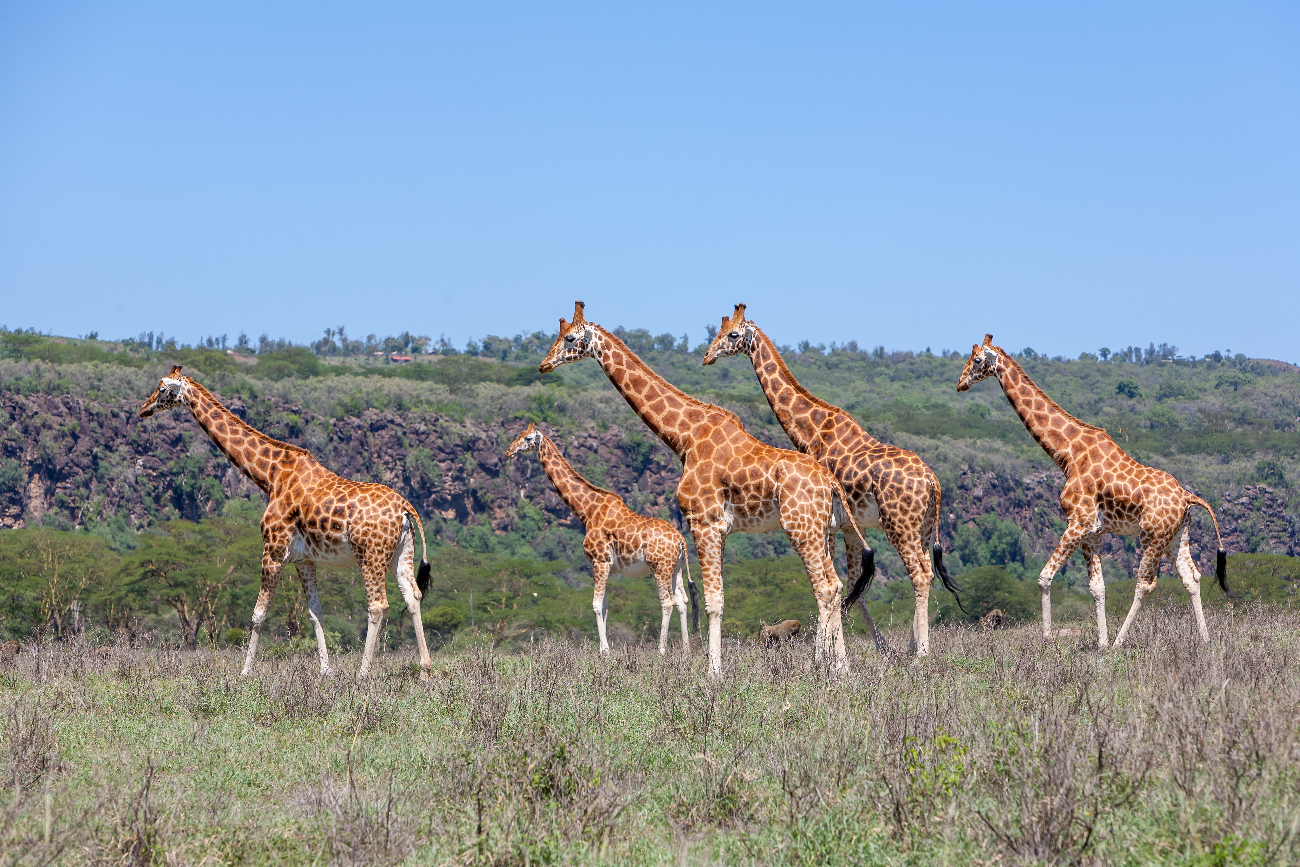
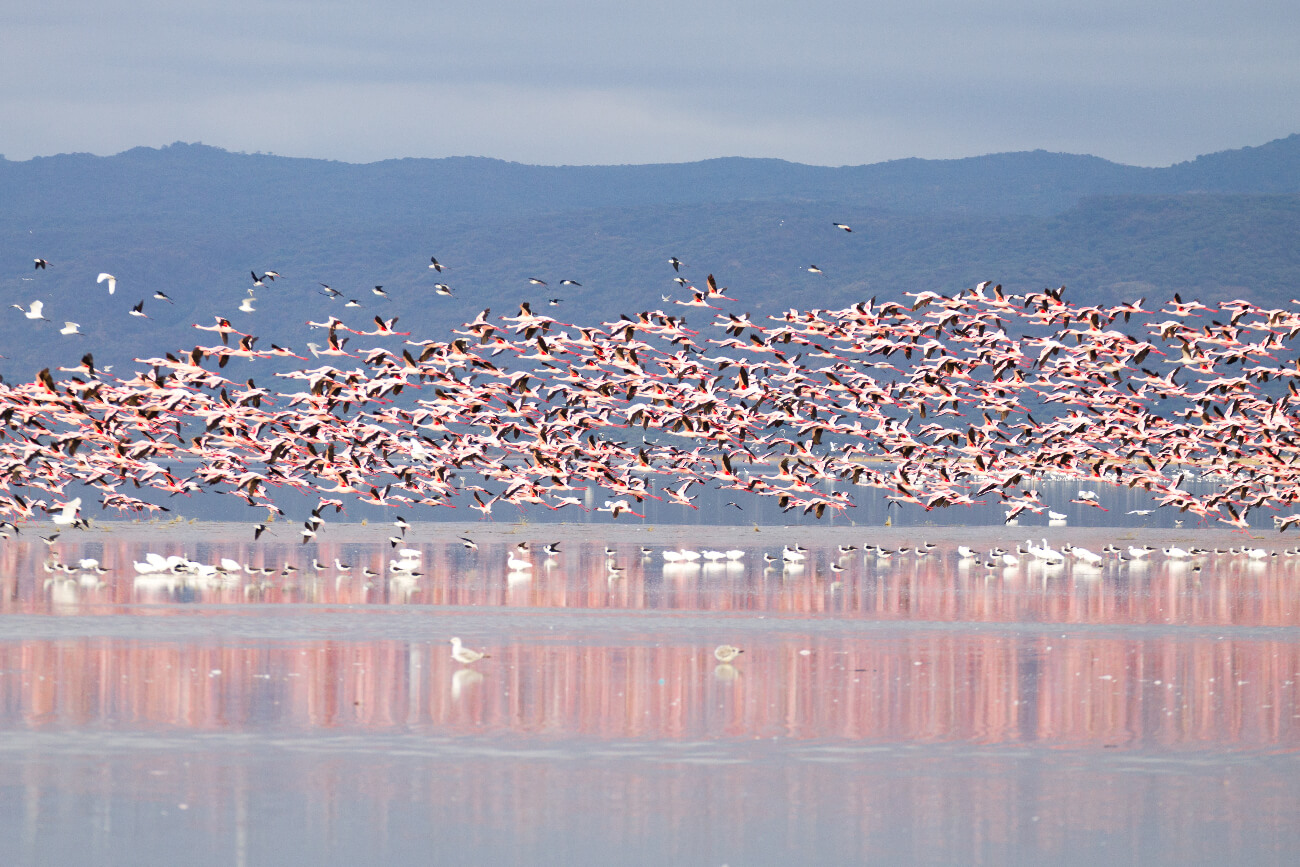
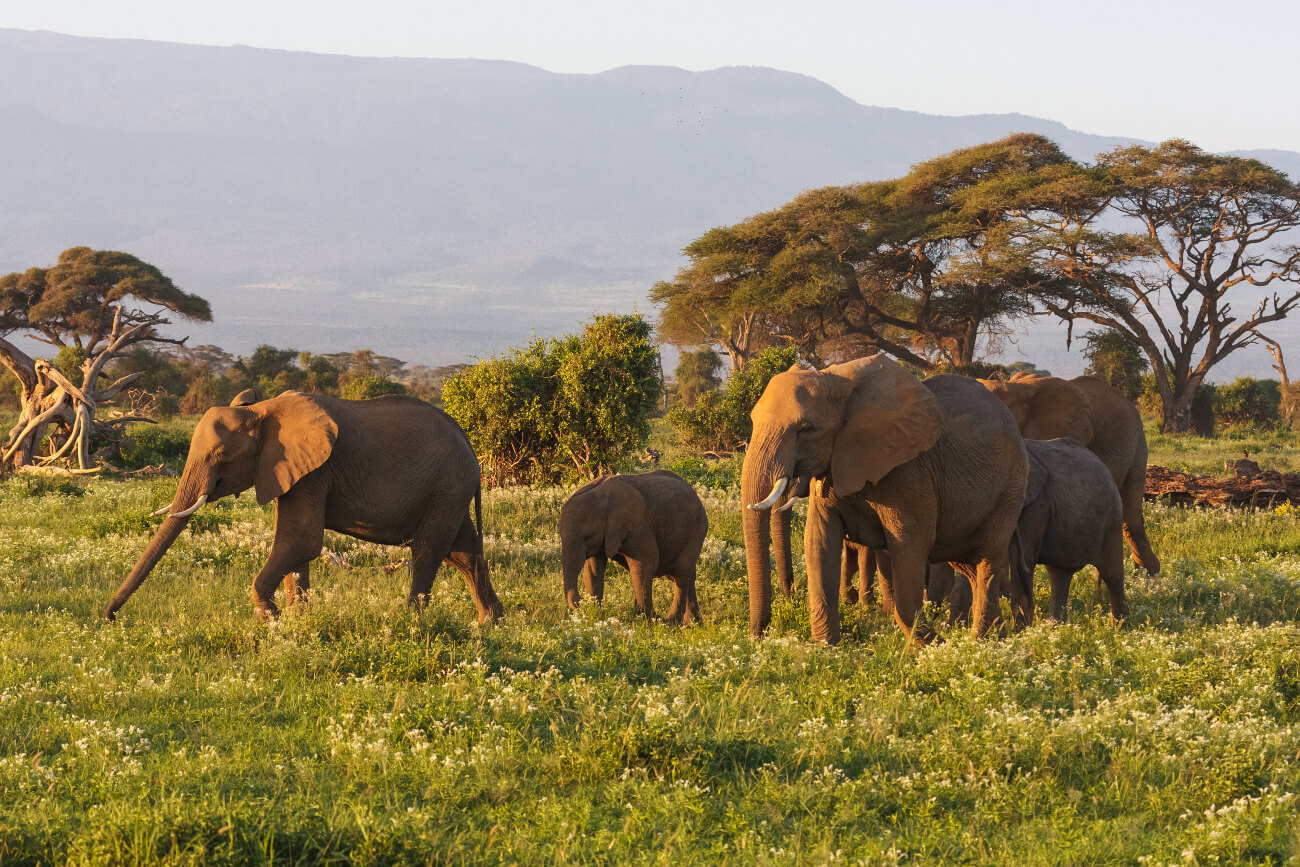
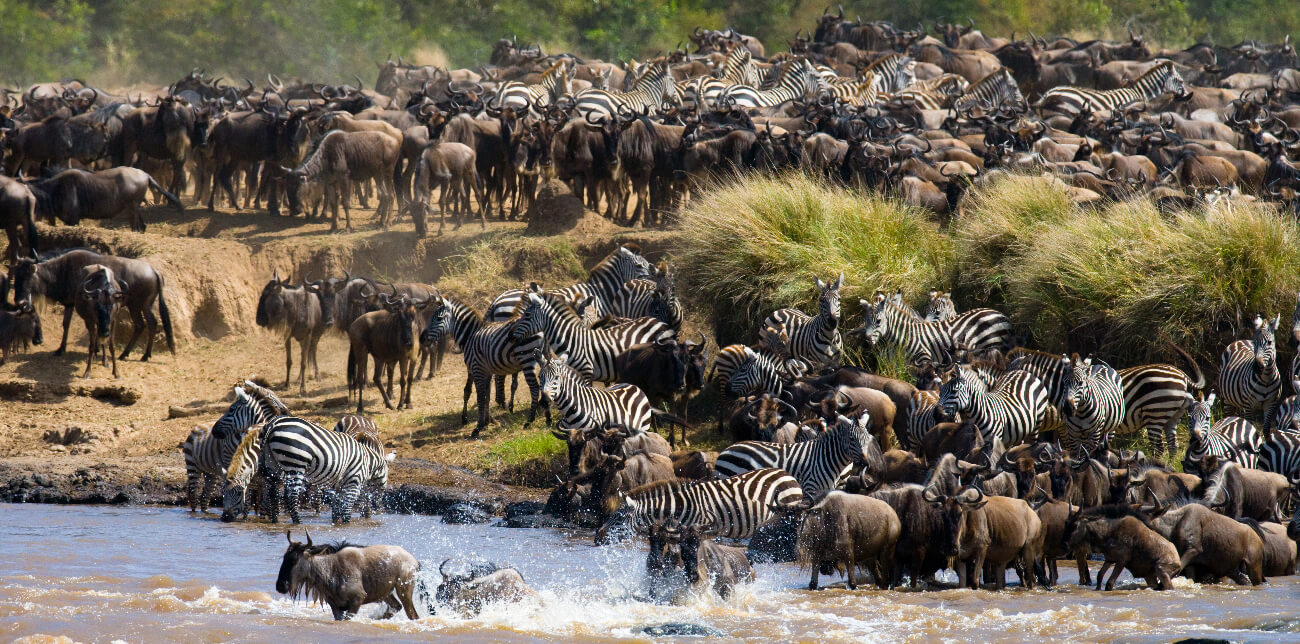
National Parks – The country has some of the best national parks in Africa and is the perfect environment for a safari. Serengeti National Park is a vast treeless plain home to millions of animals either living here or passing through. The park is famous for the annual 1.5 million wildebeest migration which takes place in May and early June. Ngorongoro Conservation Area is home to the famous volcano crater which is 3 million years old and was one of the largest mountains in the world prior to the explosion. This huge crater has permanent water which draws thousands of animals. Bird watching is superb and there are thousands of flamingos. Watch for the Hippos. Selous Game Reserve is the largest game reserve in Africa with a wide range of animals. Tarangire National Park has a large population of elephants and baobab trees. Ruaha National Park is the largest of the parks and has the largest concentration of elephants. Gombe National Park has a large number of chimpanzees and was made famous by Jane Goodall.
Katavi National Park has a large number of crocodiles and hippos.
Lake Manyara National Park is 2/3 water and home to thousands of flamingos and has the largest concentration of baboons in the world.
Olduvai Gorge Is an important archeological site that has given up ancient skulls and bones of early mankind. The Leakeys found remains are estimated to be 2 million years old.
Lake Victoria is the largest freshwater lake in Africa and is the source of the White Nile.
Kalambo Falls in the southwestern region of Rukwa is the second largest uninterrupted waterfall in Africa.
Cities in Tanganyika part of Tanzania:
In Dar es Salaam plan to visit:
The Village Museum
The National Museum
Coco Beach
Mwenge Woodcarvers Market
Dar es Salaam Zoo
Azam Marine and Coastal Ferries
Mbudya Island
In the City of Moshi plan to visit:
Kikuletwa Hot Springs
Materuni Waterfall
Kilimanjaro Animal CREW (Nature and wildlife)
Maasai Cultural Village and Museum
Uhuru Museum
Kilimanjaro Friendship Trail
In the City of Arusha plan to visit:
Tanzanite Experience Museum
The Cultural Heritage Center
Ngurdoto Crater
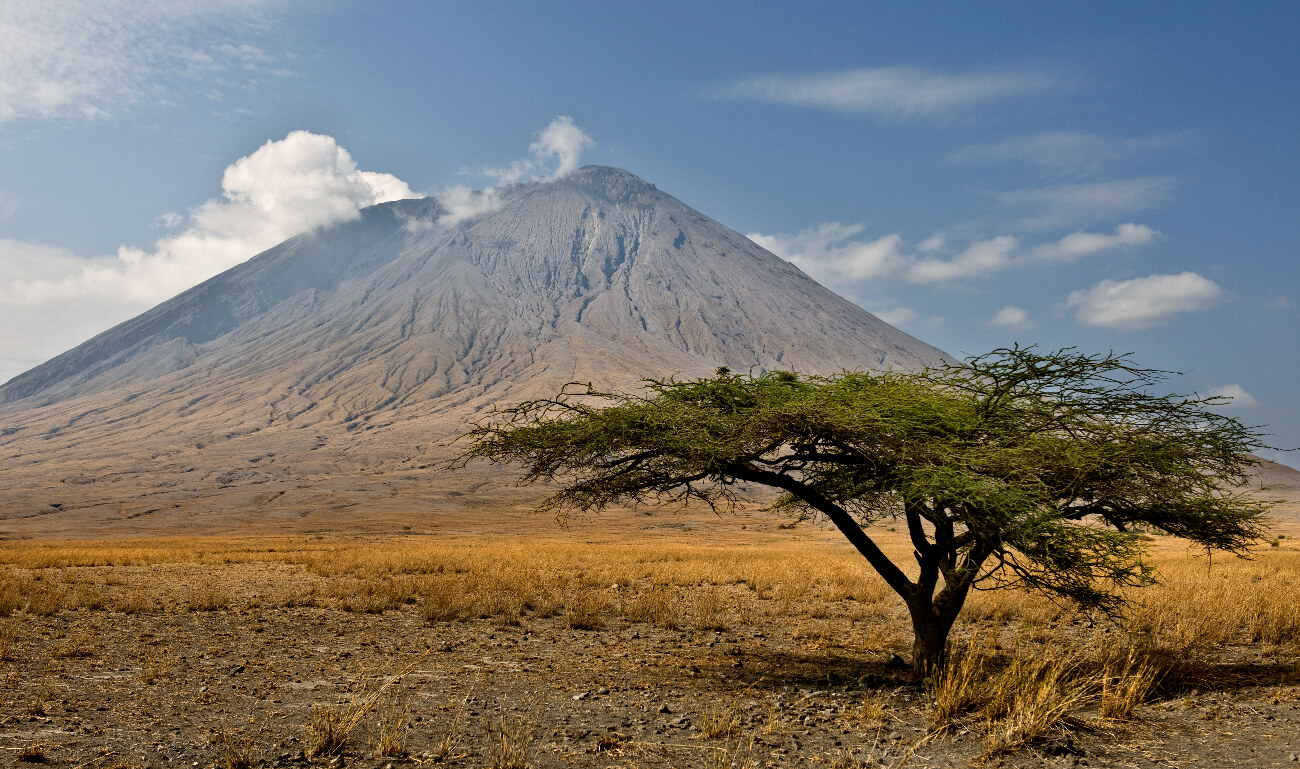
Ol Doinyo Lengai Volcano
Maasai Market and Curios and Crafts
In the island of Zanzibar:
Zanzibar is composed of the Zanzibar Archipelago in the Indian Ocean and is at its closest 16 miles off the coast of Africa. It consists of many small islands and two large ones, Unguja, the main island referred to informally as Zanzibar and Pemba Island. The capital is Zanzibar City located on Unguja. Its historic center is “Stone Town” a World Heritage Site. Its main industries are spices and tourism and it is sometimes referred to as the “Spice Islands”. Humans have lived on Zanzibar for 20,000 years. From the 9th Century AD Swahili merchants on Zanzibar operated as broker-dealers for long distance traders from both Africa and the Indian Ocean islands. Many foreign traders from Africa and Asia married the local women. Since most Asian traders were Muslim, the children were raised Muslim and 99% of today’s island population of slightly under 1 million is Muslim. In 1498 the Portuguese explorer Vasco da Gama visited and several years later Zanzibar became part of the Portuguese Empire. In 1698 Zanzibar was ruled by the Sultanate of Oman.
Stone Town is the cultural heart of Zanzibar and has little changed in the last 200 years. The grand old Arabian homes lining the narrow streets and winding alleys give the city its unique charm. Many of the landmarks have been restored and some of the historic buildings are now museums.
In Zanzibar City plan to visit:
Stone Town
Dolphins tour at Mnemba Island
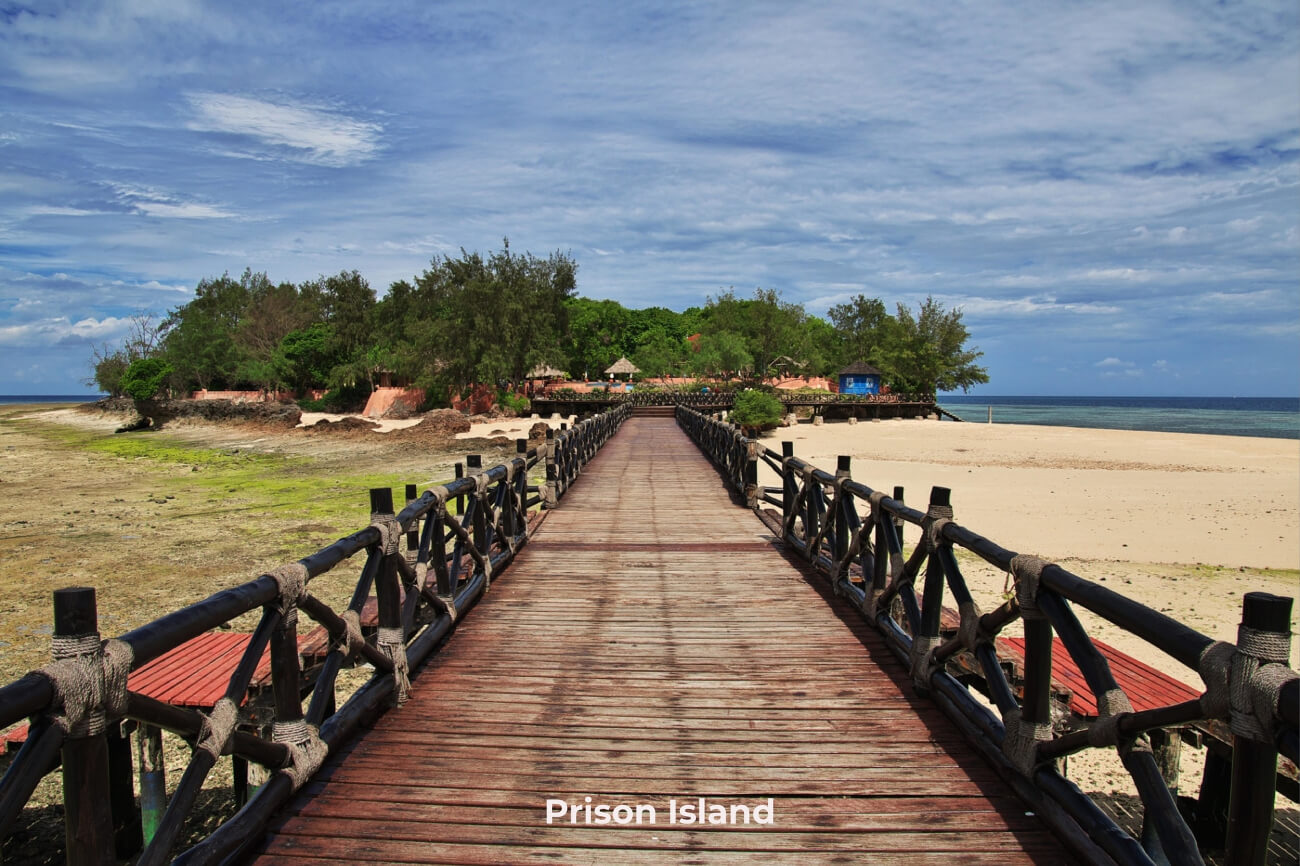
Nakupenda Sandbank and Prison Island Town
Old Slave Market/Anglican Cathedral
Dr Bulugo Art Gallery
Forodhani Gardens
Mafia Island has a Marine Park hosting a large coral reef.
Pemba Island is surrounded by many small desert islands and has the best scuba diving in the Indian Ocean.
Places In Tanzania You Should Not Miss
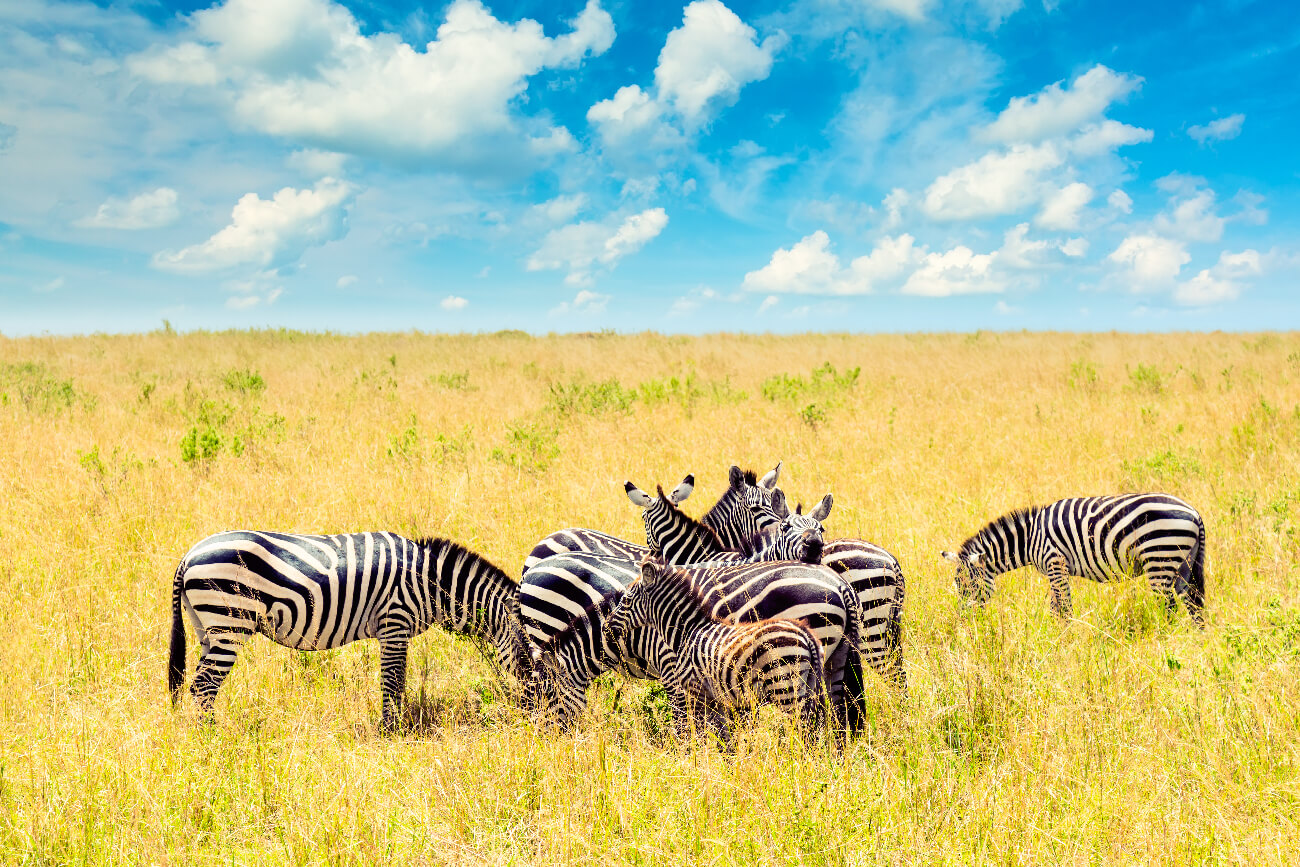
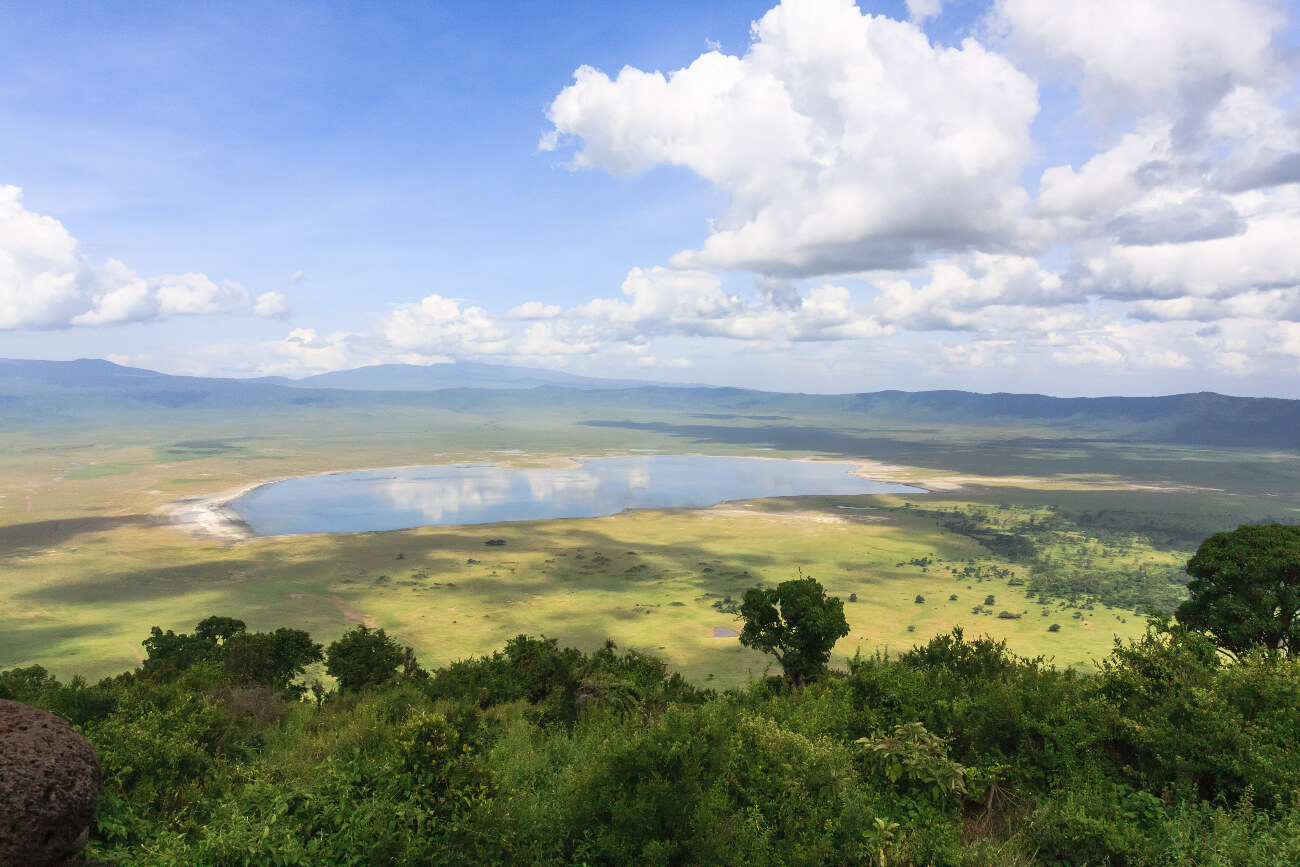
Ngorongoro Crater, the largest unbroken caldera in the world and home to thousands of animals. The crater floor supports buffalo, elephants, wildebeest, zebras, elands, gazelles, and hippos, as well as numerous predators and large quantities of bird species.
The Serengeti Plain is the site of the annual migration of over two million wildebeest, zebras and other plains game as they follow the rain in search of new grass
Mount Kilimanjaro is the highest mountain in Africa and each year it is challenged by more than 30,000 climbers who choose one of the four routes which will take them to the summit. The Machame or the Rongai route takes 7 days, the Lemosho route takes 8 days and the Northern route takes 9 days. In all cases this adventure requires good preparation and reliable services, and Celestial Voyagers will be happy to provide them.
Beaches in Tanzania are especially great in the Spice Islands of Pemba and Zanzibar, where it is easy to combine cultural activities in the old Swahili town of Zanzibar with relaxing on the nearby sandy beaches.
Going Off The Beaten Tracks
Selous Game Reserve is a fantastic safari destination and it is also one of the most remote, which results in less visitors and more animals. It is well known as the home of the last of the big tusked elephants.The best season to visit Selous is July through October.
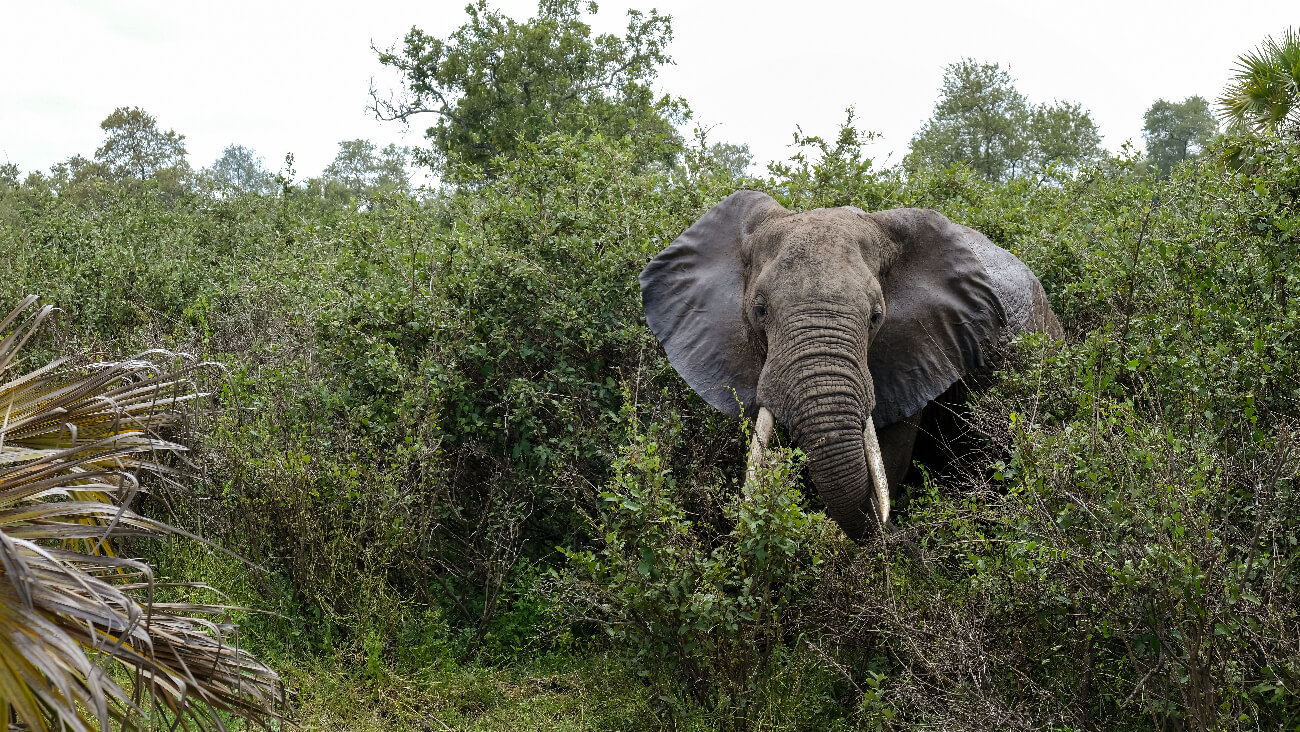
Saadani National Park is the 13th and youngest park opened in the country. It is the only one bordering the sea and the resulting mixture of marine and mainland fauna produces a great variety of reptiles, birds, green turtles, hunchback whales and dolphins.
Mahale Mountains and its National Park stands in Western Tanzania on the shore of Lake Tanganyika. It has gorgeous forest and beautiful beaches,and is the best place to see and interact with chimpanzees.
No Tour Found
No Tour Found