


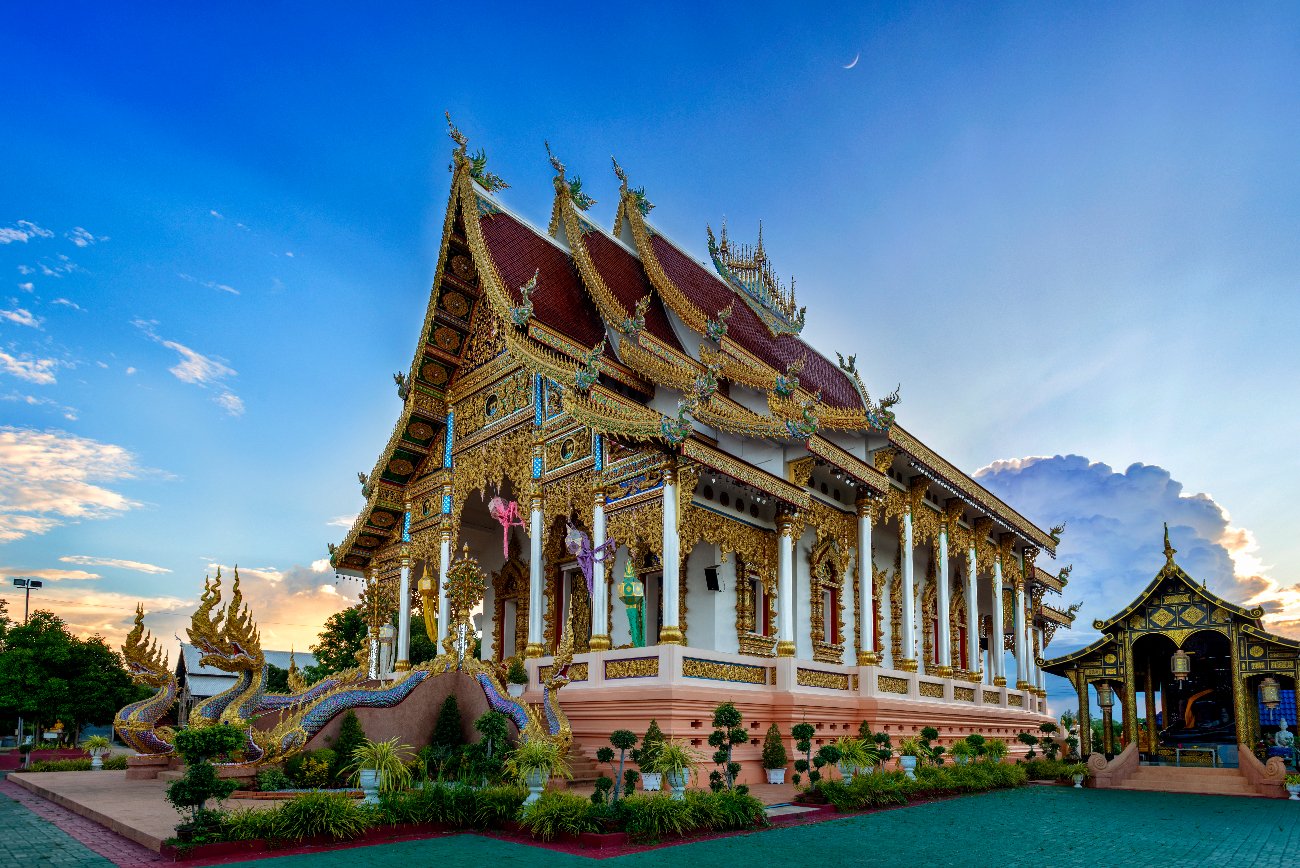
Thailand, known formerly as Siam and now known officially as the Kingdom of Thailand is a country in Southeast Asia. It is located at the center of the Indochinese peninsula with an area of 198,120 square miles and has a population of approximately 70 million with 96% being of Thai heritage. Thailand is bordered to the north by Myanmar and Laos, to the east by Laos and Cambodia, to the south by the Gulf of Thailand and Malaysia, and to the west by the Andaman Sea and the southern extremity of Myanmar. It also shares maritime borders with Vietnam in the Gulf of Thailand to the southeast and Indonesia and India on the Andaman Sea to the southwest. Bangkok is the nation’s capital and largest city with a population of 10 million. It was founded as a small trading post in the 15th century. It has become a regional hub for Southeast Asia in finance and business. Thailand is a constitutional monarchy and parliamentary democracy but it has experienced multiple military dictatorships. 95% of the population is Buddhist.
The earliest mention of inhabitants is in the12th century AD of Tai People migrating from southwestern China. European contact began in 1511 with a Portuguese diplomatic mission to Ayutthaya which became a regional power by the end of the 15th century. Ayutthaya reached its peak of power in the16th and 17th centuries before being destroyed in the 1767 Burmese-Siamese War. In 1782 Buddha Yodfa Chulaloke became the first monarch of the current Chakri Dynasty. Siam remained the only nation not colonized by the western colonial powers. The Siamese system of government was centralized and transformed into a modern unitary absolute monarchy in the reign of Chulalongkorn. In World War I, Siam sided with the allies. In 1932 it became a constitutional monarchy and changed its official name to Thailand. Thailand has the second largest economy in Southeast Asia. 49% of the employed population works in agriculture and the country is a leading world exporter of rice. Thailand comprises several distinctive geographic regions. The north of the country is the mountainous area of the Thai highlands with the highest point being 8415 feet above sea level. The northeast, Isan, consists of the Khorat Plateau, bordered to the east by the Mekong River. The center of the country is dominated by the flat Chao Phraya river valley, which runs into the Gulf of Thailand. Southern Thailand consists of the narrow Kra Isthmus that widens into the Malay Peninsula. The Chao Phraya and the Mekong Rivers are the indispensable waterways of rural Thailand. The Andaman Sea area and its islands host popular and luxurious resorts. Thailand’s climate is influenced by monsoon winds that have a seasonal character. Most of the country is classified as a tropical savanna climate. Thailand has a rainy monsoon season (May to October) but southern Thailand experiences dry weather with mild temperatures year round. Thailand is the most visited country in Southeast Asia. Western tourists visit not only Bangkok and its surroundings but also its beaches and islands.
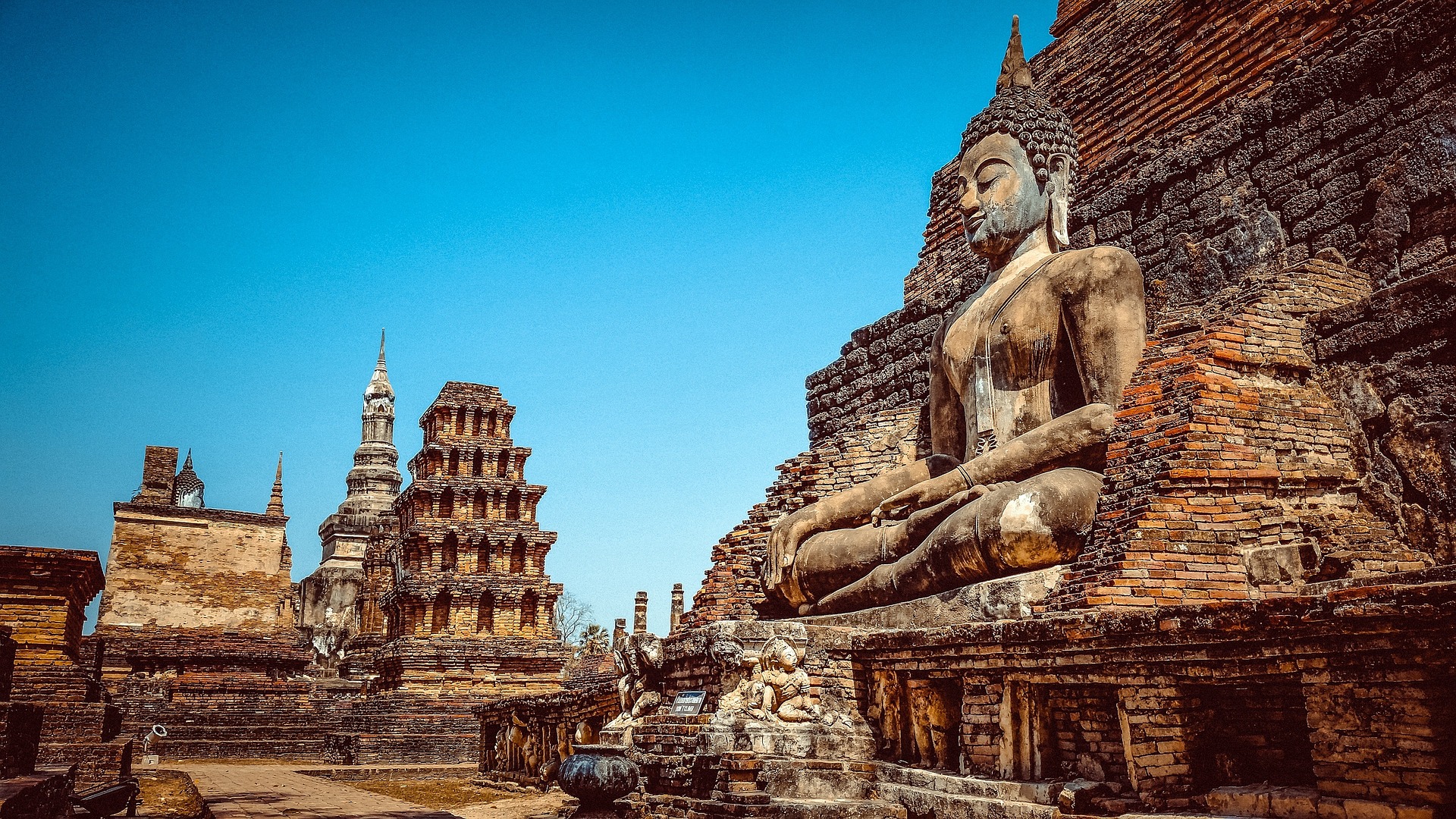
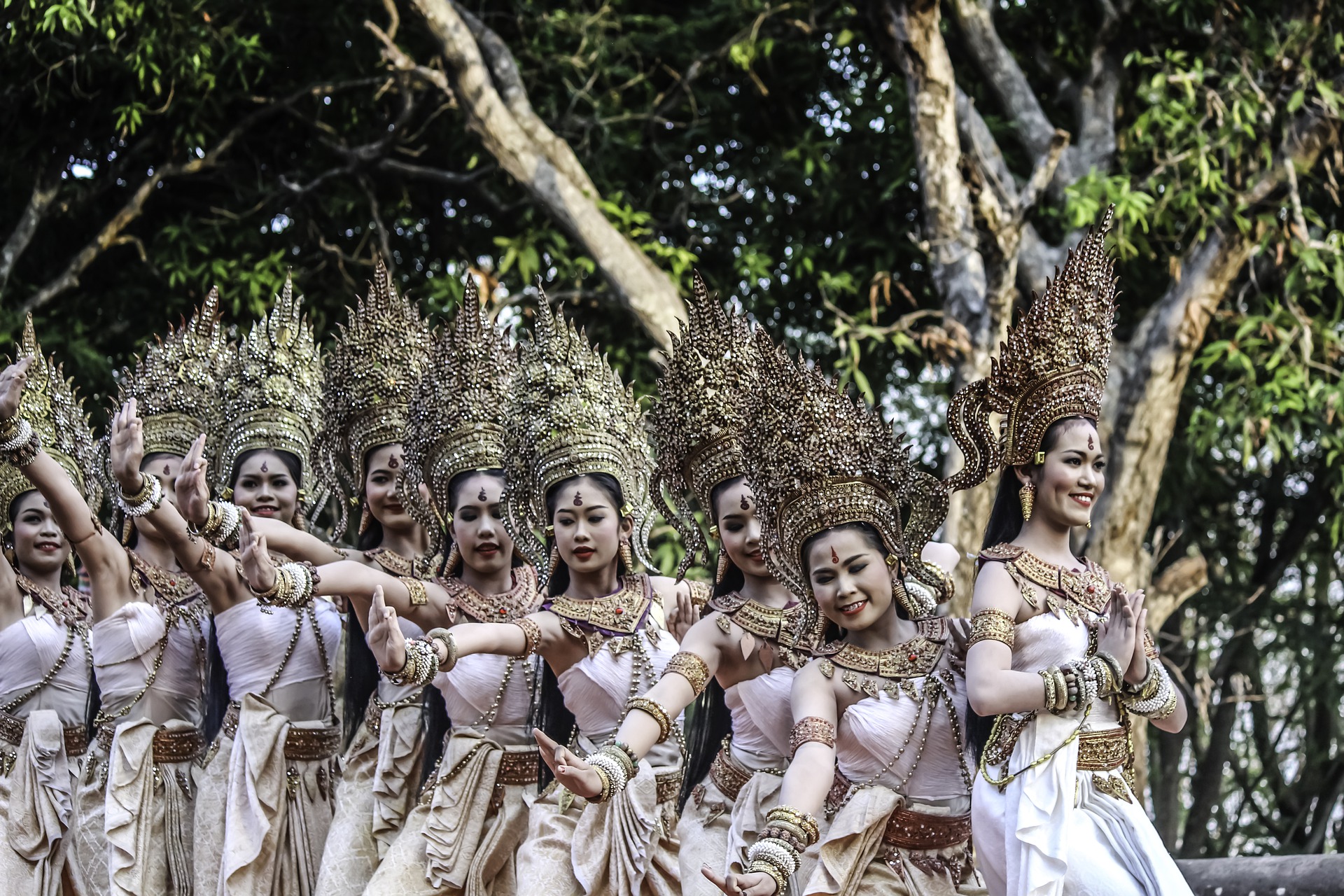
Thai culture has been heavily influenced by India, China, Cambodia and the rest of Southeast Asia. Theravada Buddhism heavily influences Thai culture and the religion has been altered to conform to local traditions and thinking. Respect for the elderly and superior in social caste (age, position in life, wealth, monks and certain professions) is deeply embedded in the society. Elders are the family leaders and are highly respected and revered. Family is extended with cousins being referred to as brothers and sisters. Thai traditional greeting is called “Wai” which is hands clasped together and a slight bow. Loss of face is a sin and punishable outside of the legal system. Patriotism ranks highly and is expected. There is a strong belief in superstitions and ghosts and spirits. Monks are highly respected and given special privileges in day to day life. Art is mostly works of Buddha dating from the 11th century to the present. Classical paintings are mostly murals hung in Buddhist temples and royal palaces. They tell the story of Buddha and also the stories of the country’s customs and traditions. Beginning in the 14th century, carvings depicting fruits and vegetables became popular and are placed in dining rooms in the house and in restaurants. Thai dance is the most dramatic art form in Thailand and is of two main types; classical and folk. Elegant and bright costumes and masks vary from region to region and include puppet shows. Floating markets are popular in areas of the country and sell food and other goods to the general populace.
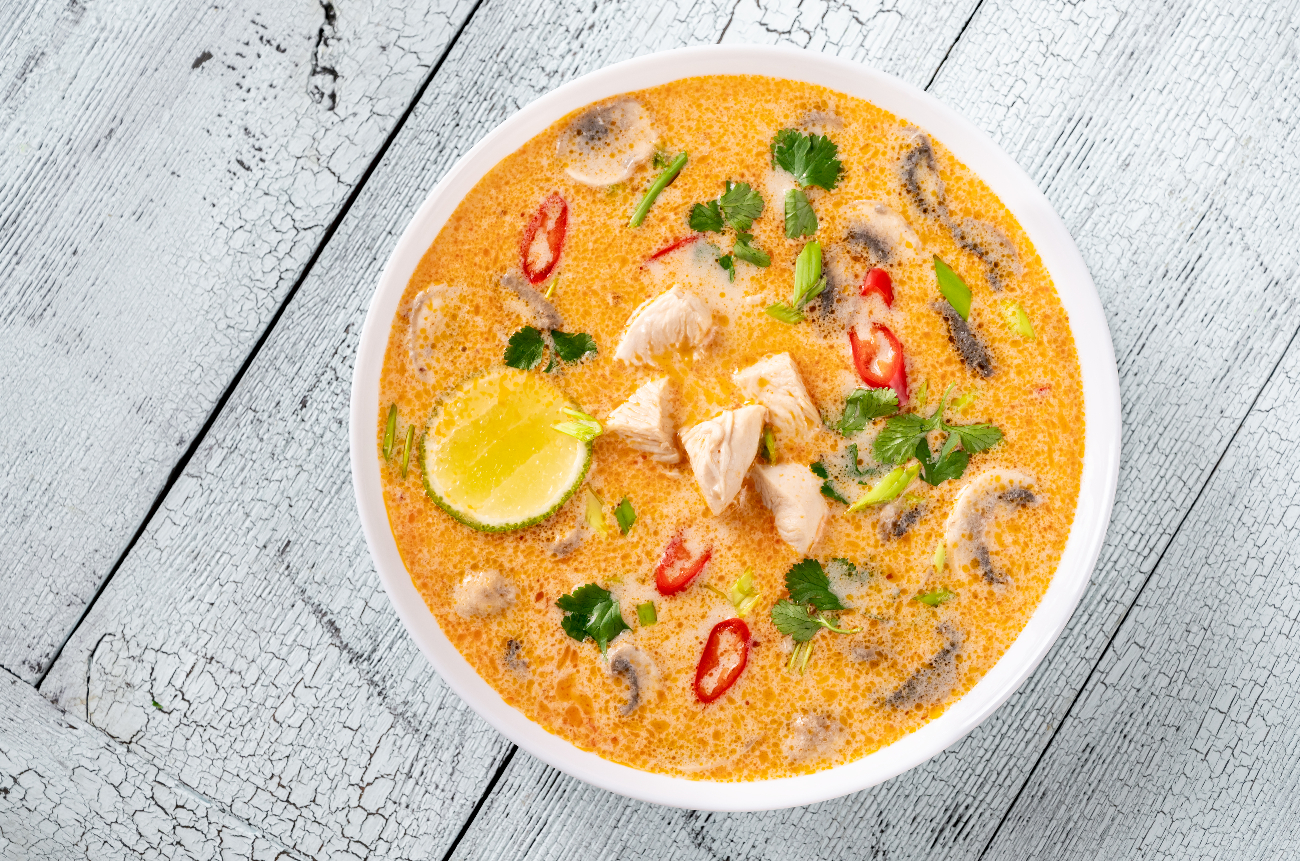
Thai cuisine is centered on lightly prepared dishes with strong aromatic components and a spicy edge. There are four main types of Thai food:
Tom (Boiled Dishes)
Yam (Spicy Salads)
Tam (Pounded Foods)
Gaeng (Curries)
Favorite Thai foods include:
Yam Pla Dook Foo (Fried Catfish with Green Mango Salad)
Laab (Spicy Salad)
Pad Phuk Tong (Stir Fried-Pumpkin)
Pad Krapow (Fried Basil)
Pad Phak (Fried Vegetables)
Tom Kha Gai (Chicken in Coconut Soup)
Som Tam (Spicy Green Papaya Salad)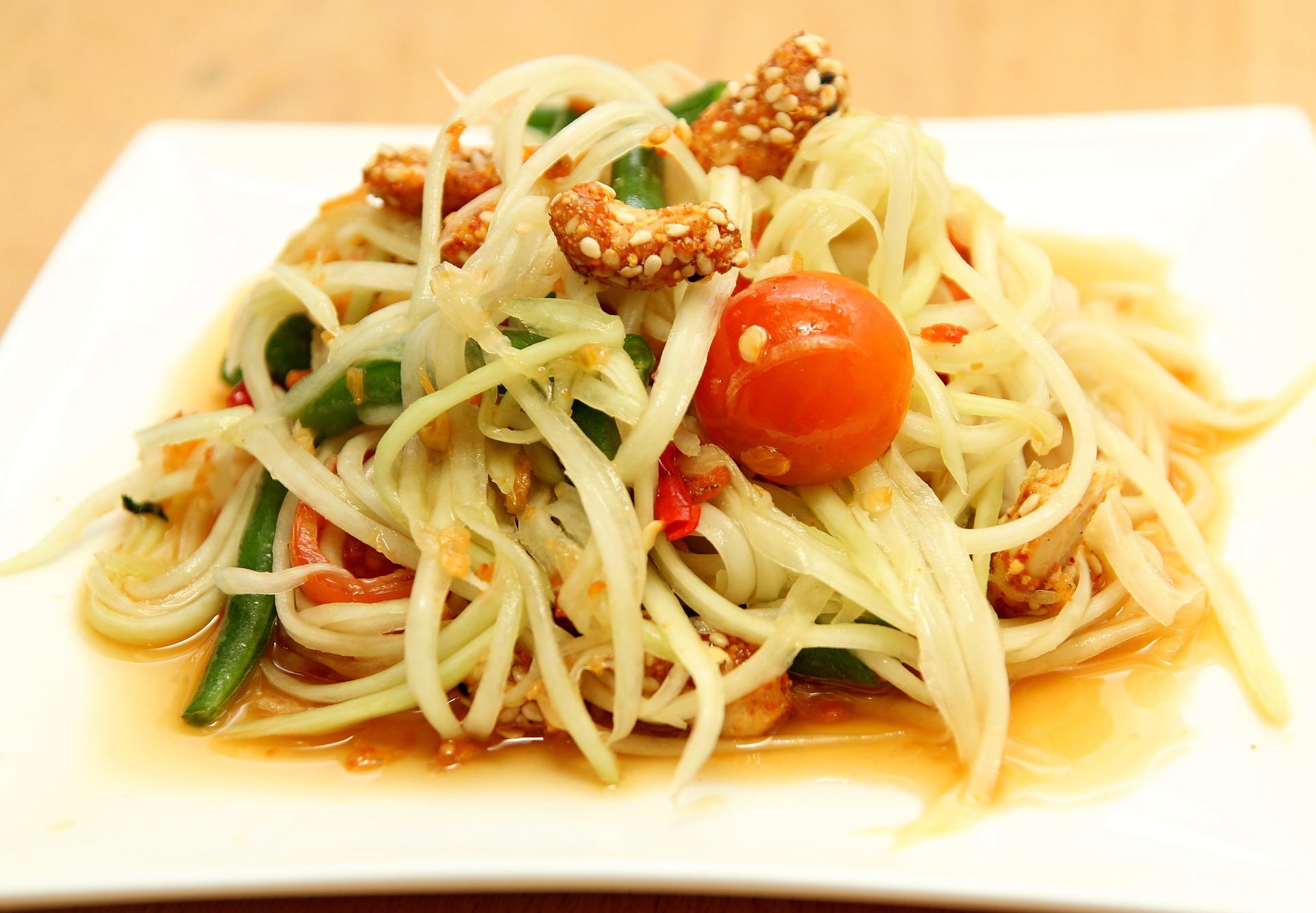
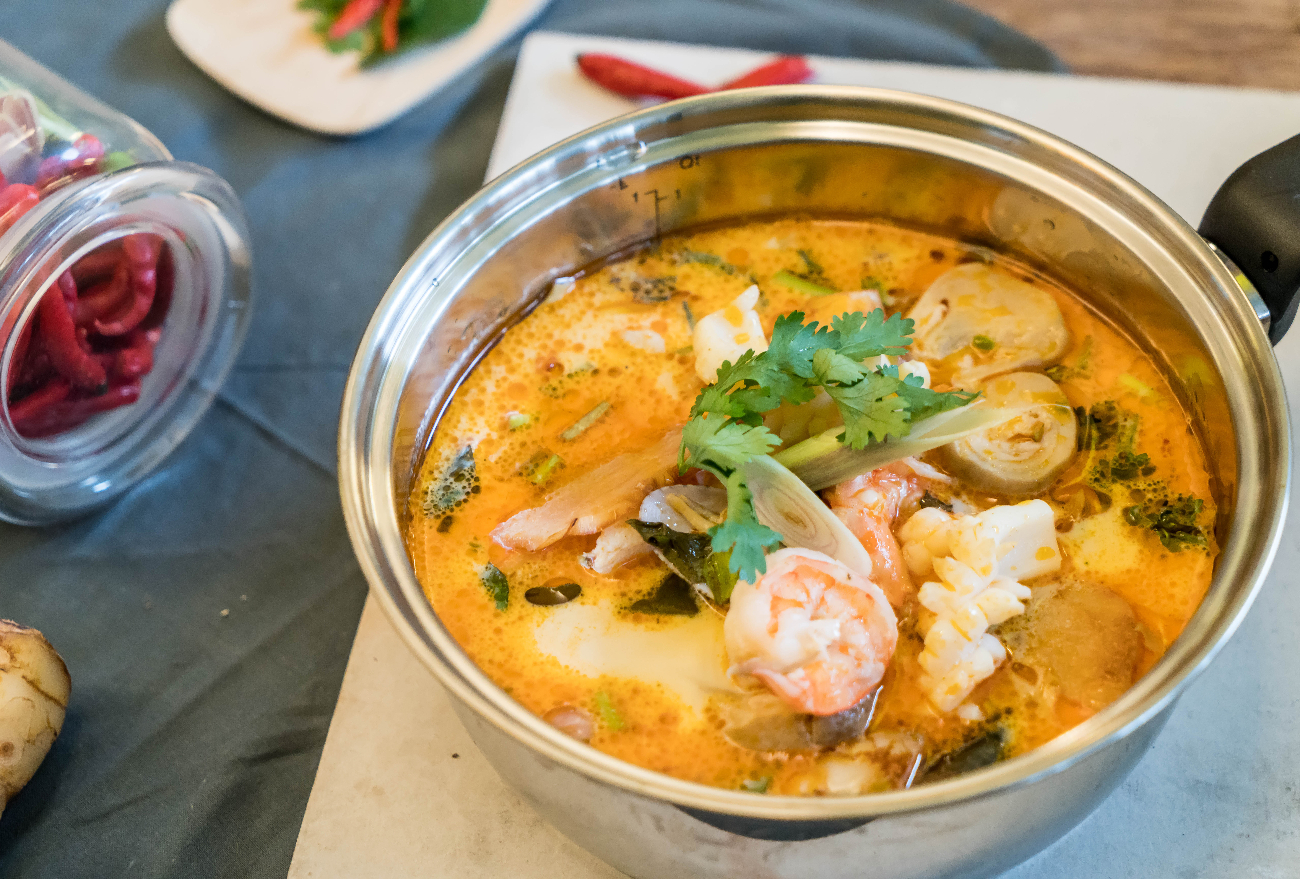
Tom Yum Goong (Spicy Shrimp Soup)
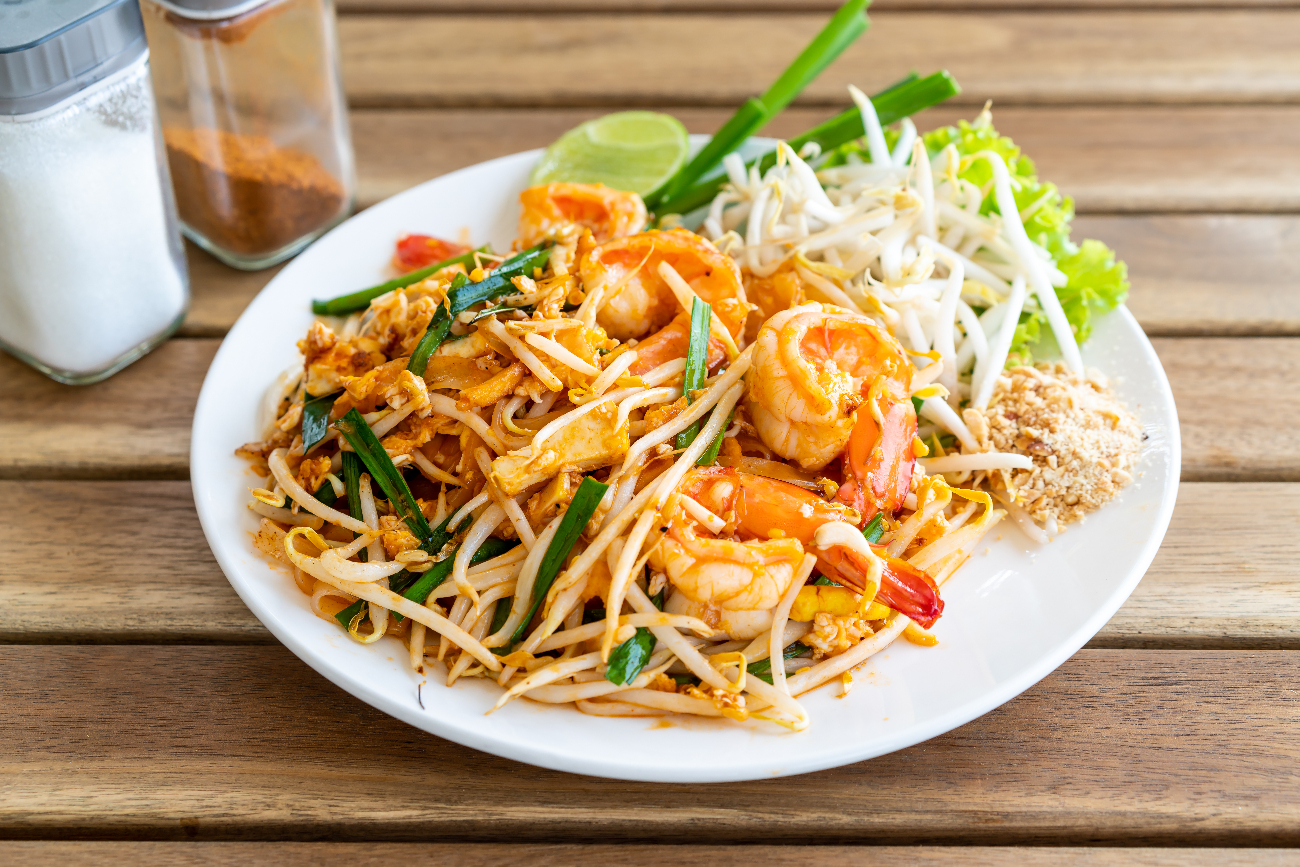
Pad Thai Pad Style Fried Noodles)
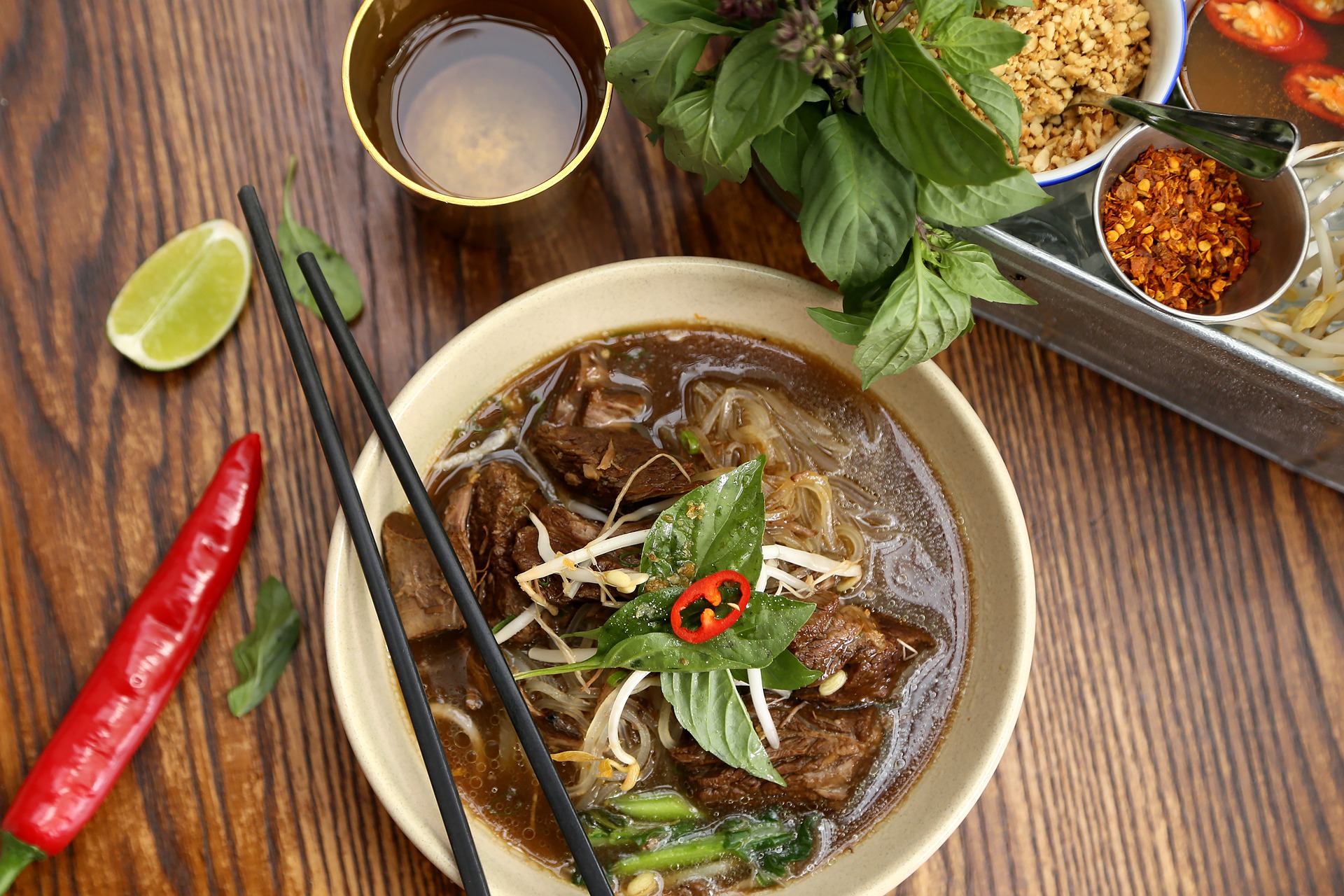
Gvay Teow (Noodle Soup)
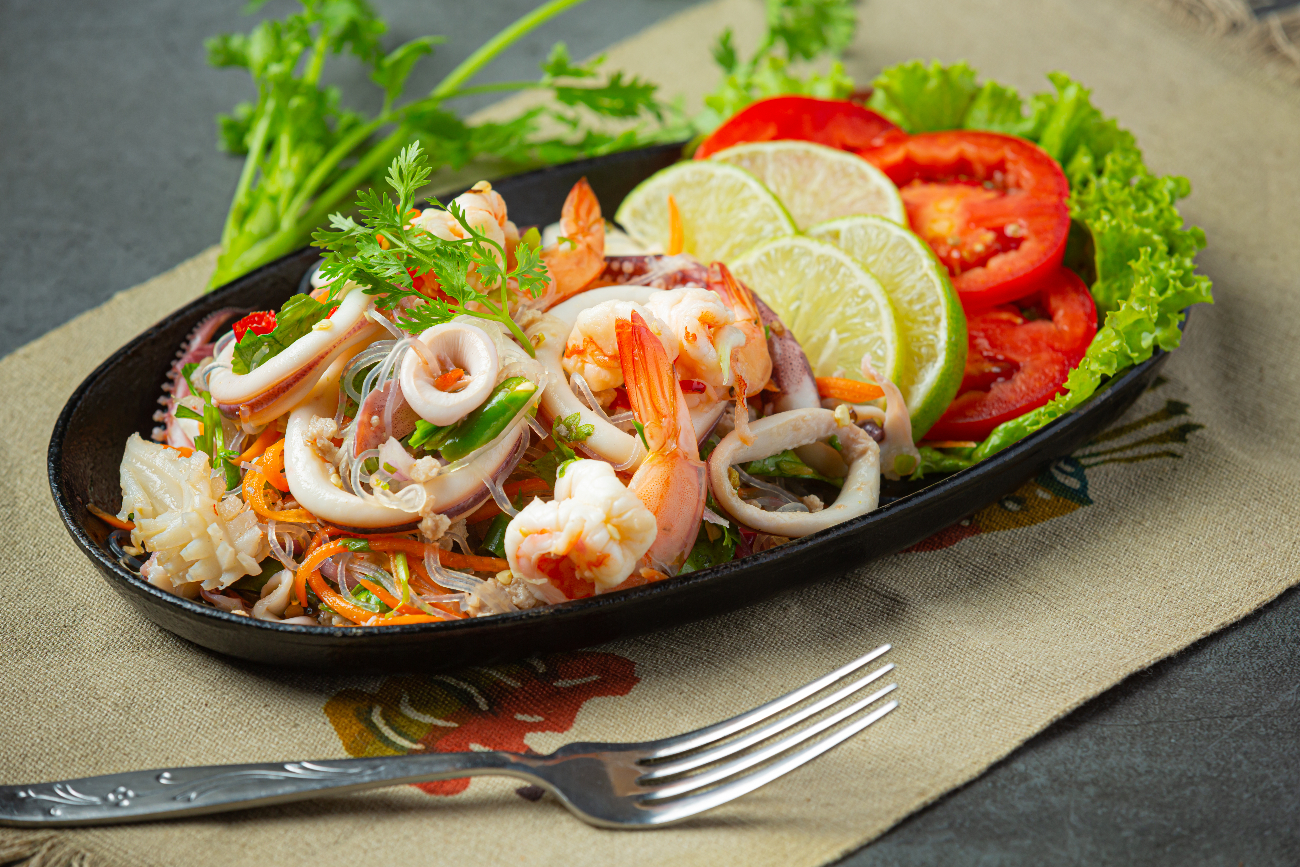
Yan Talay (Spicy Seafood Salad)
Bangkok: The City has 14 million residents in the extended metropolitan area and, in the 20th and 21st centuries, has become a hub for regional business and finance. Its rapid growth, with little urban planning, has created functional problems for the city.
Tourist Attractions:
Wat Phra Chetuphon (First University in Thailand)
Chatuchak Weekend Market
The Golden Mount (Wat Saket)
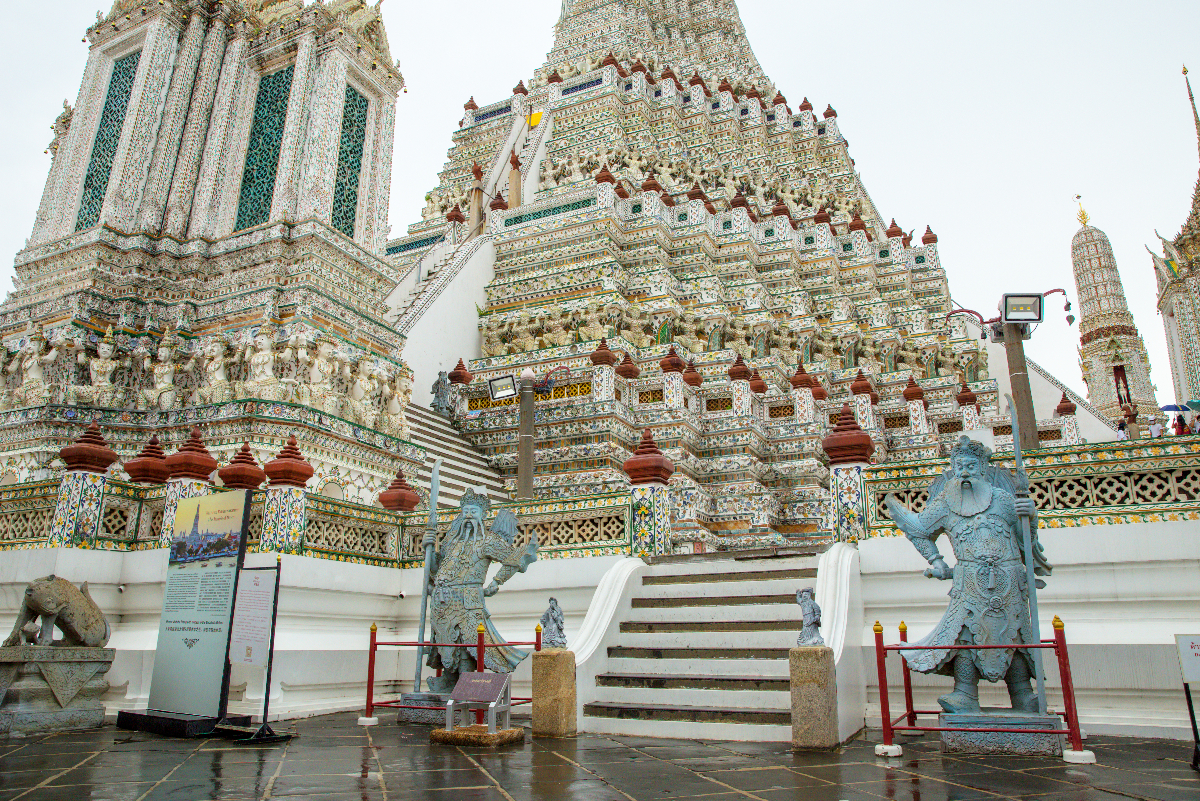
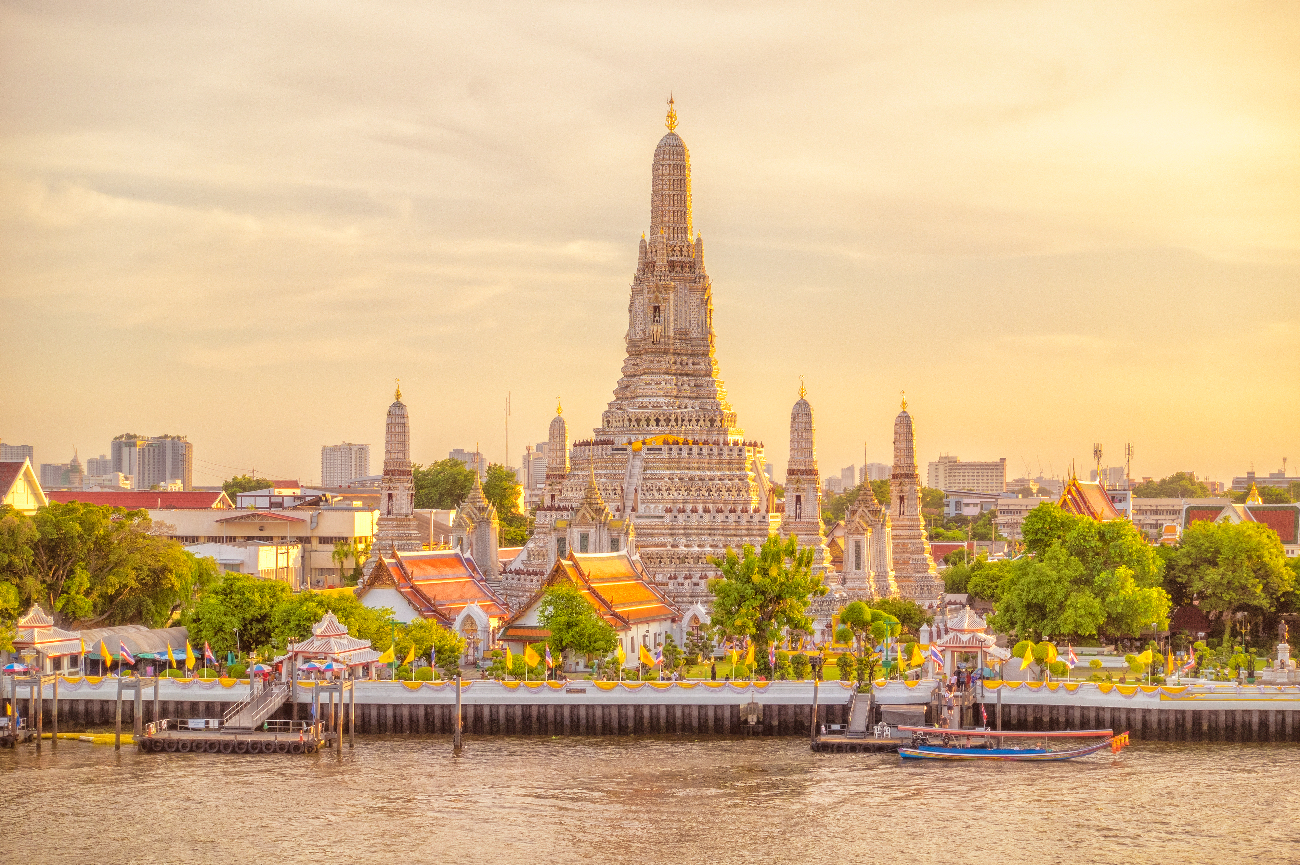
Temple of Dawn (Wat Arun)
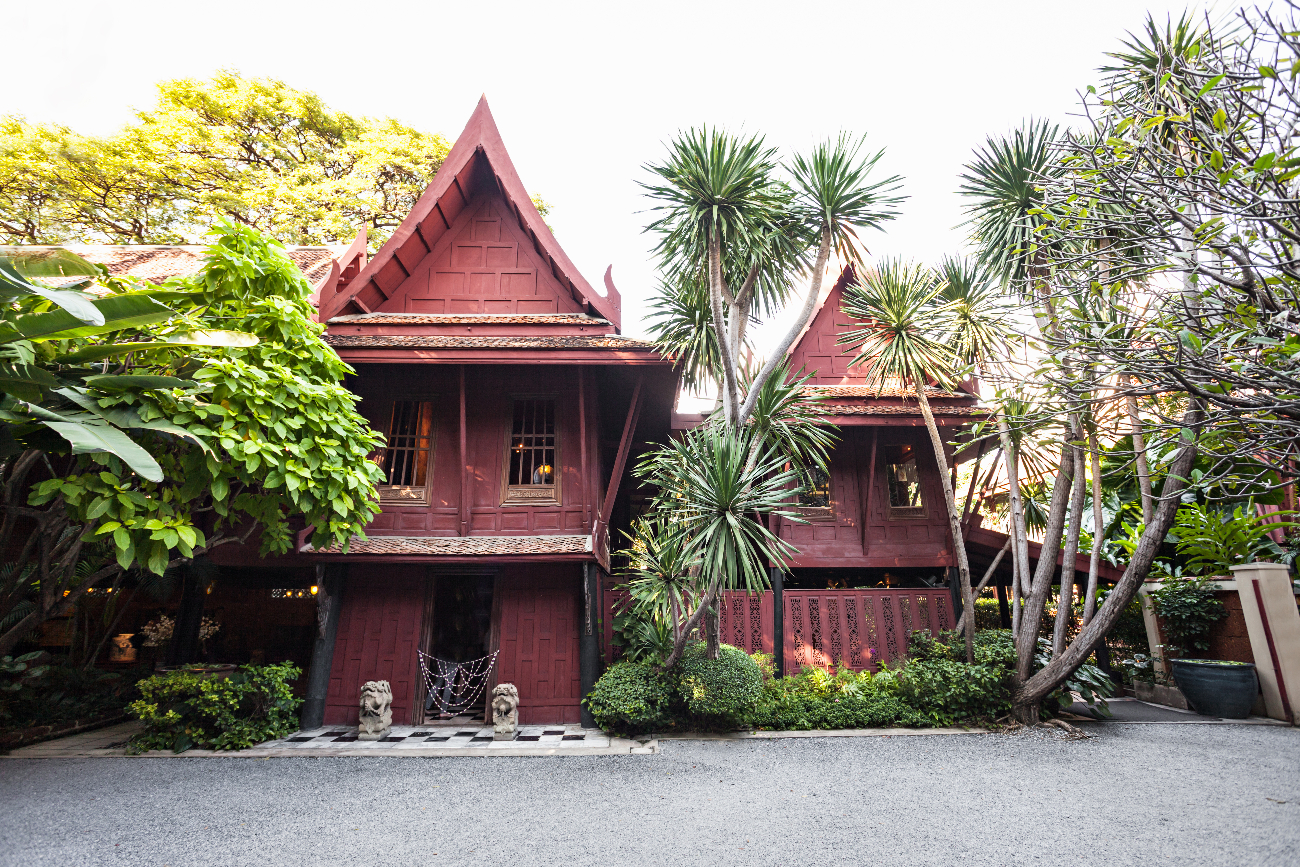
Jim Thompson House
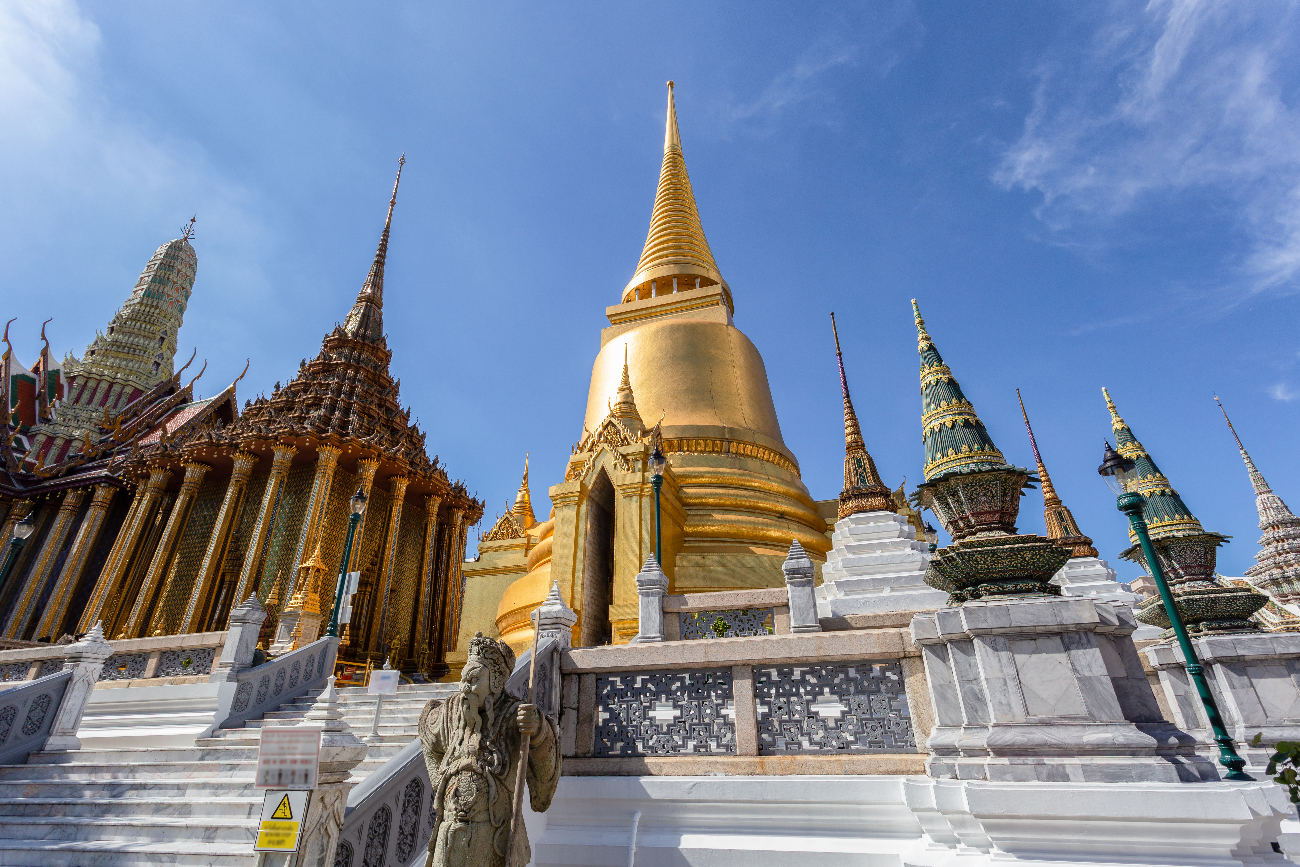
Temple of the Emerald Buddha (Wat Phra Kaew)
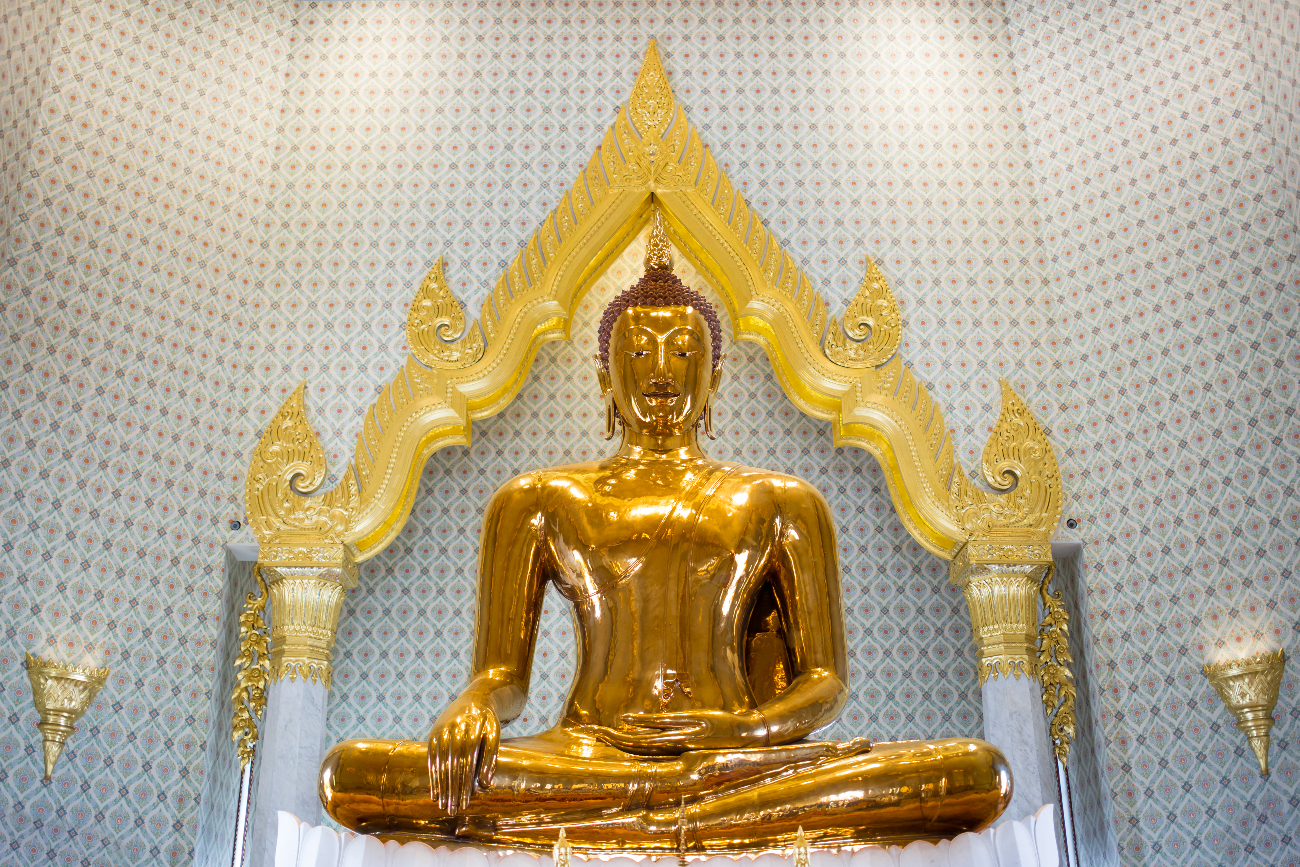
Temple of the Golden Buddha (Wat Traimit)
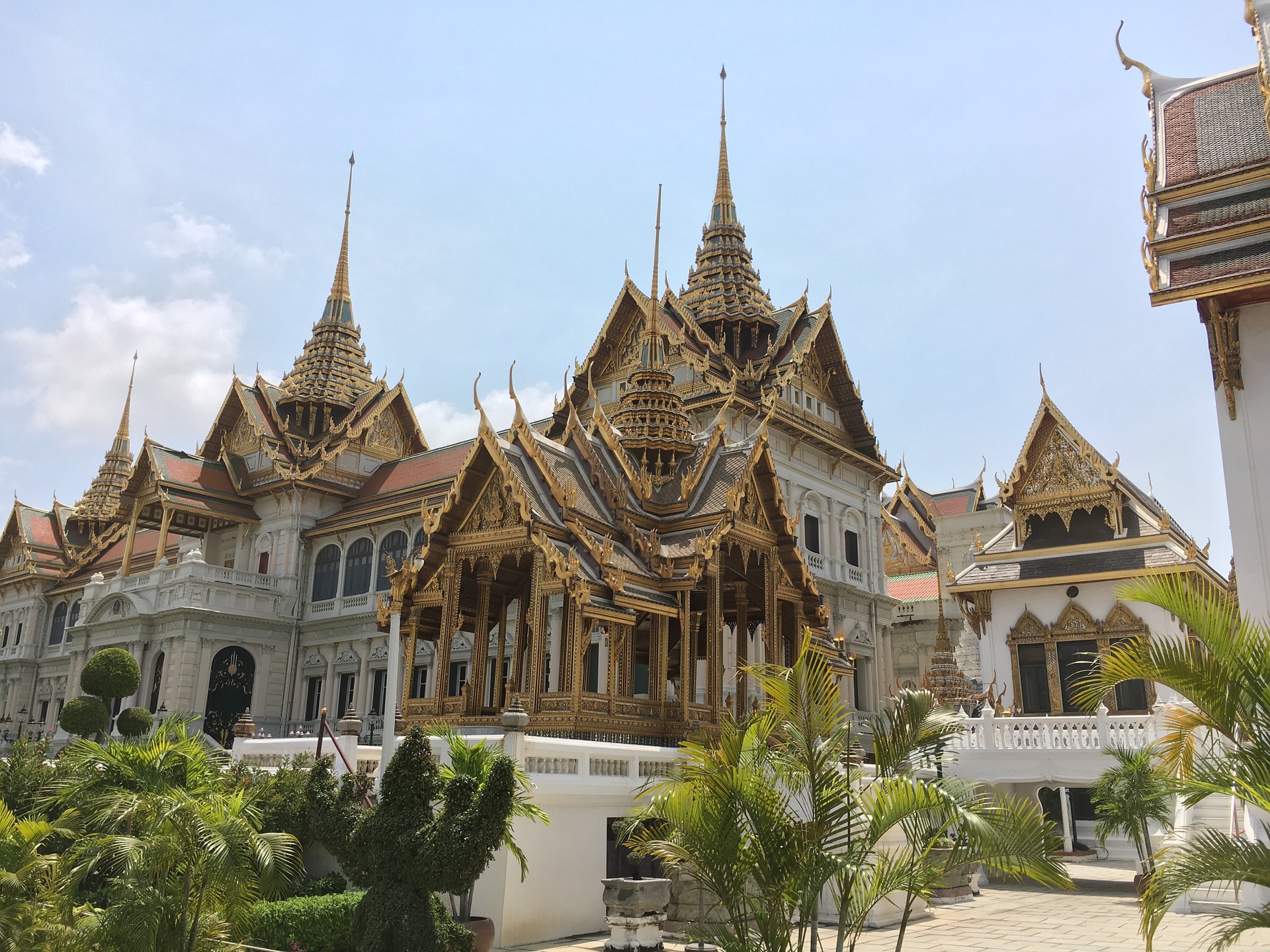
The Grand Palace
Tourist Attractions in Proximity to Bangkok:
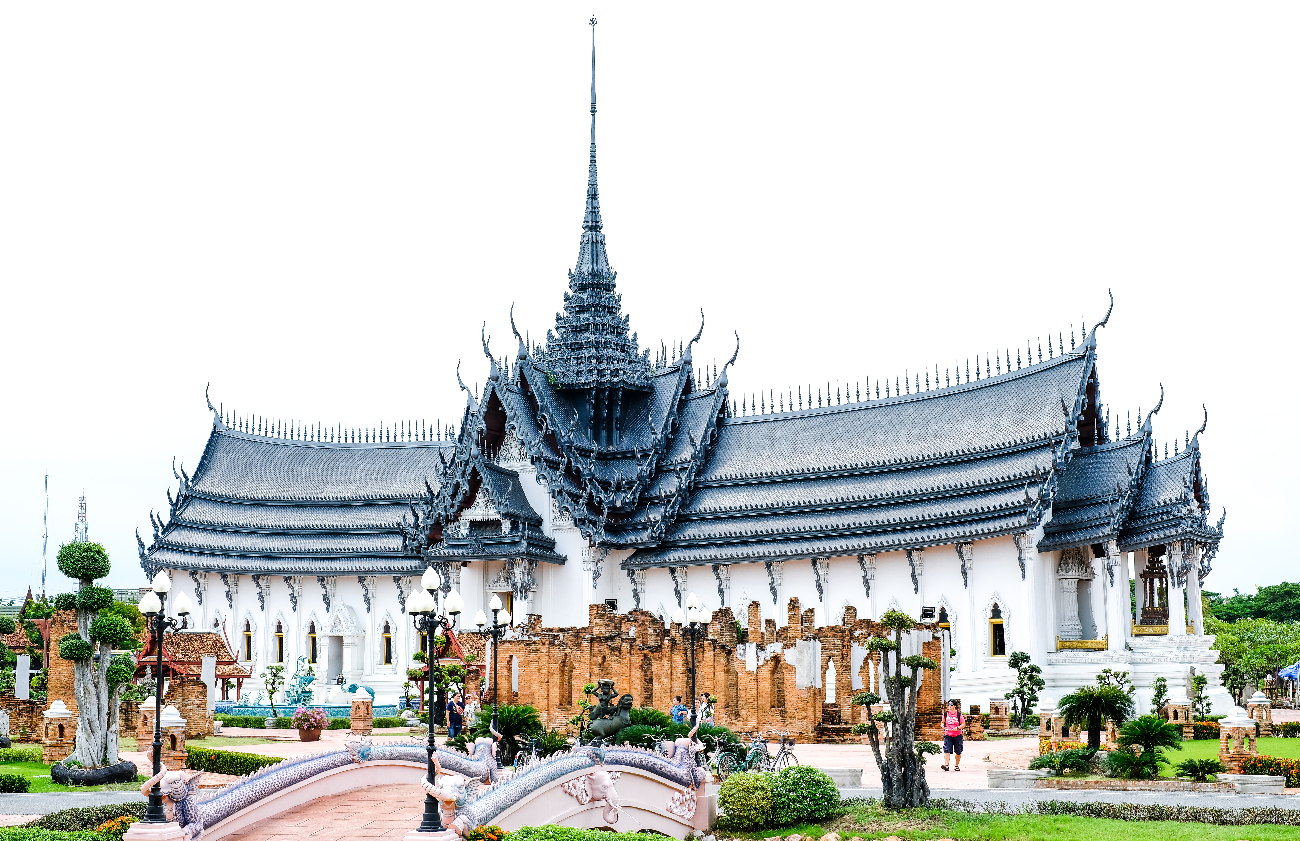
The Ancient City of Samut Prakan
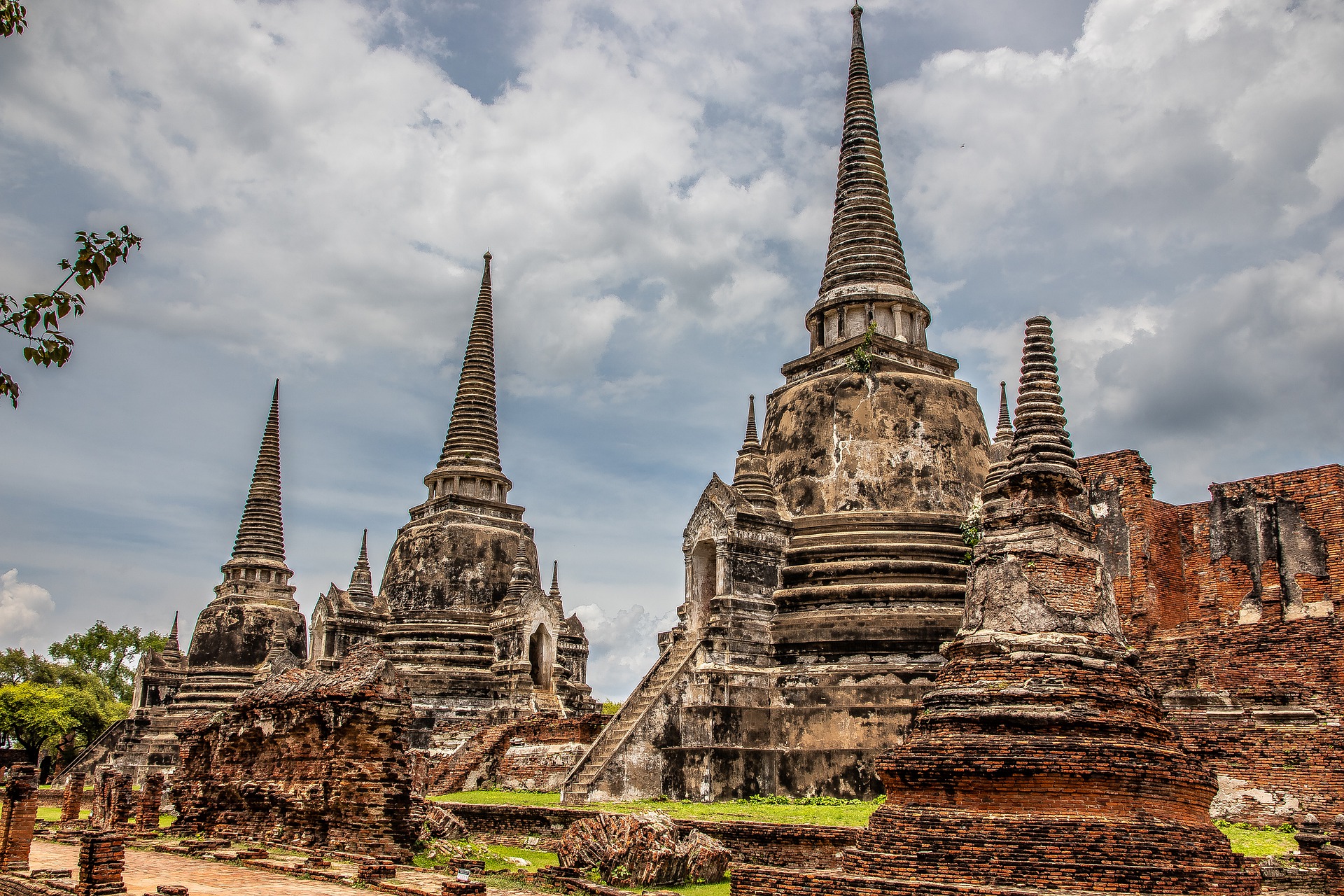
Ayutthaya-Ancient Capital of Siam 1350-1767
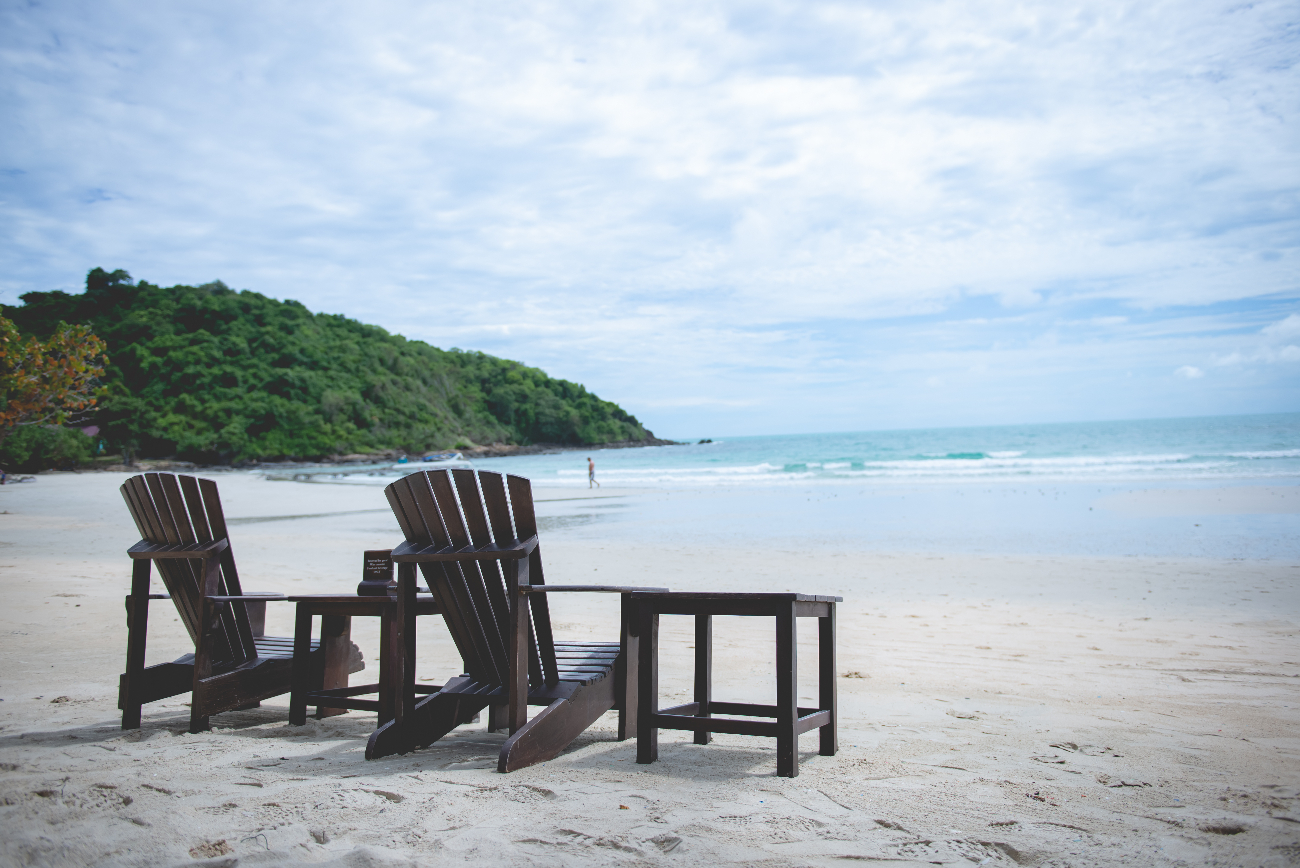
Koh Samet Beach
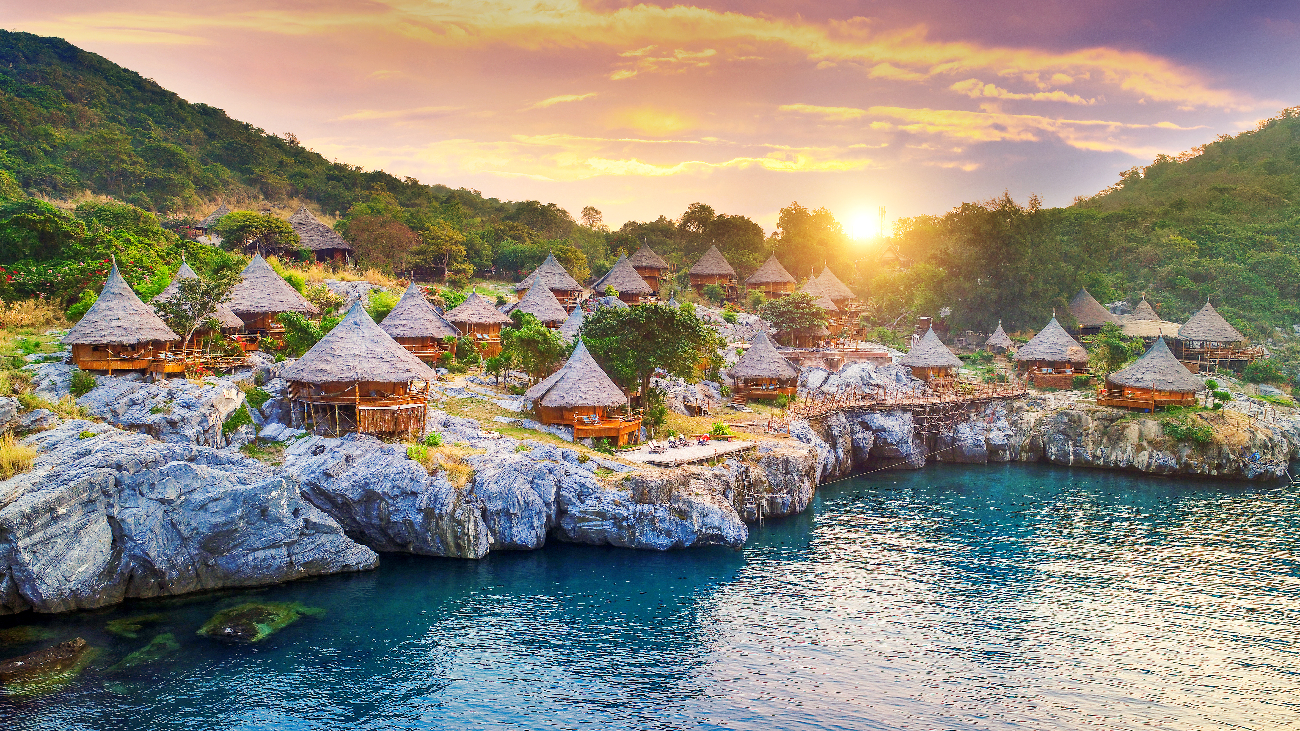
Koh Chang Elephant Beach
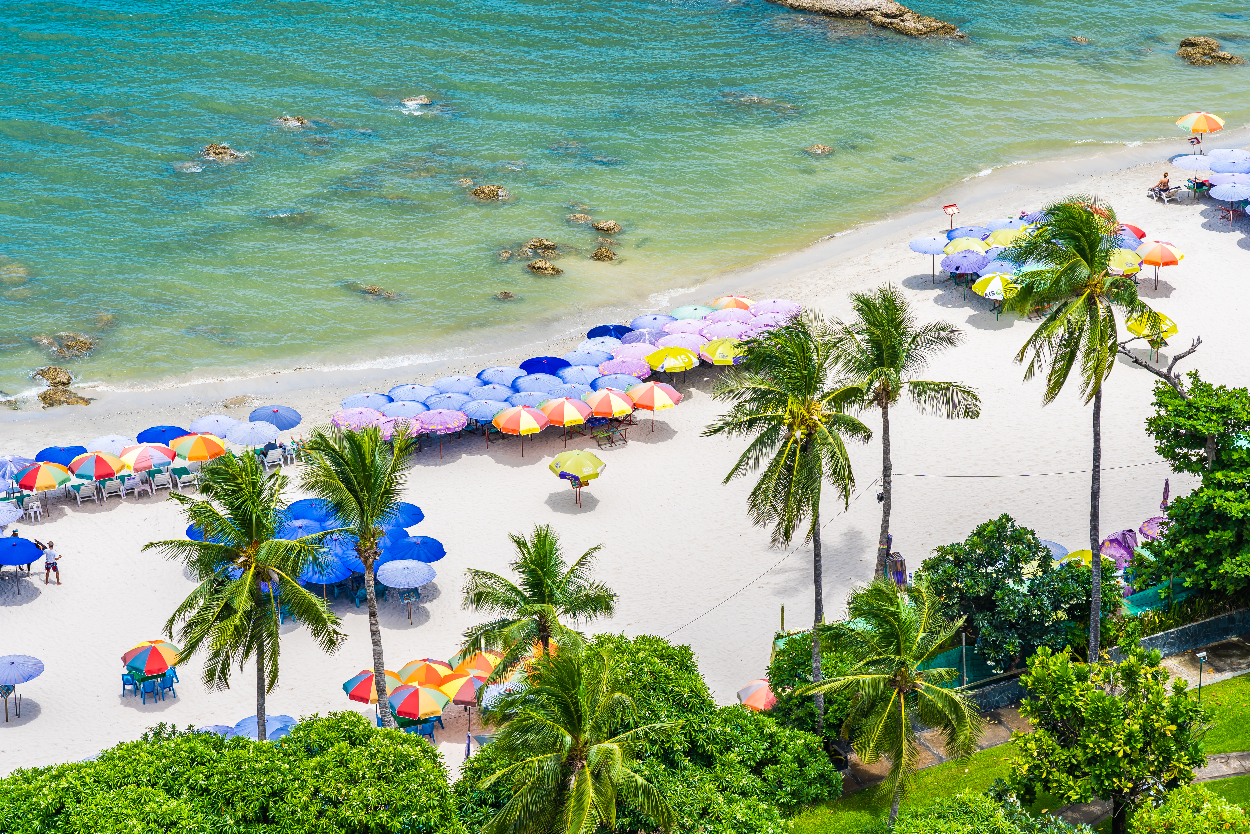
Huahin Coastal Resort
No Tour Found