


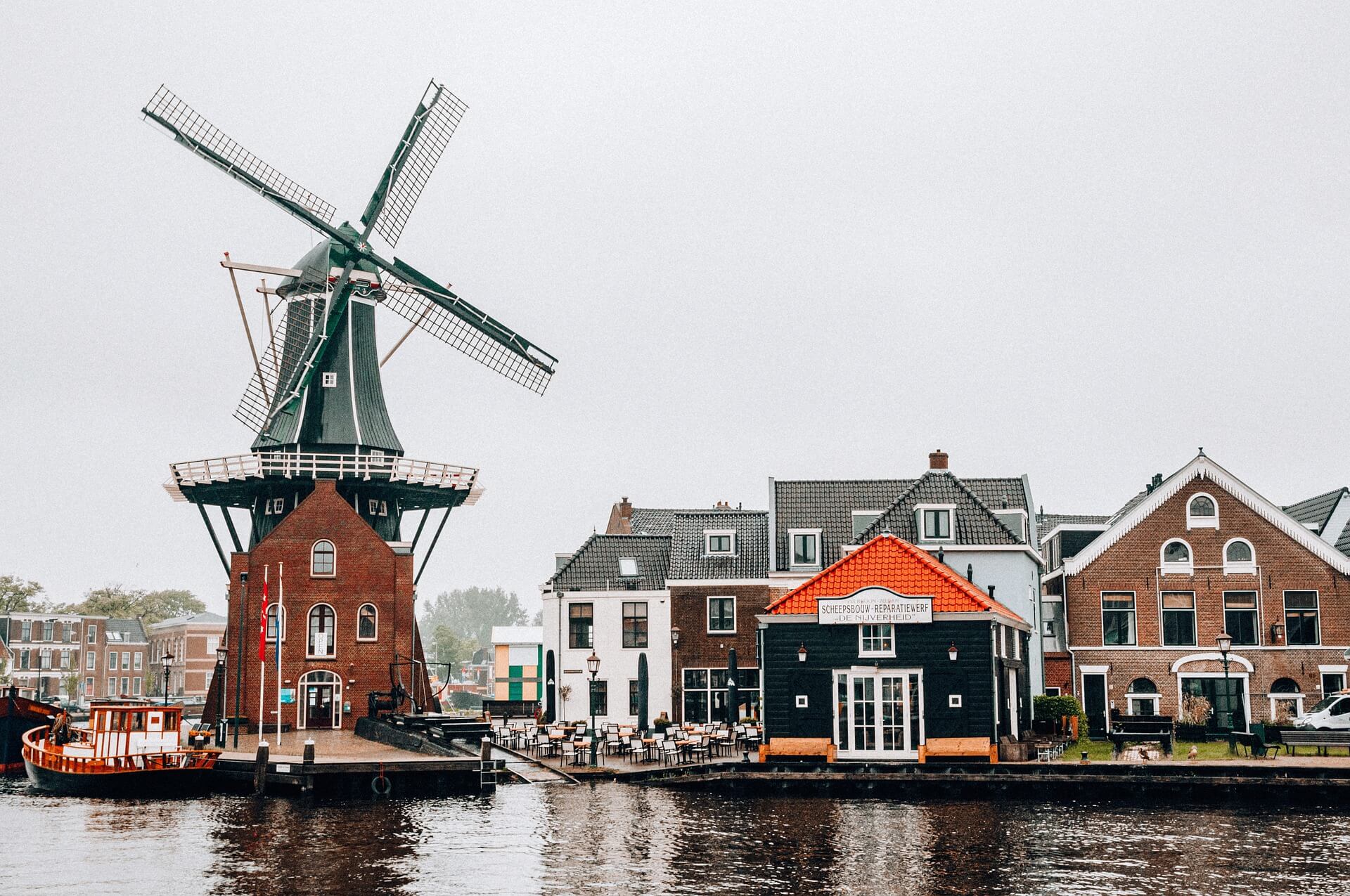
The Netherlands informally Holland, is a country located in Western Europe with territories in the Caribbean. It is the largest of four constituent countries of the Kingdom of the Netherlands. In Europe, the Netherlands consists of twelve provinces, bordering Germany to the east, Belgium to the south, and the North Sea to the northwest, with maritime borders in the North Sea with those countries and the United Kingdom. In the Caribbean, it consists of three special municipalities: the islands of Bonaire, Sint Eustatius and Saba and Saint Martin. The country’s official language is Dutch, with West Frisian as a secondary official language, and English and Papiamento as secondary official languages in the Caribbean Netherlands. The four largest cities in the Netherlands are Amsterdam, Rotterdam, The Hague and Utrecht. Amsterdam is the country’s most populous city and nominal capital, while The Hague holds the government seats of power and administration. The port of Rotterdam is the busiest port in Europe. The country is a member of the European Union and NATO. In the Republican Period, which began in 1588, the Netherlands entered into a unique era of political, economic and cultural greatness, ranked among the most powerful nations and was influential in Europe and the world; this period is known as the Dutch Golden Age. During this time, the trading companies, the Dutch East India and the Dutch West India Company, established colonies and trading posts all over the world. The Netherlands has a population of 17.5 million all living within a total area of roughly 16,100 square miles and it is the second most densely populated country in Europe. Nevertheless, it is the world’s second largest exporter of food and agricultural products.
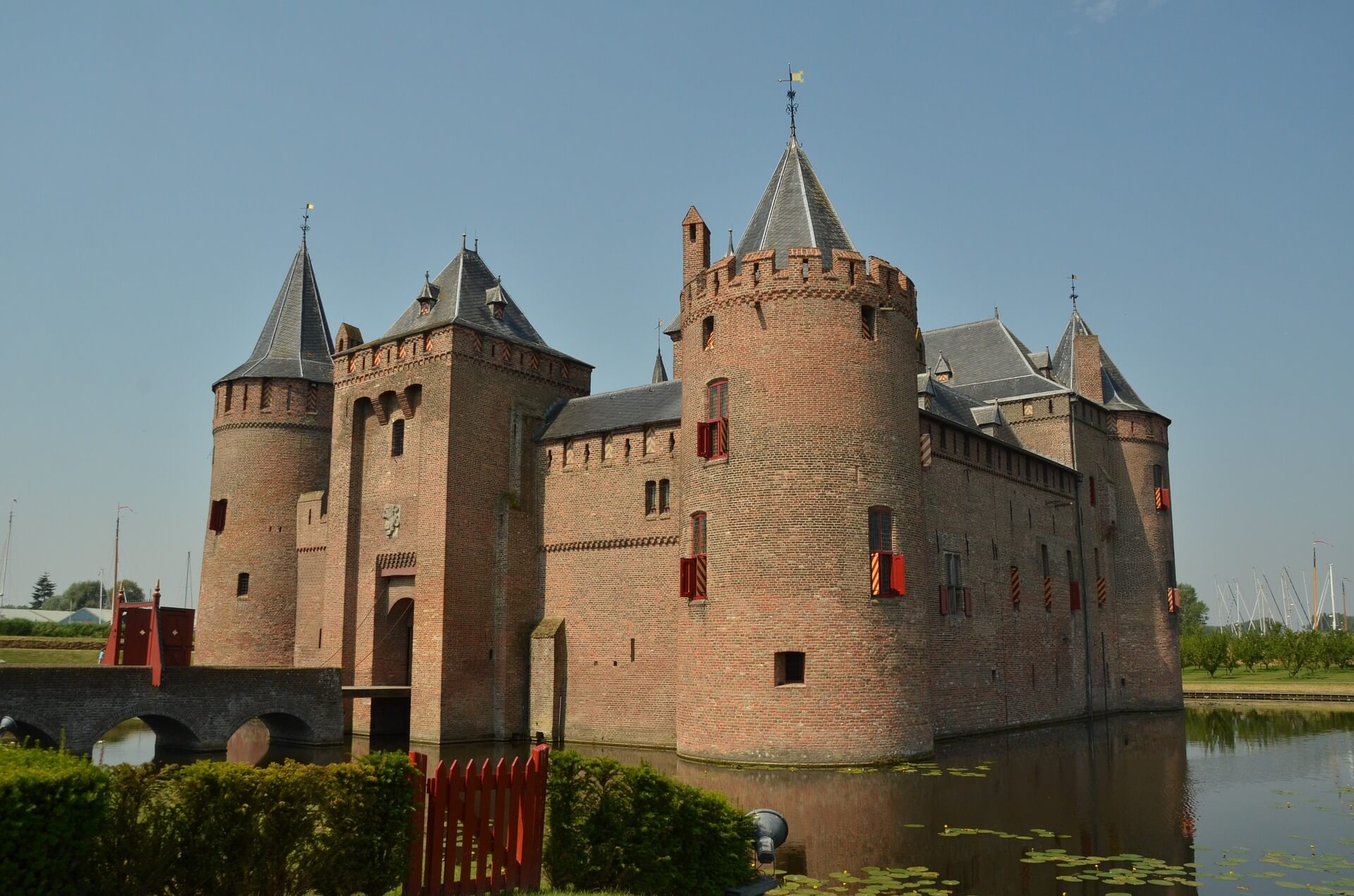
The prehistory of the area that is now the Netherlands was largely shaped by the sea and rivers that constantly shifted the low-lying geography. The oldest civilization (Neanderthal) traces were found around 250,000 years ago. At the end of the Ice Age, the Nomadic late Upper Paleolithic Hamburg culture, (13,000-10,000 BCE) hunted reindeer in the area using spears, but the later Ahrensburg culture (11,250-9500 BCE) used bow and arrow. From Mesolithic Maglemosian-like tribes (8000-BCE) the oldest canoe in the world was found. From 4800 to 4500 BCE the Swifterban people practiced animal husbandry and between 4300-2800 BCE they farmed. The Bell Beaker culture (2700-2100 BCE) introduced copper, gold and later bronze metalwork and opened international trading routes. The southern region became dominated by the Hilversum culture (1800-800 BCE). From 800 BCE onwards, the Iron Age Celtic Hallstatt culture became influential and Iron ore brought a measure of prosperity. Around 650-250 BCE there was a migration of northern Germanic tribes. The first author to describe the coast of Holland and Flanders was the Greek geographer Pytheas in 325 BCE. During the Gallic Wars, the area south and west of the Rhine was conquered by Roman forces under Julius Caesar from 57 to 53 BCE and Caesar describes two main Celtic tribes living in what is now the southern Netherlands, the Menapii and the Eburones.
The Early Middle Ages (411-1000 AD). After the Roman government collapse; the Franks expanded their territories and conquered and united the southern Netherlands into one Frankish kingdom. In 843 AD the Frankish Empire was divided into three parts and present day Netherlands became part of Middle Francia.
High Middle Ages (1000-1384 AD) The Holy Roman Empire became the successor to Francia and ruled much of the low land countries in the 10th and 11th century. Powerful local nobles turned their cities, counties and duchies into private kingdoms that felt little sense of obligation to the kingdom.
Burgandian, Habsburg and Spanish Habsburg Netherlands (1384-1581) Under Habsburg Charles V, the ruler of the Holy Roman Empire and King of Spain, all fiefs in the current Netherlands were united into the Seventeen Provinces , which also included present day Belgium, Luxembourg and some adjacent land which is now parts of France and Germany. In 1568, the brutal Eighty Year War began and in 1576 the Spanish seized Antwerp.
Dutch Republic (1581-1795) After declaring their independence; the various provinces formed a confederation. The local areas were autonomous and had their own government, the States-Provencal, but the Confederal Government was seated in The Hague. By 1650, the Dutch owned 16,000 merchant ships and the Dutch India companies established colonies and trading posts. The Dutch founded New Amsterdam in North America in 1614 and Cape Colony in South Africa in 1652.
 Batavian Republic and Kingdom (1795-1890) With the armed support of revolutionary France, Dutch republicans proclaimed the Bavarian Republic, modeled after the French Republic and the Netherlands became a unitary state in 1795. In 1810, the Netherlands became part of the French Empire until Napoleon’s defeat in 1813. In 1815, The Congress of Vienna added the southern Netherland to the north but the south rebelled in 1830 and gained independence as the nation of Belgium.
World Wars and Beyond (1890-Present) The Netherlands remained neutral during World War I. In World War II, Nazi Germany invaded and conquered the country in May 1940. In 1954, the Charter for the Kingdom of the Netherlands reformed the political structure of the Netherlands, which was a result of international pressure to carry out decolonization. The Dutch colonies of Suriname and Curacao and dependencies and the European all became countries within the Kingdom, on a basis of equality. Indonesia declared independence and was recognized in 1949 and Suriname in 1975.
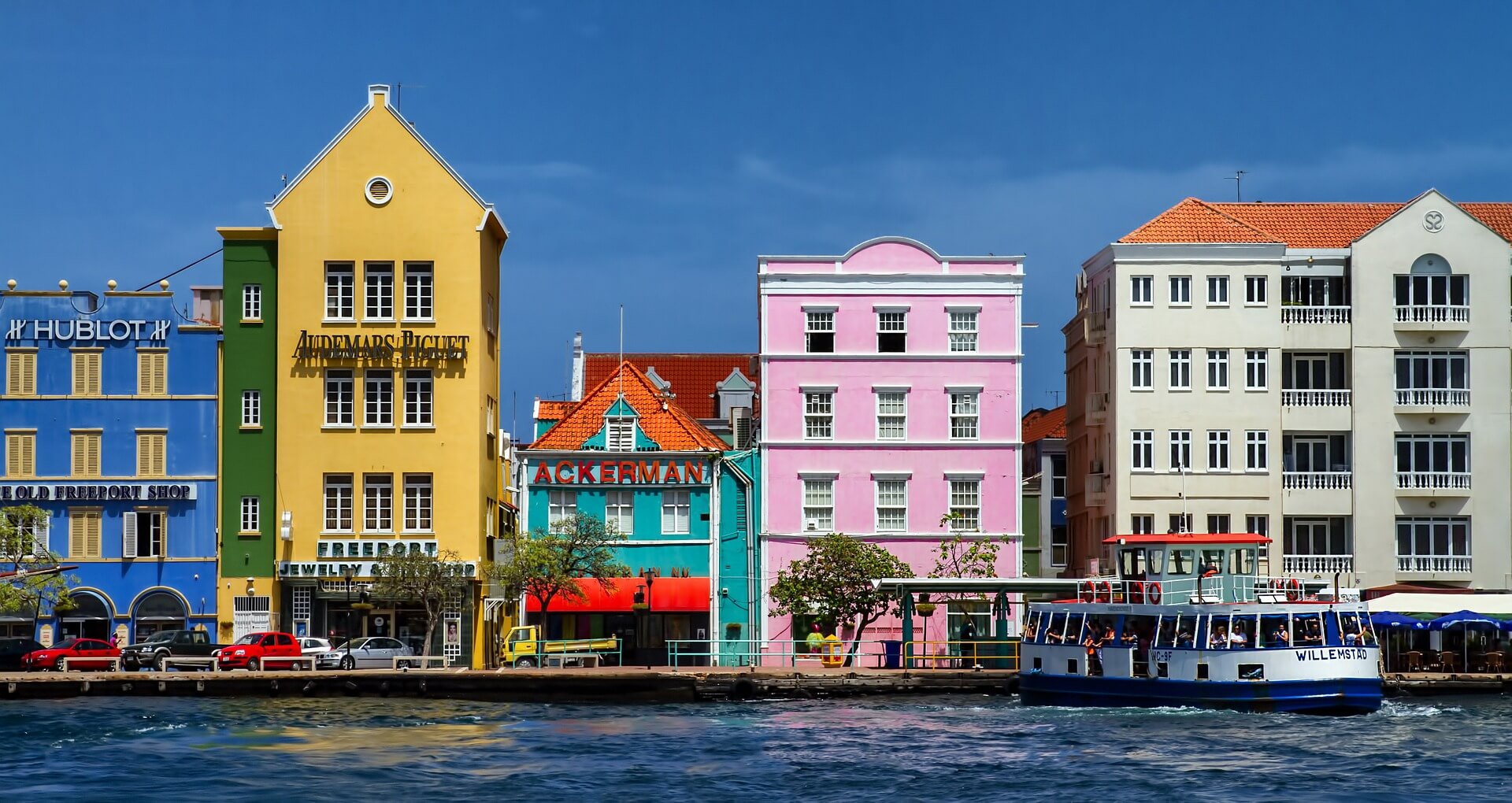
Netherlands literally means “lower countries” in reference to its low elevation and flat topography, with only about 50% of its land exceeding 3.3 feet above sea level and nearly 26% falling below sea level. Most of the areas below sea level are known as polders, and are the result of land reclamation that began in the 14th century. The north and south of the European Netherlands are separated by the Rhine, Waal and Meuse Rivers. Since the 1287 St. Lucia flood which caused 50,000 deaths; the country has been subjected to terrible floods which caused it to form a system of Dykes to maintain the integrity of the land. The most intricate network was created in the 1950’s and is known as the Delta Works. The predominant wind direction in the European Netherlands is southwest which causes a mild maritime climate with moderately warm summers and cool, winters, and typically high humidity. 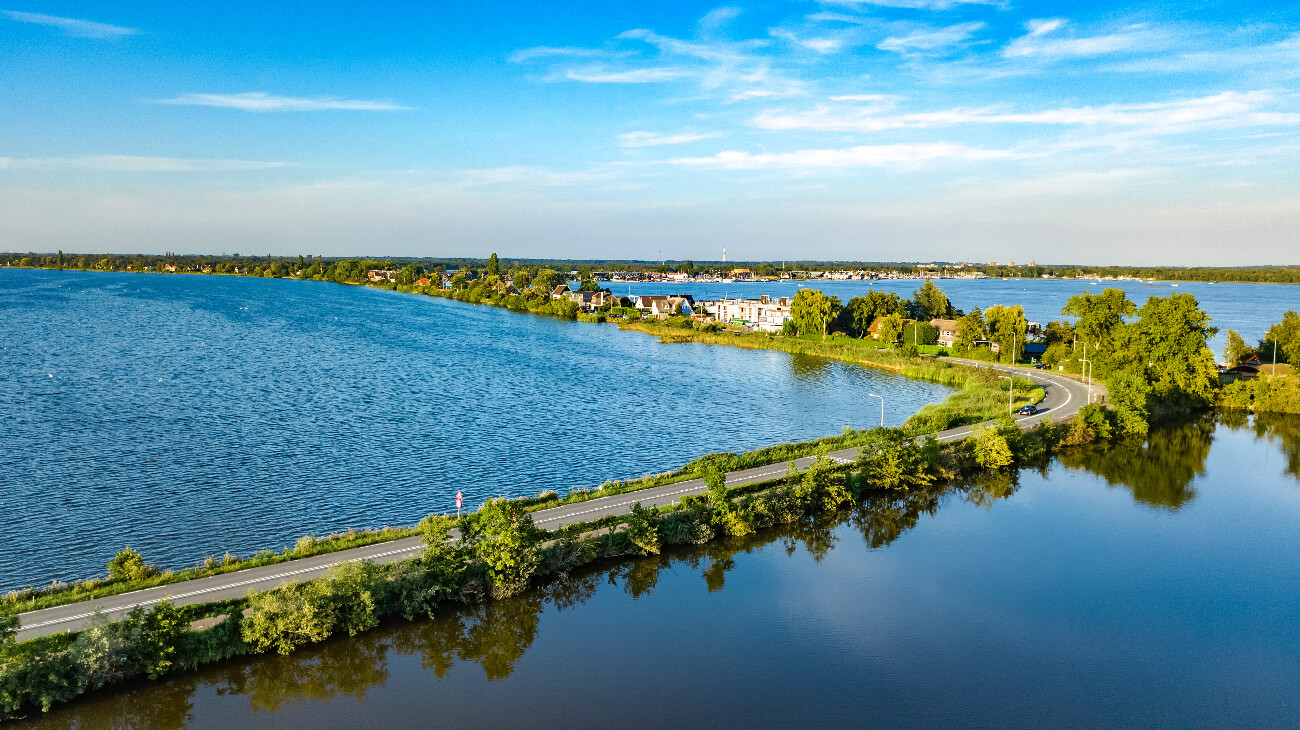
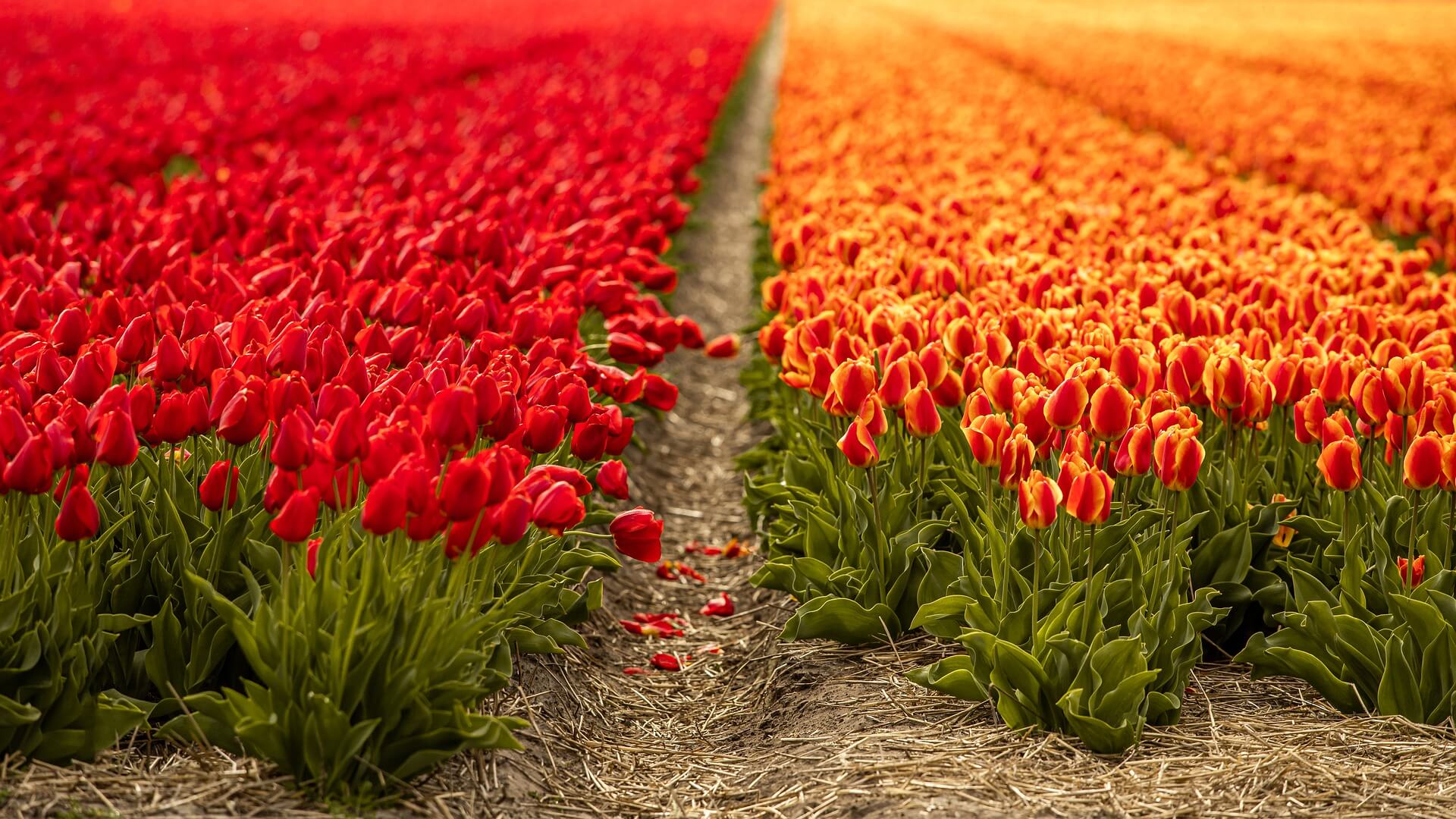
The Netherlands has 20 natural parks and hundreds of nature reserves including lakes, heathland, woods, dunes and other environment protected areas. There are 36,000 animal species. Mammals include shrew, fox, wolf, otter, mink, martens, red deer, pig, shrew, hedgehog, mole, beaver, vole, hare, bat, whale, dolphin and porpoise. Plants and flowers include the national flower, the tulip, hyacinths, crocuses, orchids, carnations, roses, lilies, and irises.
Only 42% of the population claim to be religious. The major religious groups are Roman Catholic with 25% of the population and Protestant with 15%. The Dutch society as a whole is very modern and independent. It is a largely middle class society believing in equality for all but focusing on individuality. Culinary etiquette is that breakfast is served between 6 and 8 AM, lunch between noon and 2 and dinner at 6. Tea time is either 10-11 in the morning or 4-5 in the afternoon. The tea is served with one biscuit or cookie. During dinner it is considered impolite to leave the table. Take smaller first portions as you will be offered a second and it is polite to leave hands on the table but not elbows. The Dutch shake hands on introducing and departing and if there is a closer relation give three kisses on the cheek. Scheduling appointments in advance is important. During conversation; eye contact is maintained and the people are very direct and open.
Arts and Leisure The Netherlands is world-renowned for its number of art and historical museums, along with its impressive collection of fine art. The most prolific period was the 17th century with Baroque style and the next resurgence was the 20th century with modern art. Dutch architecture became prominent in the Golden Age, where Baroque style buildings were considered the norm. The variety of building styles offers a magnificent view of varying historical styles that span centuries. Traditional Dutch music consists of simple melodies and rhymes that focus on central emotional themes like loneliness, happiness and sadness. Classical and orchestral scores also are very popular. The Netherlands has its own version of cabaret aimed at provoking thought on social and political themes, instead of laughter.
Stamppot Mashed potatoes and smoky sausage with vegetables
Oliebollen Dutch donuts
Appeltaart Dutch apple pie
Stroopwafels Dutch waffles
Erwtensoep chickpea soup
Lekk erbekje and Kibbeling Fish and chips without the chips
Patat French fries
Hollandse Nieuwe Haring Raw Herring
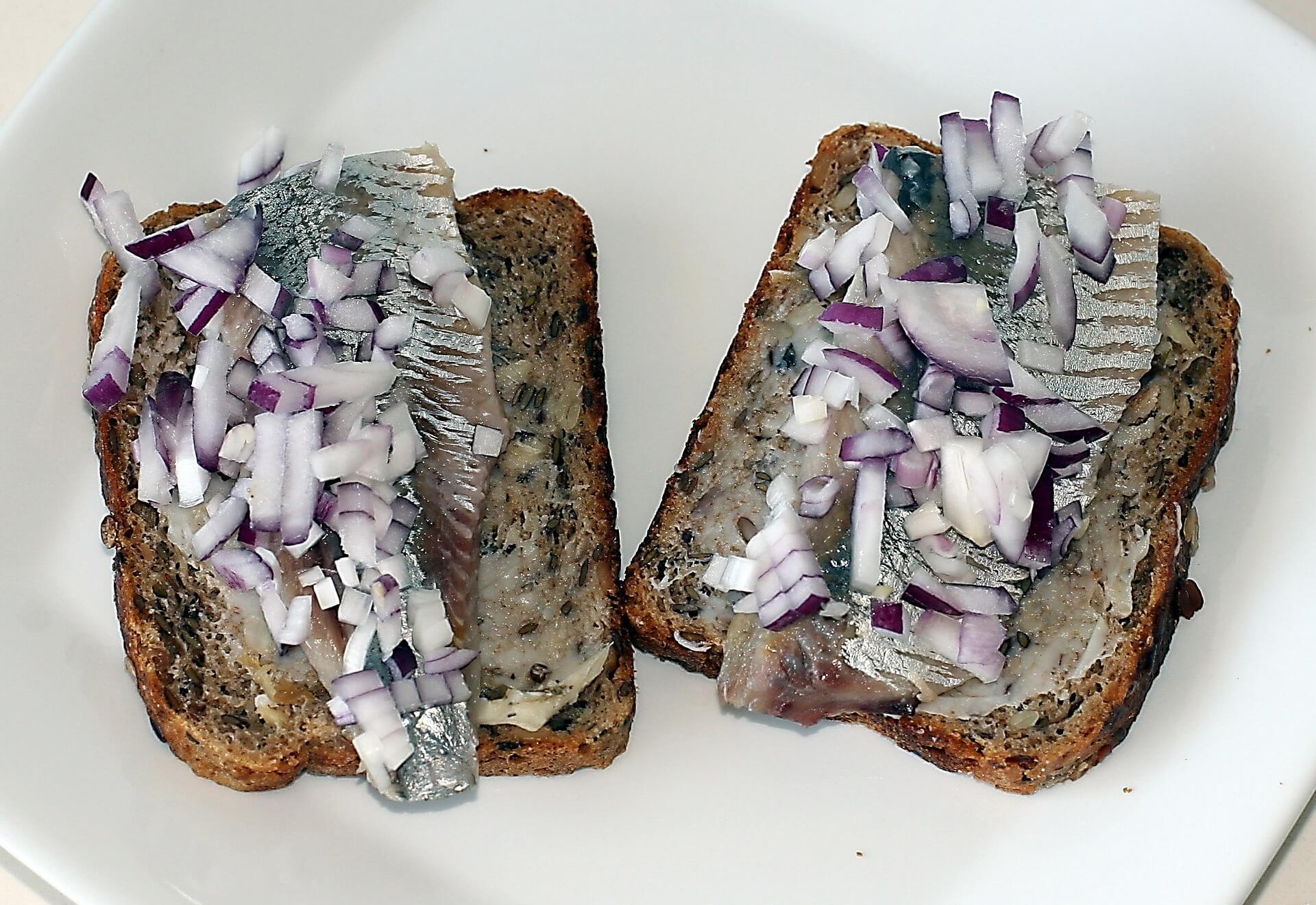
Bitterballen Spicy beef rolled into balls and covered with bread crumbs and deep-fried

Poffertjes Dutch mini-pancakes

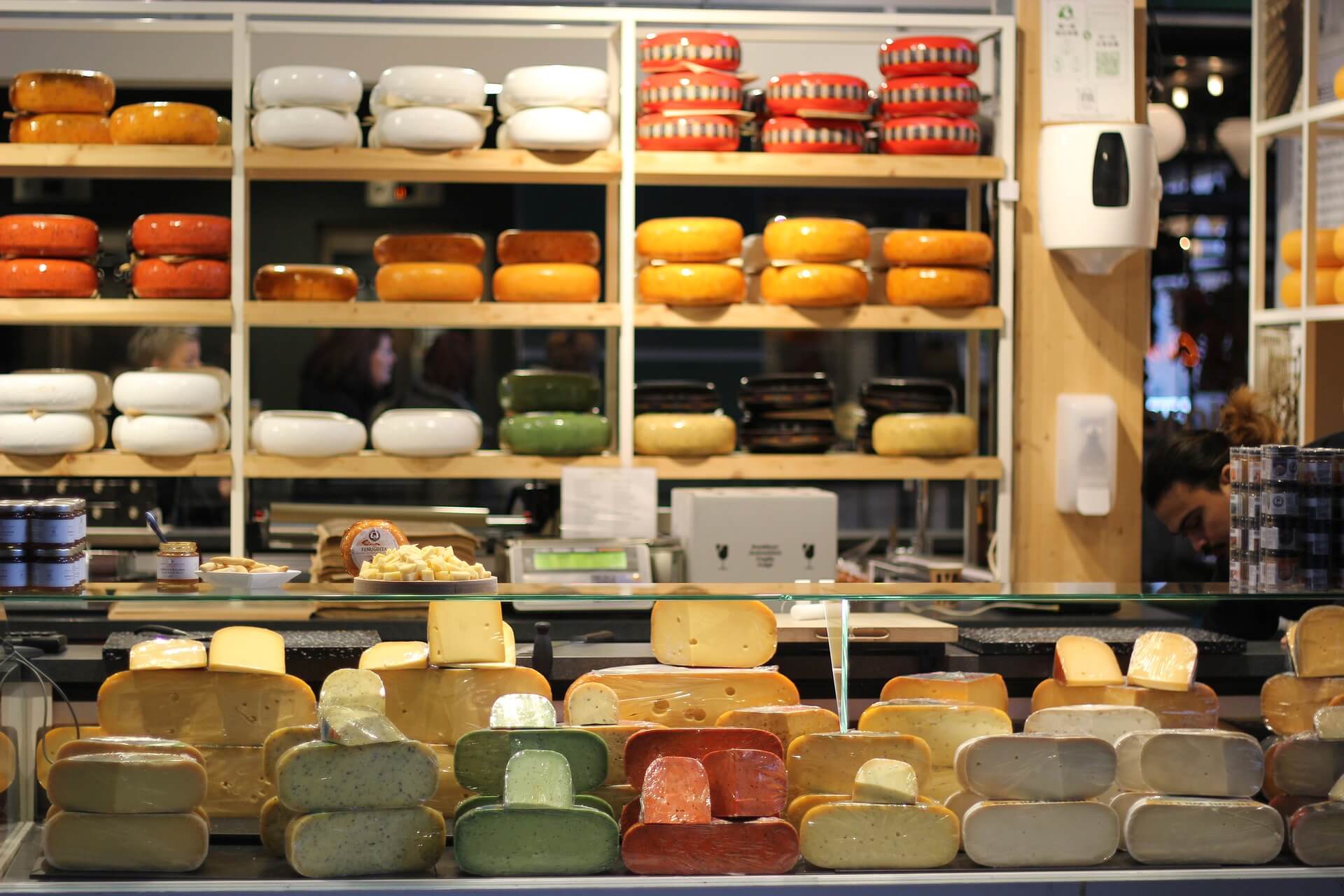
The City of Amsterdam
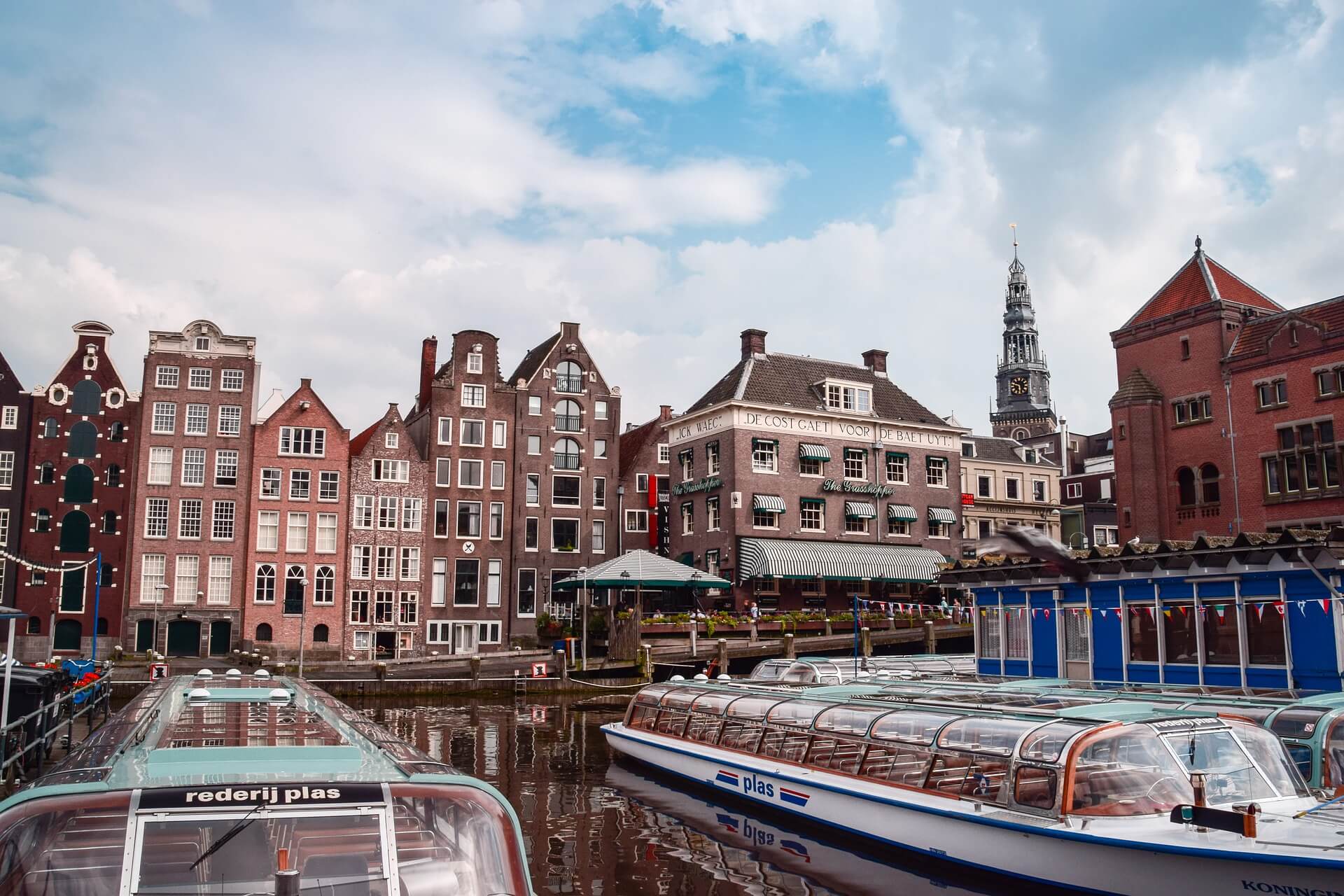
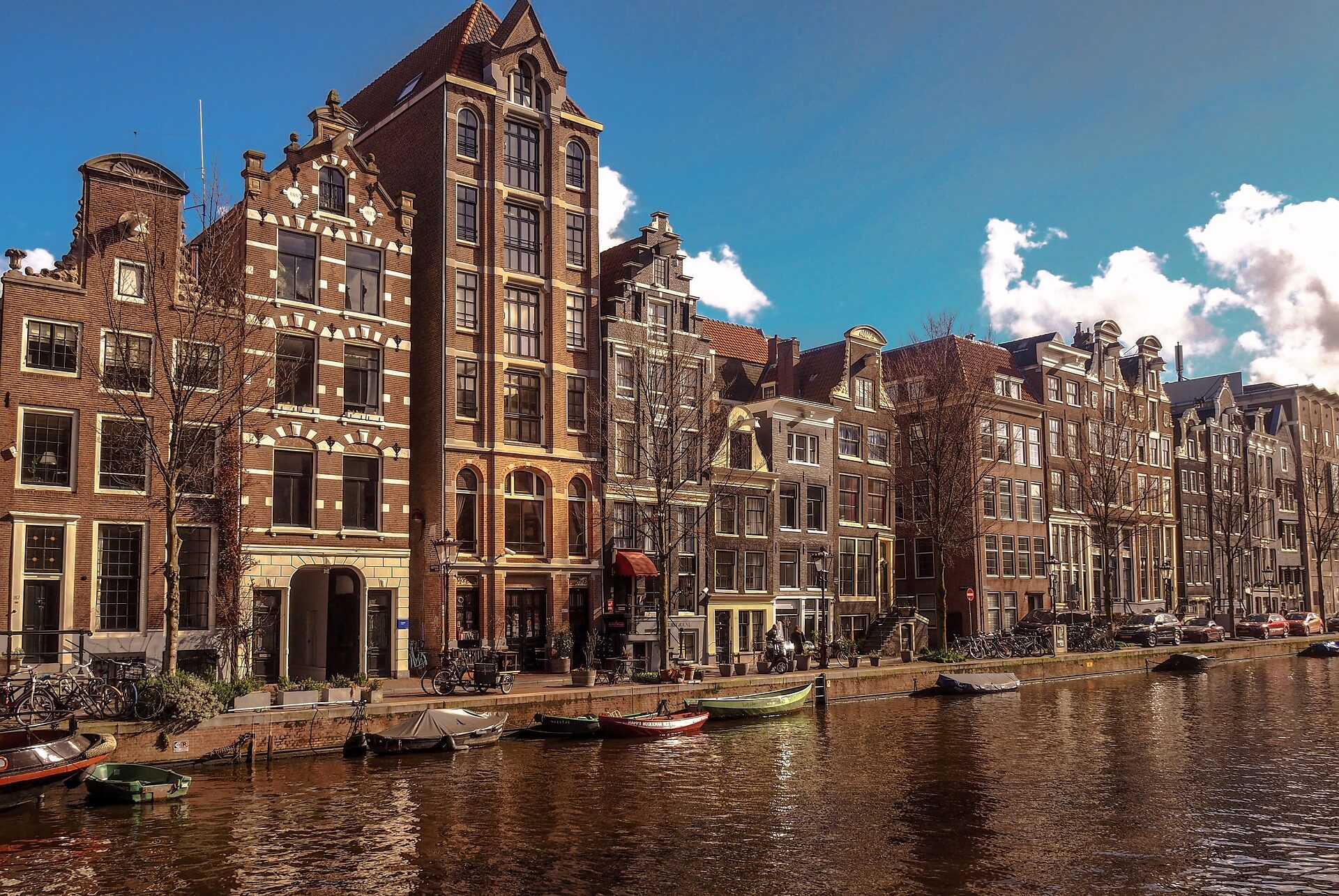
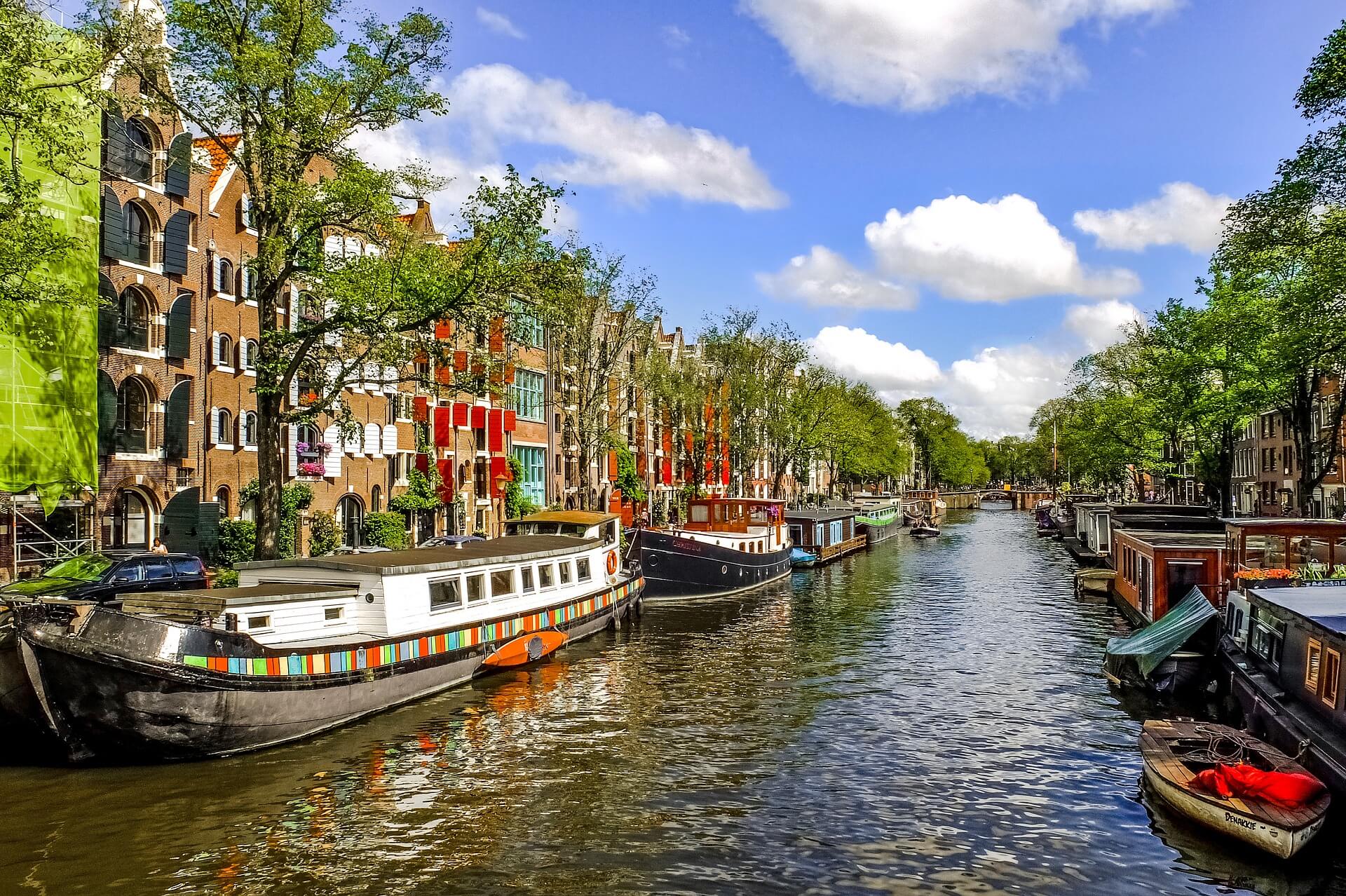
Amsterdam is the capital and most populous city of the Netherlands with a population of 875,000 within the city proper, 1.6 million in the urban area, and 2.5 million in the metropolitan area. Found within the province of North Holland, Amsterdam is referred to as the Venice of the North due to the large number of canals which form a UNESCO World Heritage Site. Amsterdam was founded at the Amstel River, which was dammed to control flooding and the city’s name derives from that. Originating as a small fishing village in the late 12th century AD, Amsterdam became one of the most important ports in the world during the Golden Age of the 17th century and became the leading center for finance and trade. In the 19th and 20th centuries the city expanded with many new neighborhoods. Sloten, annexed in 1921, is the oldest part of the city dating from the 9th century AD. In 2012, Amsterdam ranked as the second best city to live in and 12th globally on quality of life.
Tourist Attractions:
The Rijksmuseum
The Stedelijk Museum
Hermitage Amsterdam
The Concertgebouw Amsterdam Philharmonics
The Anne Frank House
The Heineken Experience
Natura Artis Magkistra
Hortus Botanicus Amsterdam
Nightlife
Narrow Houses with Gabled Facades
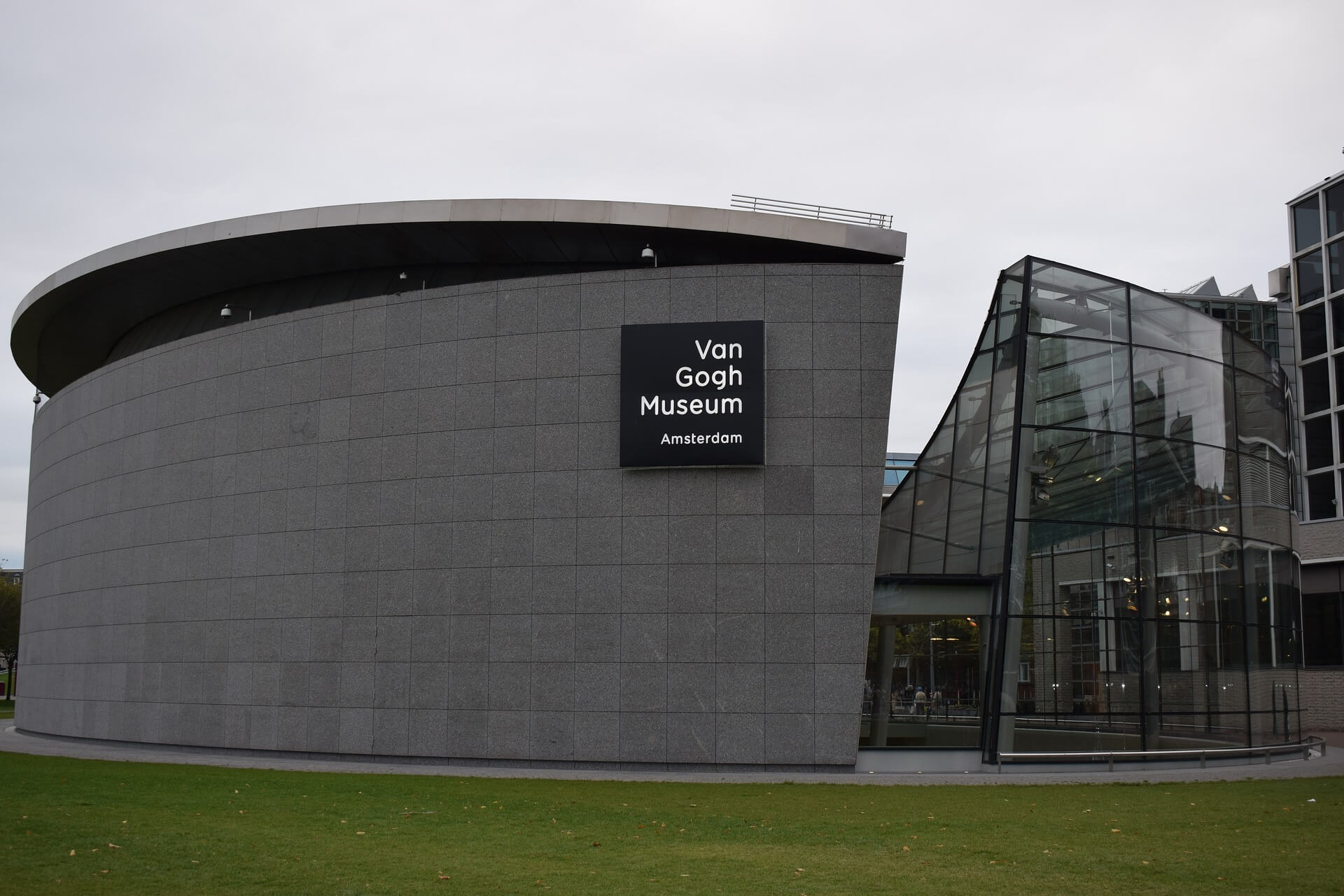
The Van Gogh Museum
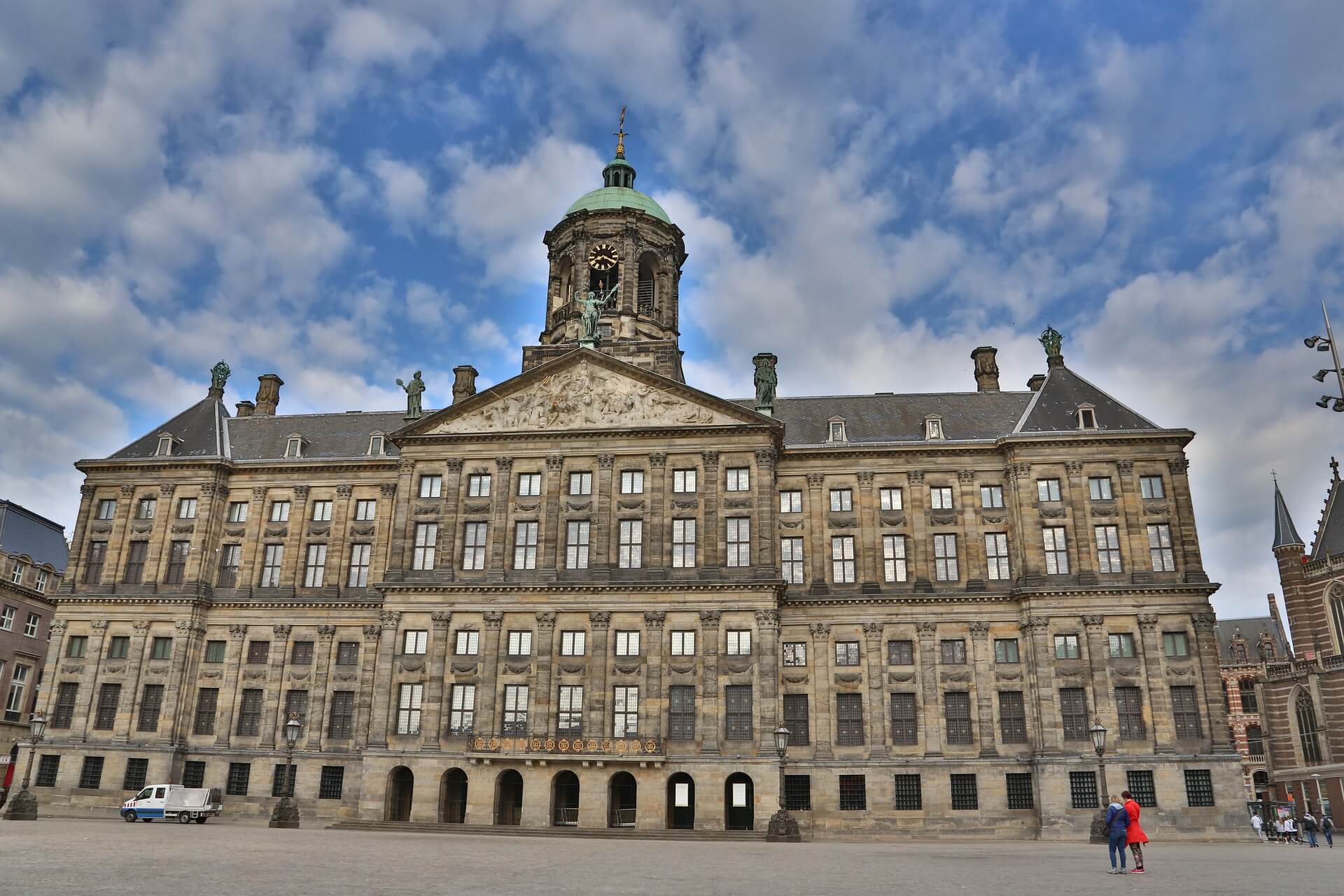
The Royal Palace of Amsterdam
Historic Canals
The City of Rotterdam
Rotterdam is the second largest city and municipality in the Netherlands and is in the province of South Holland at the mouth of the Nieuwe Maas channel leading into the Rhine-Meuse-Scheldt delta at the North Sea. Its history goes back to 1270, when a dam was constructed in the Rotte. In 1340, Rotterdam was granted civil rights by the Count of Holland. The Rotterdam-The Hague metropolitan area, with a population of 2.7 million is the 10th largest in the European Union and the most populous in the country. Rotterdam is Europe’s largest seaport and has a population of 650,000. Rotterdam is known for its university setting, maritime heritage and modern architecture. The near complete destruction of the city center in the Rotterdam Blitz in World War II has resulted in a varied architectural landscape, including skyscrapers. The rivers by the city, its roads and rail have earned Rotterdam the nicknames “Gateway to Europe” and “Gateway to the World”.
Tourist Attractions:
The Old Harbor and Marine Museum Museum Boijmans-van Beuningen historic art museum.
Grote of Sint-Laurenskerk St. Lawrence Gothic Church 15th century
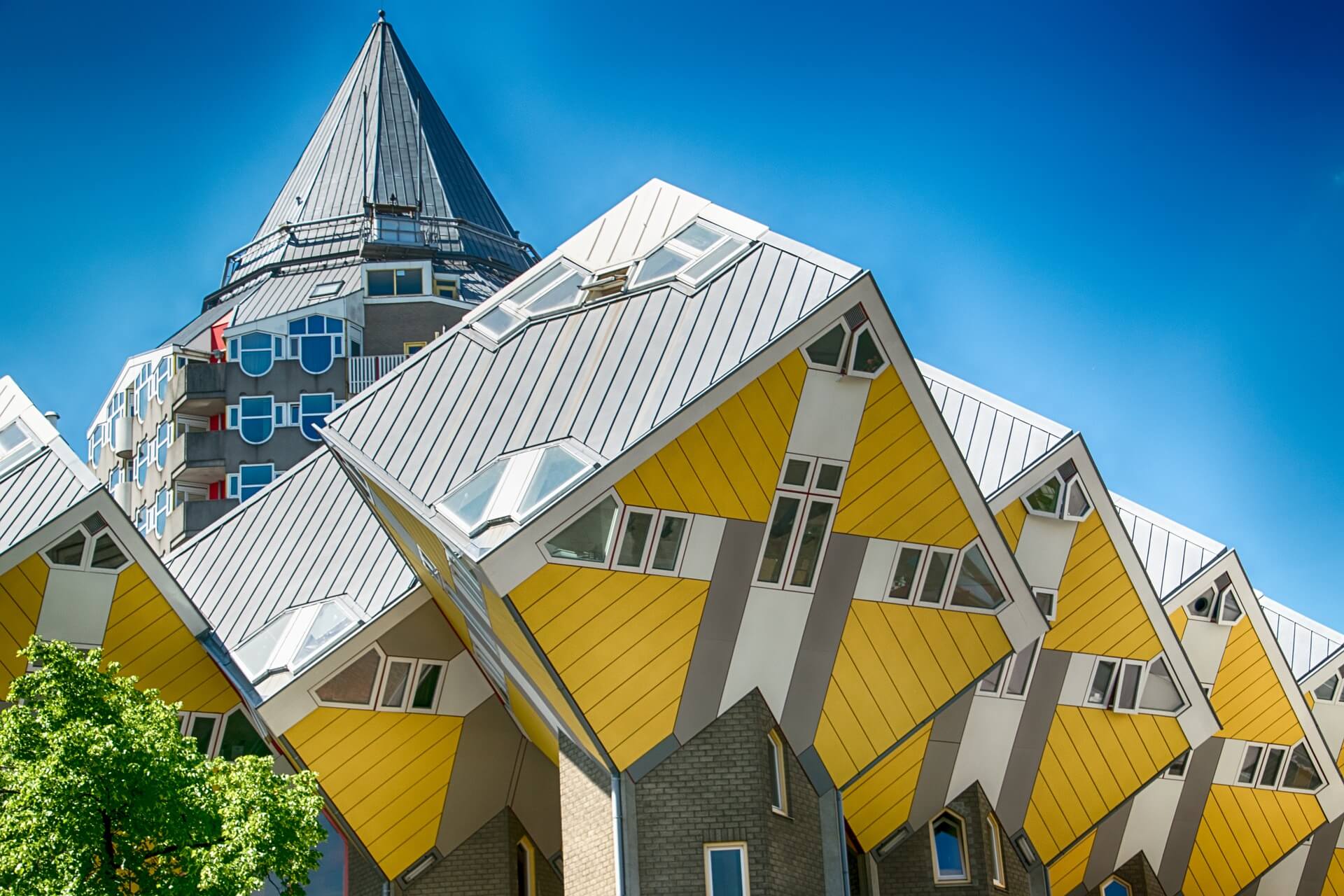
The Cube Houses
The White House constructed 1898, 10 stories, art nouveau a UNESCO World Heritage Site.
Market Hall
Coolsingel the main street in city center
The Euromast a very tall landmark
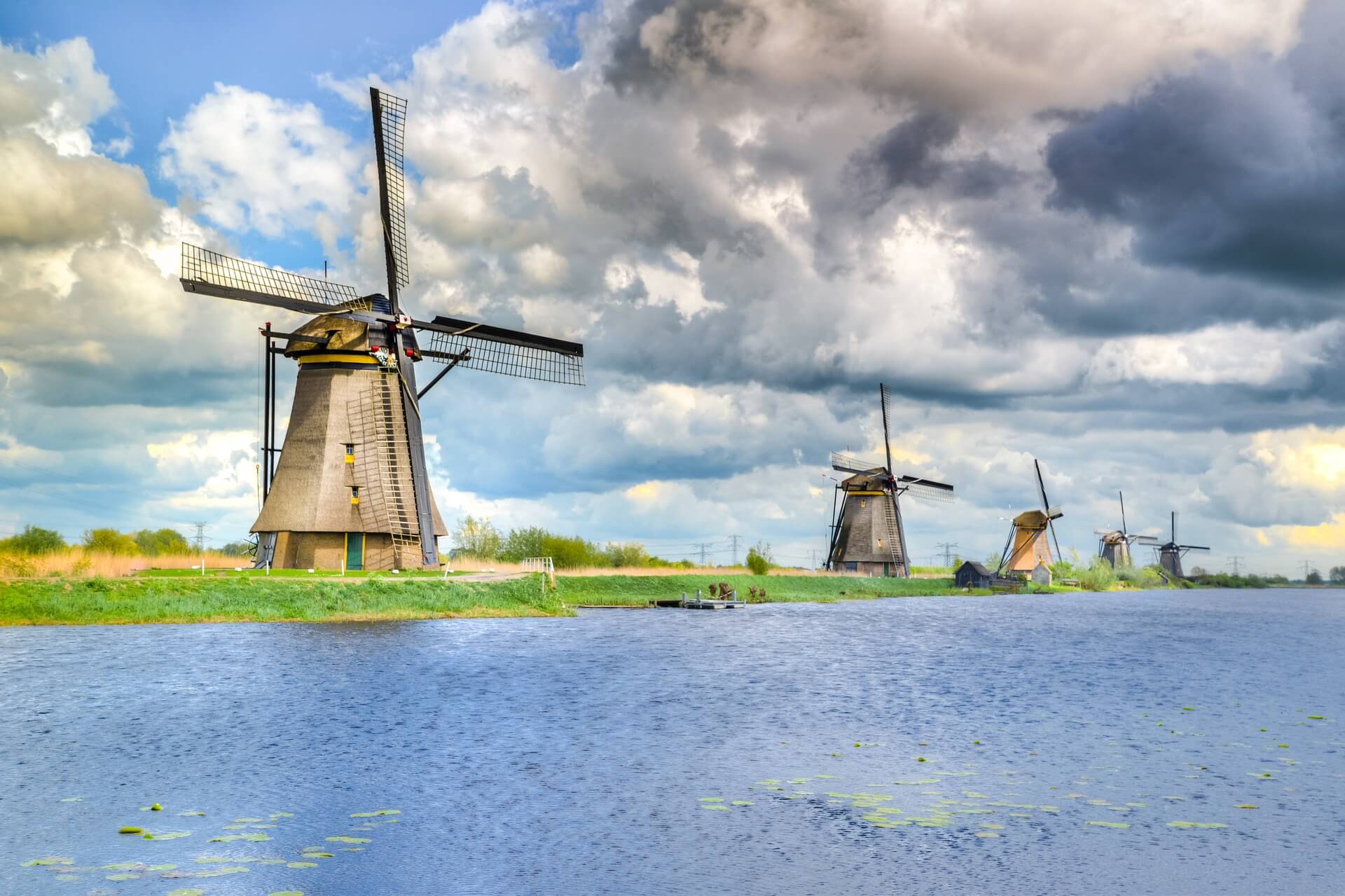
The Kinderdijk Windmills 19 in total, 18th and 19th century windmills designated as a UNESCO World Heritage Site
The City of The Hague
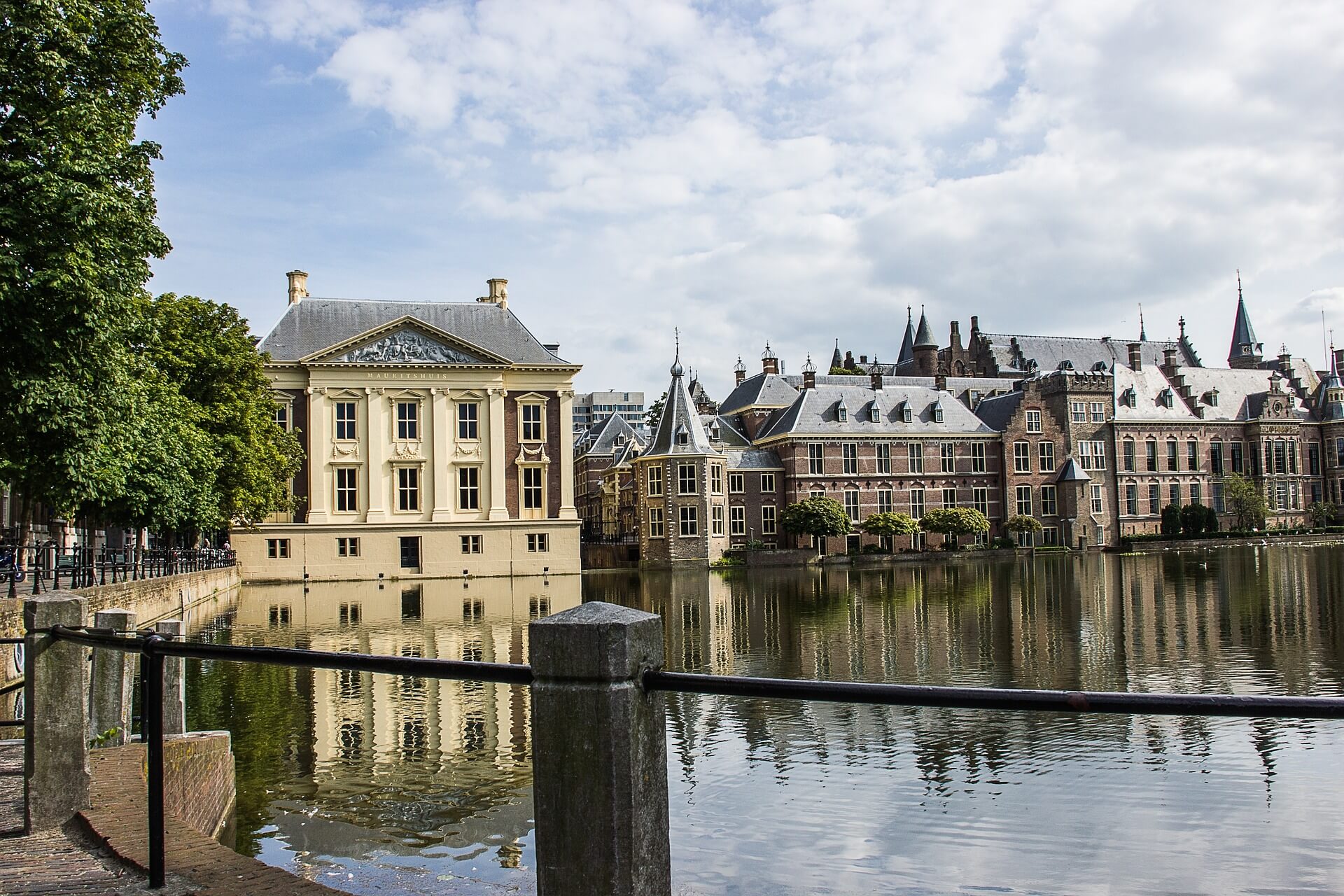
The Hague is a city and municipality on the western coast of the Netherlands on the North Sea. It is the administrative and royal capital of the Netherlands and its seat of government, as well as the capital of the province of South Holland. It has a population in excess of 500,000 and is the third largest city. The Hague is known as the home of international law and arbitration. It is the seat of the Cabinet, the States General, the Supreme Court and the Council of State of the Netherlands. King Willem-Alexander lives in Huis ten Bosch and works at the Noordeinde Palace in the Hague.
Tourist Attractions:
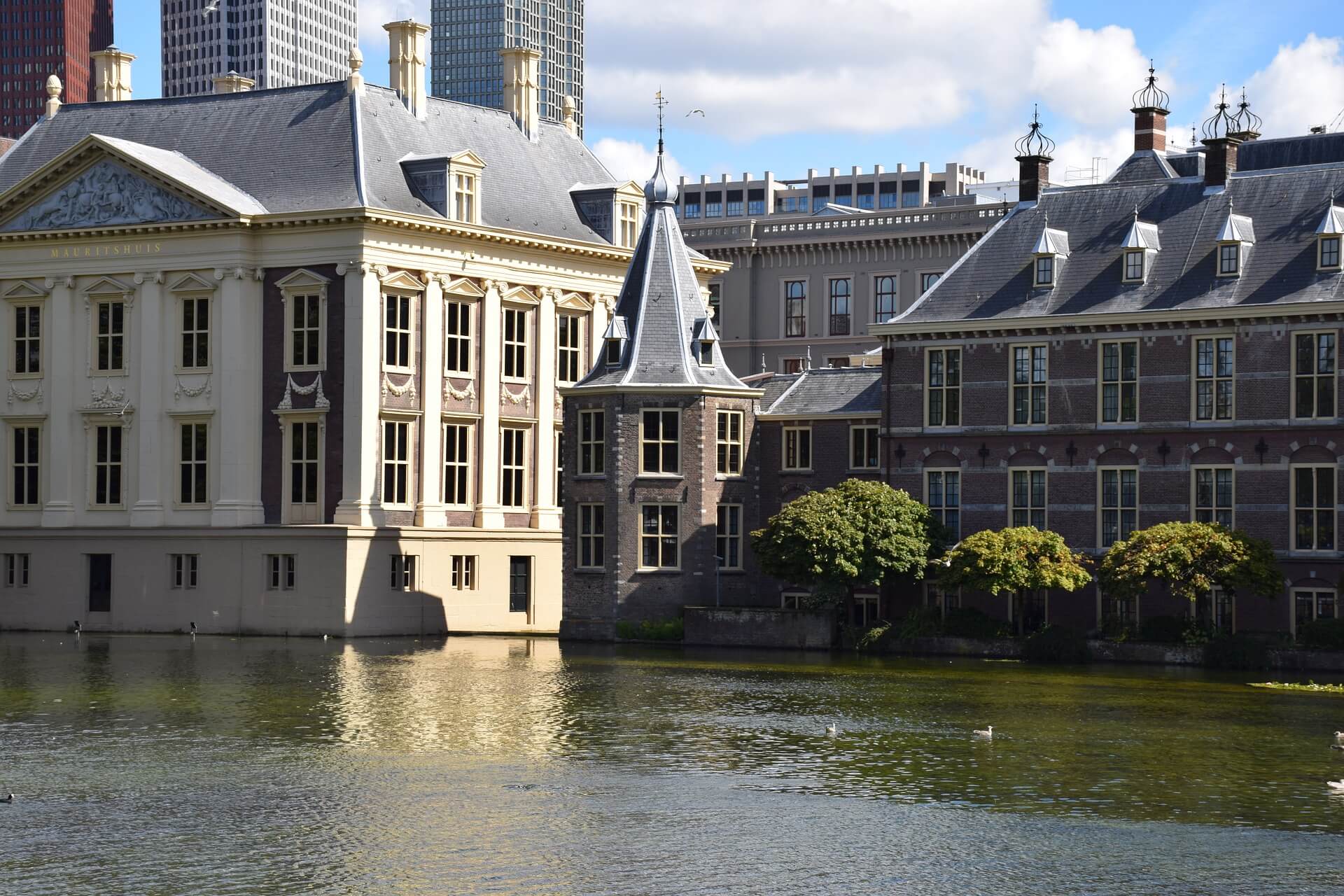
Mauritshuis 1641 elegant residence
Historic Binnenhof Sector
Escher in the Palace A former winter palace and now art gallery
Ridderzaal 13th century Knights Hall
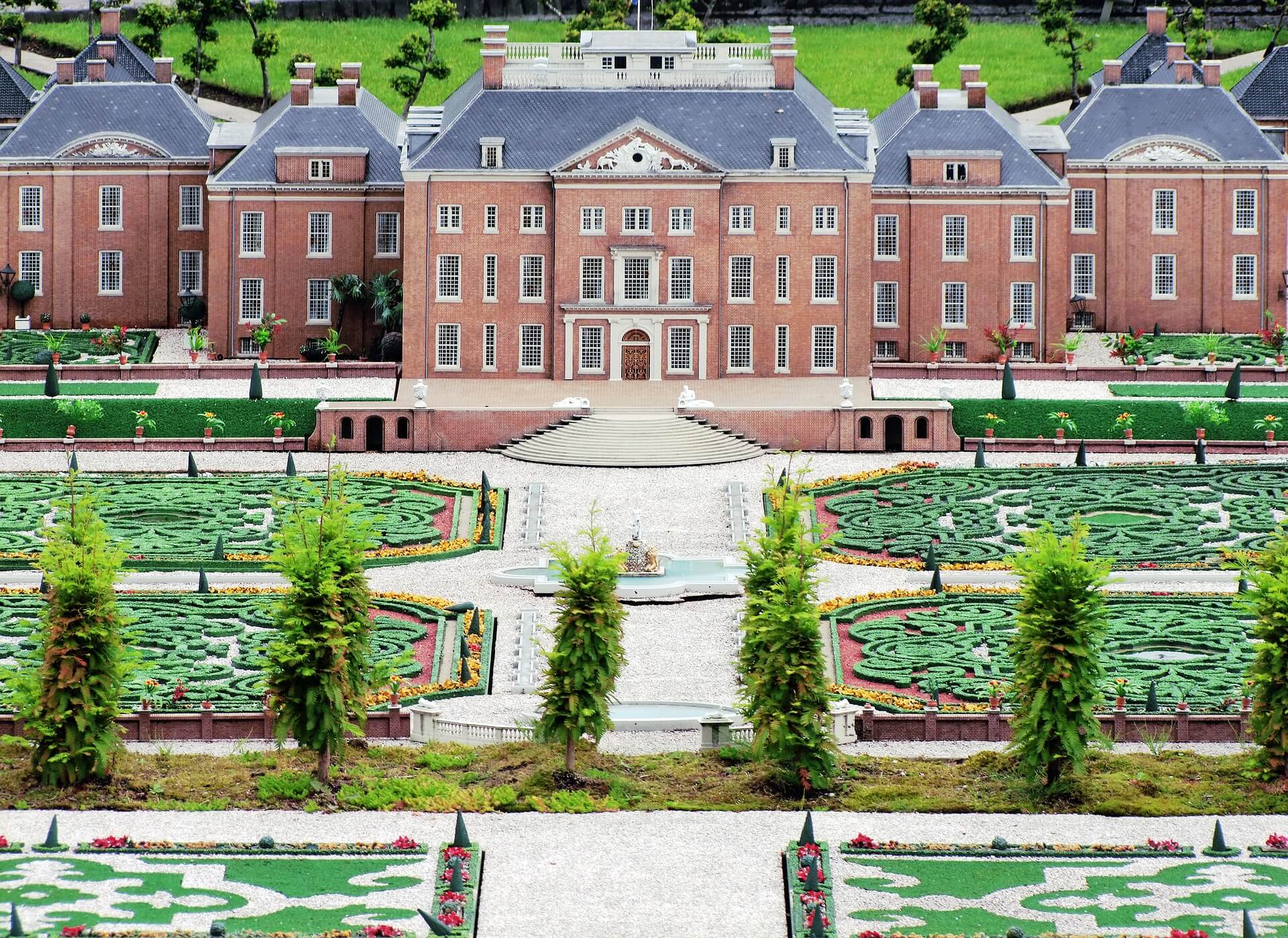
Madurodam Miniature views of Amsterdam
Louwman Museum The oldest collection of cars in the world.
The Peace Palace
Landgoed Clingendael 16th century house and gardens
Haagse Bos a park
Prison Gate Museum a 1296 town gatehouse
Het Loo Palace
Other Interesting Cities
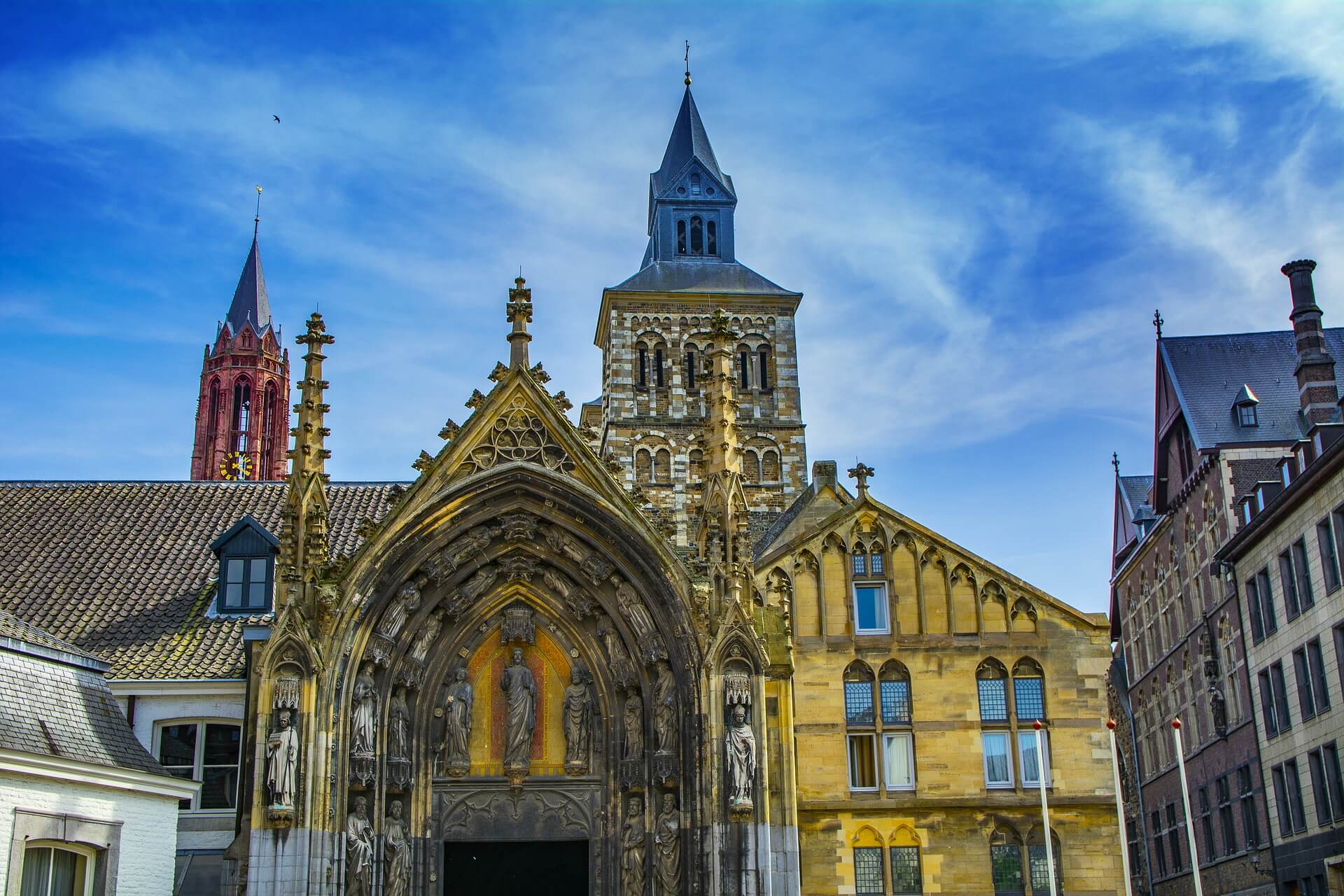
Maastricht Its proximity to Belgium and Germany give it a mix of cultures and cuisines. It has beautiful old buildings and towering cathedrals.
Haarlem is 15 minutes from Amsterdam by train, it has old buildings, twisting canals and cobbled streets. It is the center of the flower region.
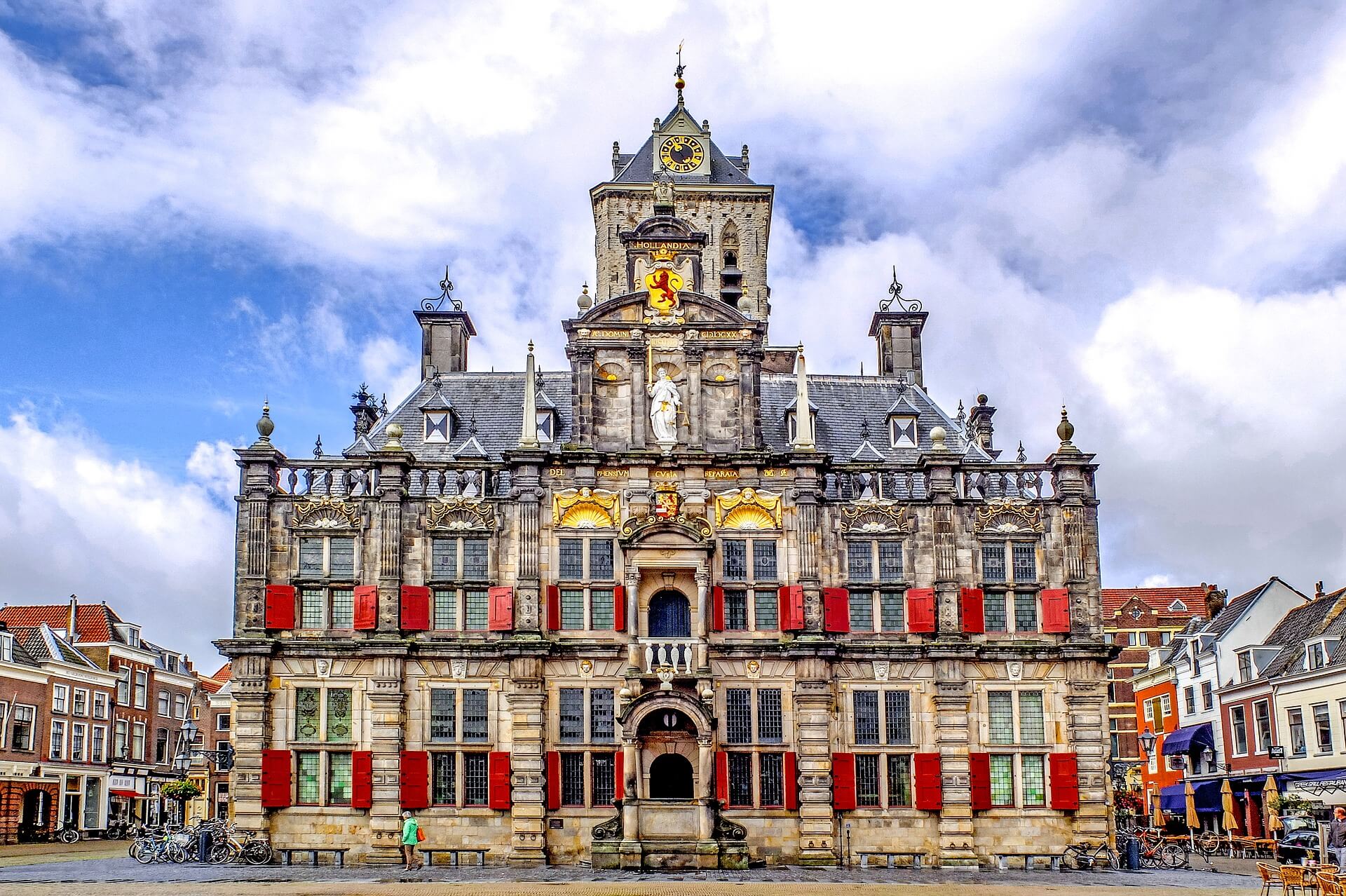
Delft Beautiful medieval center laced with canals and foot bridges
Utrecht One of the oldest cities in the country. It has beautiful canals
Other Tourist Attractions:
Hoge Veluwe National Park
West Frisian Islands
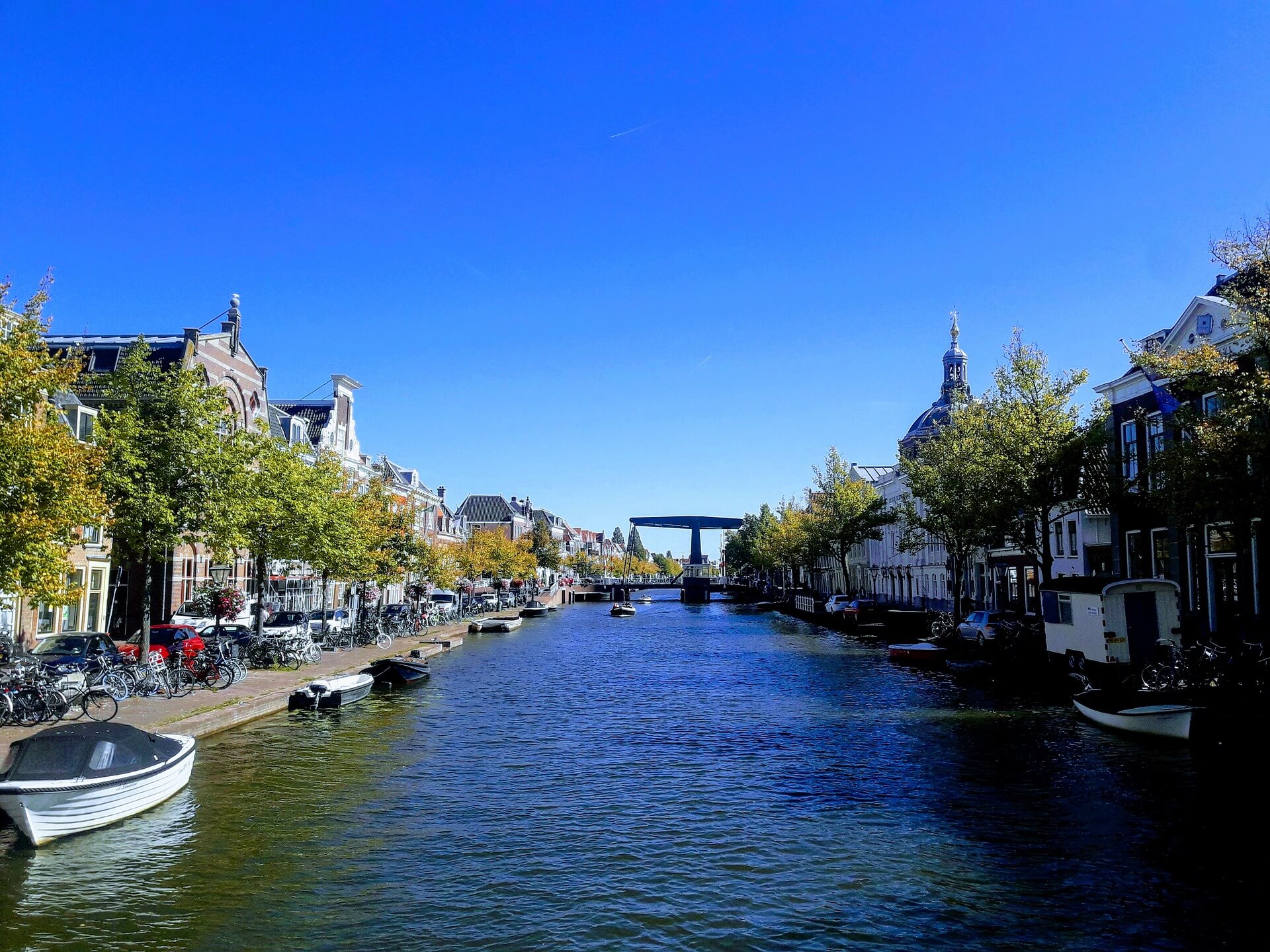
Leiden Canals
No Tour Found
No Tour Found