


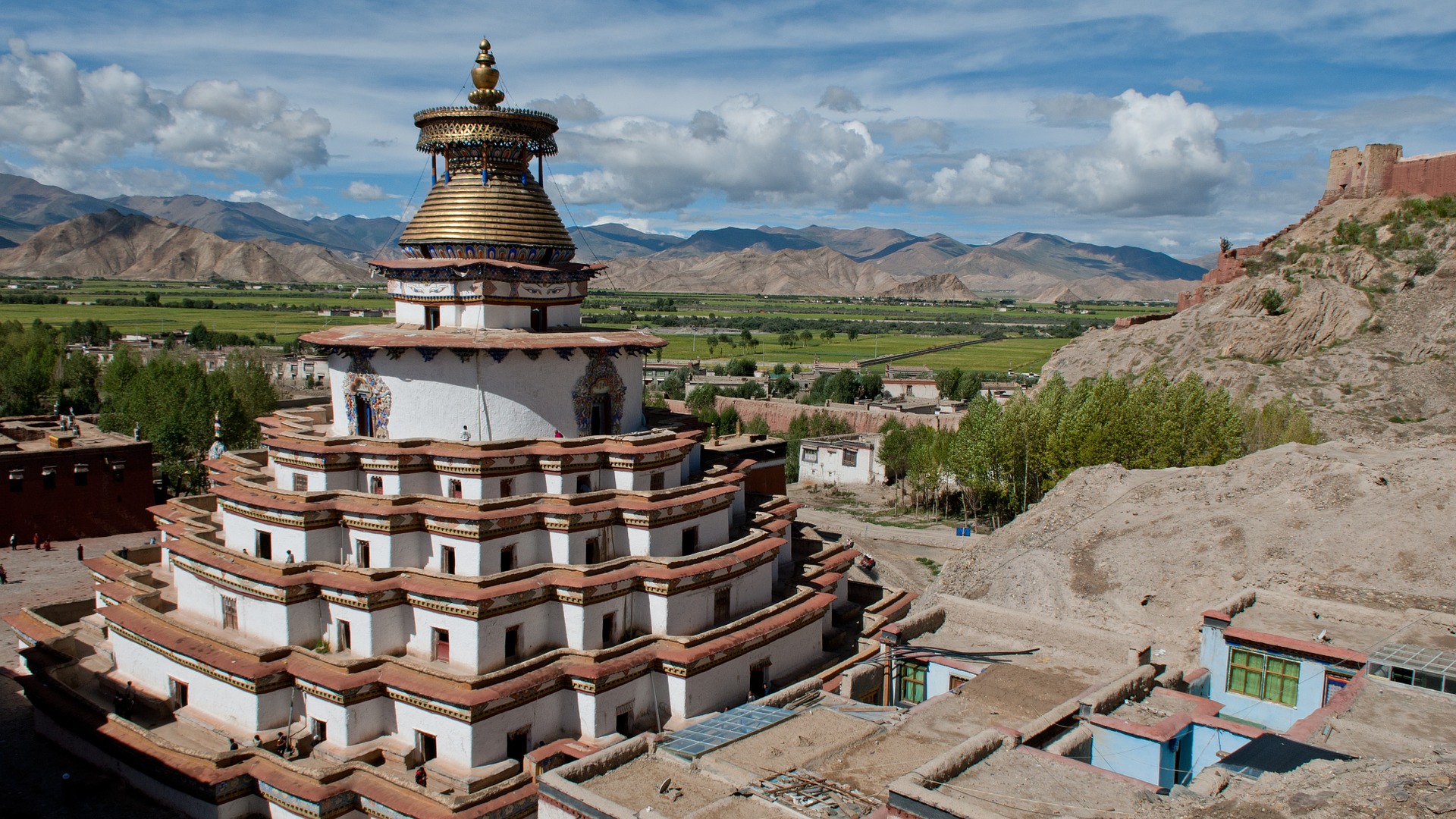
Tibet is an East Asia Country occupying much of the Tibetan Plateau covering 970,000 square miles. It is the traditional home of the Tibetan People and it is the highest region on earth with an average elevation of 14,000 feet which includes Mount Everest. The Tibetan Empire emerged in the 7th century AD, but with the empire’s fall the region dissolved into multiple kingdoms and independent territories. The west and central areas were mostly under the influence of Tibetan governments in Lhasa or Shigatse. The eastern regions of Kham and Ando maintained a more decentralized indigenous political structure divided among a number of small principalities and tribal groups while also falling more directly under Chinese influence and control. During the Xinhai Revolution against the Chinese Qing Dynasty in 1912, Qing soldiers were escorted out of the western part of Xikang. After the Battle of Chamdo in 1950, the areas were incorporated into the Chinese provinces of Sichuan and Qinghai. In 1951, Tibet was fully occupied and incorporated into the People’s Republic of China. The current borders of Tibet were generally established in the 18th century. The Tibet economy is dominated by subsistence agriculture augmented by a growing tourist industry. Tibetan Buddhism is the dominant religion and has had great influence on art, music, culture and festivals. Tibeto-Burman, part of the Sino-Tibetan Language family and most closely related to Burmese is the language of Tibet. The first evidence of Homo sapiens was 21,000 years ago, and they were replaced by Neolithic tribes from Northern China in 3000 BCE. Earliest Tibetan historical texts identify Zhang Zhung Culture as ruling until the seventh century AD. Unified Tibet started with the rule of Songtsen Gampo (1604-1650 AD). Subsequent rulers made Buddhism the state religion. The first Dalai Lama emerged in 1447. Many of the world’s major rivers have their source in the Tibetan plateau including the Yellow, Yangtze, Indus, Mekong and Ganges Rivers. The atmosphere in Tibet is very dry for nine months of the year and the Northern Sections have hot summers and intensely cold winters.
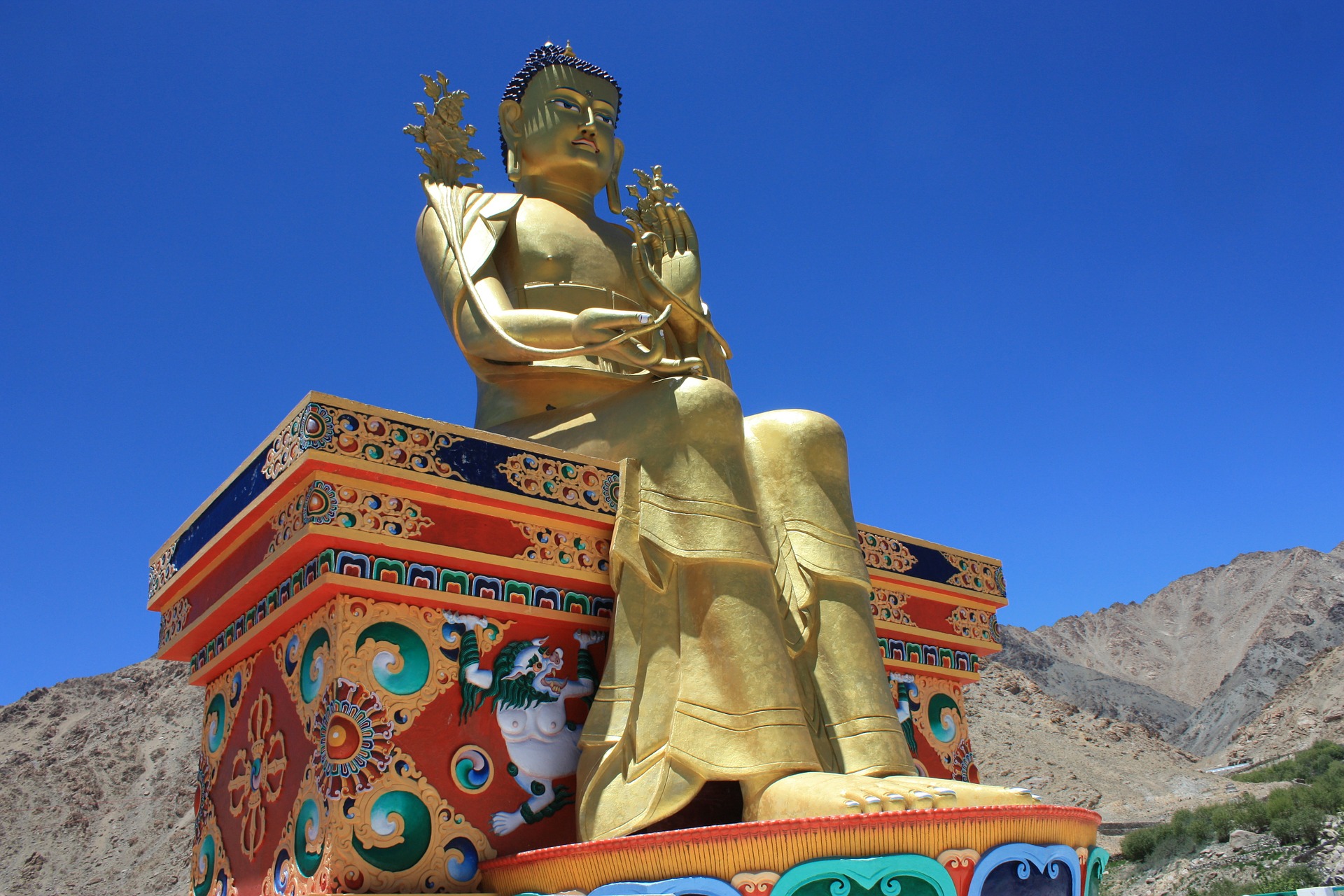
The major cities are Llhasa and Shigatse. Due to limited arable land, the primary foundations of the economy are the raising of livestock which include sheep, goats, cattle, camels, yaks, and horses. The main crops grown are barley, buckwheat, wheat, rye, potatoes and assorted fruits and vegetables. Tourism brings revenue from sale of Tibetan hats, jewelry (gold and silver), clothing, quilts and Tibetan rugs and carpets. Historically Tibetan Buddhism has been a primary influence on art music and festivals of deities. The population of Tibet has been made up of ethnic Tibetans. Buddha, Buddhist statues, shrines and very colorful Thangka pictures and Mandalas are central to Tibetan life and culture.
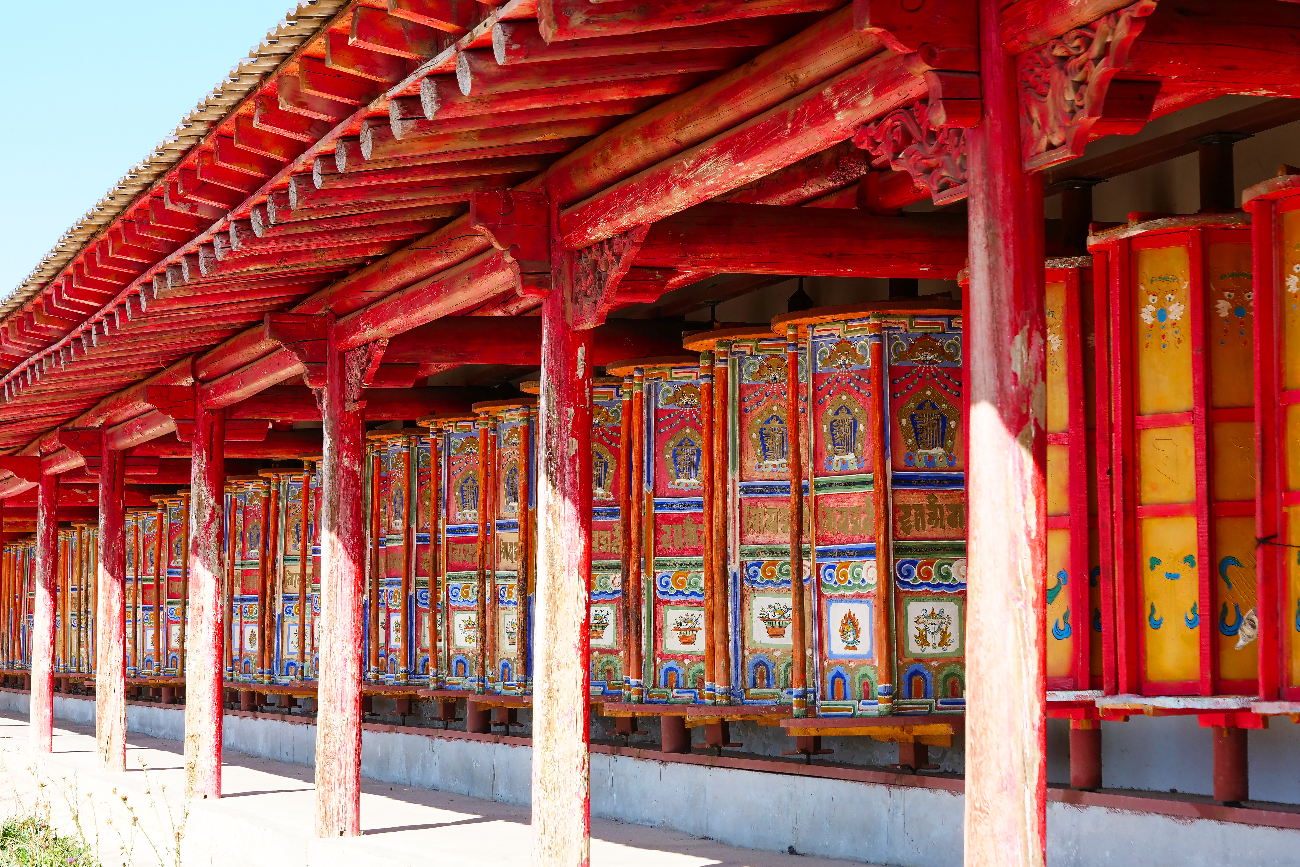
Specific geographic and climatic conditions encouraged reliance on a pasture lifestyle and the development of cuisine for the healthy body in high altitudes. Tibet rug making and various arts and crafts are made from highland sheep wool. Traditionally, the best rugs are made in the city of Gyanyse. Rug making is one of the largest industries in the country. Painting, historically of thangkas, an art of Chinese “hanging scrolls” from the 11th century features rectangular and intricately painted pictures on cotton or linen that are traditional compositions depicting deities, famous monks, astrological, and theological subjects and sometimes Mandelas. The paintings are framed and rolled up for storage. Tibetan literature includes epics, poetry, short stories, dance scripts and mime. Architecture has strong Chinese and Indian influences, with a deep Buddhist approach i.e. “The Prayer Wheel”. The UNESCO World Heritage Site; the Potala Palace, is the most important example of Tibetan architecture.
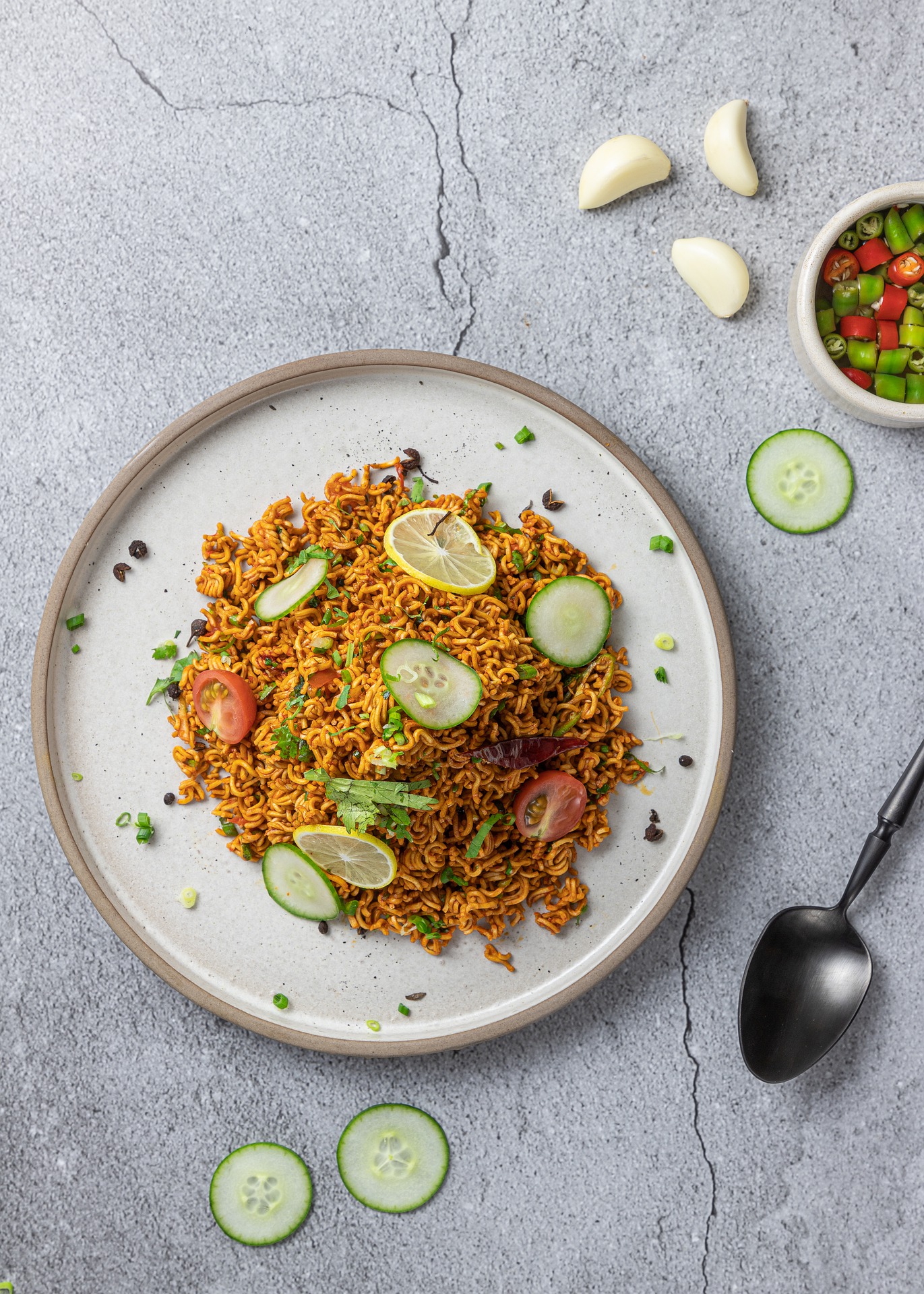
It is difficult to grow a wide variety of crops in Tibet because of the high altitude but in the lowland valleys, rice, oranges, bananas and lemons are grown. The main ingredients and foods in Tibet are noodles, goat, yak, mutton, dumplings, cheese, butter, yogurt, and soups. The most important crop is barley. Tsampa, made from flour mill from roasted barley, is a staple food of the country as is Sha phaley (meat and cabbage in bread). Balep, which is Tibetan bread, is eaten at breakfast and lunch. Thukpa is a dinner staple made from vegetables, meat and noodles in a broth. Tibetan cuisine is traditionally served with bamboo chopsticks. Mustard seed is heavily used in many Tibetan dishes.
Major Tibetan Cities
Lhasa is the largest city and the capital with a population of 560,000, 90% of whom are Tibetan Buddhists. Lhasa is located on an alluvial plain with beautiful scenery and pleasant weather.
Sites to visit include:
Barkhor Street
Sera Monastery
Potala Palace on sacred Red Hill
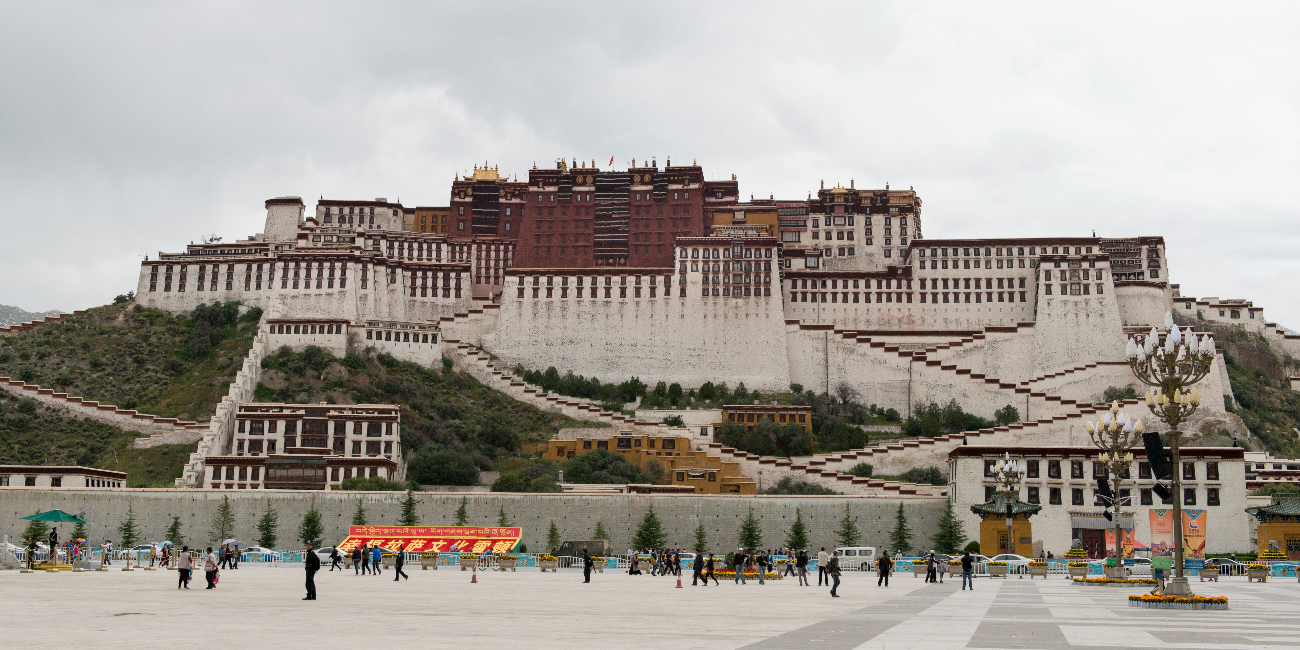
Jokhang Temple
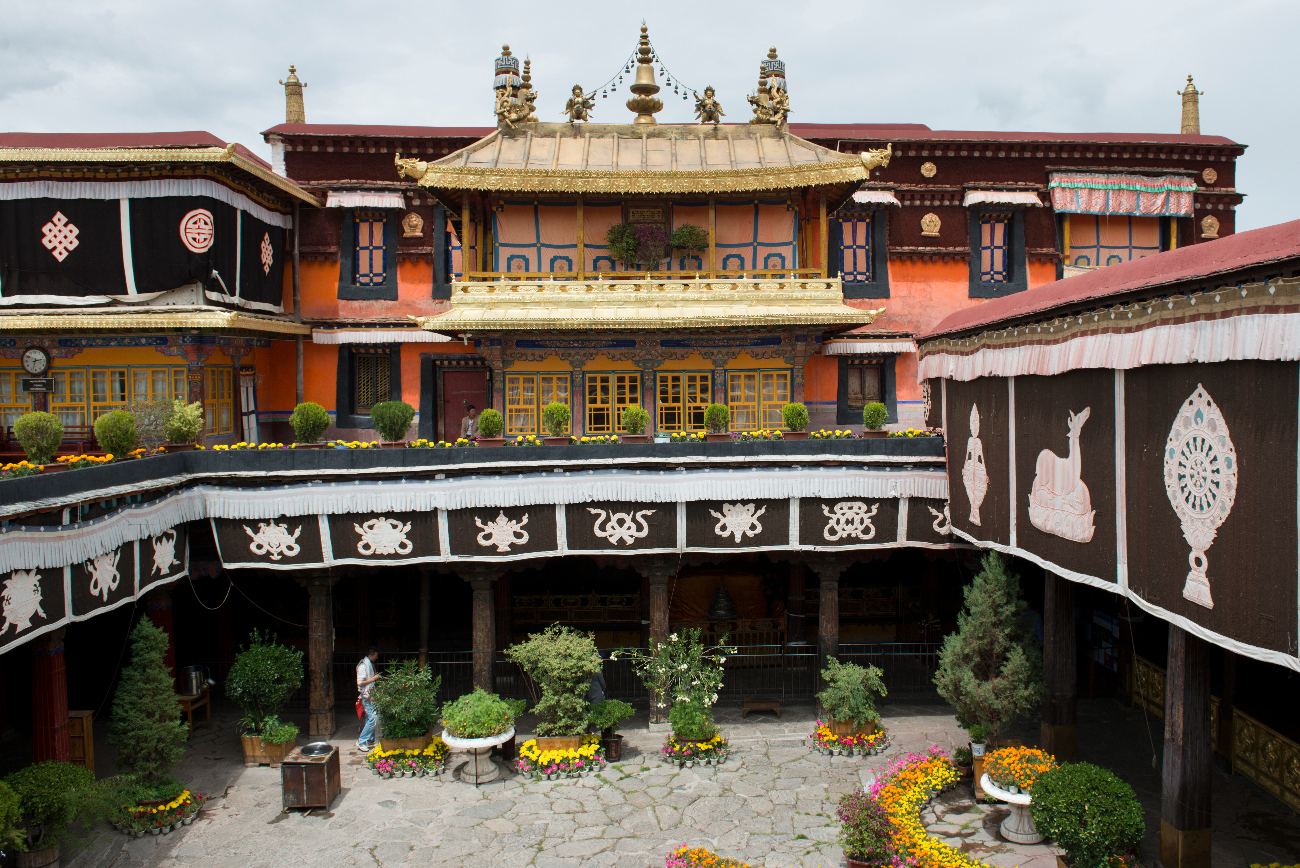
Ganden Monastery
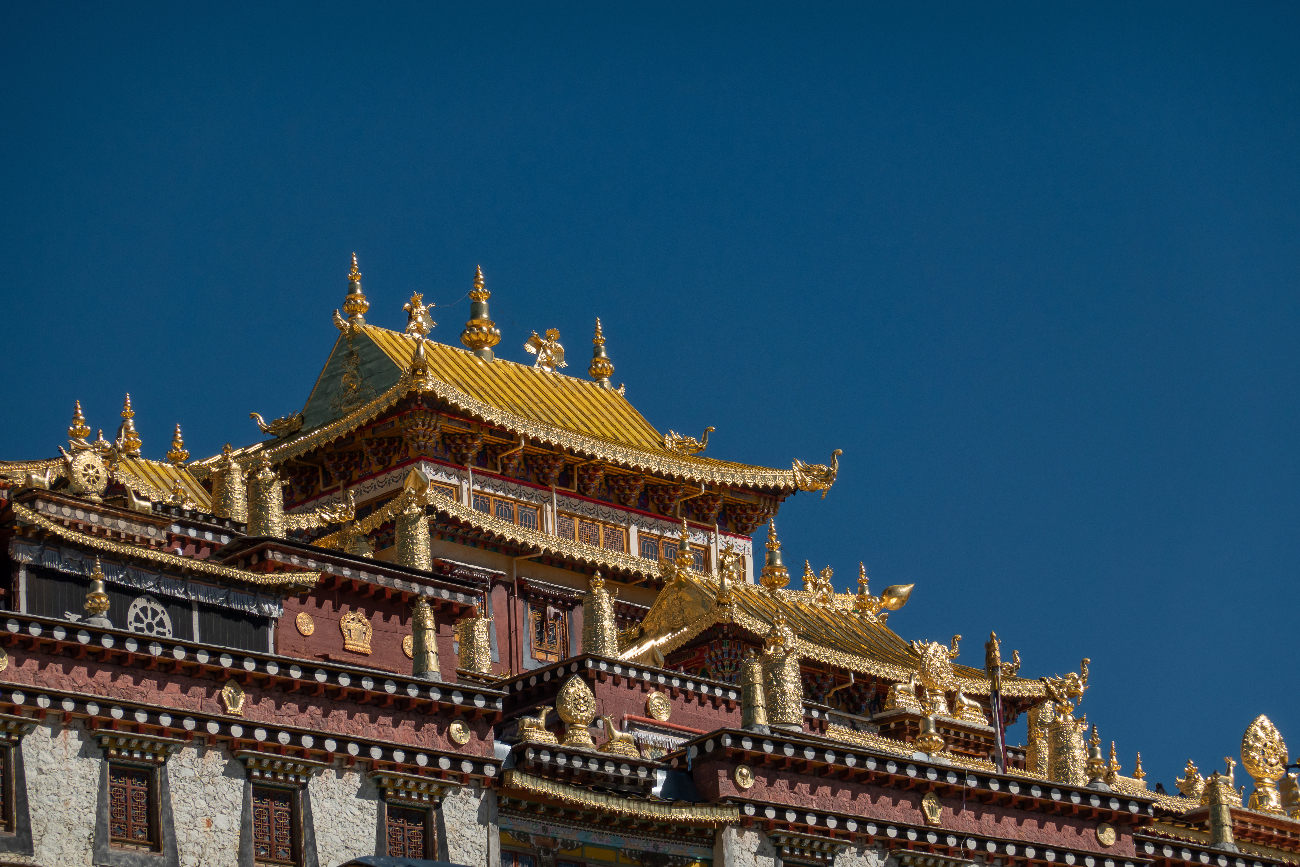
Drepung Monastery
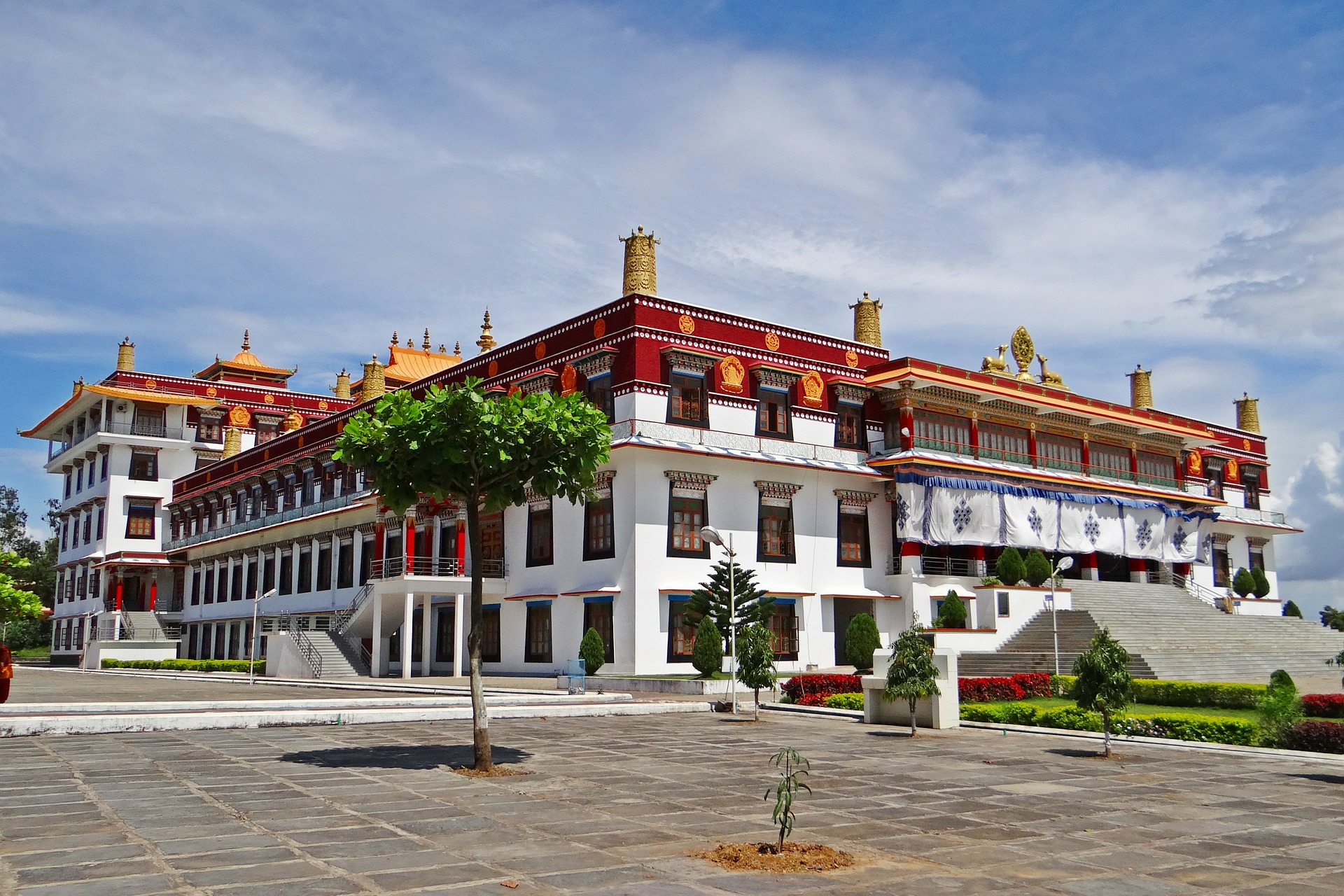
Shigatse is the second largest city and a trip from Llhasa to Shigatse (170 miles) is a beautiful tour to make for the majestic scenery. From the city you can see the four tallest mountains in the world and walk on the trail to Mount Everest to the Everest Base Camp.
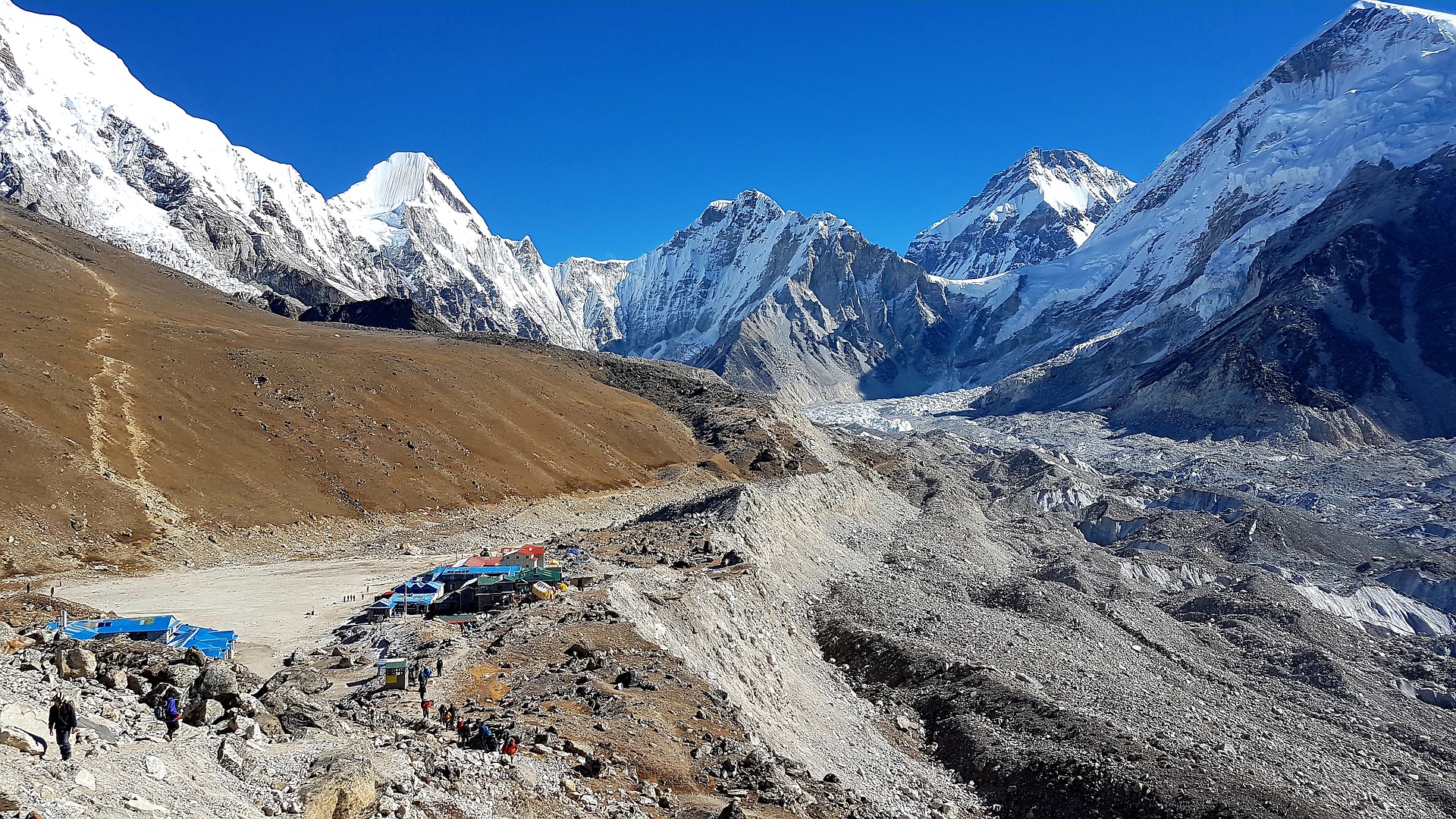
Sites to visit include:
The Gawu La Pass gateway to Everest
Gelugpa Monastery with the largest statue of Buddha in the world
Sakya Monastery
Peikutso Summer palace of the Panchen Llamas
Tashilhunpo Monastery built by the first Dalai Lama in 1447
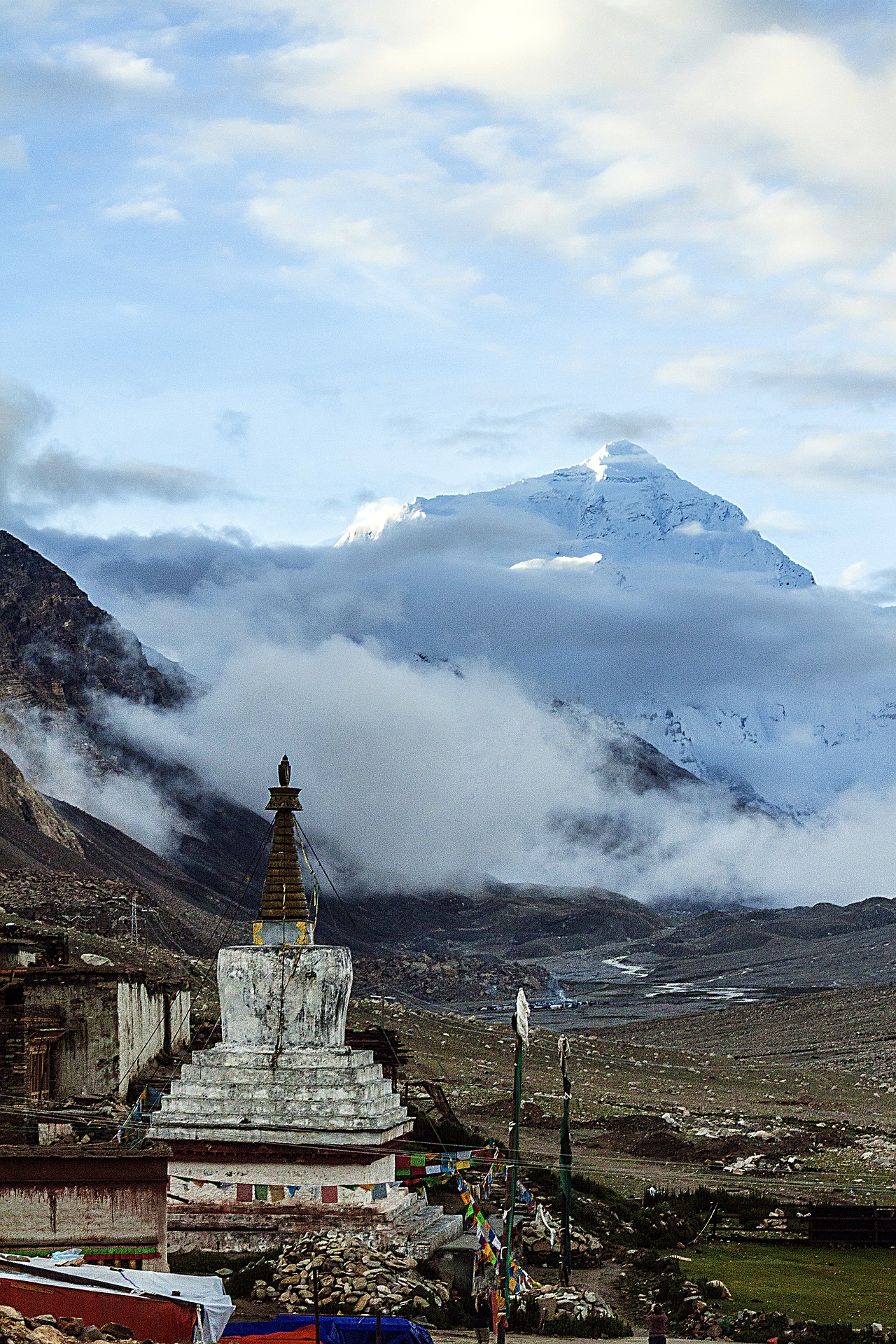
The world’s highest monastery, by altitude, Rongbuk Monastery
No Tour Found