


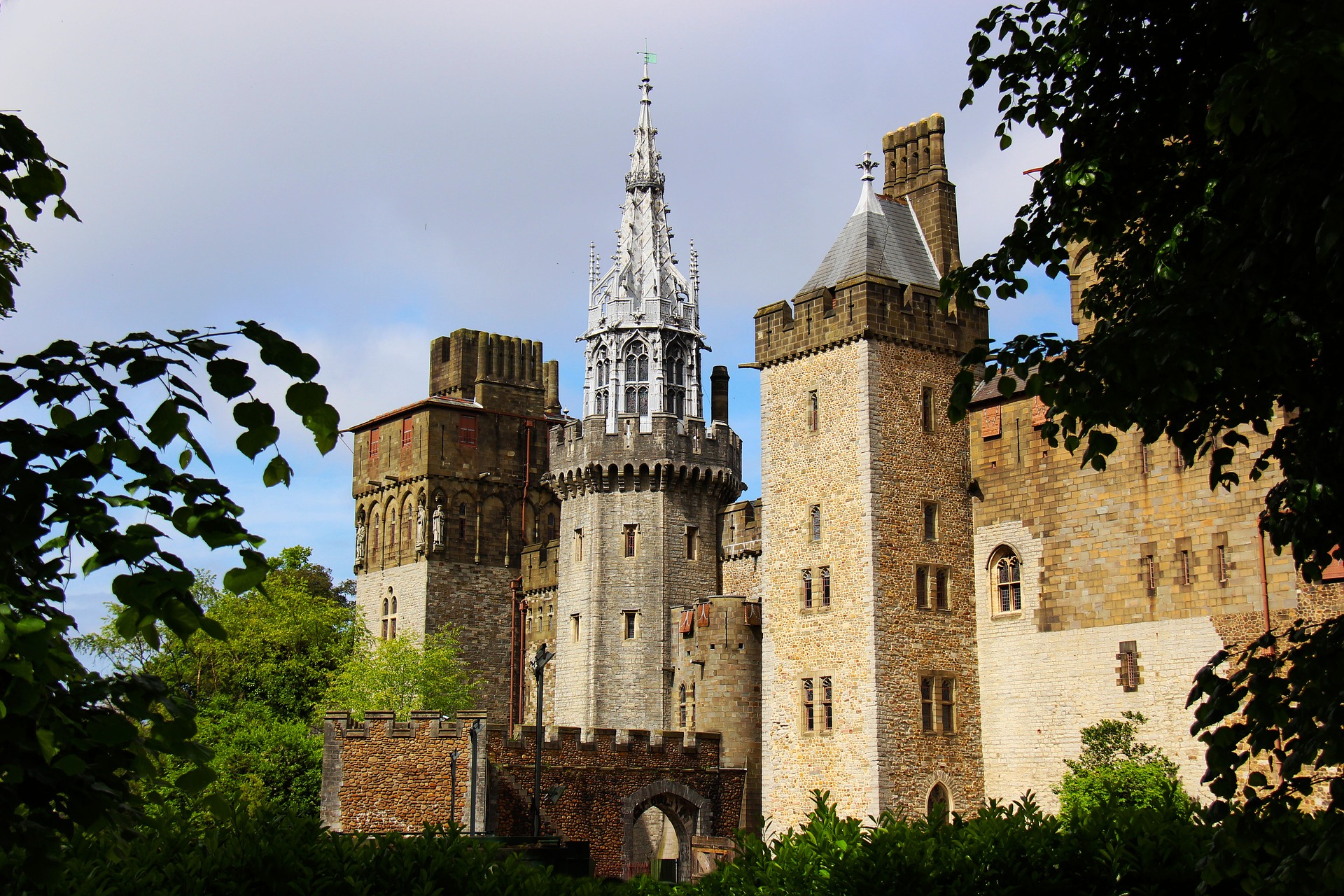
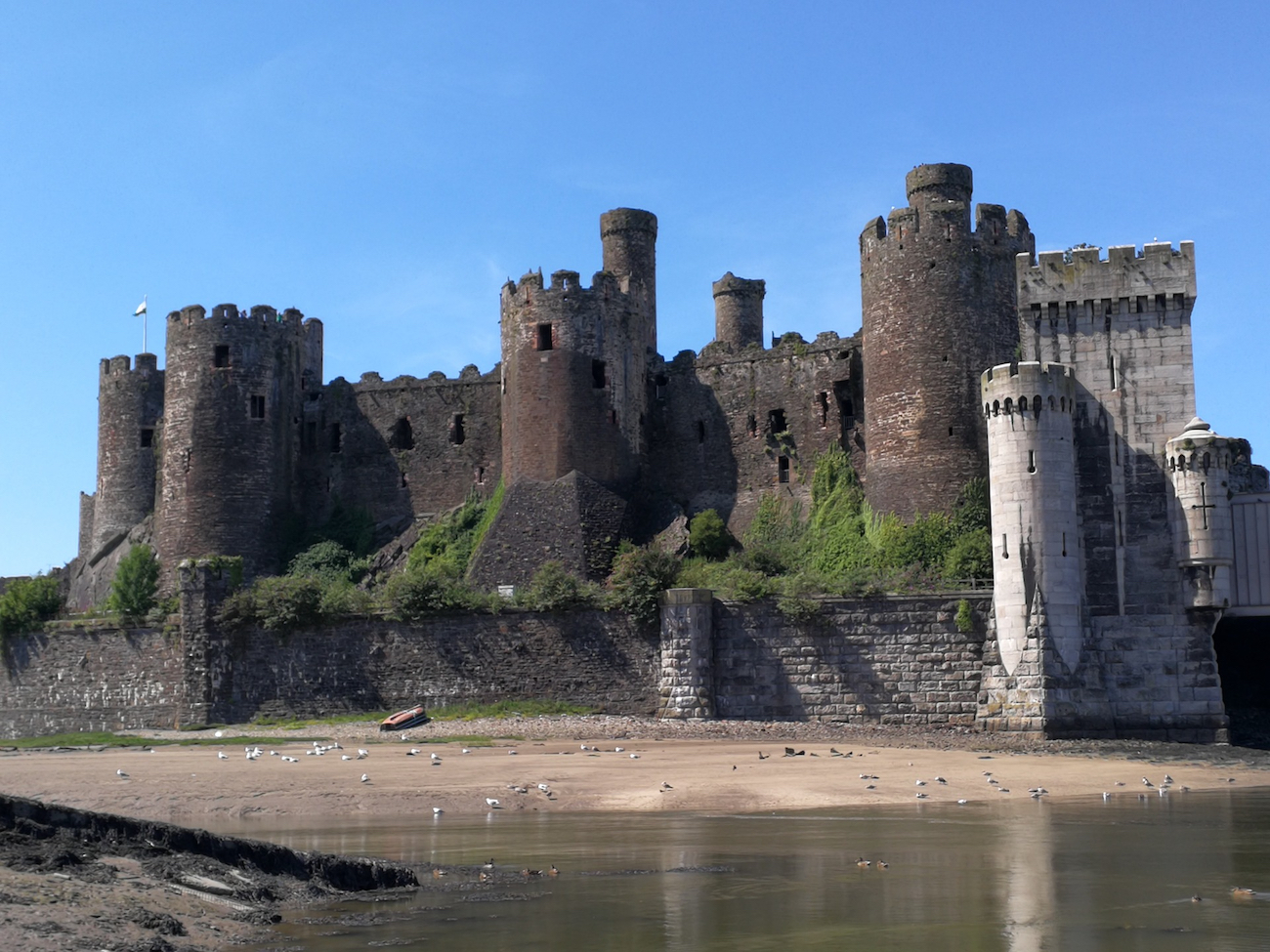
Wales is a country that is part of the United Kingdom. It is bordered by England to the east, the Irish Sea to the north and west, and the Bristol Channel to the south. It has a population of 3,100,000 and a total area of 8,023 square miles. Wales has over 1,680 miles of coastline and is largely mountainous with its higher peaks in the north and central areas, including Snowdon, its highest summit. The country lies within the north temperate zone and has a changeable, maritime climate. Welsh national identity emerged among the Britons after the Roman withdrawal from Britain in the 5th century, and Wales is regarded as one of the modern Celtic nations. Llywelyn ap Gruffudd’s death in 1282 marked the completion of Edward I of England’s conquest of Wales, although independence was briefly restored in the 15th century. The whole of Wales was annexed by England and incorporated within the English legal system under the Laws in Wales Acts 1535 and 1542. Distinctive Welsh politics developed in the 19th century. Established under the Government of Wales Act of 1998, the Senedd (the Welsh Parliament) became responsible for a range of devolved policy matters. At the Dawn of the Industrial Revolution, development of mining and metallurgical industries transformed the country from an agricultural society into an industrial nation and a rapid expansion of its population. Two thirds of the population lives in South Wales and the nearby valleys. Today, with the traditional extractive and heavy industries in decline, the economy is based on the public sector, light and service industries and tourism. A majority, in most areas, speaks English as a first language, but the country has maintained a distinct cultural identity. Both Welsh and English are official languages and 750,000 Welsh-speakers live in the country. The Romans conquered the Celt tribes in 78 AD after a thirty year conflict and ruled the country for over 300 years and departed in 410. In 1066, the Normans conquered all of Great Britain.
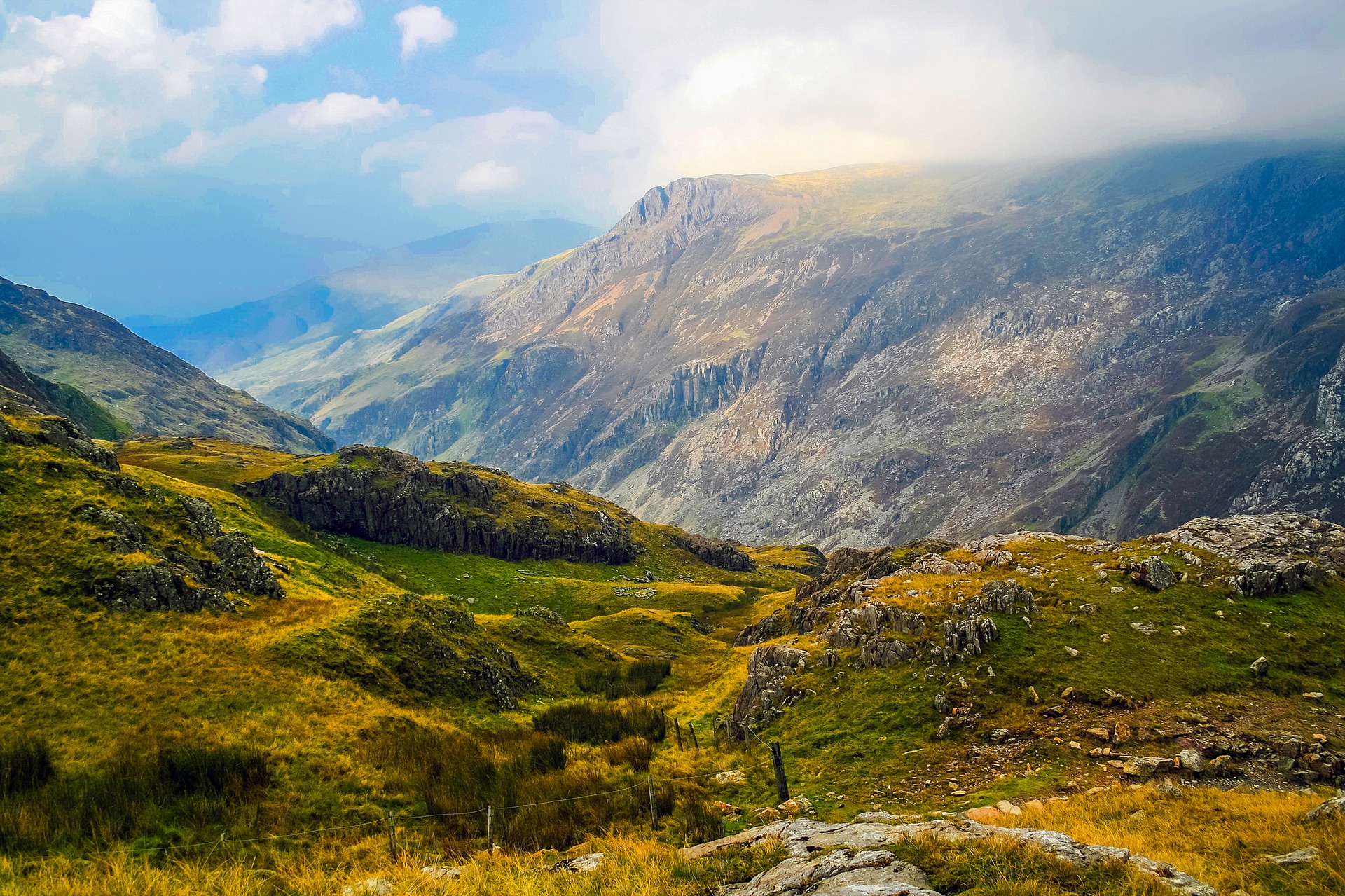
Wales mountainous regions were caused and shaped by the last Ice Age. There are 14 Welsh Mountains. Wales has three national parks, Snowdonia, Brecon Beacons and Pembrokeshire Coast. It has five areas of outstanding beauty; The Clwydian Range, Dee Valley, The Gower Peninsula, the Lyn Peninsula and the Wye Valley. The coastline of Wales has 40 Blue Flag designated beaches. Wales is one of the wettest countries in Europe, and often has cloudy, wet and windy weather with warm summers and mild winters.
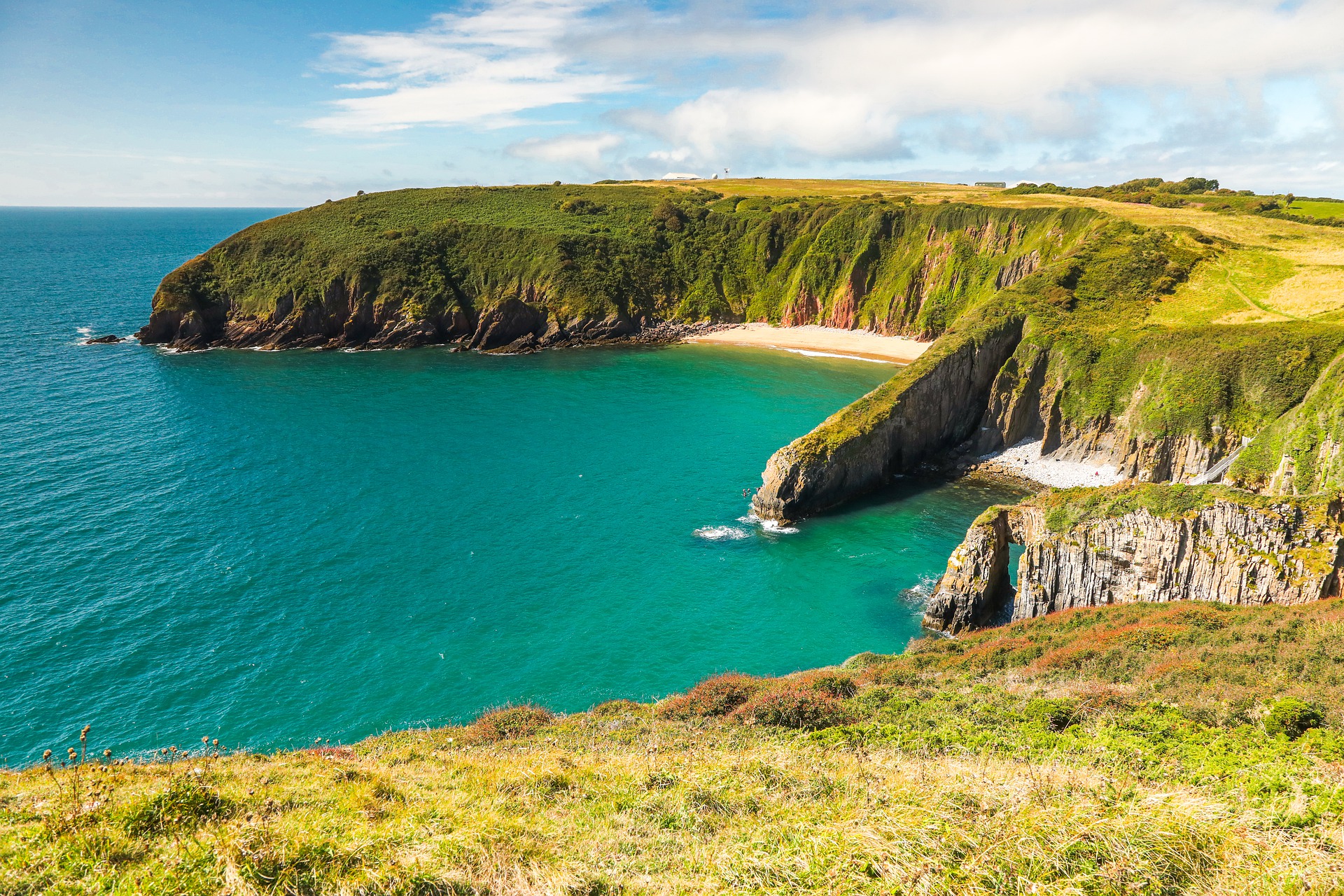
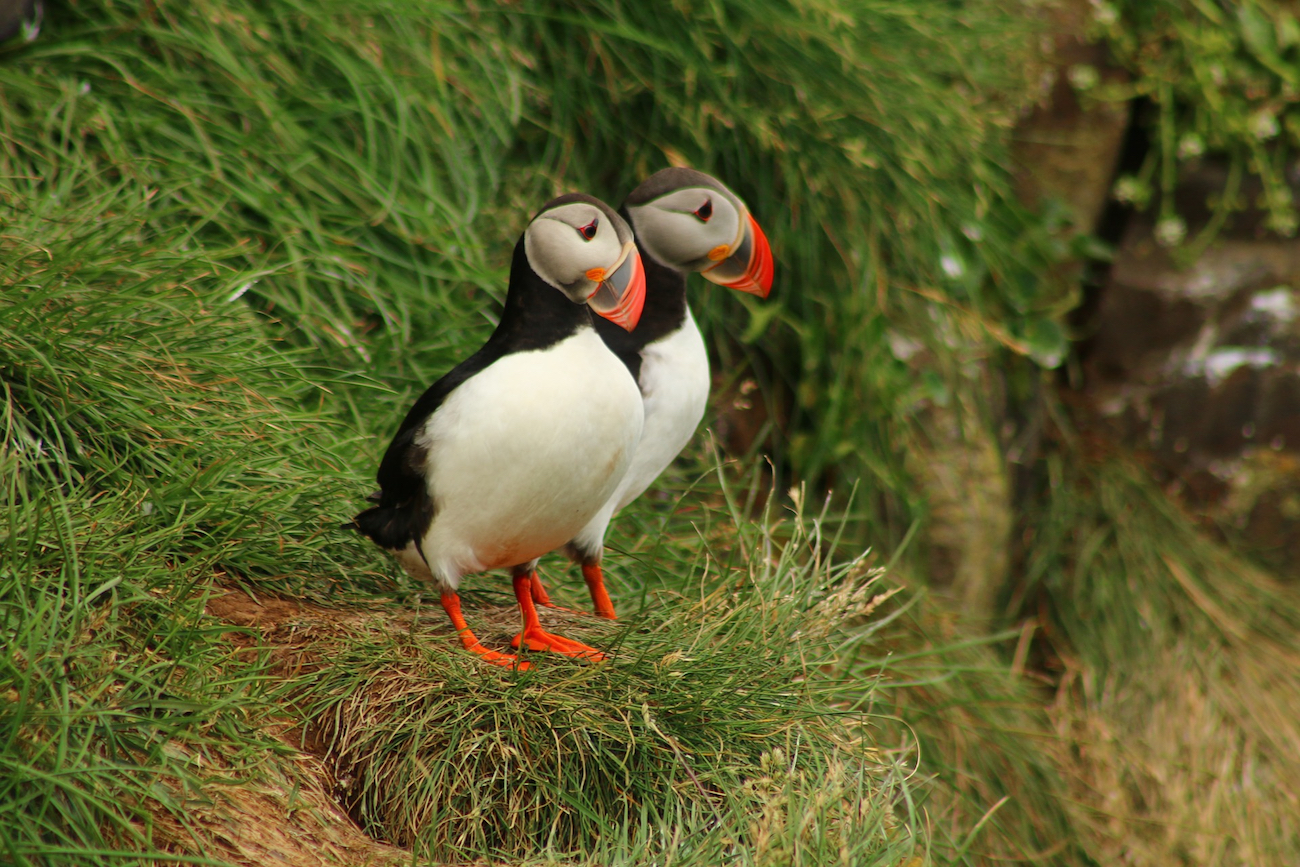
Fauna: Because of its long coastline, Wales has a large variety of seabirds. The list includes gannets, manx shearwater, puffins, kittiwakes, shags and razorbills. Upland birds include ravens and ring ouzel. Birds of prey are merlin, hen harrier and red kite. Red kite is a national symbol of Welsh wildlife. There are over 200 bird species. Mammals include shrews, voles, badgers, otters, hedgehogs, and 15 different species of bat. Ocean species include basking sharks, Atlantic grey seal, leatherback turtles, dolphins, porpoises, crabs and lobster. River fish are char, eel, salmon, shad, and sparling. Flora: There is a large variety of flowers and wildflowers. The list of species includes rosebay, willow herd, red campton, primrose, wild poppy, snowdrop, bluebells, orchids, daffodils, butter cups, and ivy.
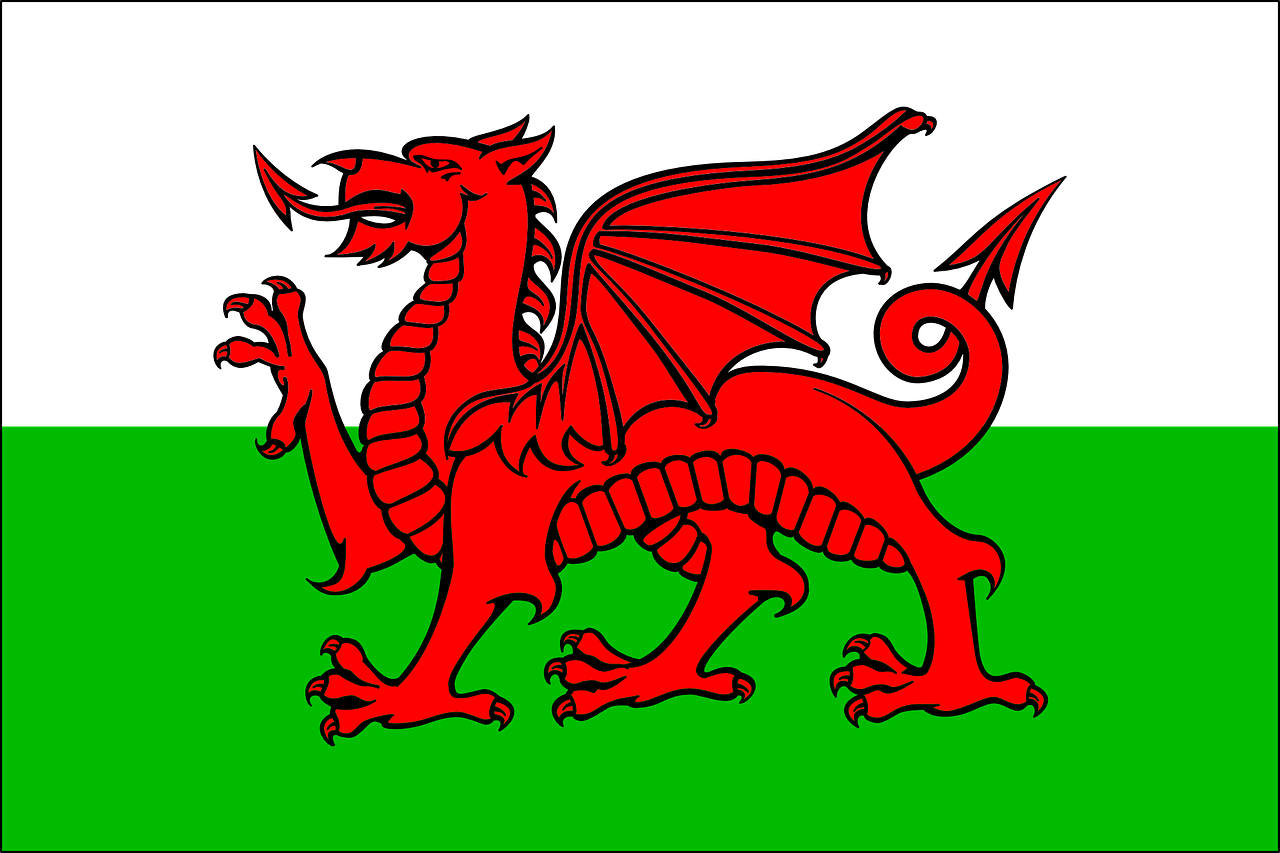
In Wales, heritage and tradition are all around. Celtic myths and legends have lost little of their power. These stories were meat and drink to the Cyfarwyddiadau-professional storytellers- and these stories have been told over and over again. They have gained layers of embellishment but there usually is a grain of fact. The best story of alI is about King Arthur and Merlin. Arthur may have been a 5th century leader and there are three lakes that claim they were the home of the sword Excalibur. Welsh is spoken by 750,000 people and is Britain’s oldest language. Legend holds that Arthur will return when the country is in trouble. Wales has over 600 castles. The symbol of Wales that appears on its flag is a red dragon. The leek and daffodil are also important Wales symbols. Historically, women had few rights. When the economy became more industrialized many women found work in factories. Women and children worked in factories and mines, but it was not until the beginning of the 20th century that women demanded more rights. There is a strong regard for arts and humanities and epic poems are a proud piece of Welsh history. Singing is the most important part of the Welsh tradition and has its roots in ancient traditions.
Welsh Tea Time Cakes
Cawl Meat and vegetables
Bara Brith Rich Fruit Cake
Laverbread Fine Seaweed
Glamorgan Sausage Meatless
Welsh Black Beef
Welsh Lamb
Welsh Cheese
Lamb Cawl Soup
Leeks
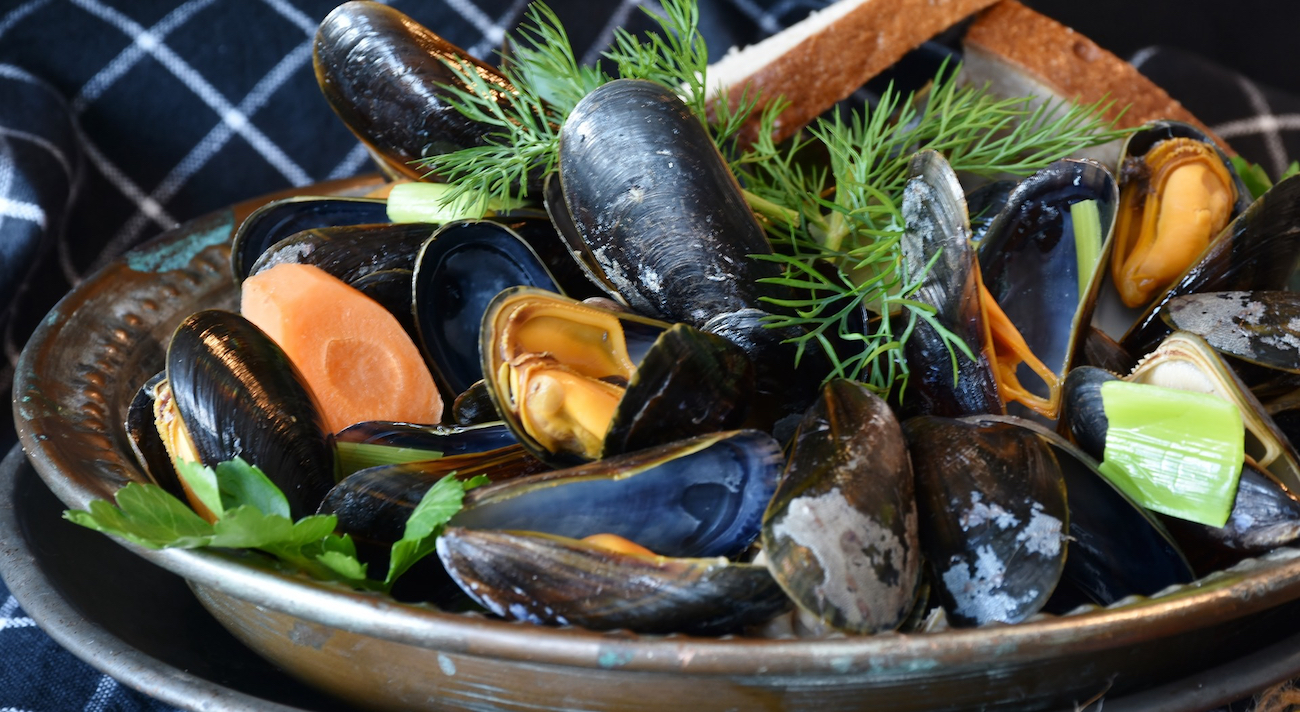
Conwy Mussels
Welsh Rarebit Cheese on Toast

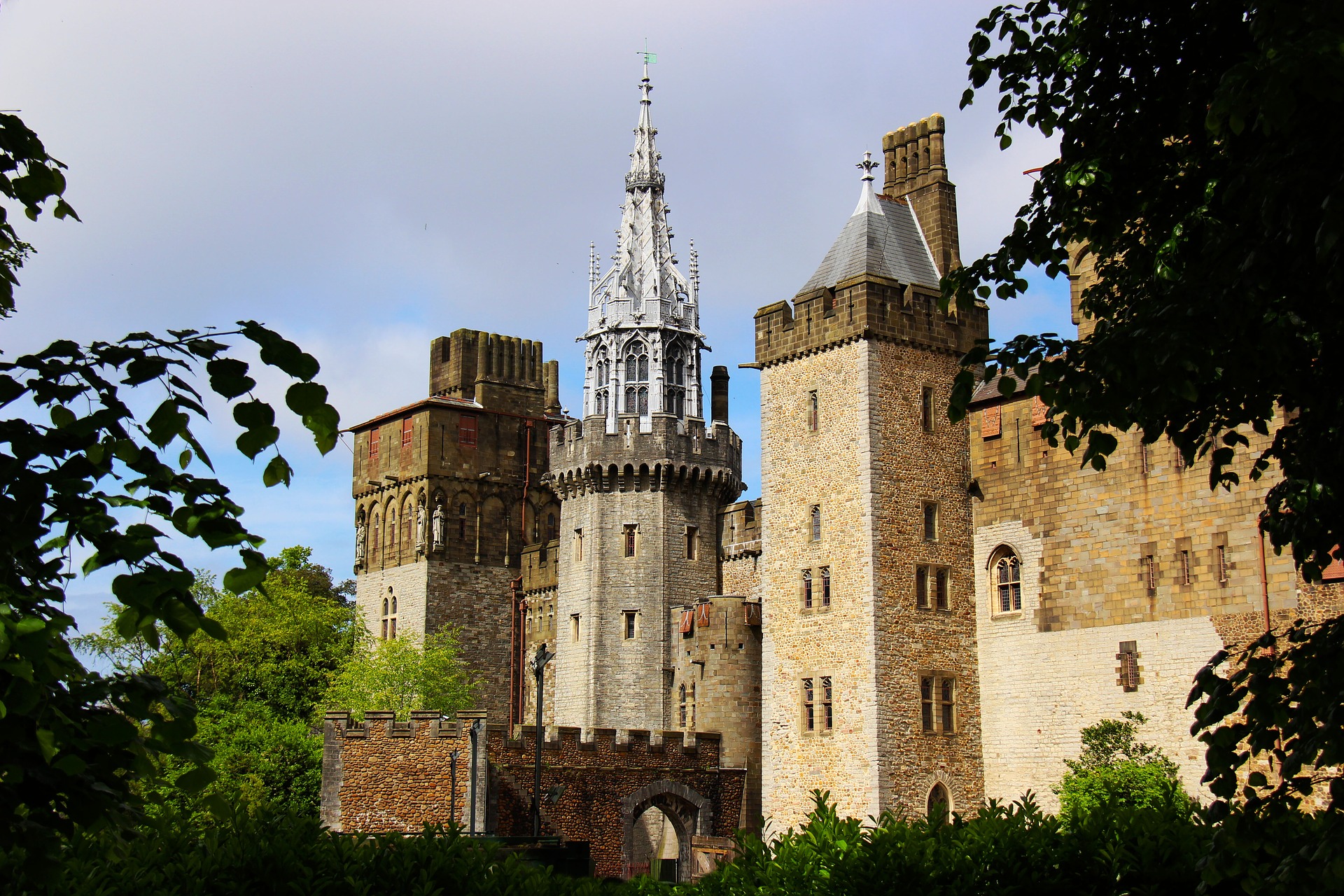
The City of Cardiff
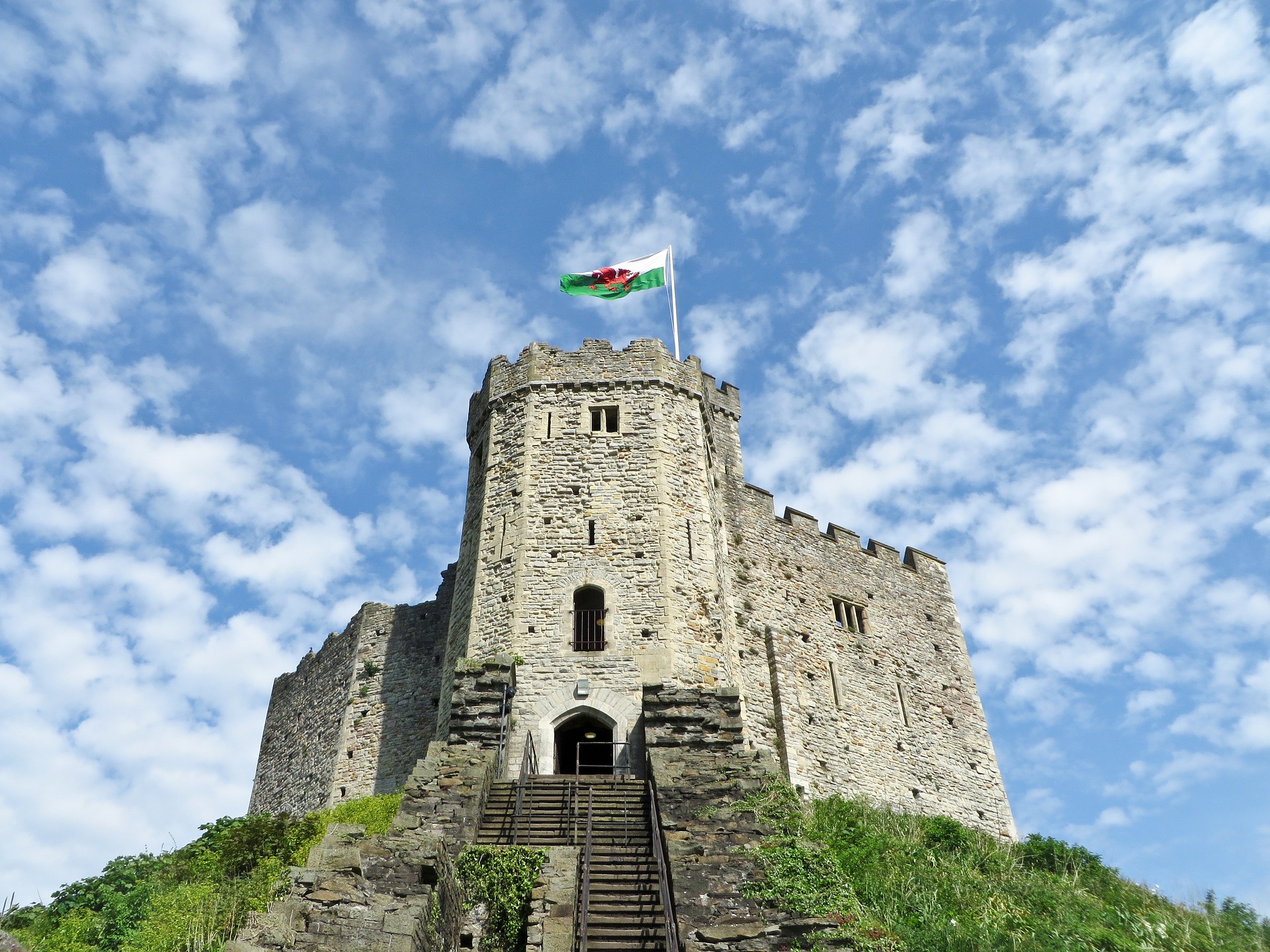
Cardiff is the capital and largest city of Wales with a population of 450,000. It forms a principal area known as the City and County of Cardiff. The city is the 11th largest in the UK. Cardiff is located in the southeast of Wales, and in the Cardiff Capital region, A small town until the 19th century, its prominence as a port for the export of coal grew its population. In 1905 it was ranked as a city and in 1955 became the capital of Wales. It is the main commercial center of Wales as well as the base for the Senedd. It is the most popular destination in Wales averaging over 20 million visitors a year.
Tourist Attractions
St. Fagans Natural Museum of History
Cardiff Castle
Cardiff Bay Piers and Boardwalks
National Museum Cardiff
Bute Park
Castell Coch Castle
Cardiff Bay Barrage Scenic walk
Techniquest Science Museum
Victorian Arcades
Roath Park Llandaff Cathedral
Caerphilly Castle
The City of Swansea
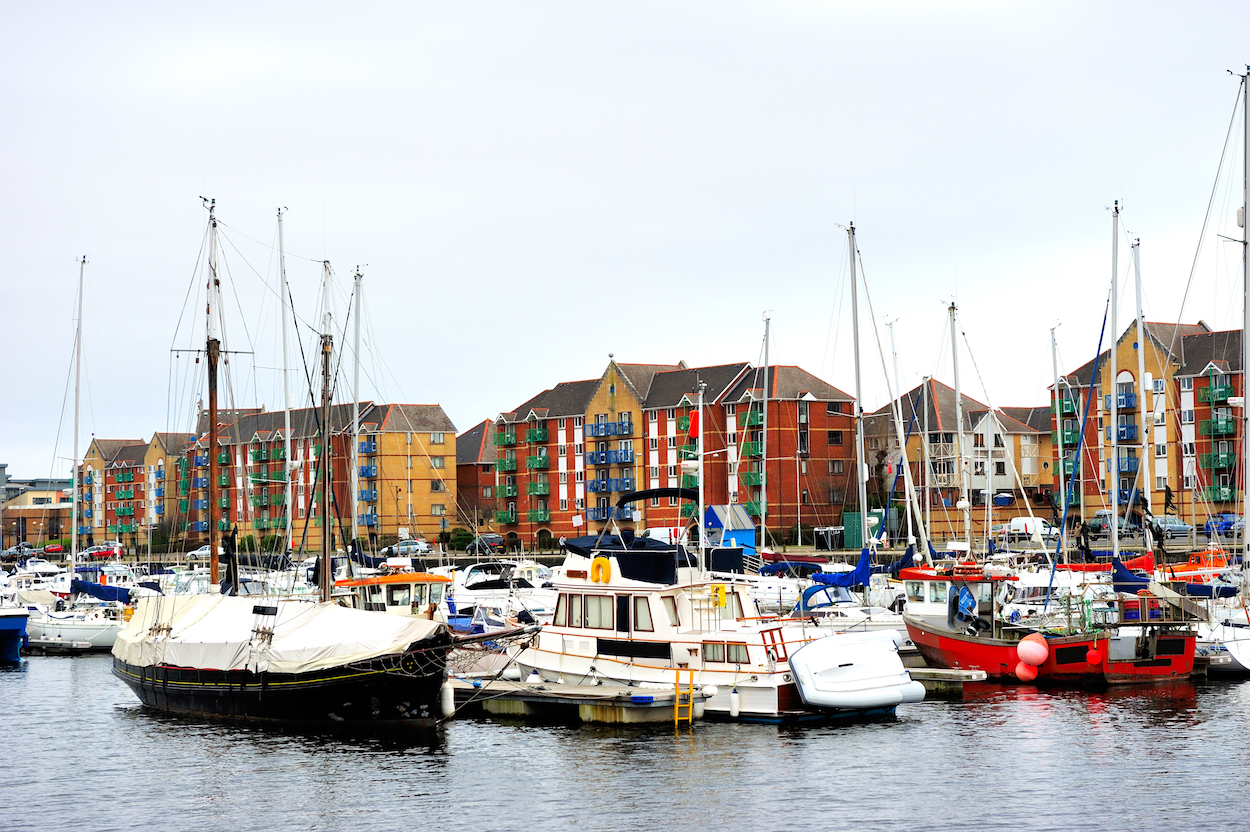
Swansea is a coastal city and county in the southwest of Wales. It is the second largest city in Wales with a population of 245,000. During its 19th century industrial heyday it was a key center of the copper-smelting industry earning the nickname Copperopolis.
Tourist Attractions:
National Waterfront Museum
Plantasia Public Hot House
Oystermouth Castle
Glynn Vivian Art Gallery
Norwegian Church
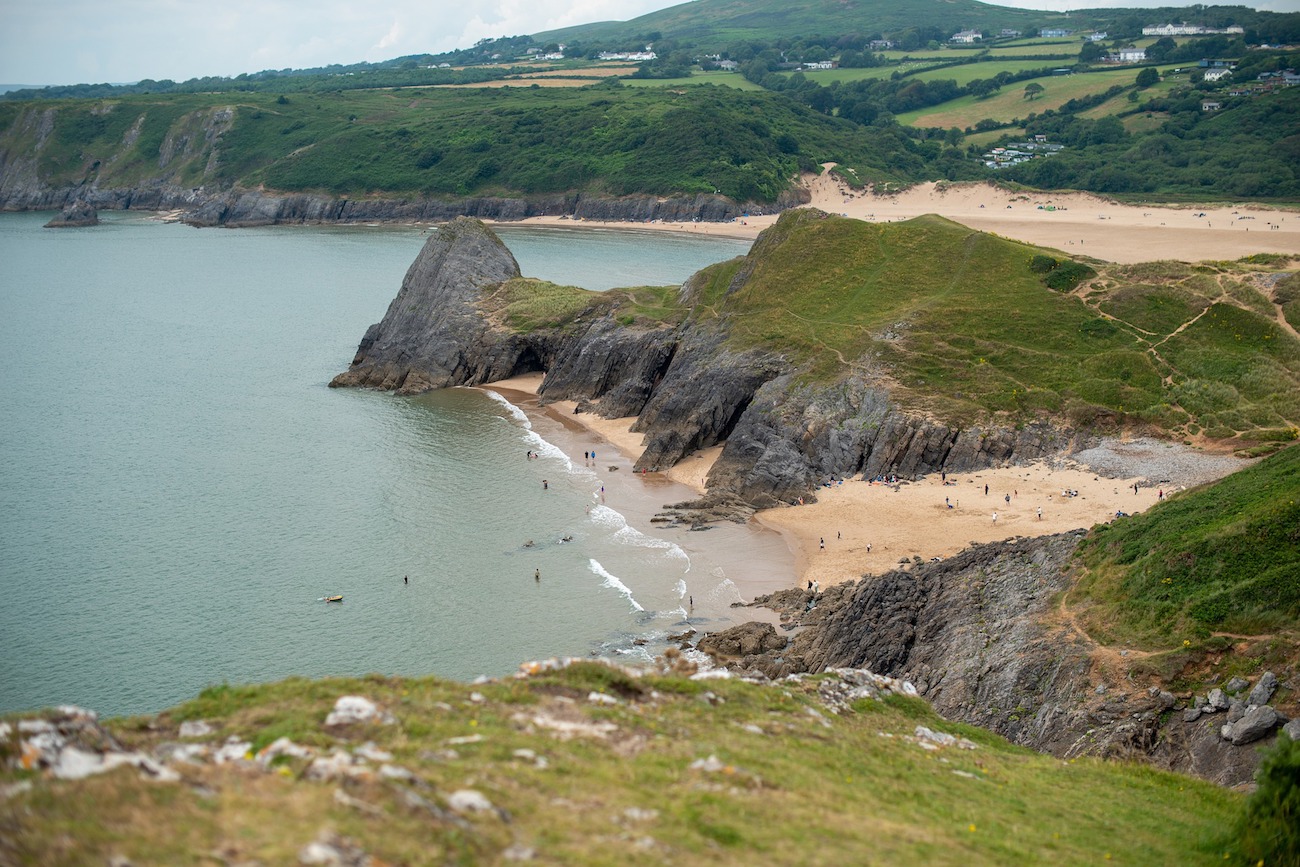
Three Cliffs Bay
Swansea Castle
1940’s Swansea Bay War Museum
Swansea Marina Nightlif
Swansea Beach
The City of Newport
Newport is a city and county borough in Wales situated on the River Usk close to its confluence with the Severn Estuary 12 miles northeast of Cardiff. With a population of 128,000 Newport is the third largest city in Wales by population. Newport became a city in 2002 and is part of the Cardiff-Newport Metropolitan area. In 1839, Newport was the site of the last major insurrection in Great Britain (The Newport Rising). Newport has been a port since medieval times when the first Newport Castle was built by the Normans. The town outgrew the earlier Roman town of Caerleon. Newport gained its first Charter in 1314 and rapidly grew in the 19th century when it became a center for coal exports. In the 20th century the docks declined in importance but Newport remained a center for engineering and manufacturing.
Tourist Attractions:
Tredegar House
Newport Transportation Bridge
Newport Wetlands
Caerleon Roman Fortress and Baths
Newport Museum and Art Gallery
Newport Medieval Ship Project Museum
The City of Wrexham
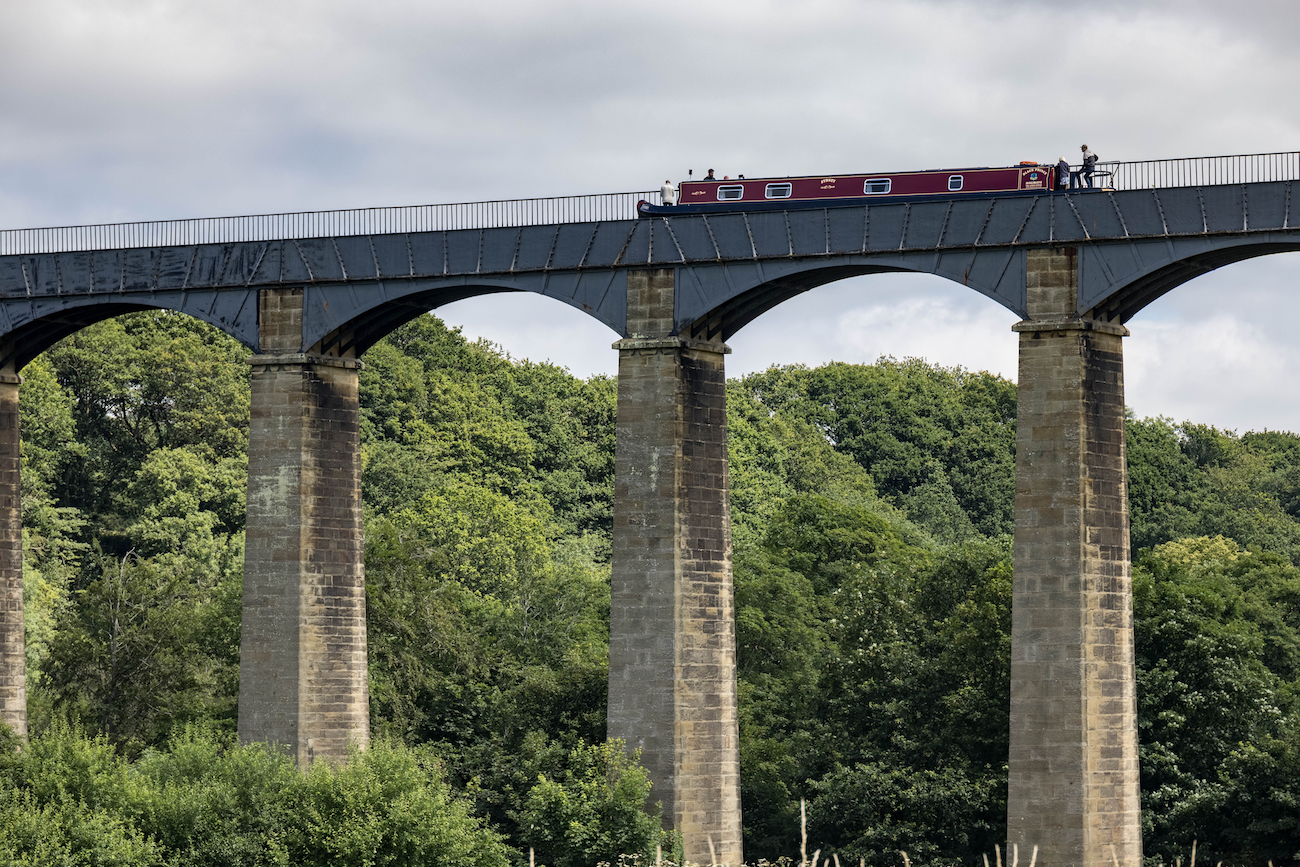
Wrexham is a large market town and administrative center of Wrexham County Borough in Wales. It is located between the Welsh Mountains and the Lower Dee Valley. The town became part of Clwyd in 1974 and is the principal center of Wrexham County. It has a population of 62,000 and is the fourth largest city in Wales. Historically, it is one of the earliest settlements in Wales. It was founded prior to the 11th century and in the Middle Ages developed as a regional center for trade and administration. In the 19th century, the town was a hub for coal and lead mining, the production of iron and steel, leather and brewing. Today, the town still serves as a center for administration, manufacturing, retail and education.
Tourist Attractions:
Pontcysyllte Aqueduct
Erddig Historic Building
St, Giles Parish Church
Wrexham County
Borough Museum
Hope Mountain
Maes-y-Pant Quarry
The City of Barry
Barry is situated in South Wales and has a population of 55,000 making it the fifth largest city in Wales. Barry was created as a result of the Industrial Revolution, the coal fields and the building of needed docks and railways. Archaeological finds from the Stone, Bronze and Iron Ages have been found. The Romans were here as were the Vikings. In the Middle Ages, Barry was an important place for religious pilgrims. In the 18th century it was a home for smugglers and pirates. By 1913, Barry was the largest coal export port in the world. Barry really flourished starting in 1896 when Barry Island was linked with the main land and became a tourist destination.
Tourist Attractions:
Whitmore Bay Beach
Barry Tourist Railway
The Wales Coast Path
St. Cadoc’s Church
Barry War Museum
High Street
Fonmon Castle
No Tour Found
No Tour Found